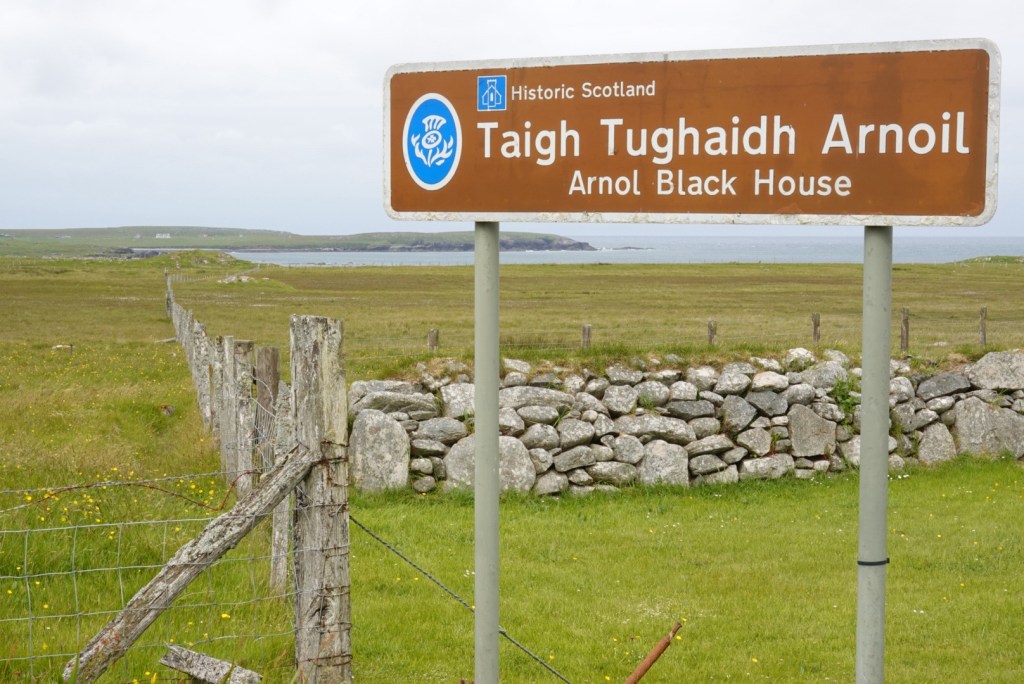
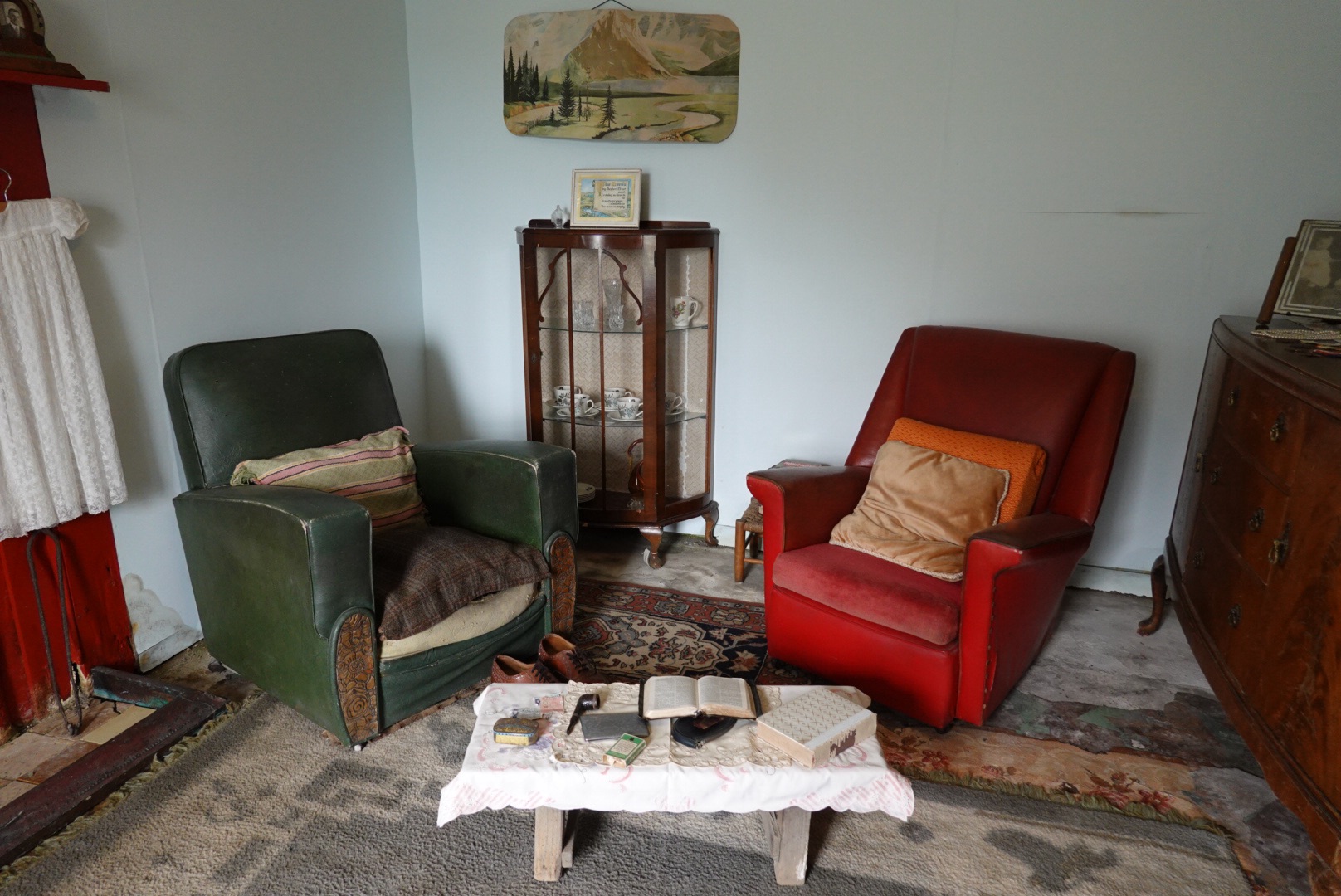
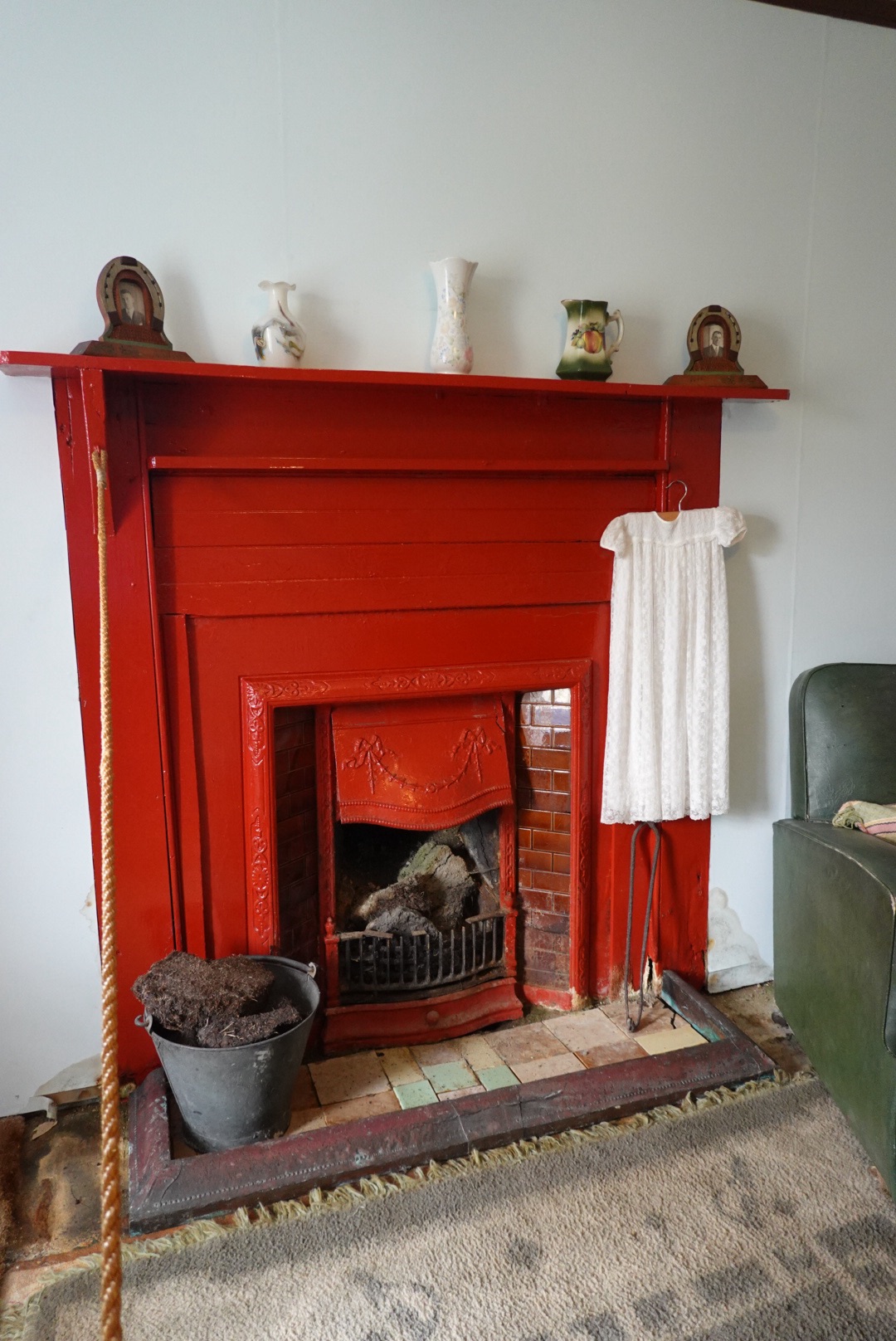
In the morning on Wednesday, cloudy but not foggy, we drove to the Blackhouse on the west coast of Lewis. This showed how people lived in the past century, up until the mid 1900s.
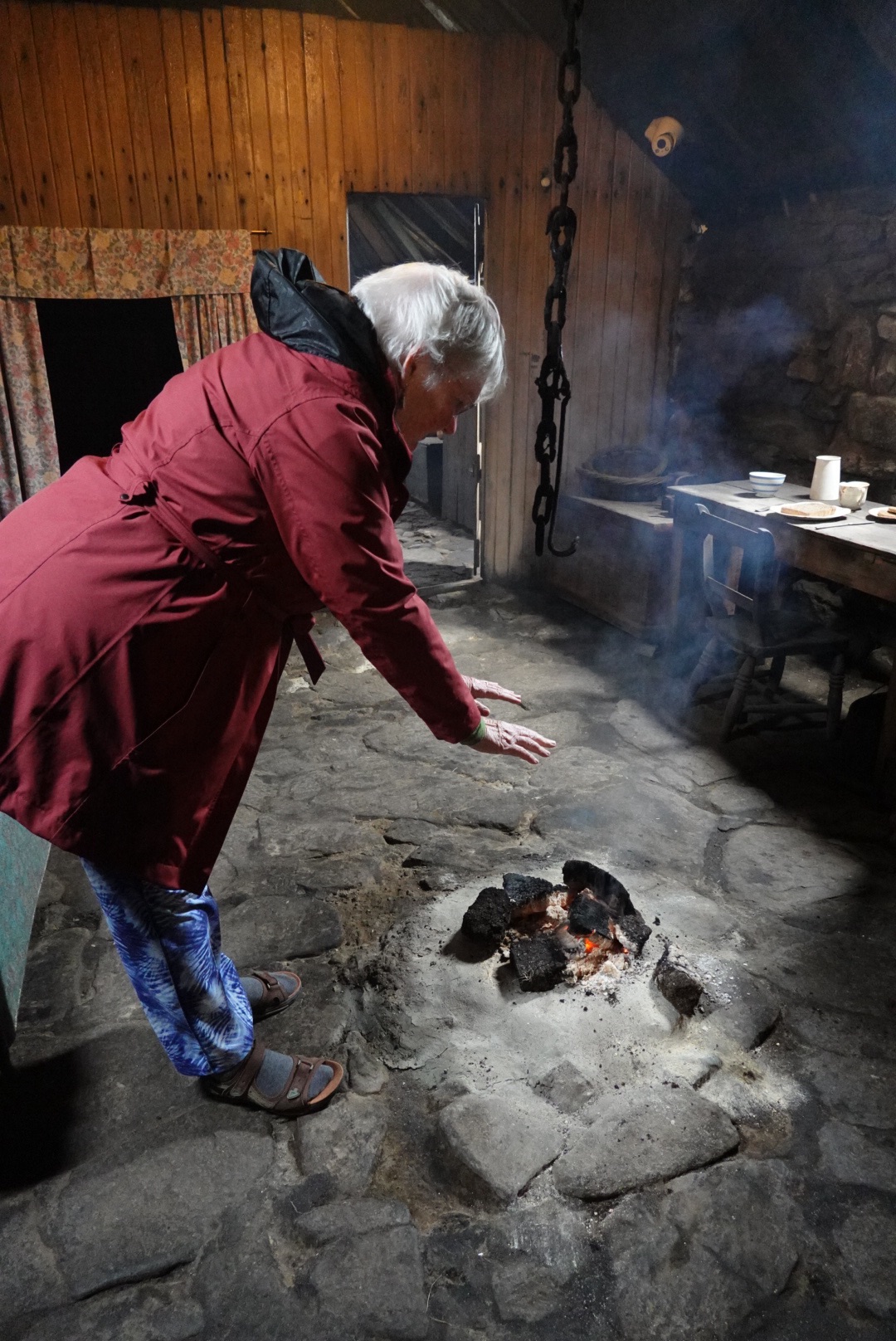
People lived in stone houses with little ventilation for a long time in the past, similar to what we saw at the Highland Folk Museum on our first day. A peat fire in the center of the house issued smoke up toward the ceiling, where it stayed a long time, smoking the meat for preservation. If you stayed in the house very long, you smelled like peat, too.
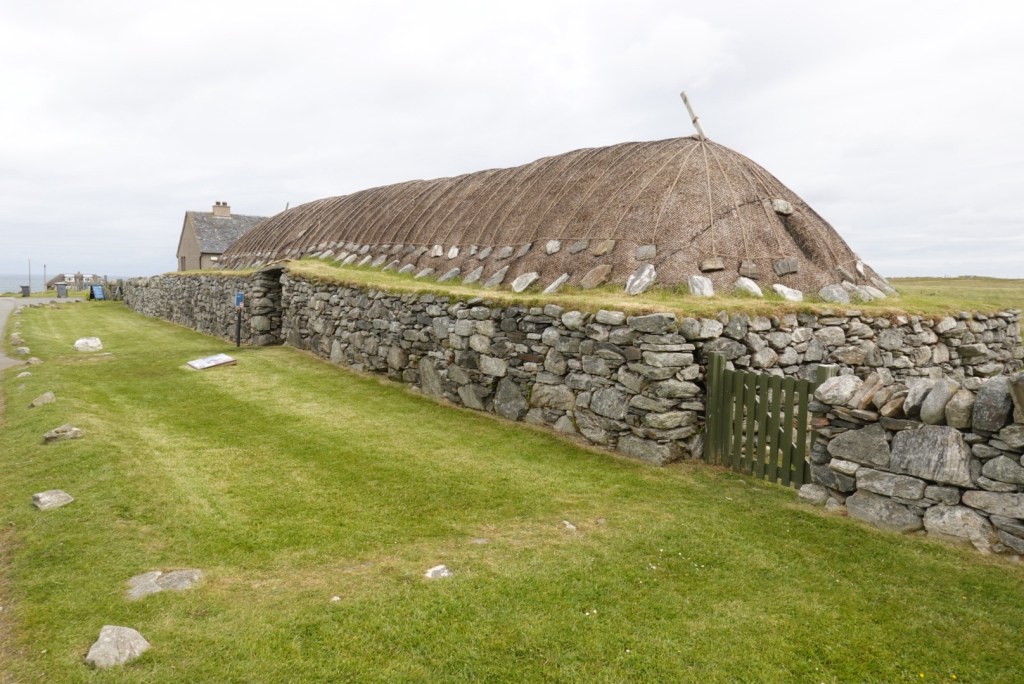
The house was long and narrow, partly because the animals were also sheltered there. Peat smoke prevented intrusion of many insects, and the animals helped warm the house. It is difficult to imagine the variety of odors in the house which would presumably be masked by the peat fire, which was kept burning continuously.
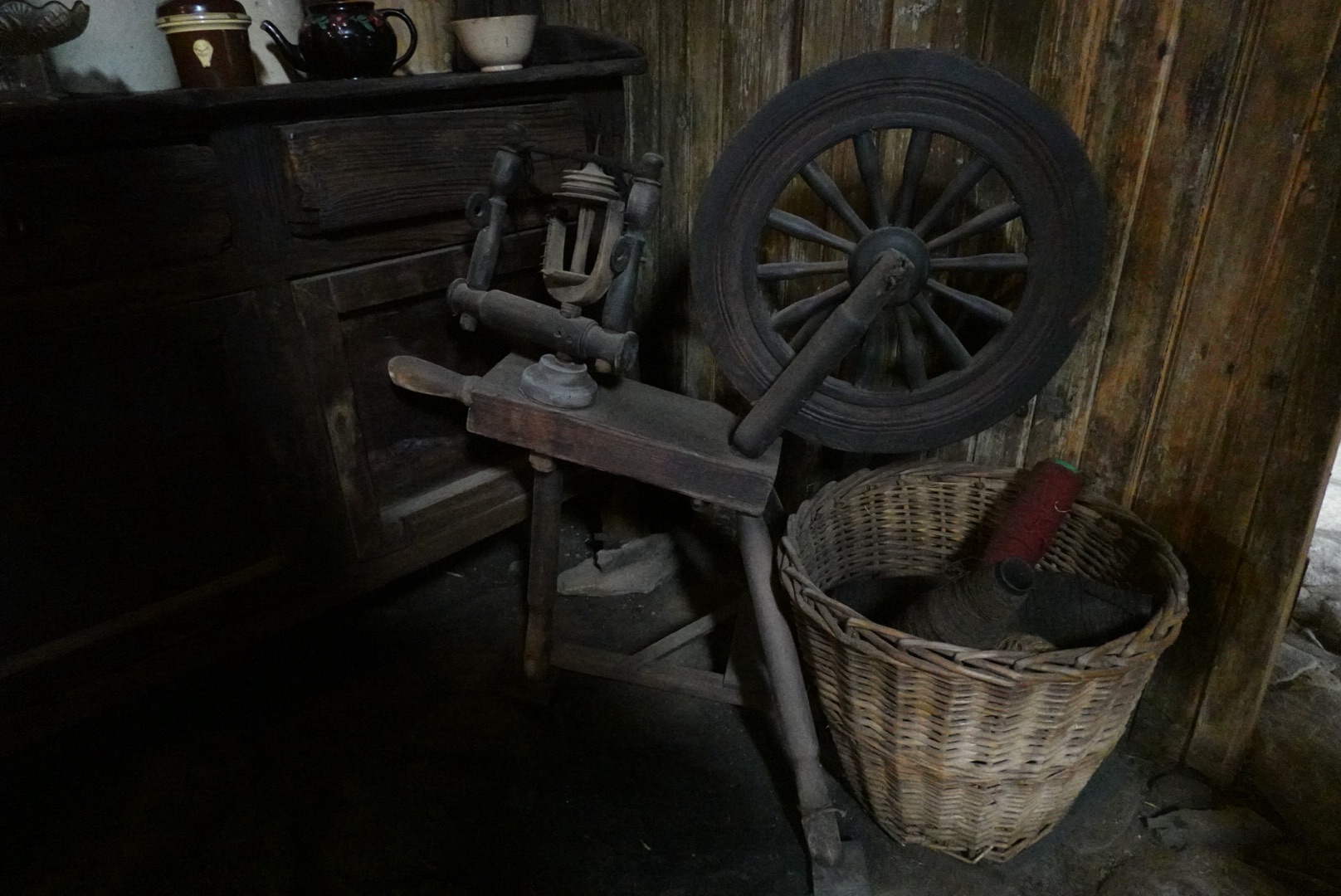
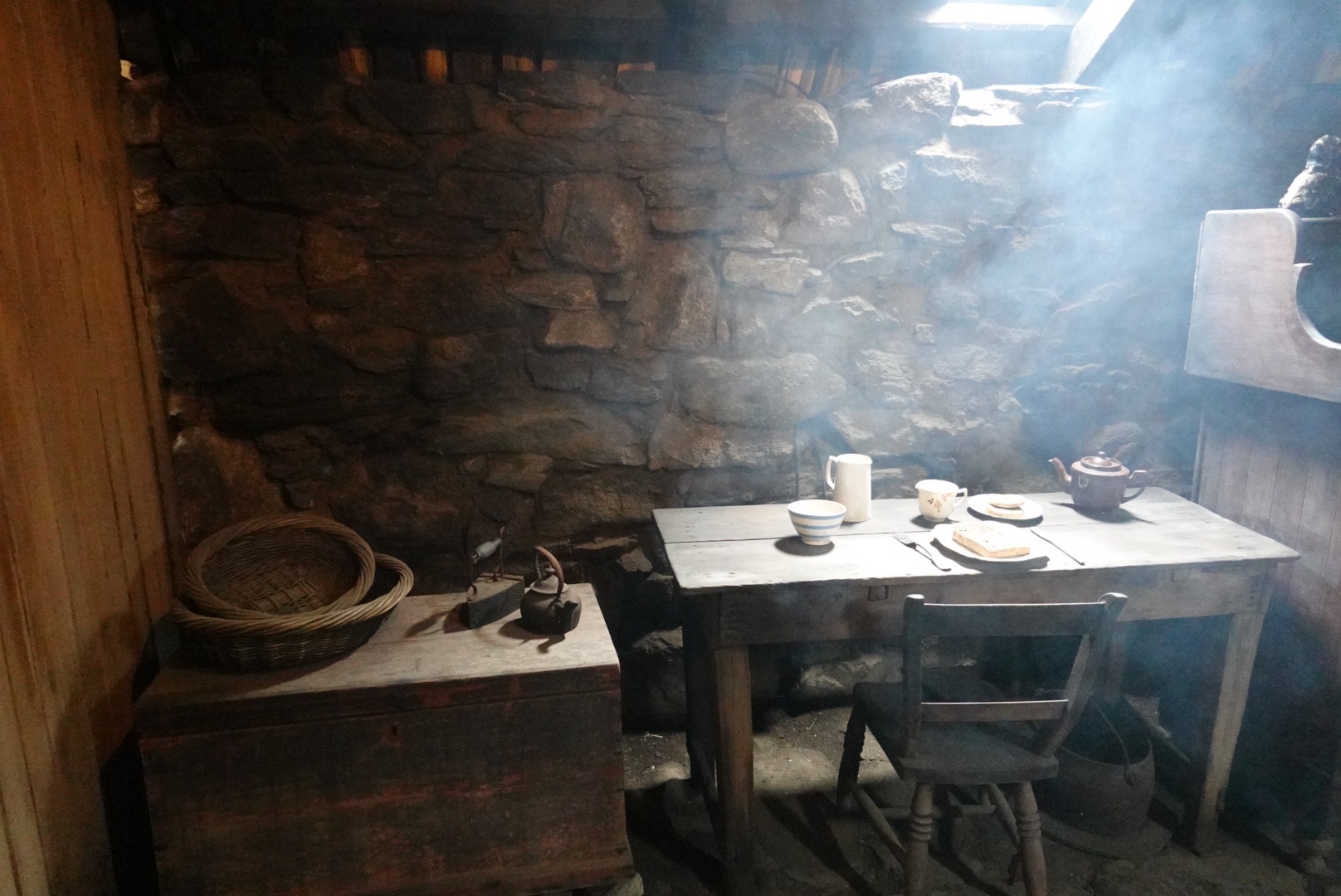
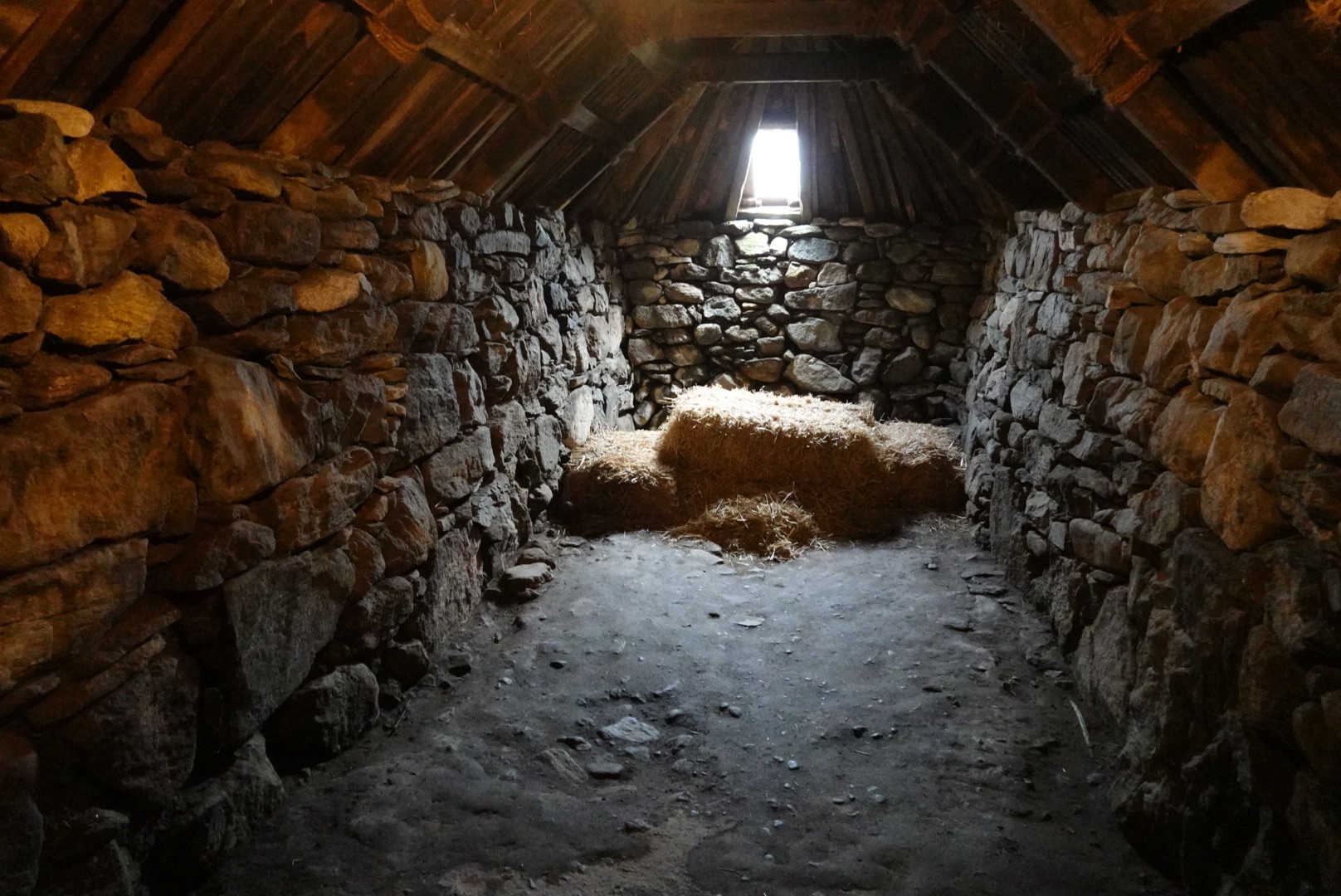
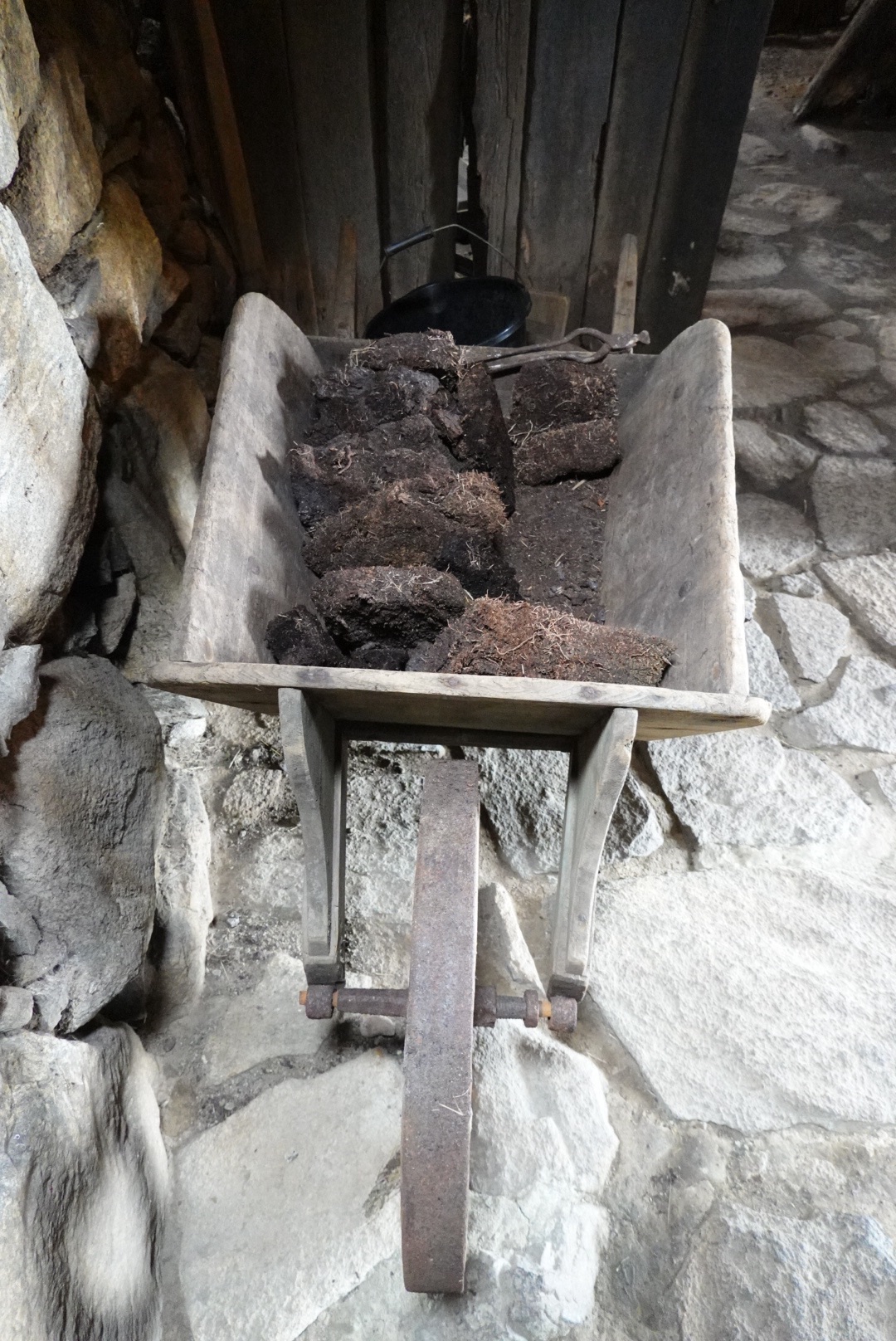
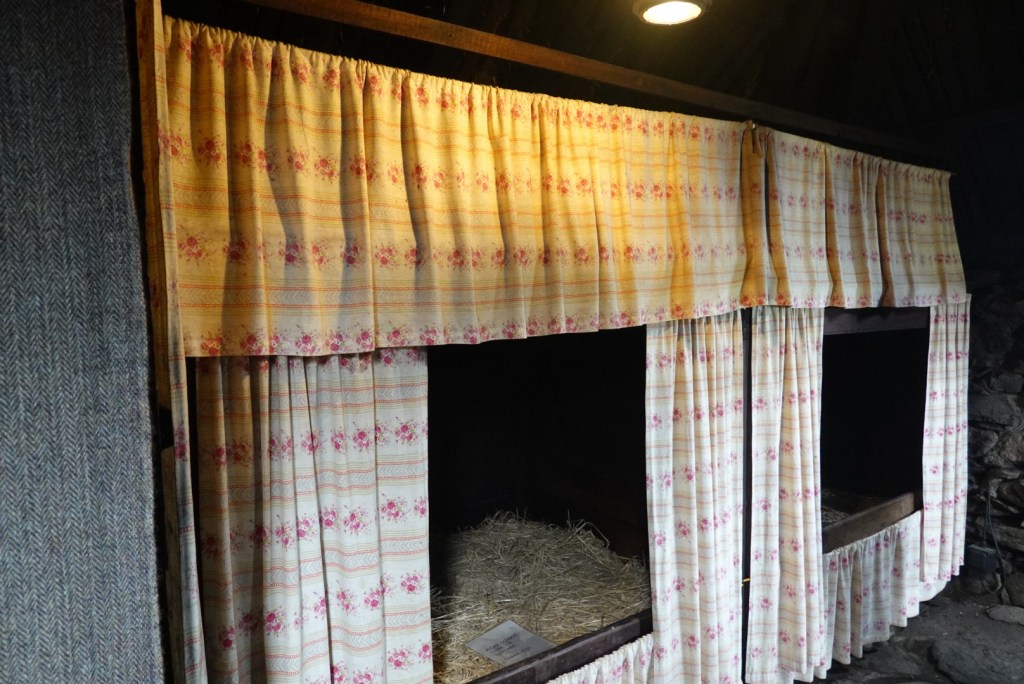
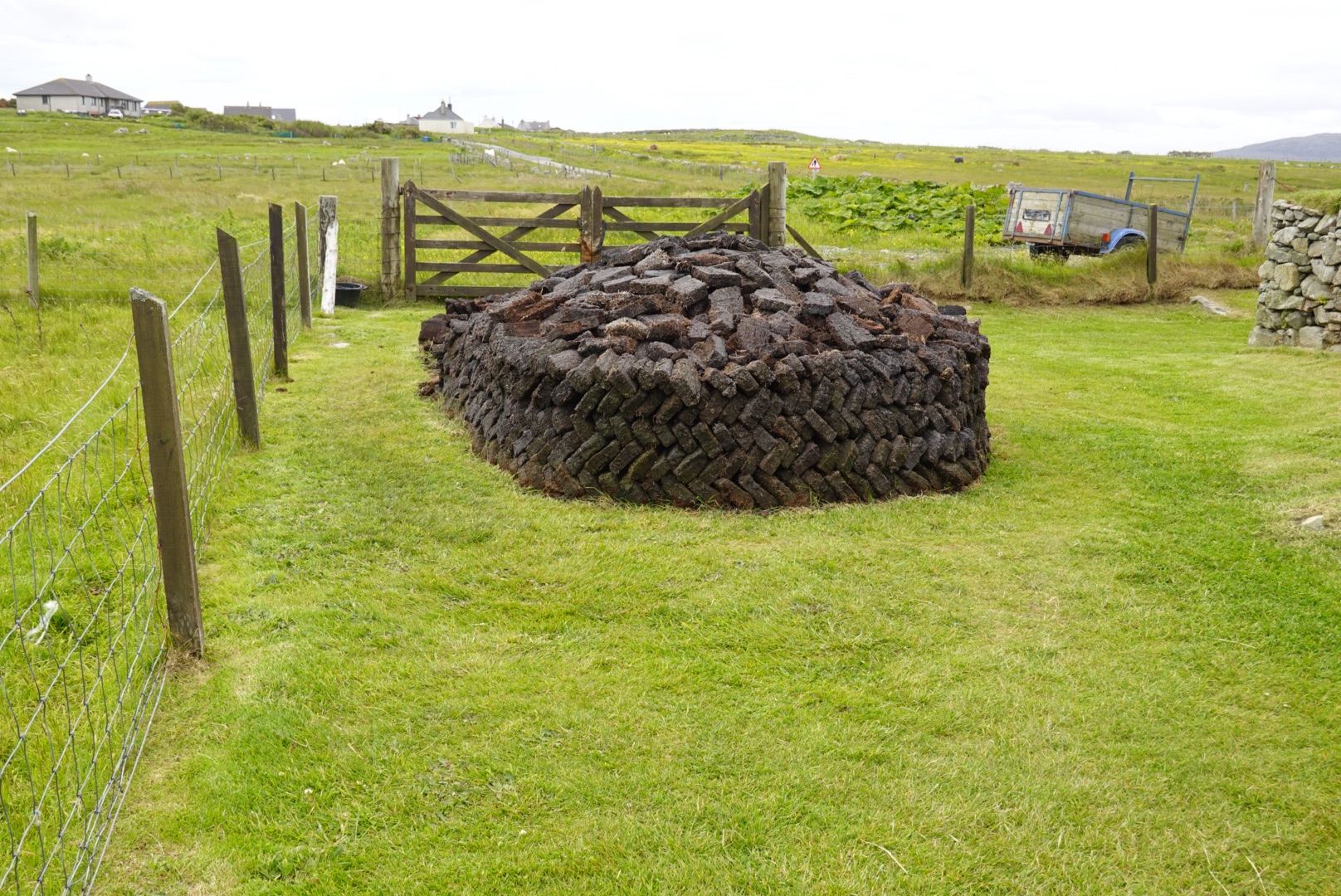
Several structures in various states of ruin were at the same site.
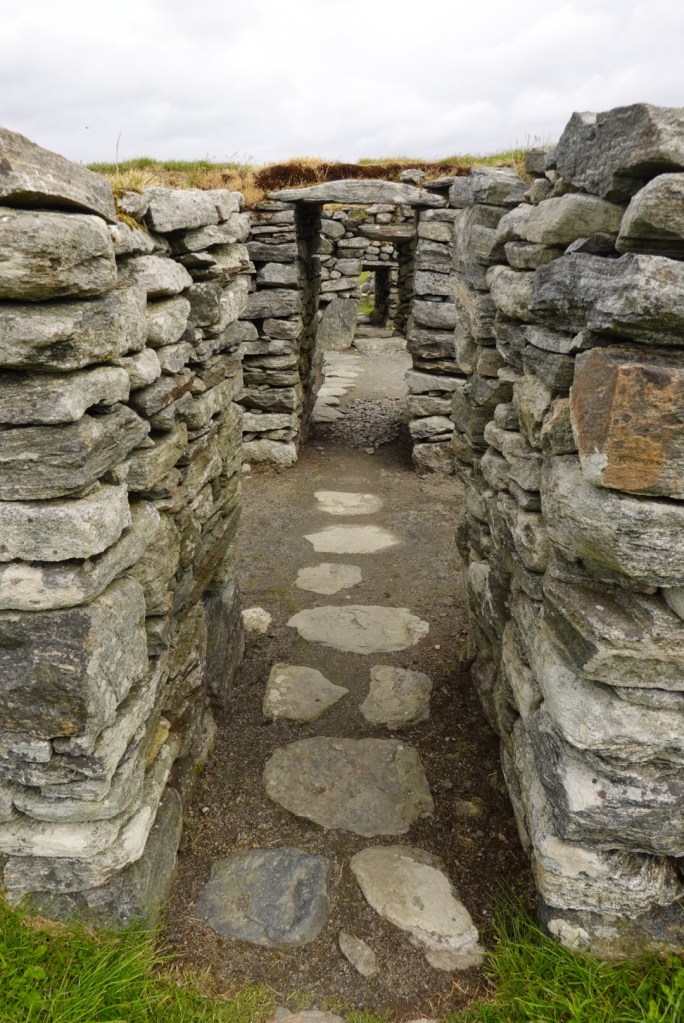
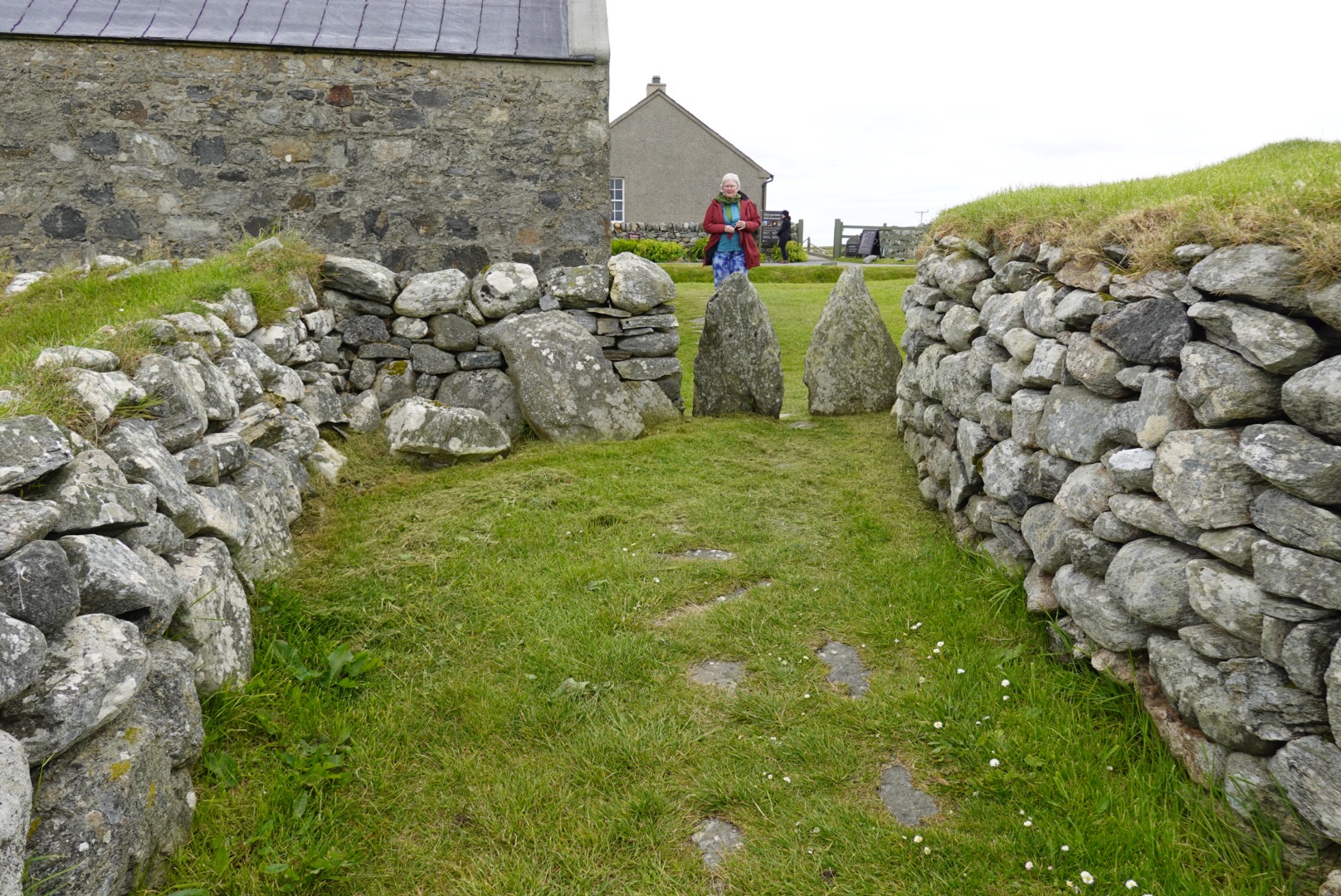
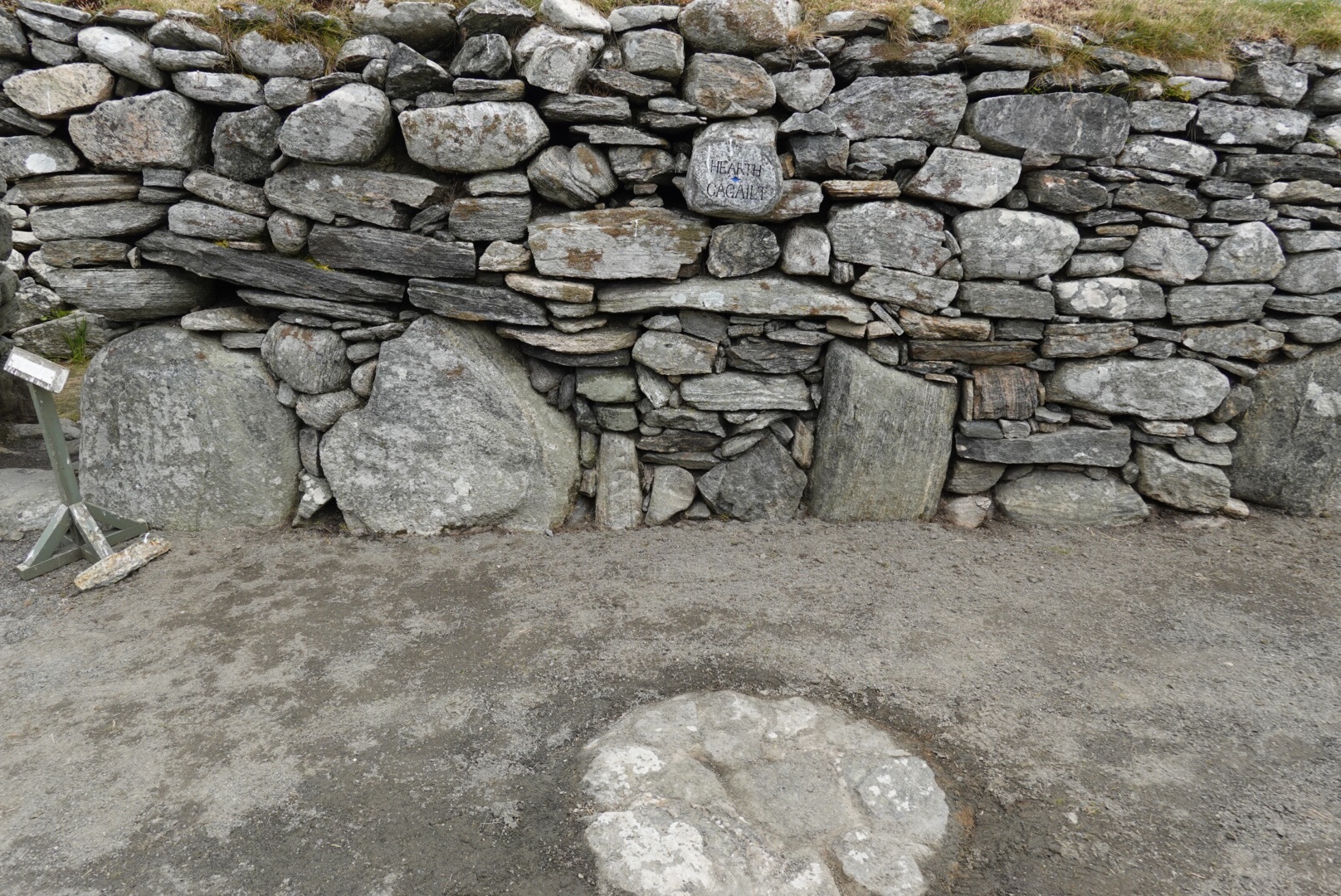
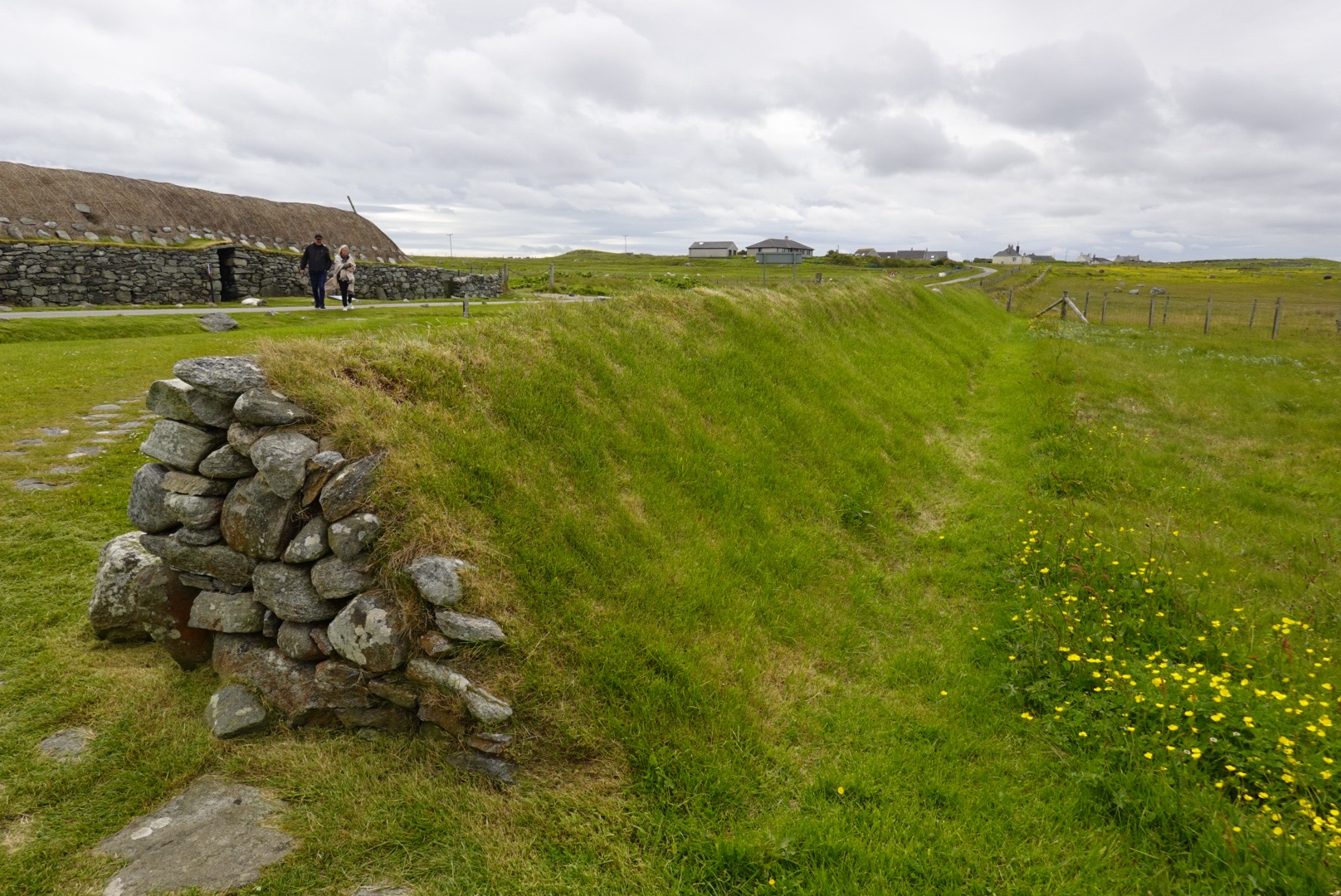
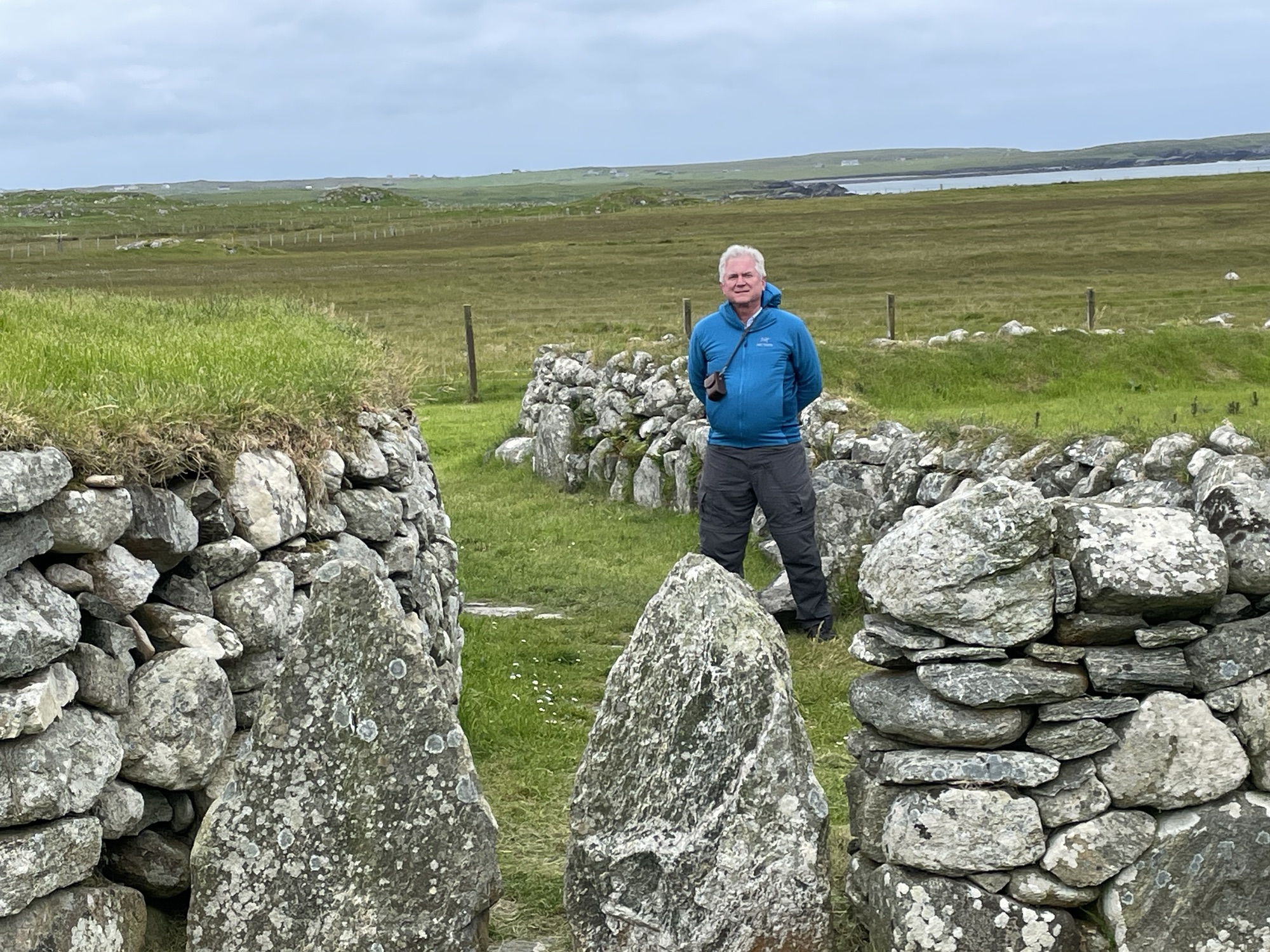
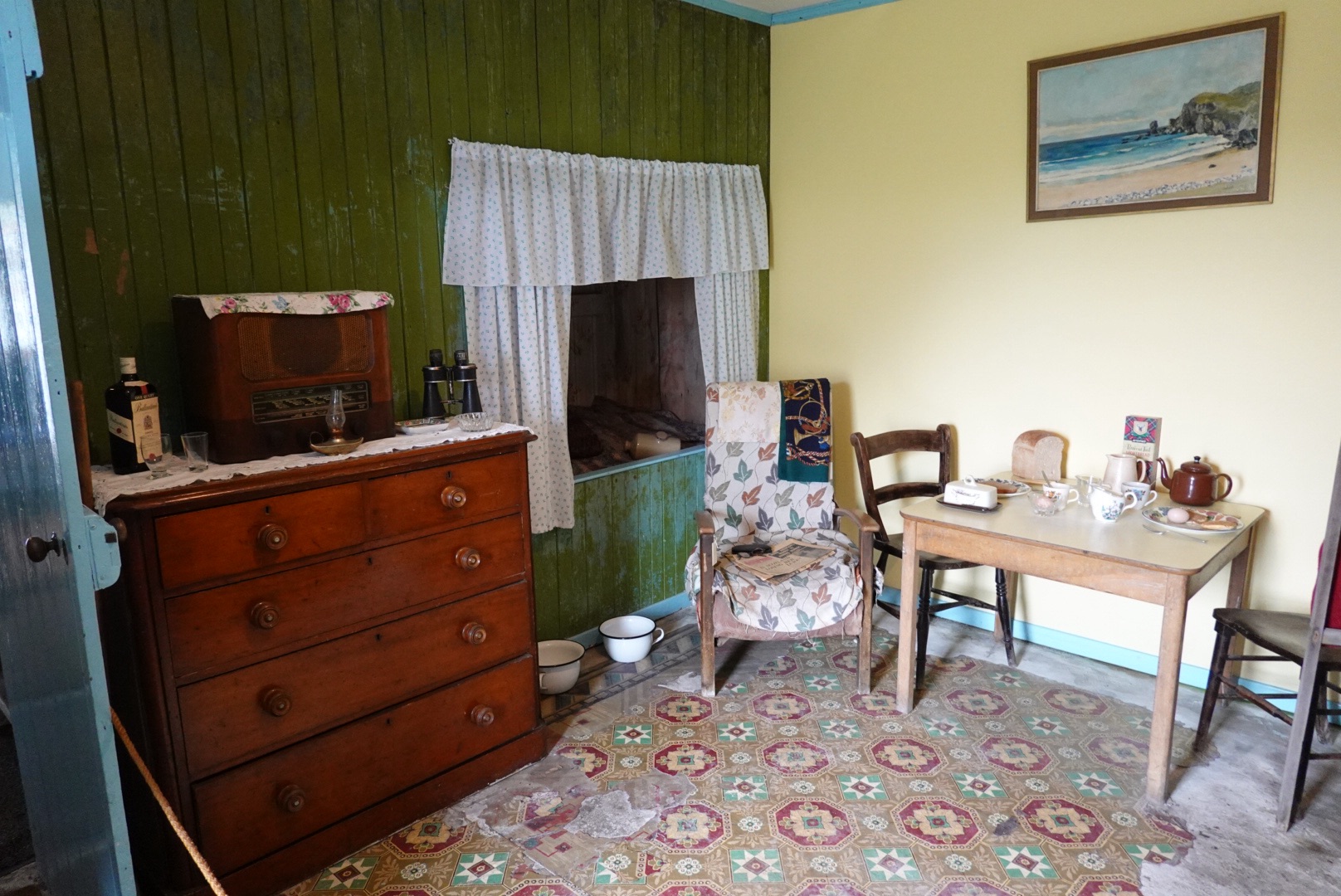
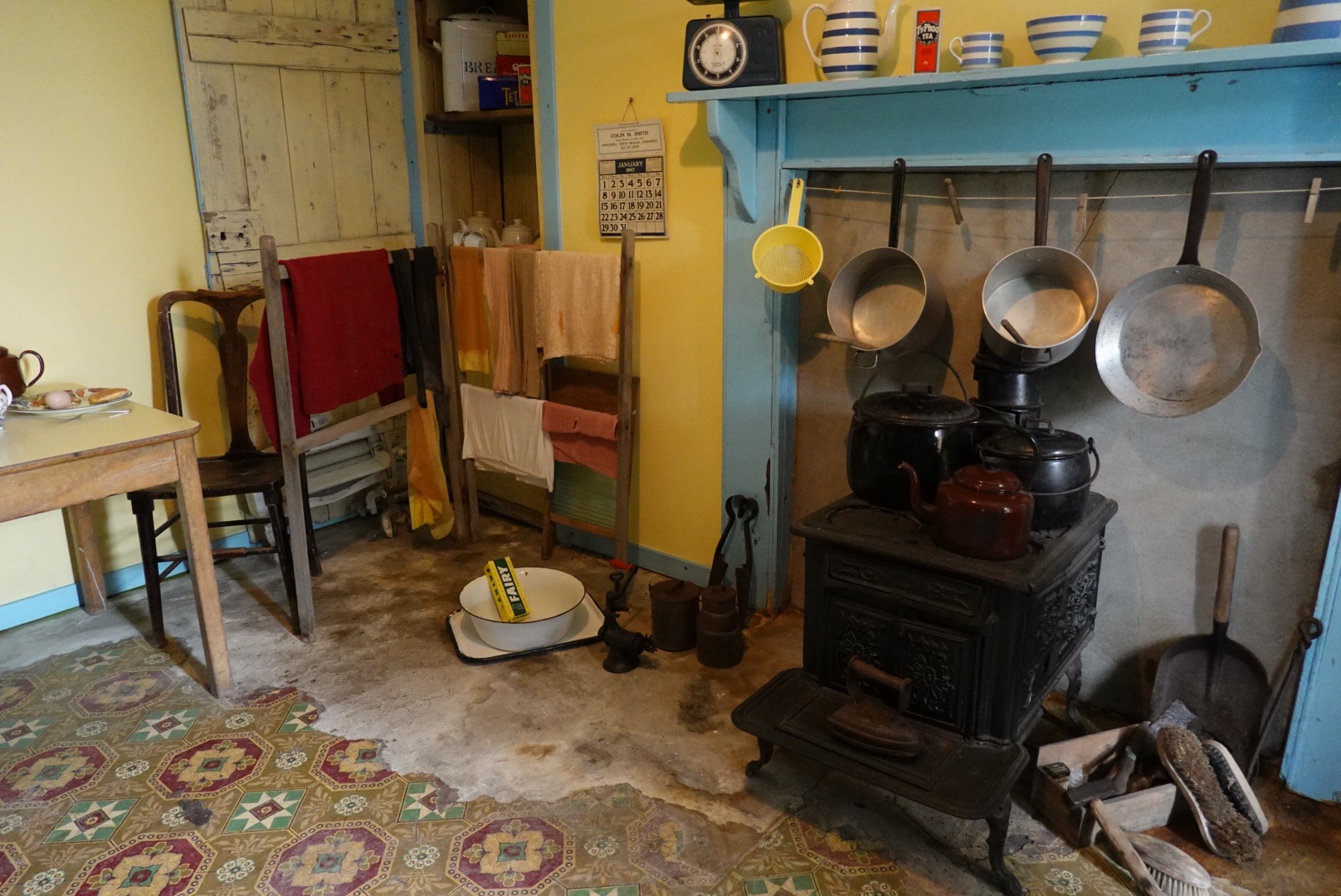
The last building was preserved from 1967. This made us feel old – we remember some of these artifacts and they are now in a history museum?
Lews Castle
The Lews Castle in Stornoway, in view of our hotel. Its blocky structure tells us that this is a much more recent building than others we have seen so far on this trip.
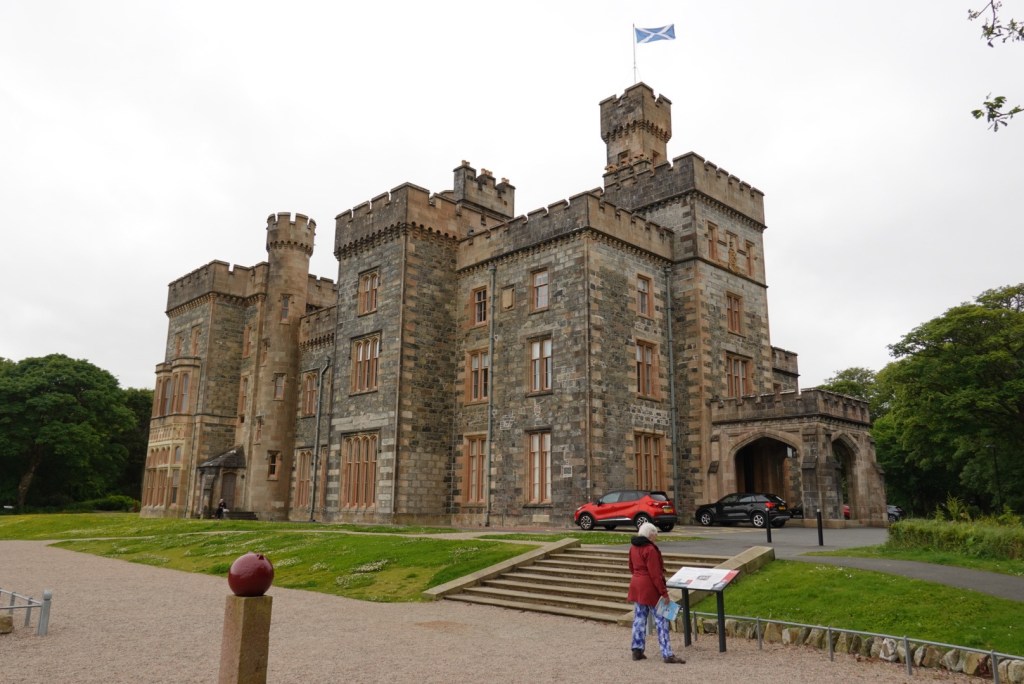
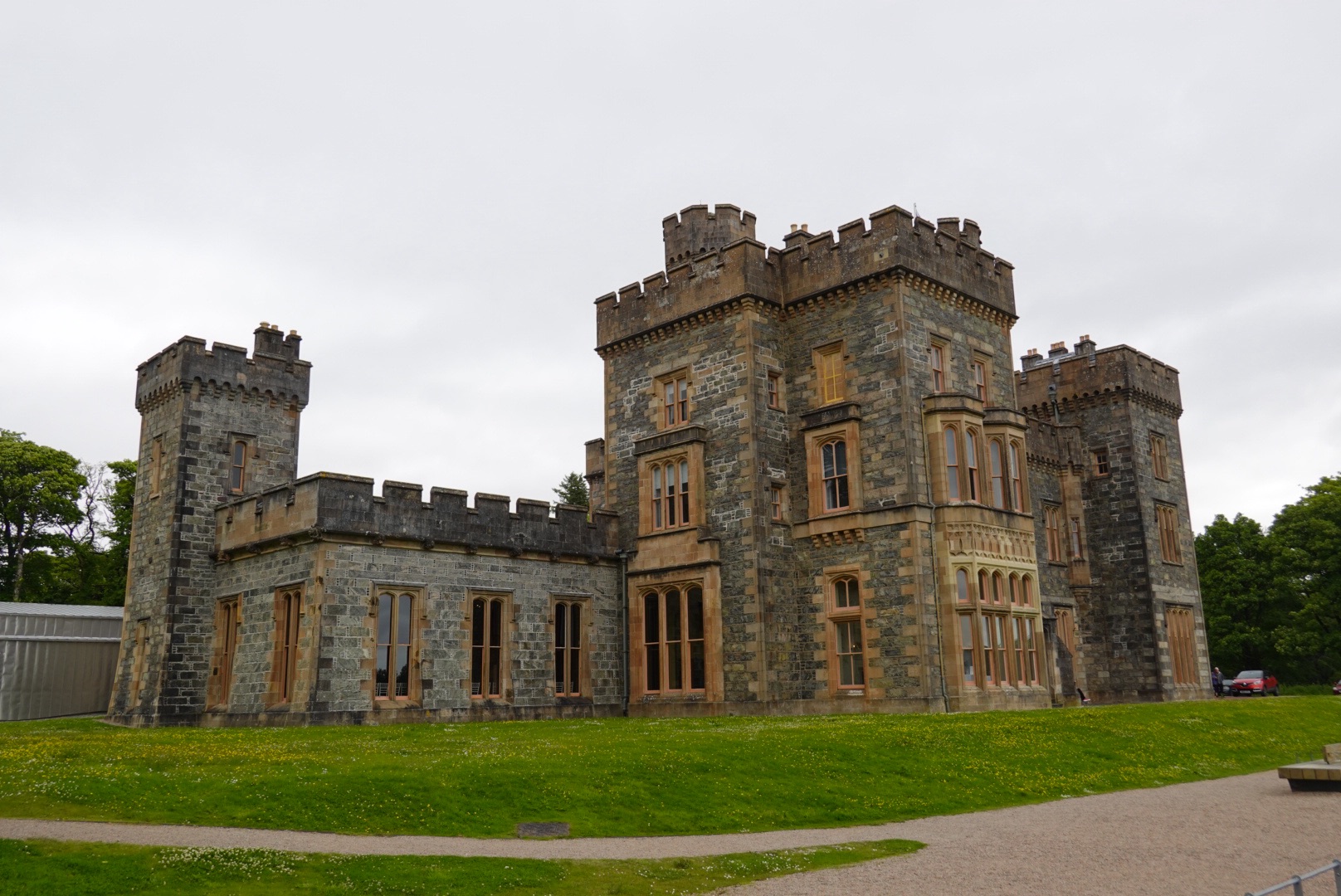
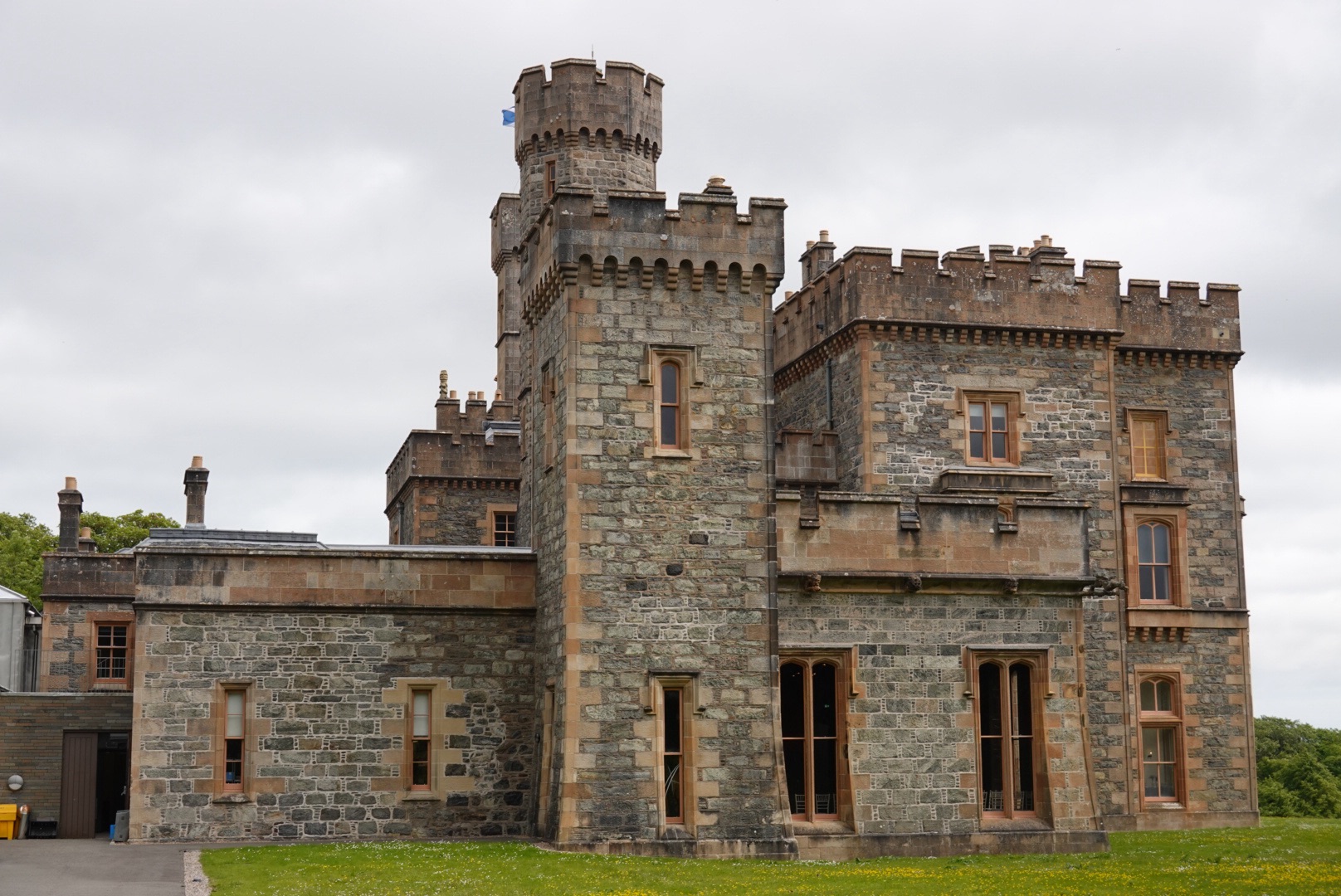
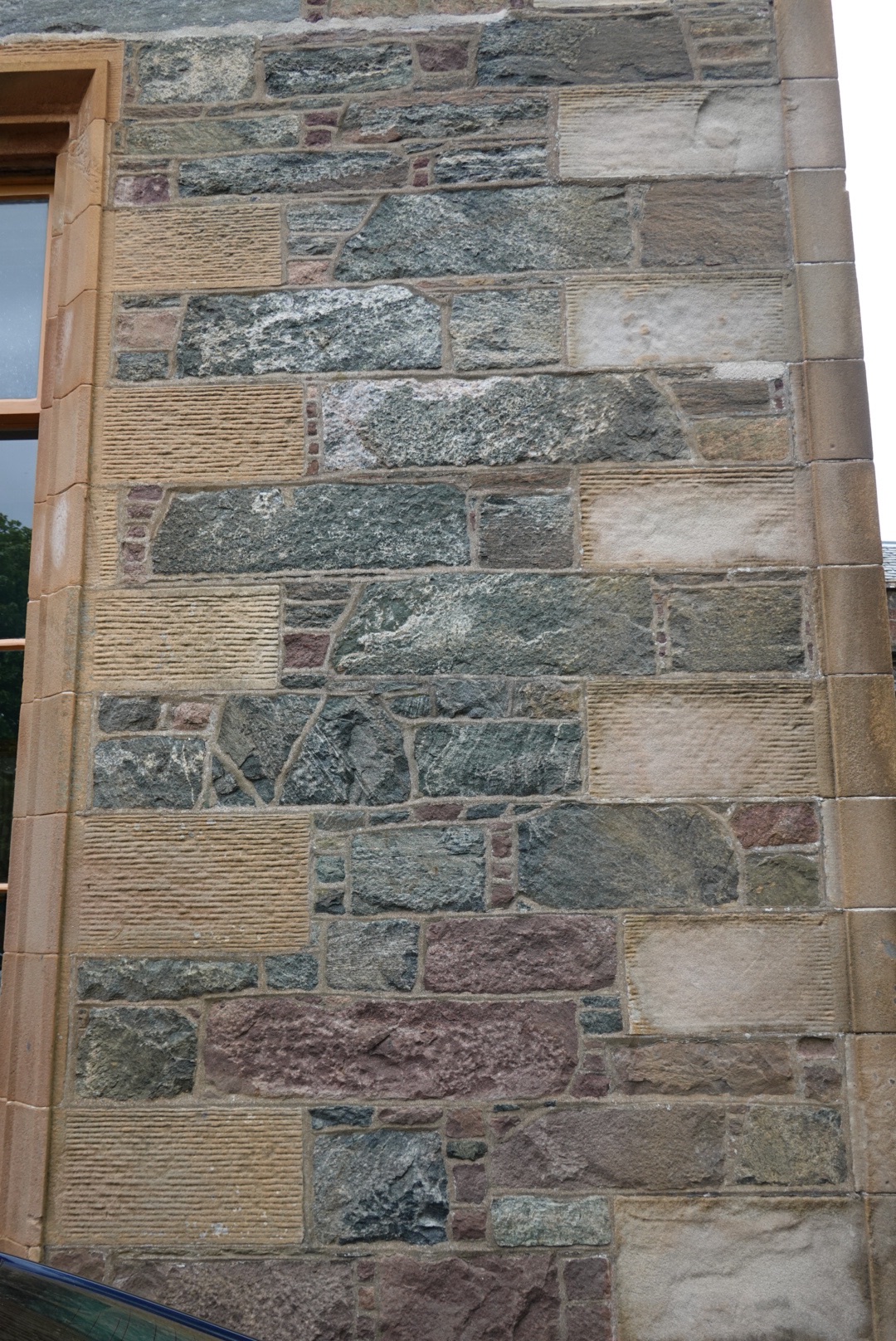
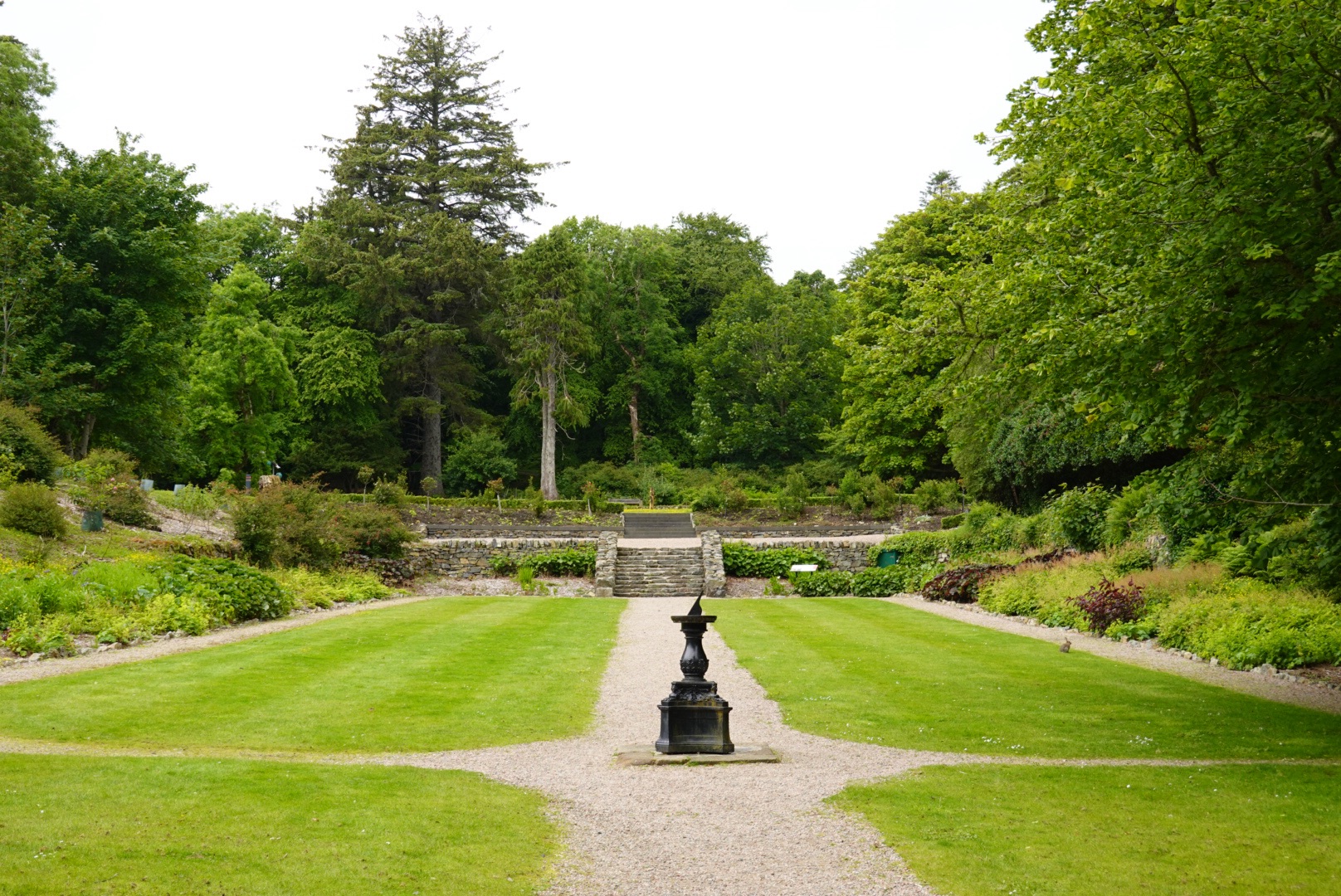
We toured the Lews Castle using an augmented reality app and learned much of its history.
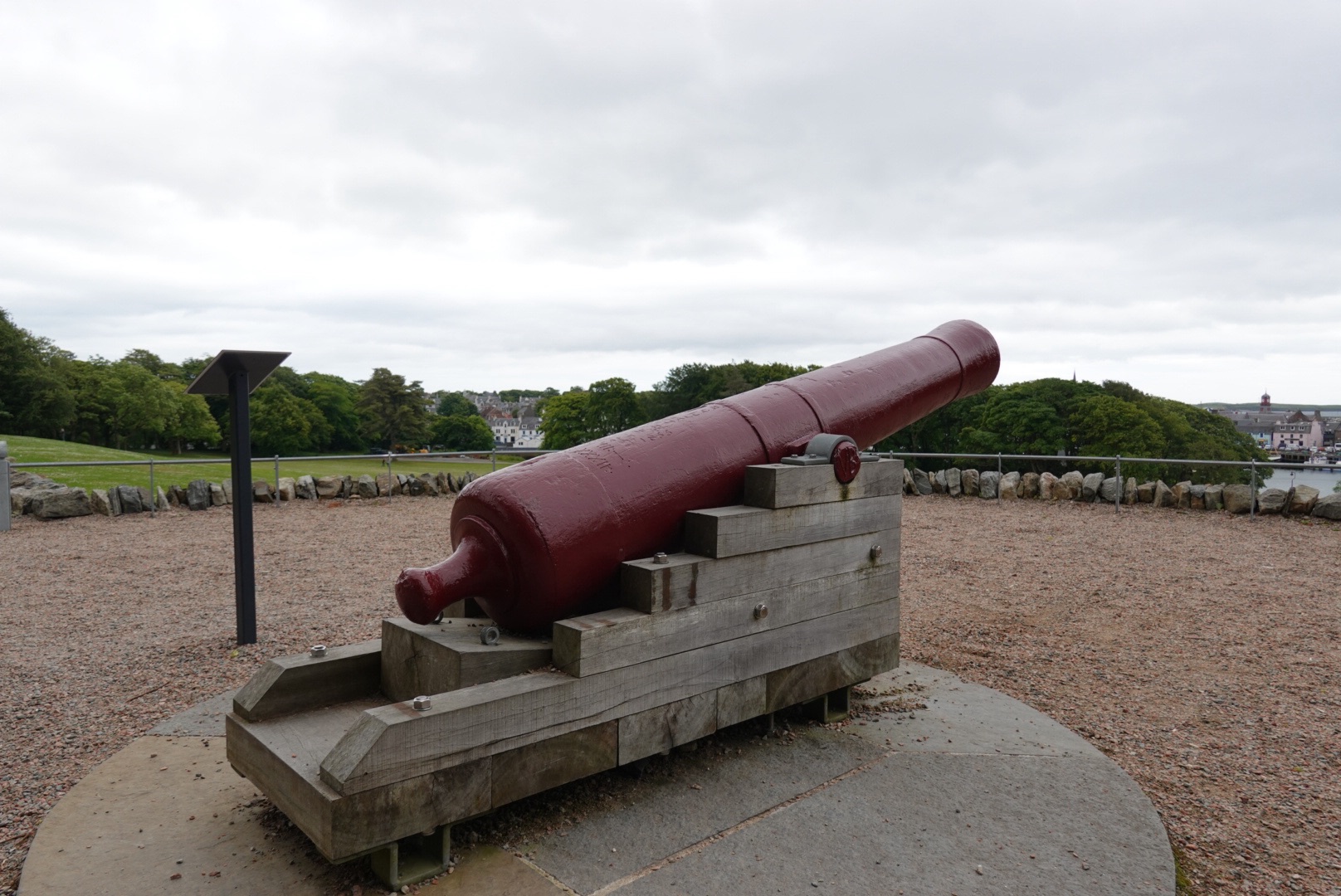
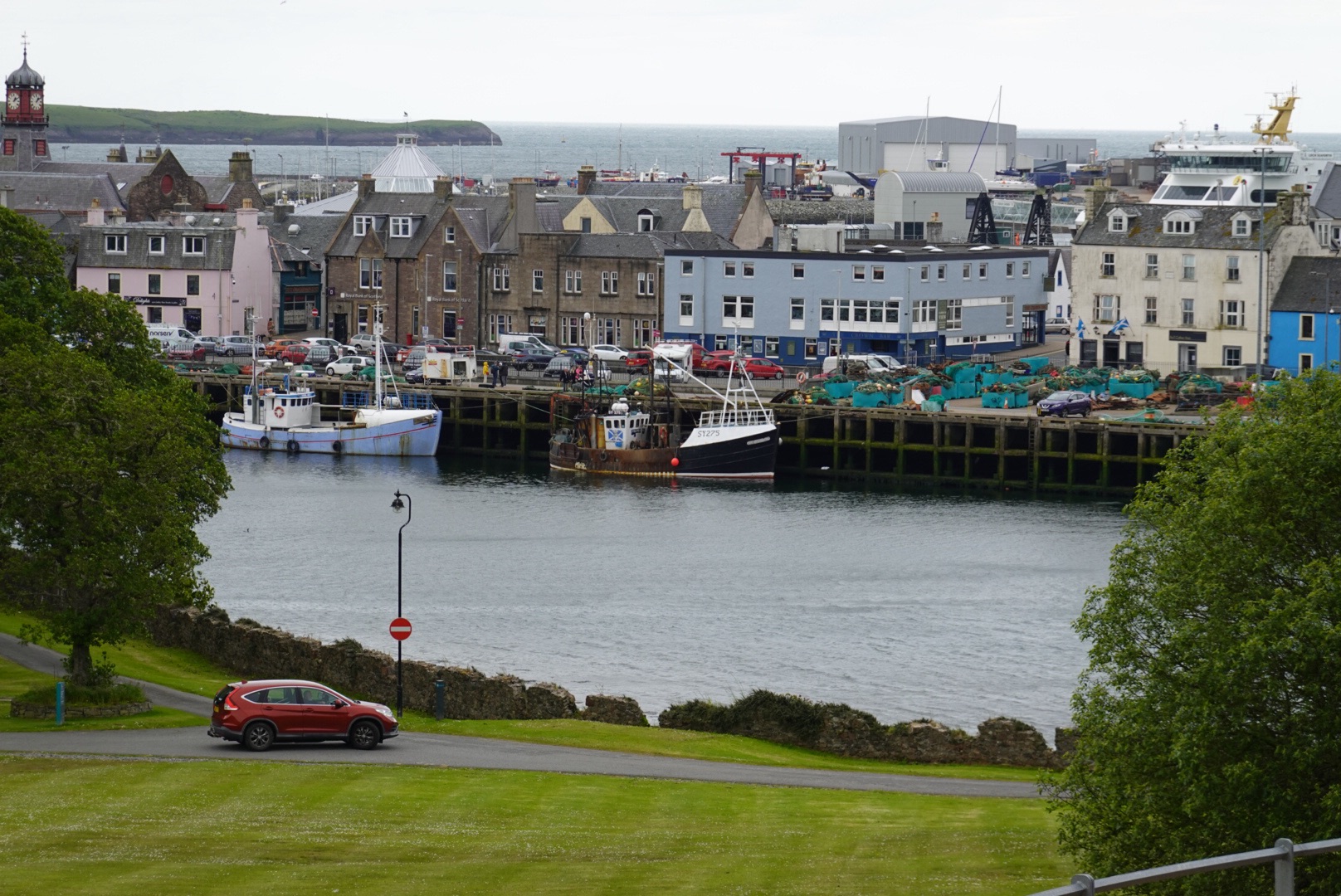
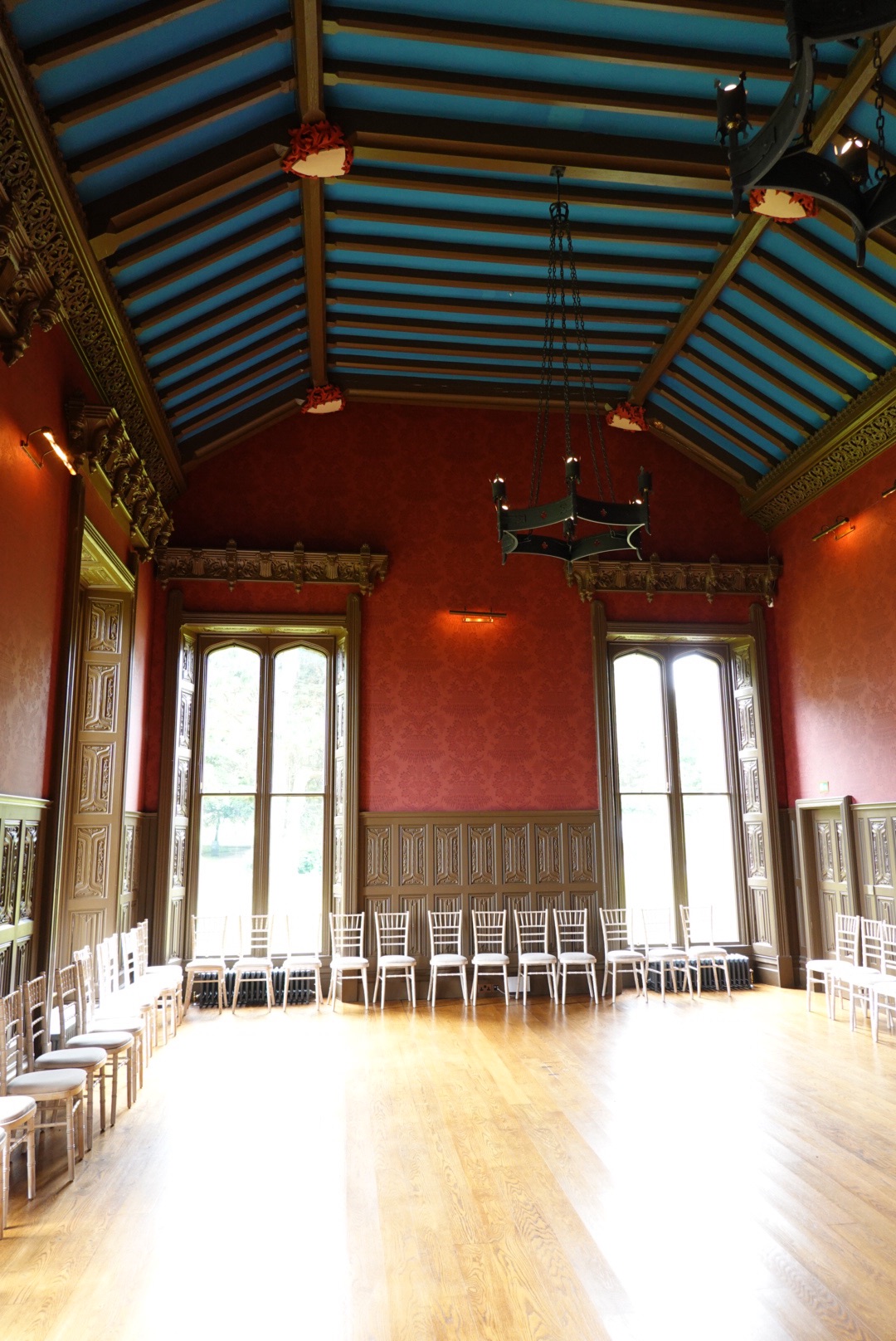
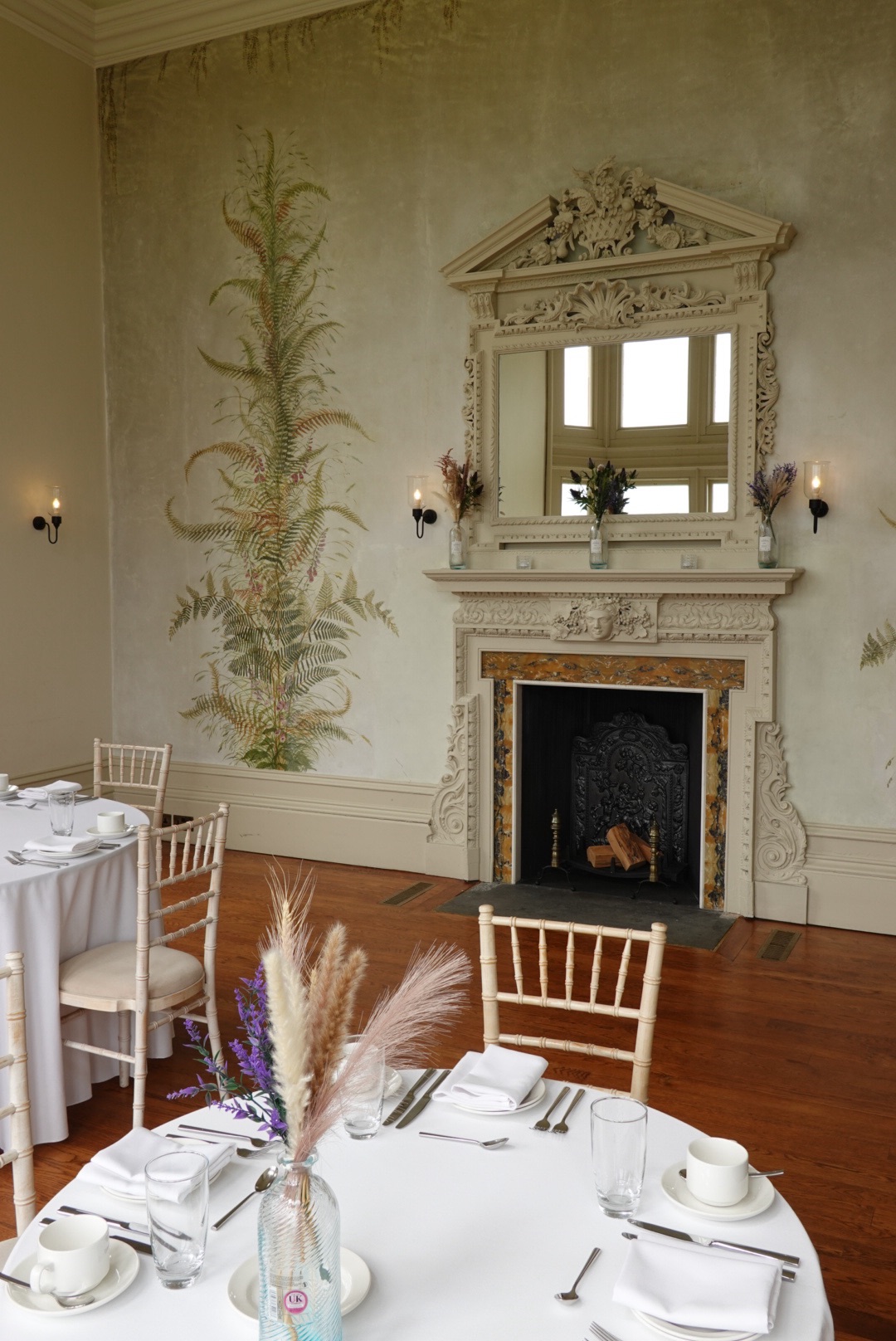
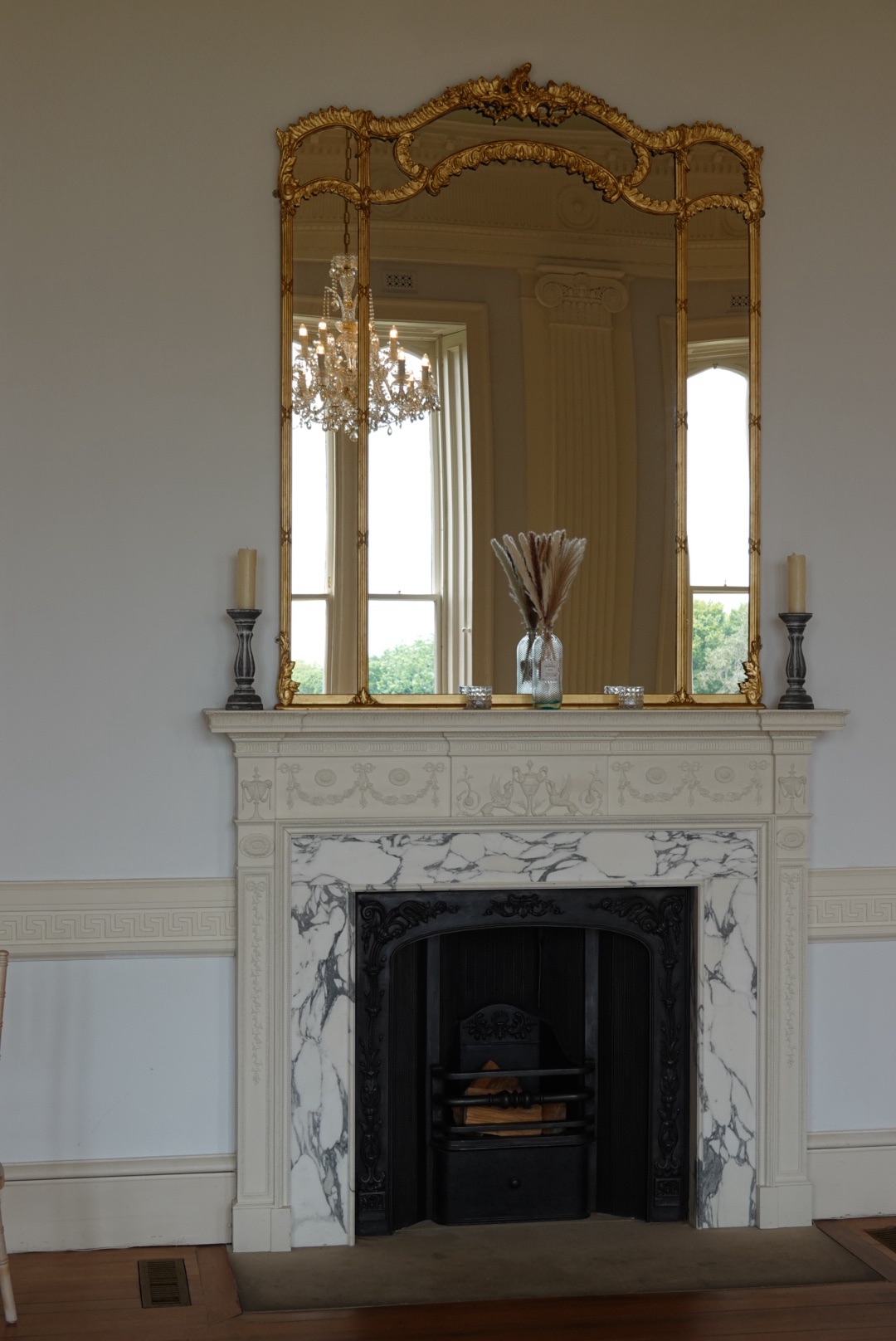
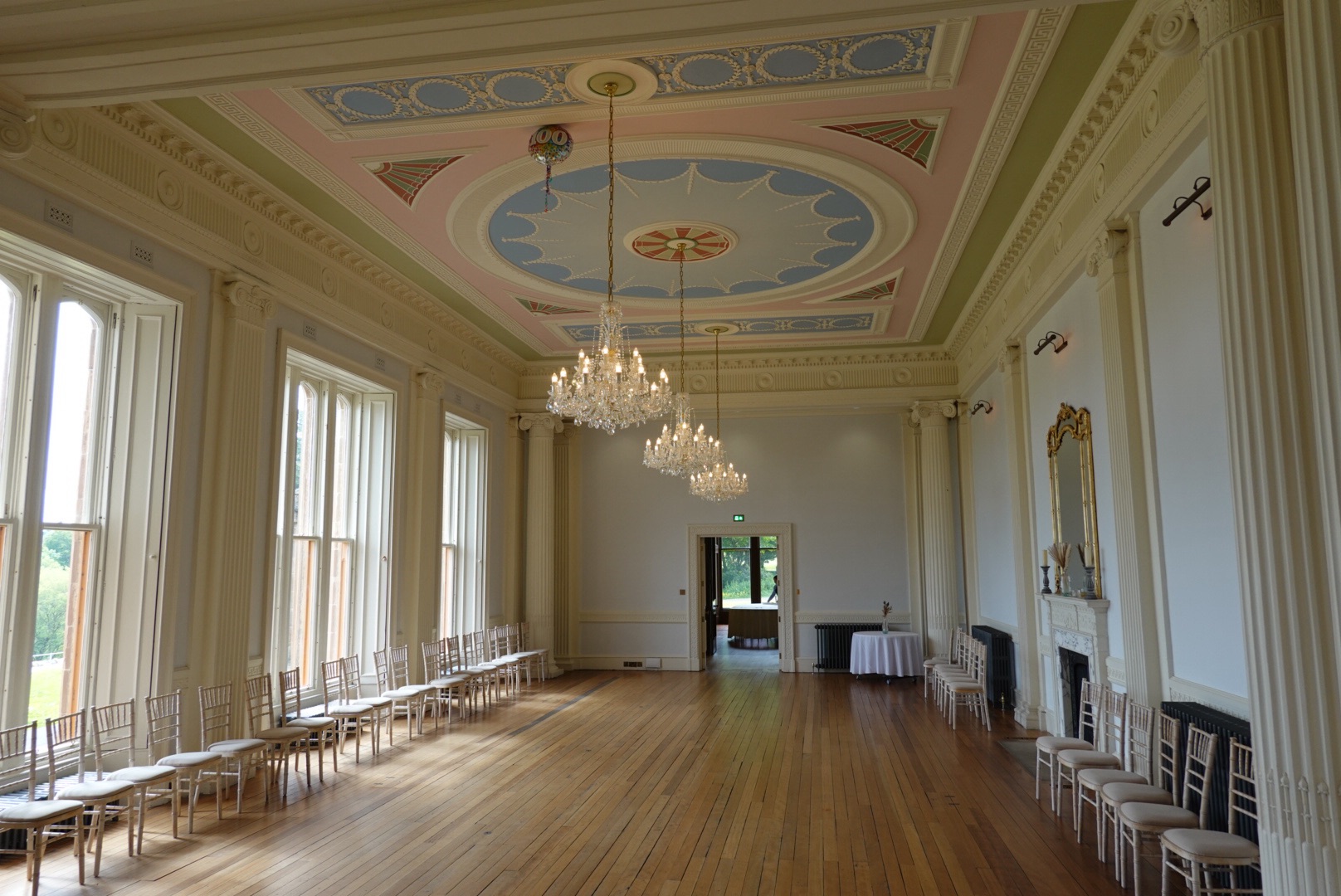
The rooms on the first floor are open for viewing, but the upper floors have been converted into private apartments. The castle was built by Sir James Matheson after he bought the whole island of Lewis in 1844. In the 20th century the castle was used for housing soldiers in wartime and later as a school. In the 1990s the castle was declared uninhabitable and fell into disrepair. It was renovated with an added museum and cafe in 2006.
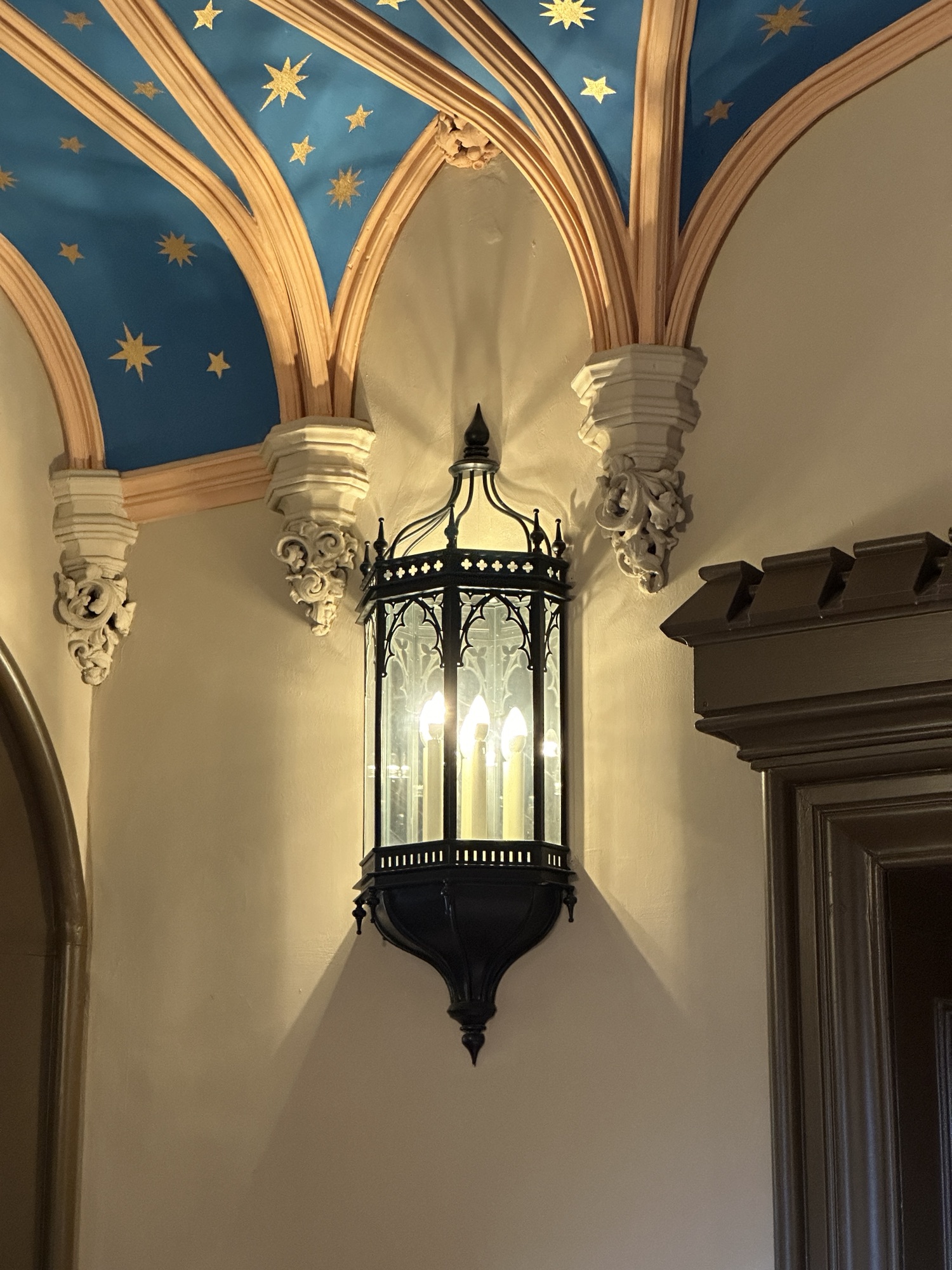
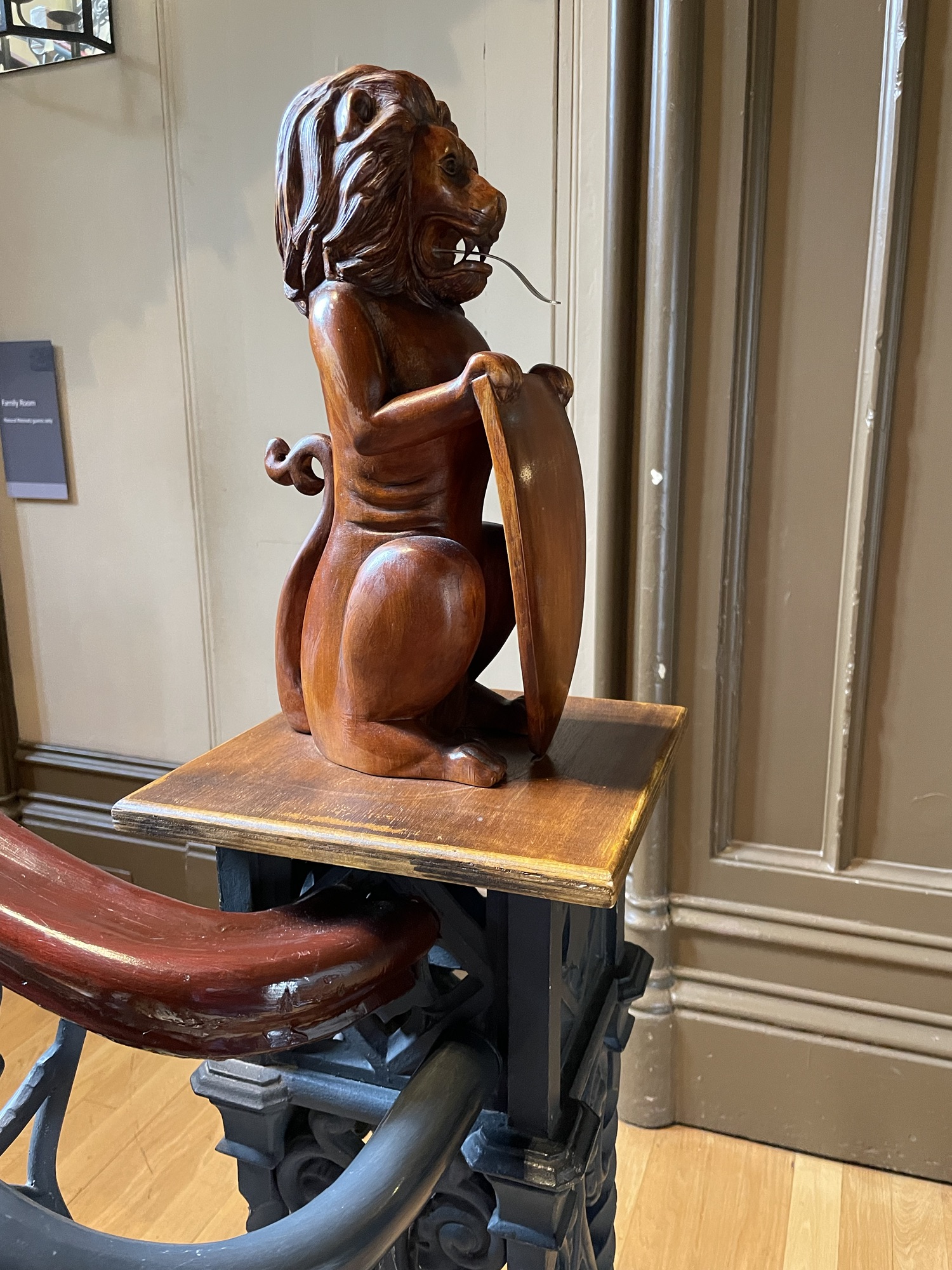
 Bunch of Geeks go Traveling