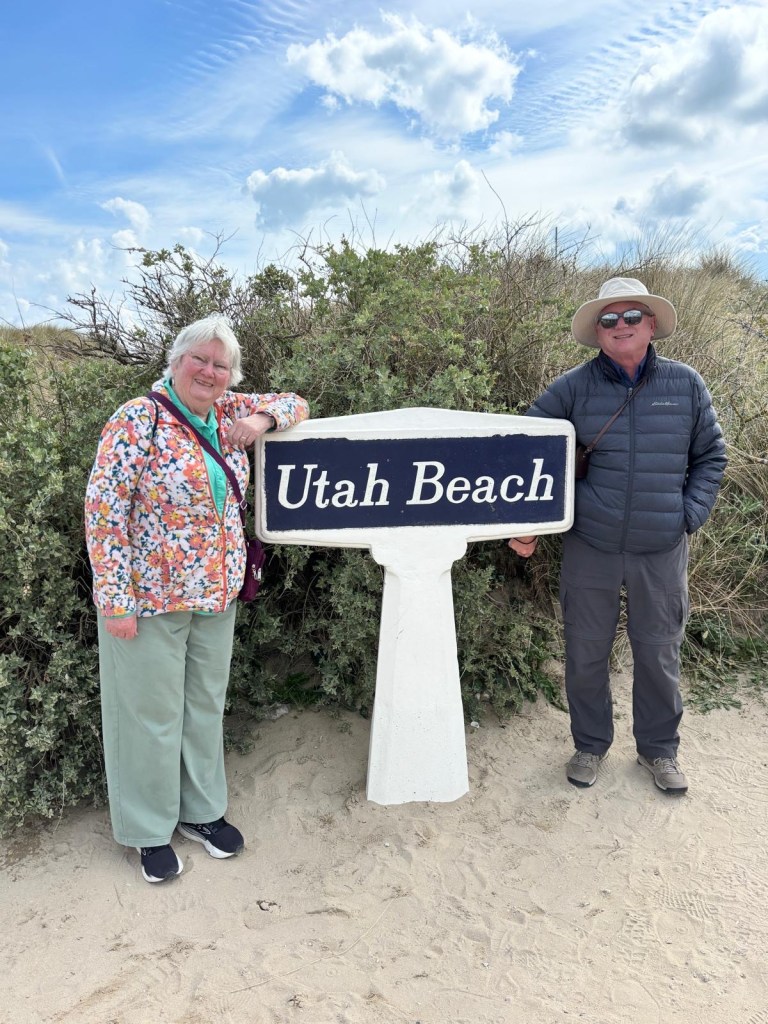
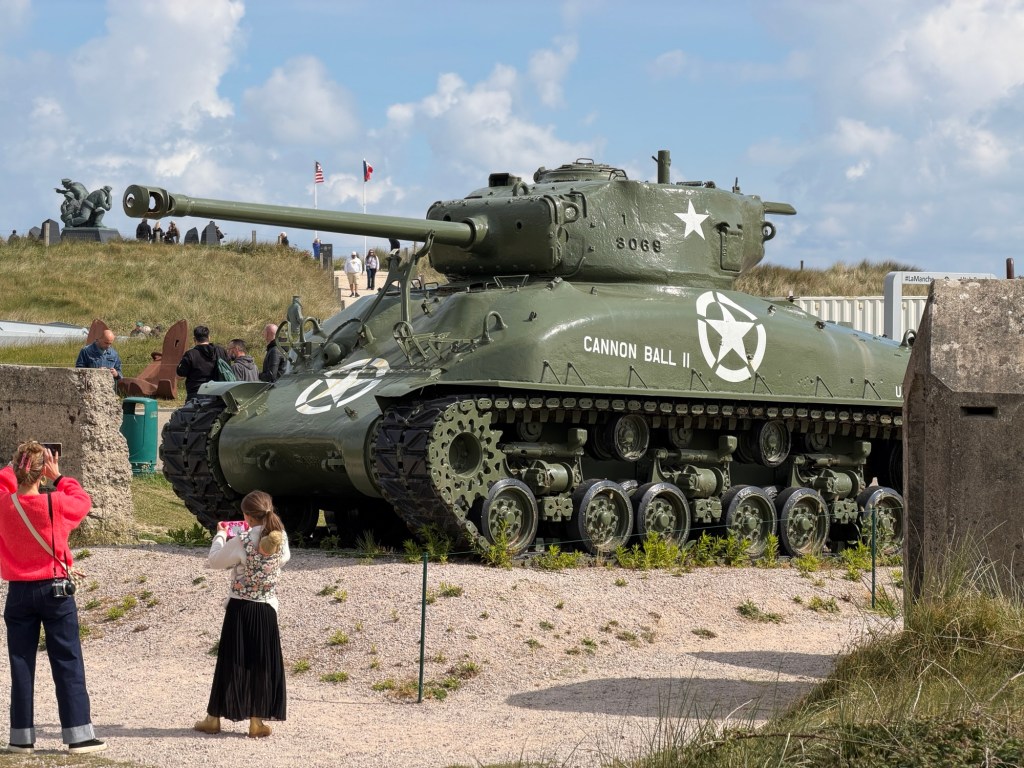
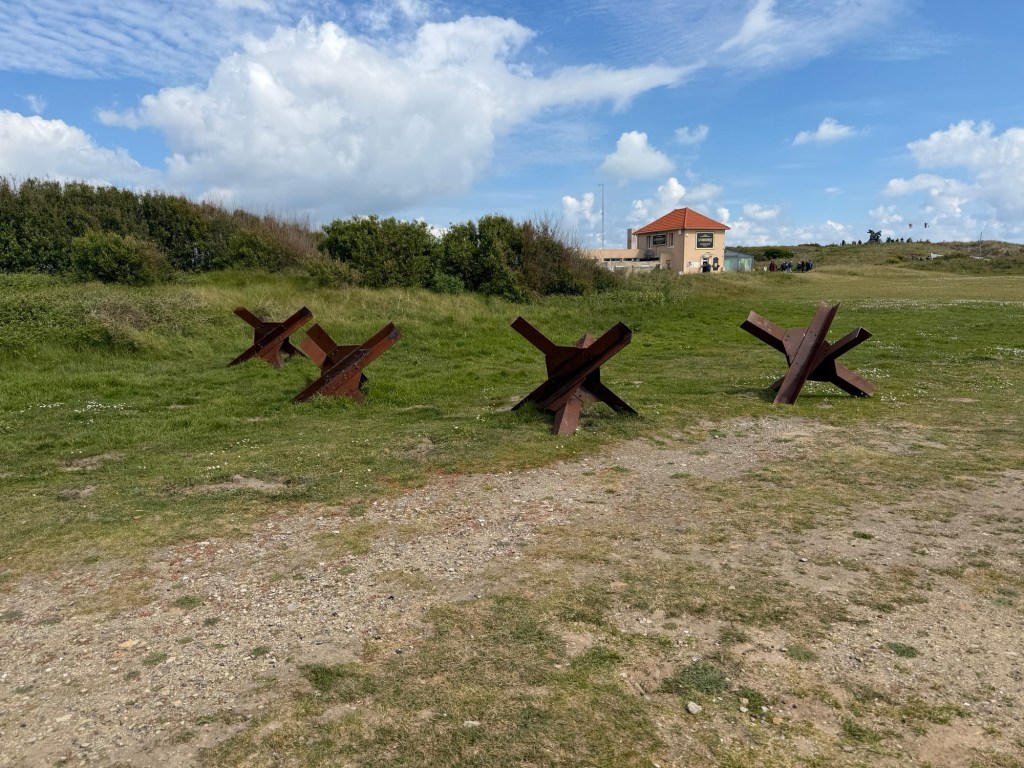
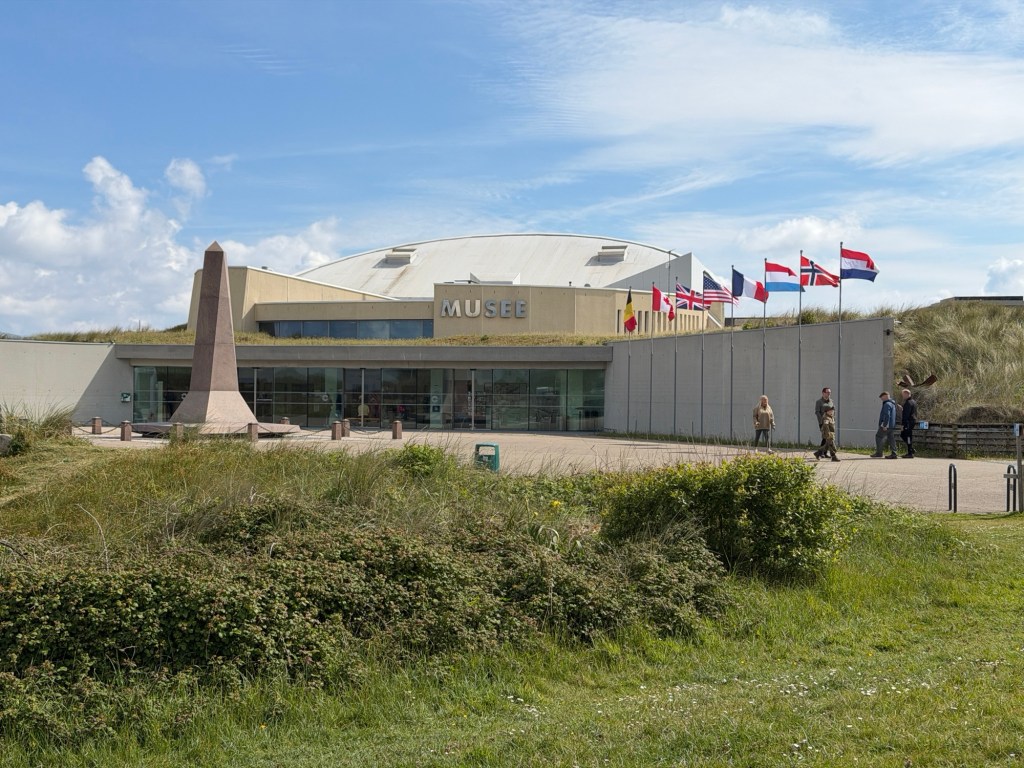
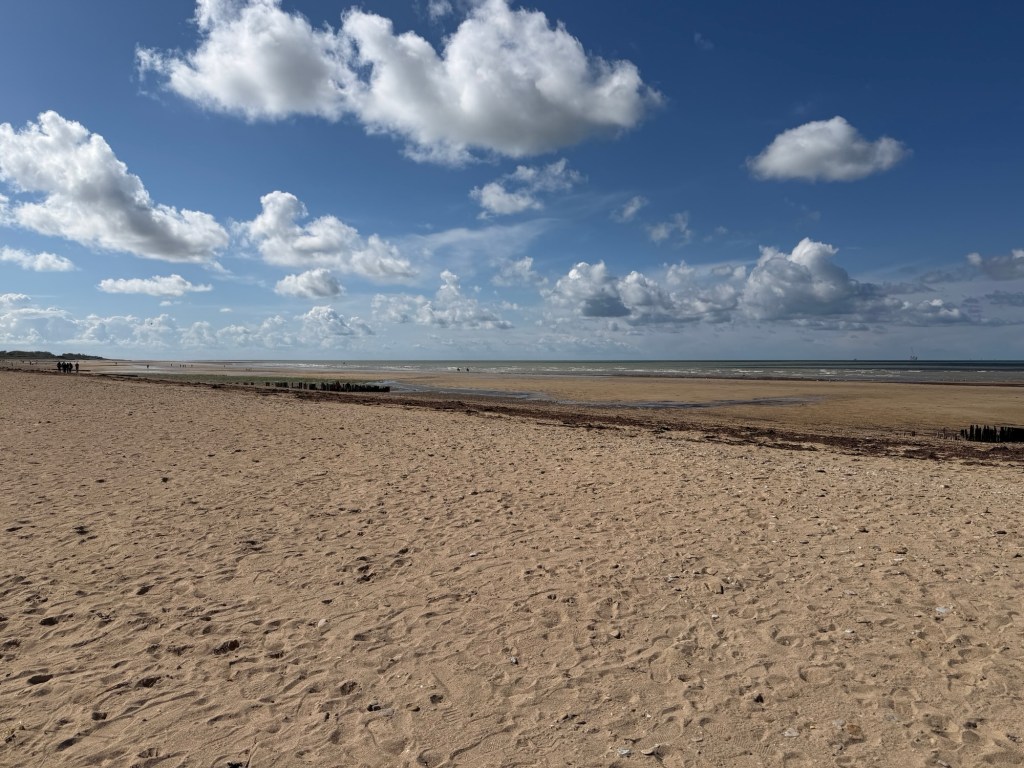
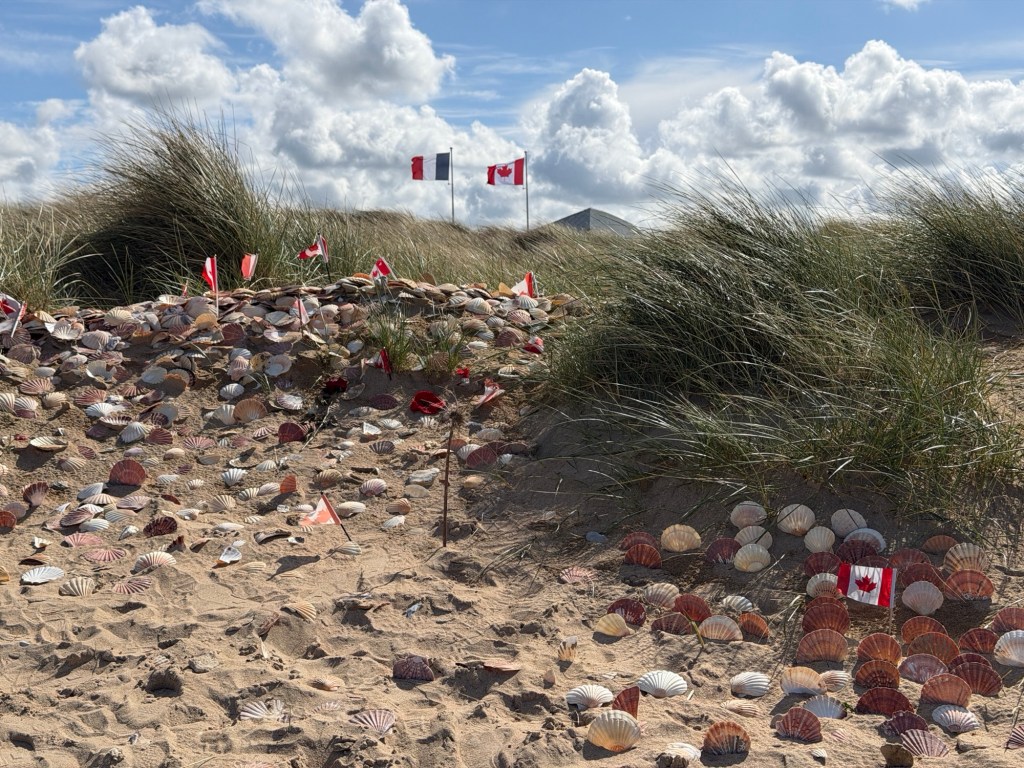
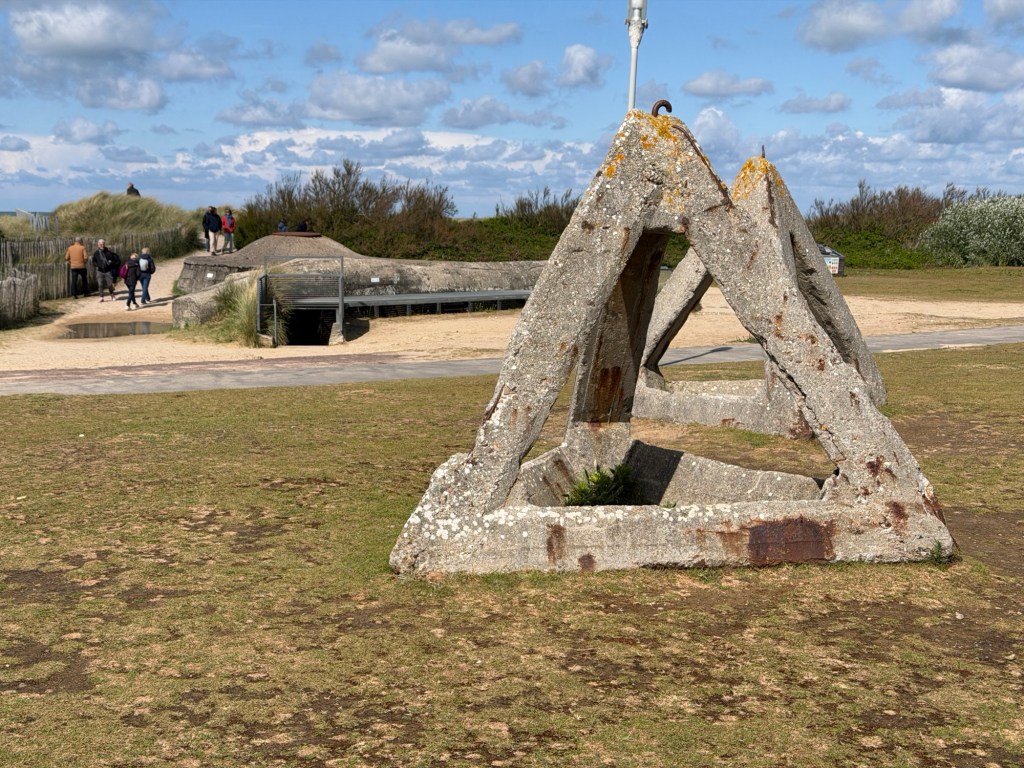
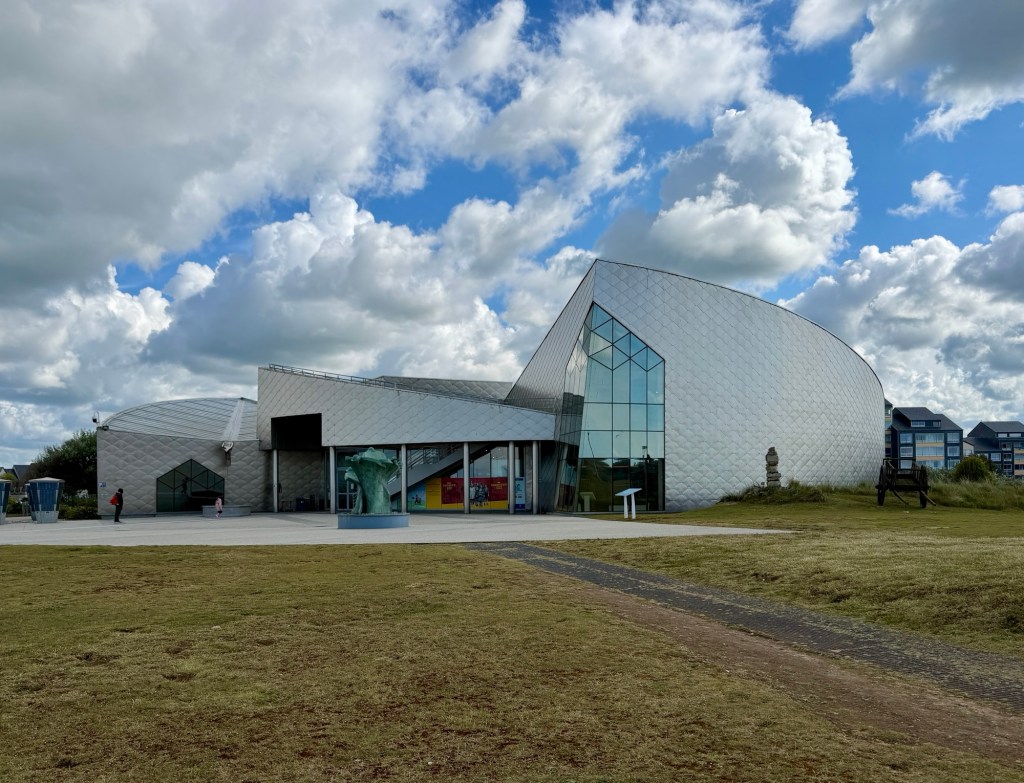
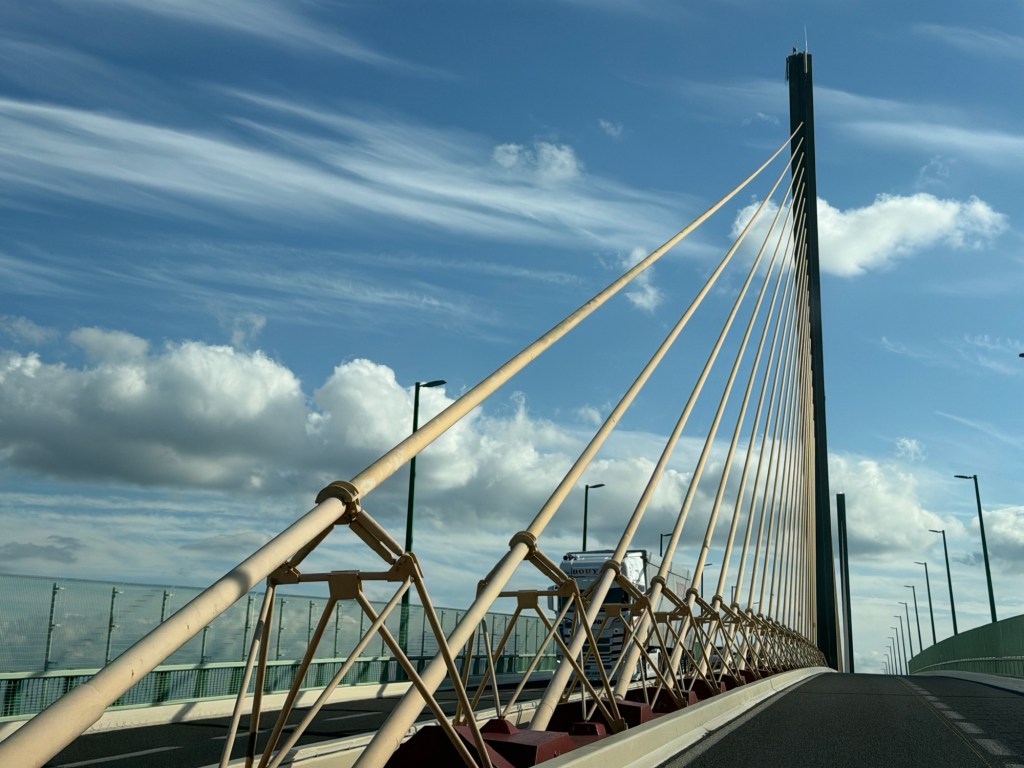
Colleville-sur-mer, Utah and Omaha Beaches, Pointe du Hoc (Friday)

We stayed in Chef de Pont for three nights at Marc’s brother’s place —a wonderful, gracious host. The first night, Thursday, we met not only Jérome, but his daughter Léa and son Cédric, when we shared dinner. Cédric and Jérome will join our adventures for a few days.

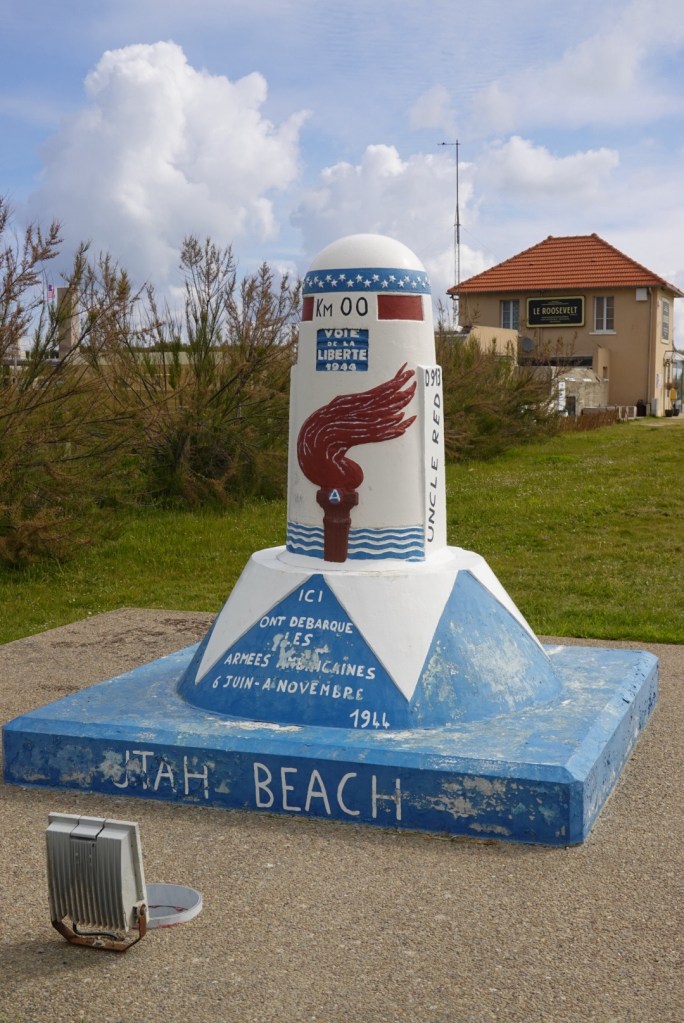
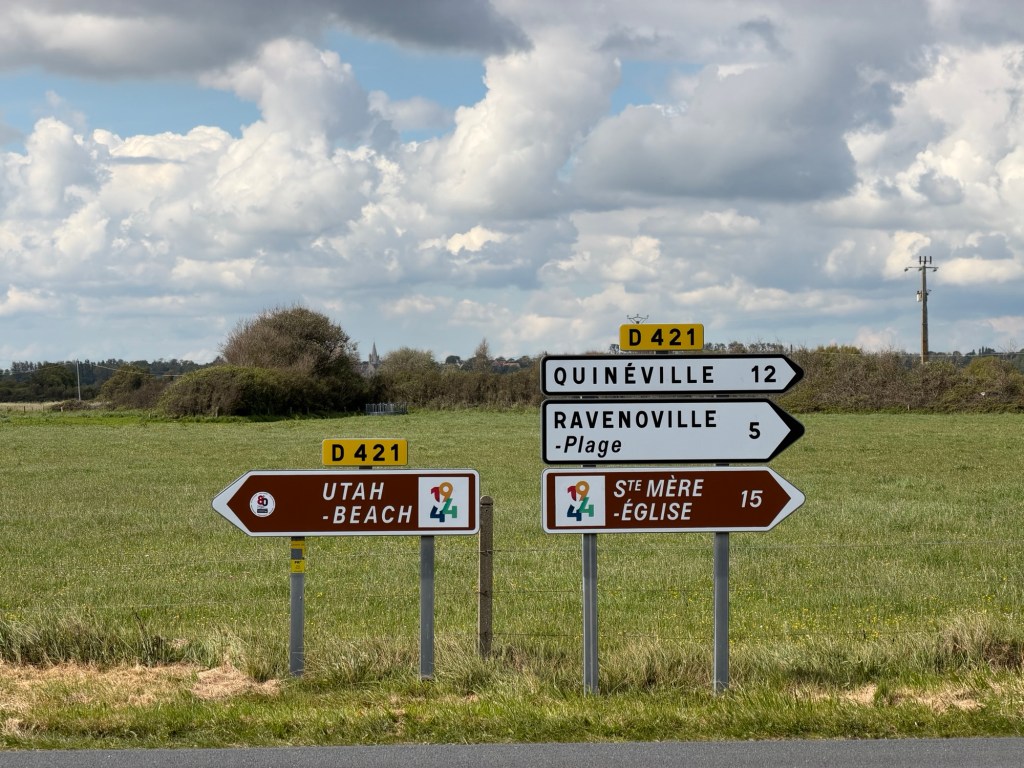
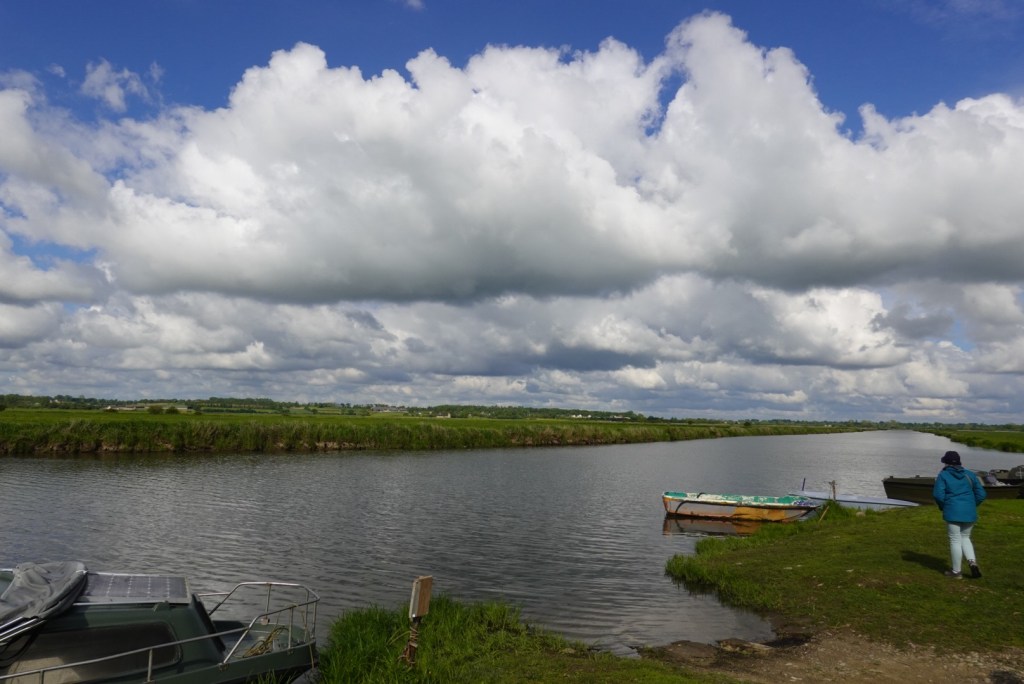
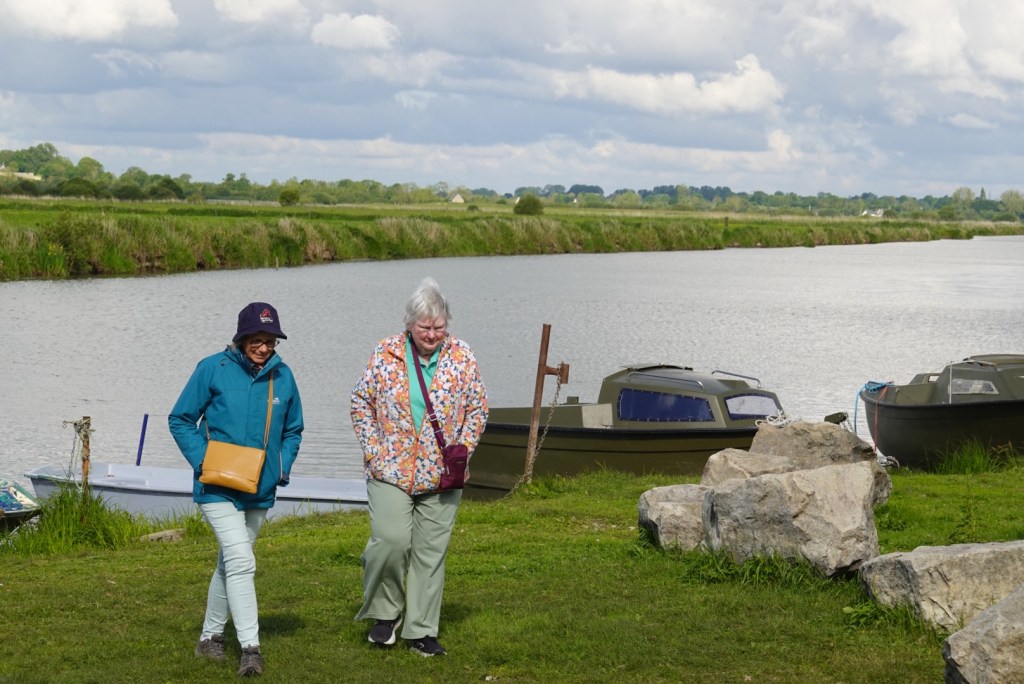
The first place we visited this day was a wetland area inland from Utah Beach. As a possible defense against invasion, the Germans partially flooded this area to cut off the Cotentin Peninsula. This would have slowed invading Allies landing at Utah Beach and isolated the port at Cherbourg. It is now park land.
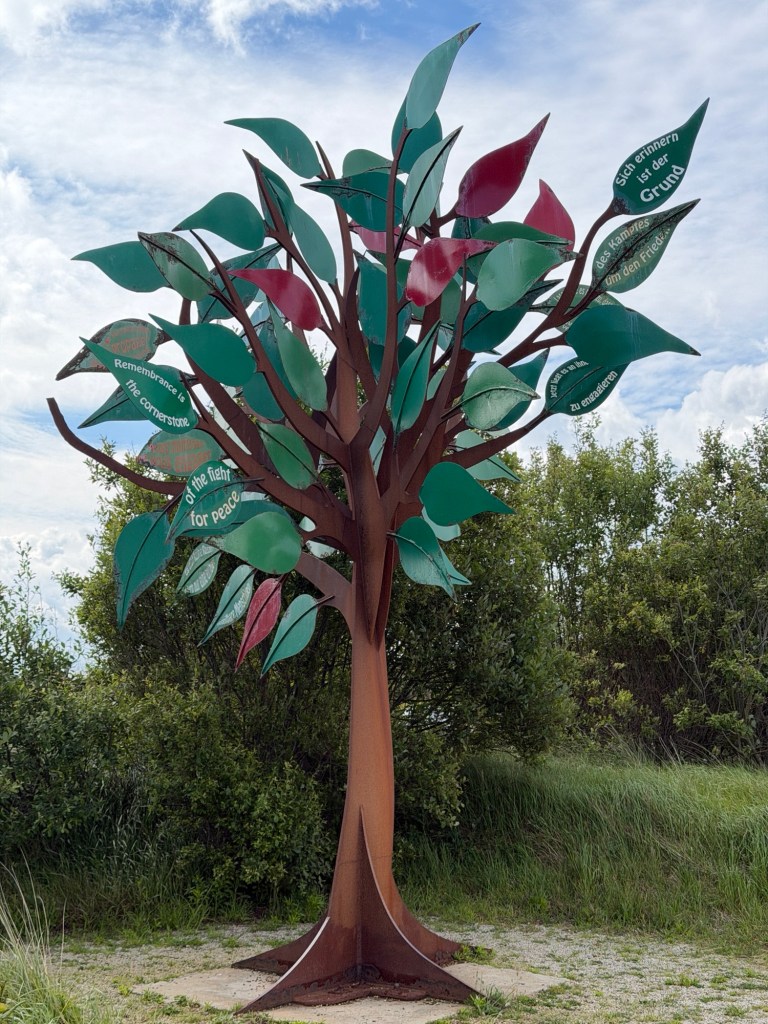
Liberty Tree
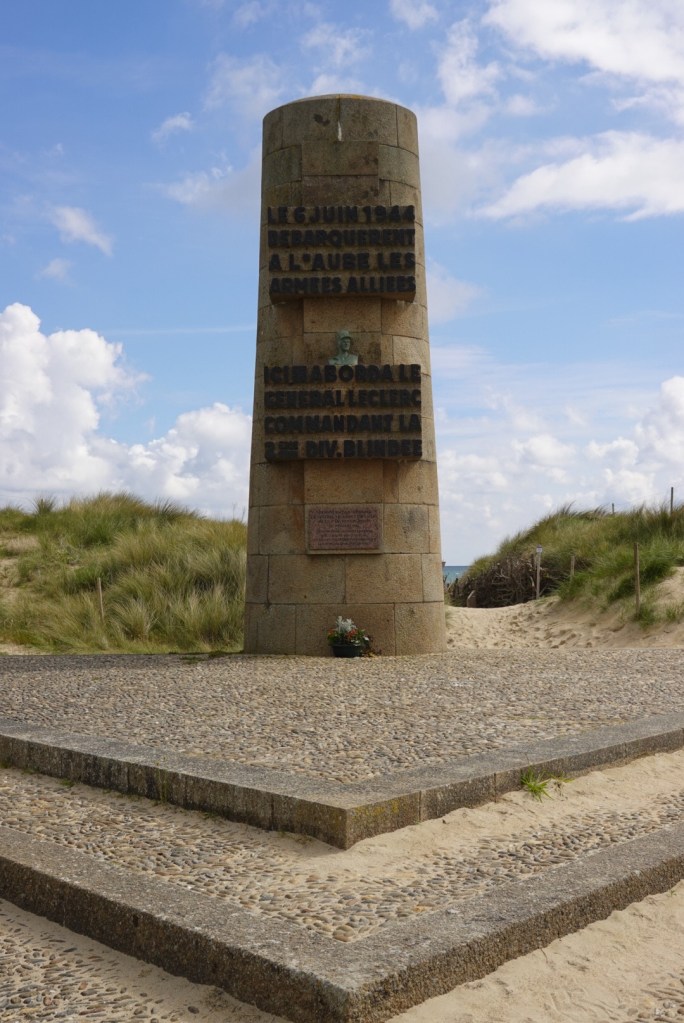
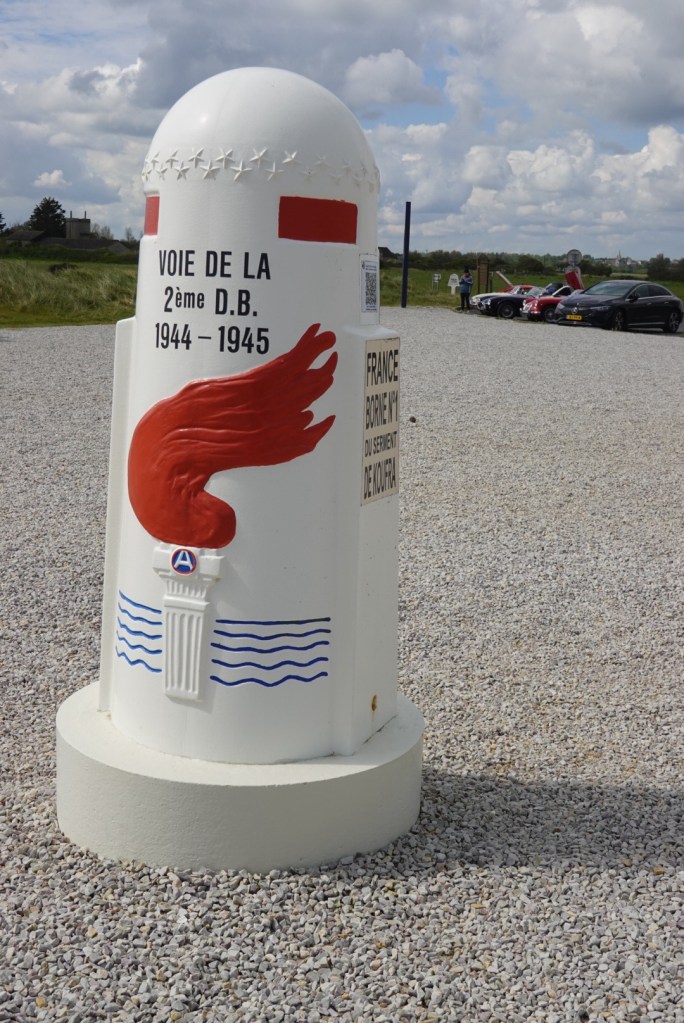
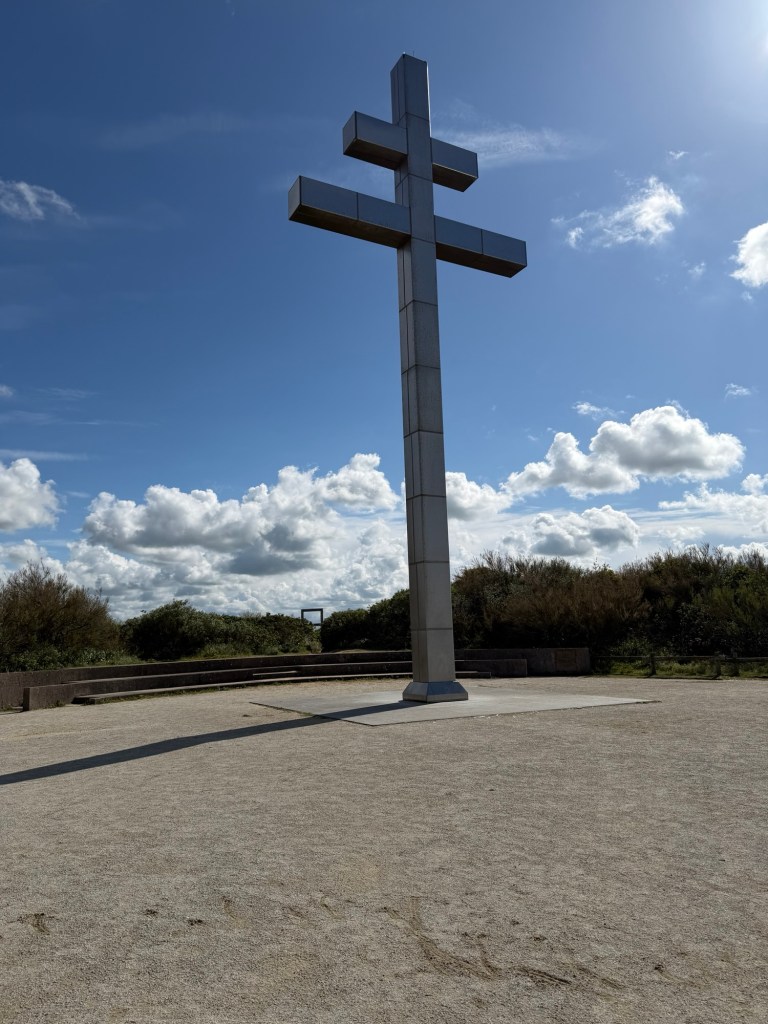
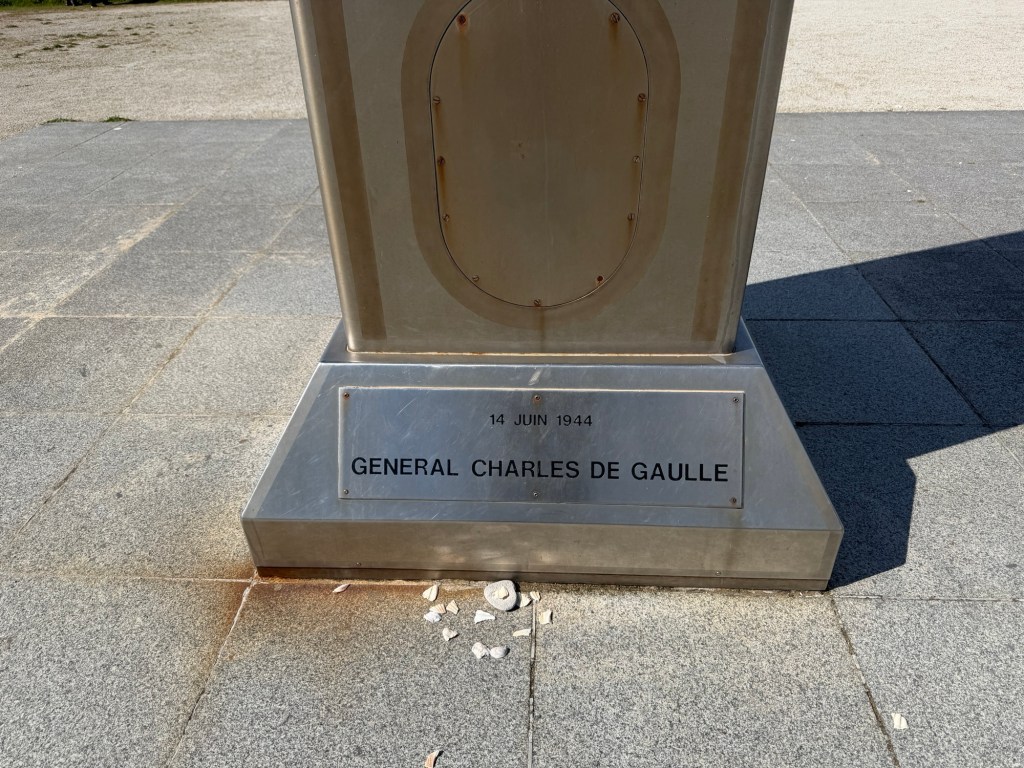
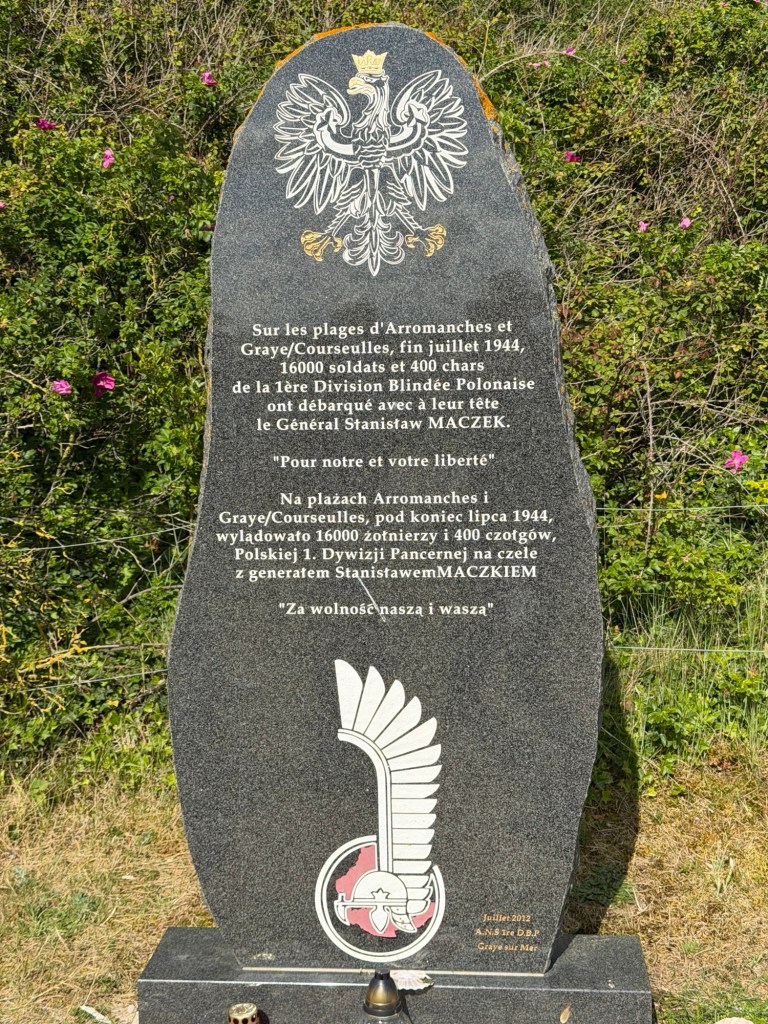
This monument honors General LeClerc (pseudonym used to protect family), who commanded French troops that landed in July.

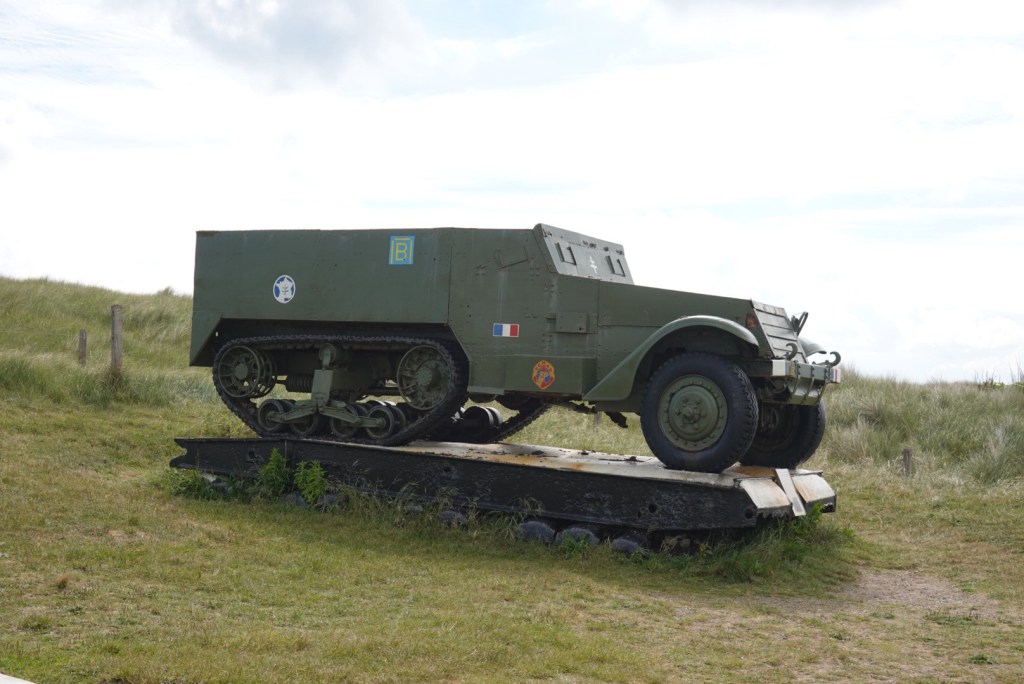
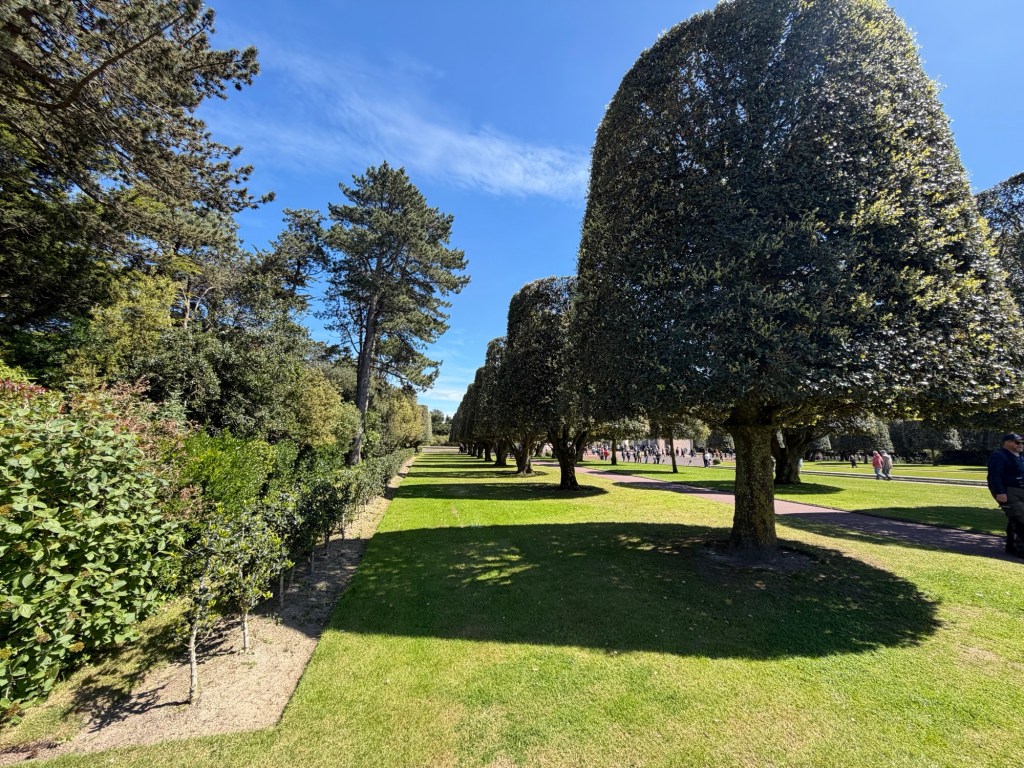
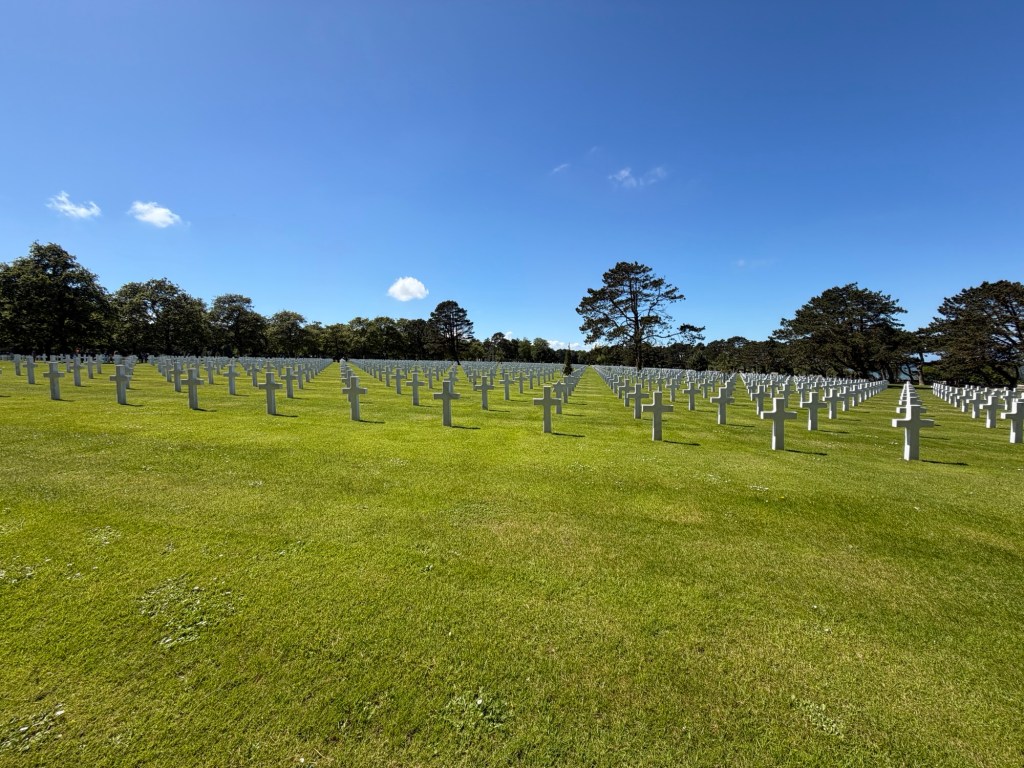
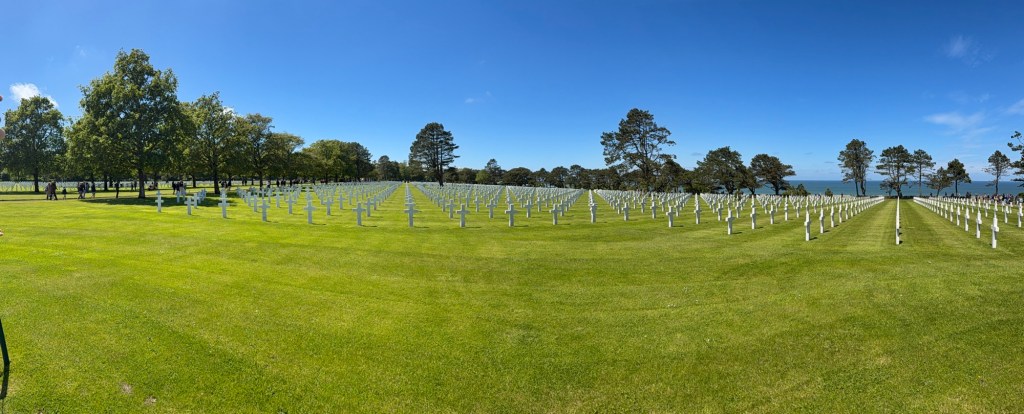
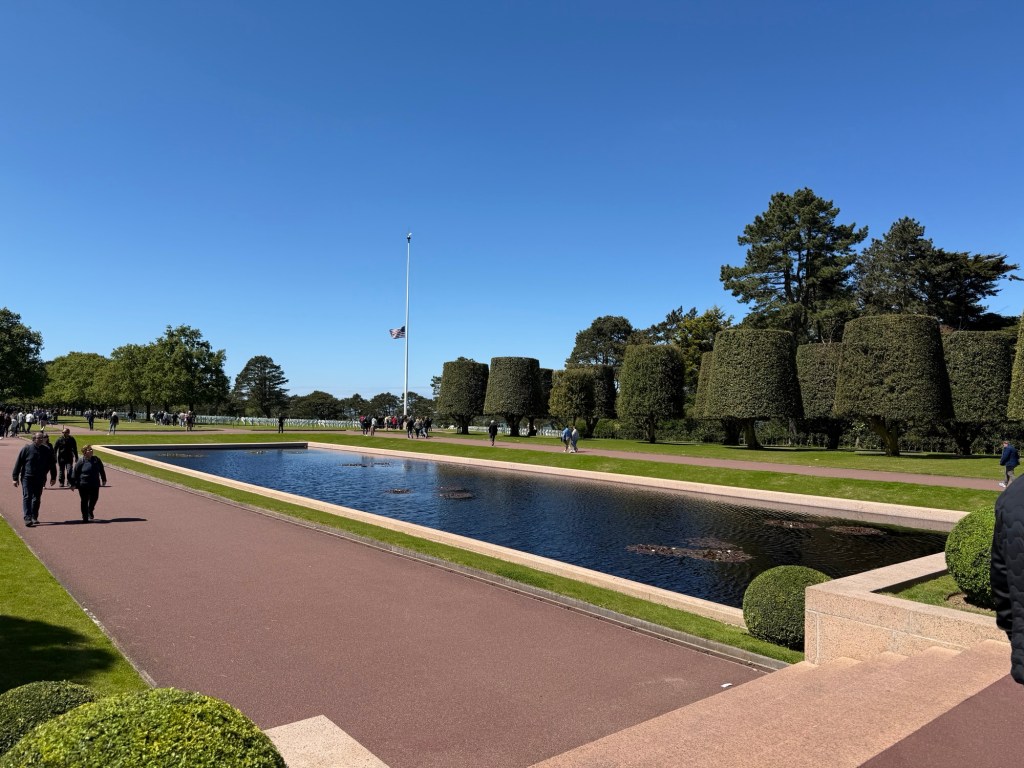
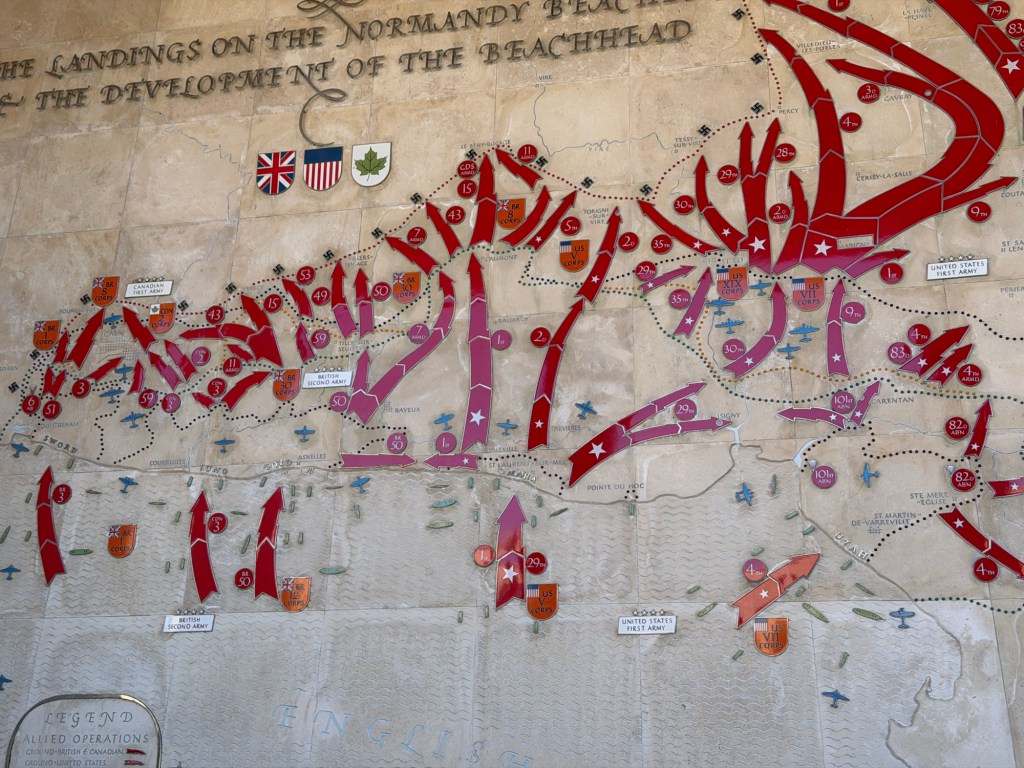
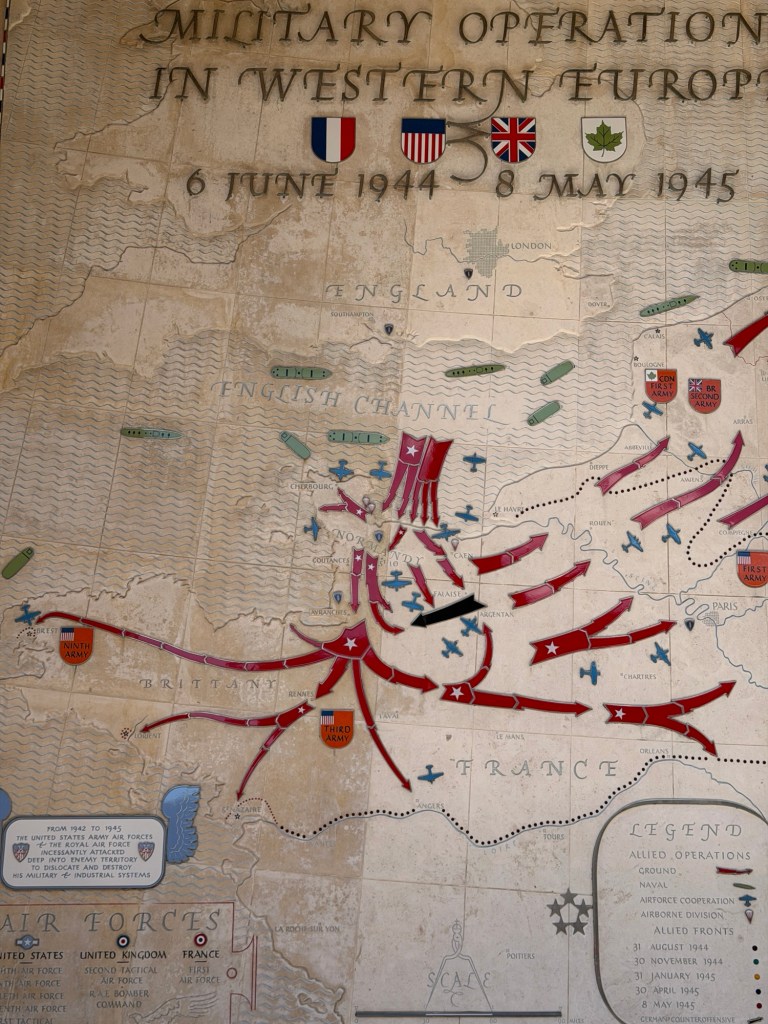
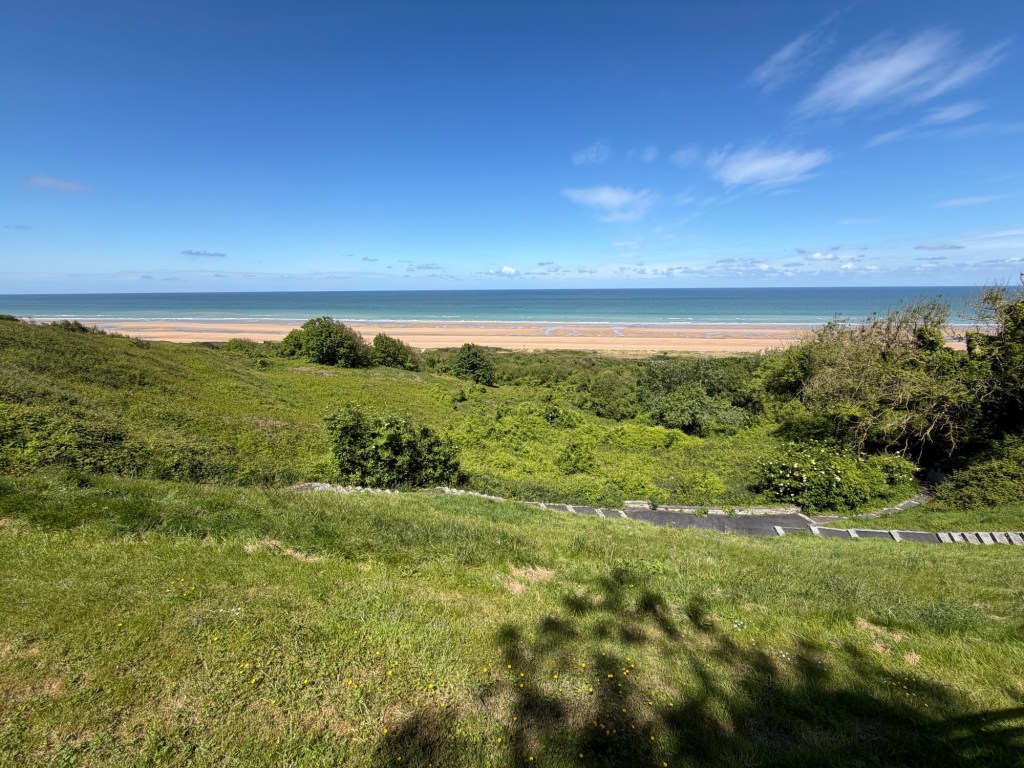
In Colleville-sur-Mer, we visited the American cemetery and the Big Red One museum. Traffic and parking were difficult!

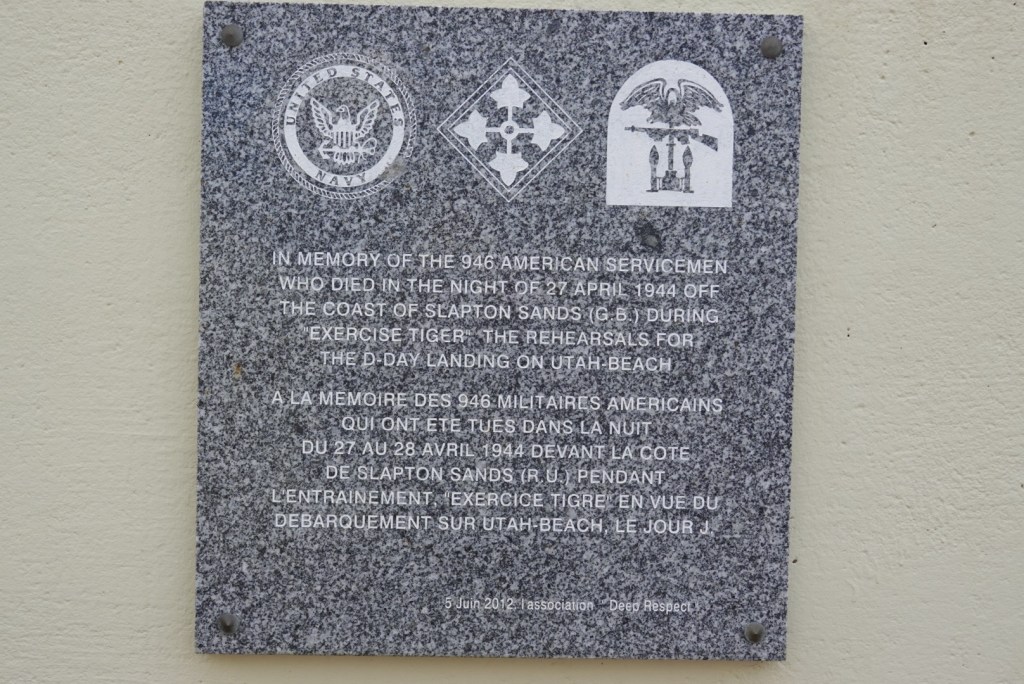
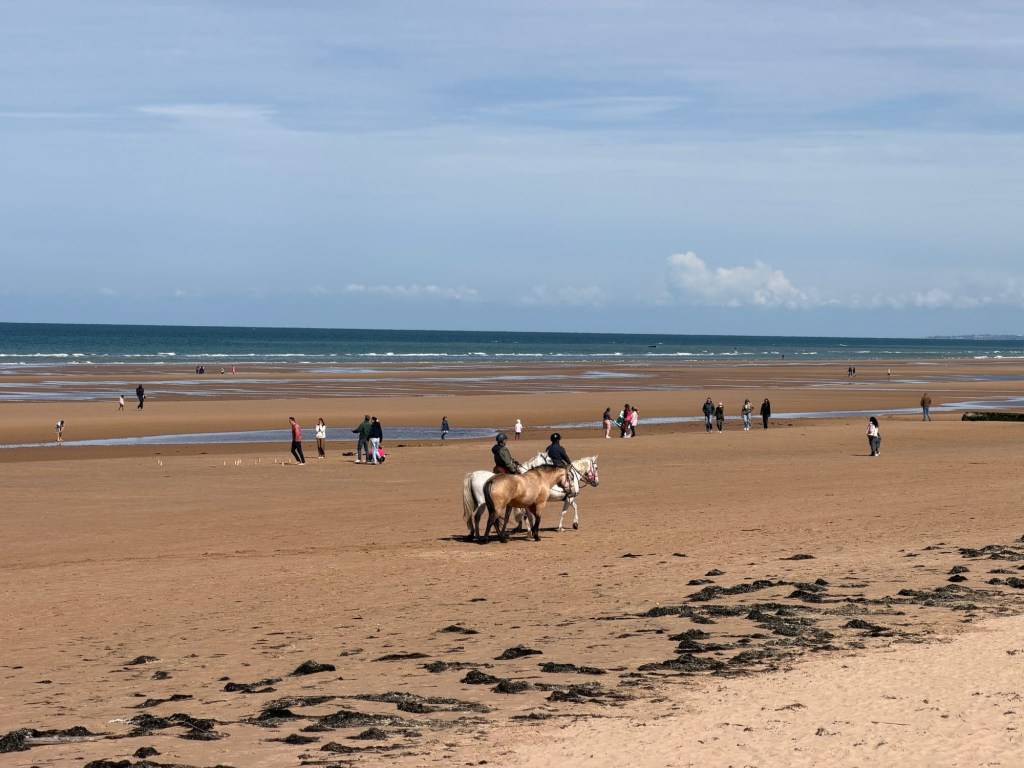
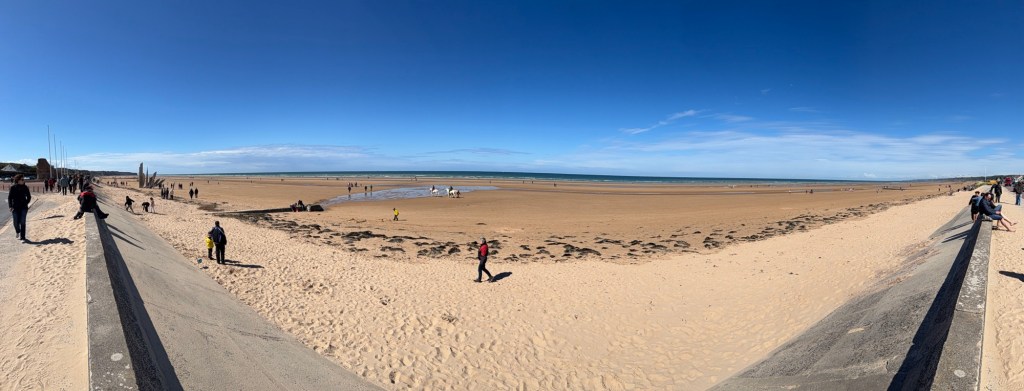
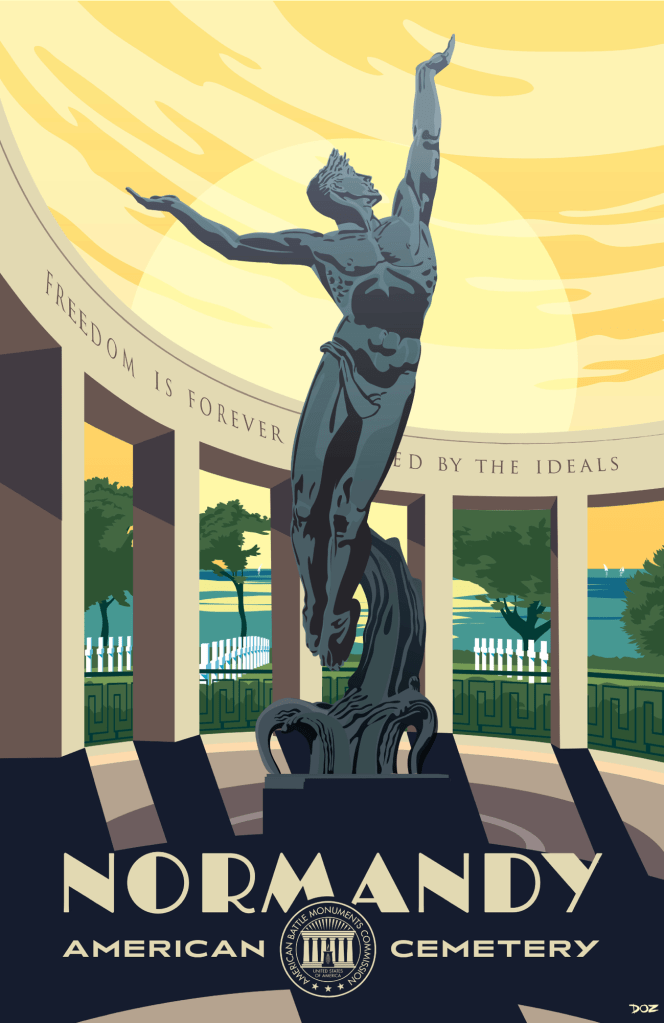
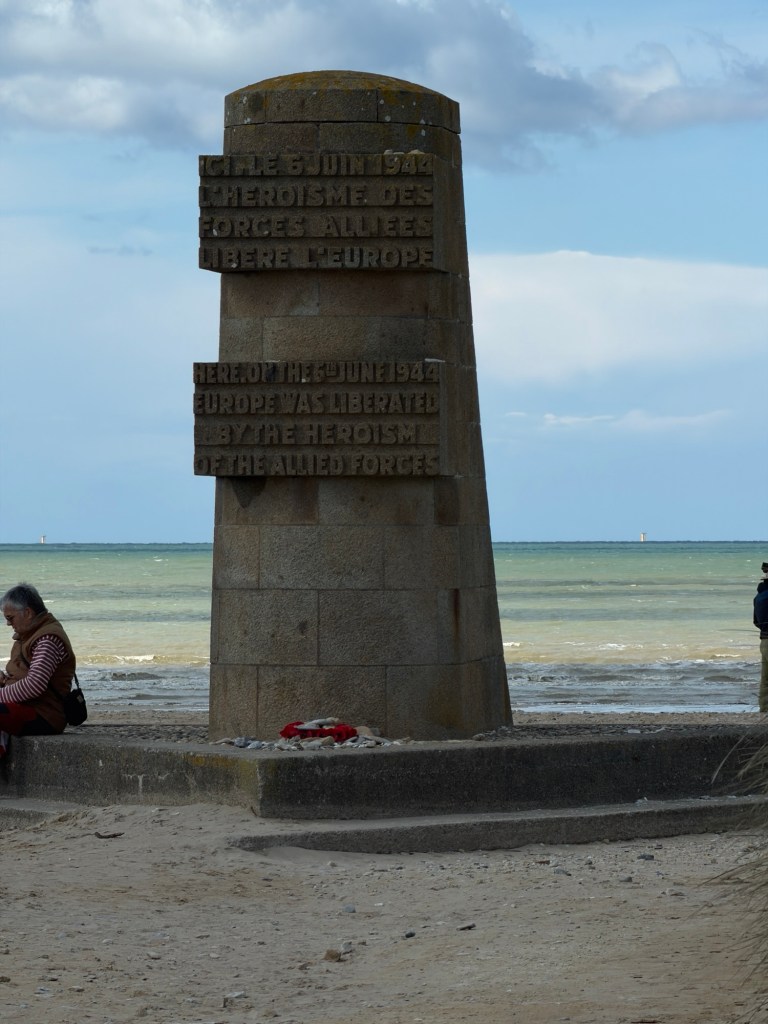
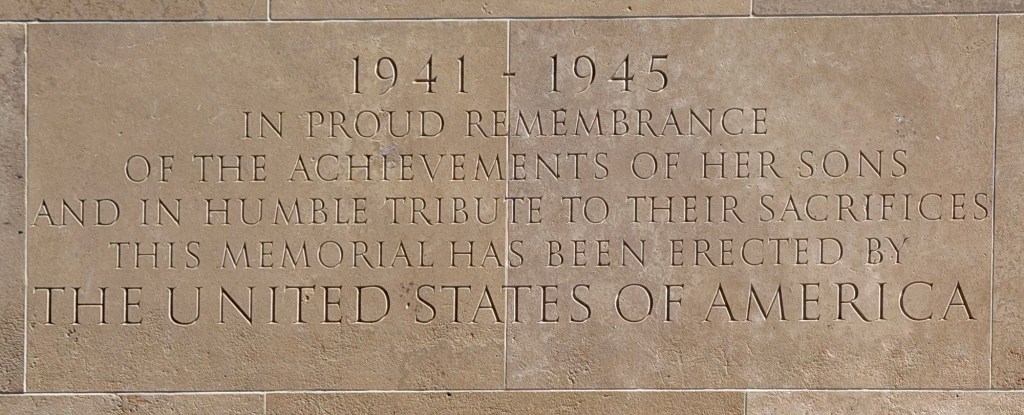
The American cemetery on the terrace above Omaha Beach contains the graves of almost 10,000 men! The land is U.S. territory,
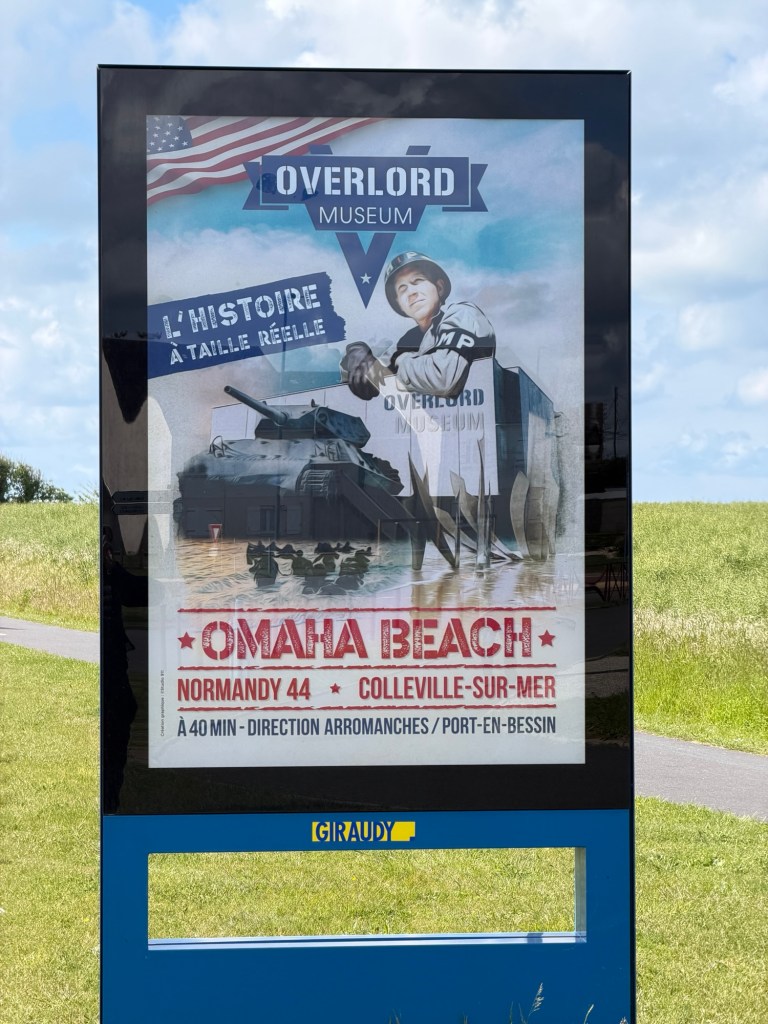
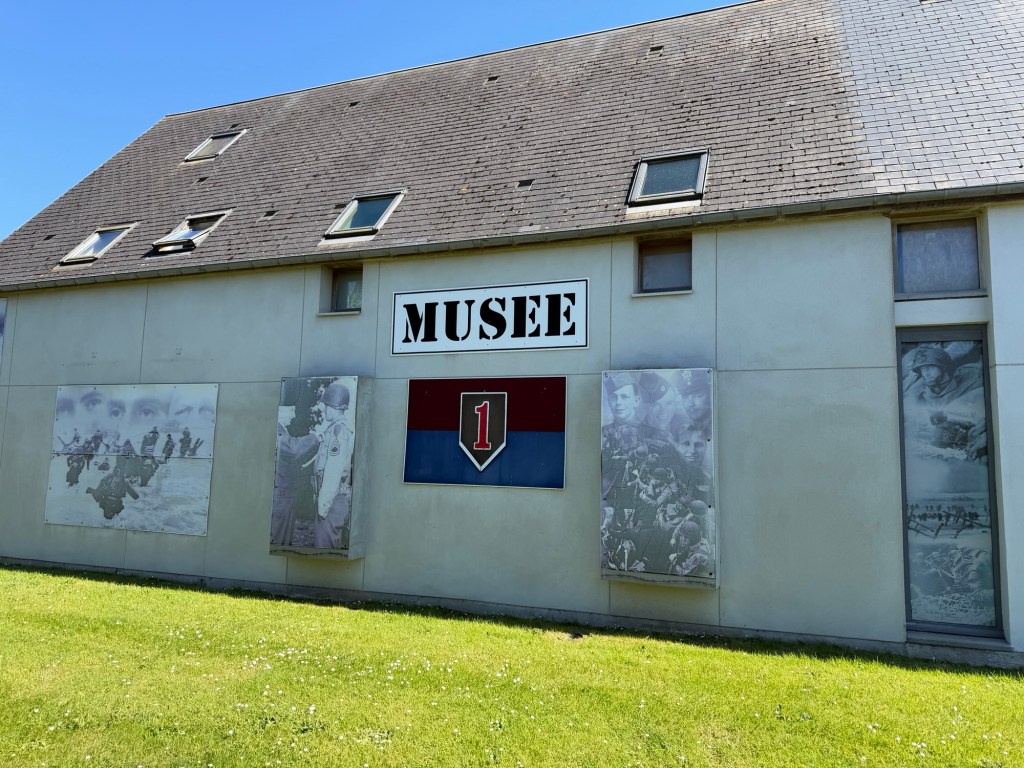
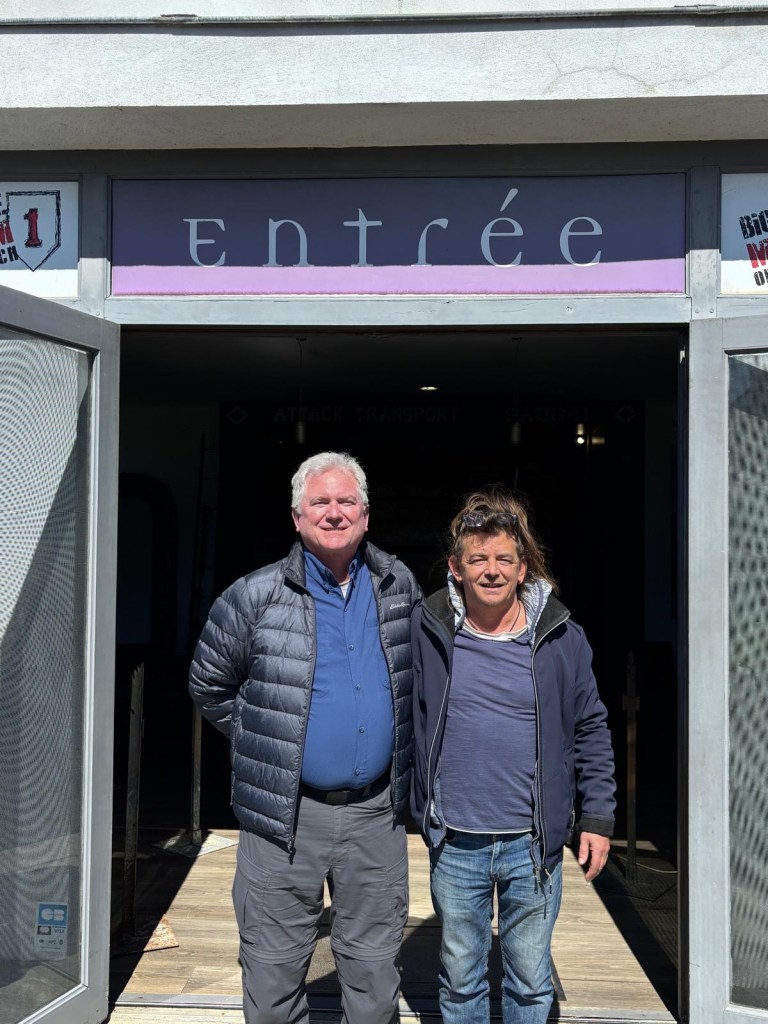
The Big Red One Museum, referring to the U.S. Army First Division, has many artifacts from the D-Day landings on Omaha Beach. These objects were collected by Pierre over decades. Brian’s great uncle George A. Taylor, led the 16th infantry as a Colonel. Pierre gave us a personal tour as he was excited to meet relatives of soldiers who fought in the landings.
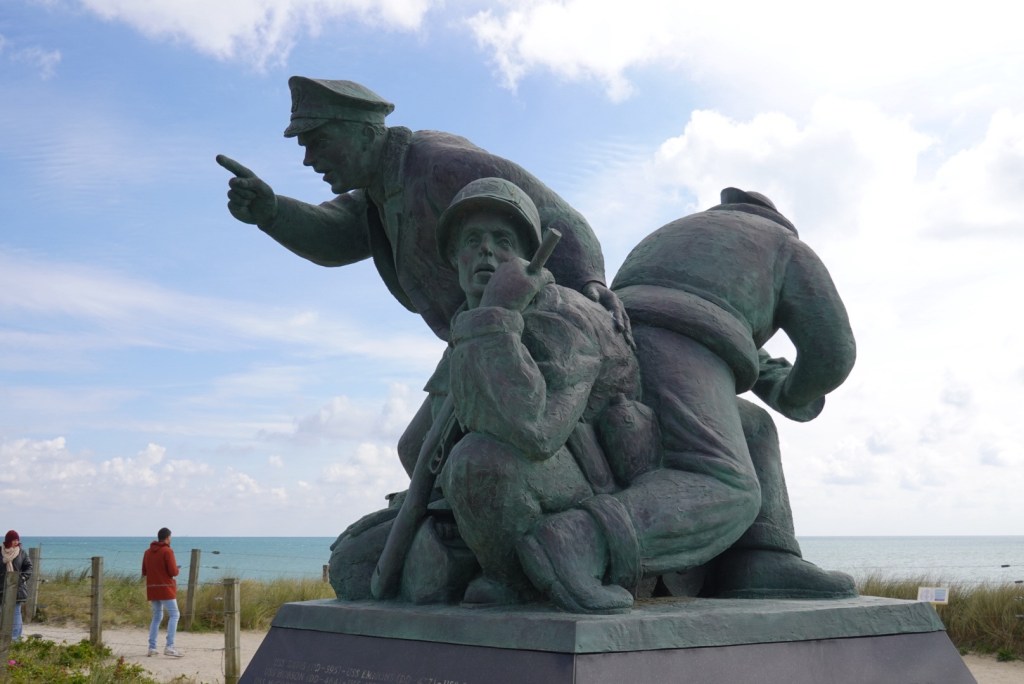
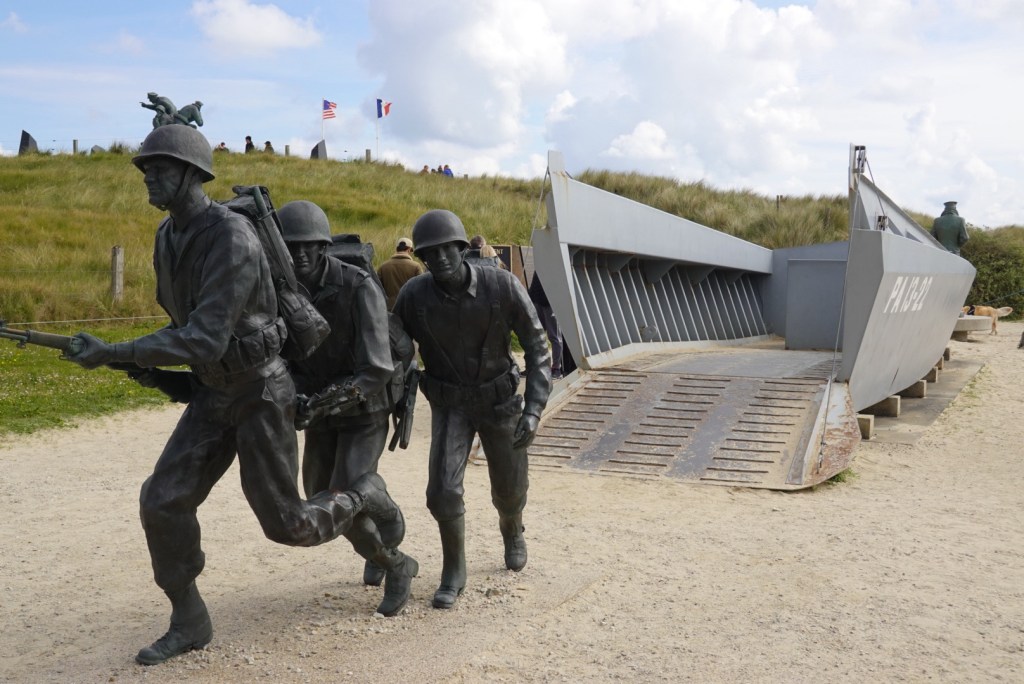
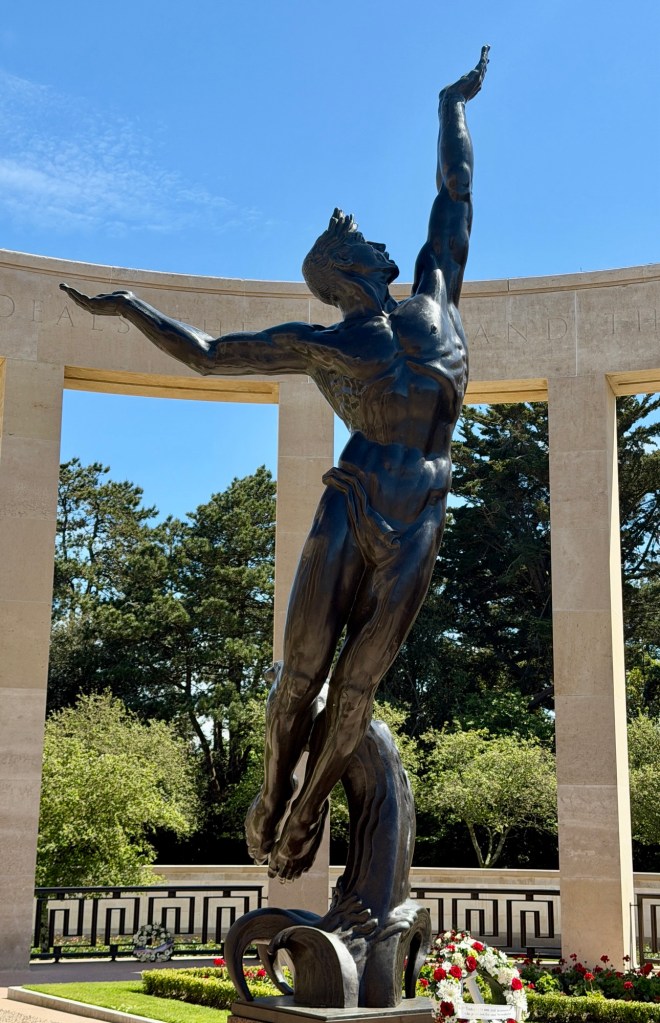
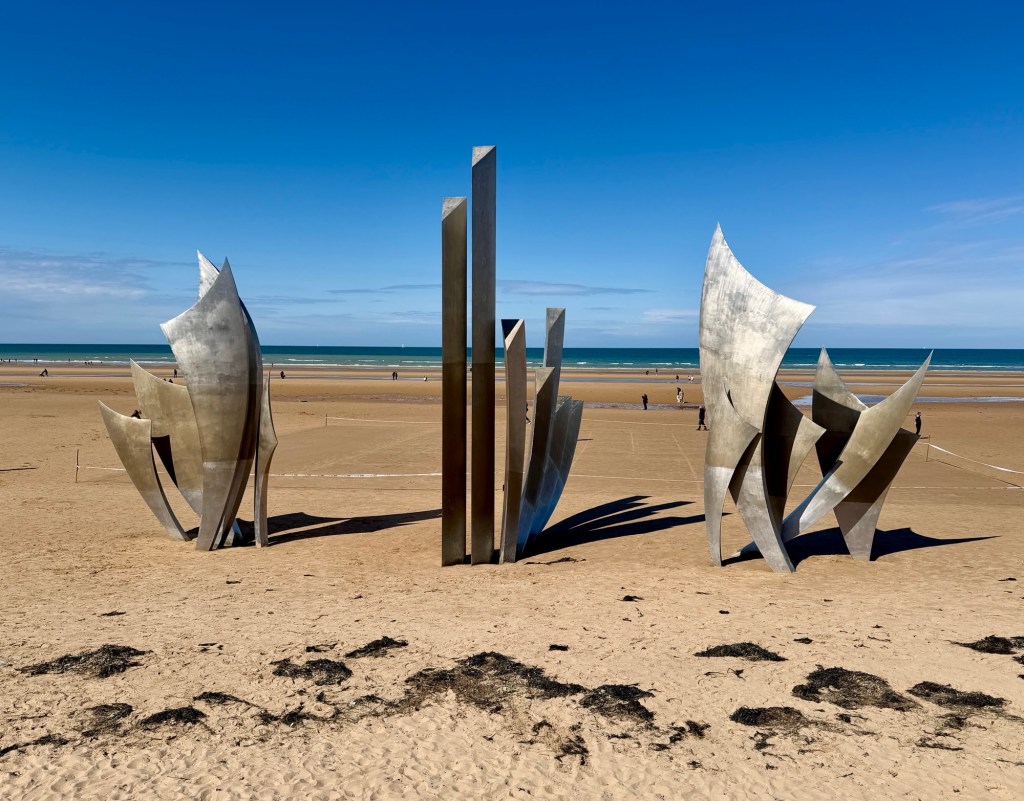
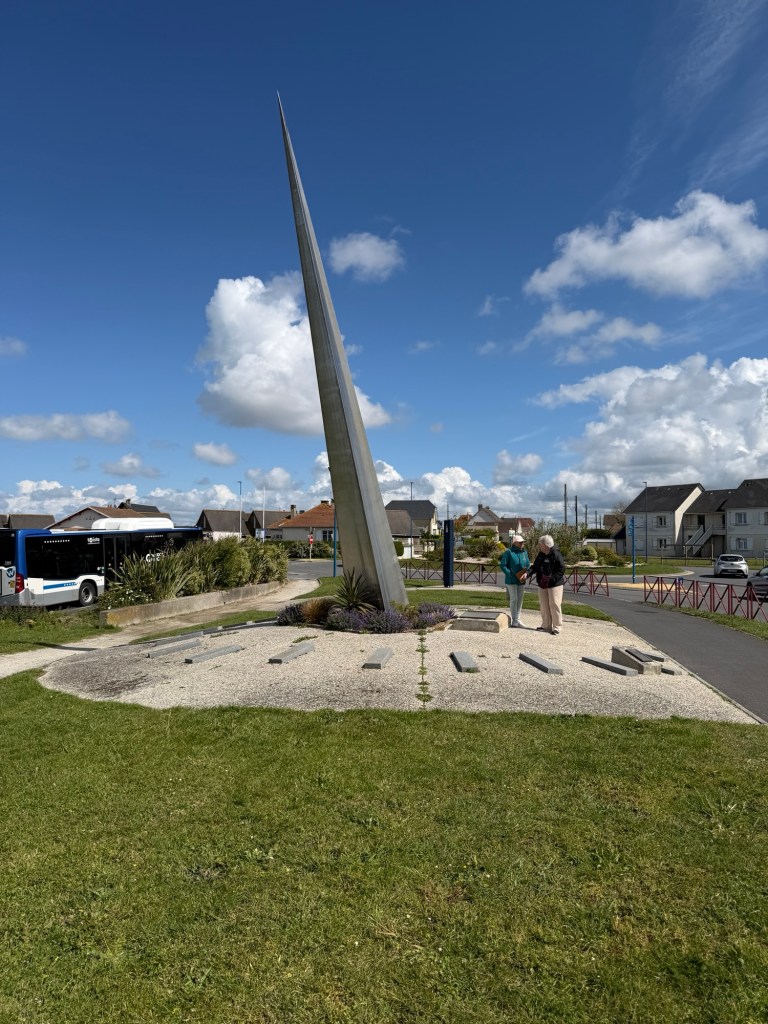
The artist, Anilore Banon writes:

I created this sculpture to honour the courage of these men, sons, husbands and fathers who endangered and often sacrificed their life in the hope of restauring their fredom to the French people.

The sculpture THE BRAVE is made of three elements:

The Wings of Hope

So that the spirit that carried these men on June 6th, 1944 continues to inspire us, reminding us that together it is always possible to change the future.

Rise, Freedom!

So that the example of those who rose against barbarism helps us remain standing up against all forms of inhumanity.

The Wings of Fraternity

So that this surge of brotherhood always reminds us of our responsibility towards others as well as ourselves.

On June 6, 1944, these men were more than soldiers, they were our brothers.
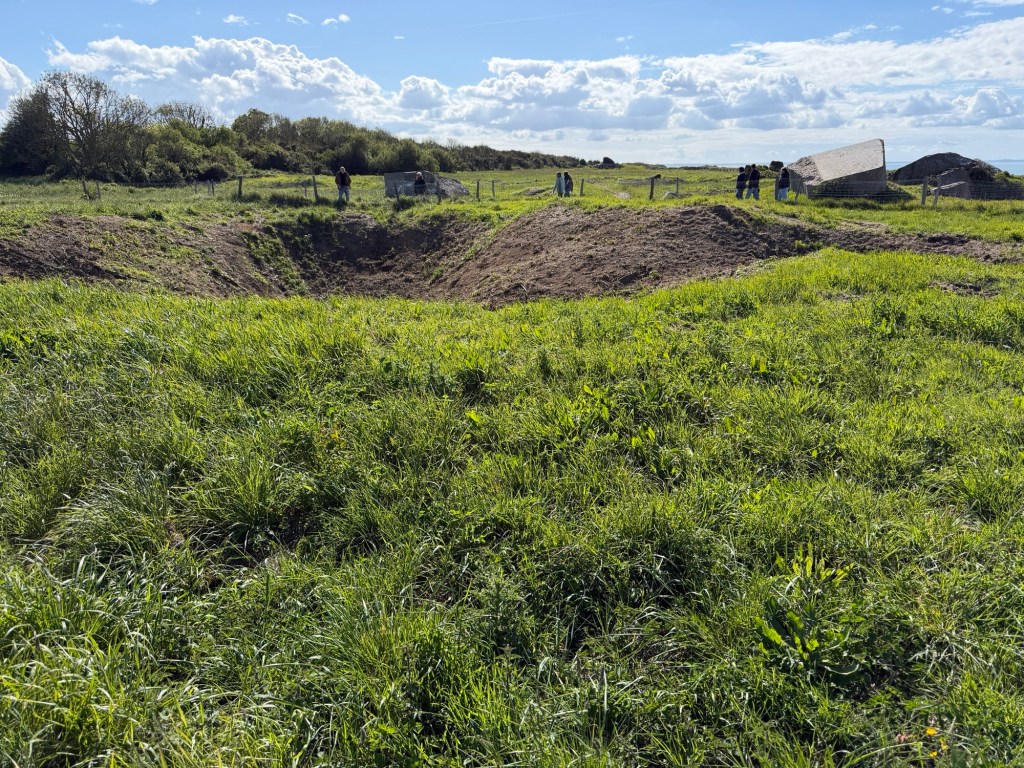
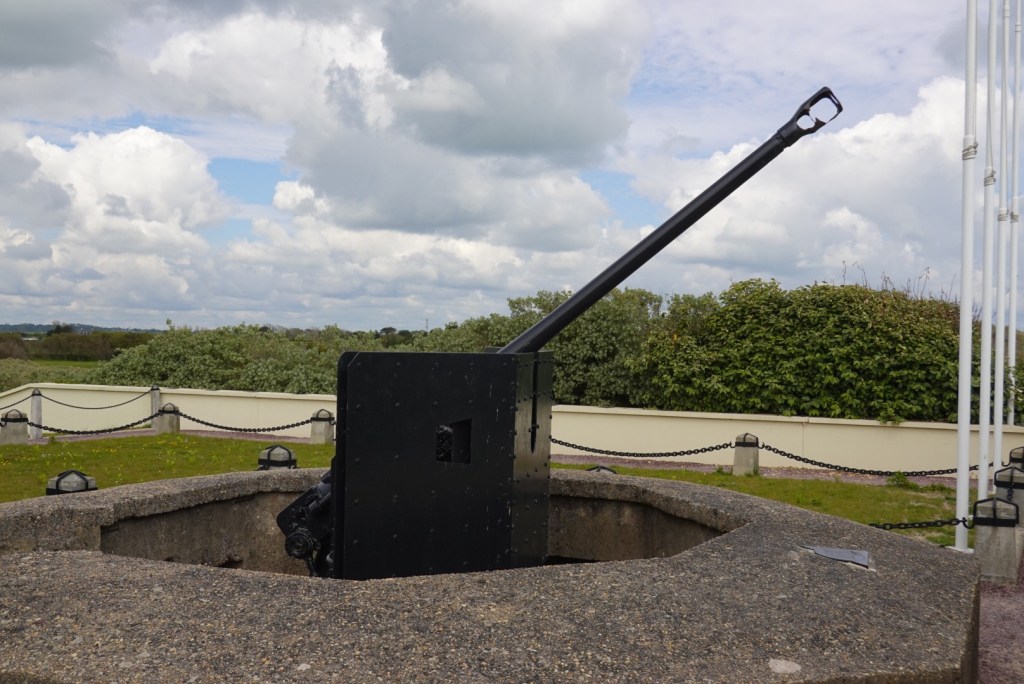
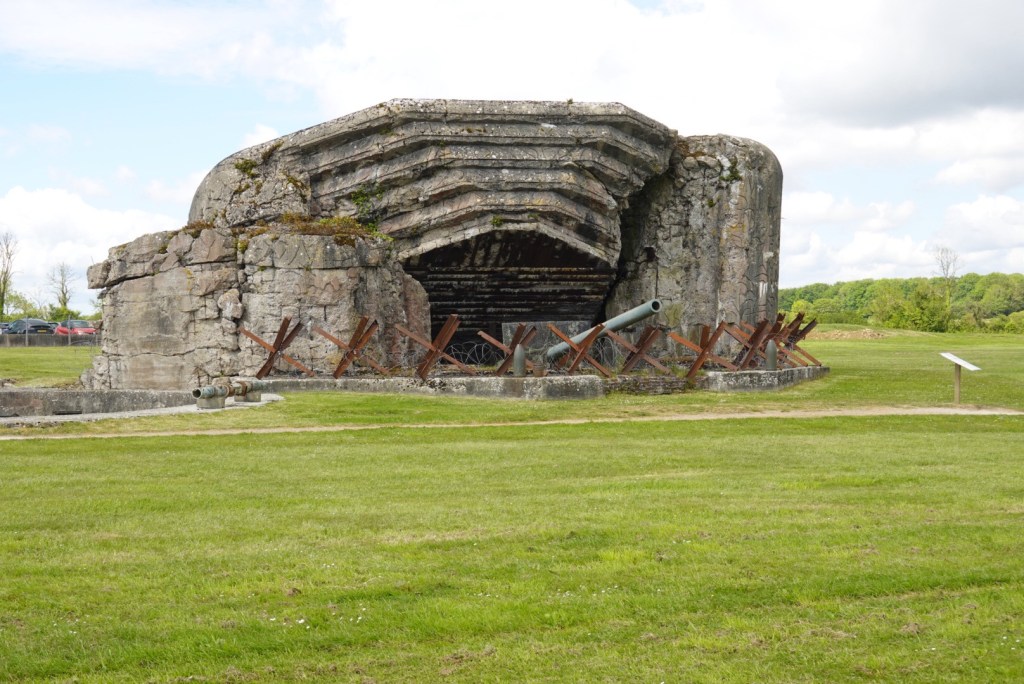
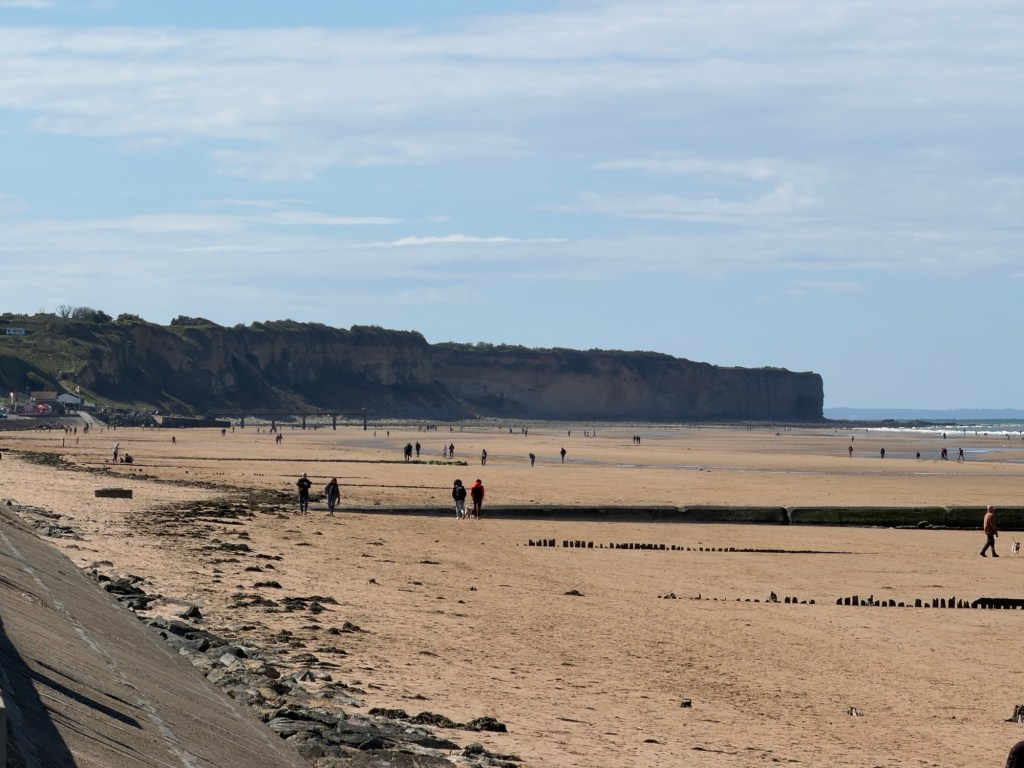
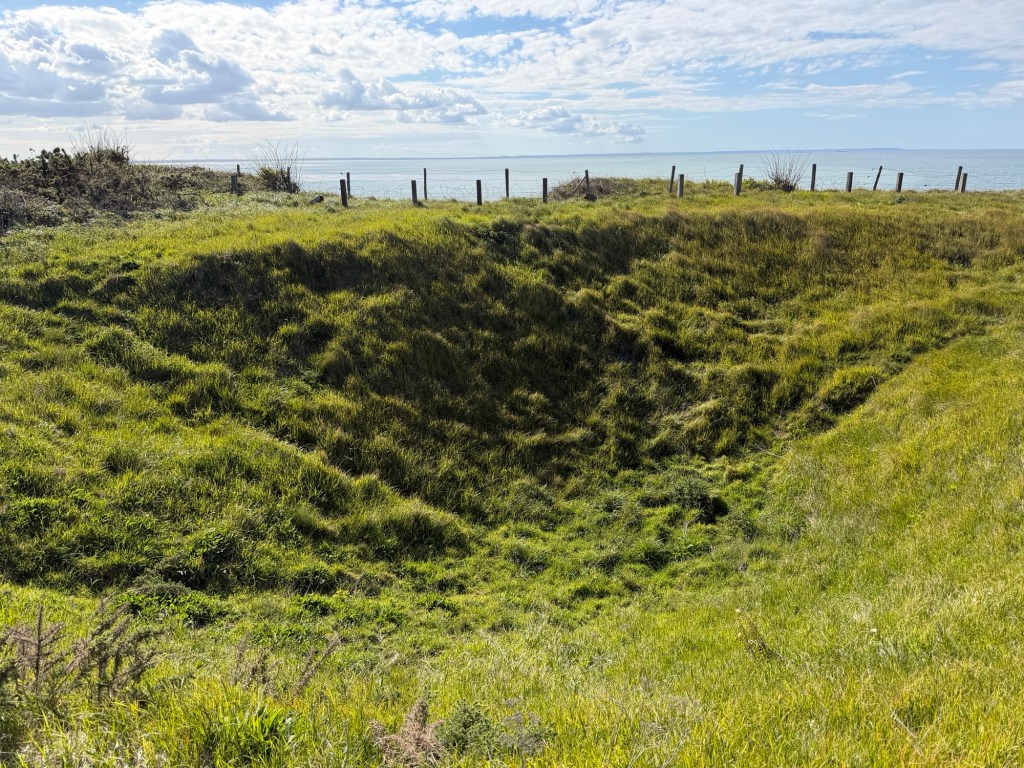
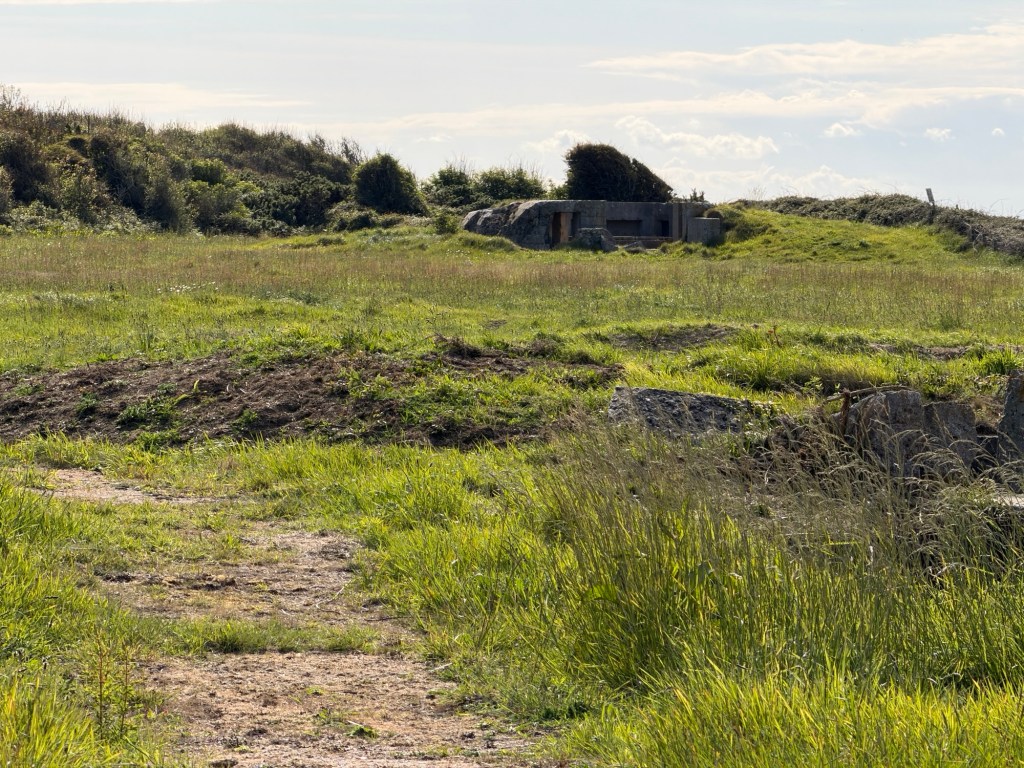
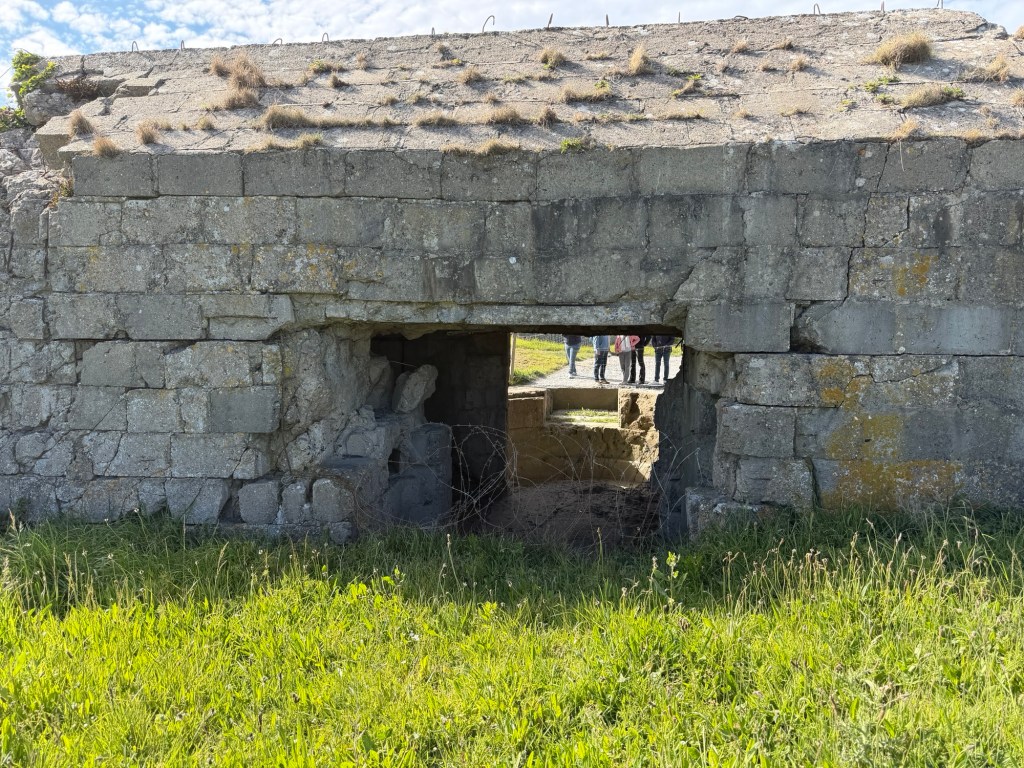
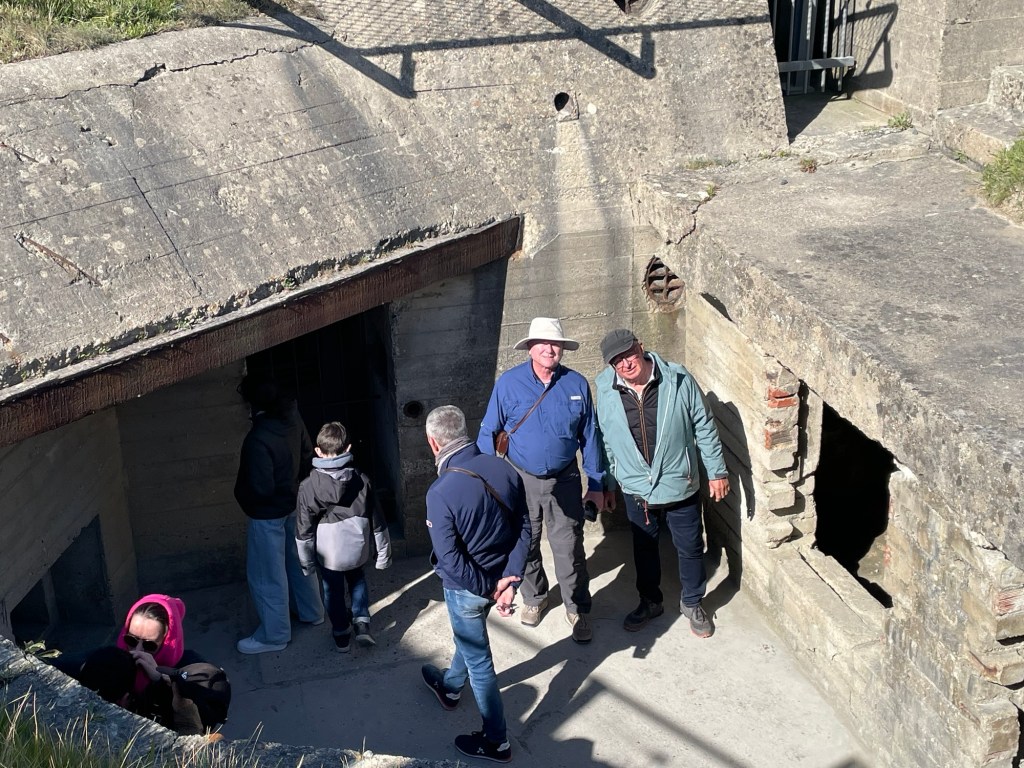
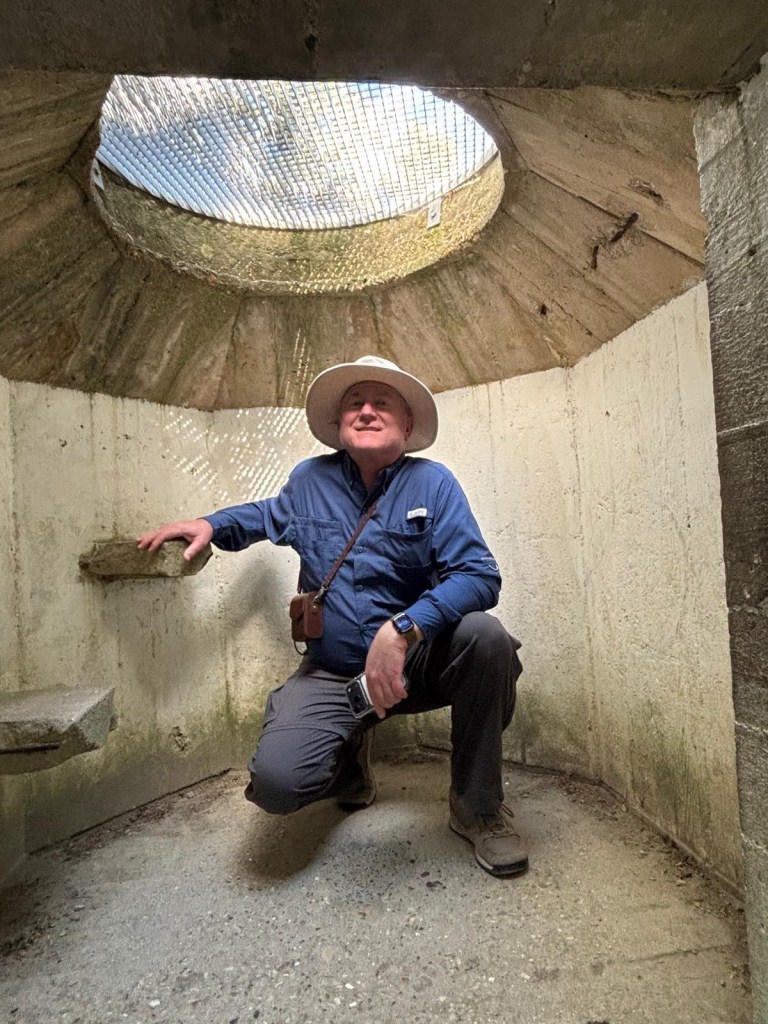
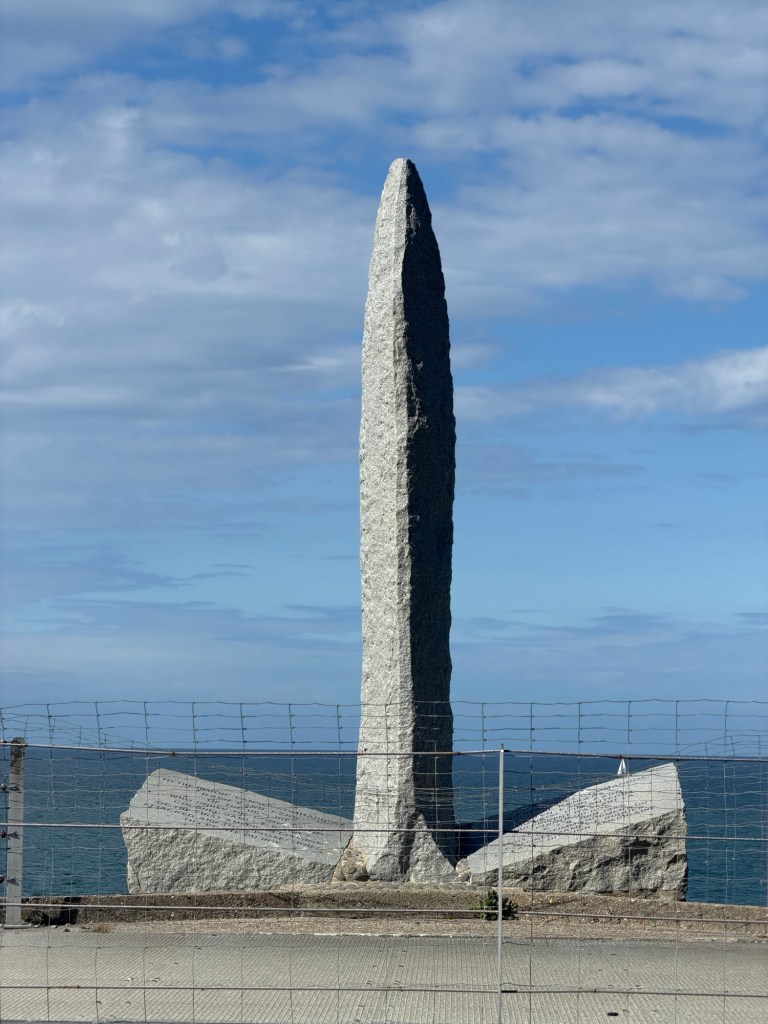
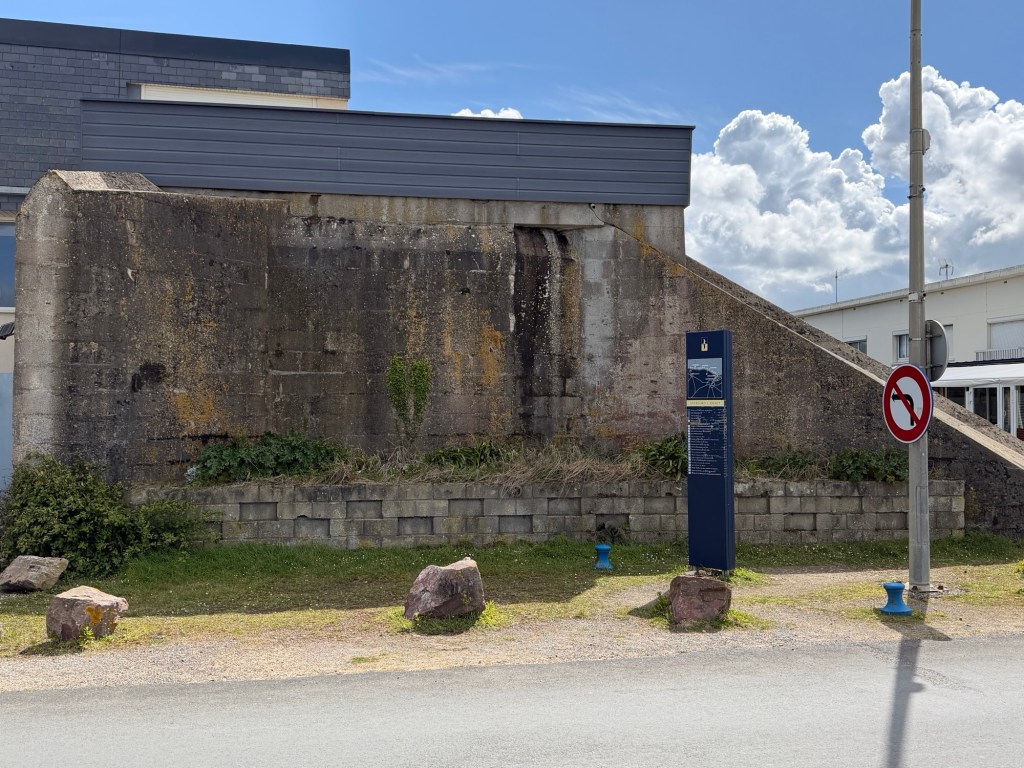
Monument on a bunker at Pointe du Hoc installed by the French to honor the American Second Ranger Battalion.
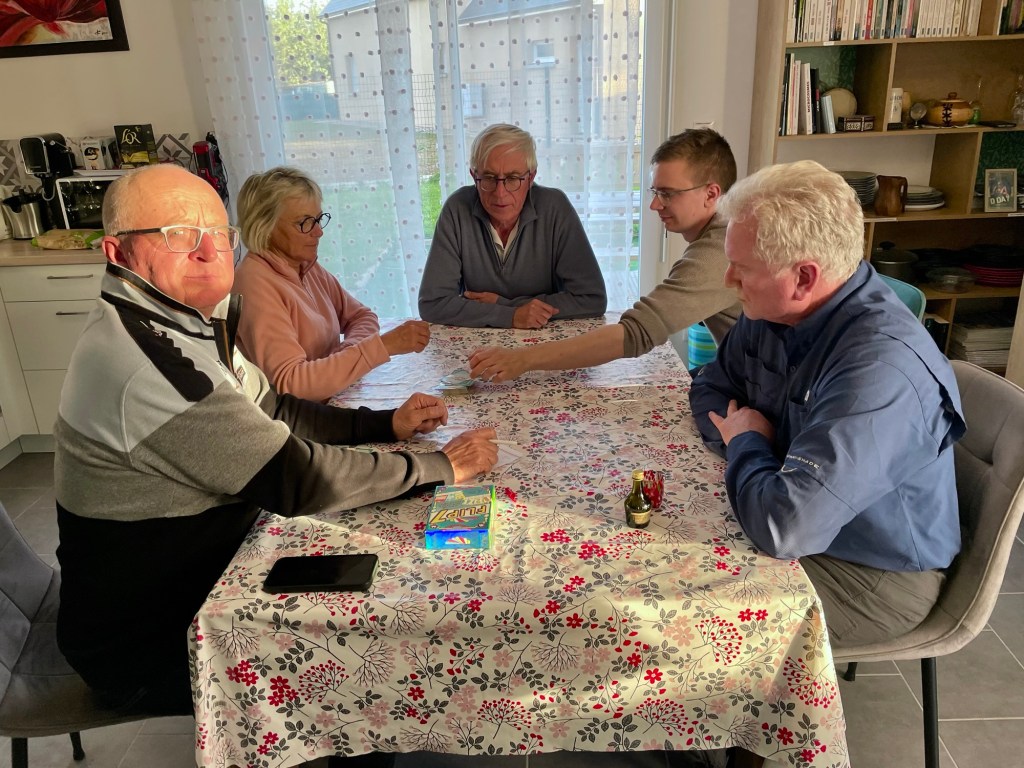
An evening game of Flip7 at Jéromes house to end the day

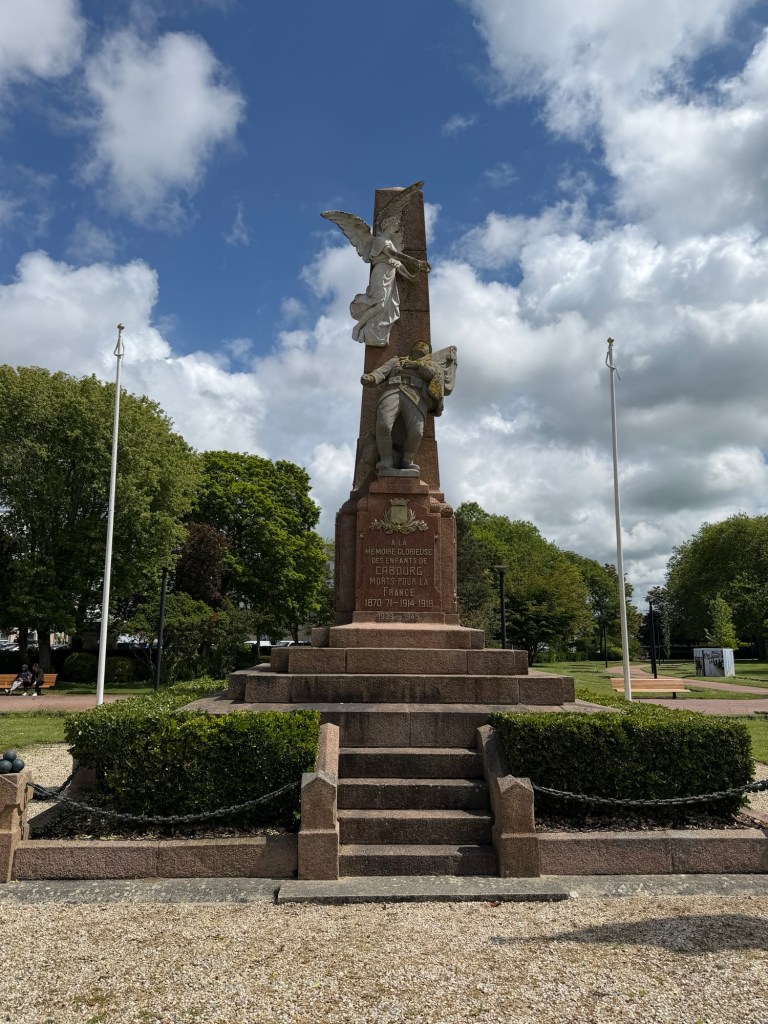
Lisieux and Cabourg, Sword and Juno beaches on Thursday

We packed in the morning to move to a different location, Marc’ brother’s home.

This morning was important to Clare, because she tried to get to Lisieux twice before, with her mom in 2003 and much later with her mom and daughter. The first was foiled by a transportation strike in France, the second because her mom got sick. She’s fine now, over 100 years old.

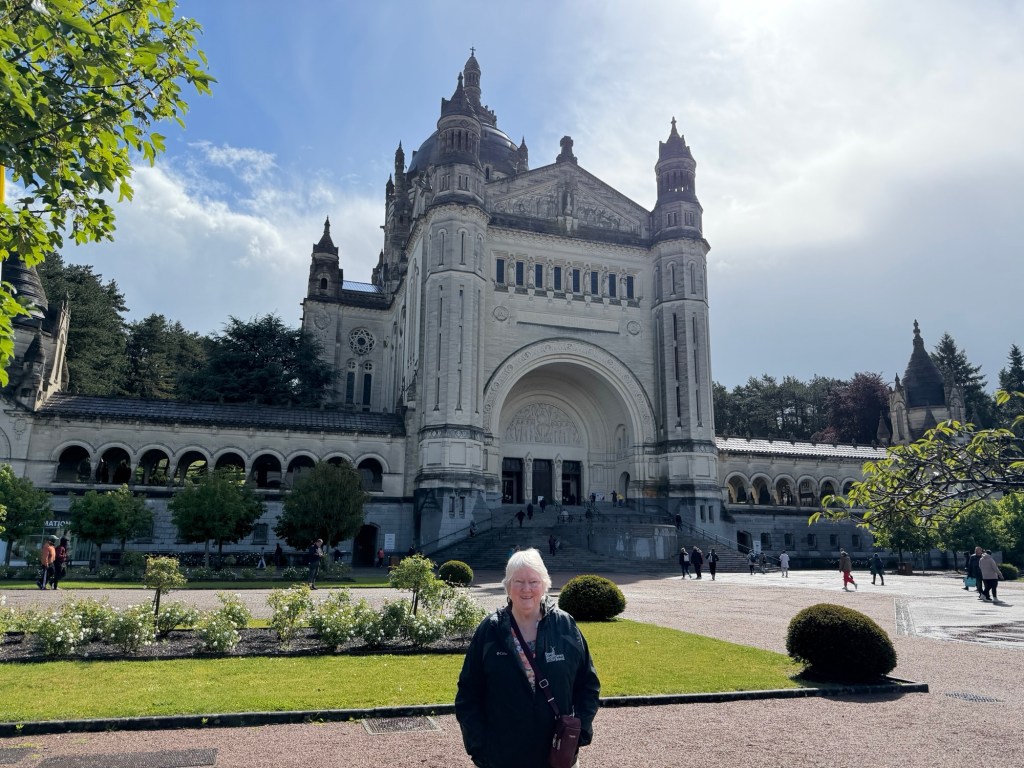
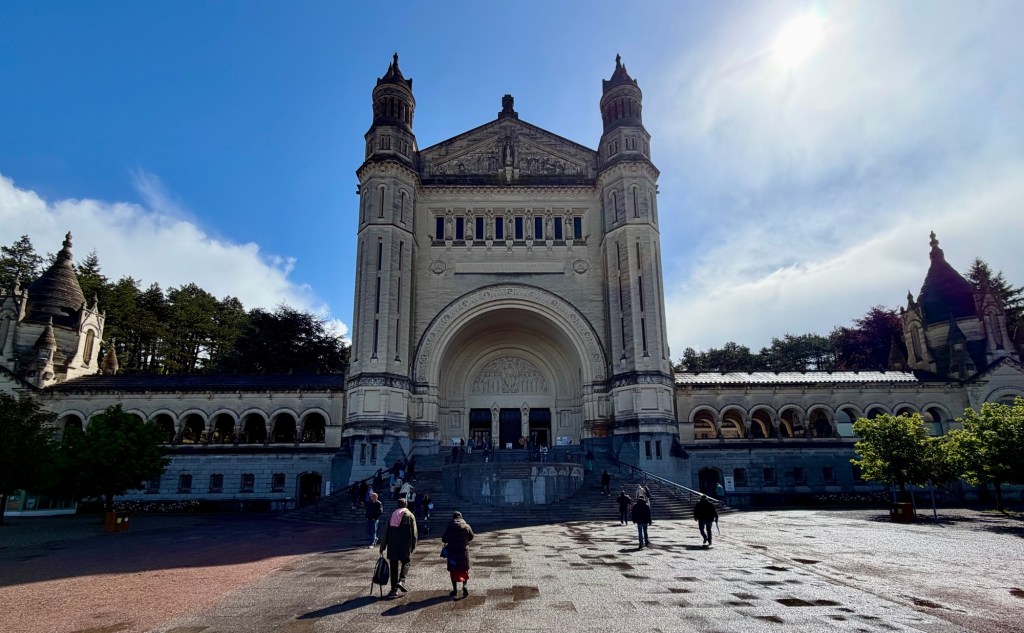
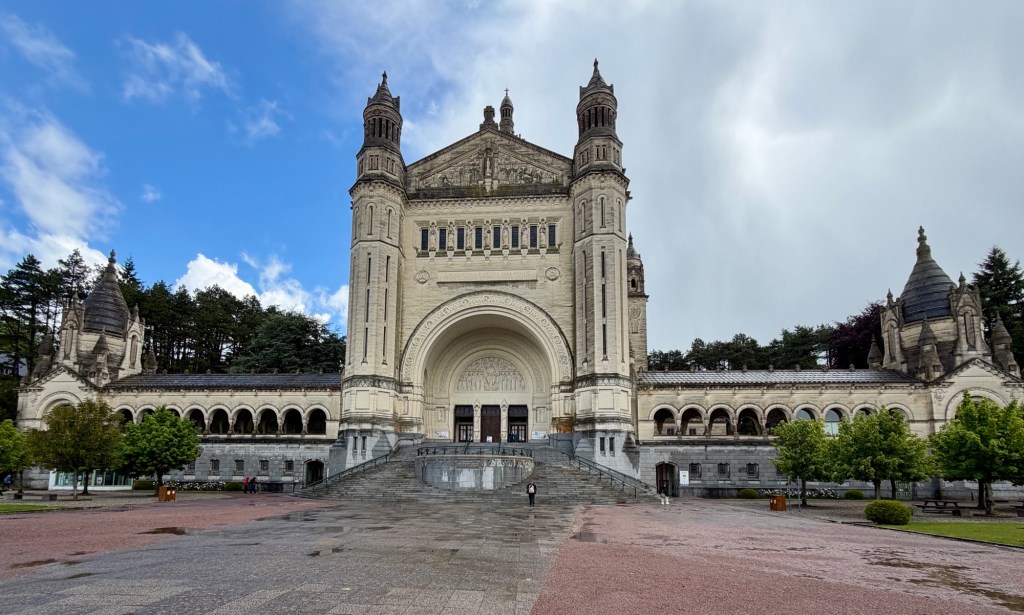
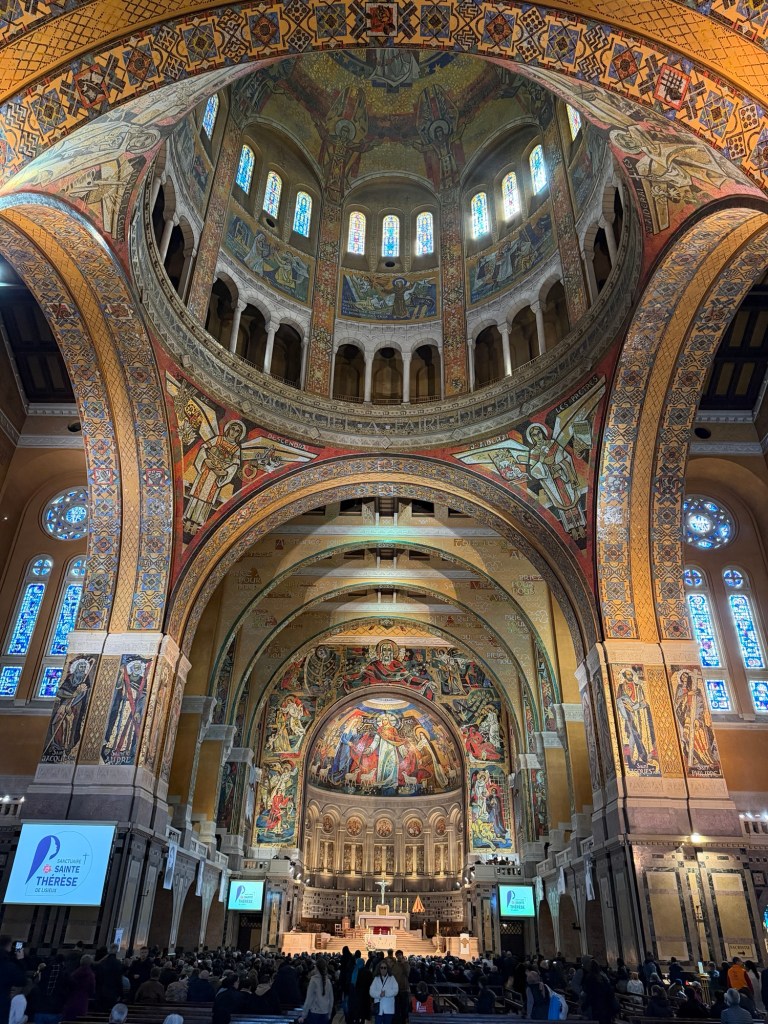
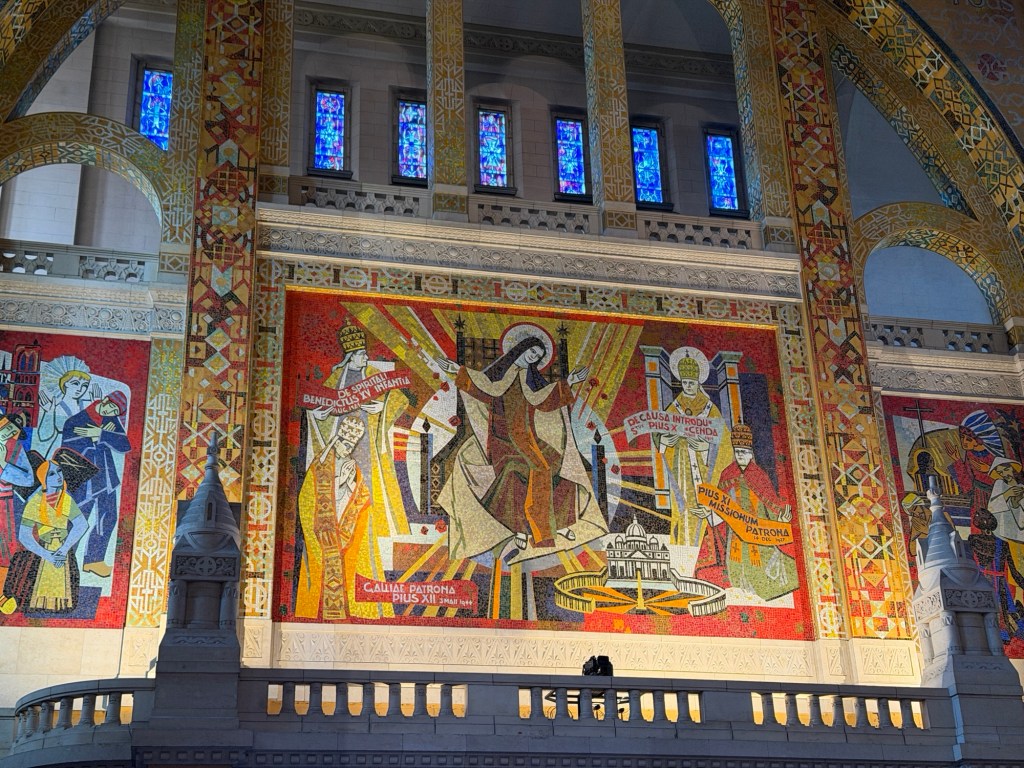
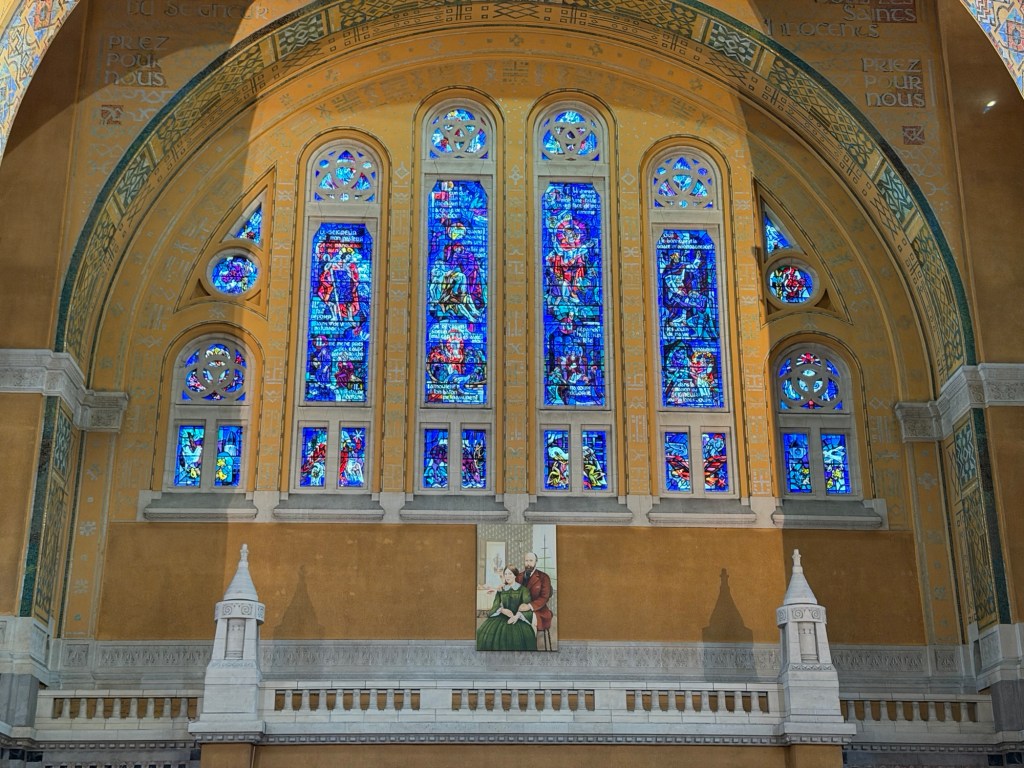
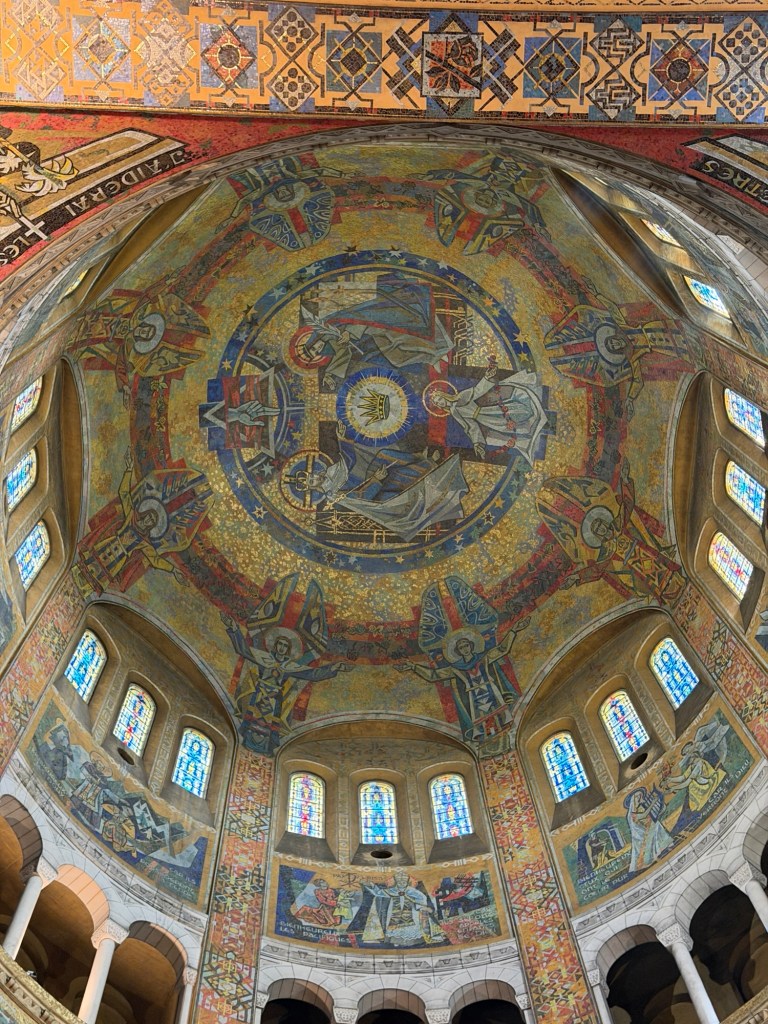
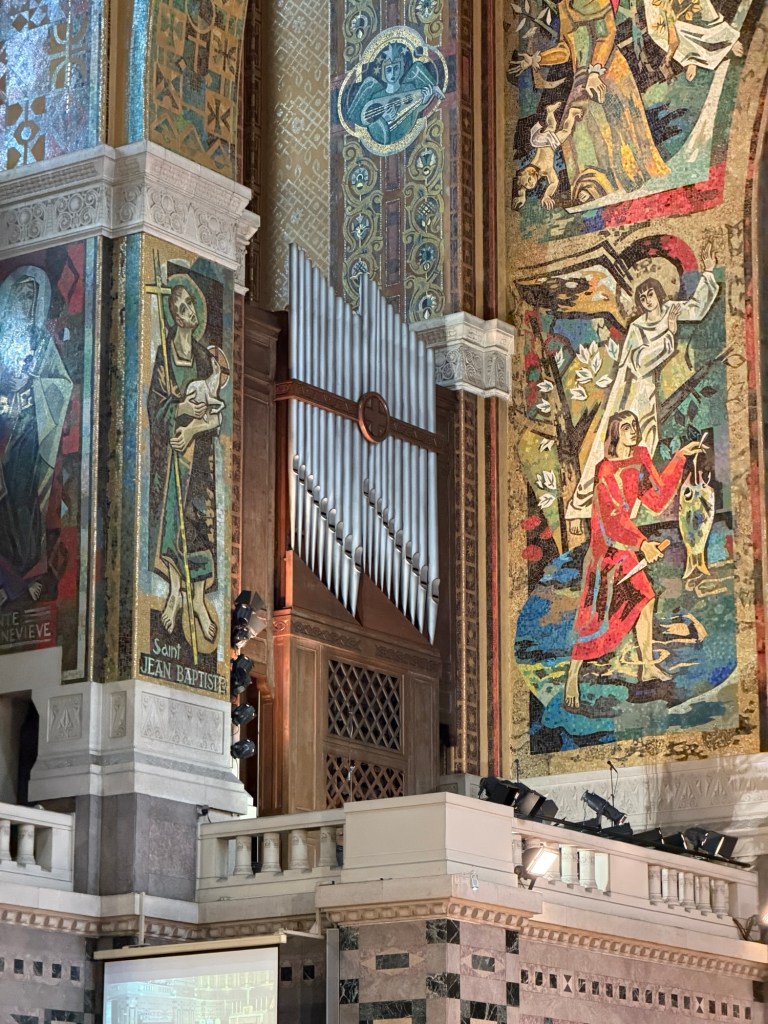
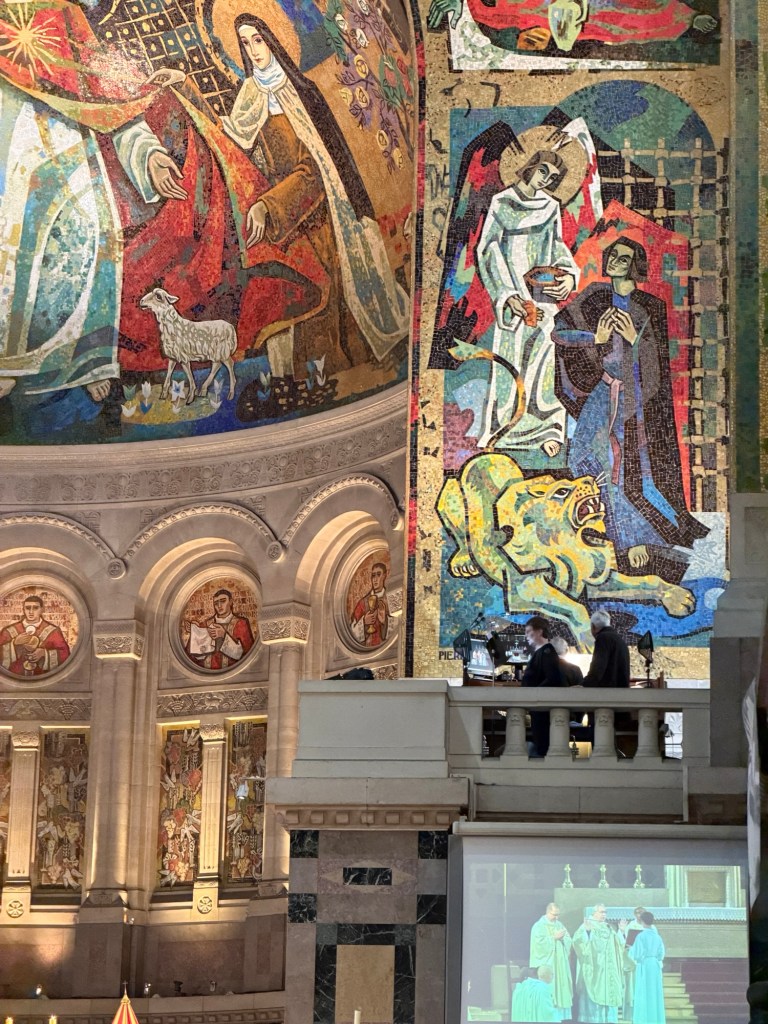
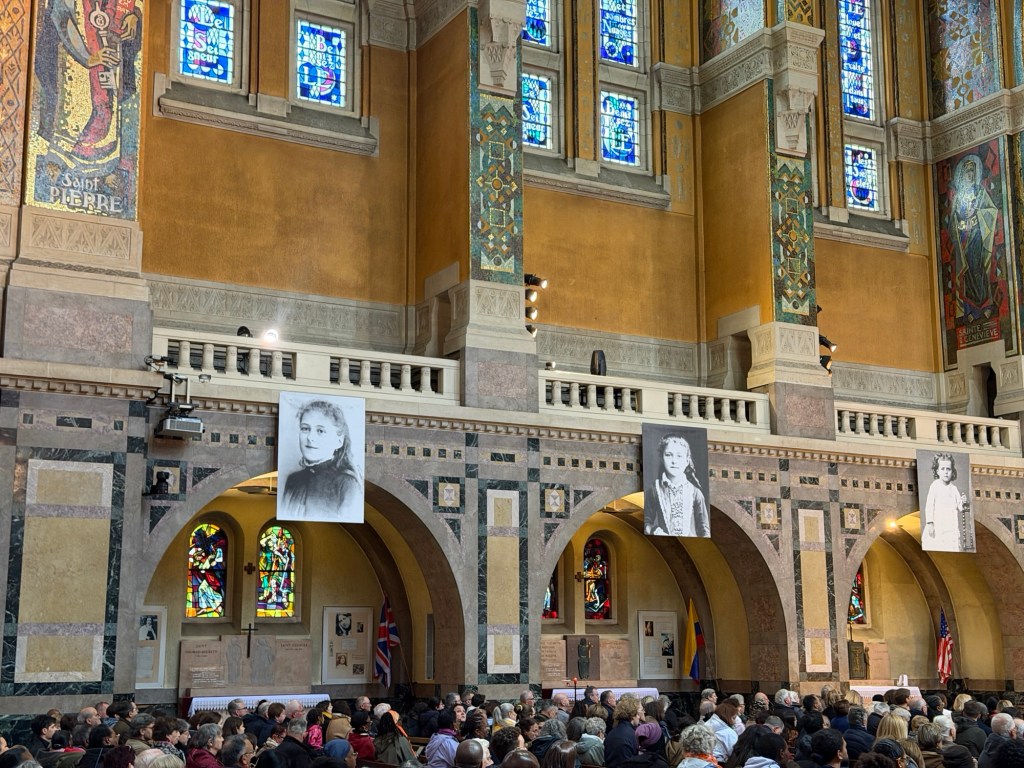
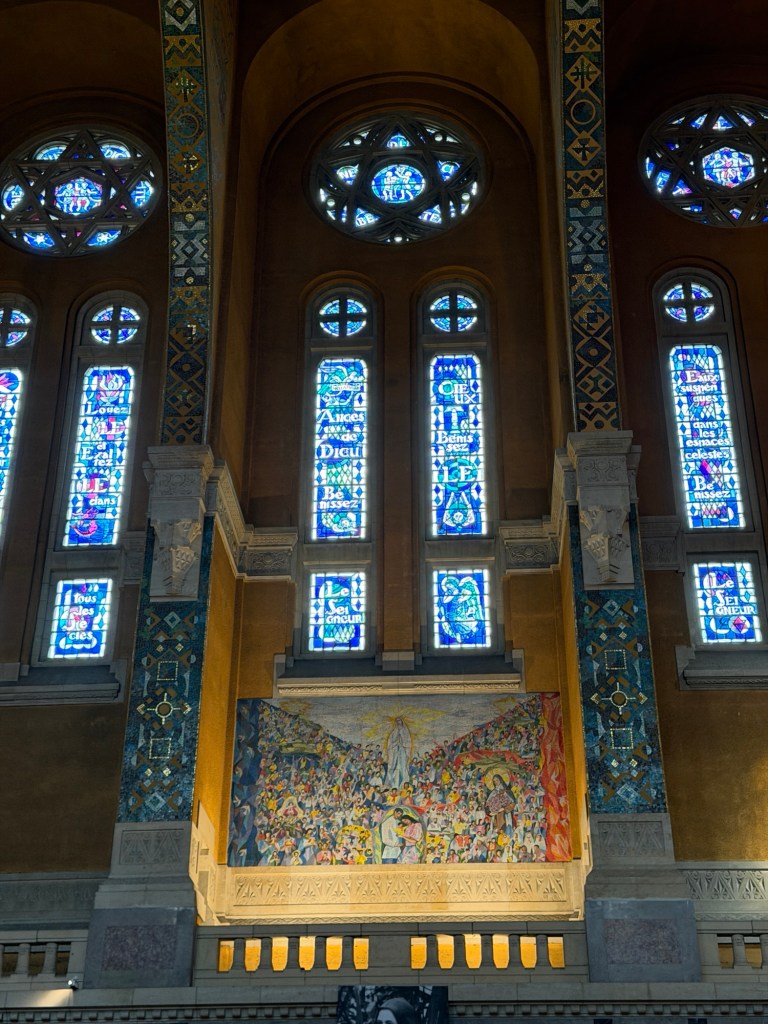
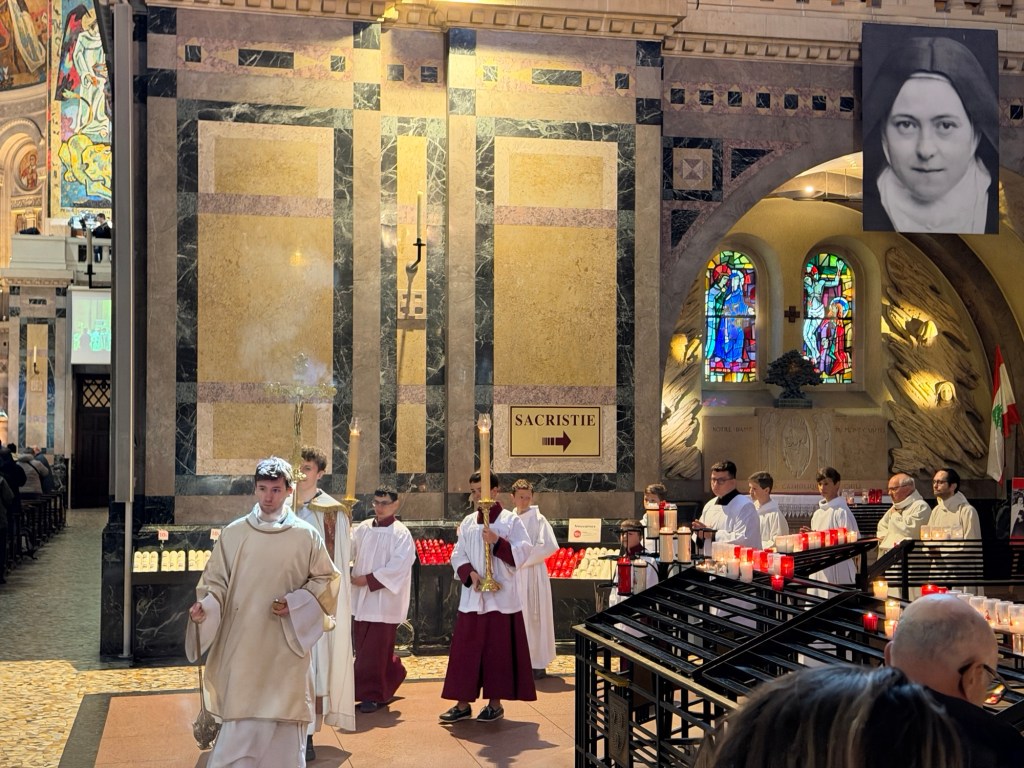
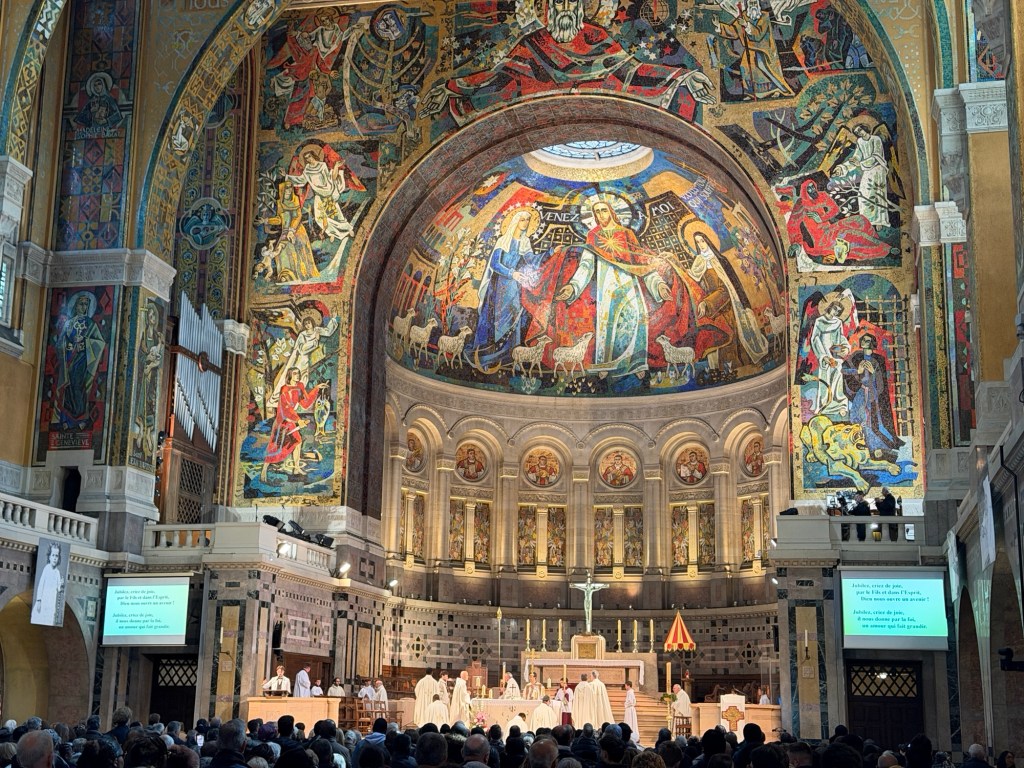
The Basilica du St Thérèse is magnificent, big and bright inside.

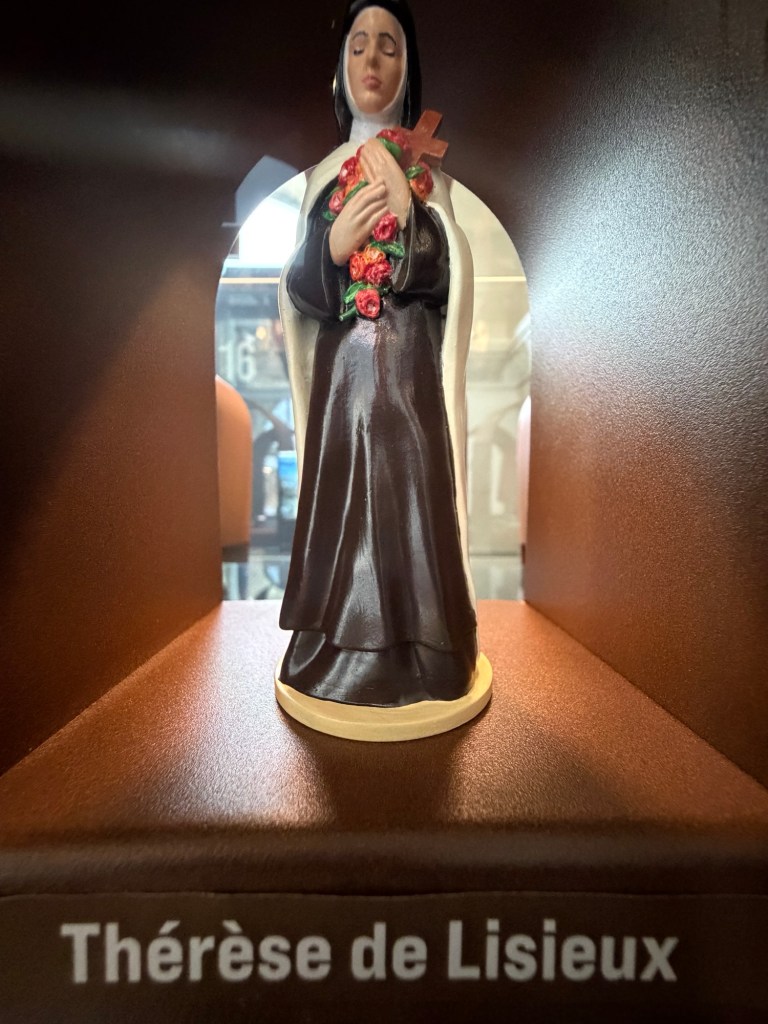
We learned about St. Thérèse and her life in Lisieux. She had four older sisters, all of whom also became nuns at this convent. Thérèse was the youngest. Although she only lived for 24 years, she was well known for writing prayers that people liked to say and distributing hope and flowers in equal measure.

The pictures don’t give the scale of the brightness inside. The colorful mosaics and stained glass added to the beauty.

Seeing this large Basilica dedicated to a woman felt right, somehow. Celebrating life is good for us all.

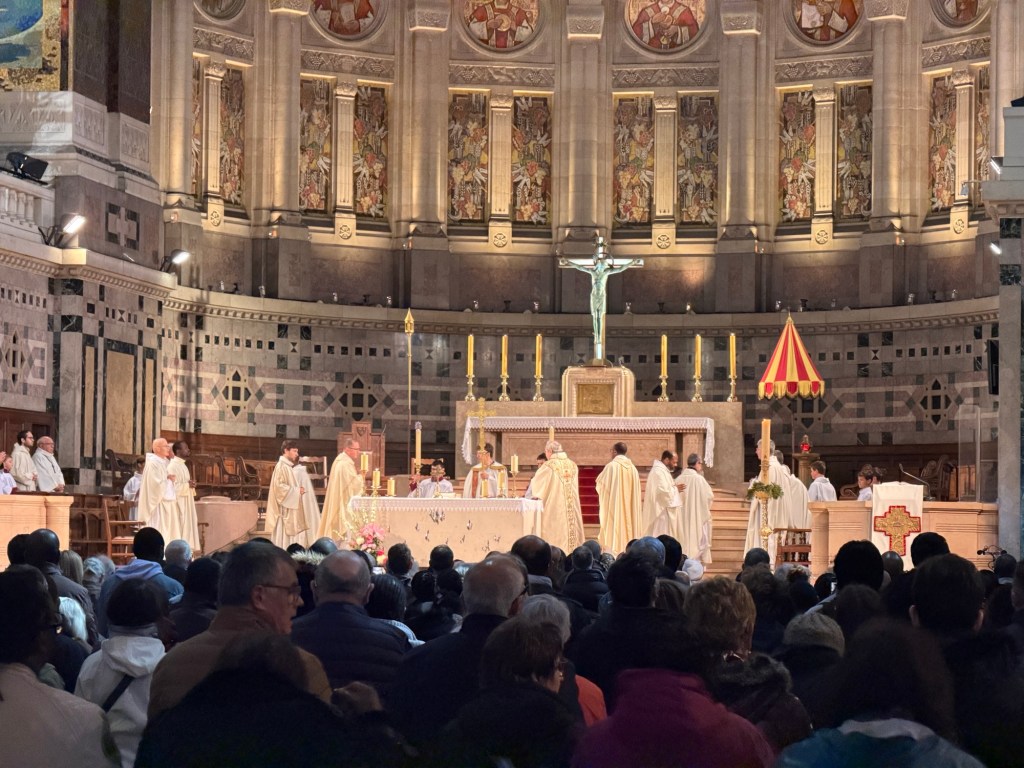
We were still inside when a mass started, so we stayed for a while. The mass was held on this day because it was Ascension Day, a holiday in France, of course this would affect the number of visitors at D-Day sites over the 4-day weekend.

There was an adjacent museum with dioramas depicting events in Thérèsa’s life, including figurines of many saints.

Now, we start on our exploration of the WWII history of this area. We begin in the eastern part, working our way west over the next few days. A big goal,later, is to learn more about Brian’s mom’s uncle, Brian’s Grand Uncle George A. Taylor, who participated in the D Day events of June 6, 1944.

Driving to Cabourg, on the coast, we were glad that the rain and hail occurred while we were inside the basilica and museum.

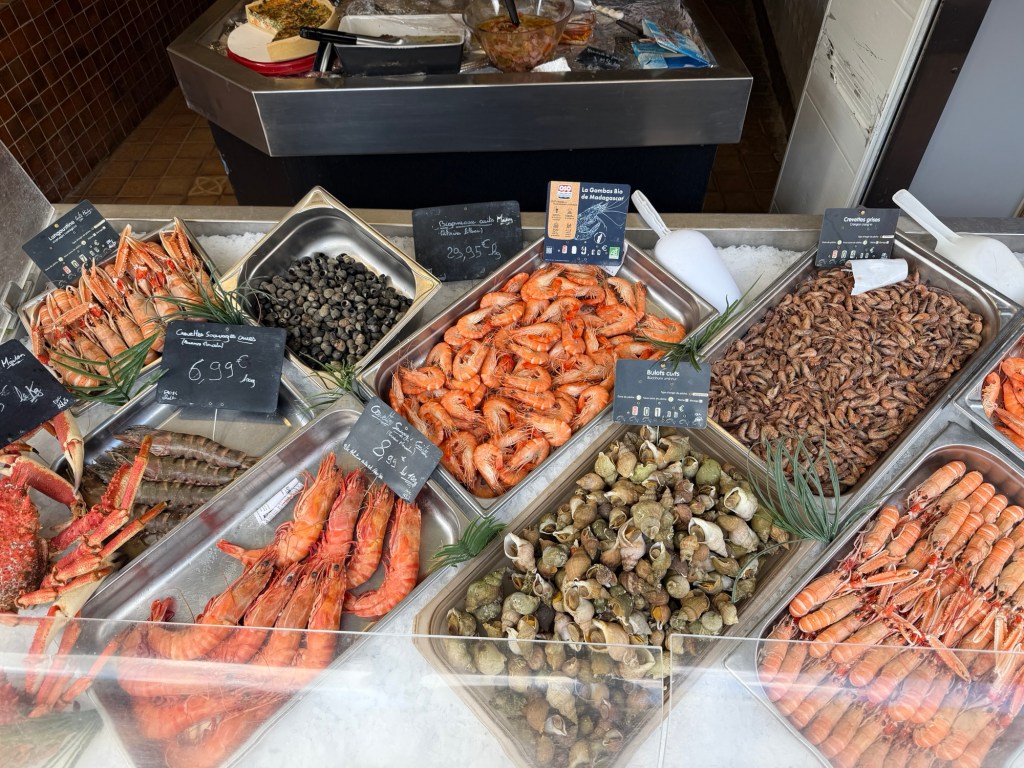
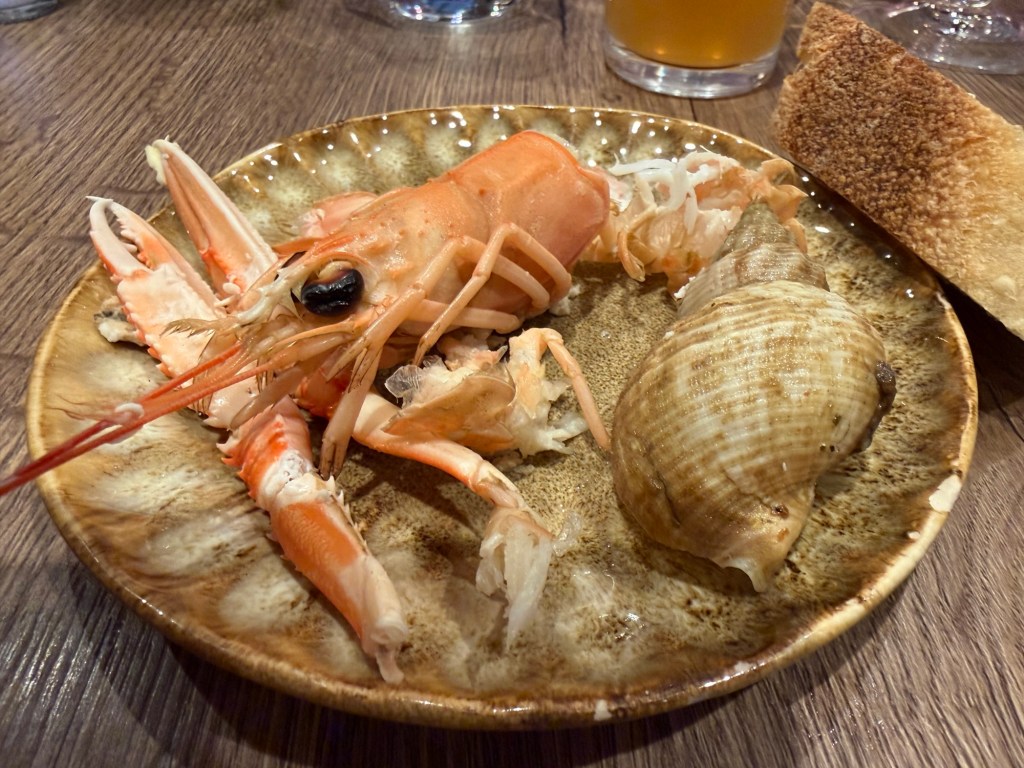
Fruits de mer

We now begin visiting the D-Day sites in Normandy, guided by Marc and Joëlle, as well as Marc’s brother, Jérome. Of course we will also be observing the countryside and villages. We begin in Ouistreham.

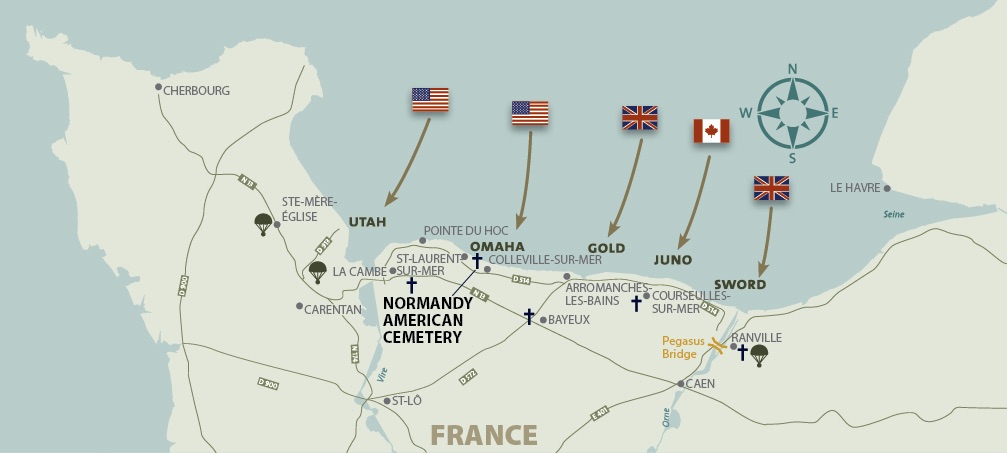
Map of the major sites of D-Day landings

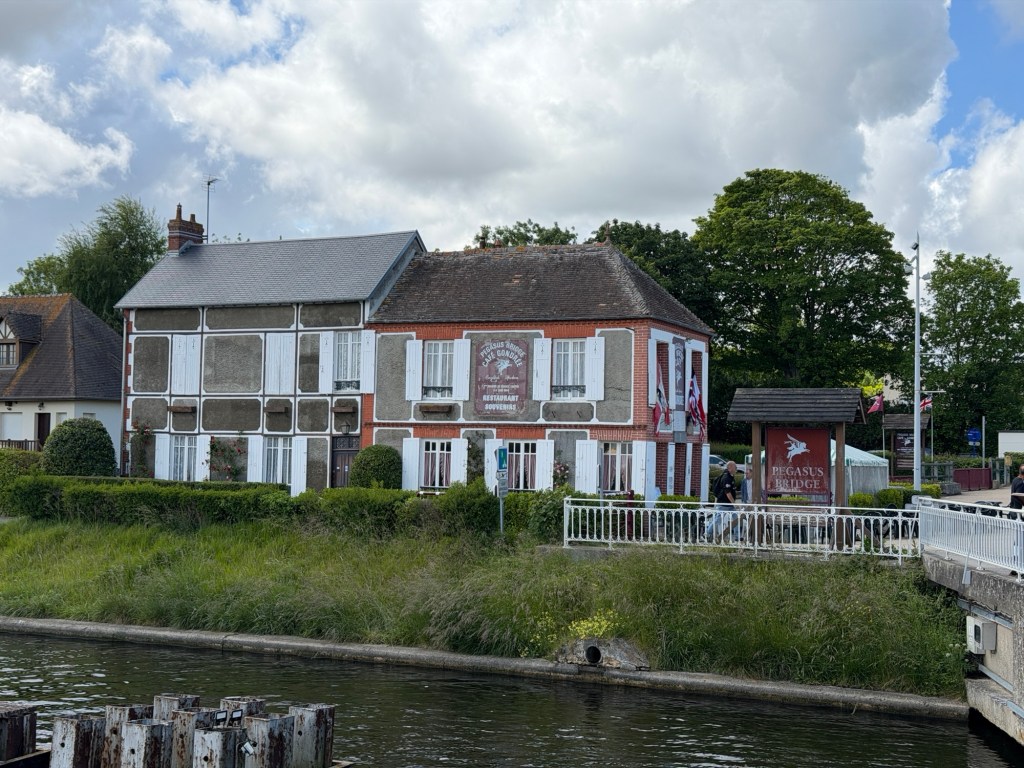
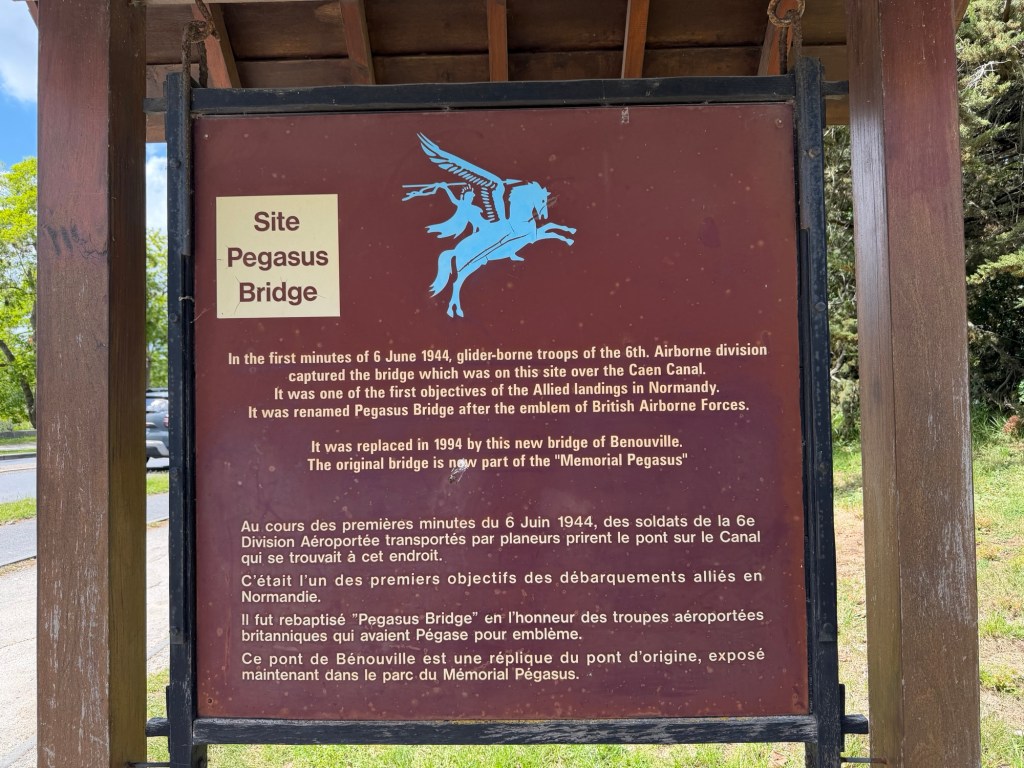
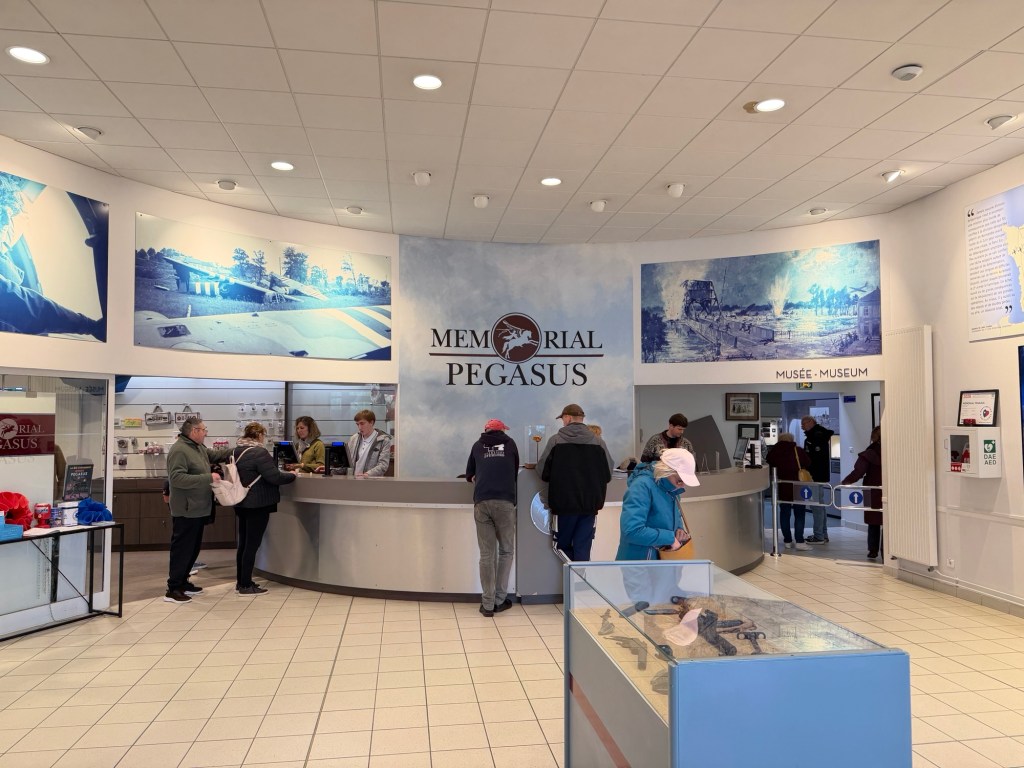
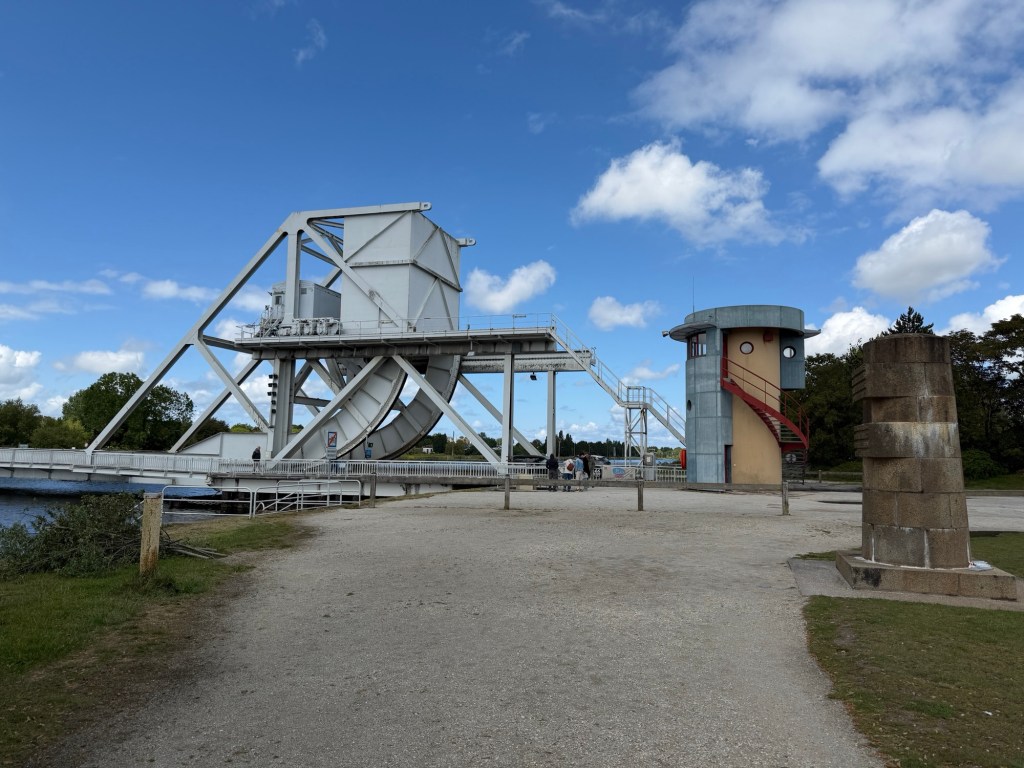
Securing the Pegasus bridge facilitated the landing of British troops on nearby Sword Beach.

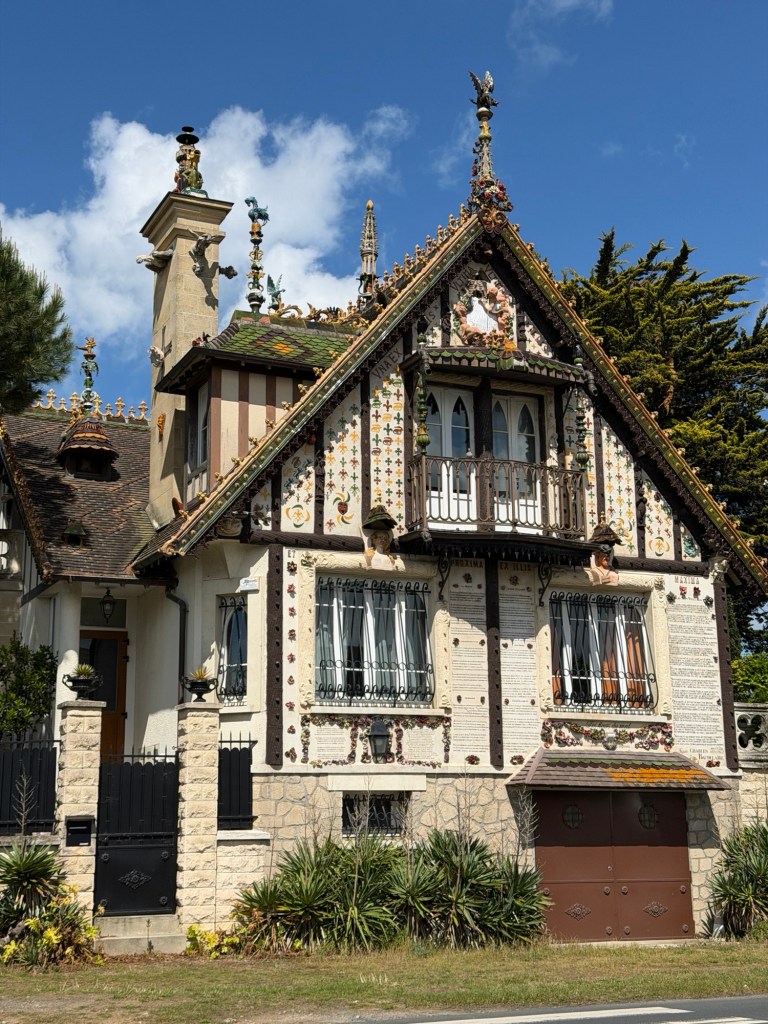
A few blocks from Sword Beach, Marc found this old, decorative house because there was an Earthcache to conquer!
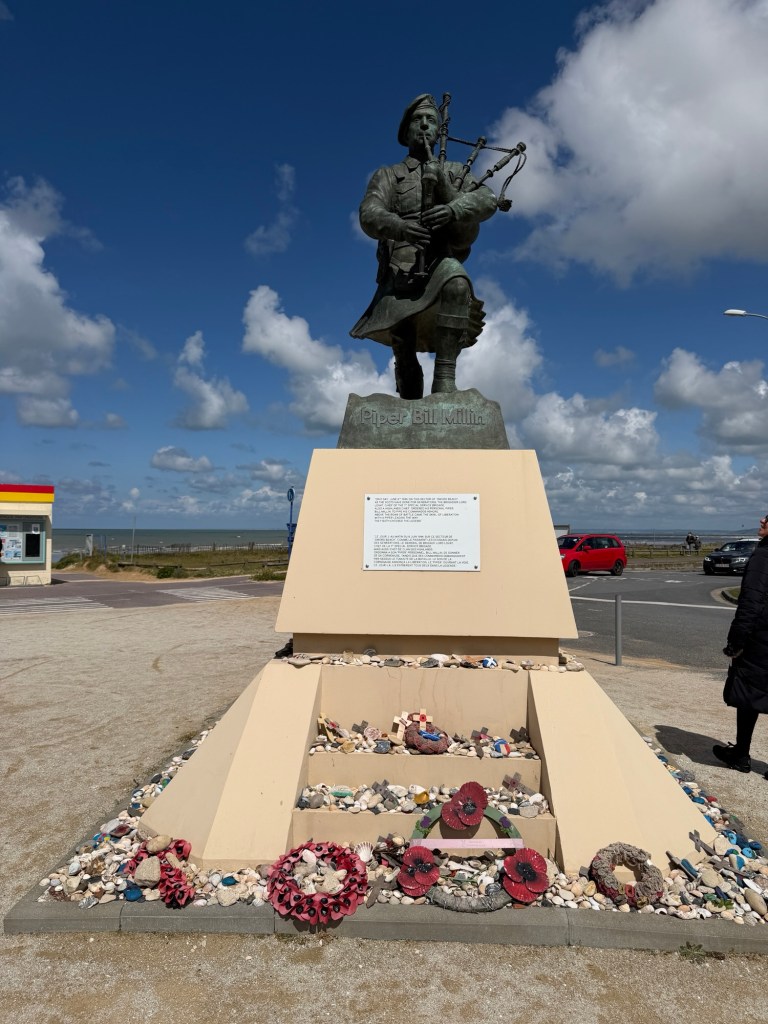
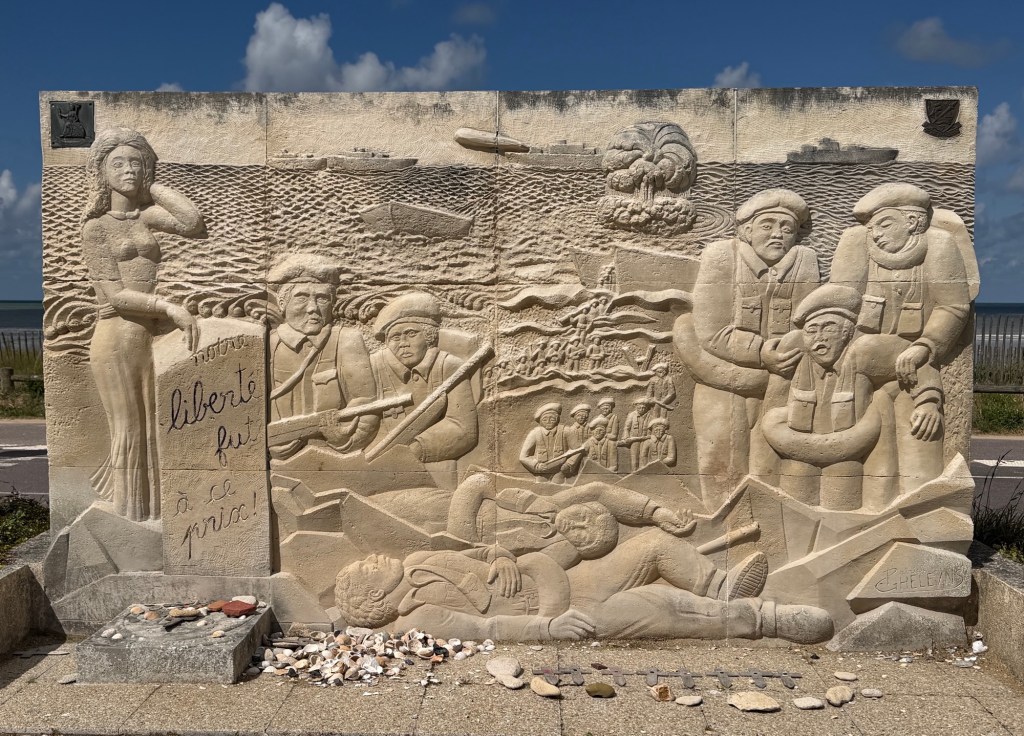
Monument dedicated to British Marines at Lion-sur-mer

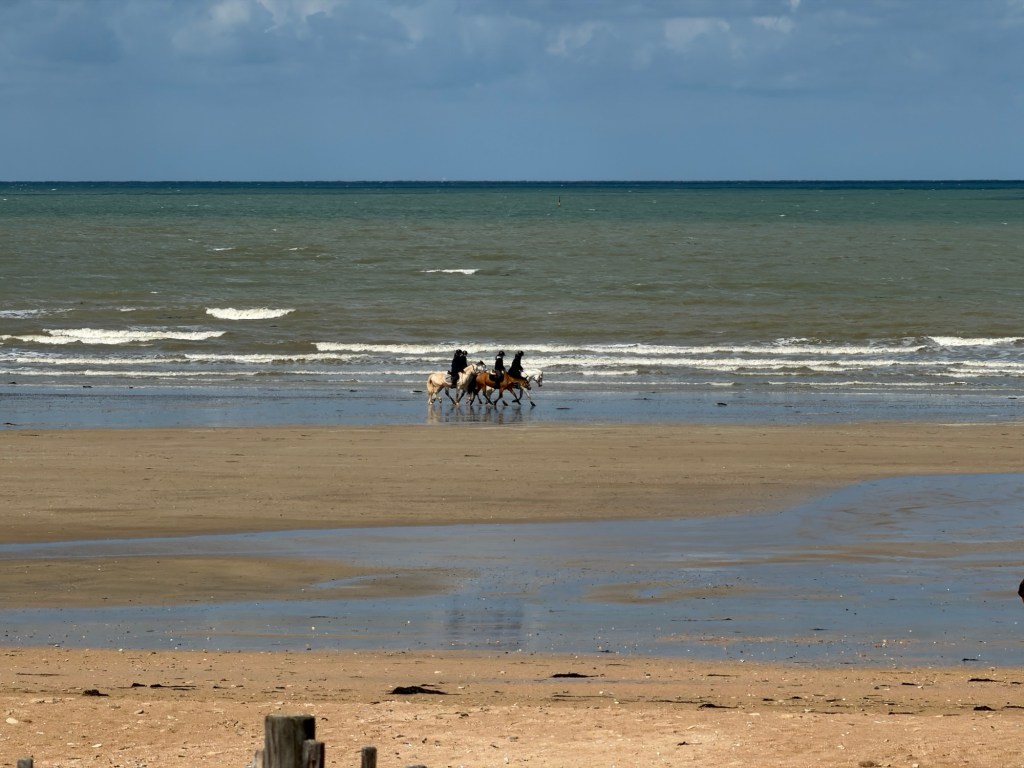
Canadian forces landed on Juno Beach, west of Sword Beach.

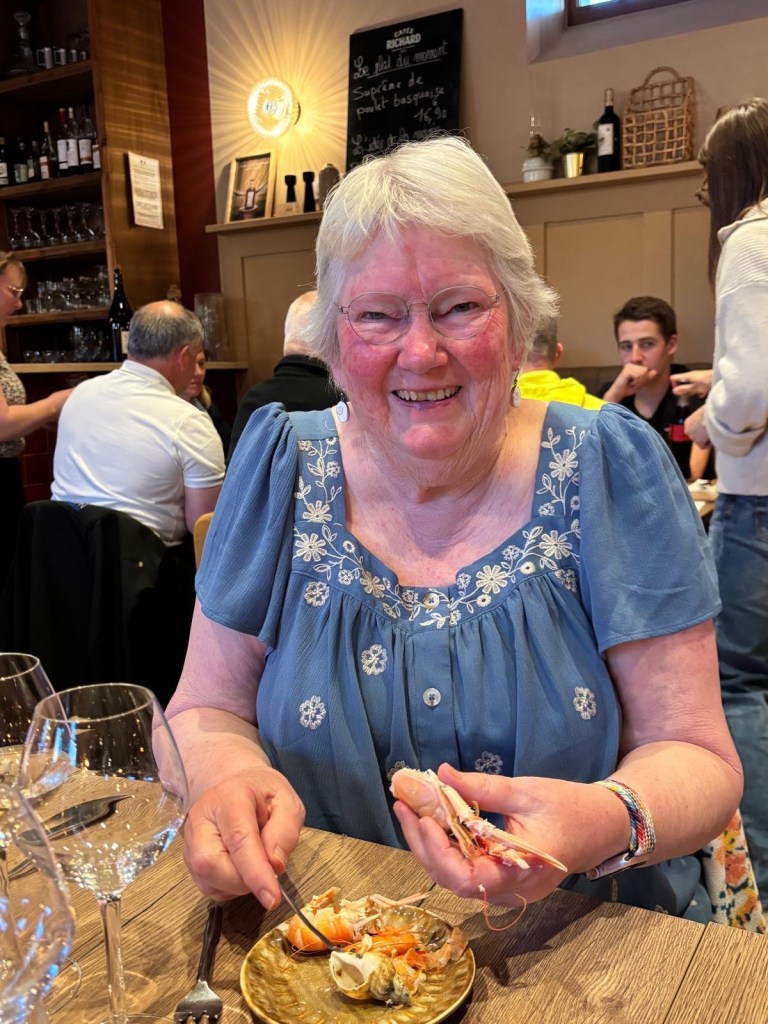
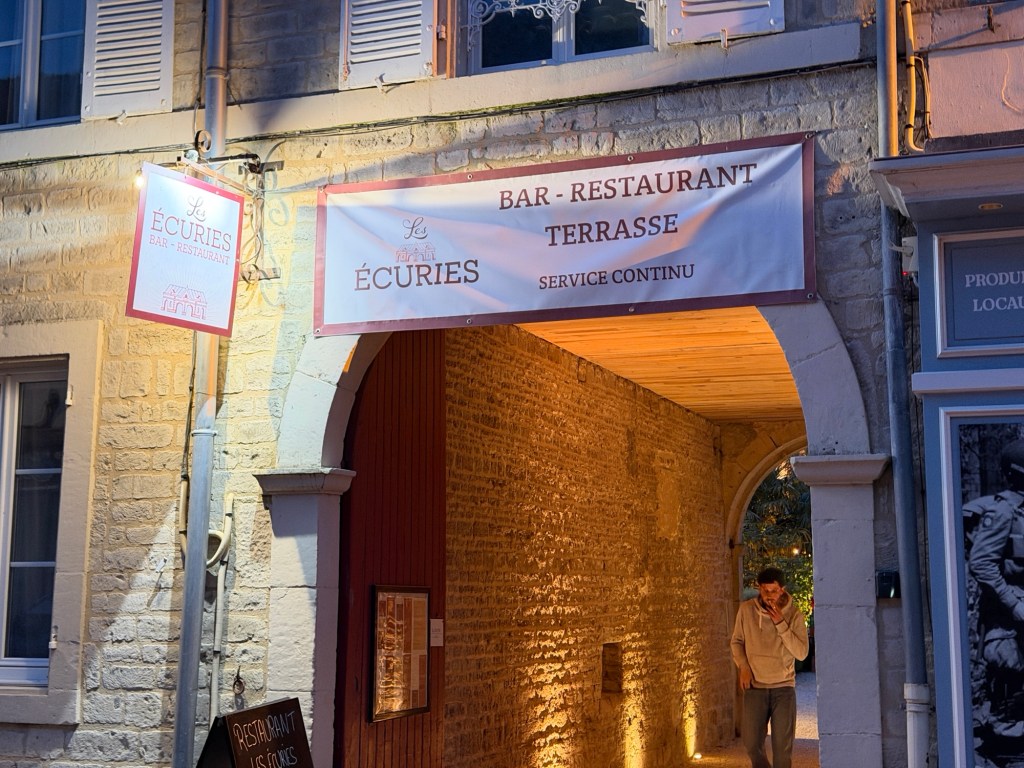
Dinner, arranged by Jérome, was in a restaurant in Sainte-Mère-Église.

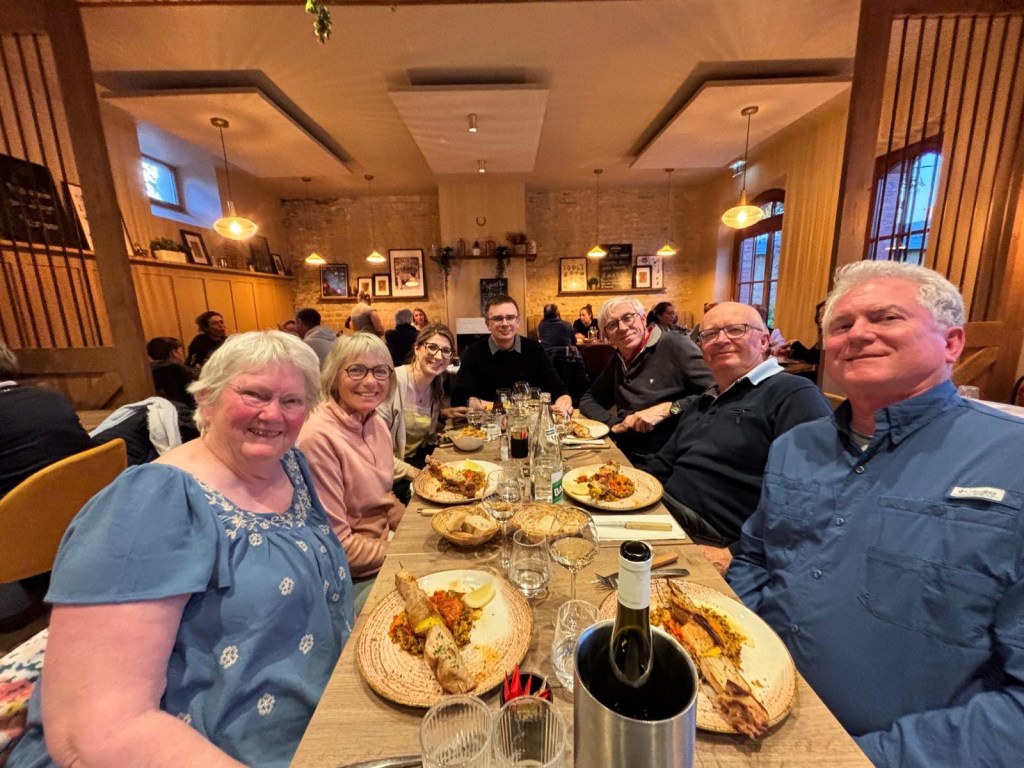
Clare, Joëlle, Léa, Cédric, Jérome, Marc, and Brian enjoying a fine meal!

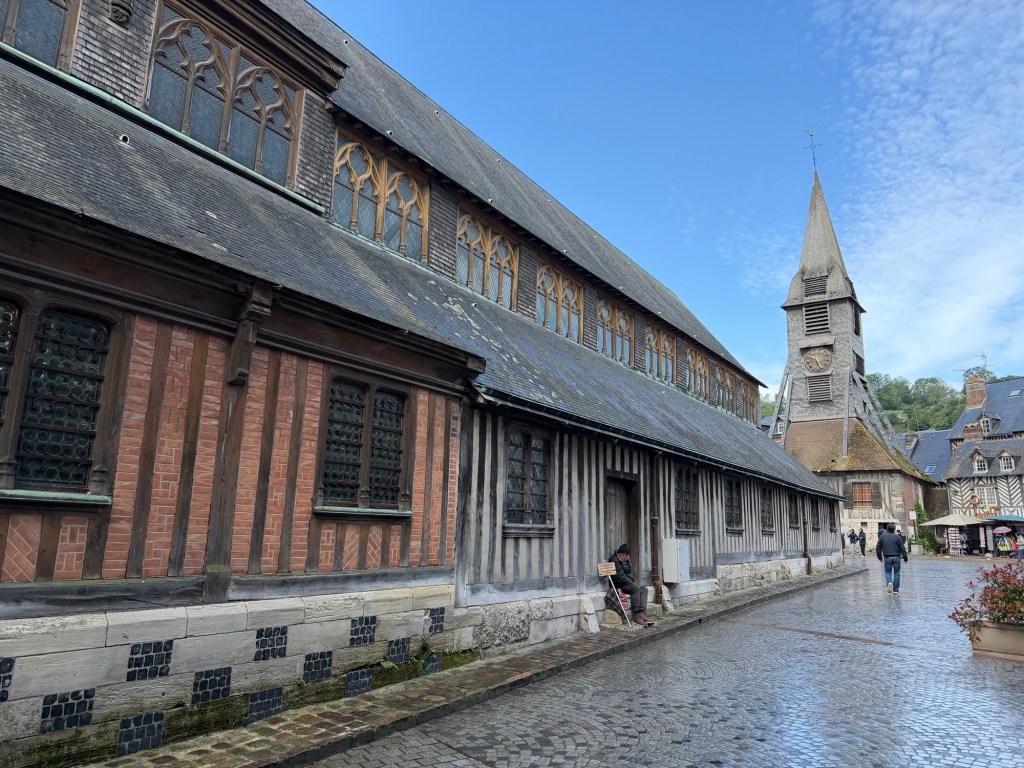
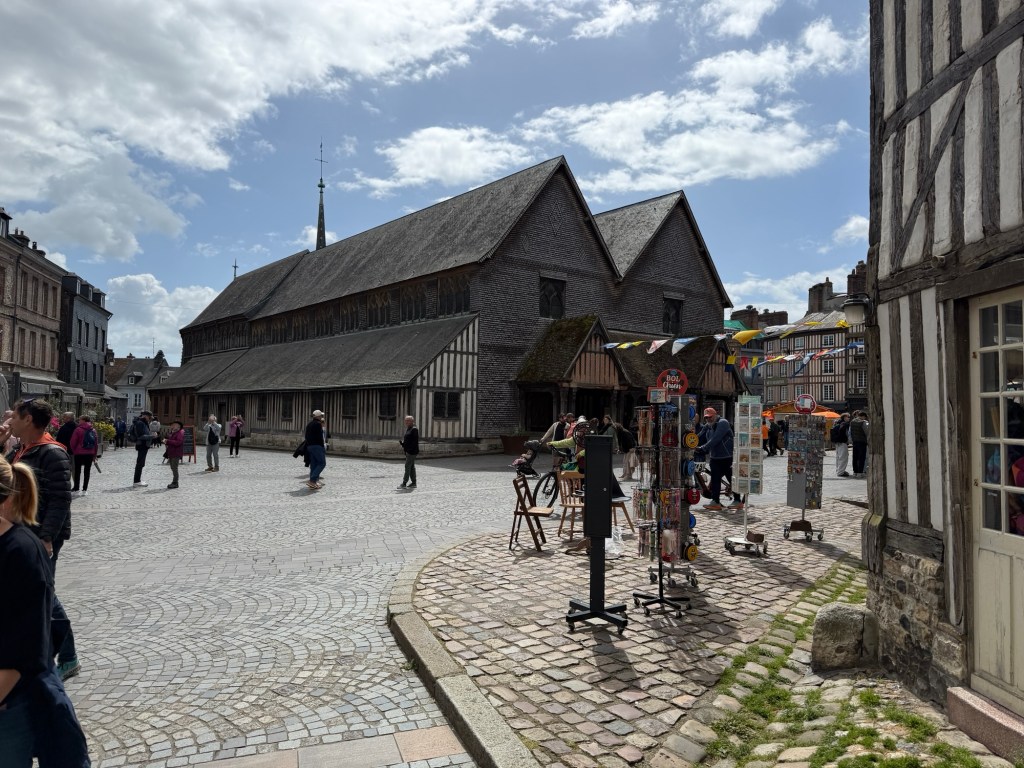
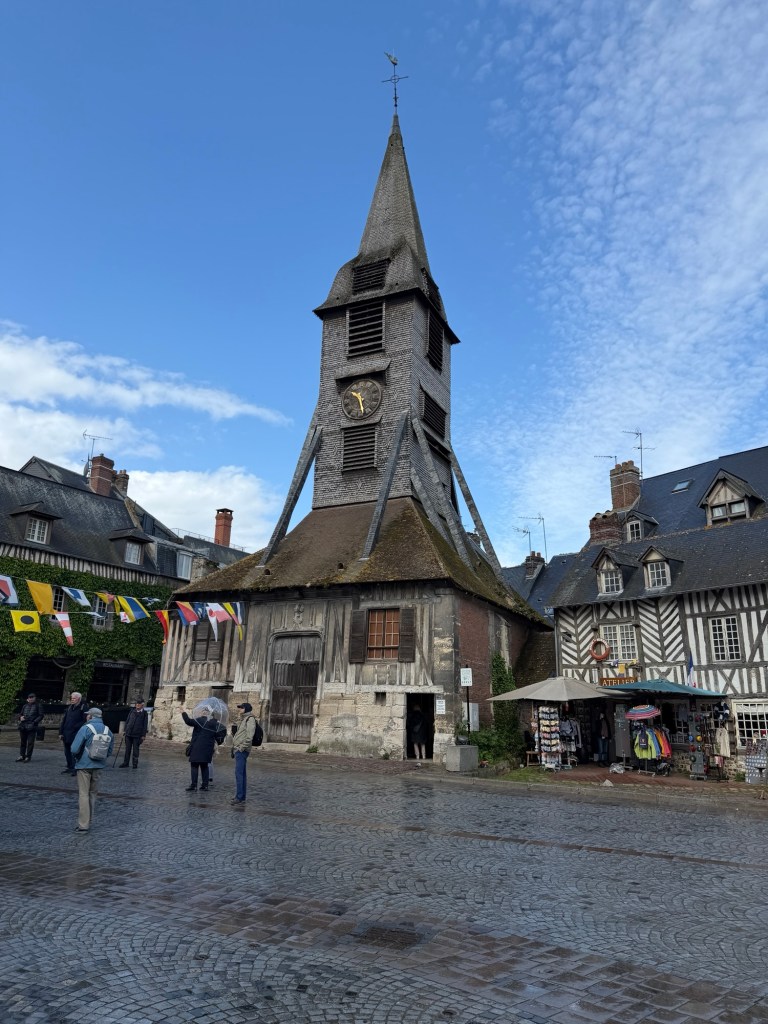
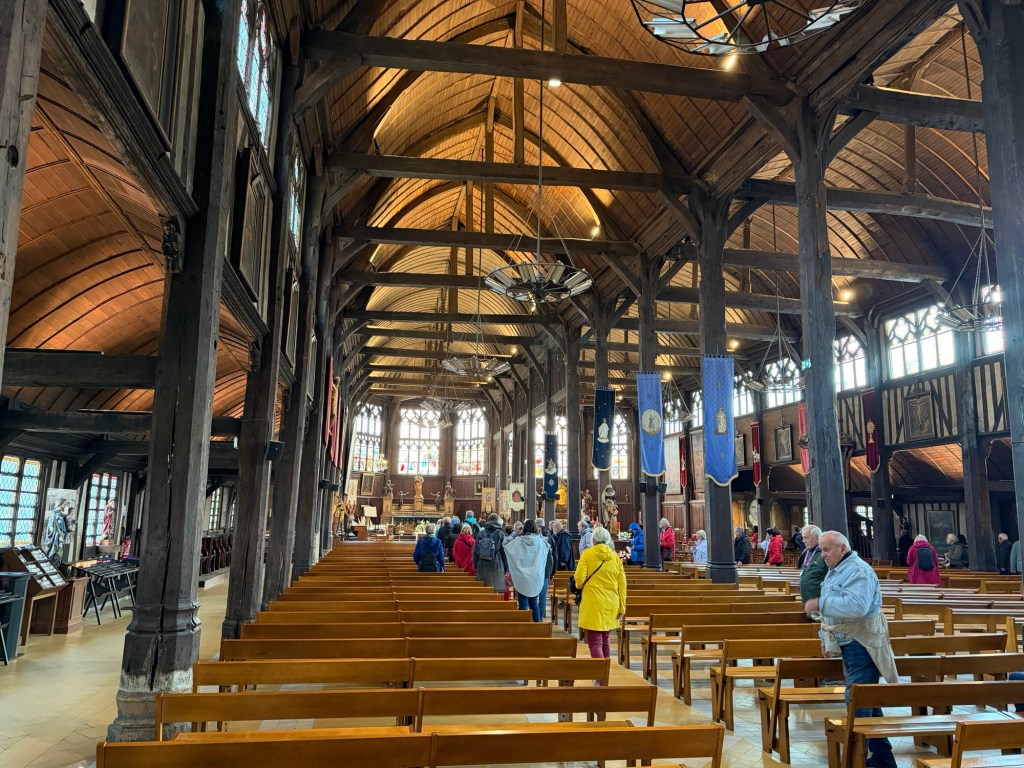
Big Wooden Church and Old School

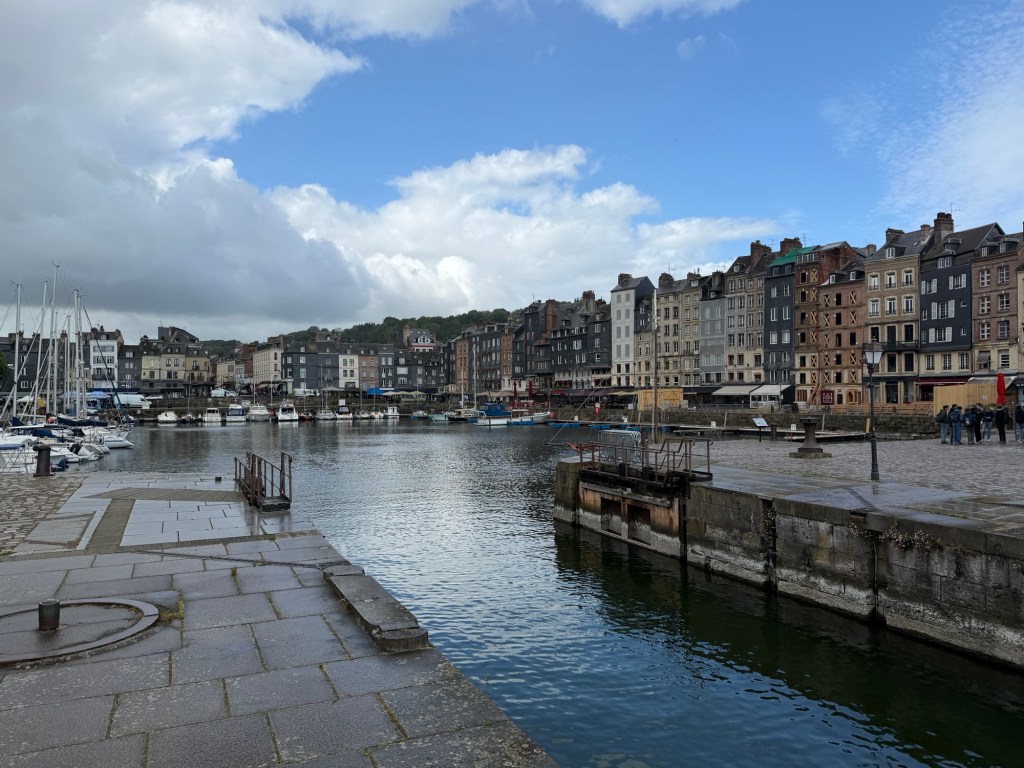
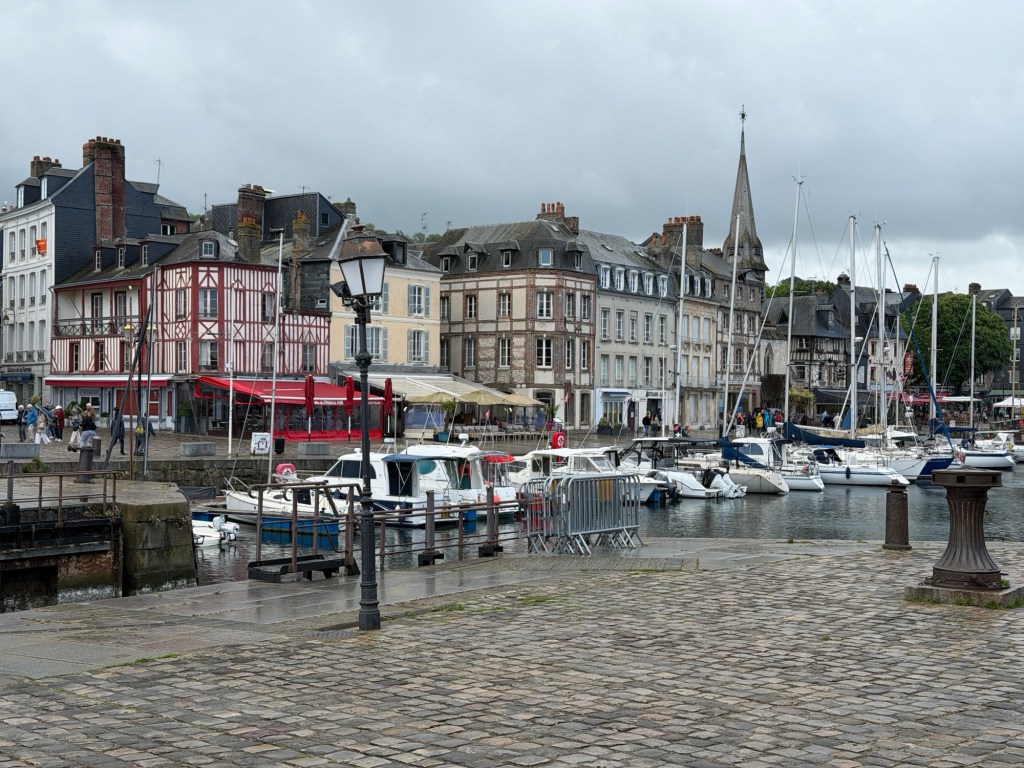
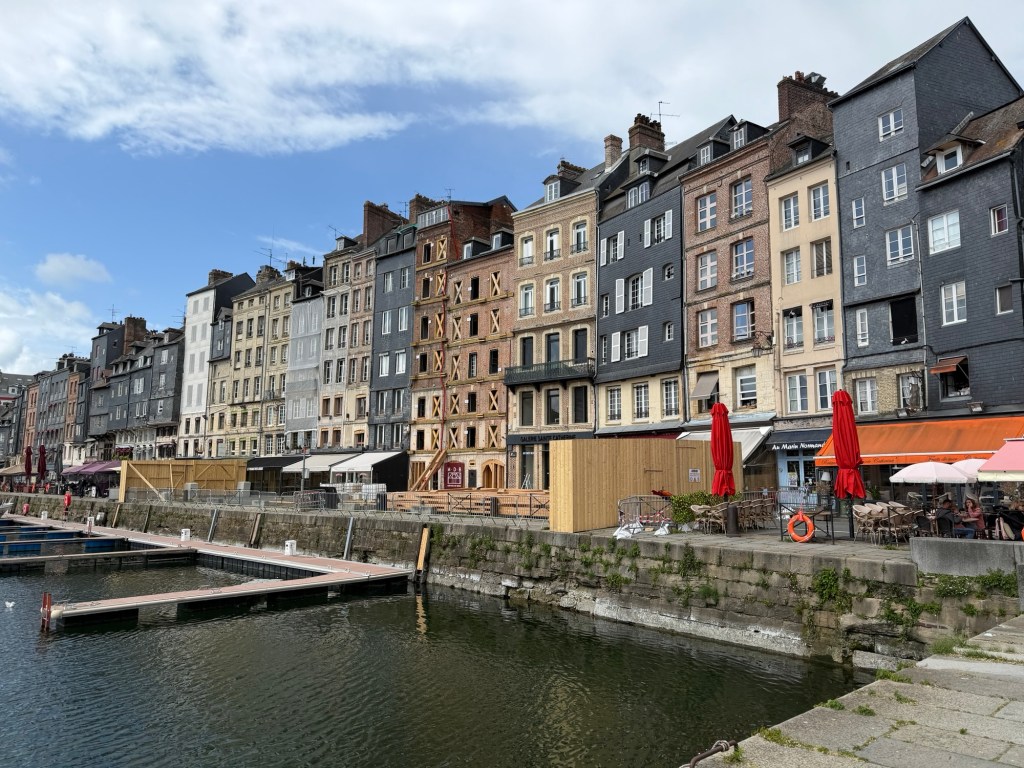
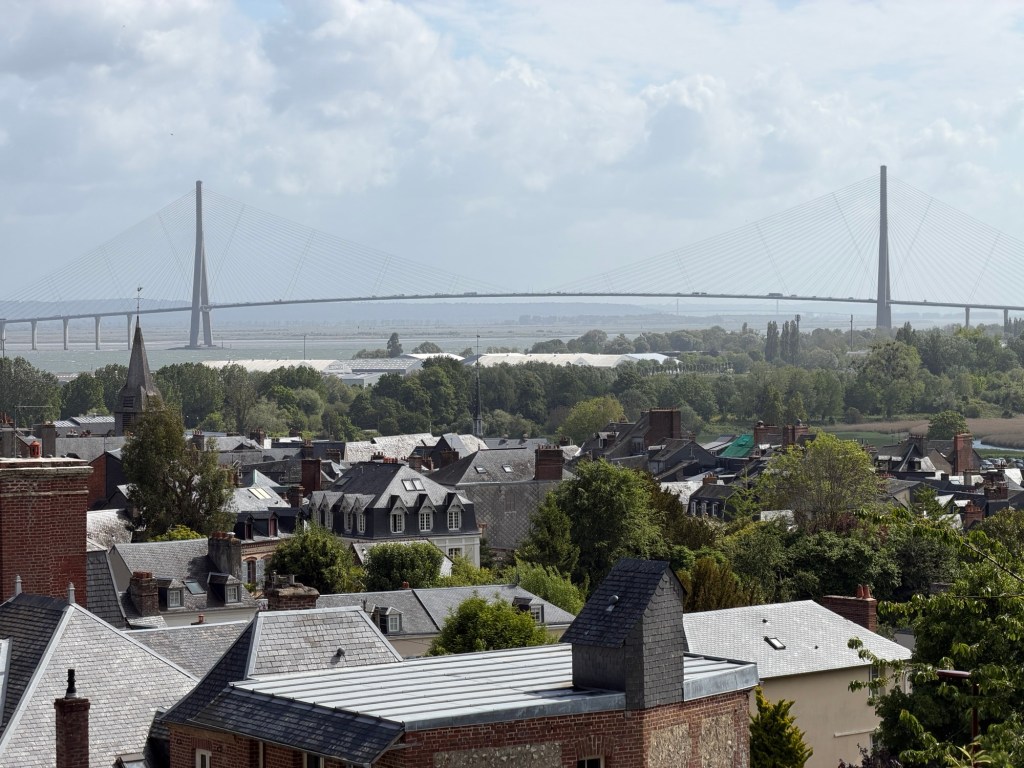
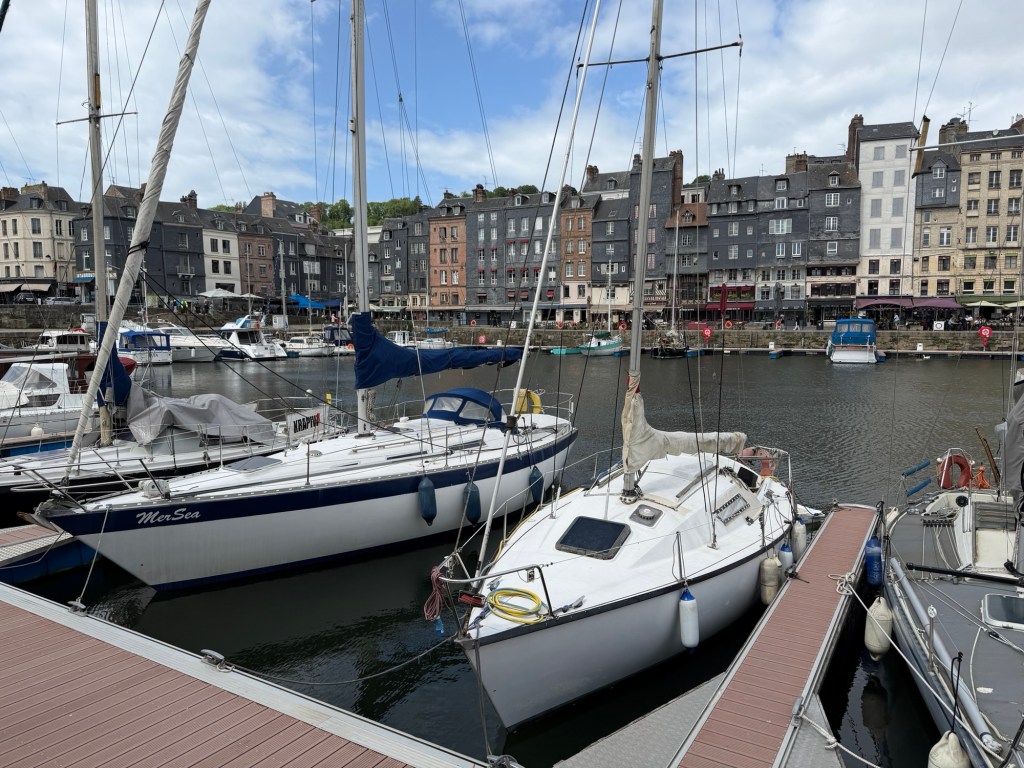
Honfleur is northwest of Pont-Audmer.

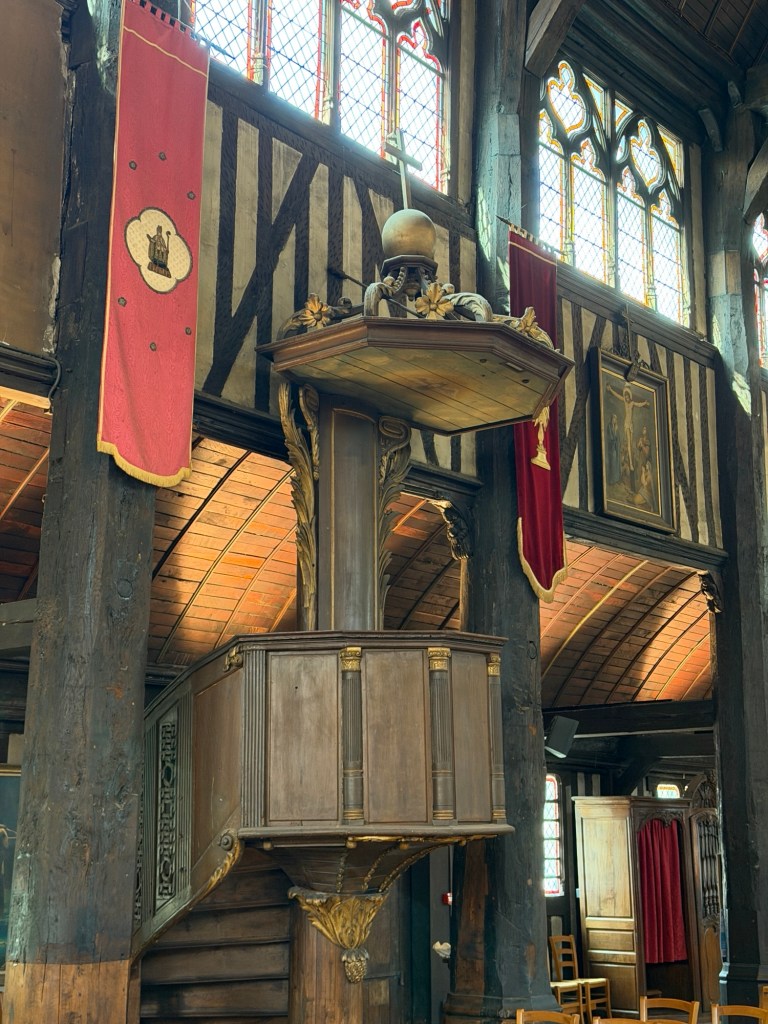
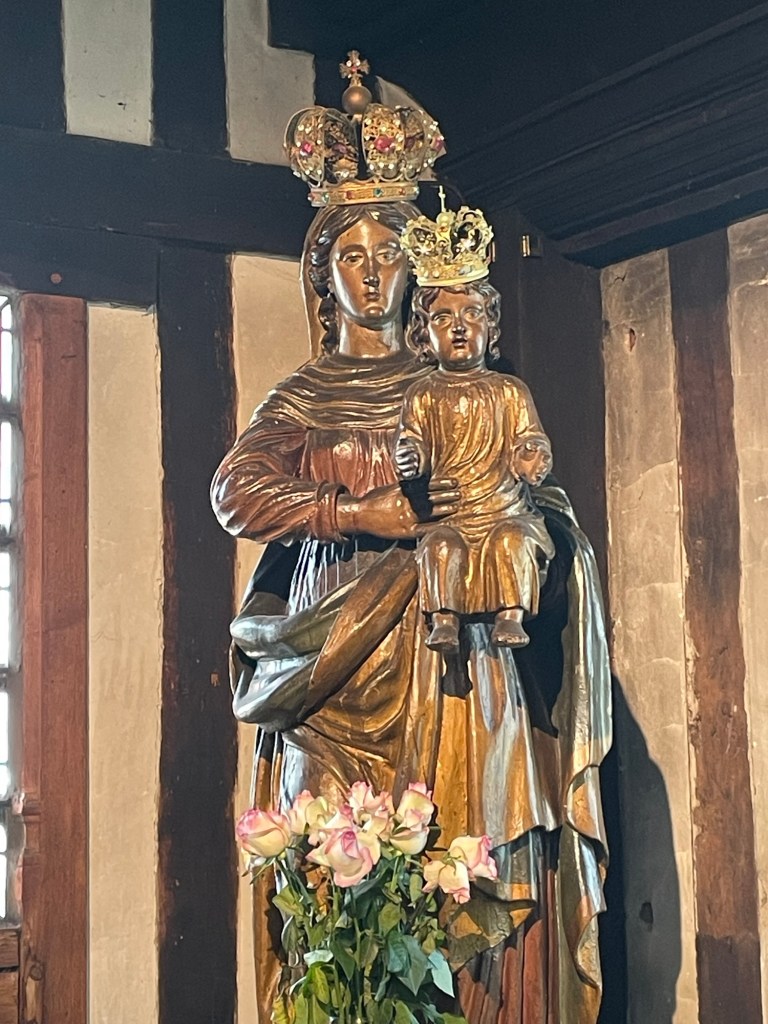
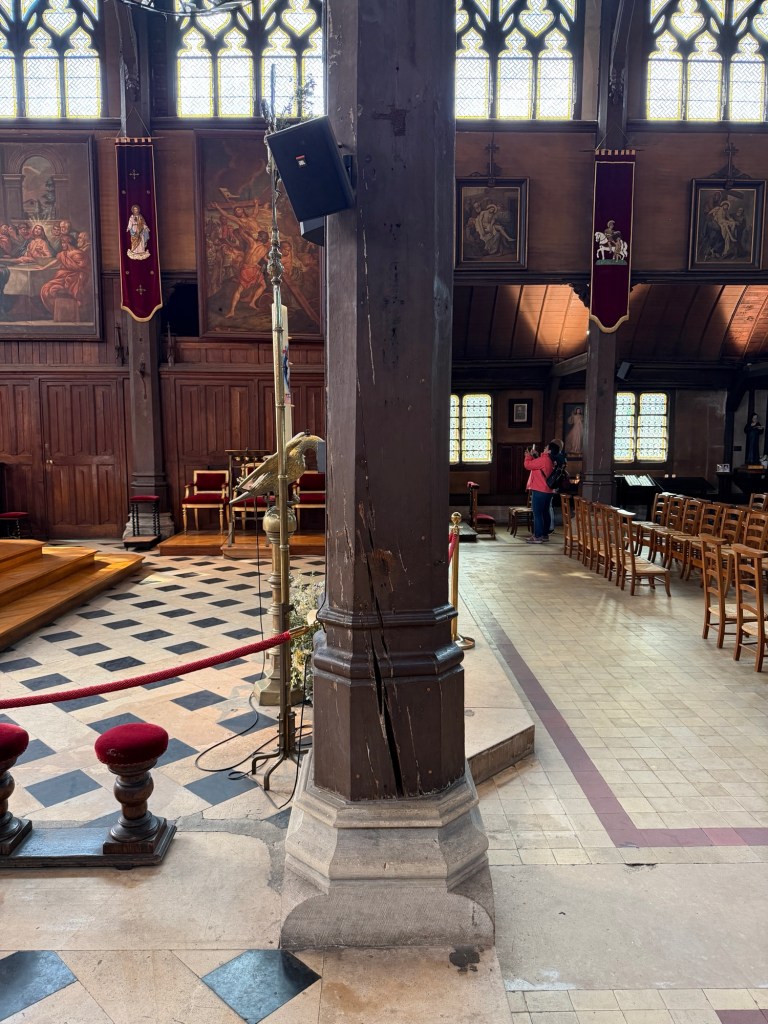
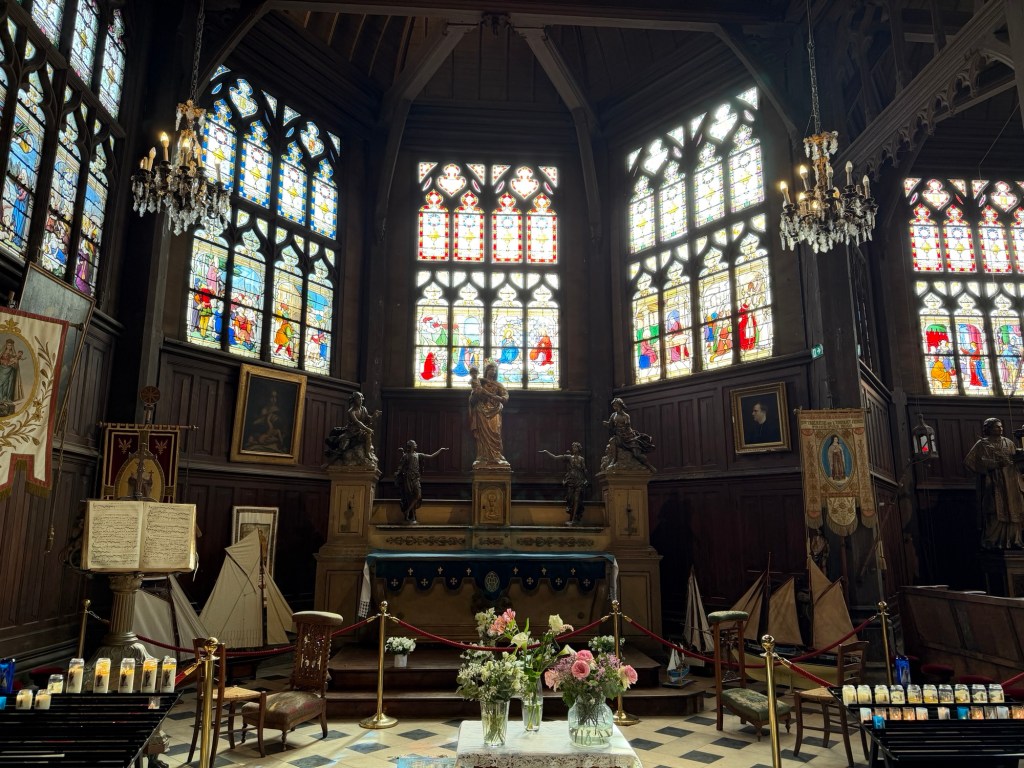
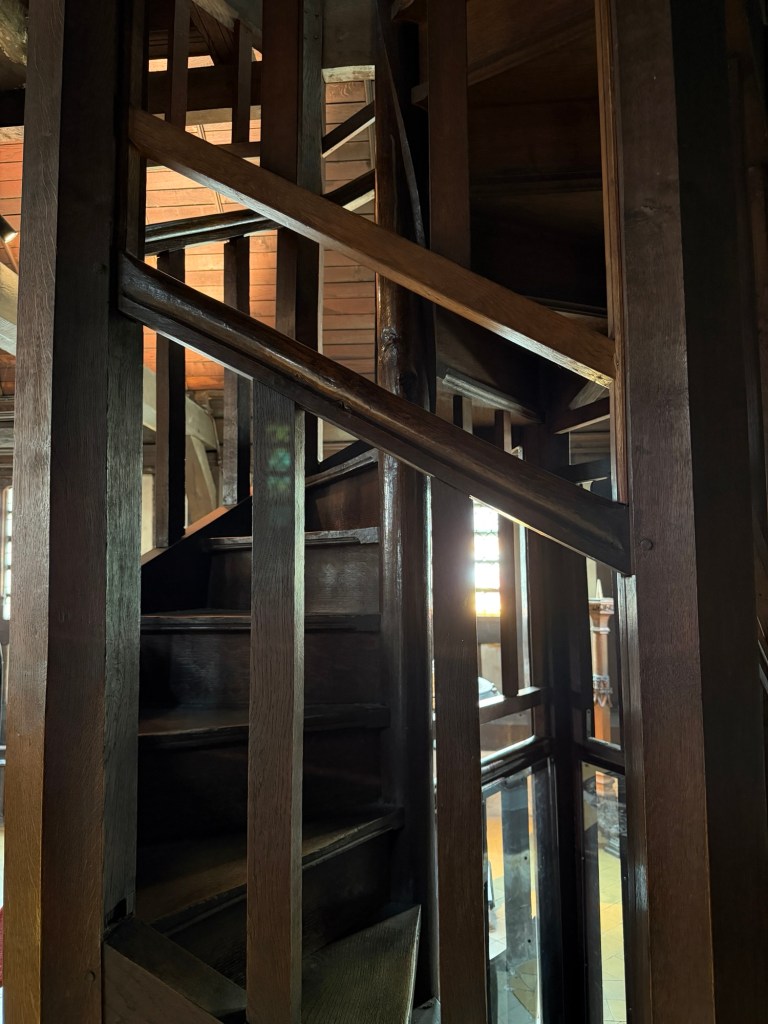
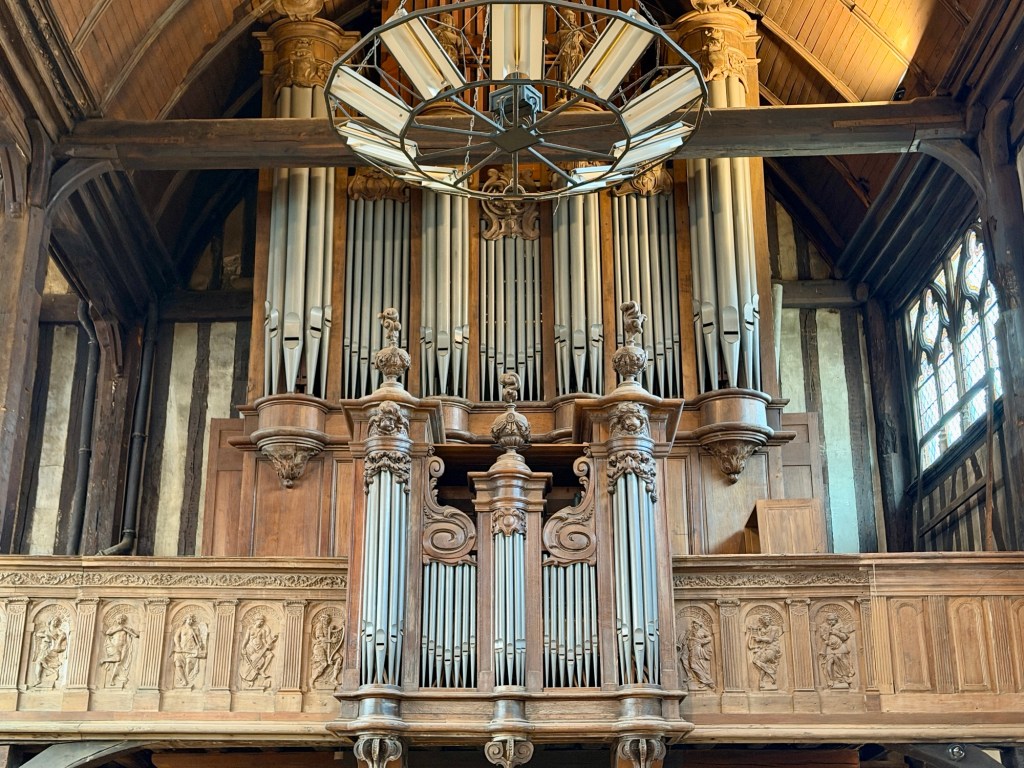
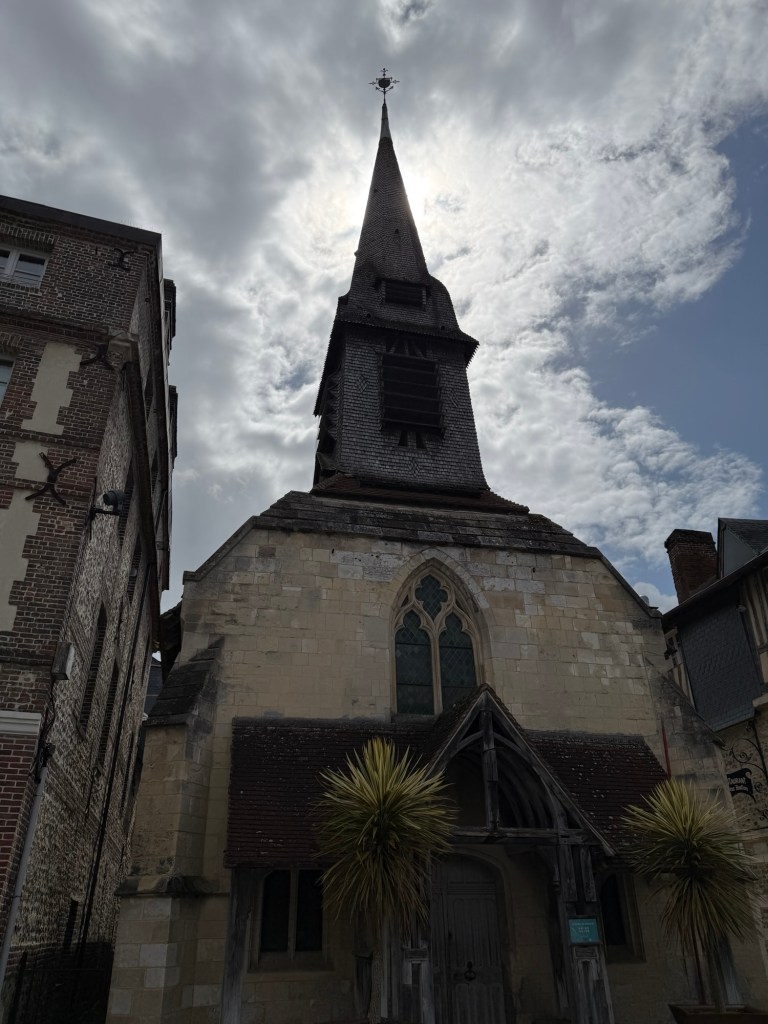
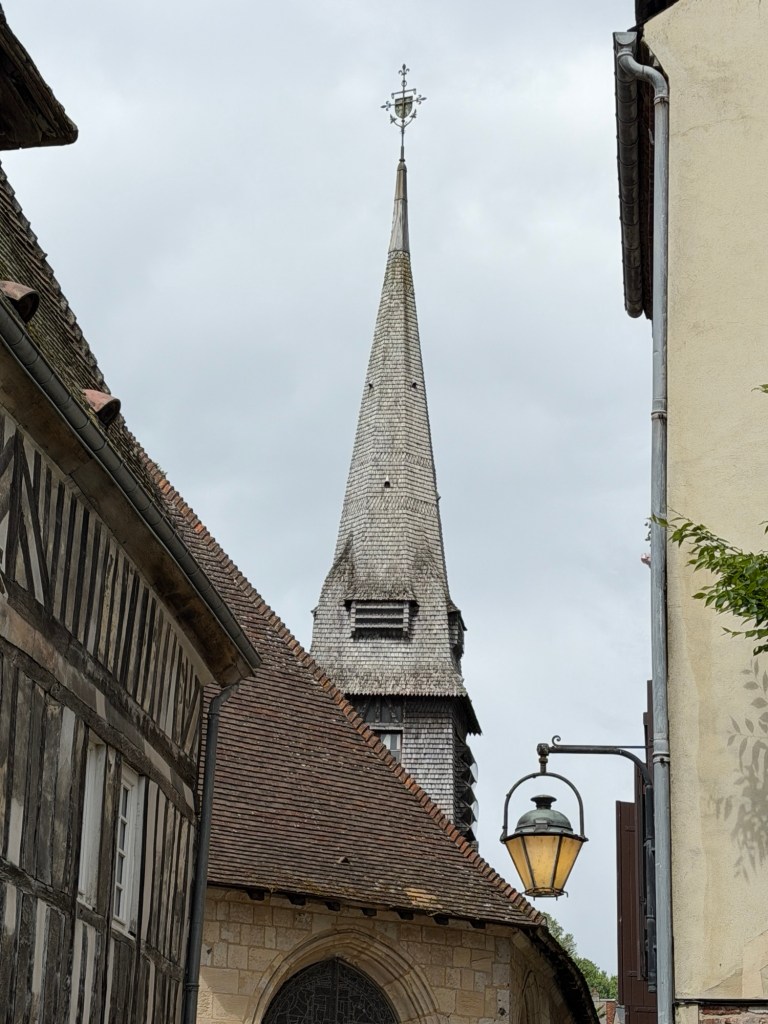
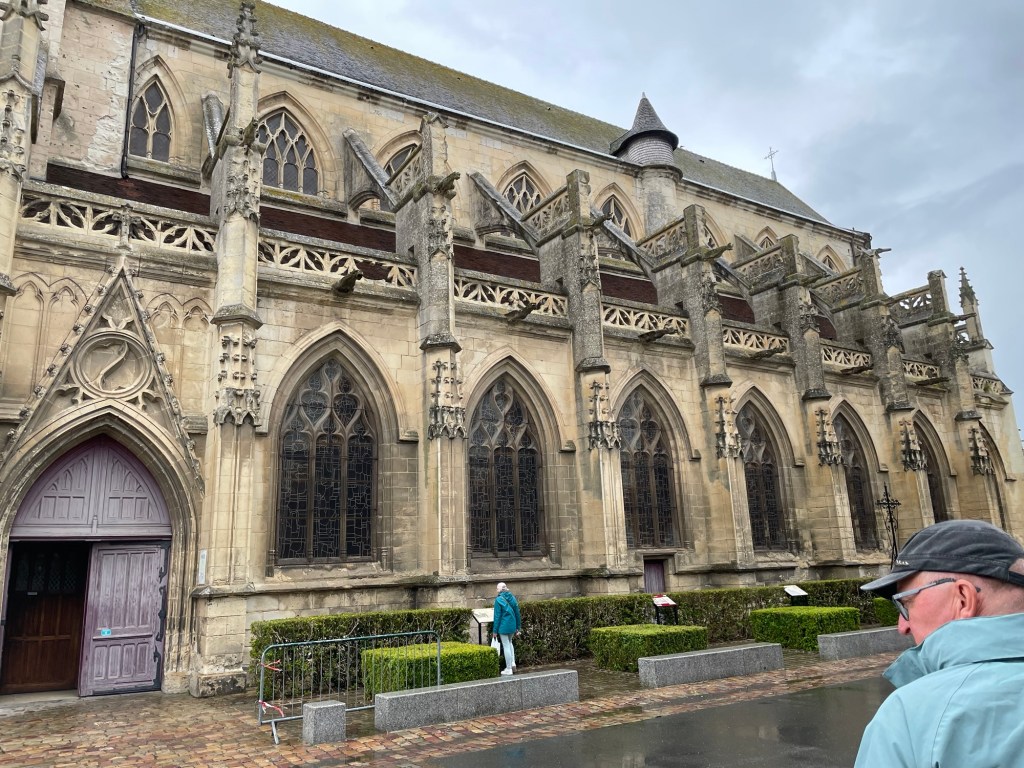
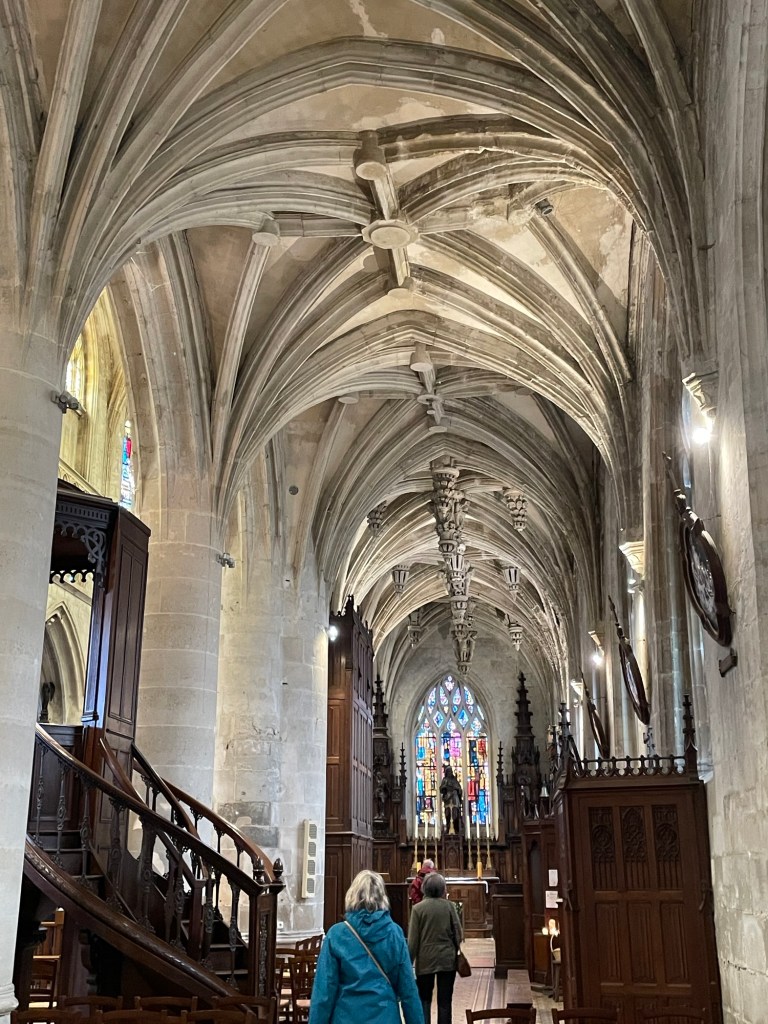
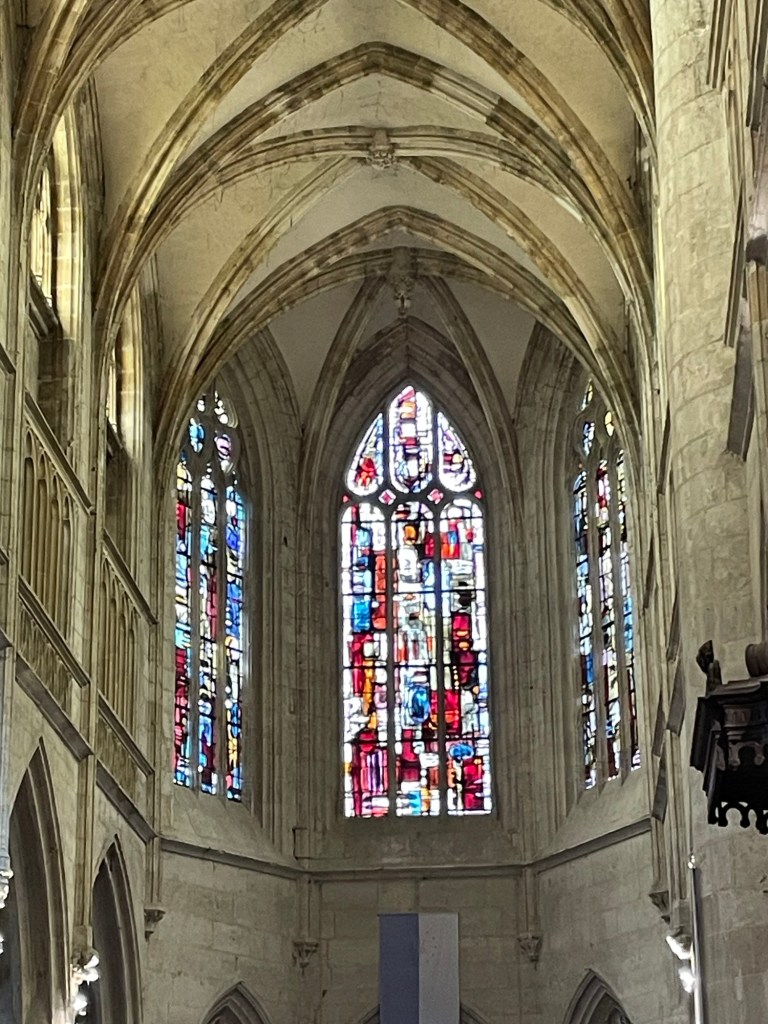
We set out to see the largest wooden church in France. Inside, the church was bright and airy.

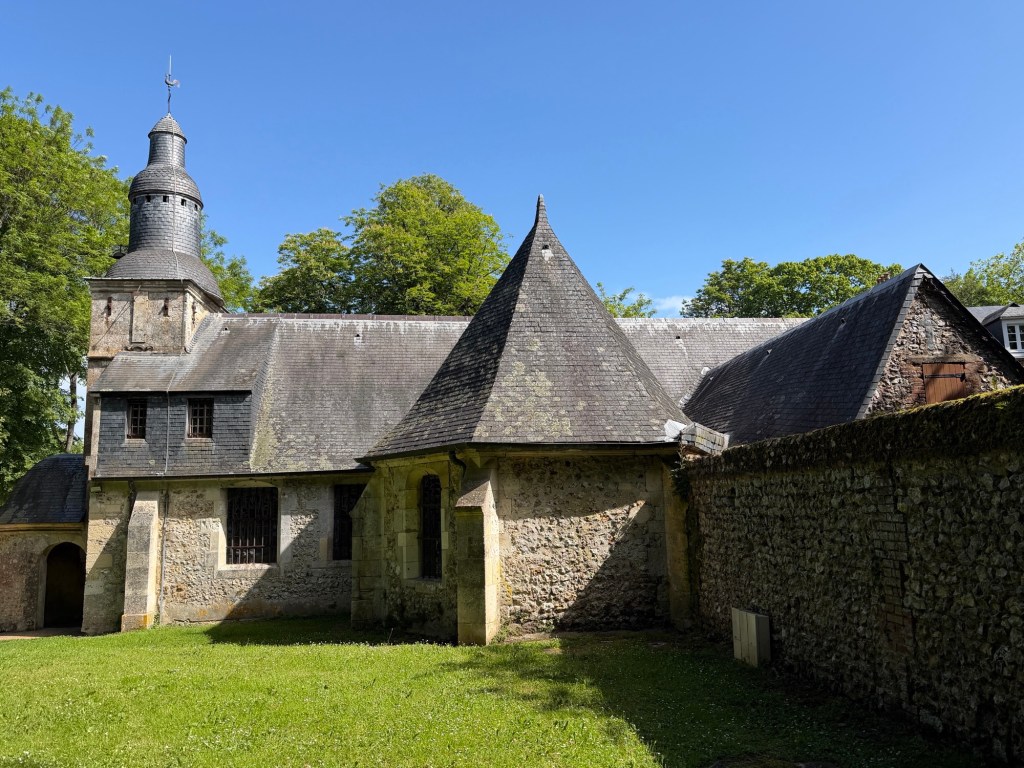
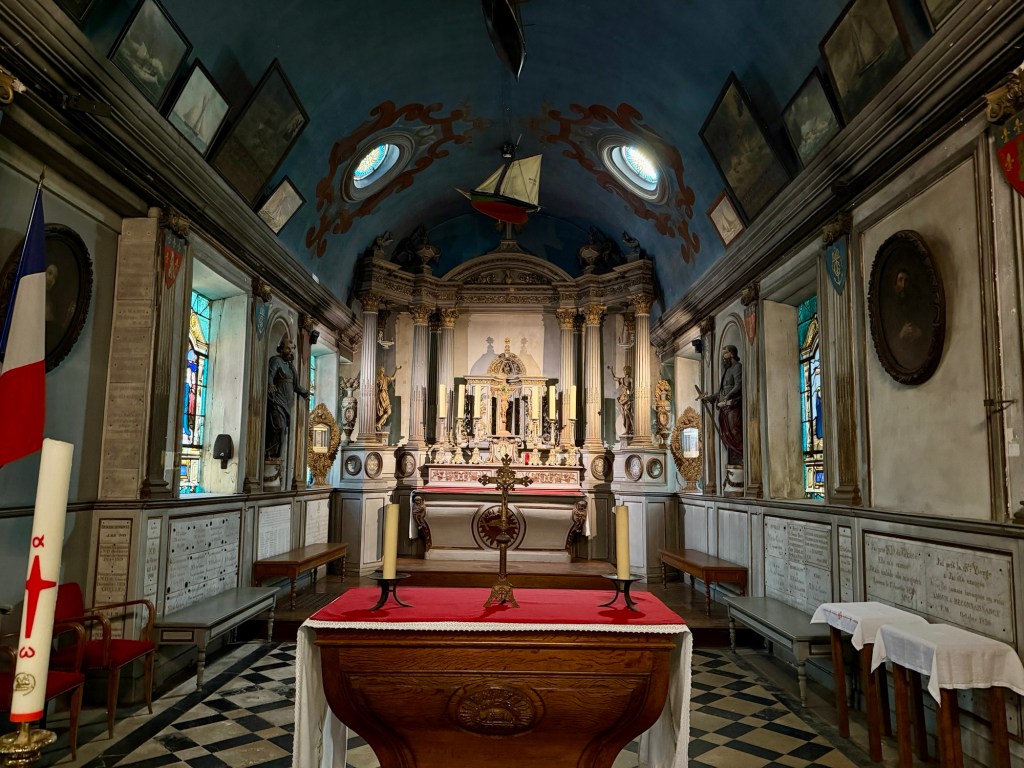
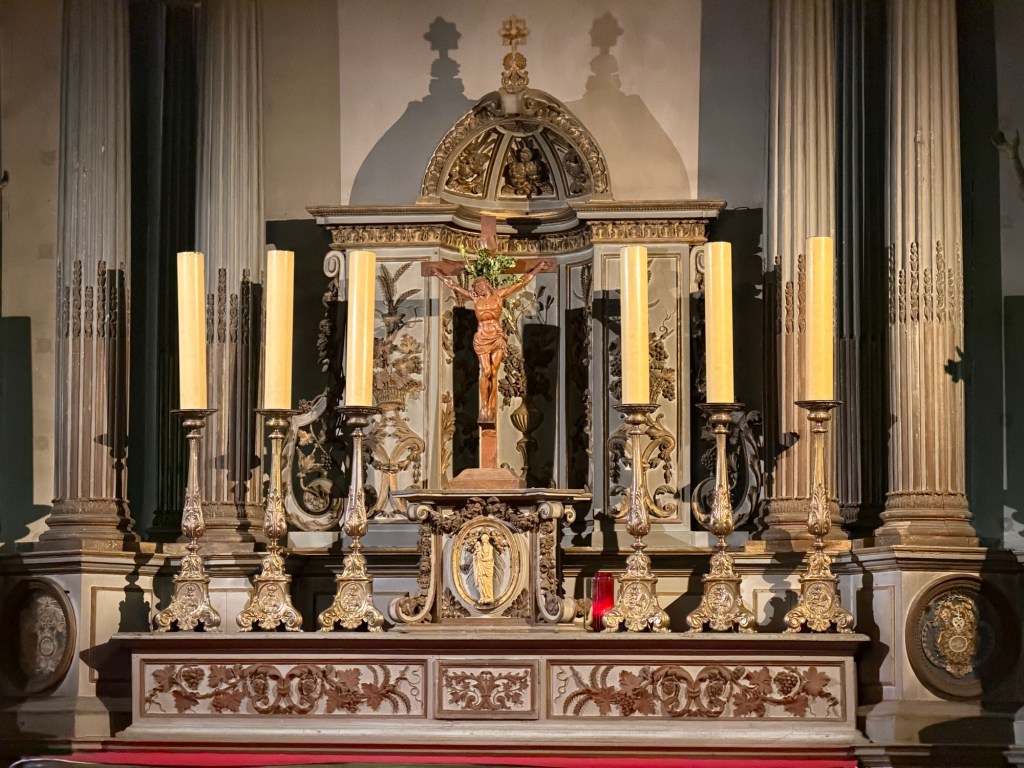
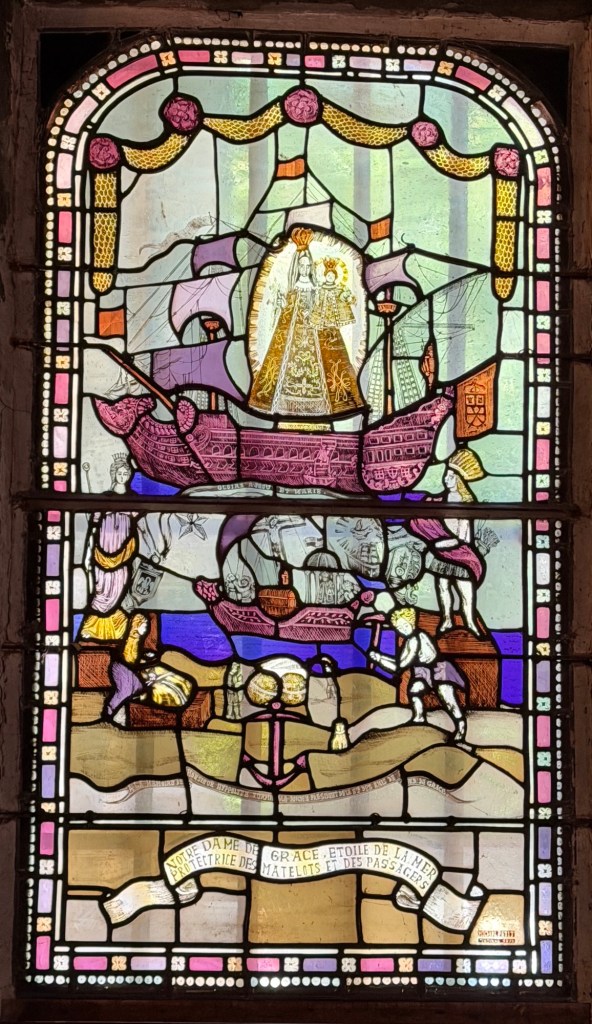
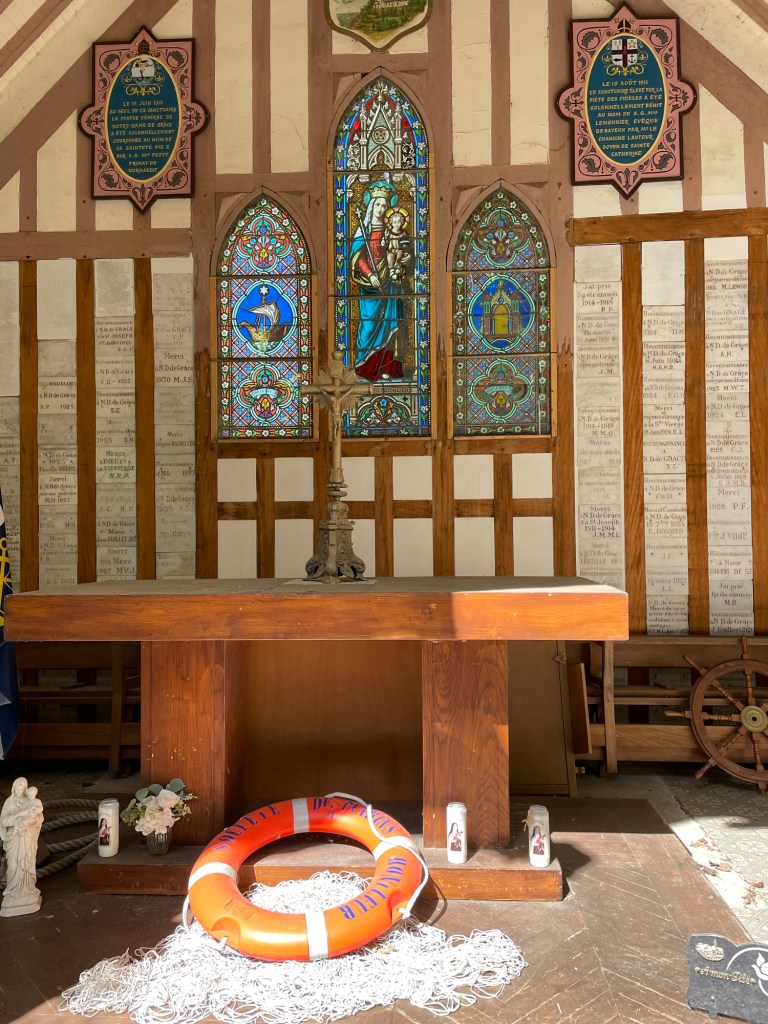
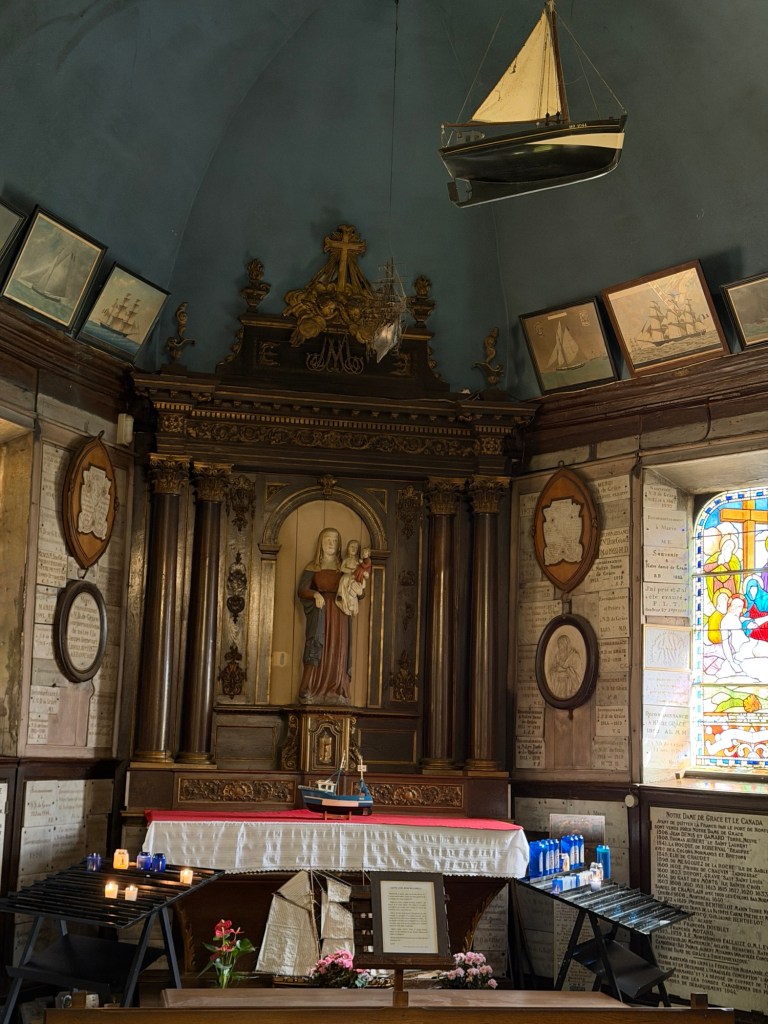
We walked up a hill to see a different church, Notre-Dame de Grace, Our Lady of Grace, which was the name of the elementary school Clare attended for eight years. She felt right at home.
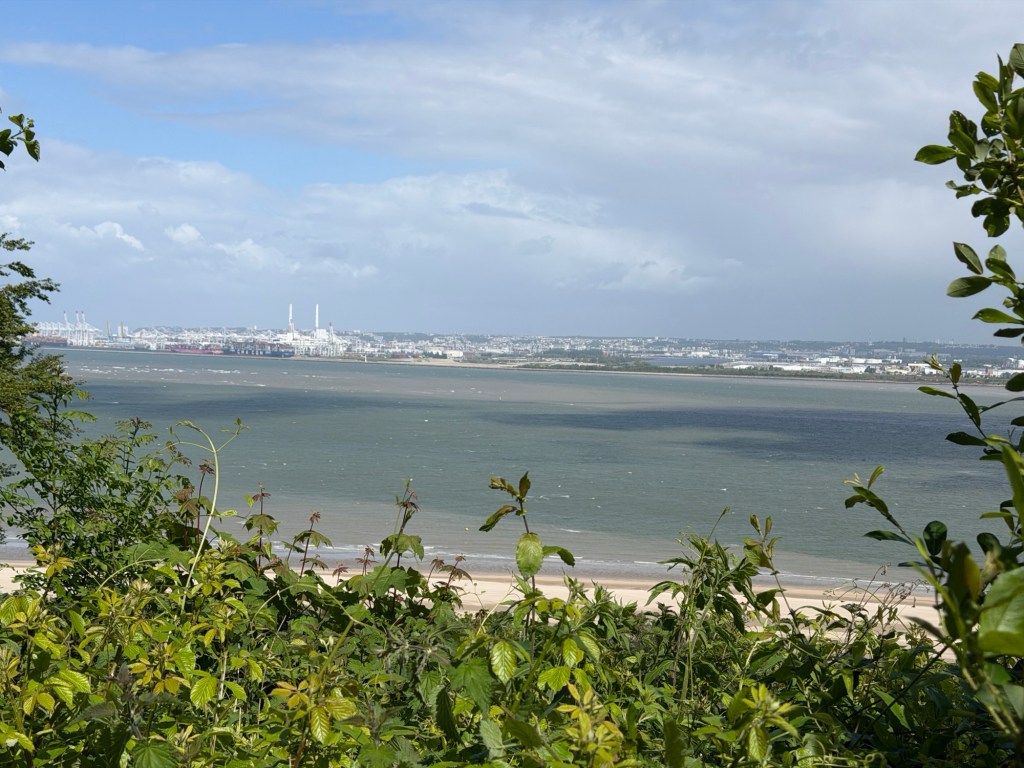
The walk was a little steep, but well worth it, with nice views of the town and the Seine.

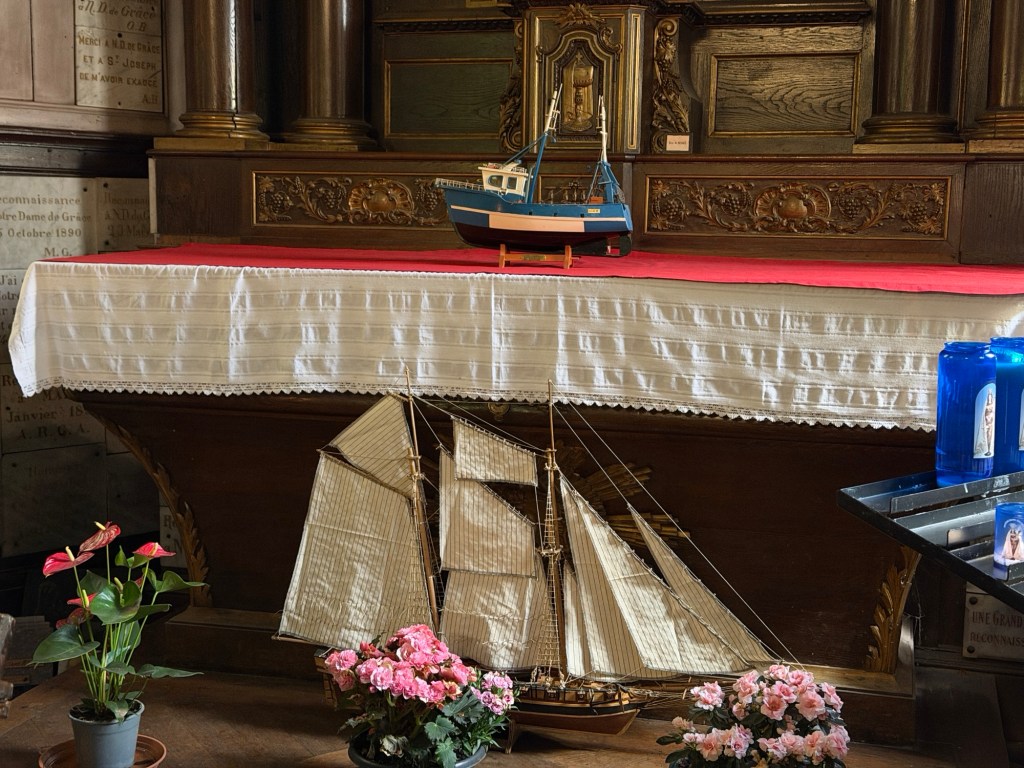
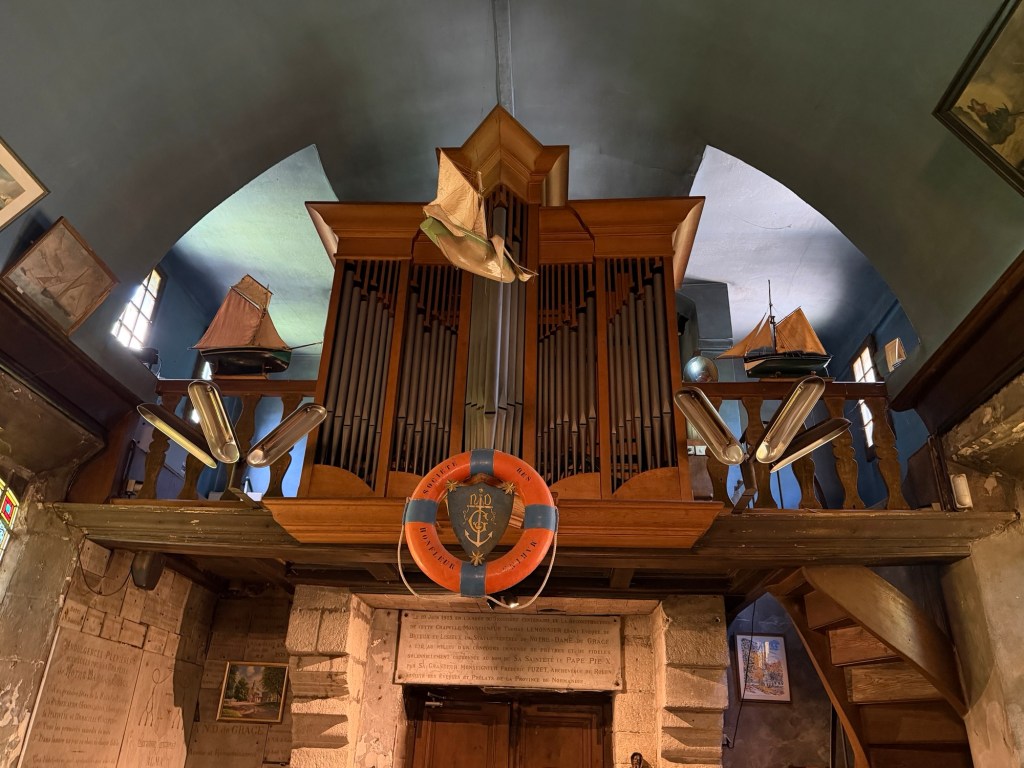
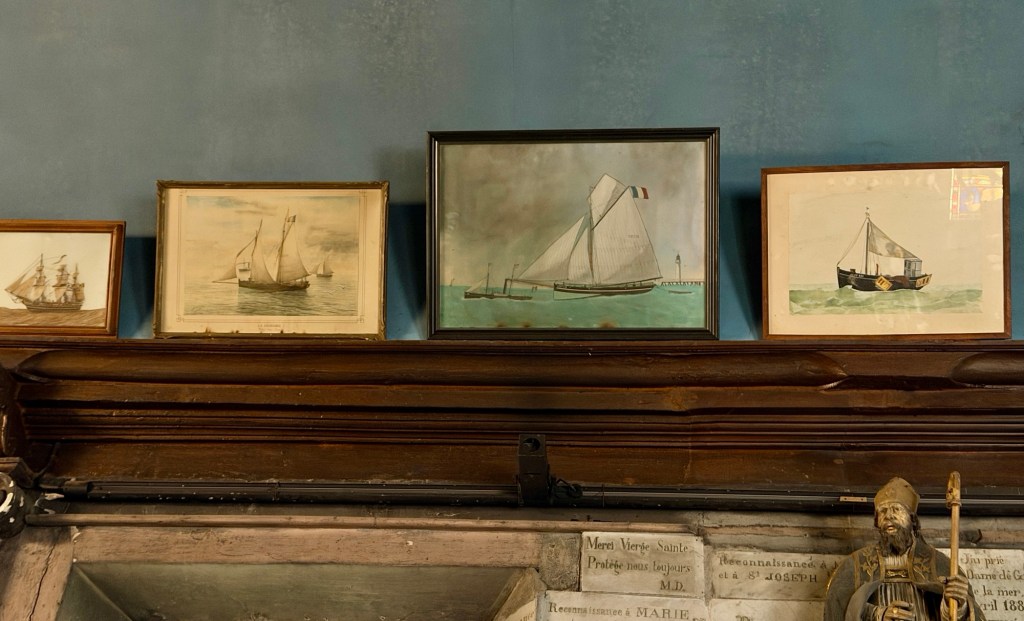
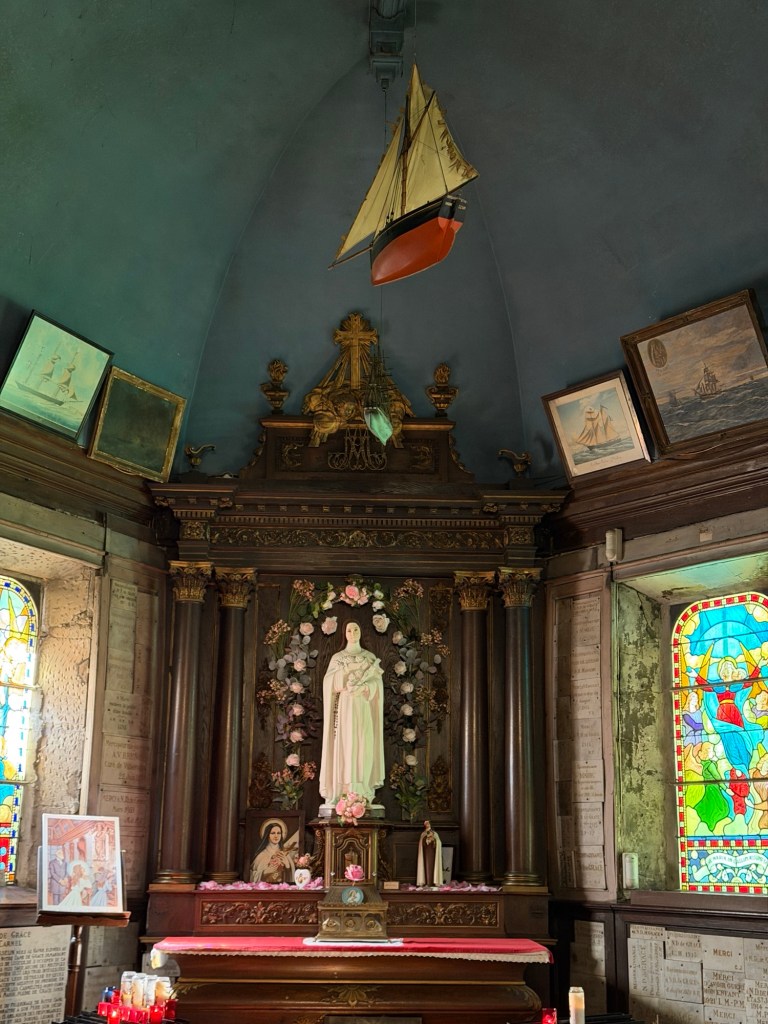
The church, built in the 17th century by mariners, features many boats. Even the ceiling looks like the bottom of a large boat.
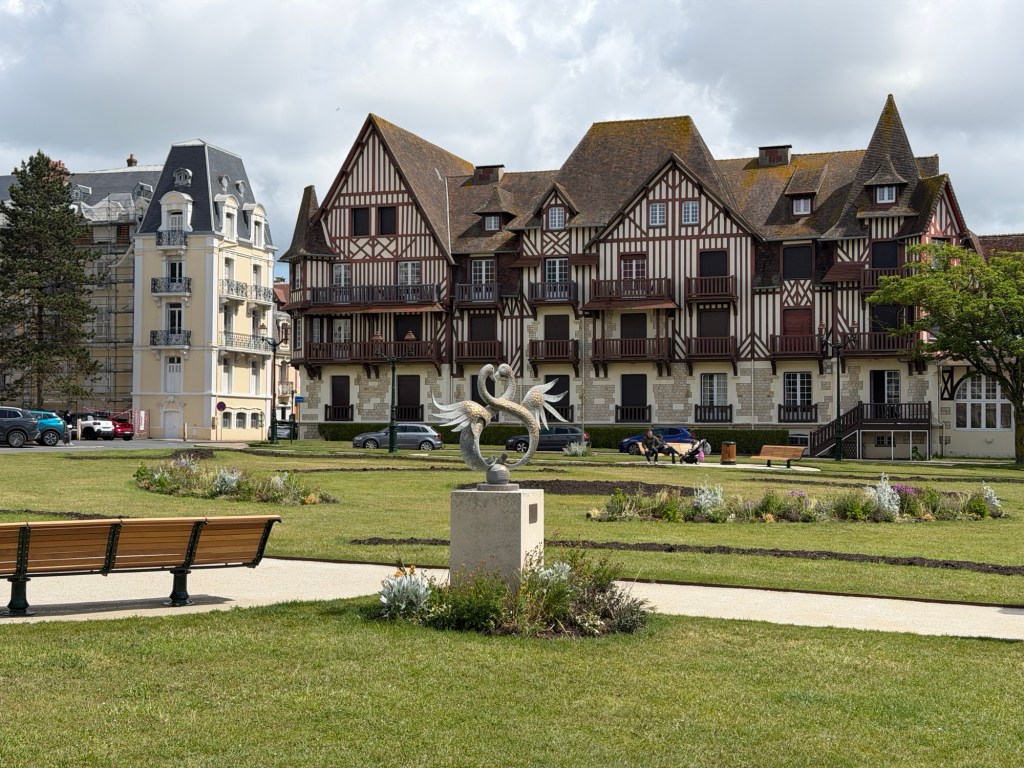
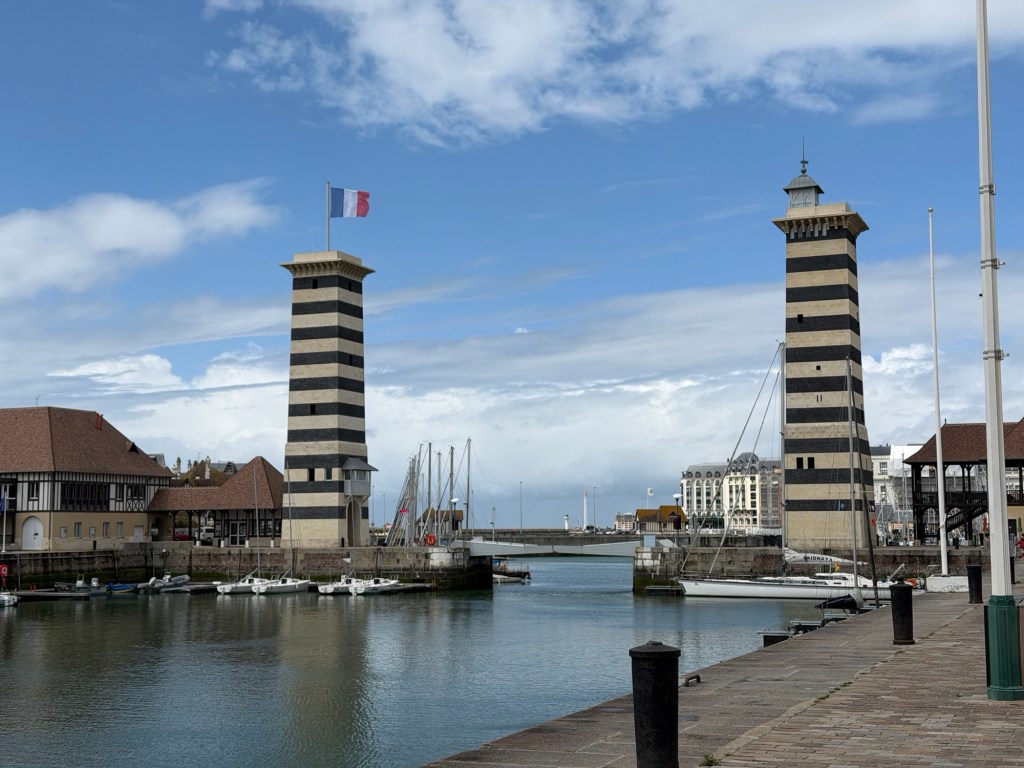
Then, we drove to the more affluent town of Deauville.

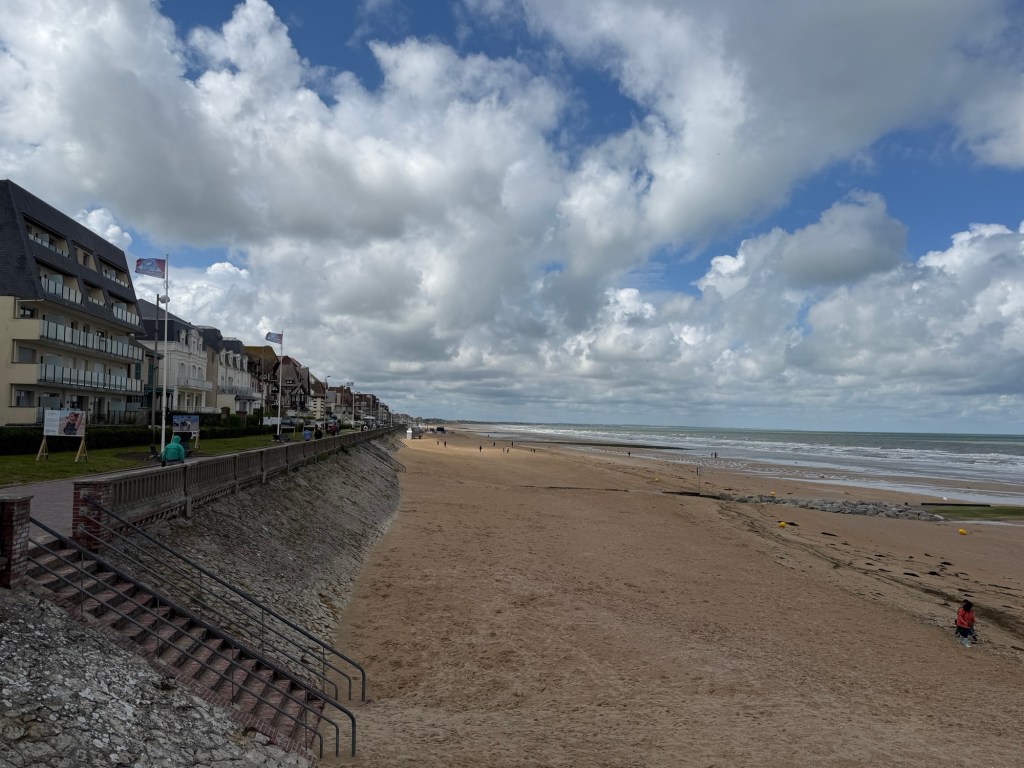
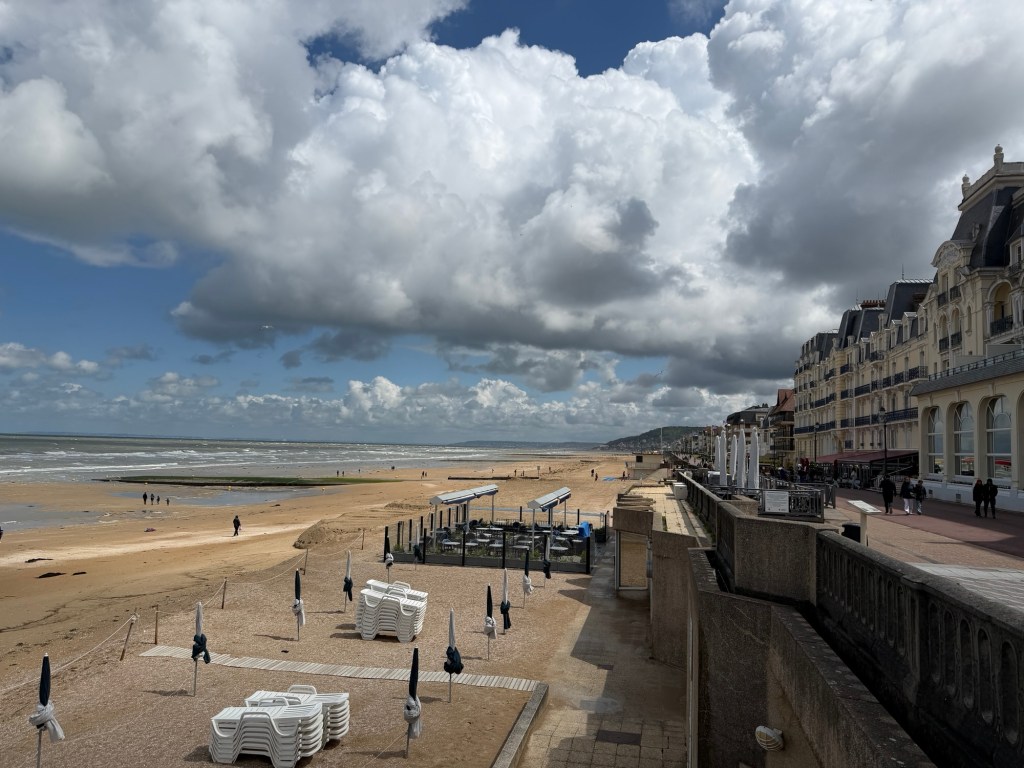
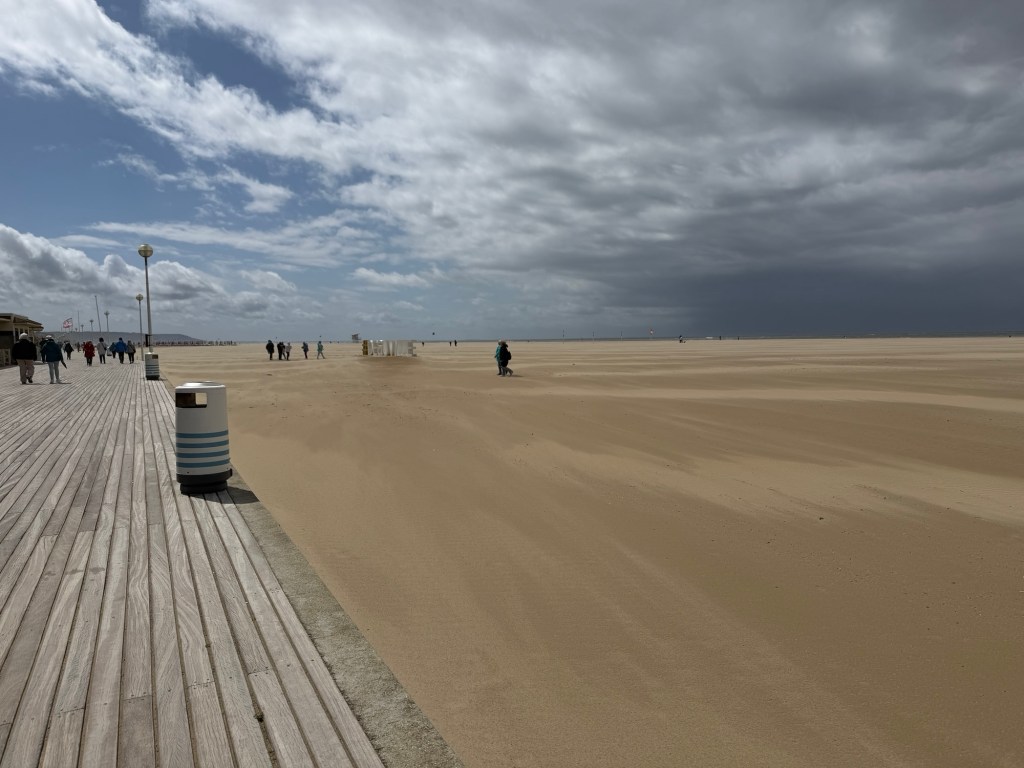
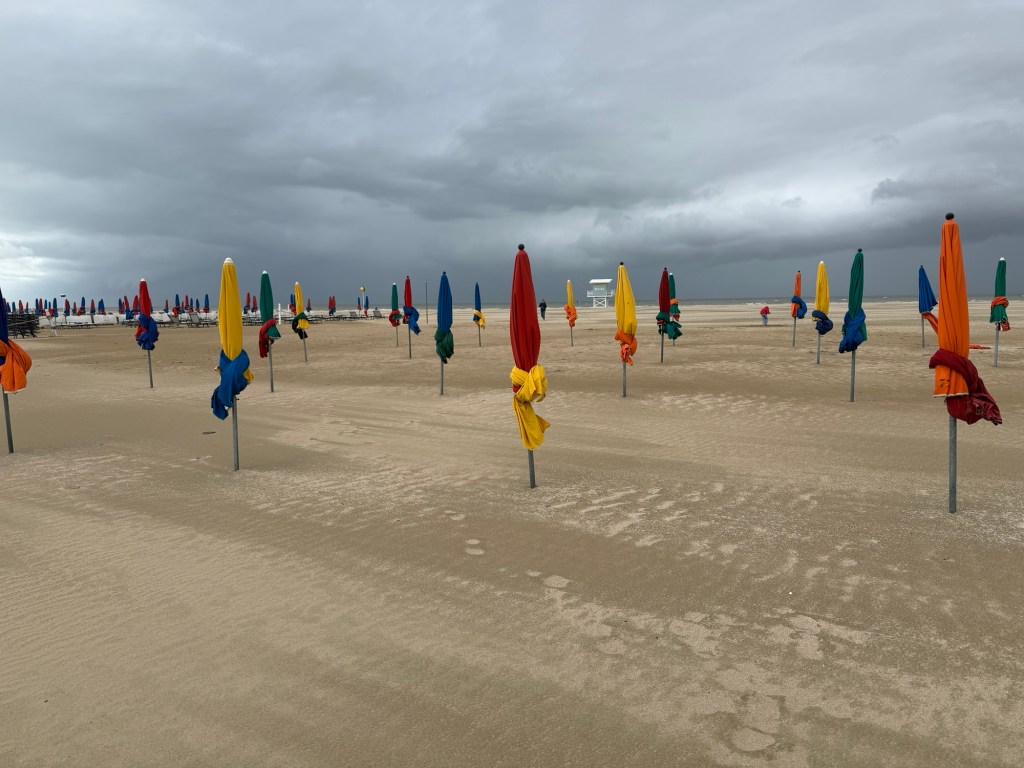
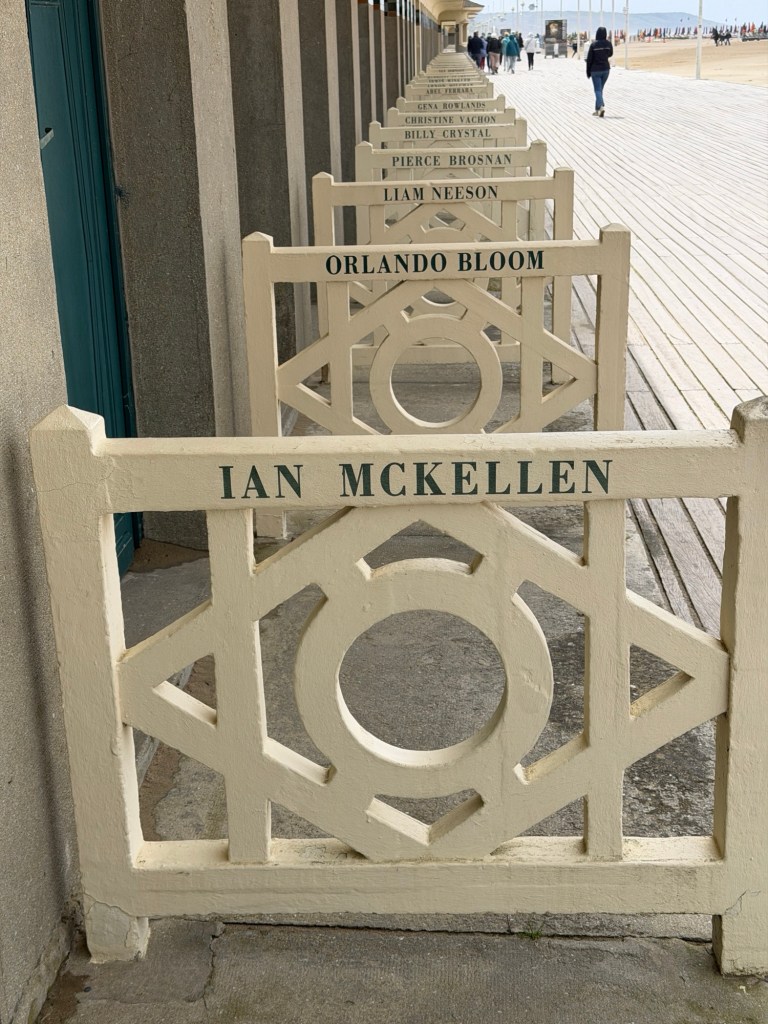
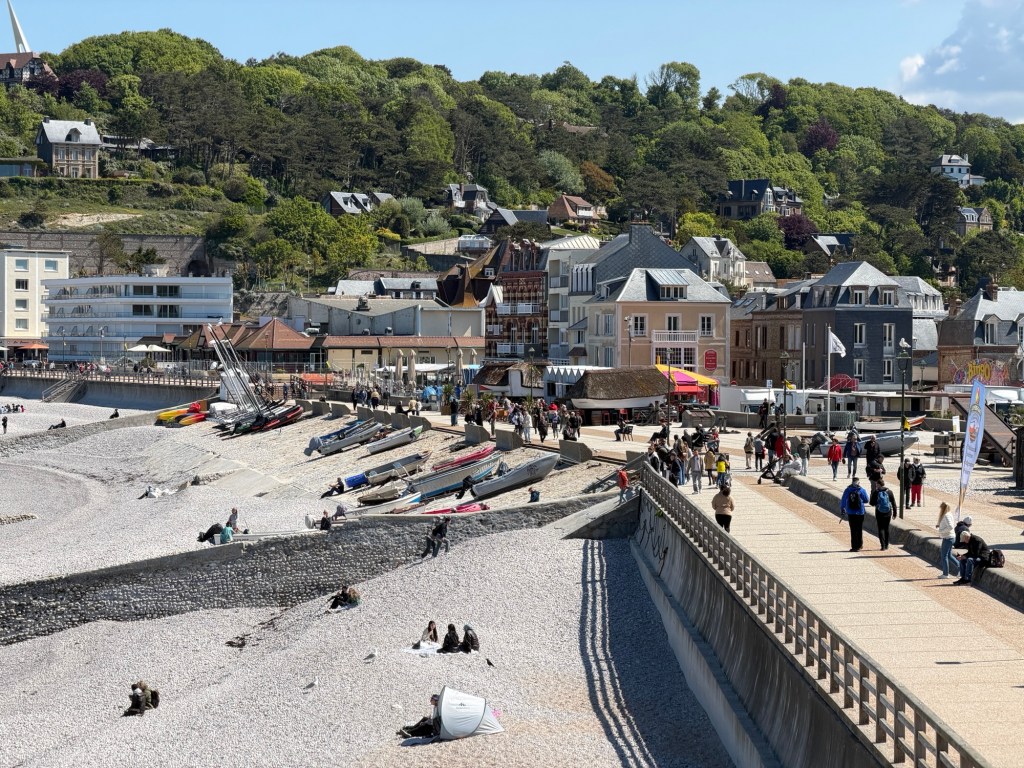
Deauville features a wide, flat beach with a long boardwalk. It must be very crowded in the summer!

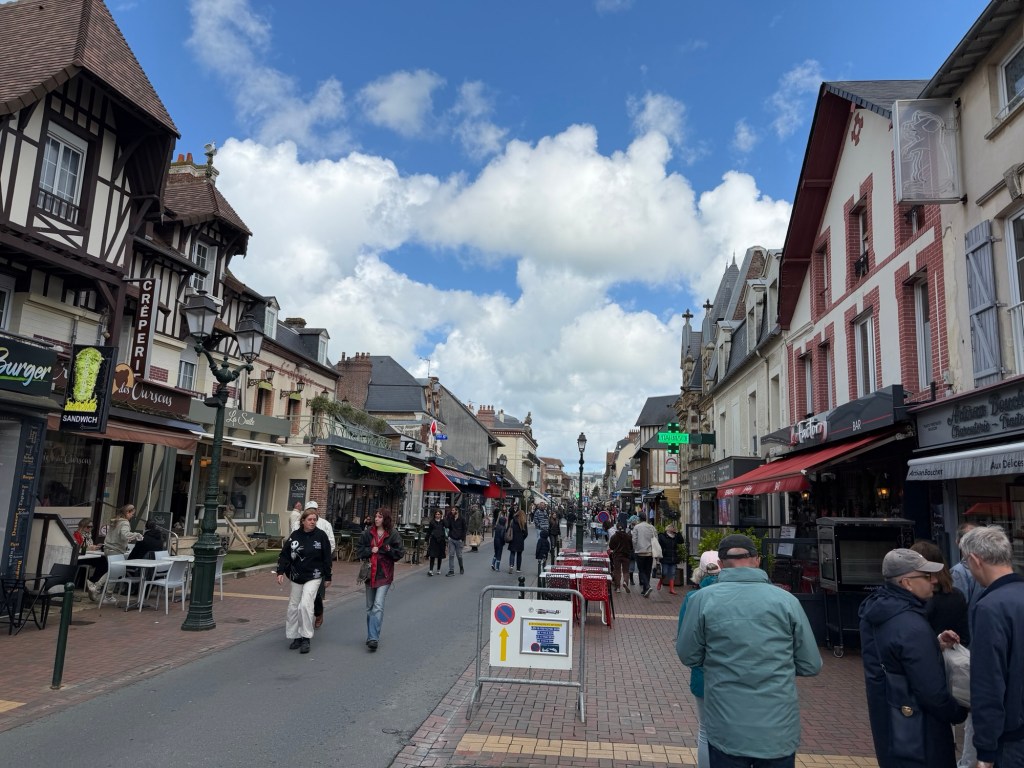
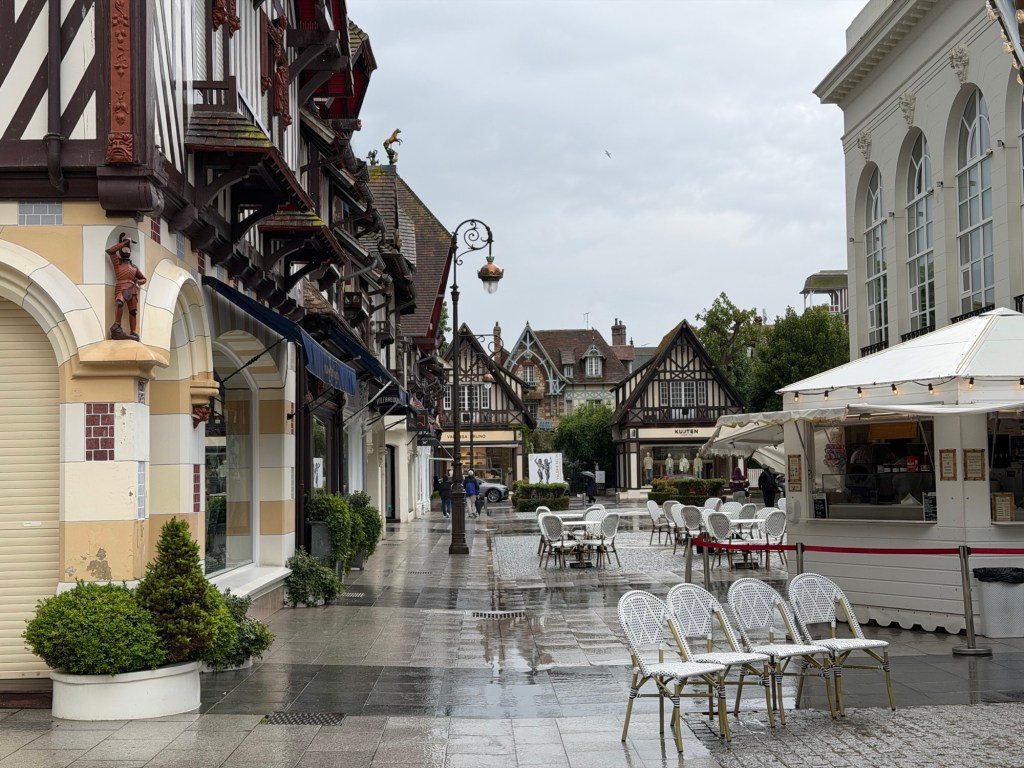
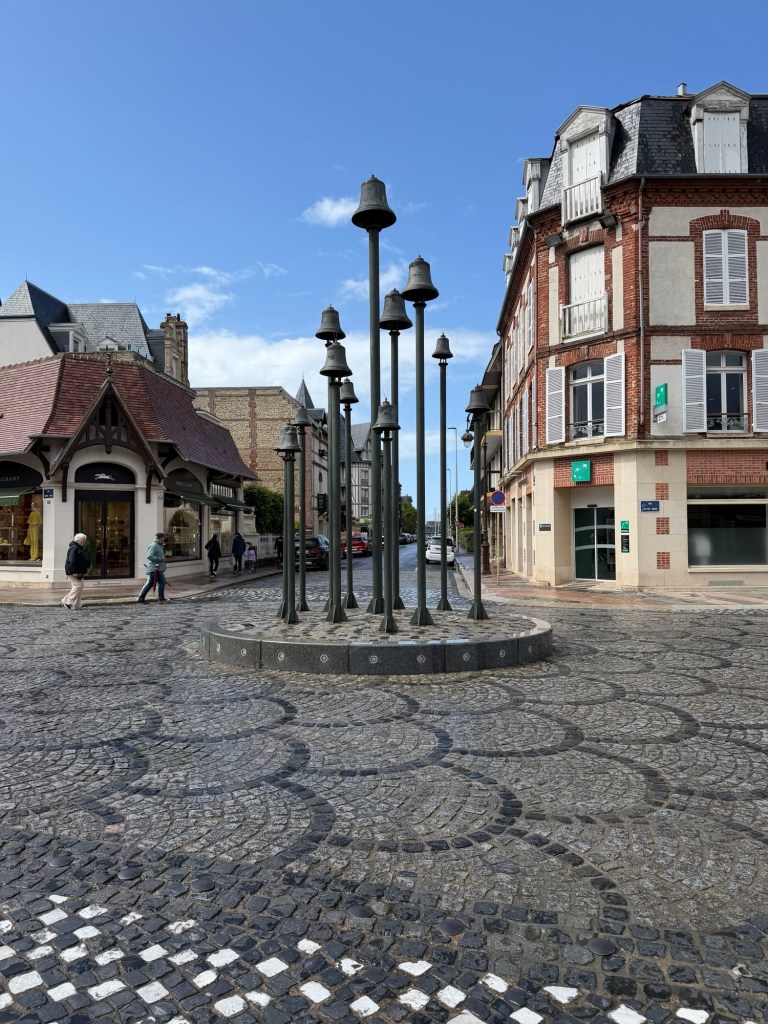
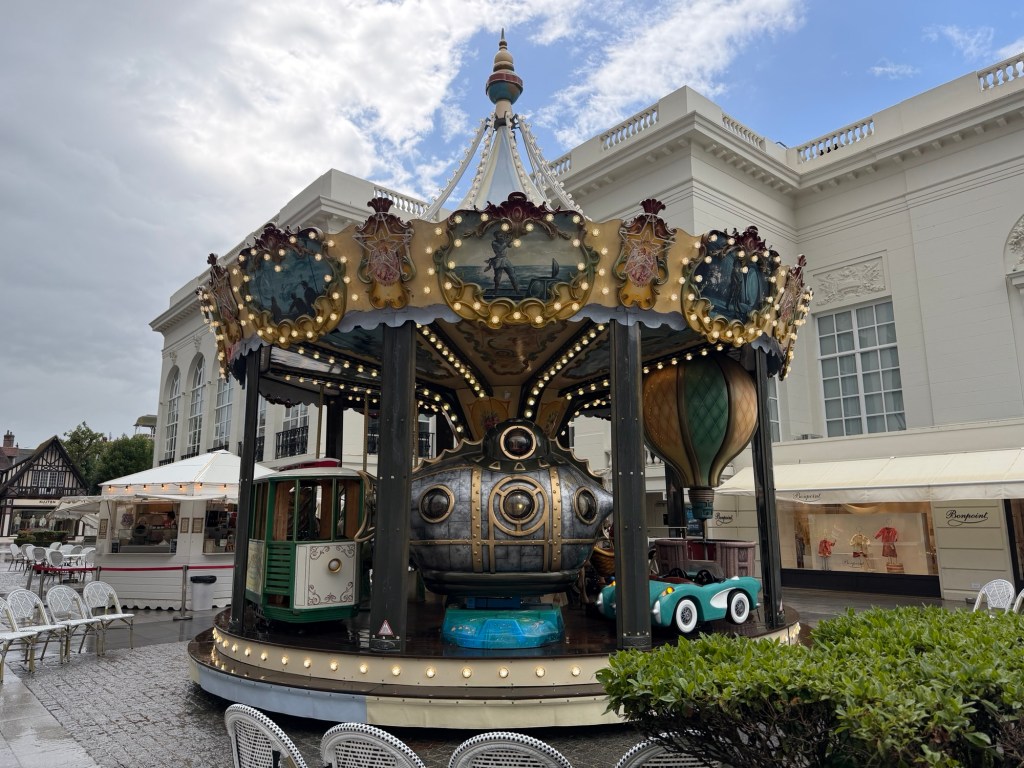
Deauville shows off its affluence along streets lined with expensive shops and entertainment for tourists.
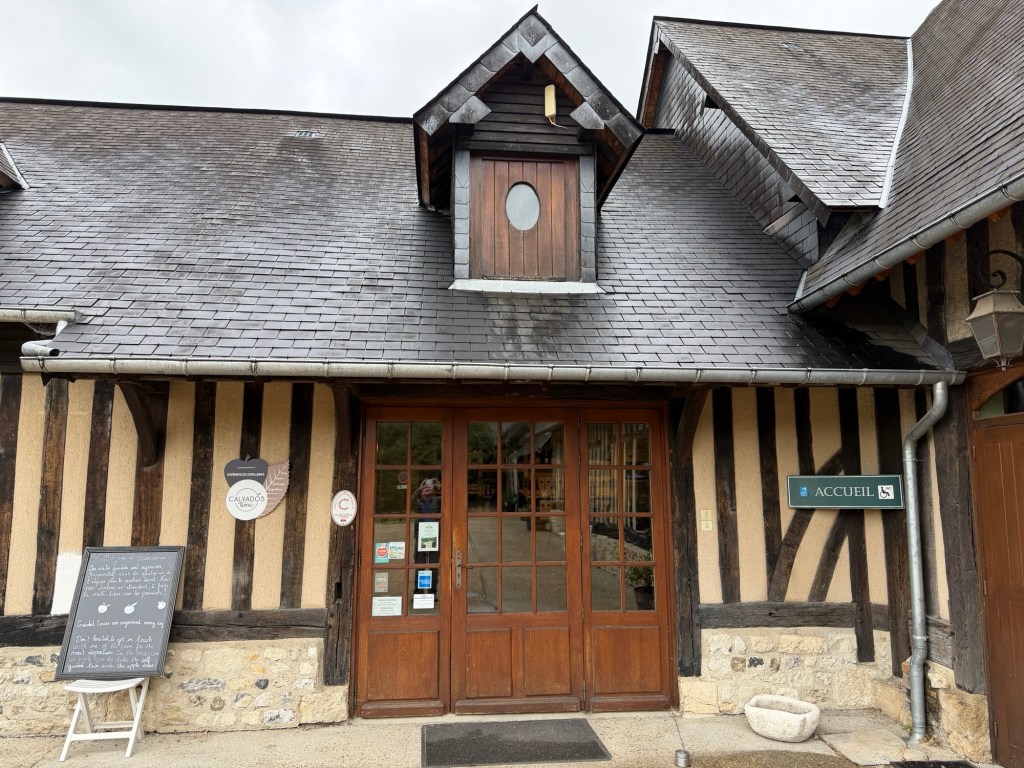
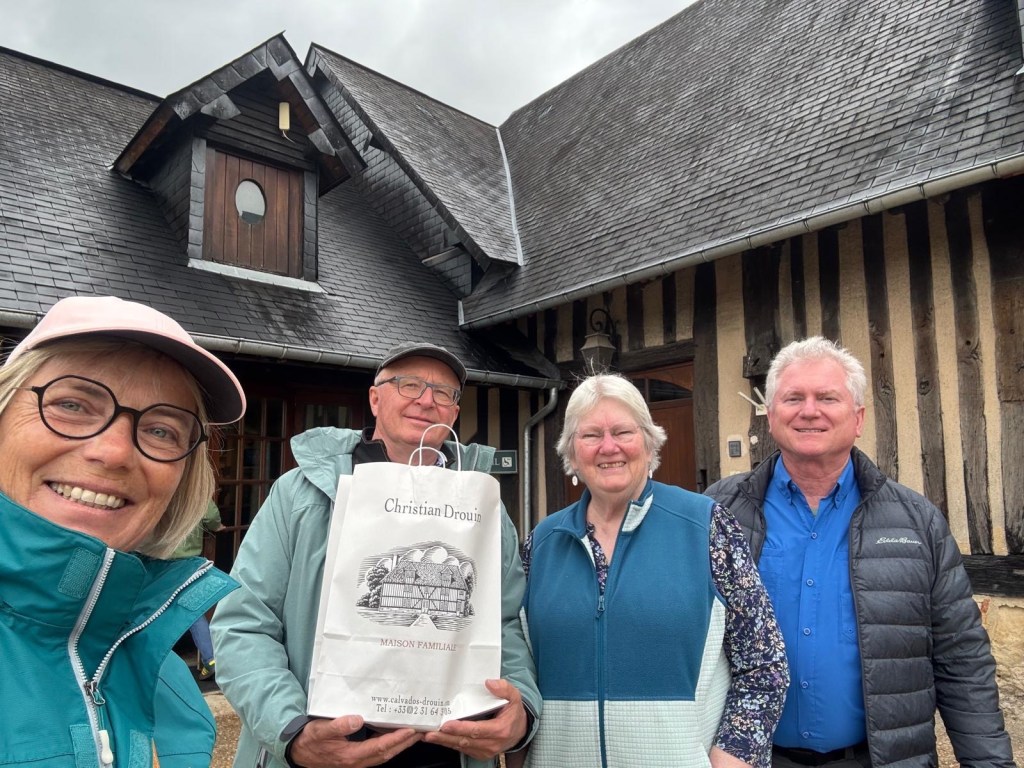
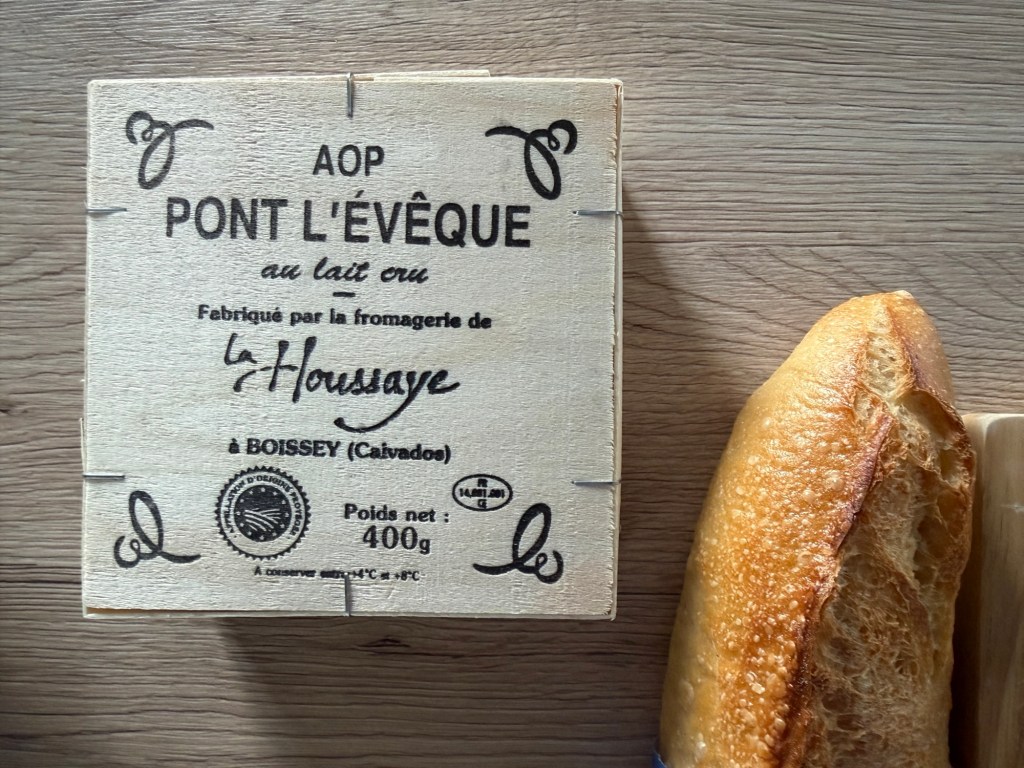
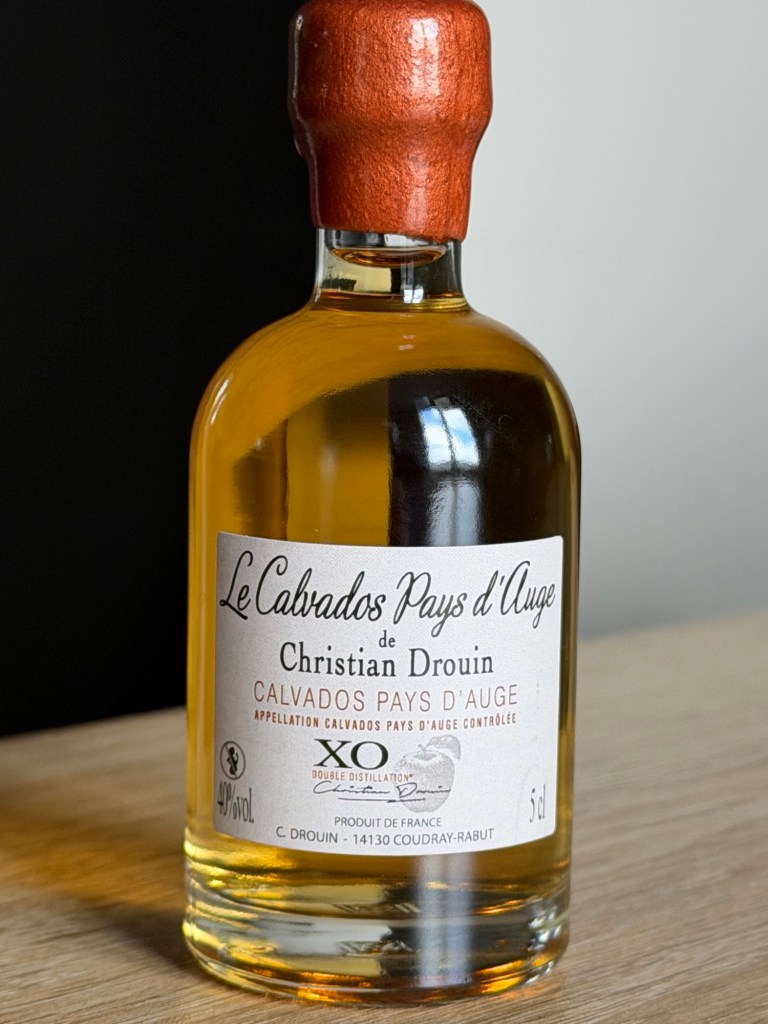
We then visited a distillery where apples are used to make brandy called Calvados. We also purchased cheese in Pont l’Évêque.
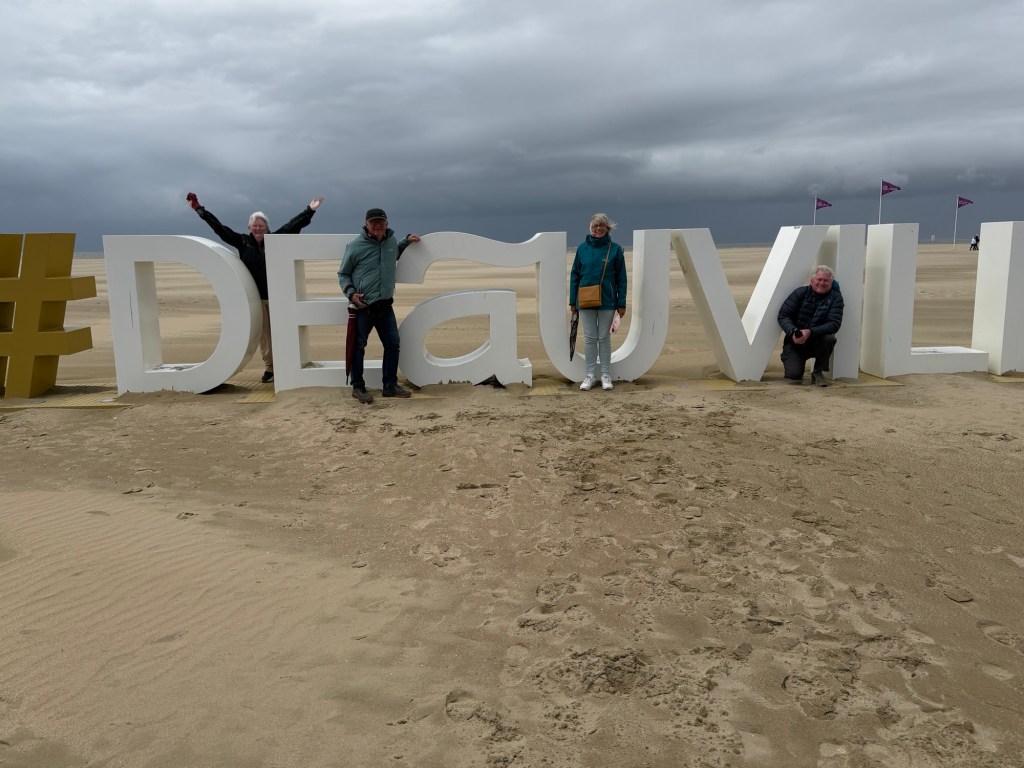
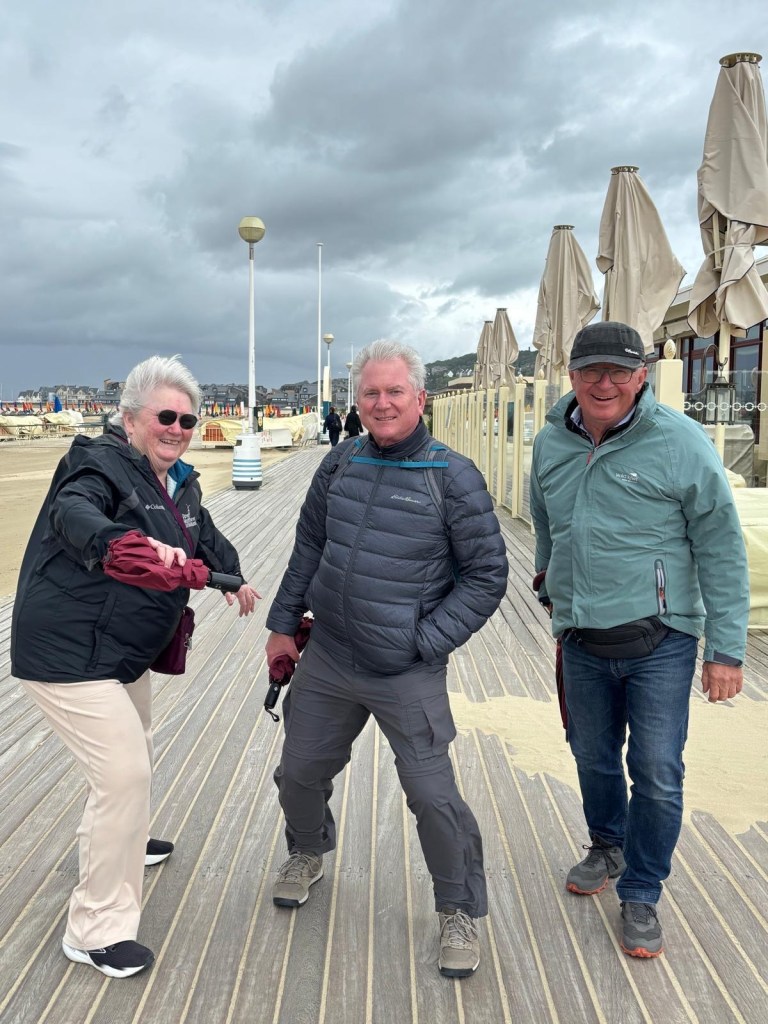
Crazy tourists on the windy boardwalk.

Étretat on Tuesday

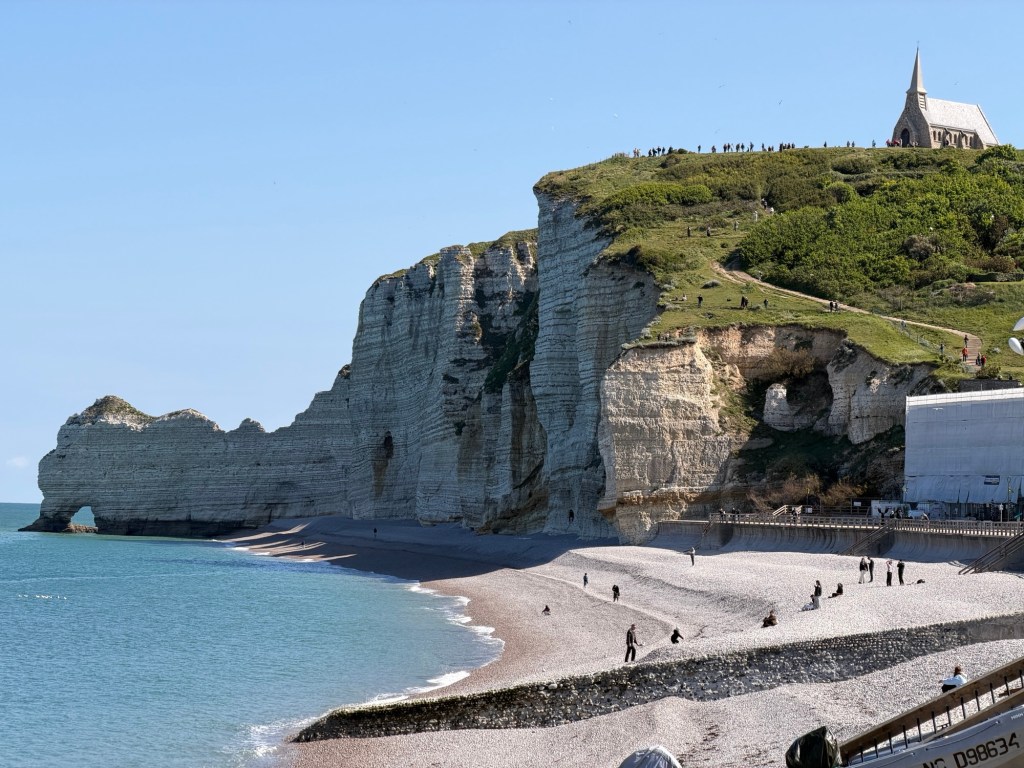
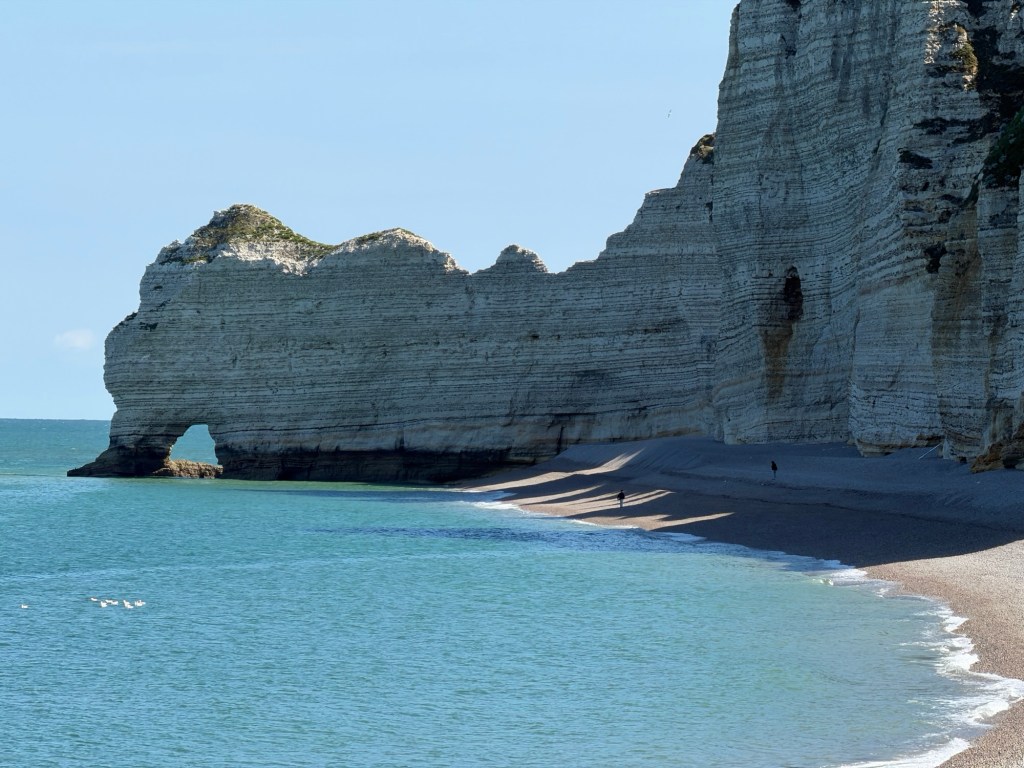
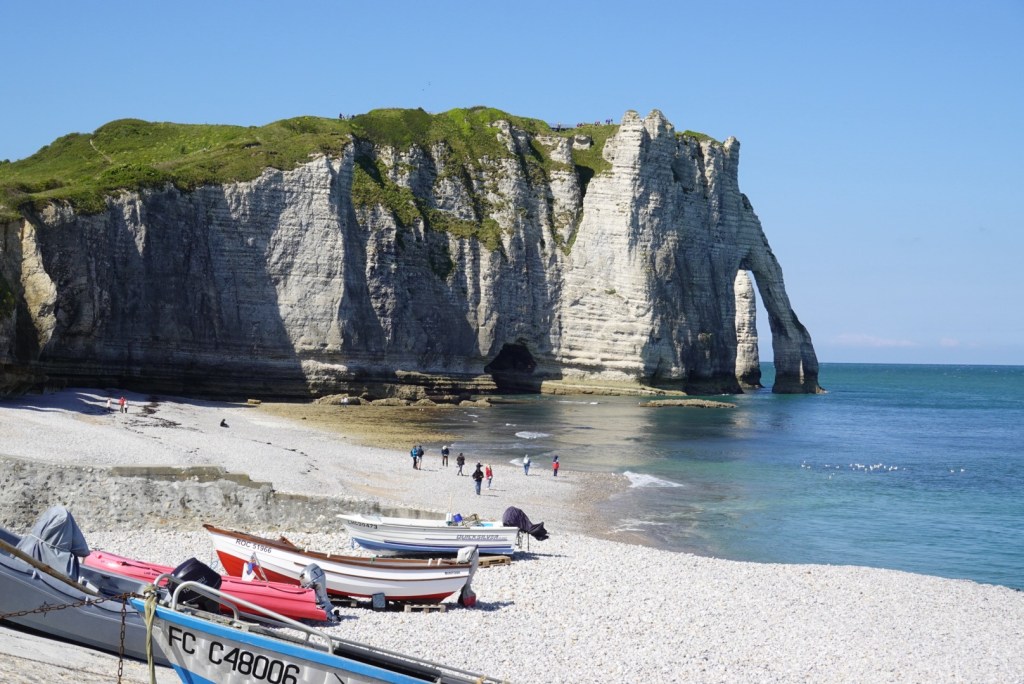
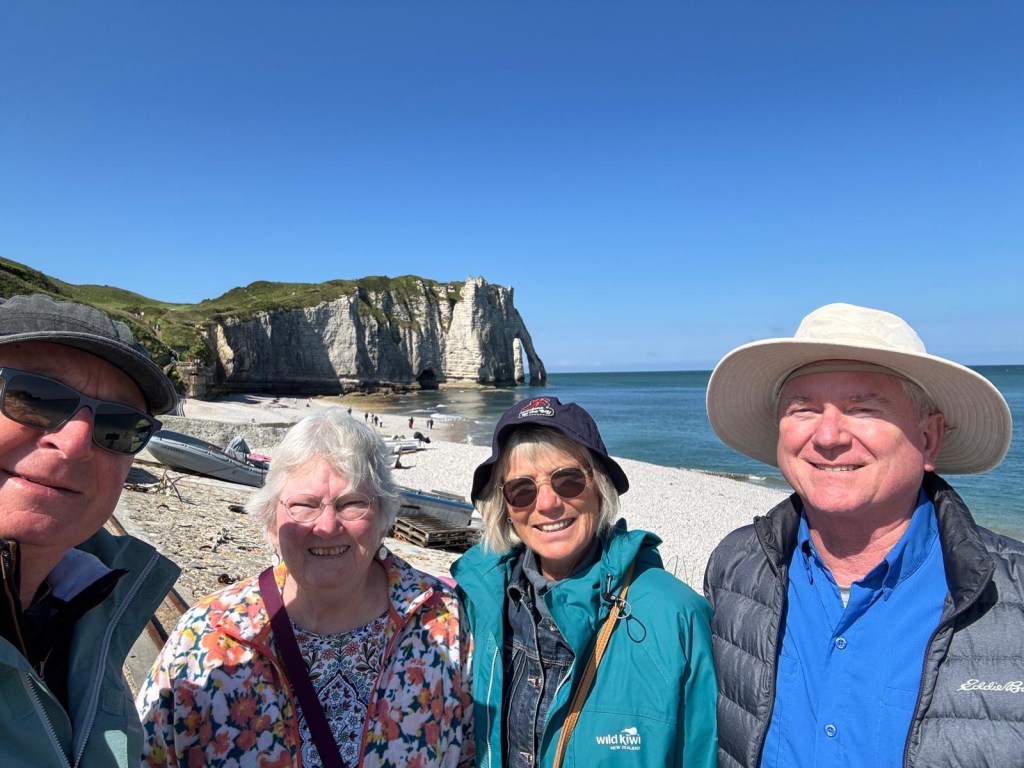
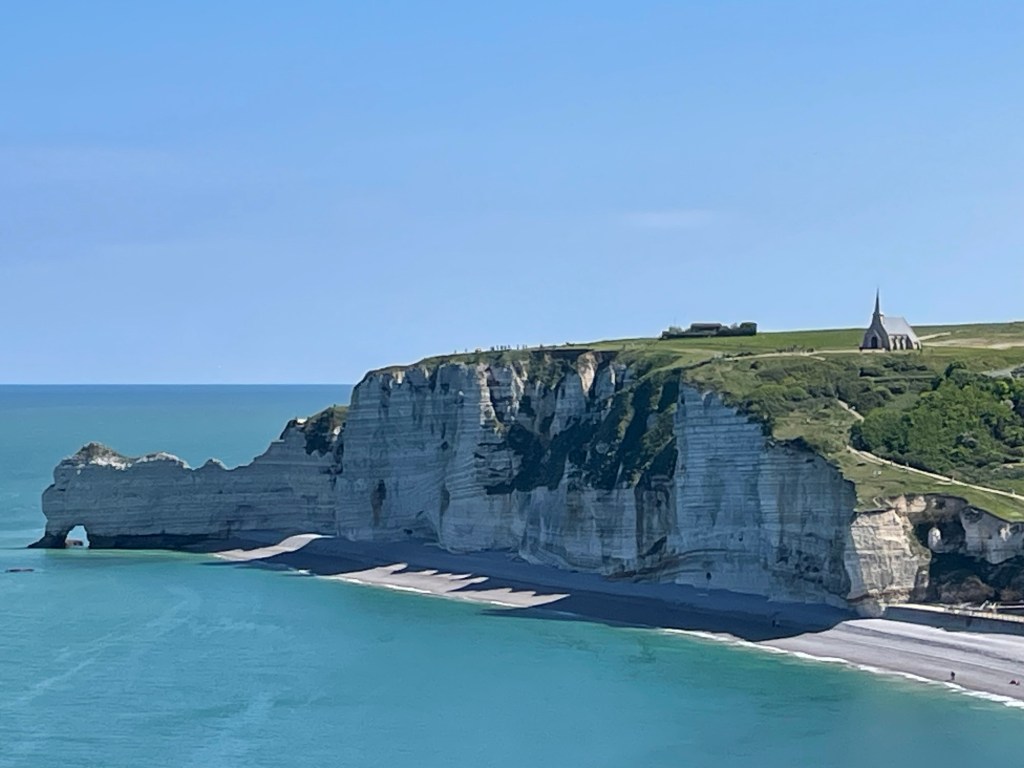
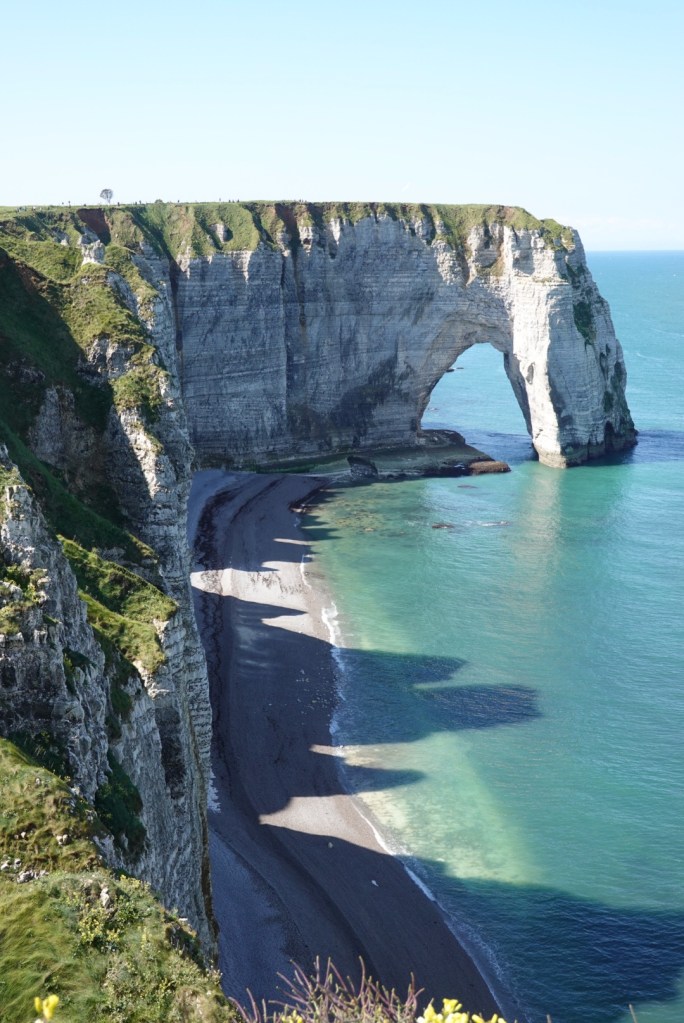
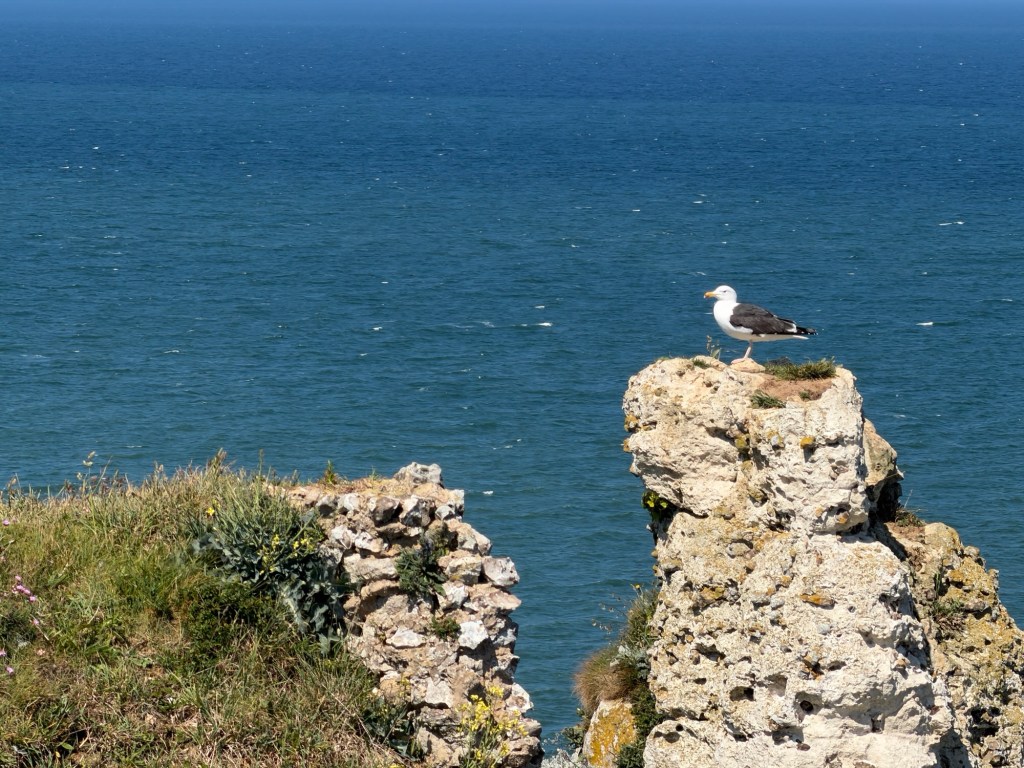
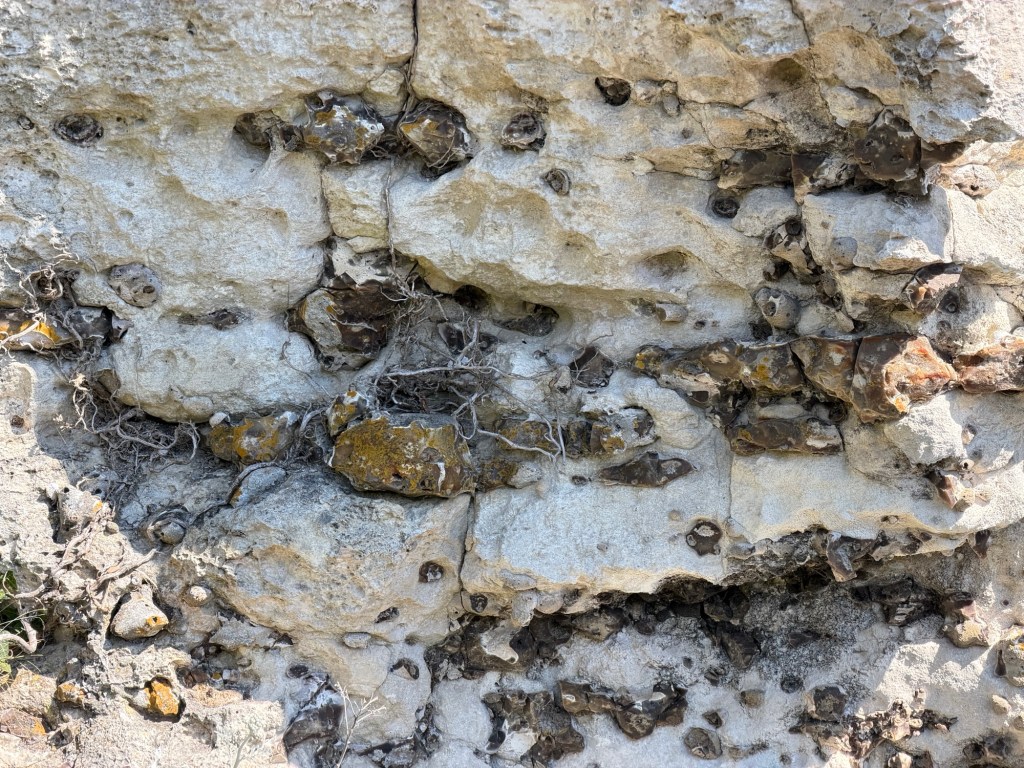
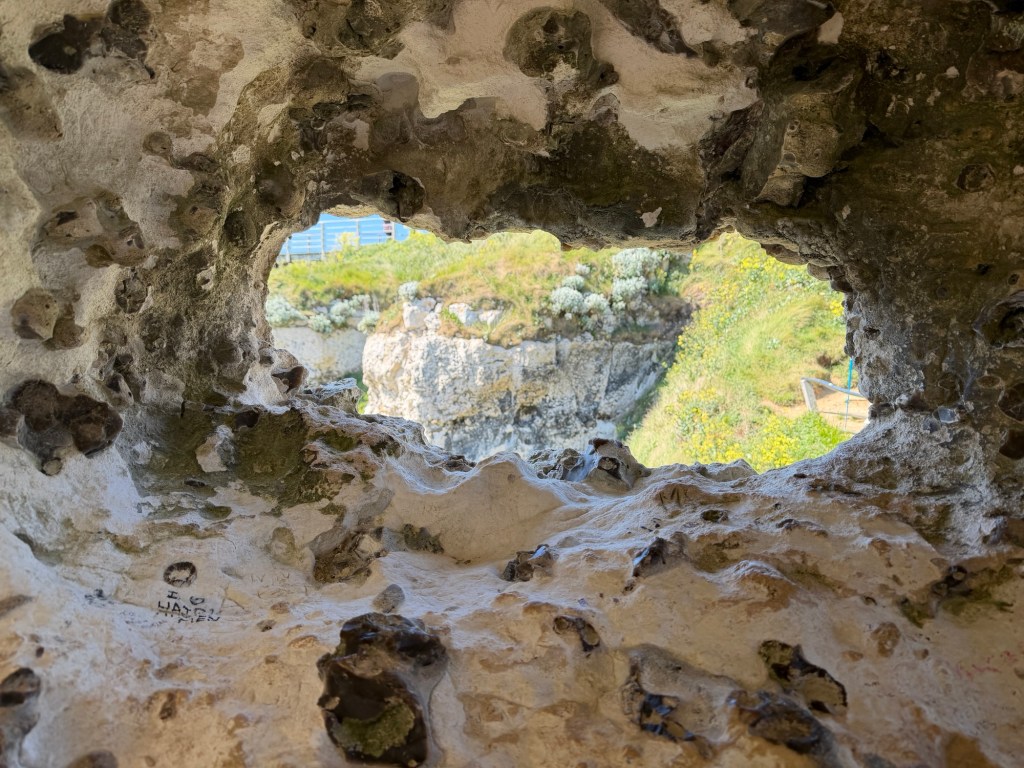
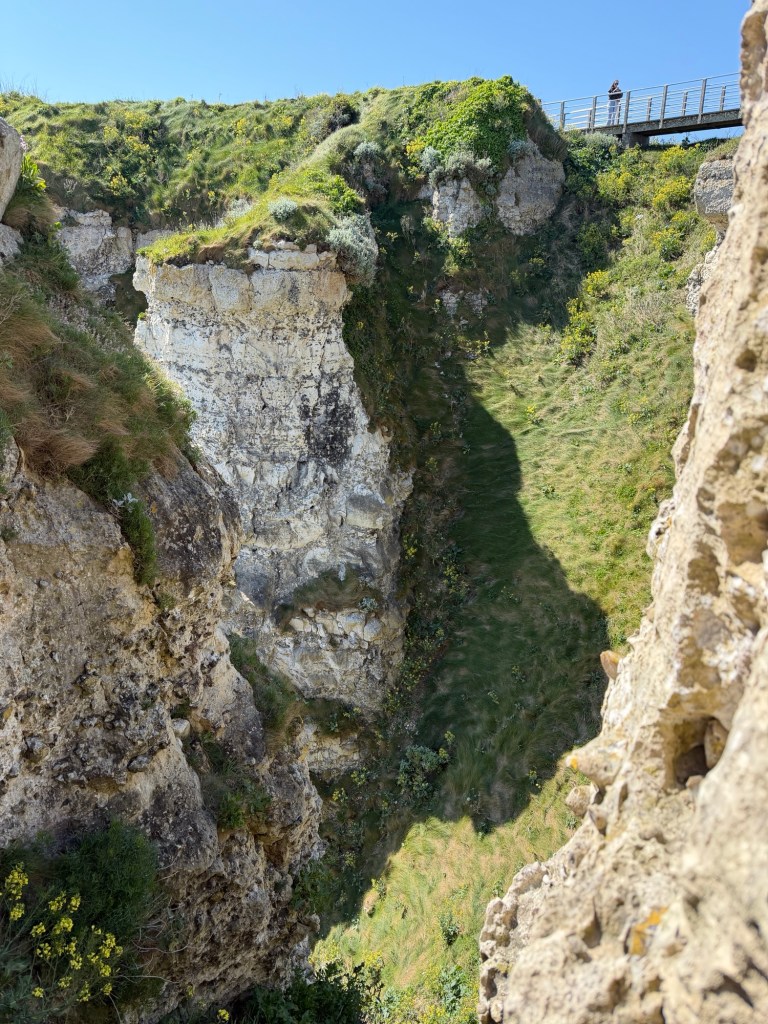
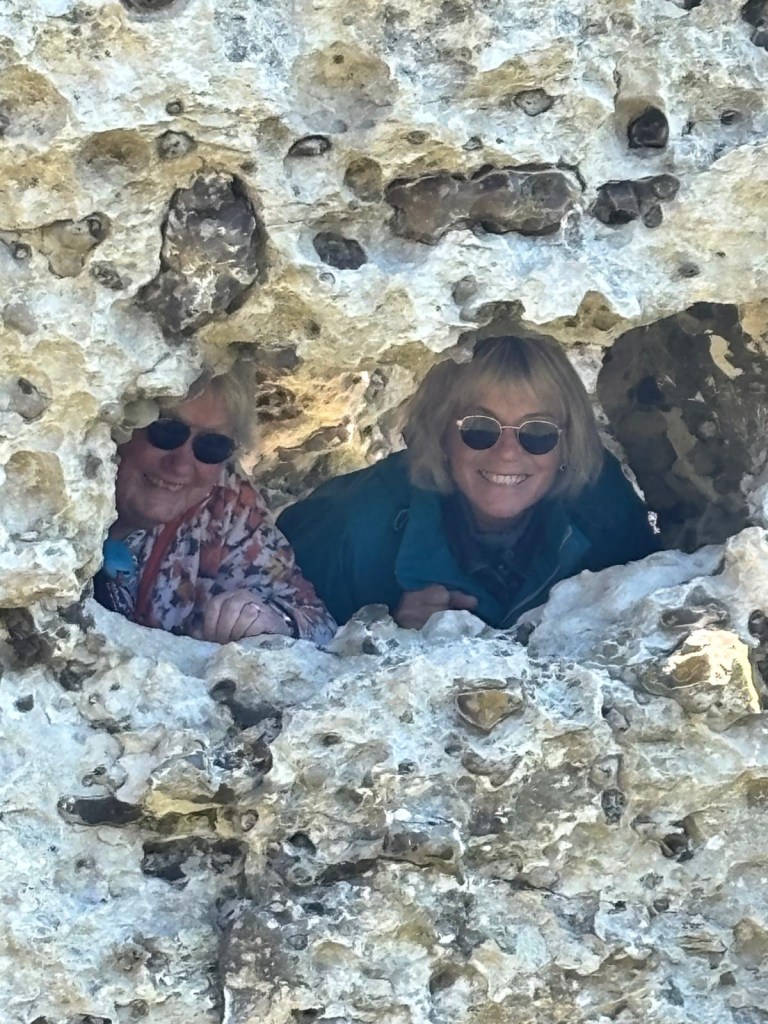
What a geologic morning for us! Perfect weather. Beautiful arches on the coast. Rocks like we’ve never seen before. We were in heaven!

This area is the other side of the channel from the English “Cliffs of Dover,” sporting the same white chalk cliffs with chert nodules. Many tourists visit here – with good reason.

We found parking a short walk from the scenic area.

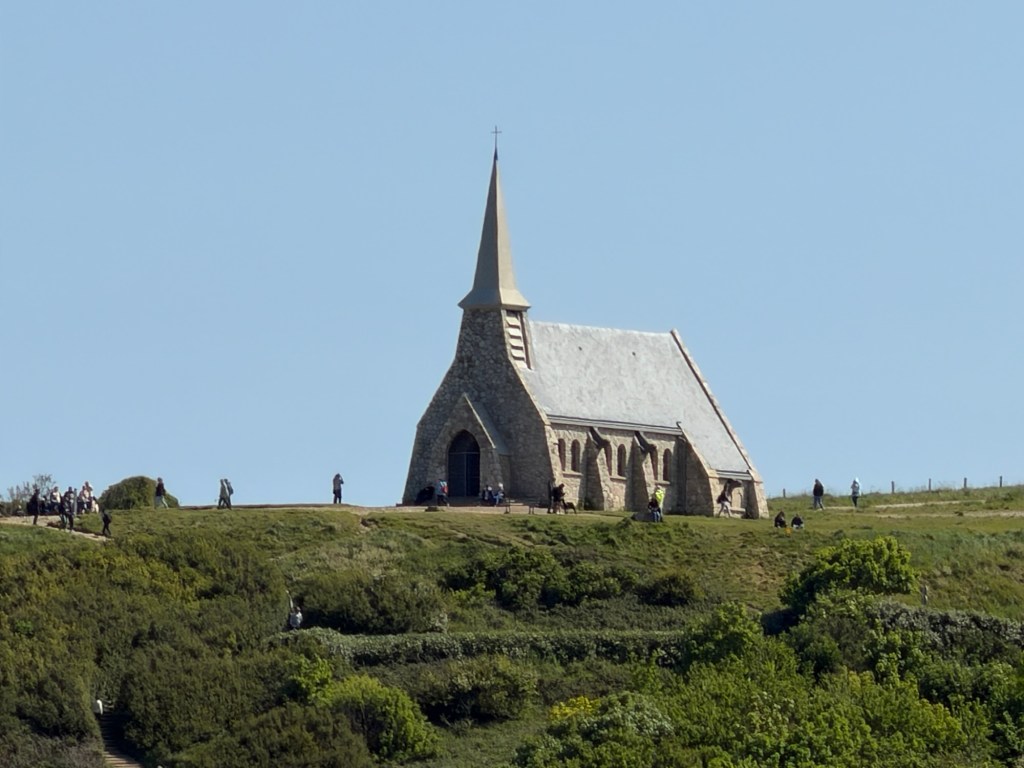
We climbed up the hill for more views of these beauties.

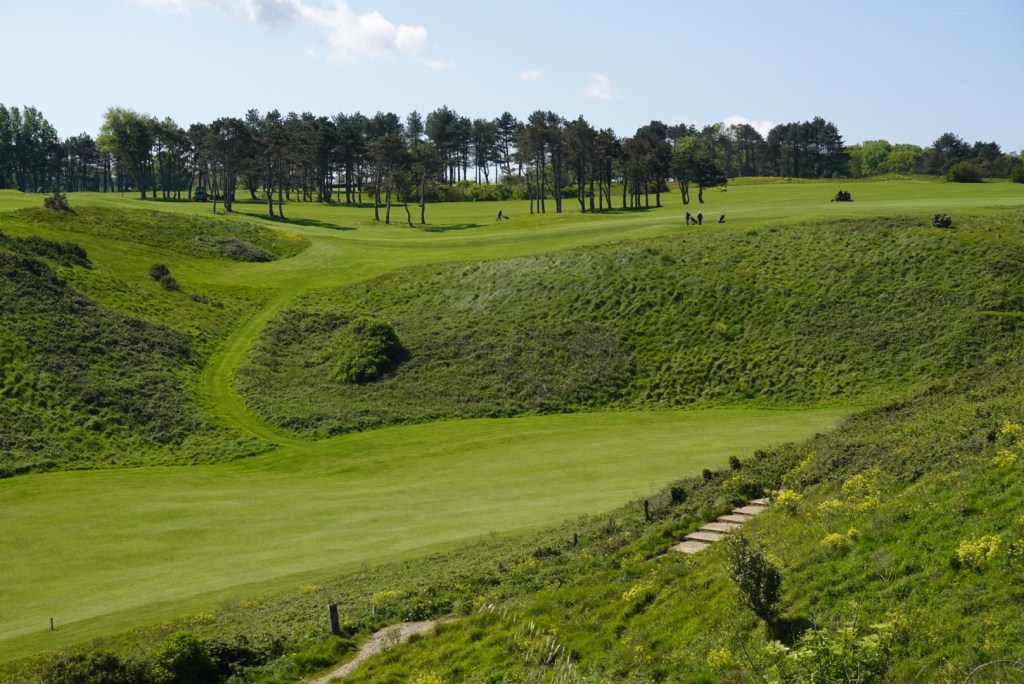
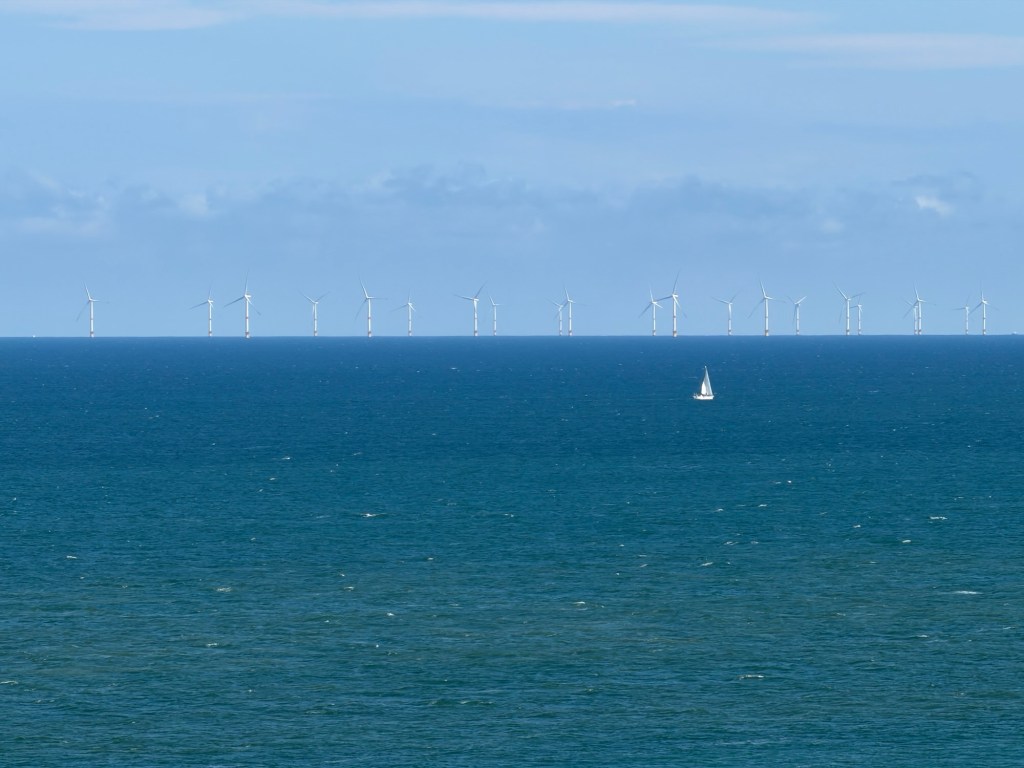
Following are scenes from the walk, then the top of the hill.

Back at the bottom.

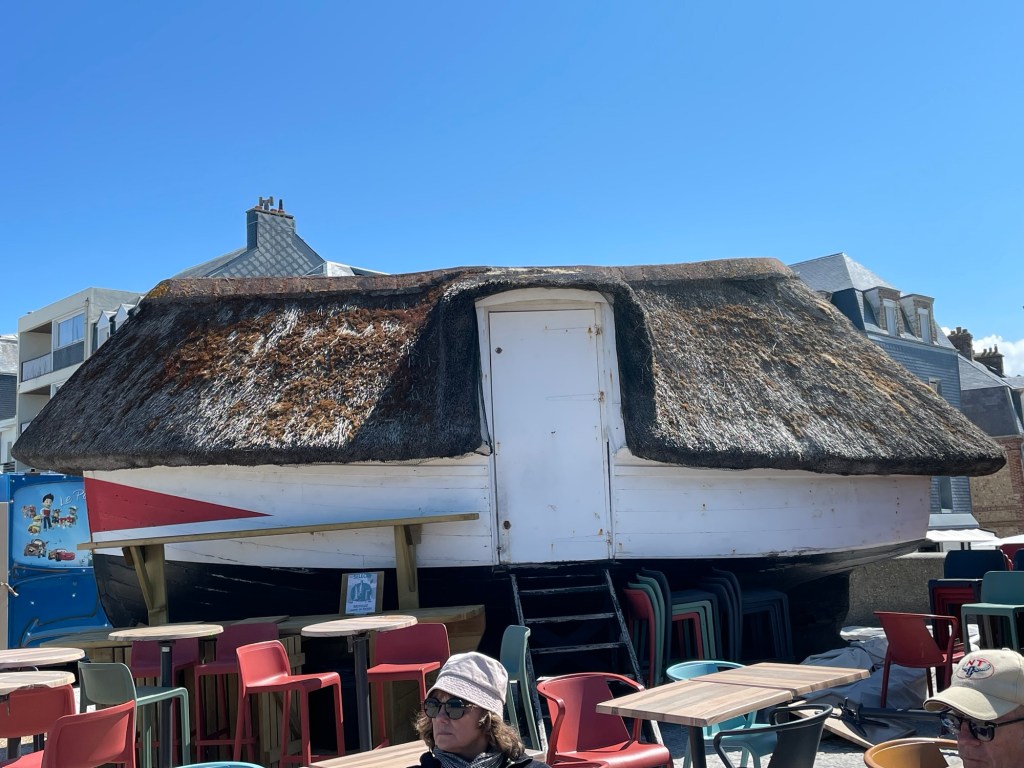
Traveling with friends whose first language is different can lead to discussions about impossible words. The French language does not pronounce the h sound, so when figuring out the name for the roof material typical for this area, we ran into difficulties with laughter. Thatch has too many h sounds!

On the other hand, when Joëlle and Clare were looking for Marc and Brian in a market we almost ran into someone with a big cart. Clare said “Pardon” when Joëlle said “Sorry”. We both ended up laughing.

We then drove further north to Fécamp.

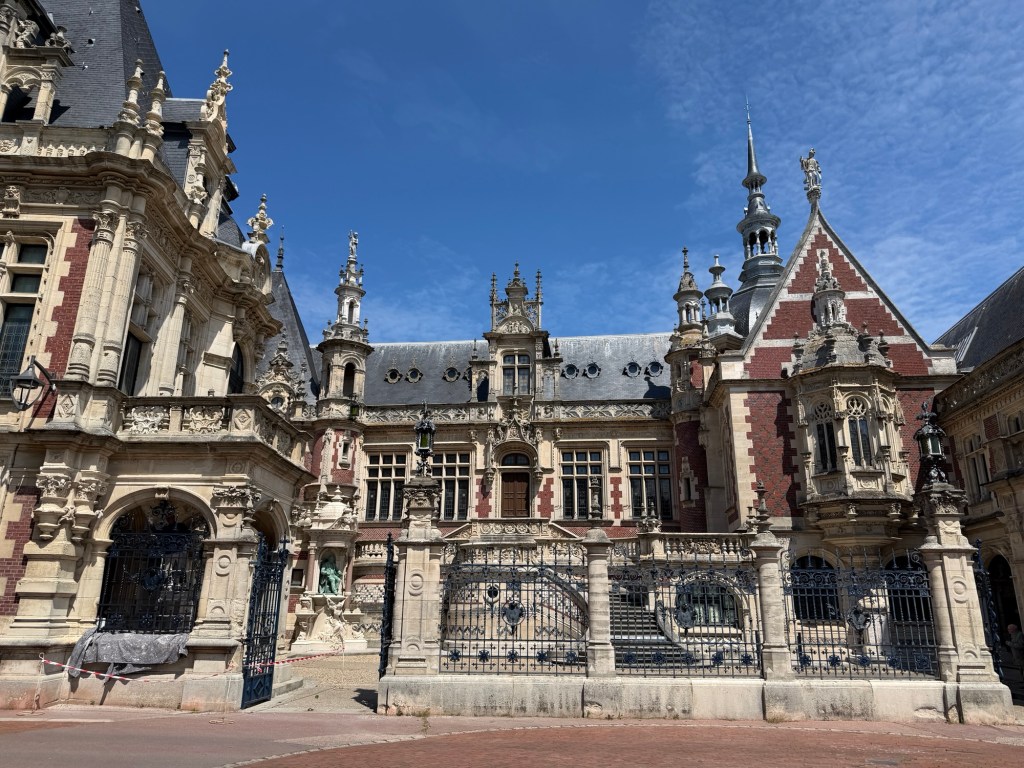
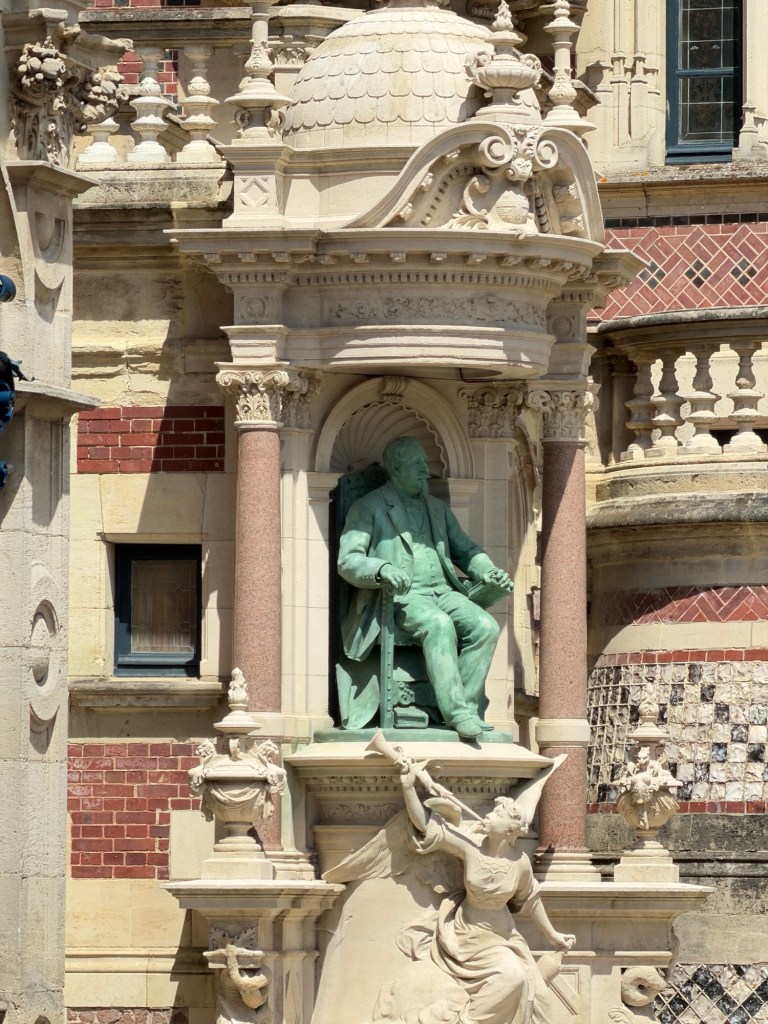
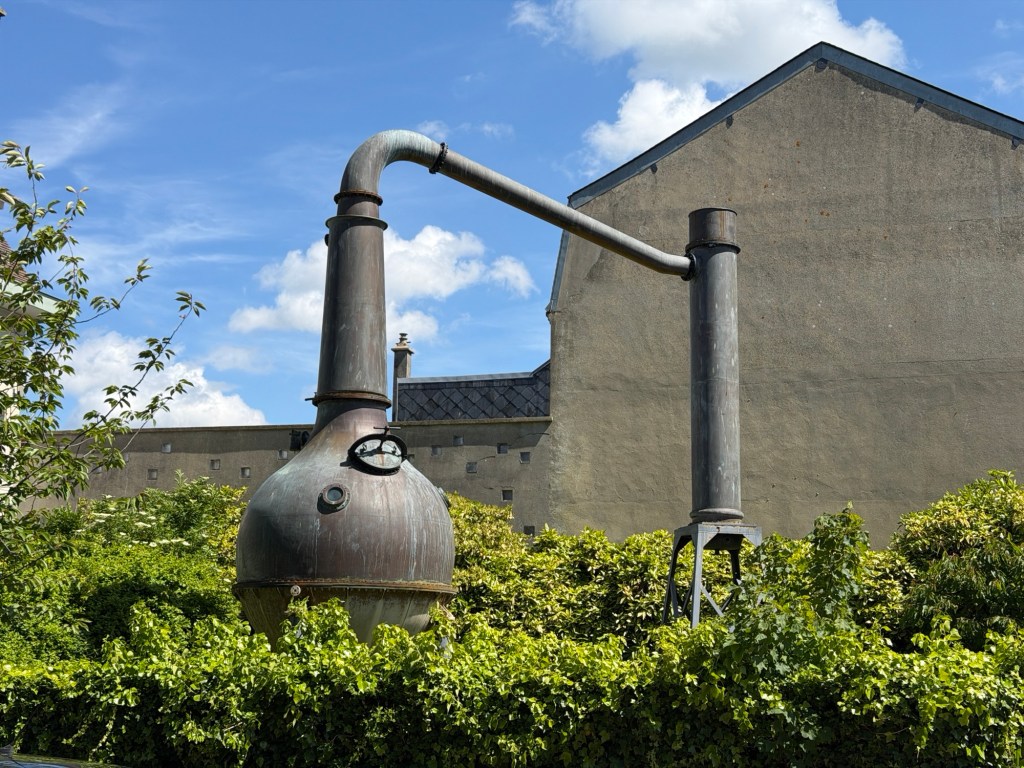
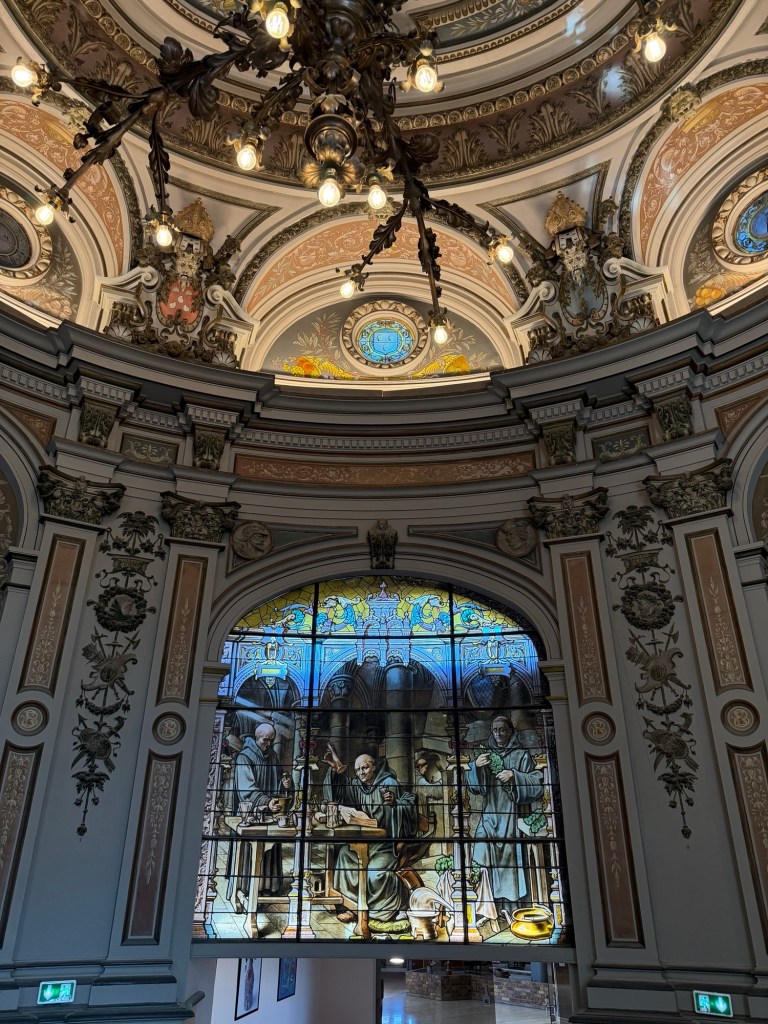
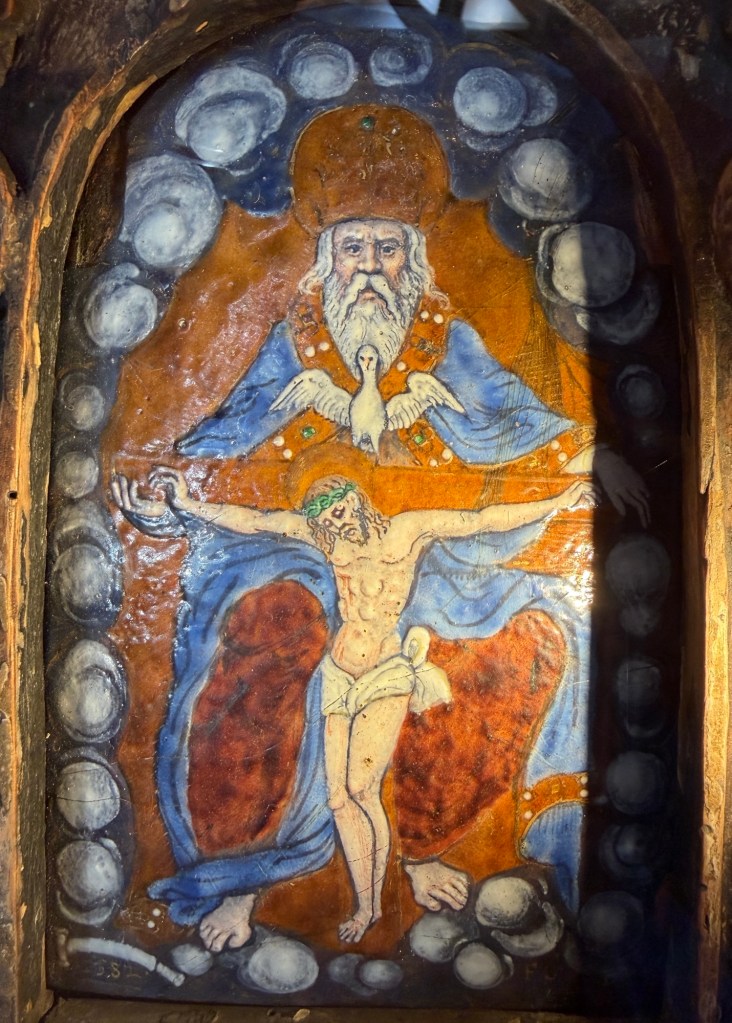
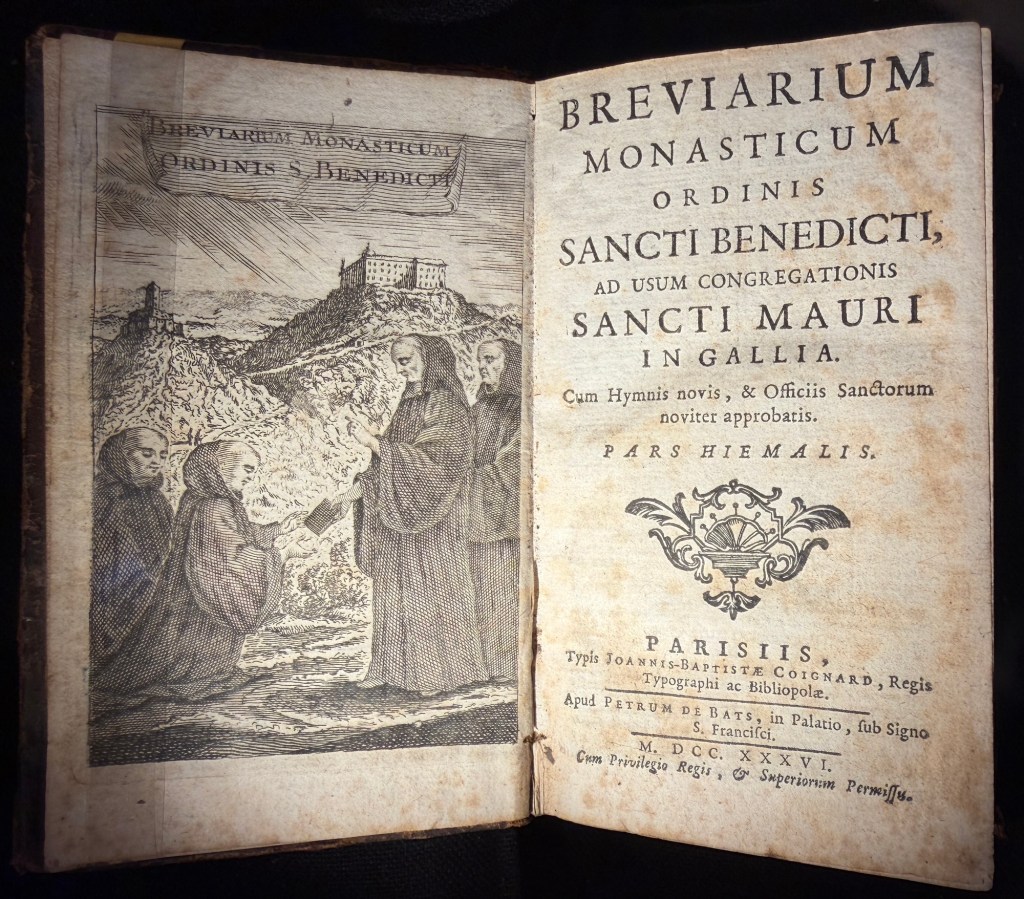
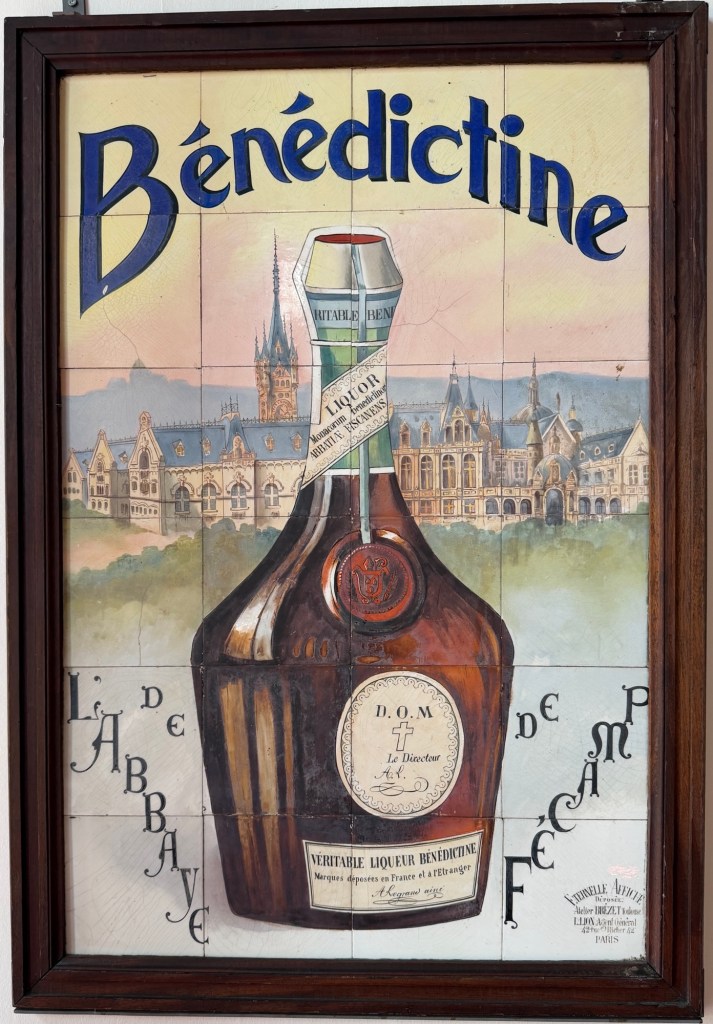
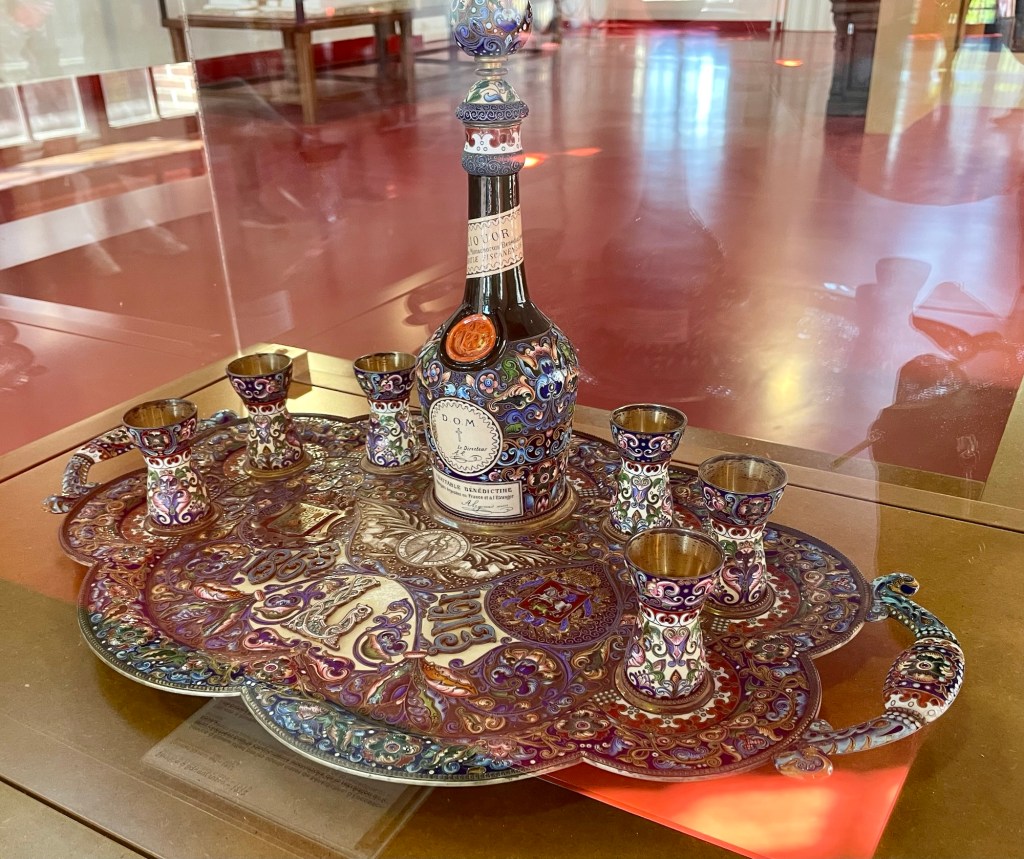
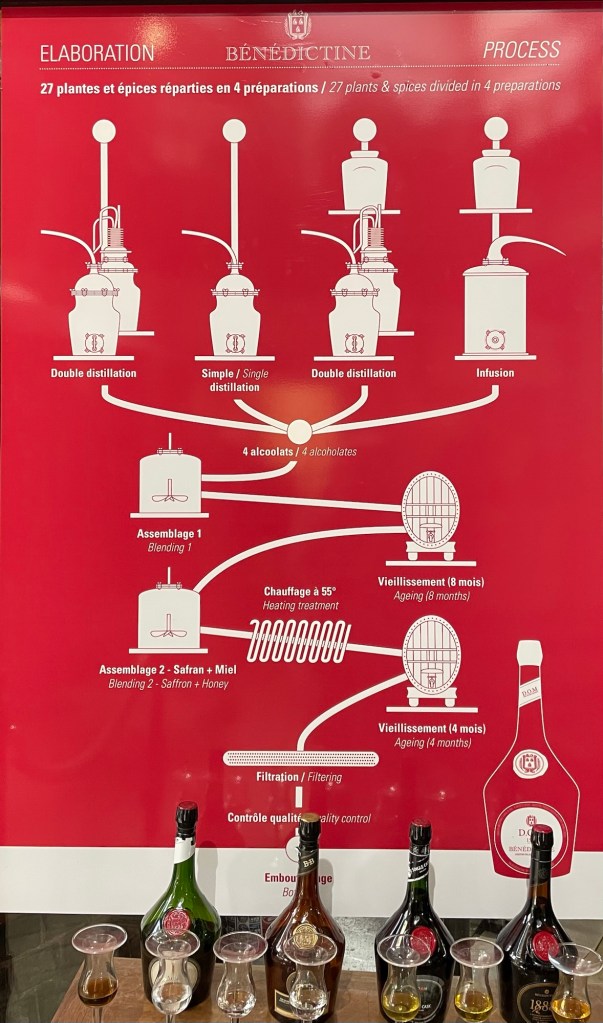
Next we went to the Benedictine Distillery where a descendant of a 17th or 18th century monk found and perfected his ancestor’s recipe for brandy. He took two years finding the perfect balance of 27 herbs, making an intricate four step process to complete the brandy, named for the ancestor’s calling.

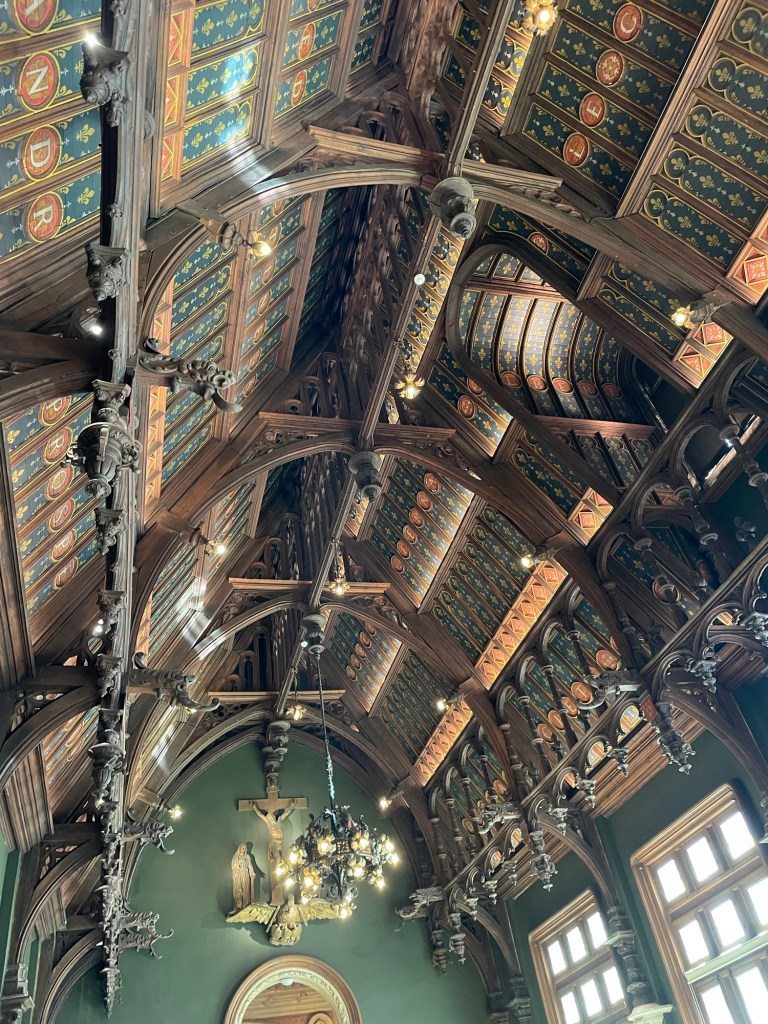
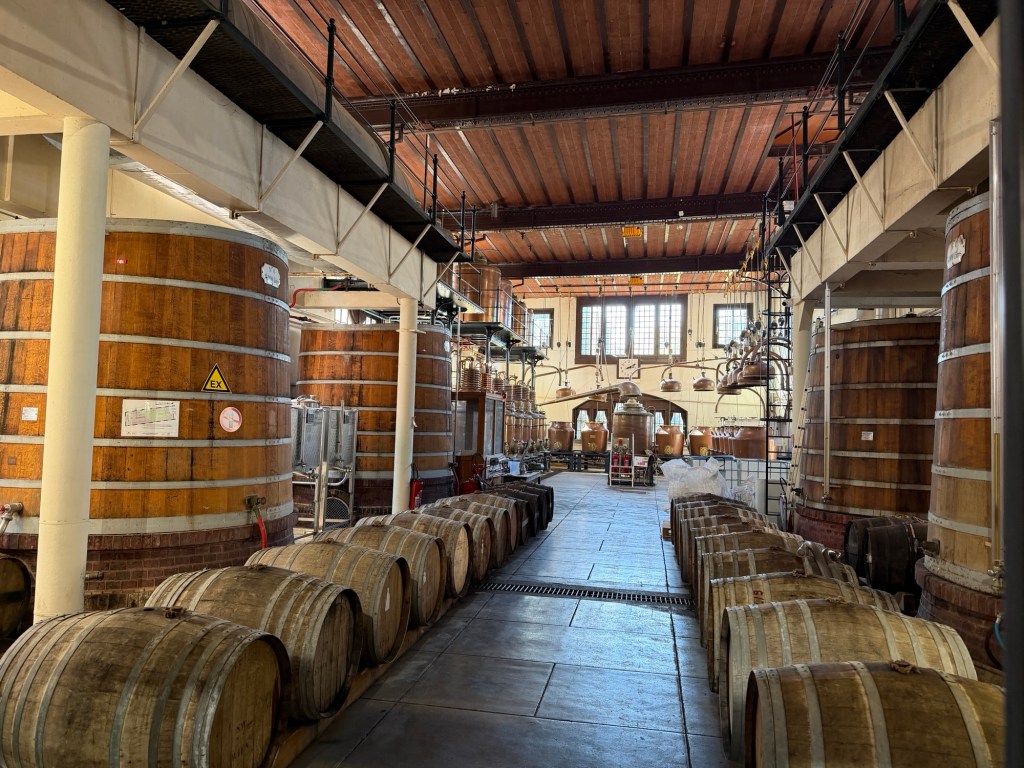
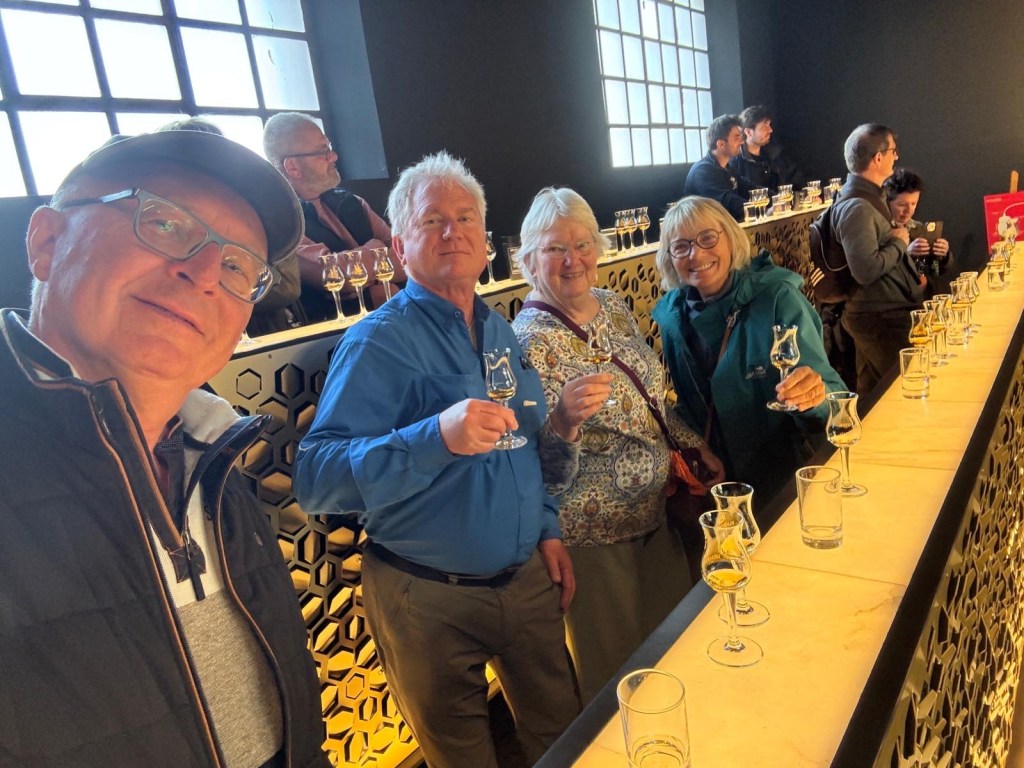
We took a tour inside the restored building, culminating in tasting of three of the Benedictine blends.

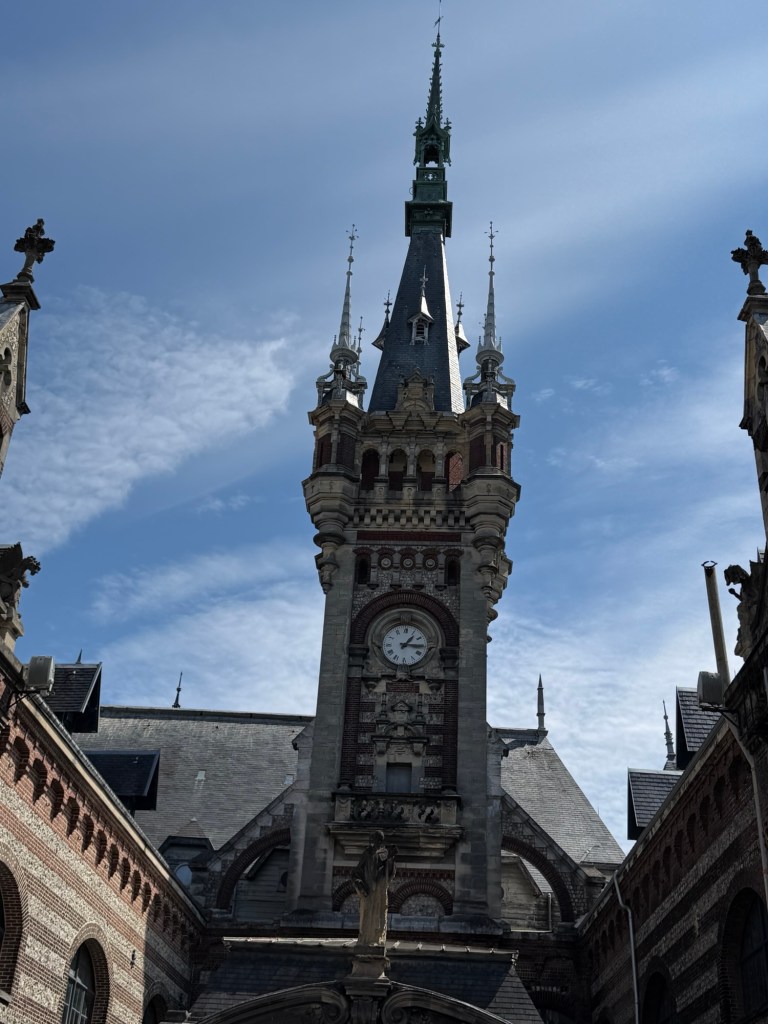
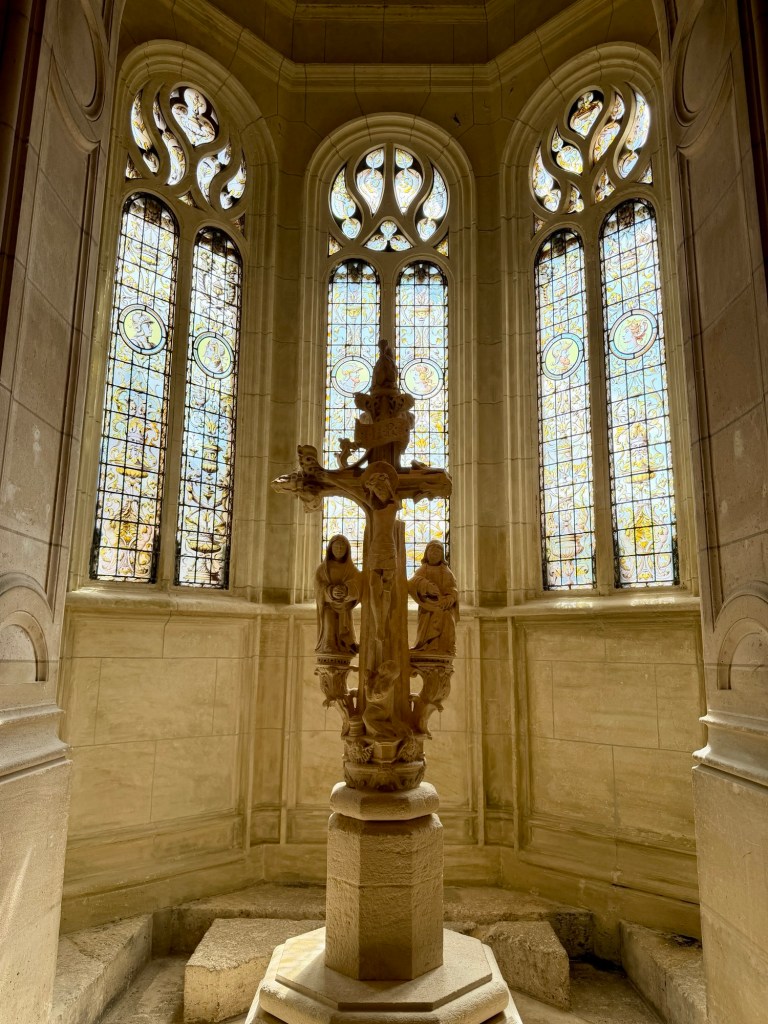
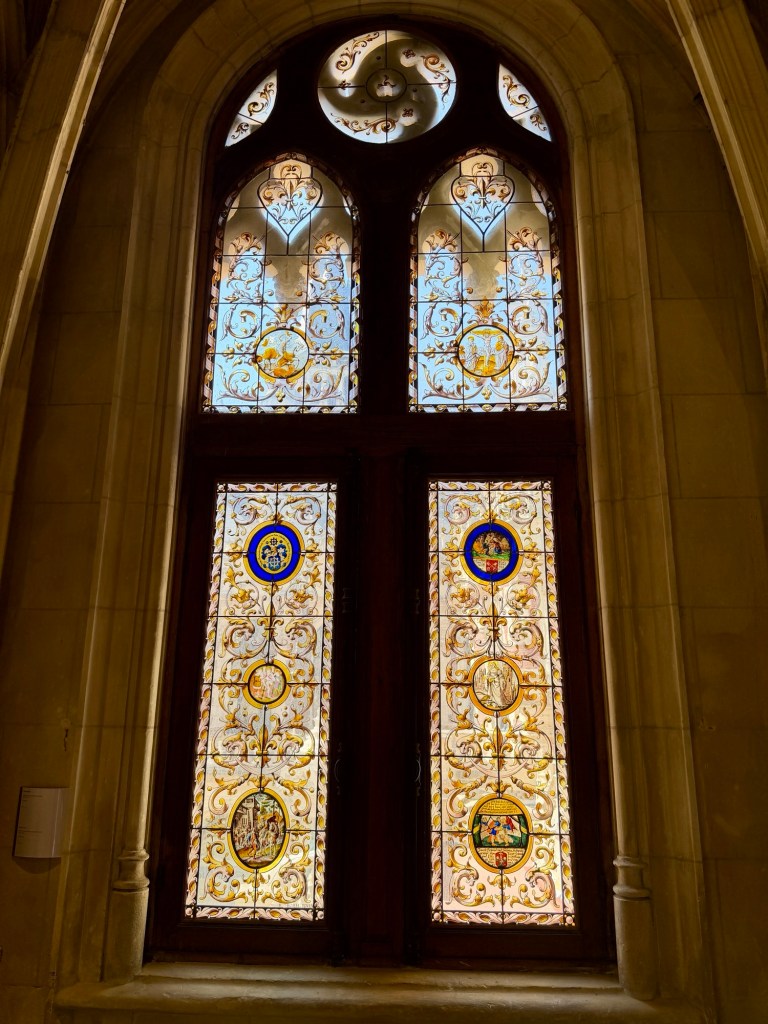
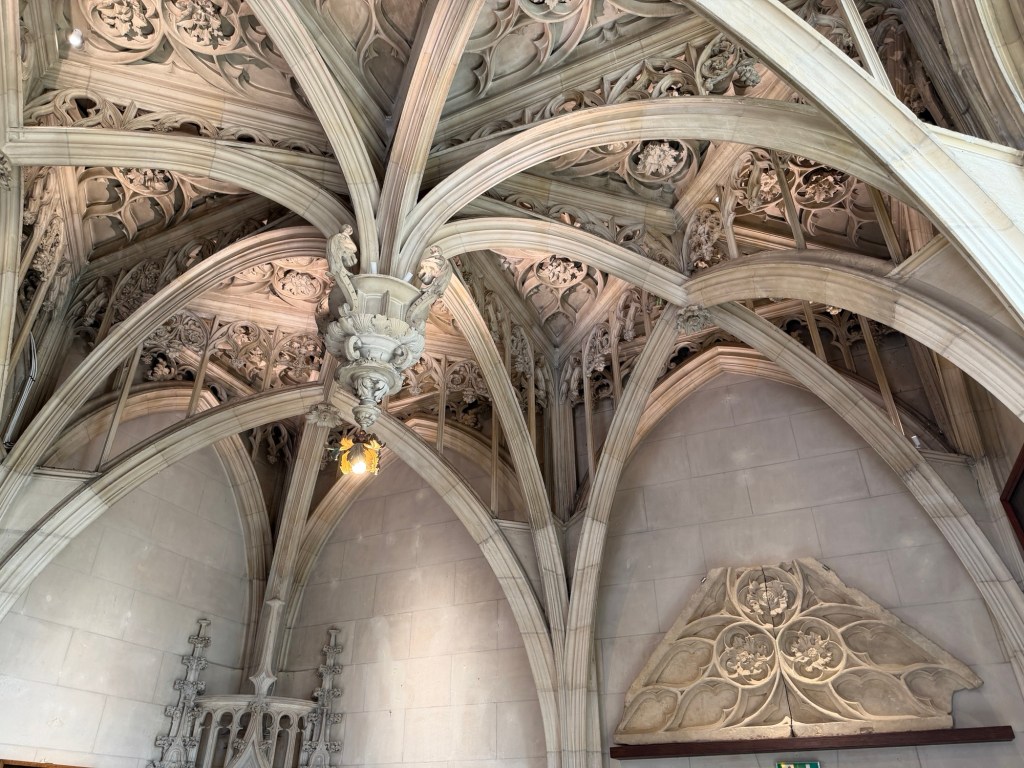
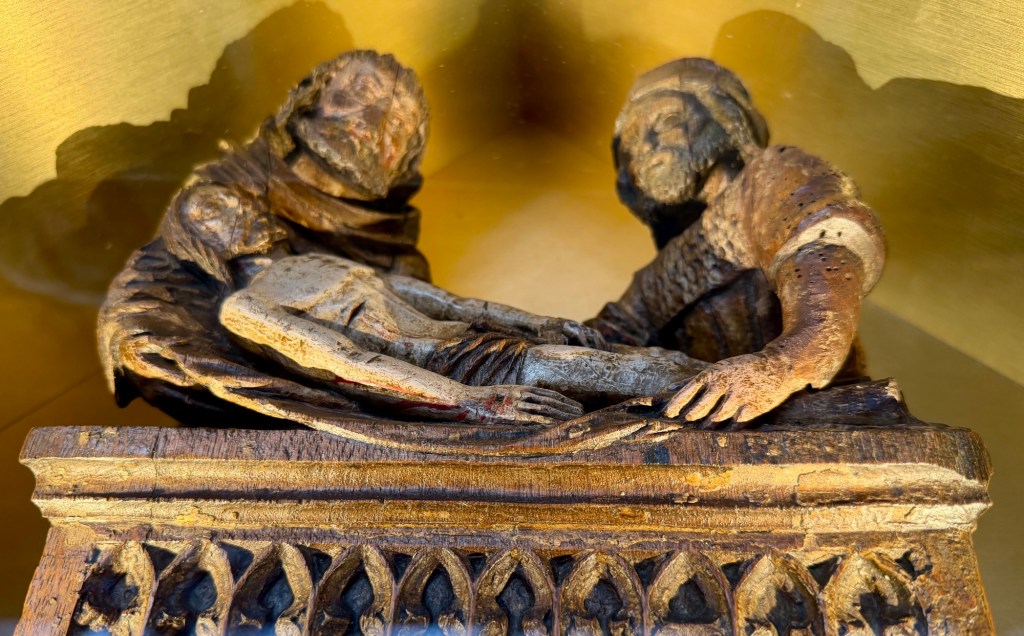
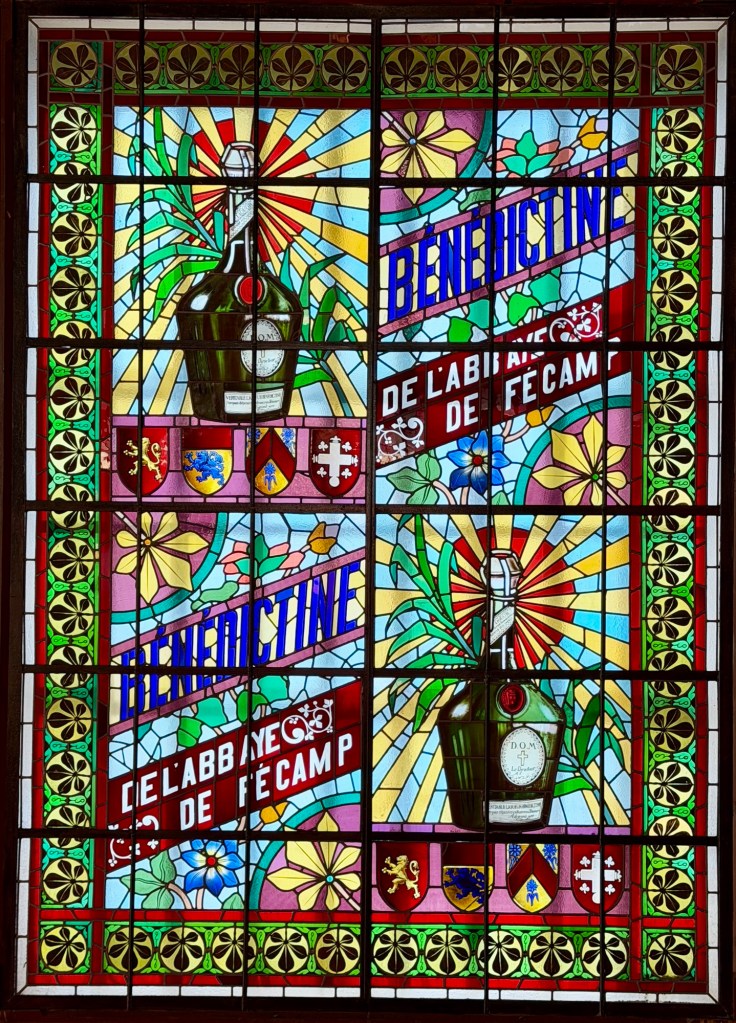
The foundation of the Benedictine monastery in Fécamp dates from 1001. The current building followed its design, using many relics and artifacts from the history of the monastery.

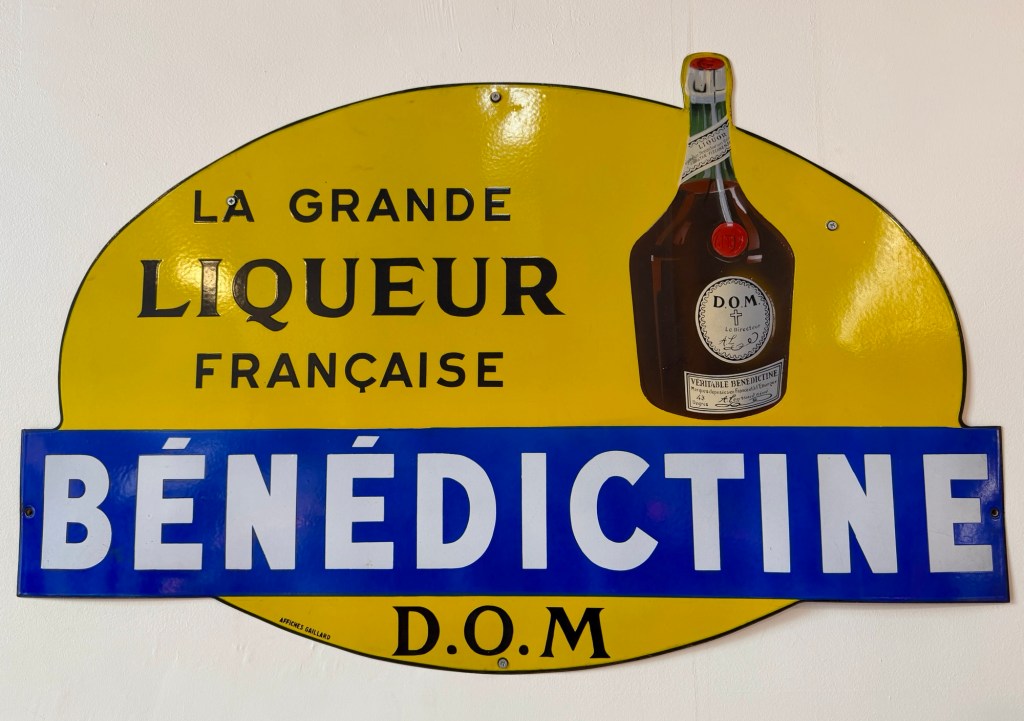
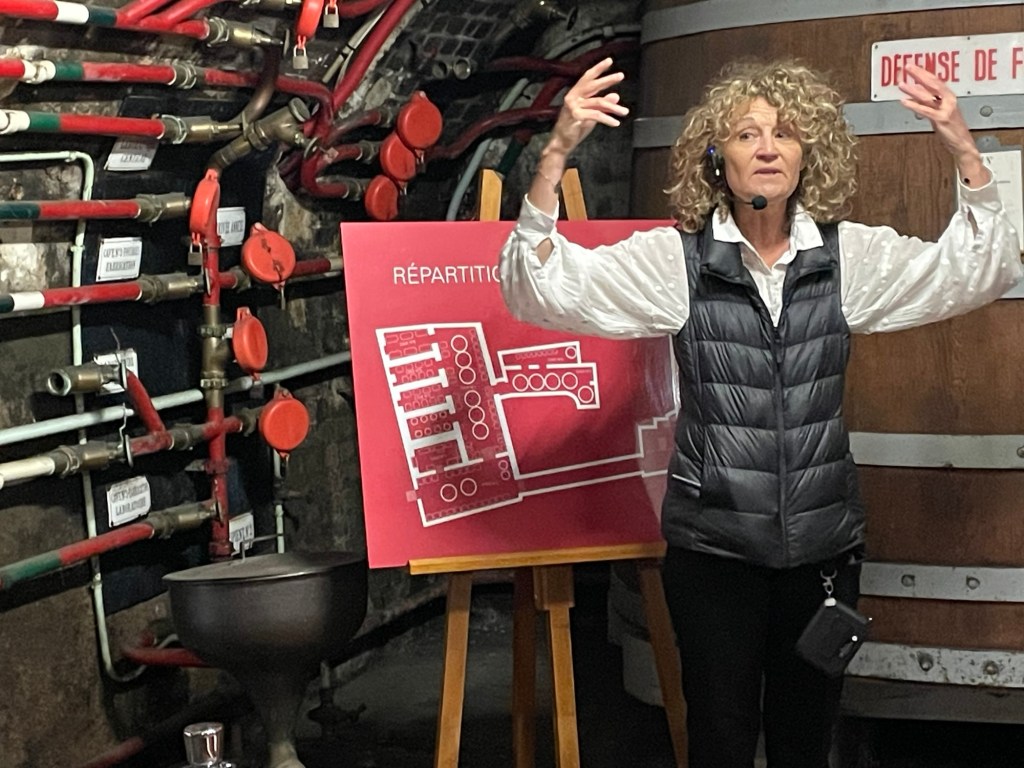
A guide explained the public parts of the recipe for Benedictine, showed us many parts of the factory and used signs for clarification. When Benedictine was not selling, workers from the distillery would go into local establishments and ask for the drink, pretending to be upset if it was not available!

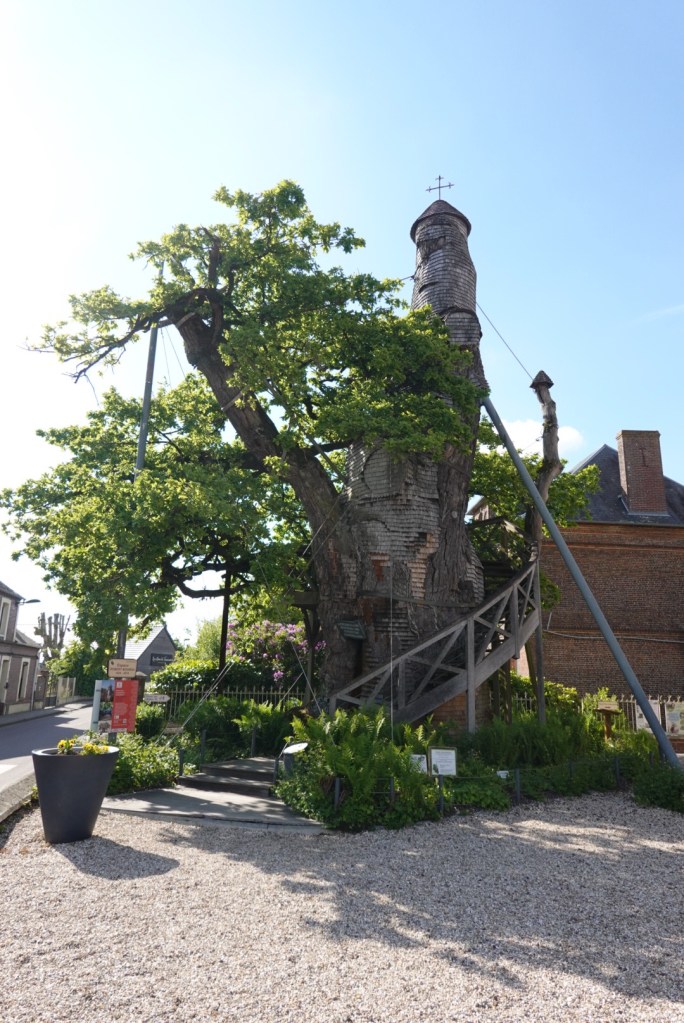
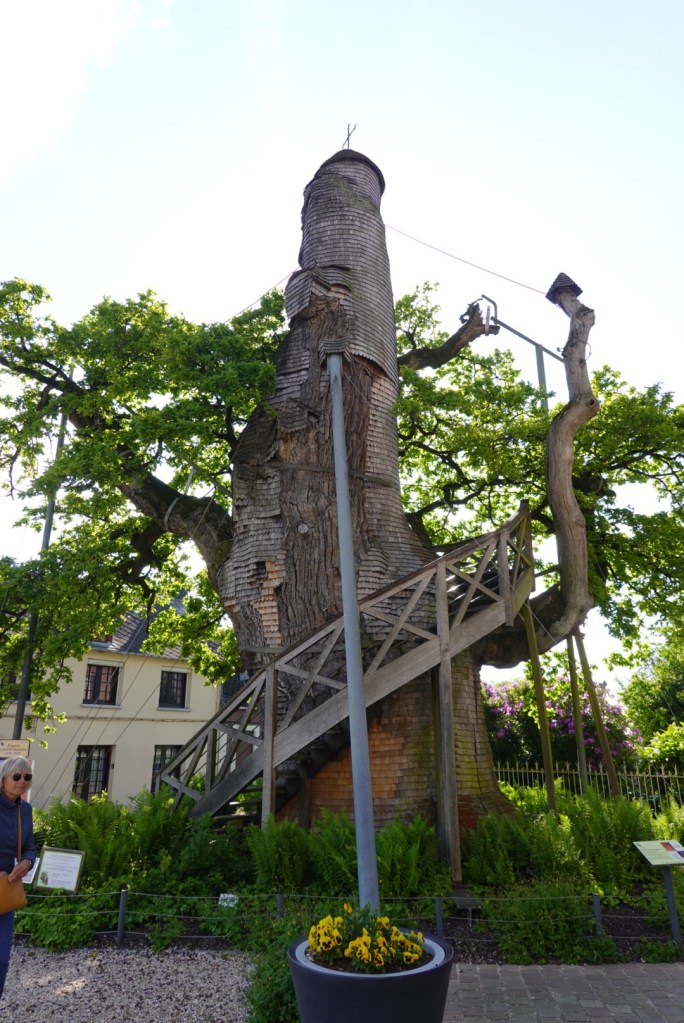
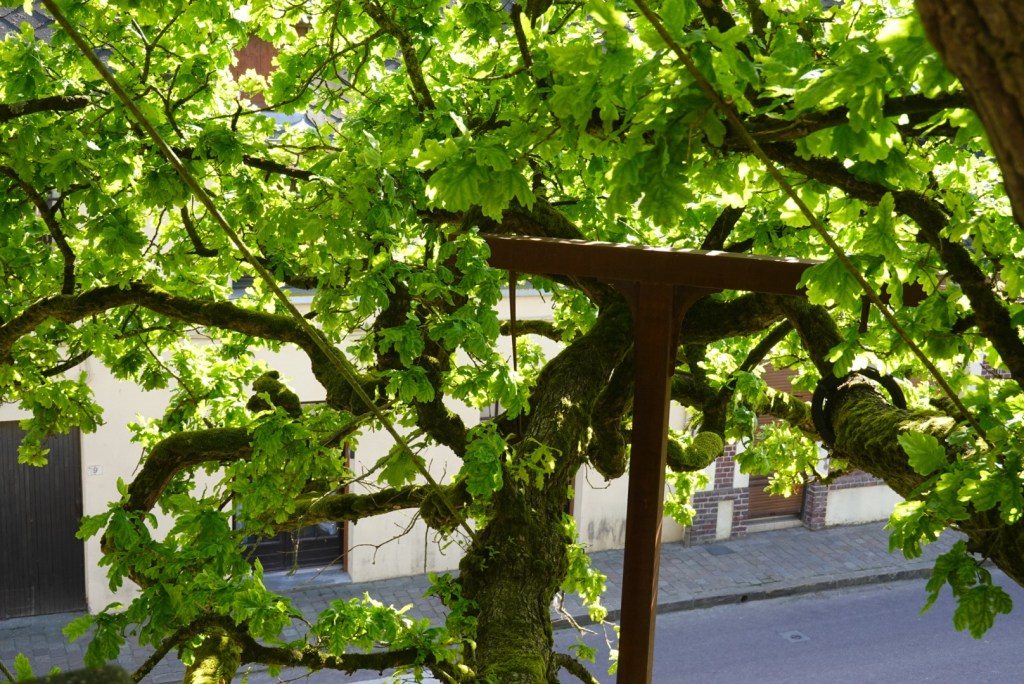
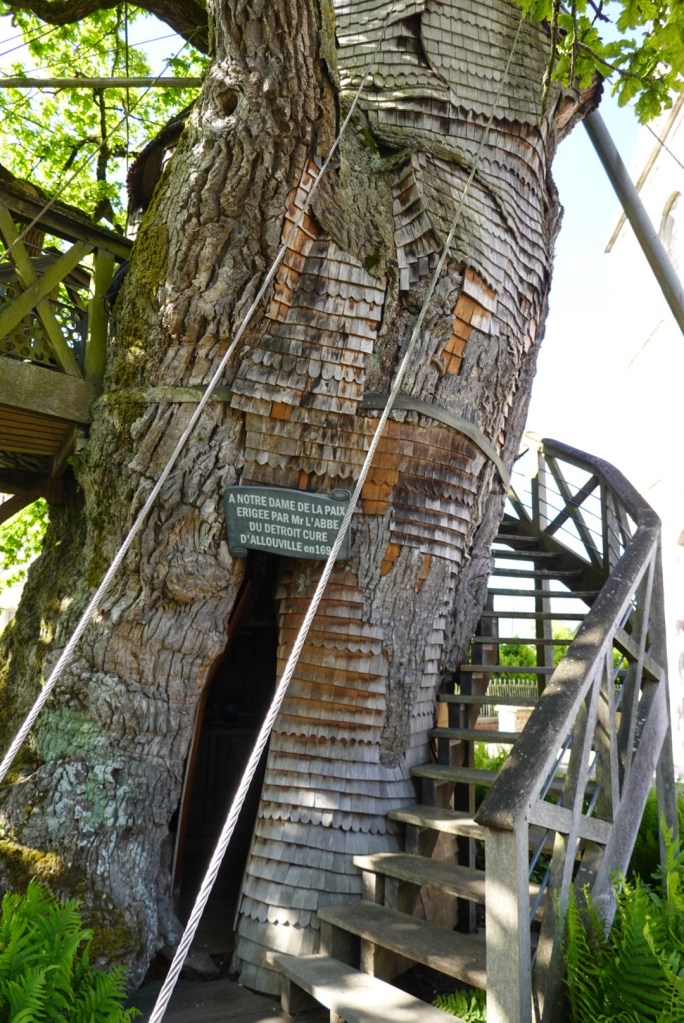
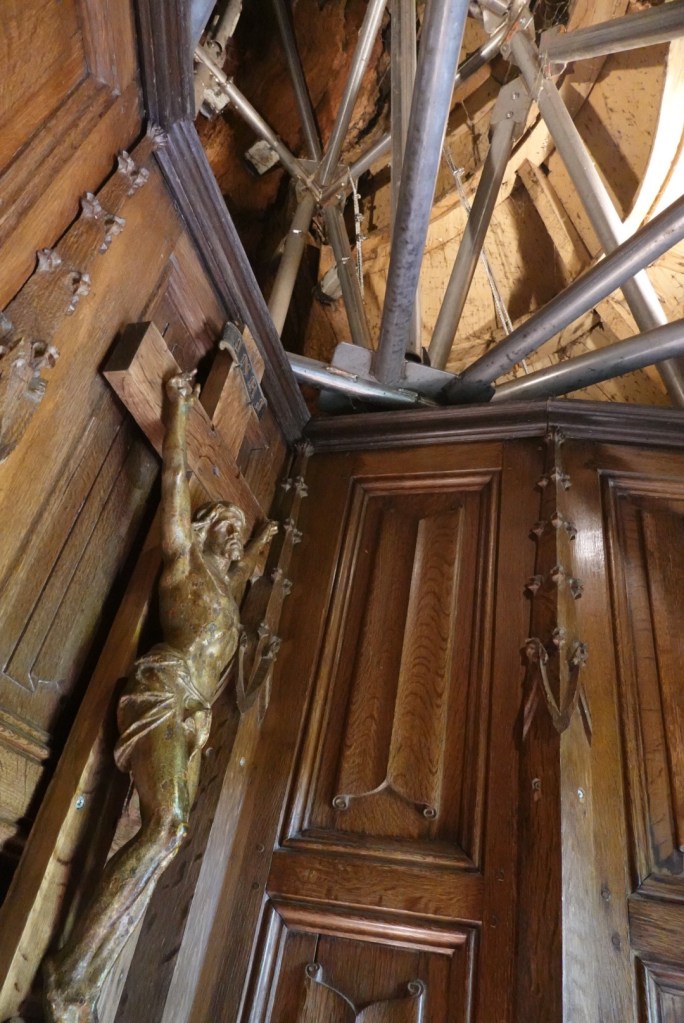
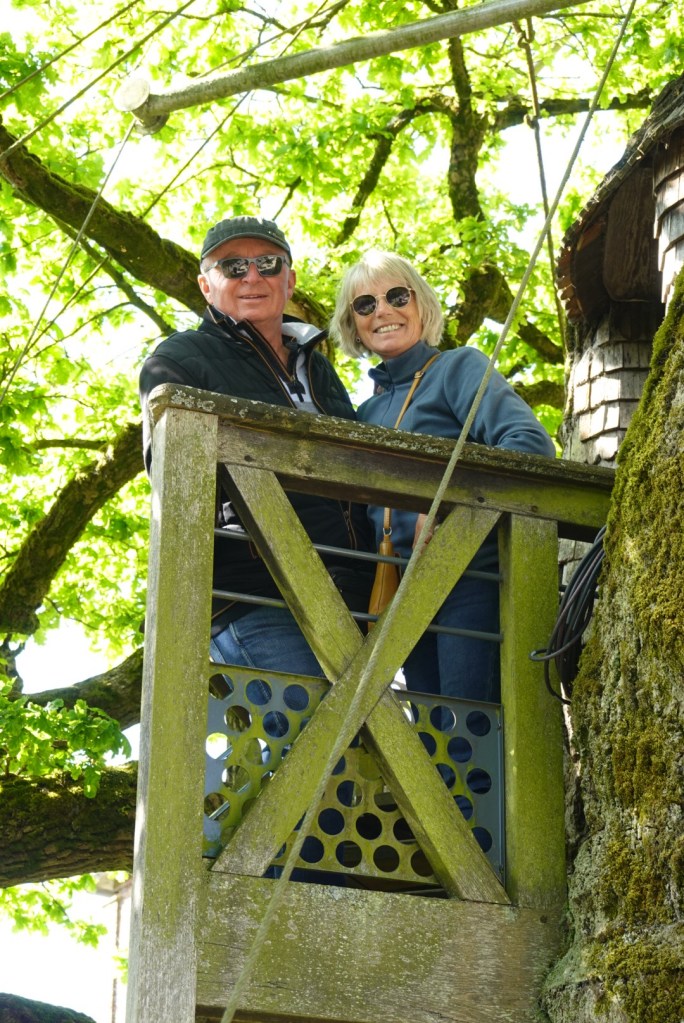
On the way back, we stopped in Allouville-Bellefosse to see the Chapel Oak, a very old tree that was burned, then hollowed; people built two tiny chapels inside. The oak tree may date to the 11th century!

Then we drove back to Pont Audemer.