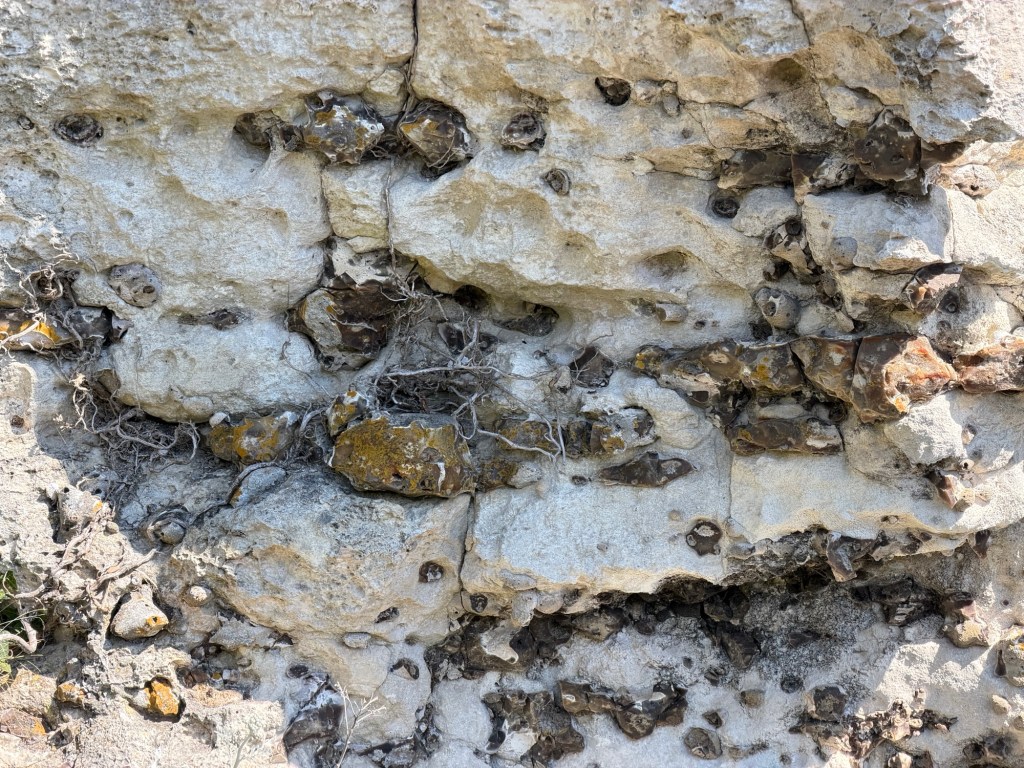
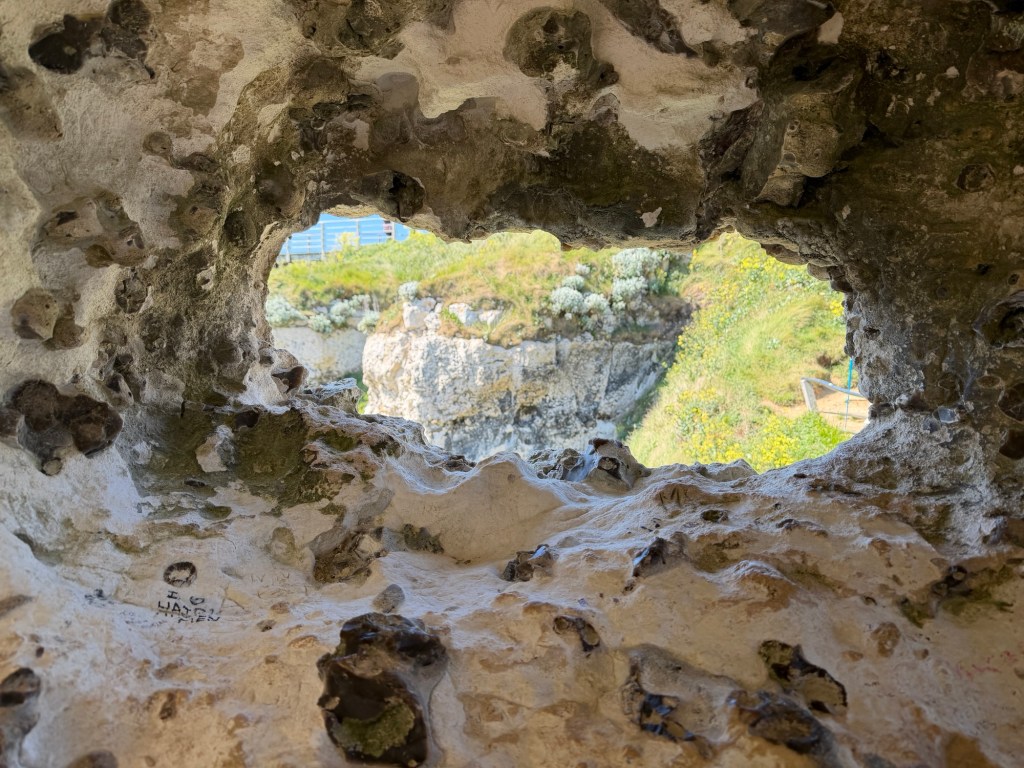
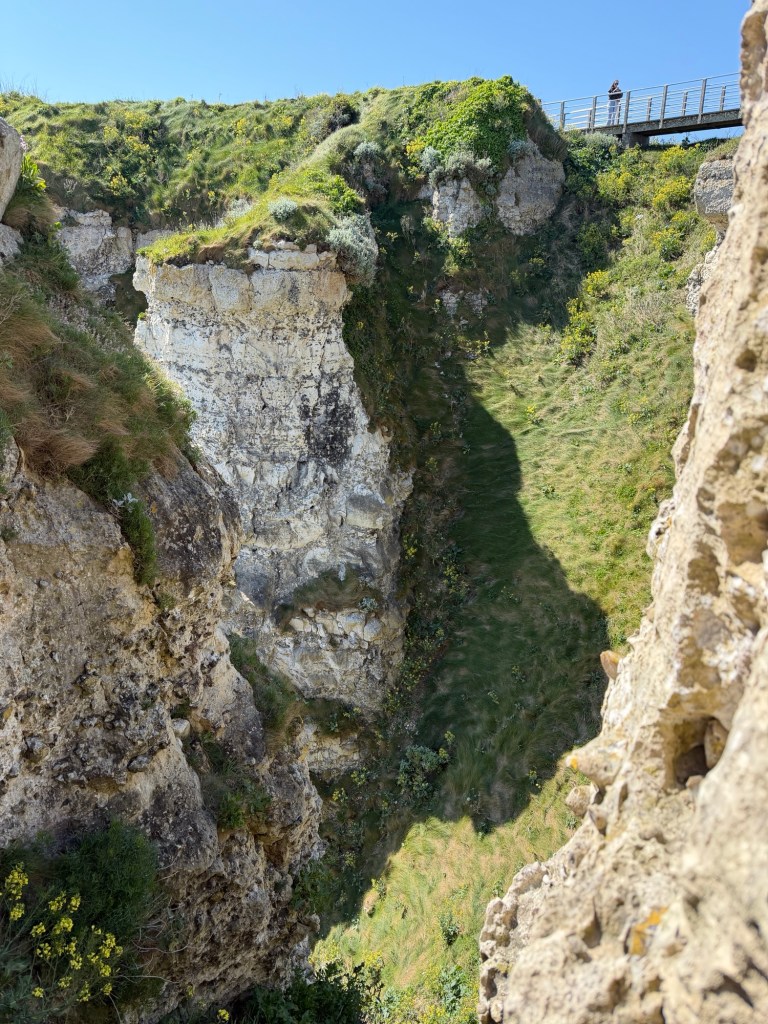
What a geologic morning for us! Perfect weather. Beautiful arches on the coast. Rocks like we’ve never seen before. We were in heaven!
This area is the other side of the channel from the English “Cliffs of Dover,” sporting the same white chalk cliffs with chert nodules. Many tourists visit here – with good reason.
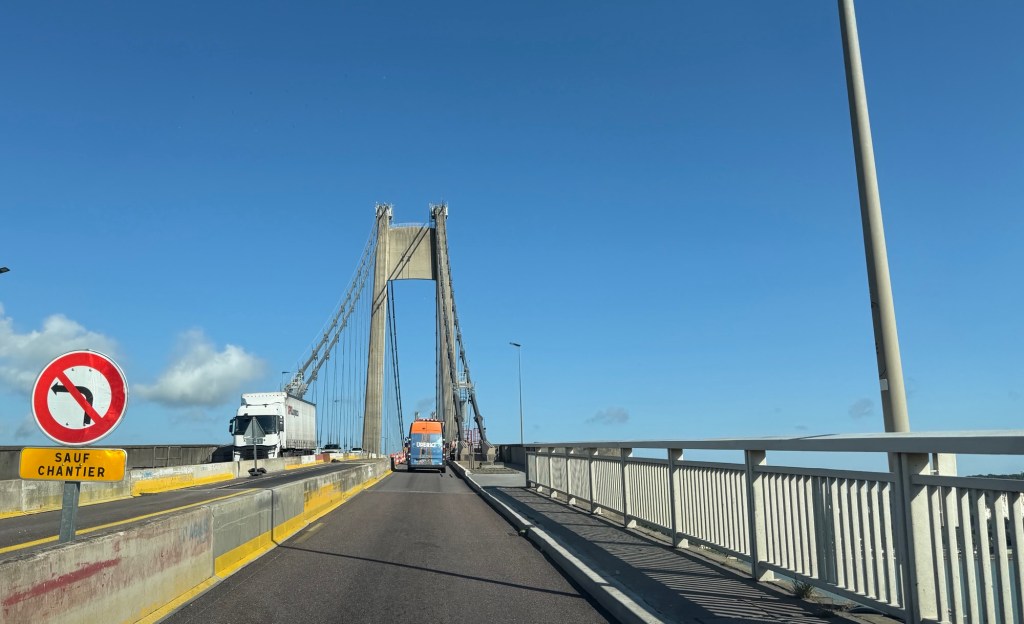
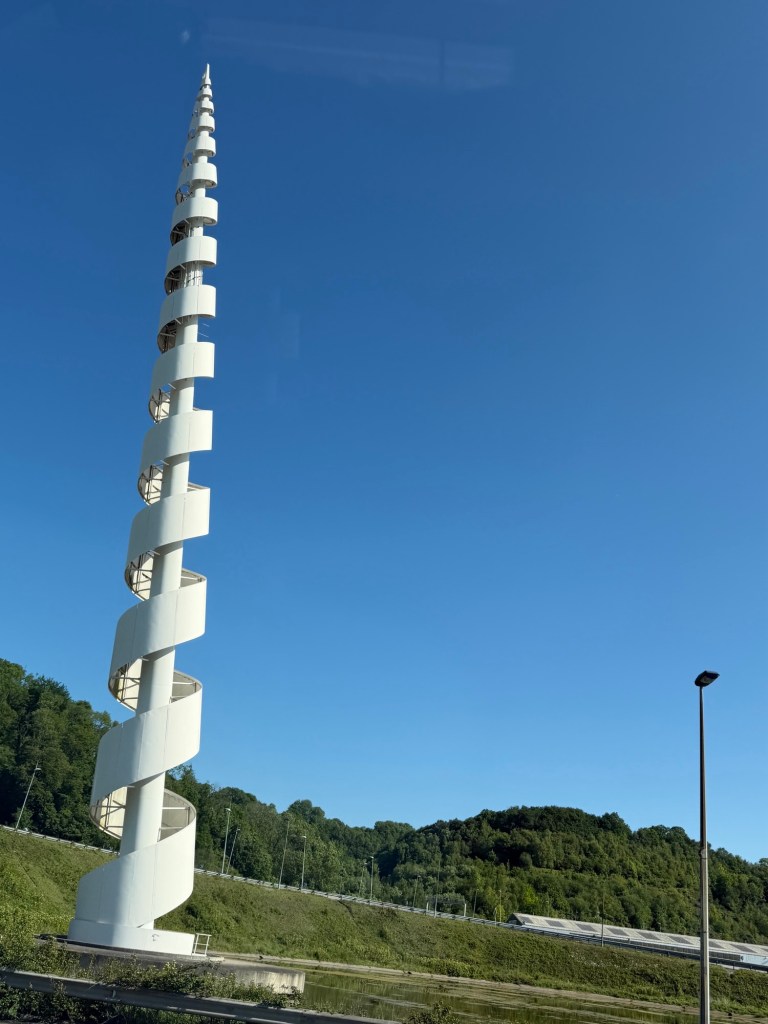
We found parking a short walk from the scenic area.
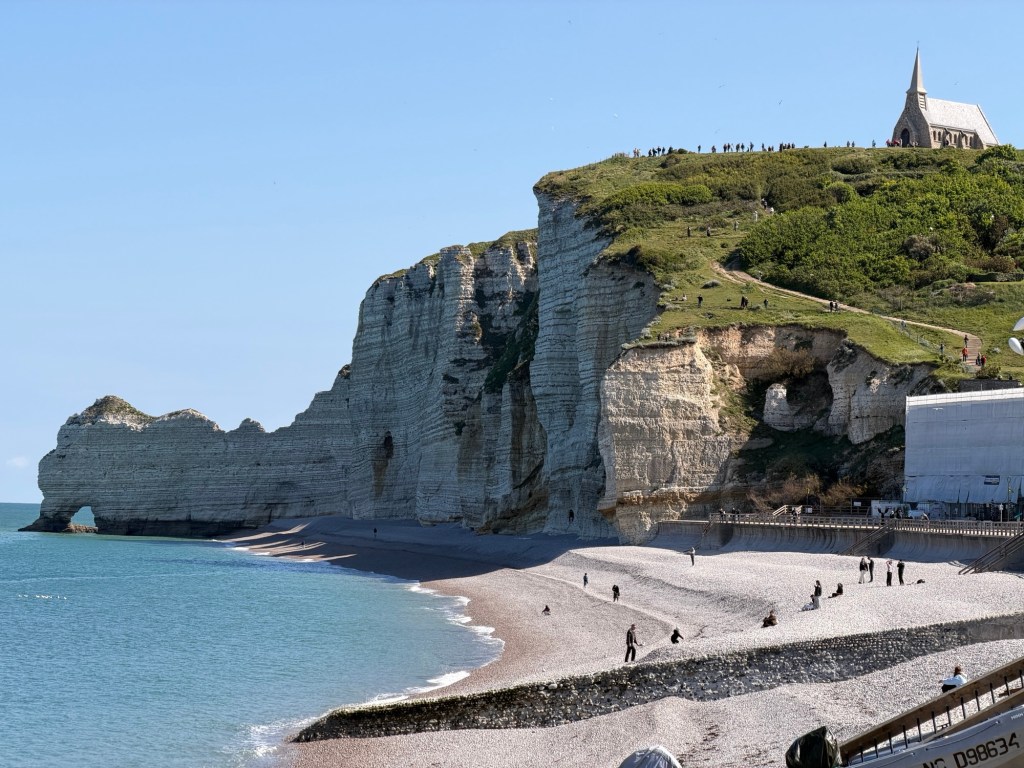
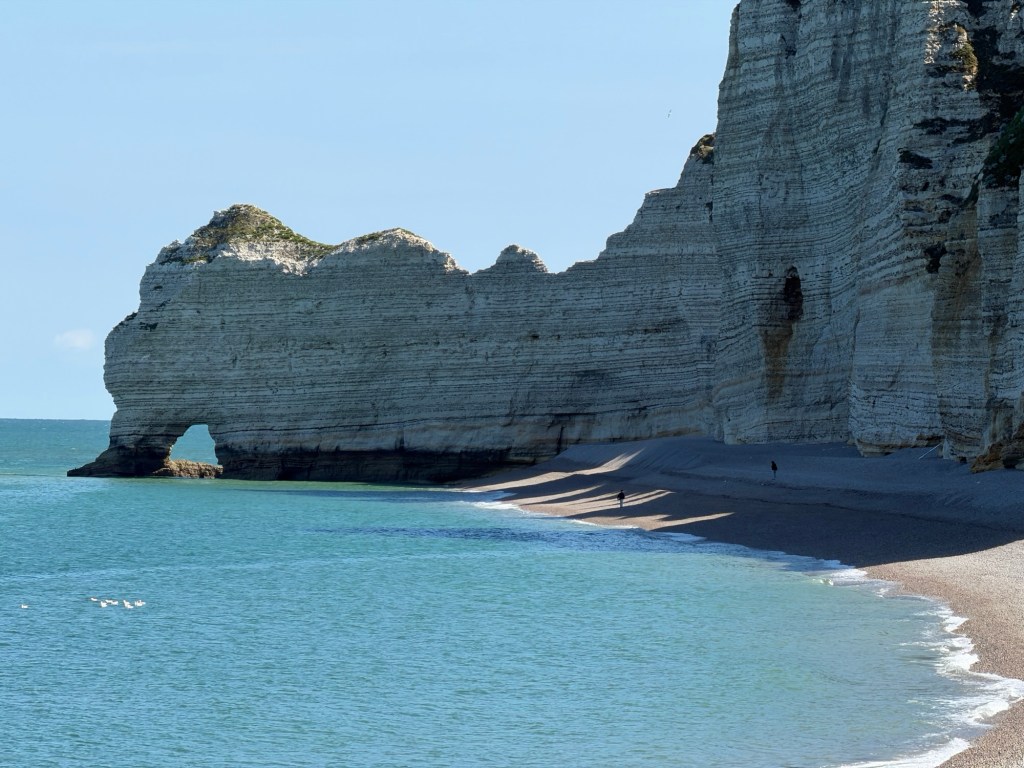
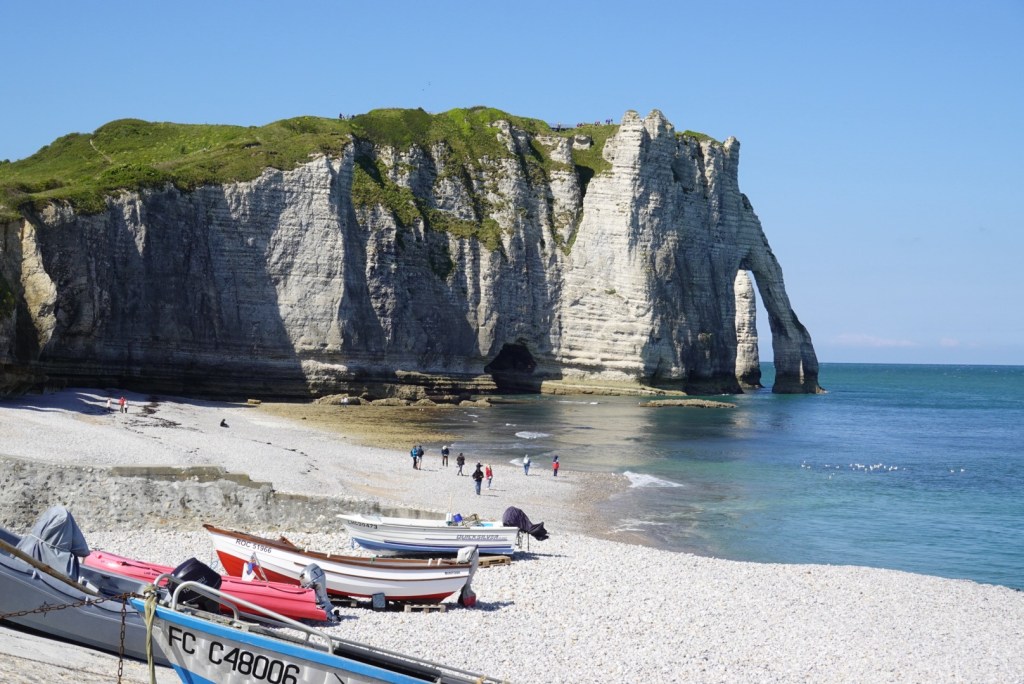
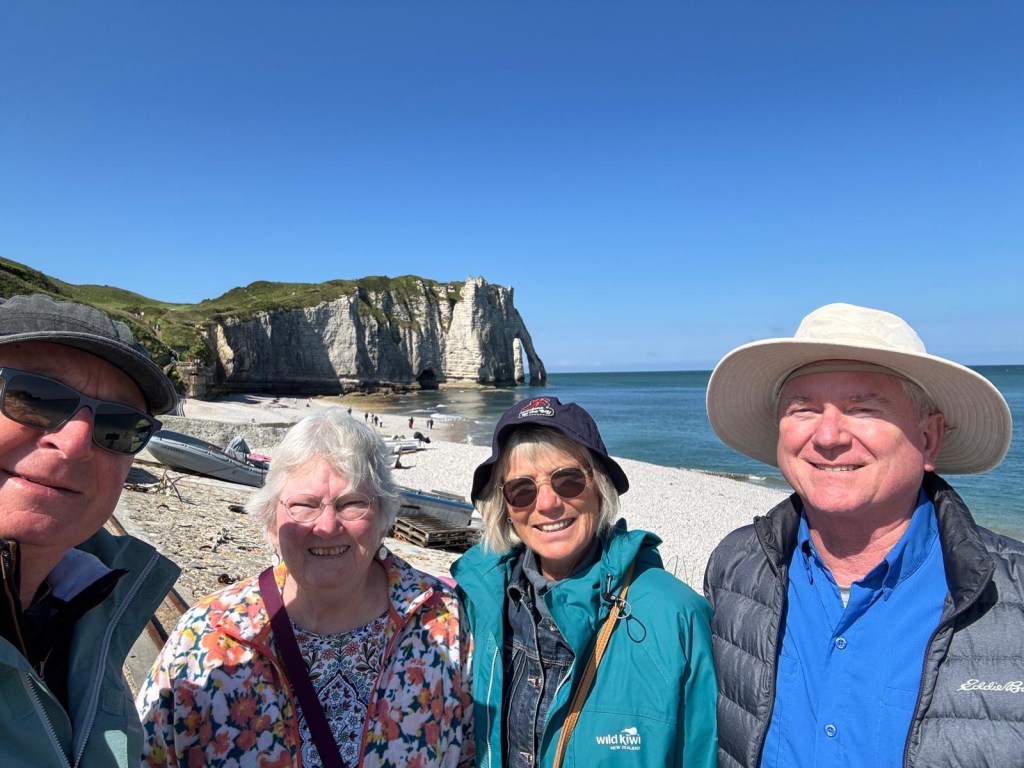
We climbed up the hill for more views of these beauties.
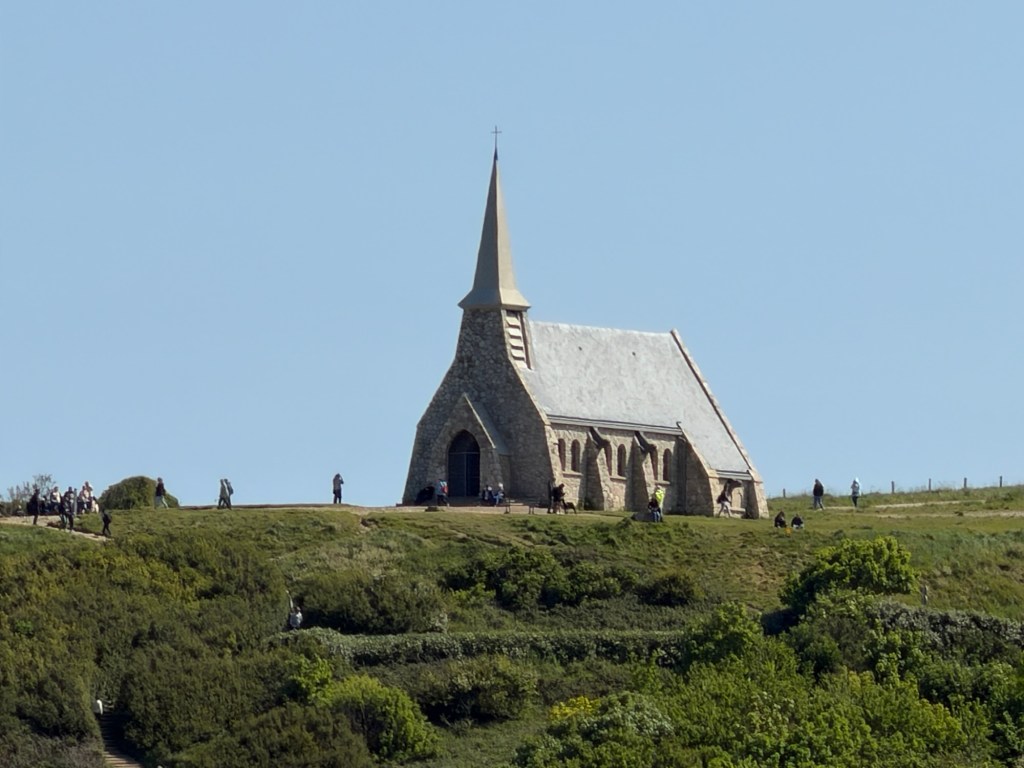
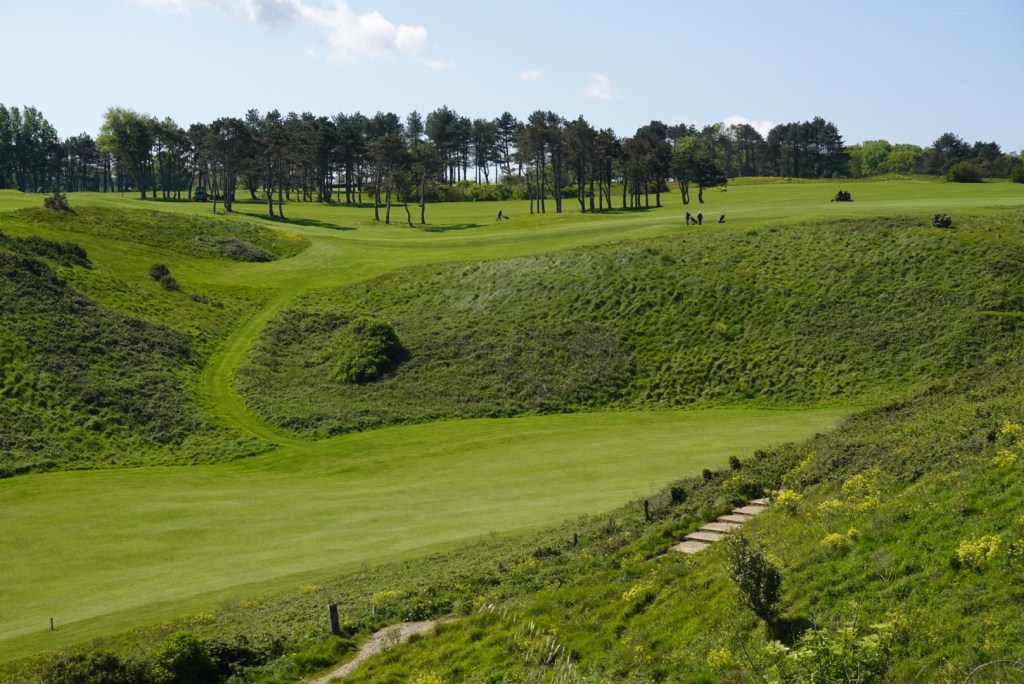
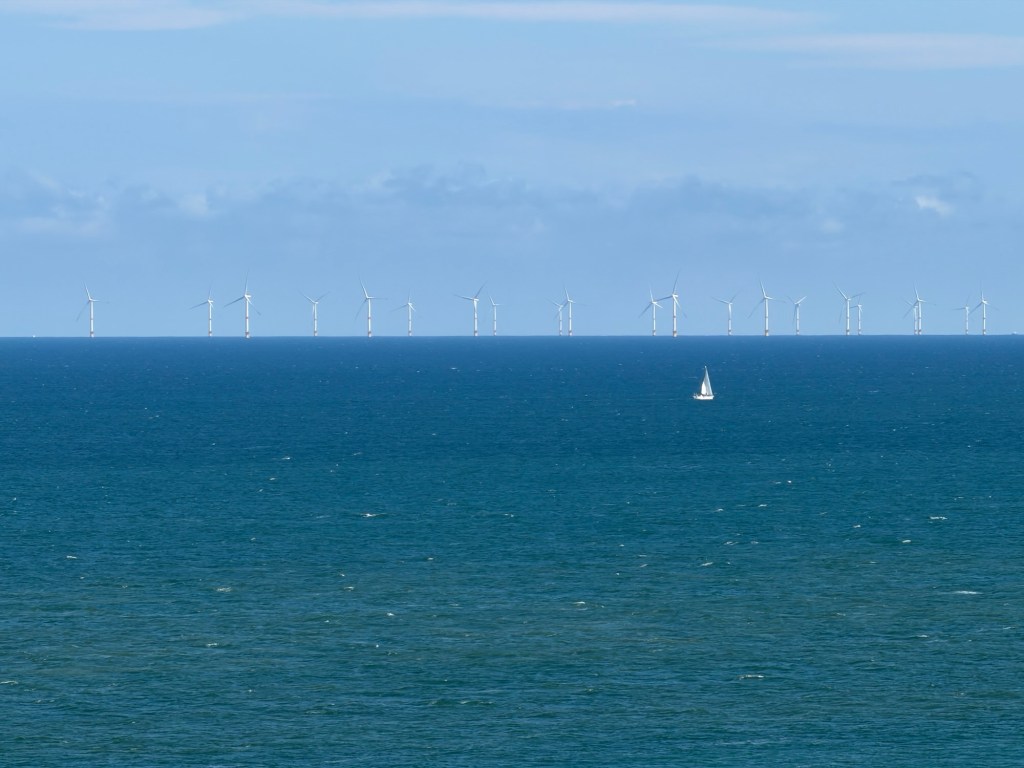
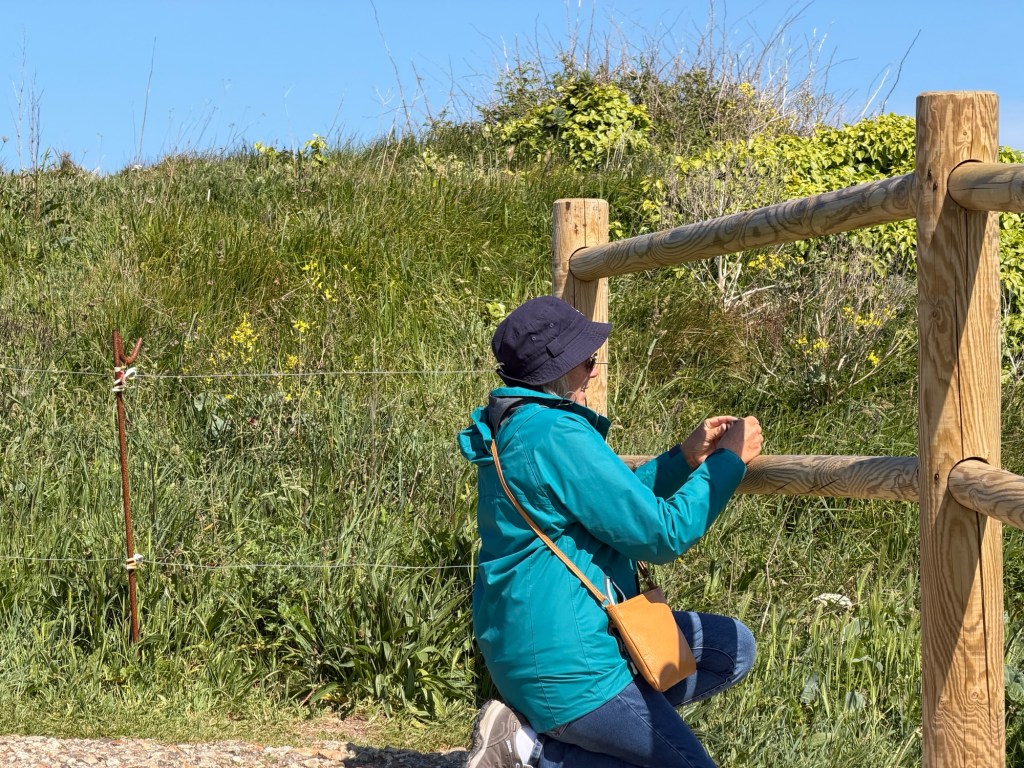
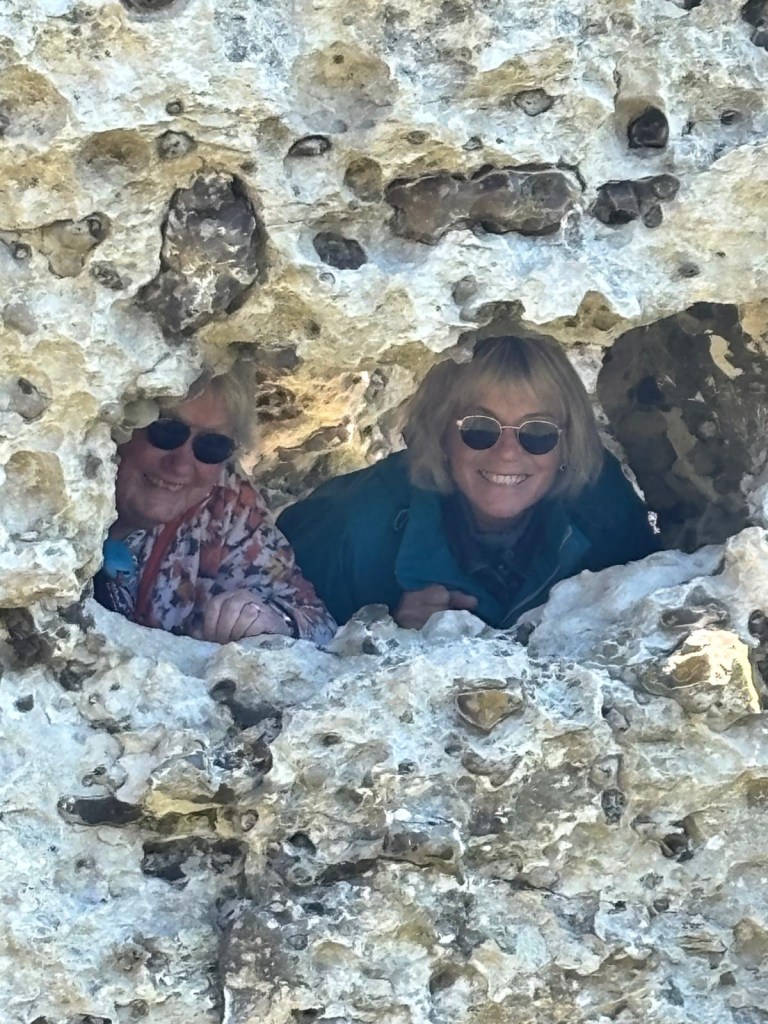
Following are scenes from the walk, then the top of the hill.
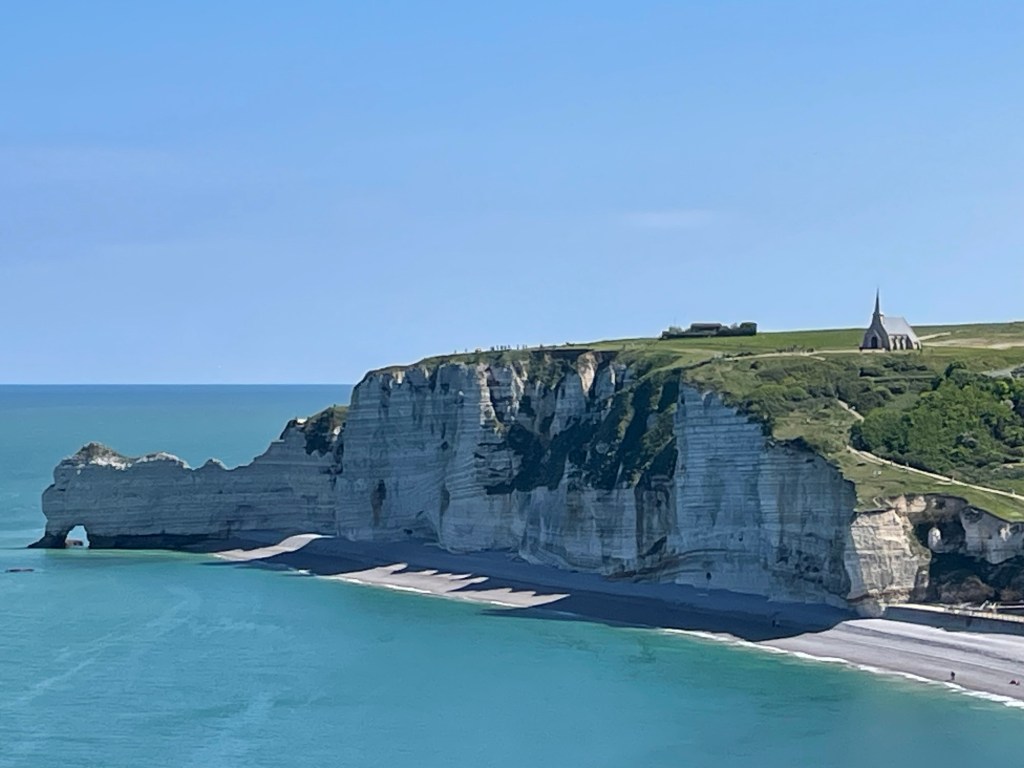
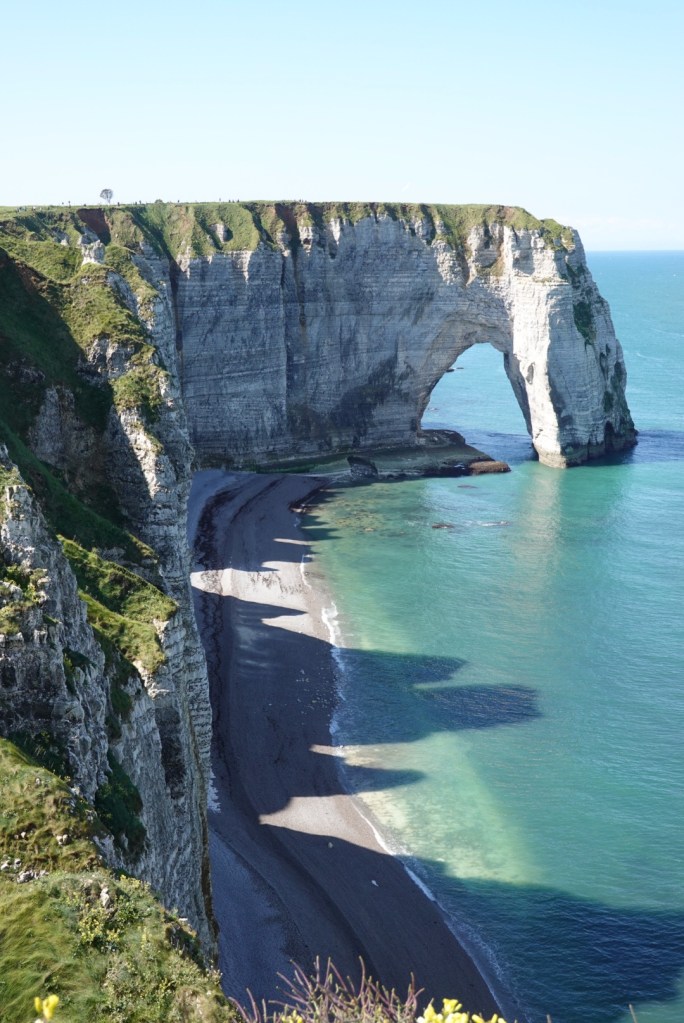
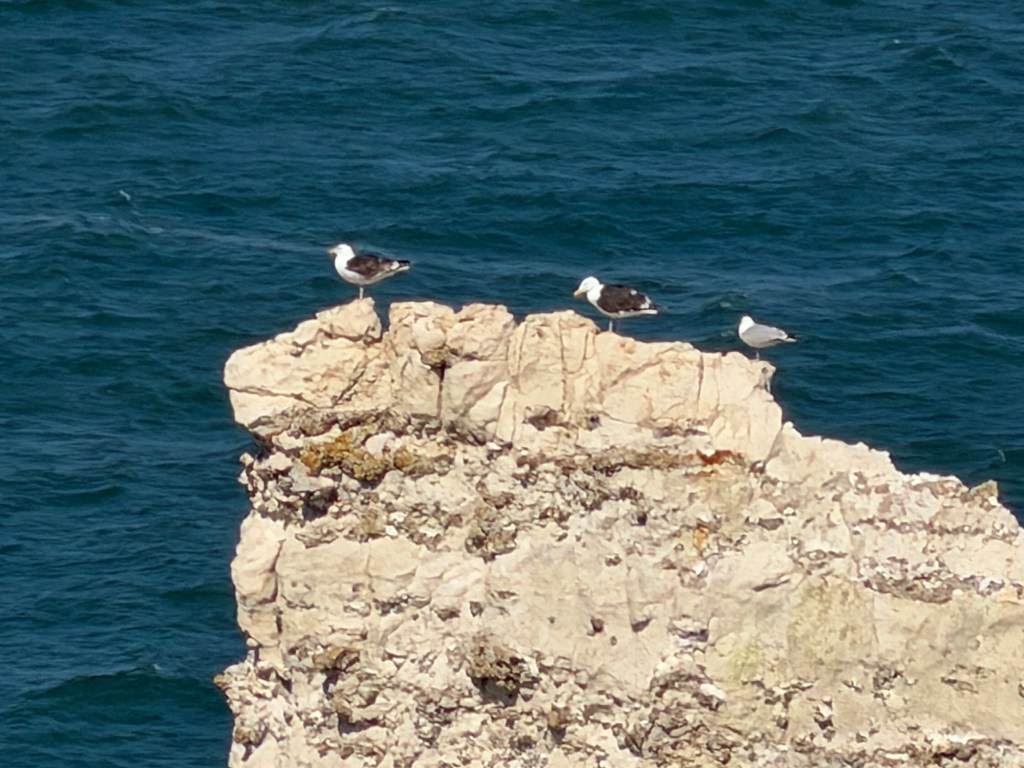
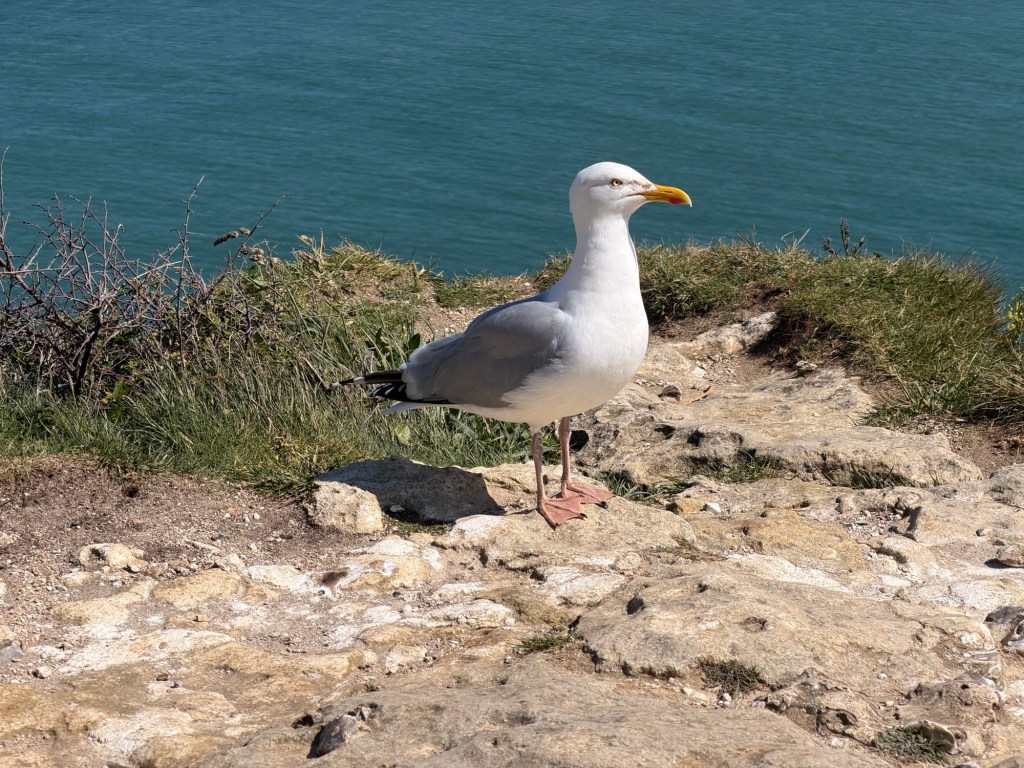
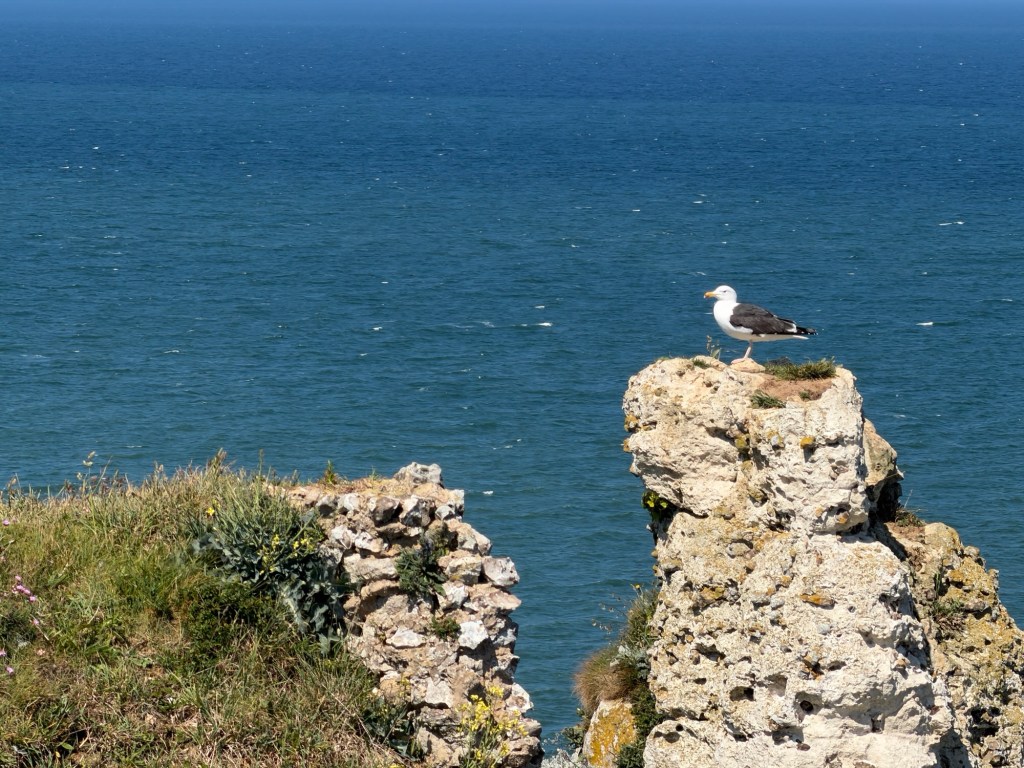
Back at the bottom.
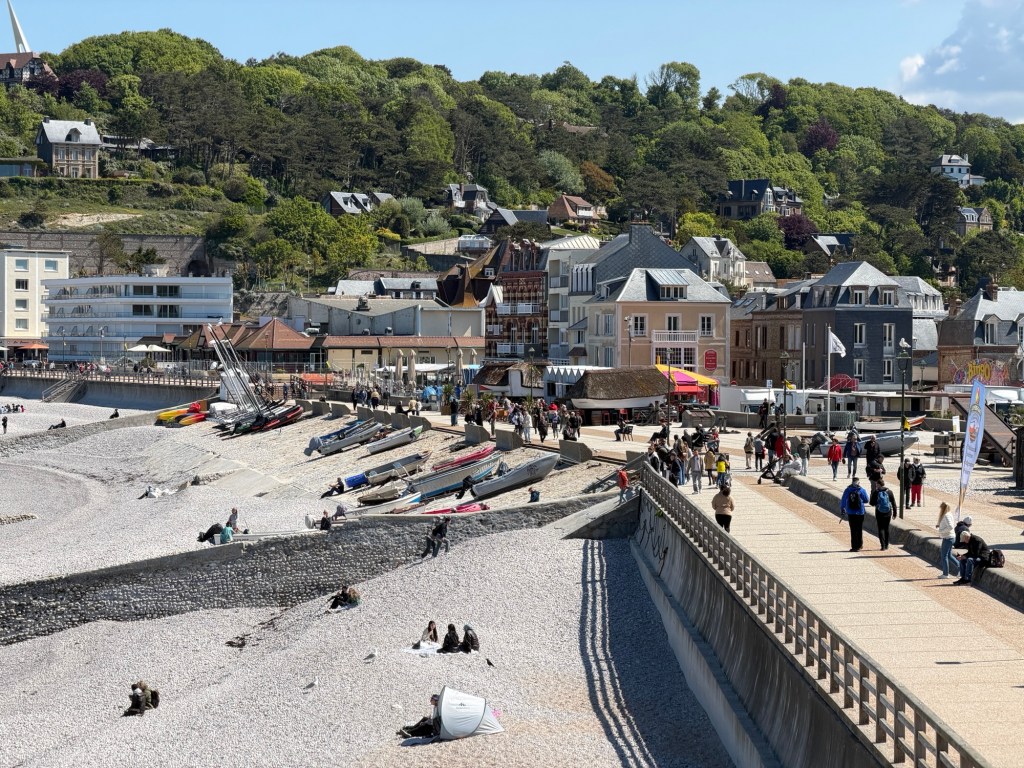
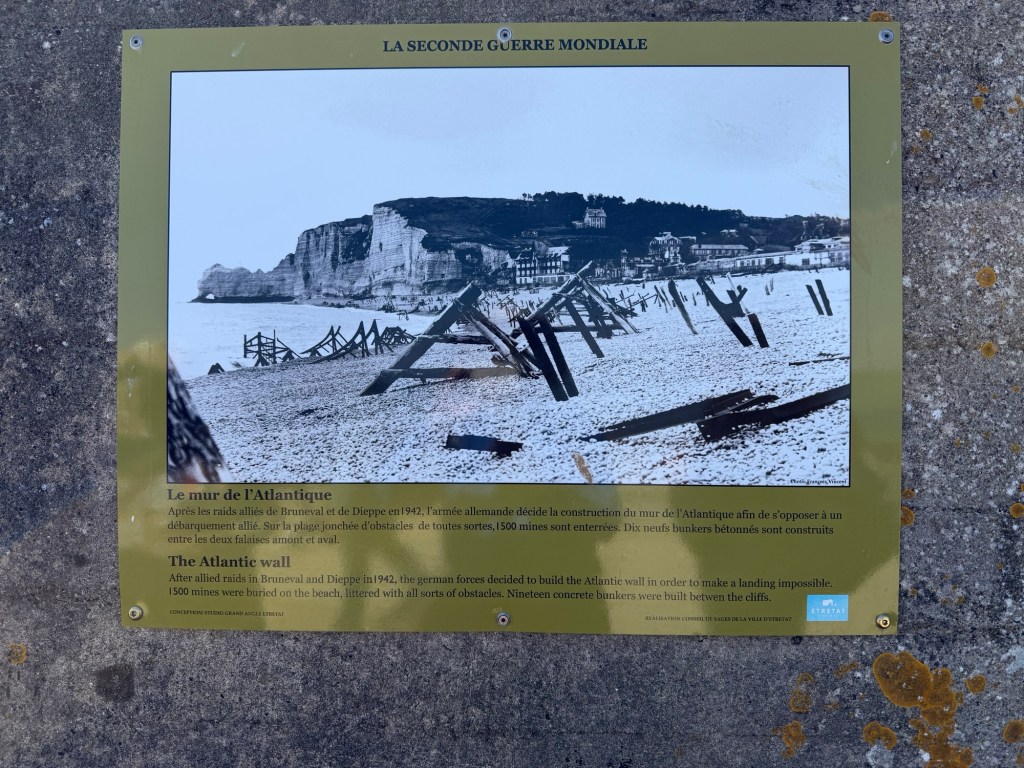
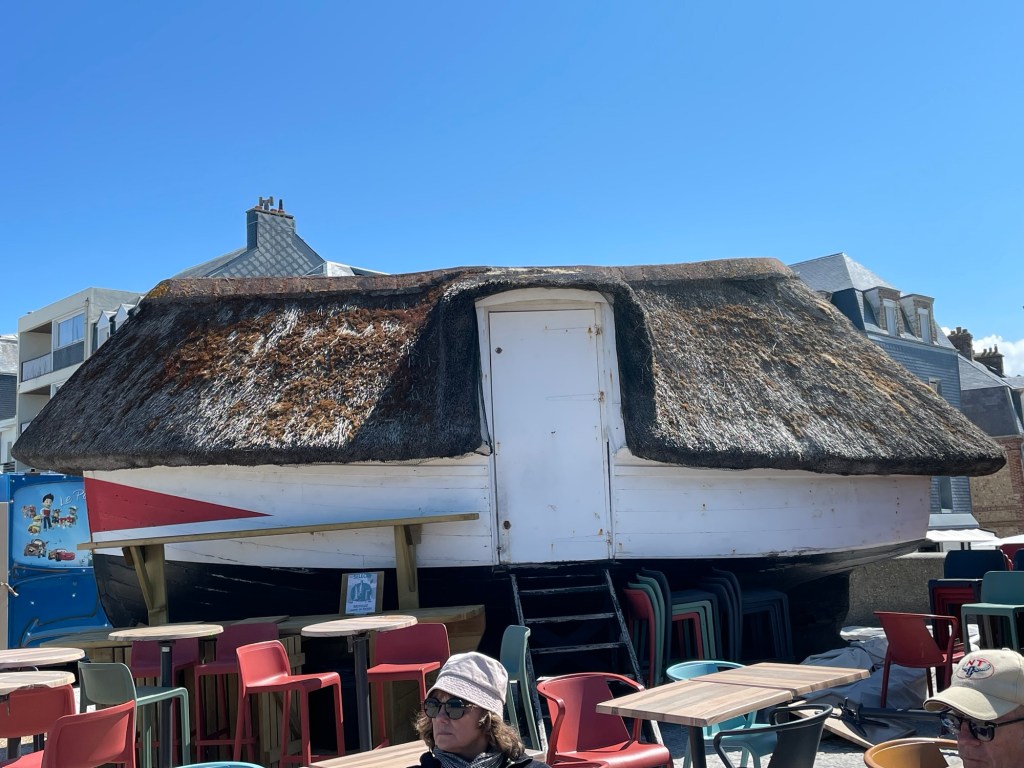
Traveling with friends whose first language is different can lead to discussions about impossible words. The French language does not pronounce the h sound, so when figuring out the name for the roof material typical for this area, we ran into difficulties with laughter. Thatch has too many h sounds!
On the other hand, when Joëlle and Clare were looking for Marc and Brian in a market we almost ran into someone with a big cart. Clare said “Pardon” when Joëlle said “Sorry”. We both ended up laughing.
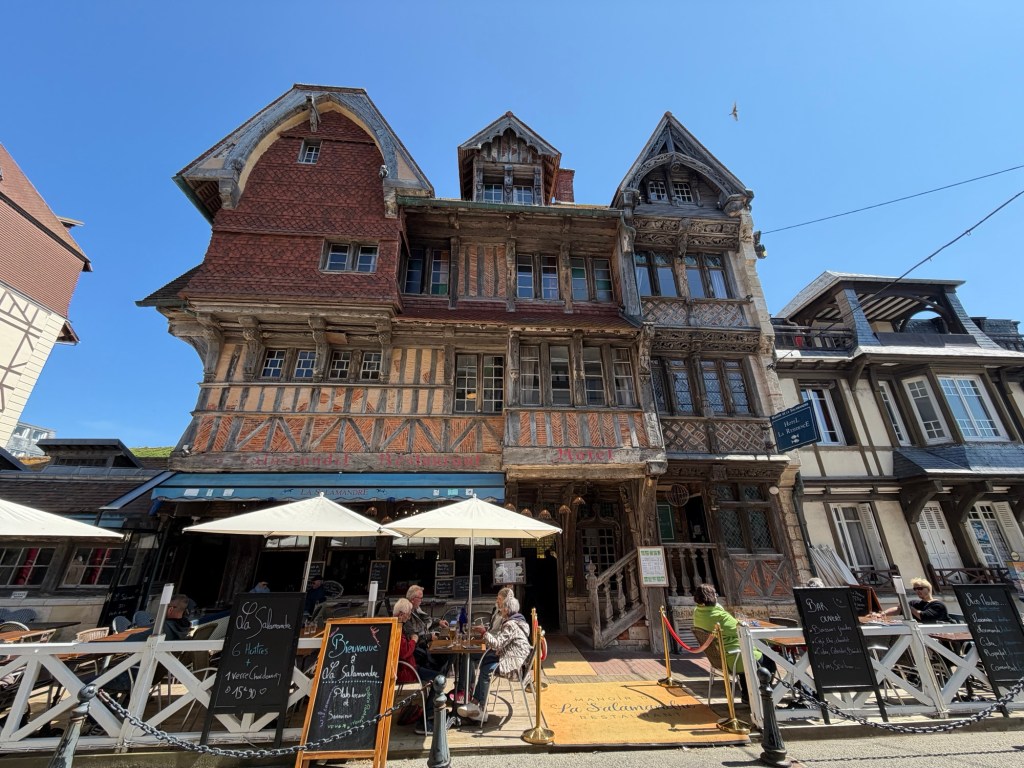
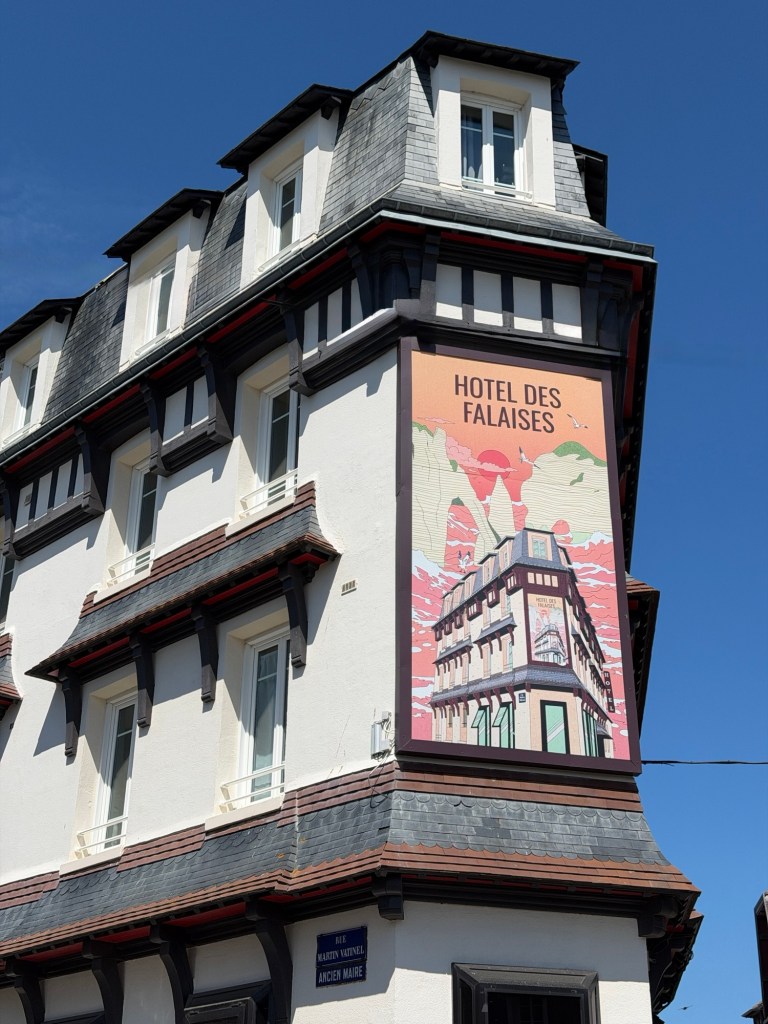
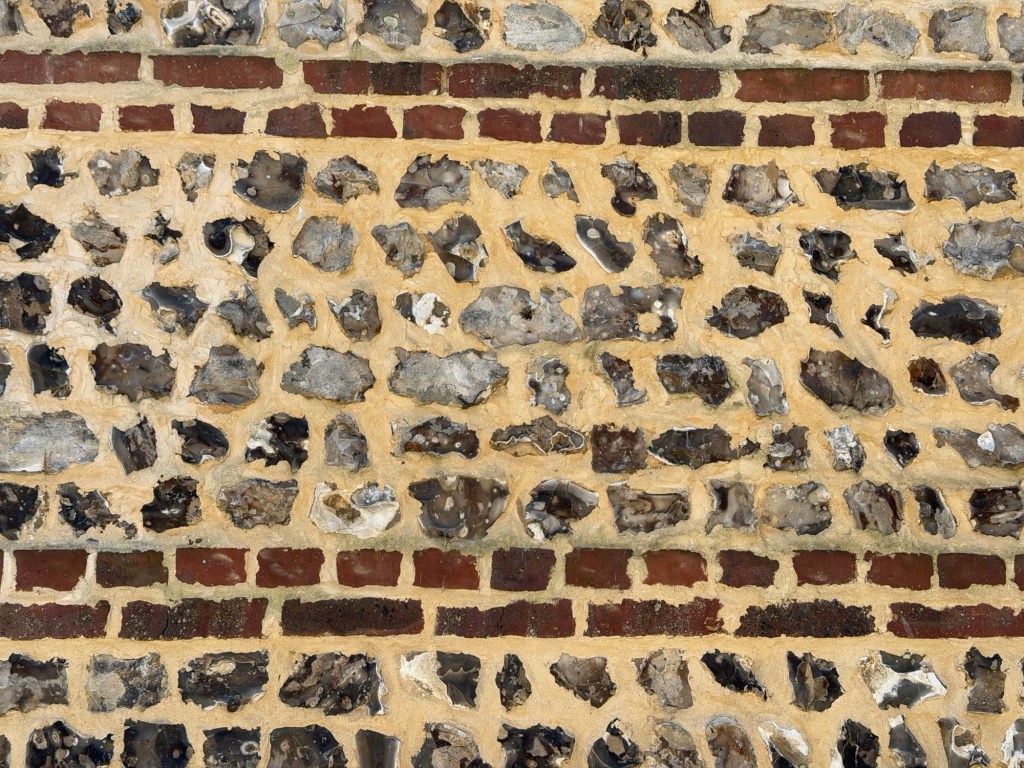
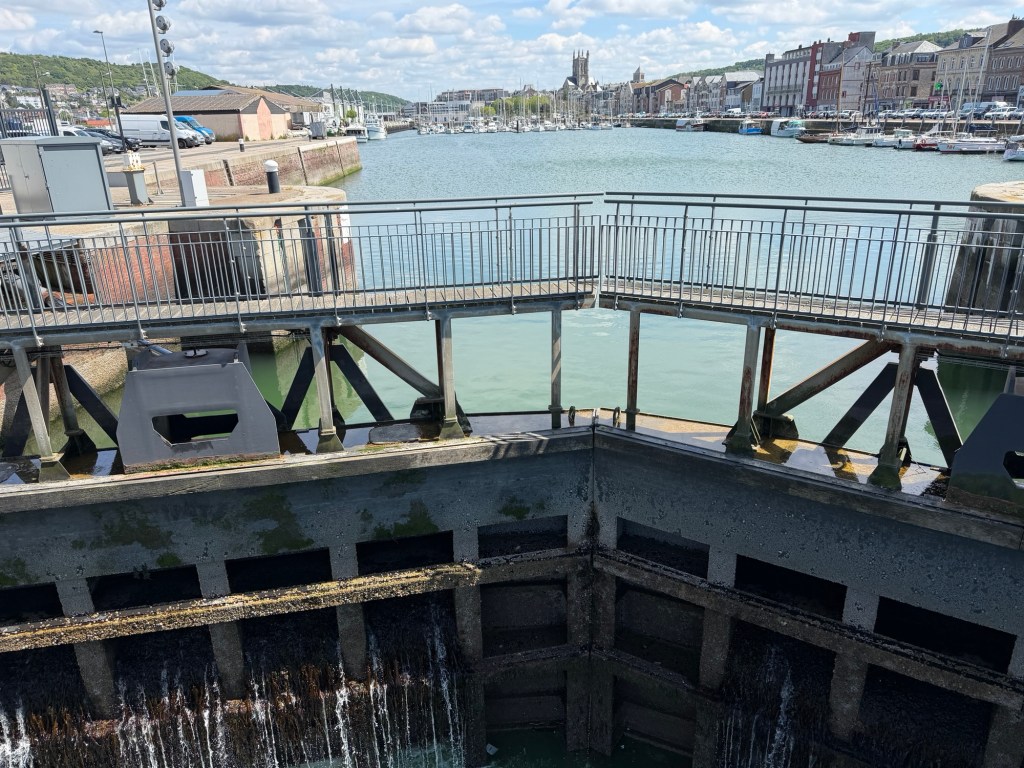
We then drove further north to Fécamp.
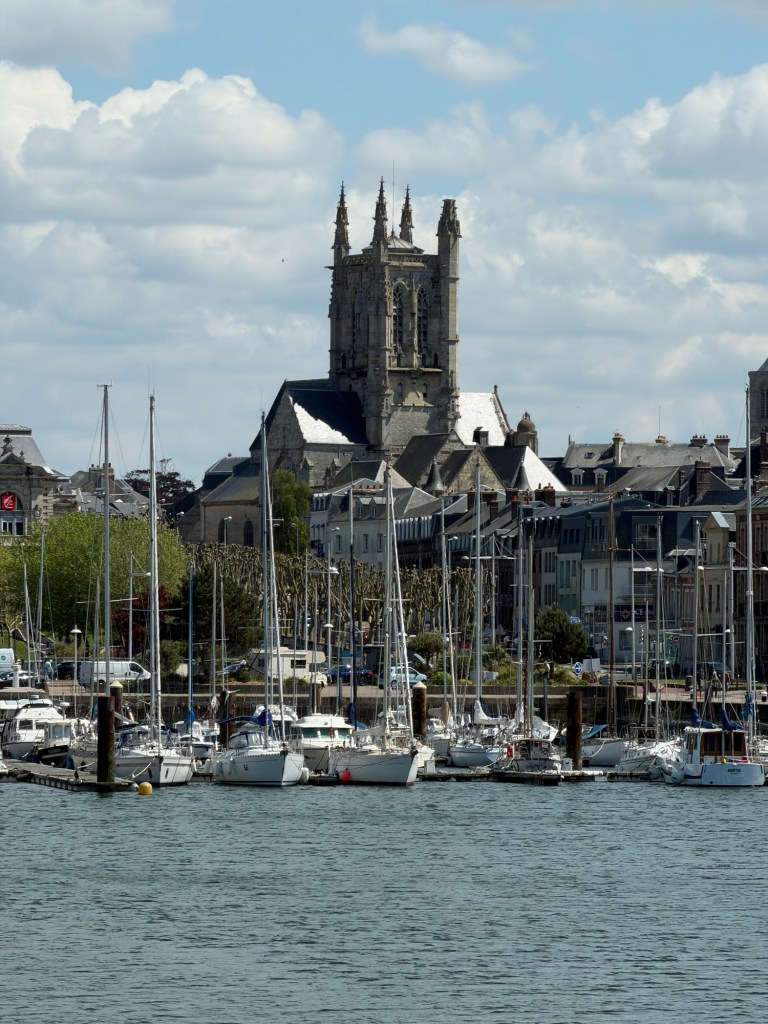
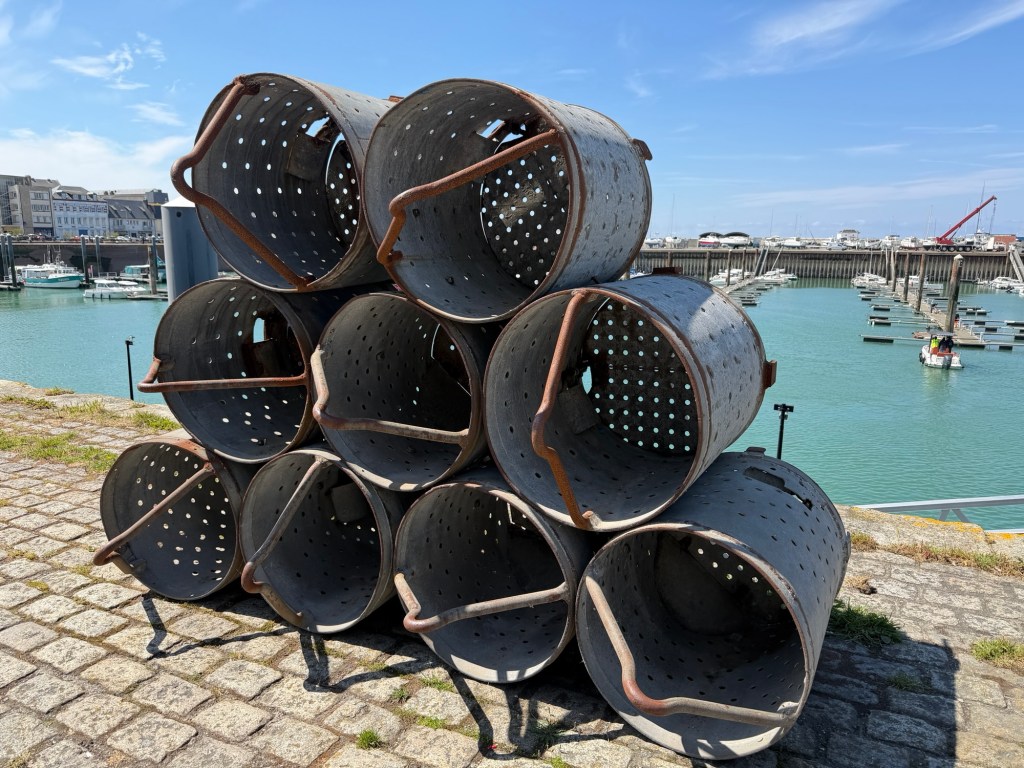
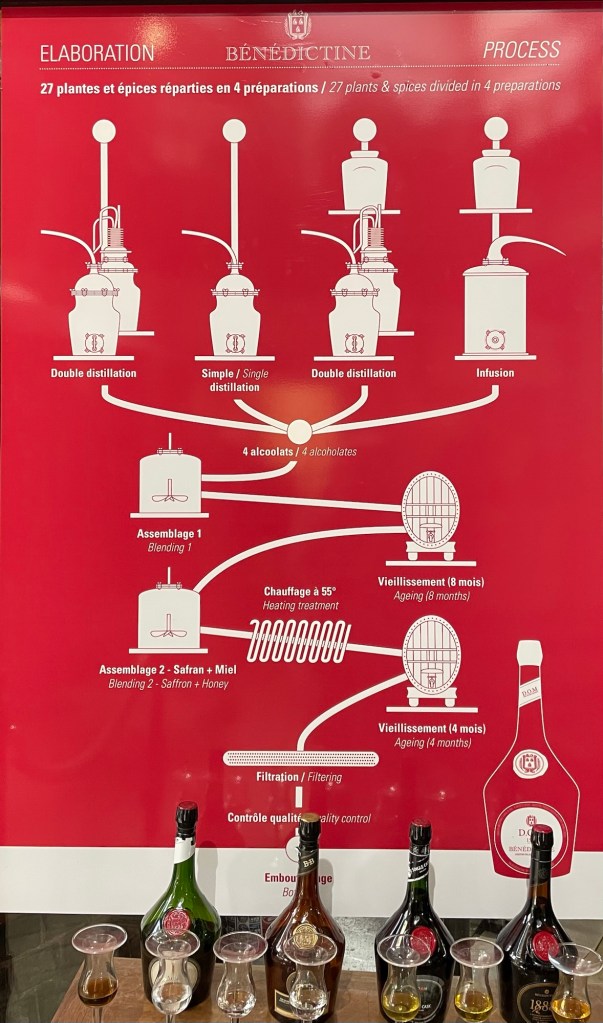
Next we went to the Benedictine Distillery where a descendant of a 17th or 18th century monk found and perfected his ancestor’s recipe for brandy. He took two years finding the perfect balance of 27 herbs, making an intricate four step process to complete the brandy, named for the ancestor’s calling.
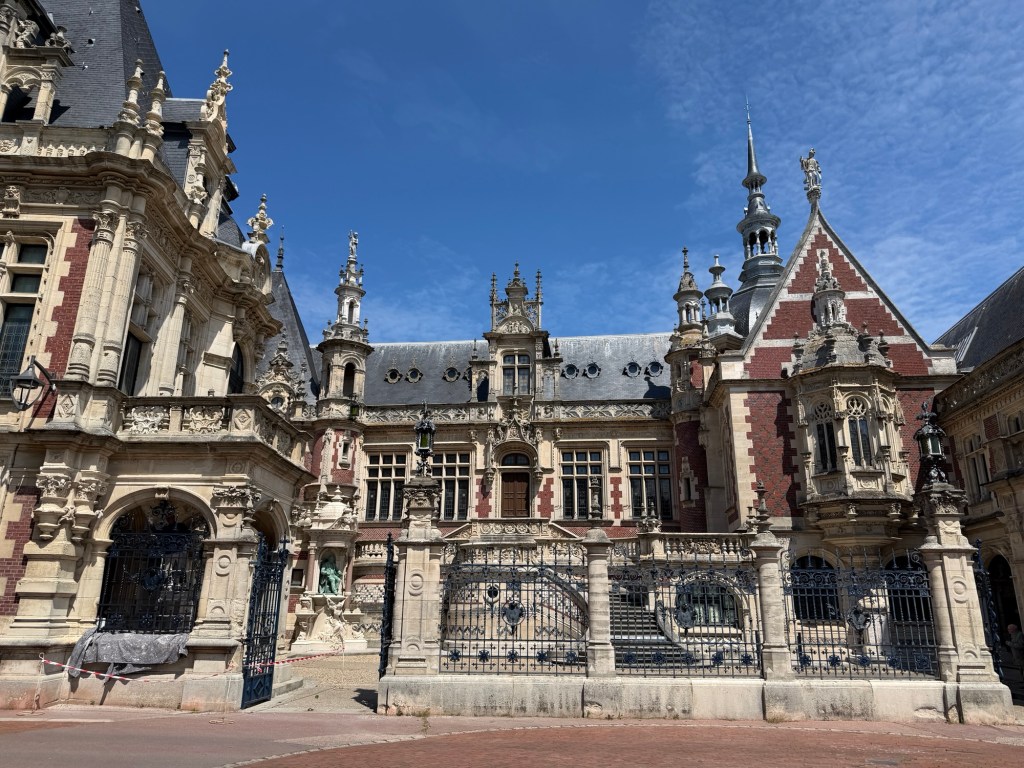
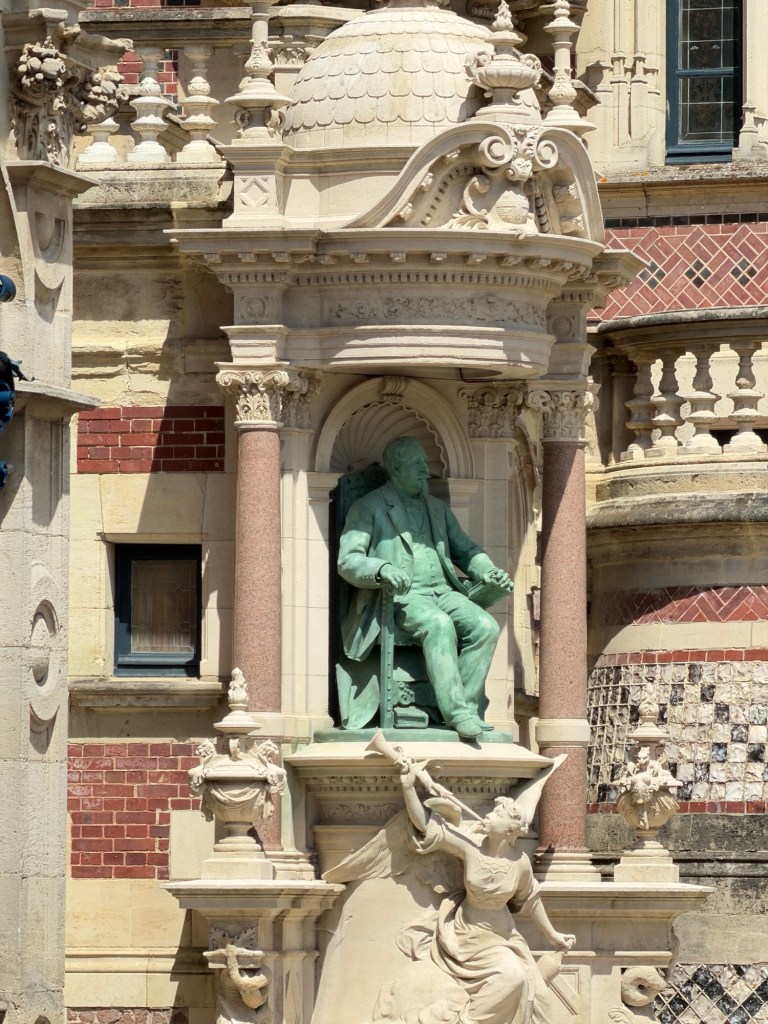
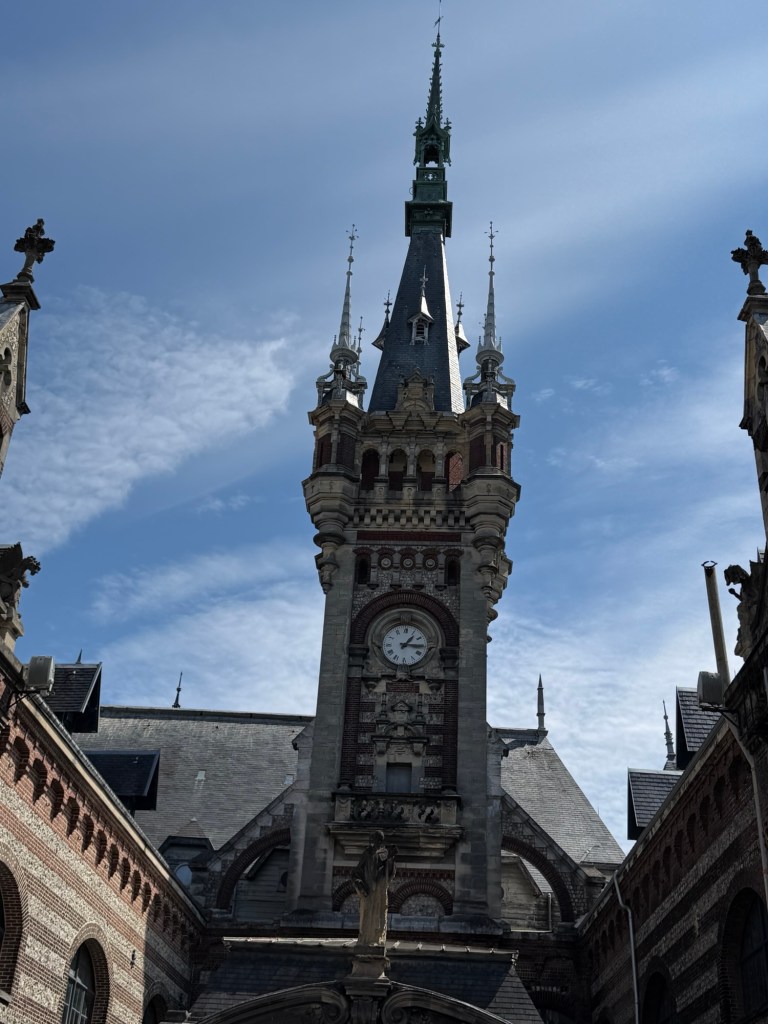
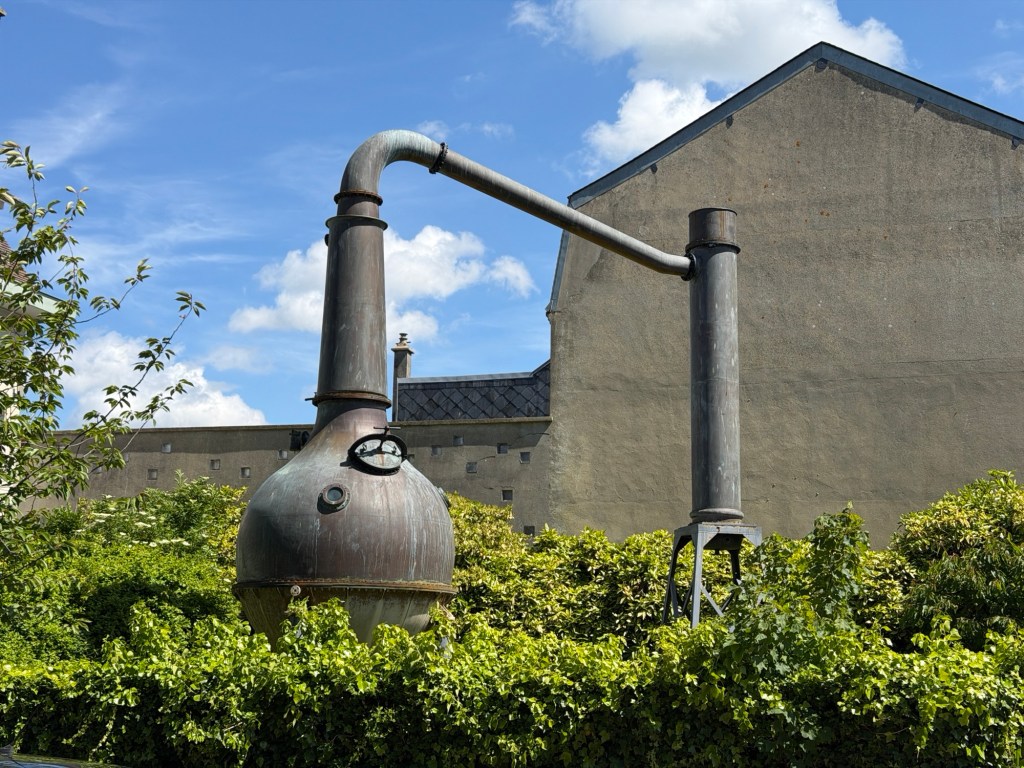
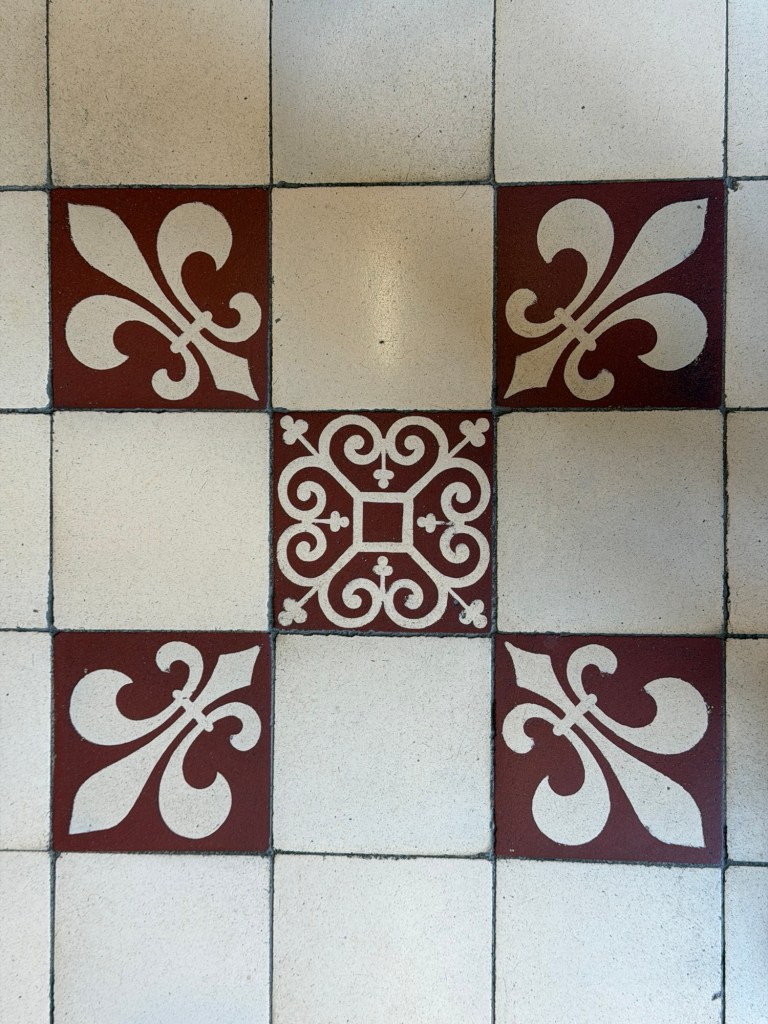
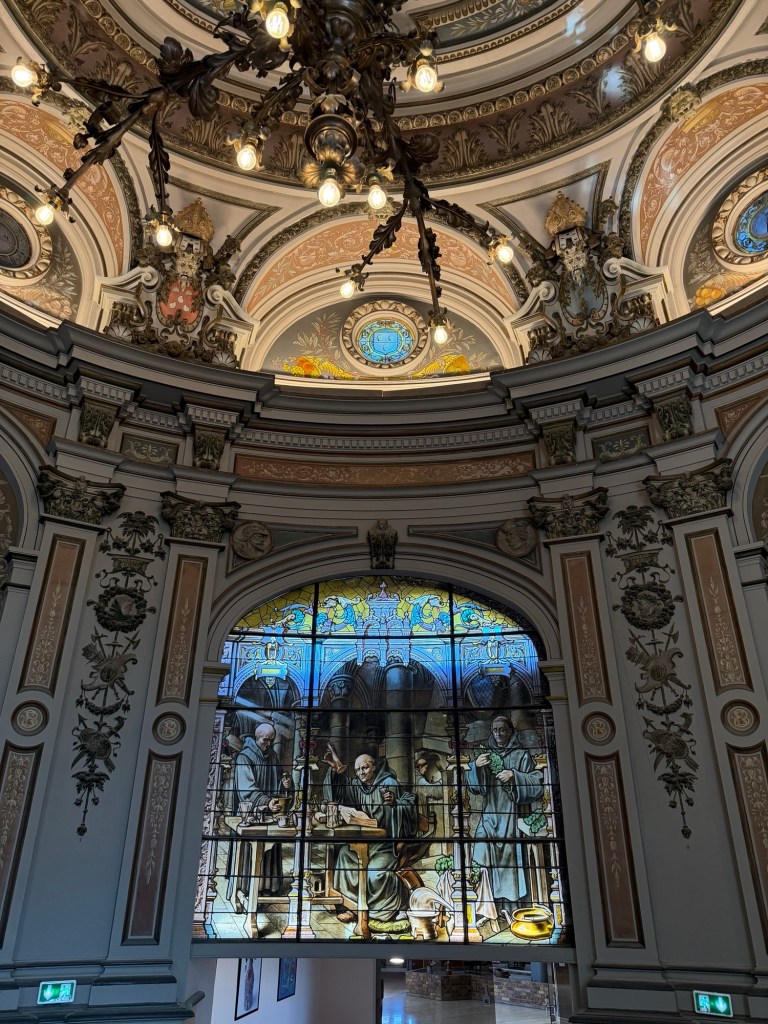
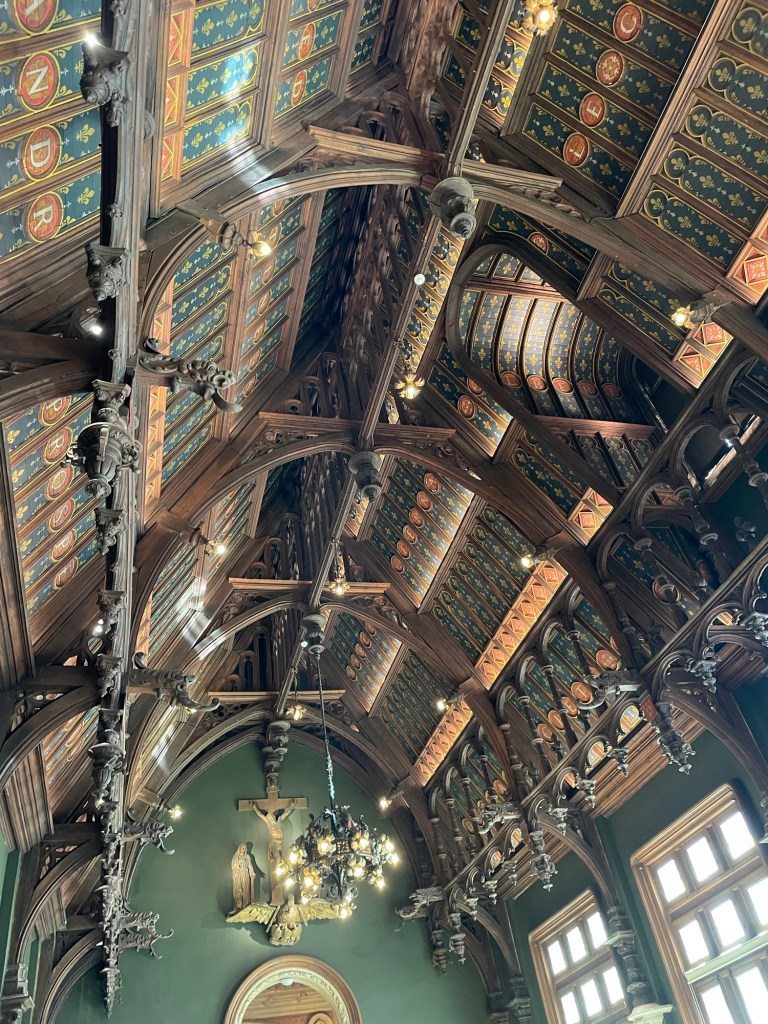
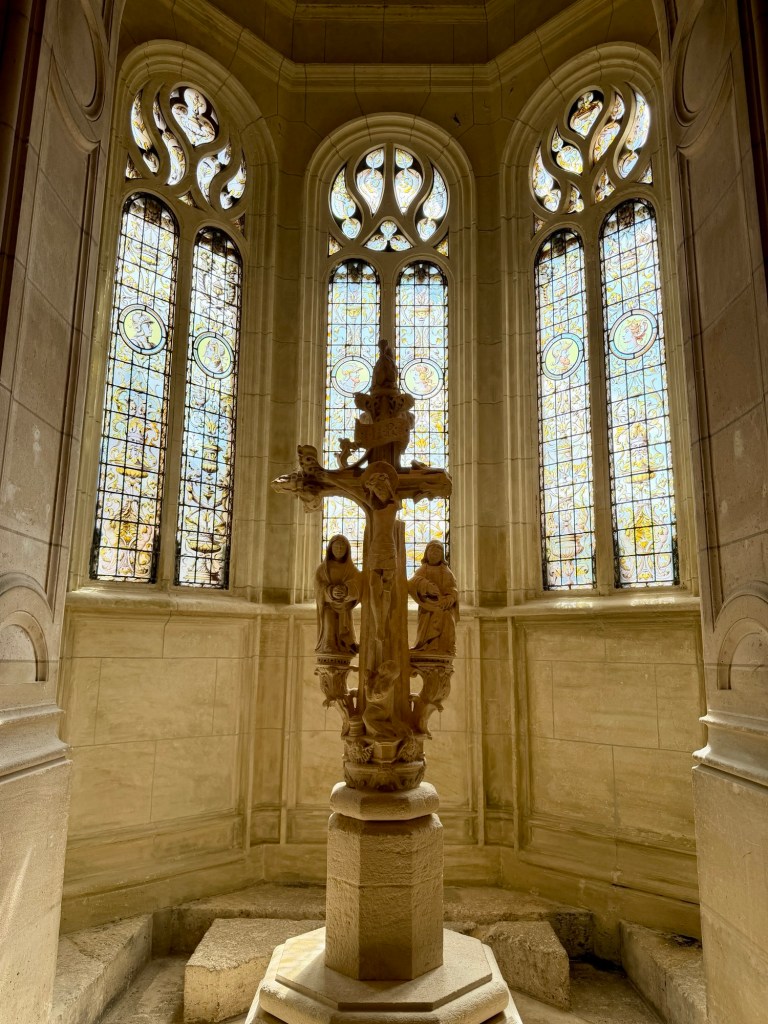
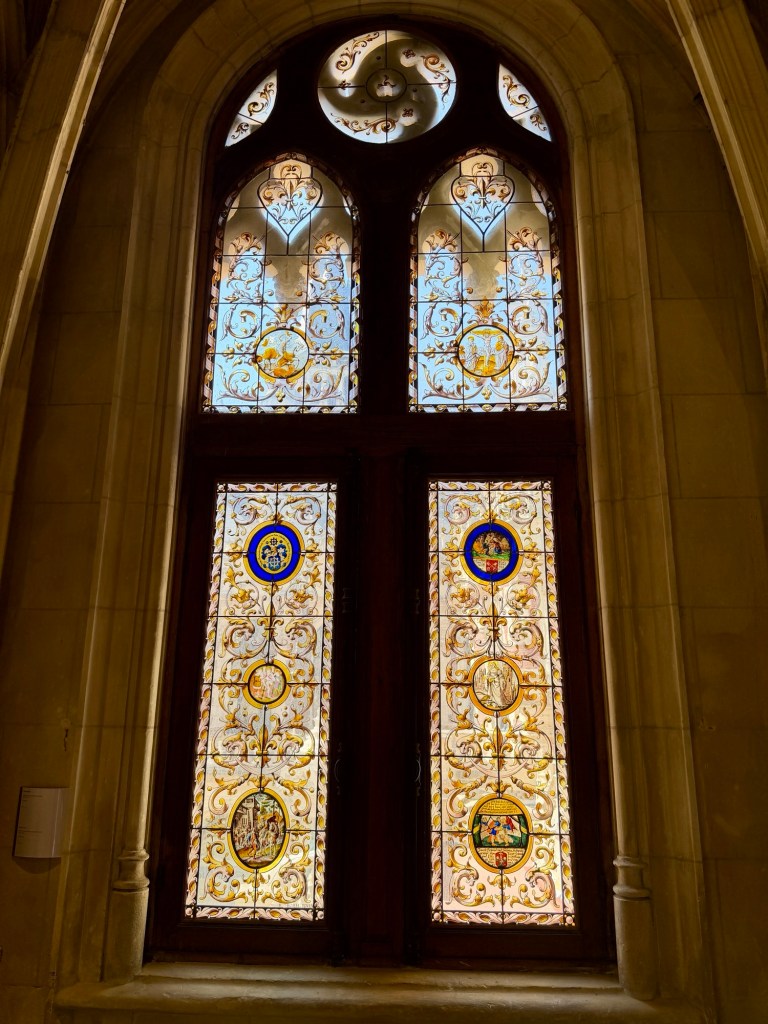
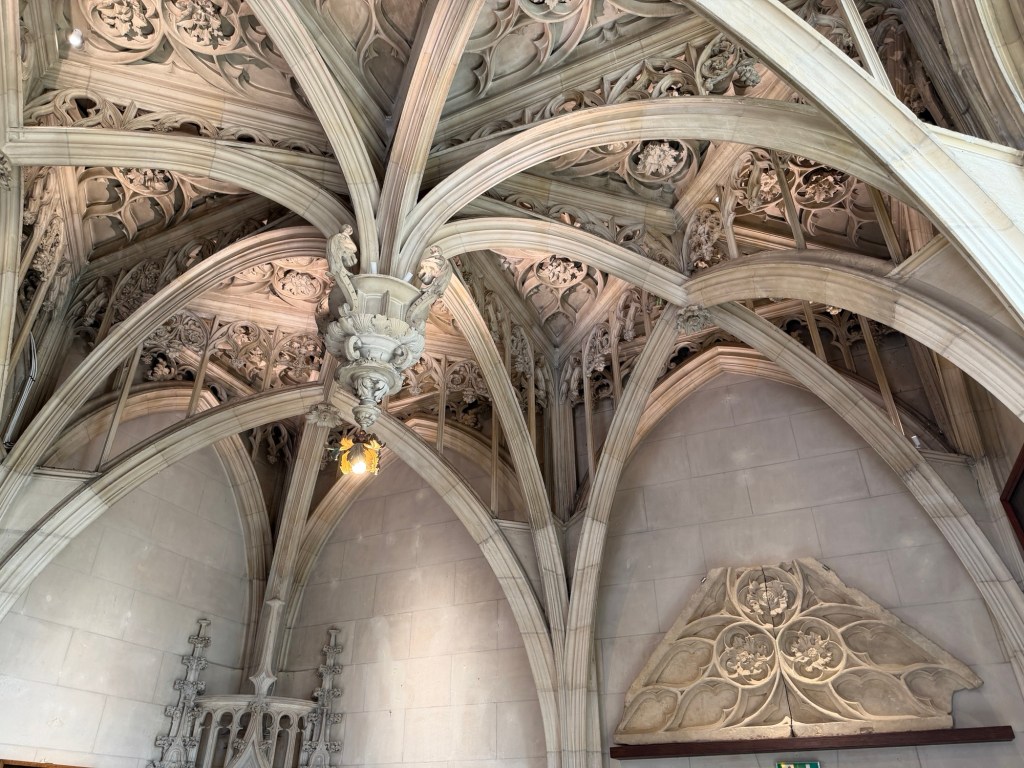
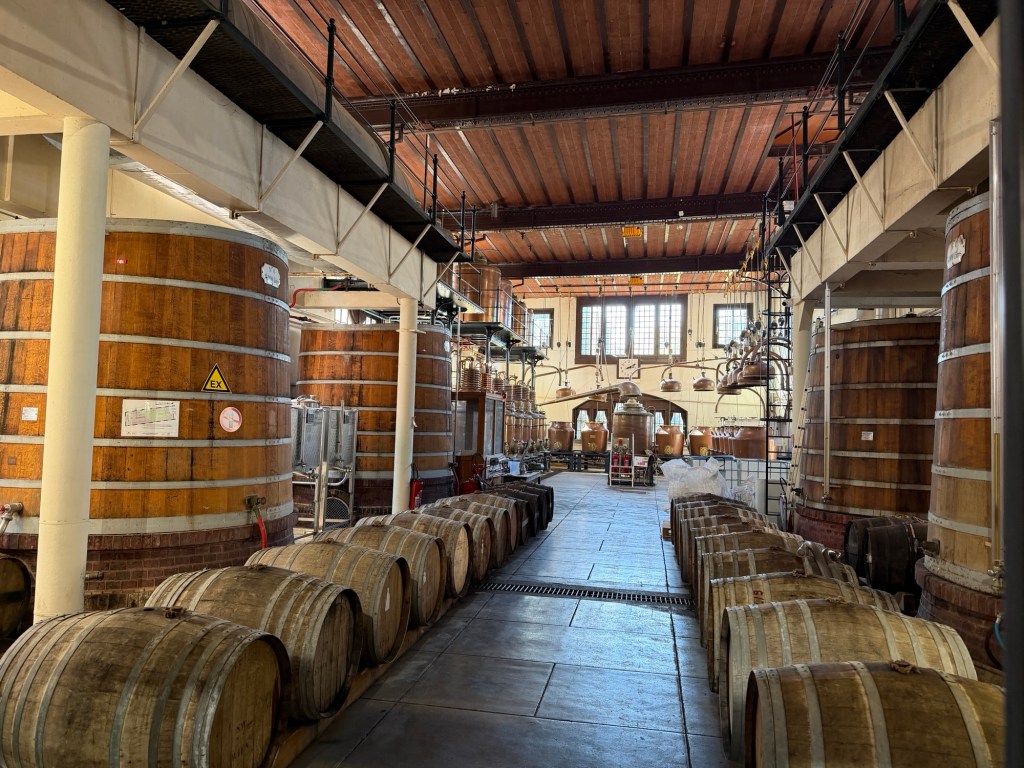
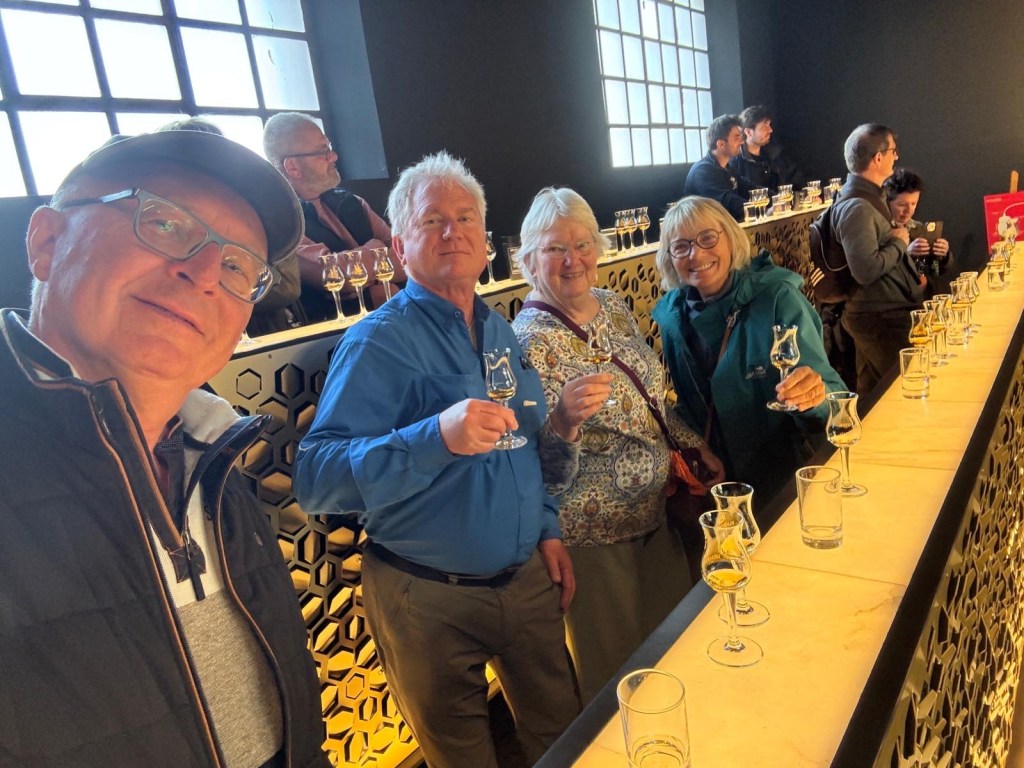
We took a tour inside the restored building, culminating in tasting of three of the Benedictine blends.
The foundation of the Benedictine monastery in Fécamp dates from 1001. The current building followed its design, using many relics and artifacts from the history of the monastery.
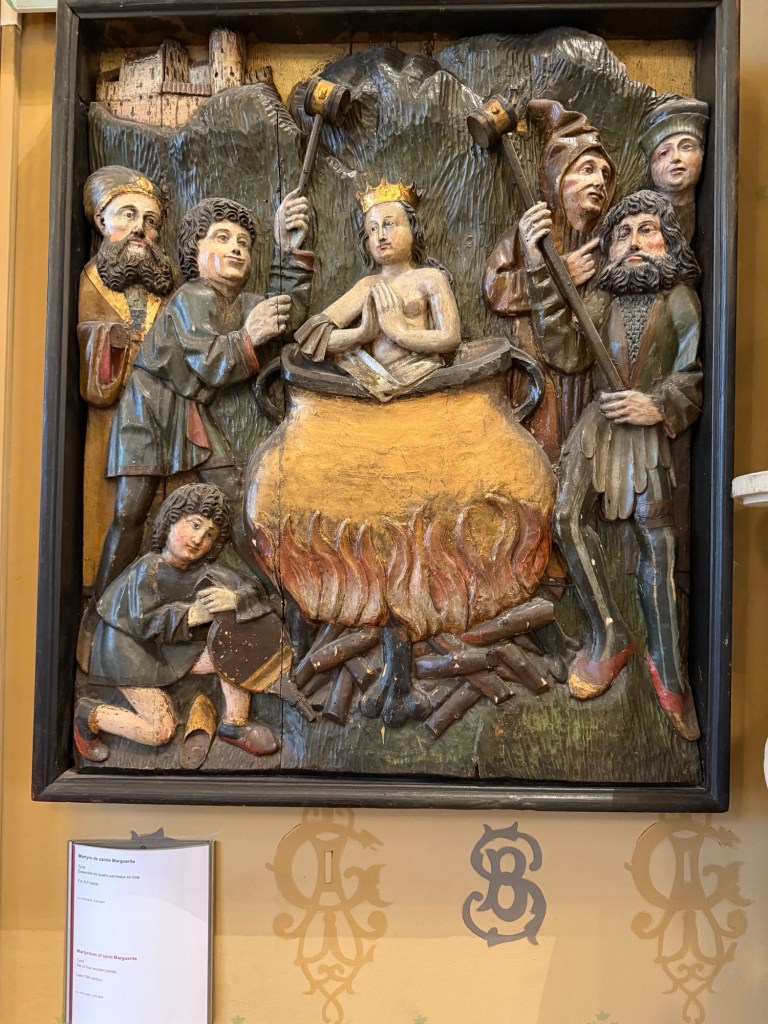
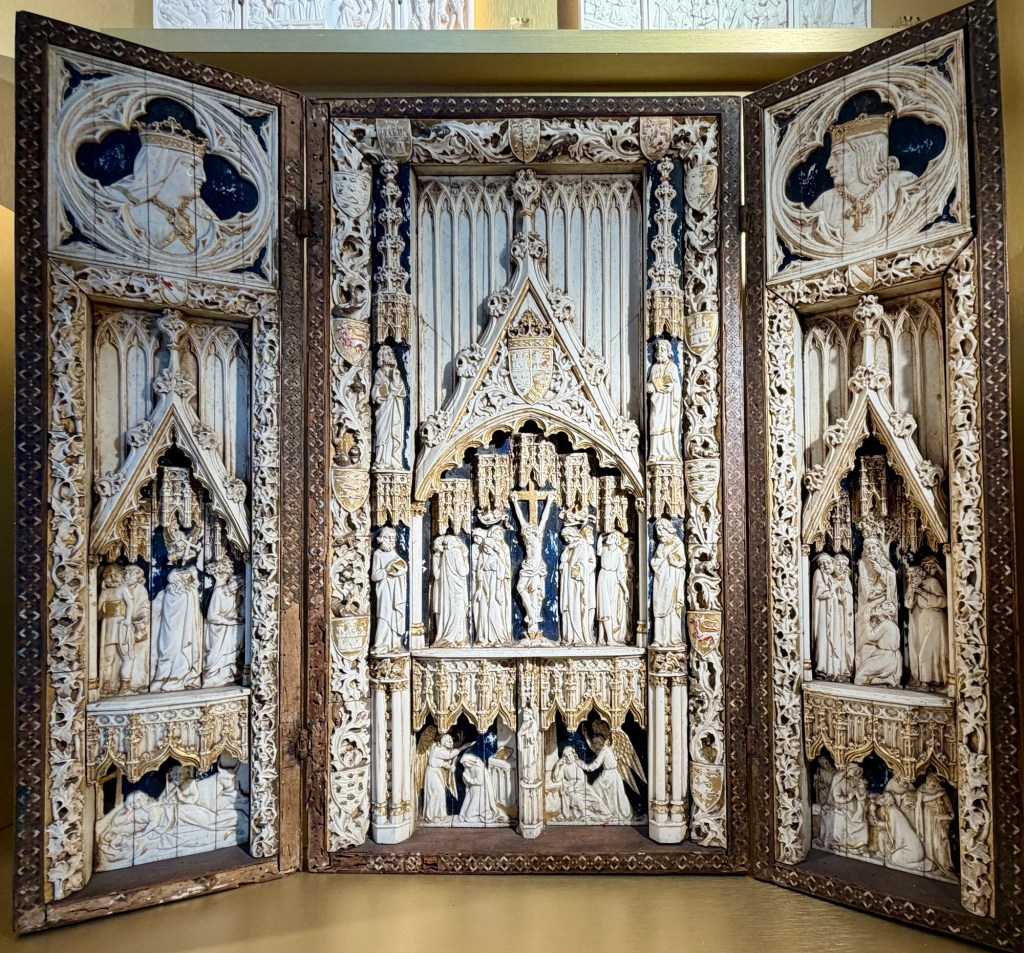
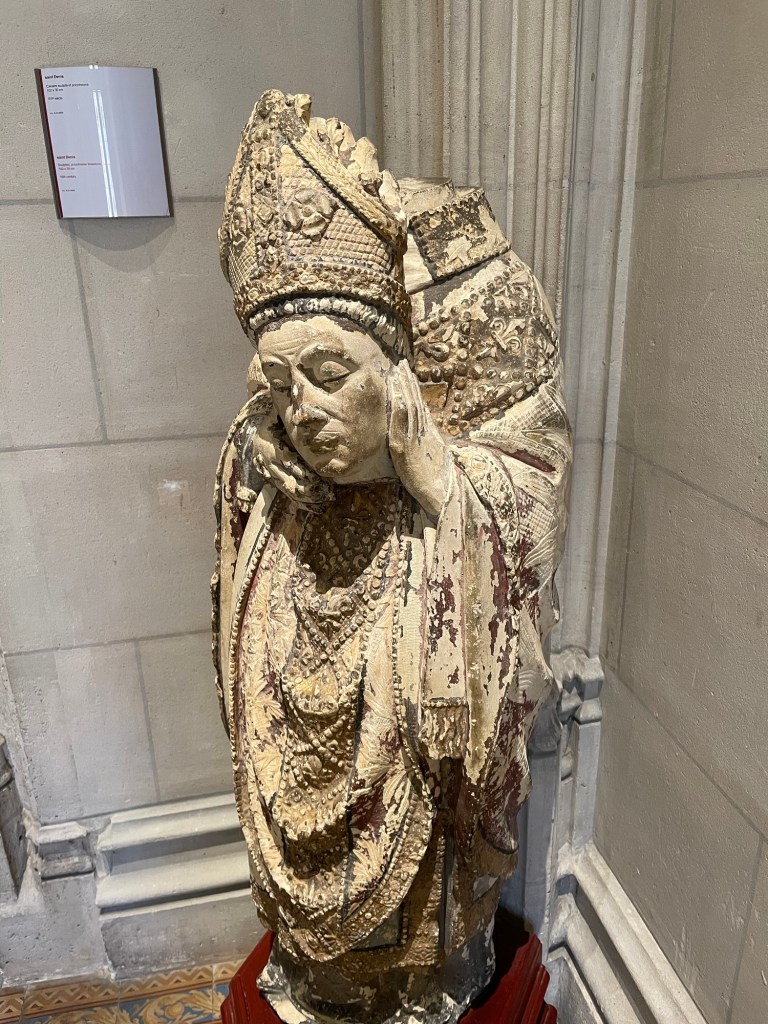
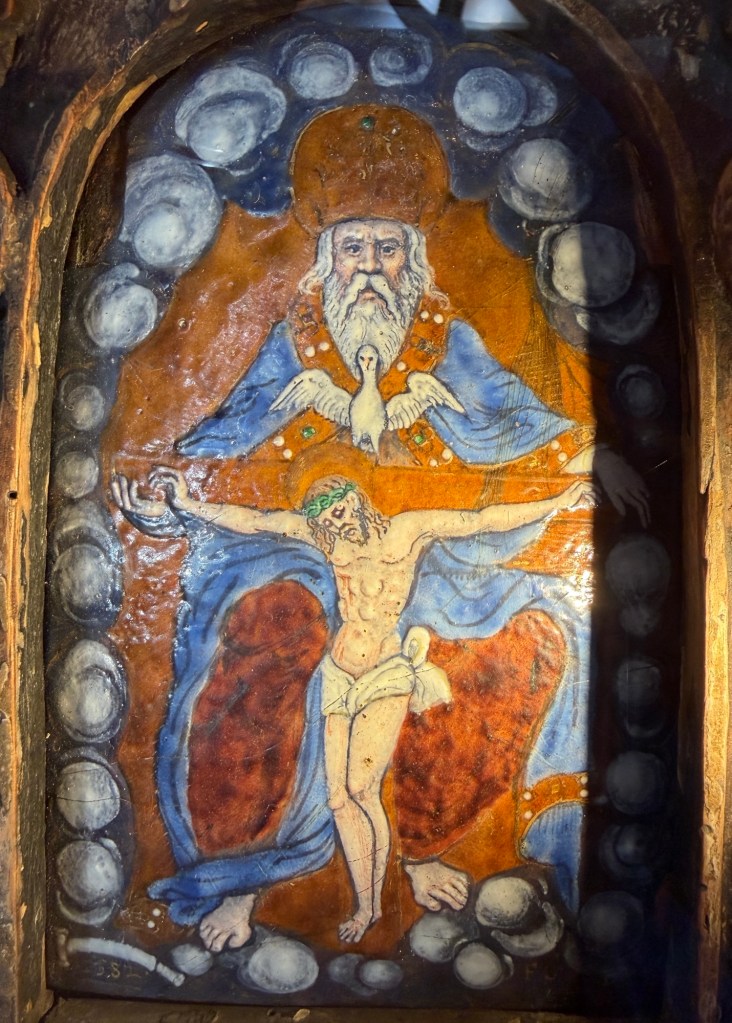
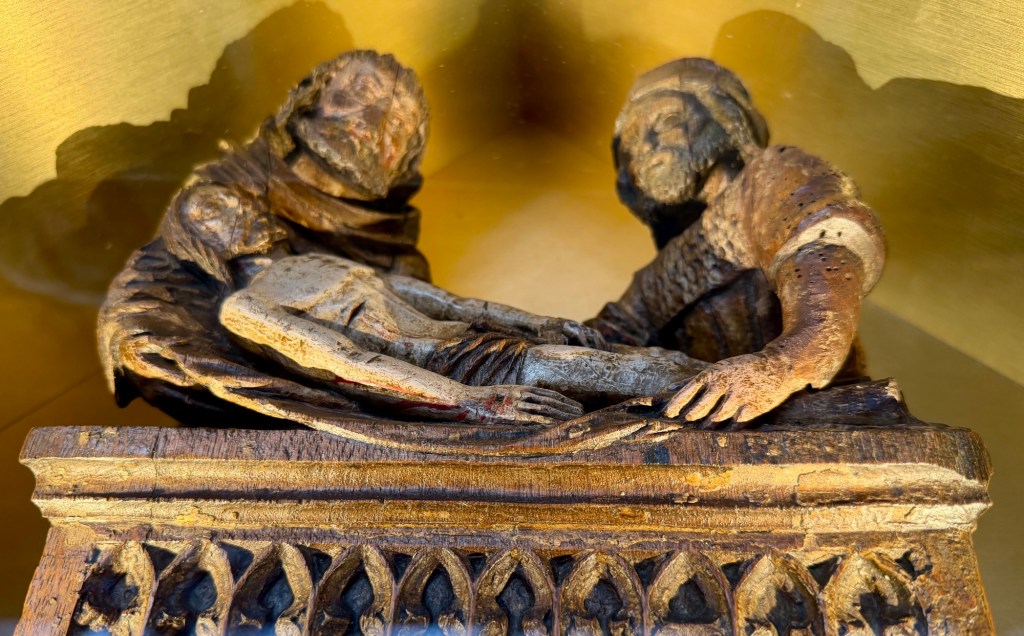
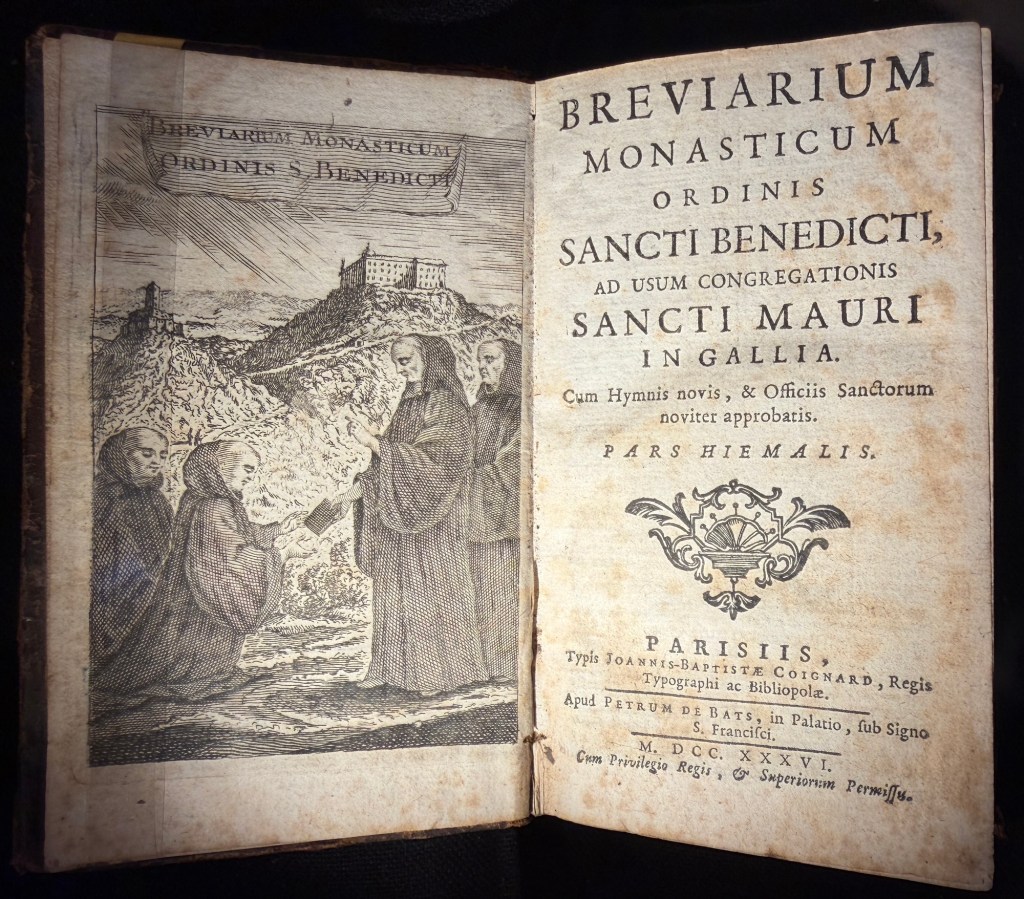
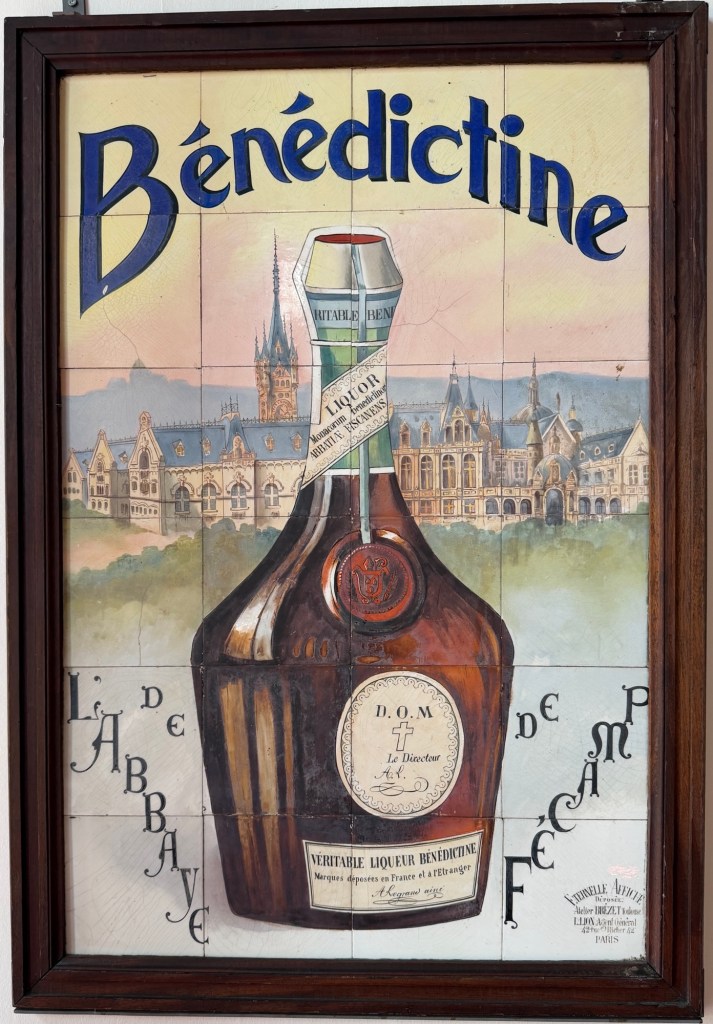
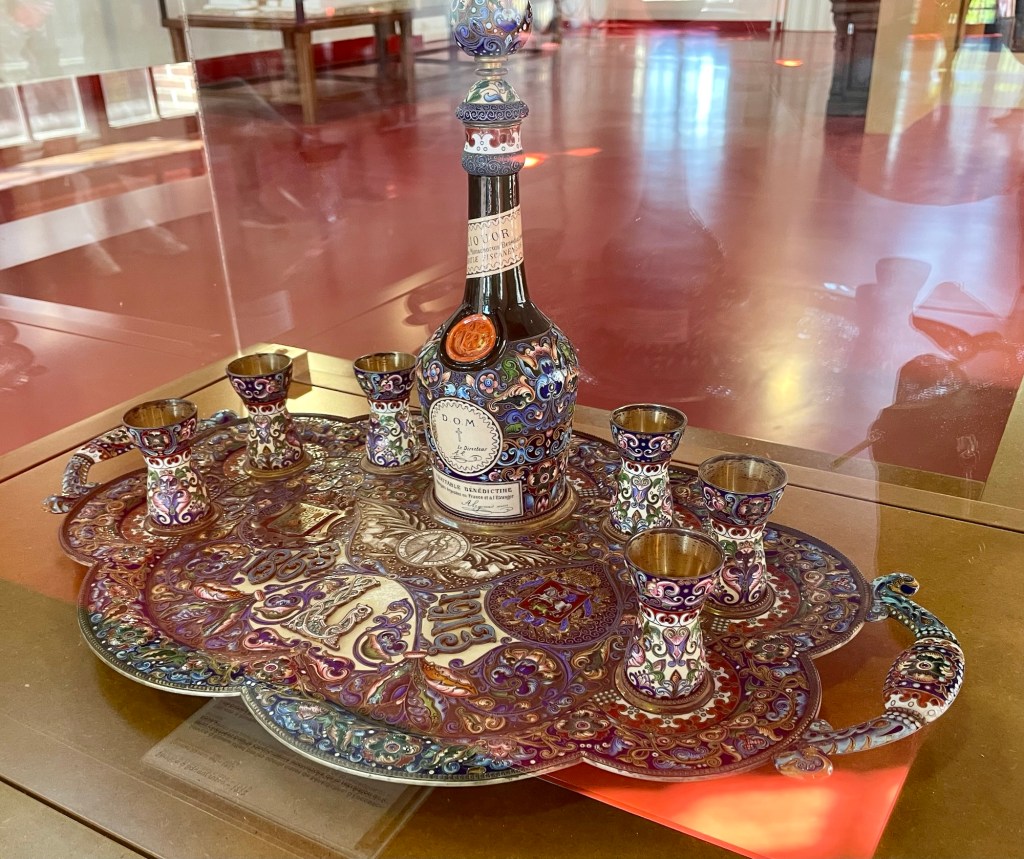
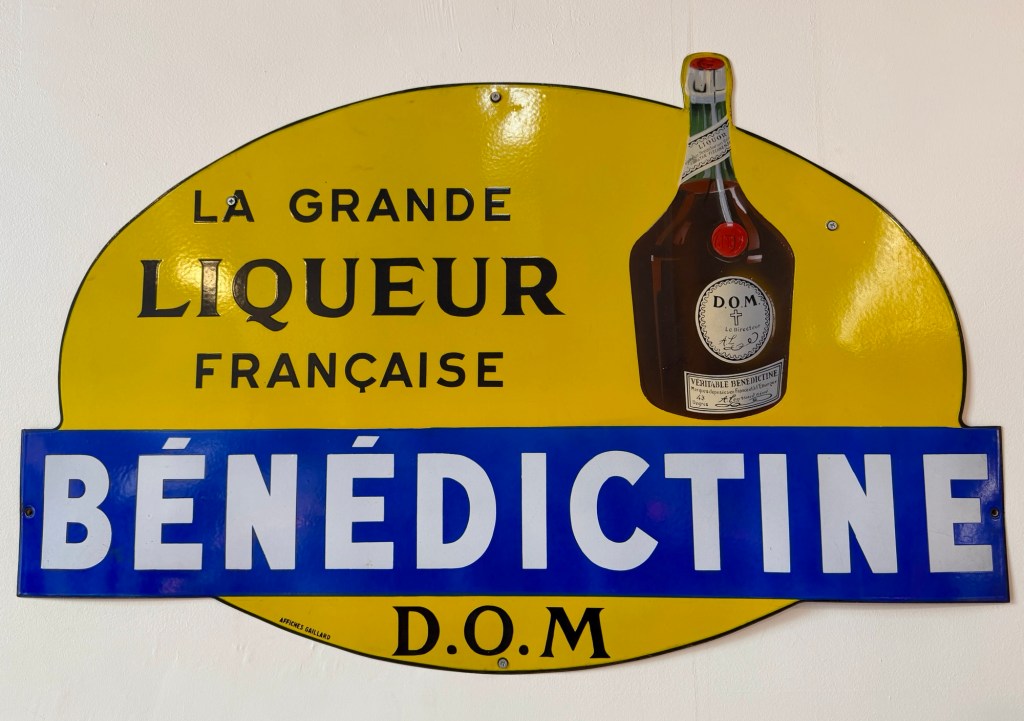
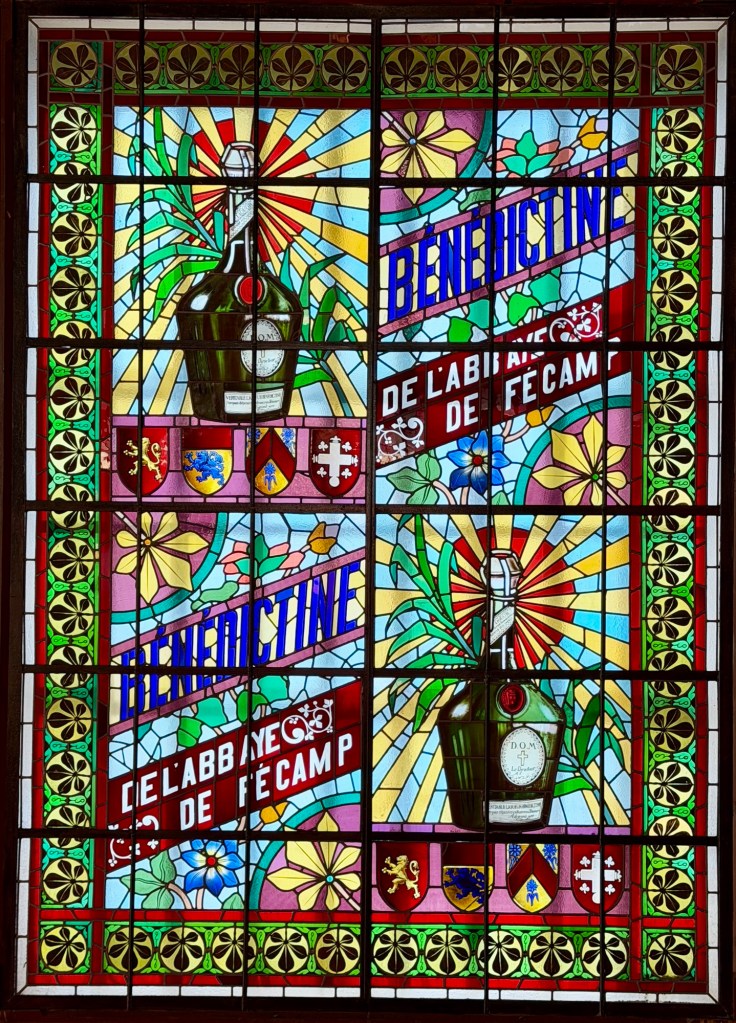
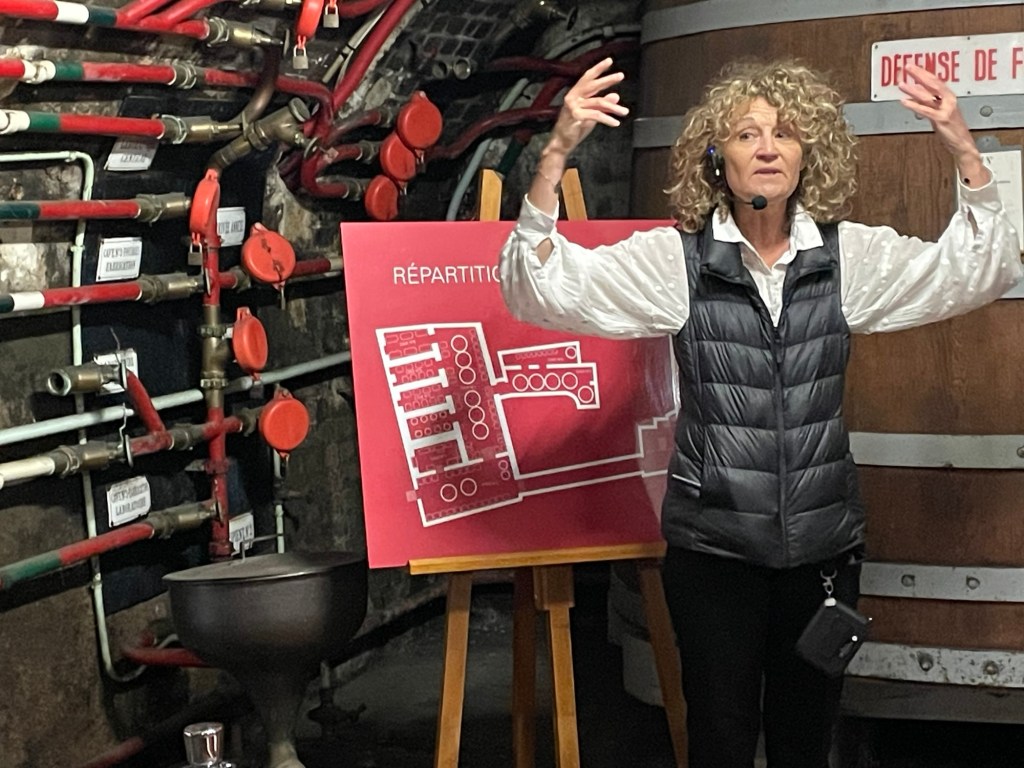
A guide explained the public parts of the recipe for Benedictine, showed us many parts of the factory and used signs for clarification. When Benedictine was not selling, workers from the distillery would go into local establishments and ask for the drink, pretending to be upset if it was not available!
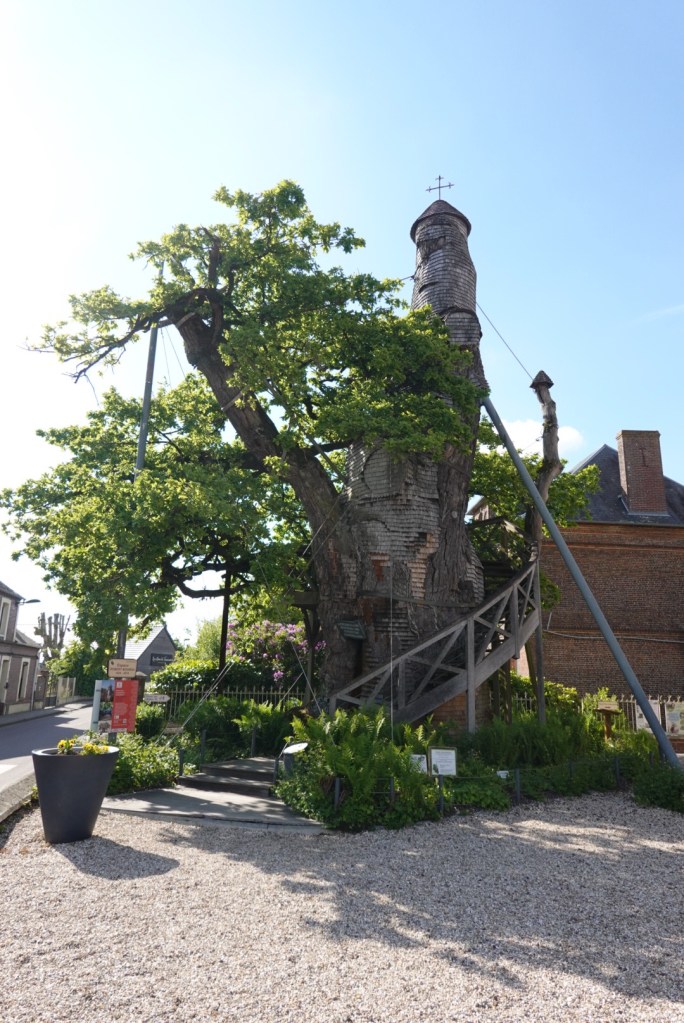
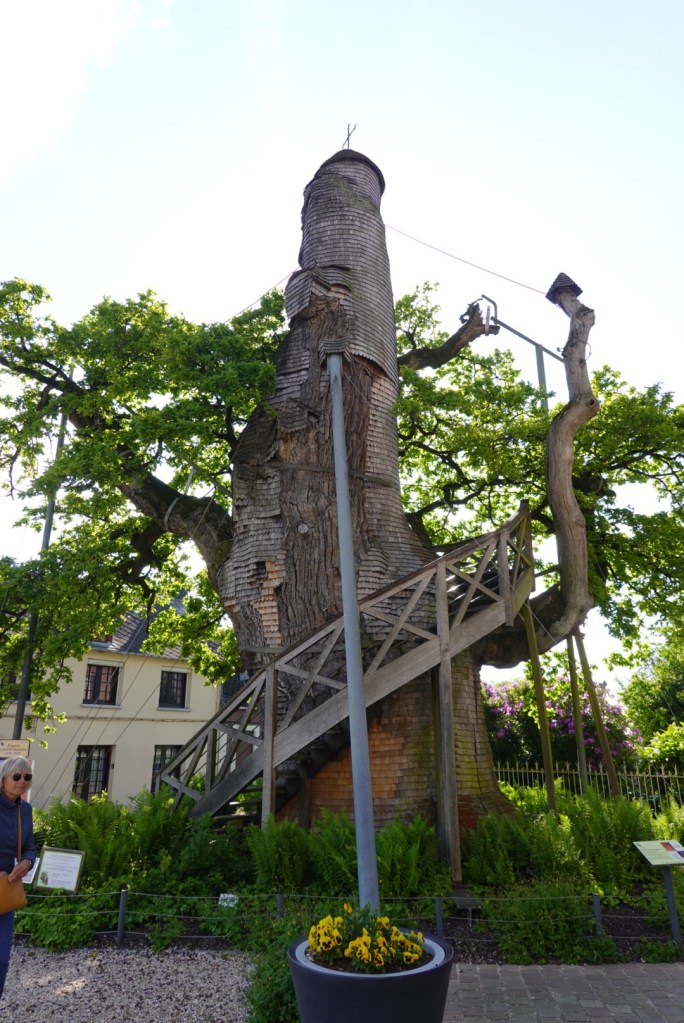
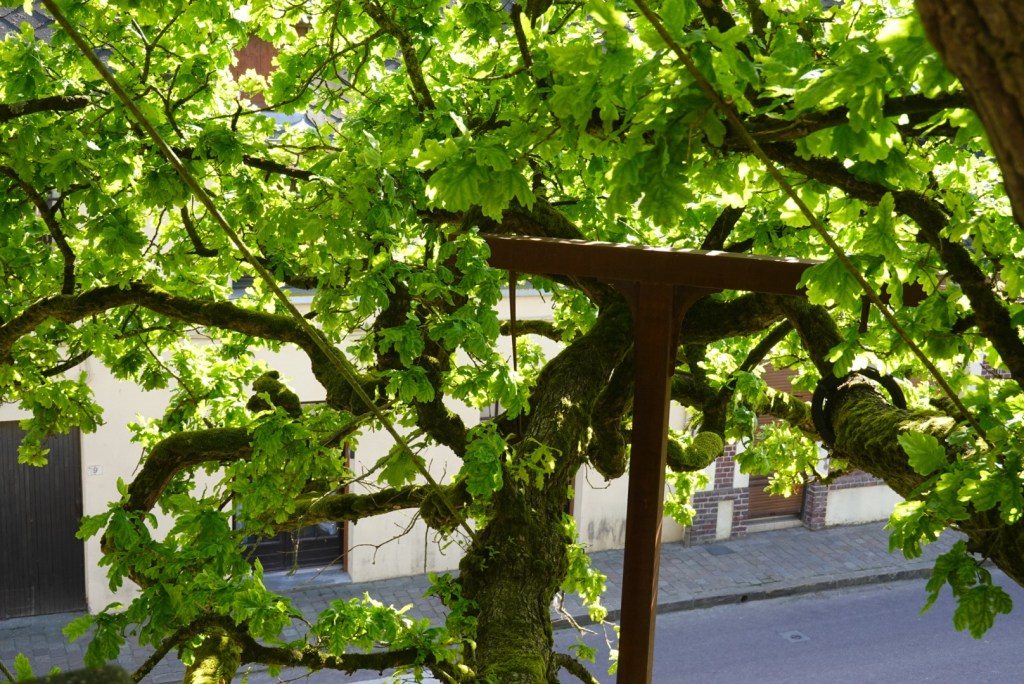
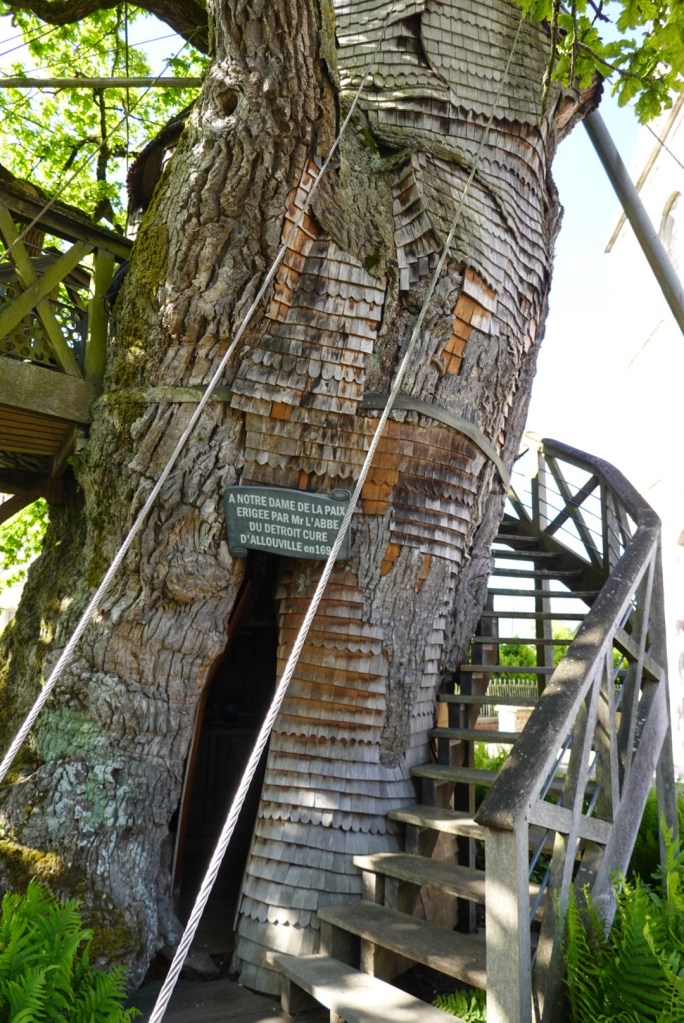
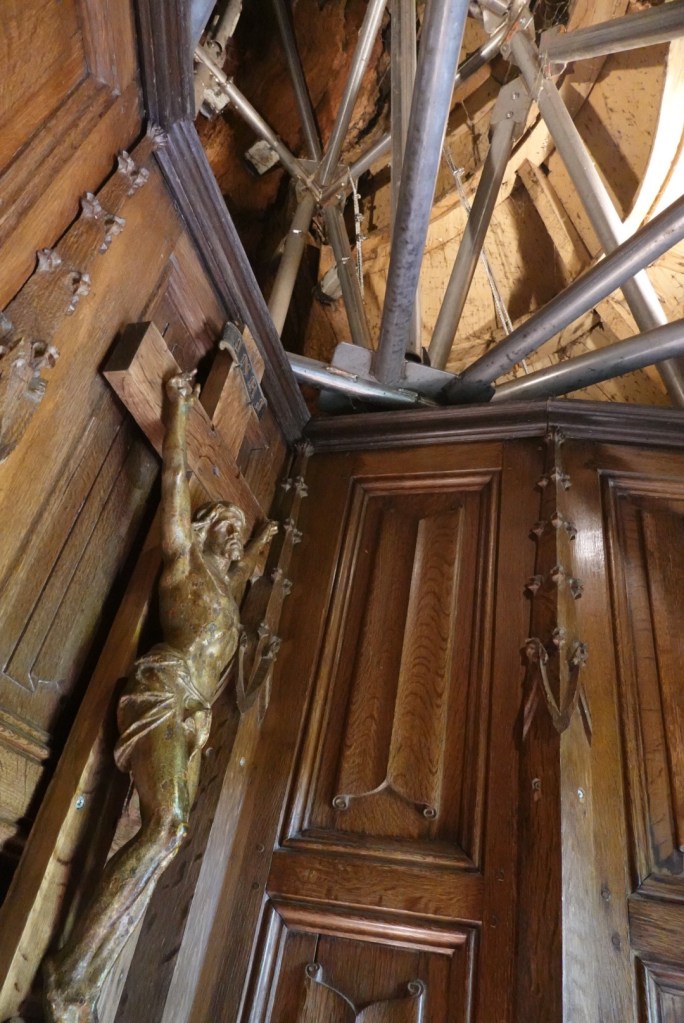
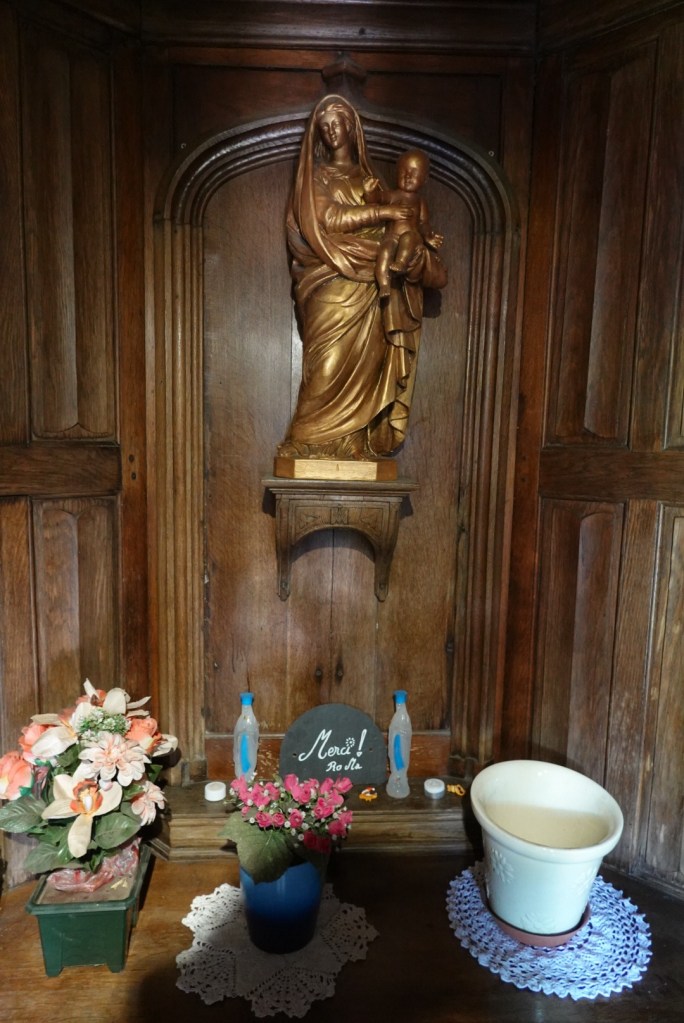
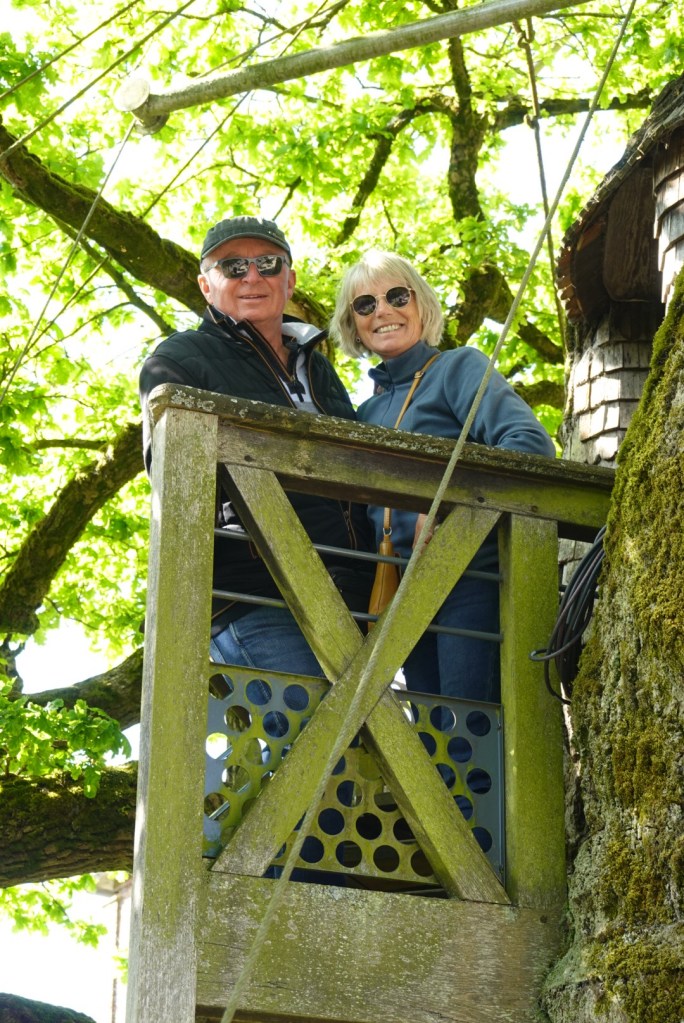
On the way back, we stopped in Allouville-Bellefosse to see the Chapel Oak, a very old tree that was burned, then hollowed; people built two tiny chapels inside. The oak tree may date to the 11th century!
Then we drove back to Pont Audemer.
 Bunch of Geeks go Traveling