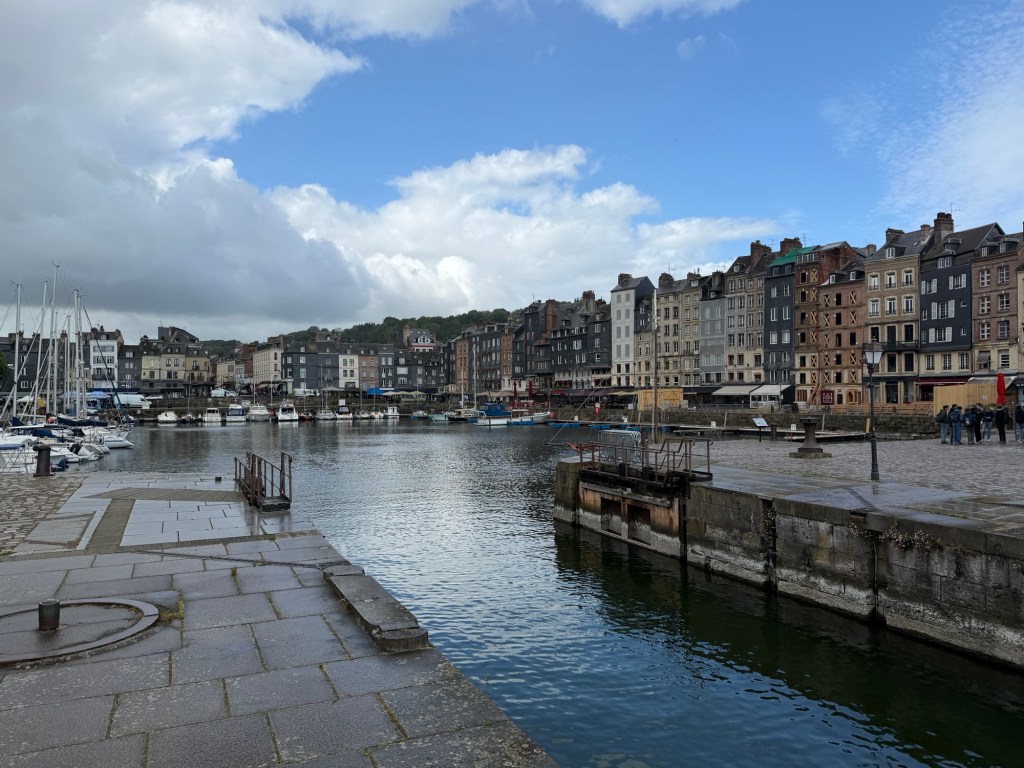
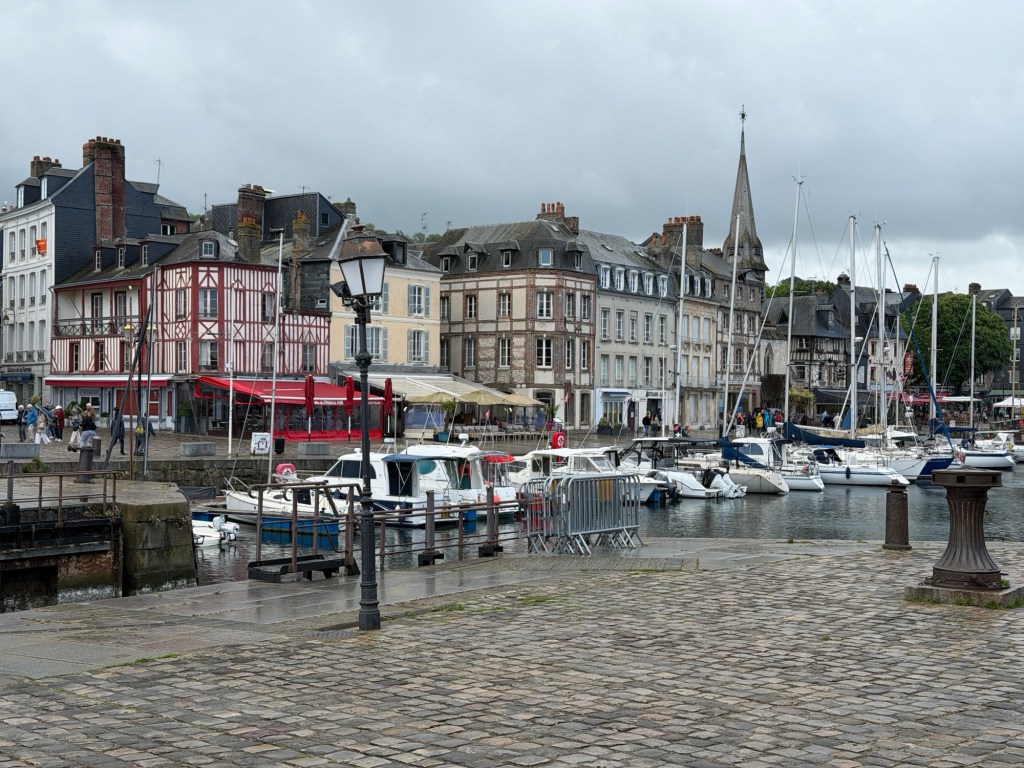
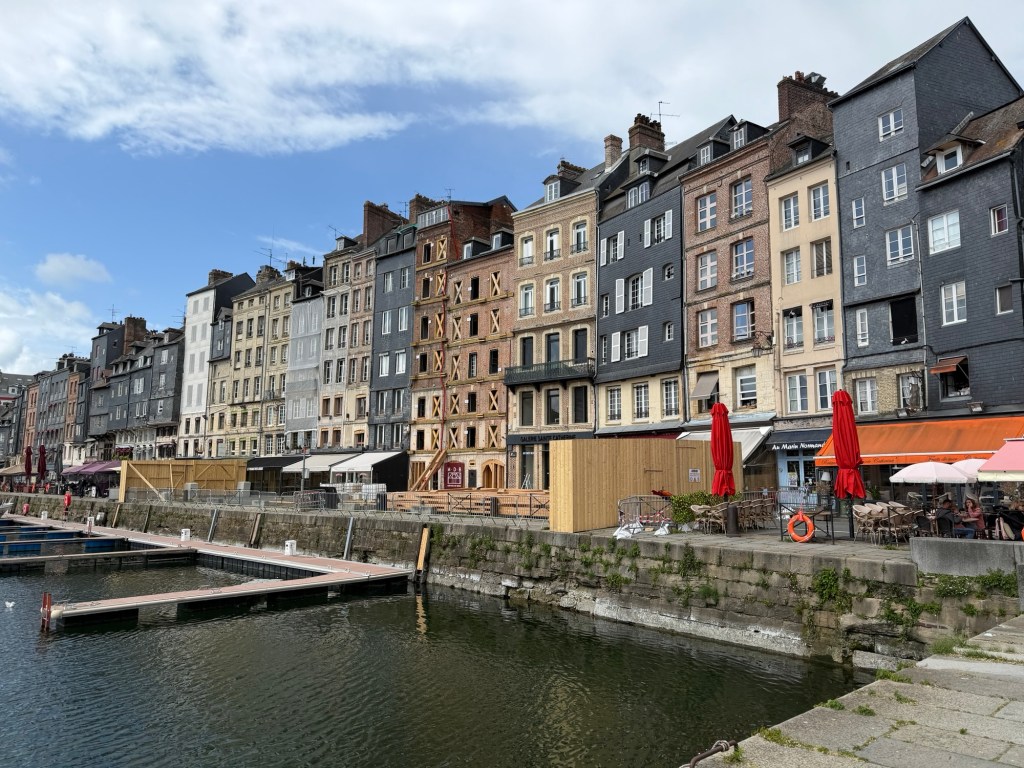
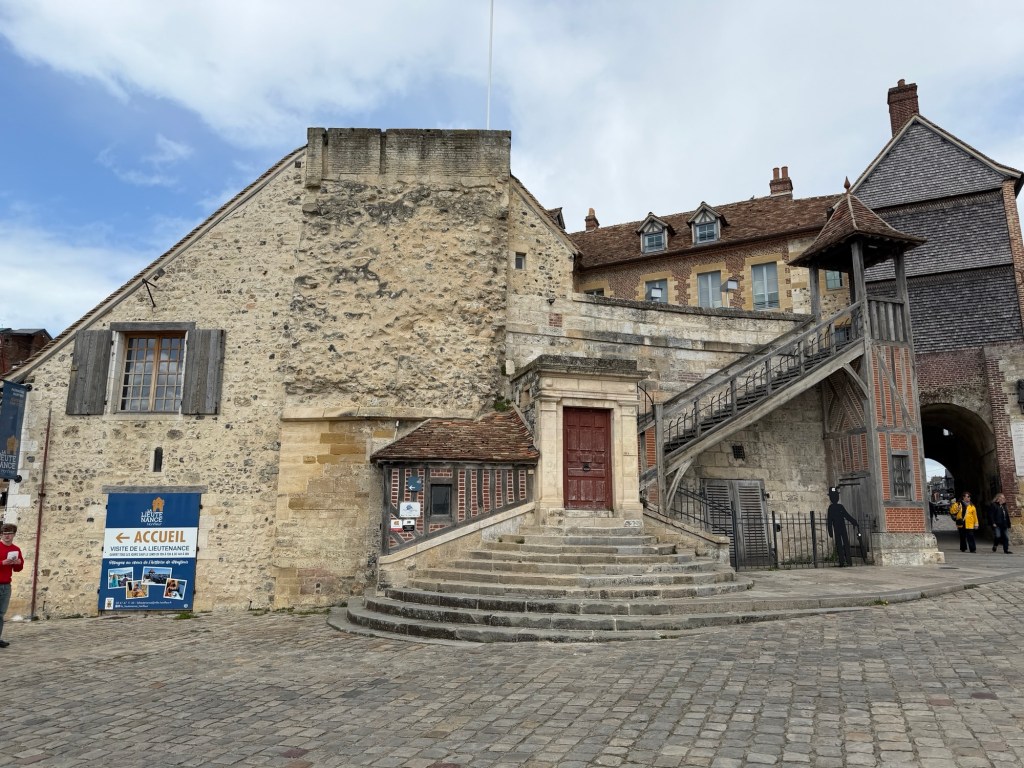
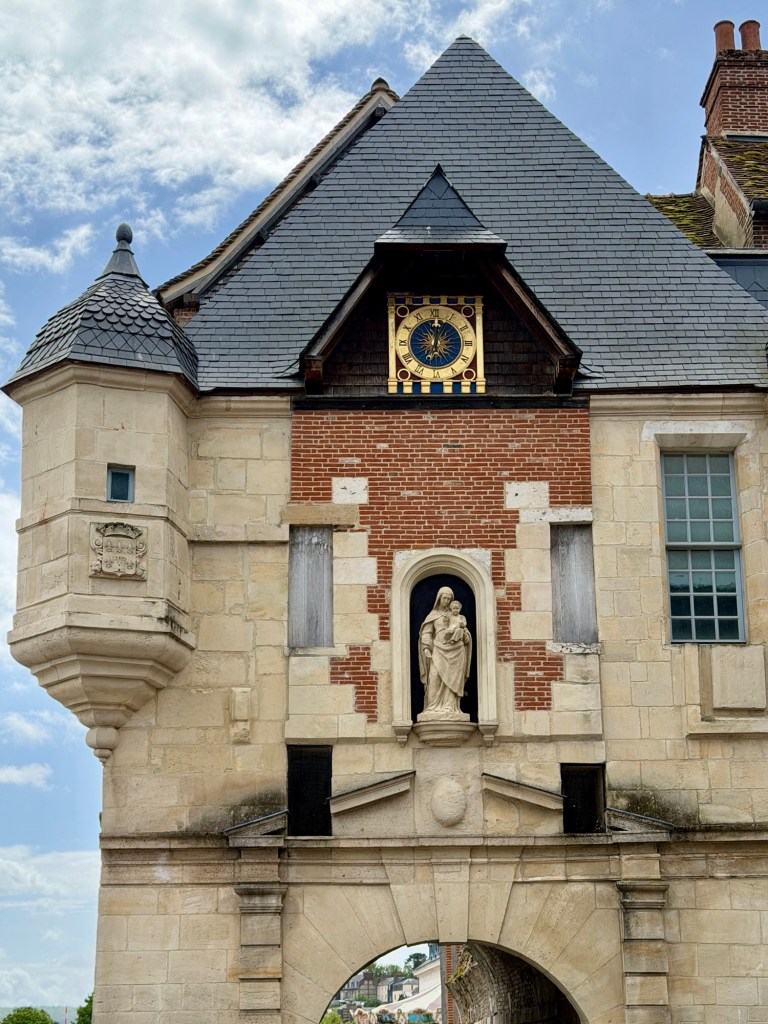
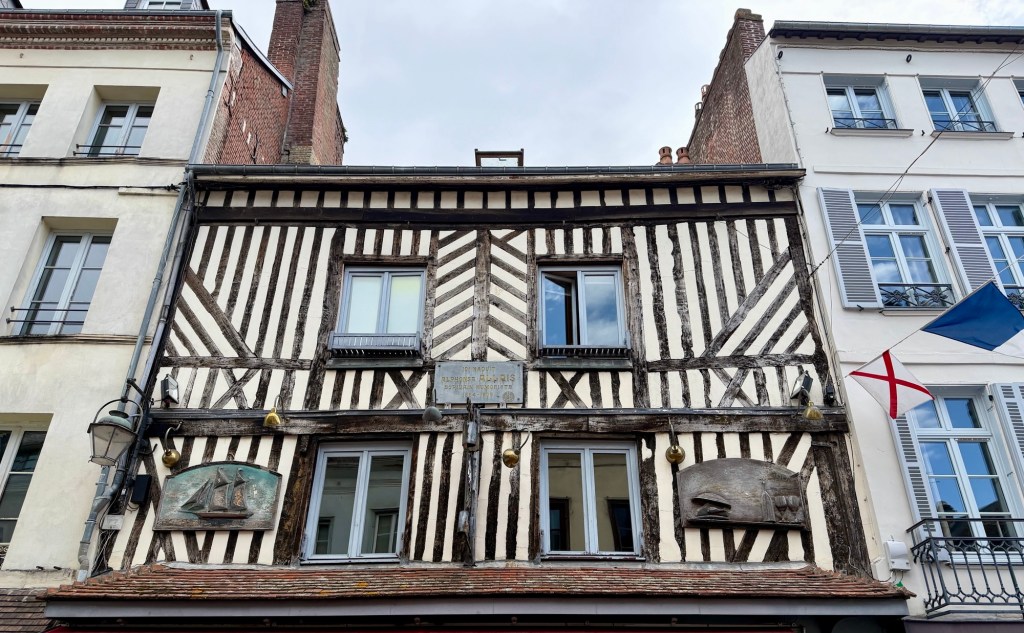
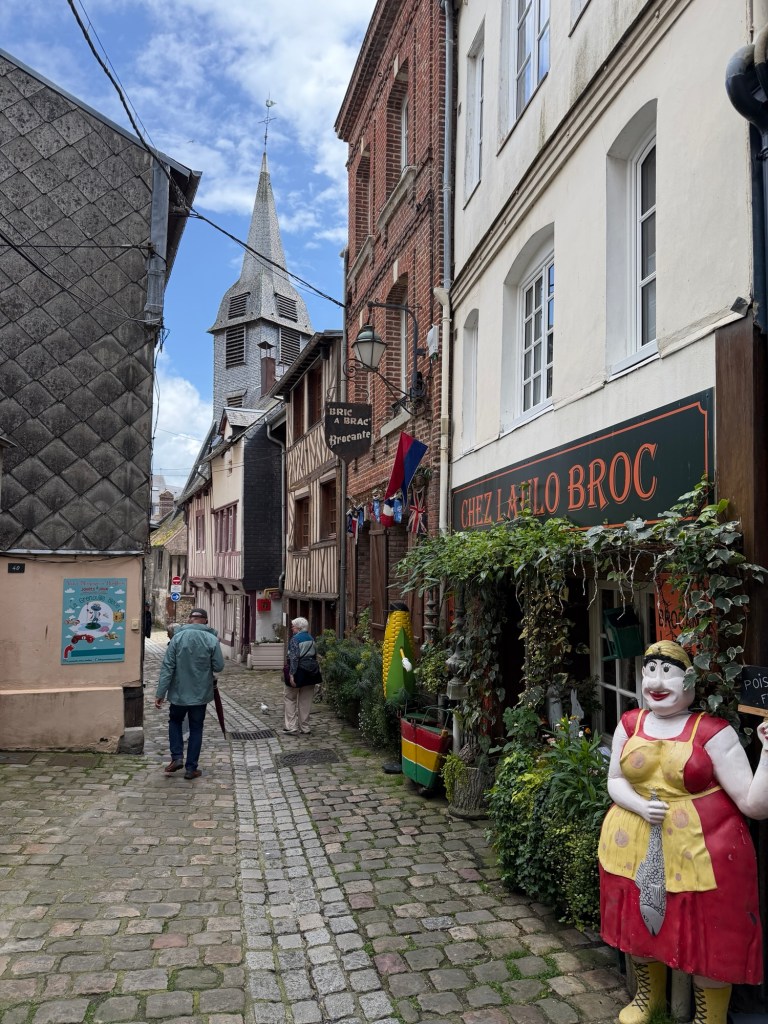
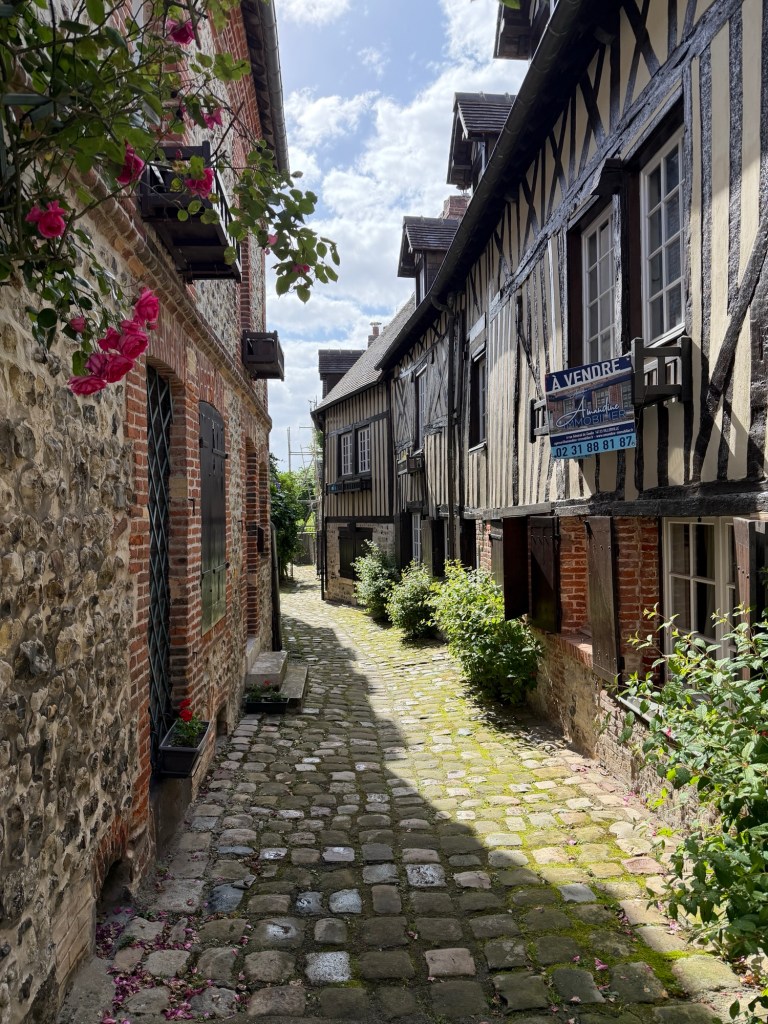
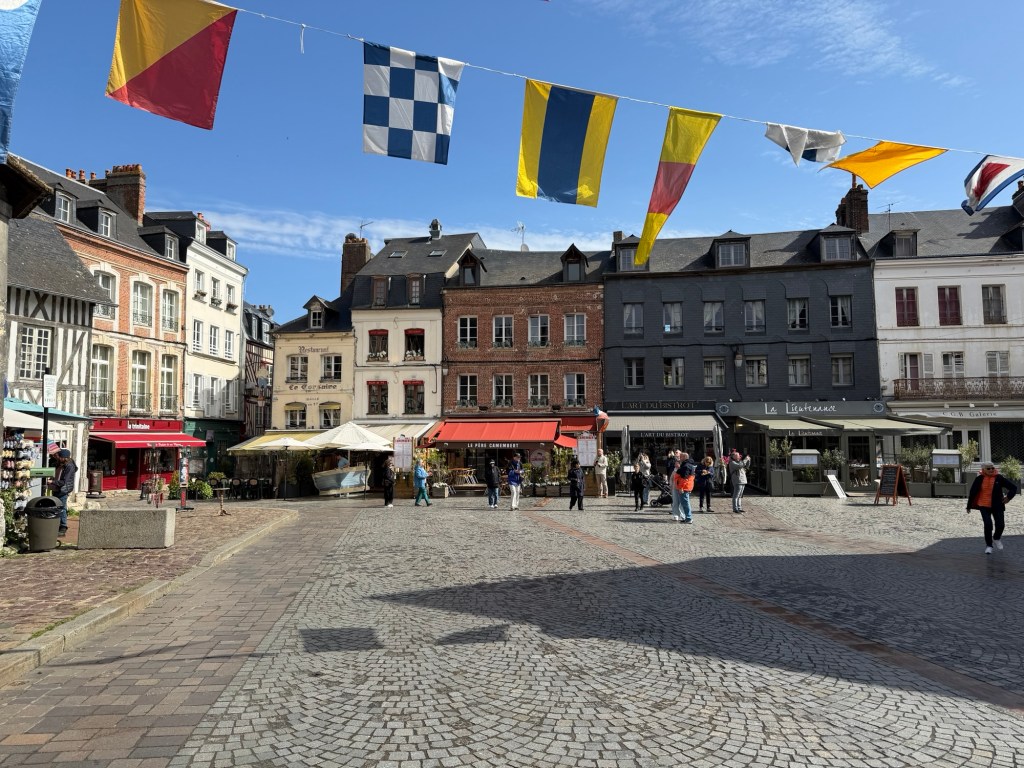
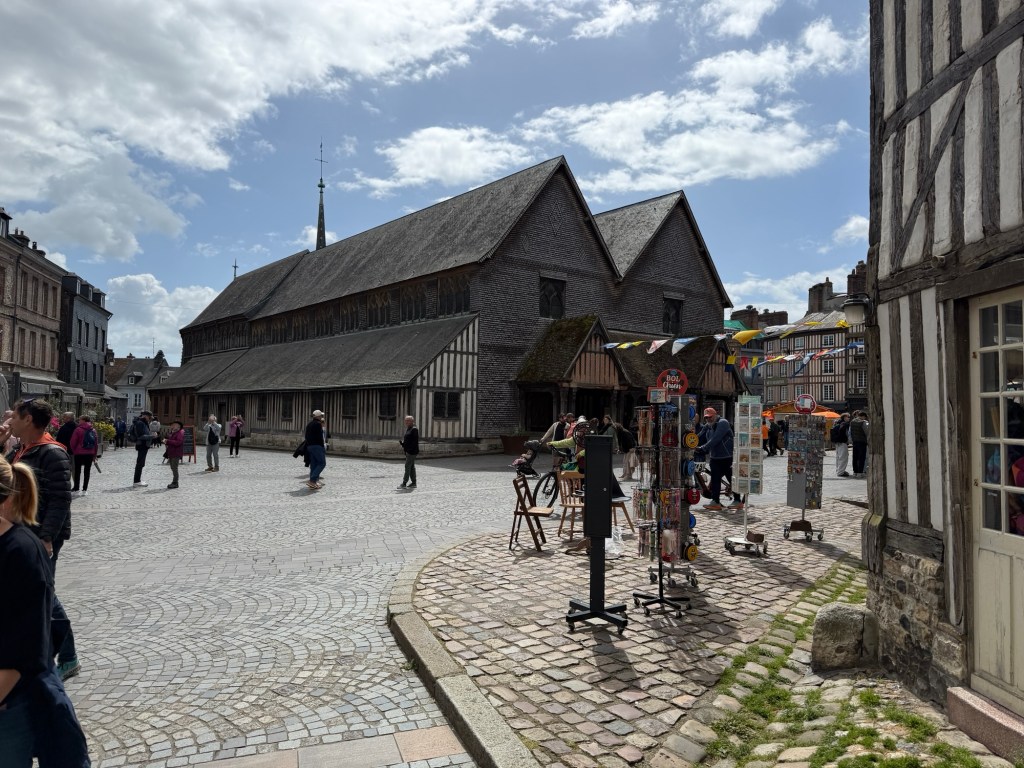
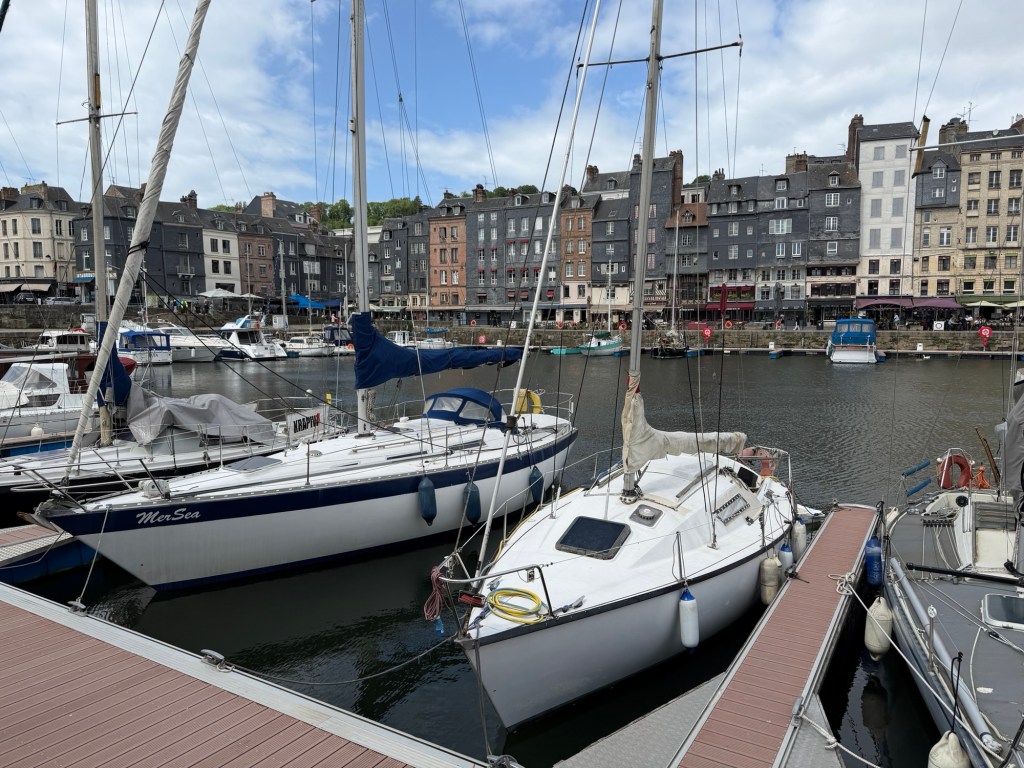
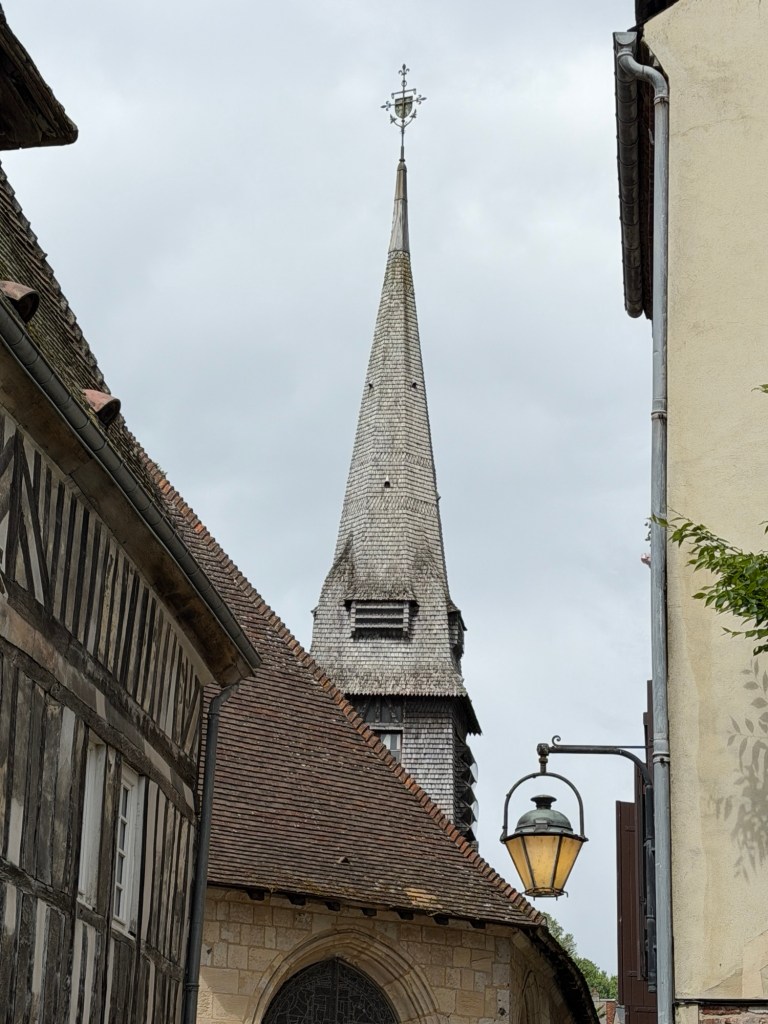
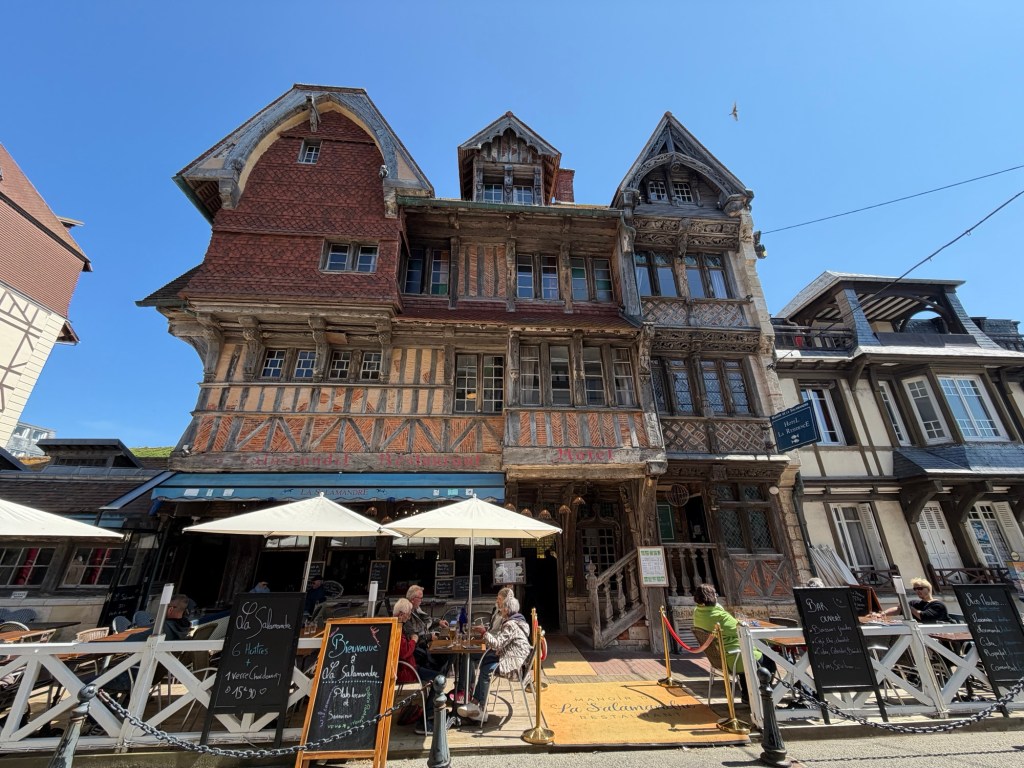
Old Port (Vieux Bassin) with a lockBuildings around harborOne building partially collapsed, sinking straight down between othersFront and back of interesting building near the harbor, probably dedicated to the protection of boatmenAlleyways and buildings in the center of the town of Honfleur, and the plaza in front of the church
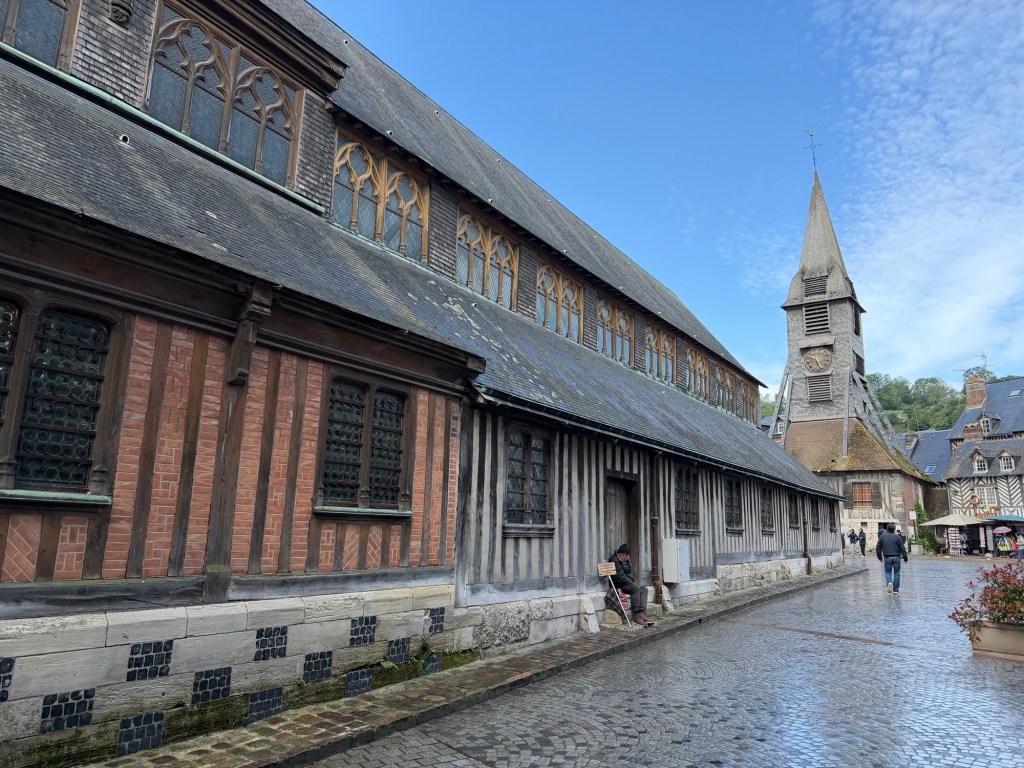
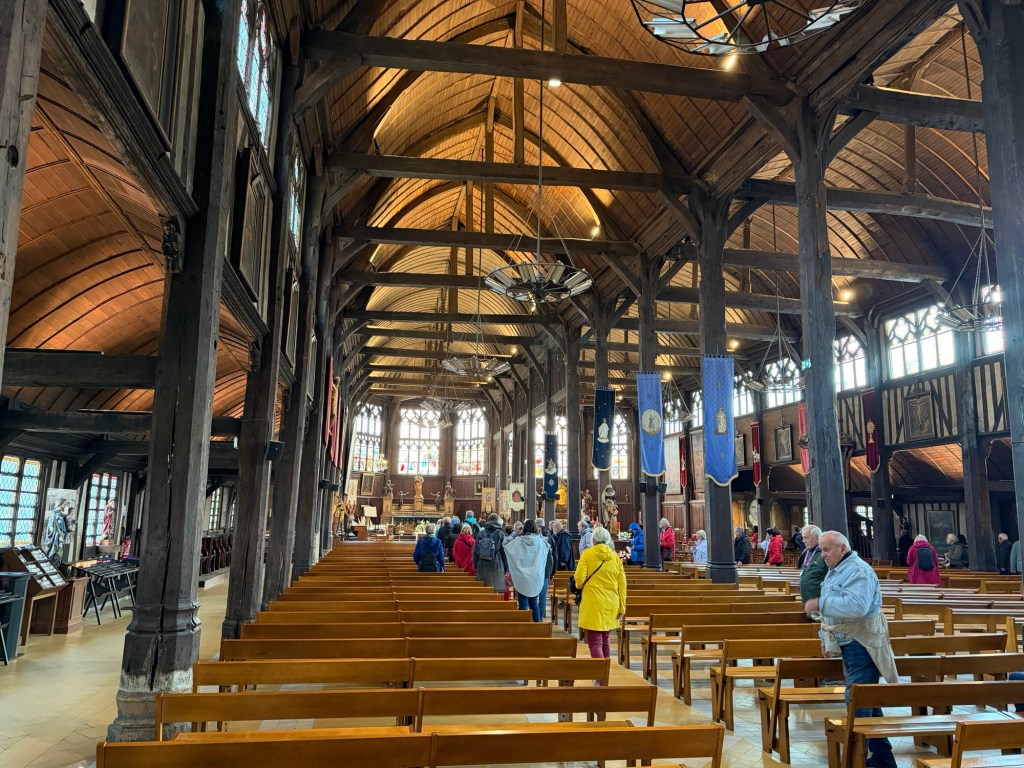
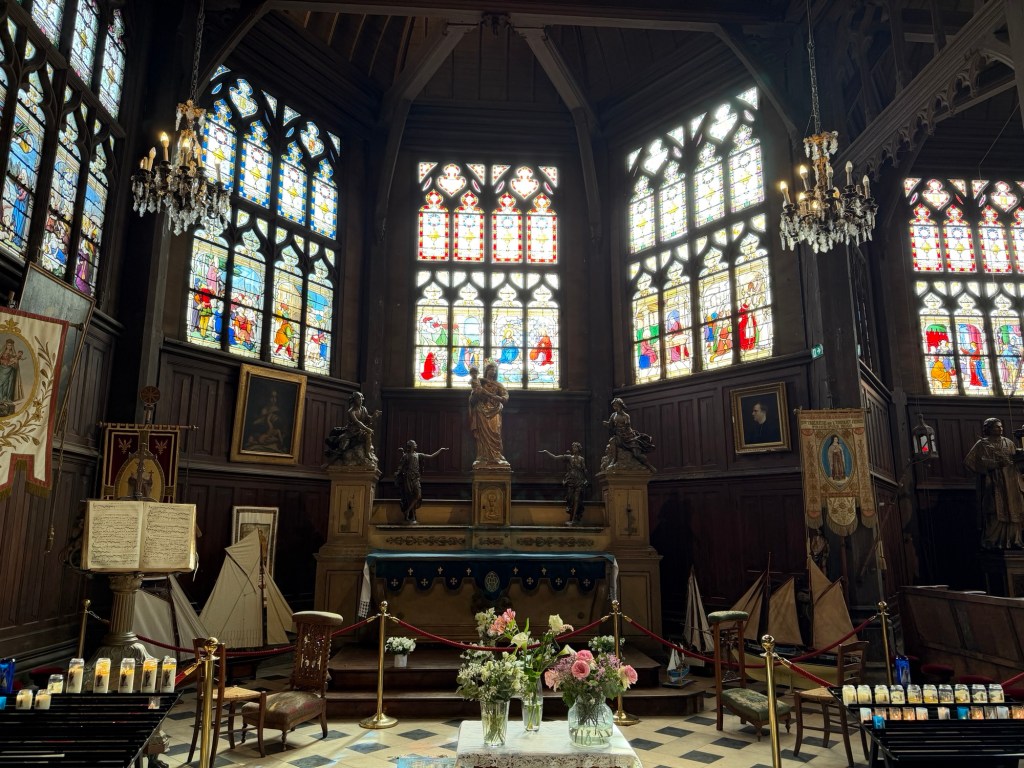
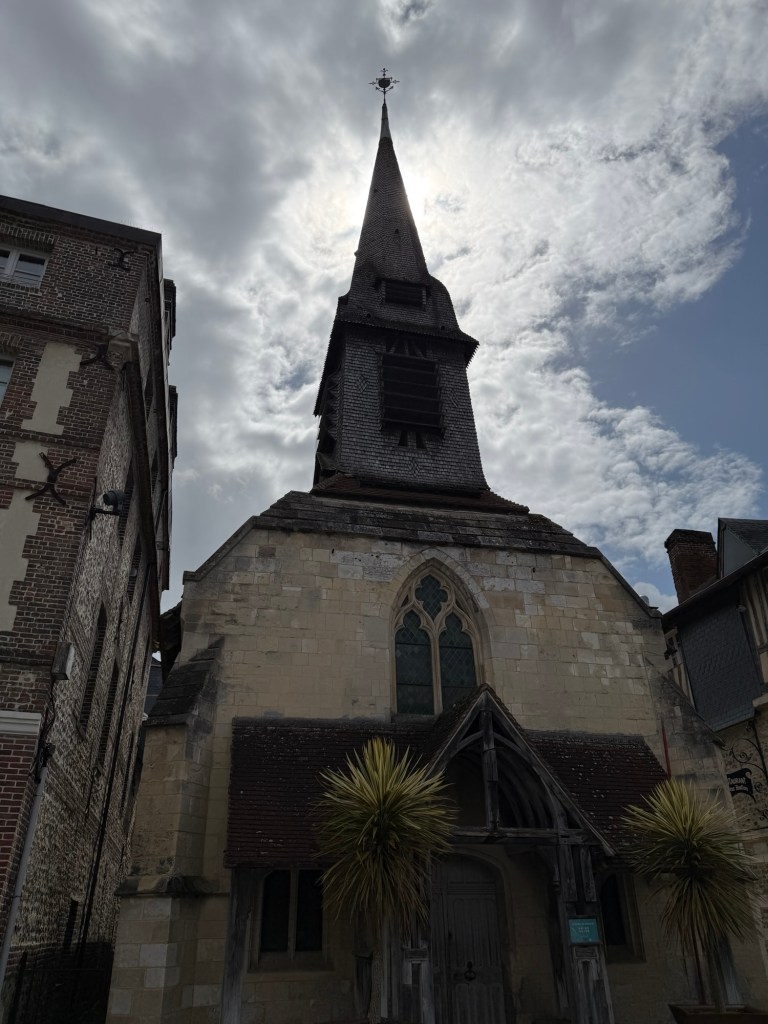
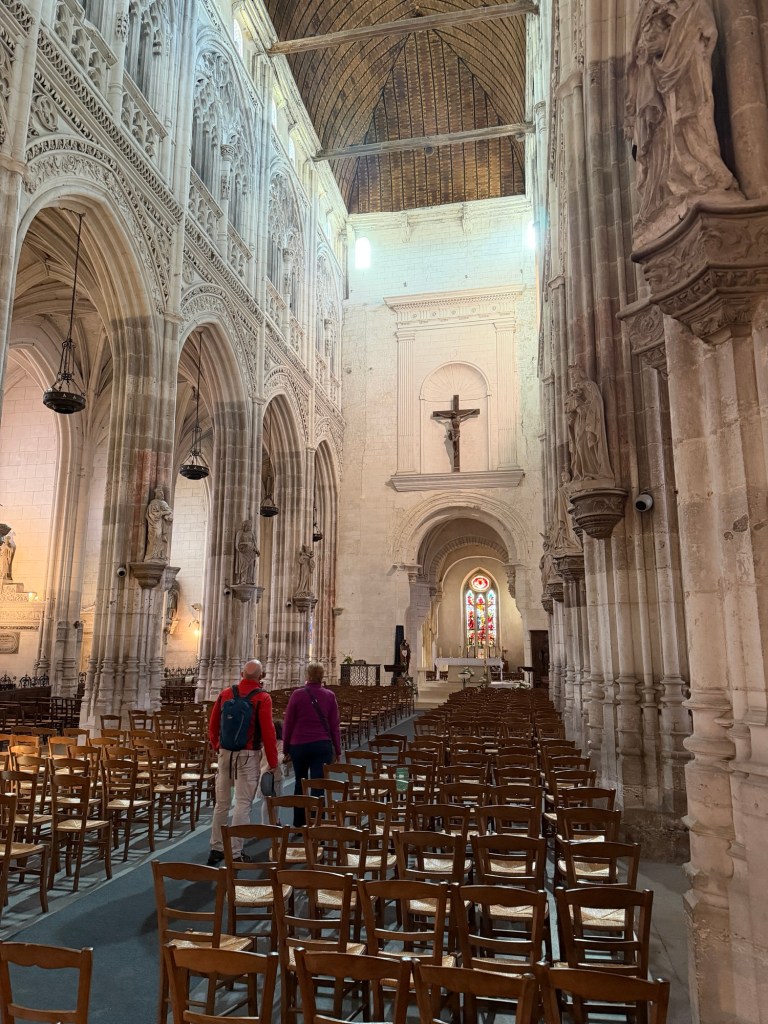
We set out to see the largest wooden church in France. Inside, the church was bright and airy.
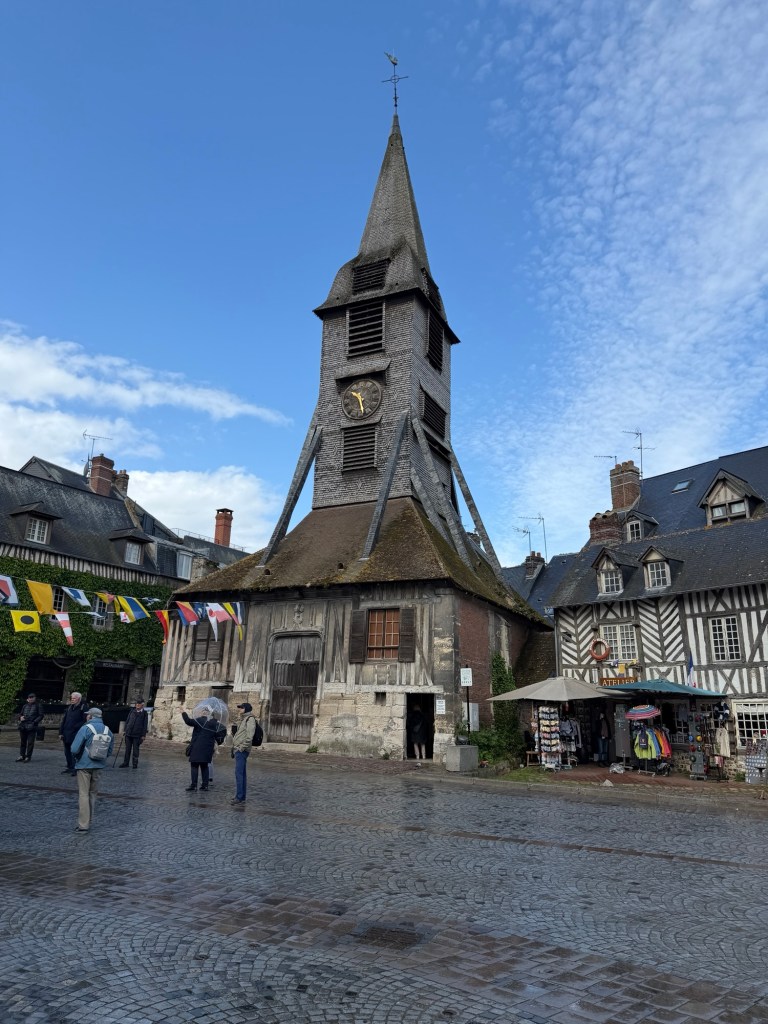
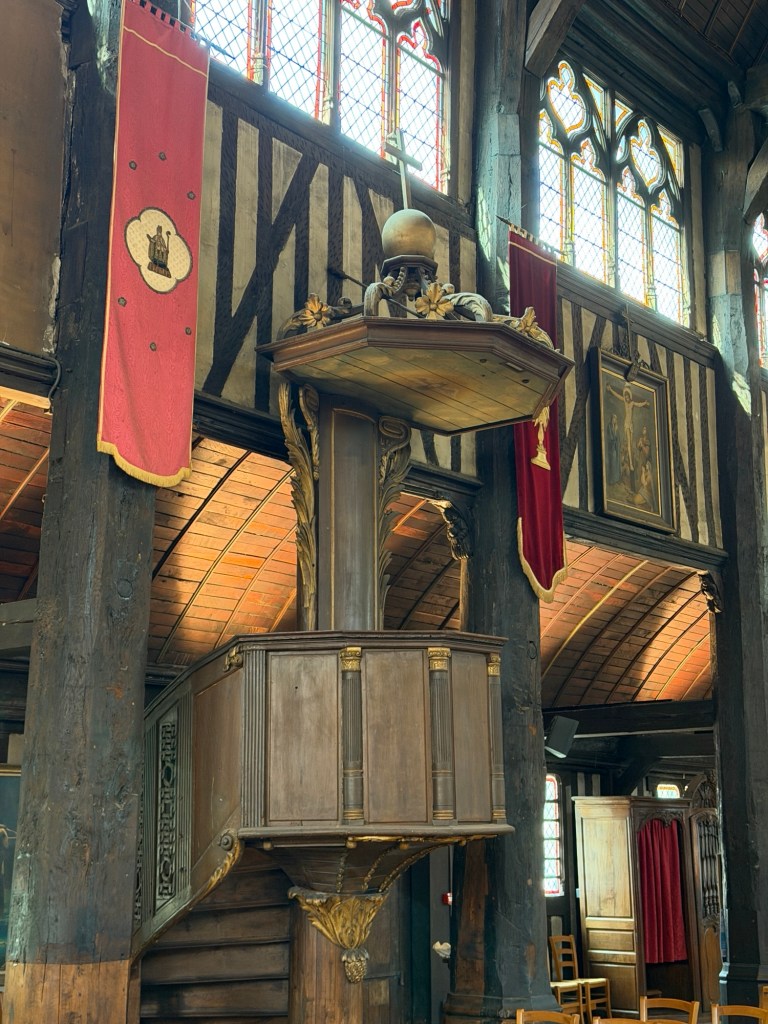
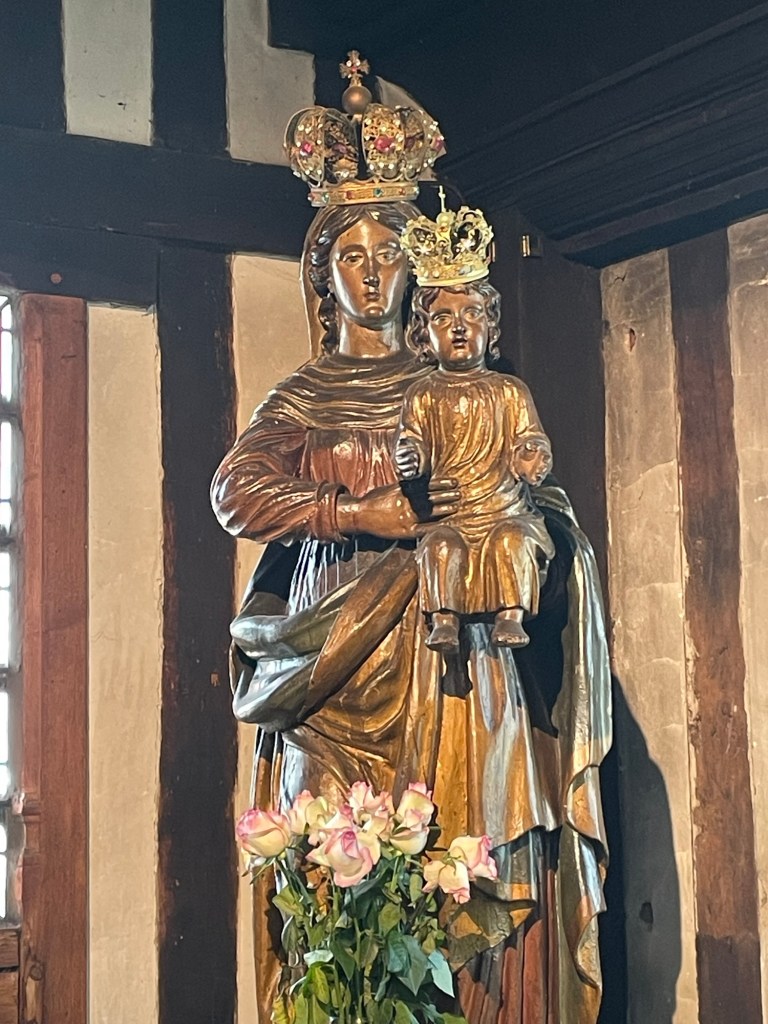
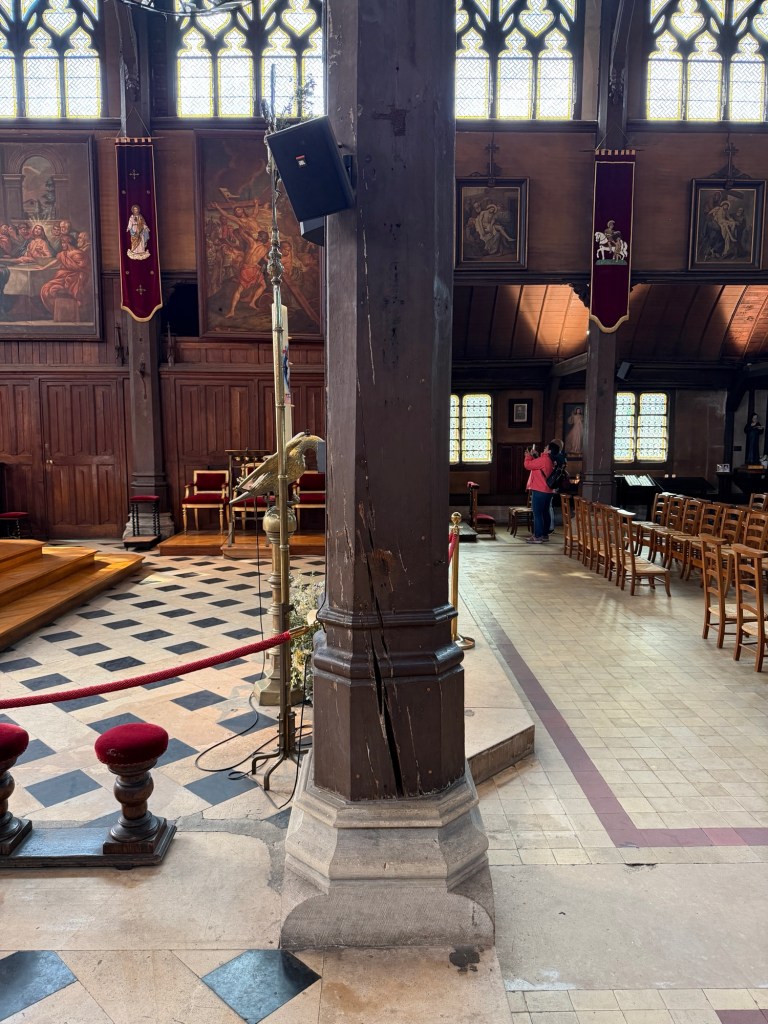
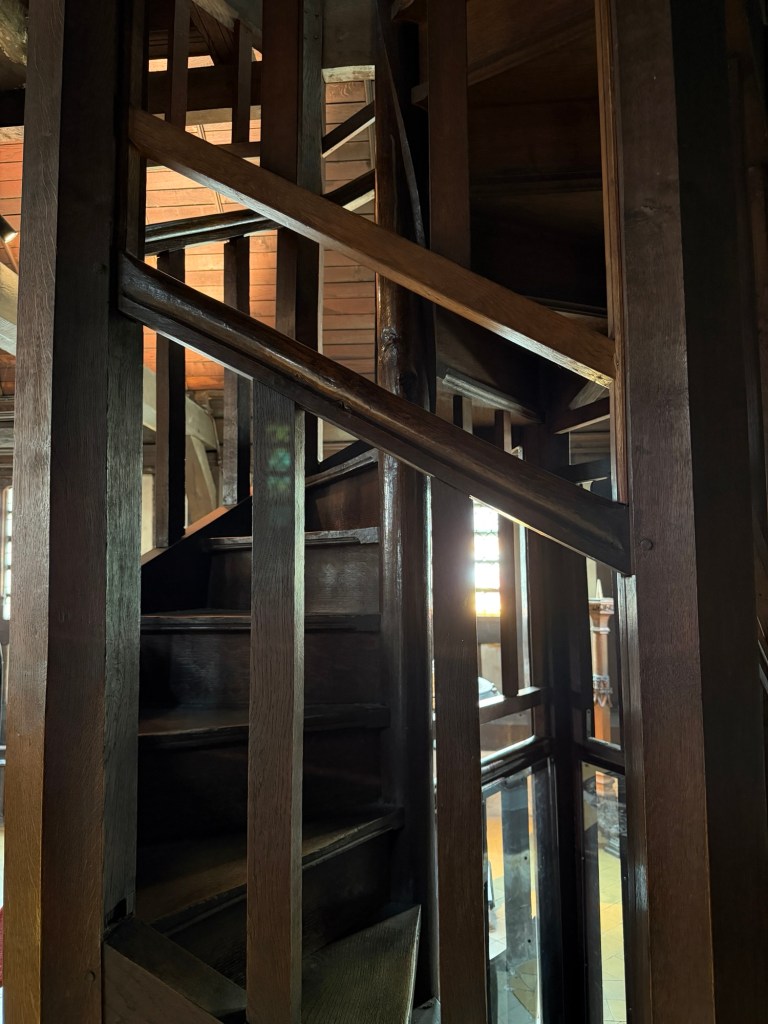
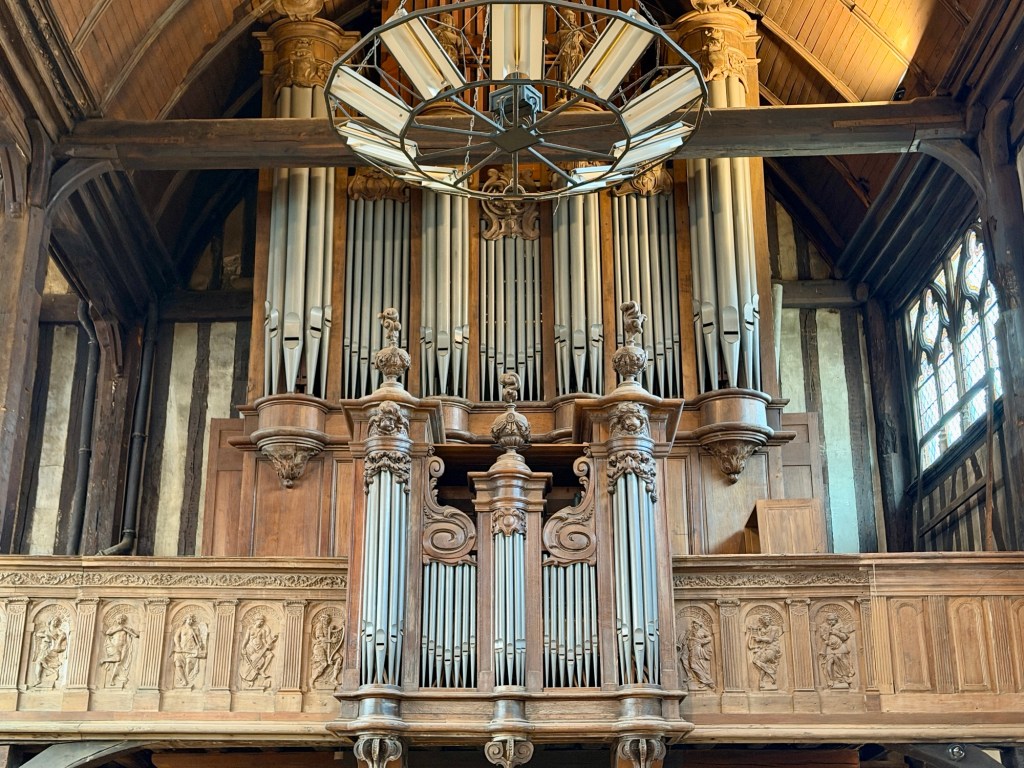
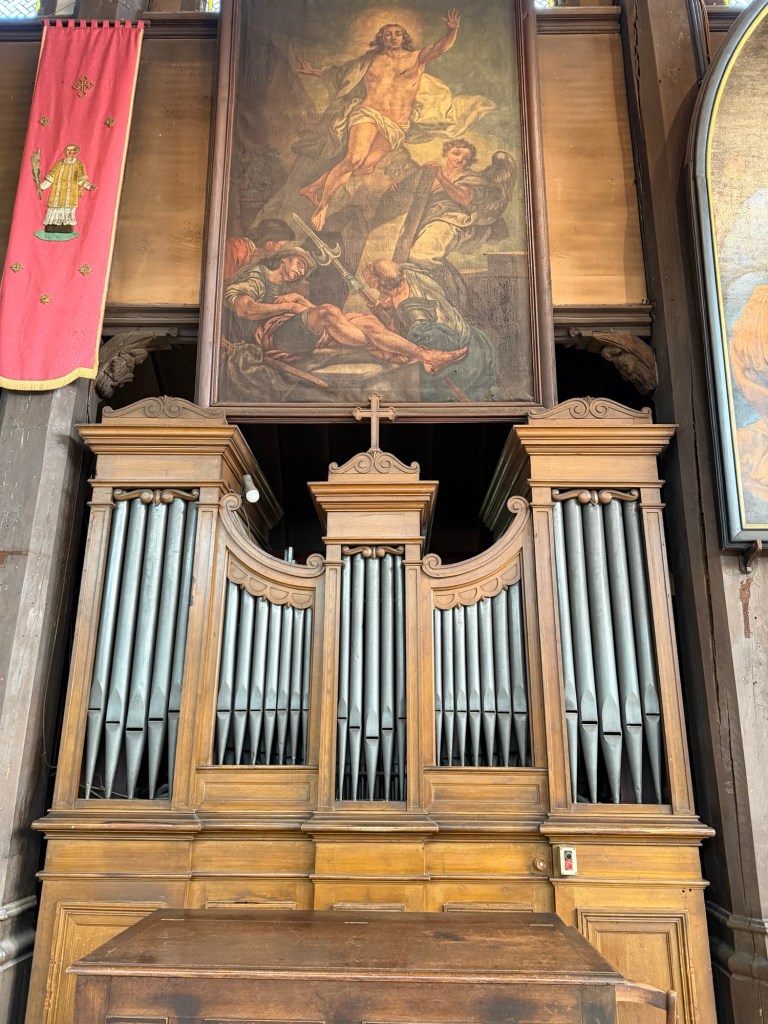
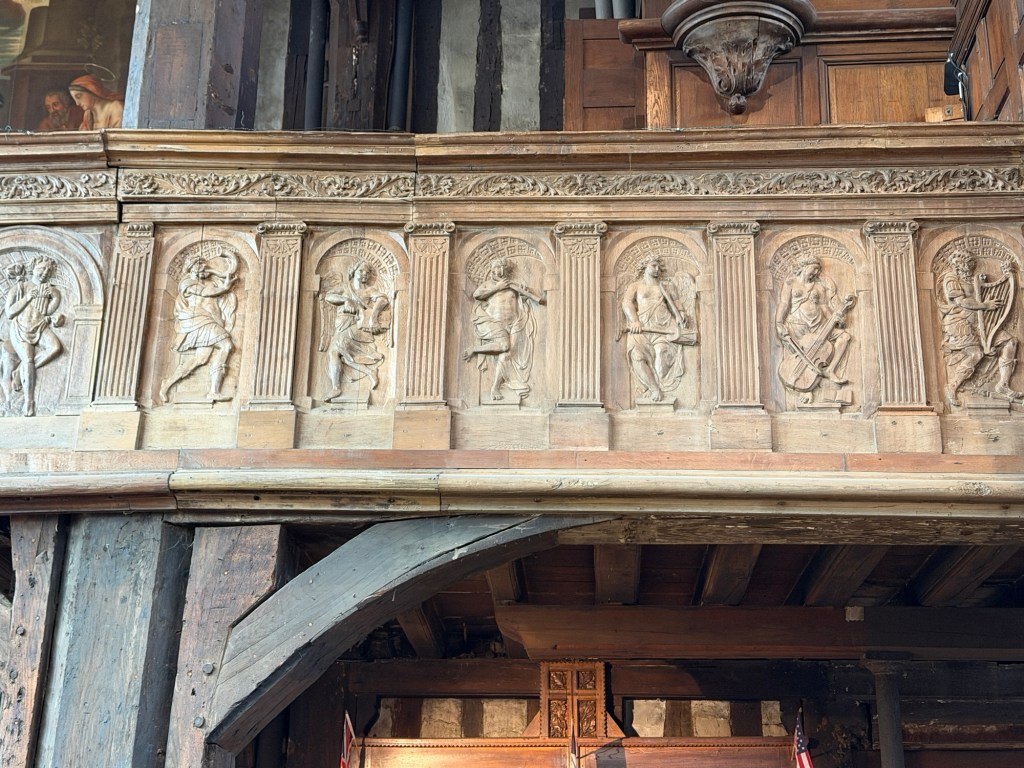
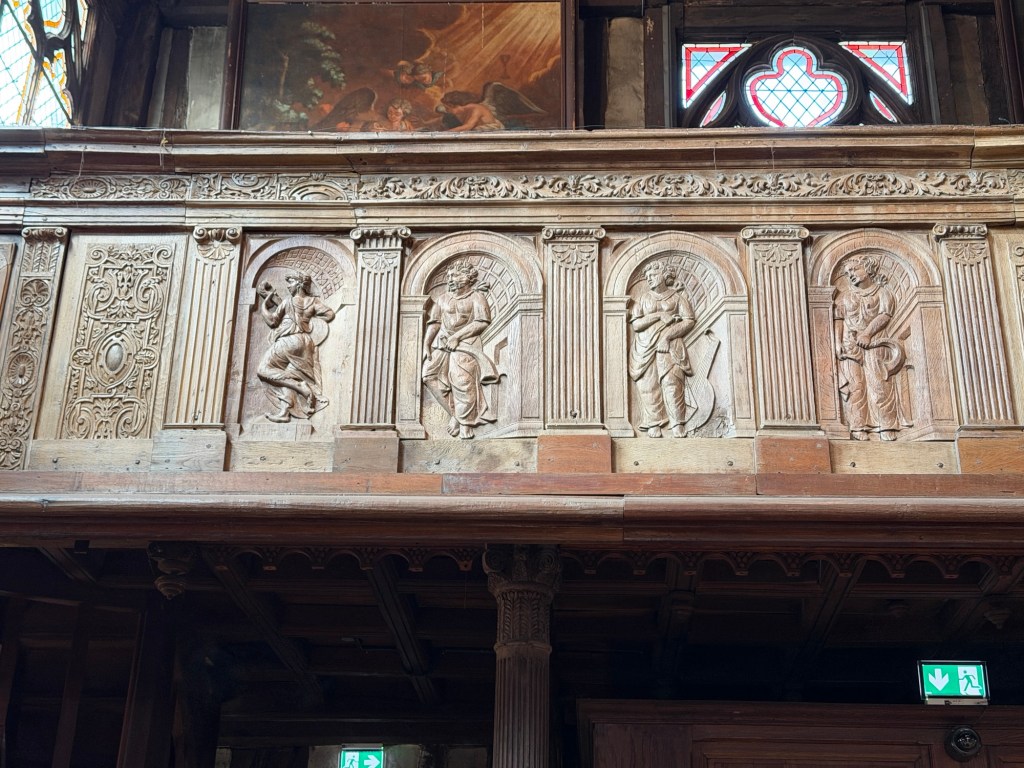
The church bell tower is a separate building, and the church was constructed in phases as the population grew, beginning in 1466.Details inside St Catherine’s, including a photo of a support pillar. The pillars, single tree trunks not all exactly the same height, are supported by stone bases adding the necessary height.Organ in loft at backOrgan nearer to the altarTo reach the choir at the back, there is a spiral staircase. Carvings of musicians decorate the balustrade beneath the choir.
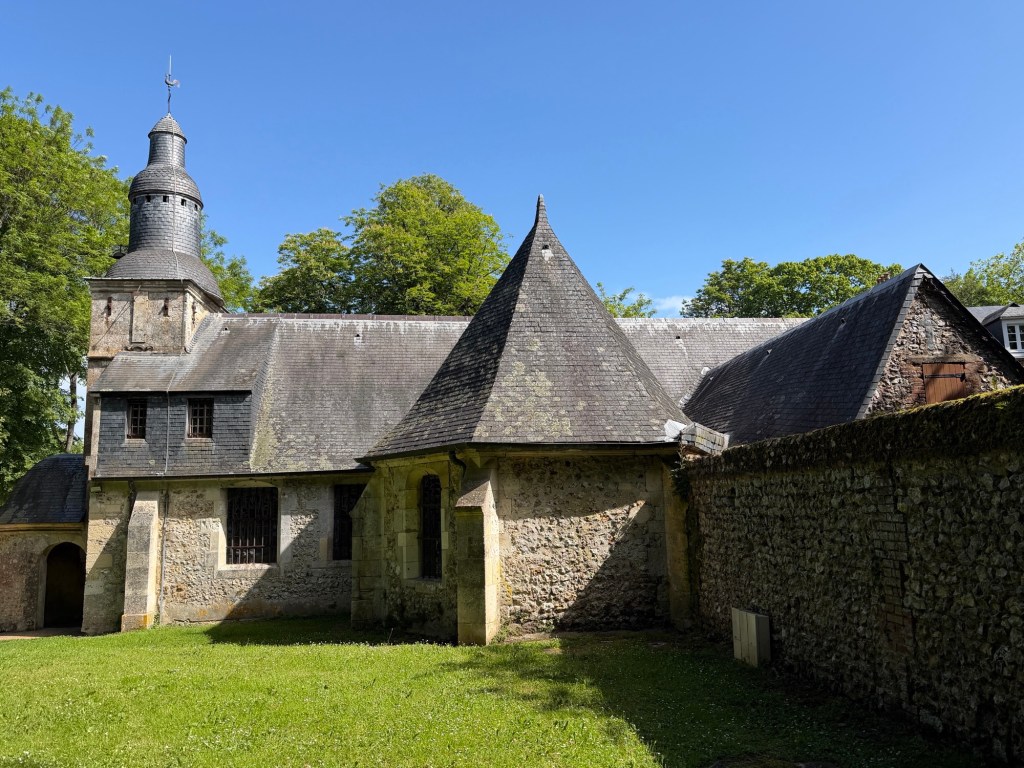
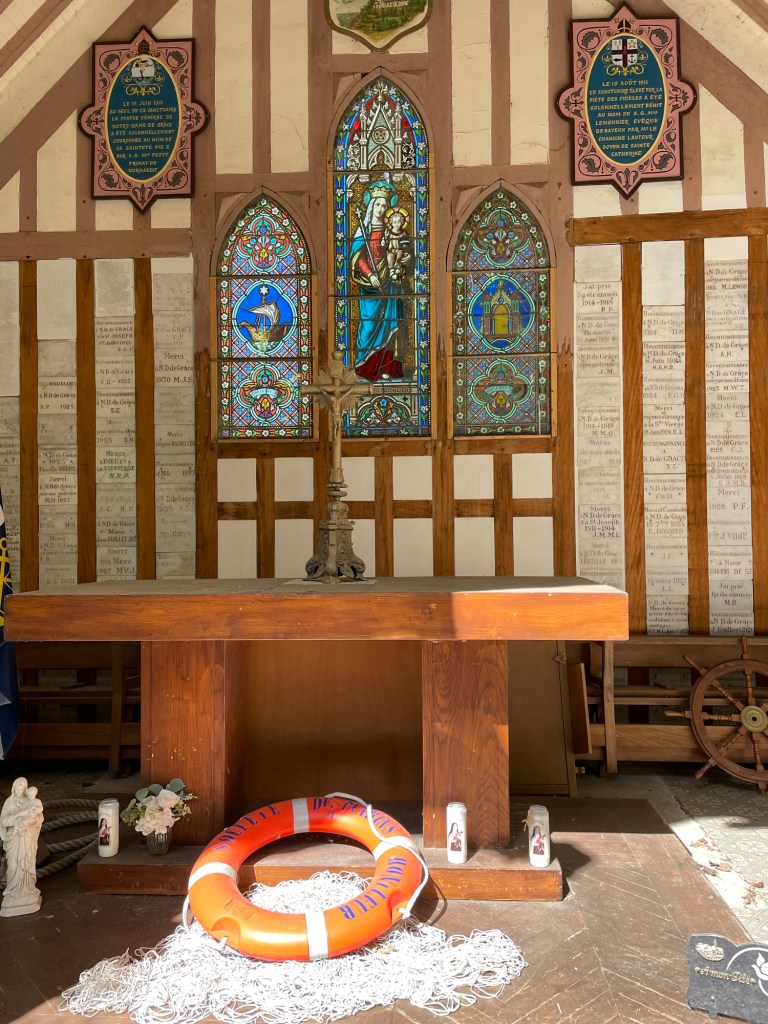
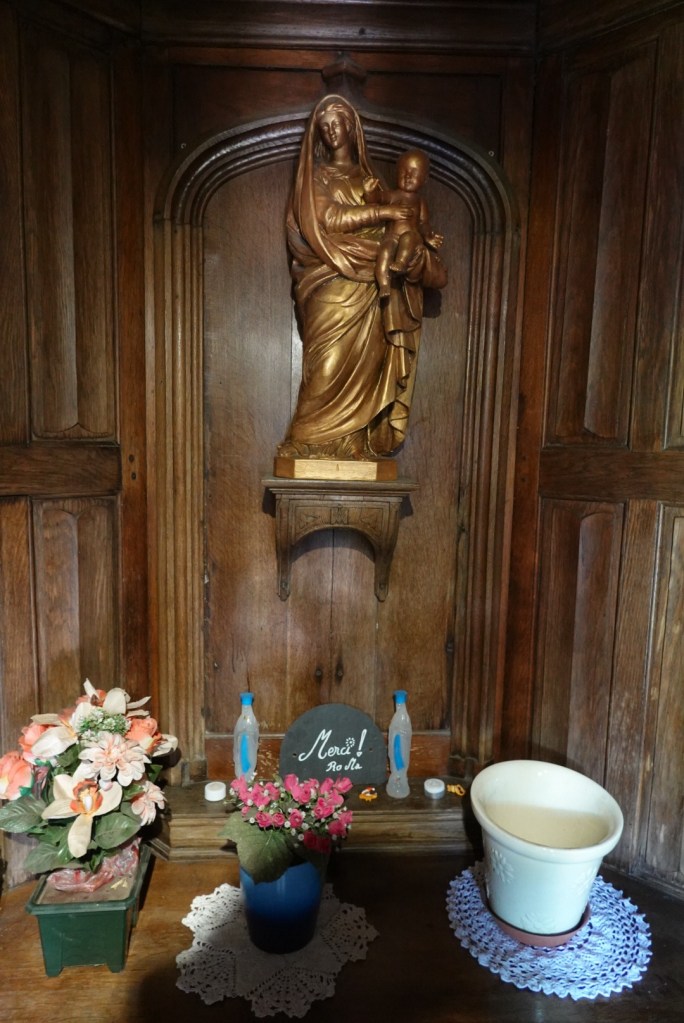
We walked up a hill to see a different church, Notre-Dame de Grace, Our Lady of Grace, which was the name of the elementary school Clare attended for eight years. She felt right at home.
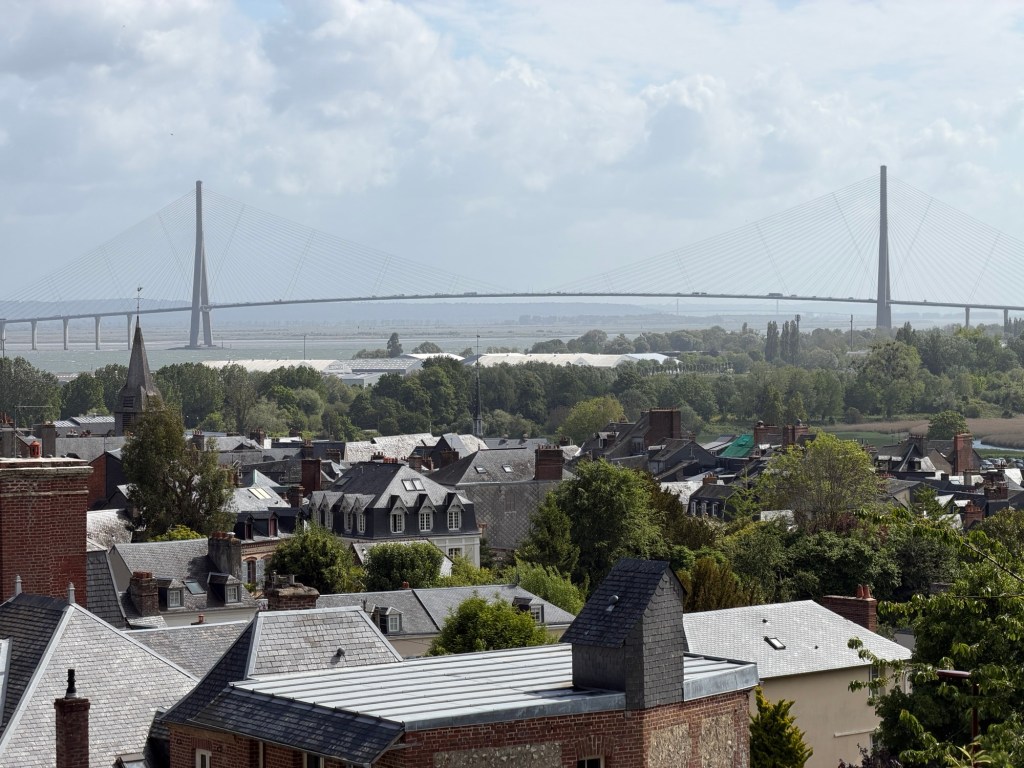
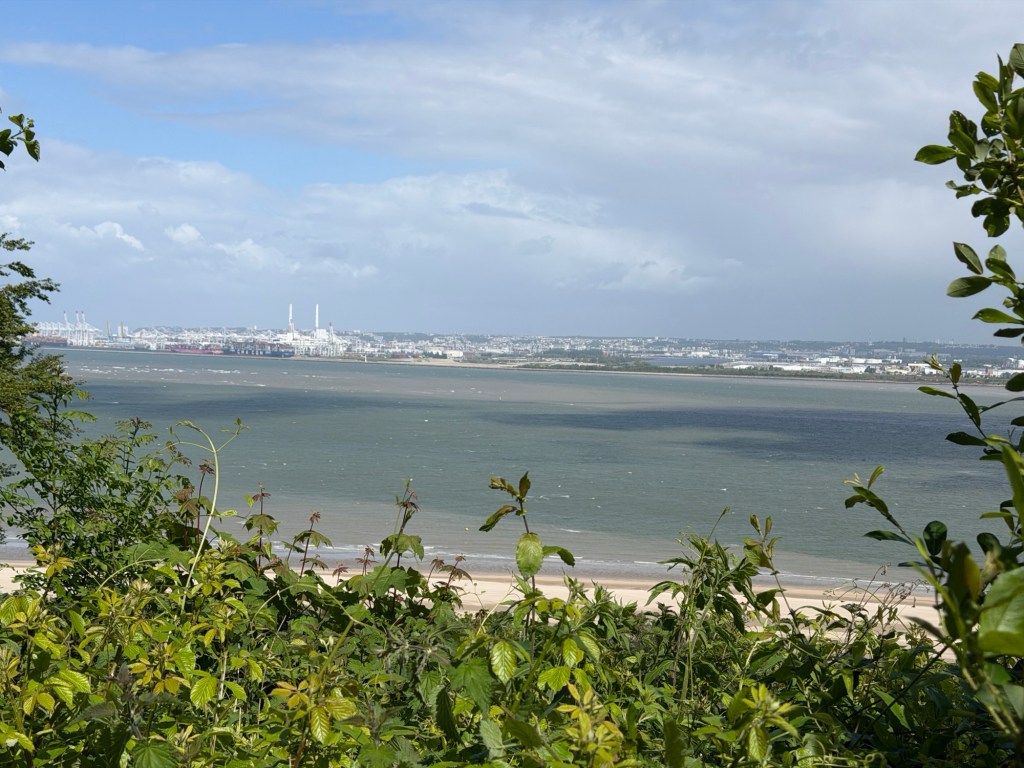
The walk was a little steep, but well worth it, with nice views of the town and the Seine.
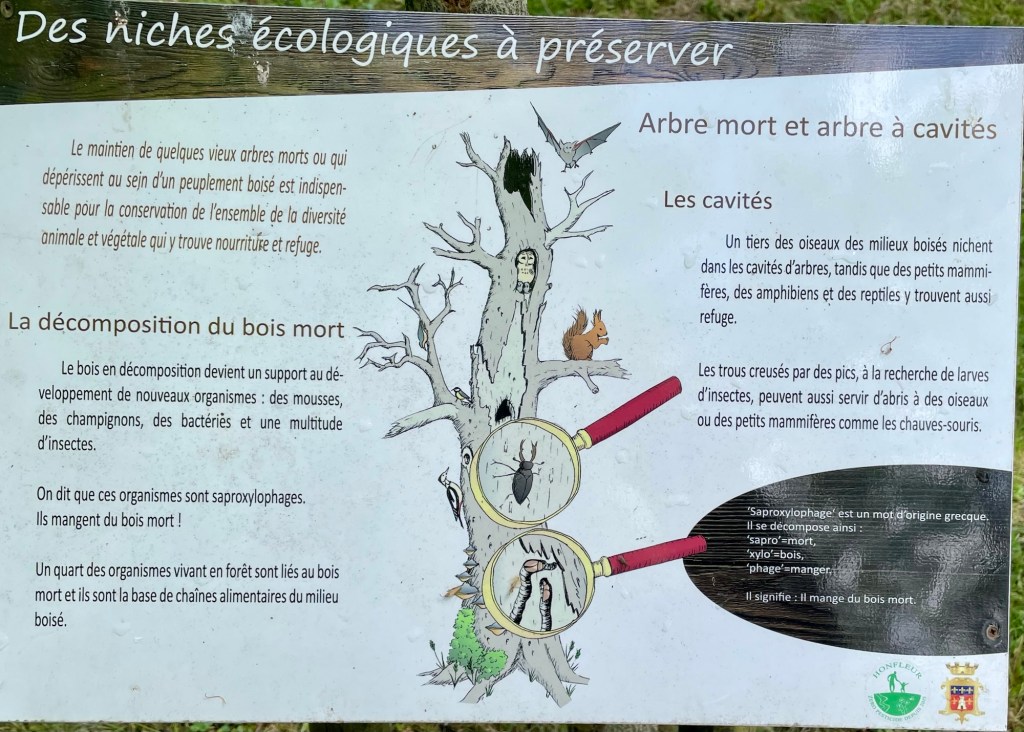
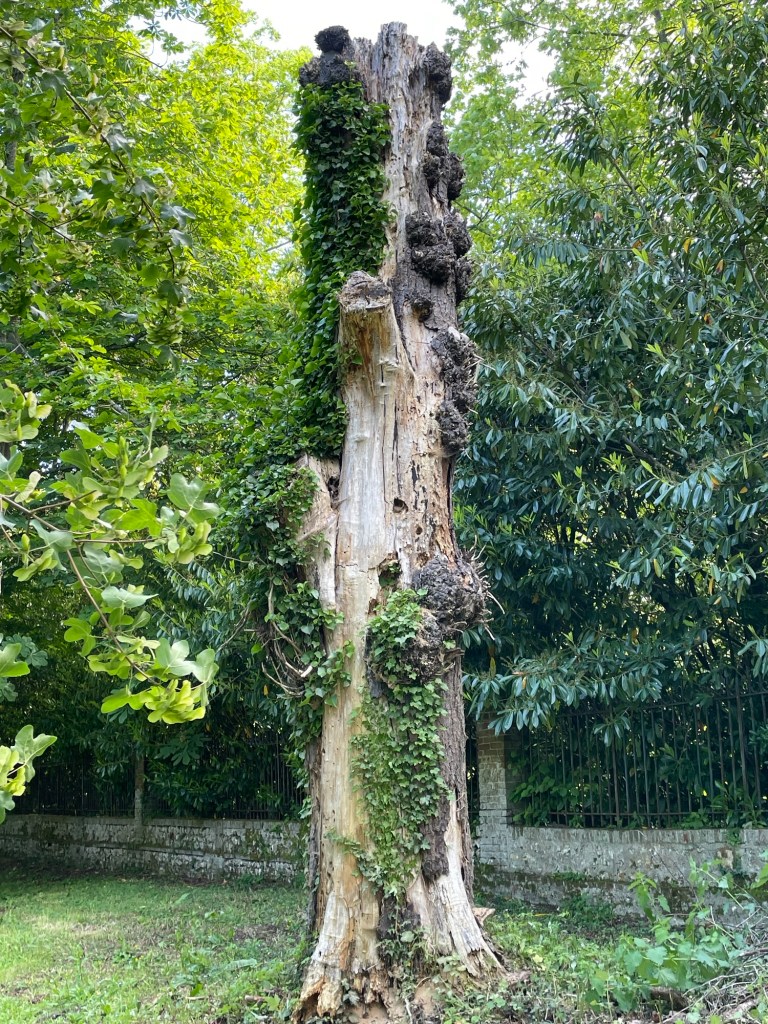
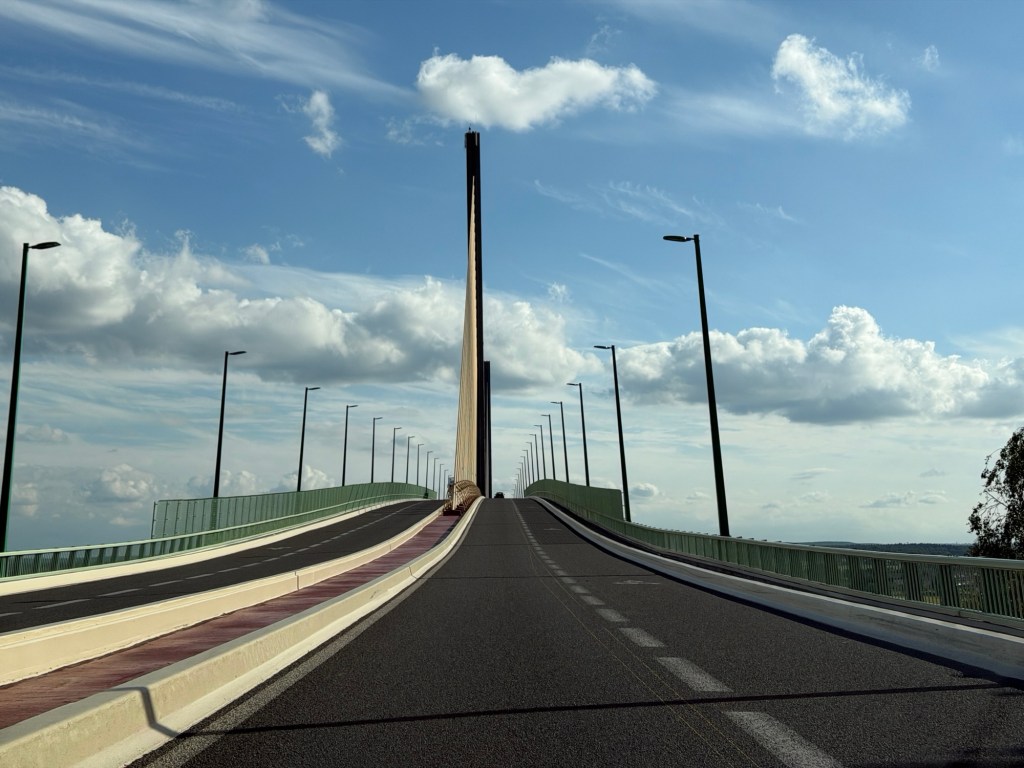
View of the Normandy Bridge, one of the longest cable-stayed bridges in the worldExplanation of strange dead treeStrange dead treeNotre-Dame de Grace
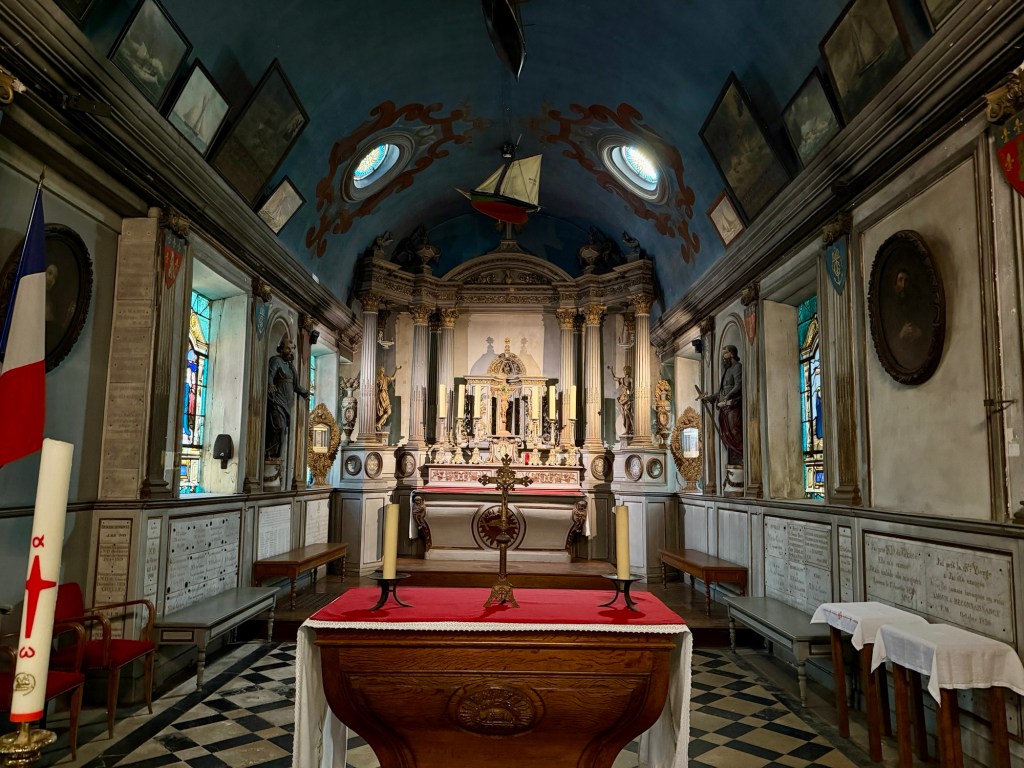
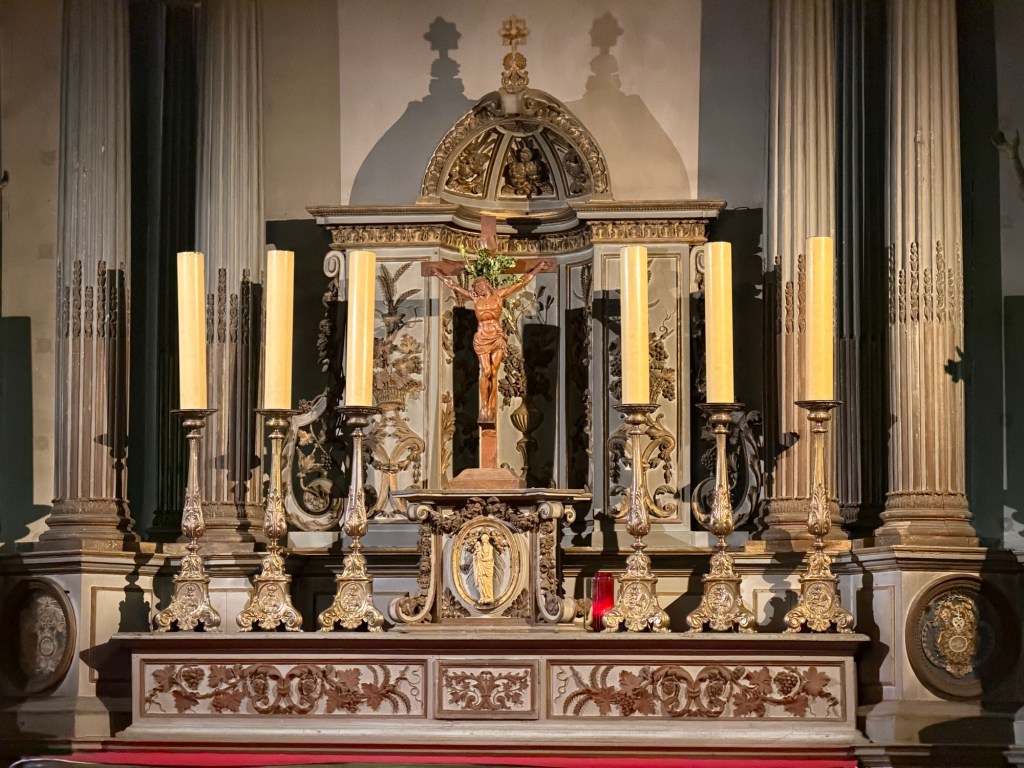
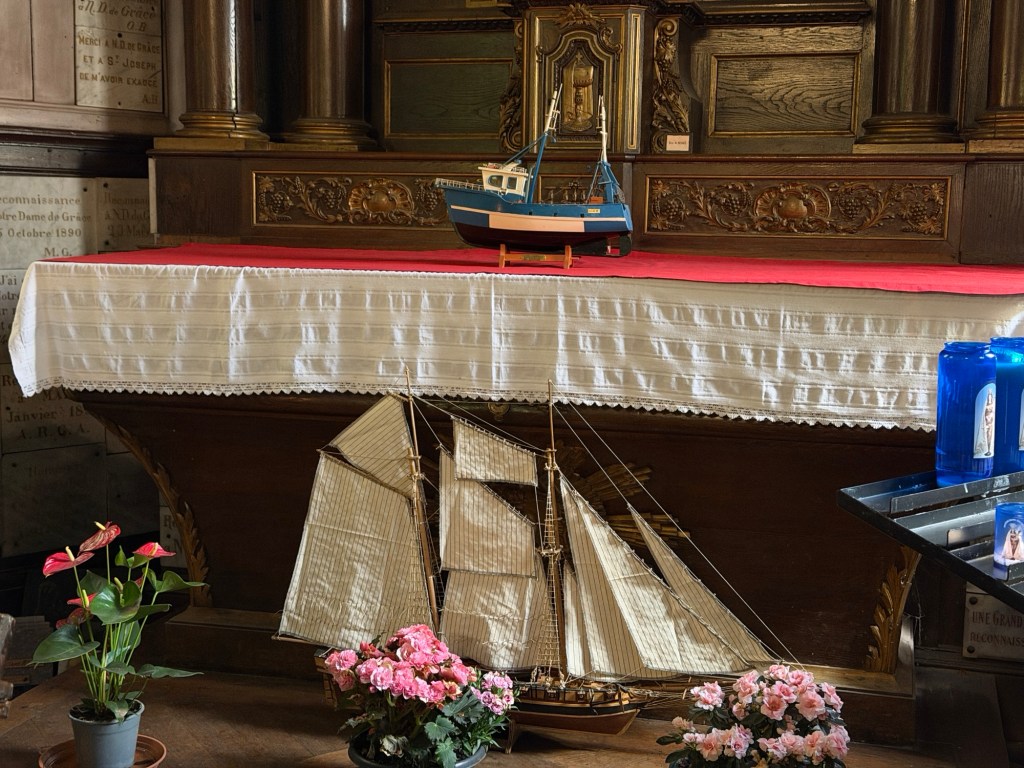
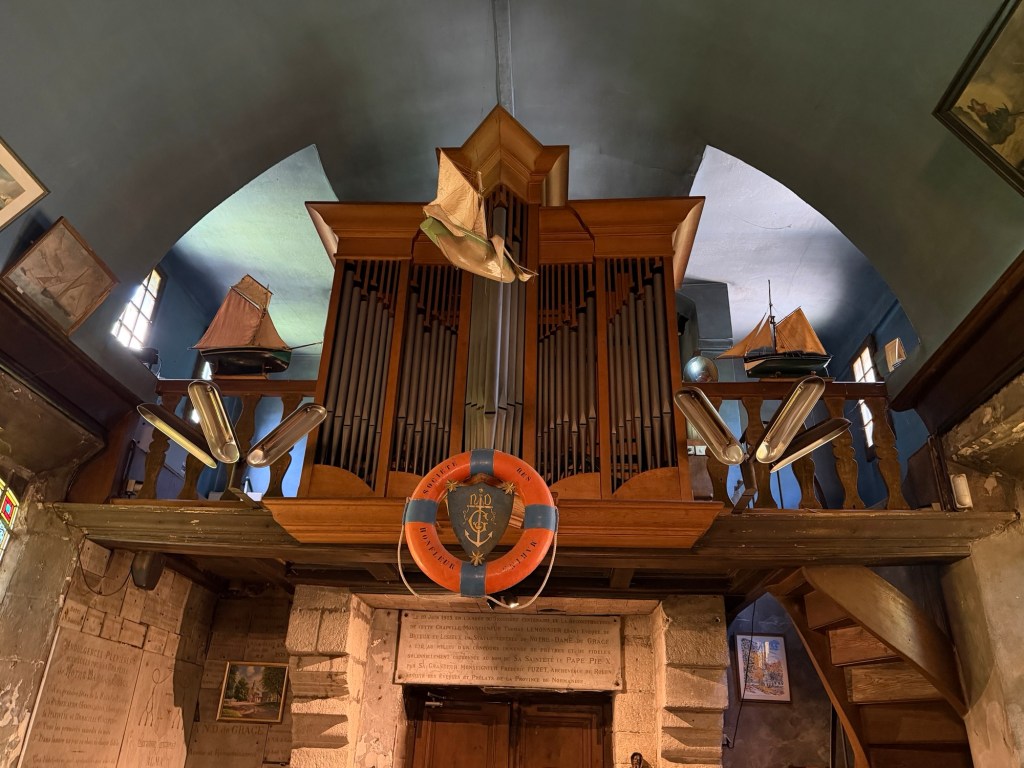
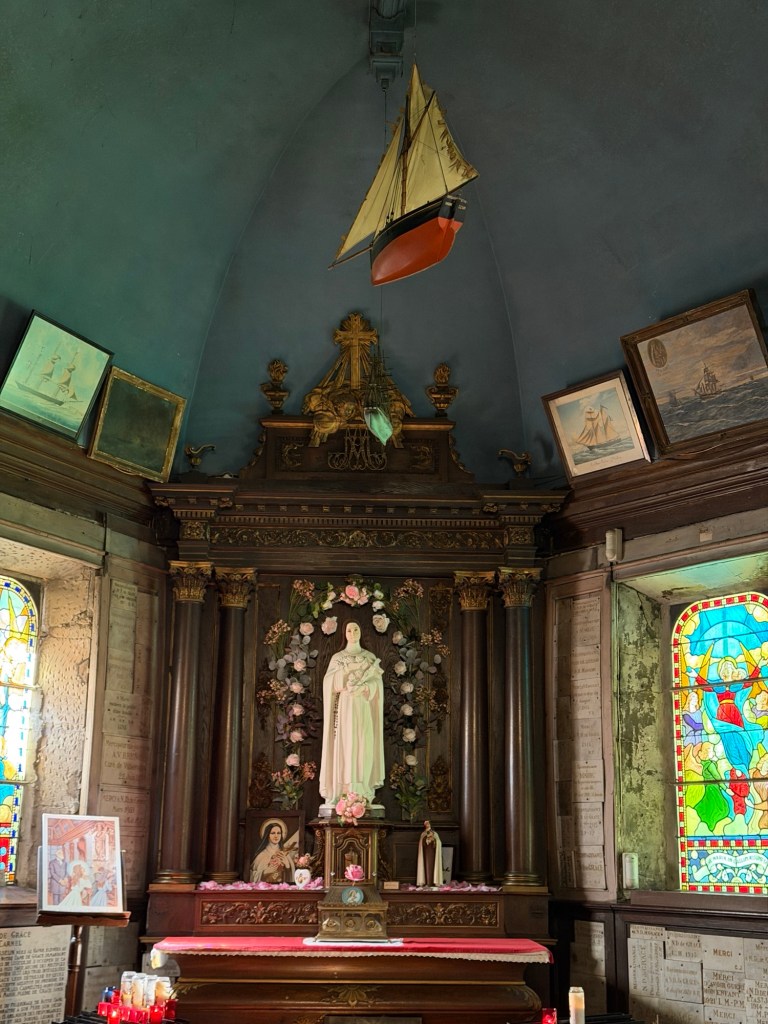
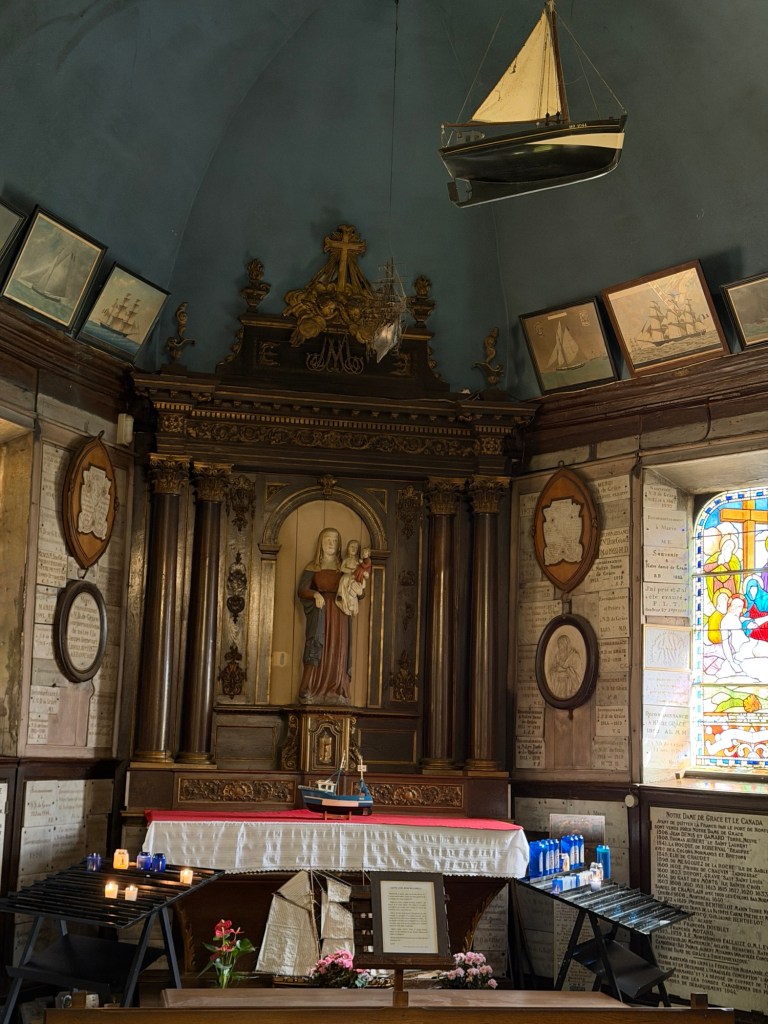
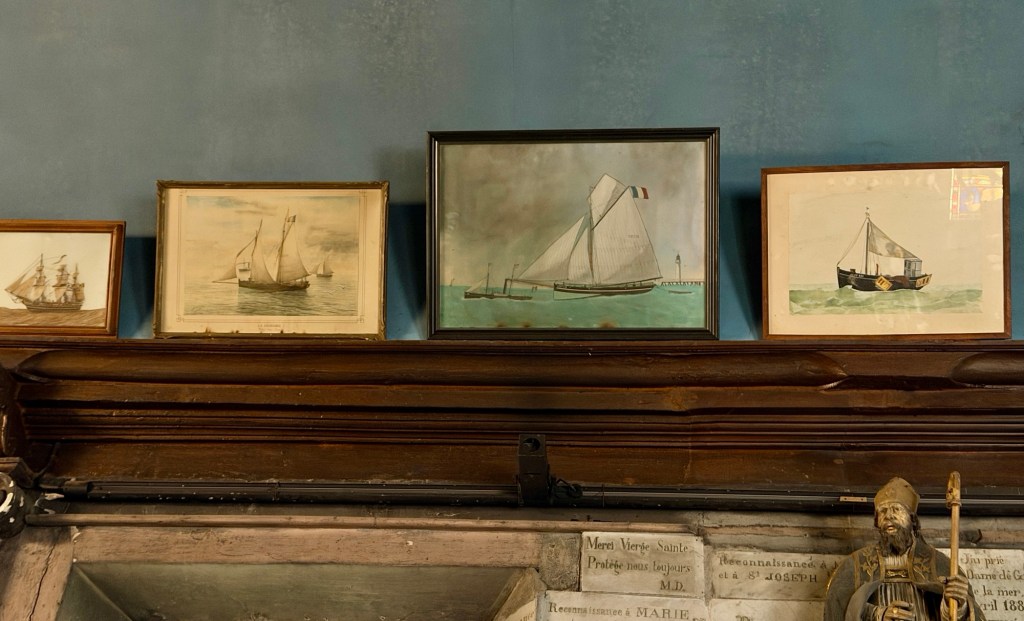
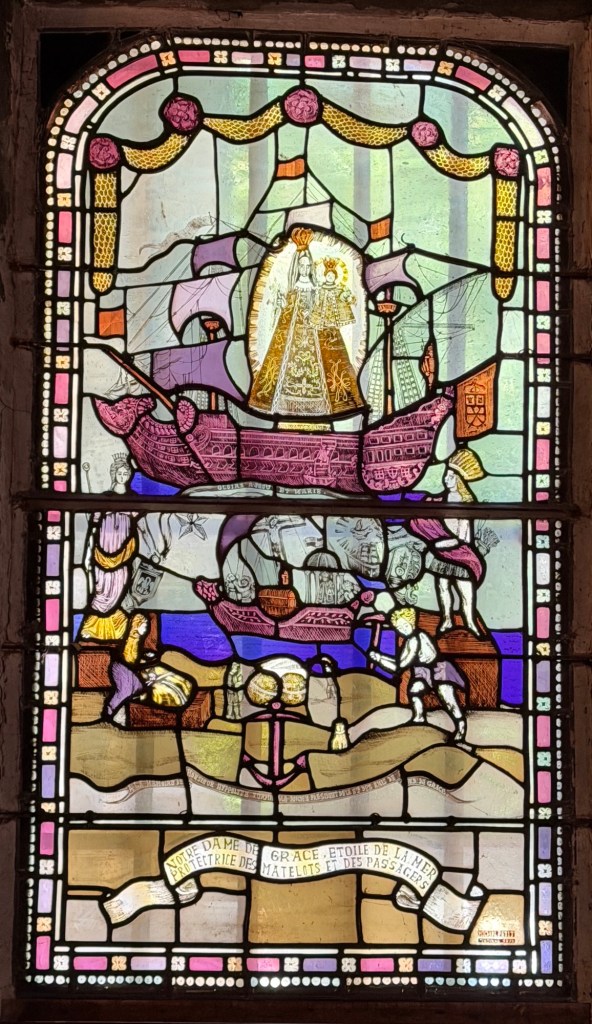
The church, built in the 17th century by mariners, features many boats. Even the ceiling looks like the bottom of a large boat.
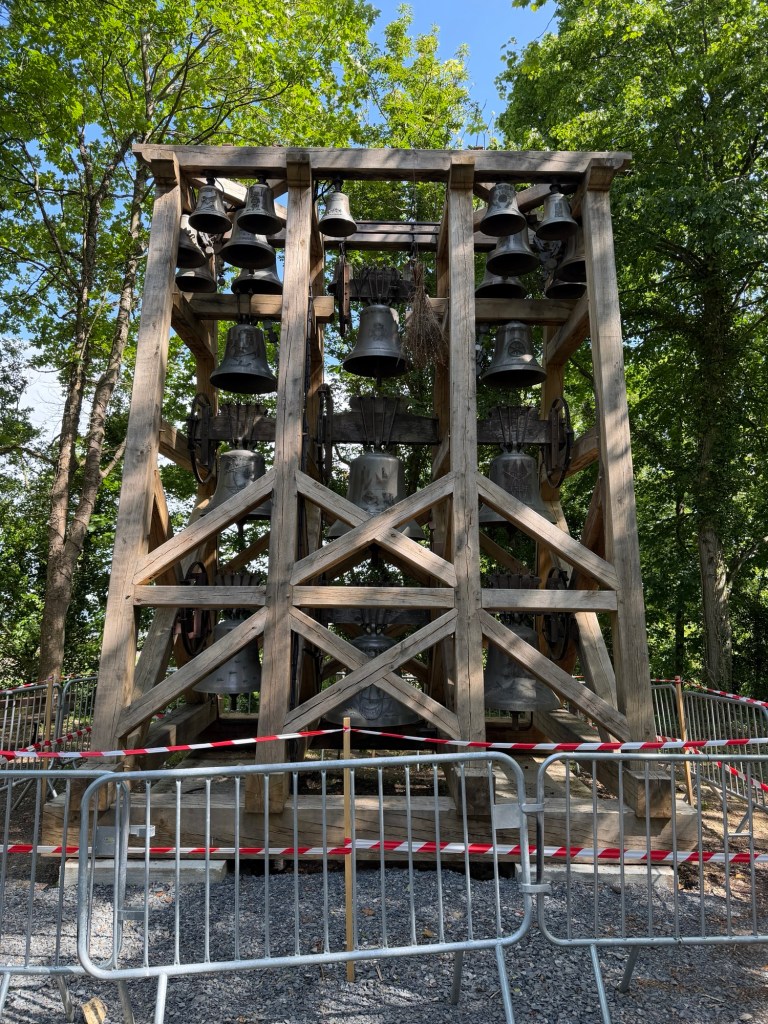
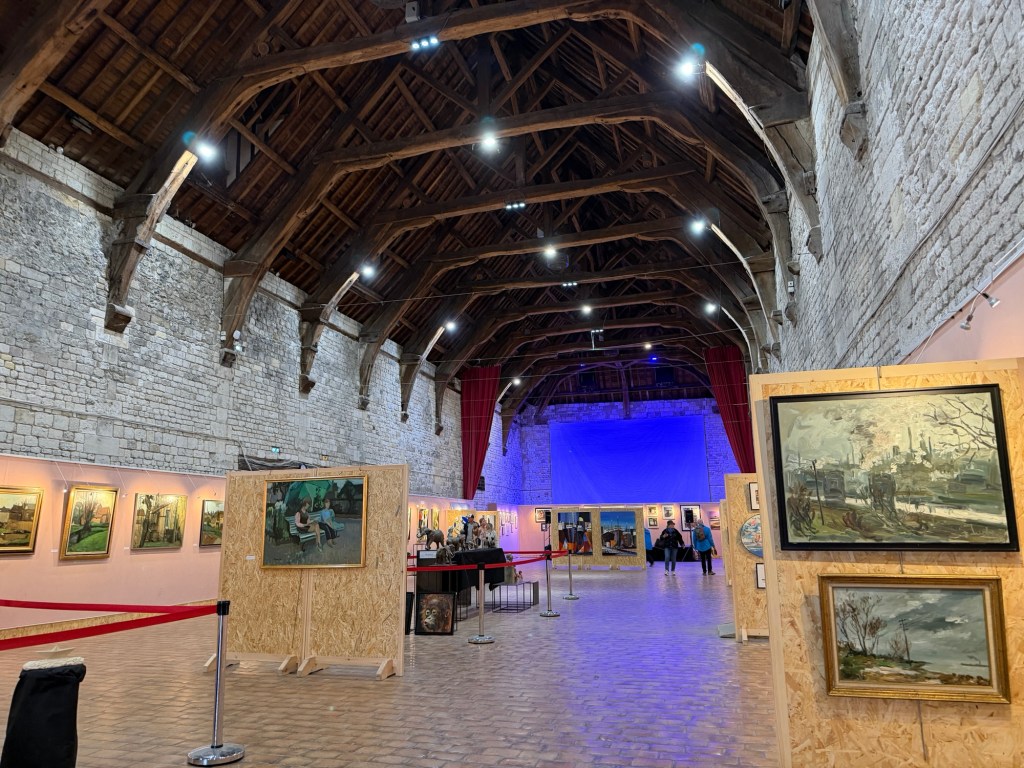
Outside, the church, these bells did not ring!Clare and JoëlleViewed from the trail, Le Havre is an industrial port near the mouth of the Seine.Around the harbor, we found another church as well as a very large hall originally built for storing salt.
Then, we drove to the more affluent town of Deauville.
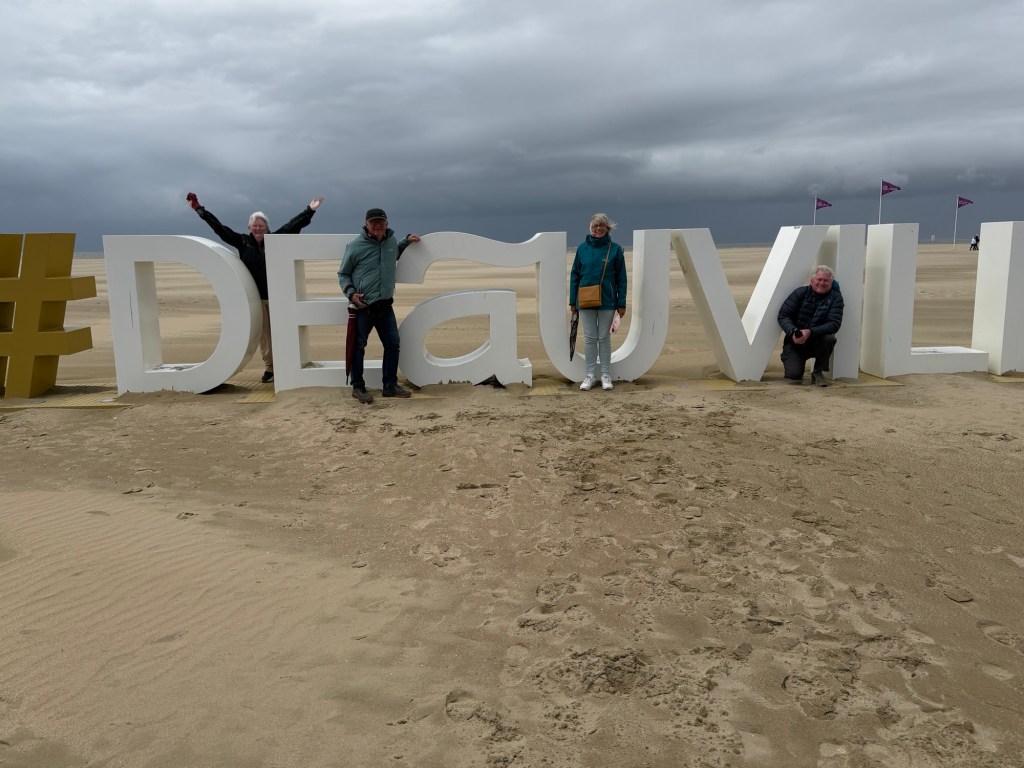
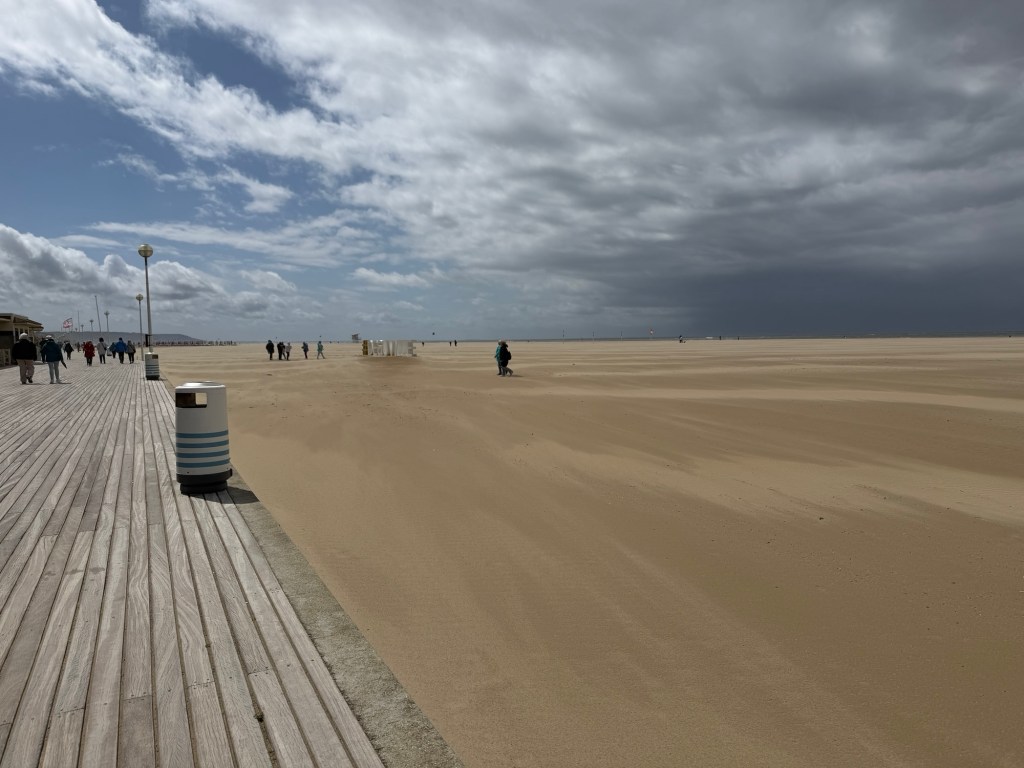
Deauville features a wide, flat beach with a long boardwalk. It must be very crowded in the summer!
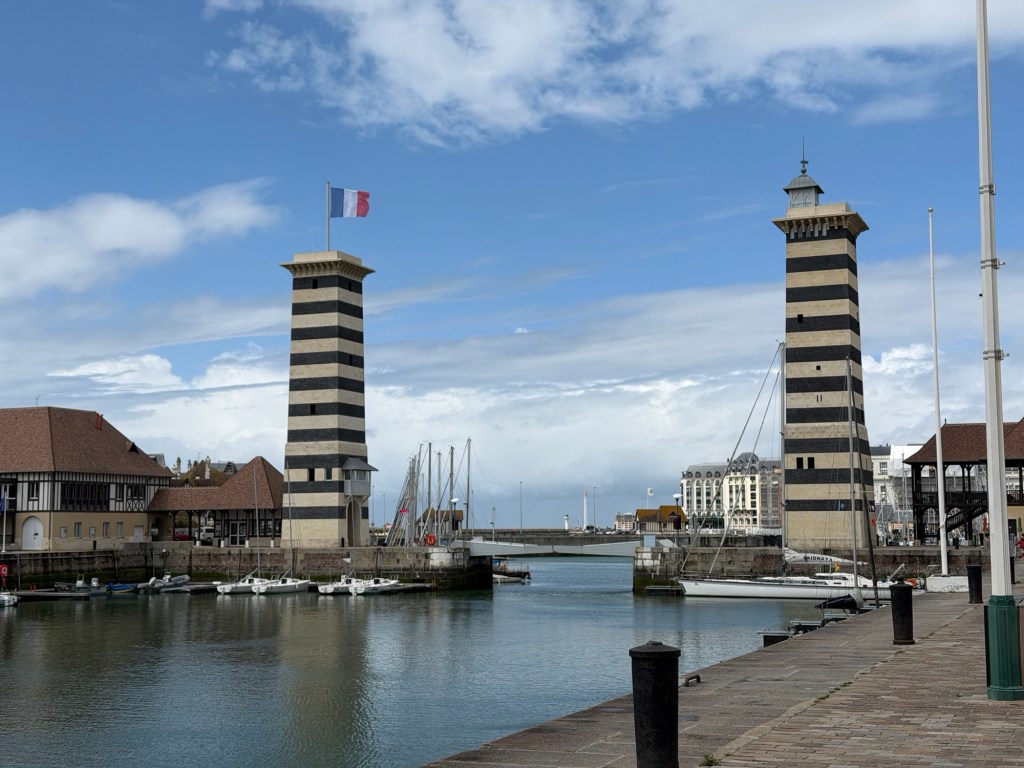
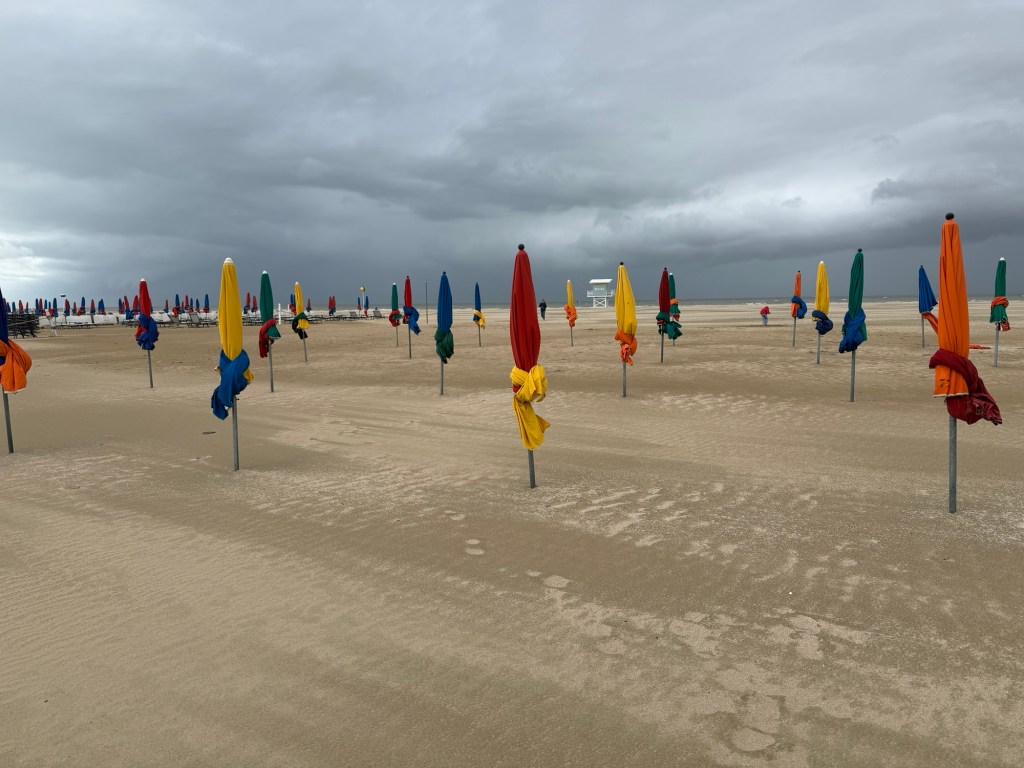
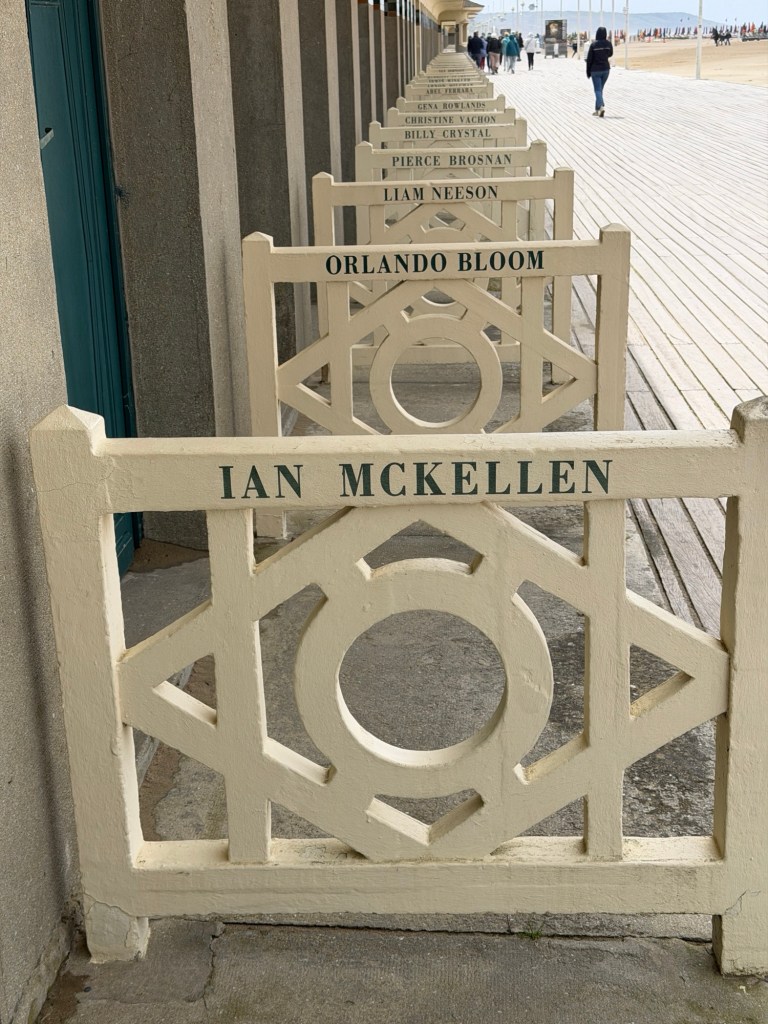
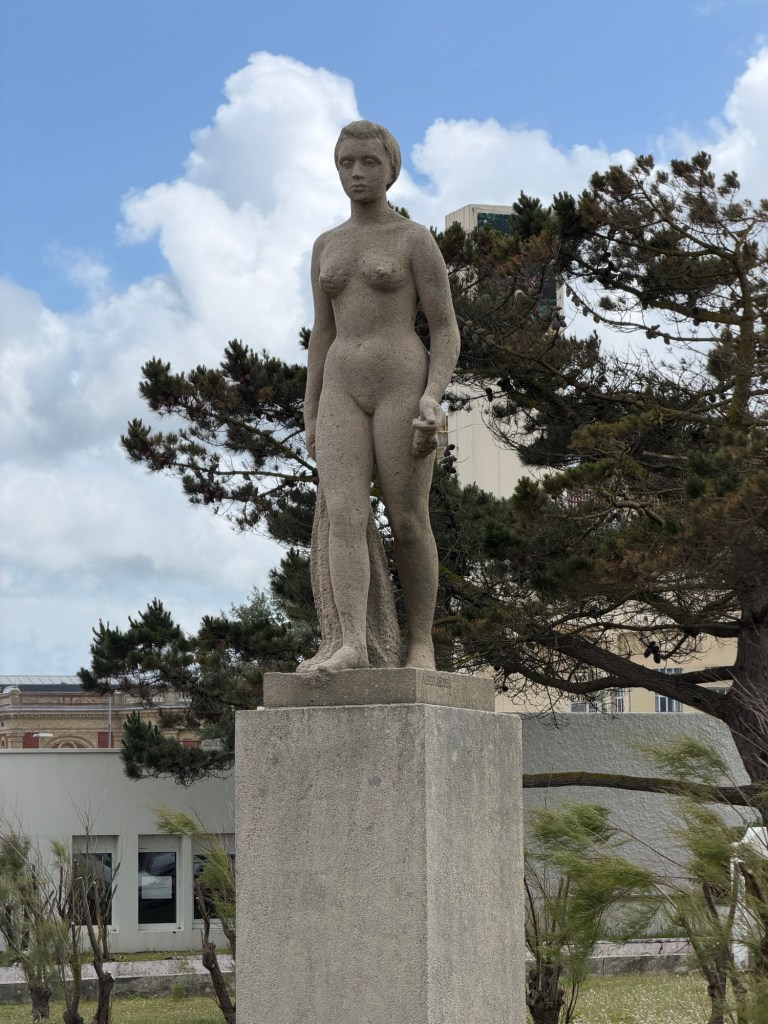
Towers and drawbridge at the harbor entrance So much sand!Colorful beach umbrellasThe changing lockers are labeled with famous actors and movie industry icons.This woman forgot her bathing suit!
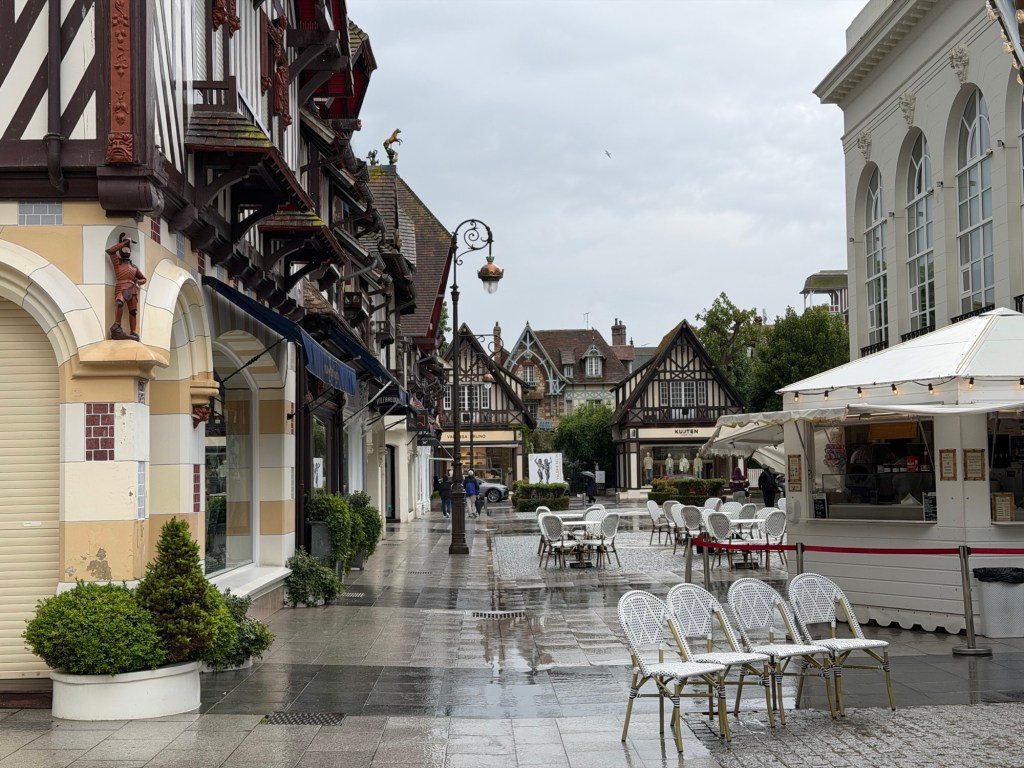
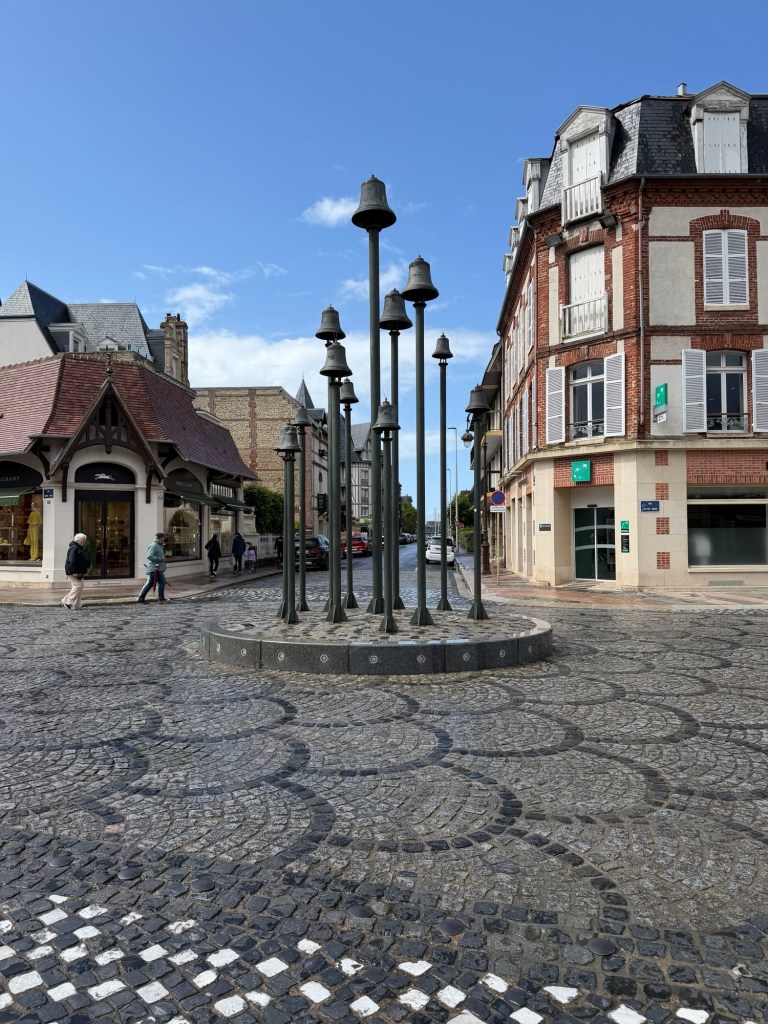
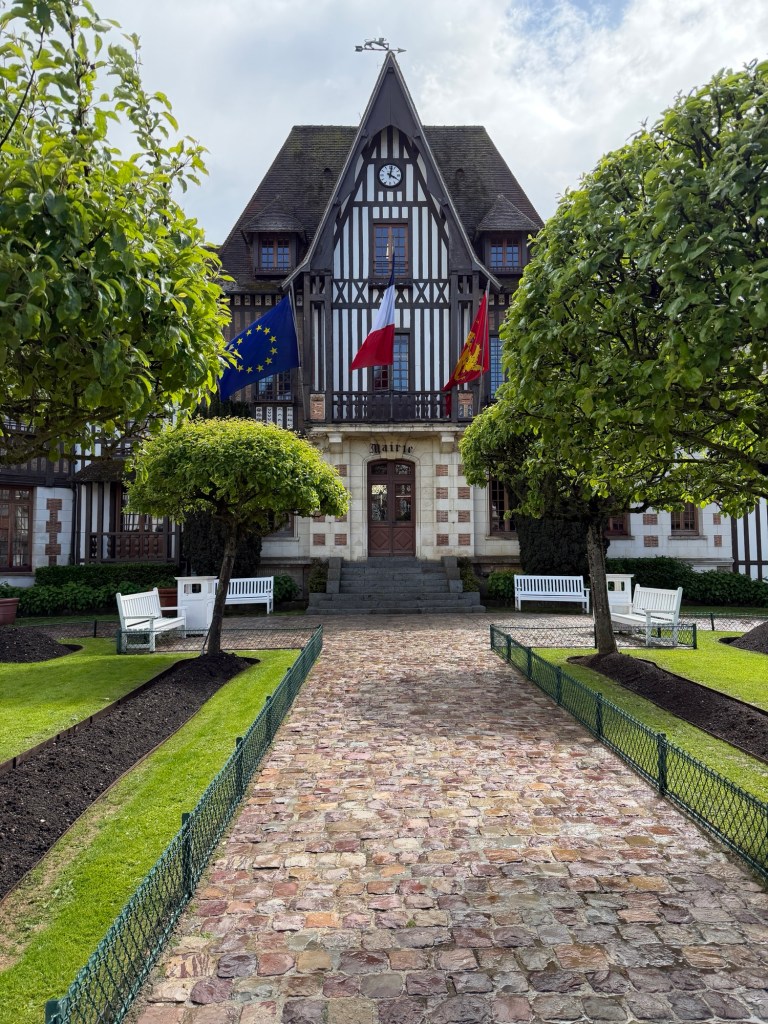
Deauville shows off its affluence along streets lined with expensive shops and entertainment for tourists.
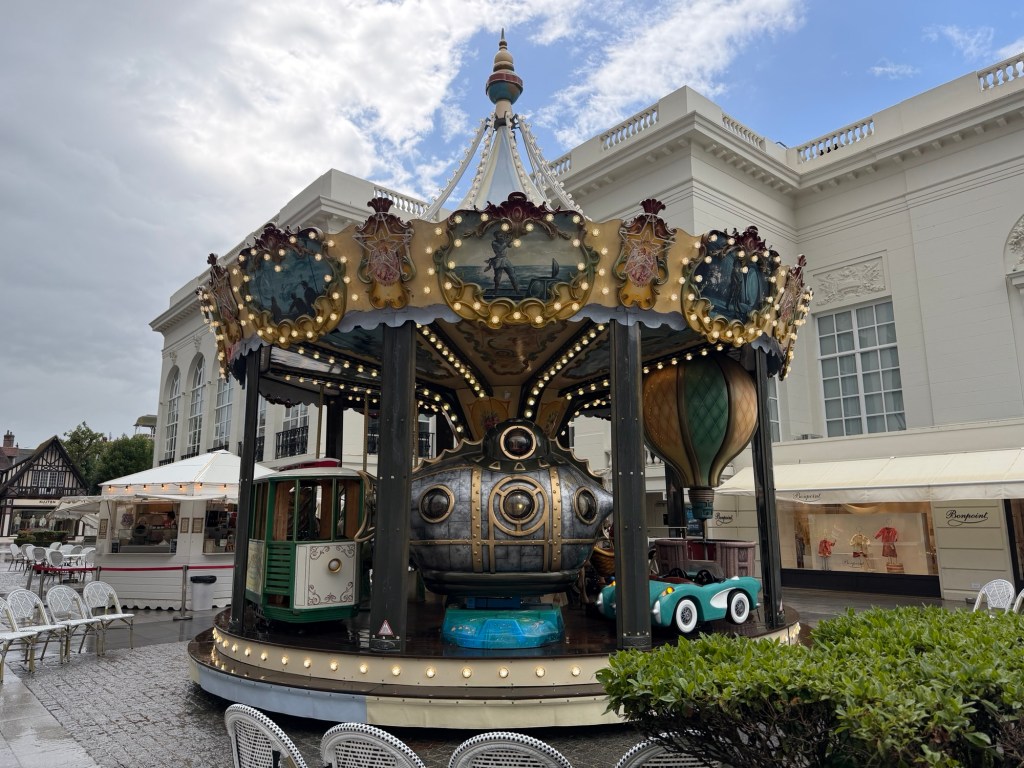
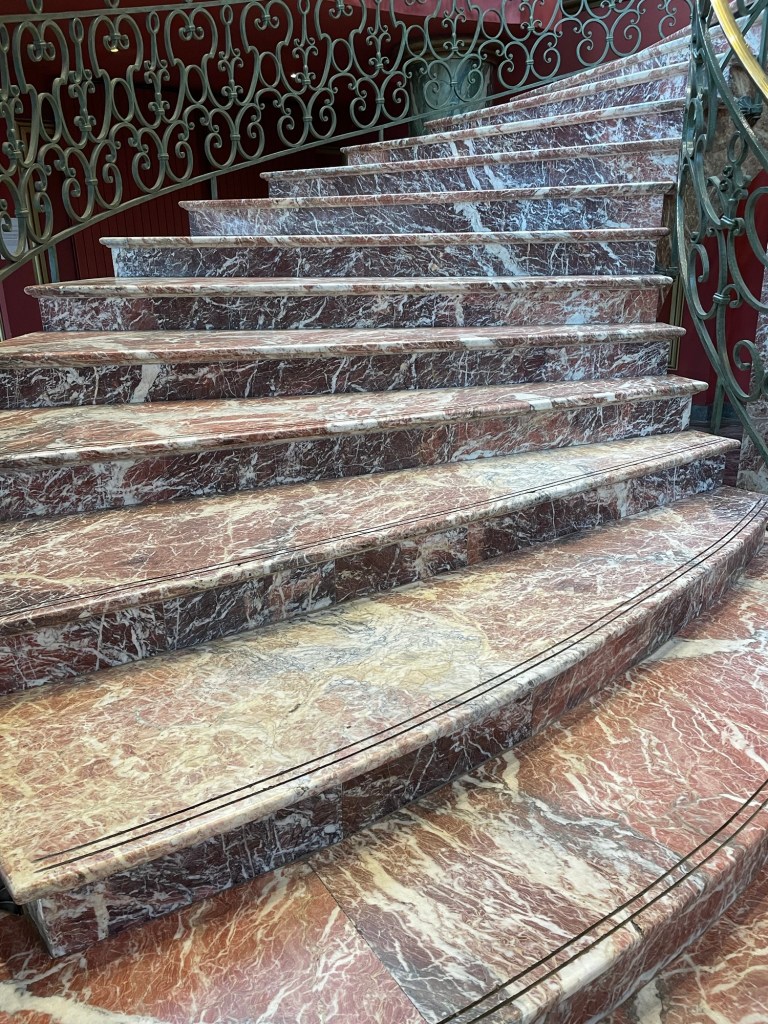
Cute Merry-go-roundMarble staircase in casino
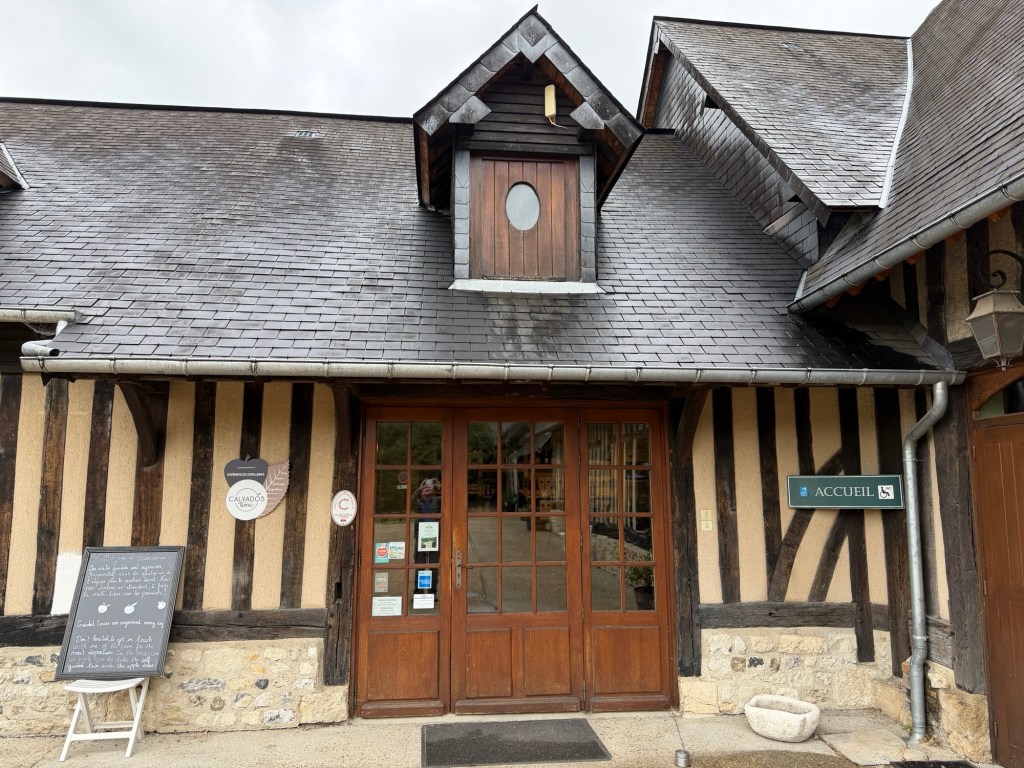
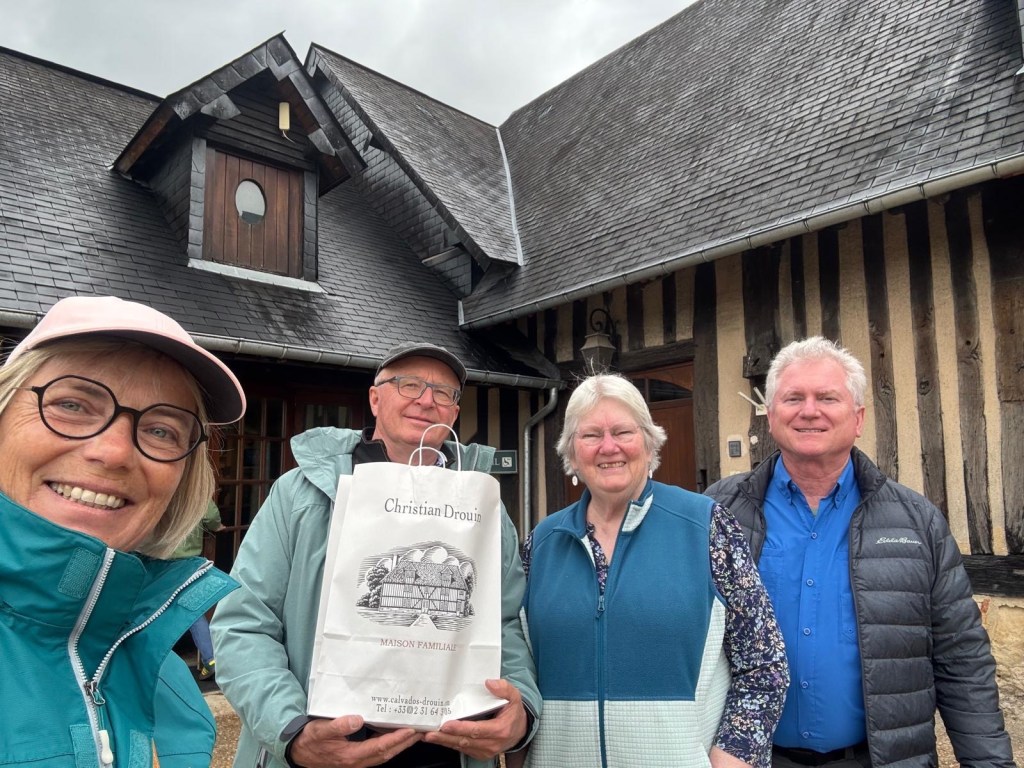
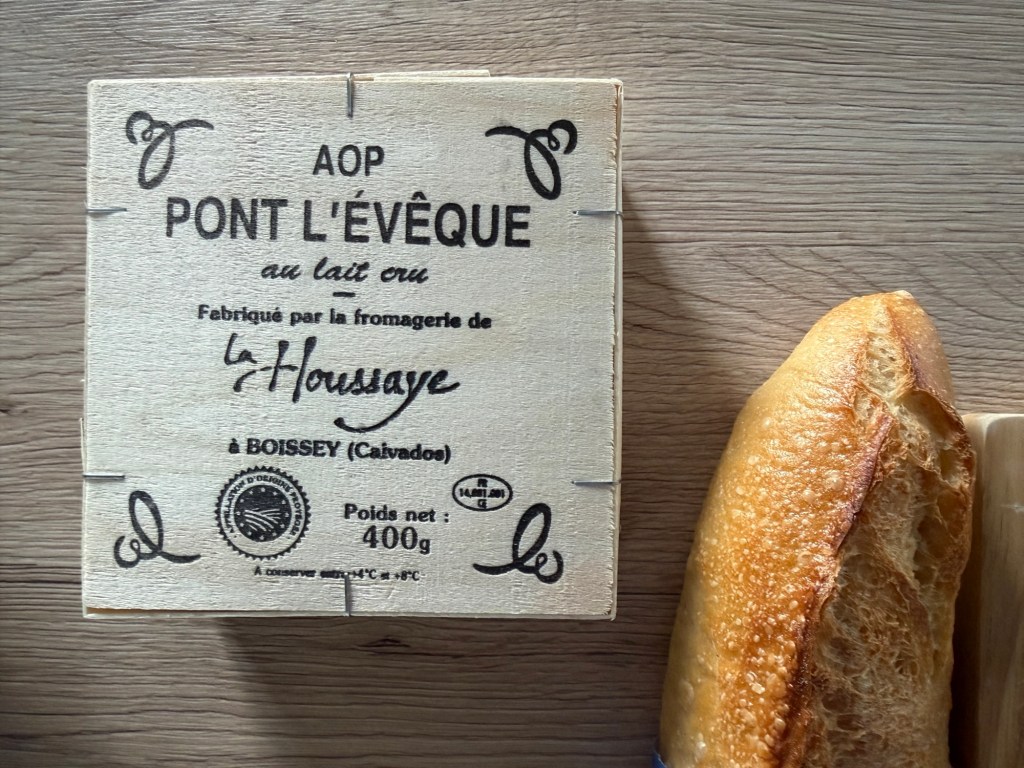
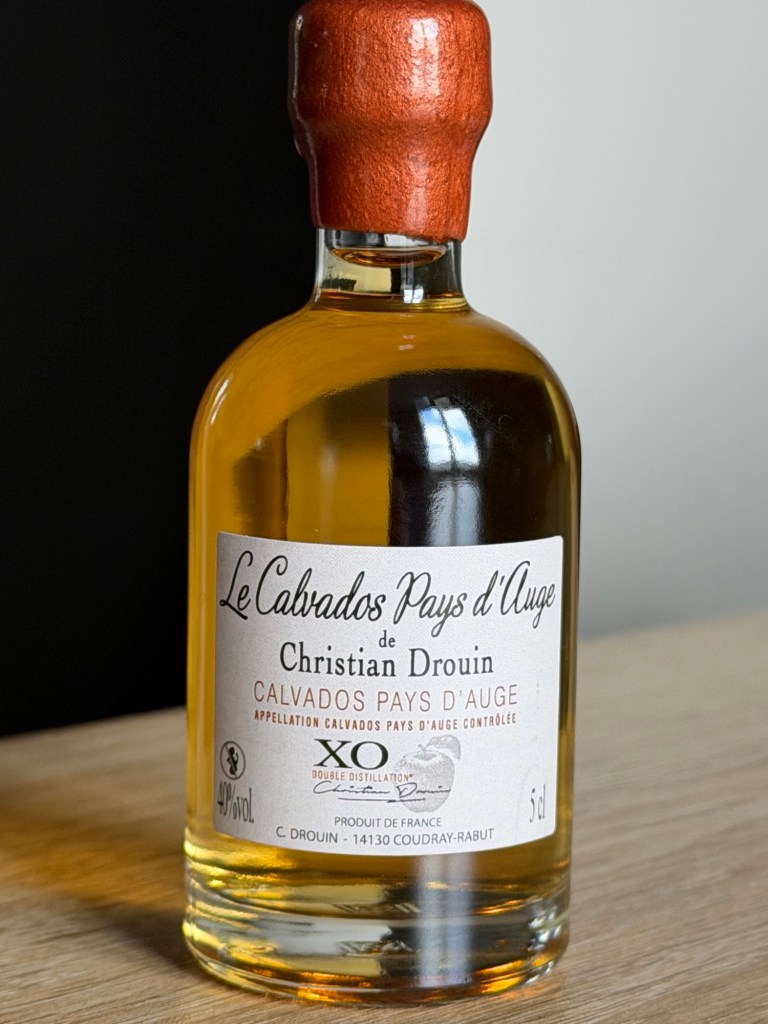
We then visited a distillery where apples are used to make brandy called Calvados. We also purchased cheese in Pont l’Évêque.
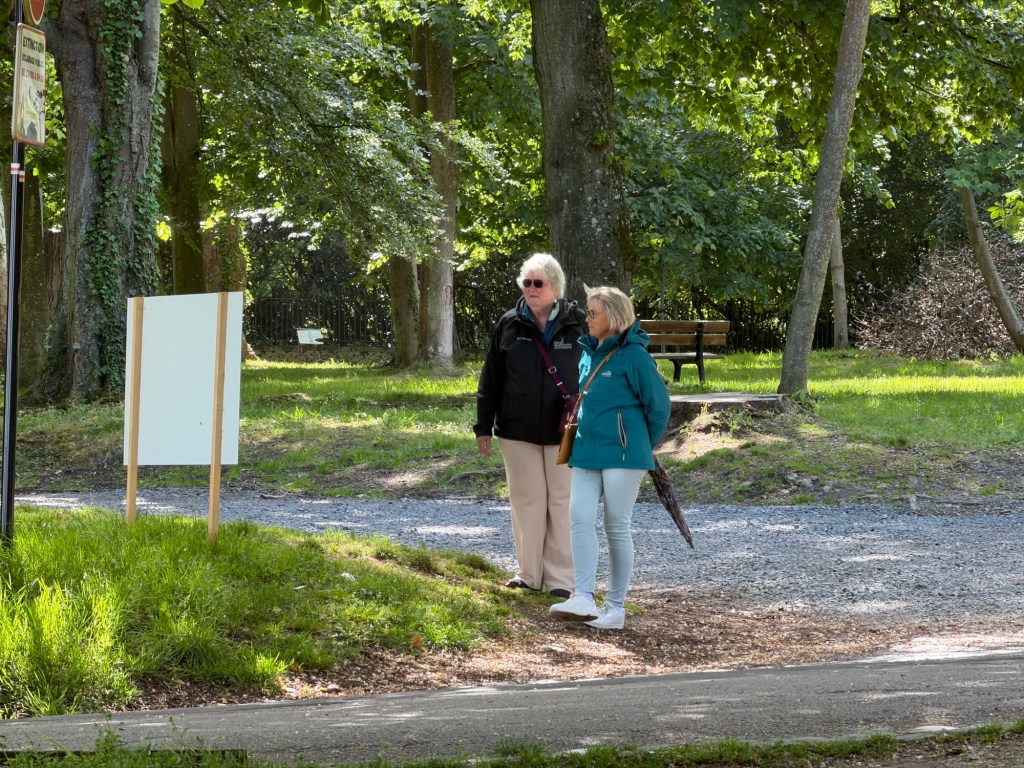
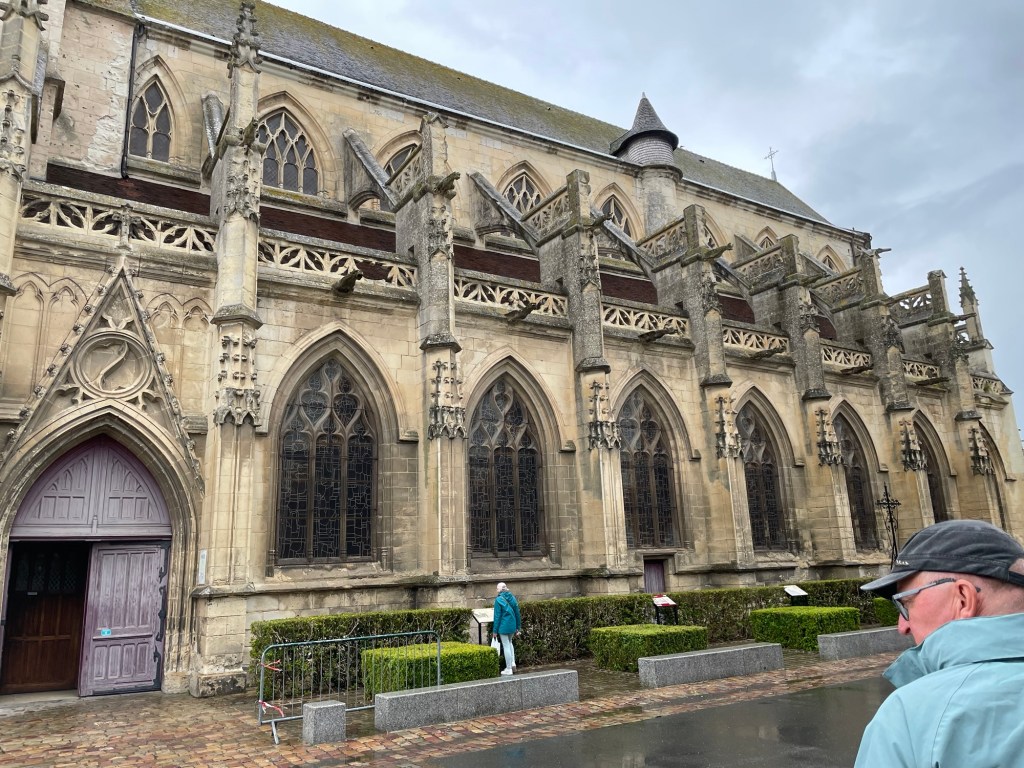
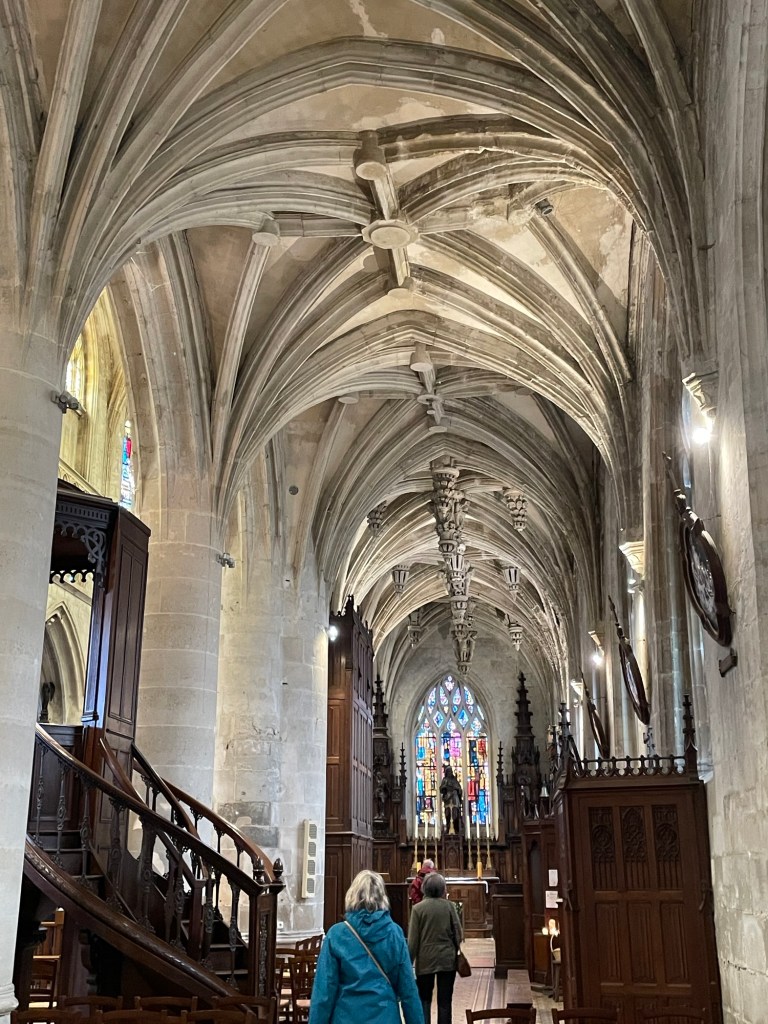
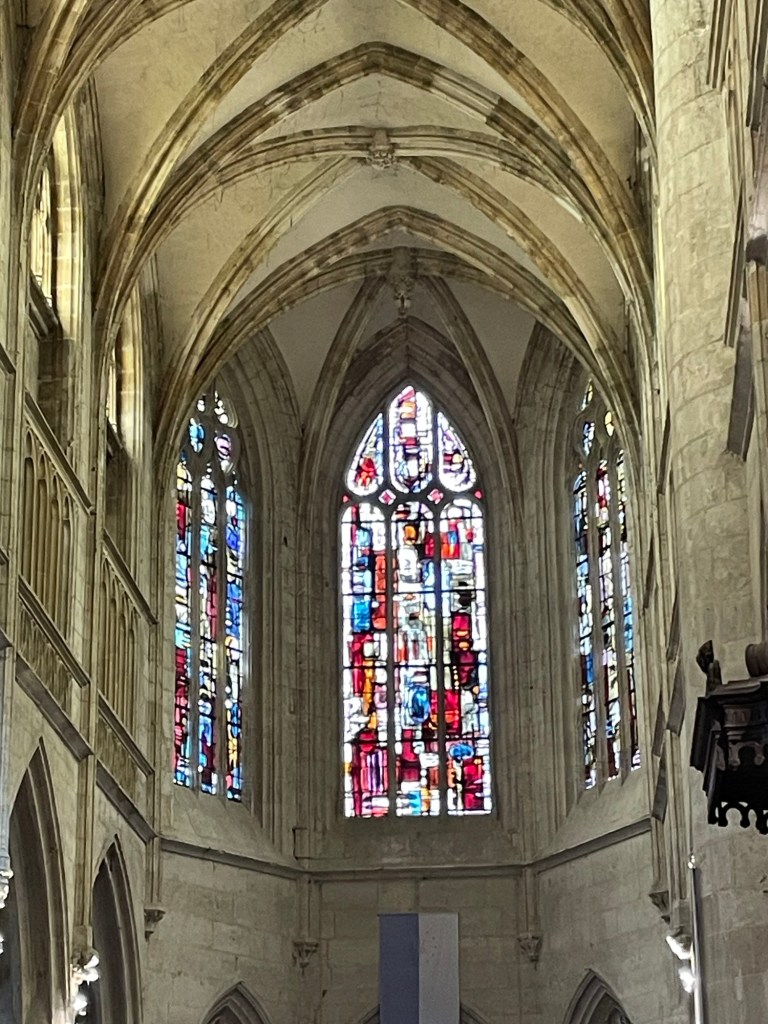
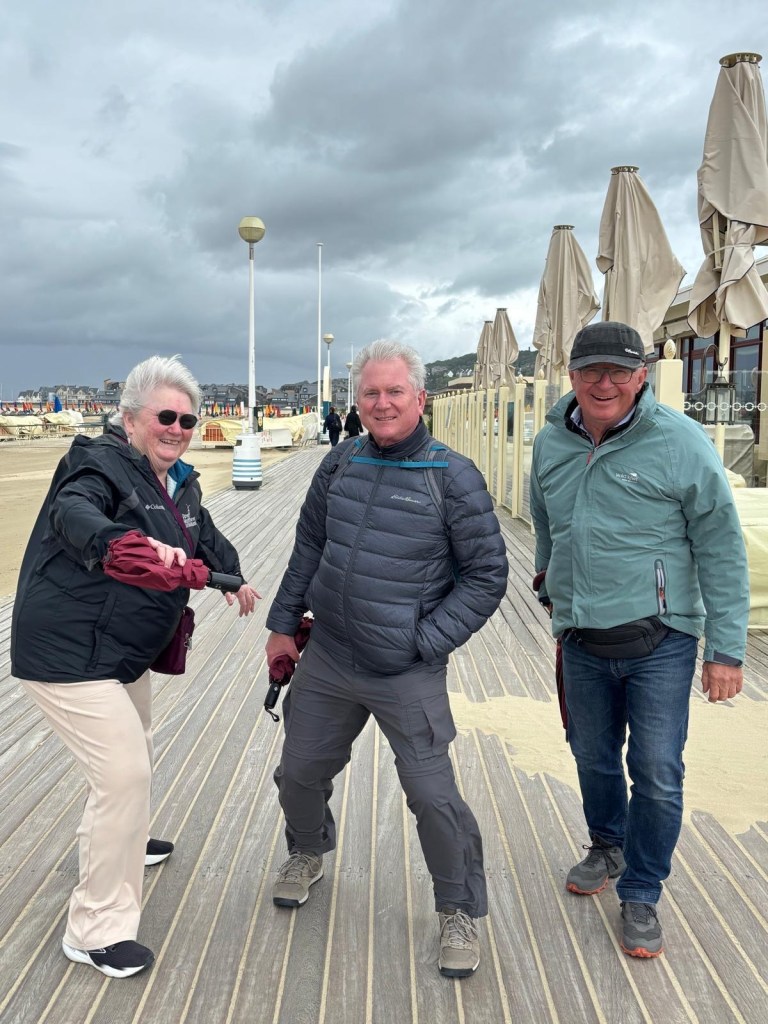
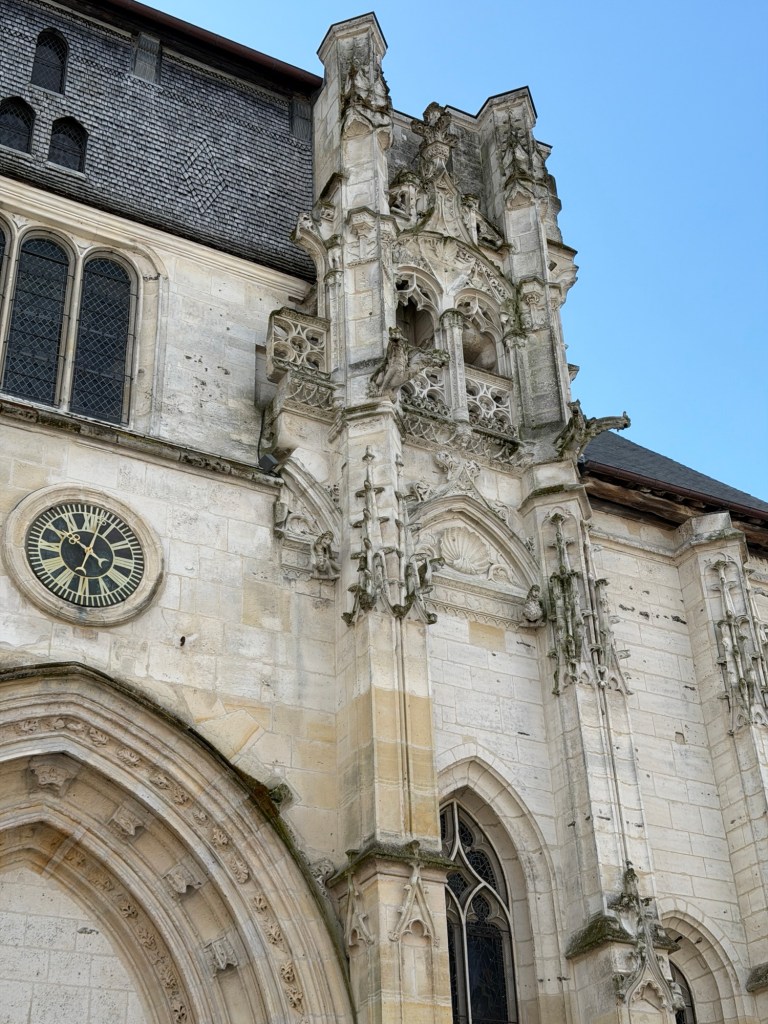
Joëlle, Marc, Clare, BrianIn l’Évêque, we briefly visited Saint Michael’s Church, another example of flamboyant gothic style.Crazy tourists on the windy boardwalk.
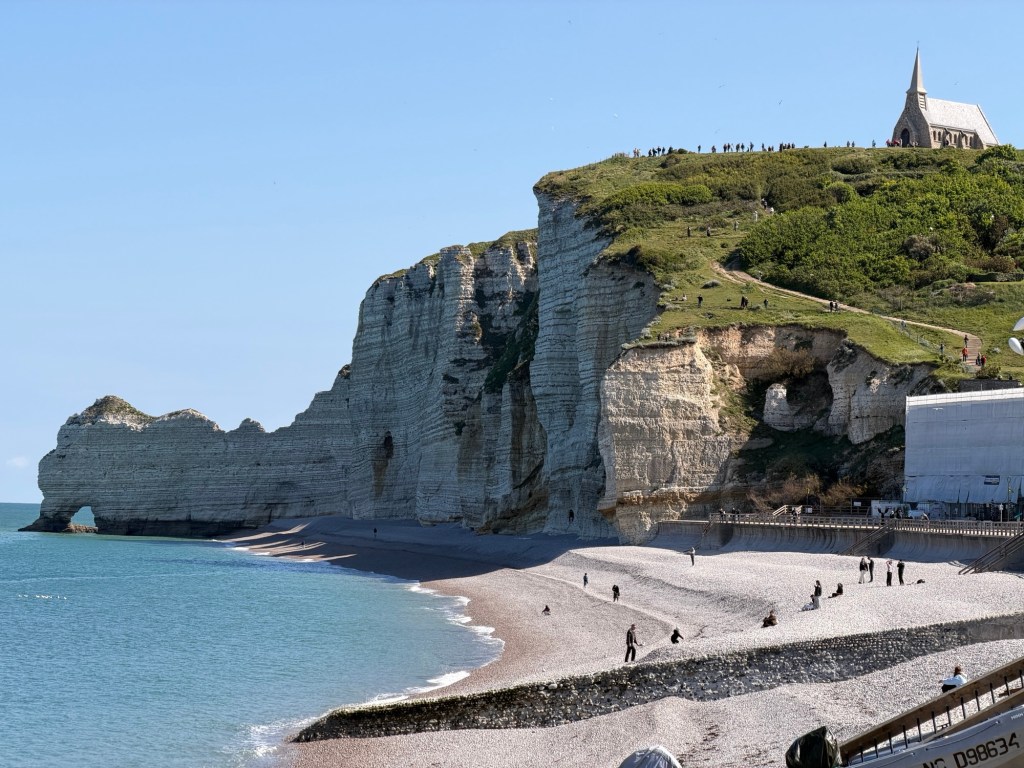
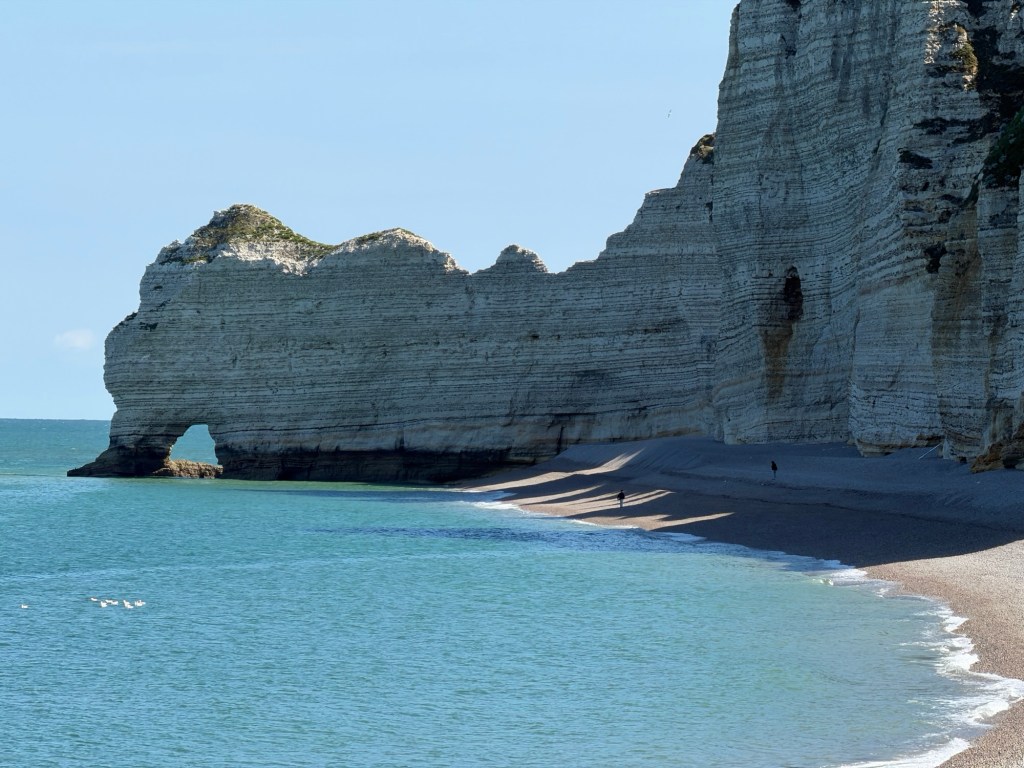
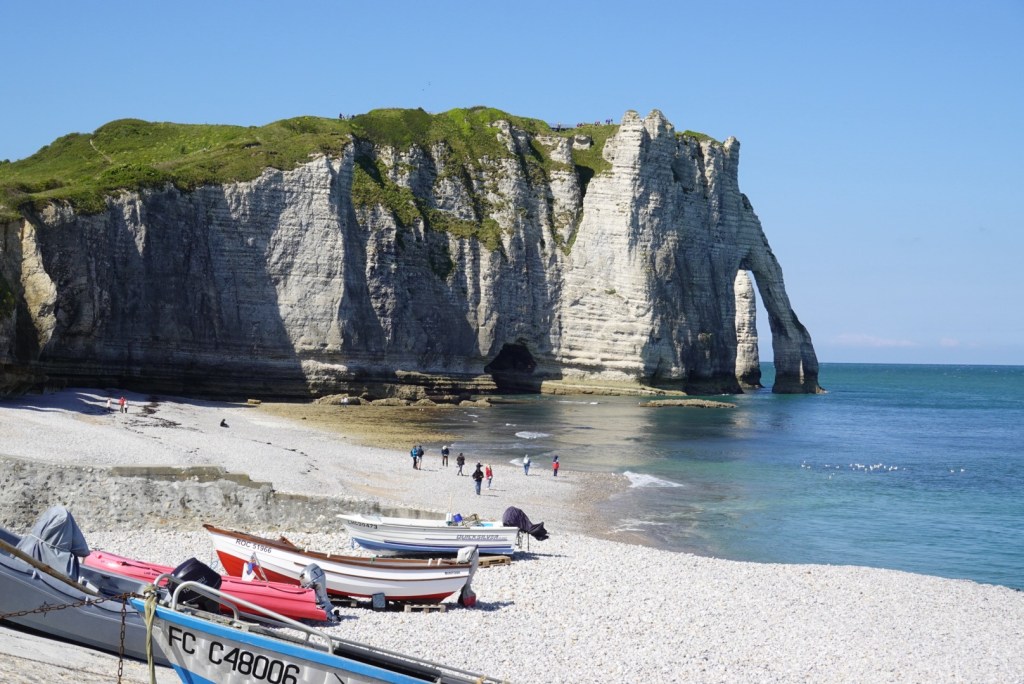
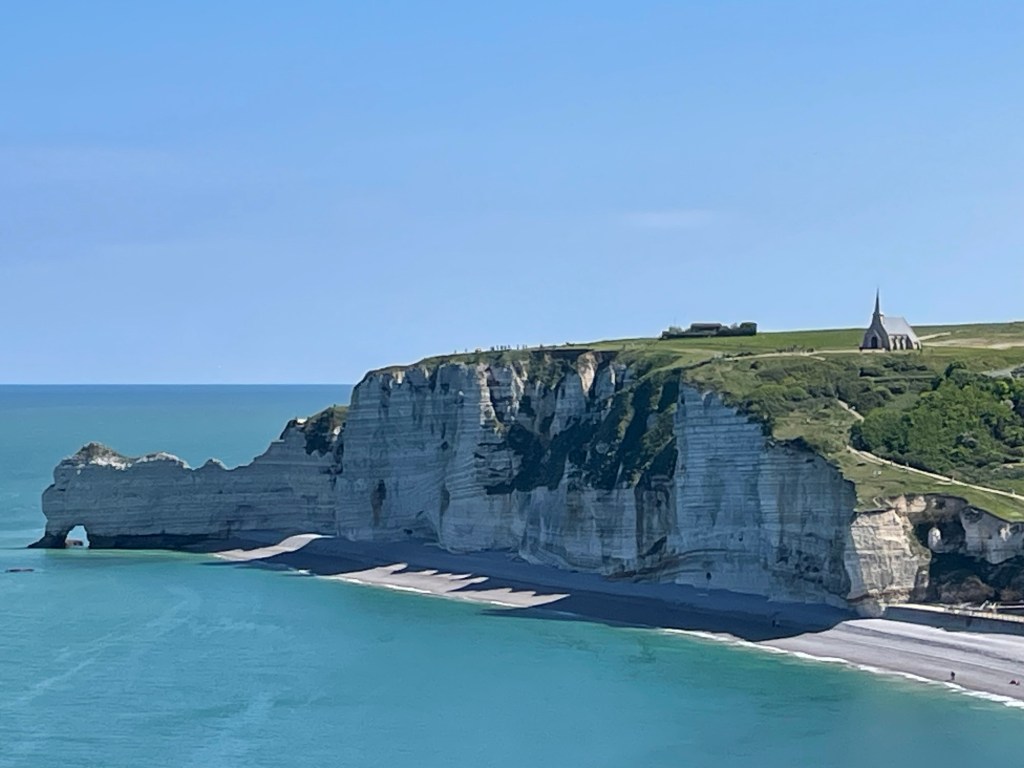
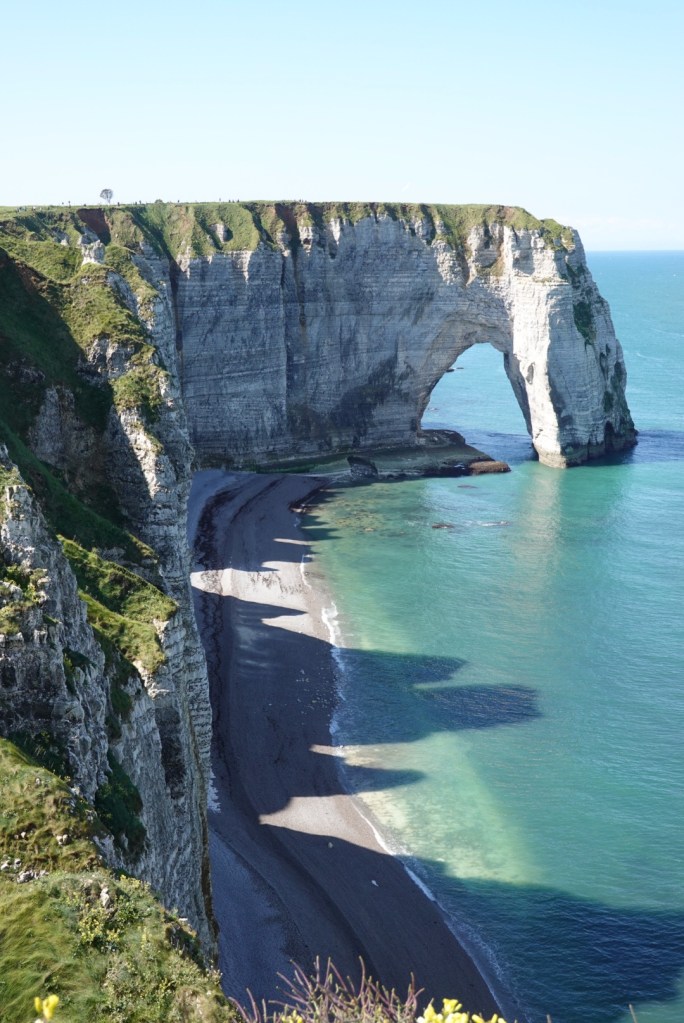
What a geologic morning for us! Perfect weather. Beautiful arches on the coast. Rocks like we’ve never seen before. We were in heaven!
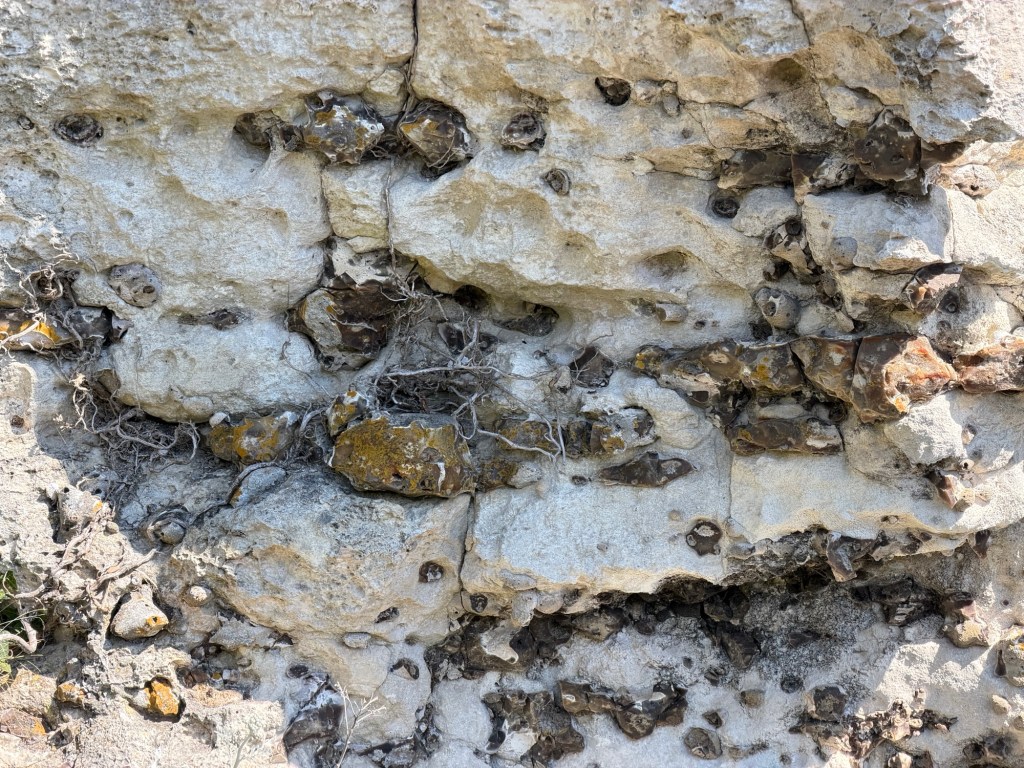
This area is the other side of the channel from the English “Cliffs of Dover,” sporting the same white chalk cliffs with chert nodules. Many tourists visit here – with good reason.
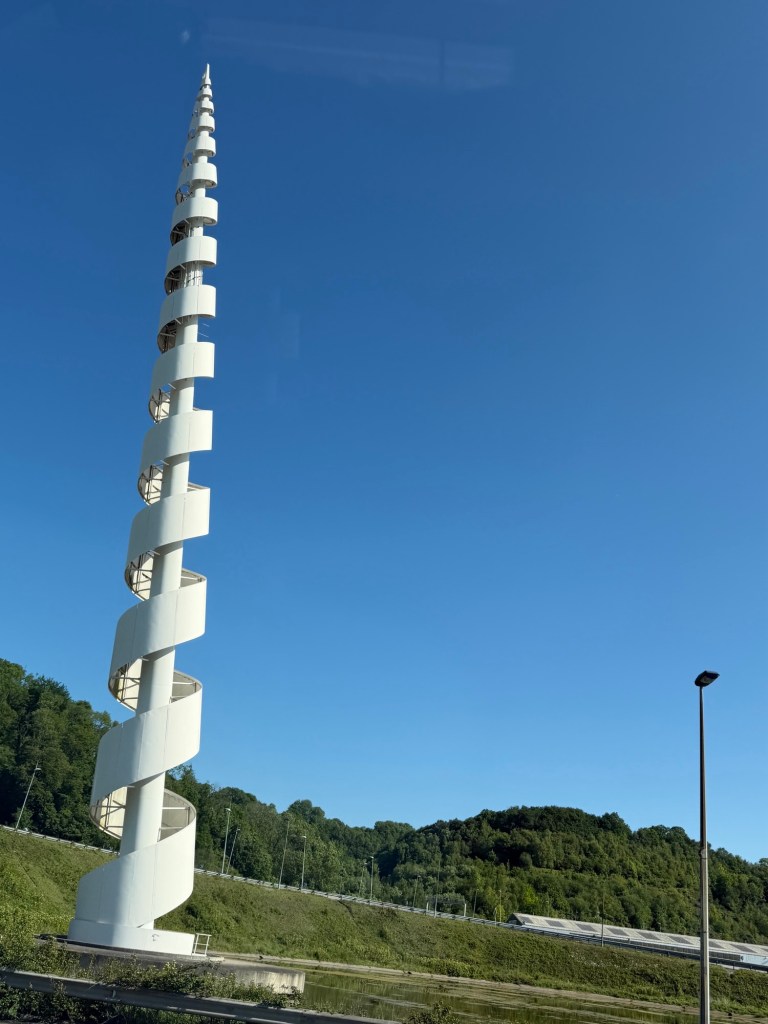
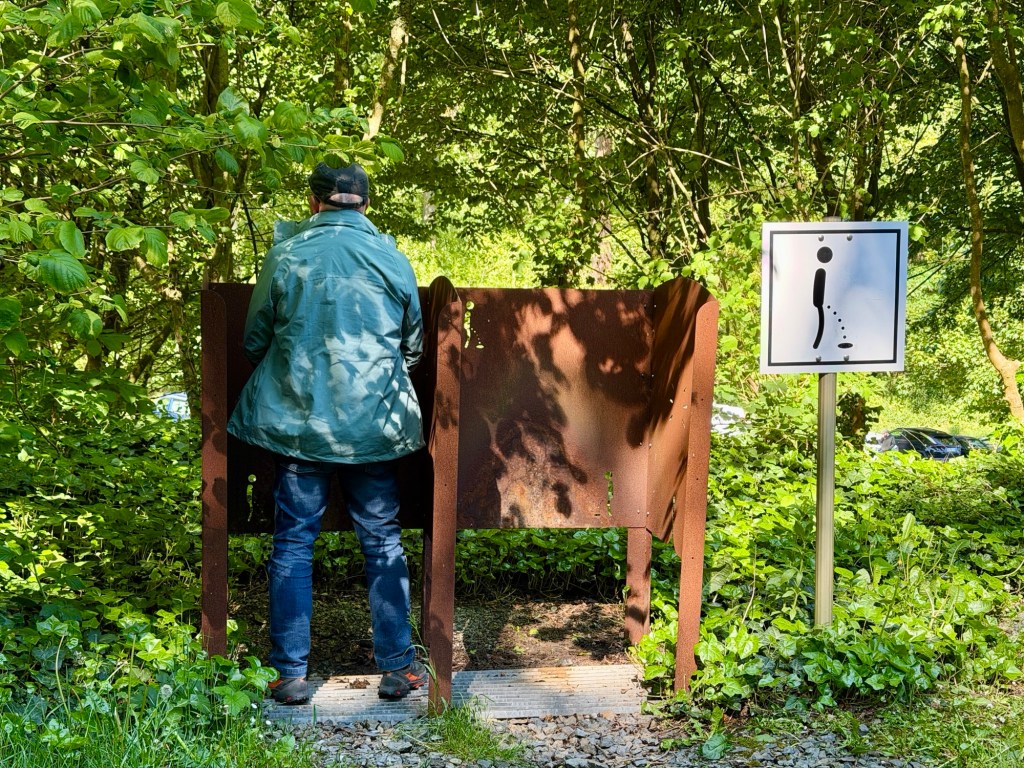
Bridge over the SienneSculpture perhaps representing a sea snail Marc demonstrating use of the outdoor latrine
We found parking a short walk from the scenic area.
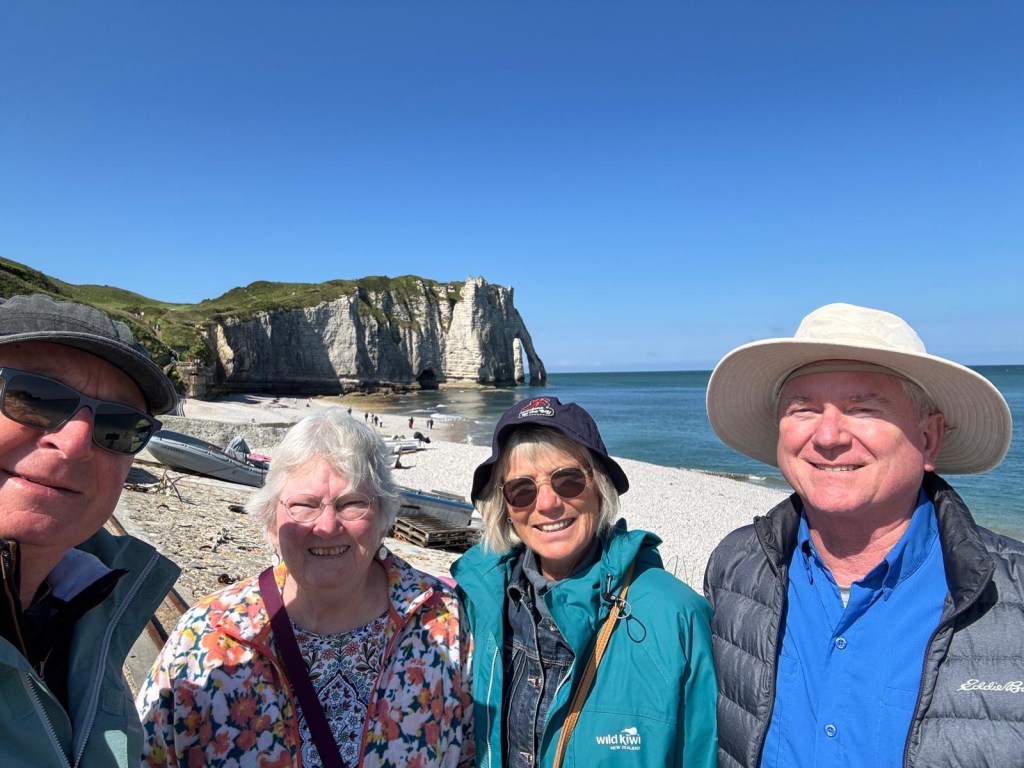
Small arch in a cliffCloseup of same archThe more famous archMarc, Clare, Joëlle, Brian
We climbed up the hill for more views of these beauties.
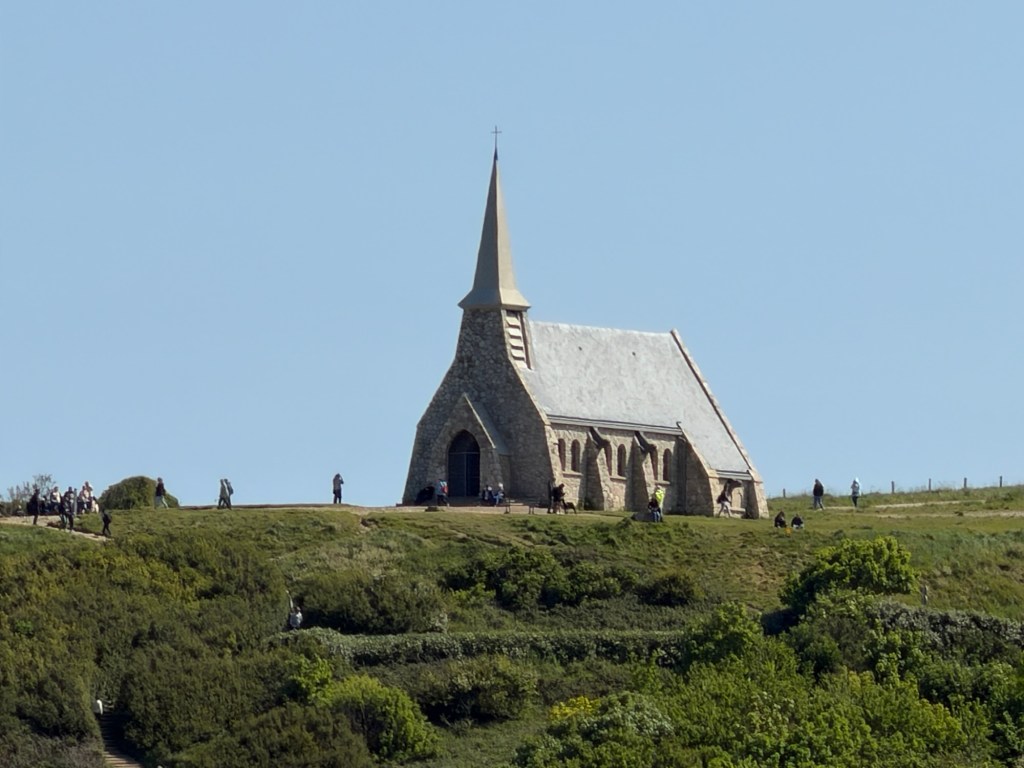
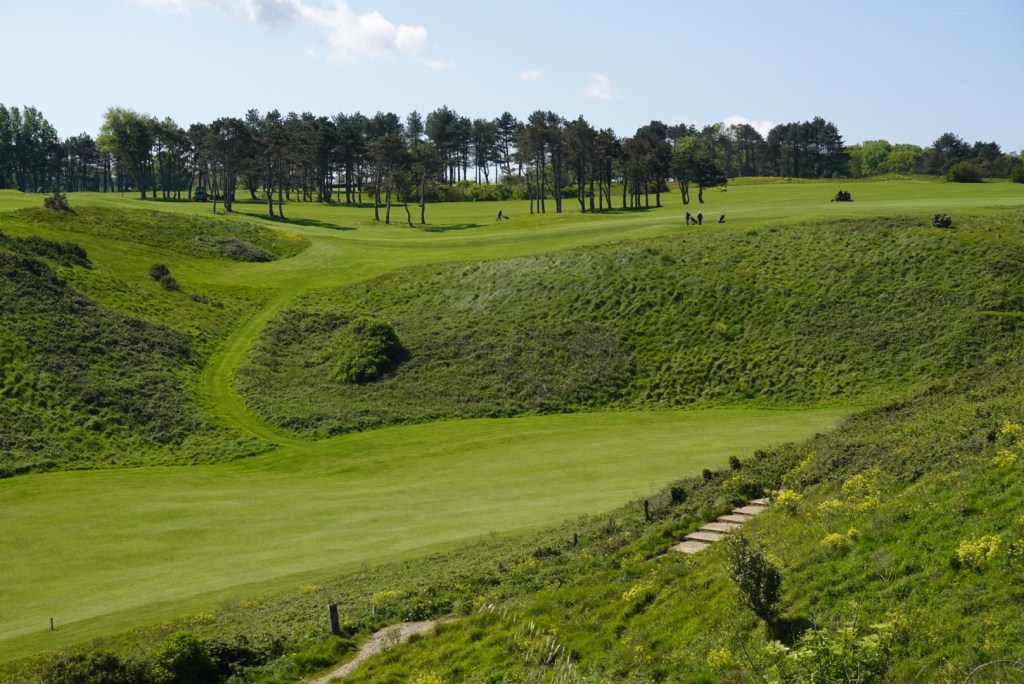
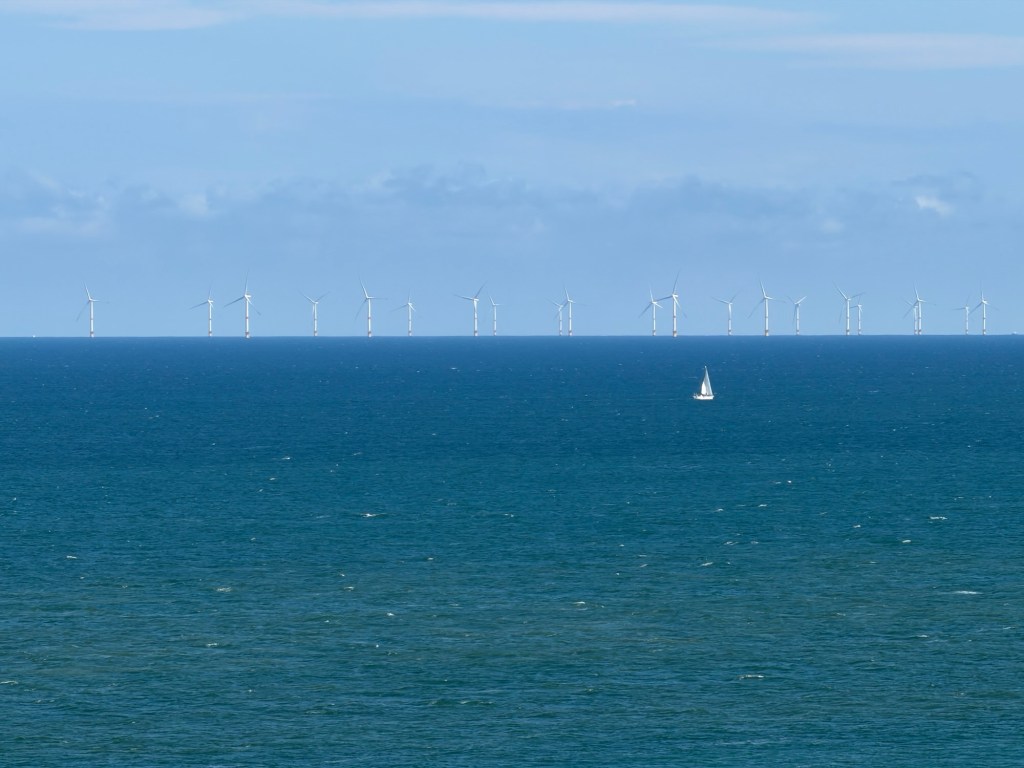
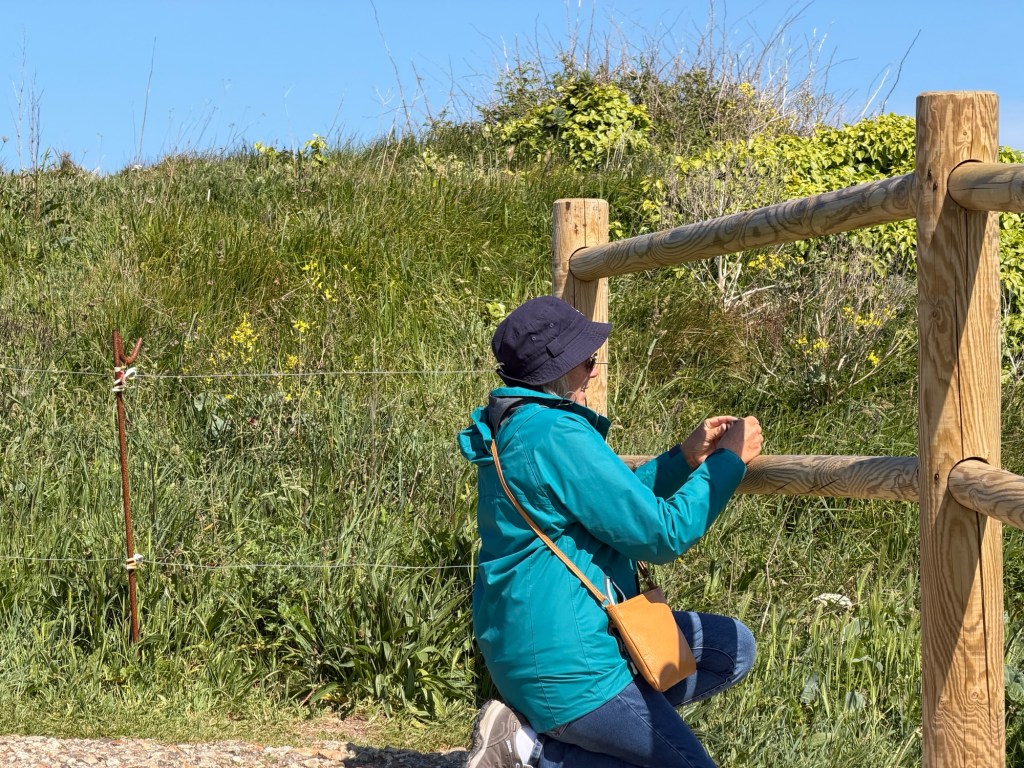
Church on another hillGolf course Sailboat and wind farmJoëlle setting up a picture
Following are scenes from the walk, then the top of the hill.
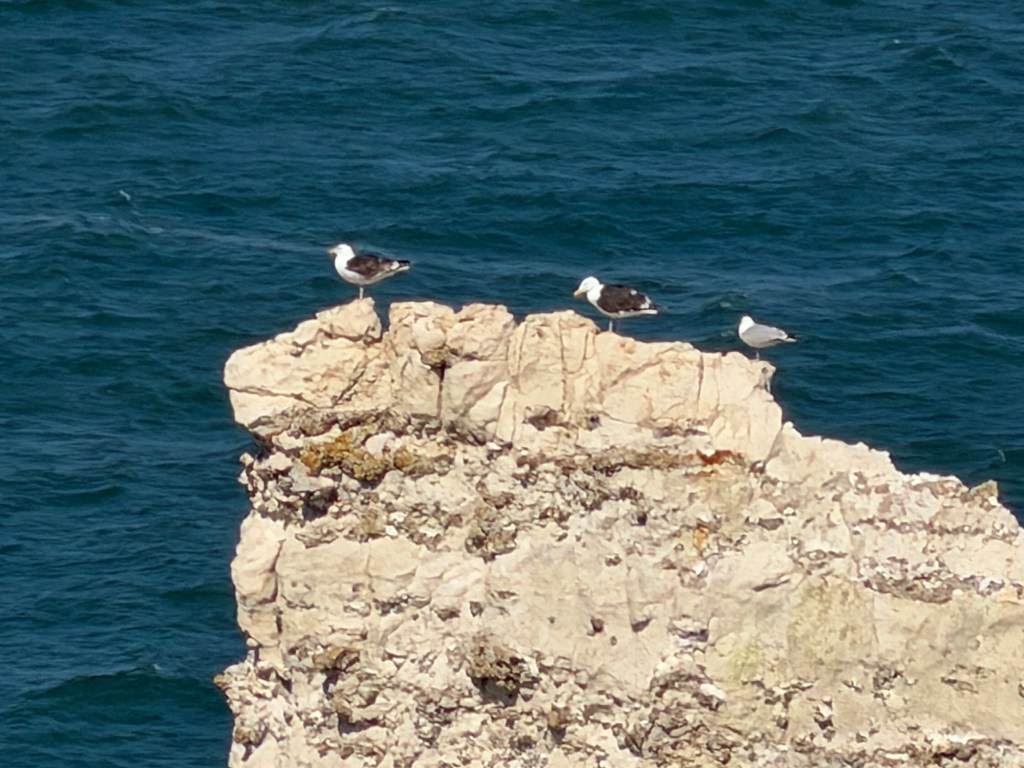
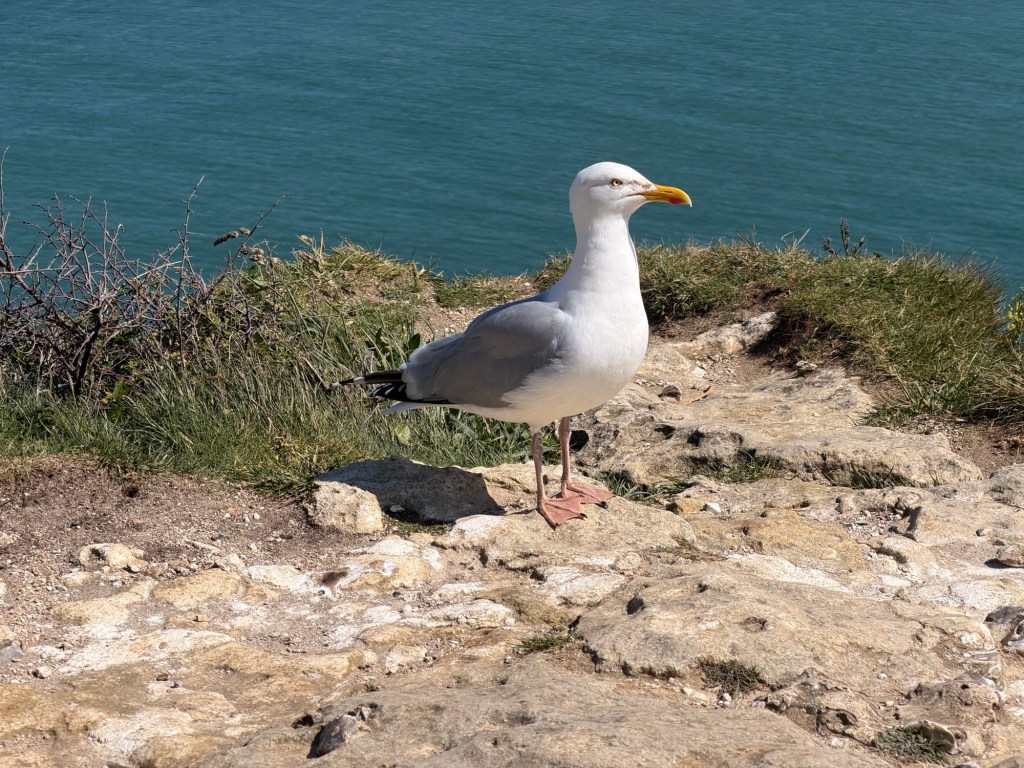
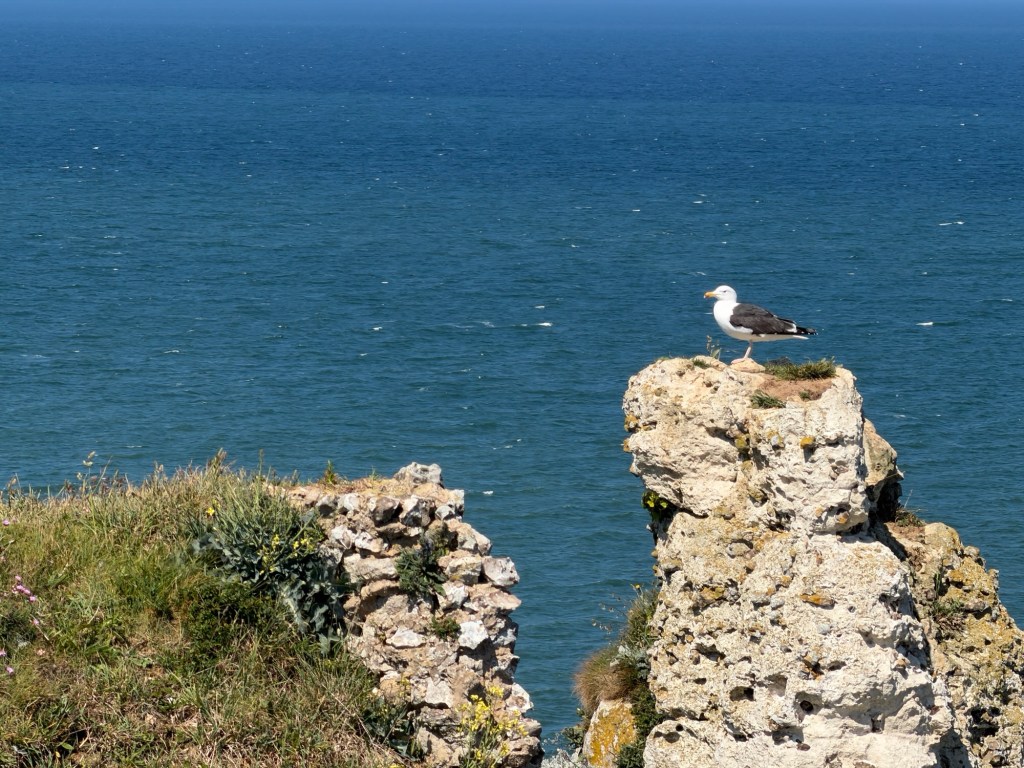
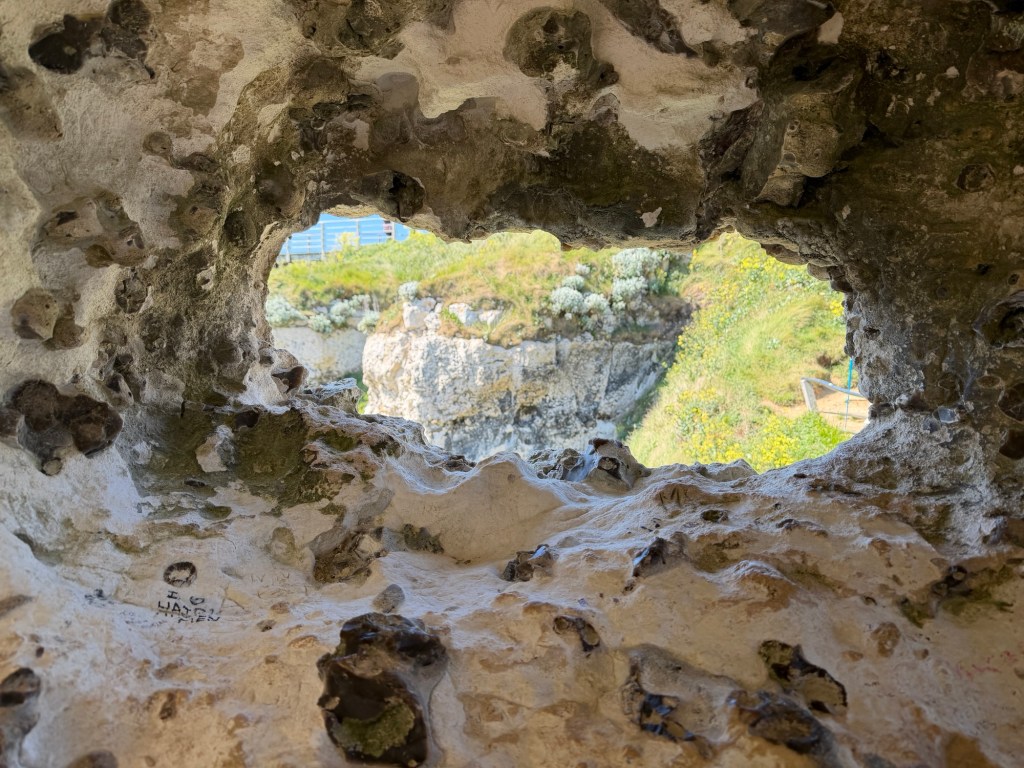
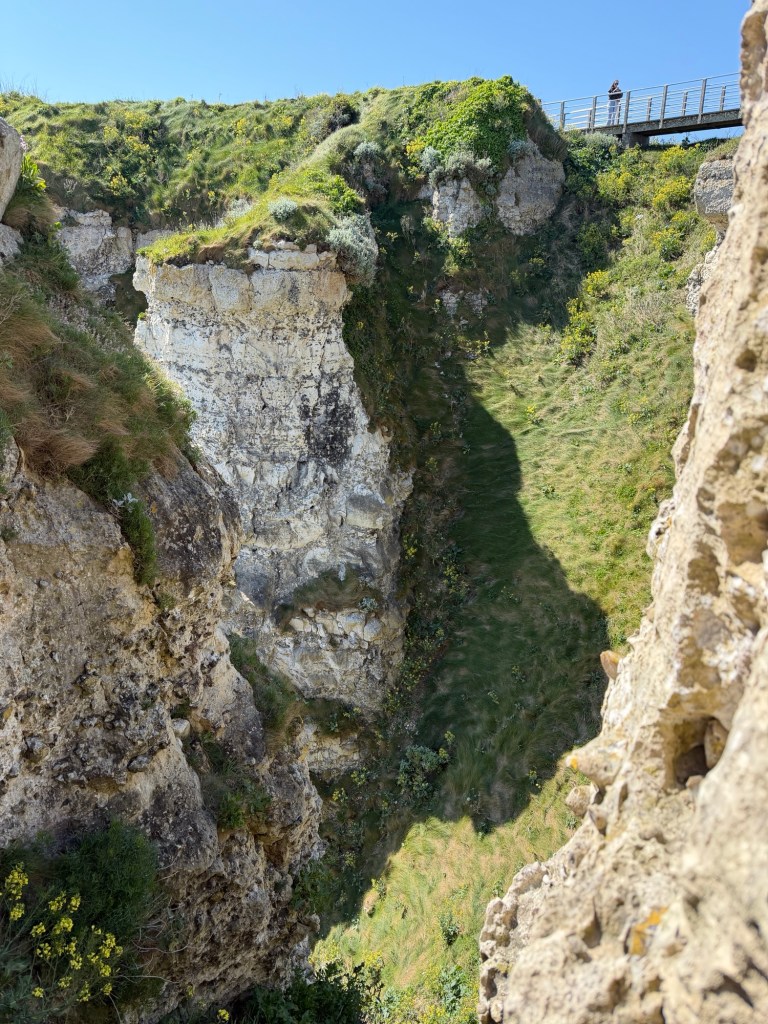
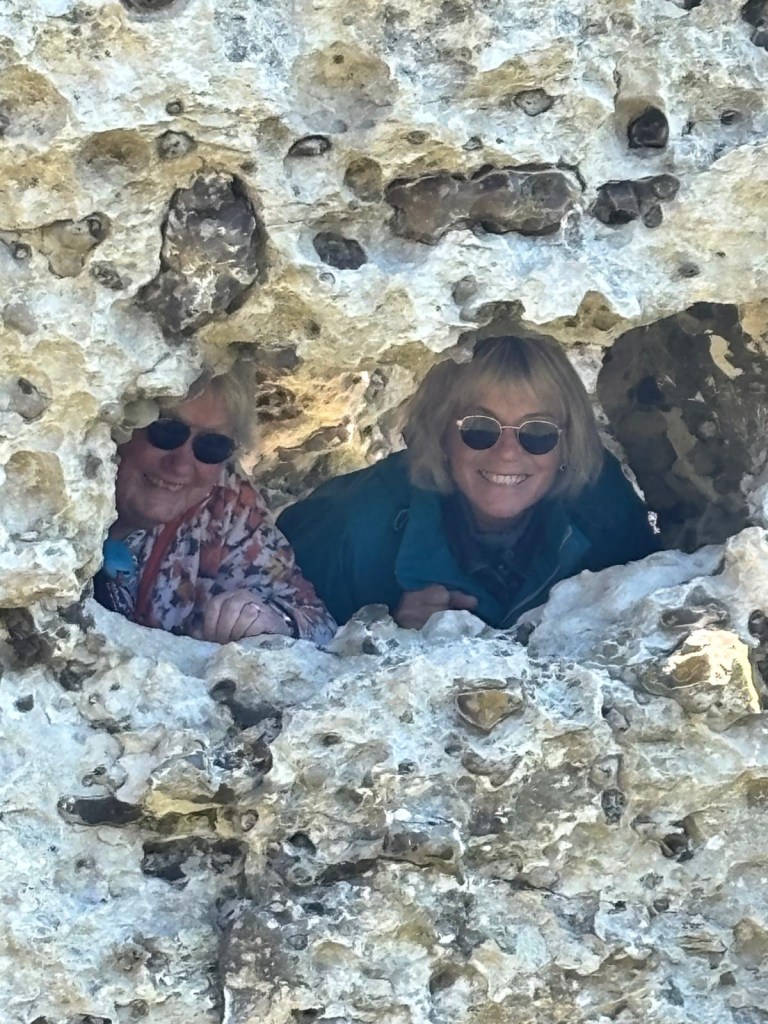
Sea gulls like the rocks, too!Chert nodules in chalkA windowSteep terrainClare and Joëlle peeking through the window in the cliff
Back at the bottom.
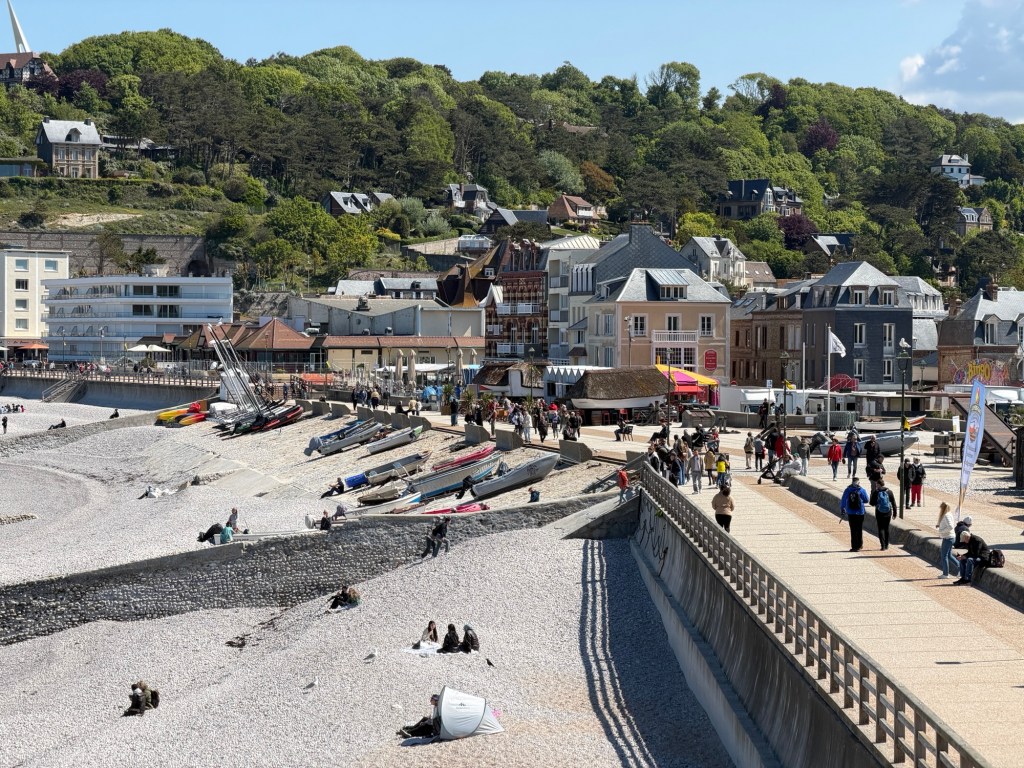
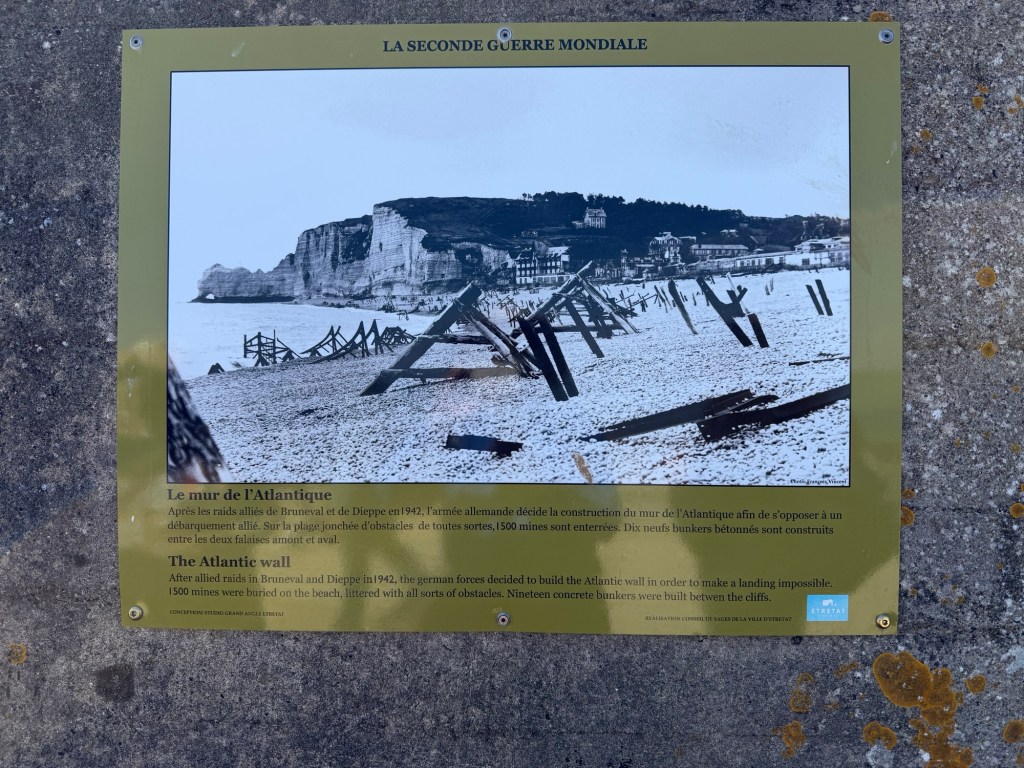
Walkway along beachBeginning in 1942, Germany constructed defenses to prevent landings.
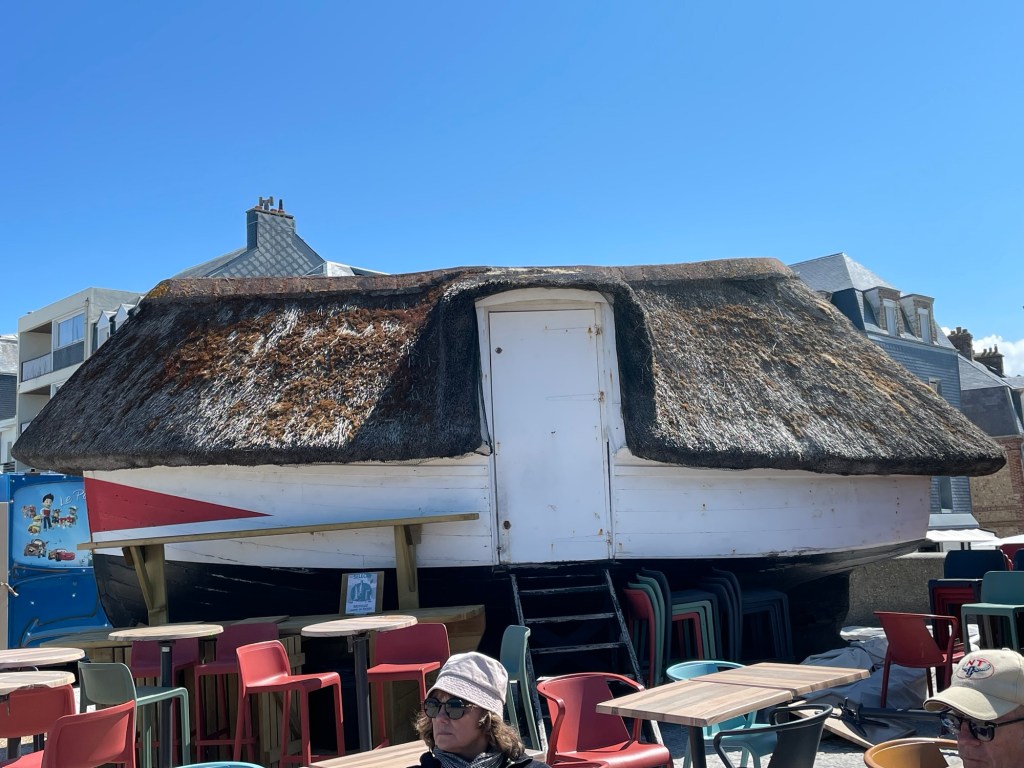
Traveling with friends whose first language is different can lead to discussions about impossible words. The French language does not pronounce the h sound, so when figuring out the name for the roof material typical for this area, we ran into difficulties with laughter. Thatch has too many h sounds!
On the other hand, when Joëlle and Clare were looking for Marc and Brian in a market we almost ran into someone with a big cart. Clare said “Pardon” when Joëlle said “Sorry”. We both ended up laughing.
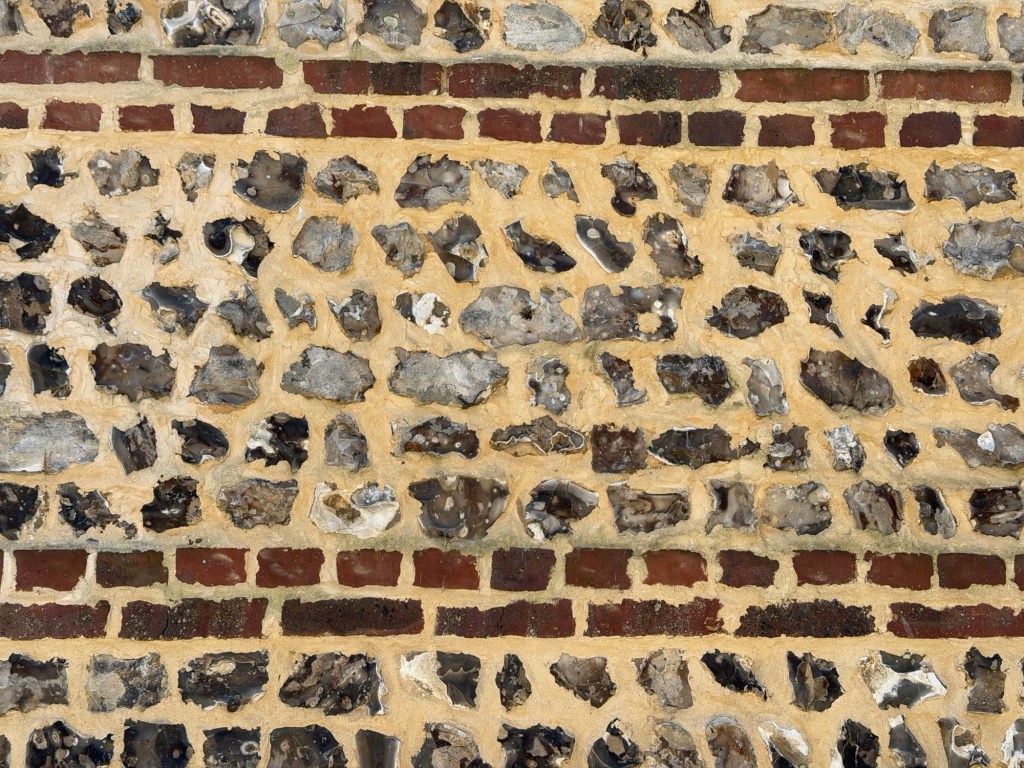
Thatch roofDecorative housePainting of the building with the painting into eternityWalls made from the chert nodules
We then drove further north to Fécamp.
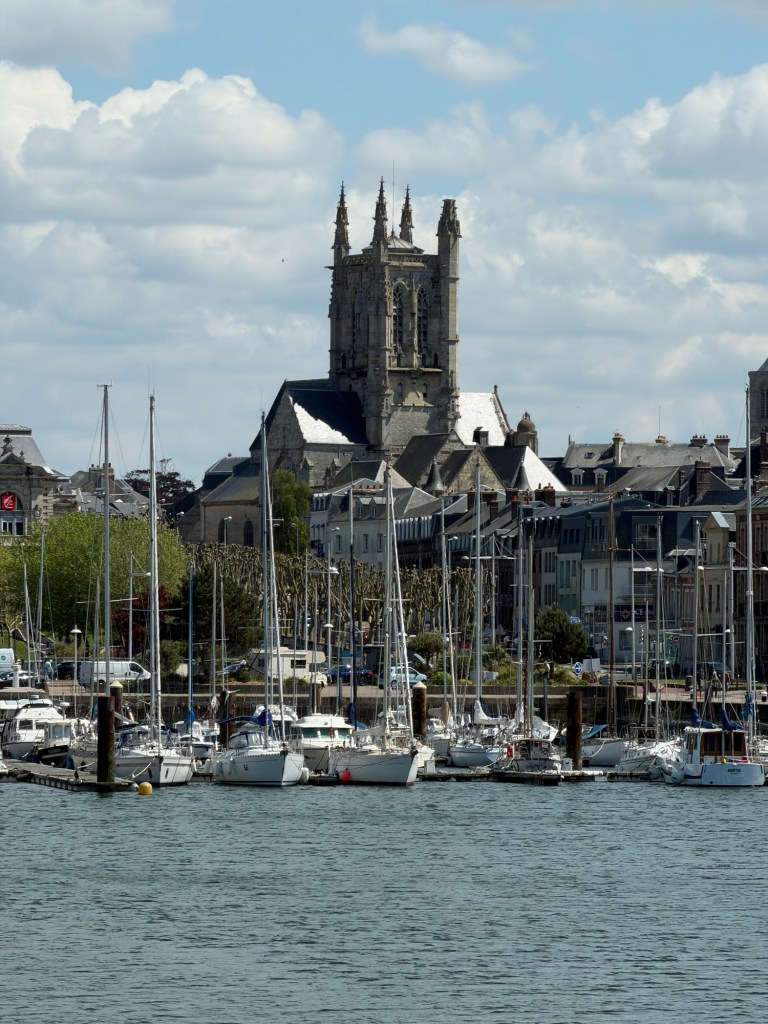
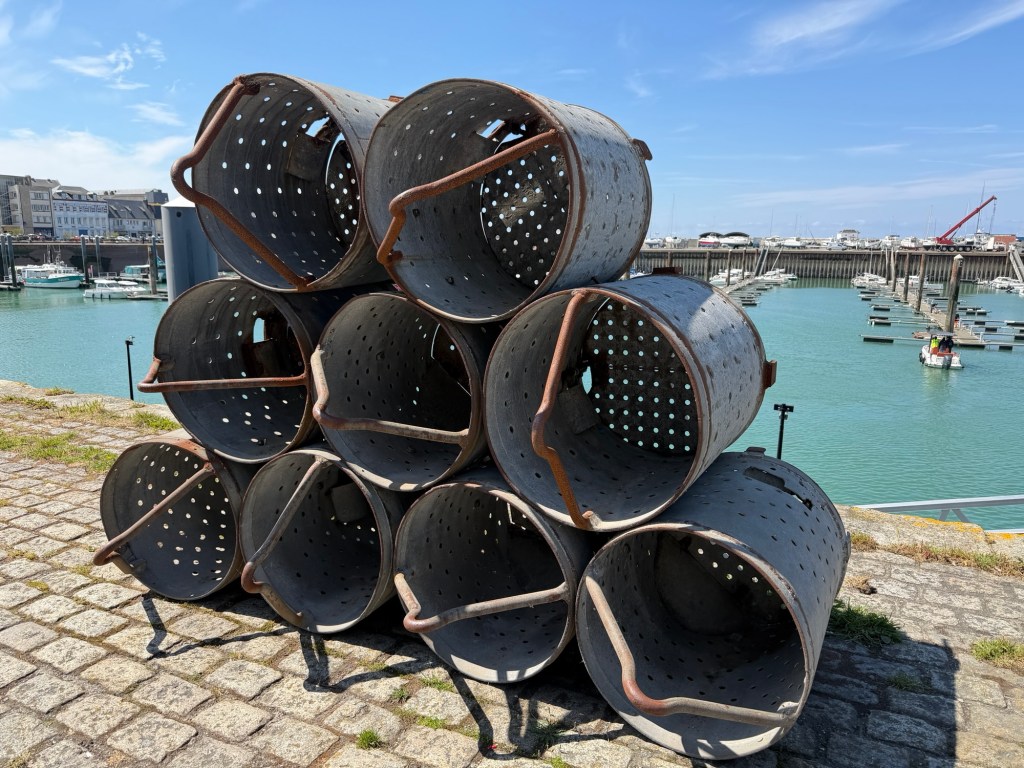
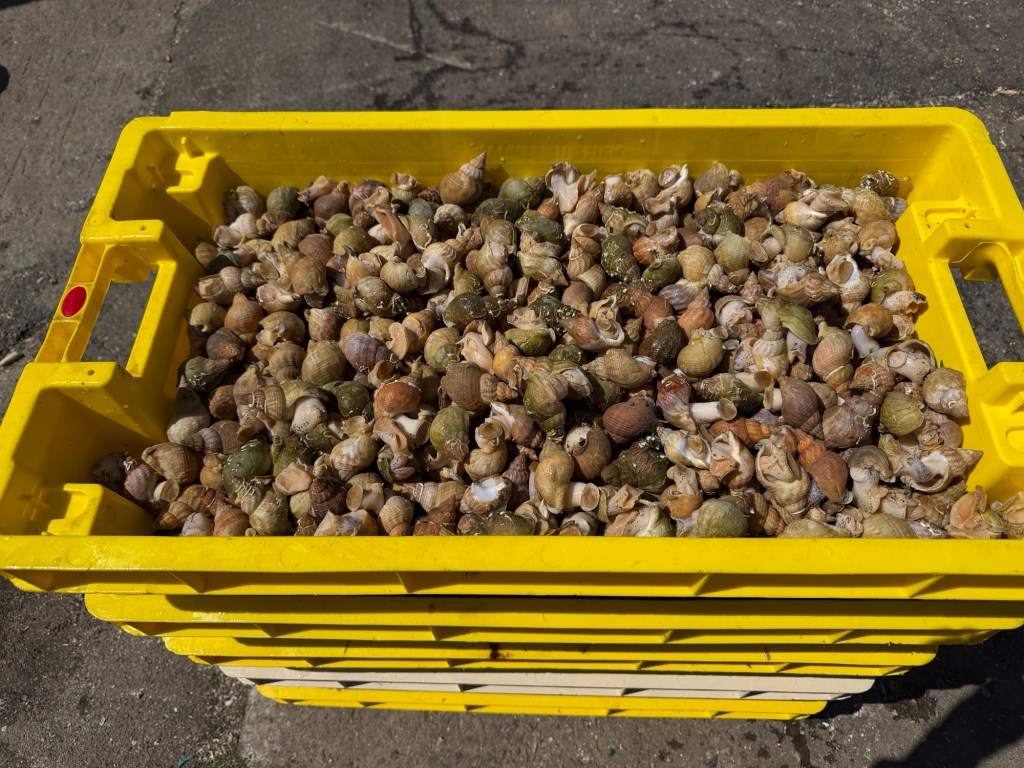
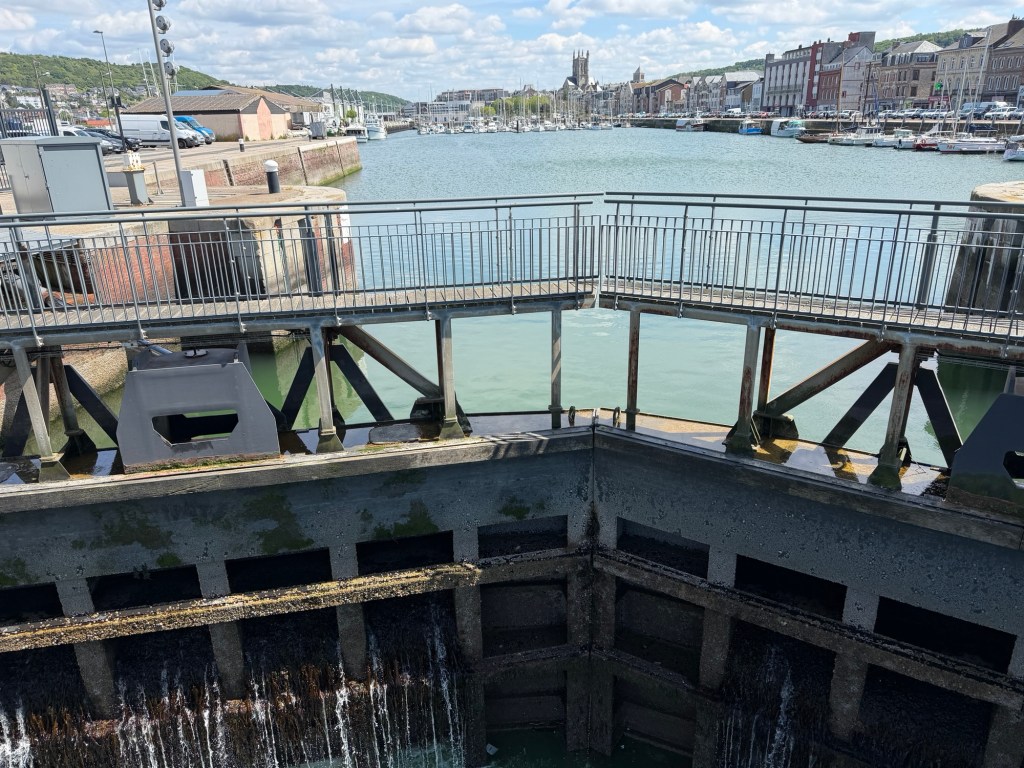
Old church across the harborOld, perforated buckets used to haul salted fish from boats.Fresh sea snailsThe lock is allowing the inner harbor to hold sailboats during low tides in town of Fécamp.
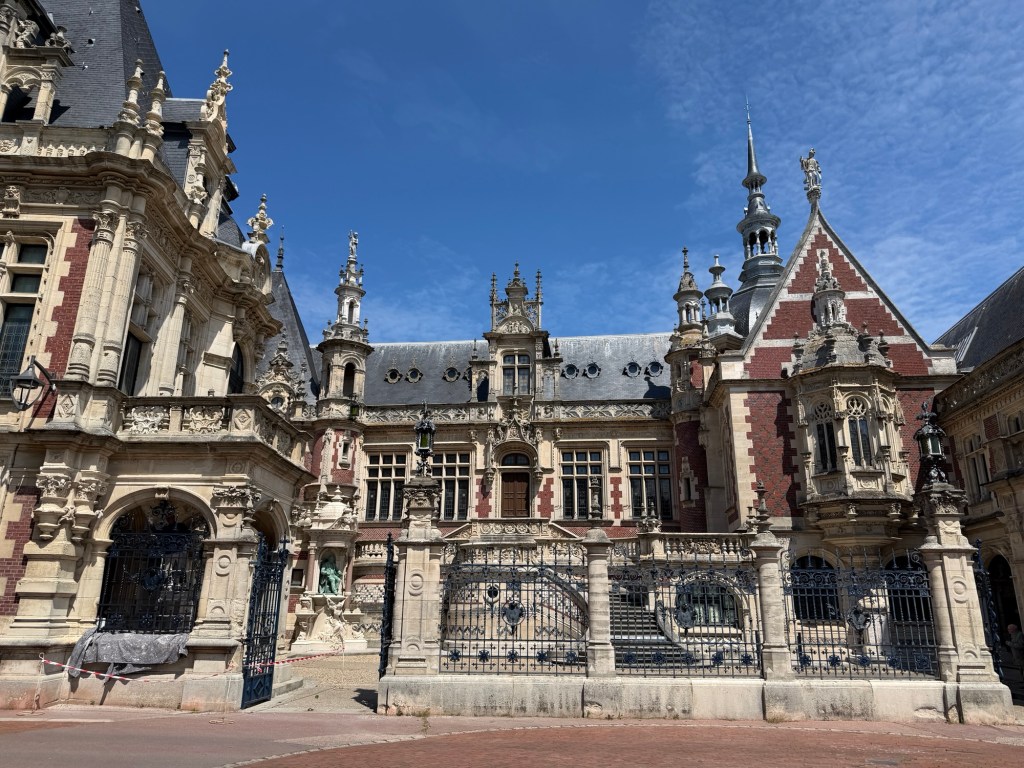
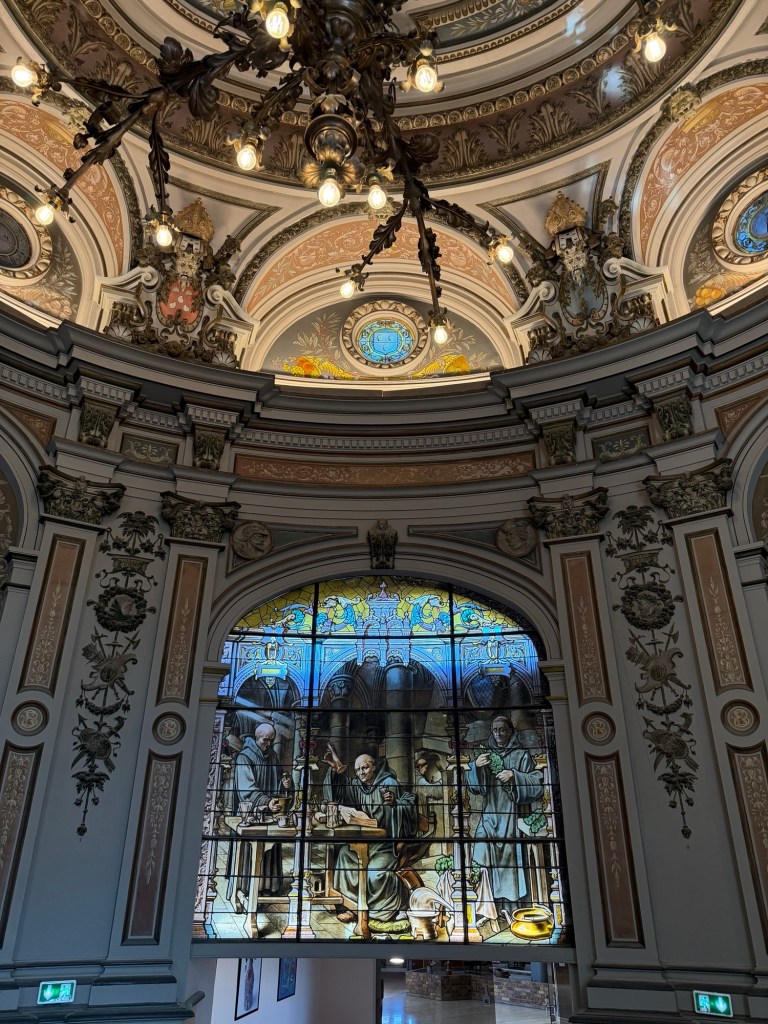
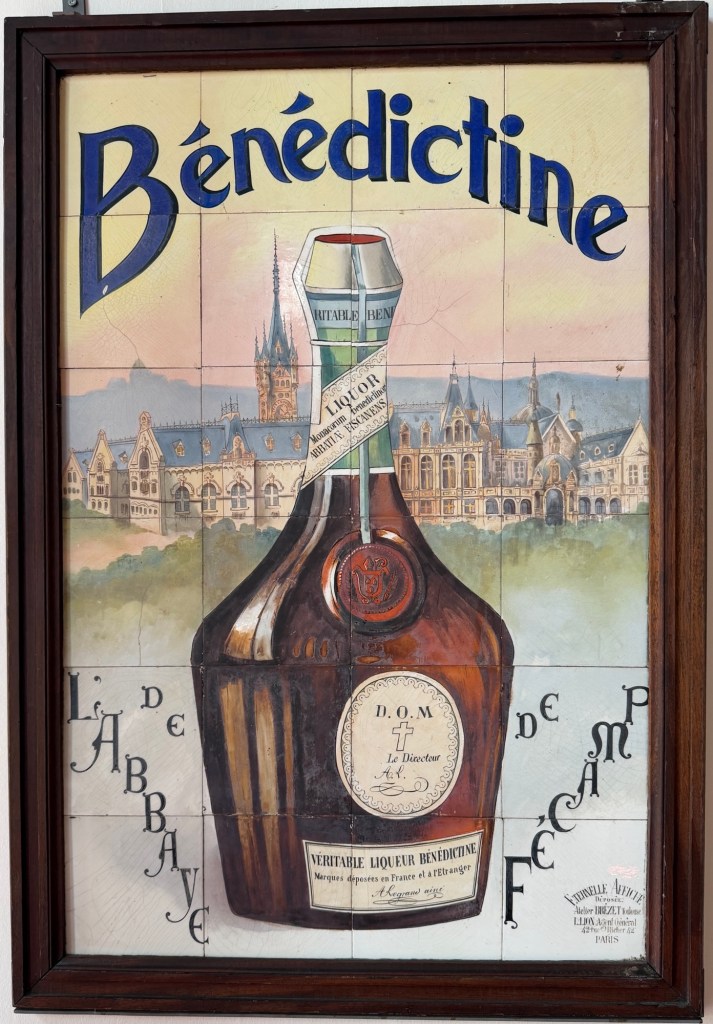
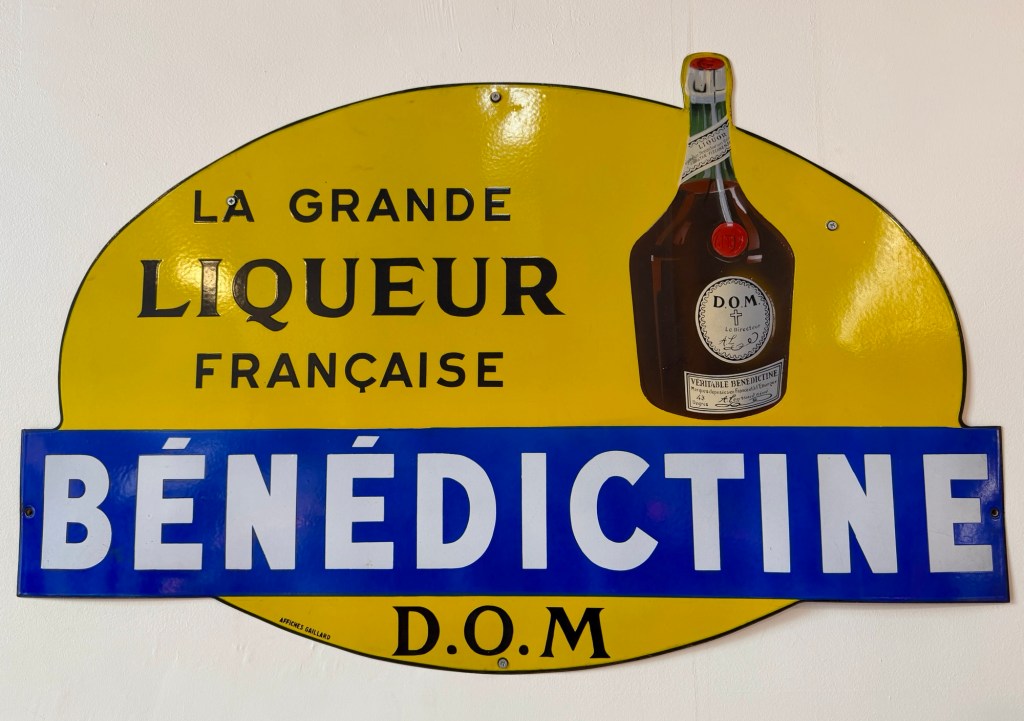
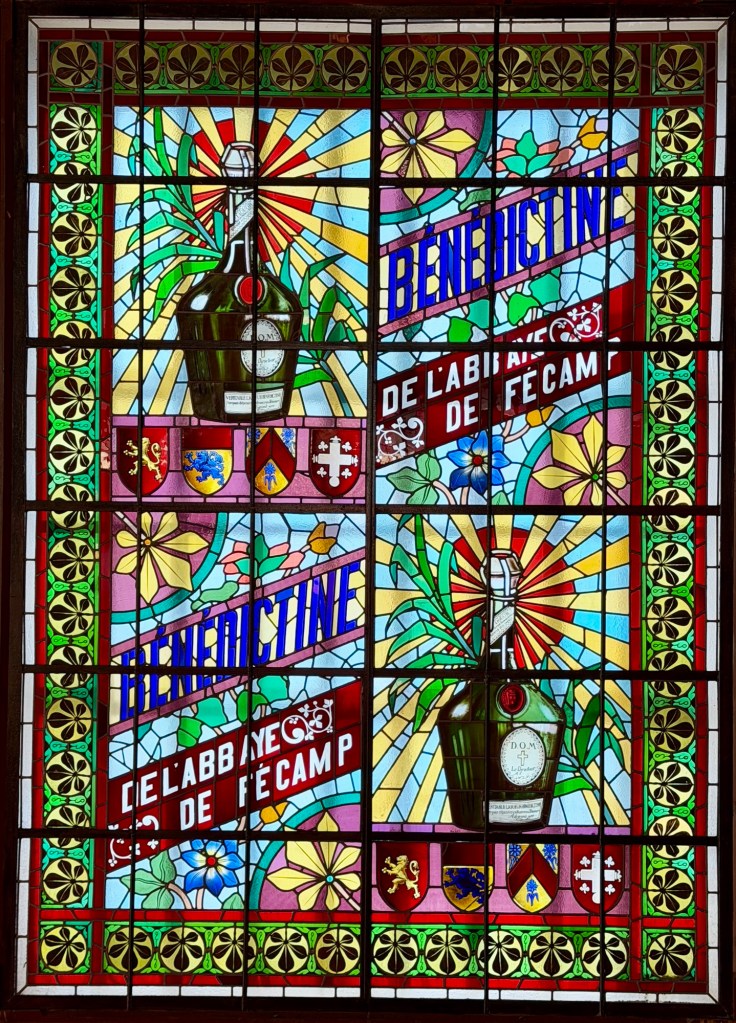
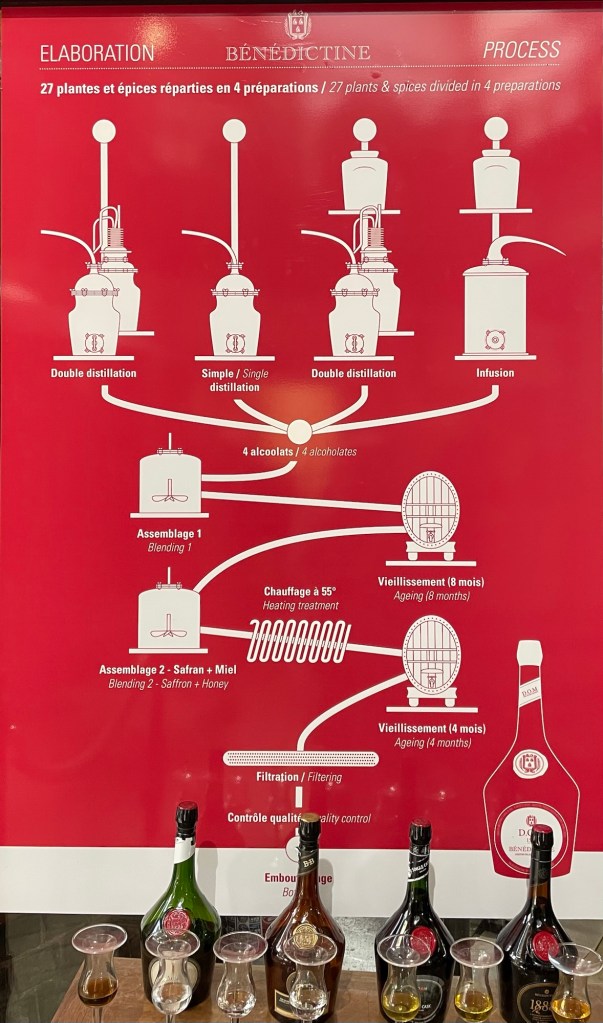
Next we went to the Benedictine Distillery where a descendant of a 17th or 18th century monk found and perfected his ancestor’s recipe for brandy. He took two years finding the perfect balance of 27 herbs, making an intricate four step process to complete the brandy, named for the ancestor’s calling.
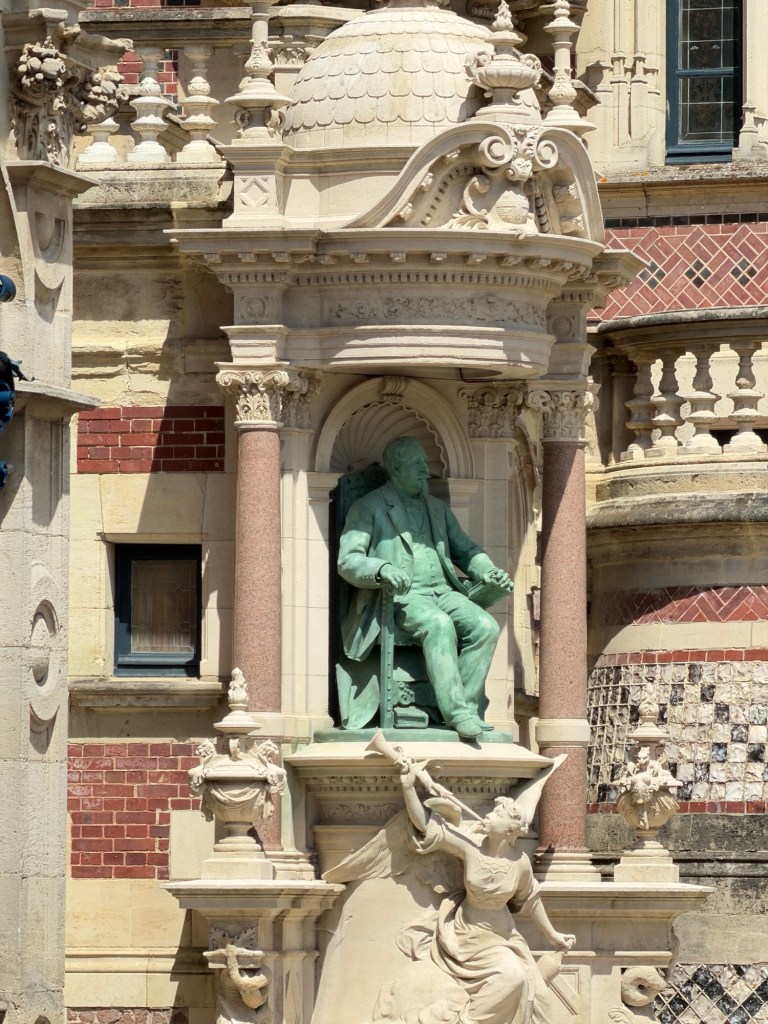
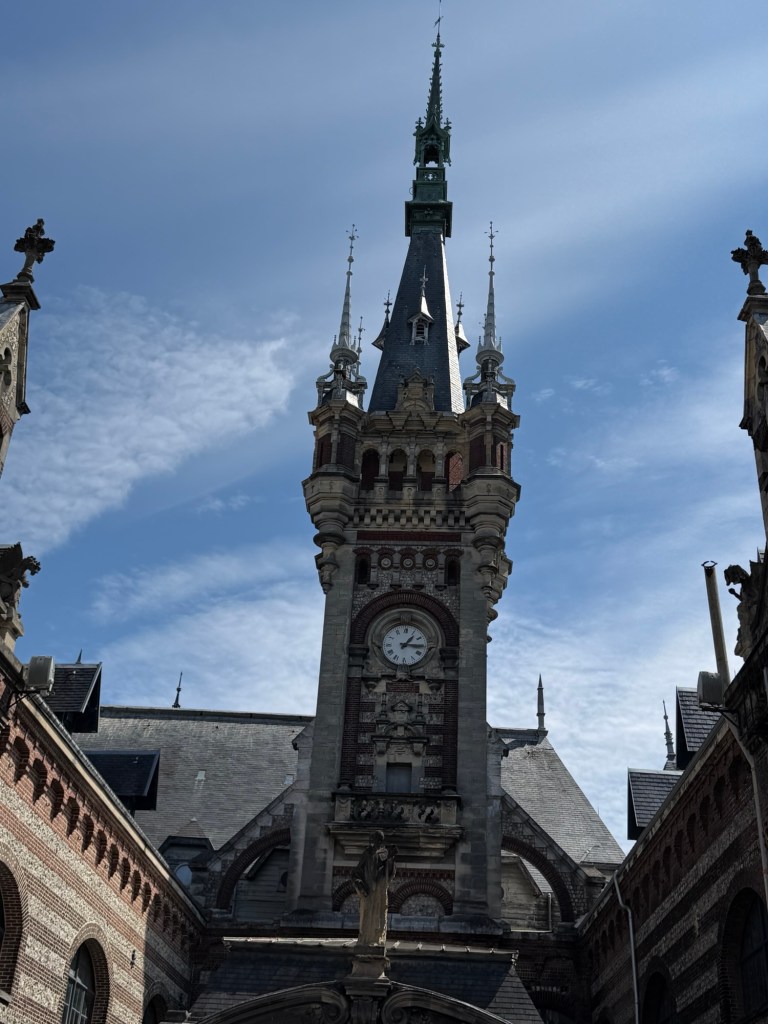
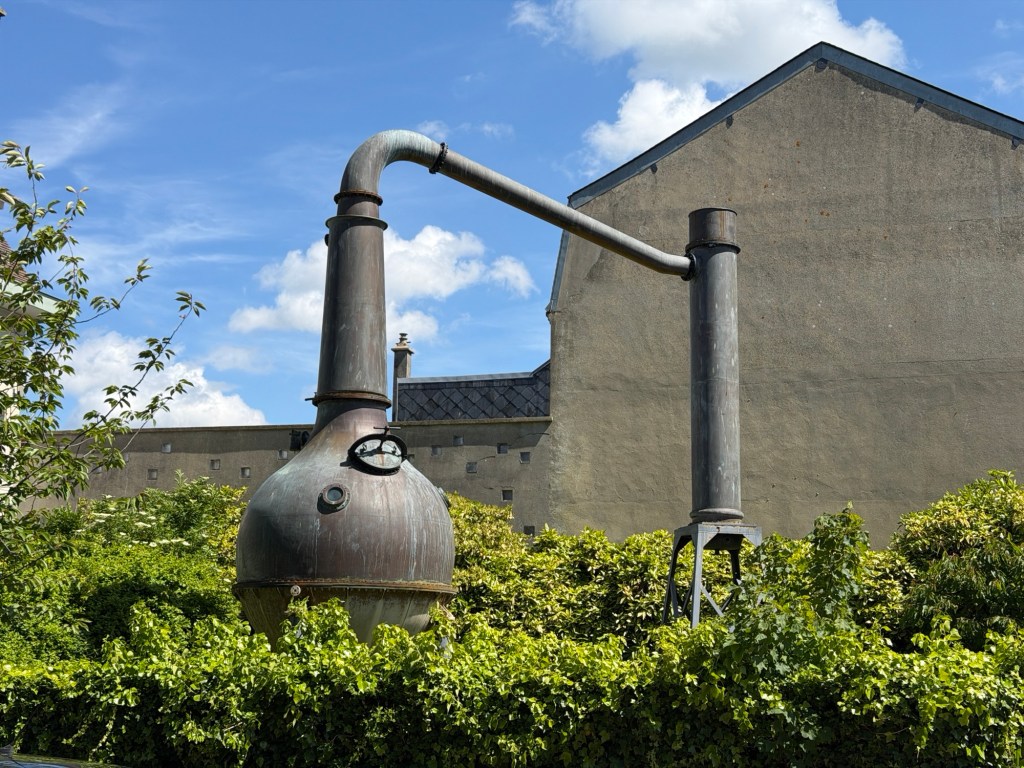
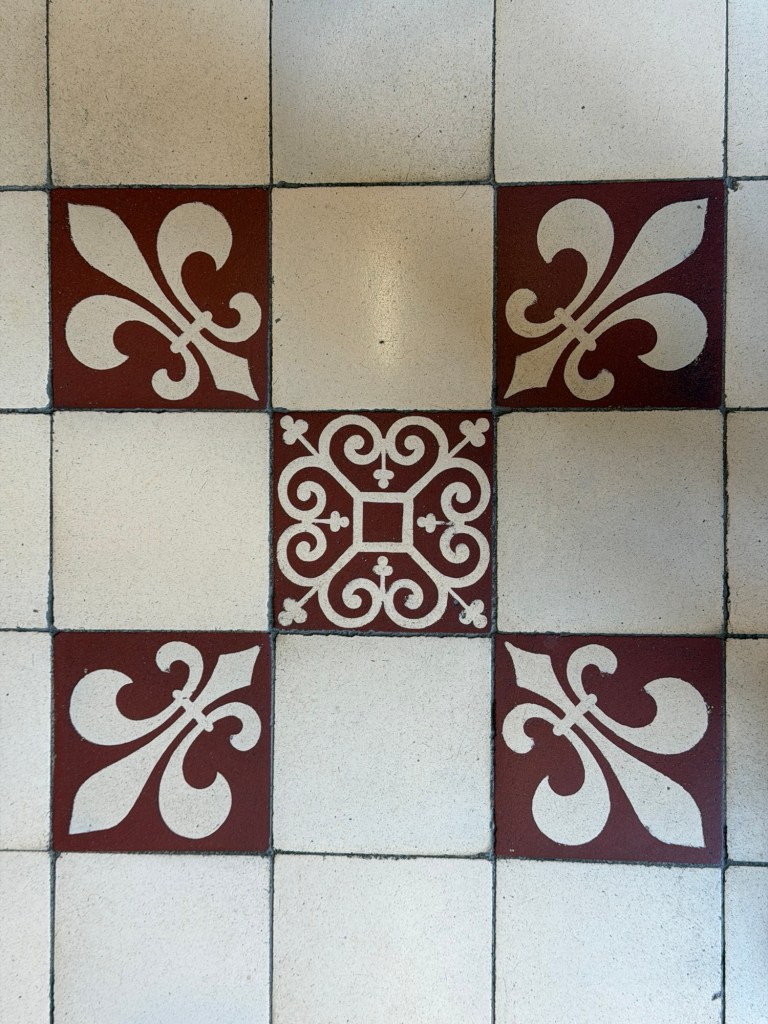
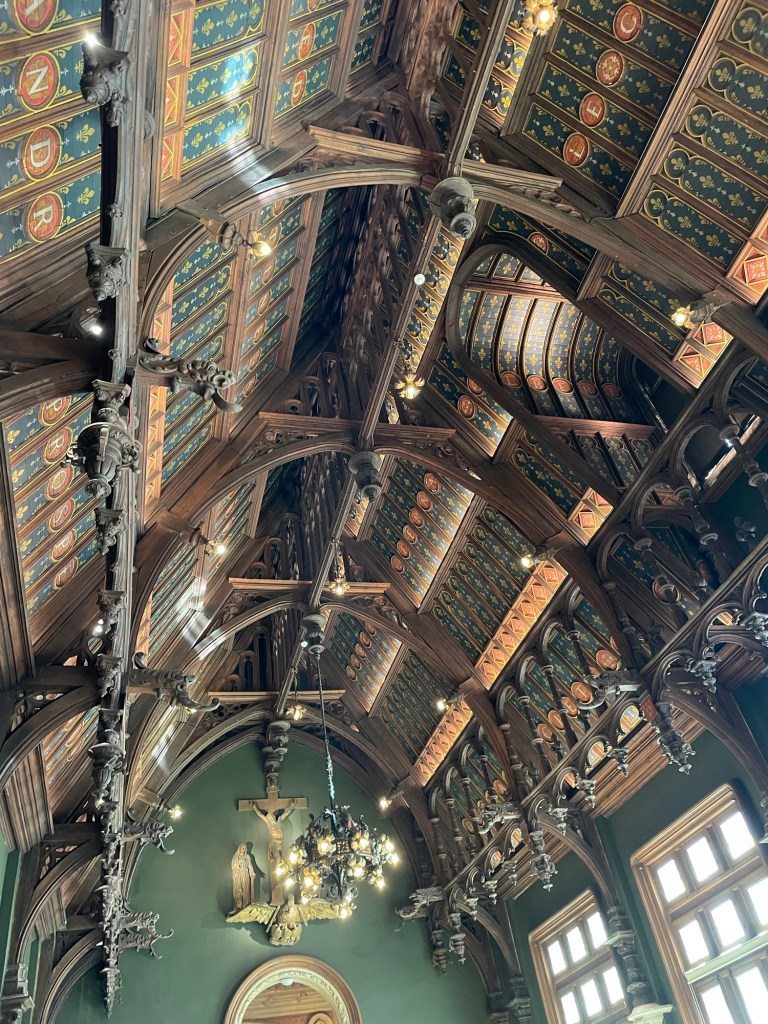
Building restored in 1800sAlexandre Legrand, founder of distilleryClock tower in restored buildingOld distilling equipment displayed outsideFloor tilesBenedictine monks were good chemistsCeiling full of tiles
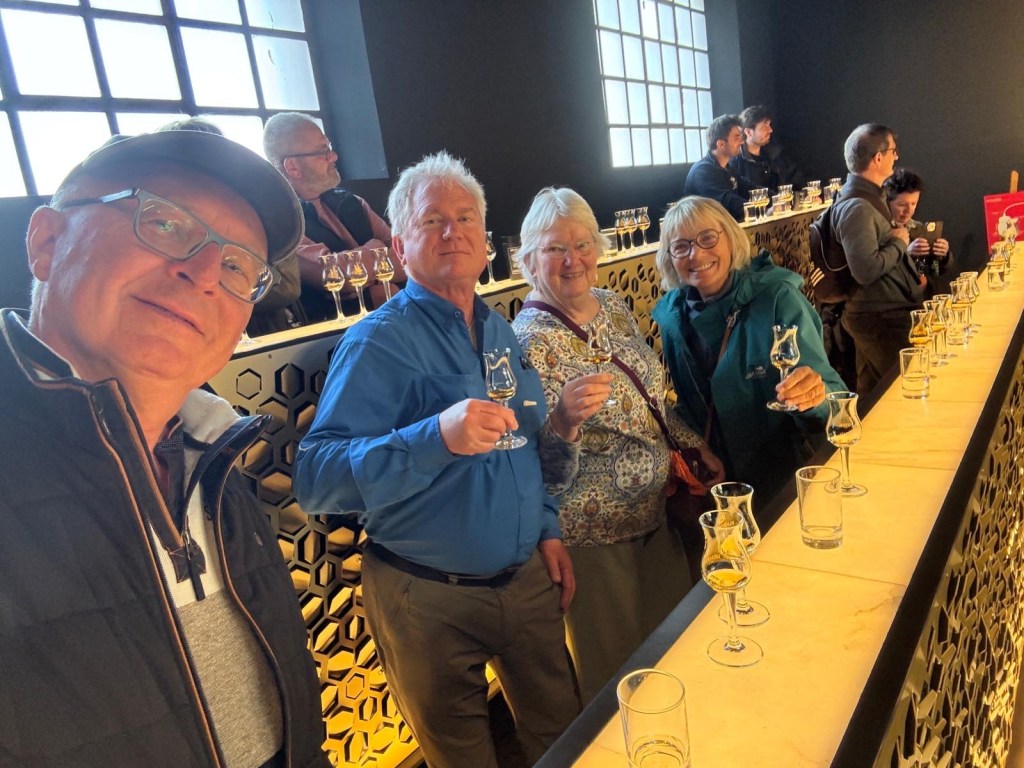
We took a tour inside the restored building, culminating in tasting of three of the Benedictine blends.
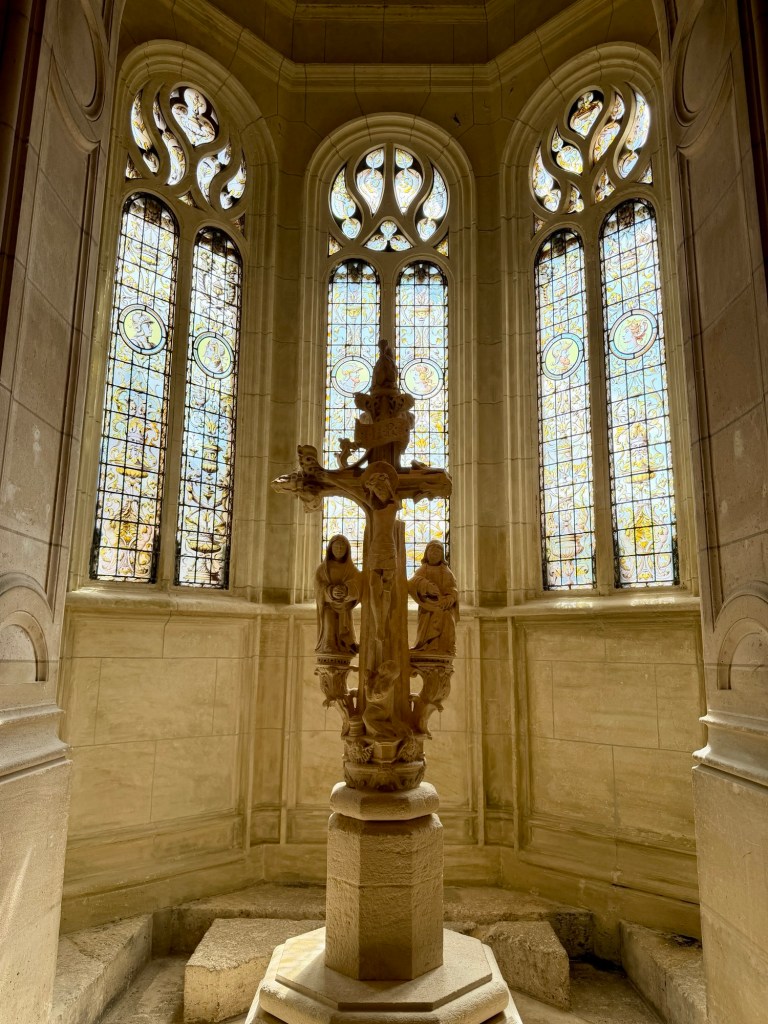
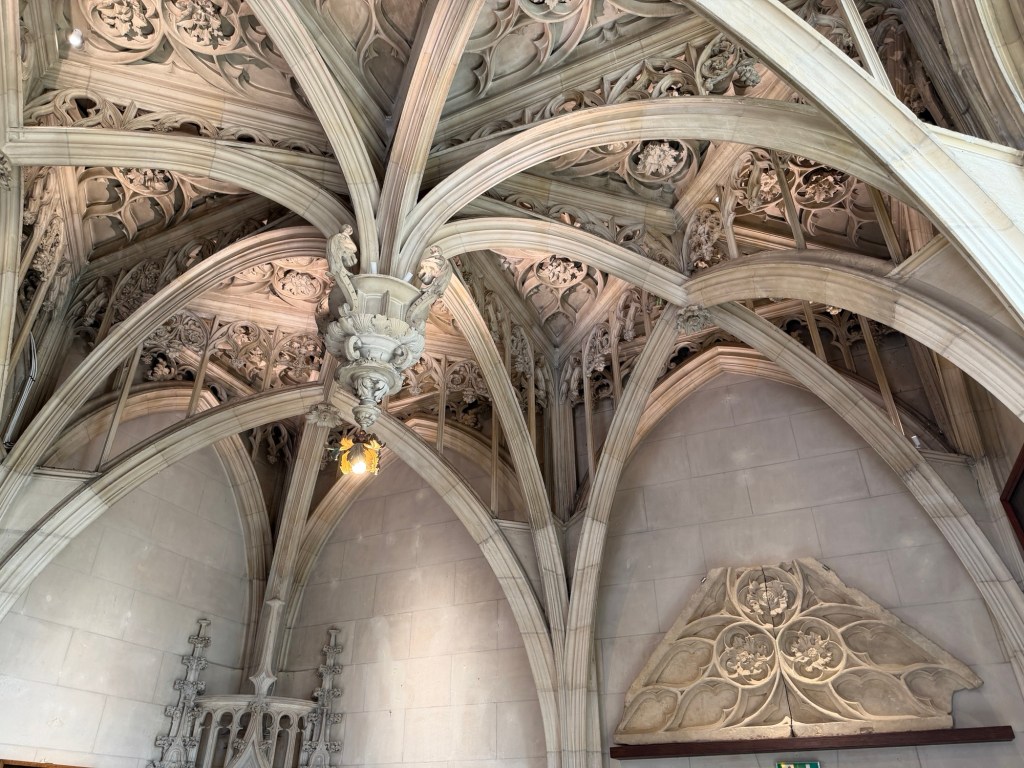
The foundation of the Benedictine monastery in Fécamp dates from 1001. The current building followed its design, using many relics and artifacts from the history of the monastery.
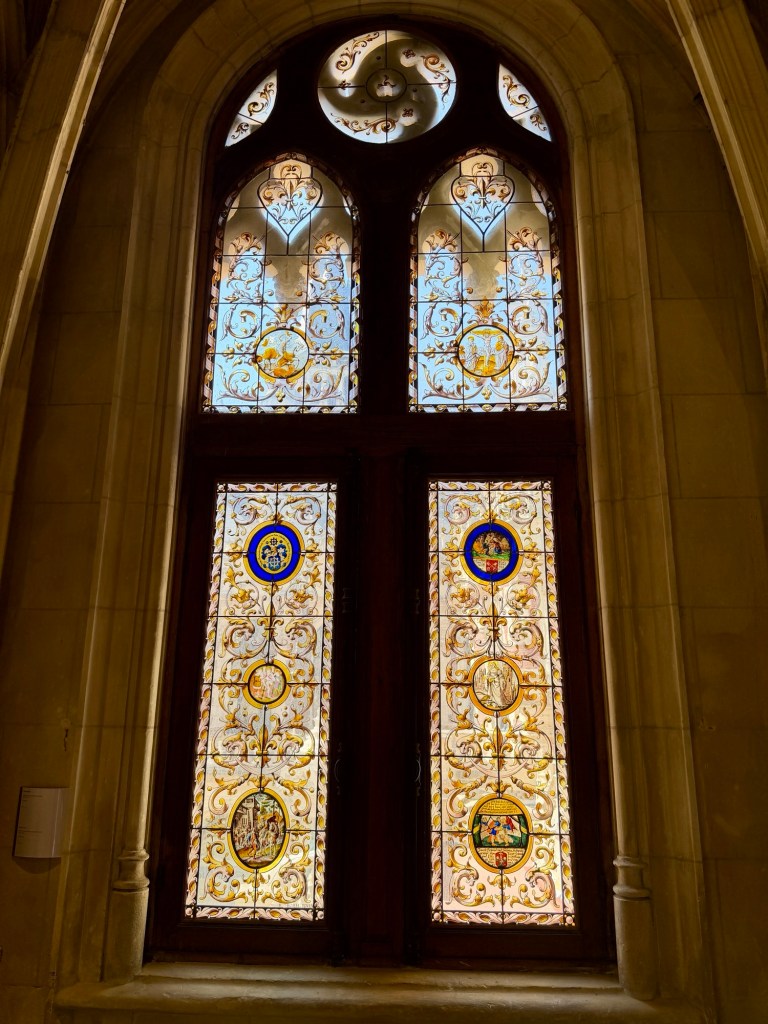
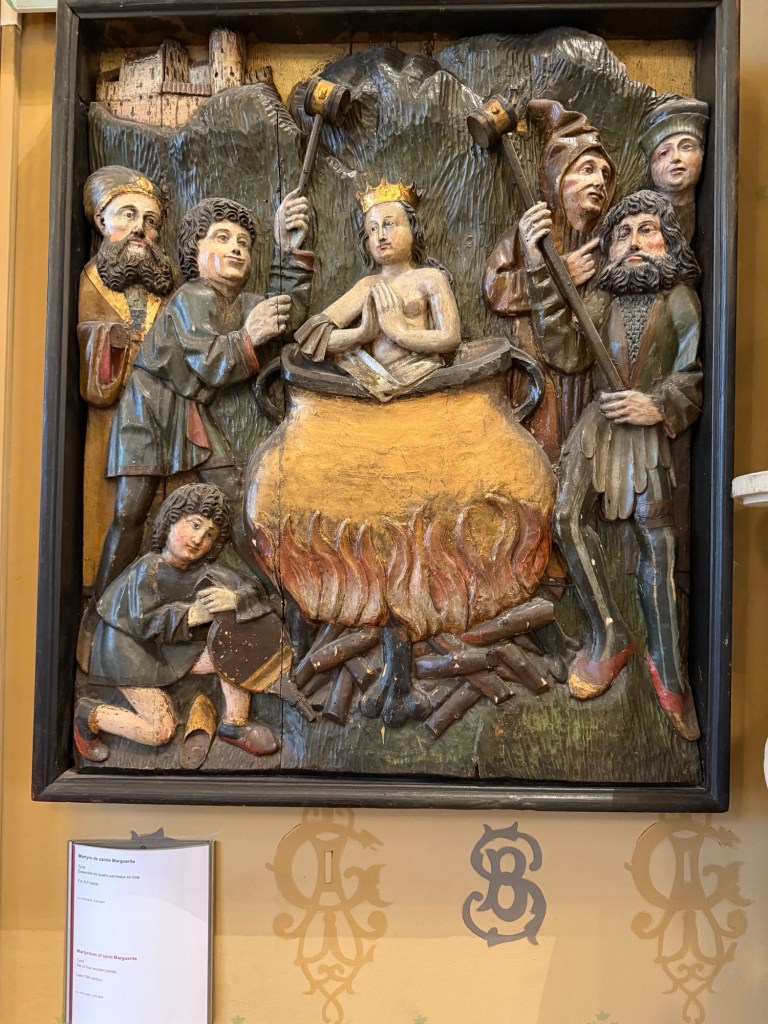
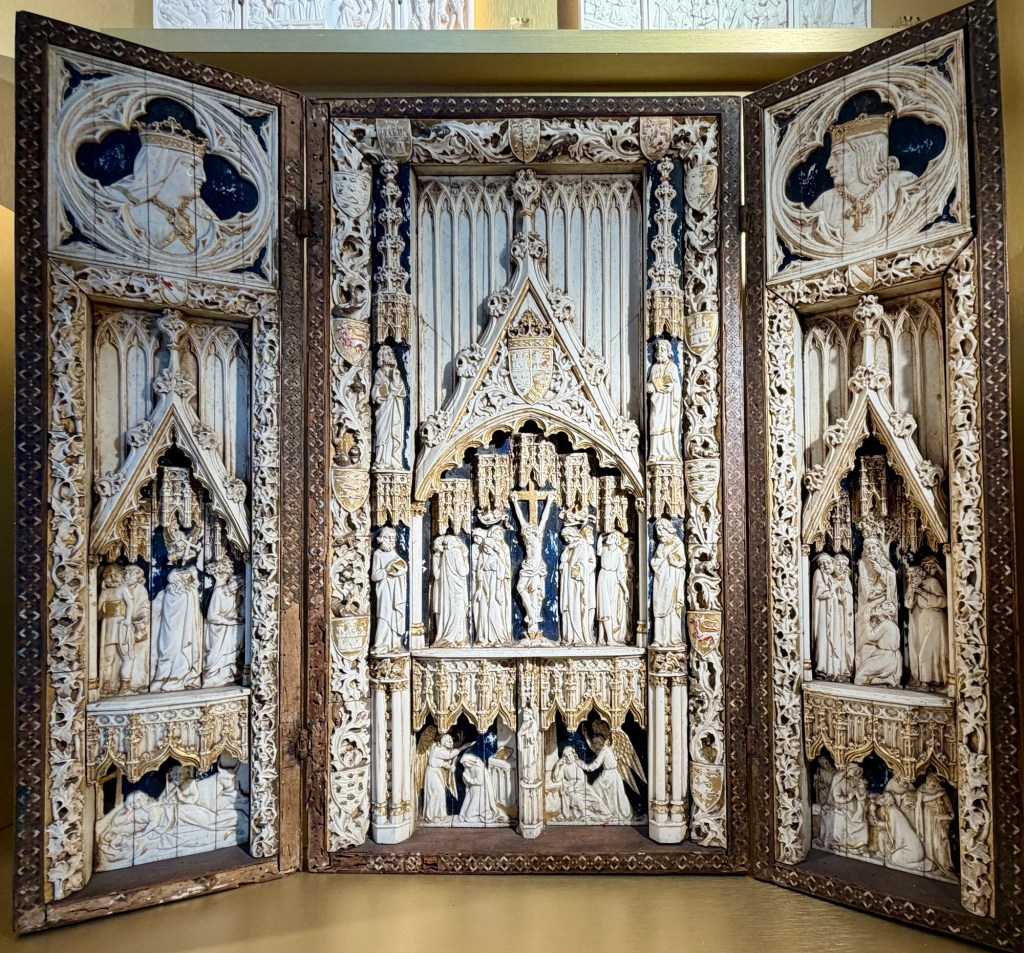
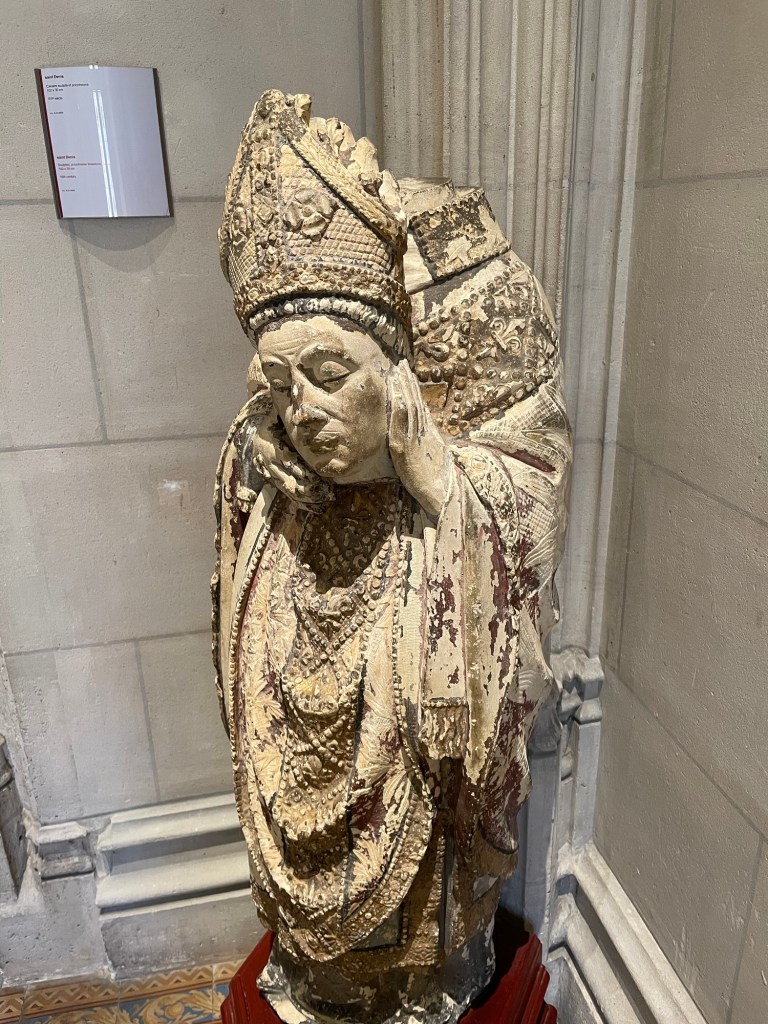
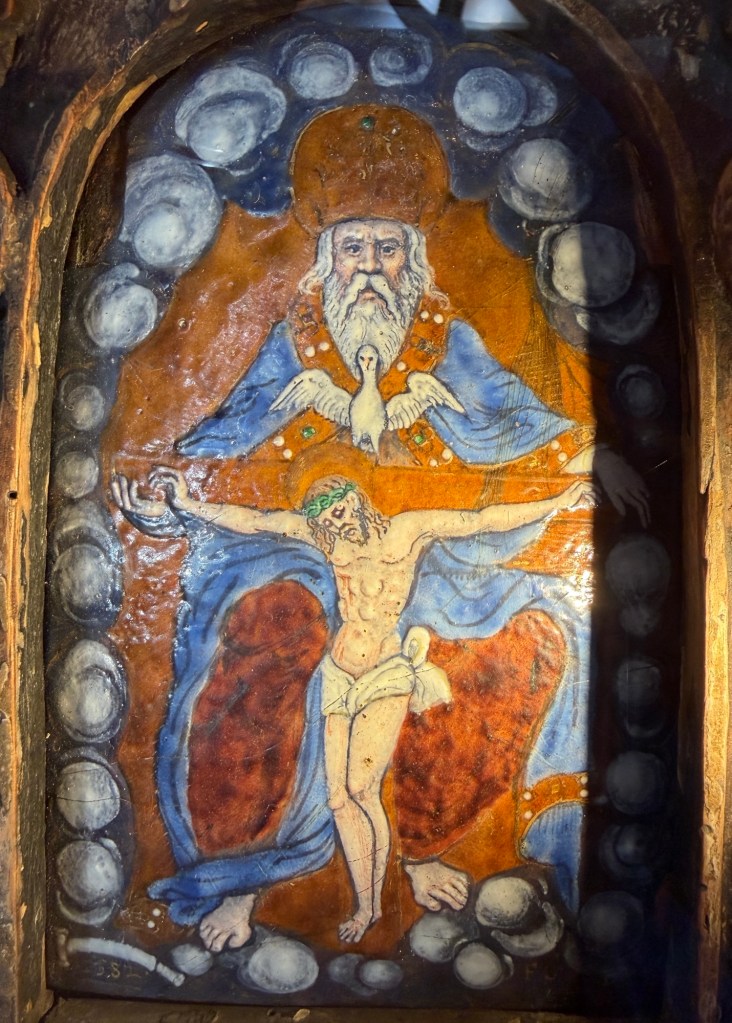
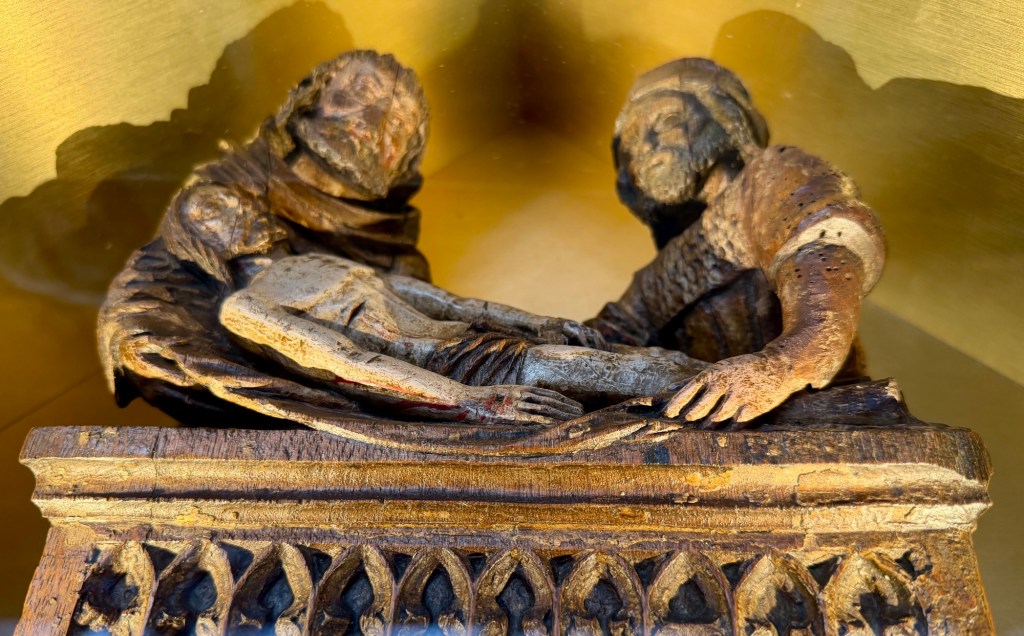
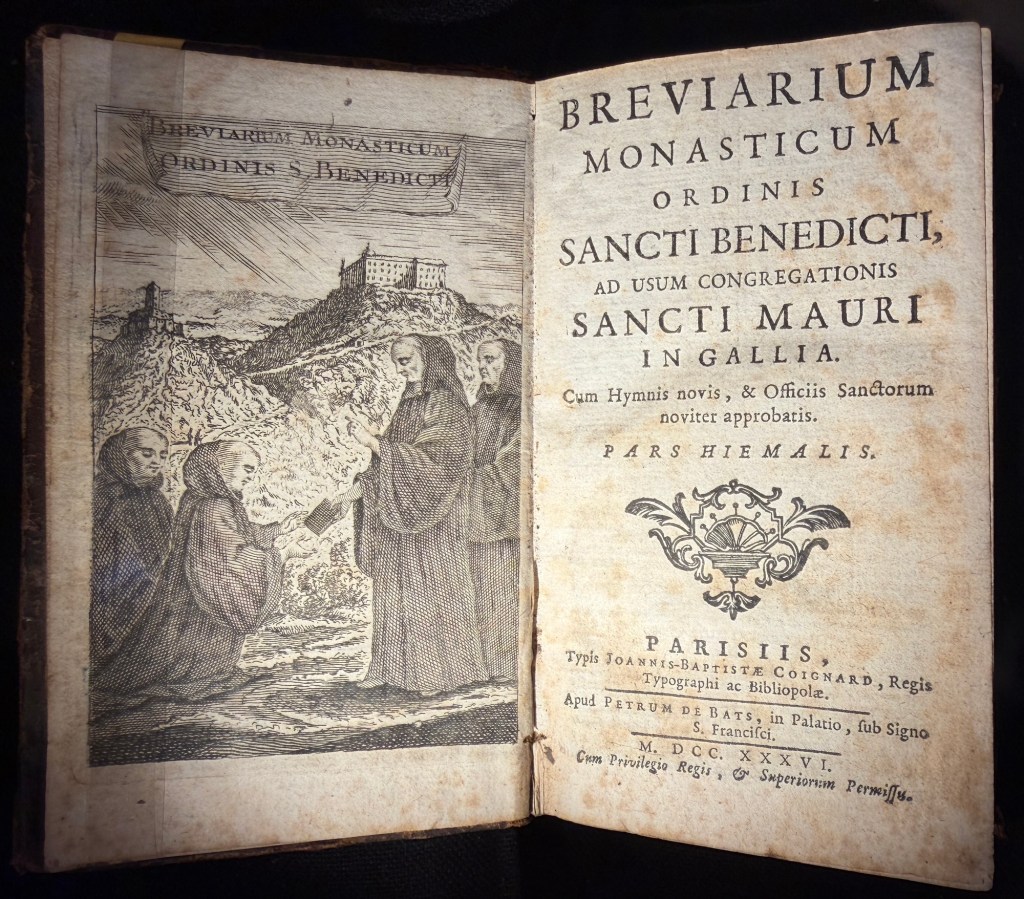
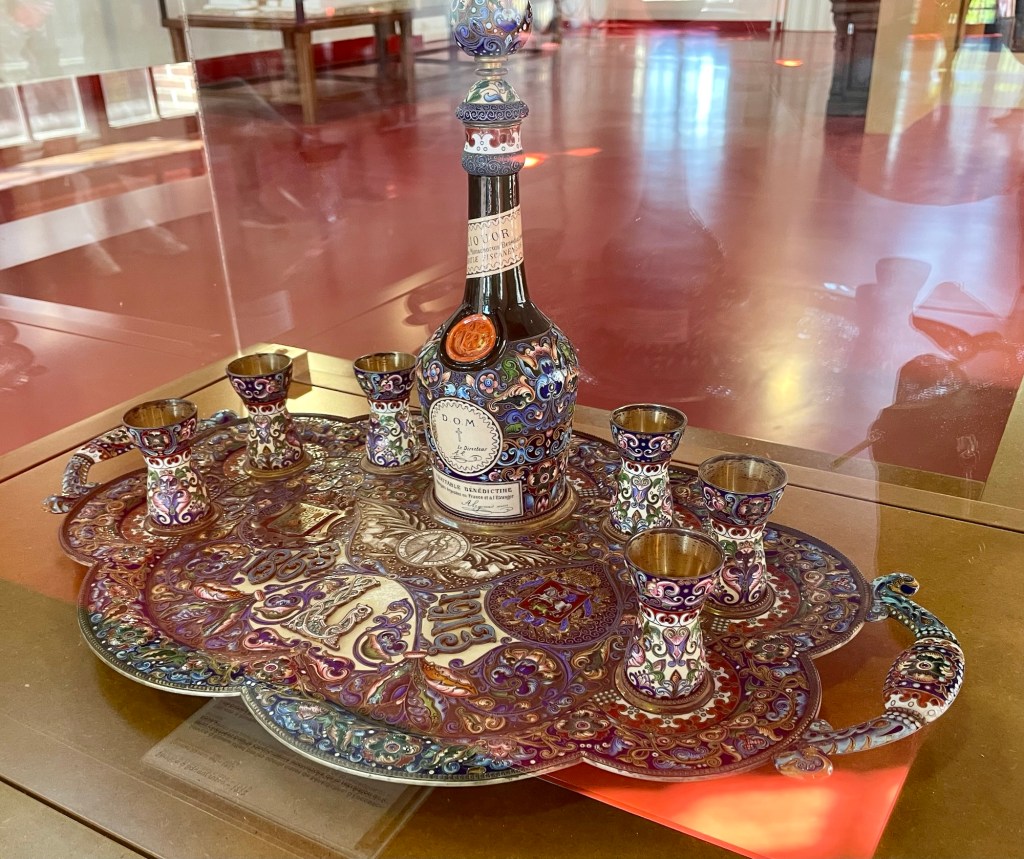
One of the four carvings depicting the martyrdom of St Margaret.Triptyque depicting the crucifixionSt Dennis, holding his head after decapitationHoly Trinity depictionBurial of Jesus, collecting blood for monasteryManuscript from 1736Many religious artifacts from the old monasteryRussian Benedictine set of glasses etc. Pretty advertisements!
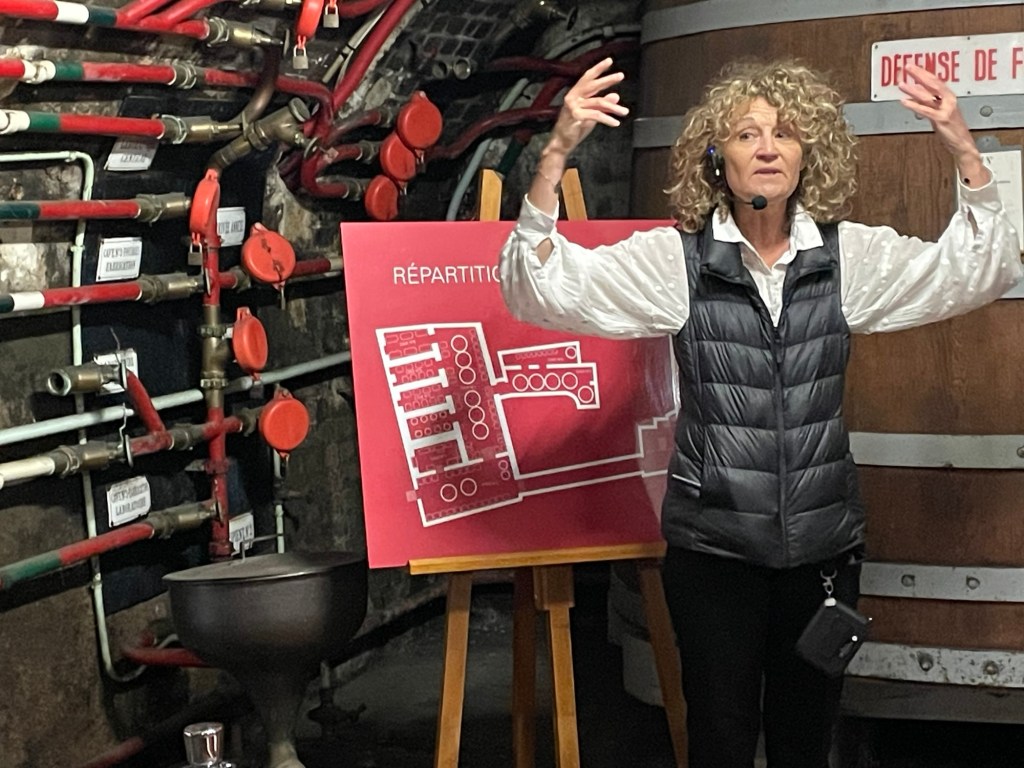
A guide explained the public parts of the recipe for Benedictine, showed us many parts of the factory and used signs for clarification. When Benedictine was not selling, workers from the distillery would go into local establishments and ask for the drink, pretending to be upset if it was not available!
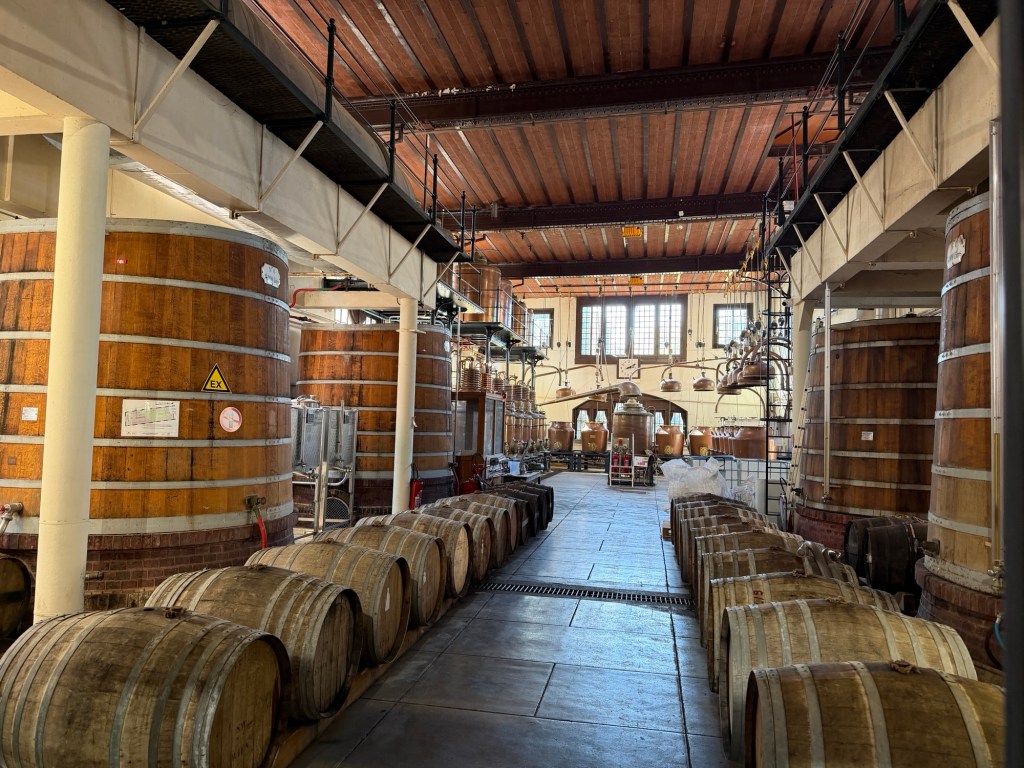
Stills, vats, and casks27 herbs and spices in a complicated processOur guide explains the making of BenedictineTasting the Benedictine as well as Benedictine and Brandy (B&B)
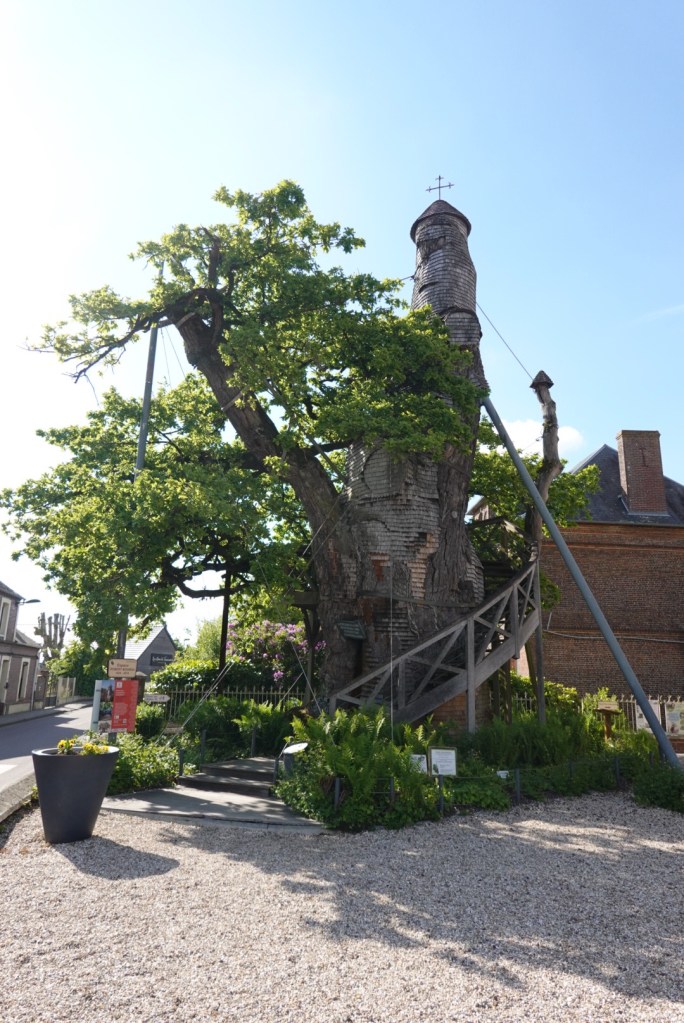
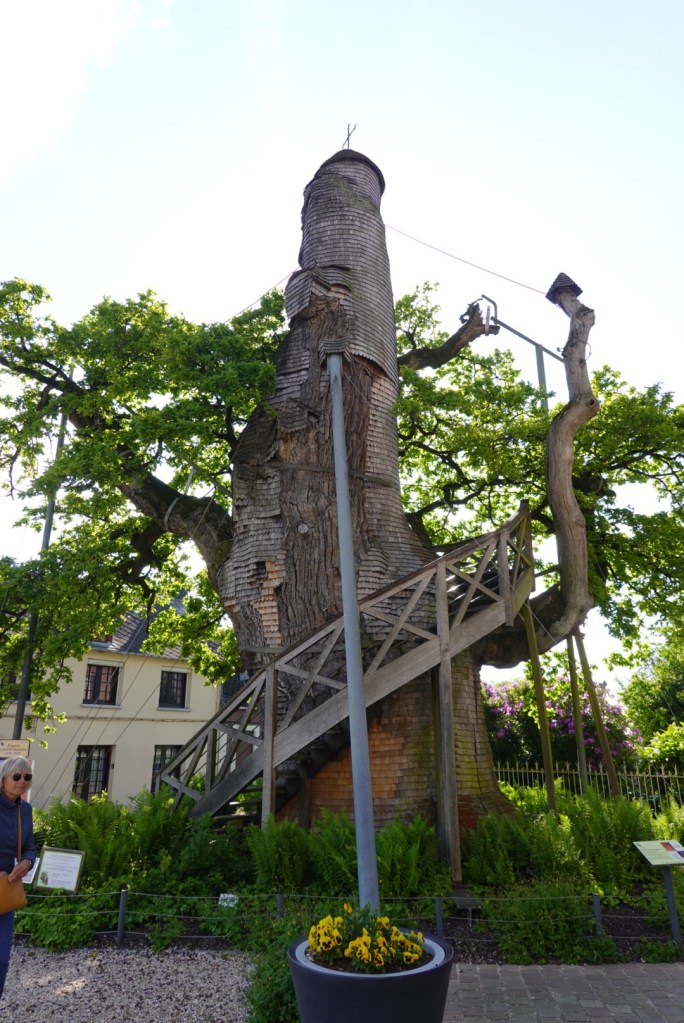
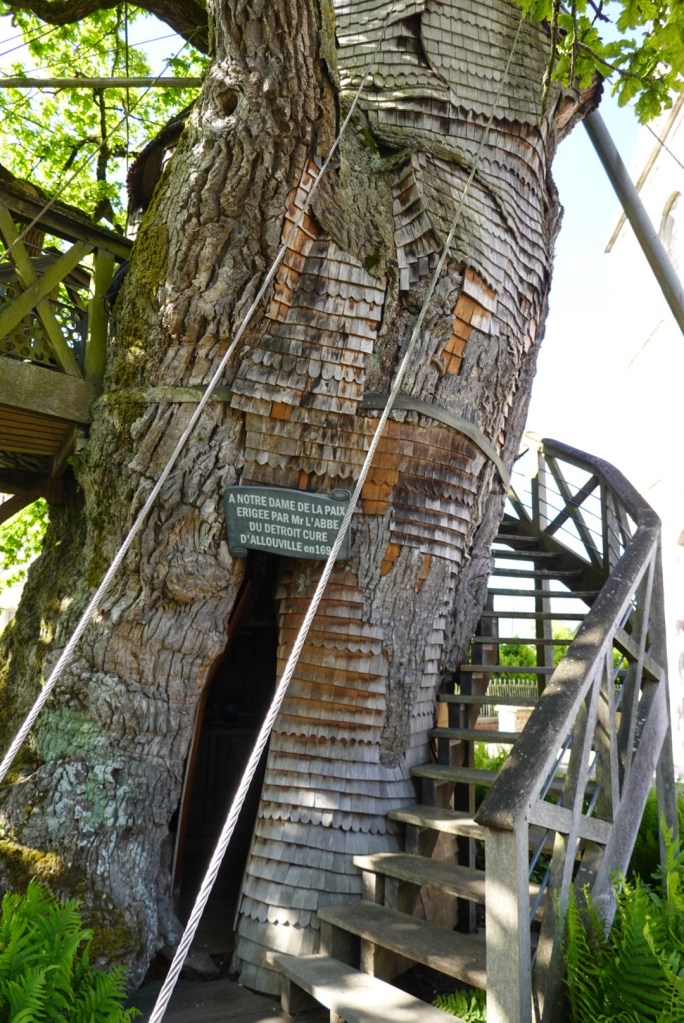
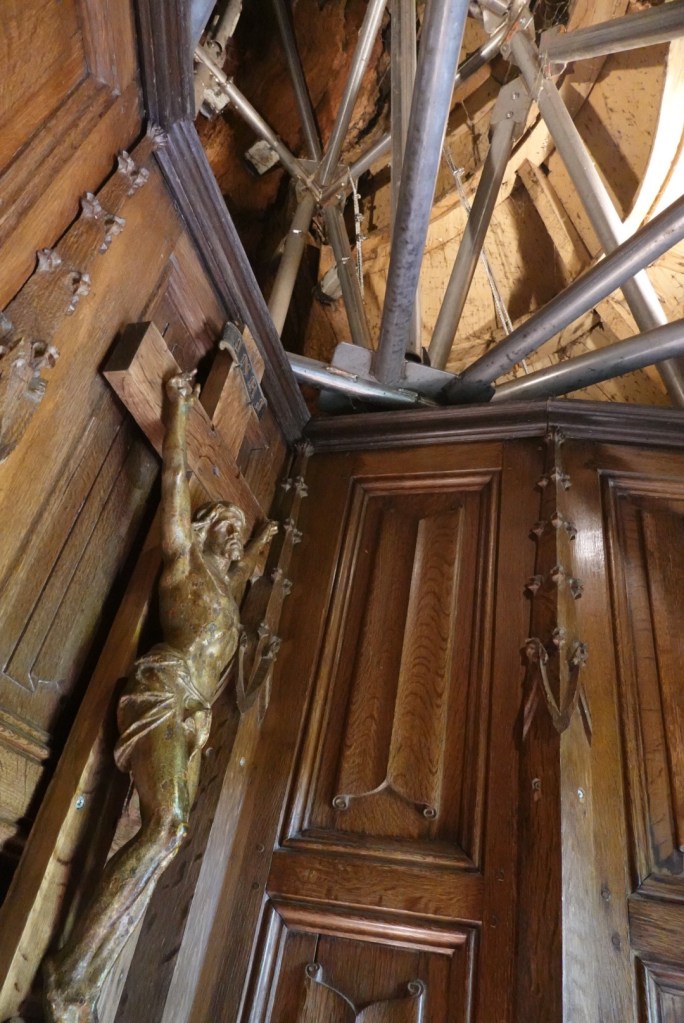
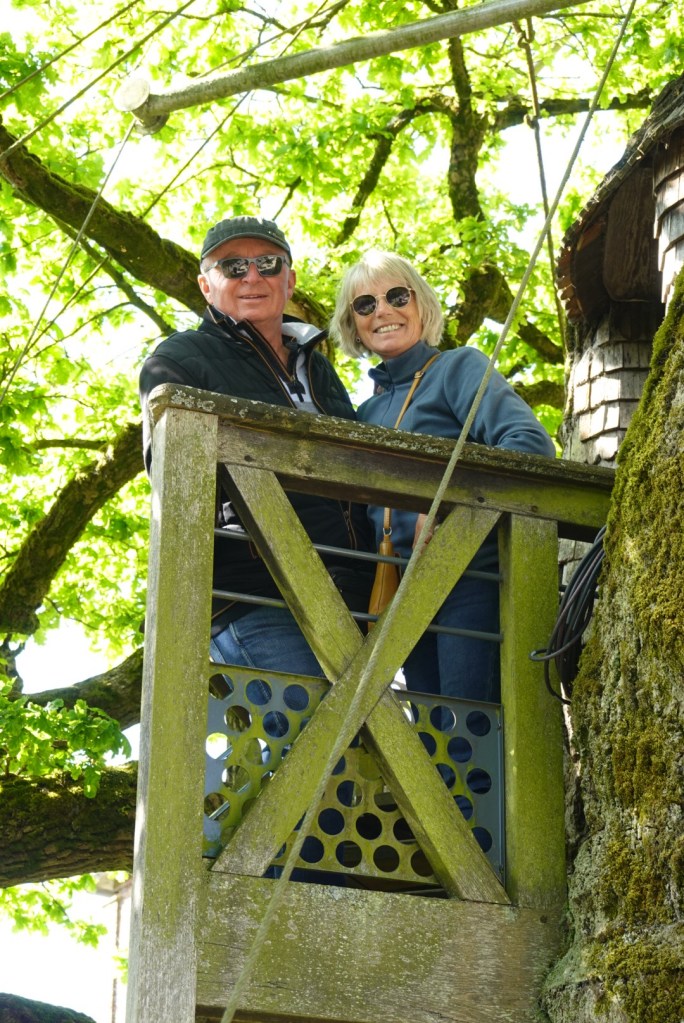
On the way back, we stopped in Allouville-Bellefosse to see the Chapel Oak, a very old tree that was burned, then hollowed; people built two tiny chapels inside. The oak tree may date to the 11th century!
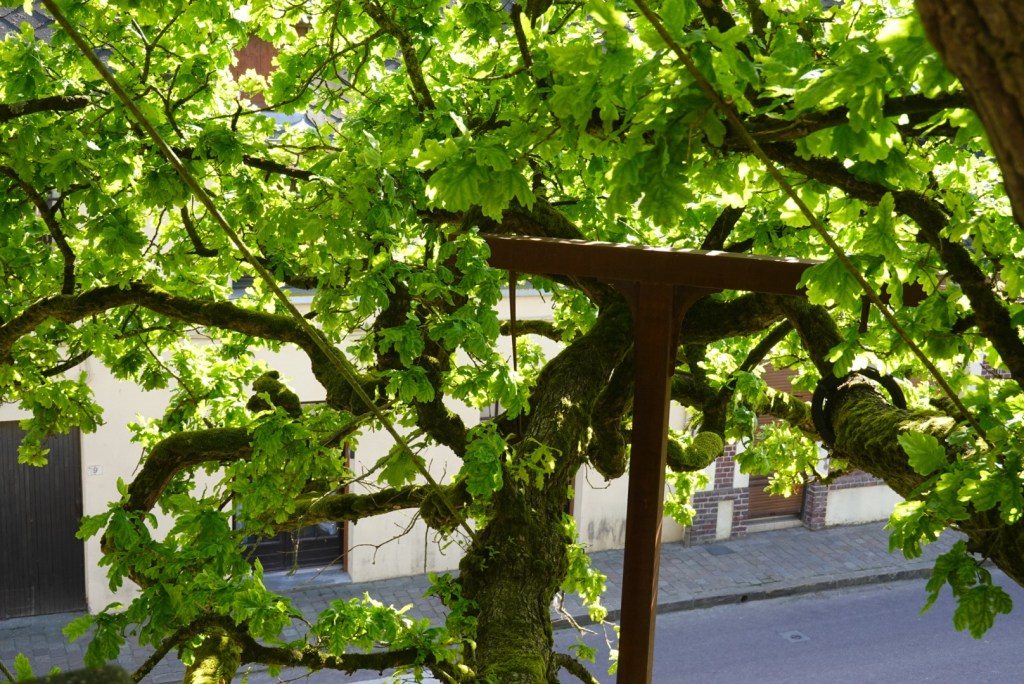
The tree requires lots of stabilization.Shingles replace missing bark.Upper ChapelLower chapelMarc and Joëlle
Then we drove back to Pont Audemer.
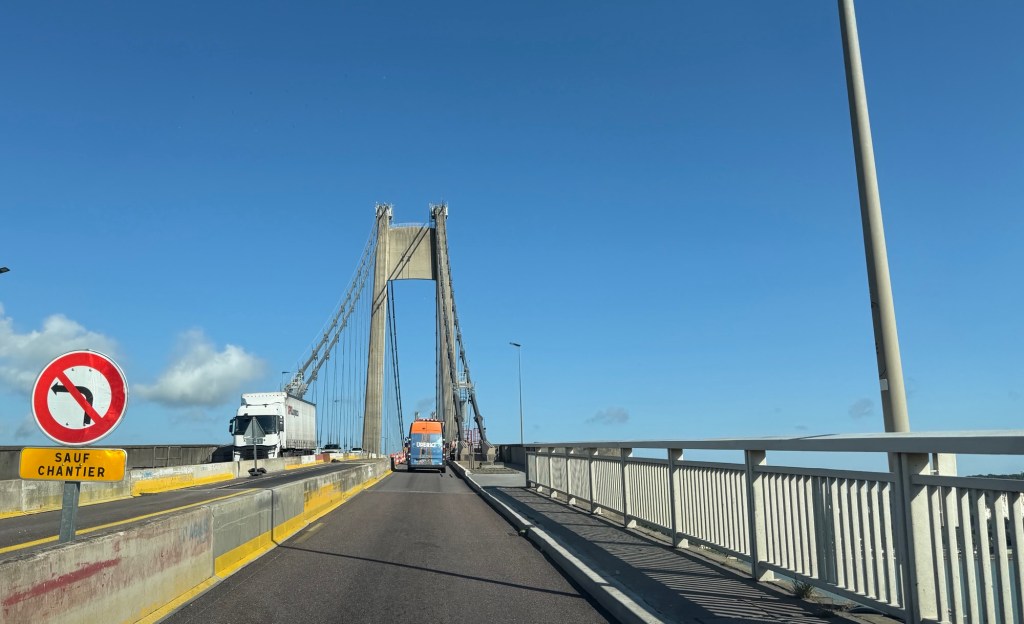
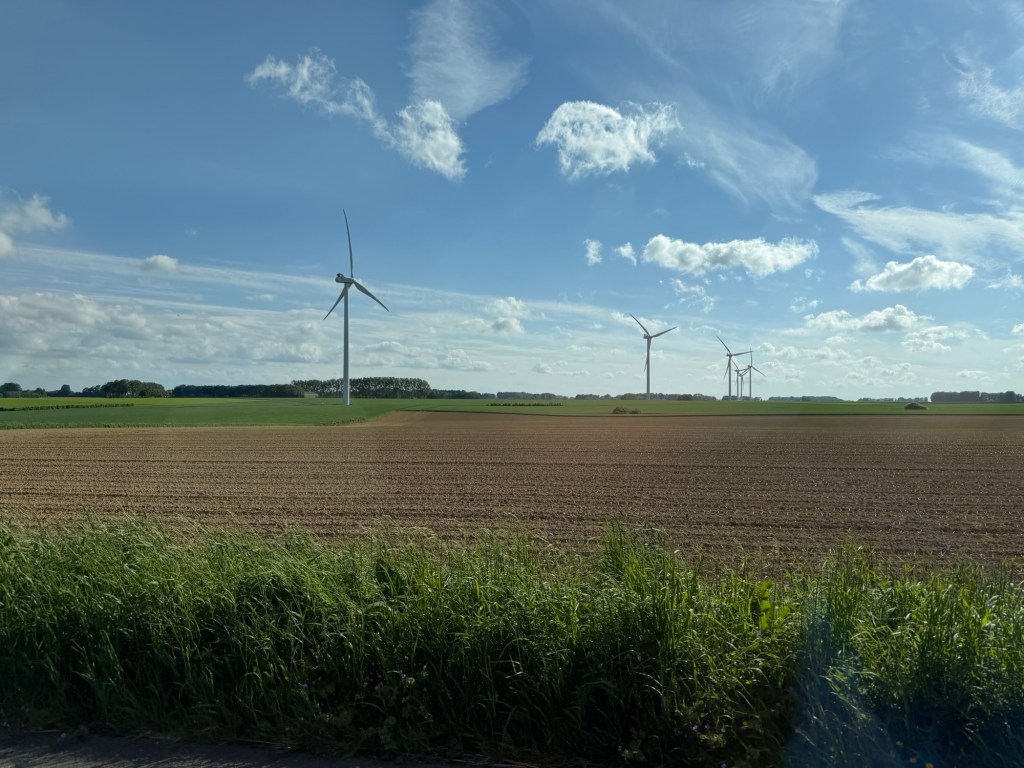
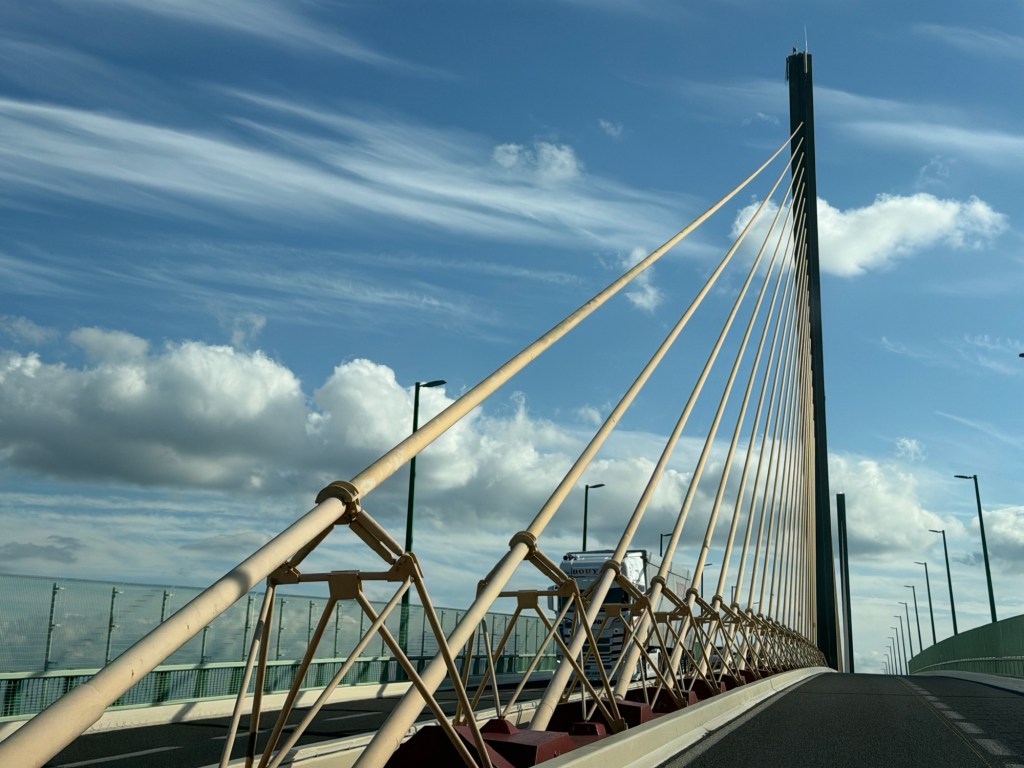
Wind farmApproaching a bridge over the SeineCables holding the deck
Last night we arrived in the town of Pont-Audemer where we will spend the next 4 nights exploring Normandy with our friends Marc and Joëlle. It is centrally located, so each day will be a short drive and a different direction, East, North, Northwest then West.
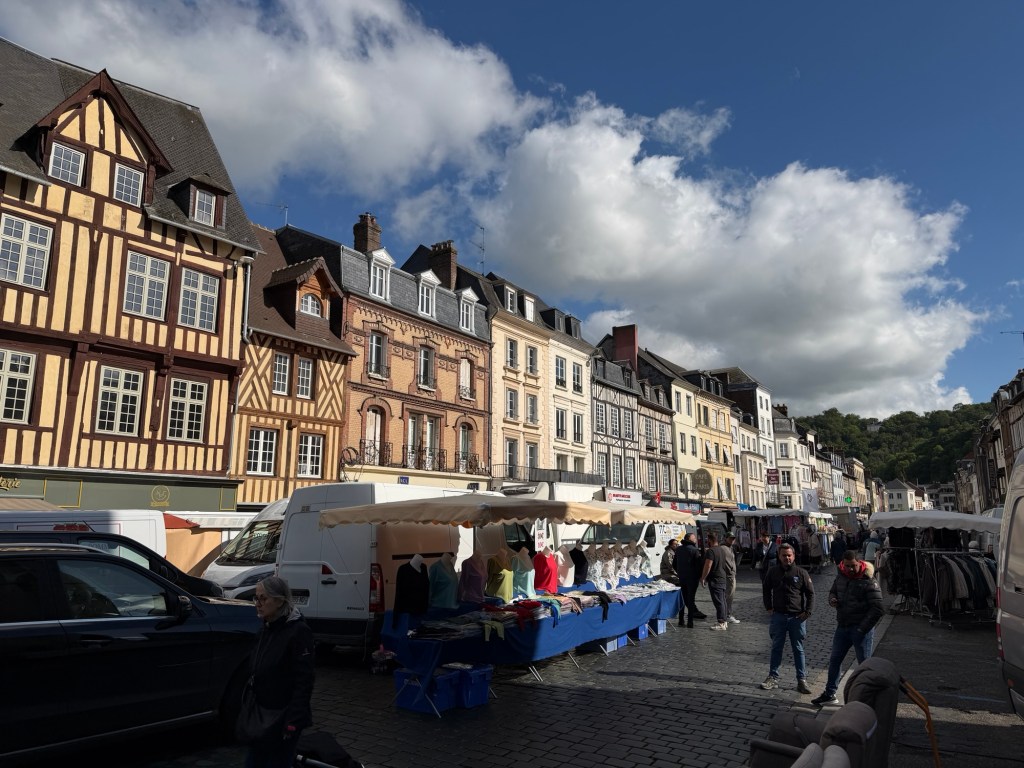
First, however, we went to the outdoor market a few blocks from our AirBnB. Like in many towns in France, the outdoor market is open only two mornings a week.
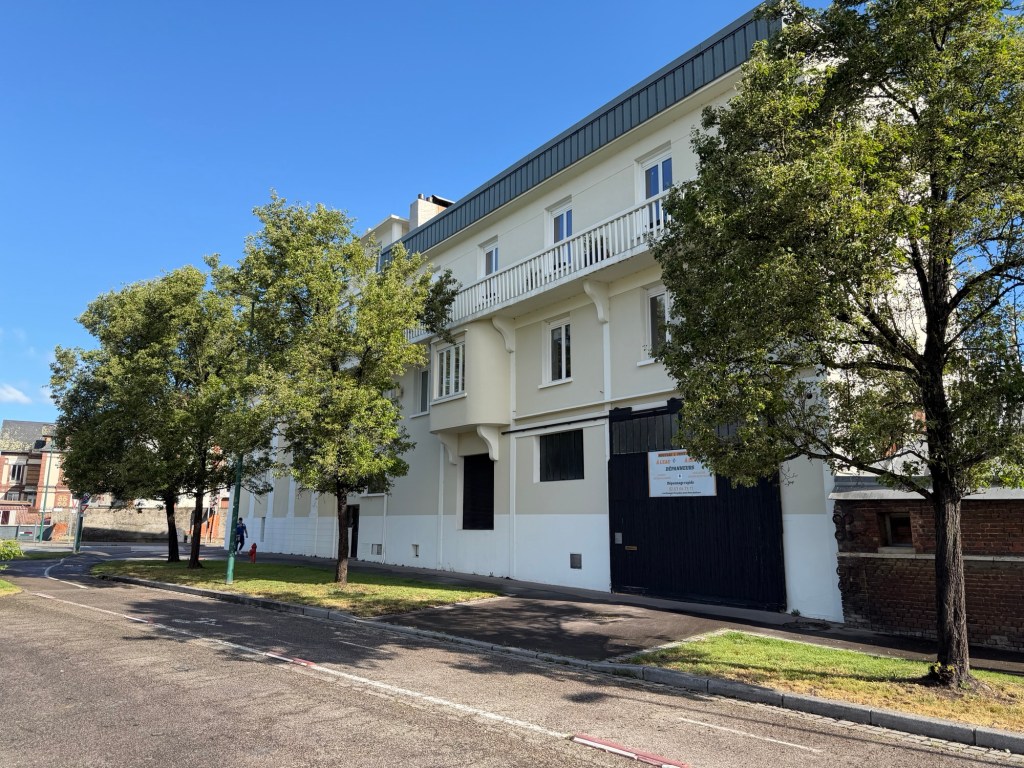
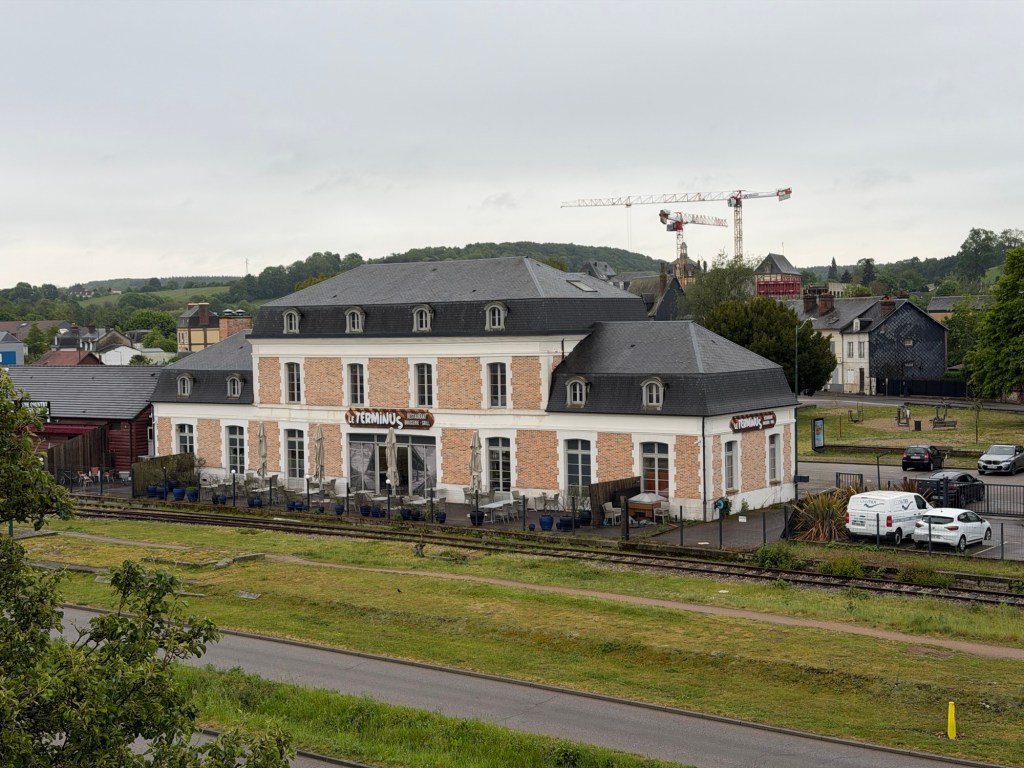
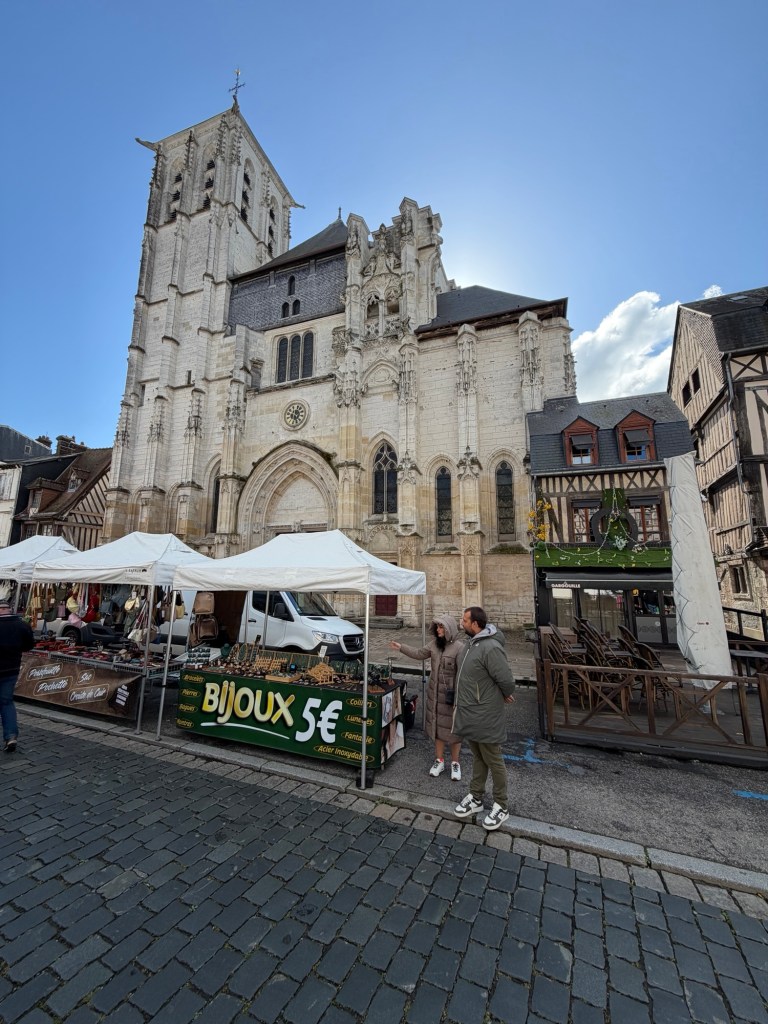
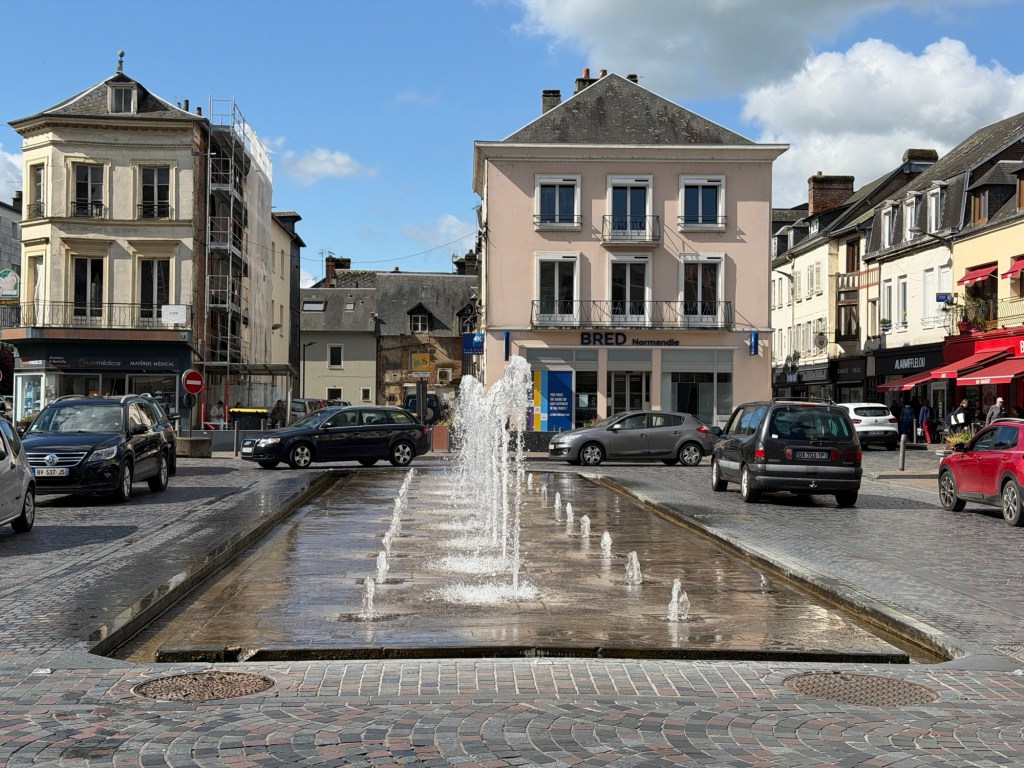
The place we sleptDinner first night in an old train stationThe church behind some market stallsChurch adjacent to outdoor market Inside the church Fountain near marketOutdoor marketKnown as the Venice of Normandy, there are many canals fed by the Risle River.Scenes around Pont-Audemer
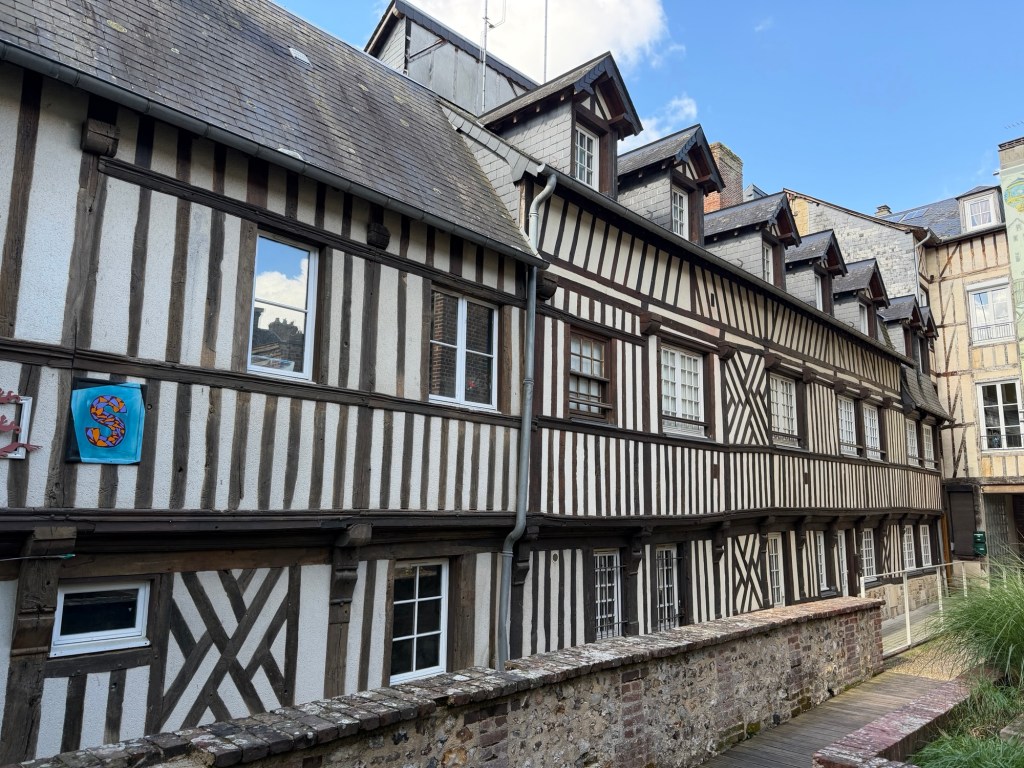
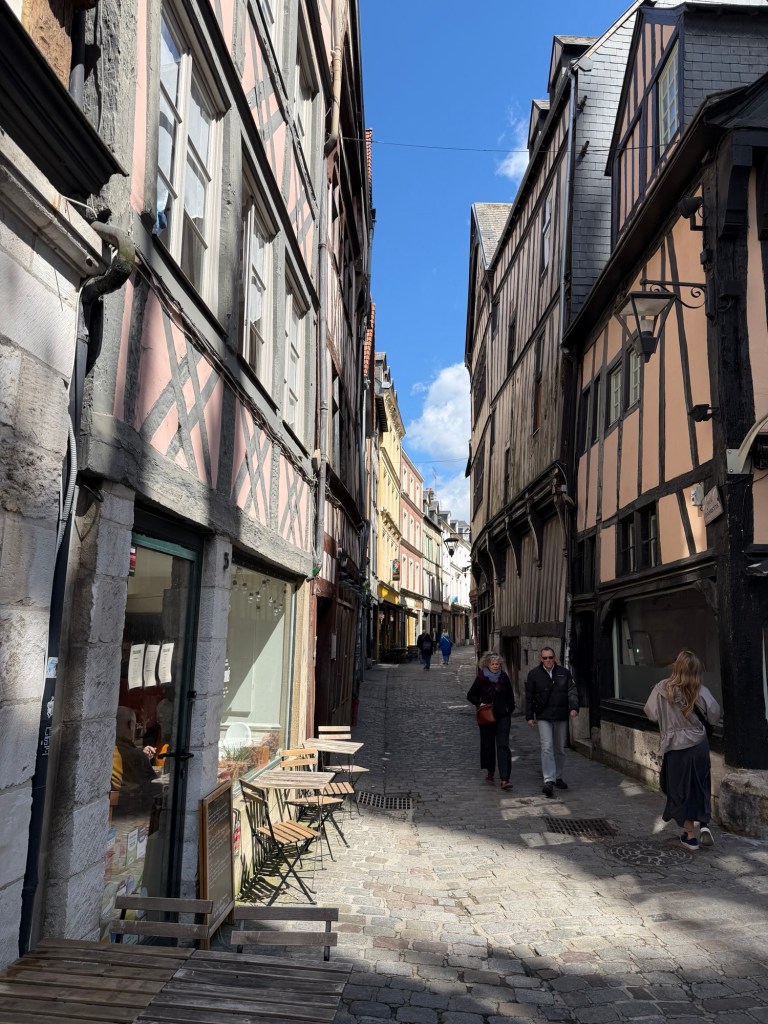
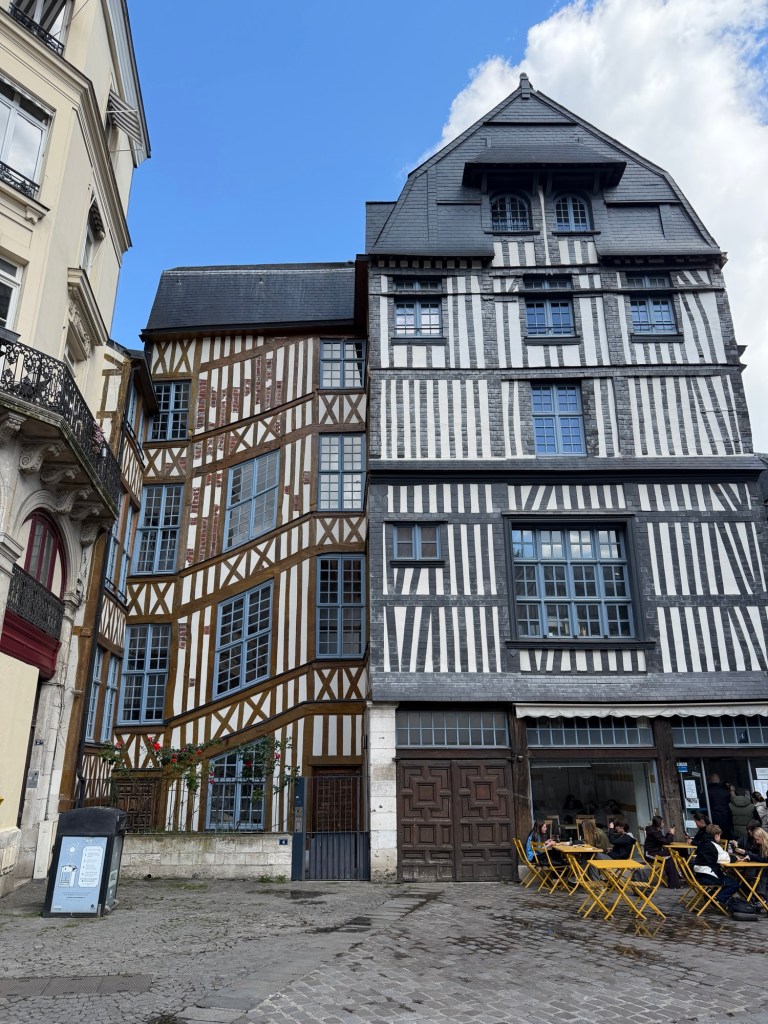
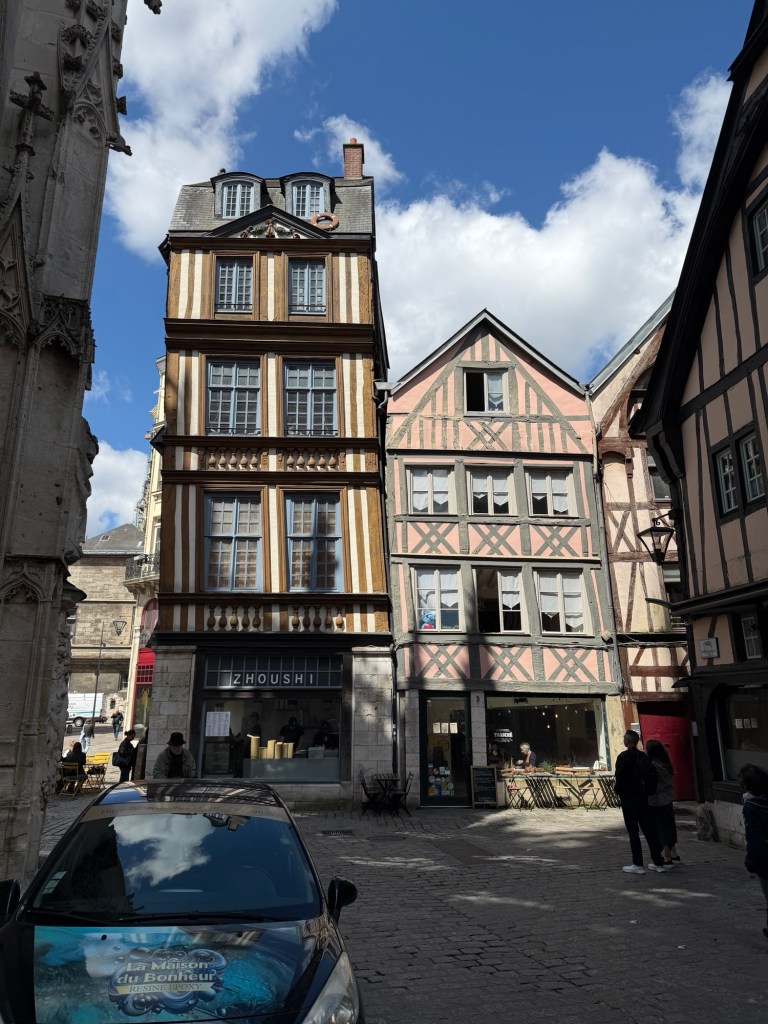
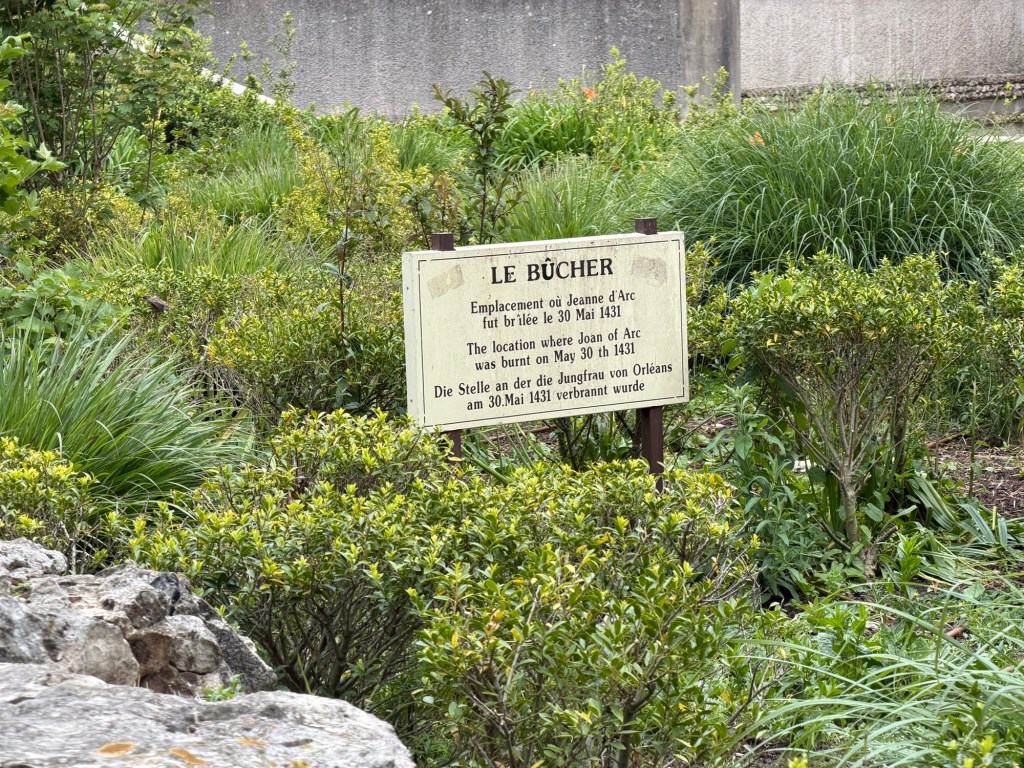
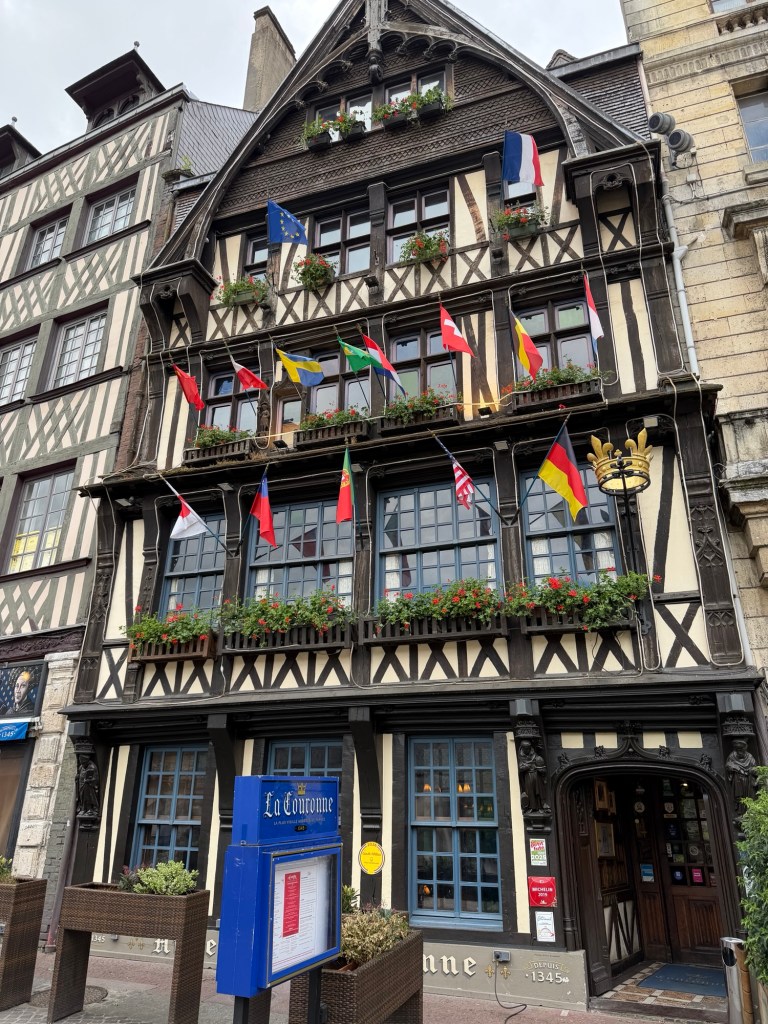
Rouen is famous for where Joan of Arc was martyred and is full of churches. The architecture of houses and shops features many half-timbered buildings.
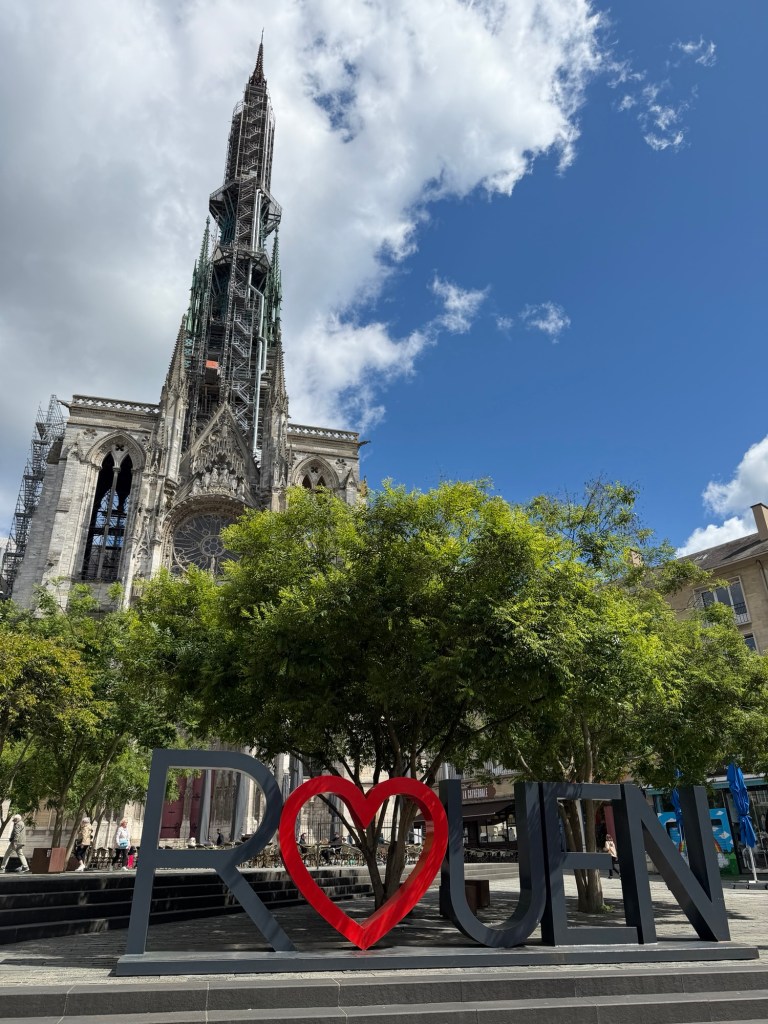
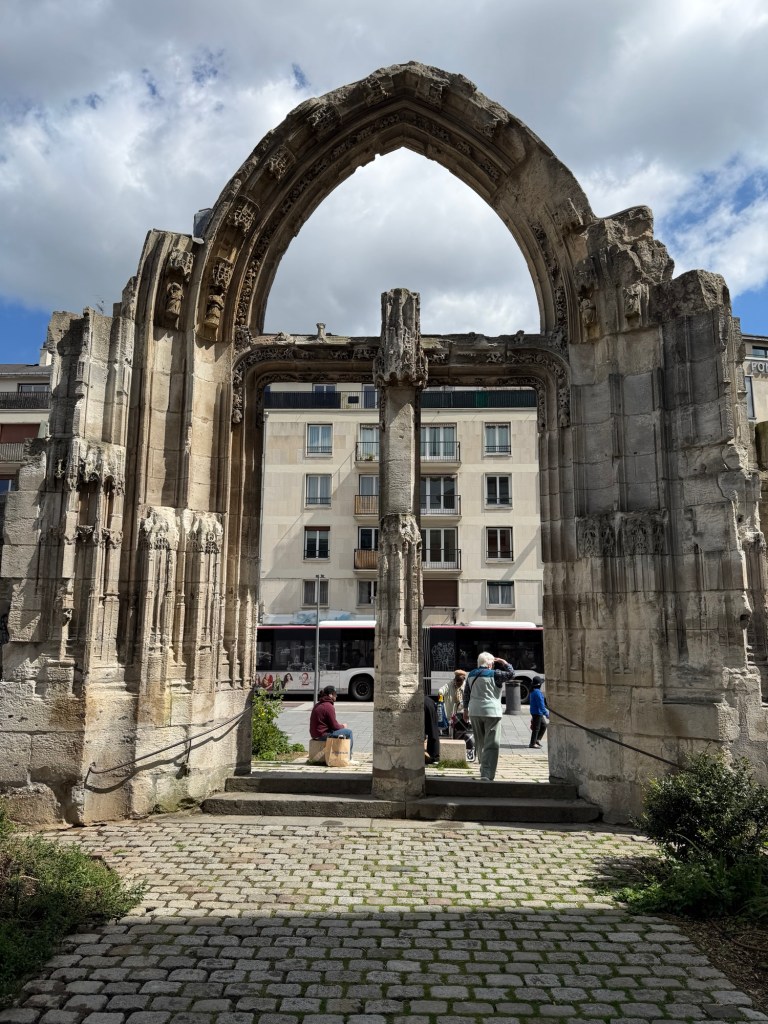
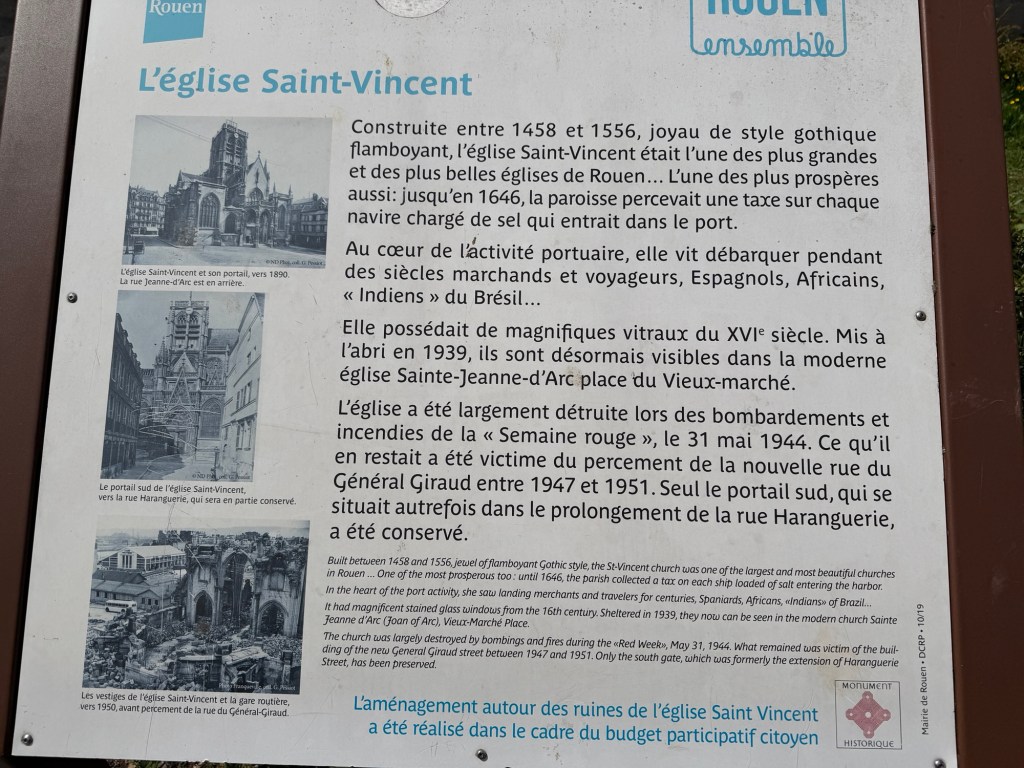
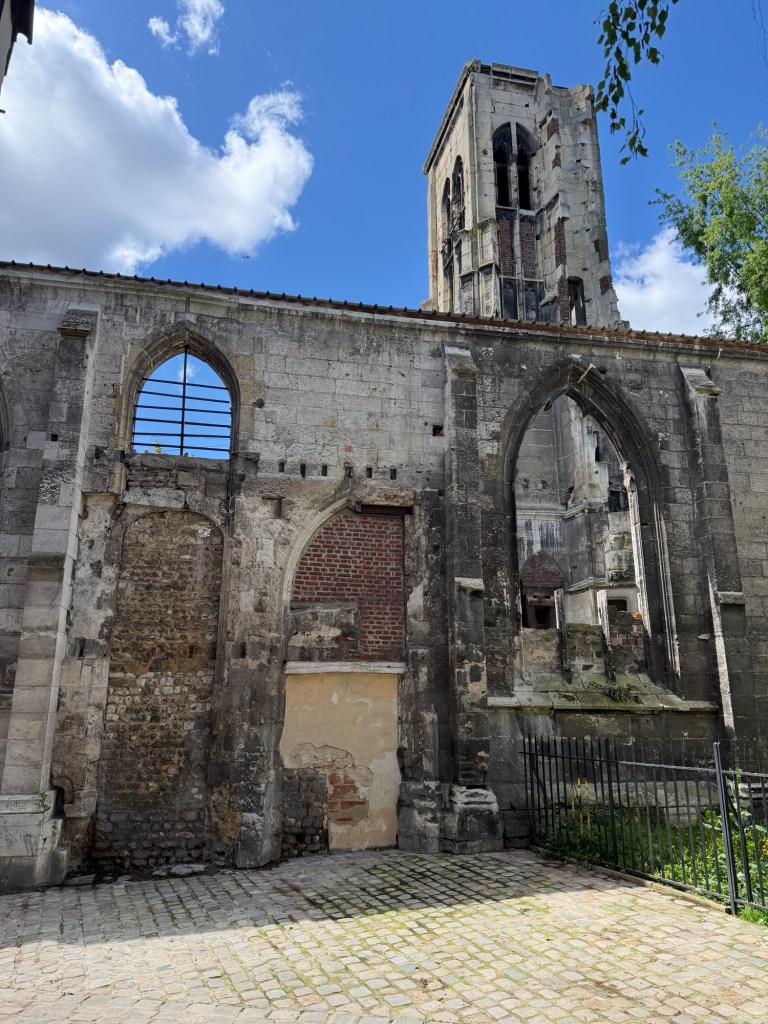
Town sign with Notre Dame Cathedral behind. Ruins of large former church in Rouen
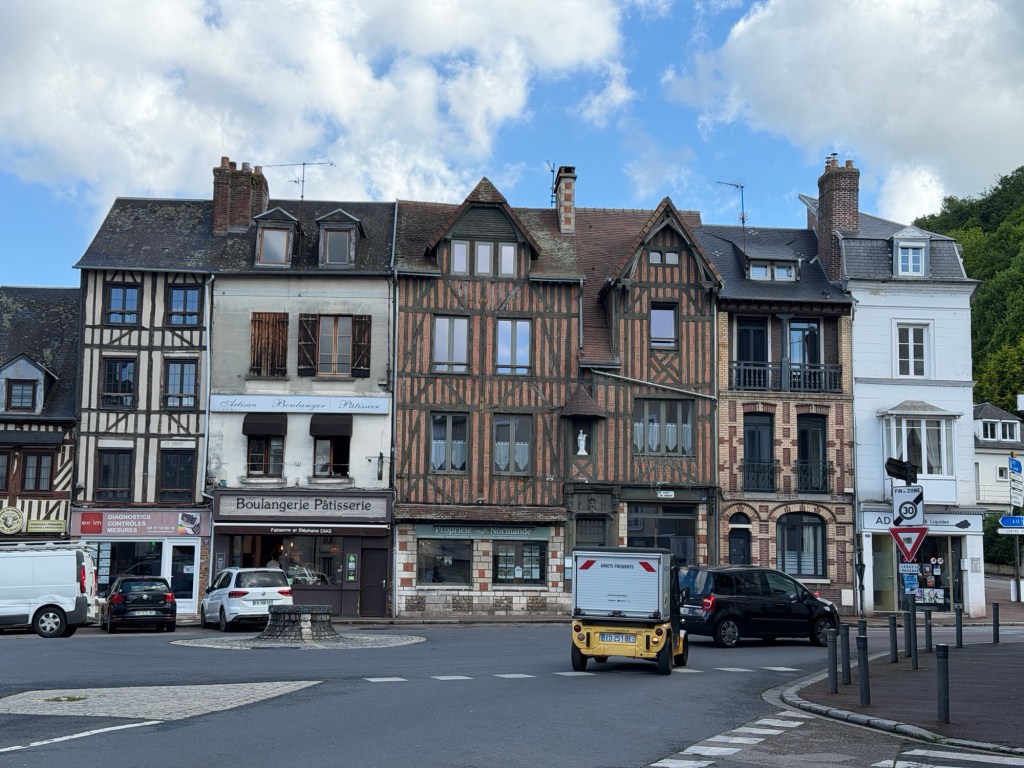
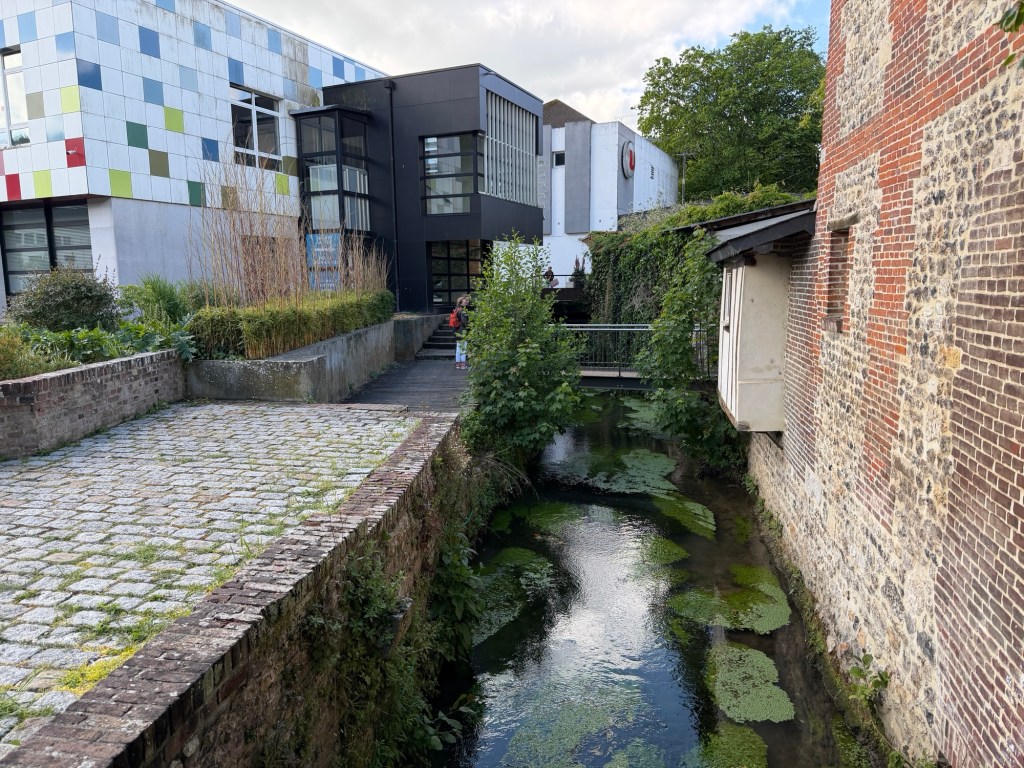
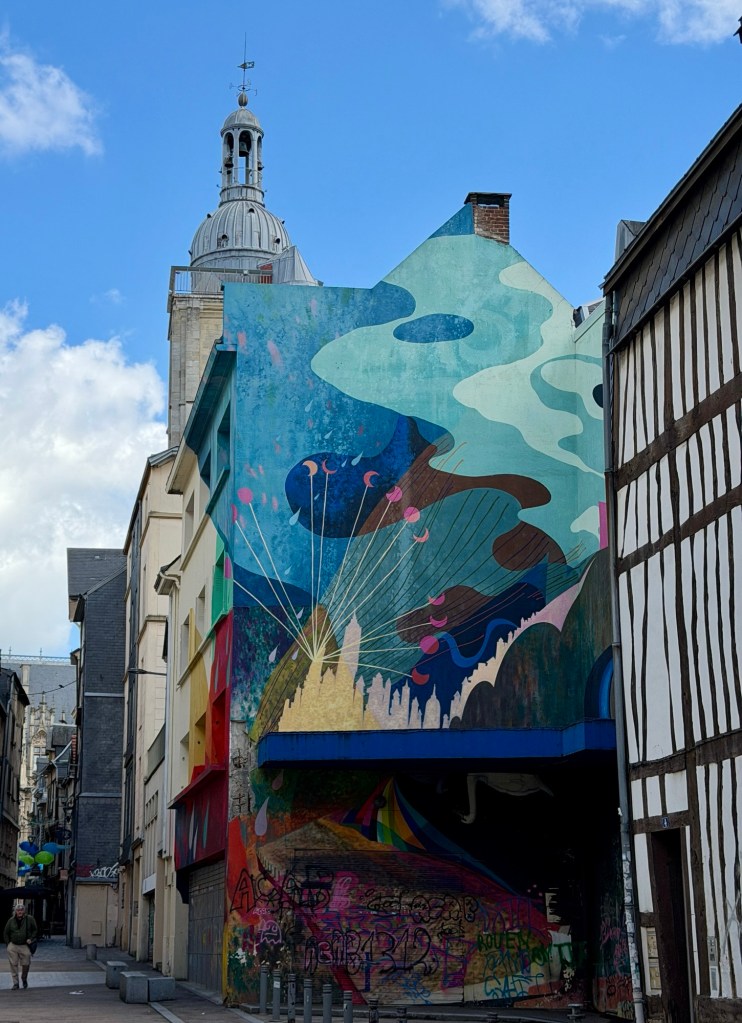
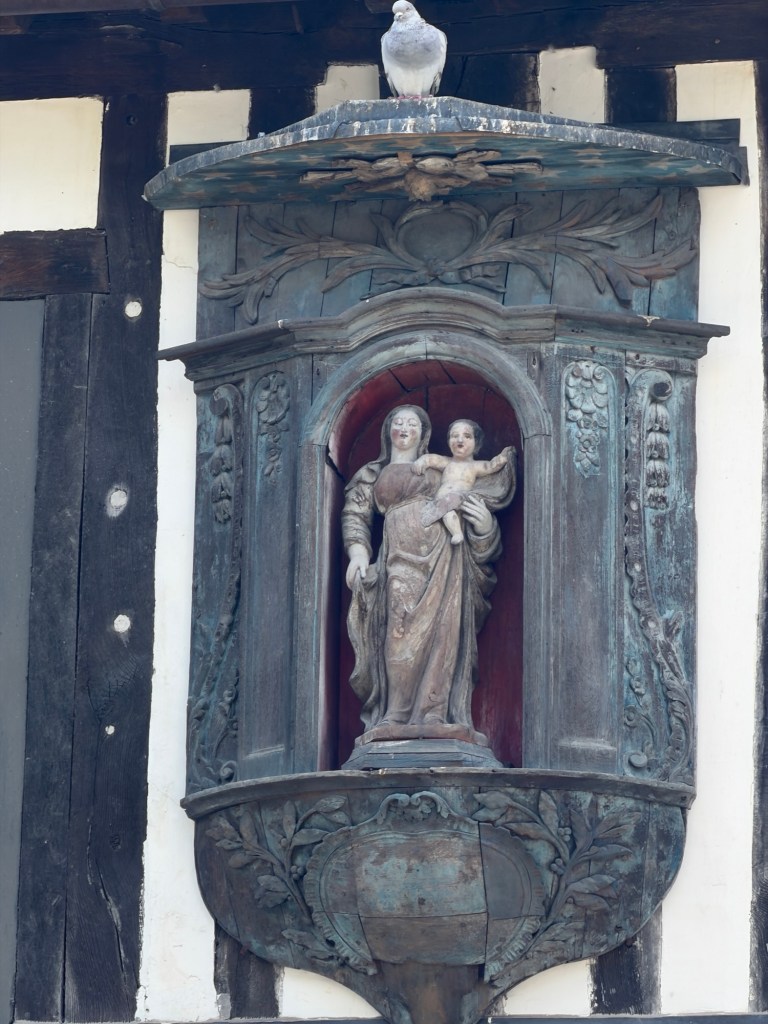
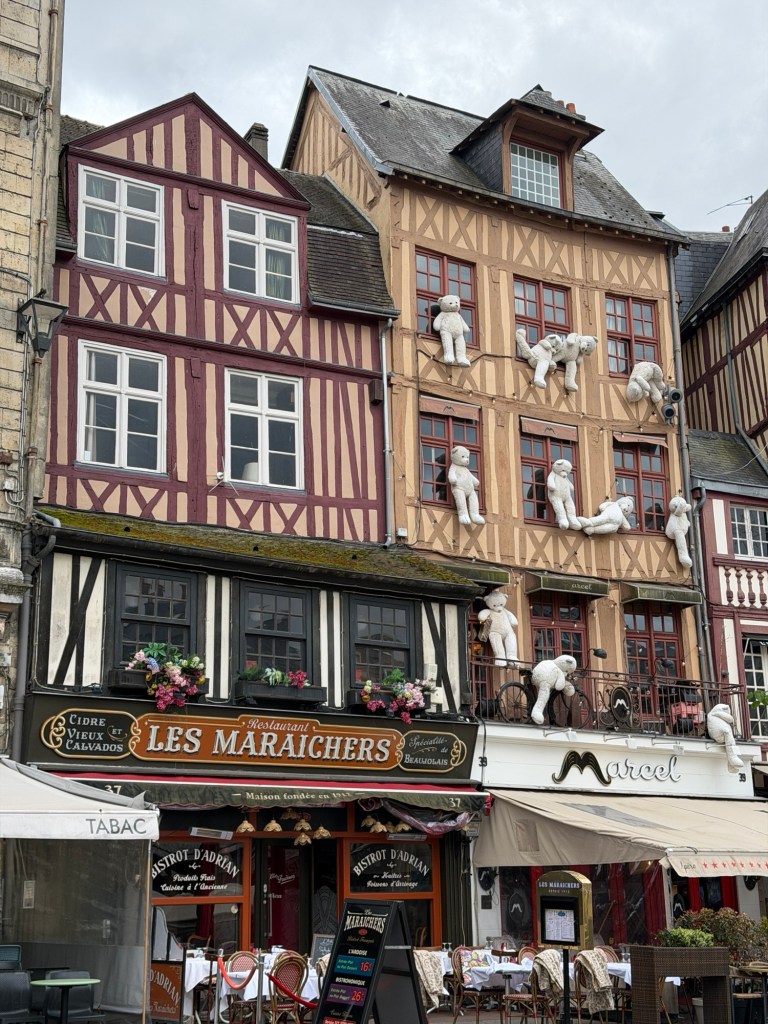
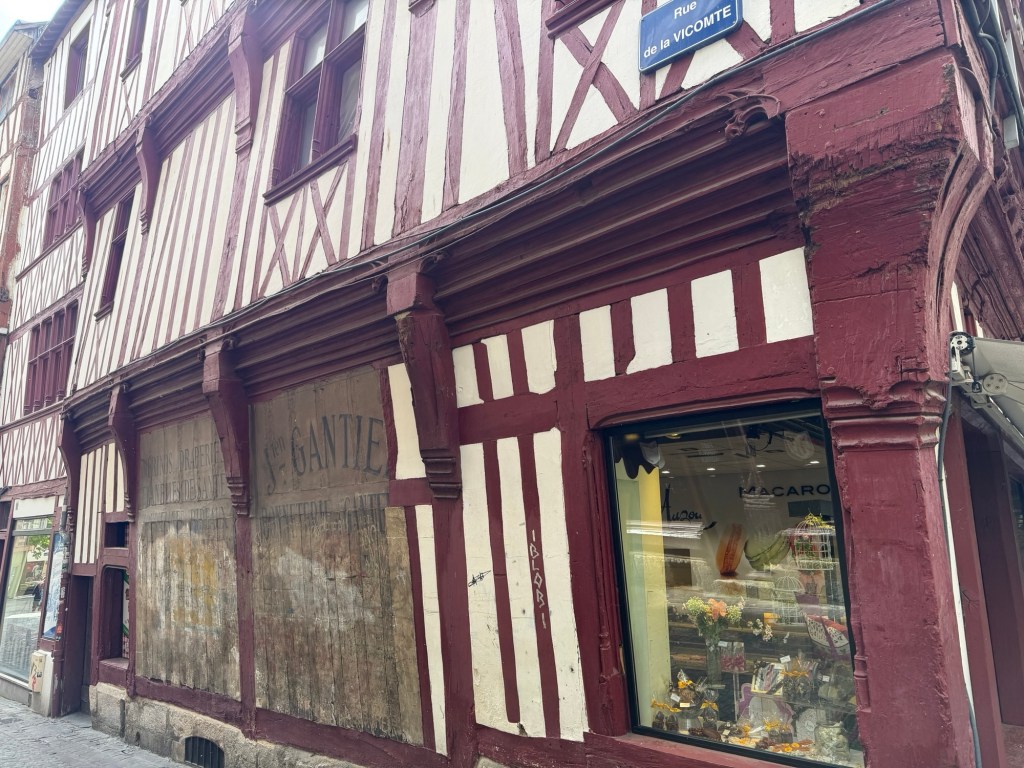
Modern art was interspersed with old buildings. Many of the buildings in Rouen were tipping, the walls not vertical, which is emphasized by the wood planks on the walls. We kept wondering how they stayed up.
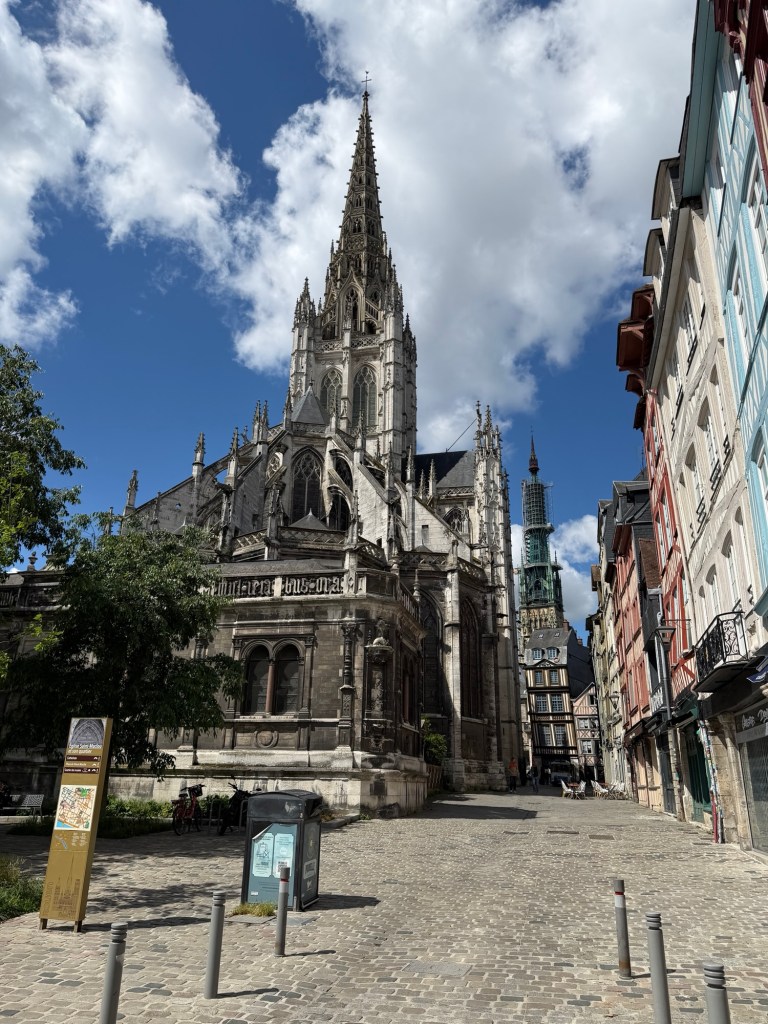
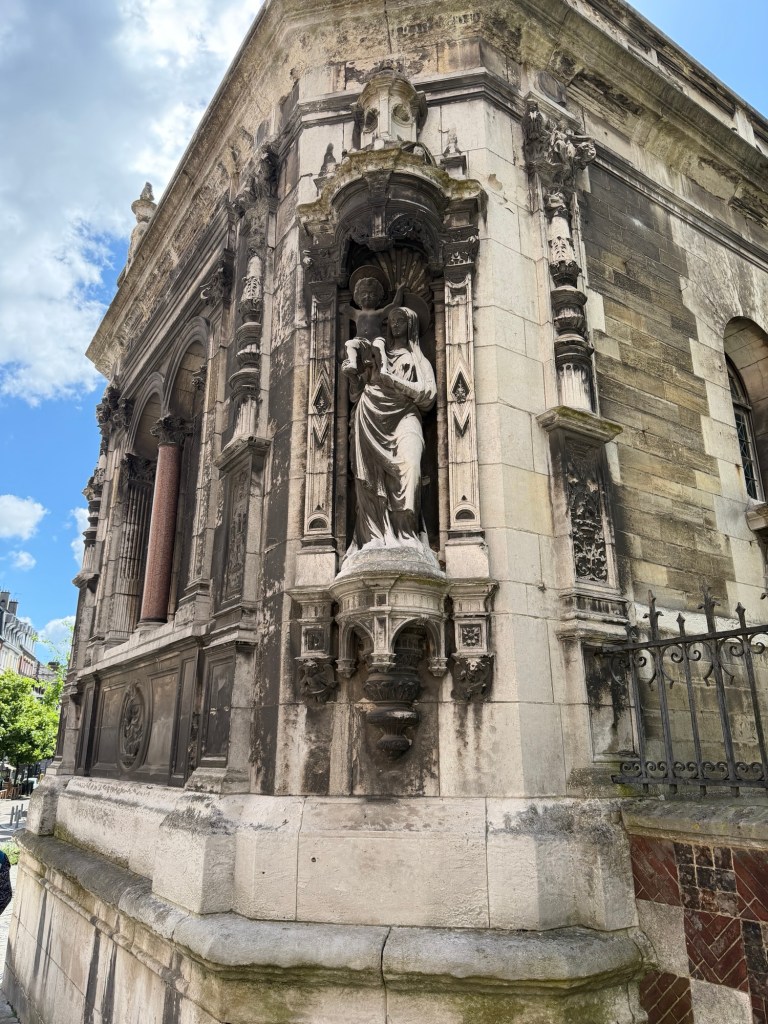
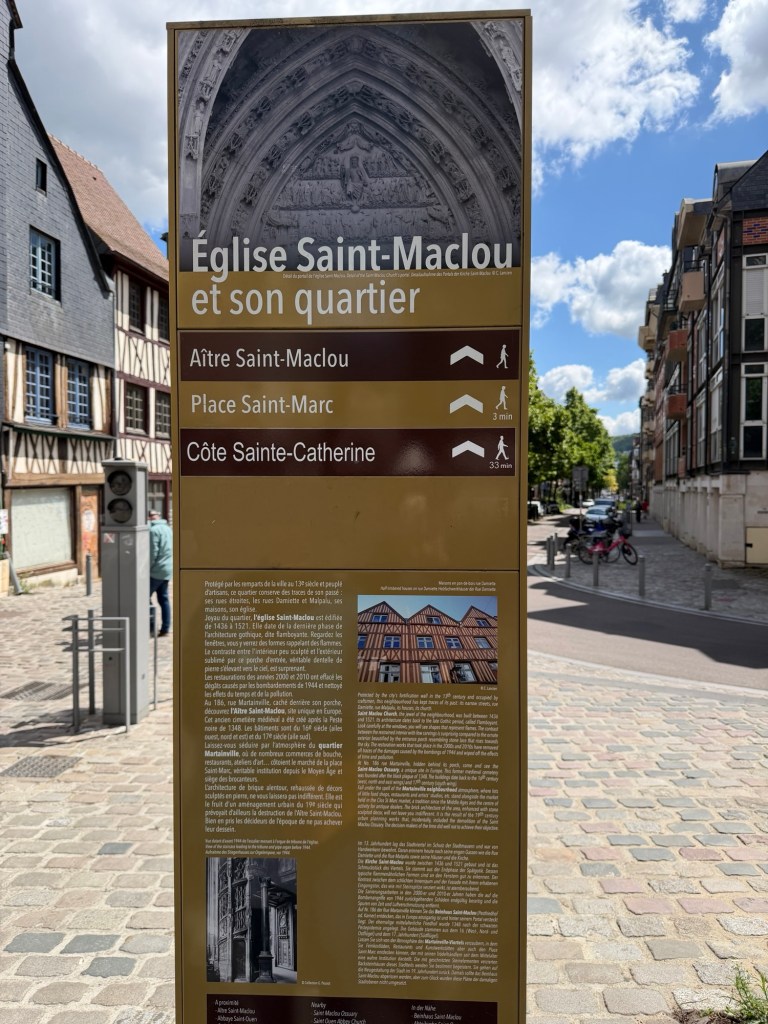
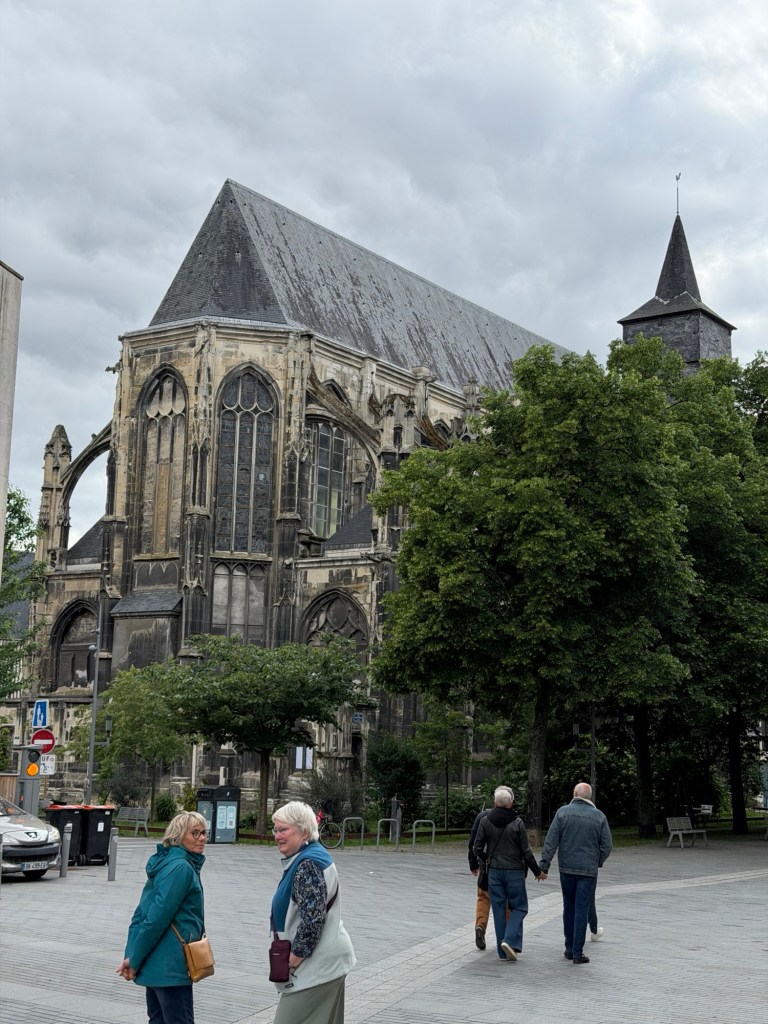
St. Maclou church
We wandered narrow lanes and larger streets admiring the architecture of Normandy in Rouen.
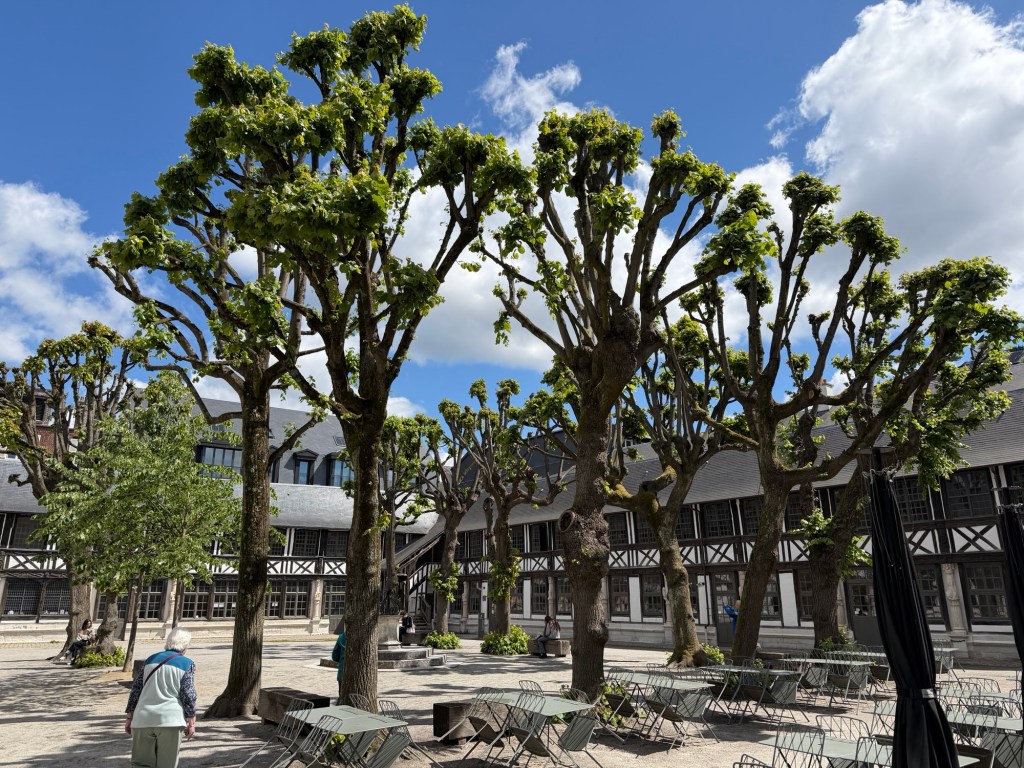
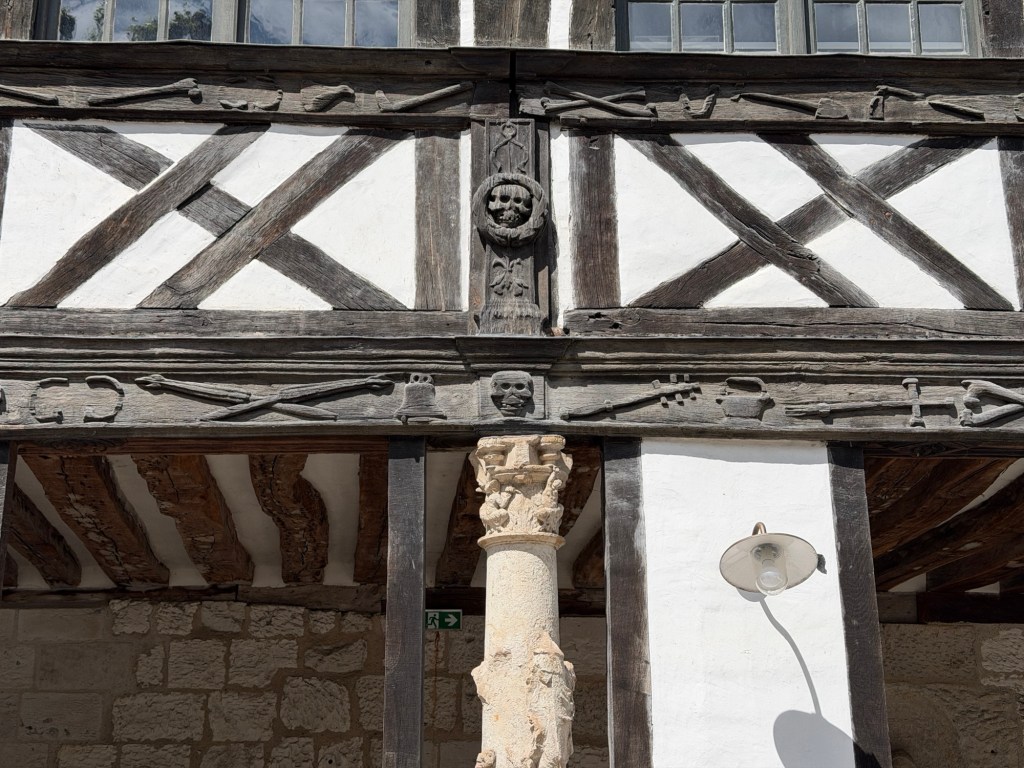
Aitre St MaclouWood sculptures about death: skull, undertaker’s tools etc.
Aitre St Maclou covers a mass grave from the black plague era in the 1500s when more than half the population died. Nearby is an ossuary. We did not stay long.
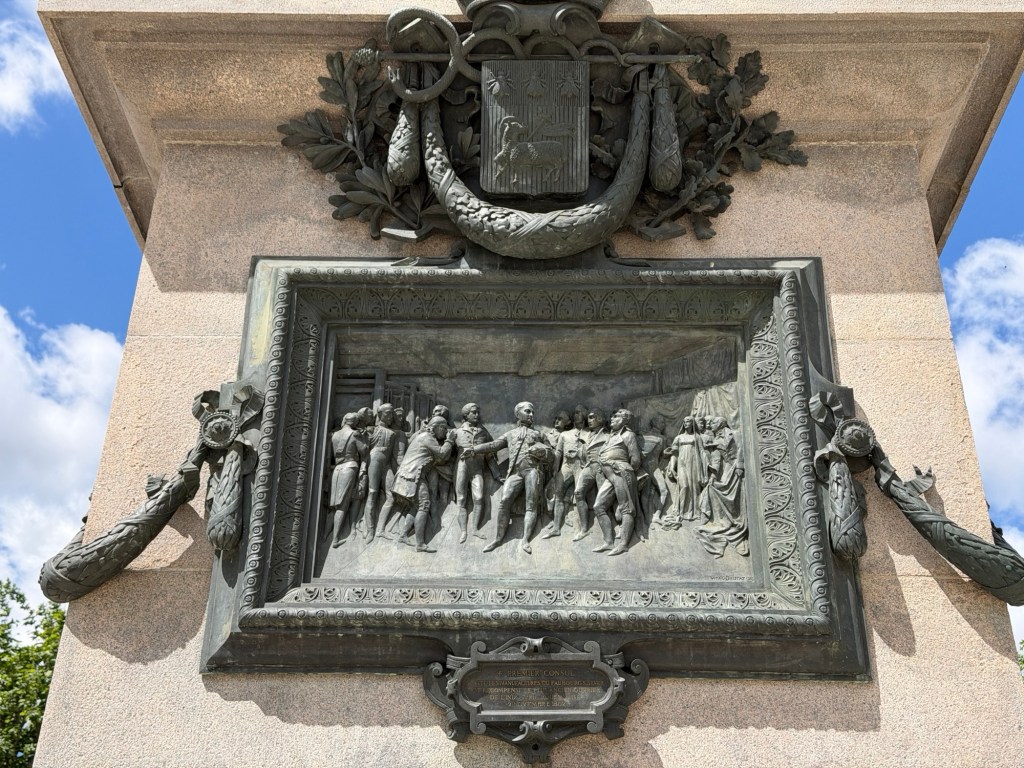
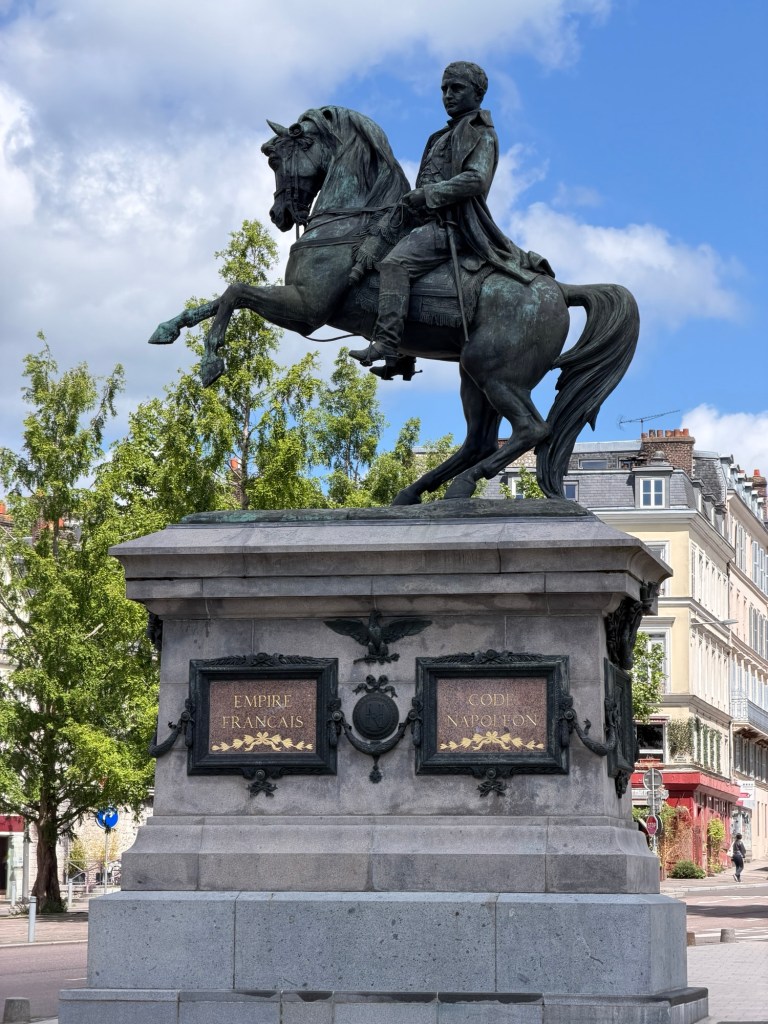
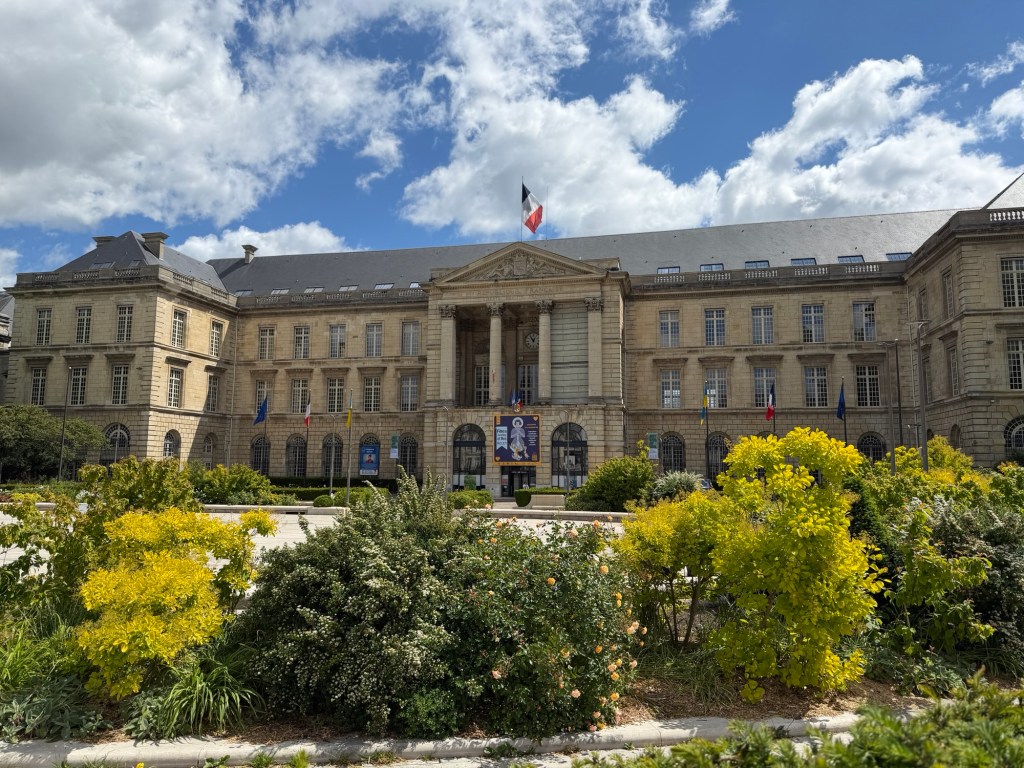
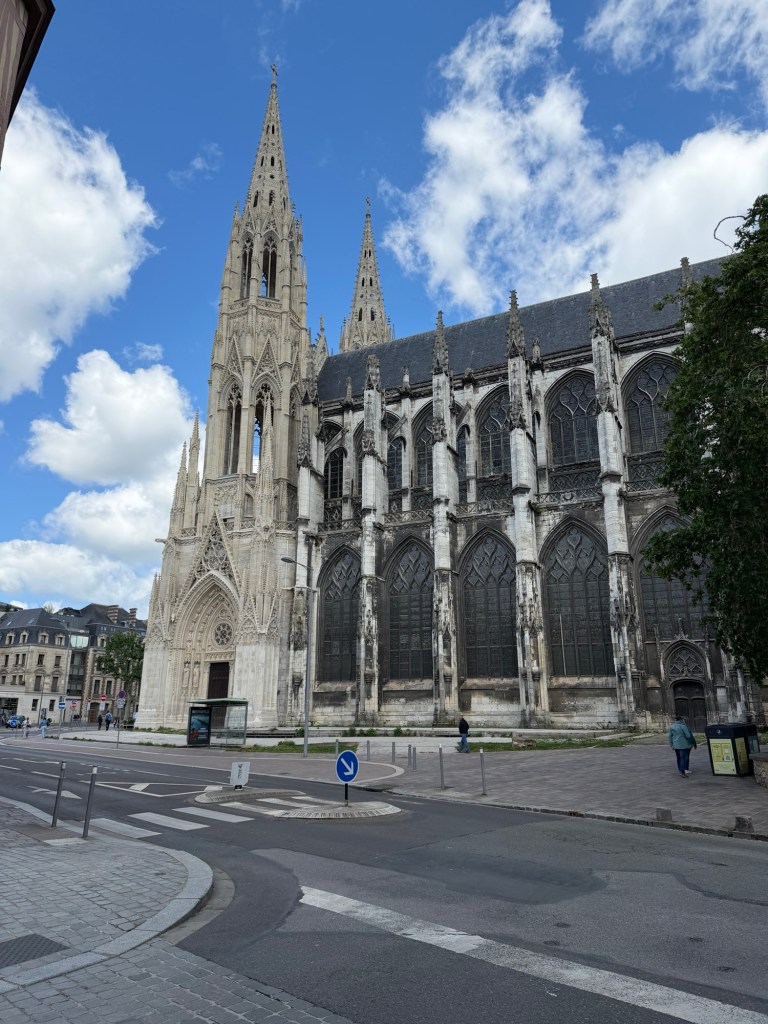
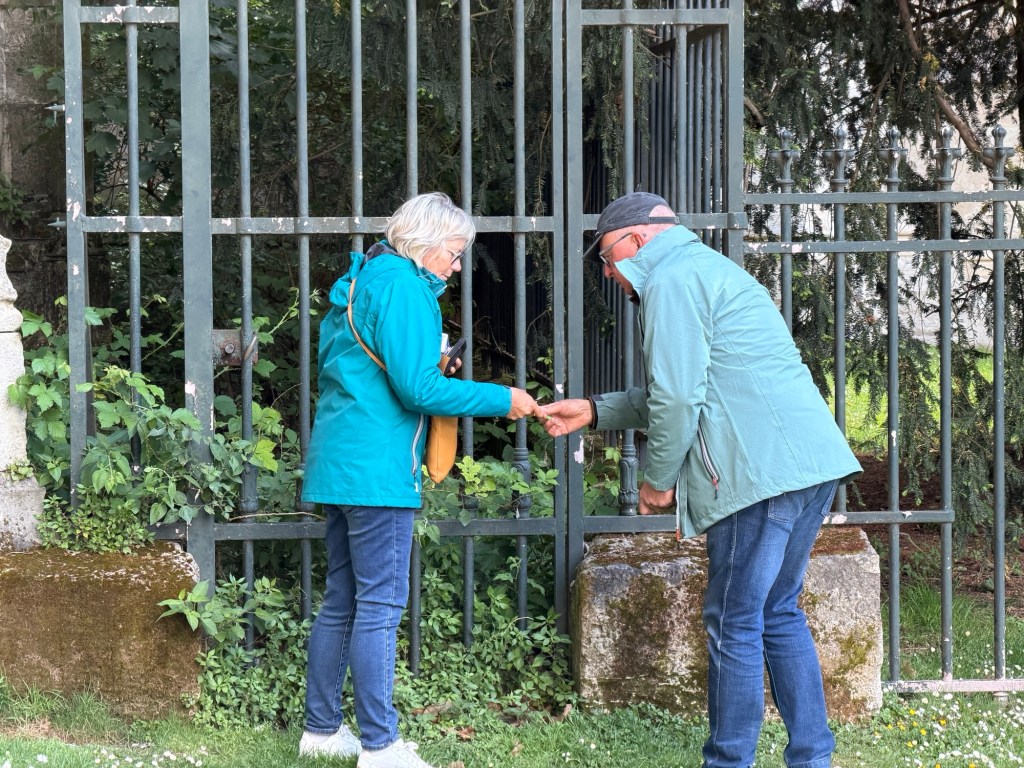
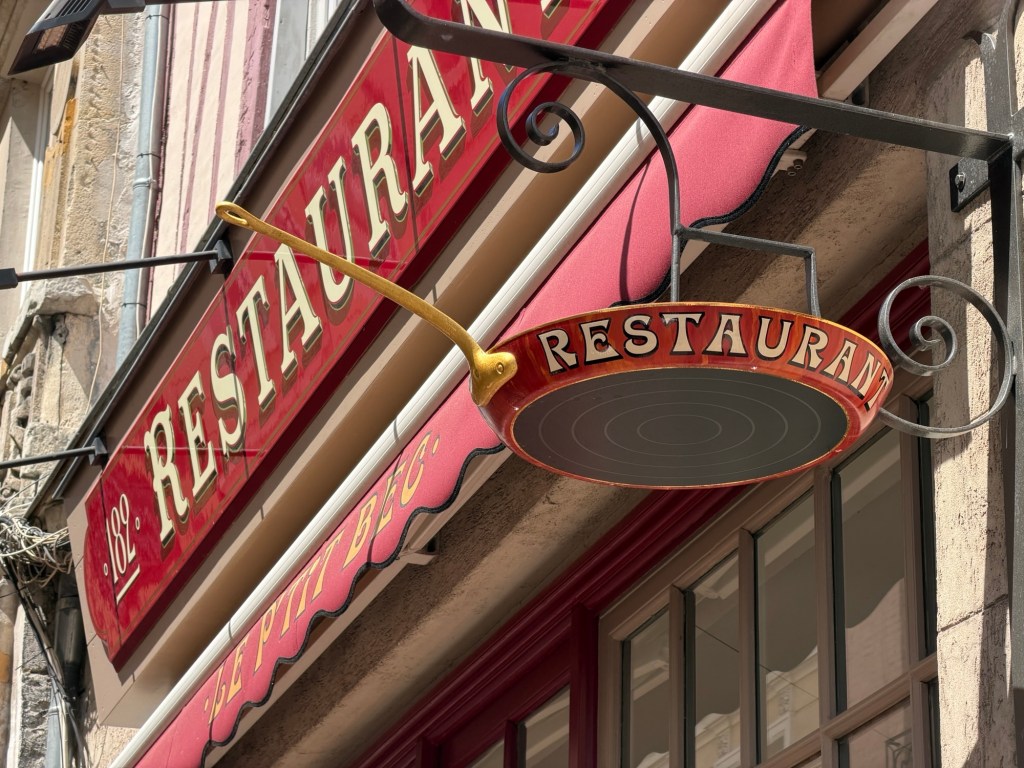
Meeting to establish the Napoleonic codeNapoleonHotel de Ville (city hall)This church with flying buttresses, St Ouen’s was closed. Marc and Joëlle finding a GeocachePetit Bec restaurant was delicious!
We went back to Notre Dame because it opened after lunch.
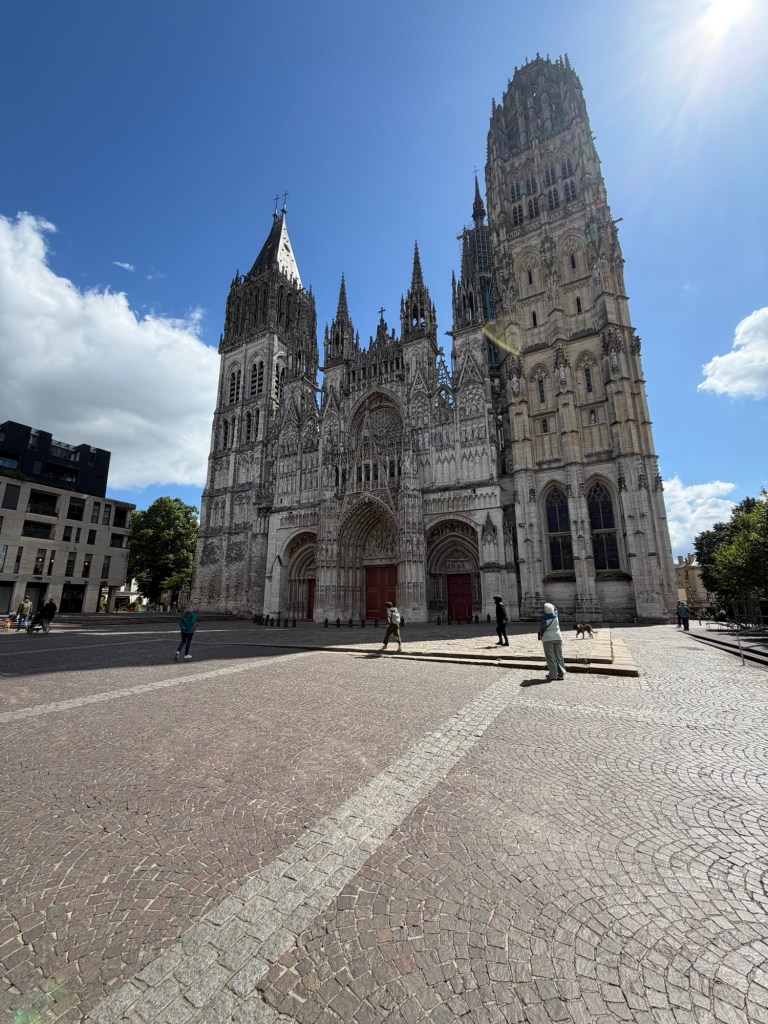
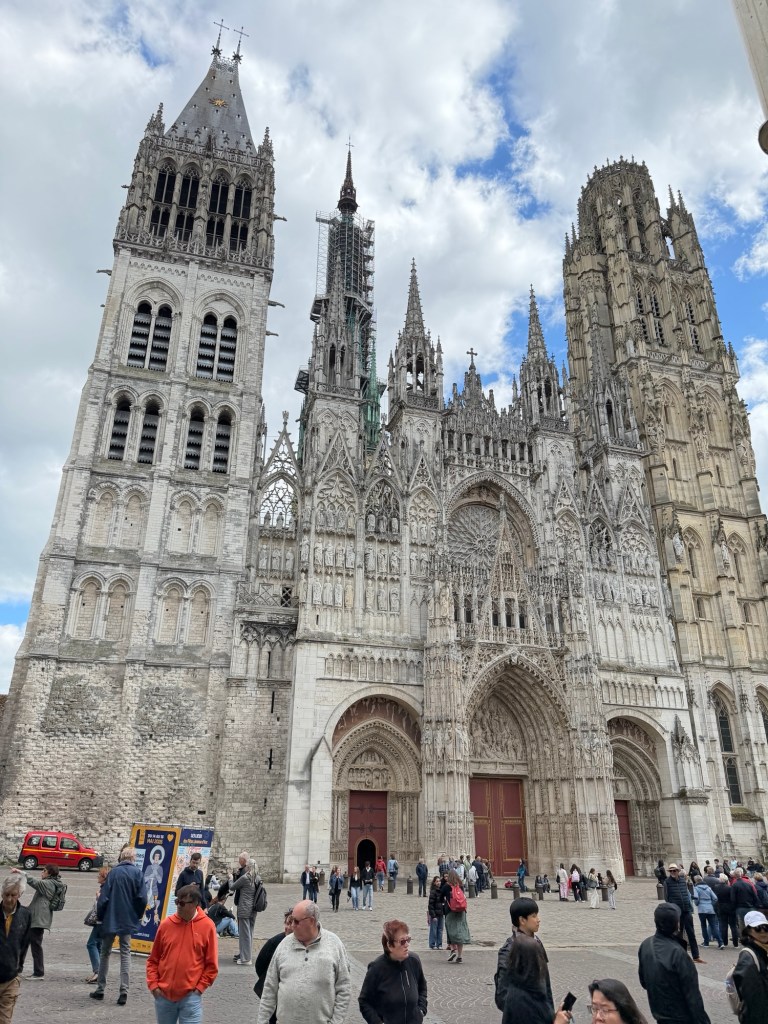
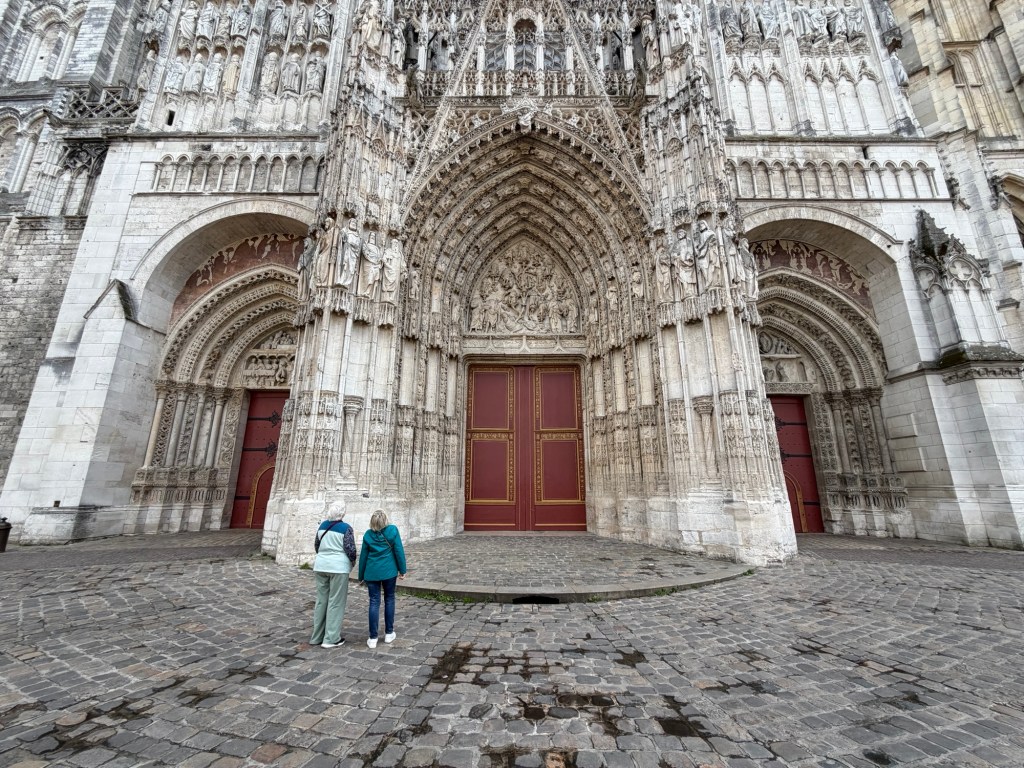
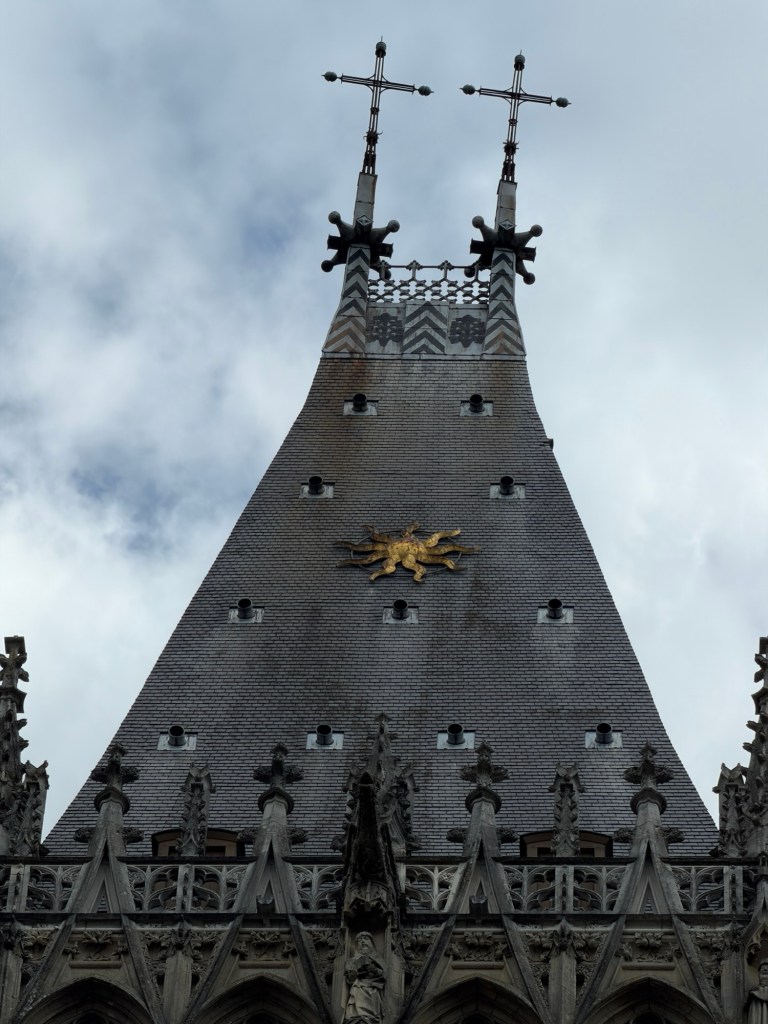
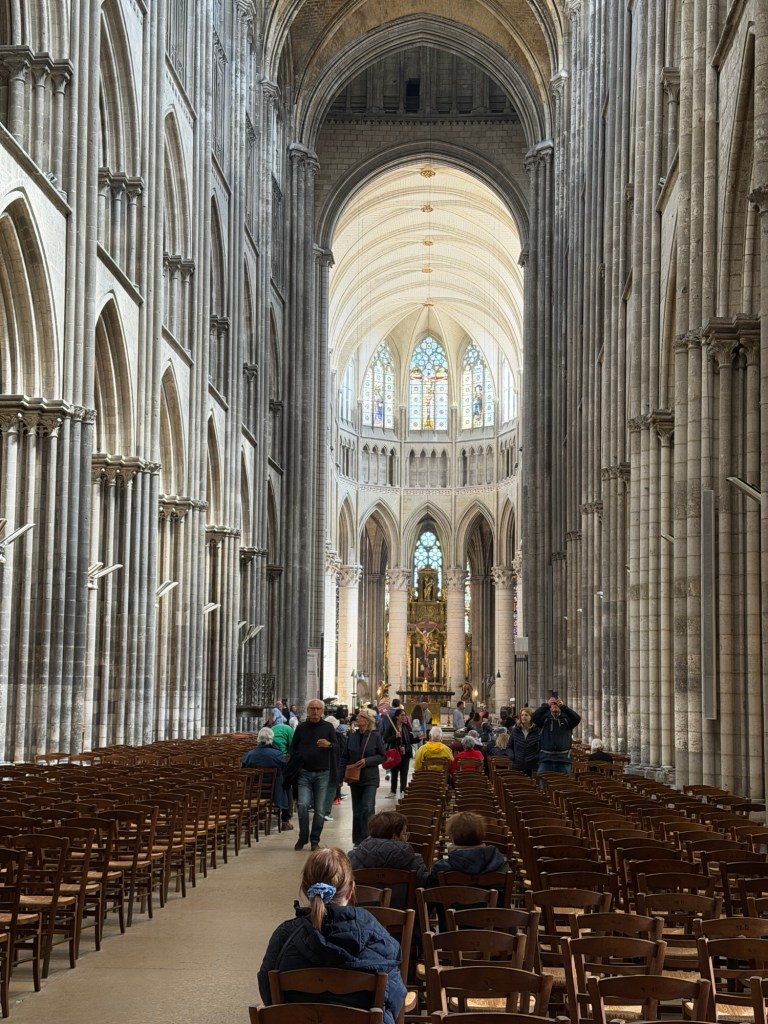
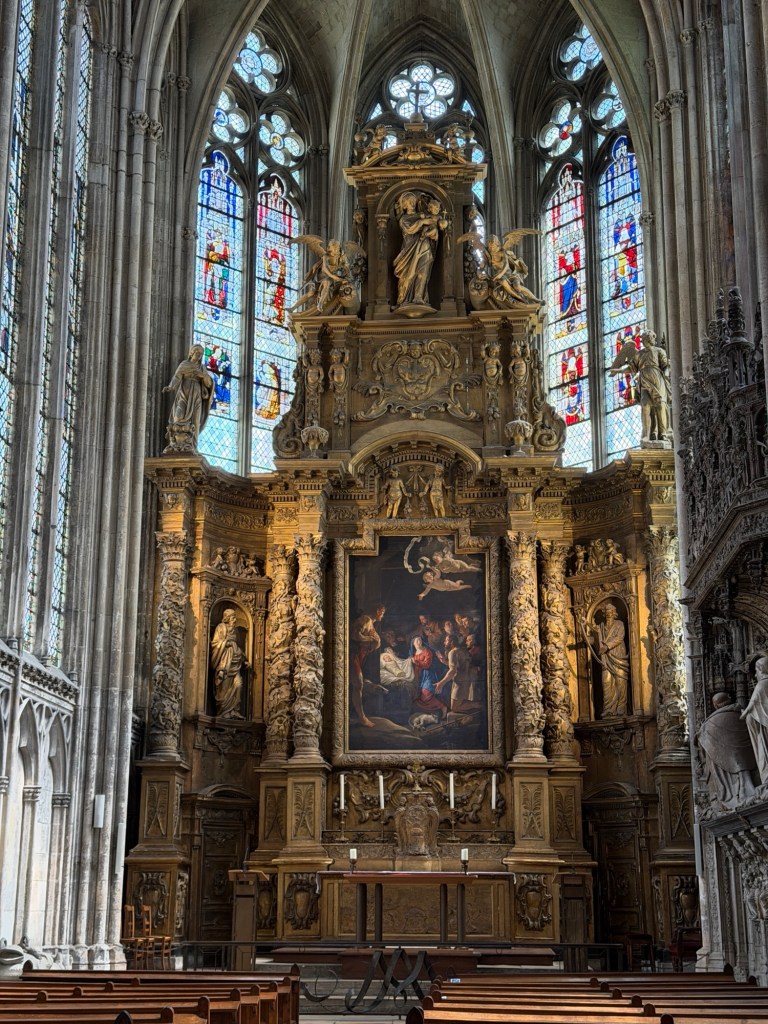
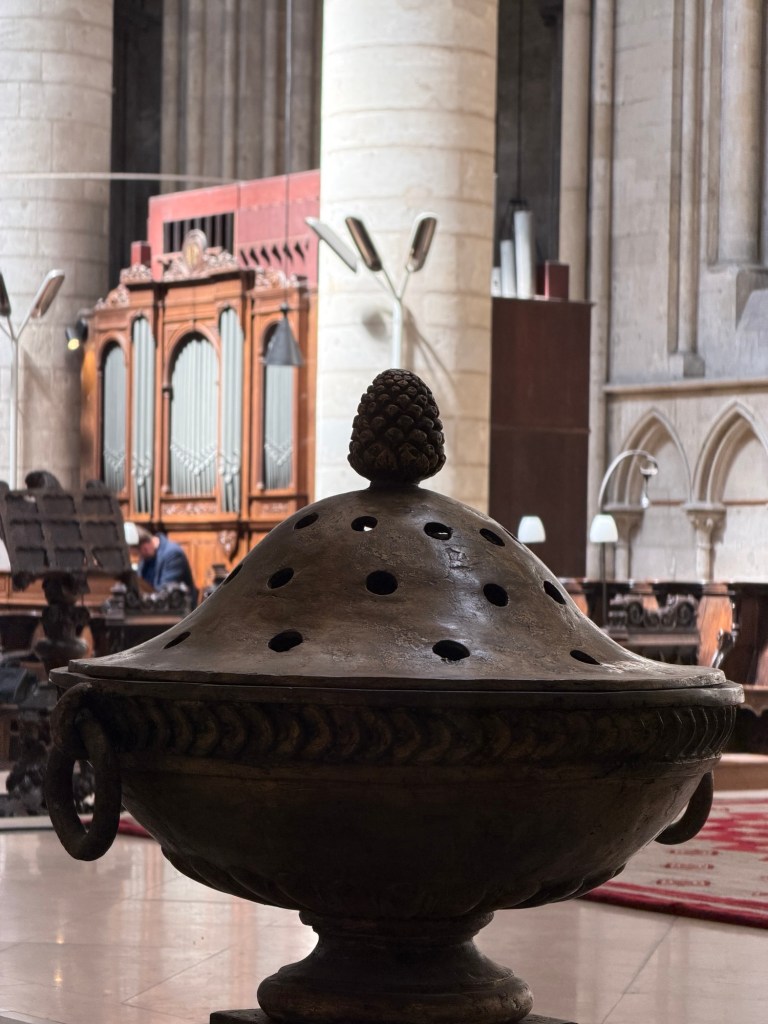
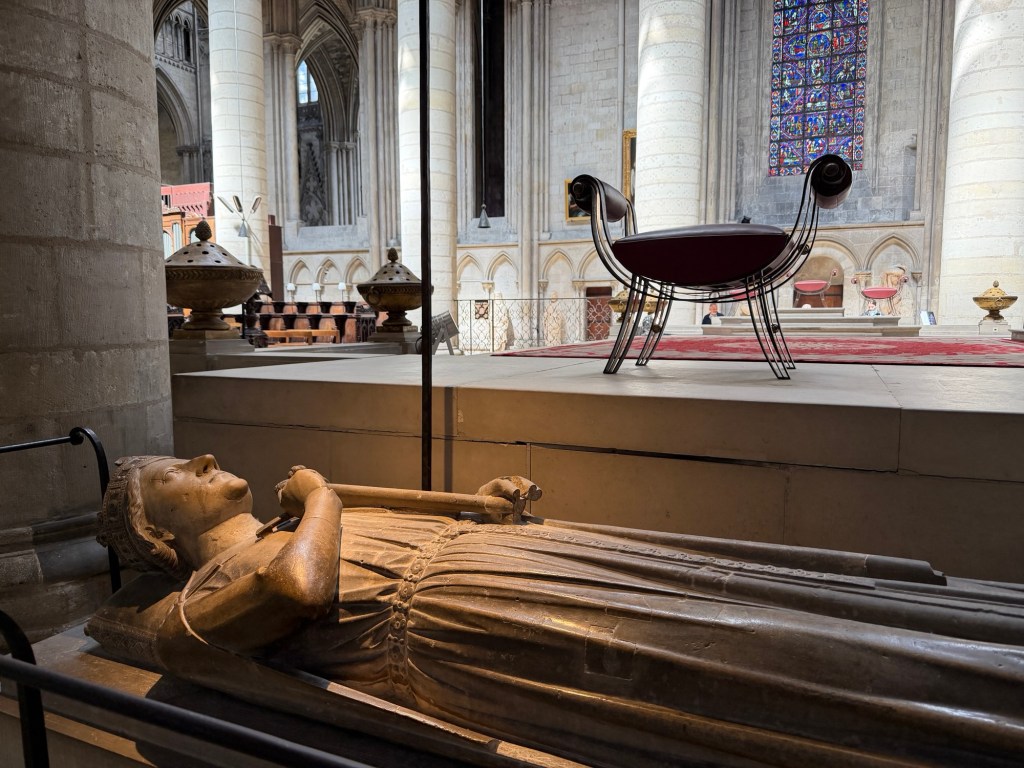
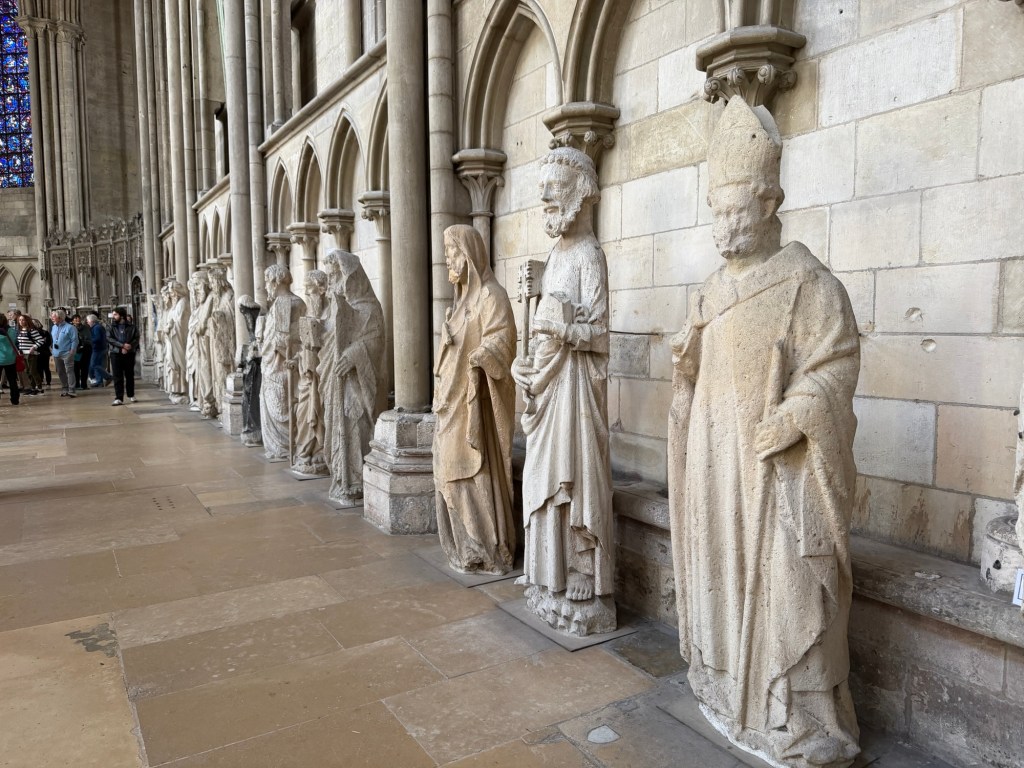
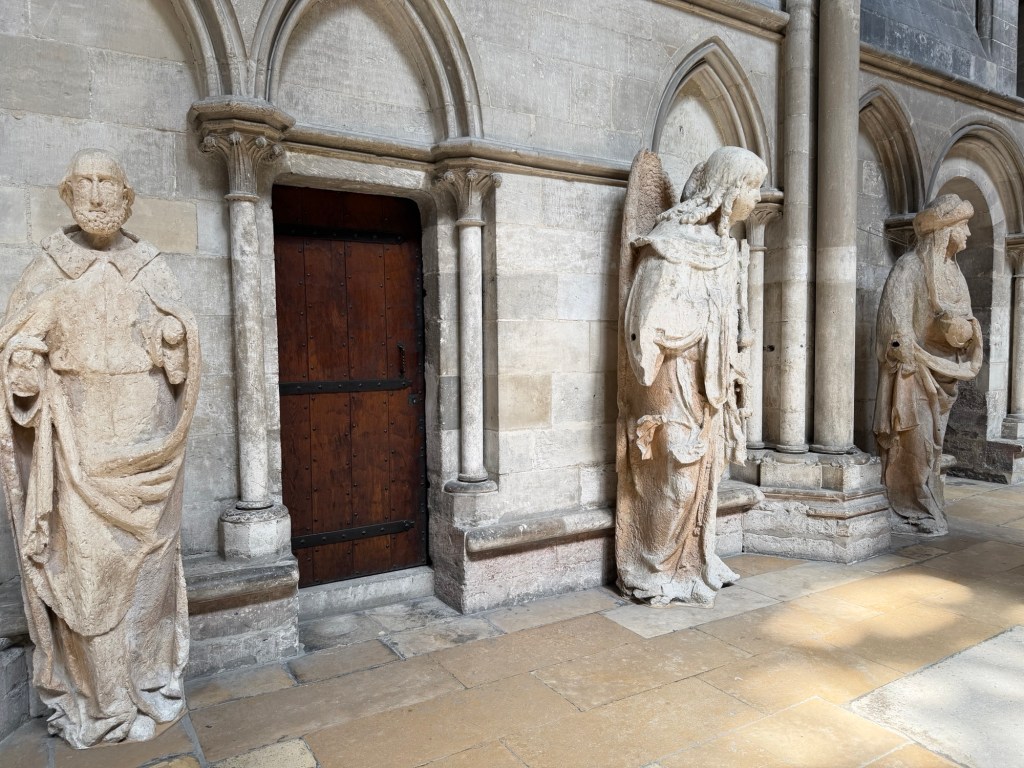
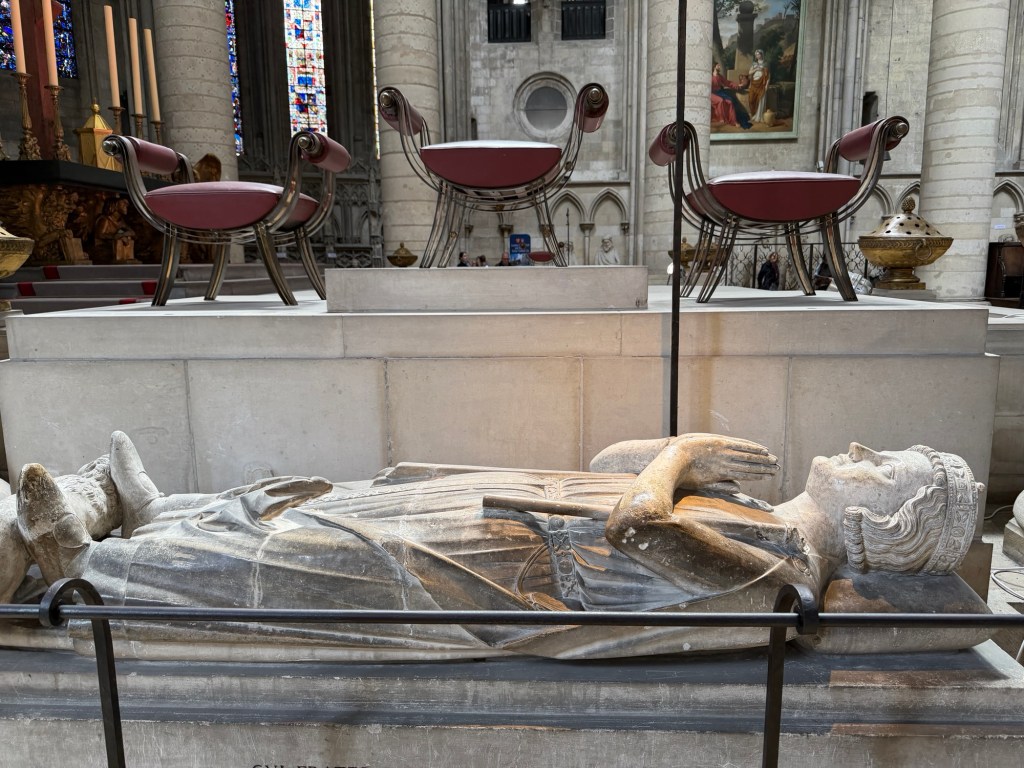
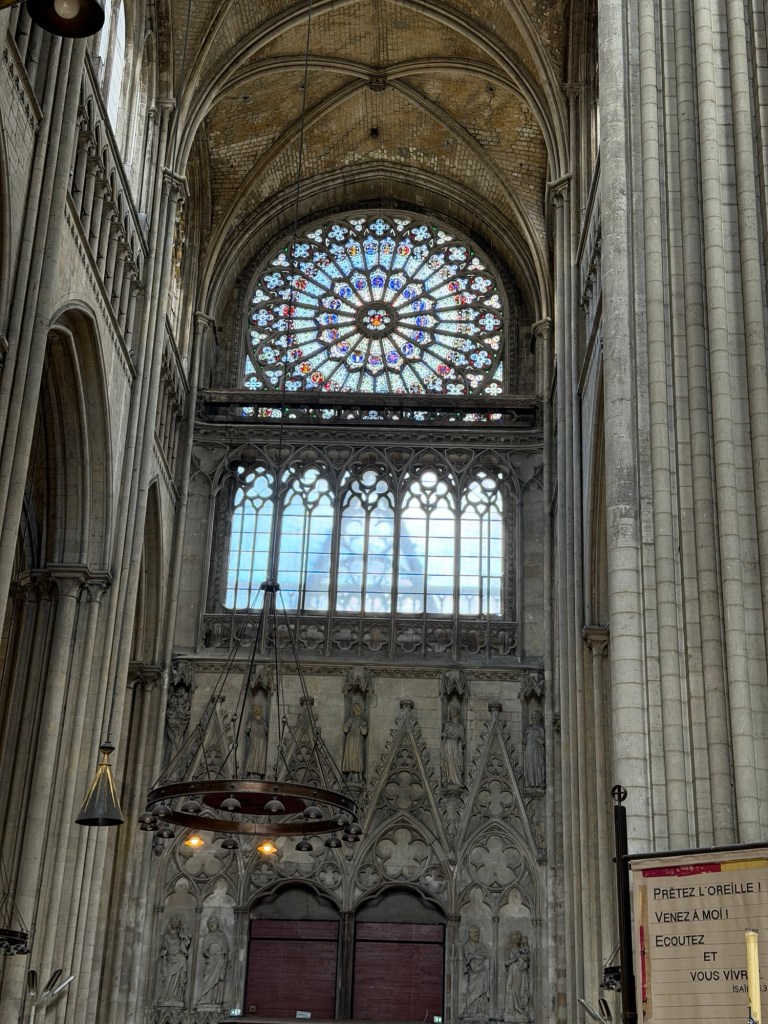
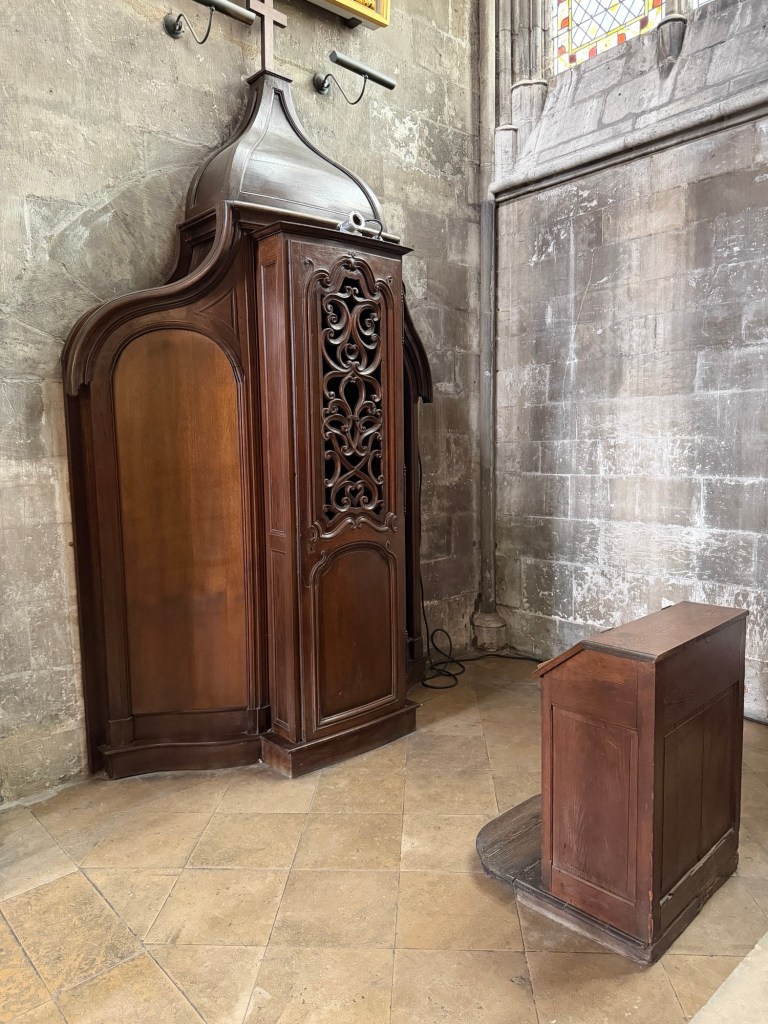
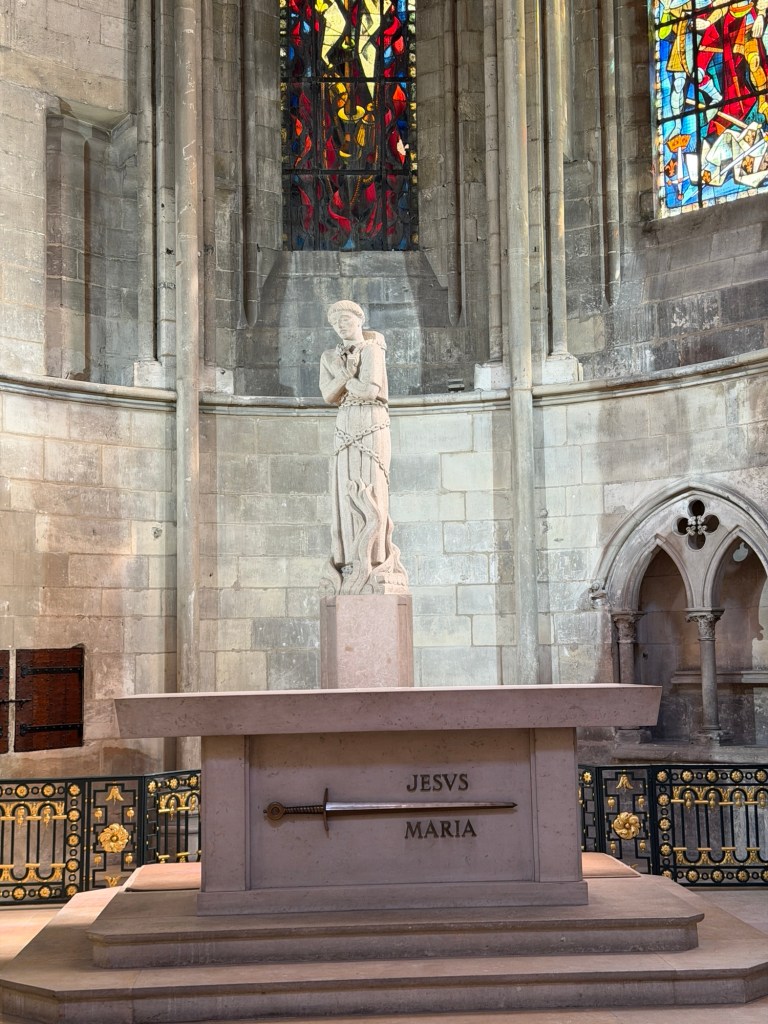
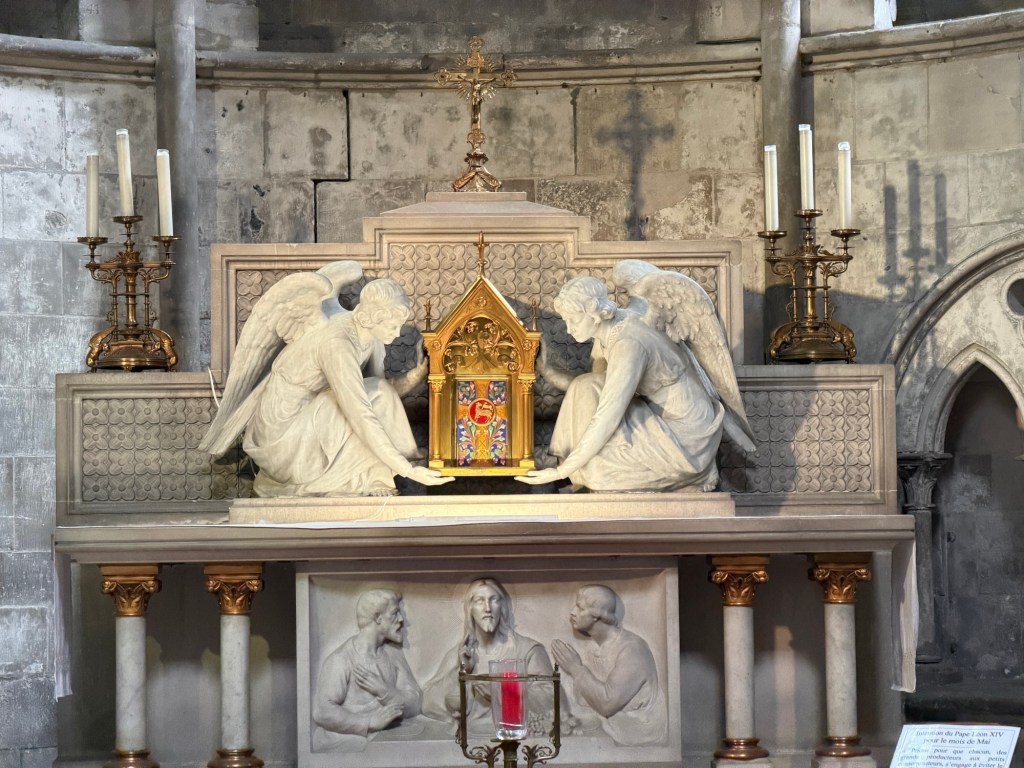
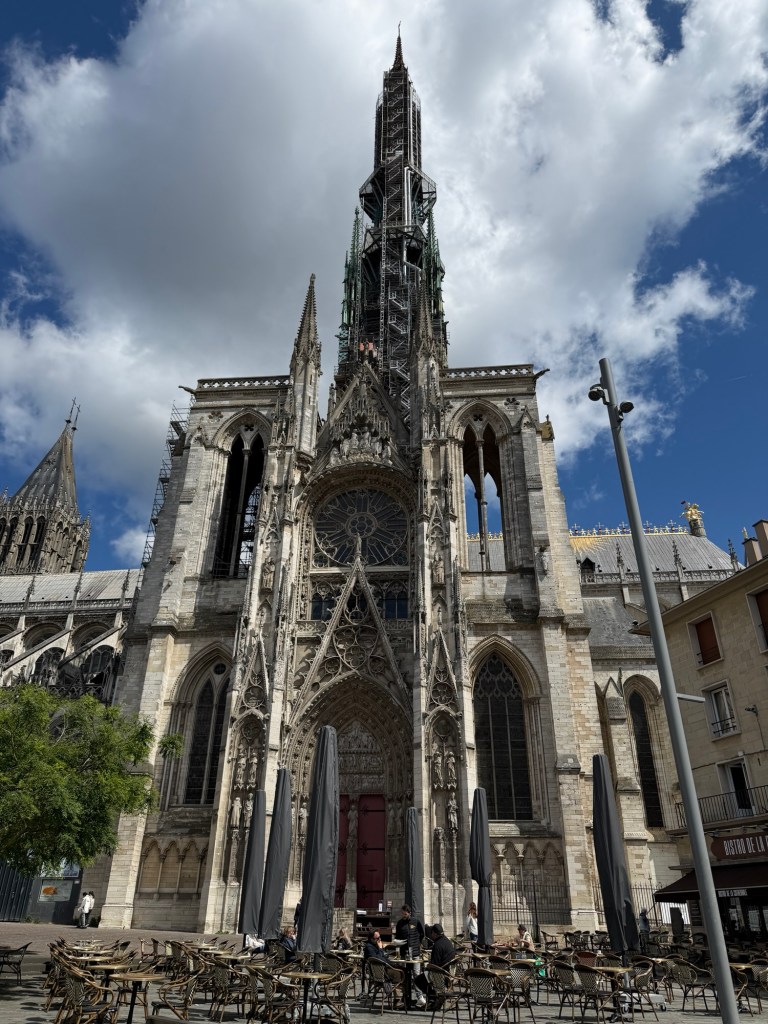
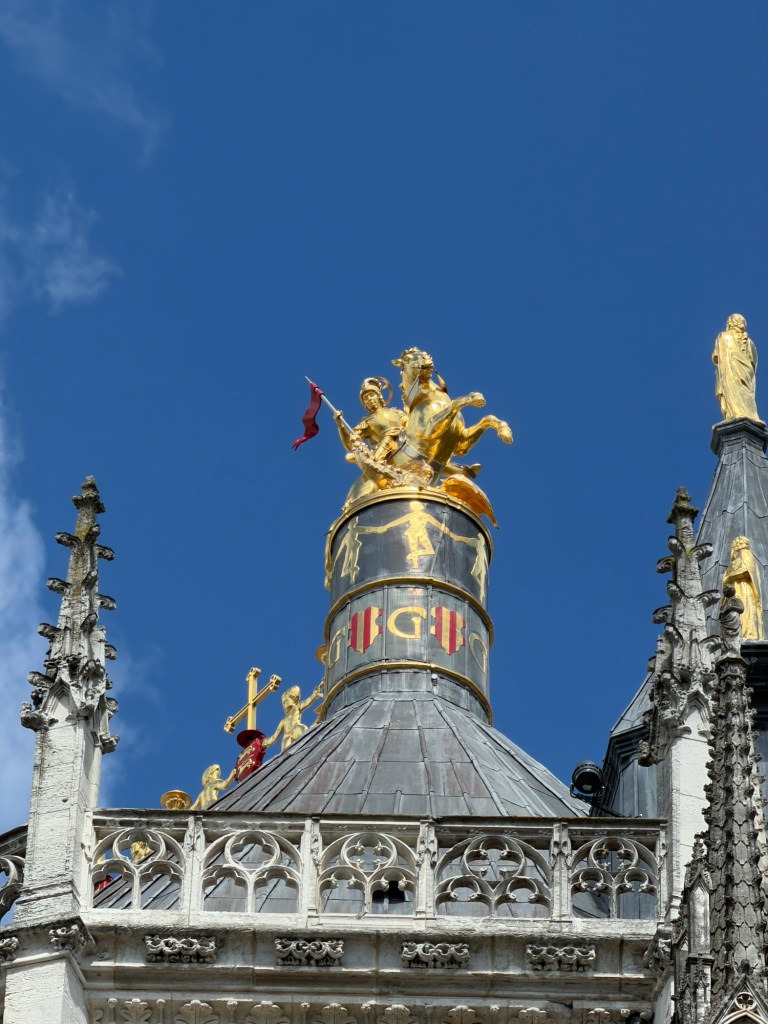
Notre-Dame Cathedral, a cousin to the more famous one in Paris. Looking into the naveMain alterIncense burnerStatues inside Notre-Dame were once outside, crypts include the first Duke of Normandy and a King Richard the Lionheart.Rose windowThere are many confessionalsJoan of Arc chapelChapel of Eucharist
Talented local choir, rehearsingView from a sideJoan of Arc on top of Notre-Dame
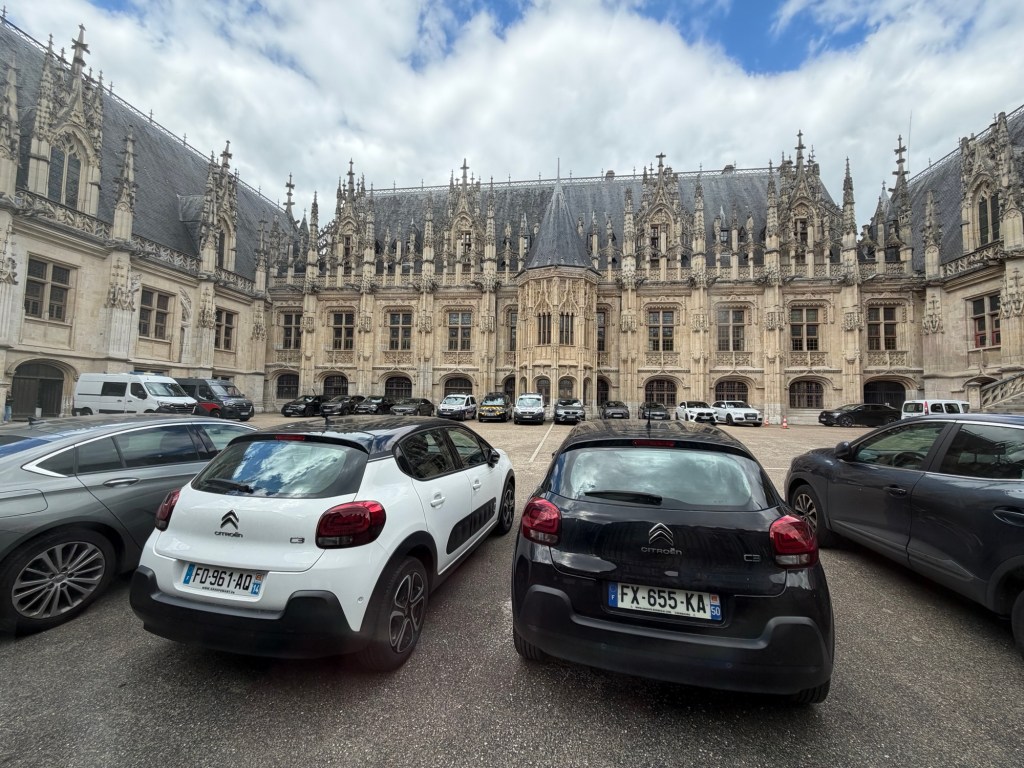
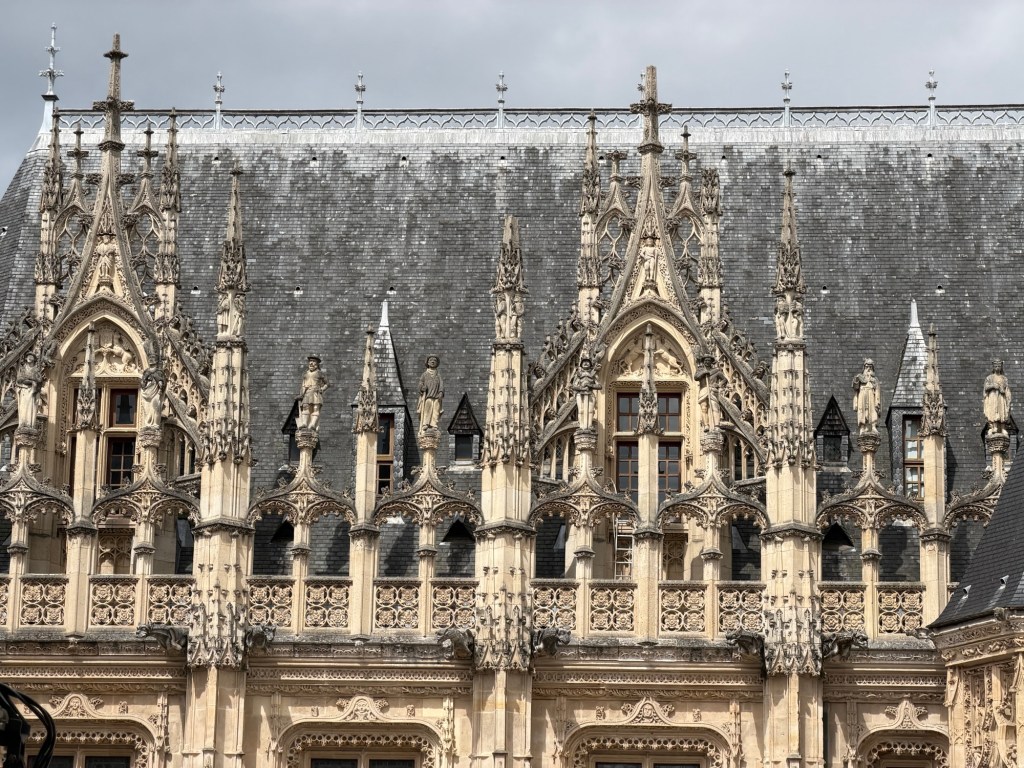
Near the cathedral is the Palace of Justice.
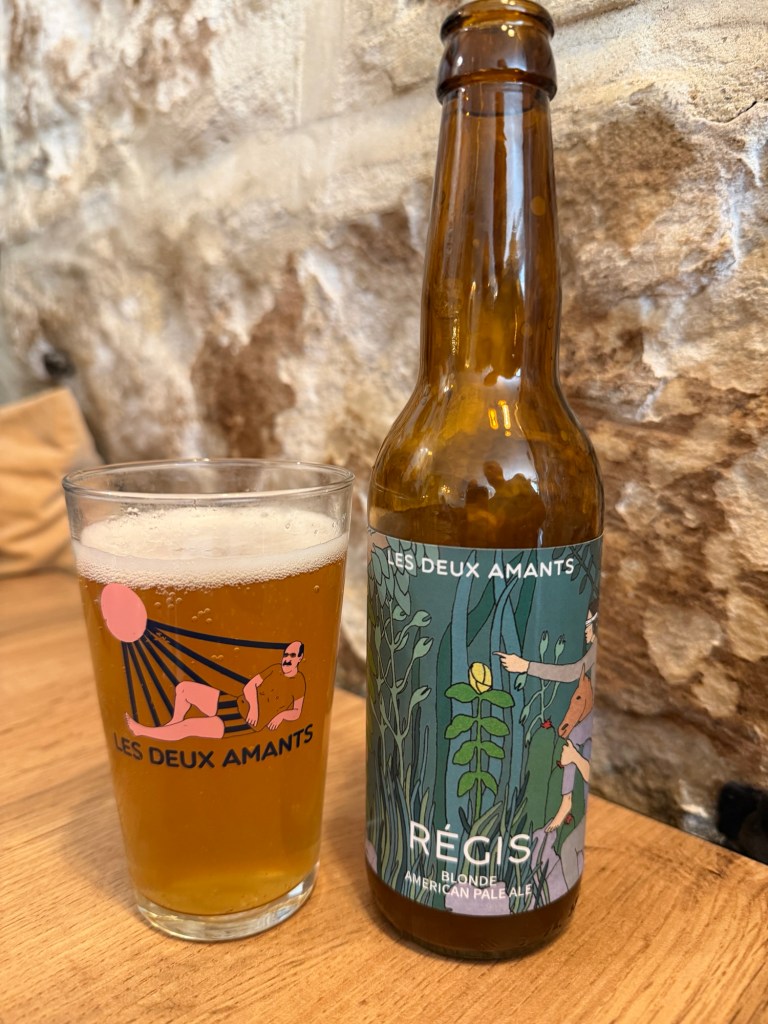
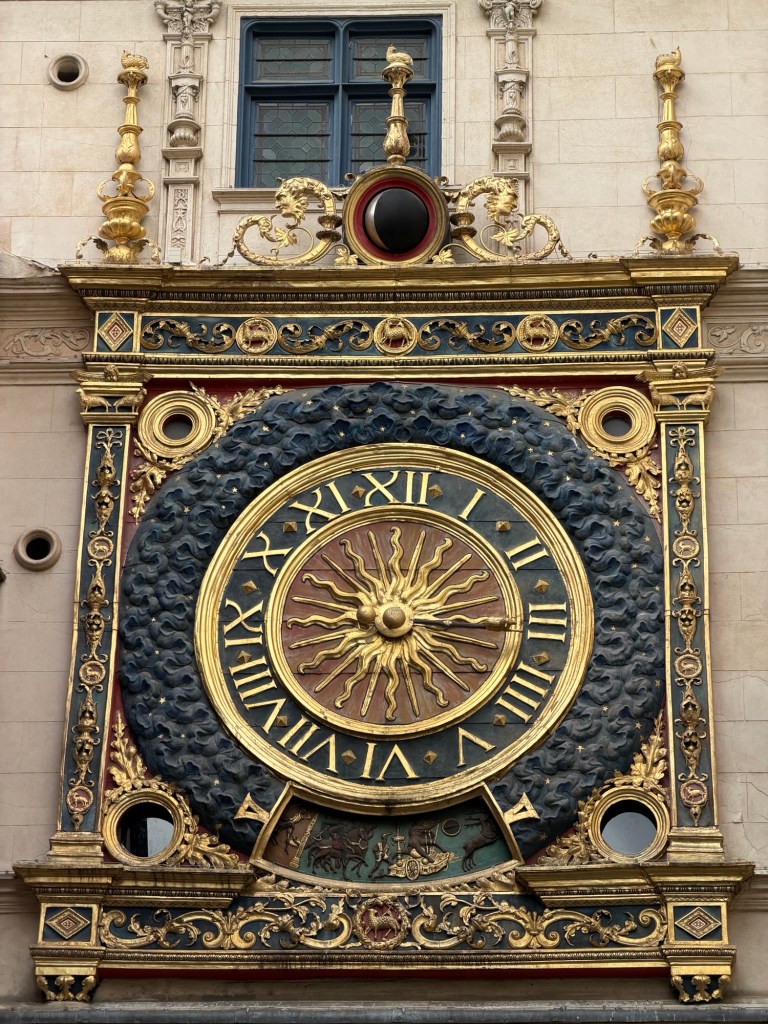
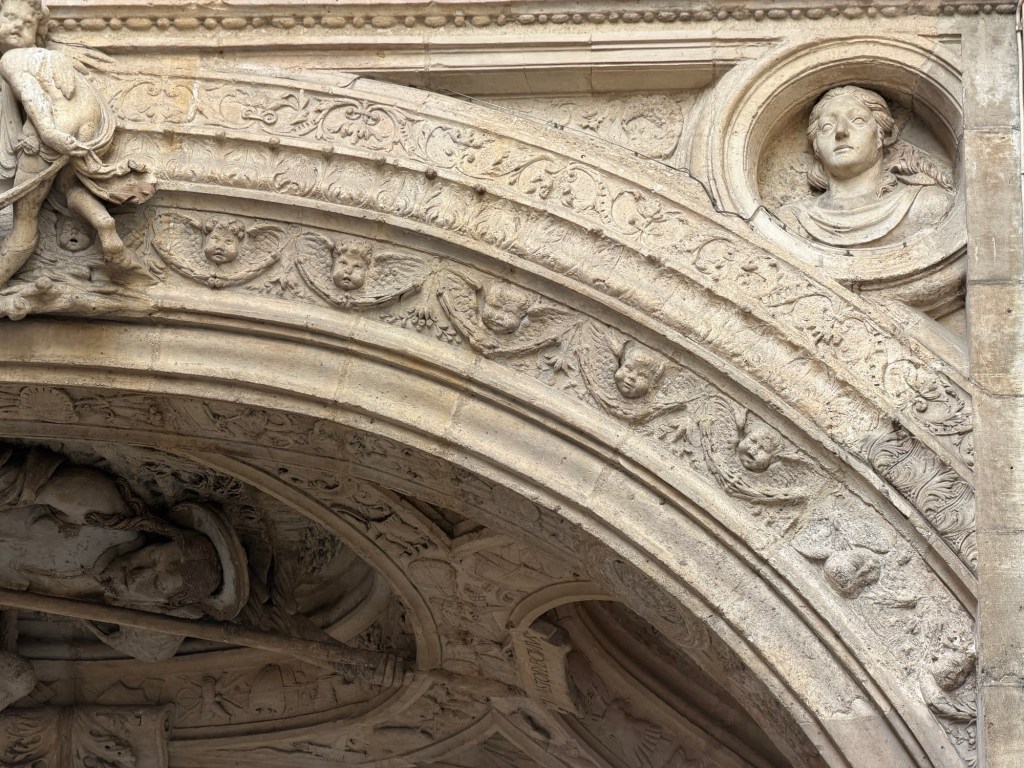
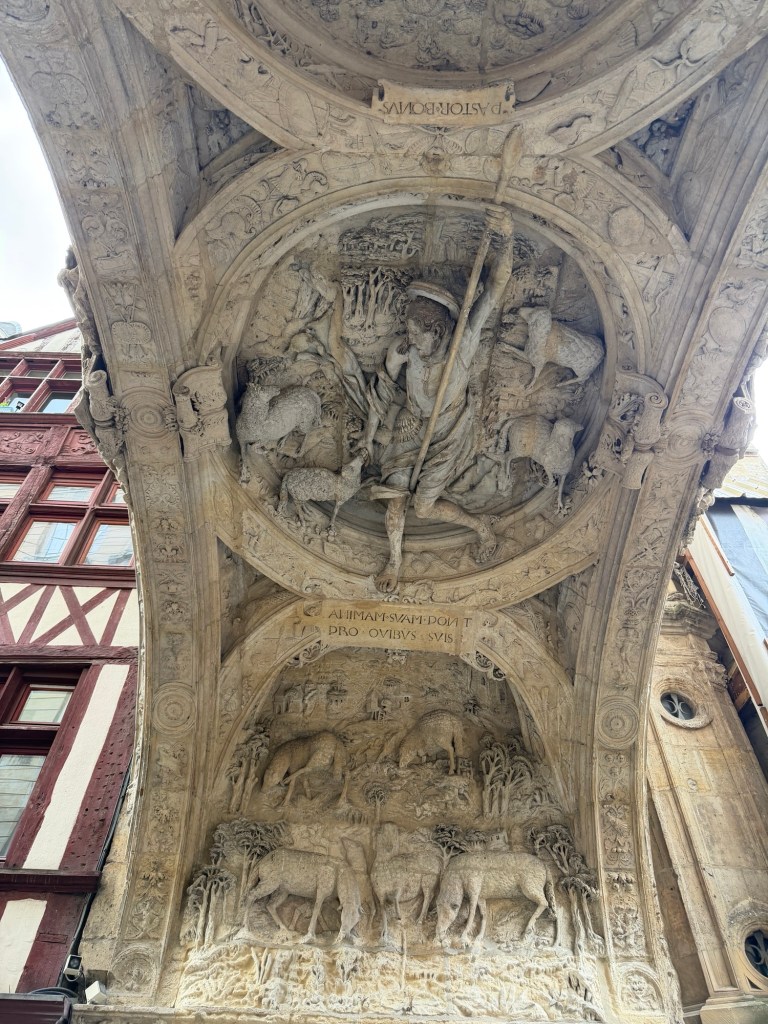
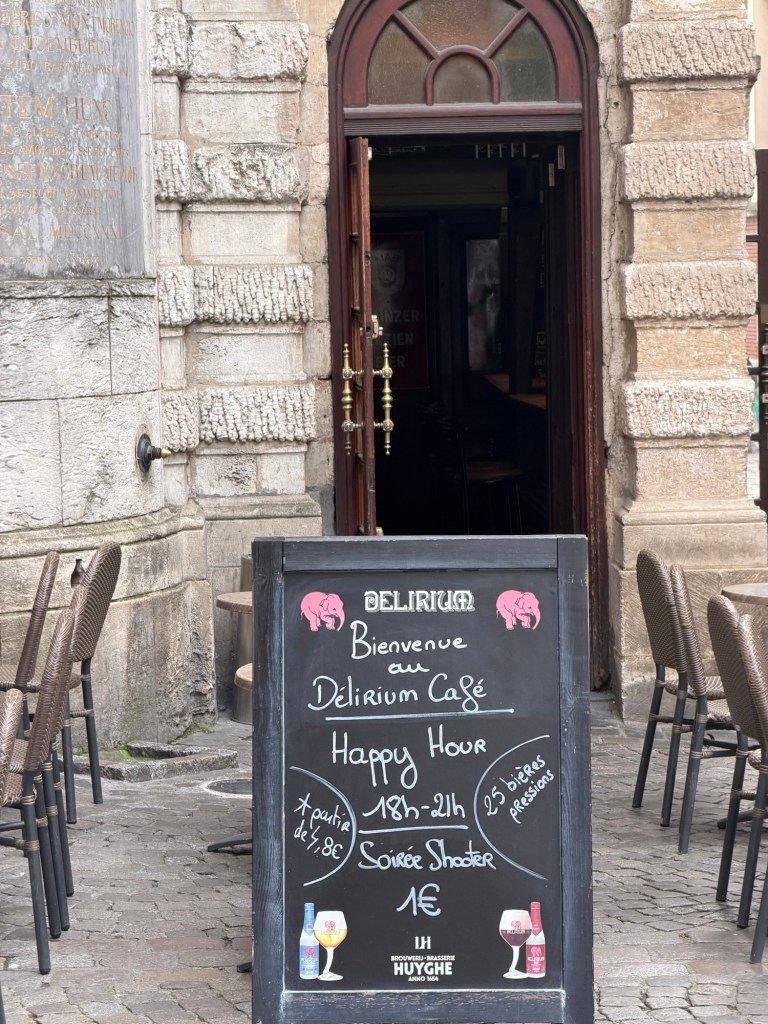
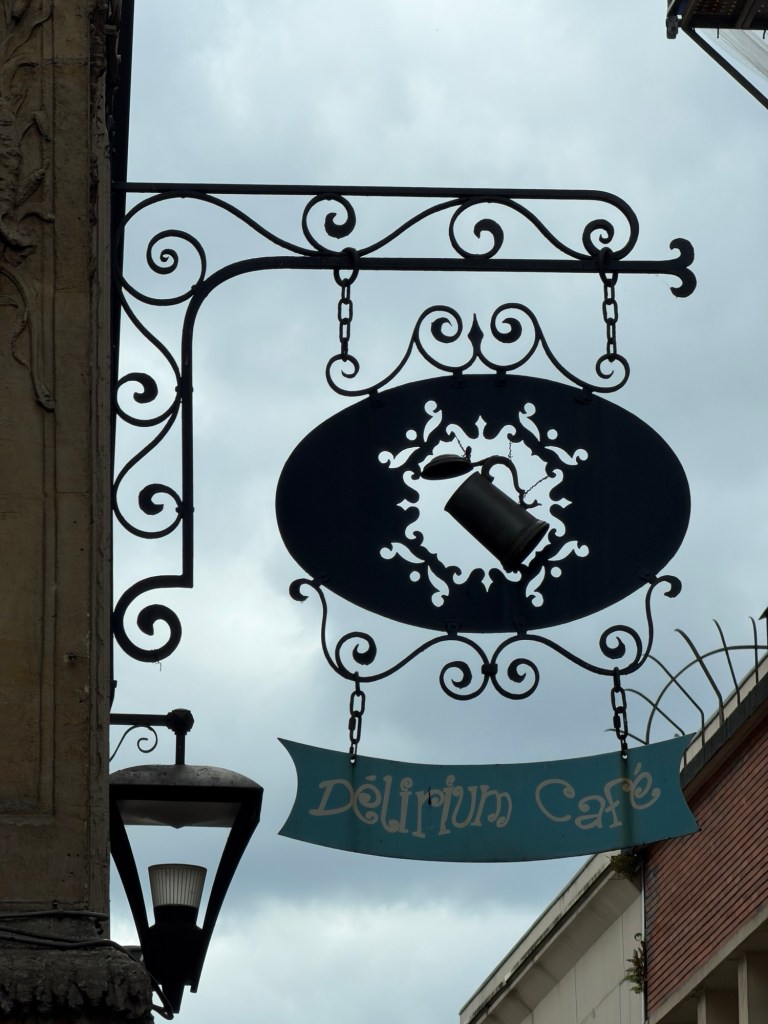
Great Clock in Rouen, built in 1528One baby angel is upside down because the artist never got paid.Looking up under the arch, seeing the Good ShepherdBelgian beer makes you see pink elephants!Delirium beer’s emblem
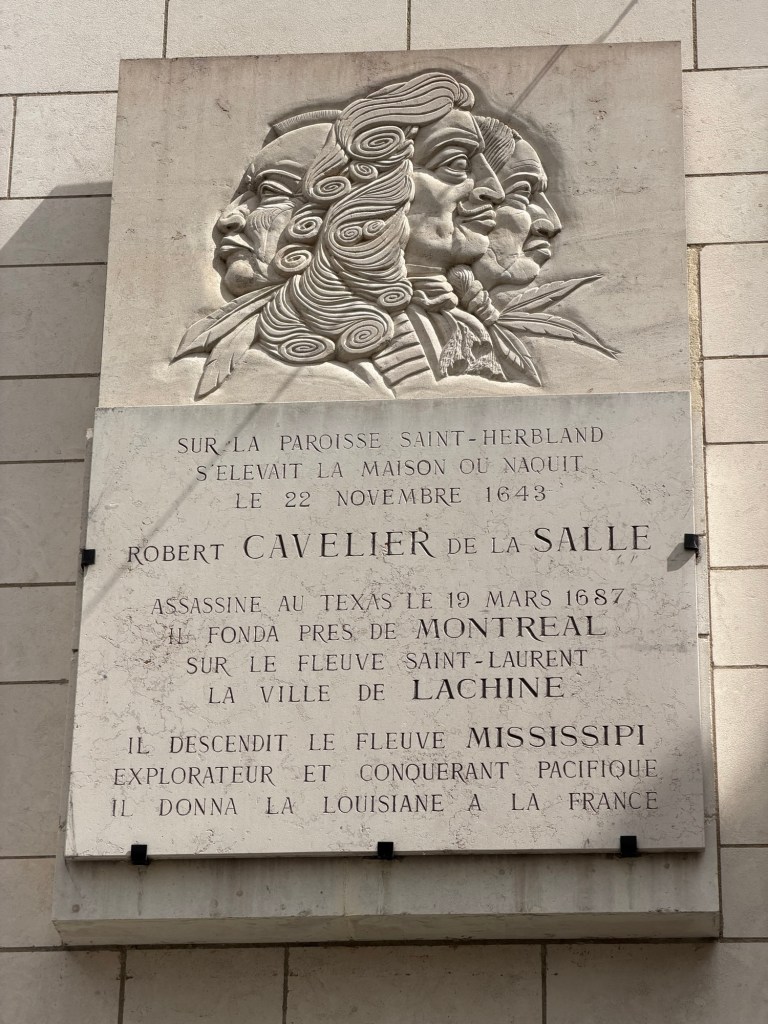
We learned a name that should have been part of US history, the person who originally claimed the lower Mississippi River and surrounding areas for France. This later changed hands in the Louisiana Purchase.
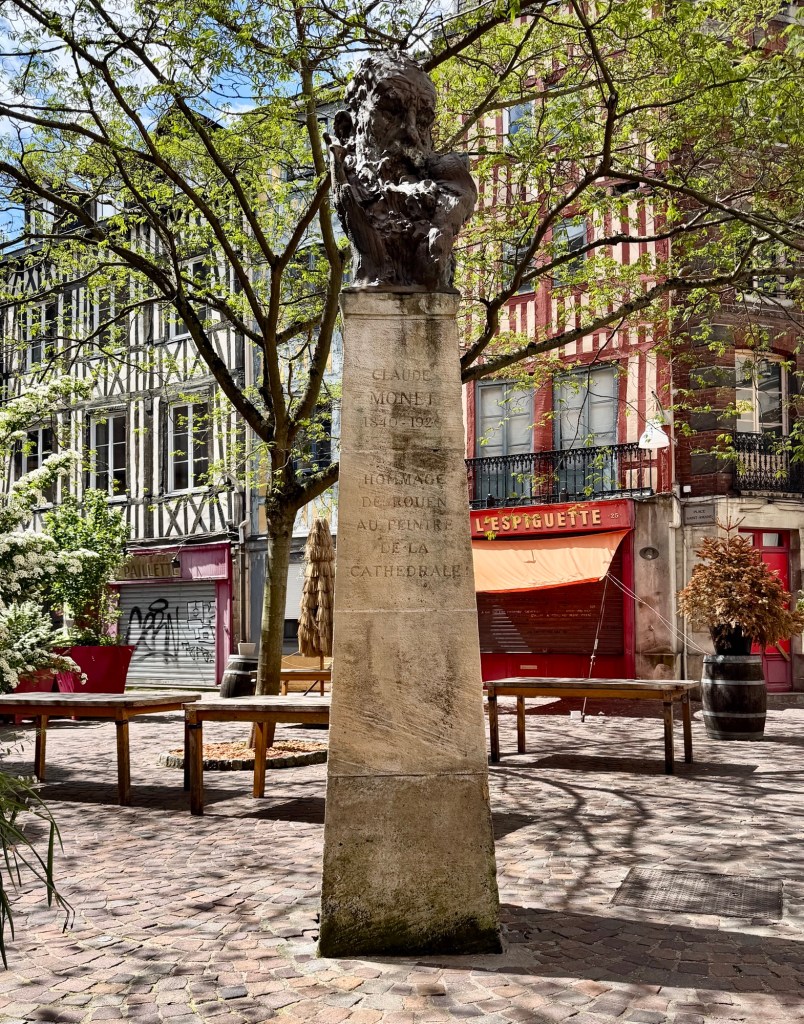
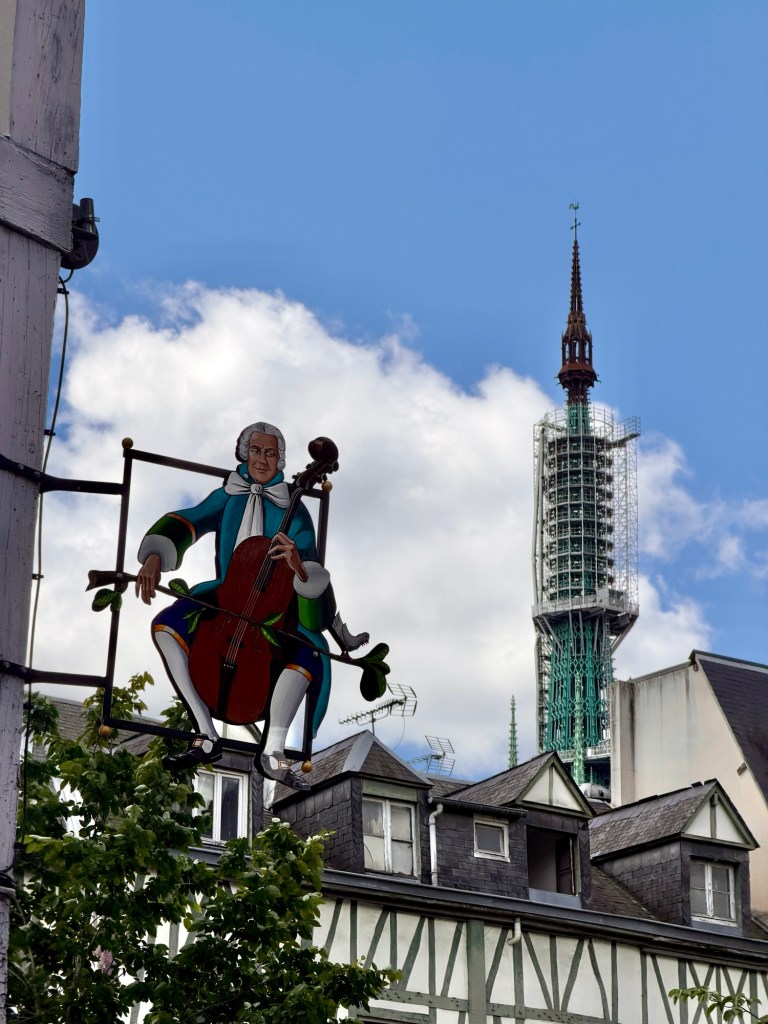
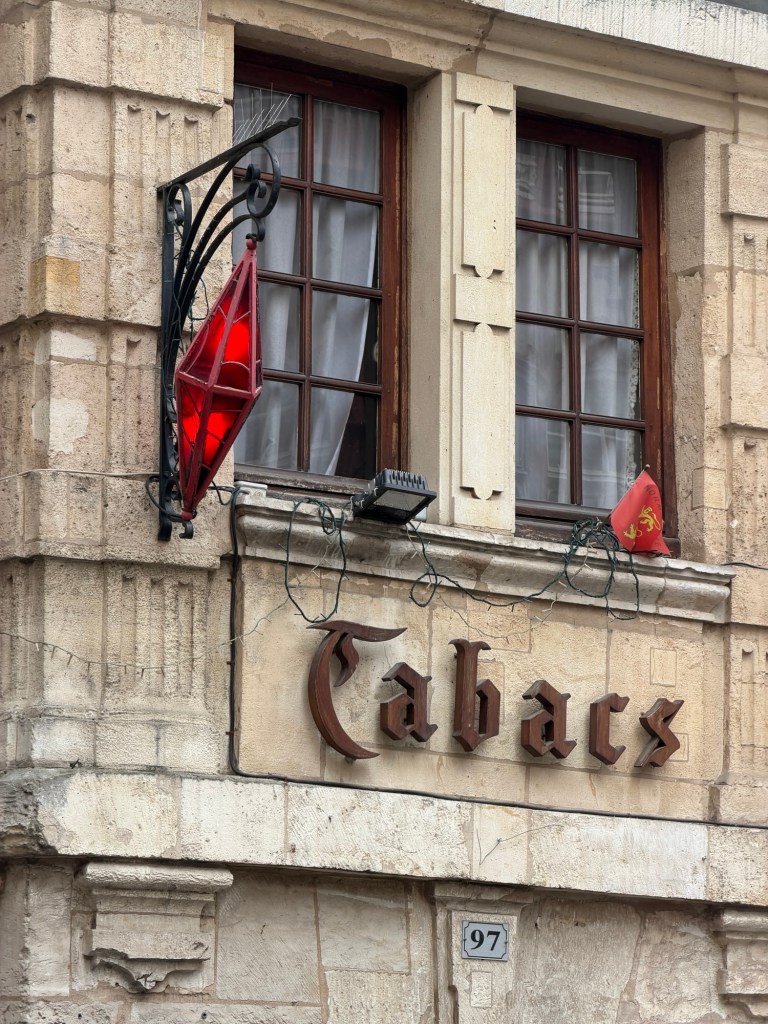
Claude Monet painted many scenes near here. Robert Cavelier, explorer of Mississippi River Tobacco is sold in stores displaying this red diamond sign.Read this out loud to yourself. What does this store sell?
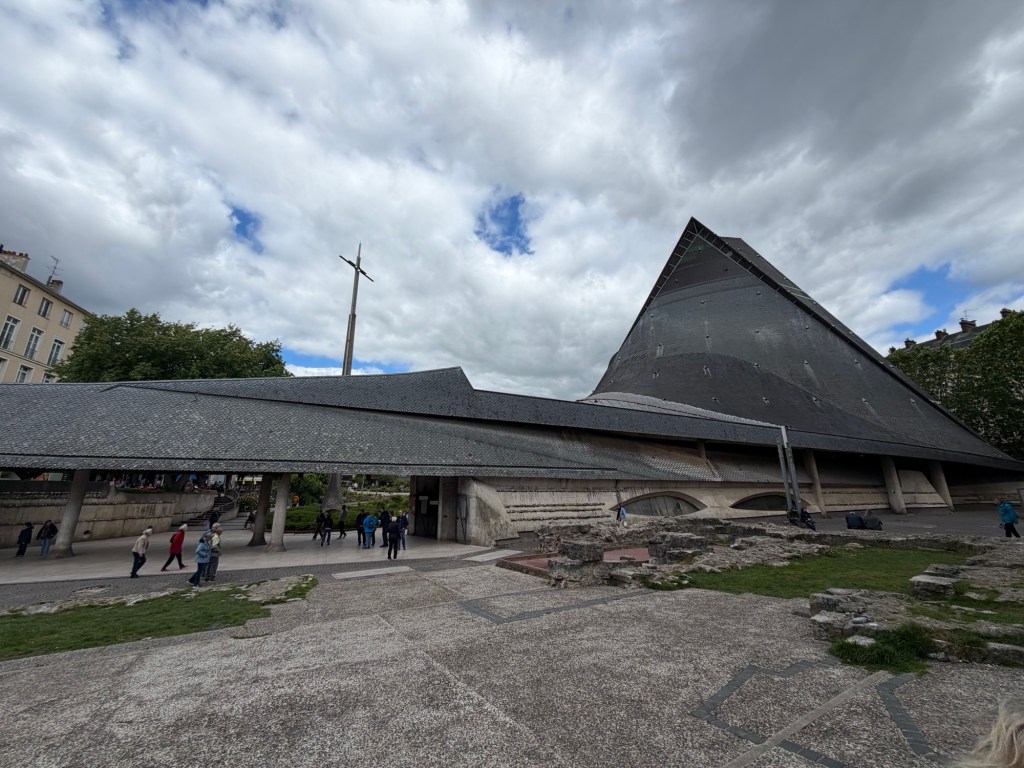
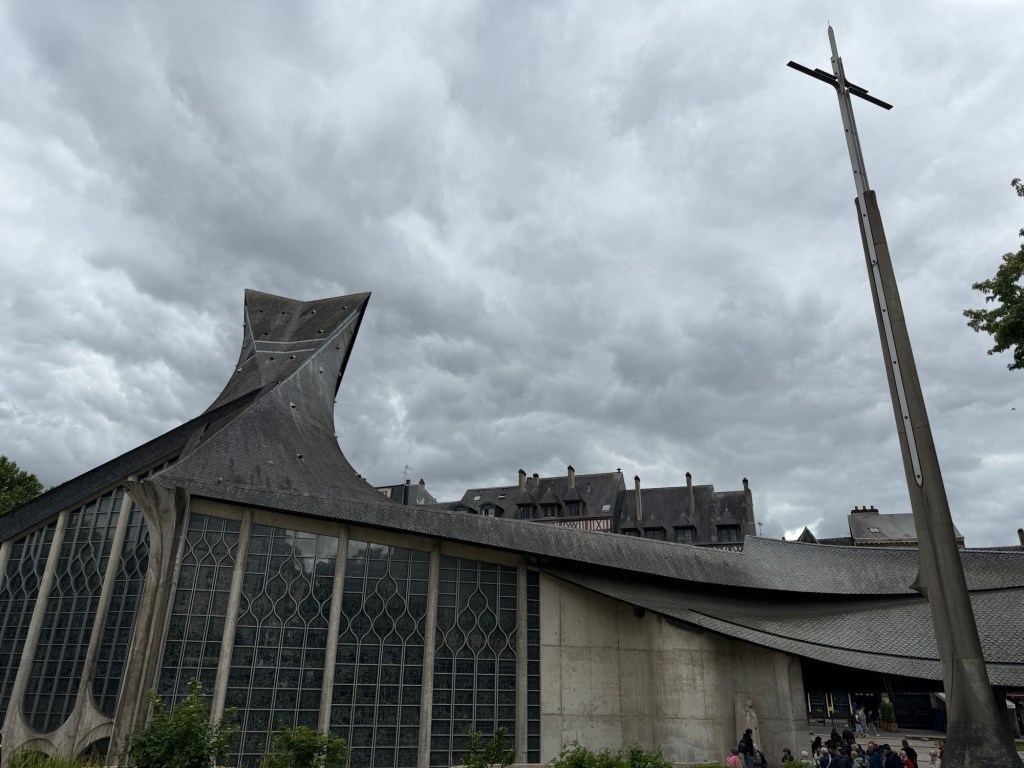
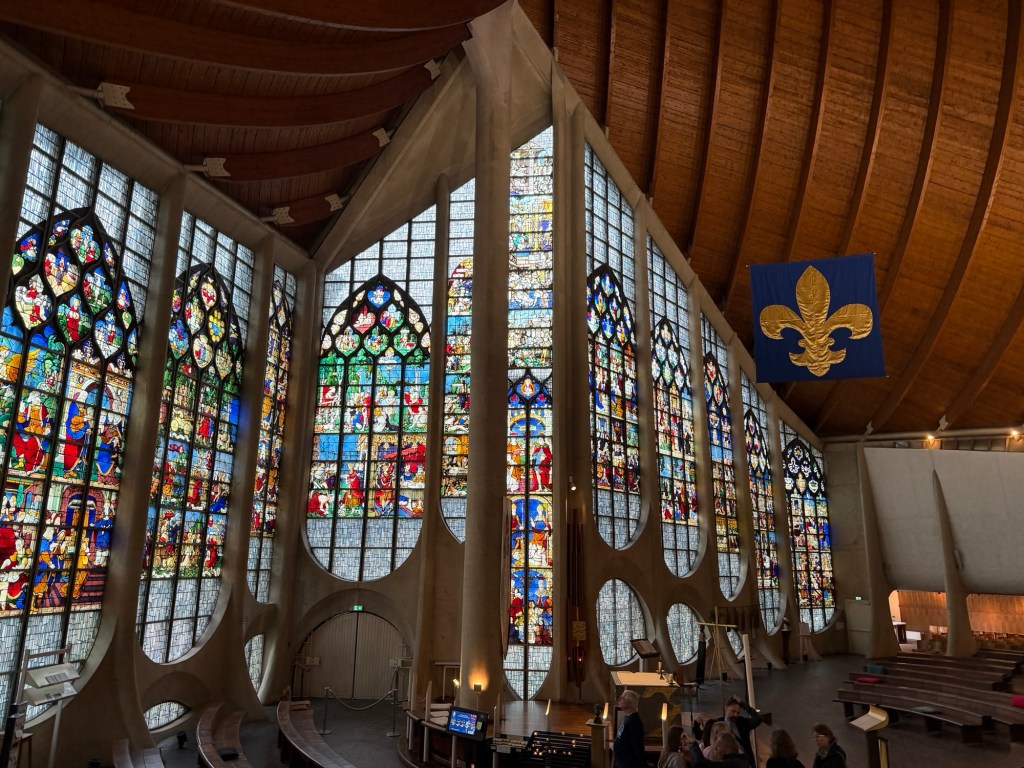
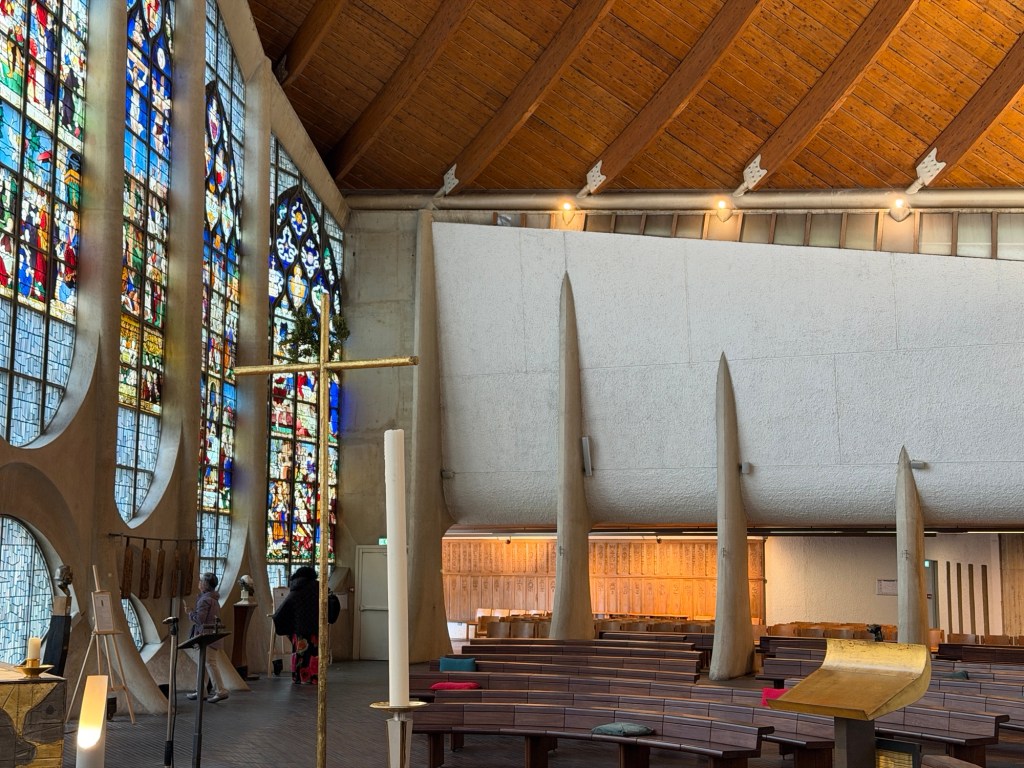
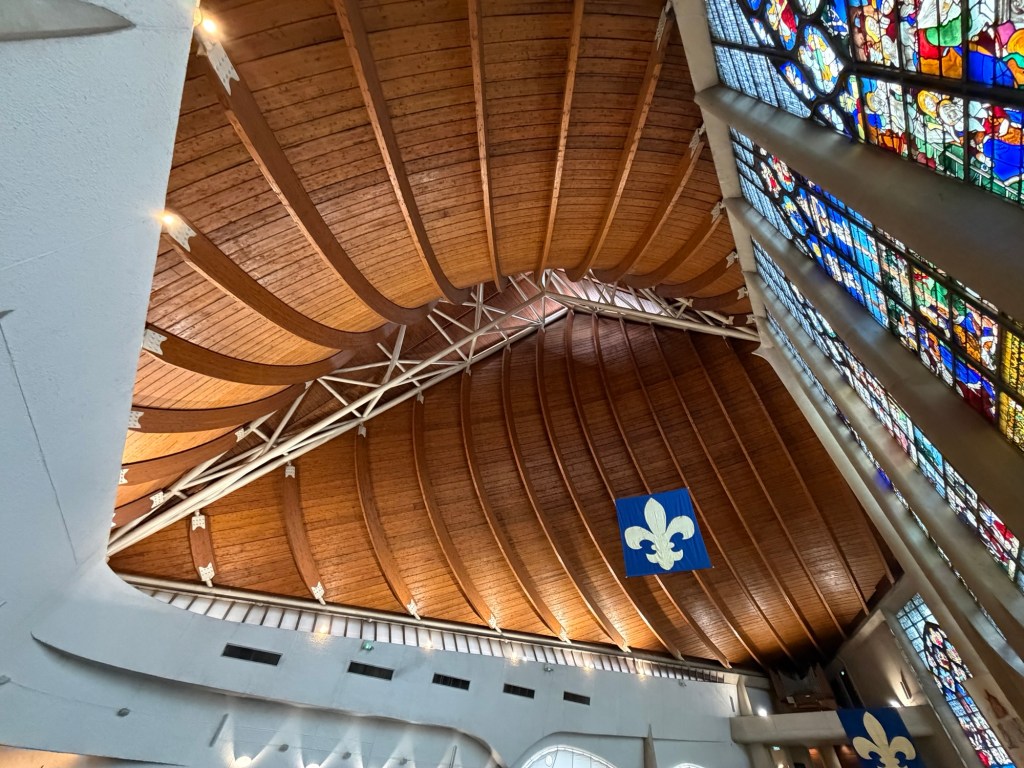
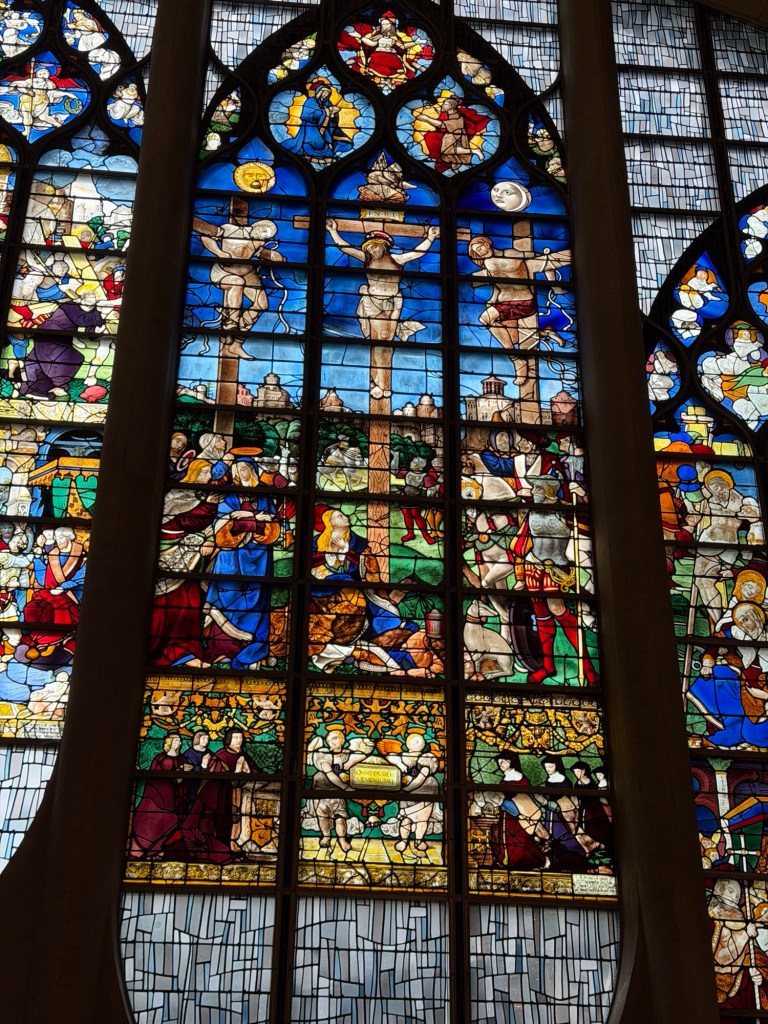
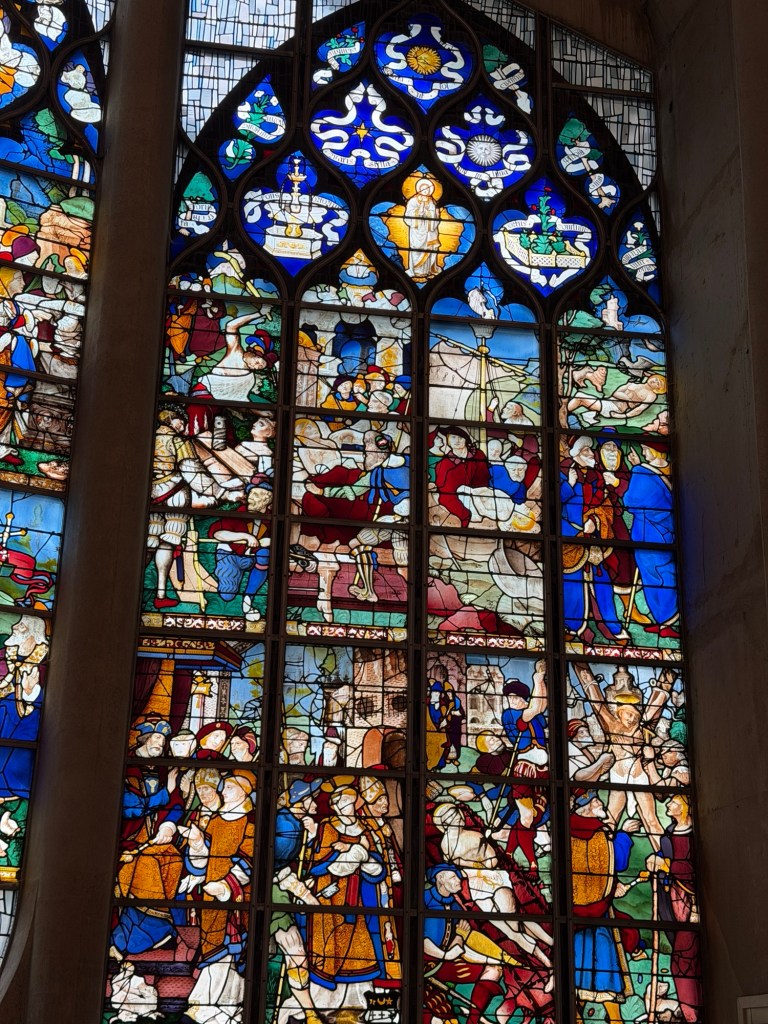
A modern chapel honoring St Joan of Arc utilizes the Scandinavian ship design for the ceilings, in an airy, uplifting space.
Chapel next to ruins of an older church Outside part of the Joan of Arc modern churchInsideSpires, perhaps representing the stake where young Joan was burned. Nautical ceiling
A bit away from the chapel are even more modern links between here and the U.S.
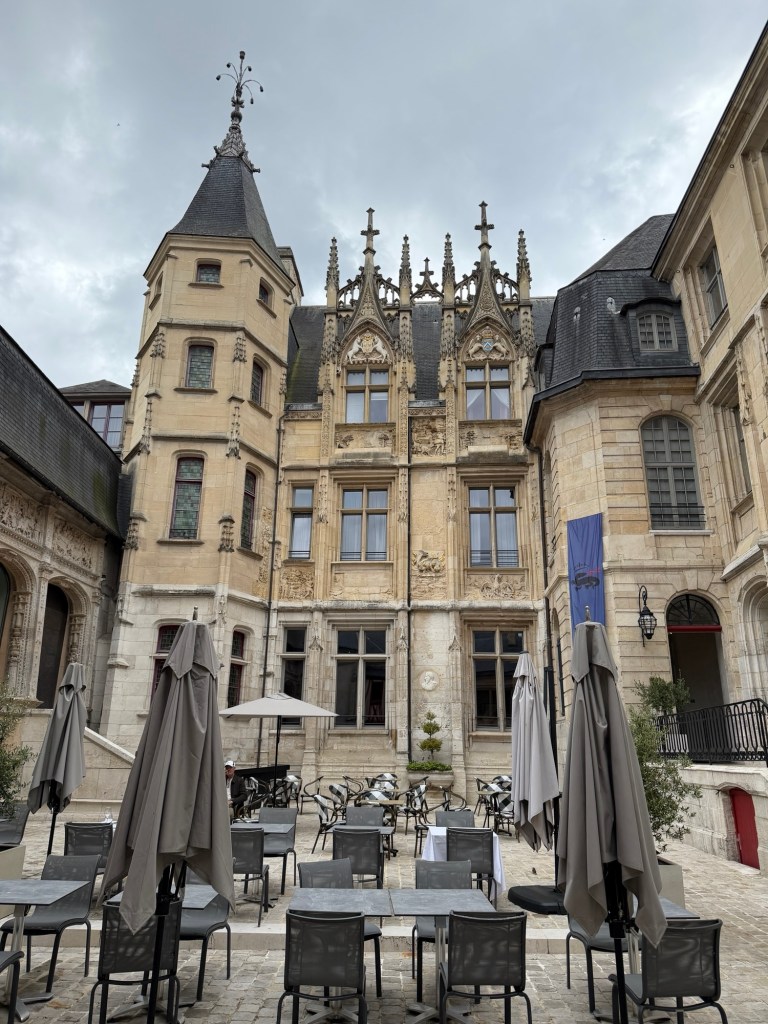
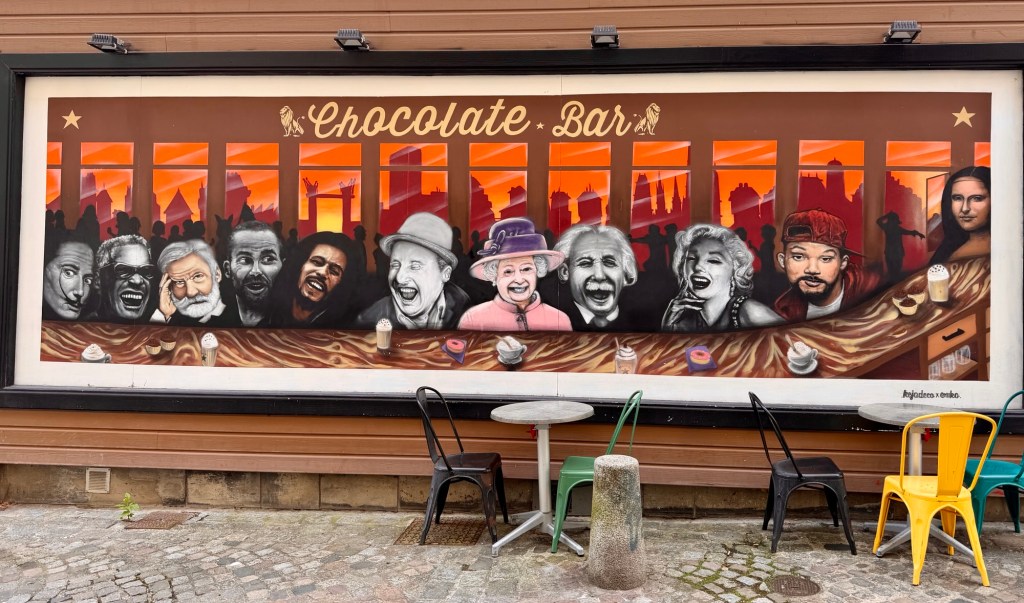
Julia Child ate her first French meal here. The rest is history. The bears climbing up these walls are reminiscent of the Blue Bear in Denver. In France, what would be called Protestant Churches are temples. This is Temple St Eloi. Hotel courtyard Famous faces at a chocolate shopBulging buildings
From one rainy city to another, the best part of the day was toward the end when our good friends met us at Charles de Gaulle airport in Paris.
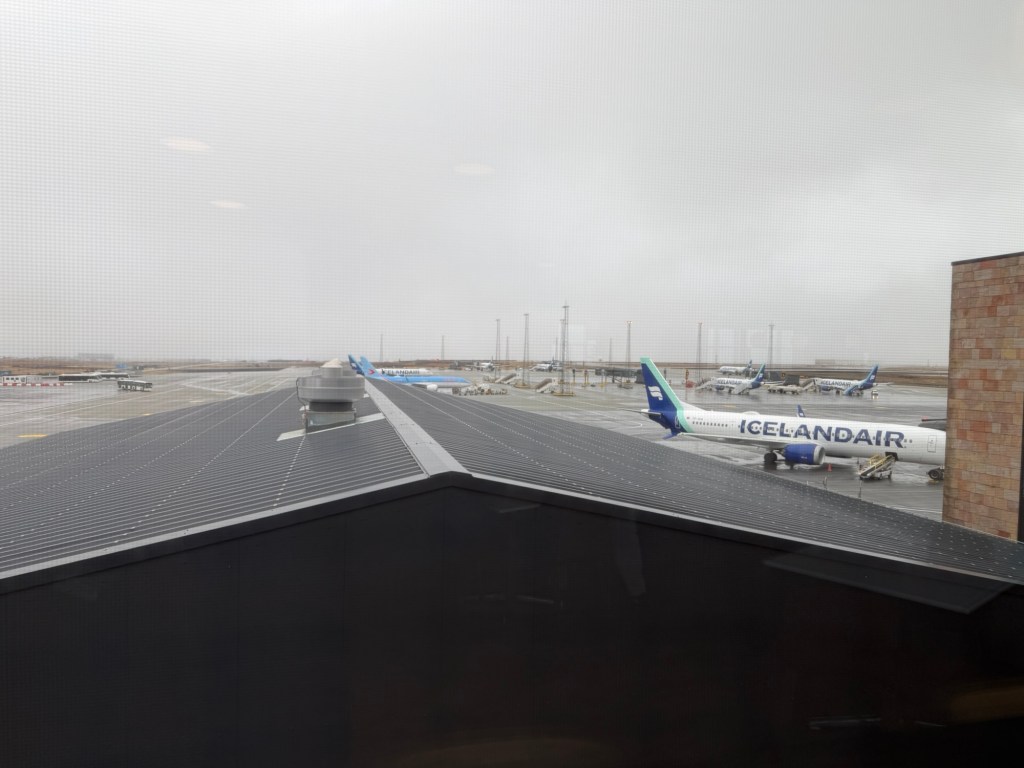
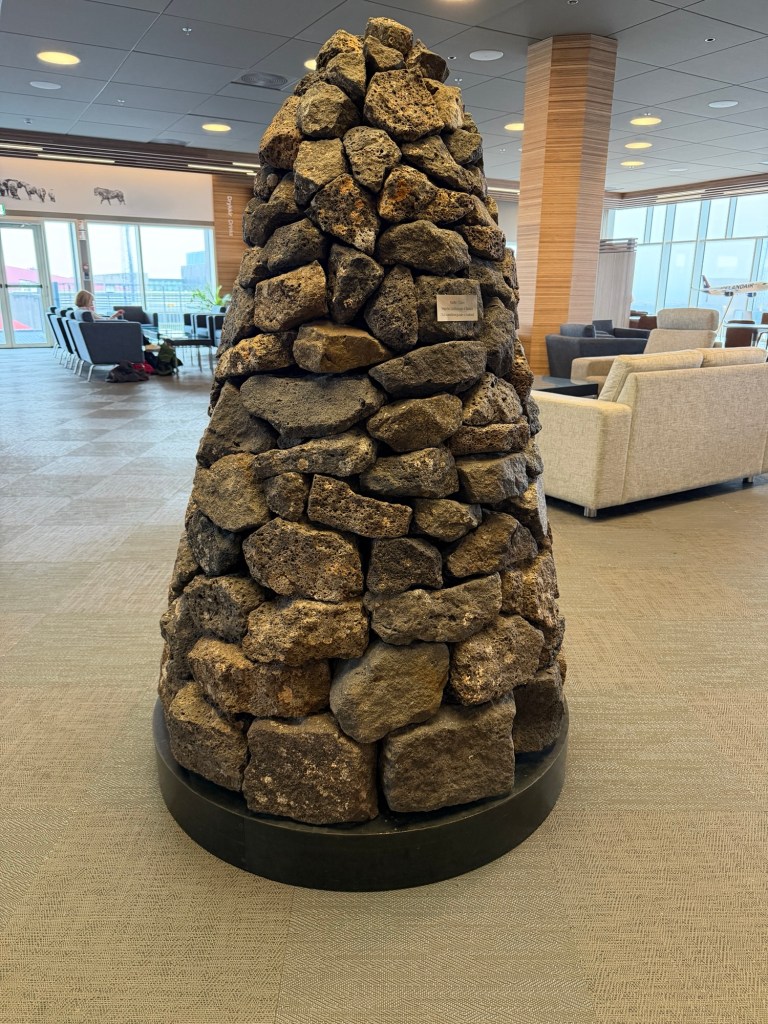
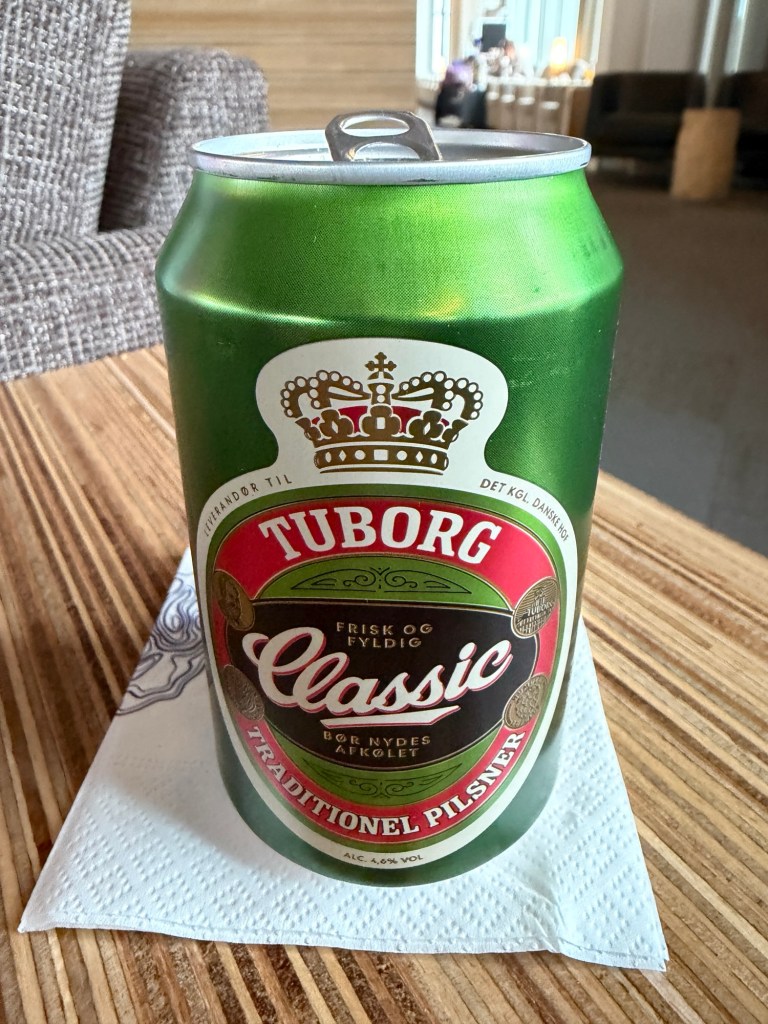
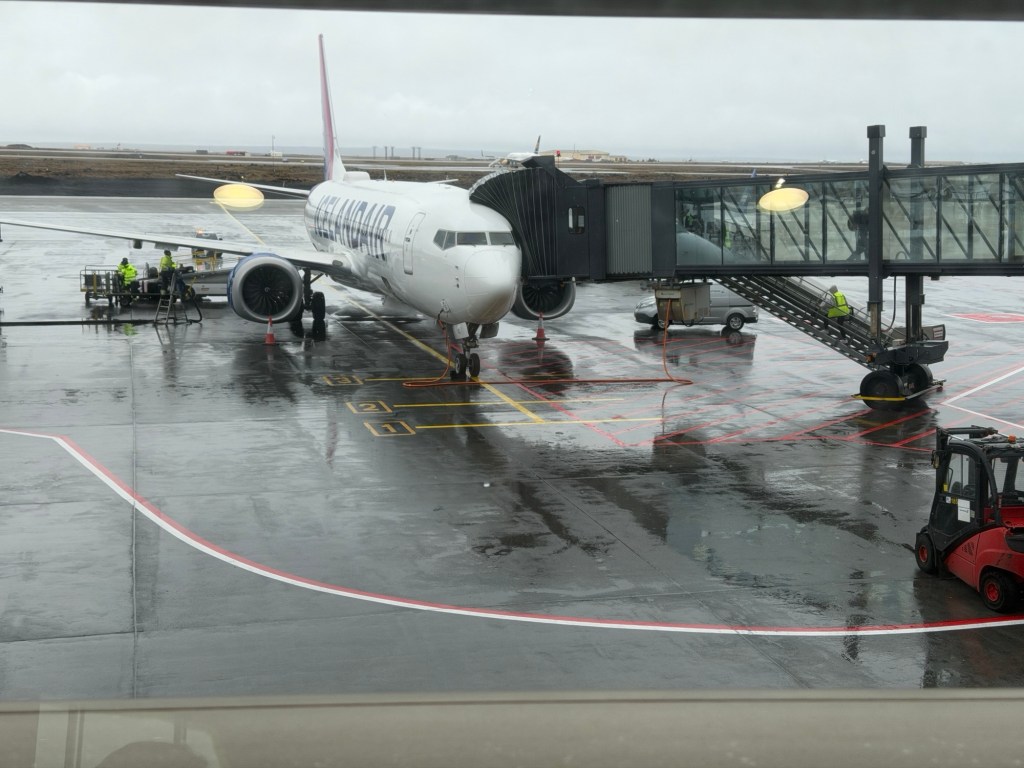
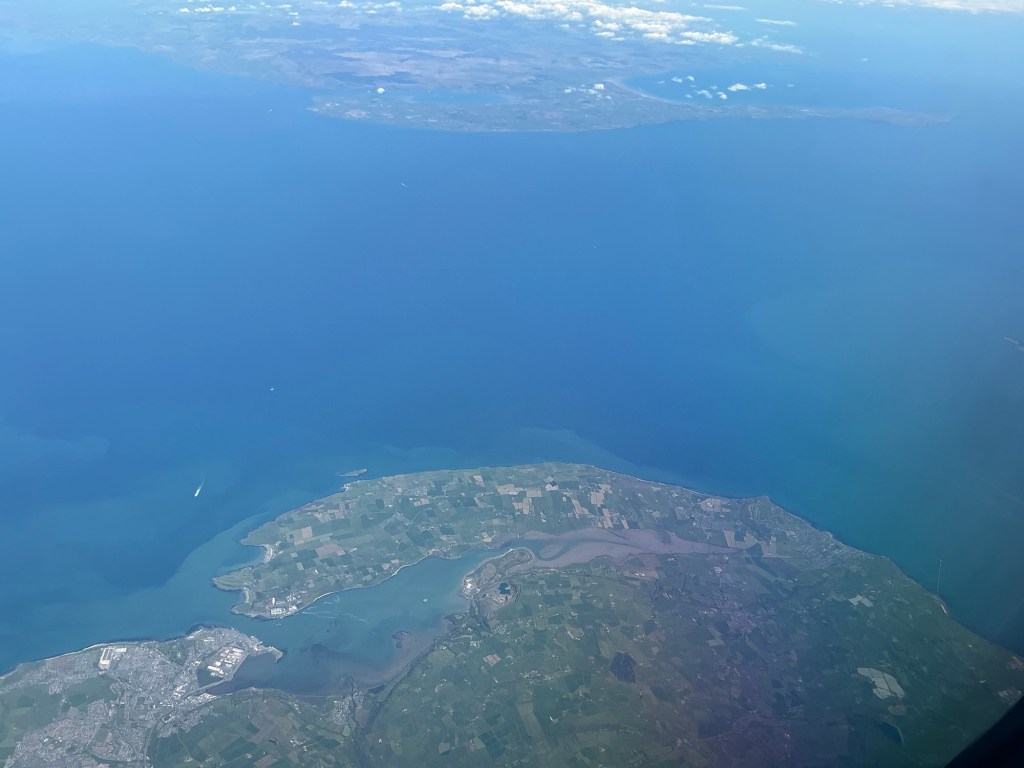
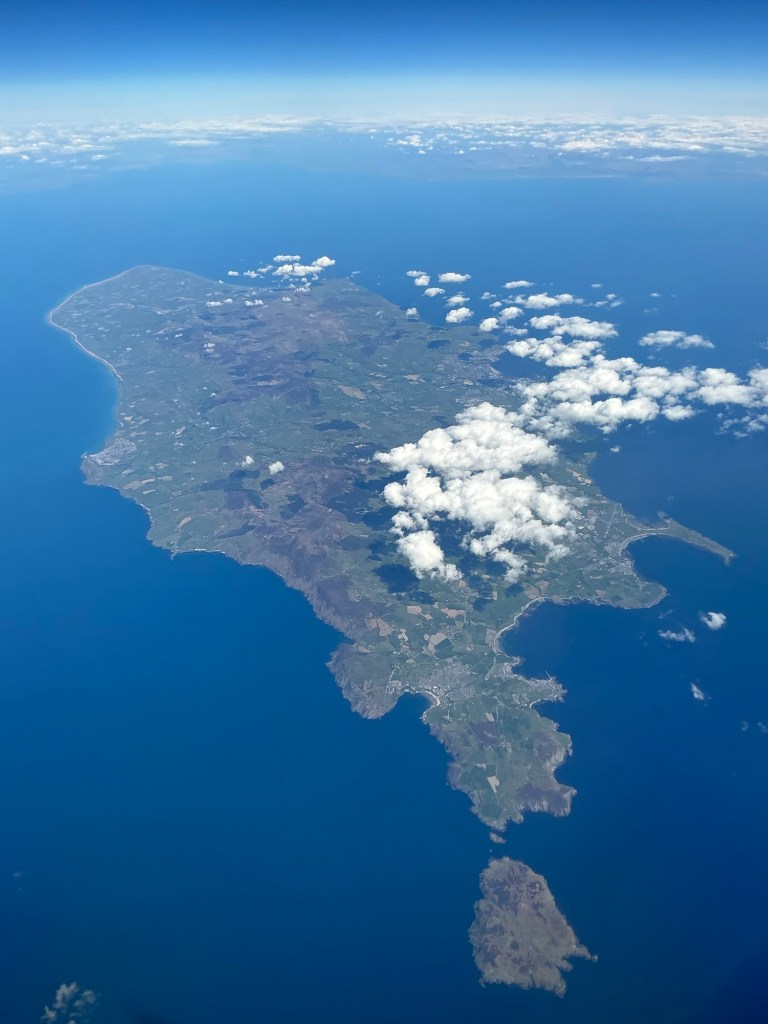
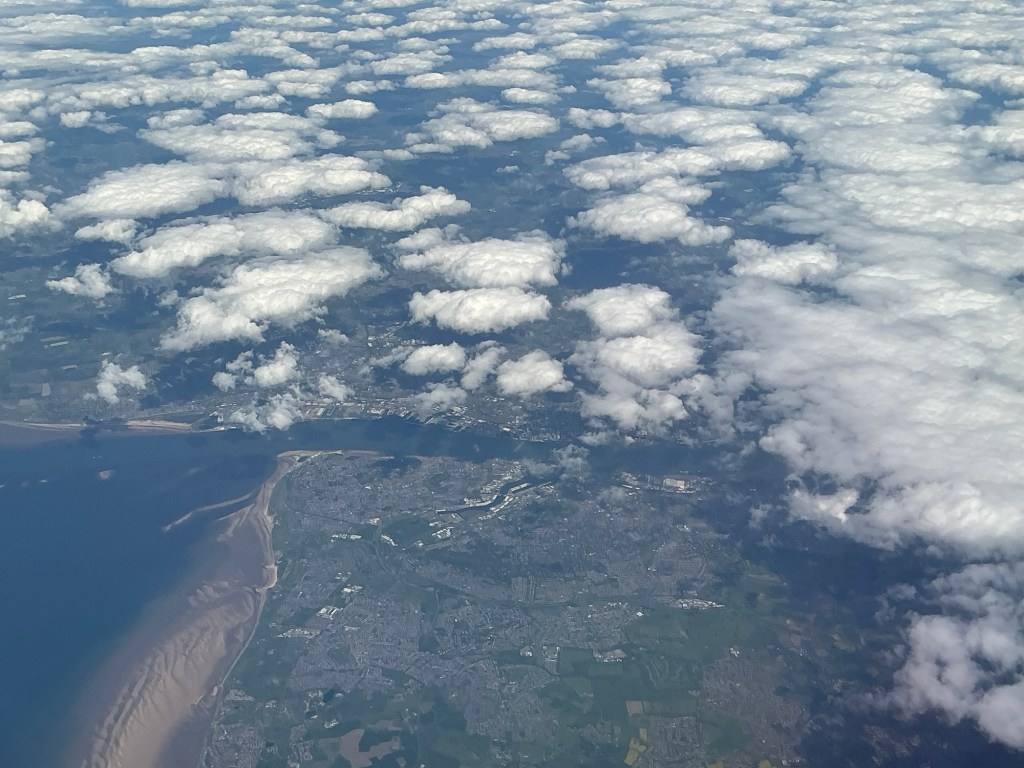
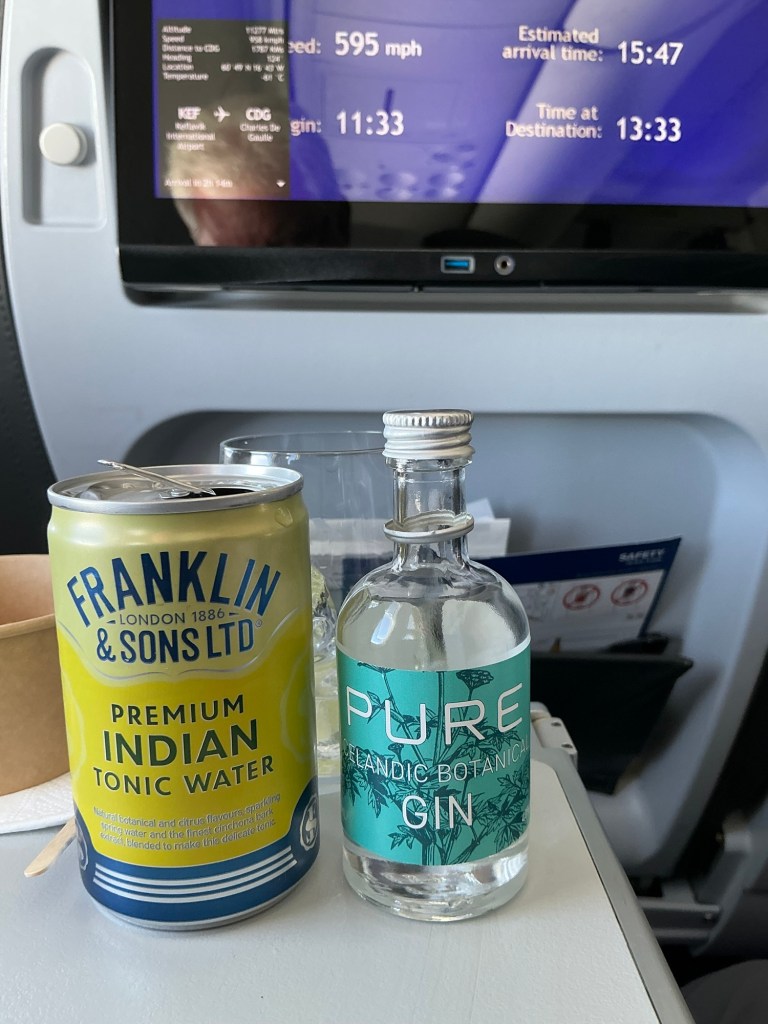
A cold, cloudy day at Keflavík airportAn ancient type of site marker displayed in the airportAn old Danish beer brand, brewed in IcelandAbout to boardIslandmagee, a peninsula near BelfastIsle of Man in the Irish SeaLiverpoolThe rest of the views were just white clouds!Yet another gin and tonic for Brian!
 Bunch of Geeks go Traveling