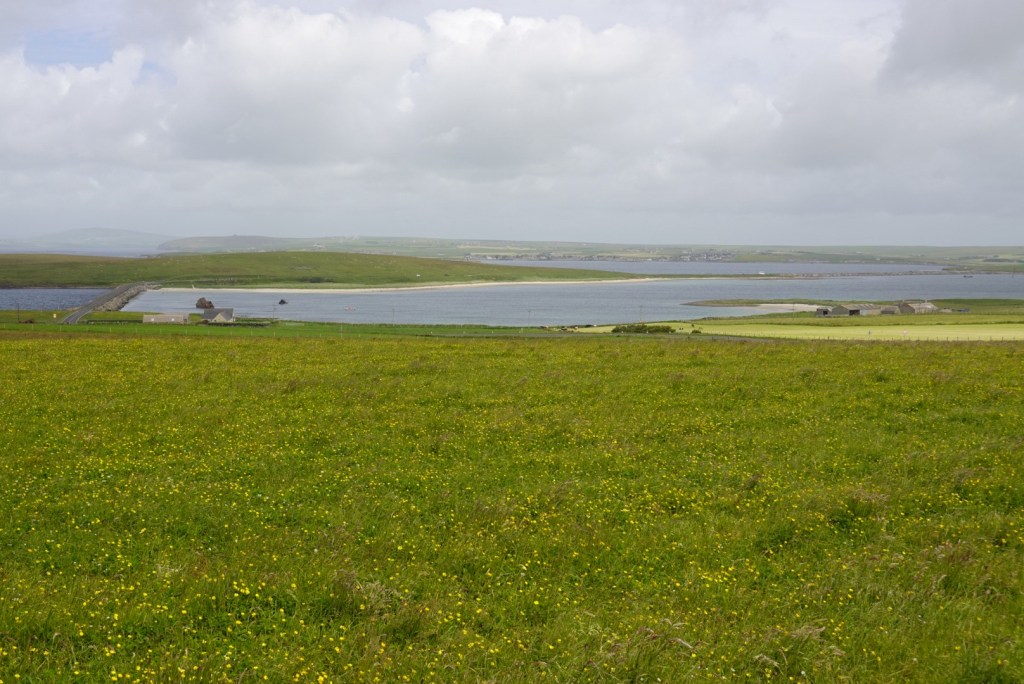
Sunday came with mist and a bit of wind. Our first scheduled activity wasn’t until 4:00, so we drove south from the island which the National Geographic map calls Mainland but most people call Orkney. We thought it would be interesting to see more than one island in the Orkney island group. The southern most tip of Orkney (or Mainland) is a small town, St. Mary’s, which is connected to the next island, Burray, by a causeway.
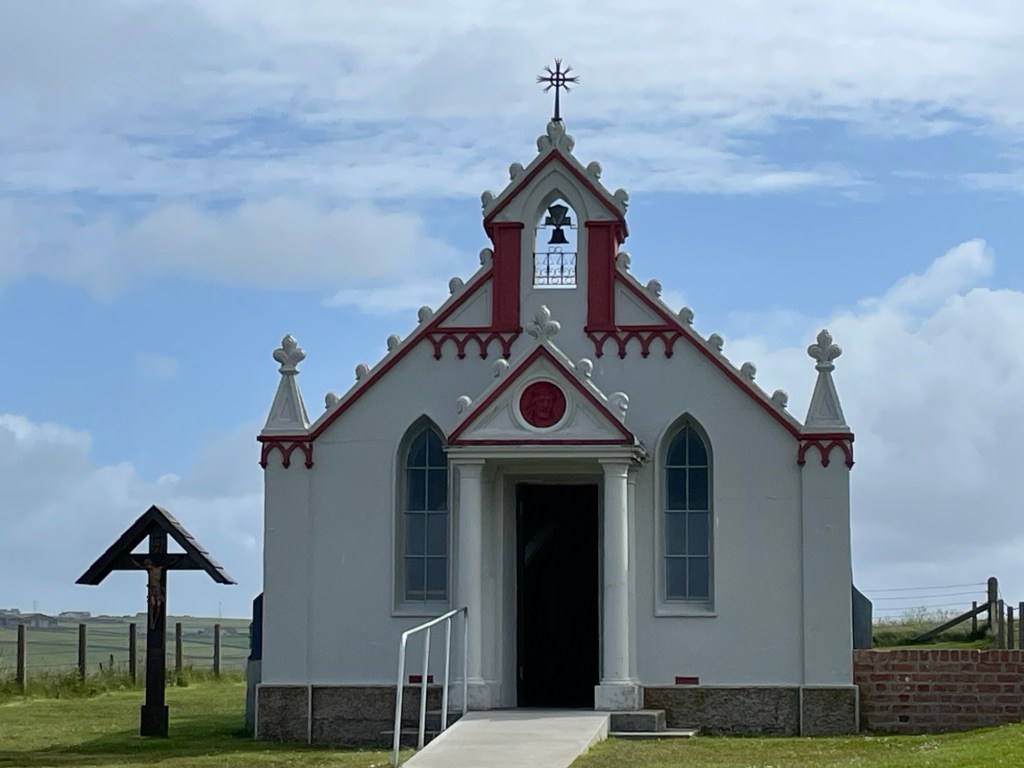
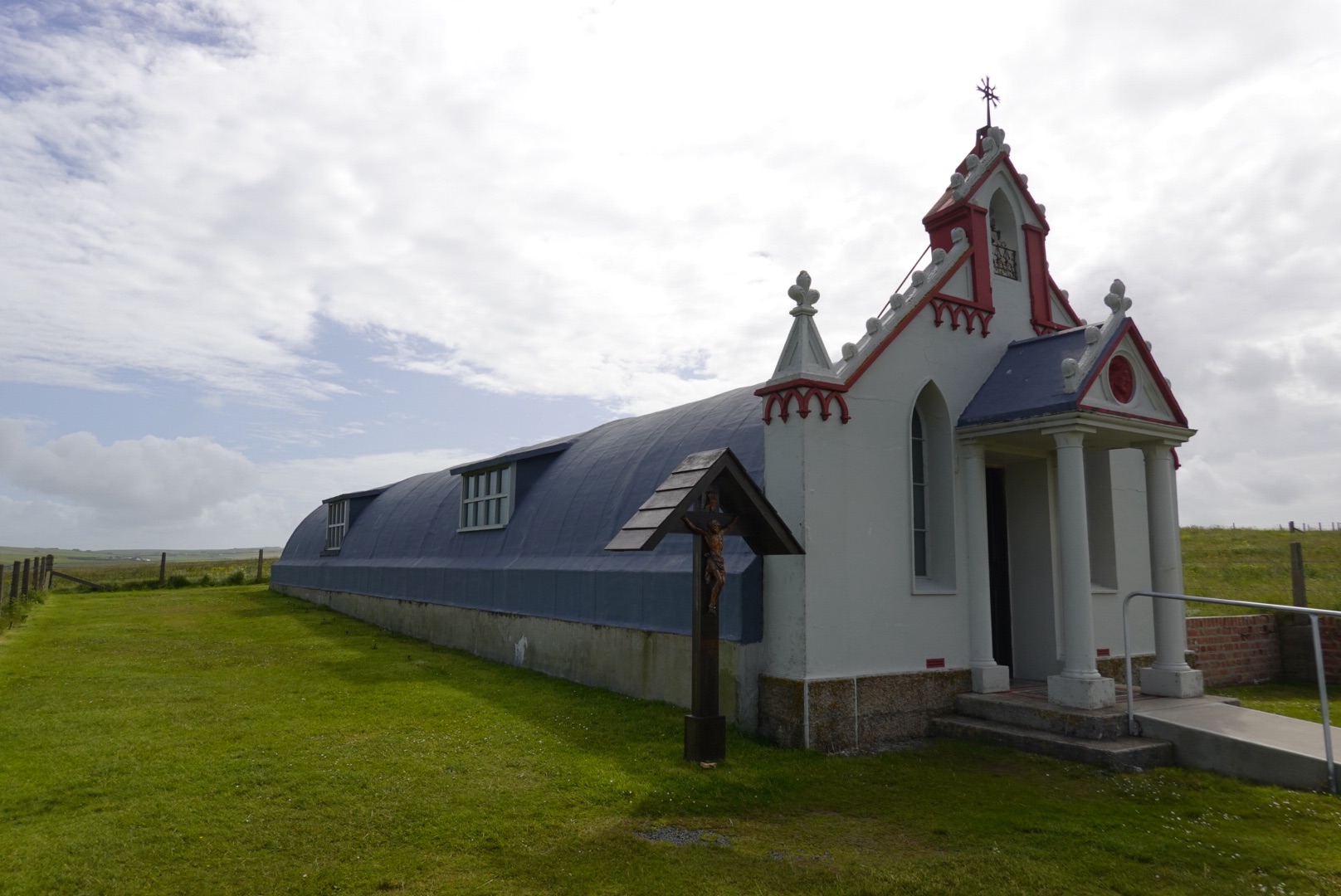
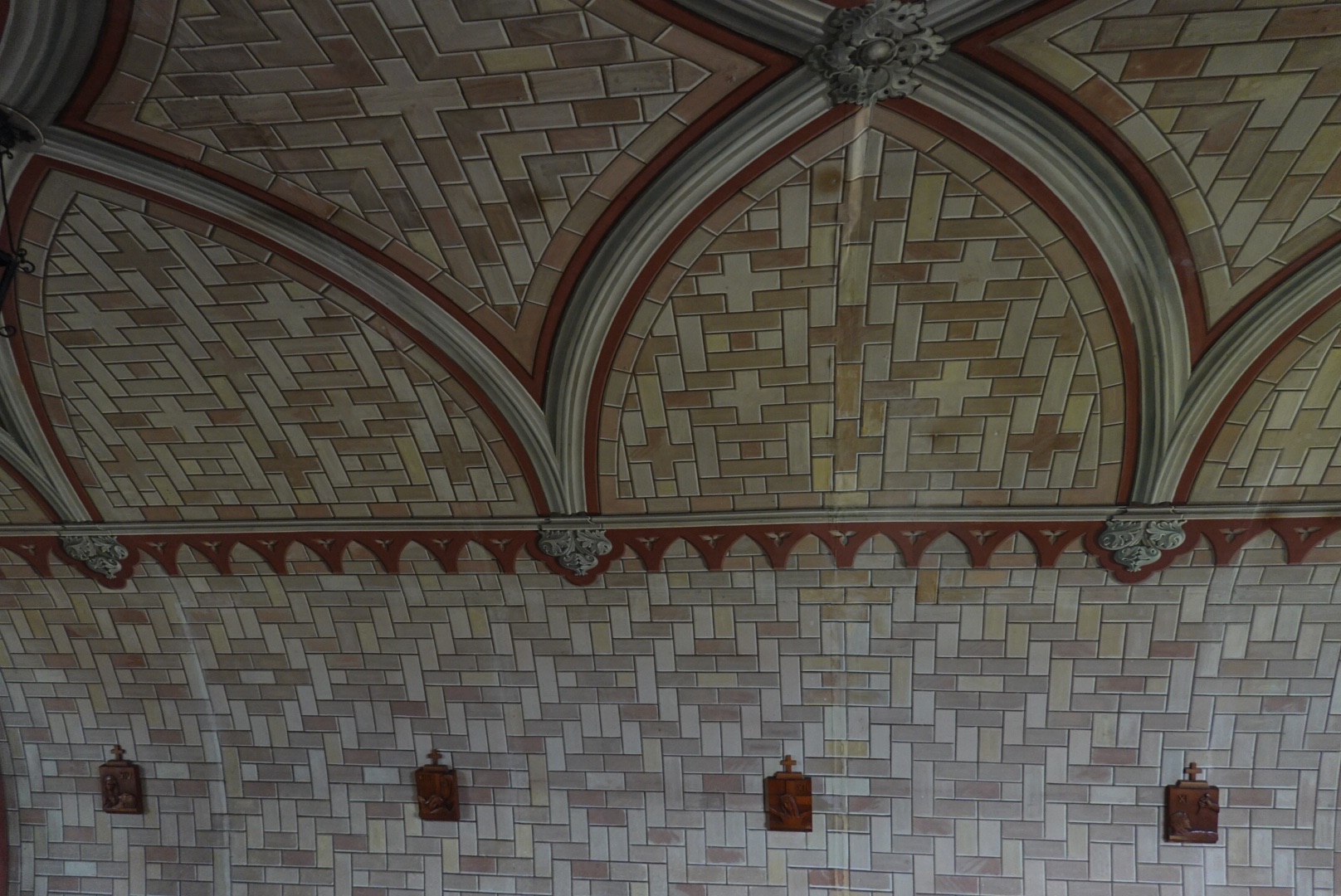
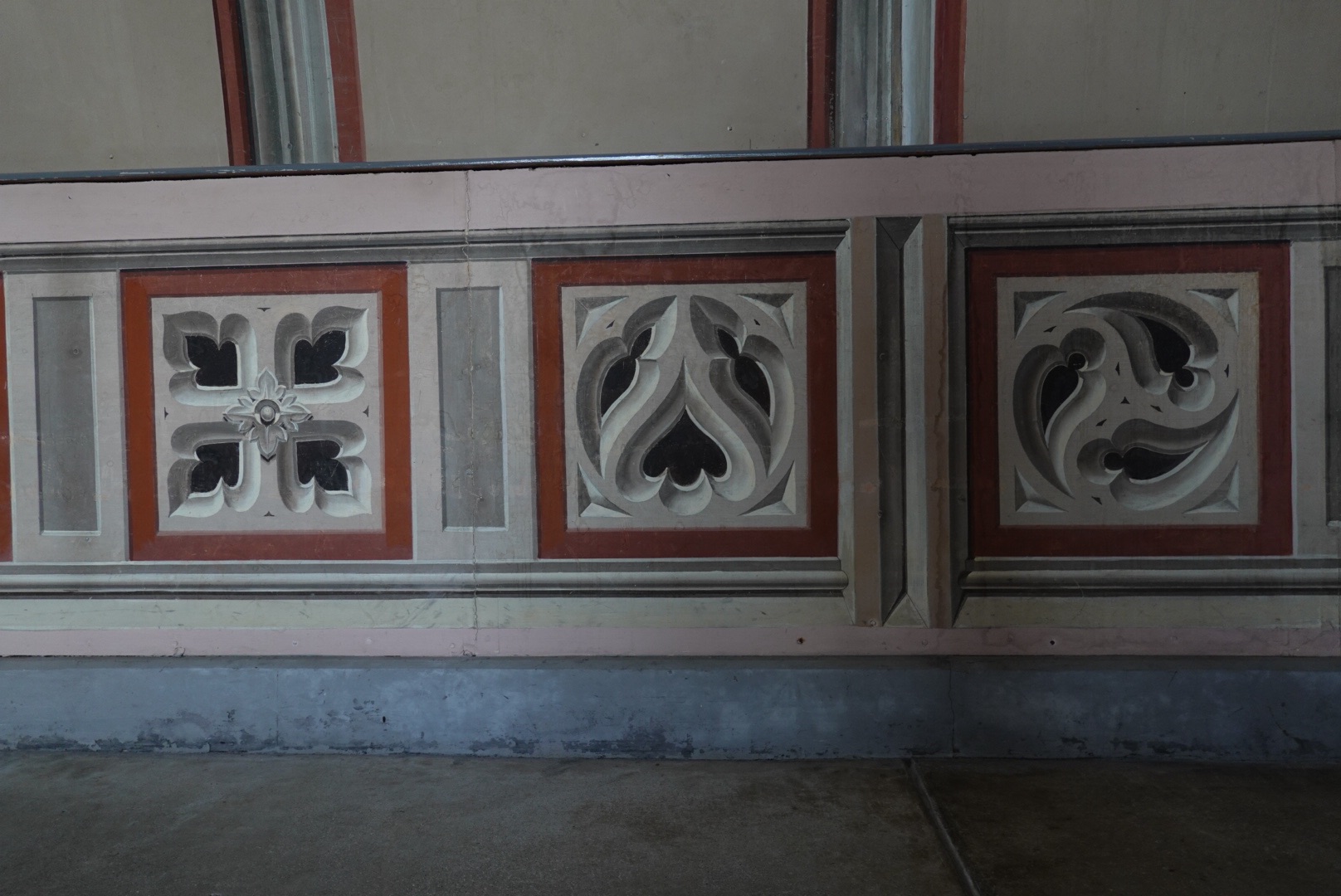
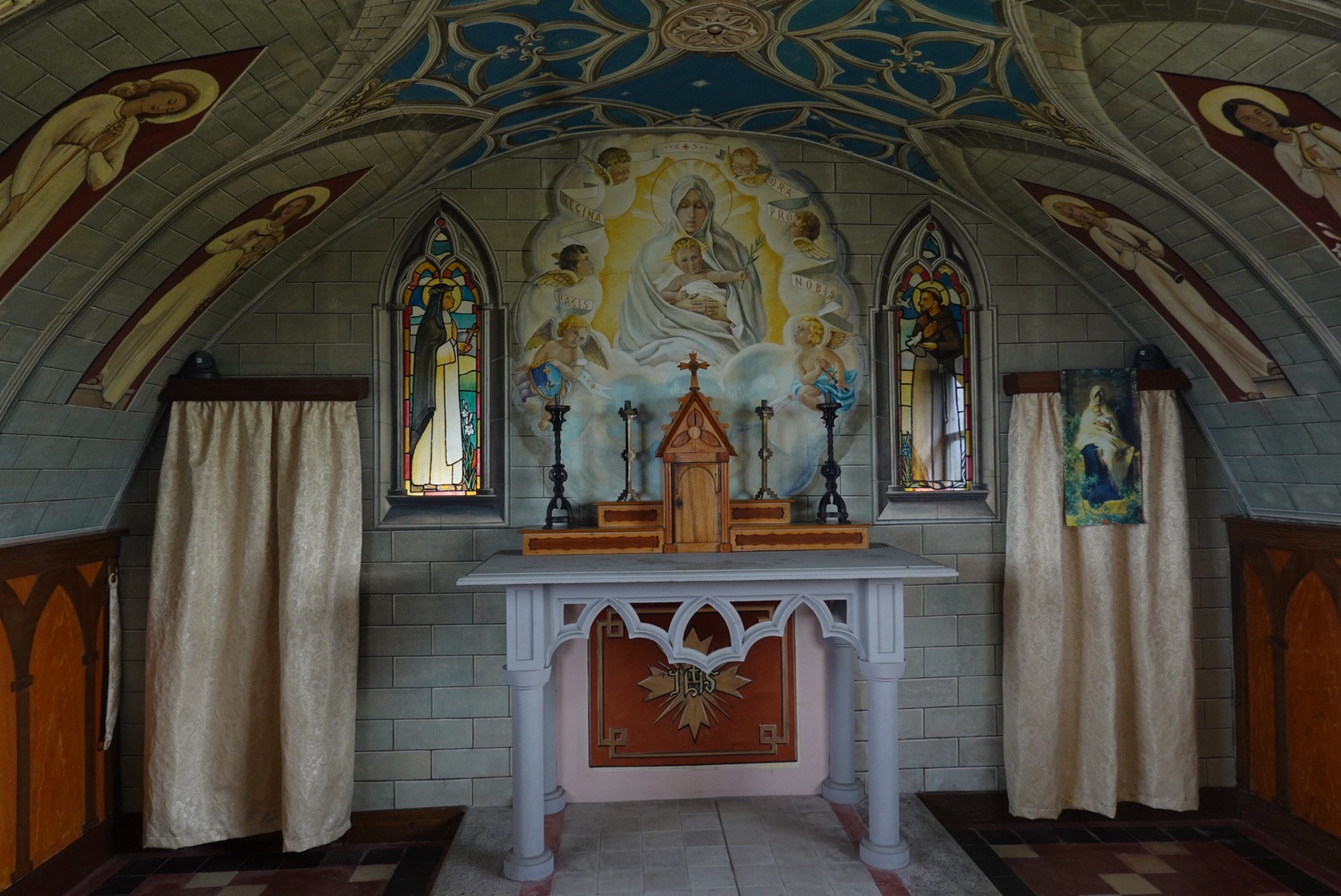
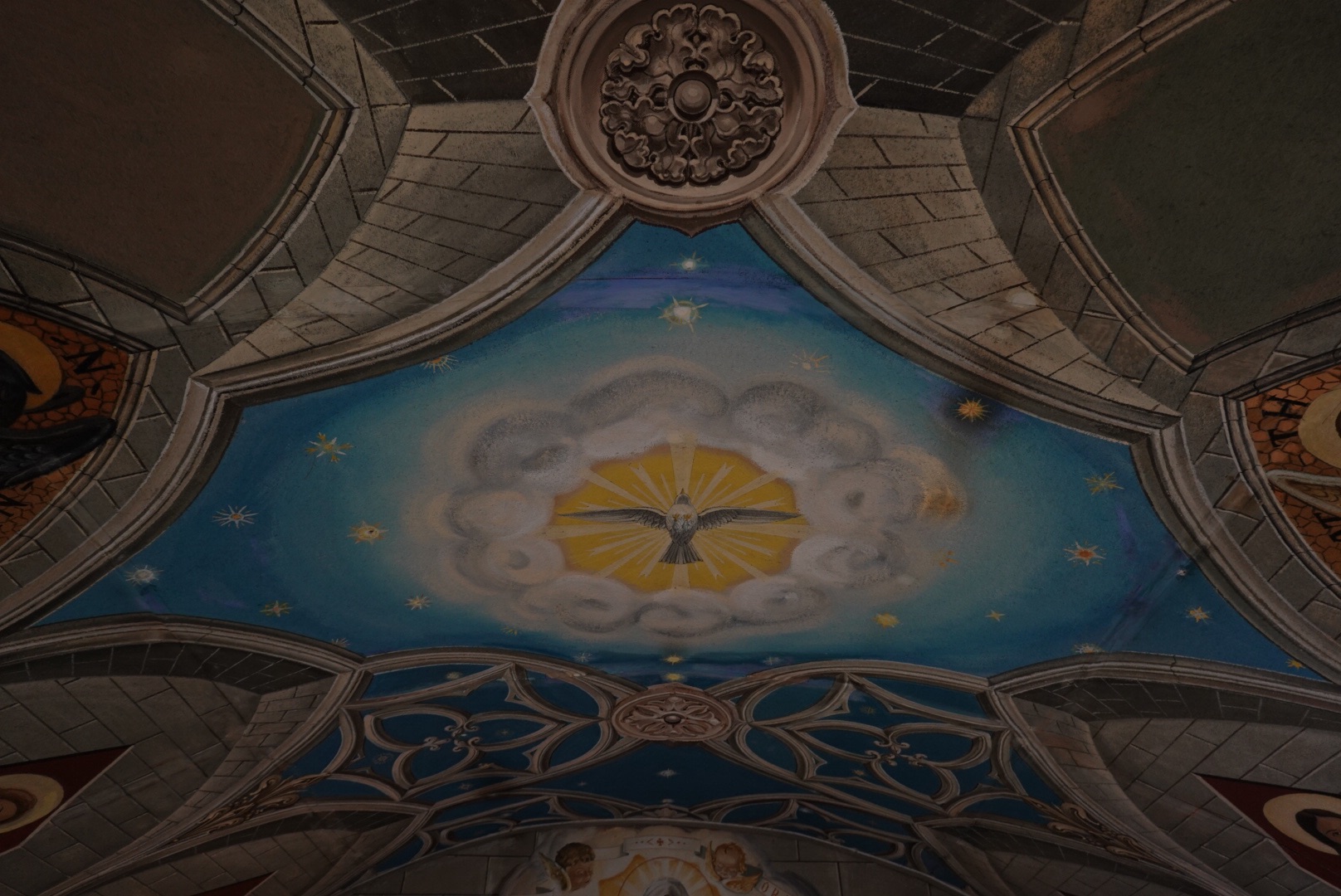
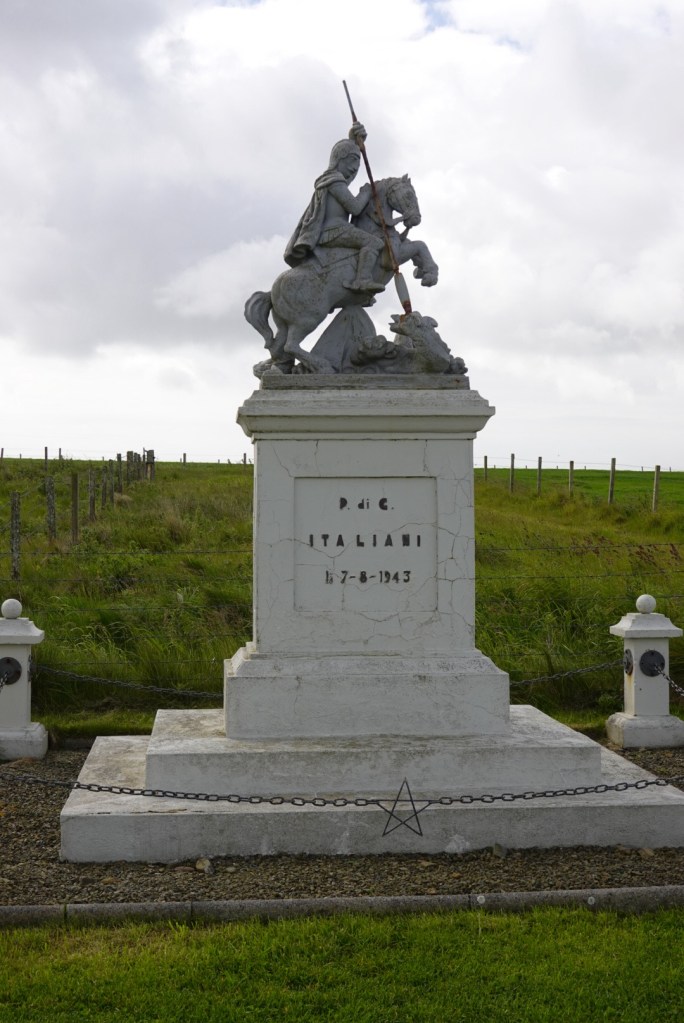
The northern point of Burray housed the Italian Chapel, constructed by WWII prisoners of war. These Italians asked the British if they could build a church to practice their religion. Since many of the soldiers were artisans from Italy, the church is beautiful. They used whatever they could find for construction materials, and painted flat surfaces to look like tiles. Incredible talent!
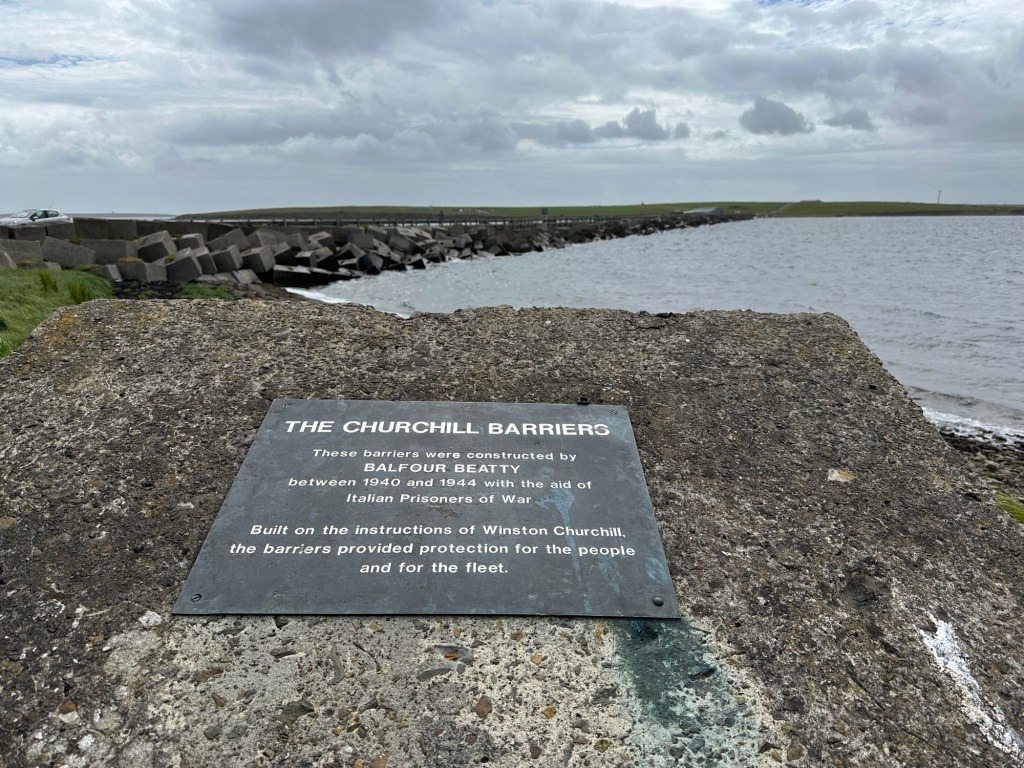
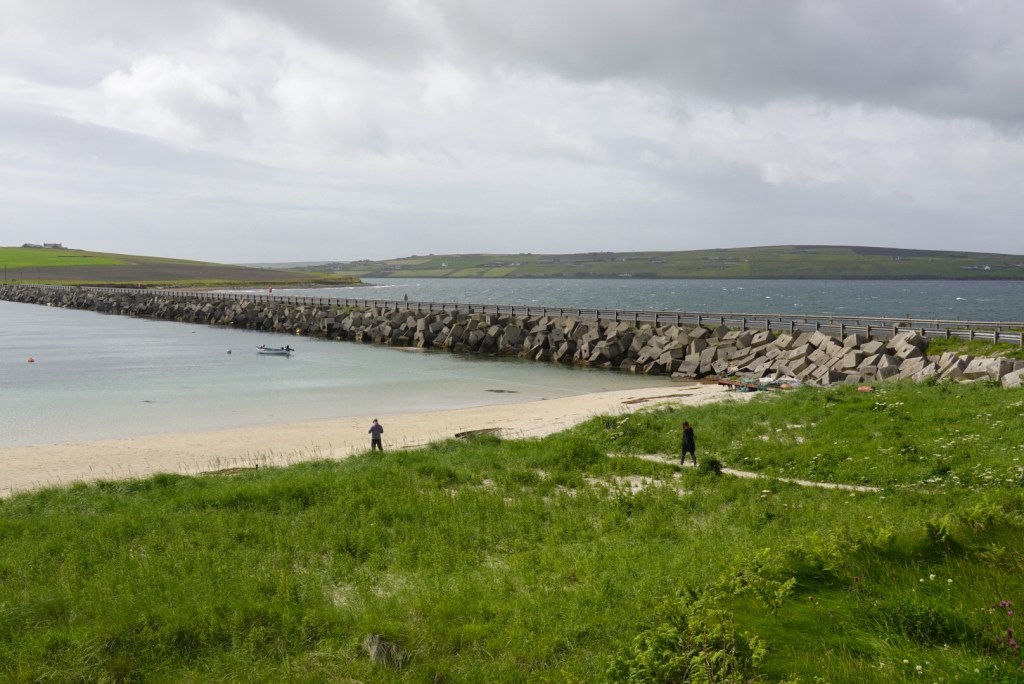
We continued to the more southern islands across causeways and one Viking bridge. Many WWII ships were sunk in the Scapa Flow, and now it is a magnet for scuba divers who like to see shipwrecks. Some of the ships are visible as you go over the causeways.
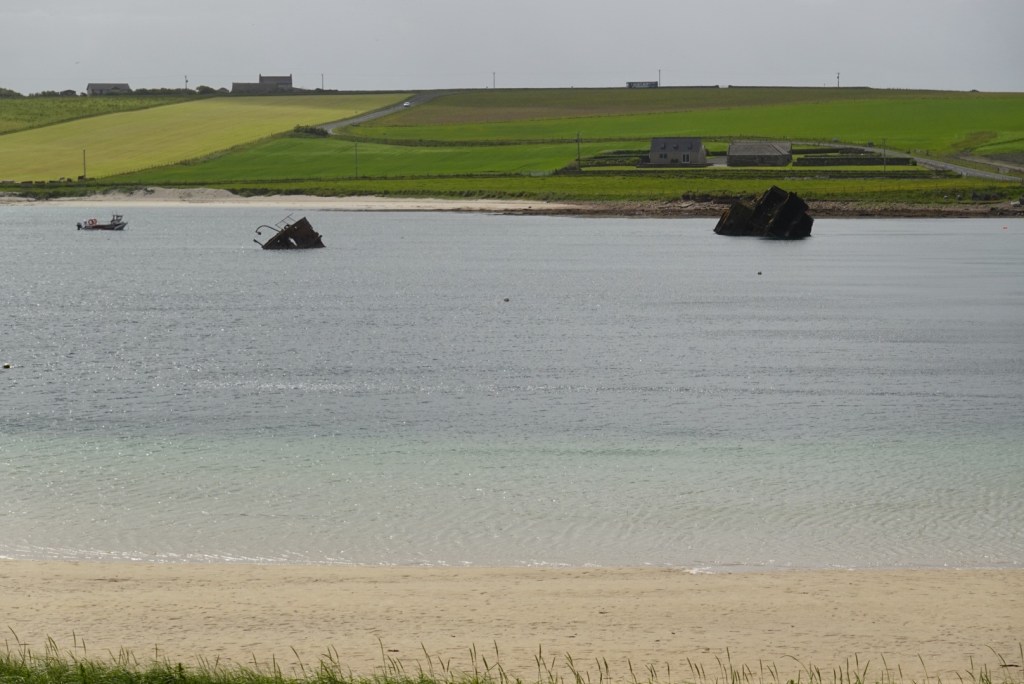
The causeways do not allow water circulation, so the water levels on either side are different. This has changed the local ecology of the flow.
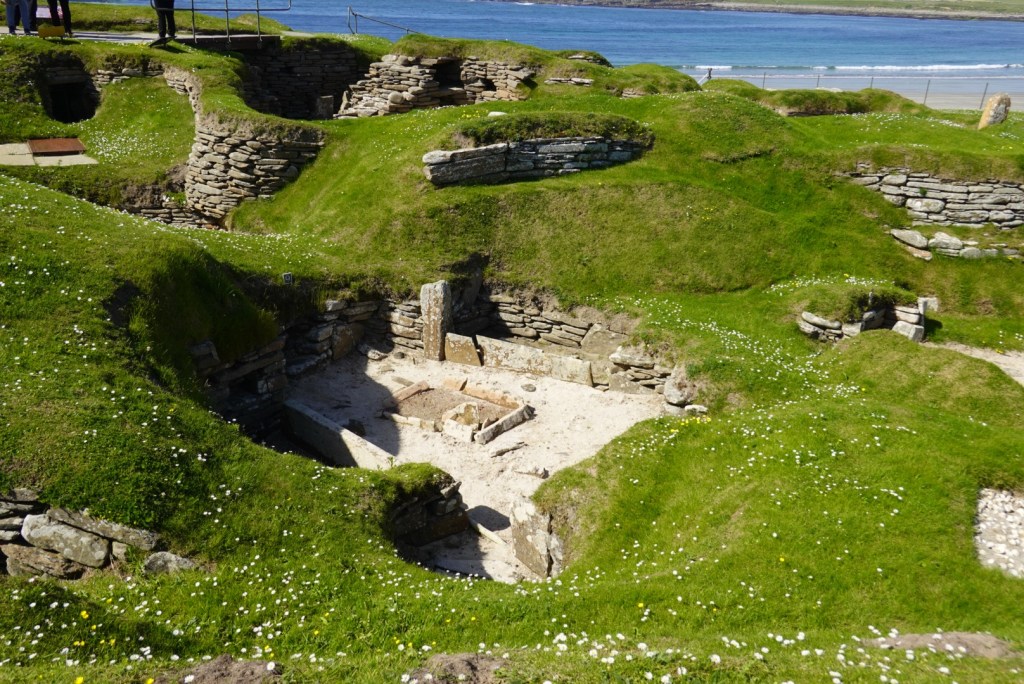
Next we visited the fourth of the UNESCO sites on Orkney, Skara Brae, a well preserved Neolithic site of a small town. Ten buildings are partially uncovered; all but one are interpreted to be houses. The tenth building is thought to be a place to make things.
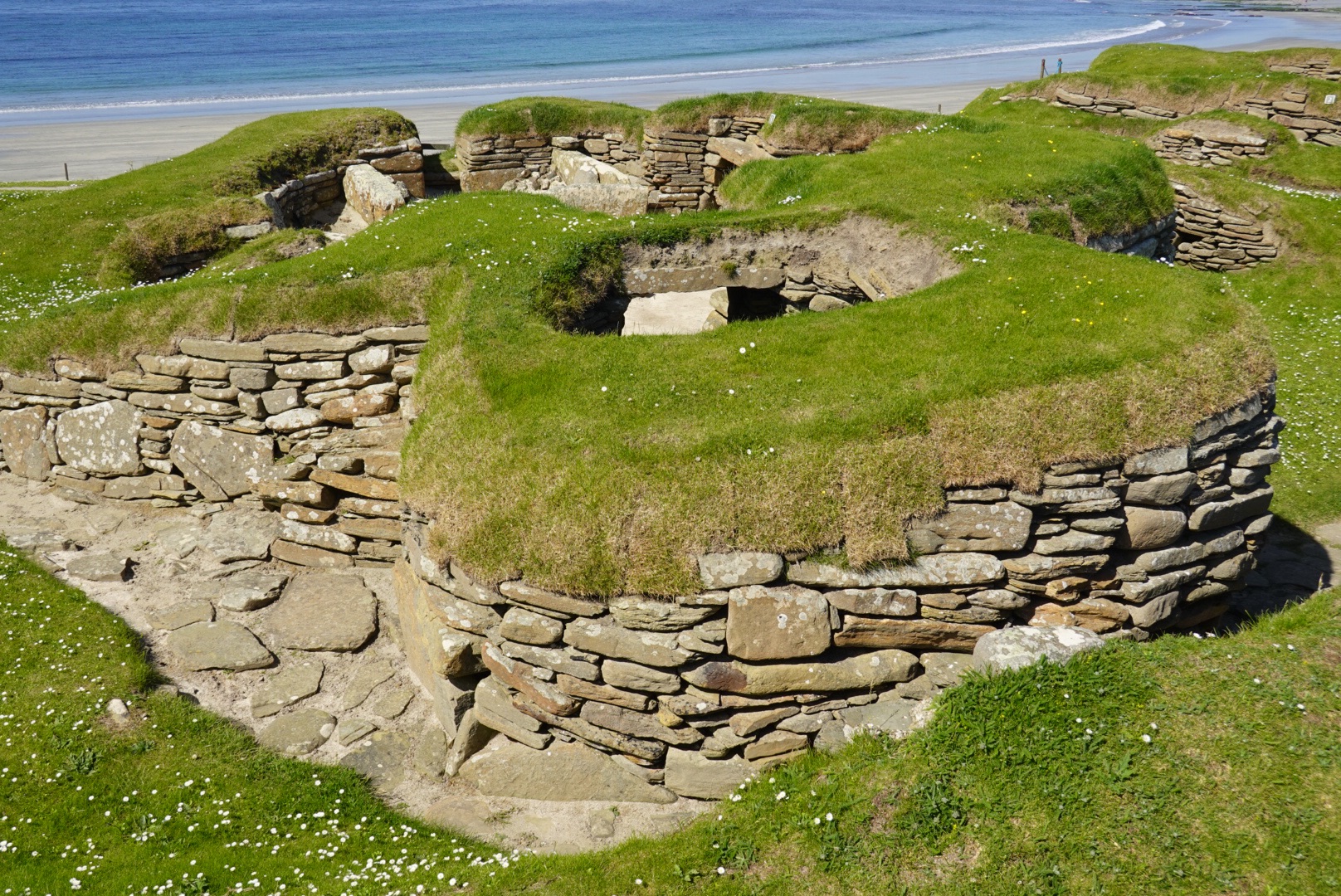
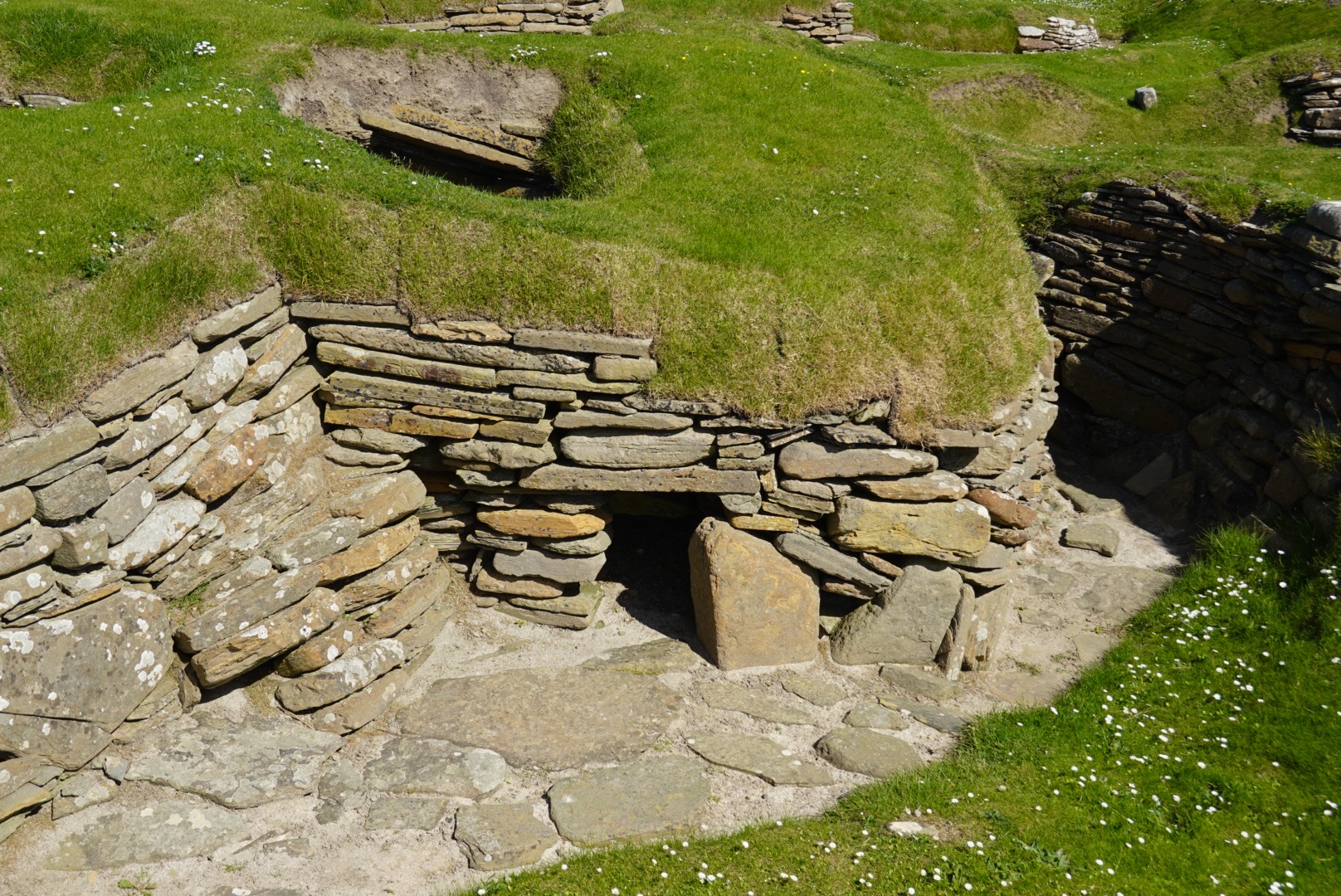
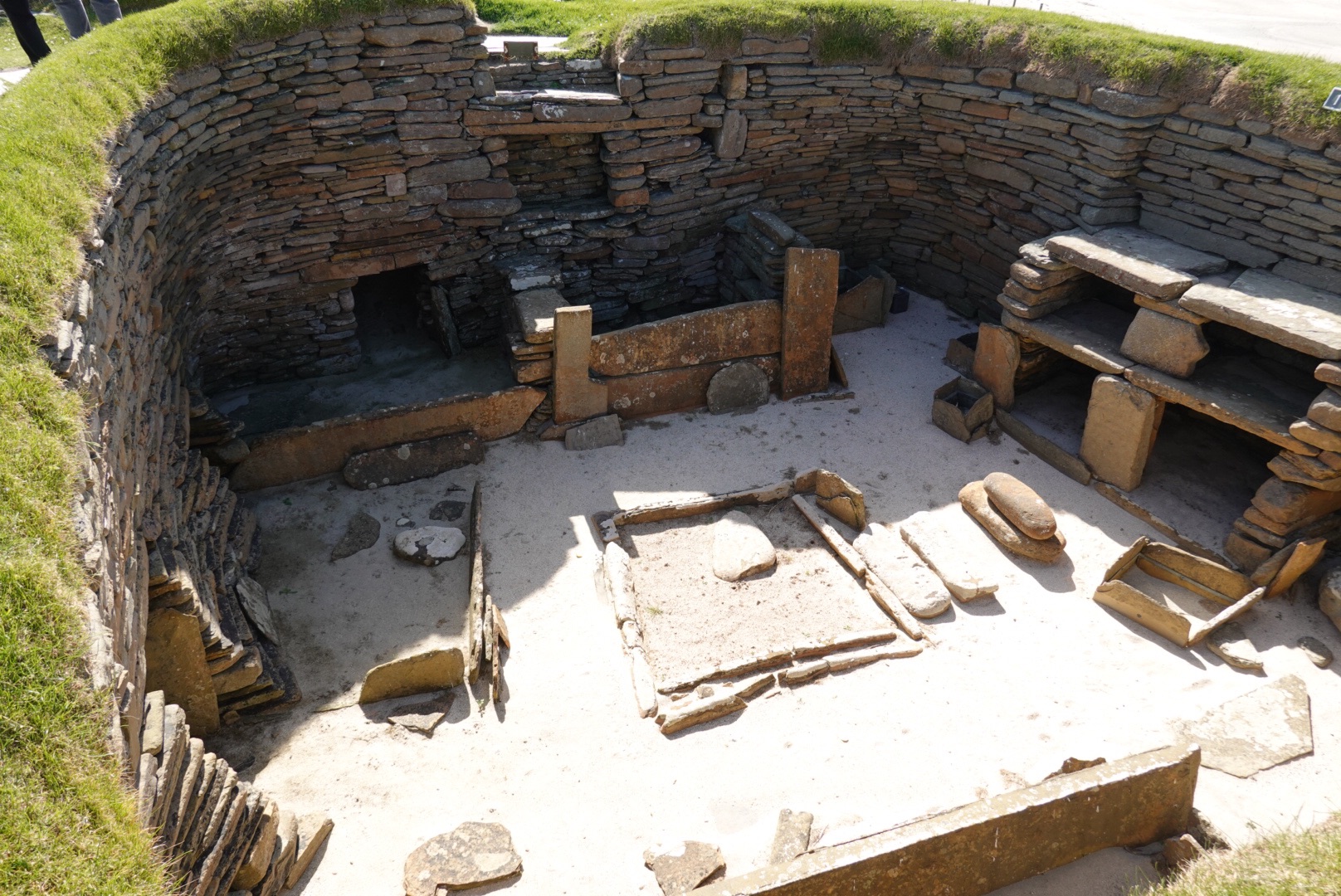
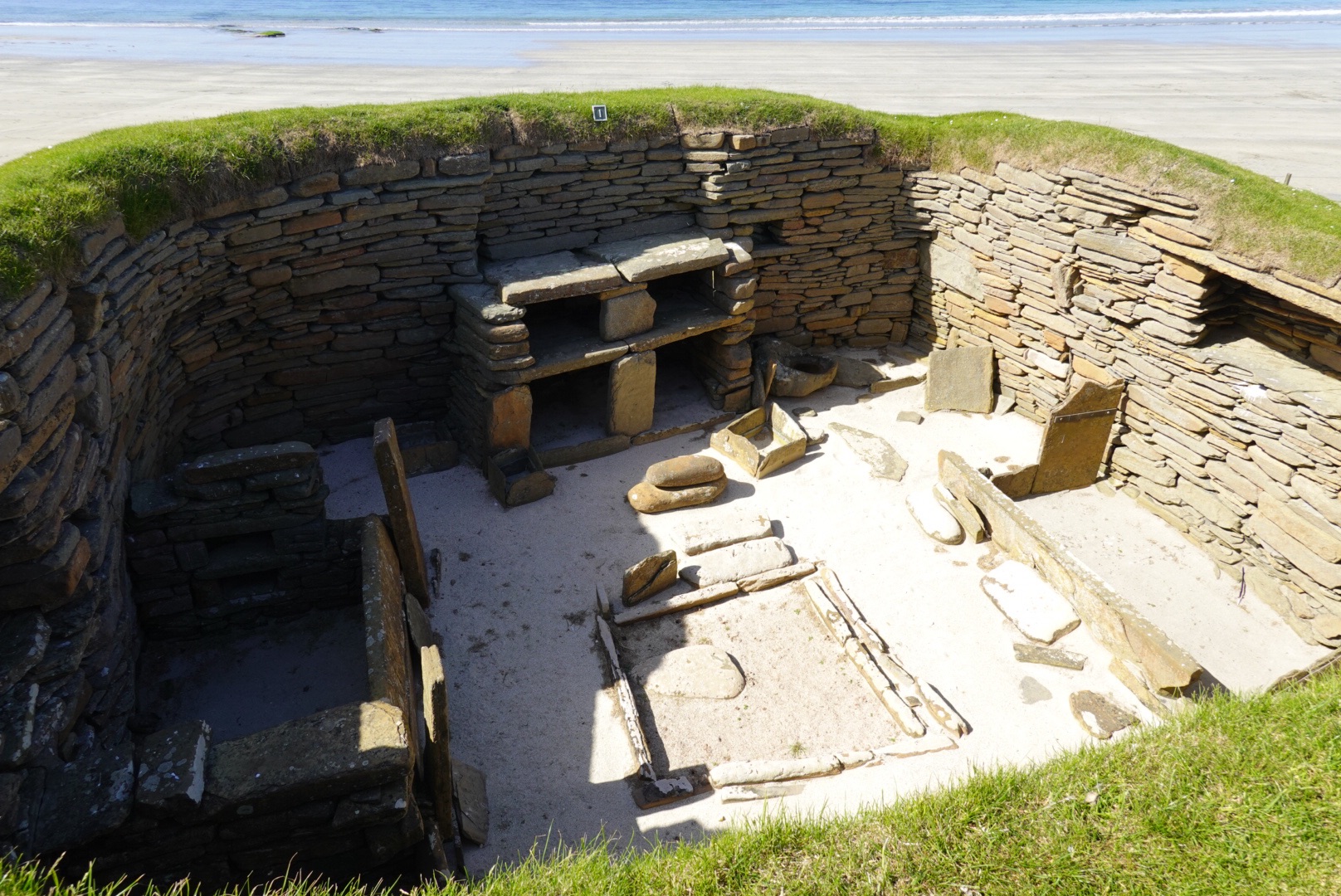
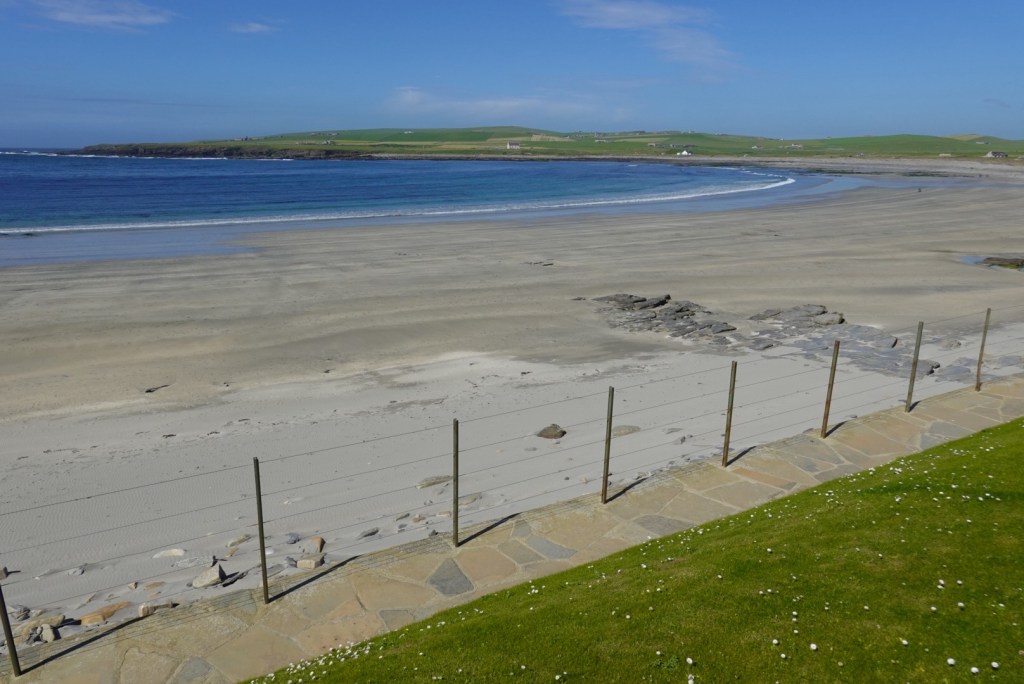
The beach adjacent to Skara Brae is beautiful. So much sand! Very flat.
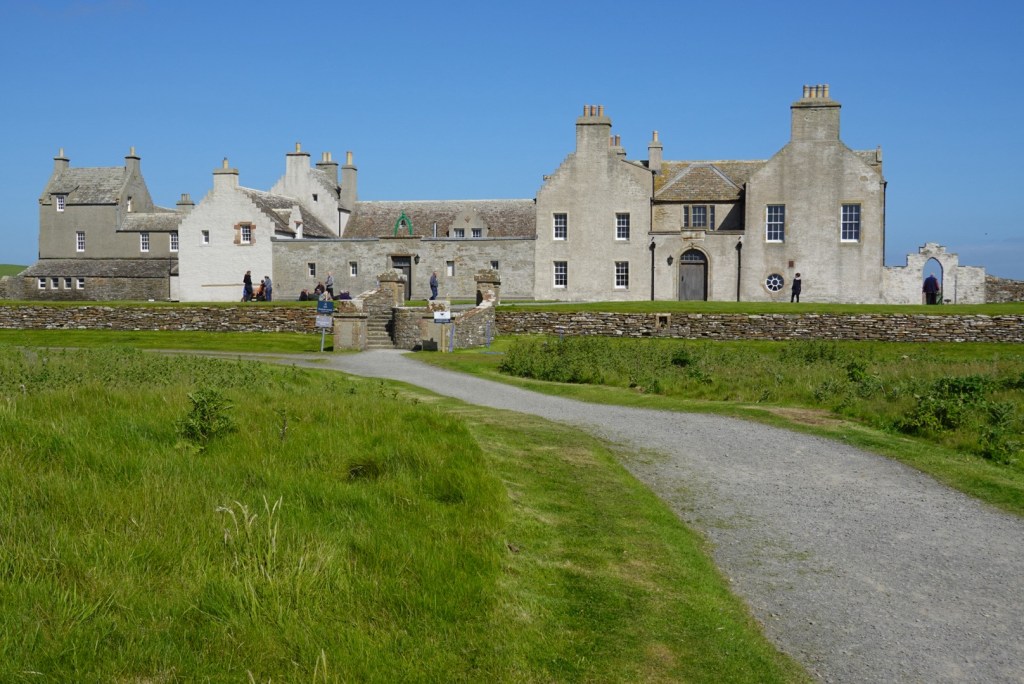
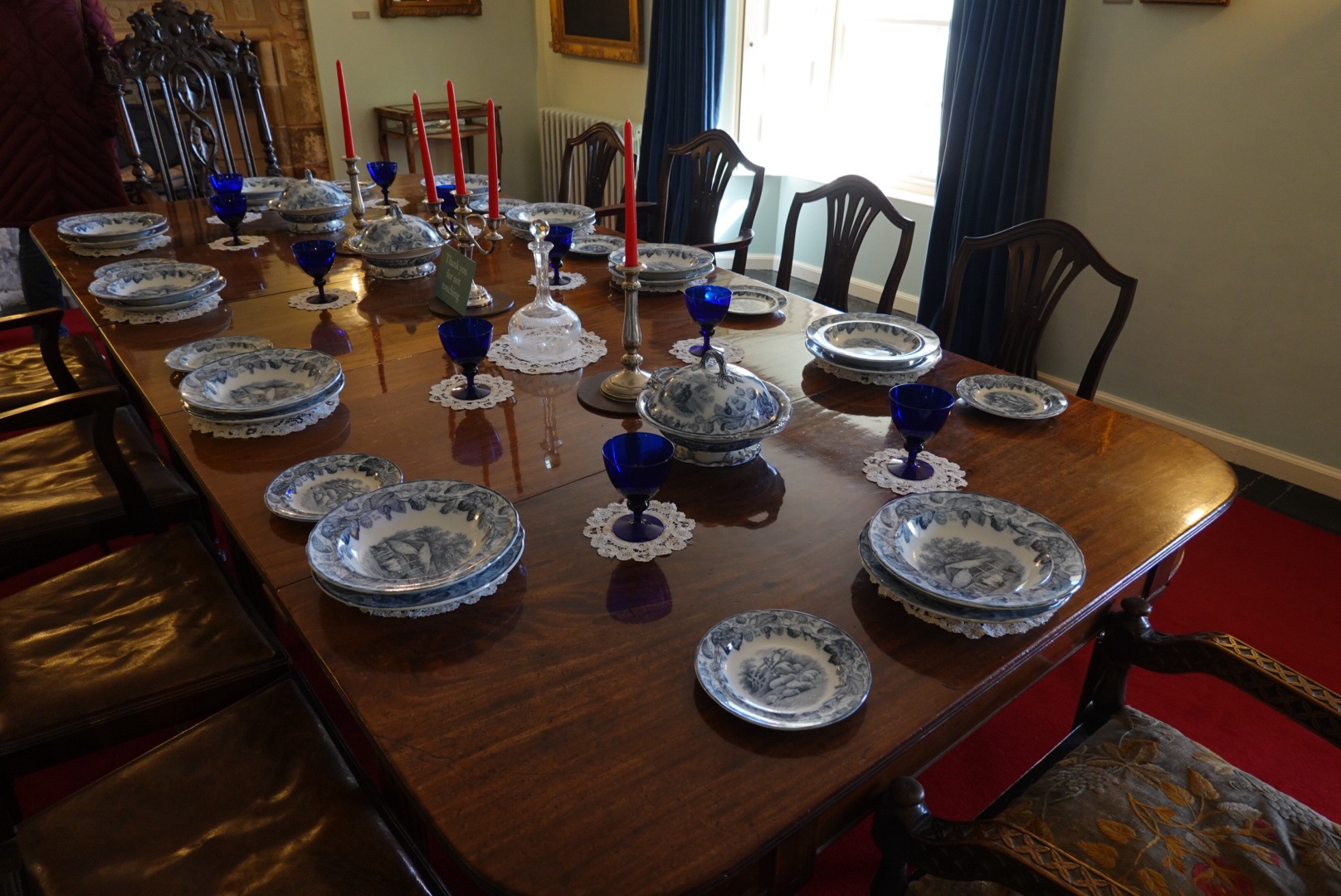
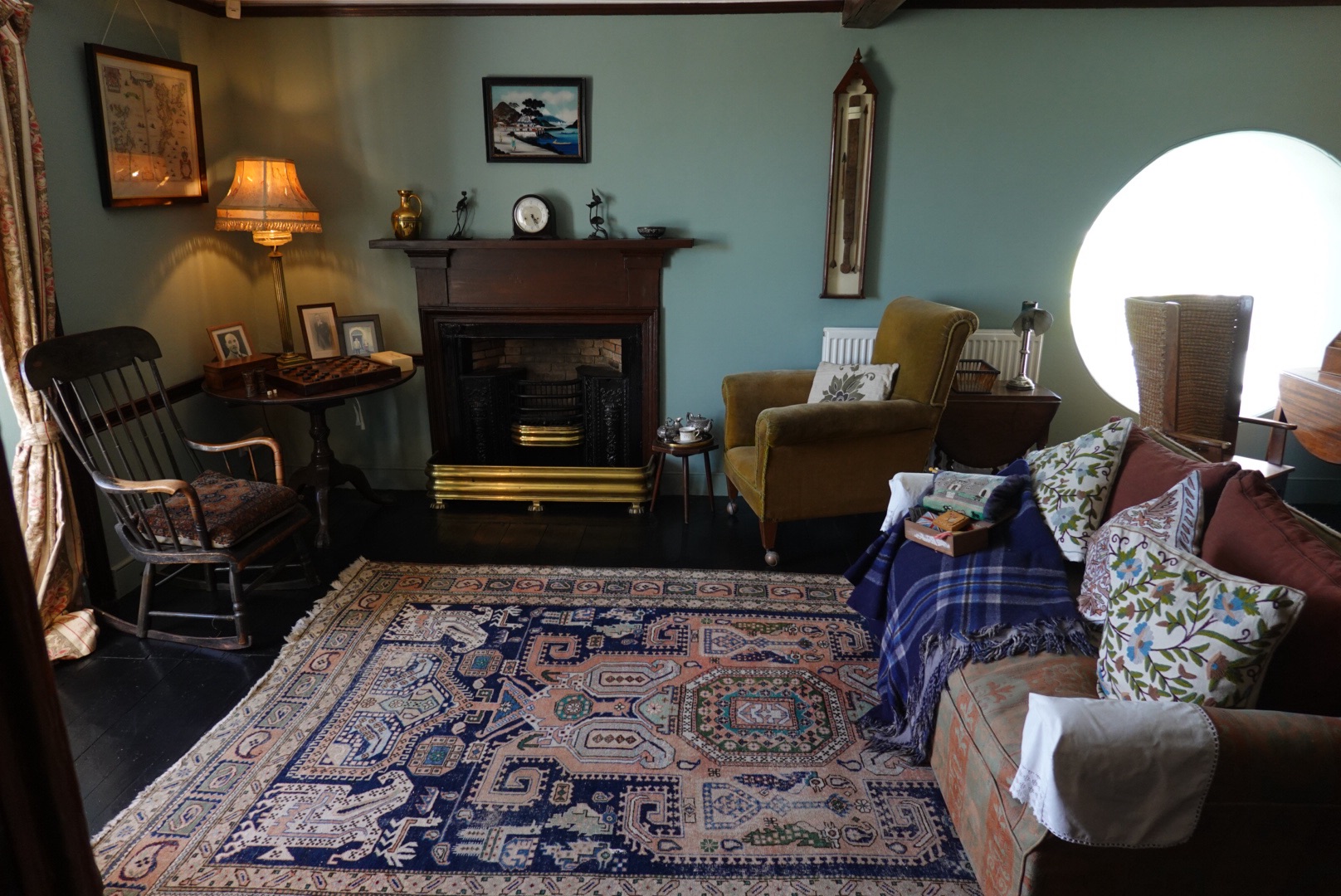
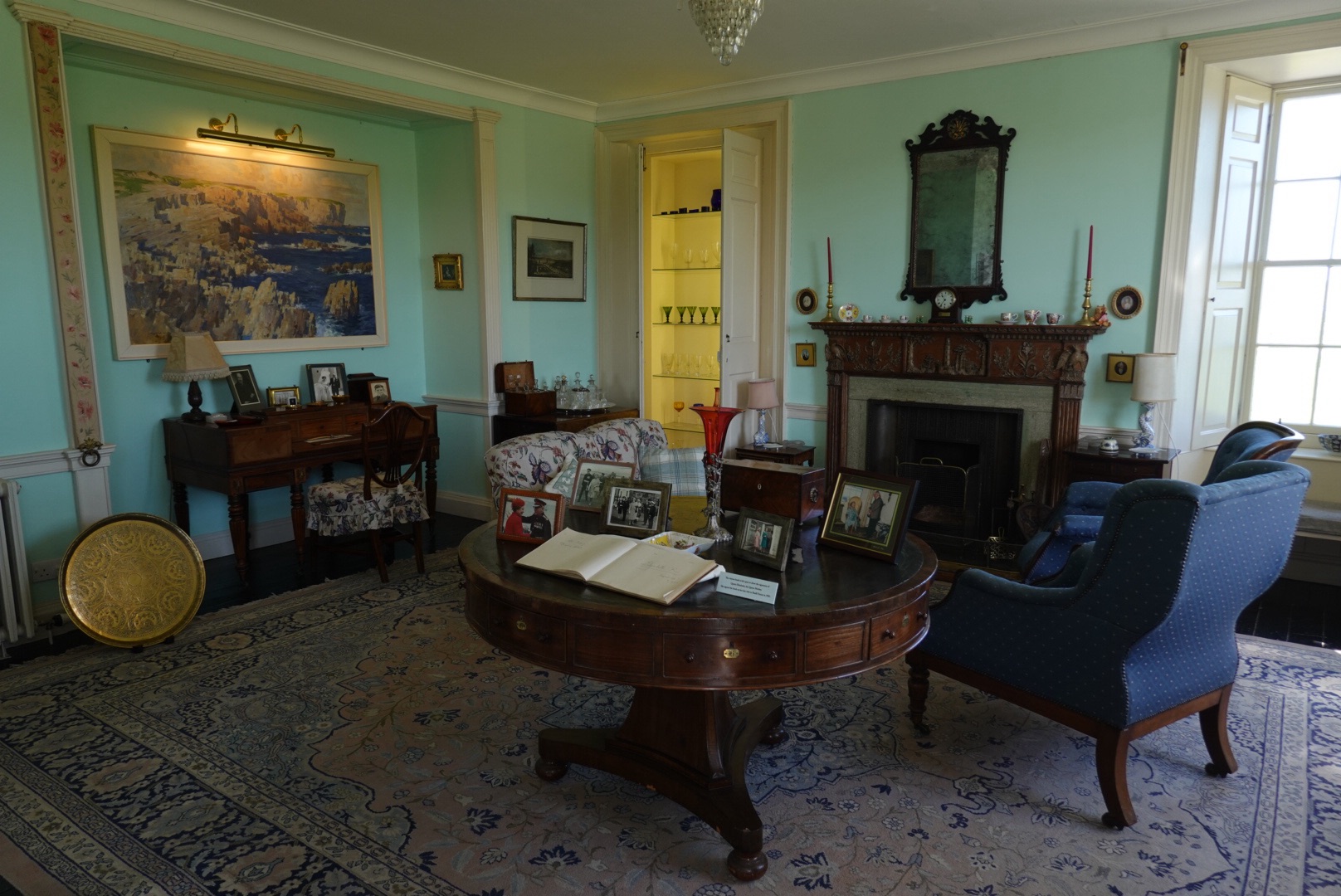
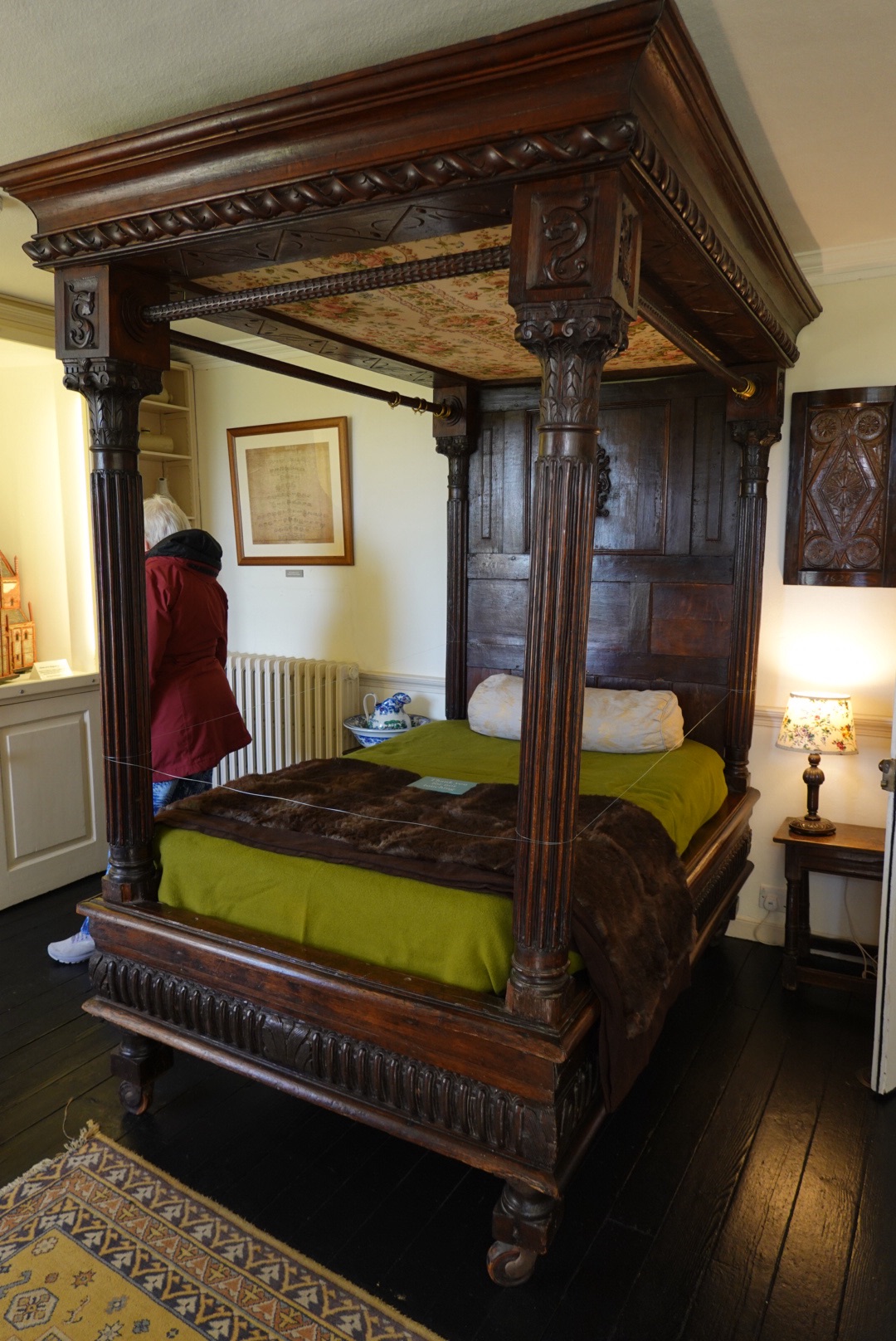
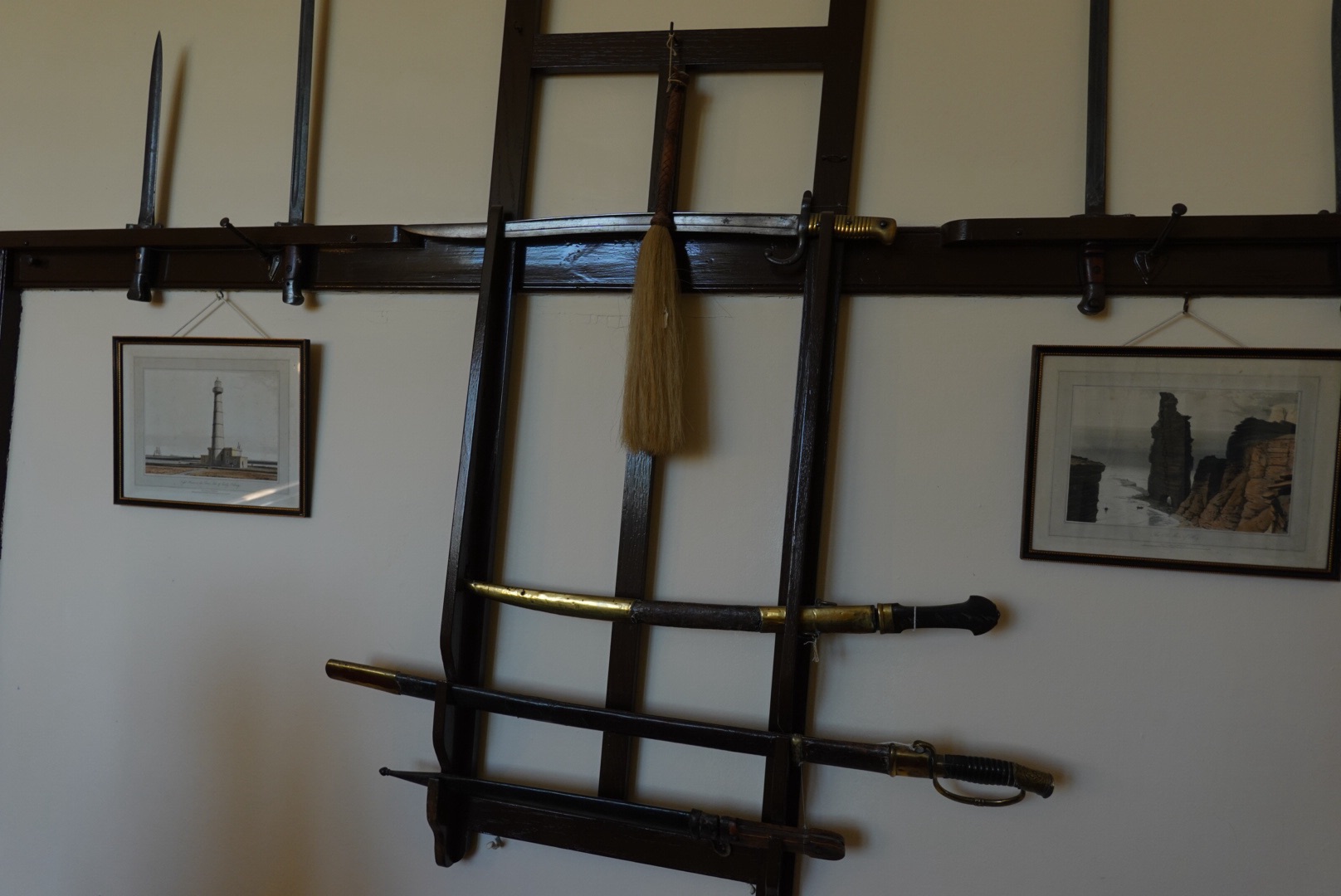
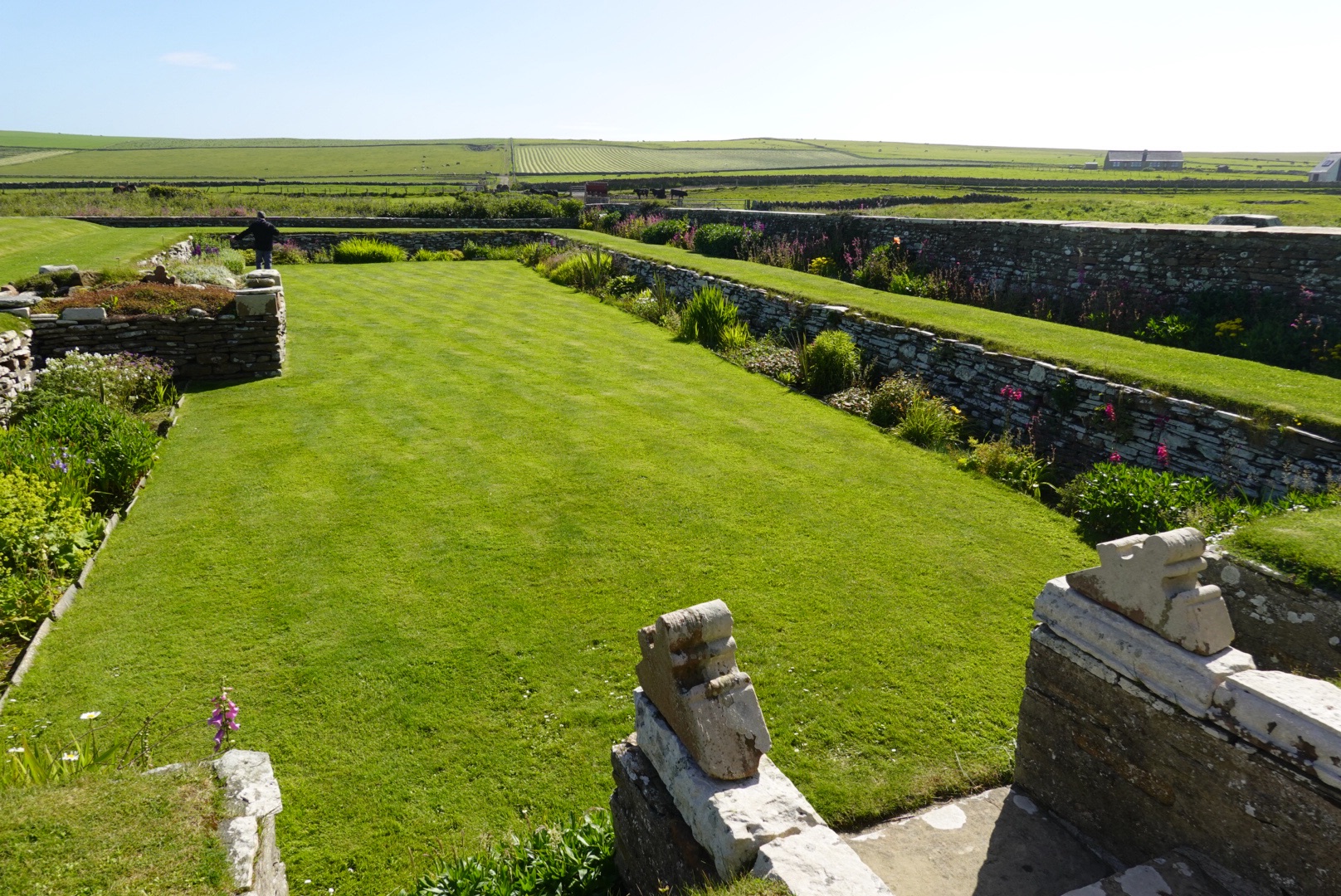
Part of the ticket to the Neolithic site included a tour of the castle of the family (Watt) who owned the land where the site was discovered in 1850 after a big storm. They lived in that castle for many generations And owned some beautiful place settings, which are on display.
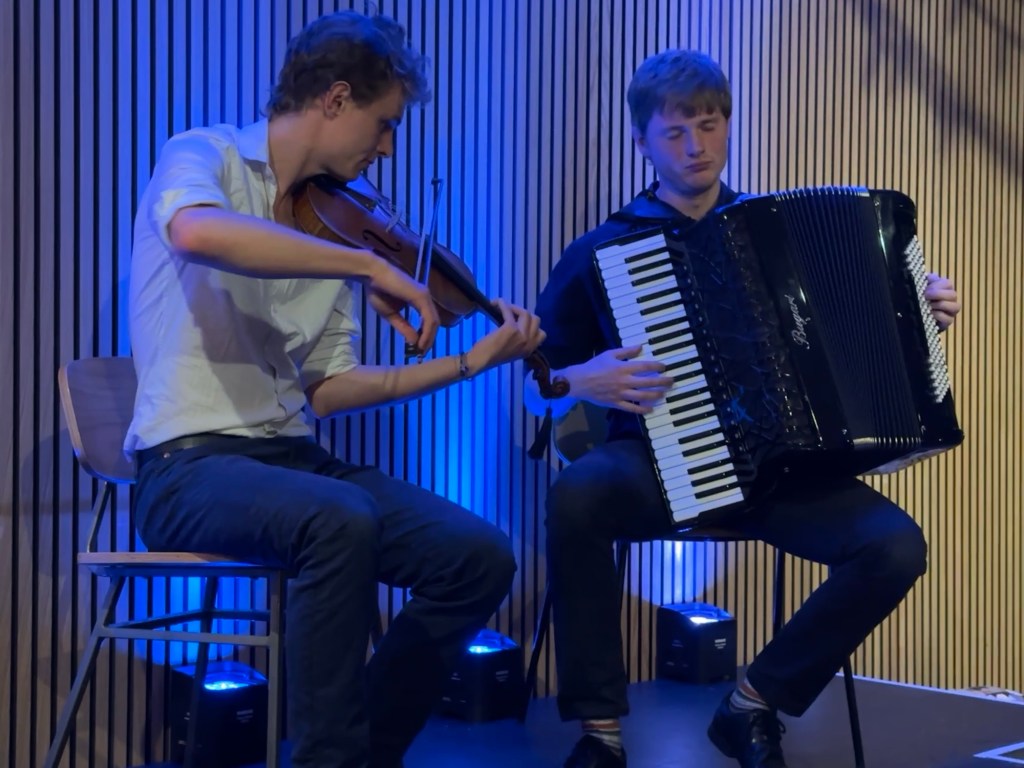
Back in Kirkwall, the St. Magnus International Music Festival is a week full of activities, happening while we were there. Before we arrived, we purchased tickets to a performance by two young men, one playing a violin, or fiddle, and the other a special accordion on which he could change the left keyboard to play either single notes or chords. They called their act folk music, but it was almost all instrumental. Both are talented musicians, and we enjoyed the performance. A nice way to say goodbye to Orkney.
 Bunch of Geeks go Traveling