Loch Ness is the lake which is the source for the river Ness. Inver means end of river; Inverness means mouth of the river Ness. The river Ness is only seven miles long, but is a good salmon fishery. And thousands of people want to visit the associated loch because of the monster, a myth going back to the 300s but repopularized in 1933 with a fake photograph of the monster itself.
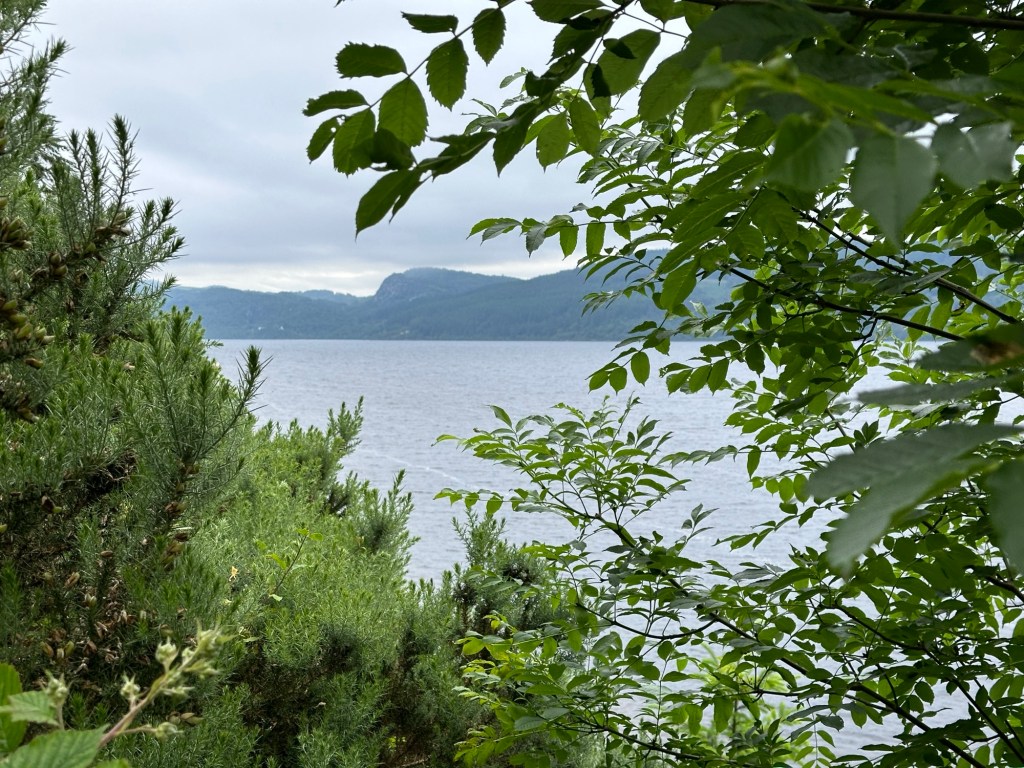
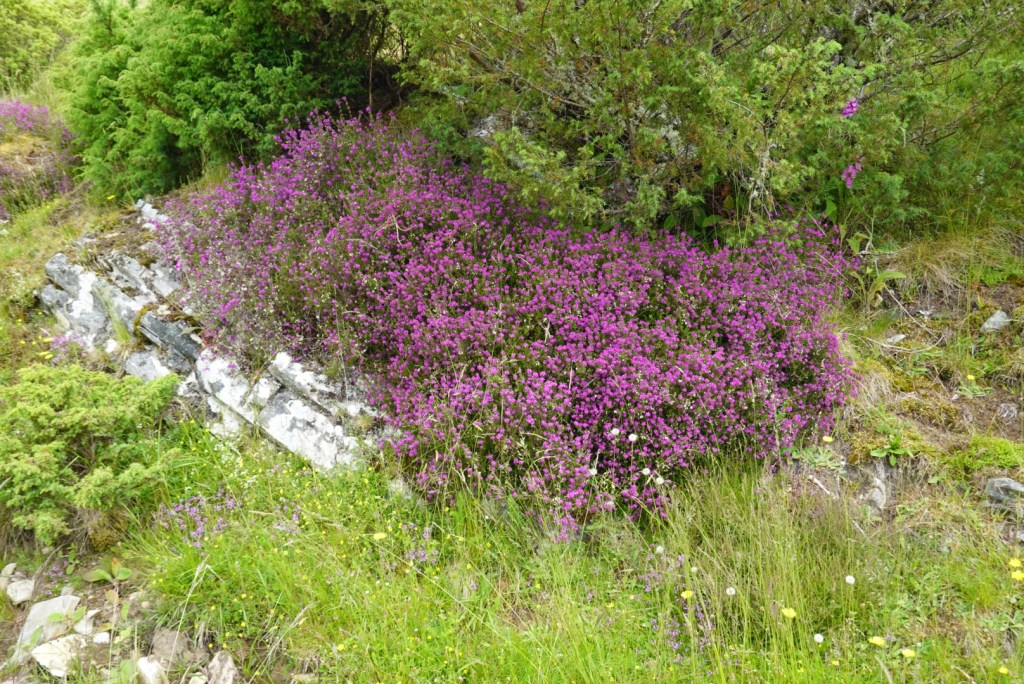
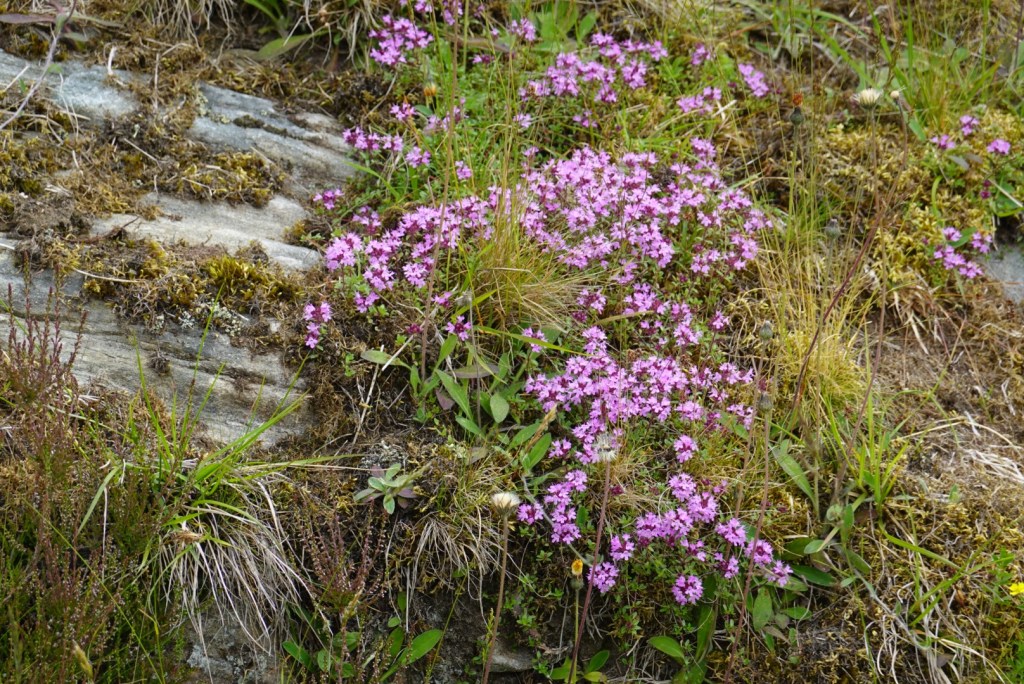
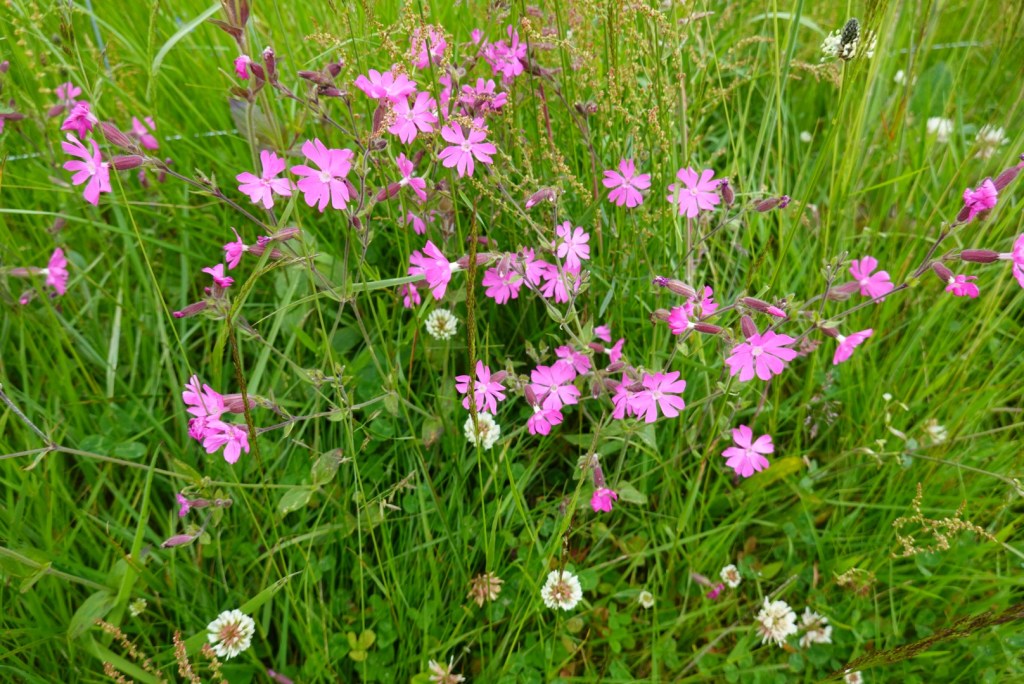
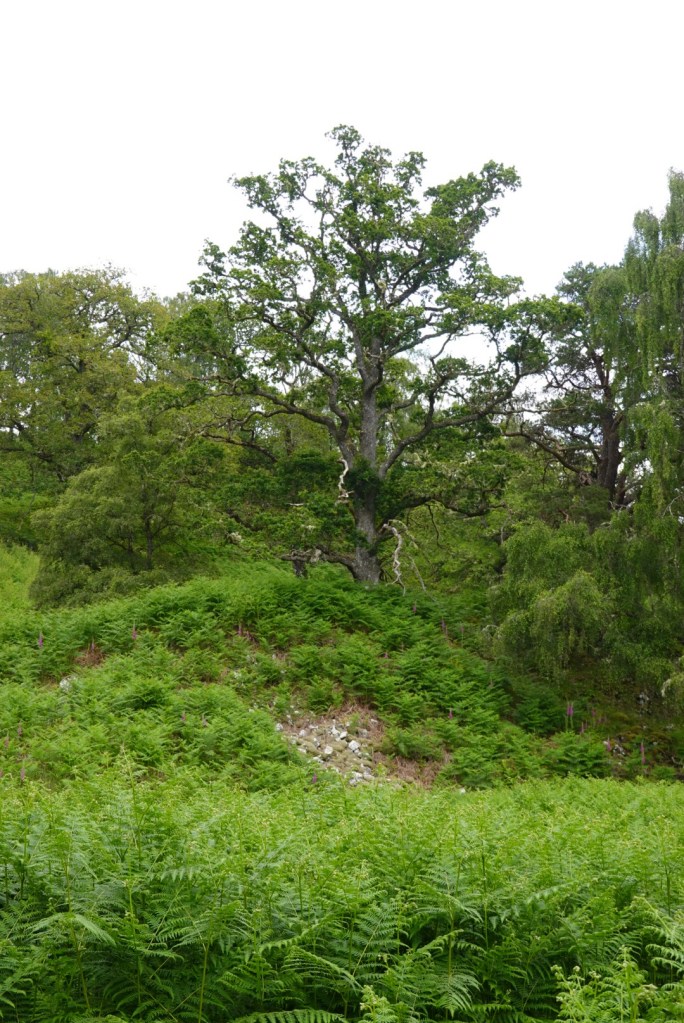
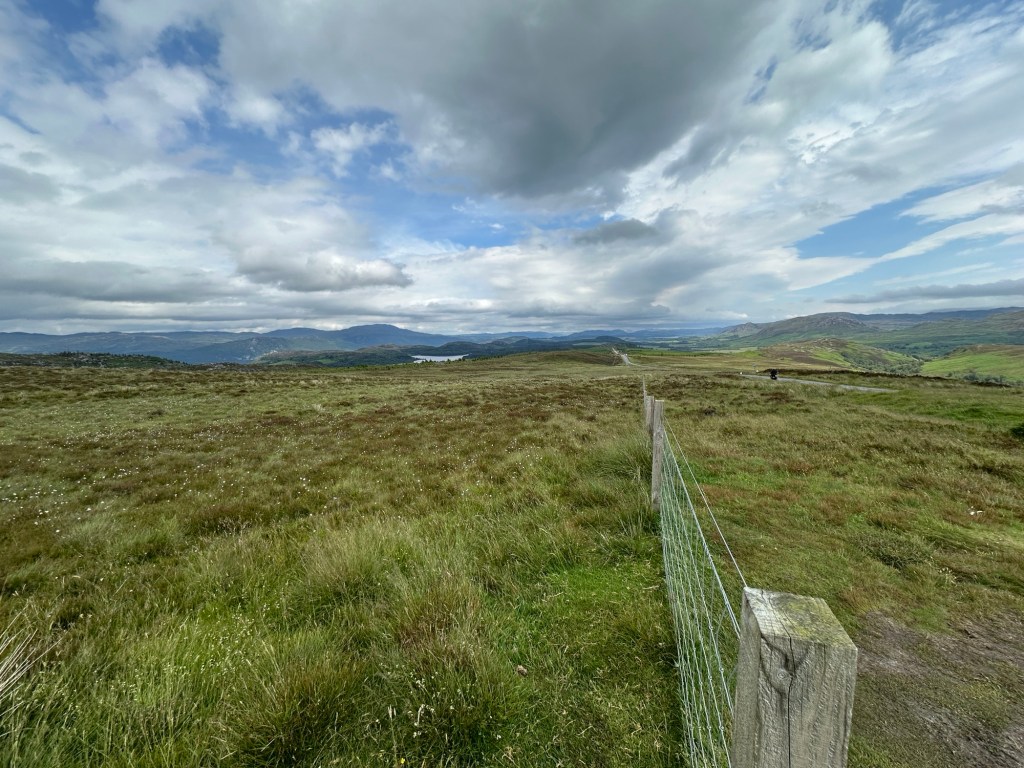
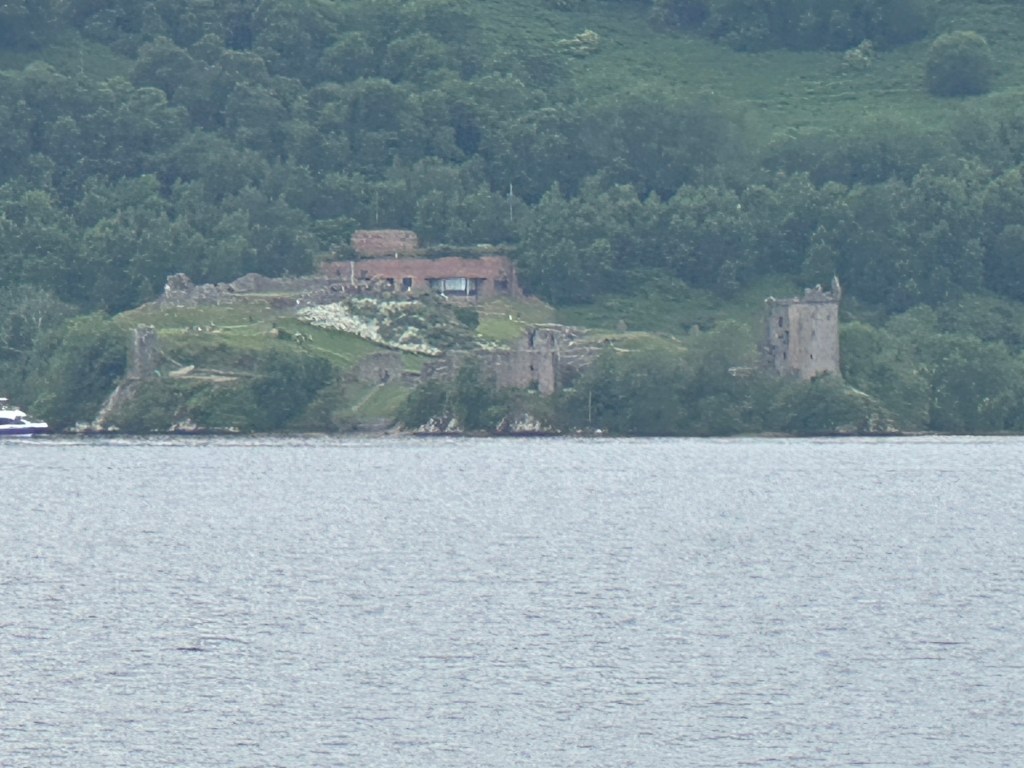
We began our second full day in Inverness driving to and around Loch Ness. The sites that highlighted Nessie, the monster, were too crowded to stop even just for a look. The Urquhart Castle ruins we thought to visit were also booked, so we continued around the large lake to the Rewilding Center in Dundreggan. We went to the visitor center, then walked two short hikes with informational signs. Then we asked two of the employees a bunch of questions. Great guys! The Rewilding Center is attempting to bring this swath of forest back to pre-human conditions, a massive project that will take time to achieve.
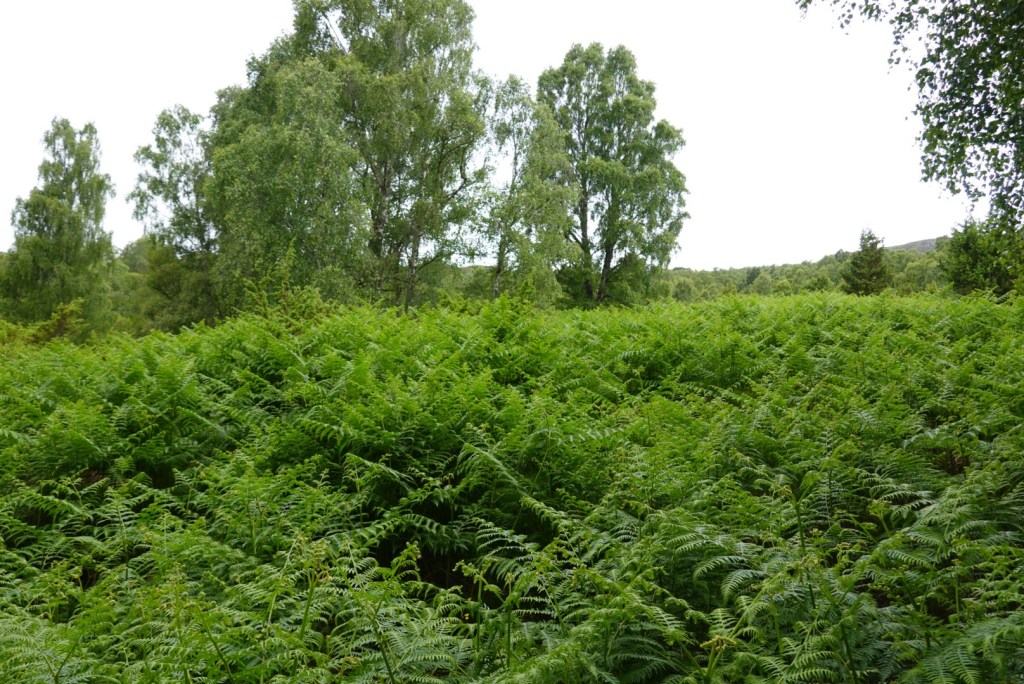
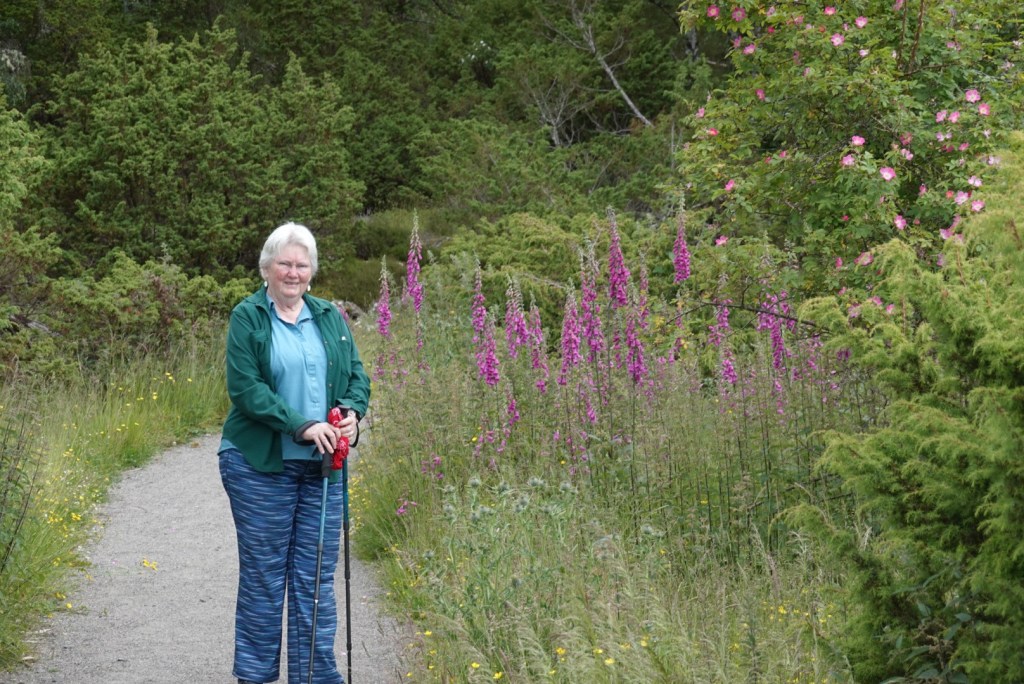
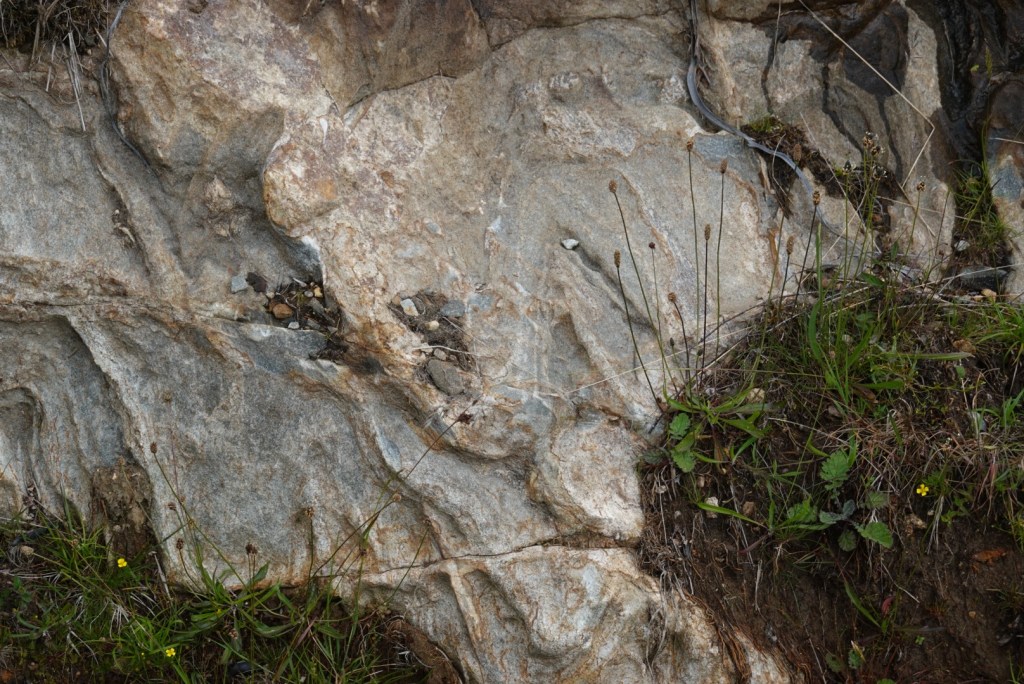
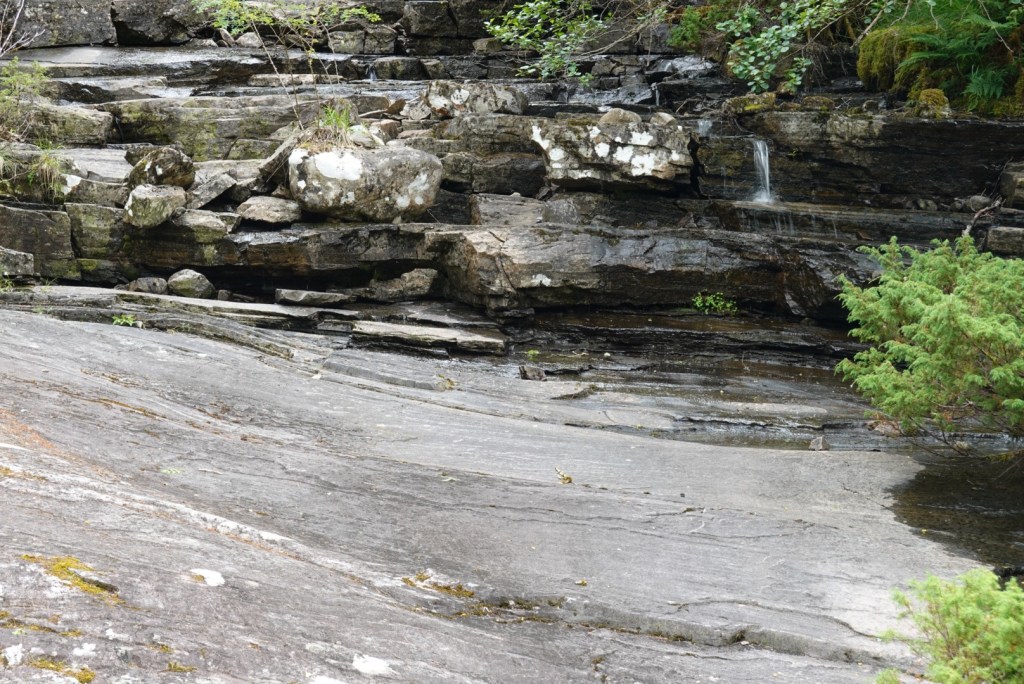
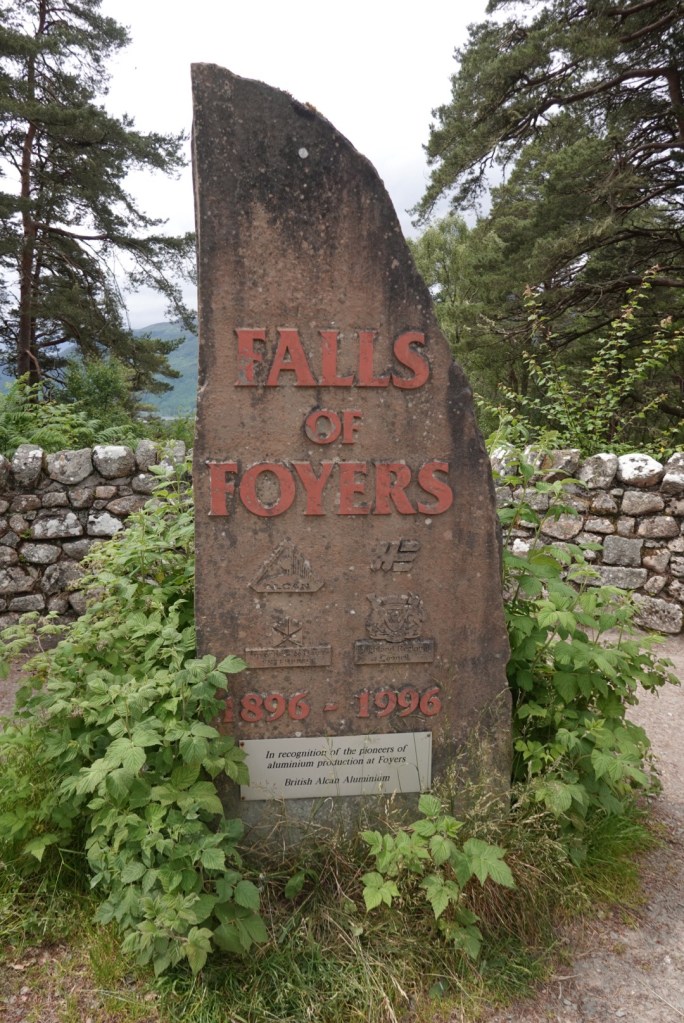
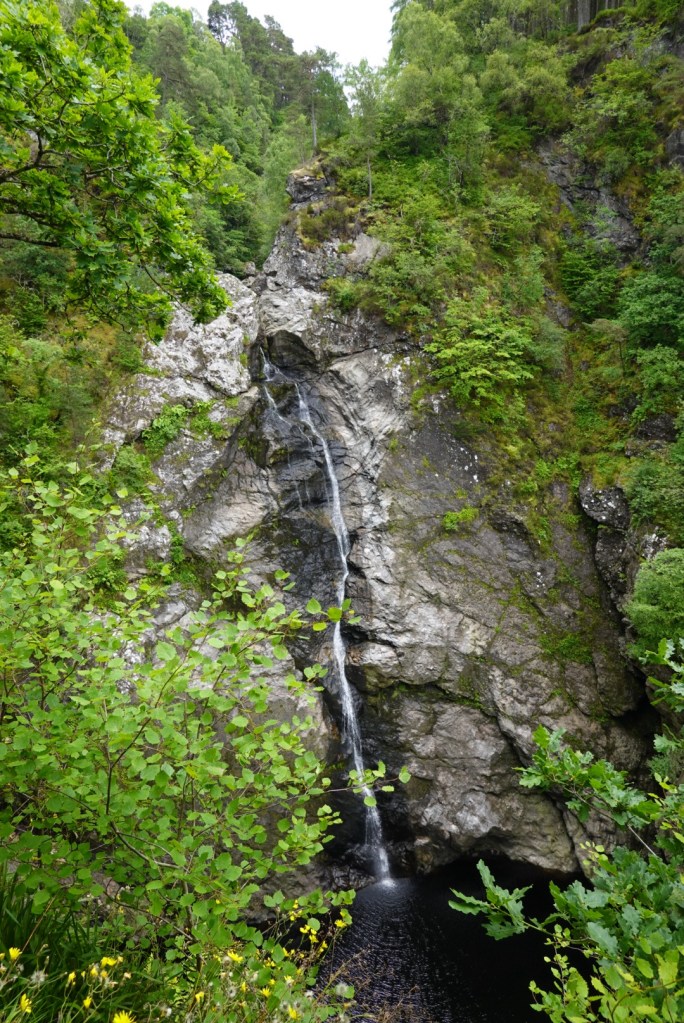
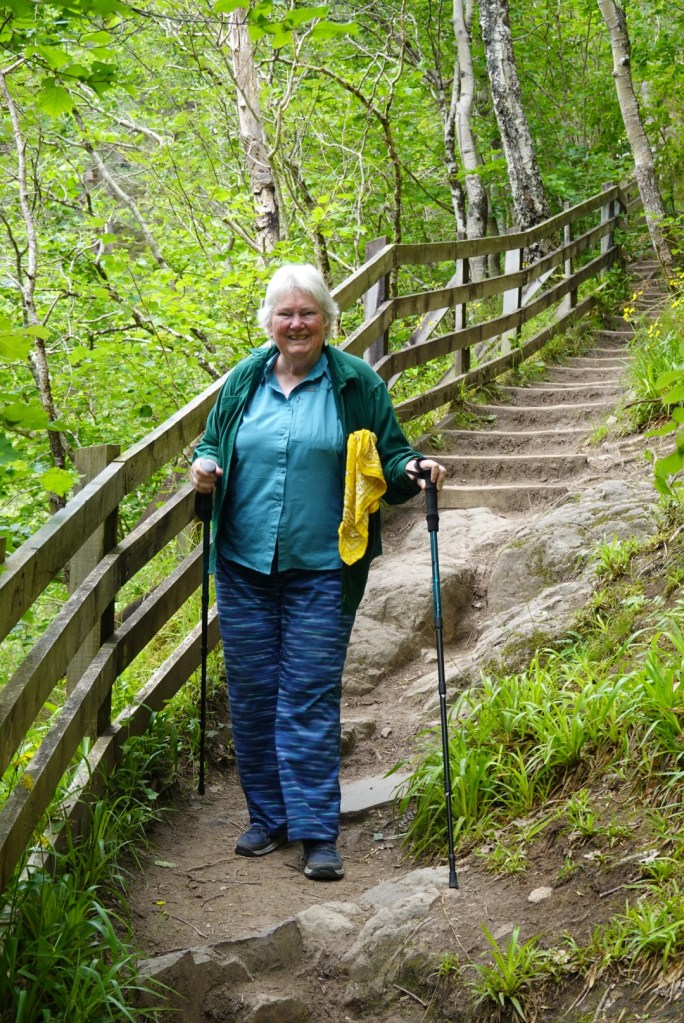
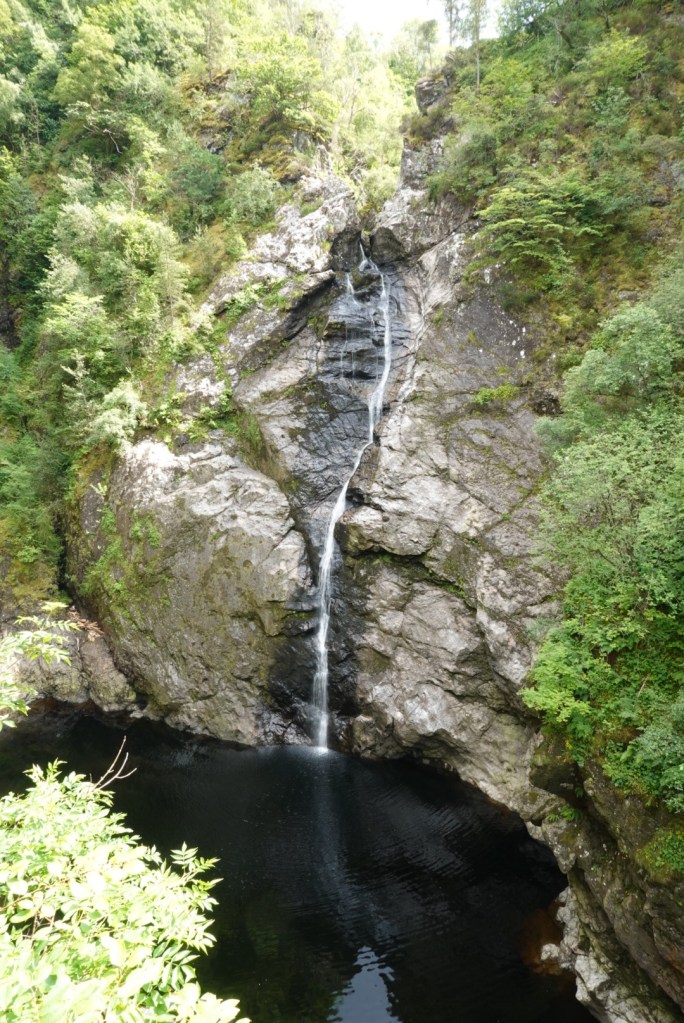
Next, we headed to the Falls of Foyers for a hike and lunch, which was a tourist hot spot in the 17-1800’s, now less popular because a lot of the water in the falls was diverted for hydropower. The electricity generated was originally used to manufacture aluminum and, at least once, the Germans bombed the plant during WWII.
We got back to Inverness and had to start packing for the trip home. What a wonderful trip! We were lucky to visit Scotland and learn so much along the way.
 Bunch of Geeks go Traveling