Right after breakfast, we met with a Mapuche man who explained the history of his people. His tribe is the largest that survived the wars, so similar to the wars in the U.S., and finally the group had enough people left to fight for their rights.
He showed us his flag and explained the meanings of the colors and symbols. These symbols were also on the sidewalk in the plaza the previous day.
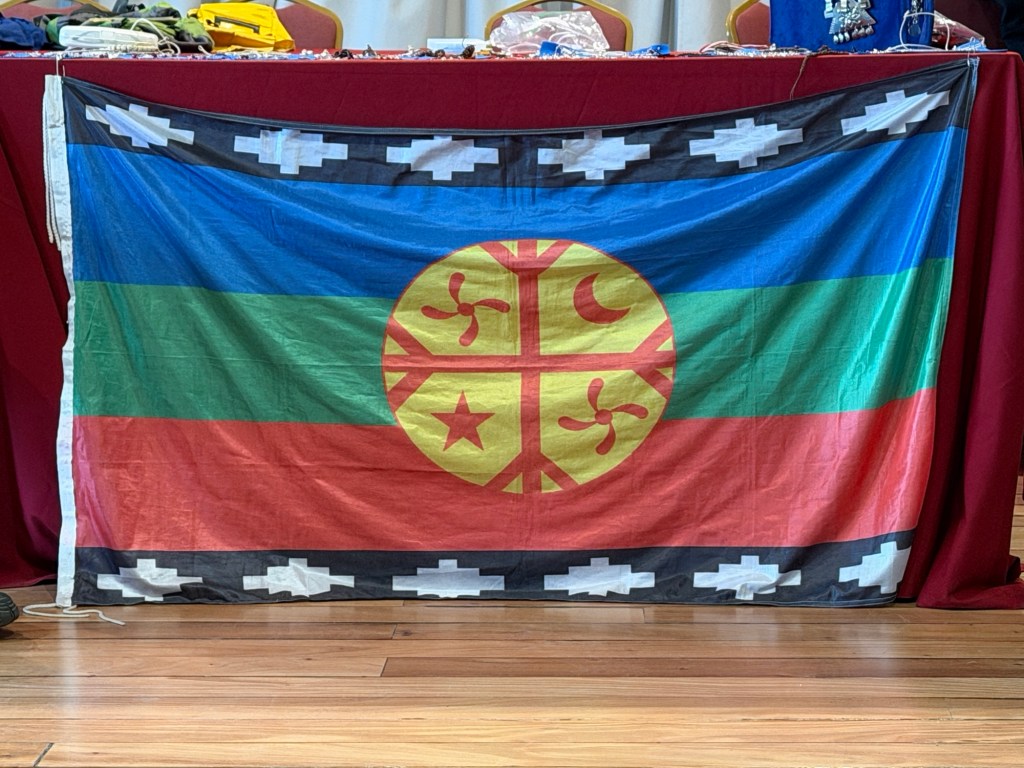
Colors: blue for the sky and a heaven-like place at the top of flag; green, next color down, for the land nature, plants and life; red at the base for blood and the earth, because the earth is alive with volcanoes and earthquakes, which are called tremors here. Black areas ask for life, rain. The white is for science and culture. The bright yellow is for ceremonial drums, men dance, women sing. Four is a special number because of the Southern Cross constellation. Old man, old woman, young man, young woman. Four footprints of the Lesser Rhea are on the edges. Two suns are for the summer and winter solstices.
The ancestors understood that the only life form on Earth that destroys nature is the human.
Interestingly, though earlier on this trip, we learned that a different group, smaller in numbers, were descended from Maori peoples, now living in New Zealand, while the gentleman speaker’s group was descended elsewhere. Isn’t DNA remarkable?
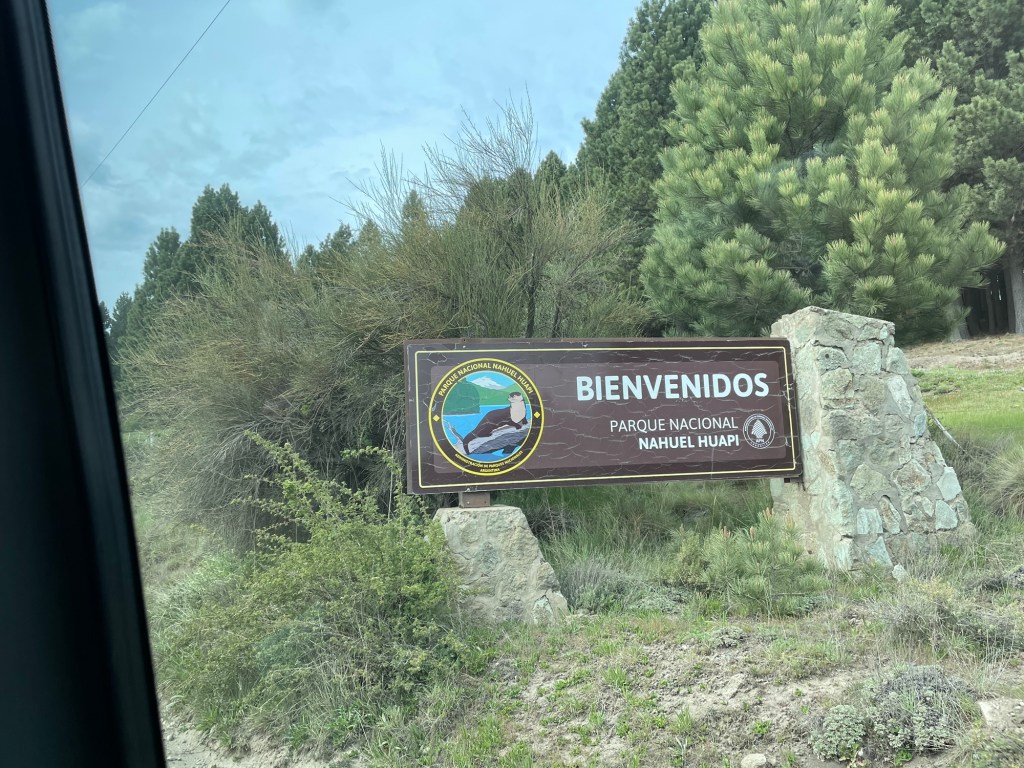
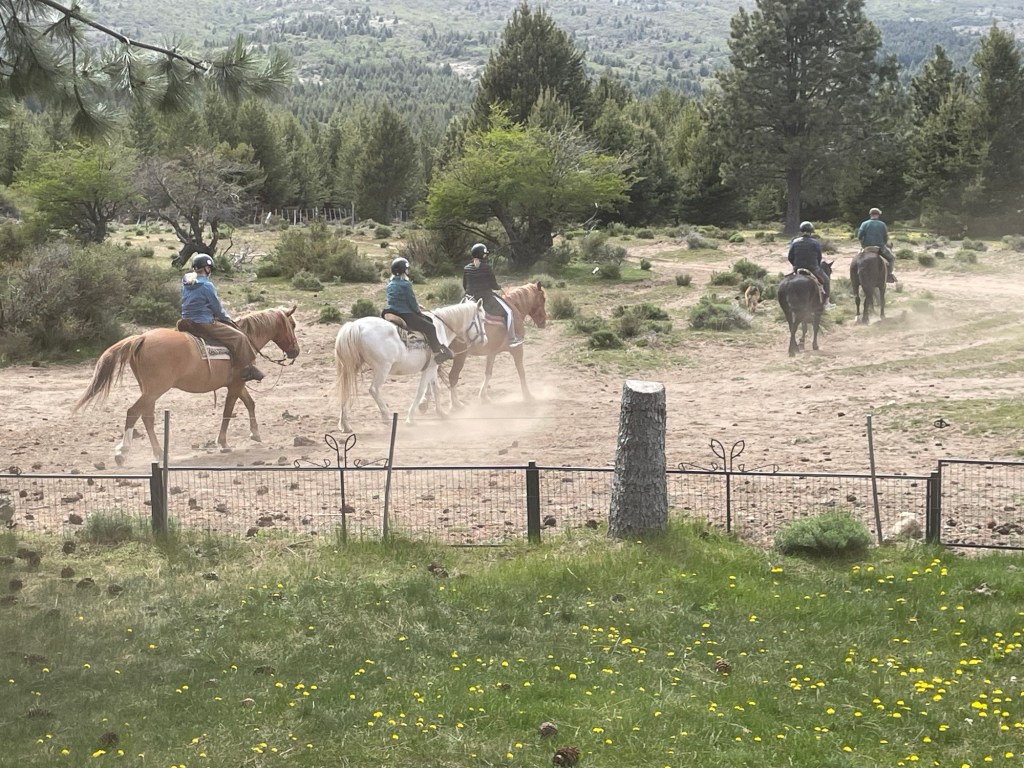
After the Mapuche presentation, we left for the ranch to ride horses and have lunch; the road was bumpy gravel.
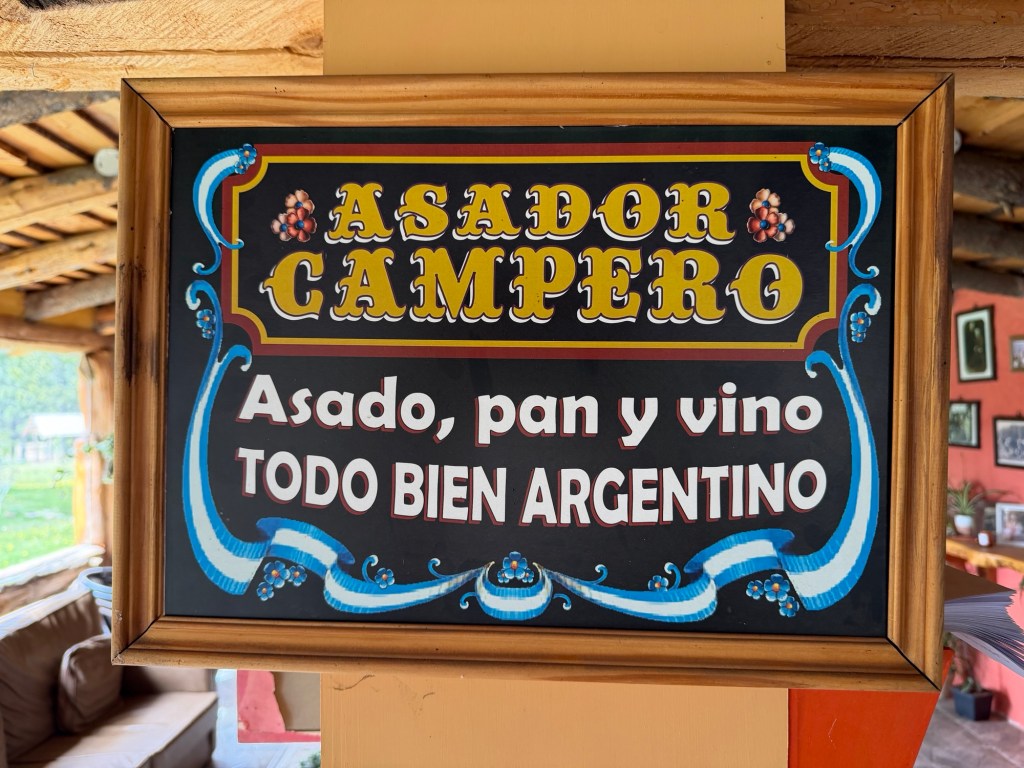
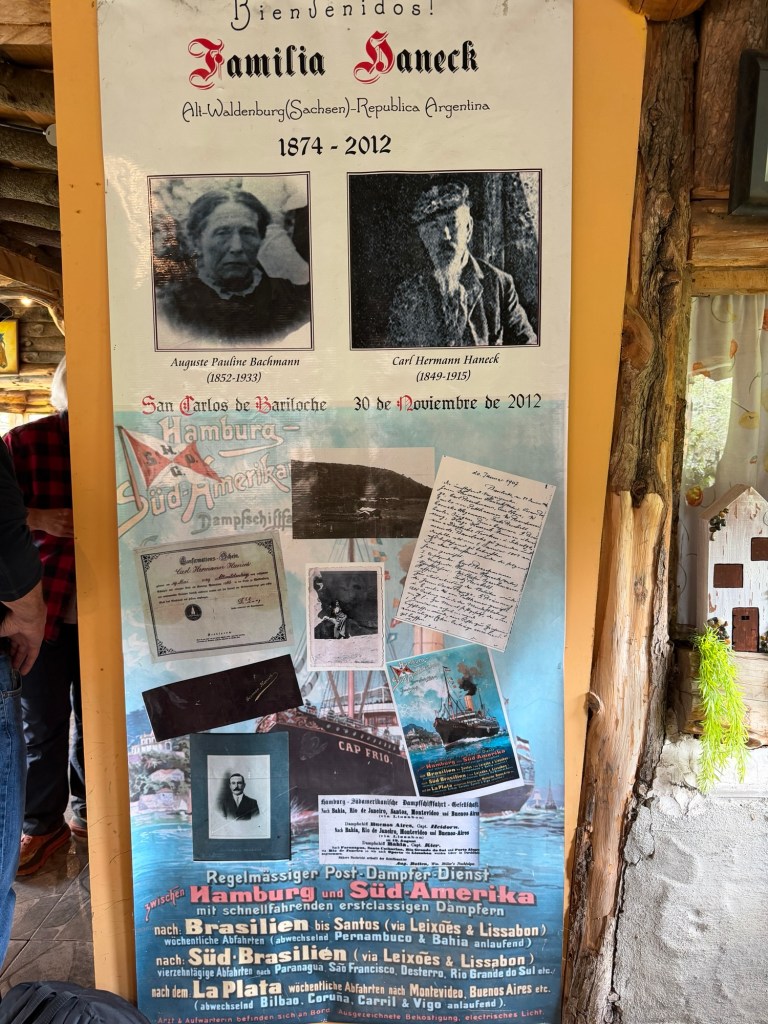
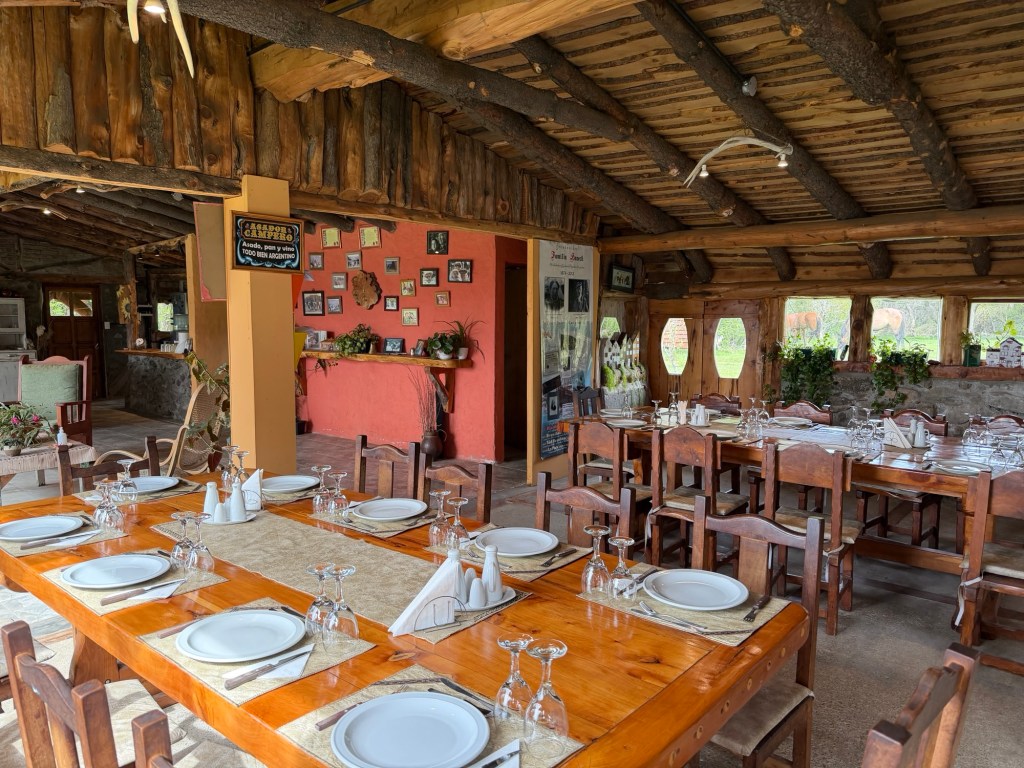
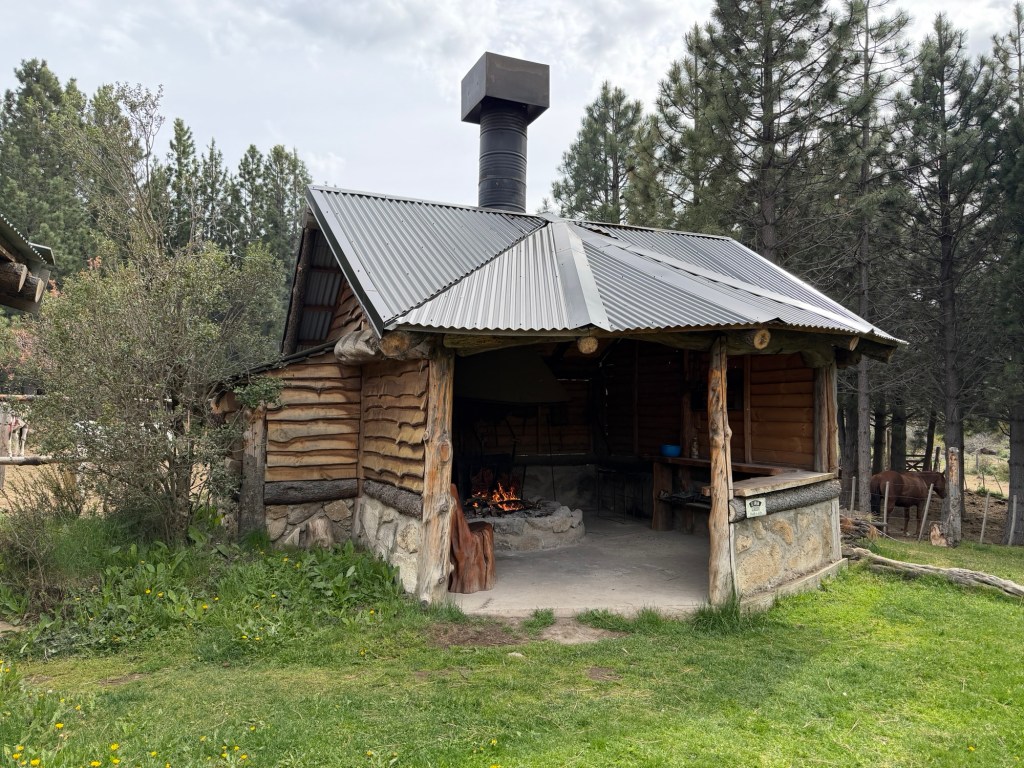
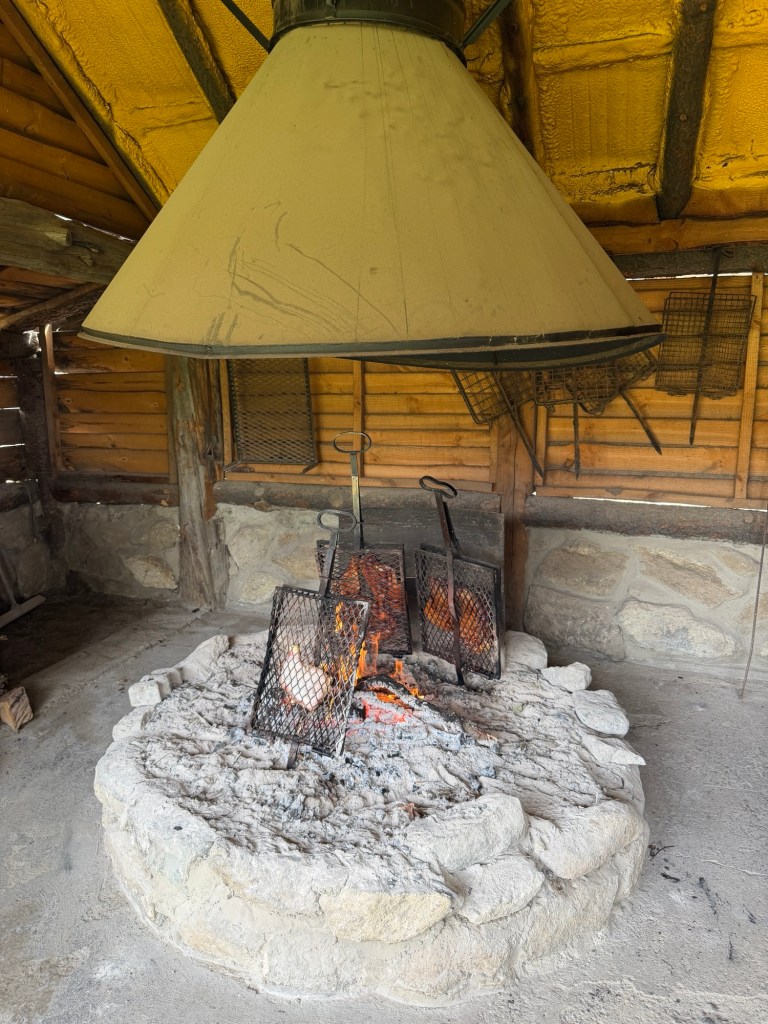
The ranch, within the National Park, has been owned for generations of a European mixed family; a father, mother and son were our guides. The son spoke English well, and explained how his grandfather, many generations back, acquired the land where they lived.
At the ranch, we learned about maté, a favorite drink of Argentina.
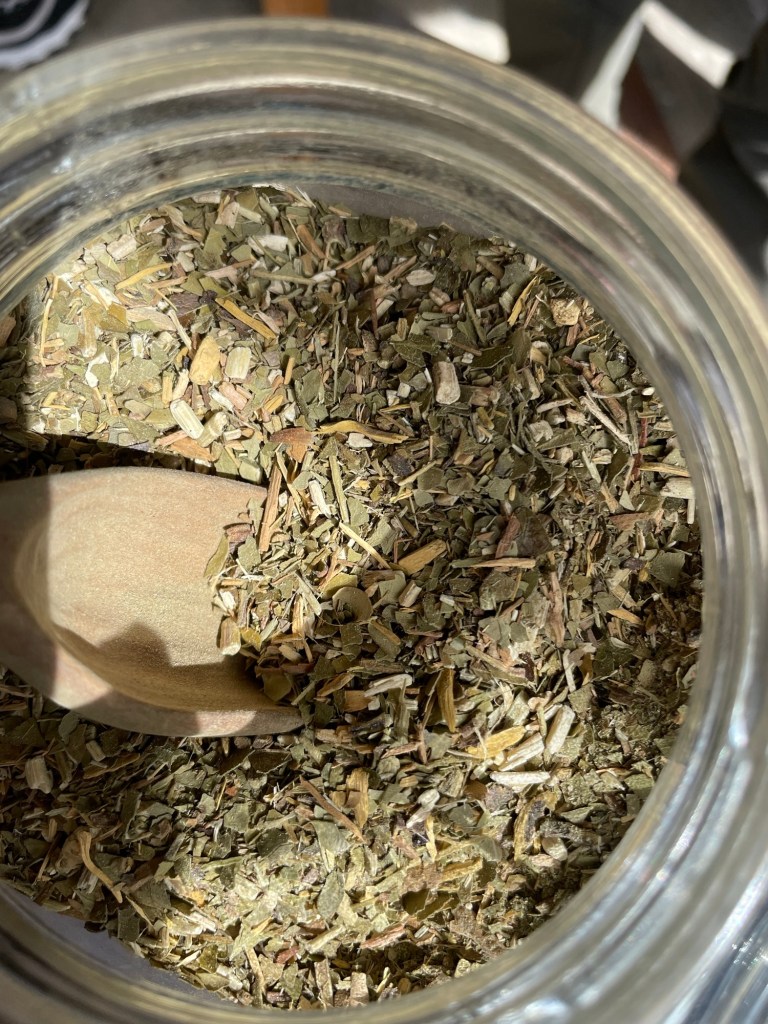
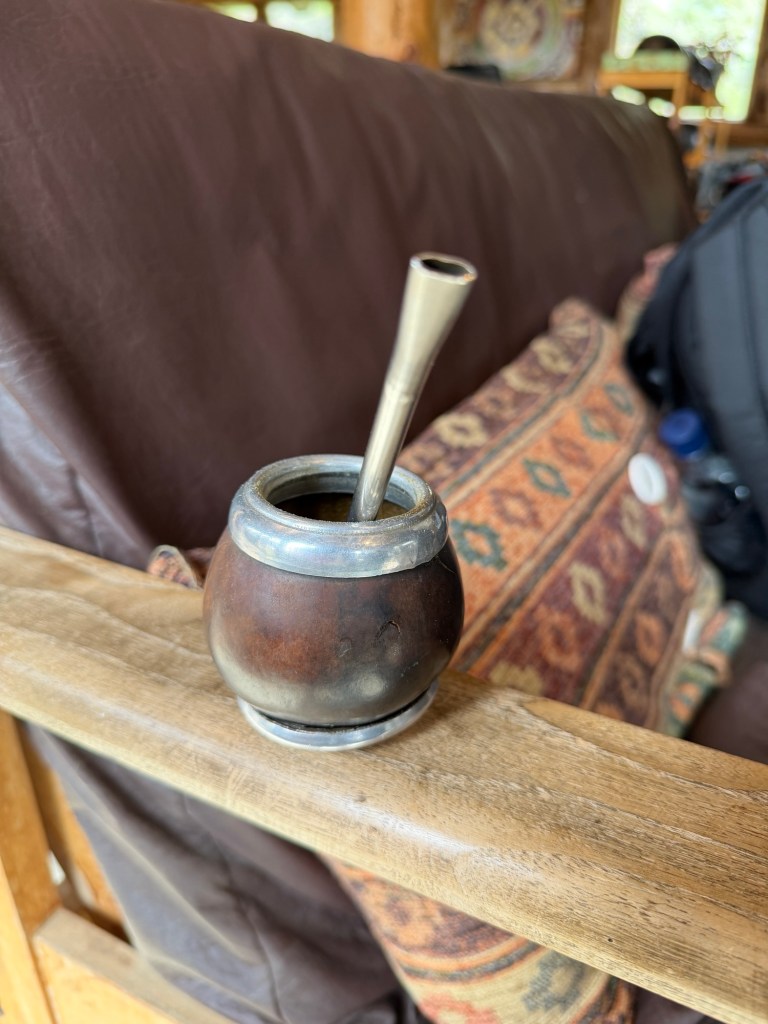
Marta loves her maté, basically sipping it all day. The process is precise. Place 5 or 6 spoonfuls of the leaves into your cup. Turn the cup over and tap its bottom to get the dust out of the leaves. Do this several times. Shape the leaves into a slope, filling half the cup at a diagonal. Pour a bit of hot water onto the base of the sloped leaves. Carefully put your special straw into the damp leaves and don’t let it move again pour more hot water onto the leaves, saturating them. Sip the maté through the straw. Tasty!
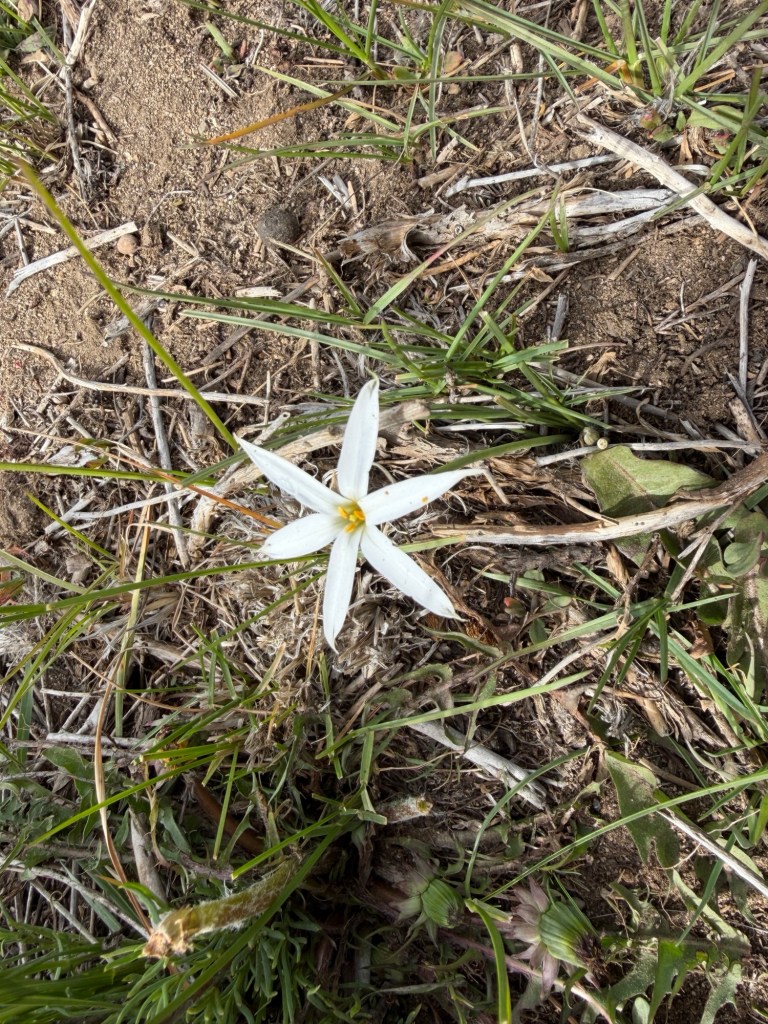
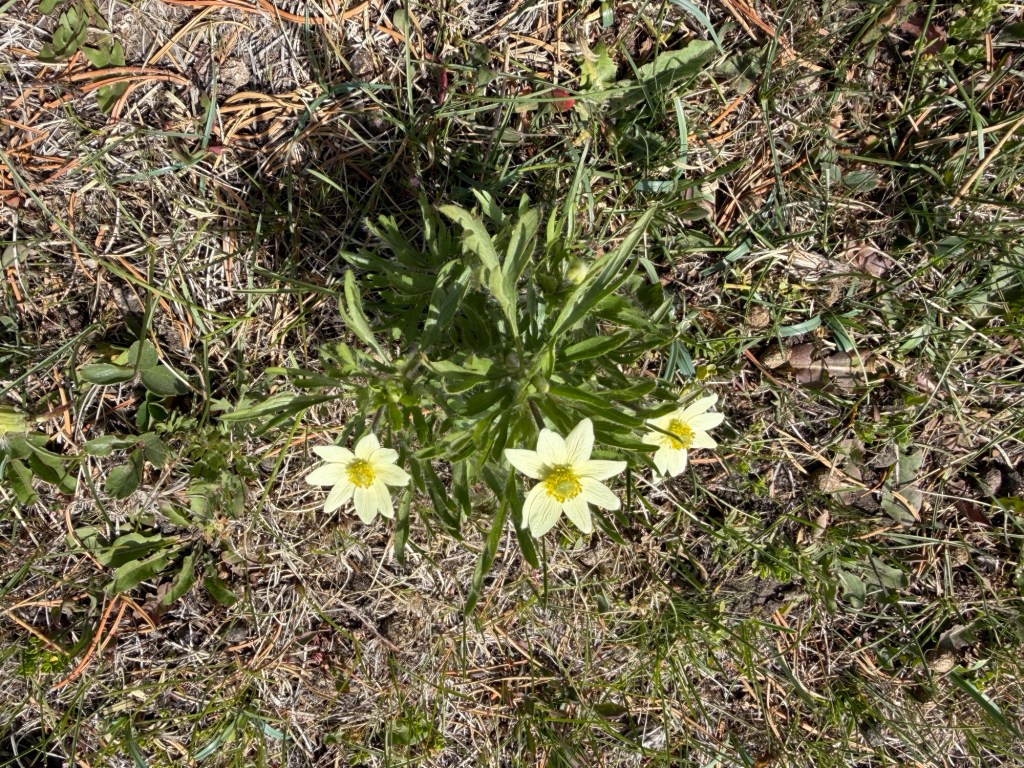
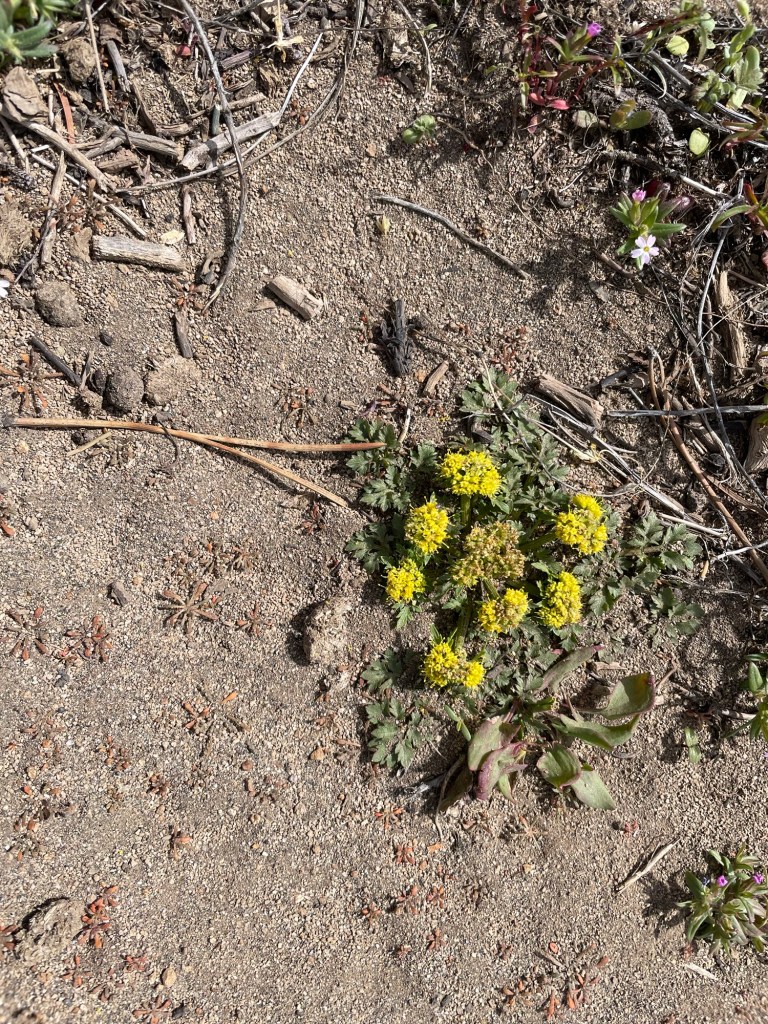
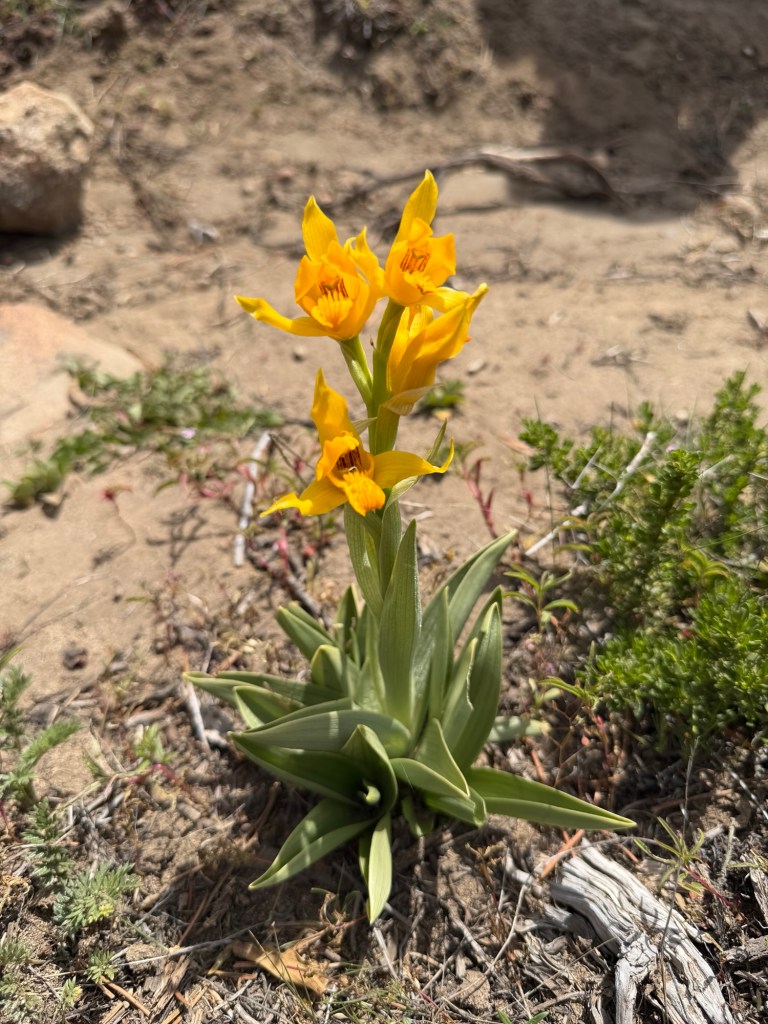
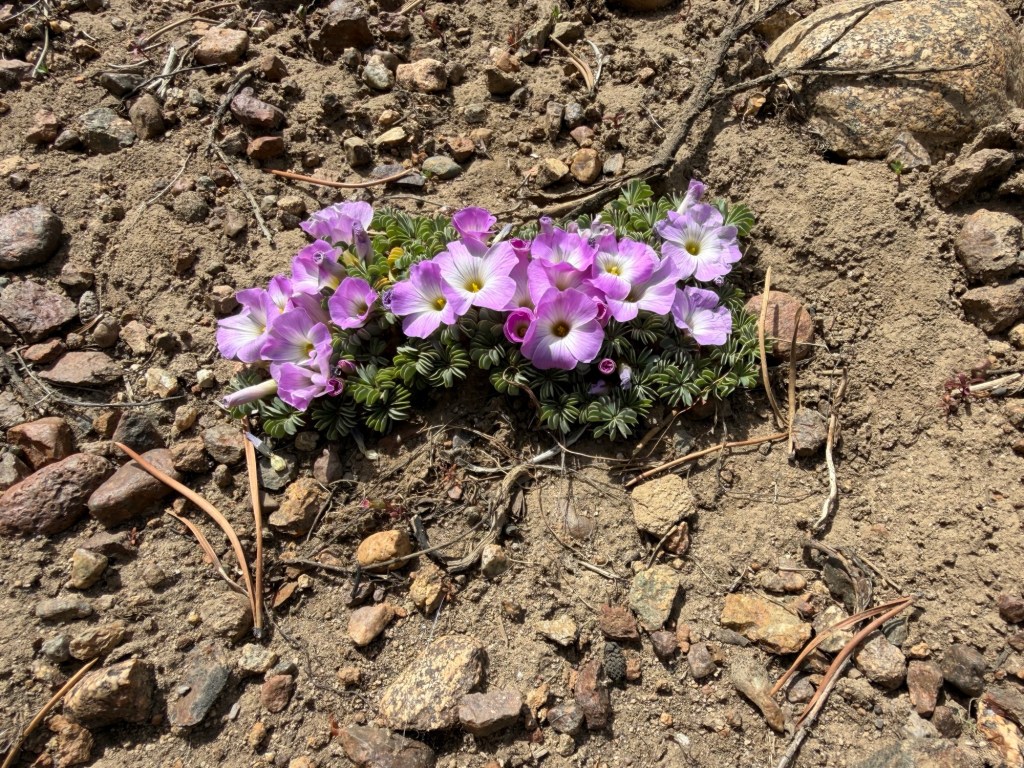
Six of the fourteen of us decided to ride horses. Neither Brian nor Clare chose that option. So, we joined the eight who walked into a field to look at the plants.
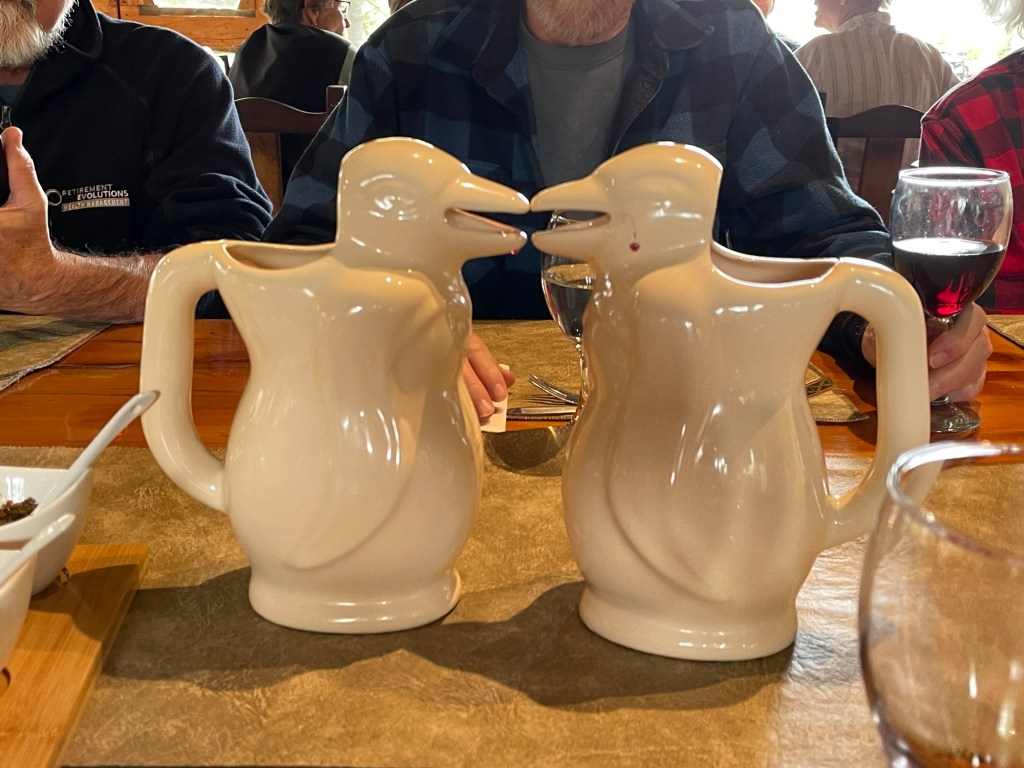
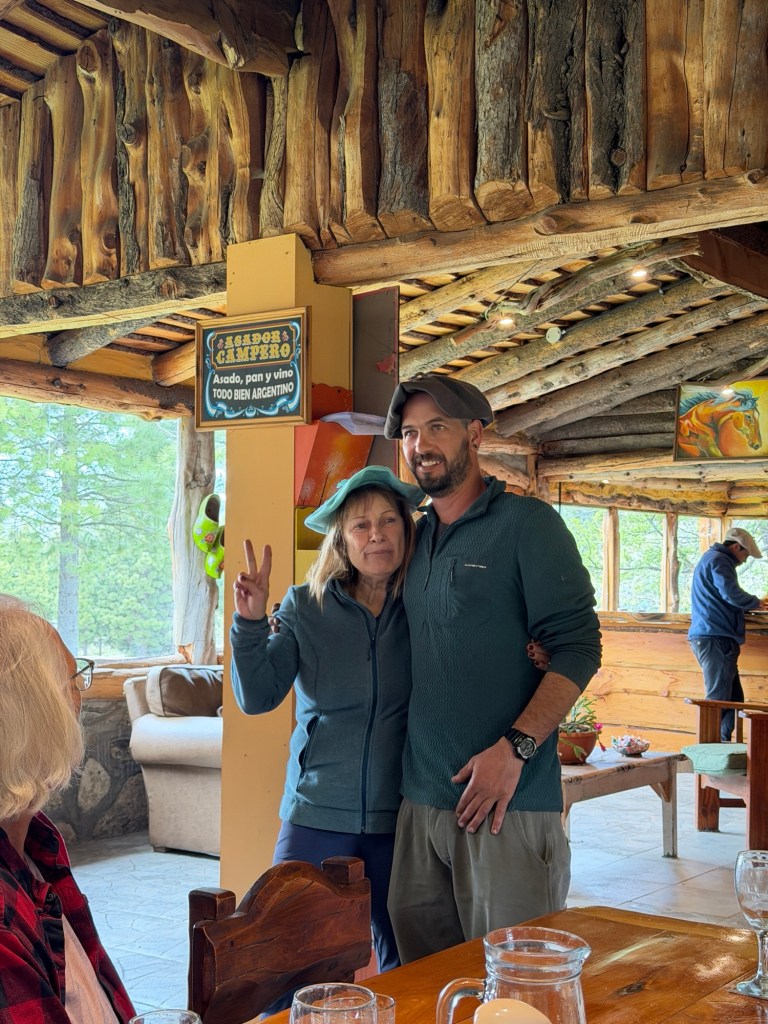
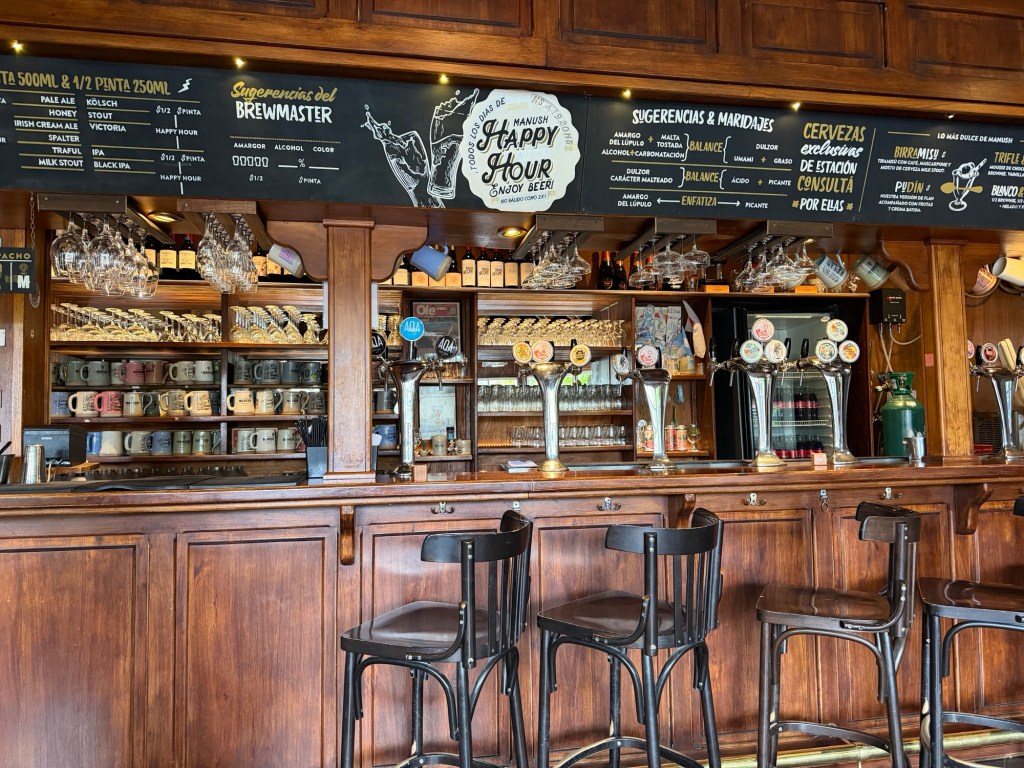
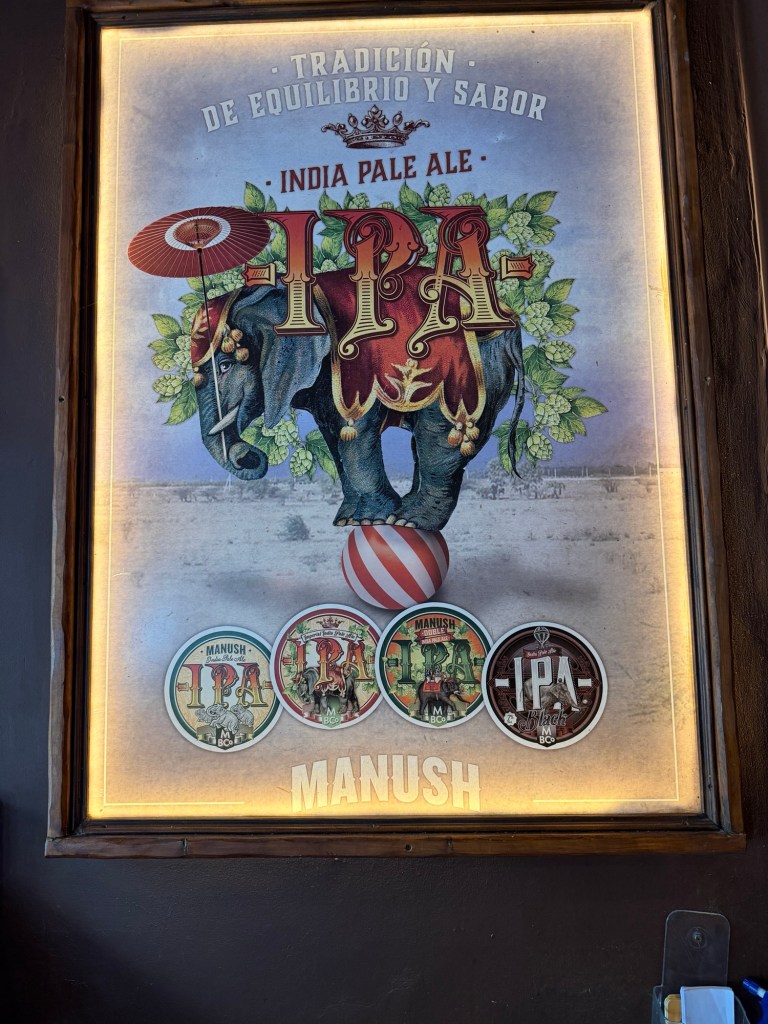
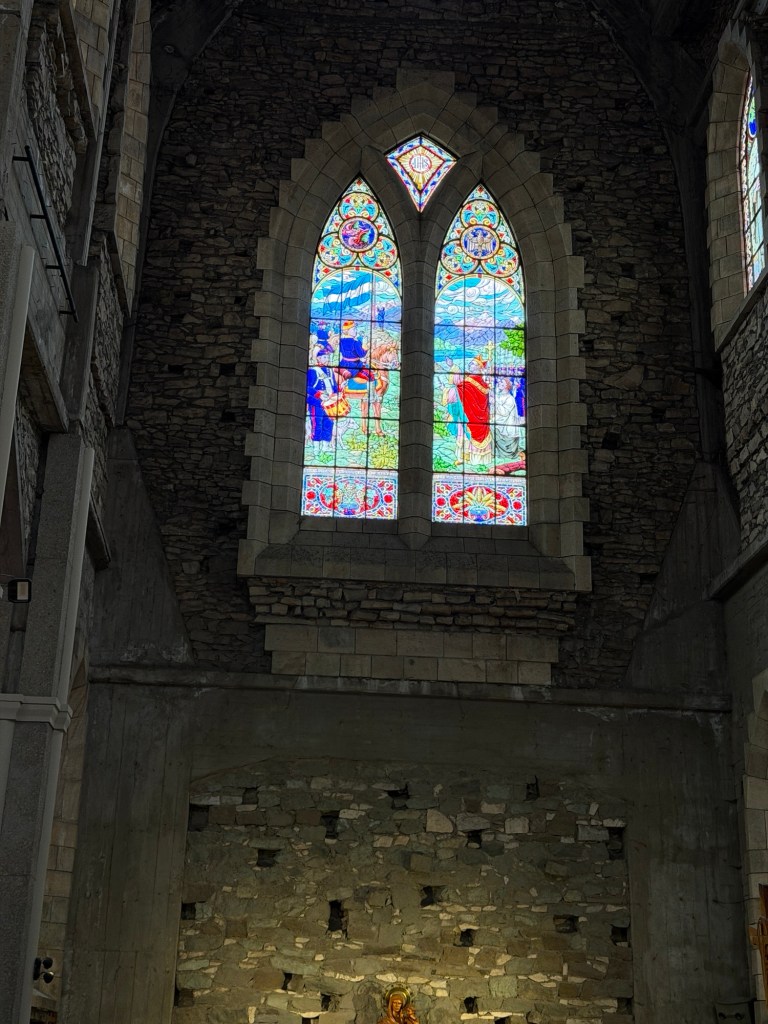
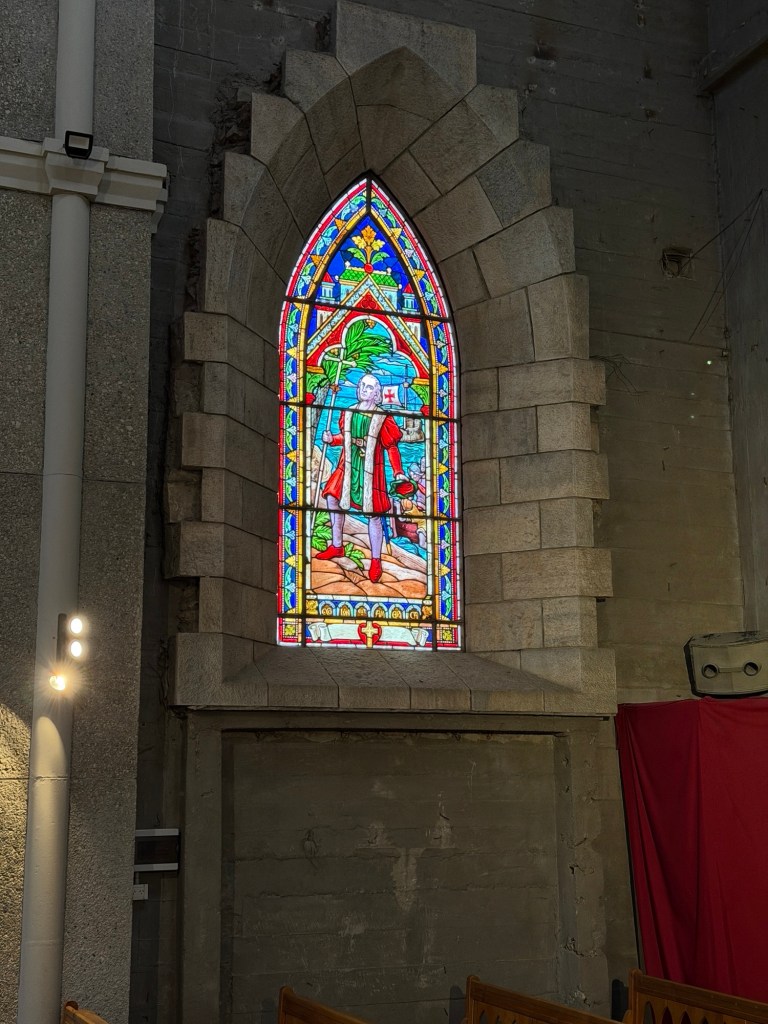
After a delicious lunch at the ranch, we went back to Bariloche, toured the cathedral, visited a brewery, and went out to a small restaurant for supper.
 Bunch of Geeks go Traveling