Author: bdmarsha

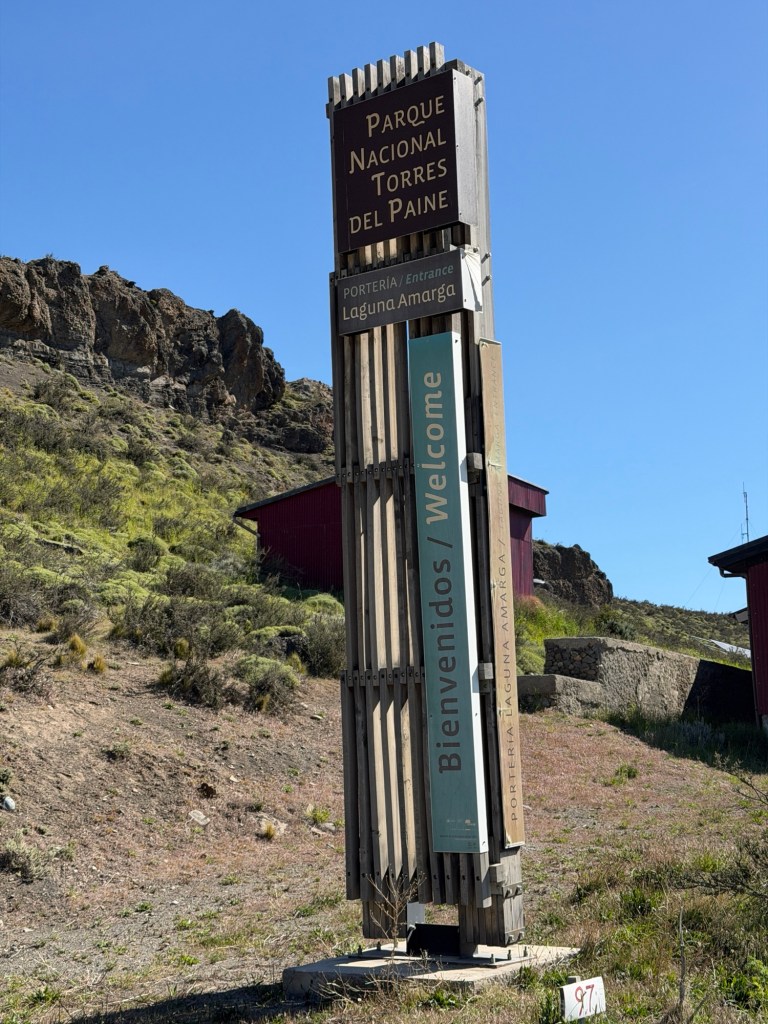
Torres del Paine National Park, Nov 9

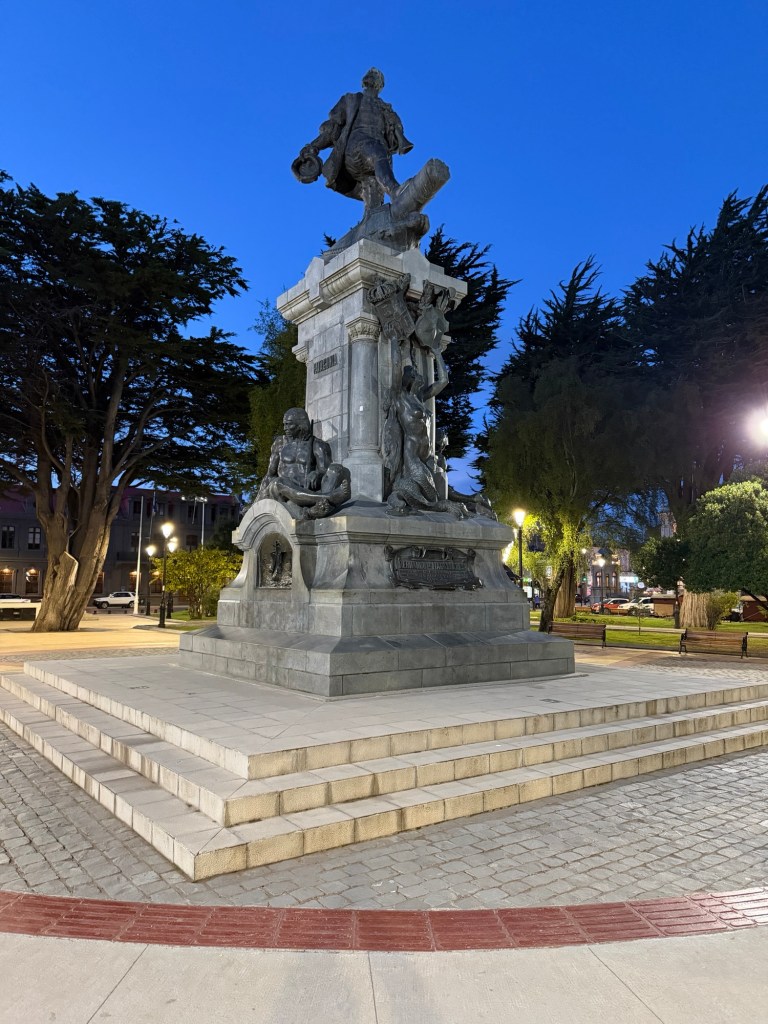
We met our new local tour guide, Rodrigo, who loves to hike and tell stories. From Punta Arenas to Torres del Paine NP, we drove alongside the Strait of Magellan. Rodrigo told us about Magellan’s journey, including the fact that he did not complete it. It was a long drive, but the OAT’s team had box lunches for us. Very efficient.
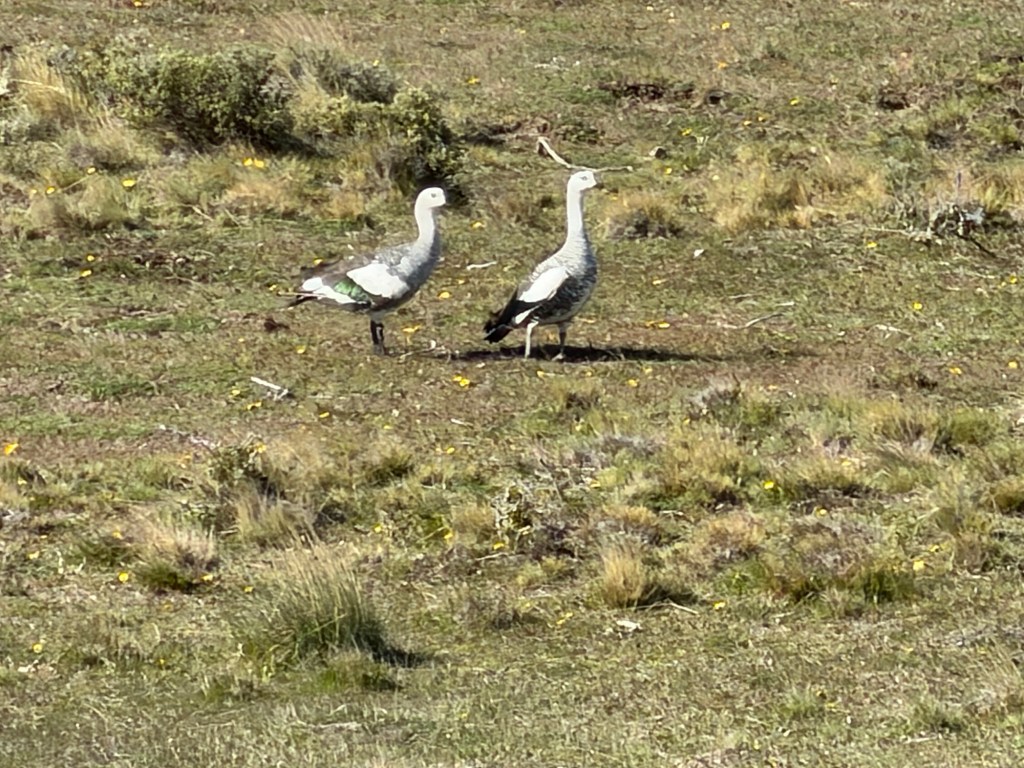
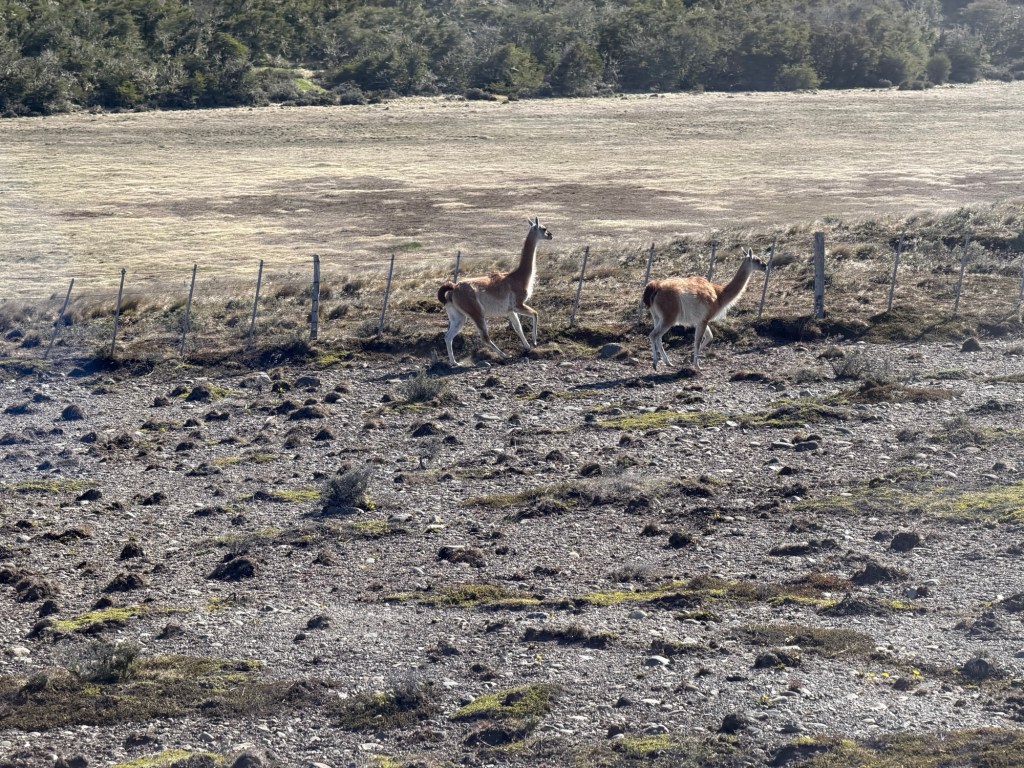
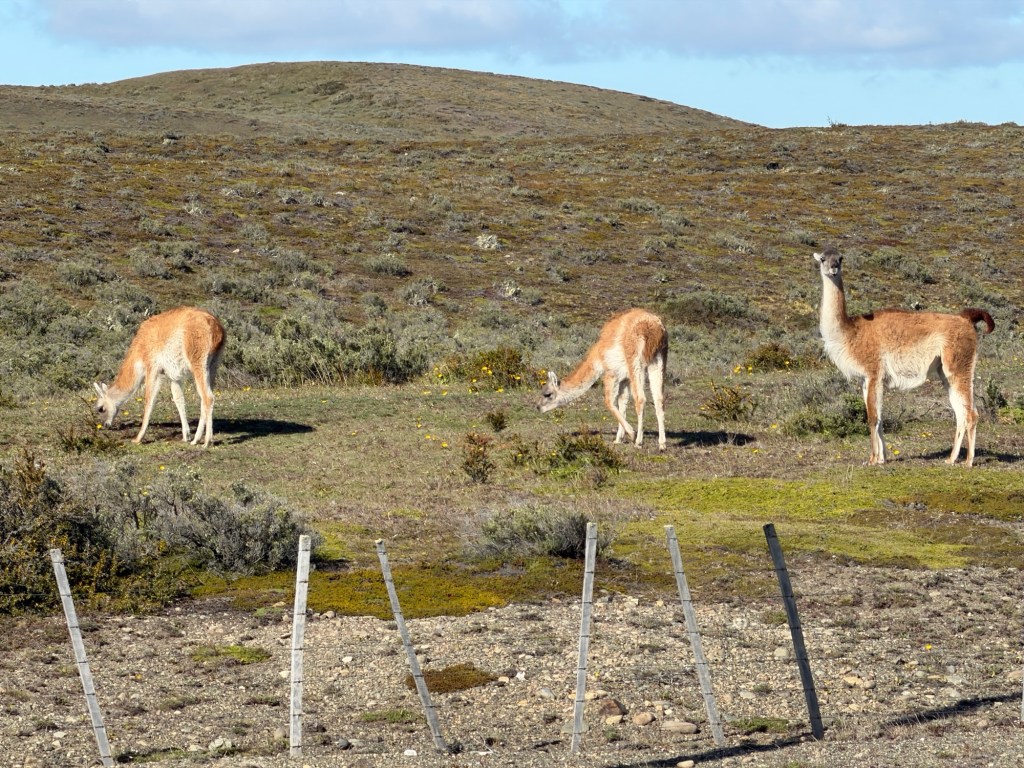
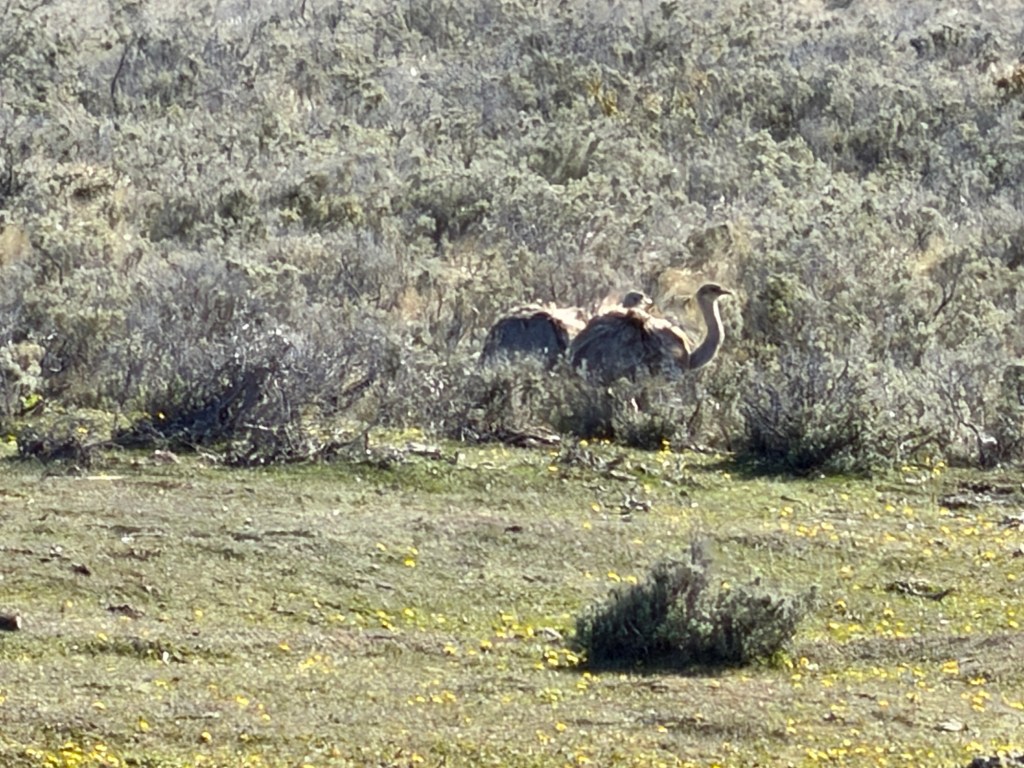
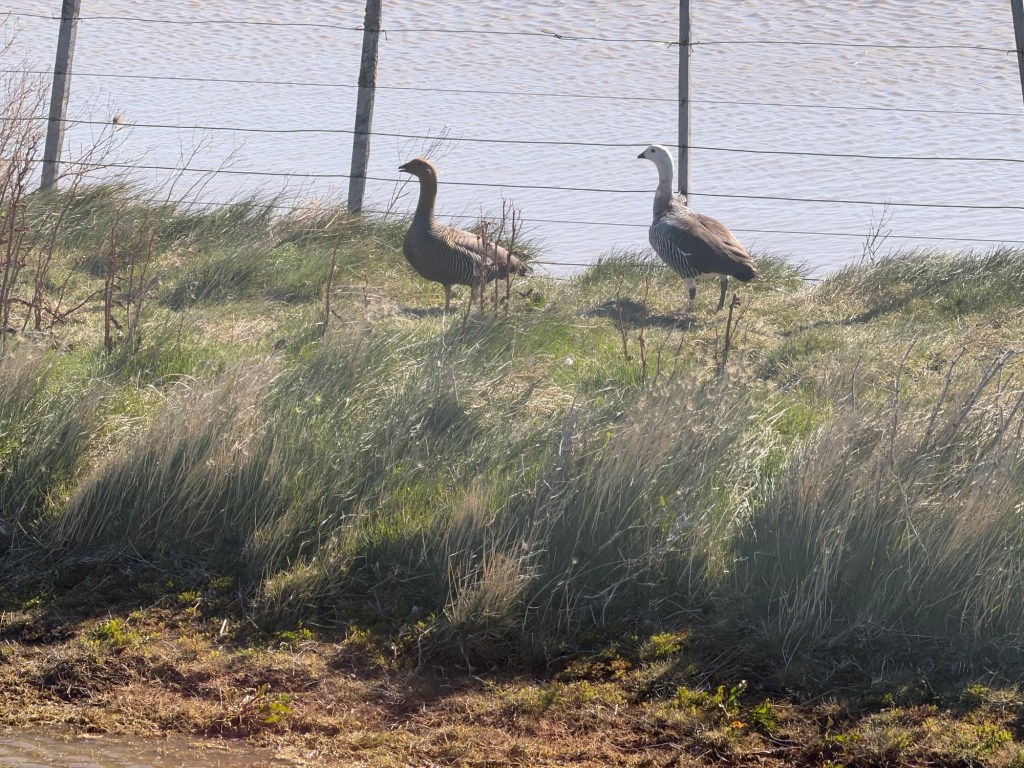
We saw new animals on the drive. Rodrigo told us that one Rhea egg is equivalent to about 20 chicken eggs. Also, Rhea chicks are raised by males, one dad many moms, in groups of forty, to start out. Usually only around ten survive out of each clutch.
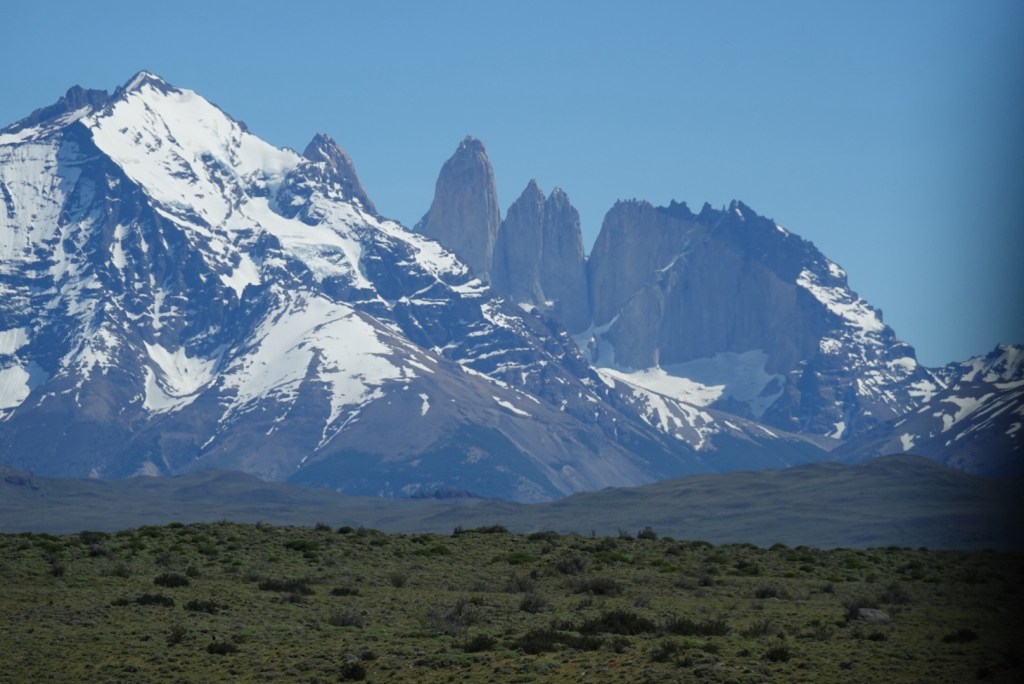
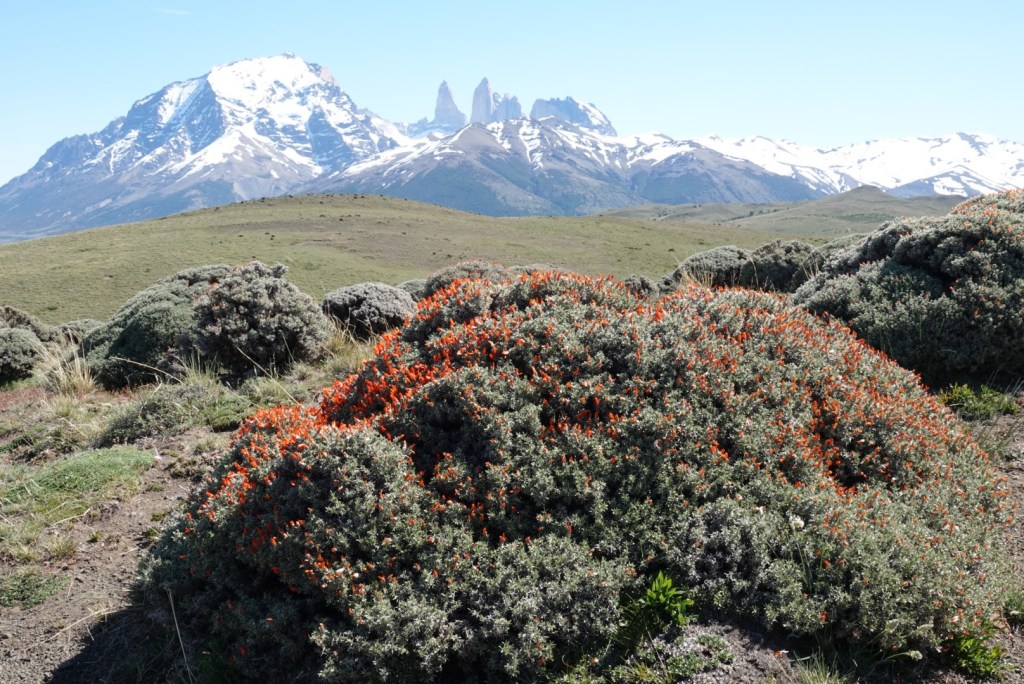
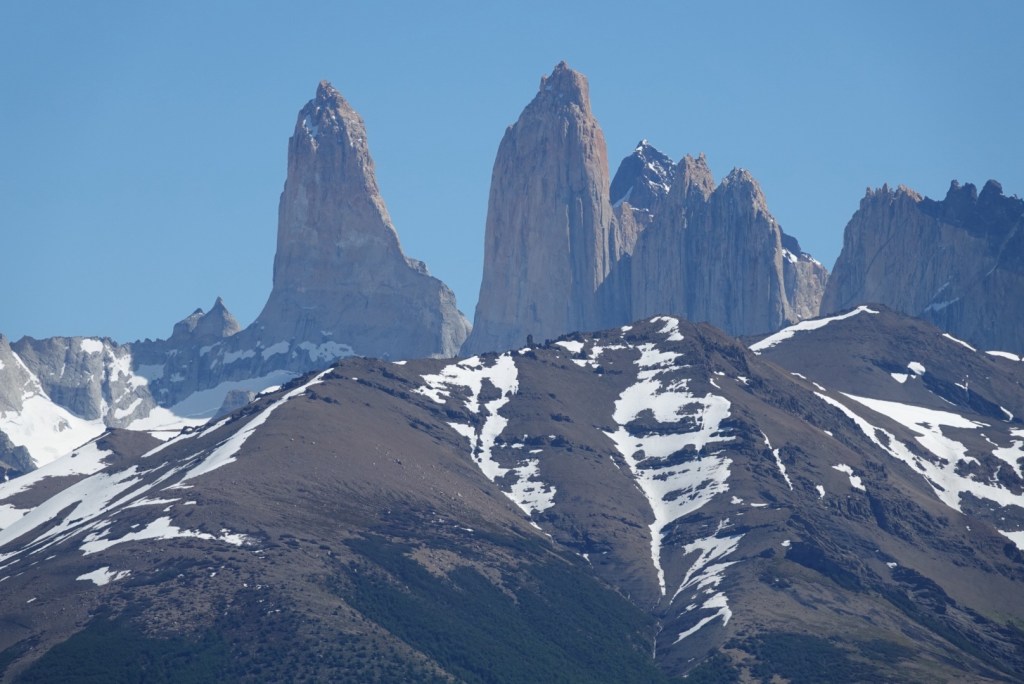
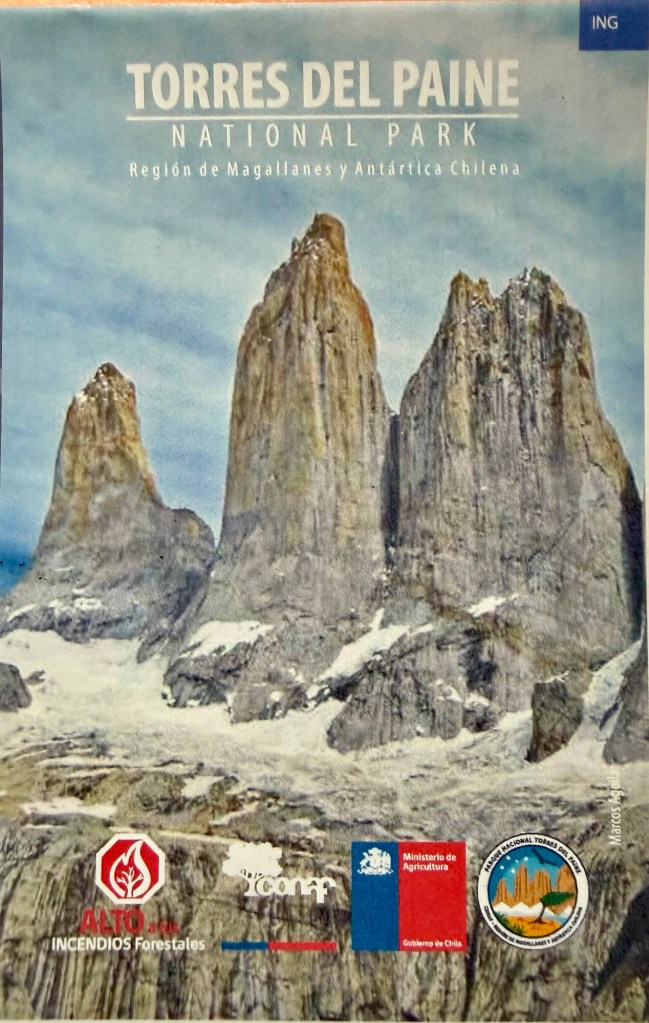
First view of the towers, Torres del Paine
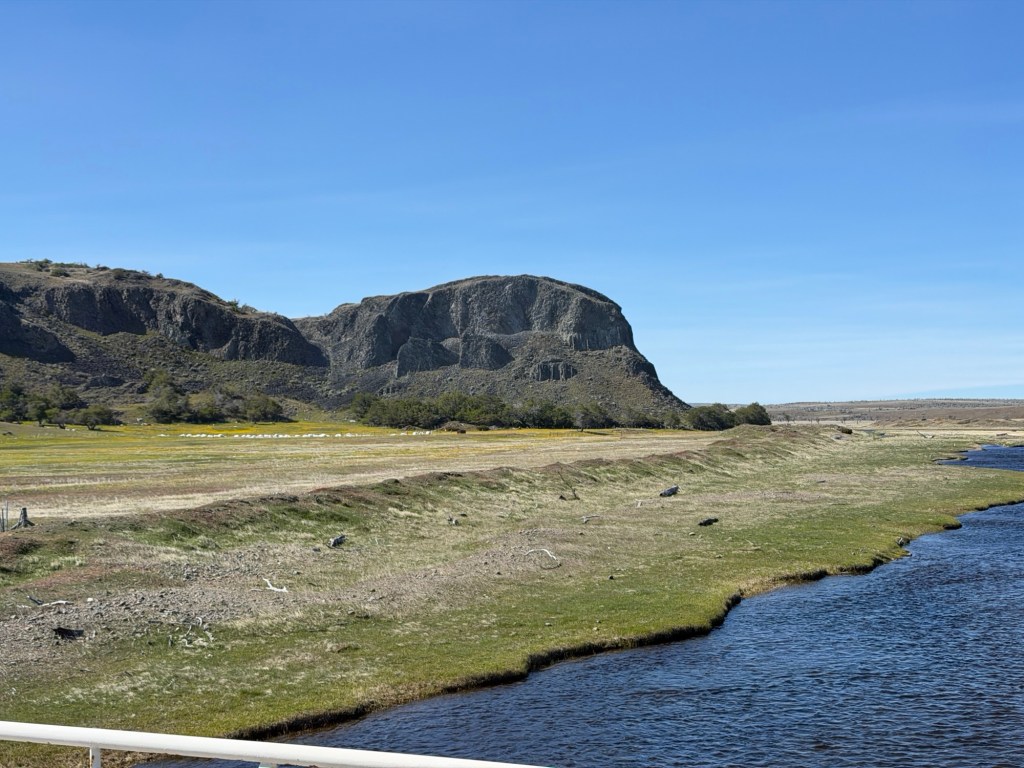
Columnar jointed basalt outcrop

We stopped outside the park to take a two mile hike to view the most famous peaks in Chile. Again, the weather was clear and sunny. What luck!
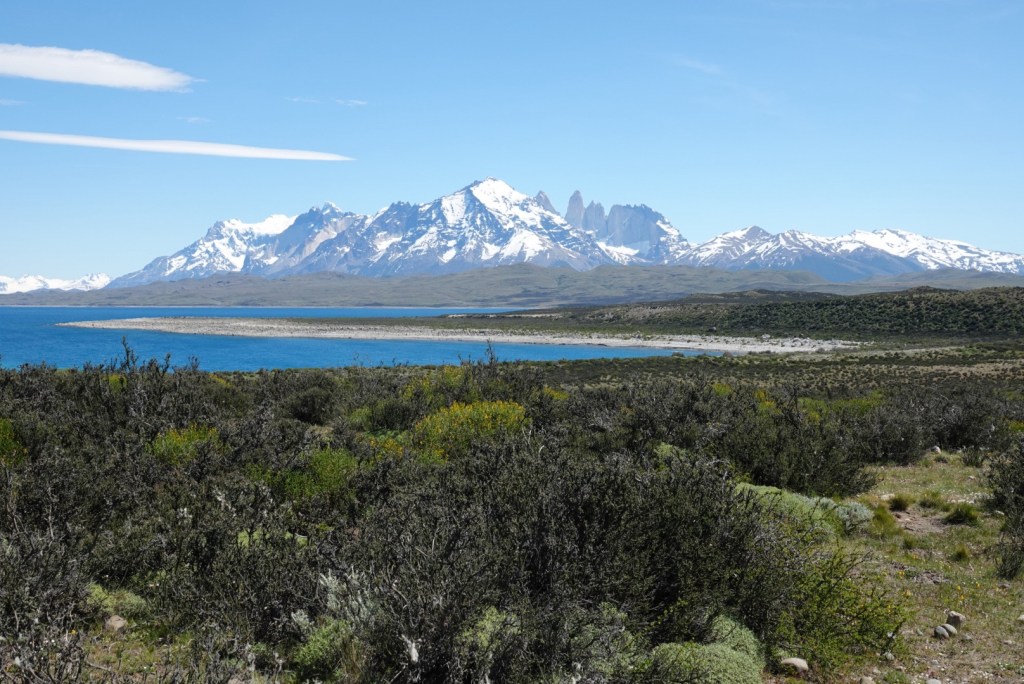
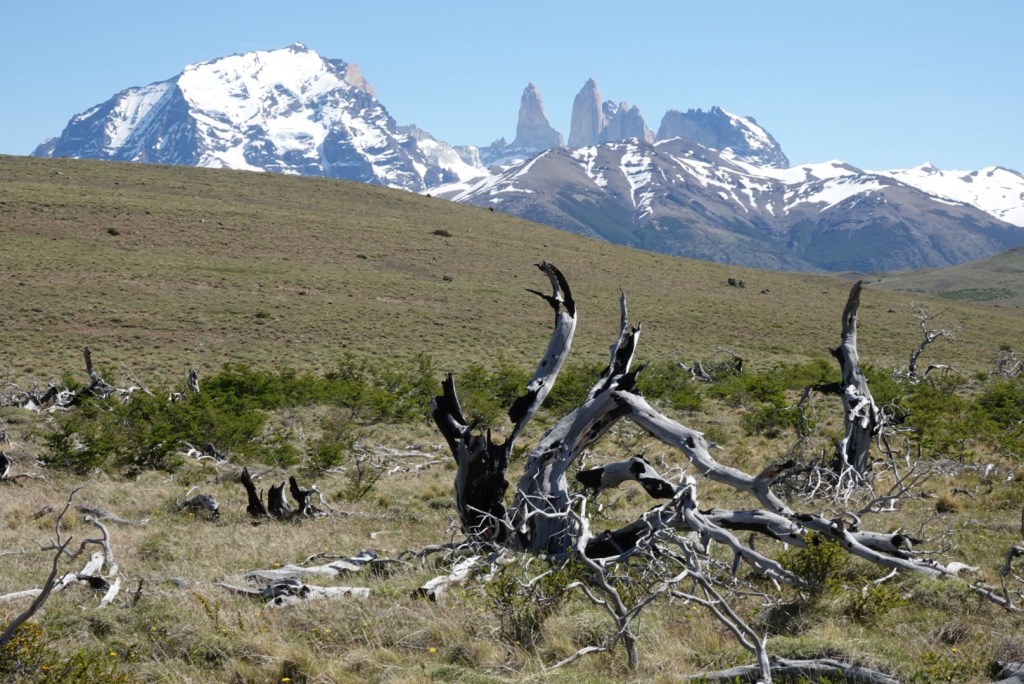
A fire burned almost half of the National Park. It was started by people camping illegally on Christmas Eve of 2011. Because they were burning toilet paper (in a high wind), the fire is known as the Toilet Paper Fire. The campers were found and admitted to the deed. Now there are strict laws against smoking and fires.

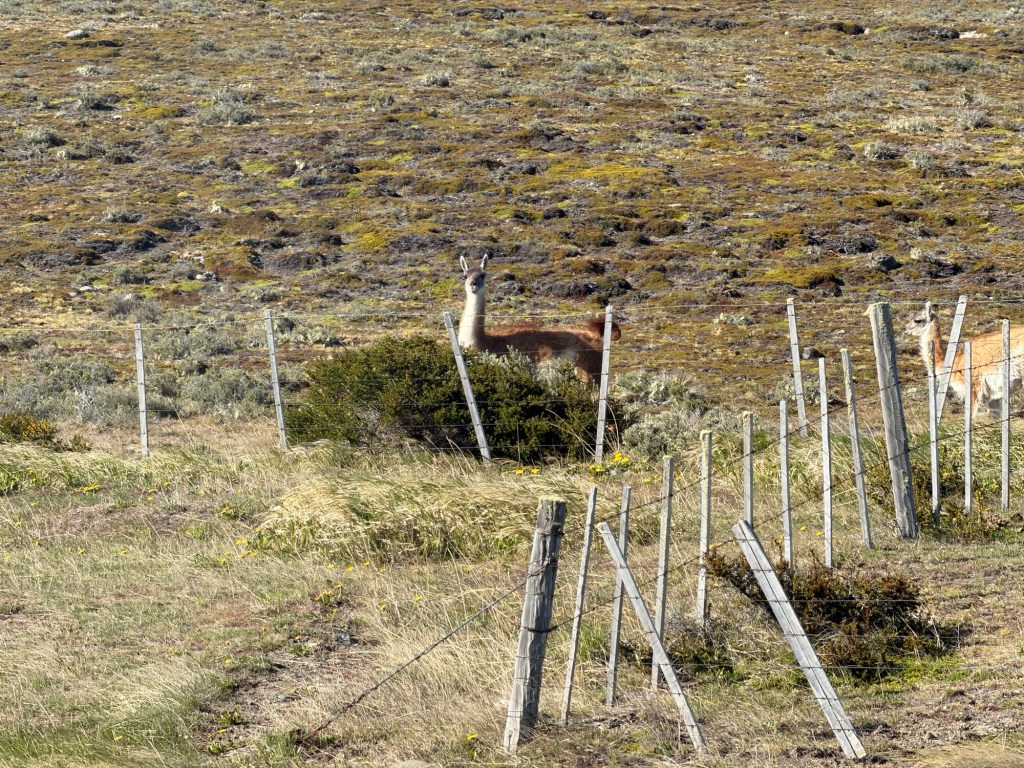
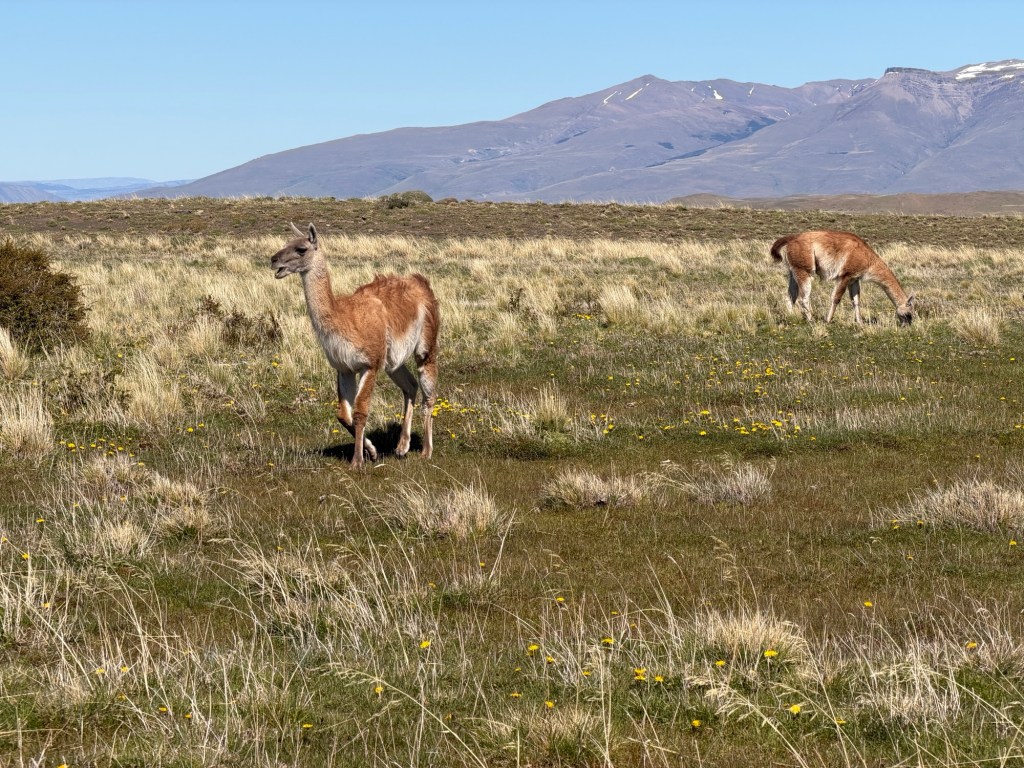
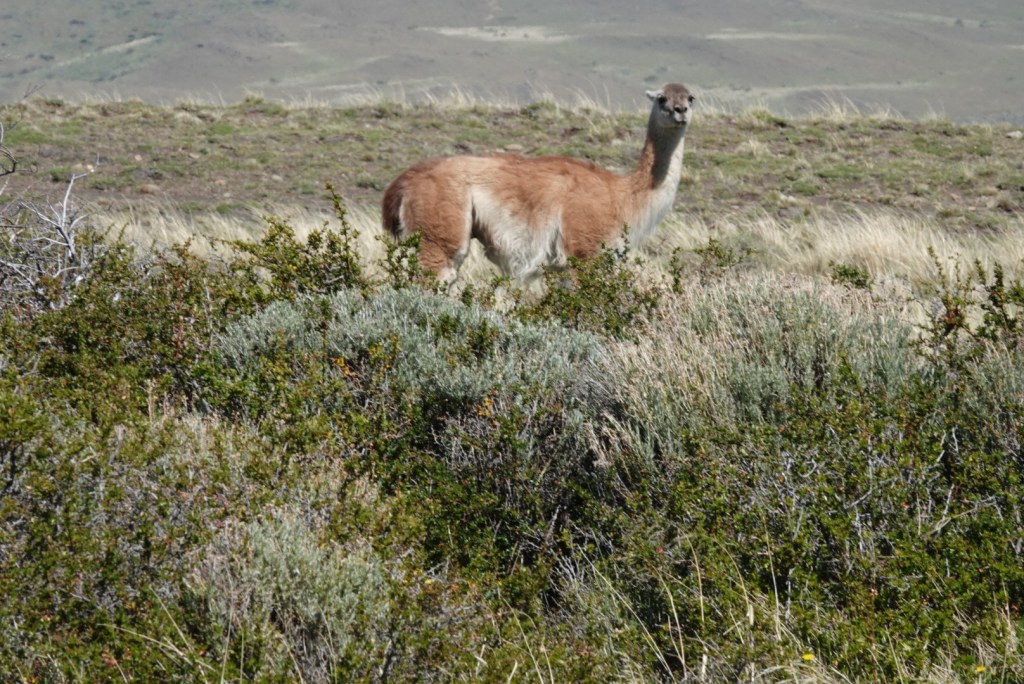
Rodrigo made us aware of possible dangers from animals in this area adjacent to the National Park. Marta told us about a different group she led that experienced a stampede of guanaco, who were being chased by a puma!
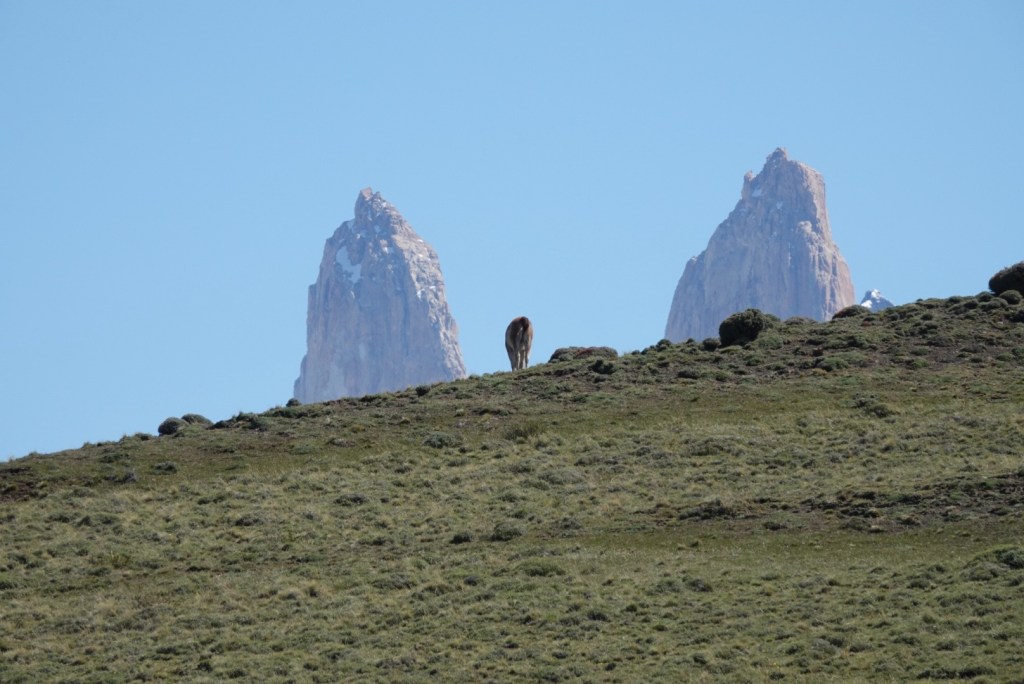
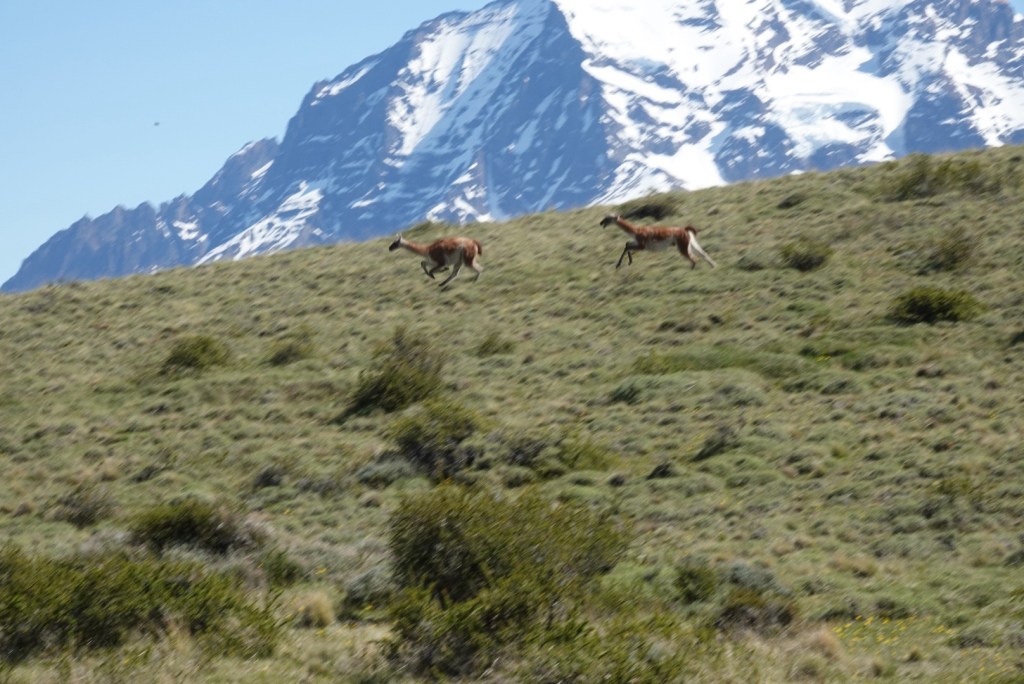
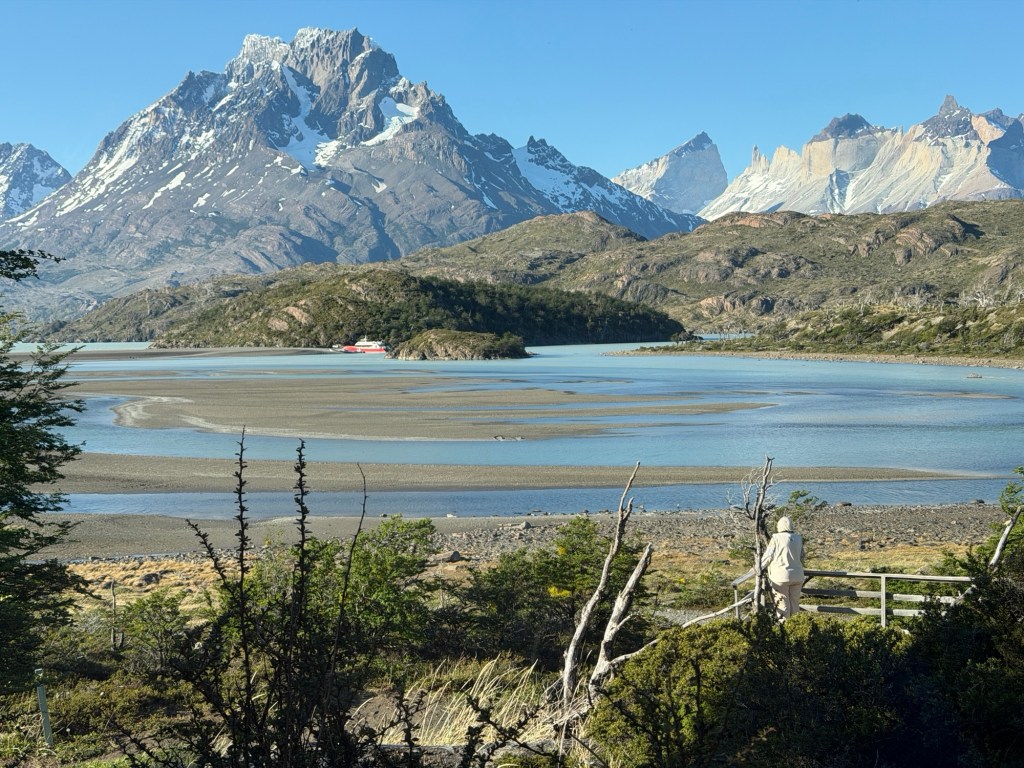
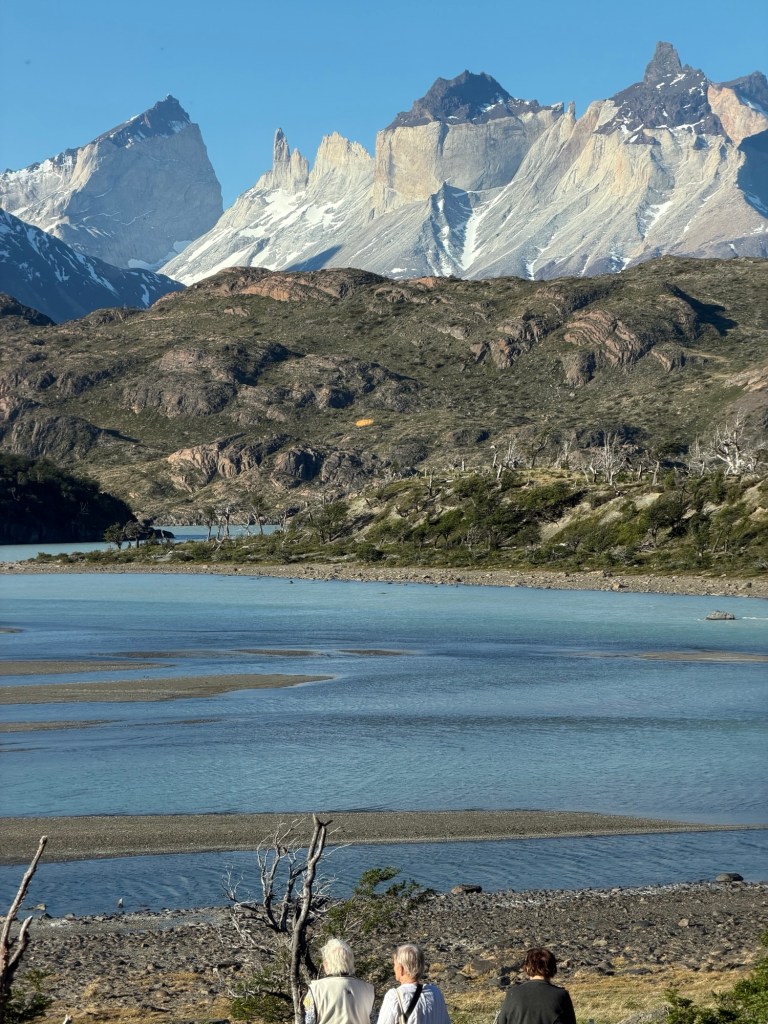
Photographs cannot capture the awe, the majesty of the scenes we saw.

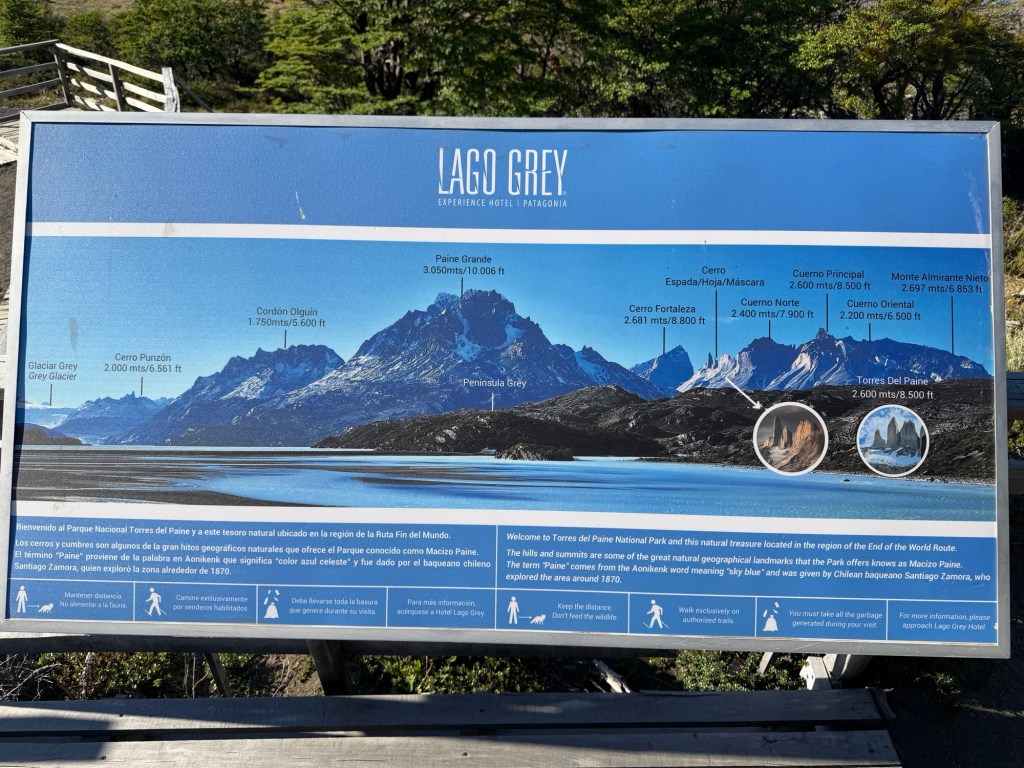
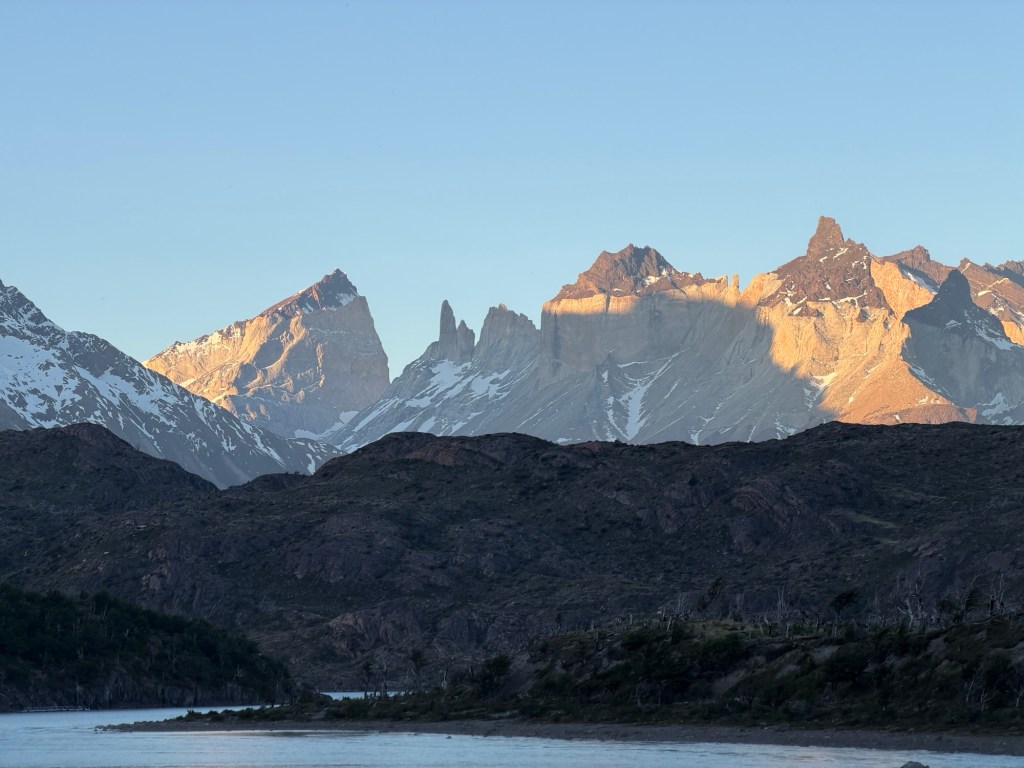
The light grey part of the towers is a shallow intrusive of granitic composition. Rodrigo told us that three pulses of magma intrusion occurred at approximately 18, 16 and 12 million years ago. The magma baked the overlying sedimentary rock to a black shade, more visible in the horns.
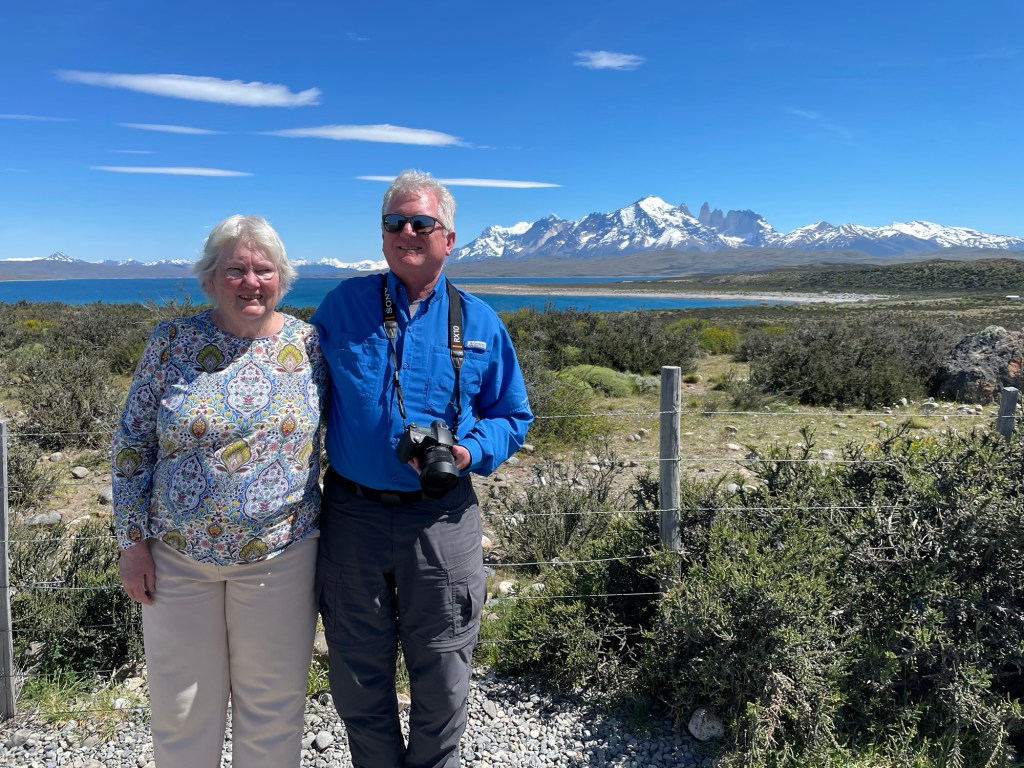
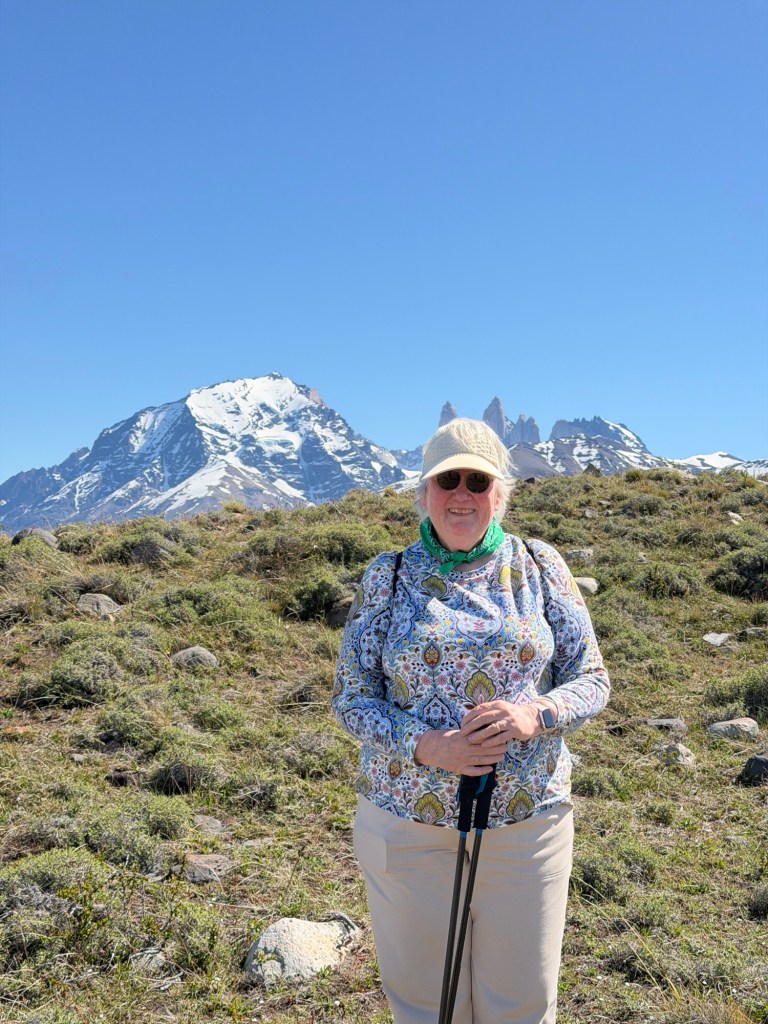
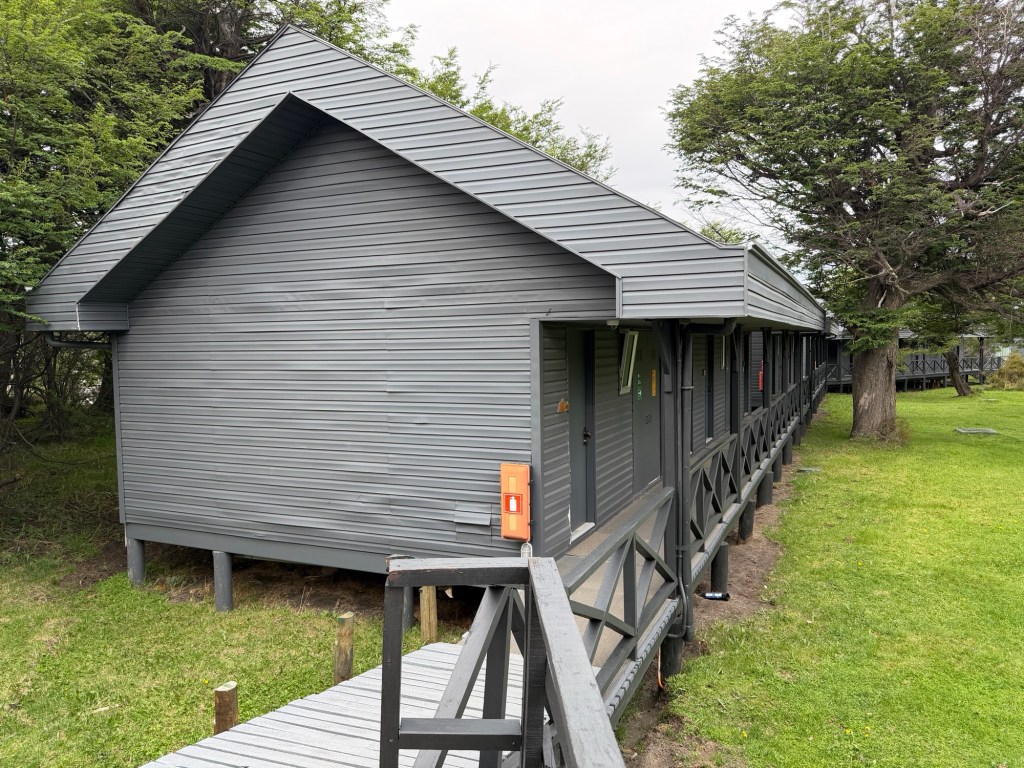
We stayed two nights in the National Park lodge, Lago Grey.
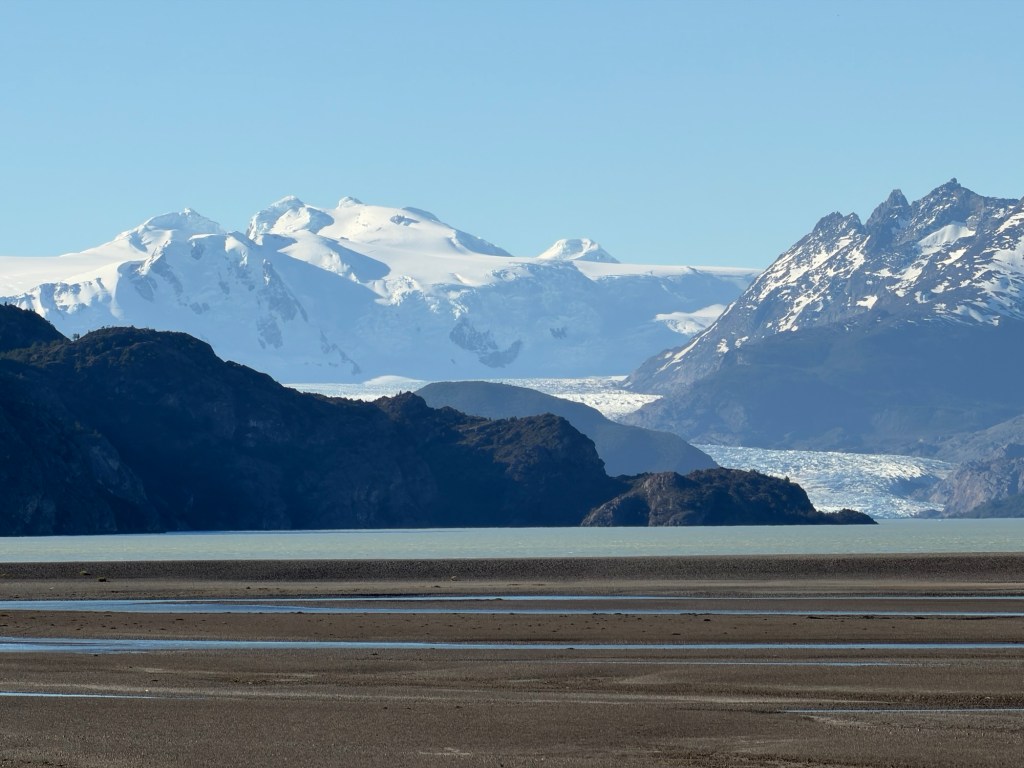
Grey Glacier
The Horns in the setting sunlight
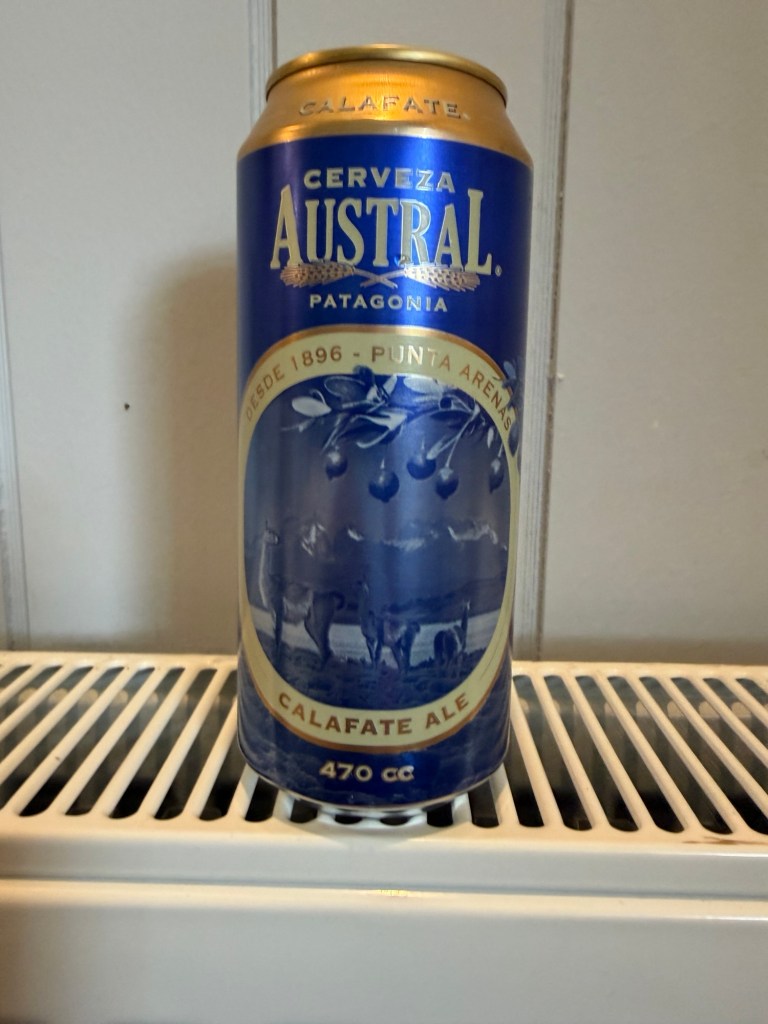
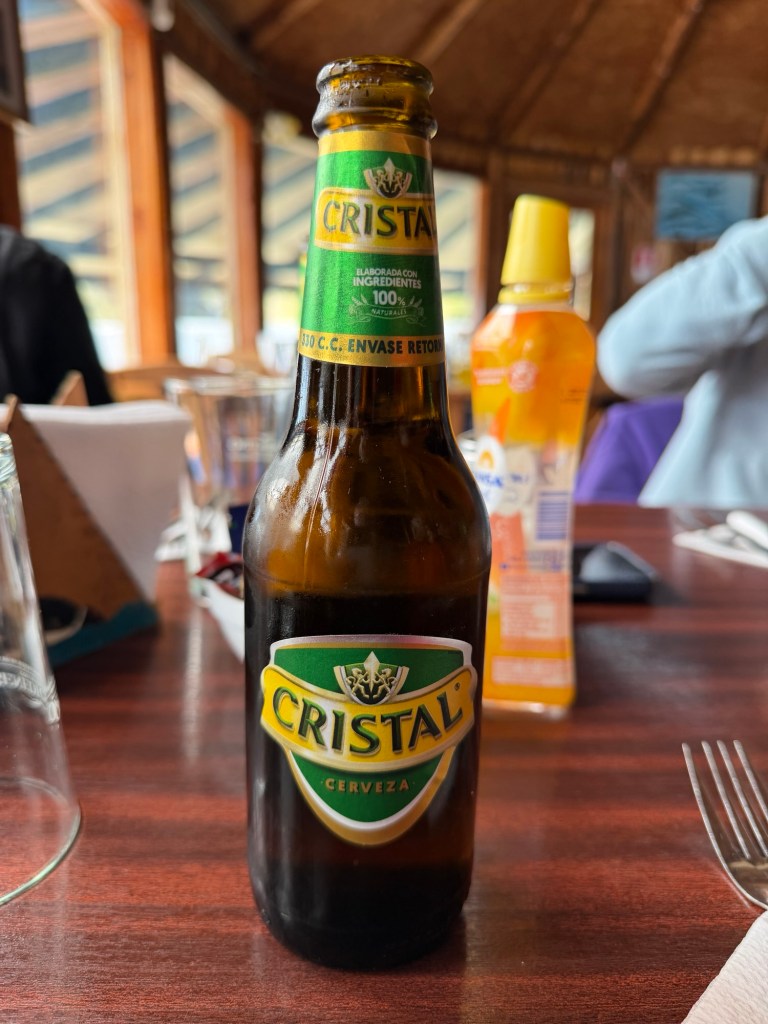
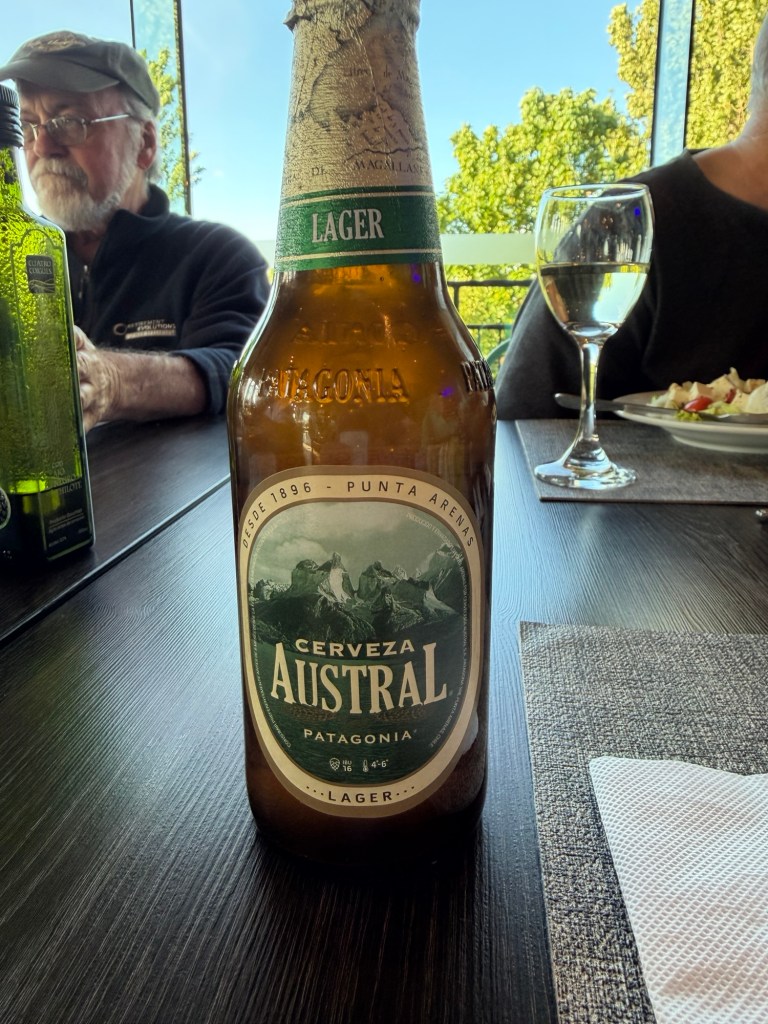
Excellent dark beer that was also on tap at the hotel bar
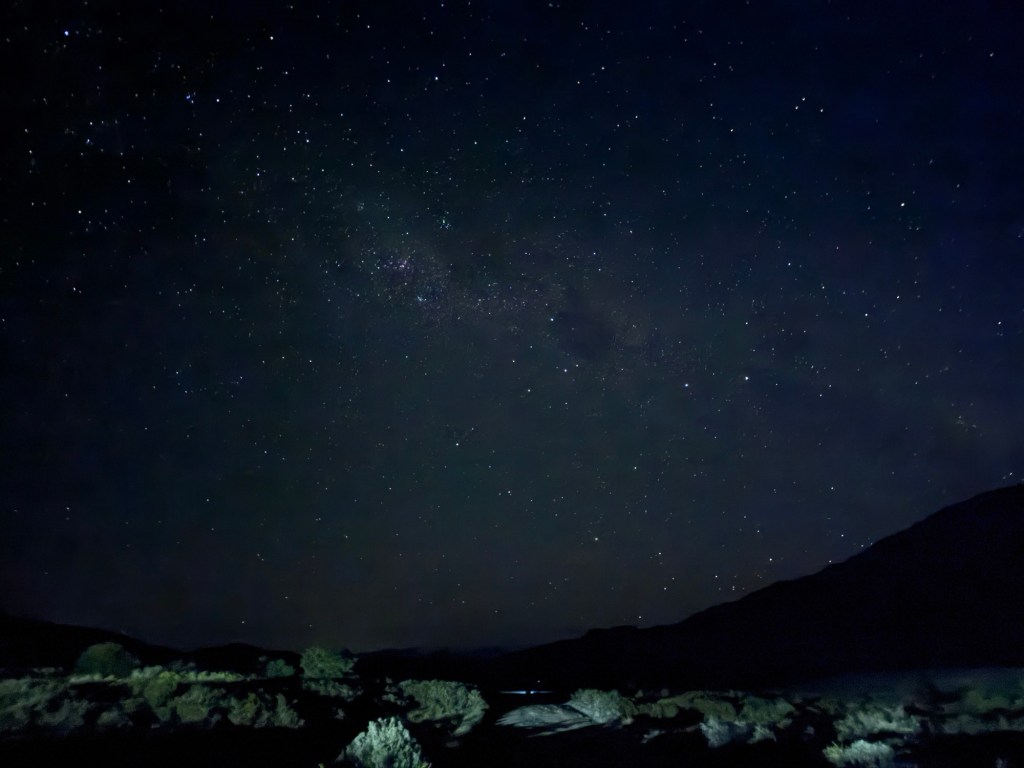
The Southern Cross, at about 1:30 AM

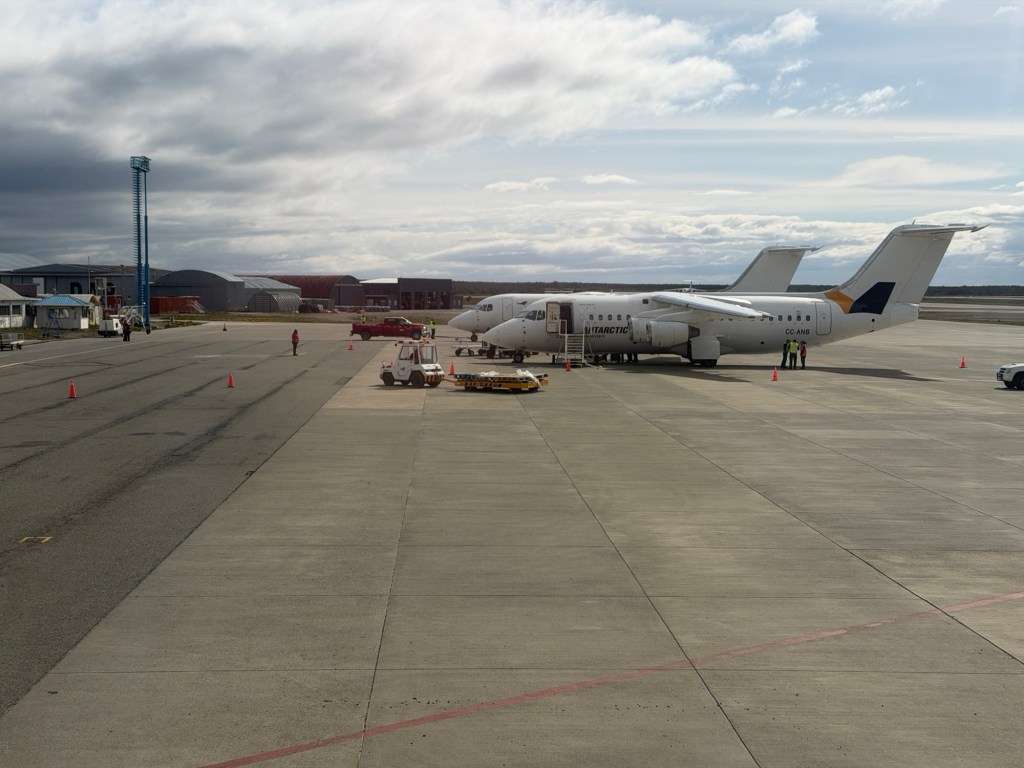
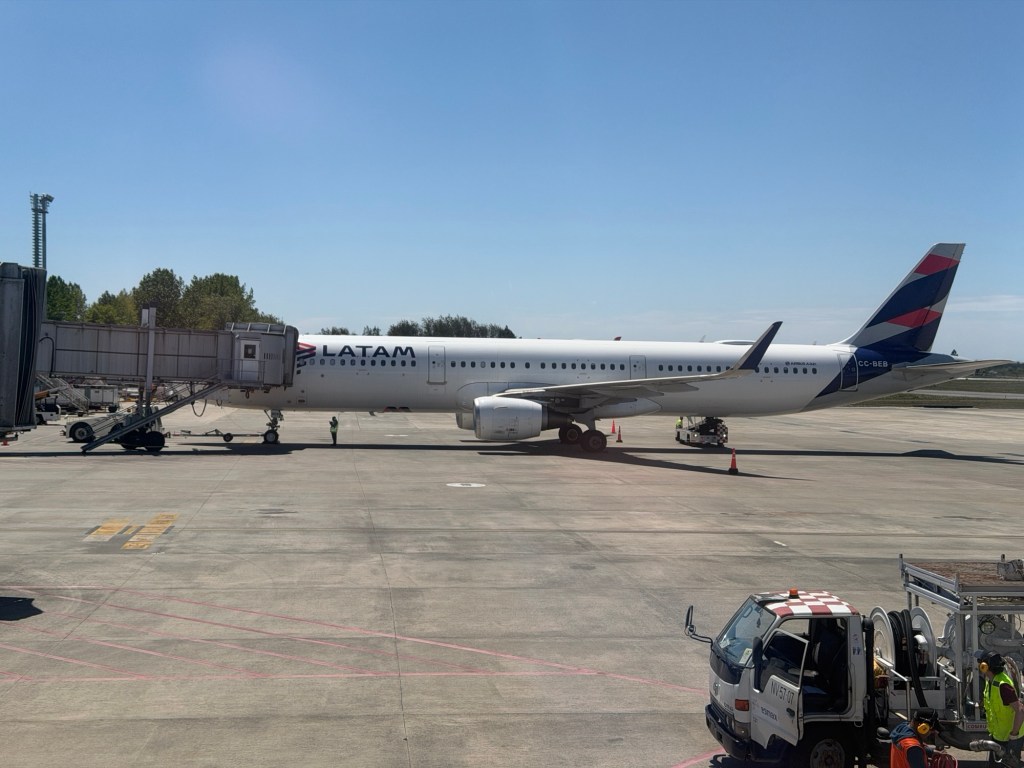
Ferry back to mainland, plane ride to Punta Arenas, Chile on Nov 8

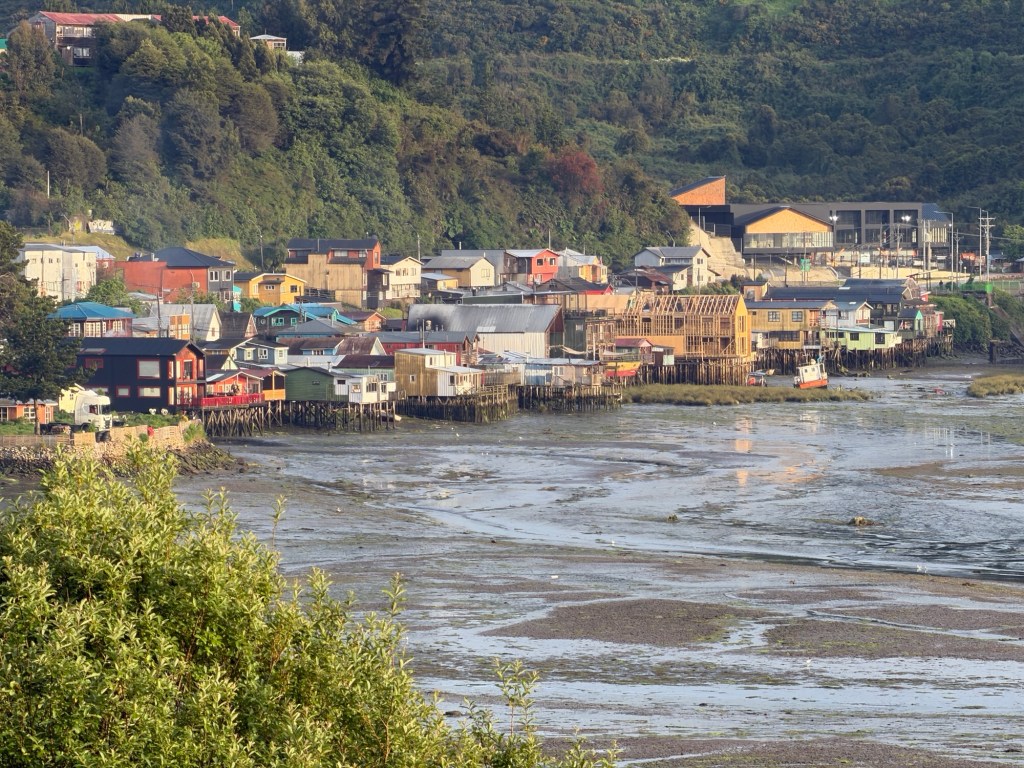
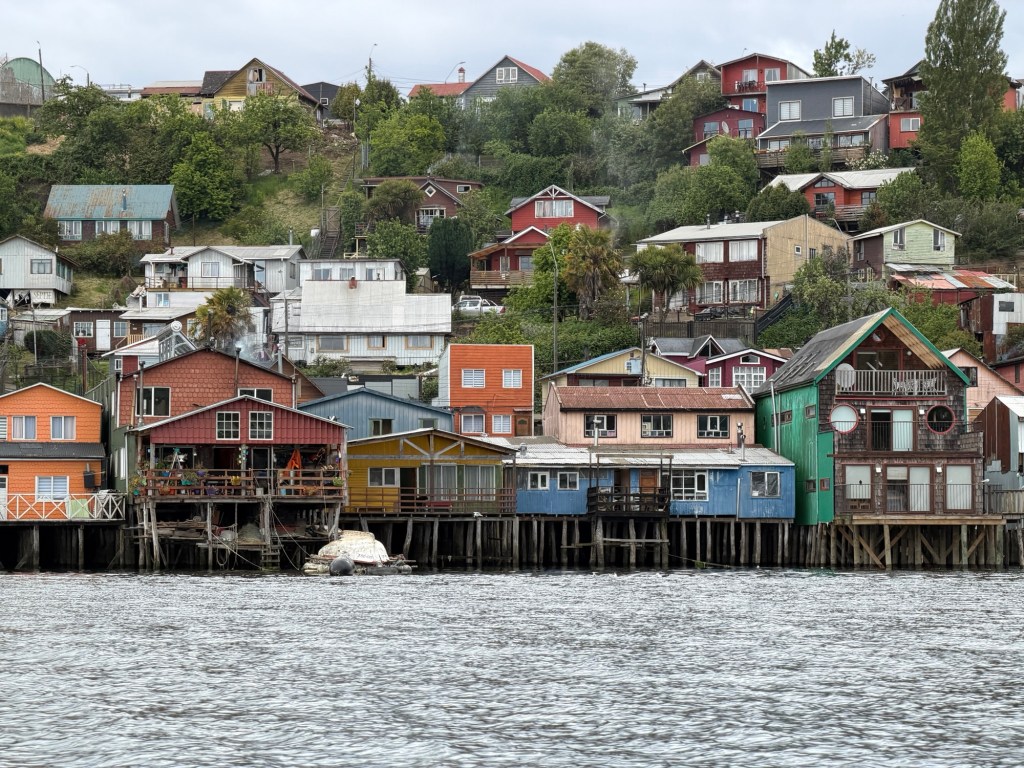
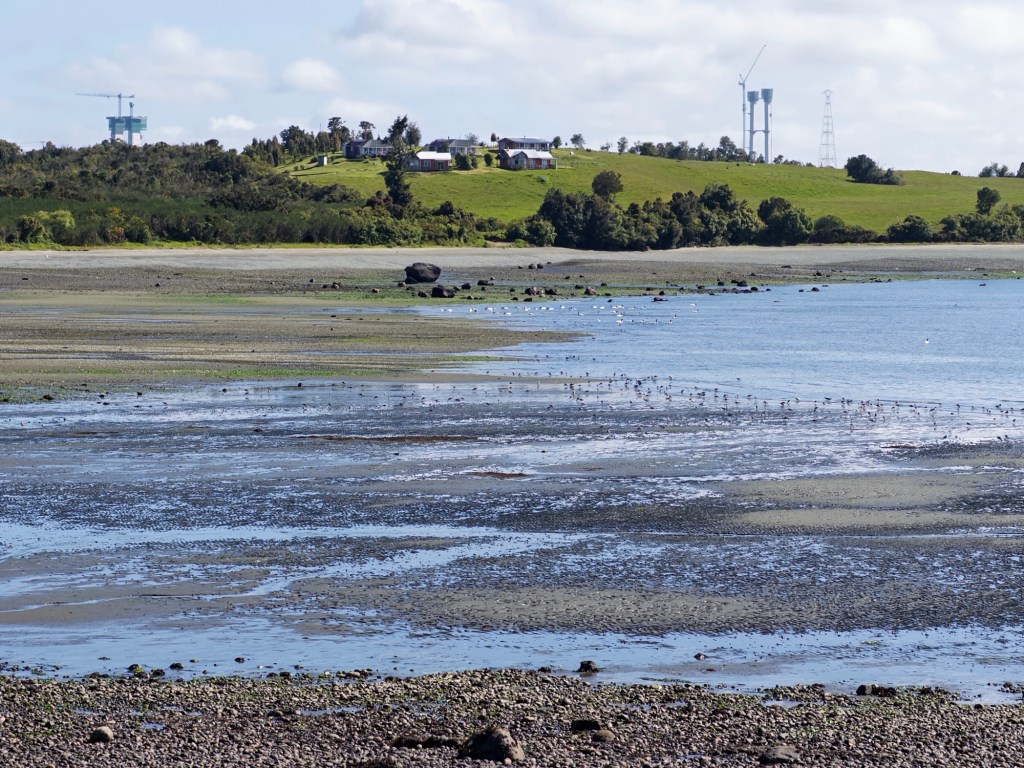
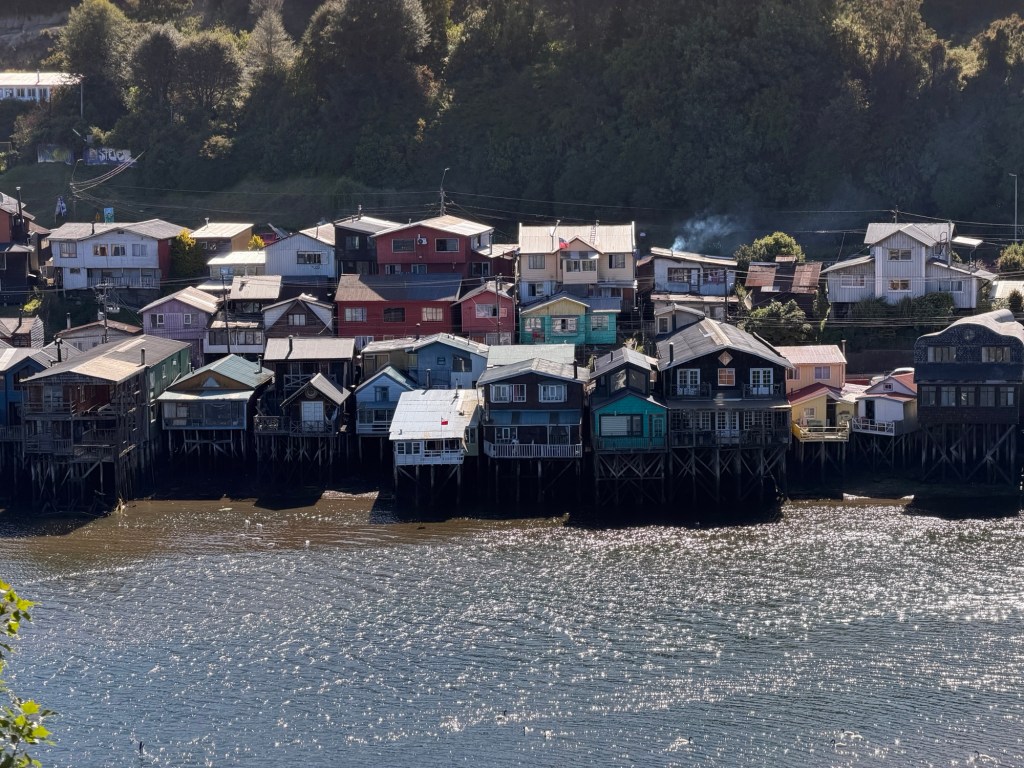
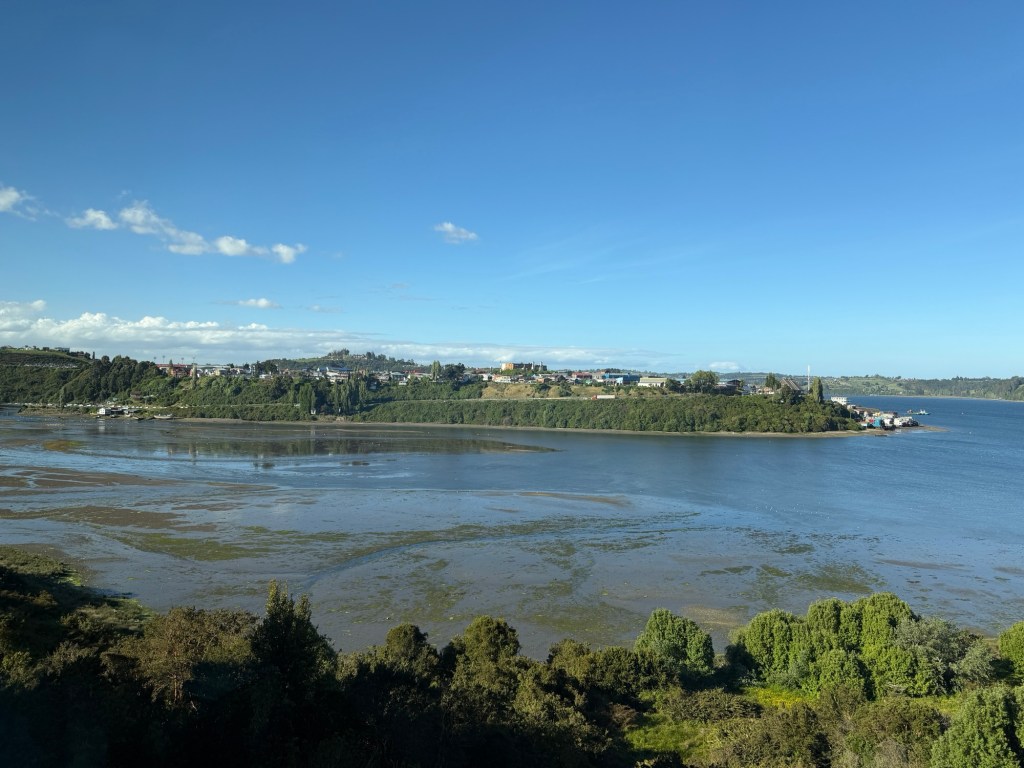
Houses on stilts from our hotel room, tide is lower.

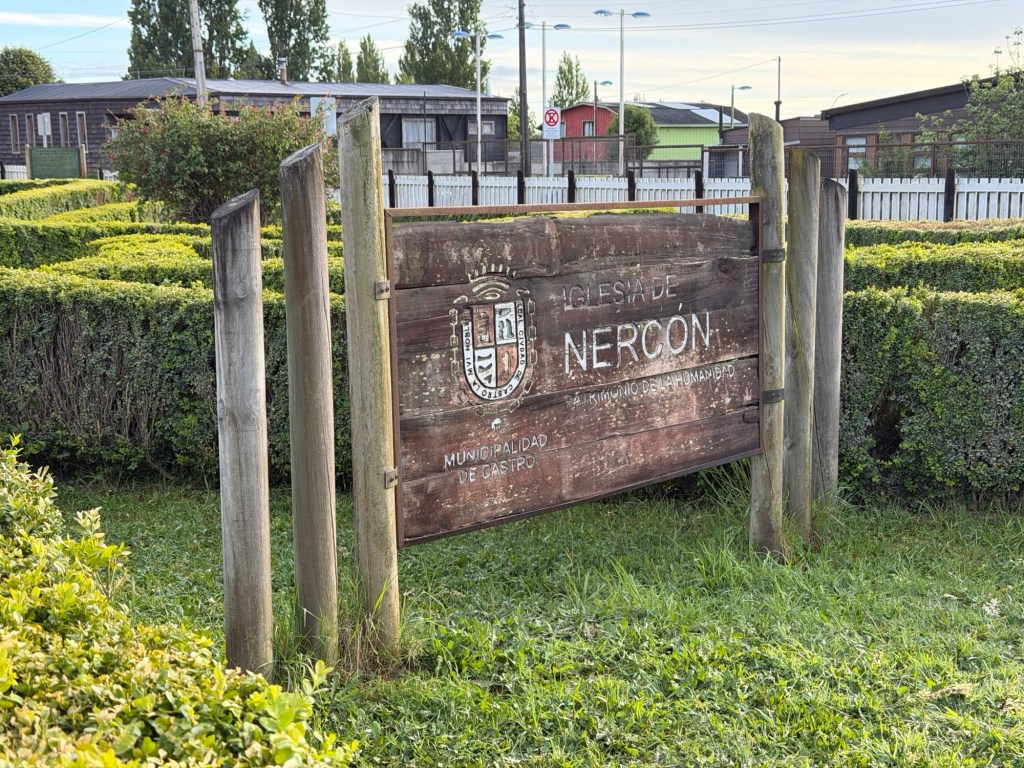
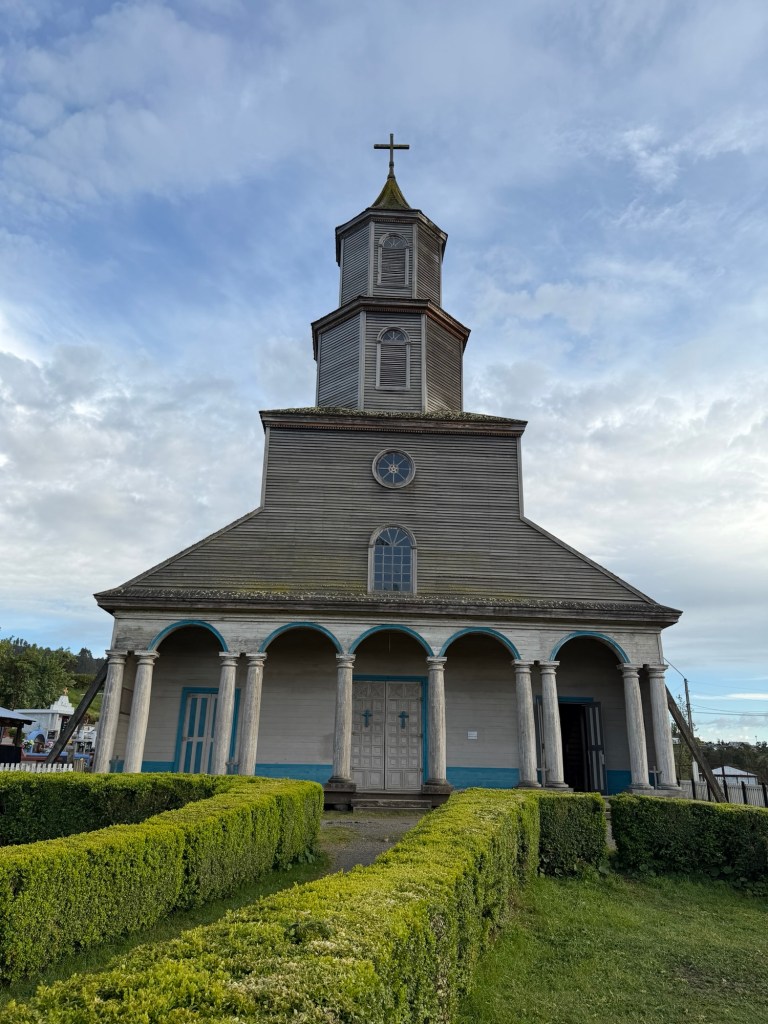
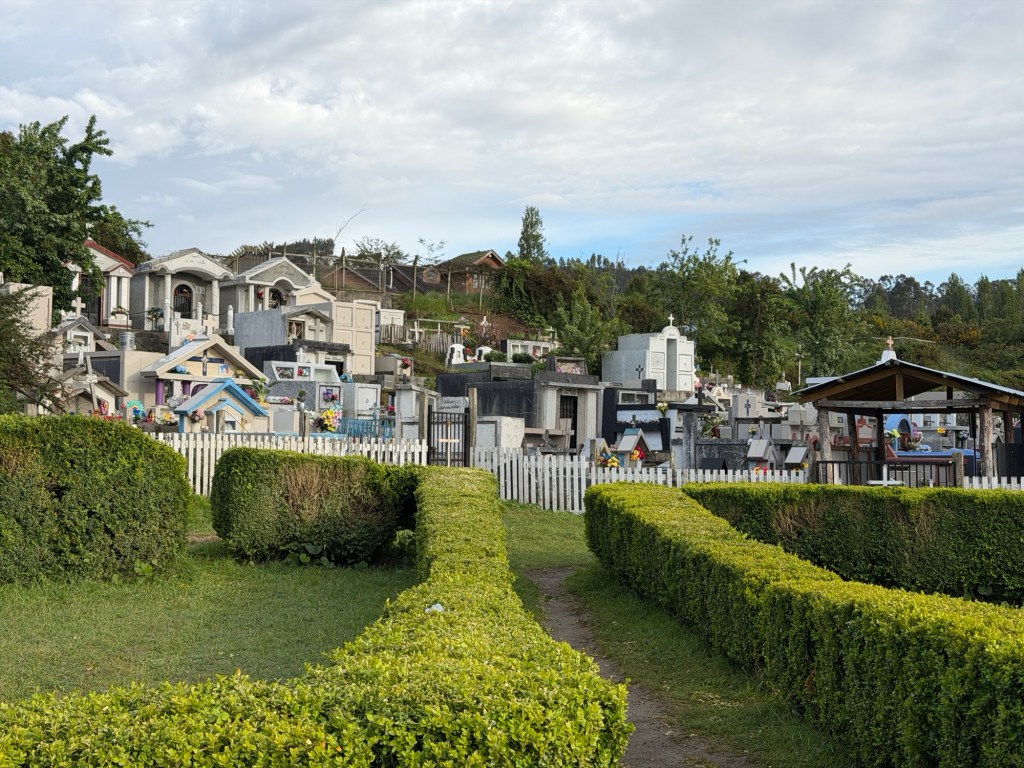
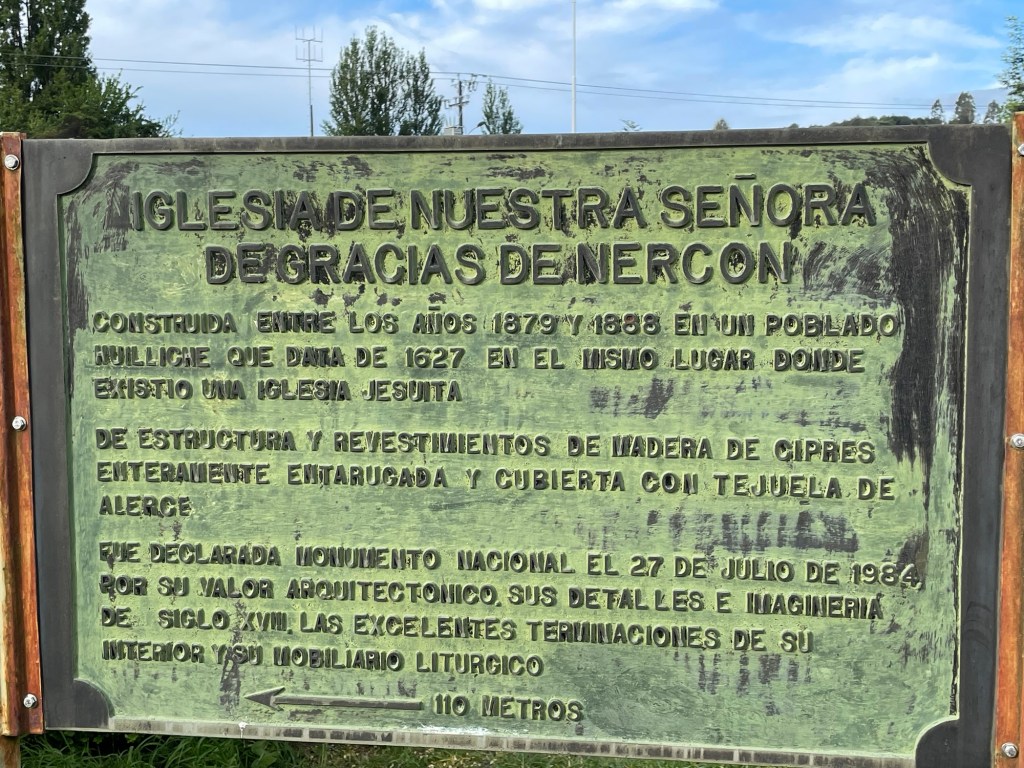
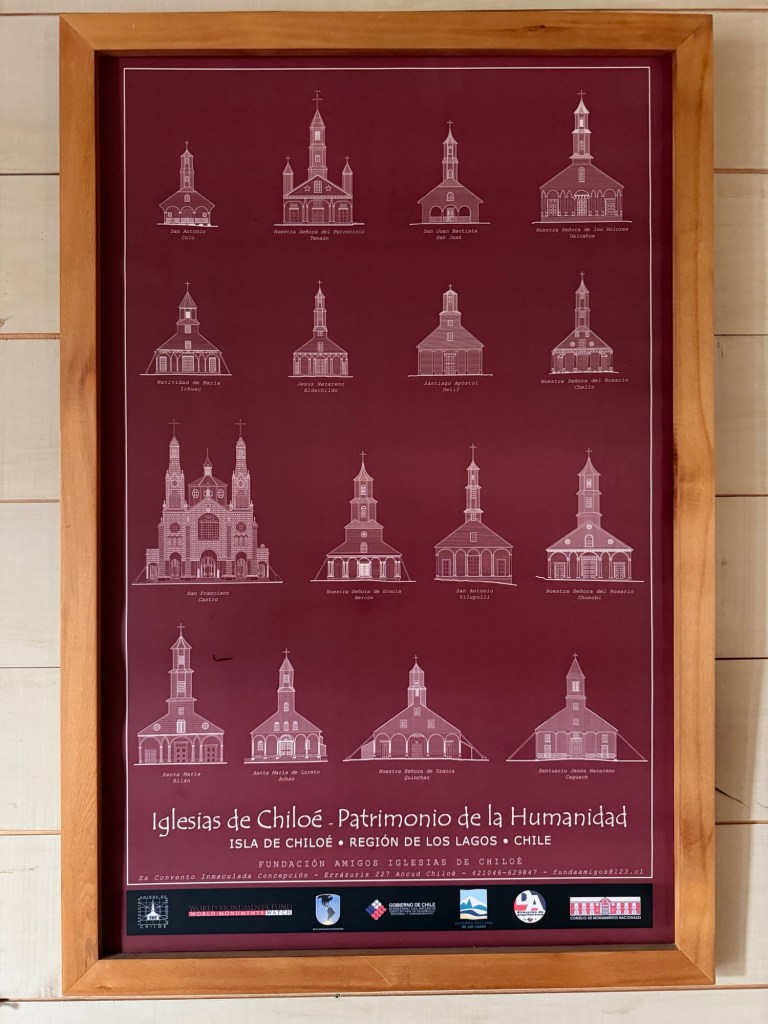
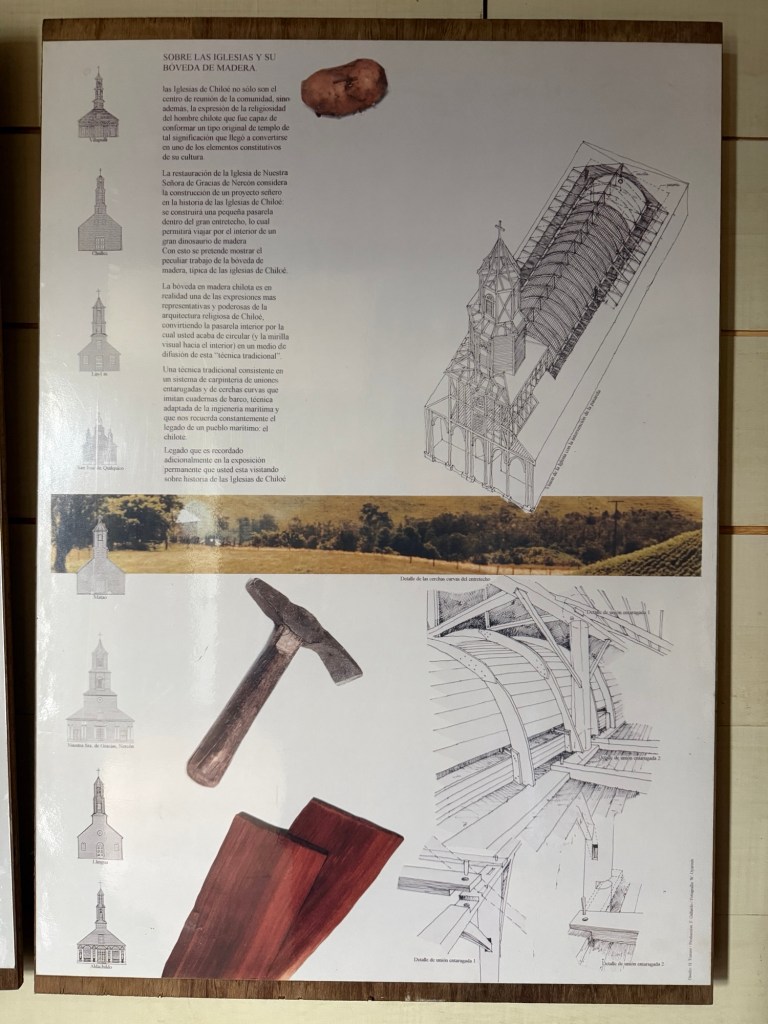
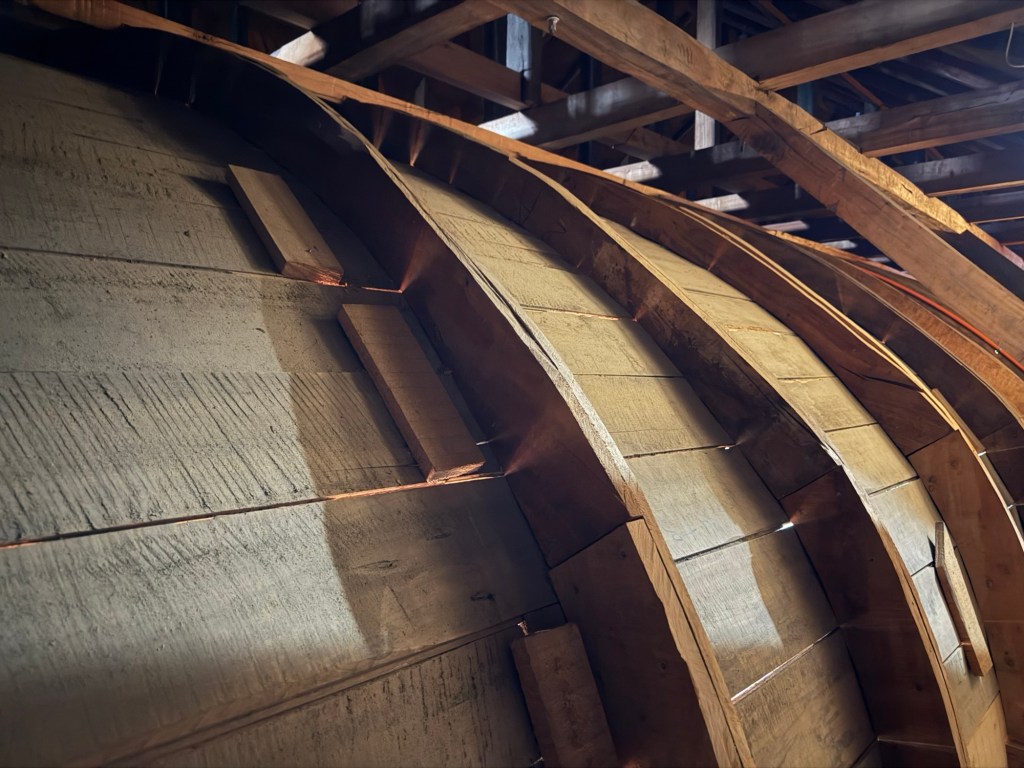
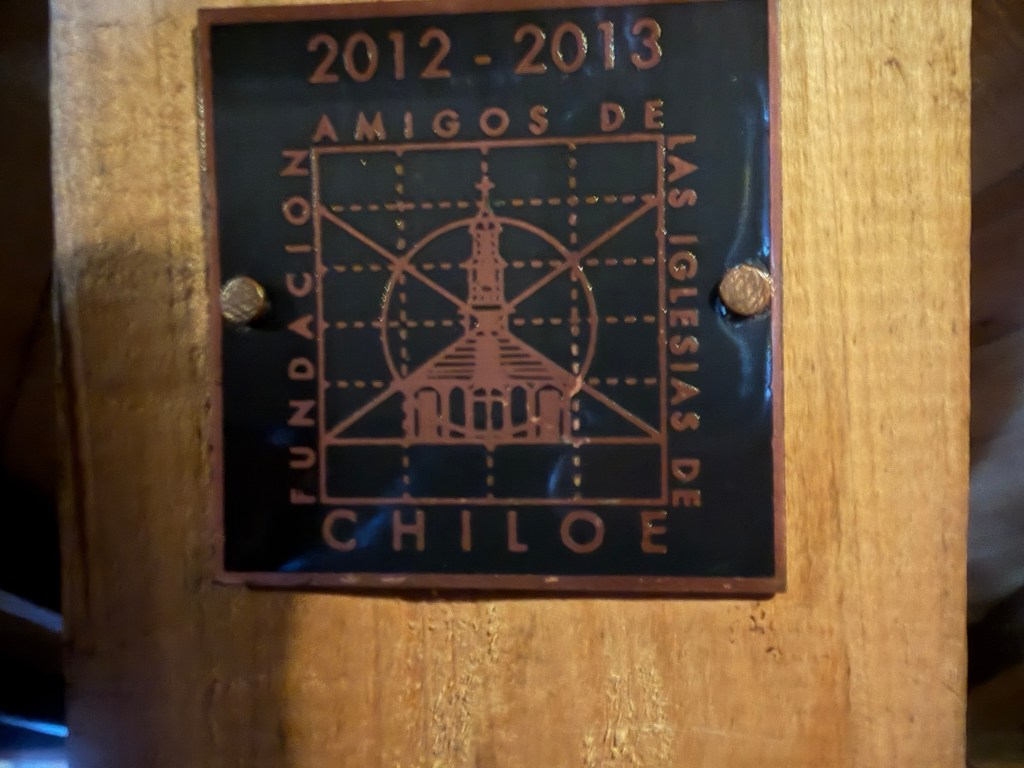
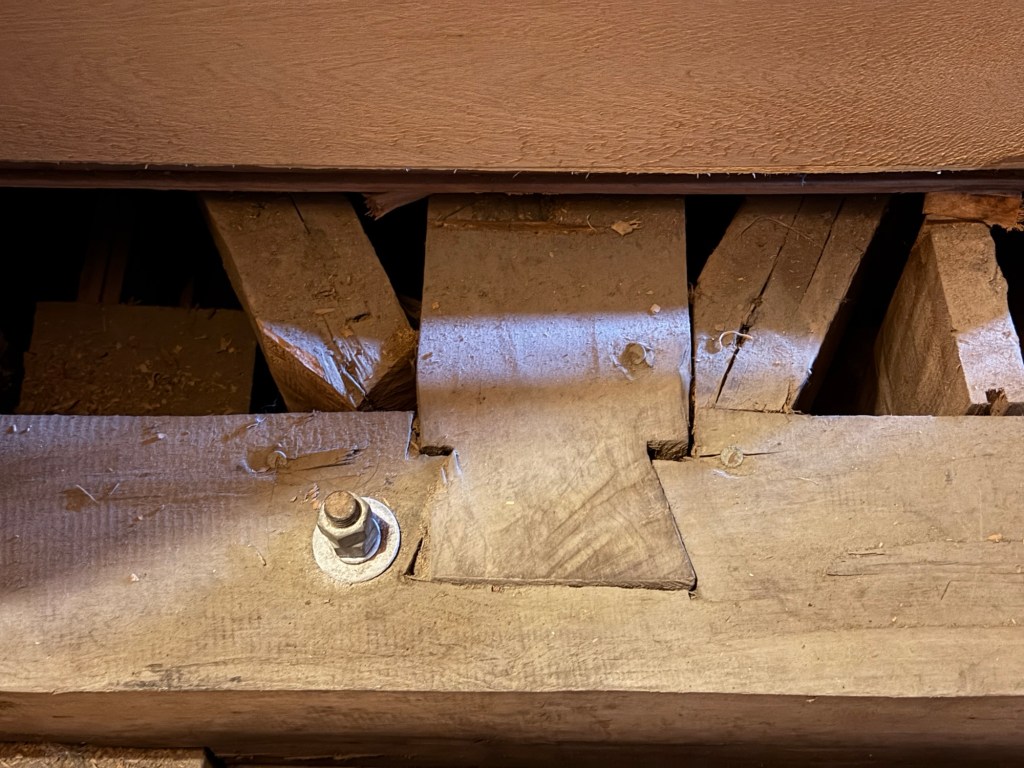
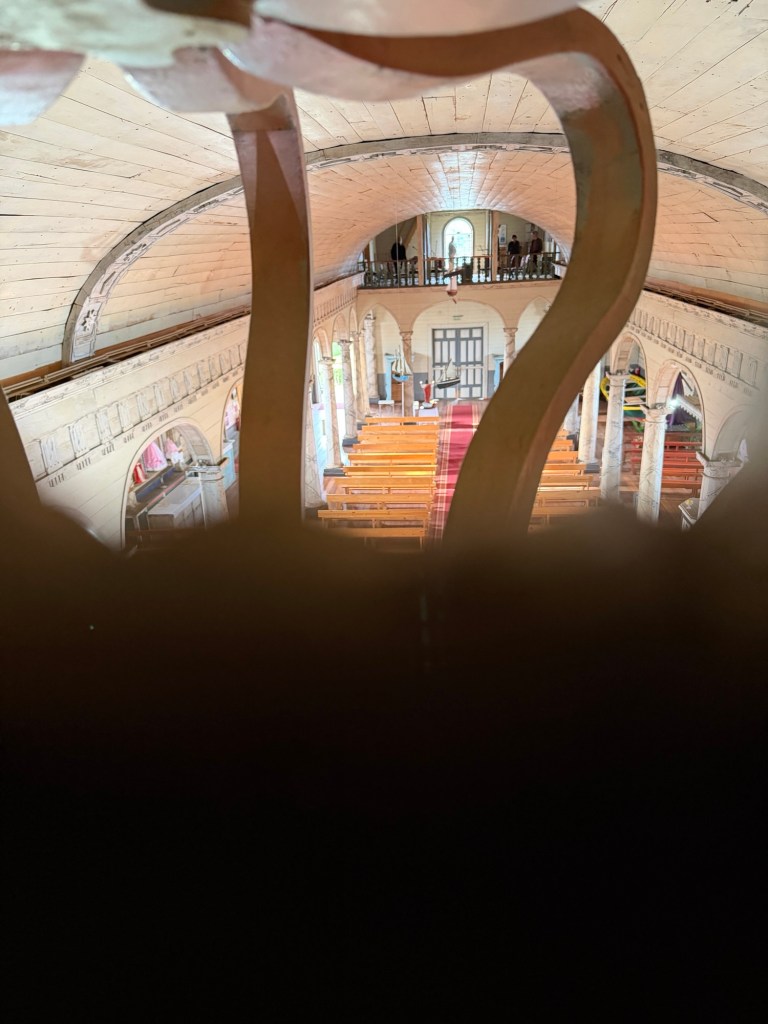
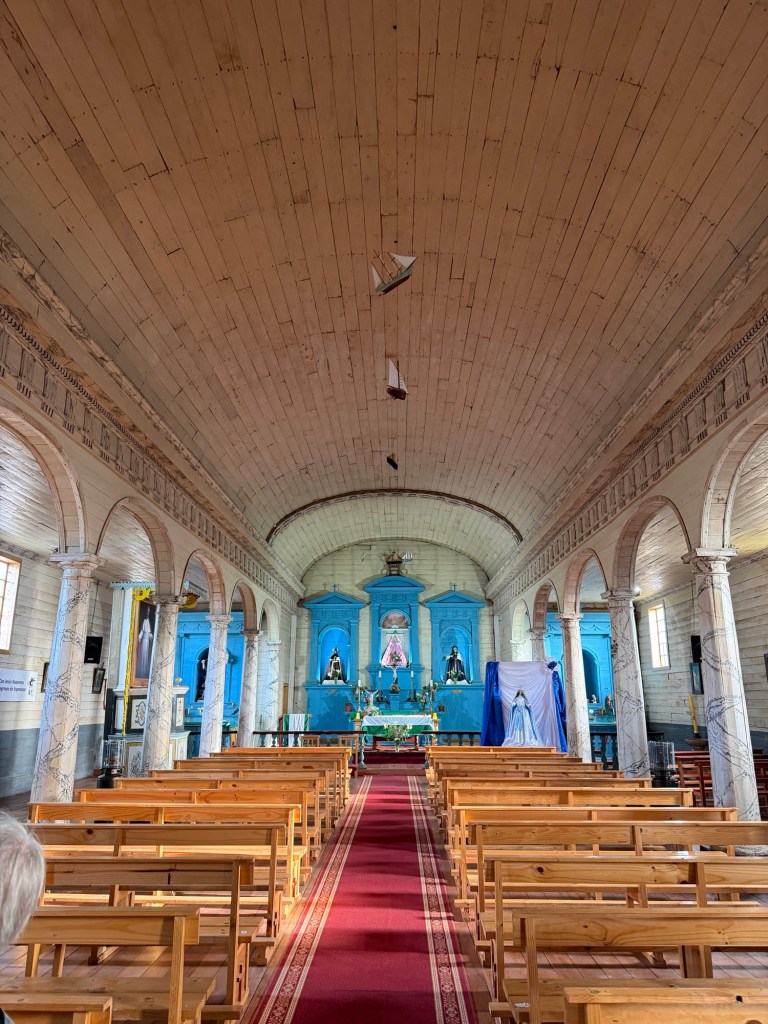
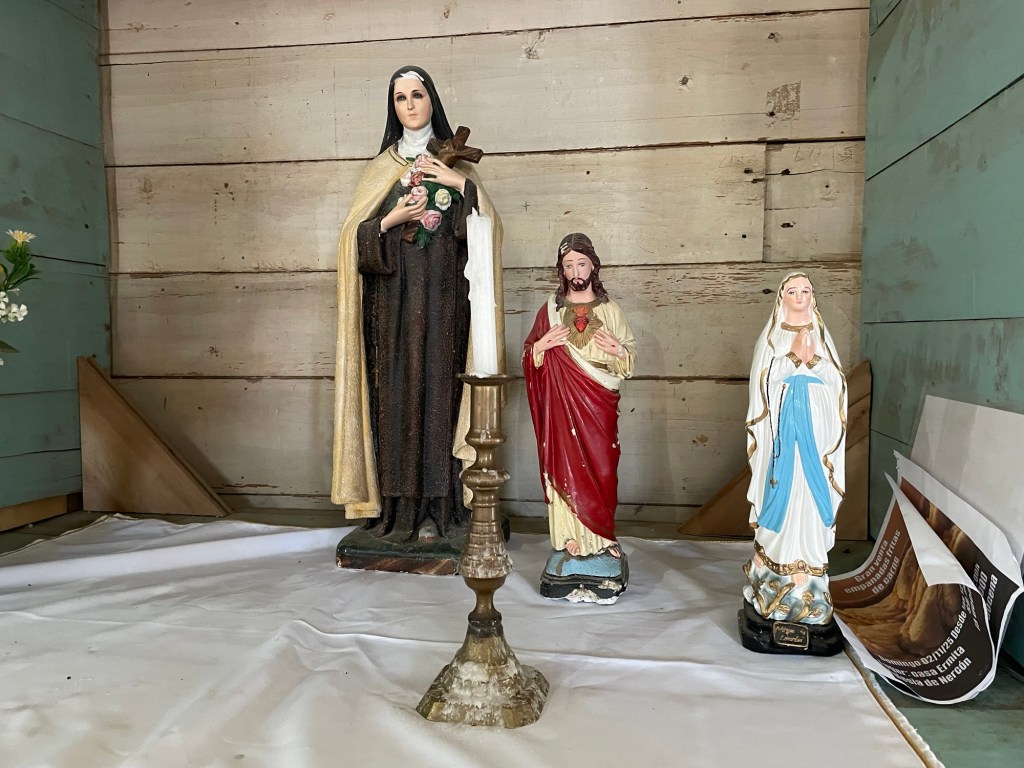
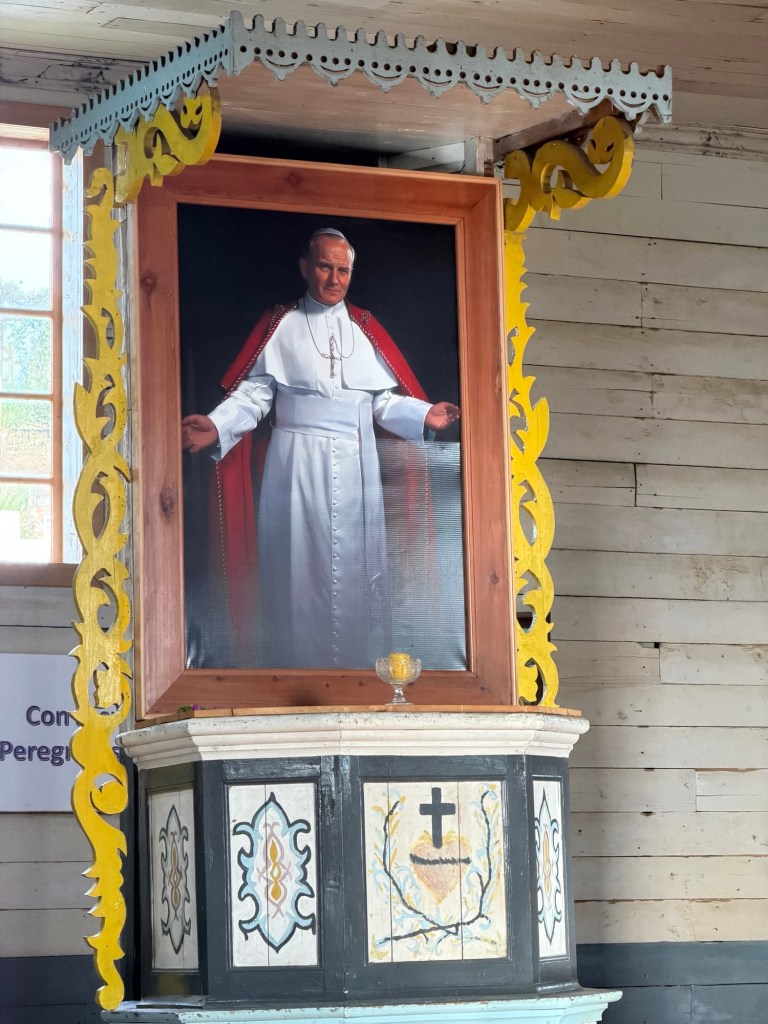
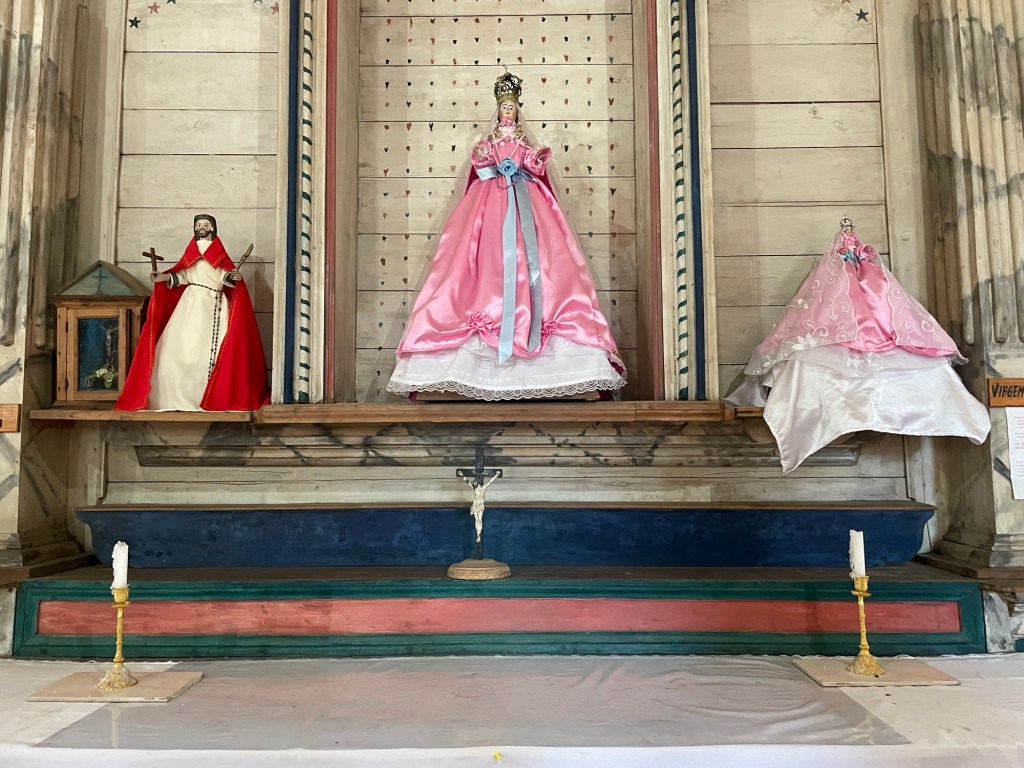
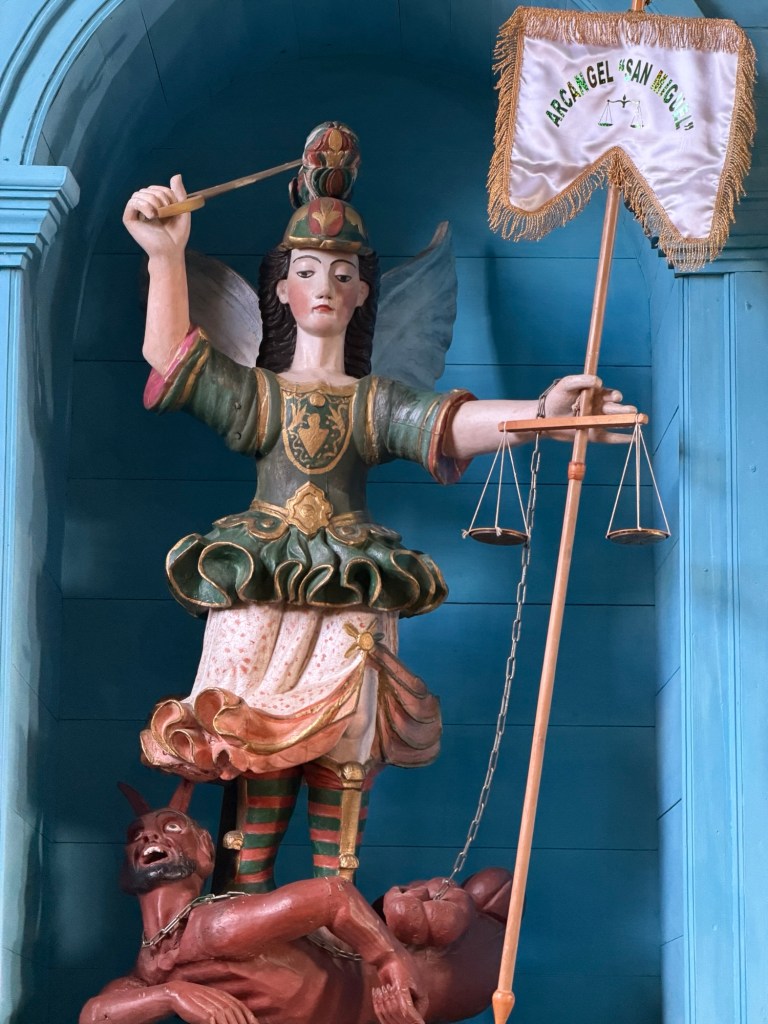
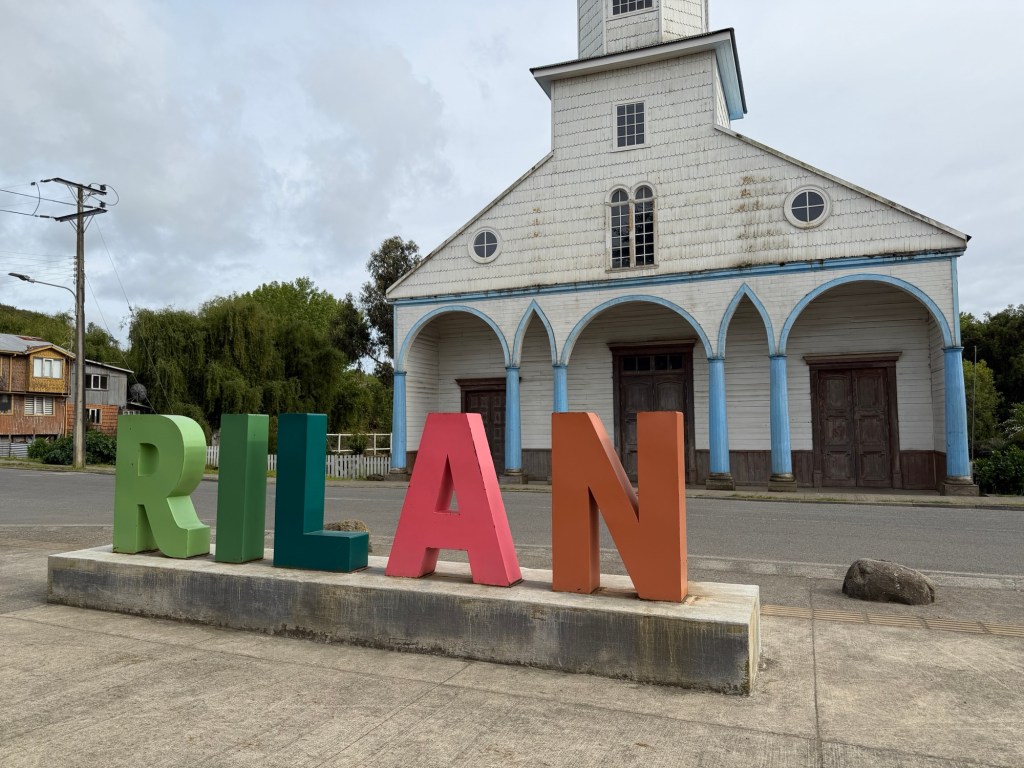
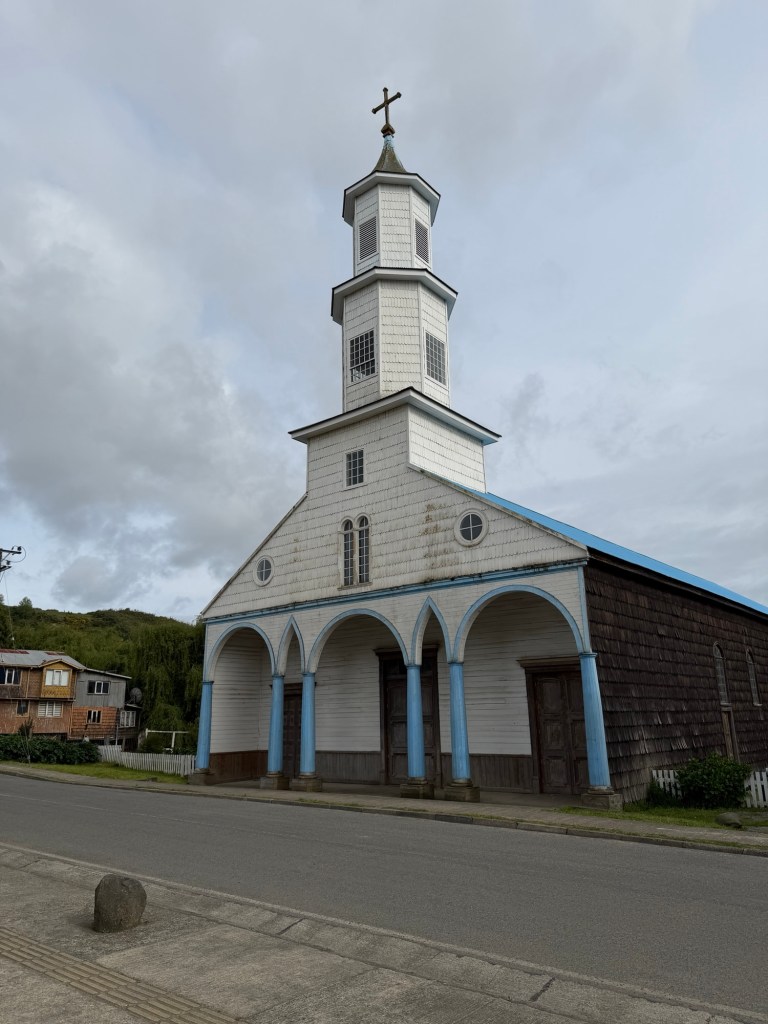
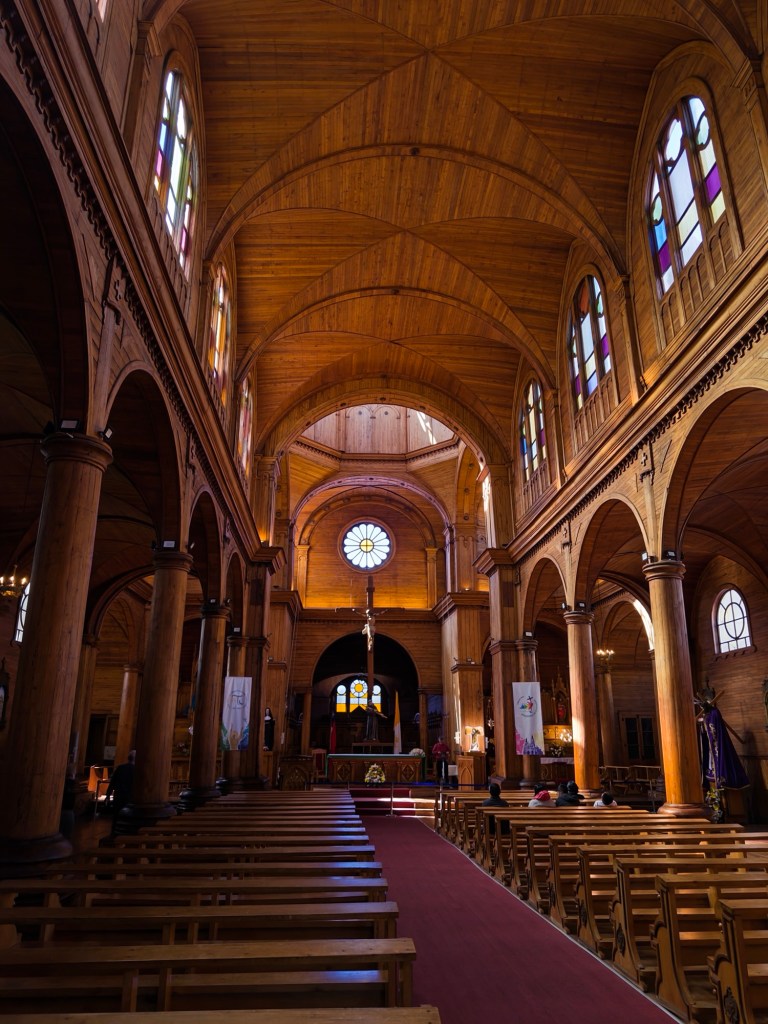
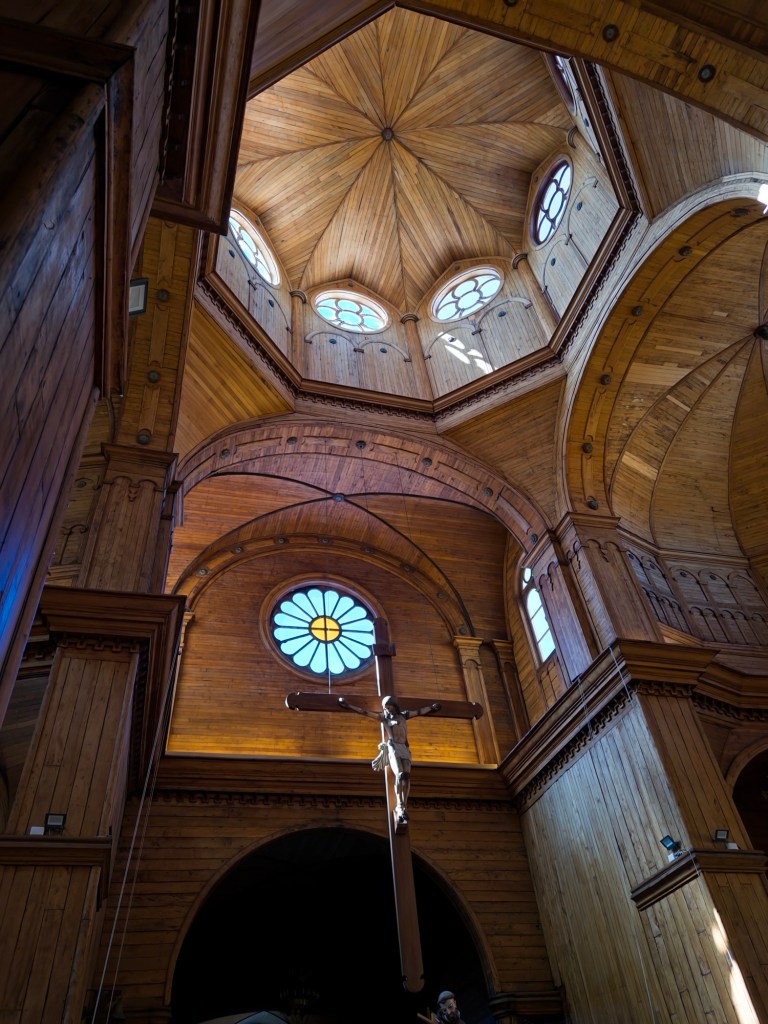
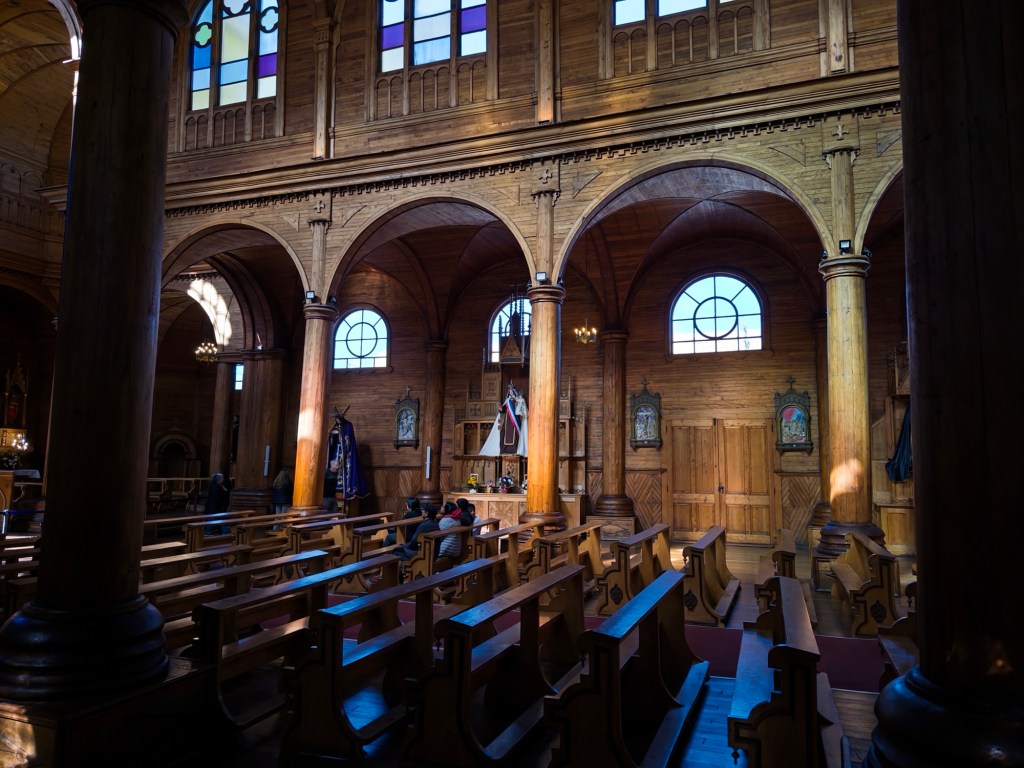
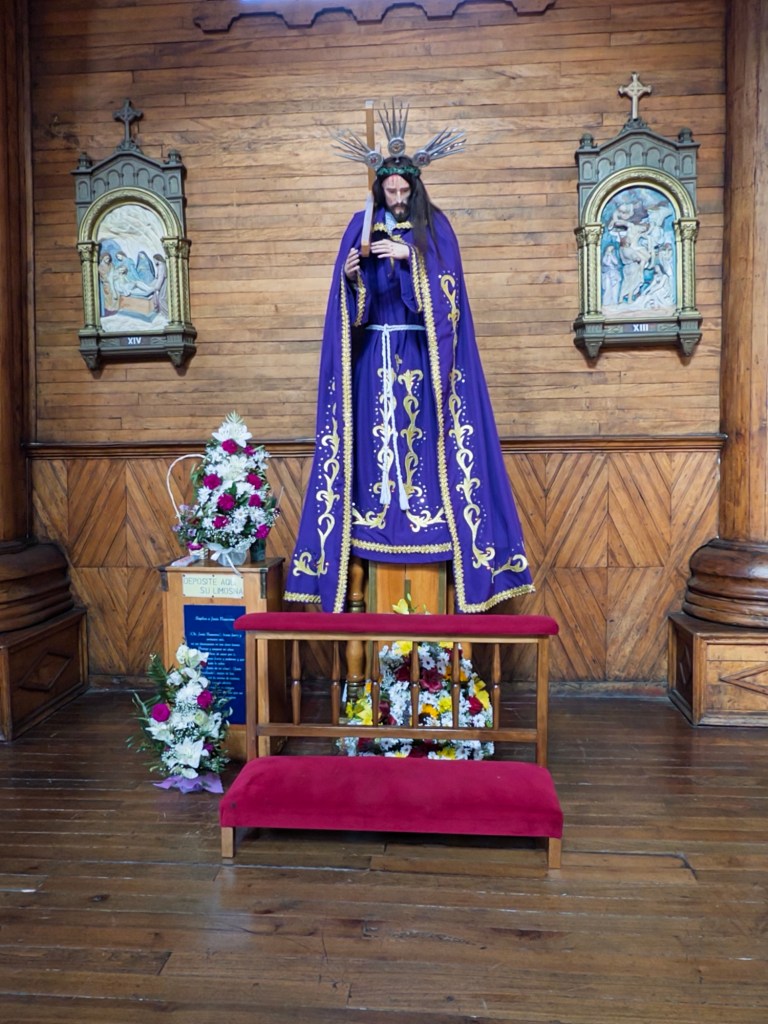
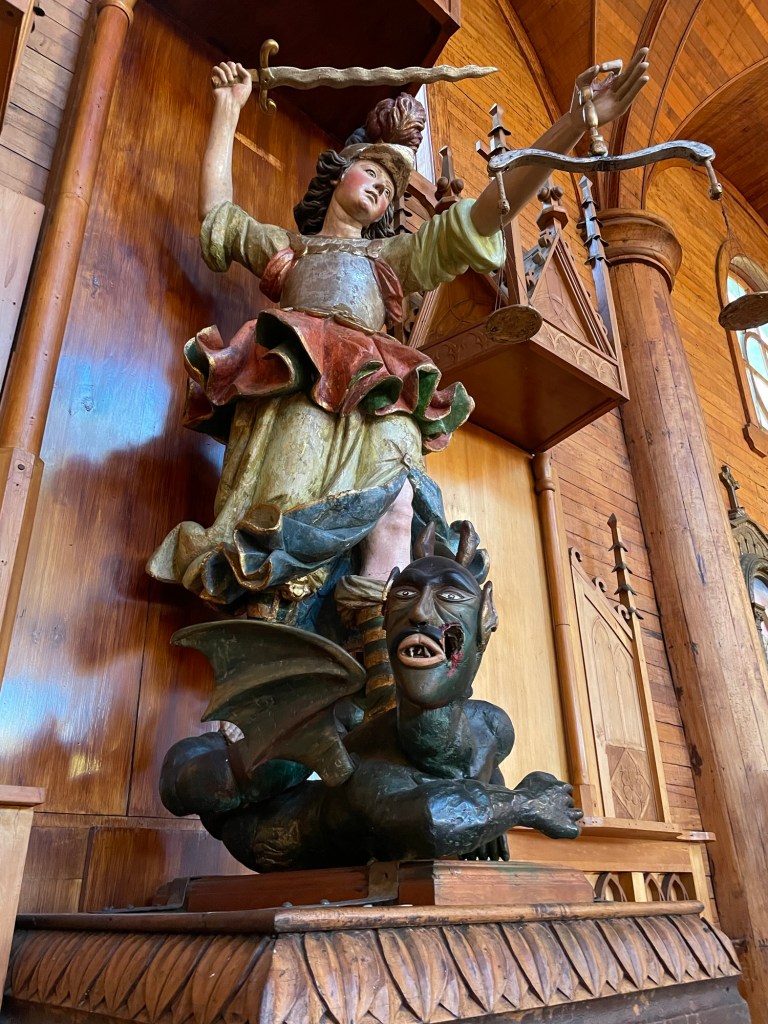
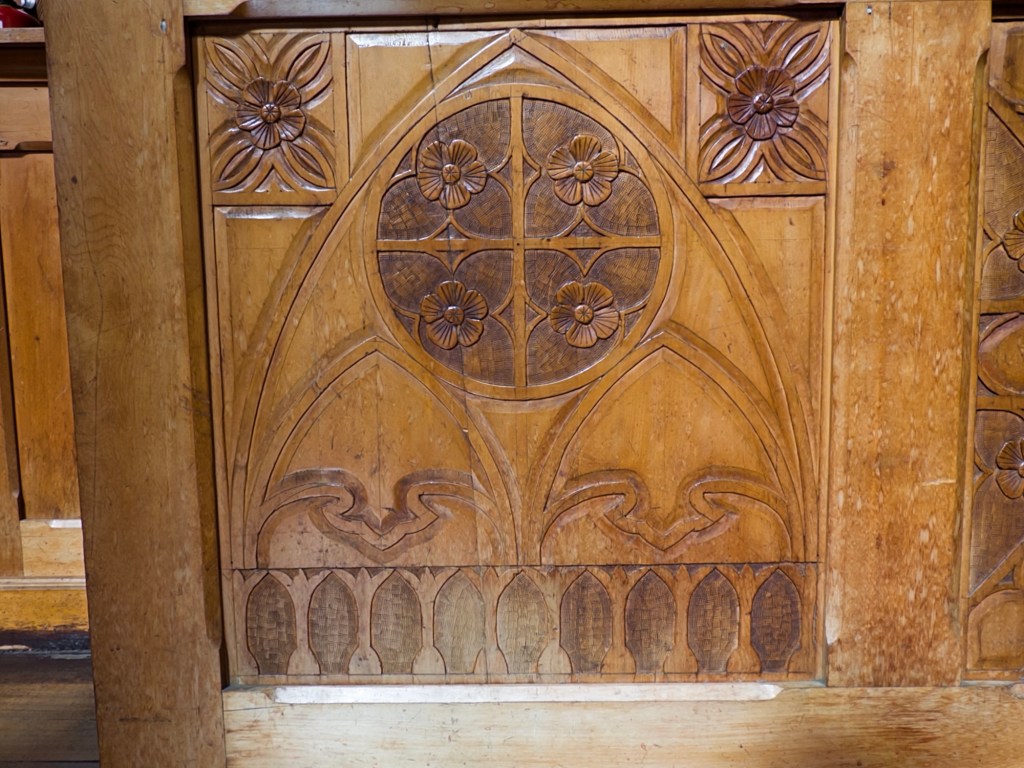
First thing in the morning, we rode to see our third UNESCO church. The woman proprietor unlocked the building and allowed us to tour in places normally reserved for locals.

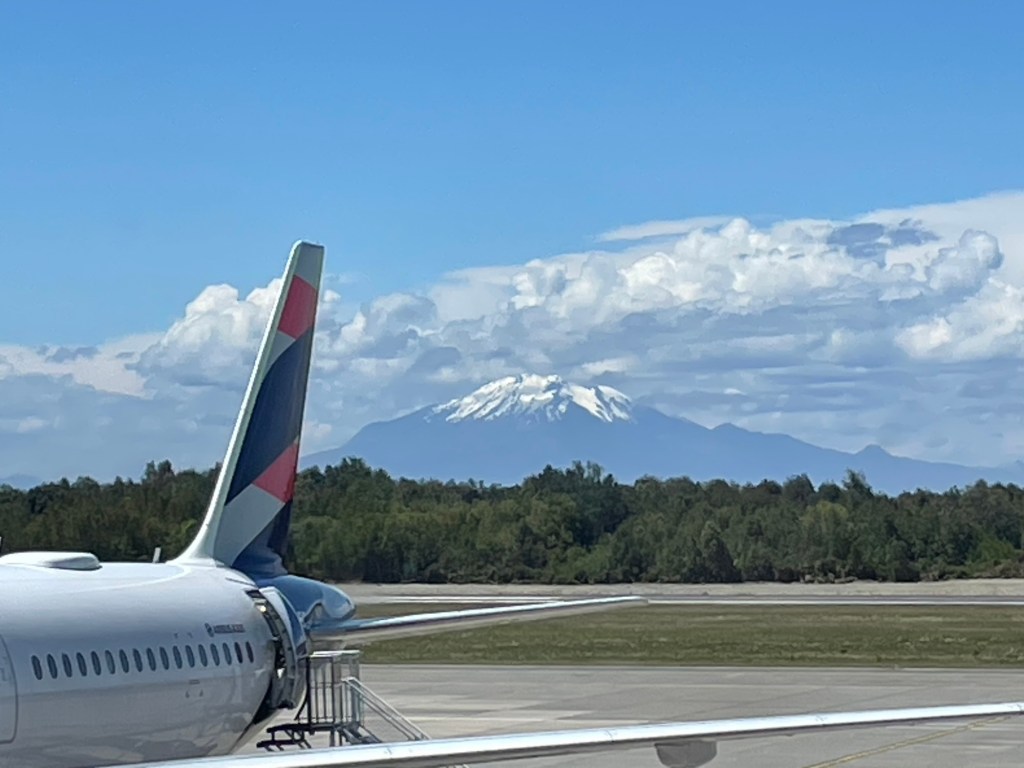
We said goodbye to Carolina and Chiloé Island, where her mother grew up. Off to the airport at Puerto Montt.

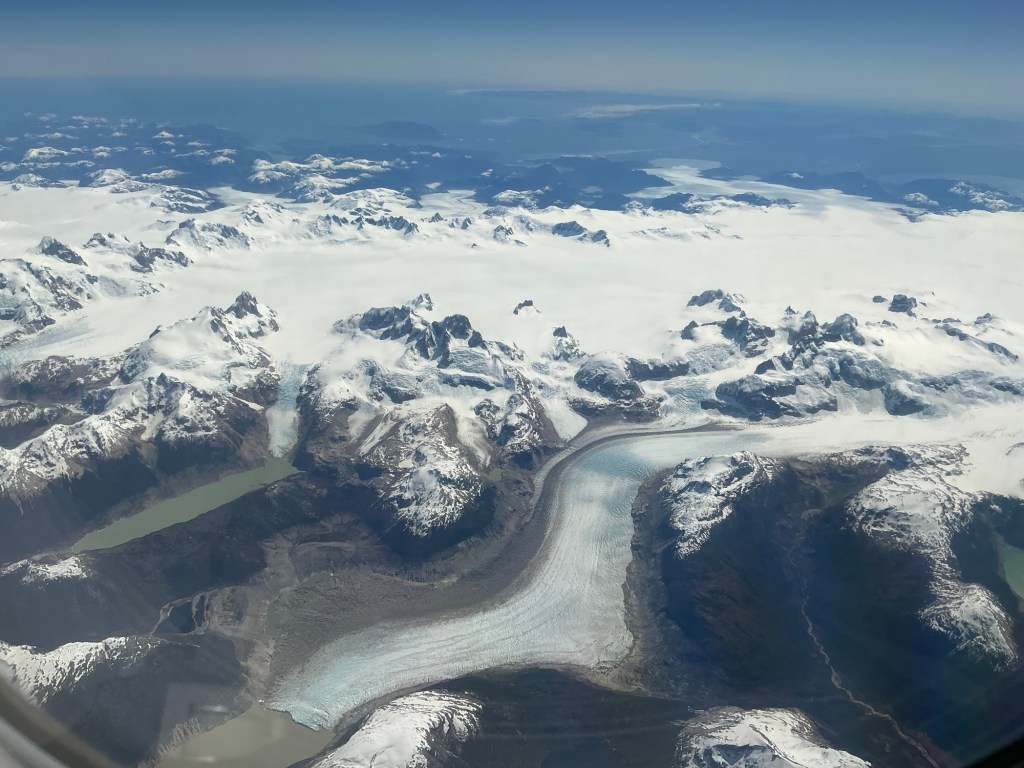
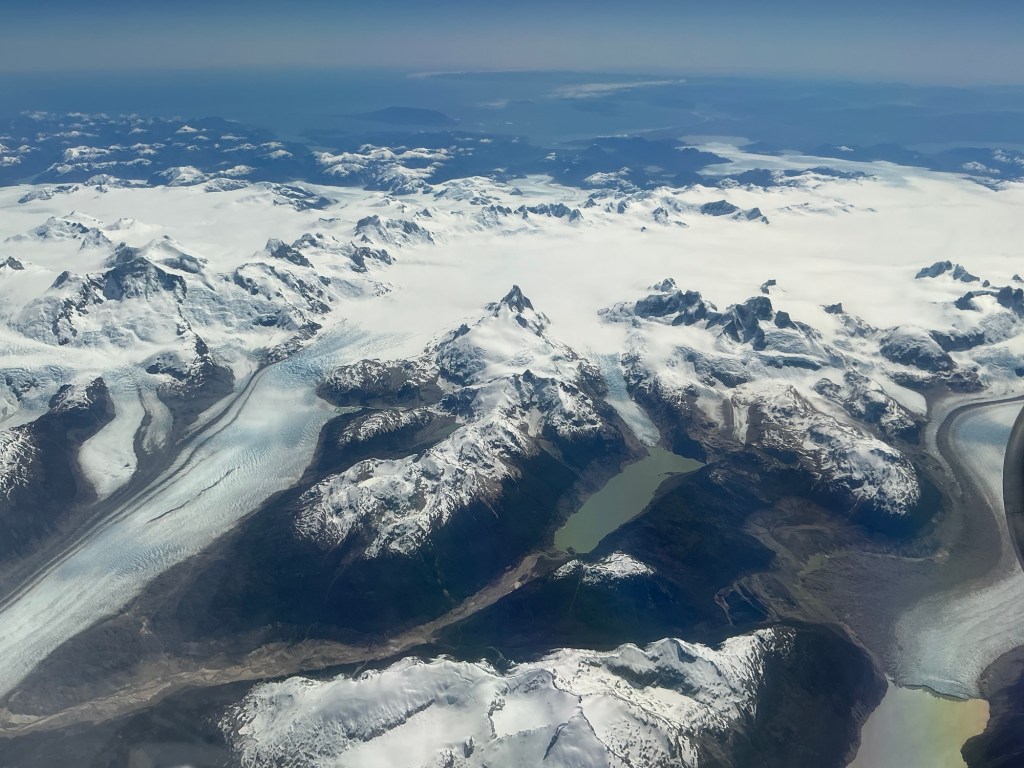
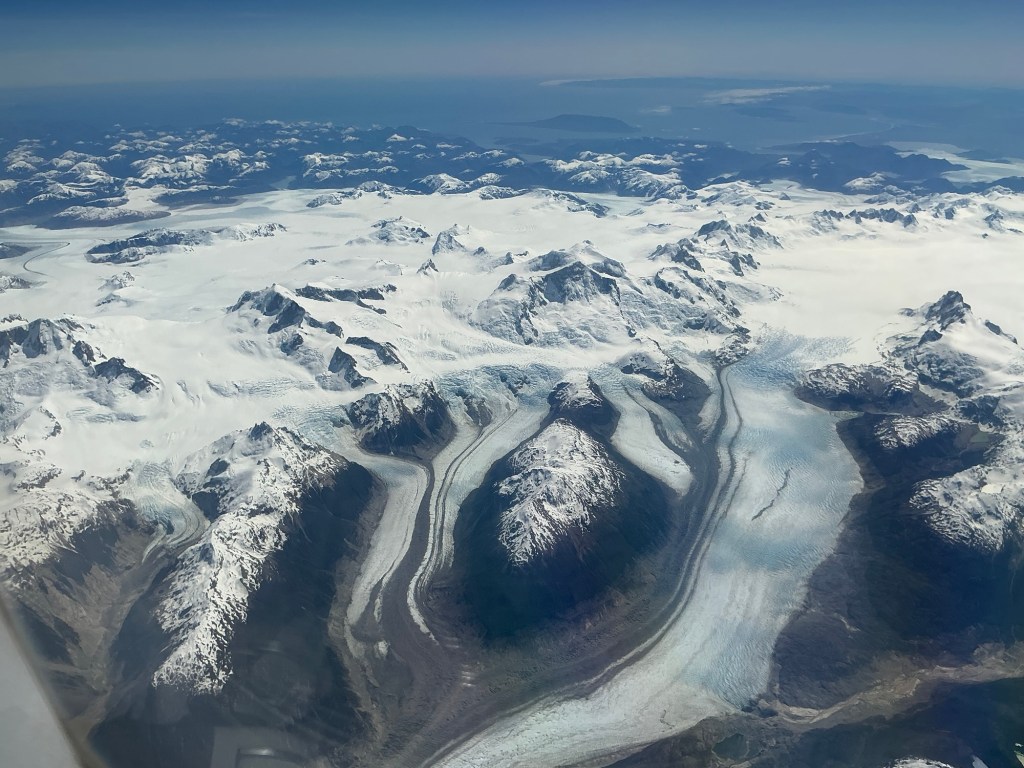
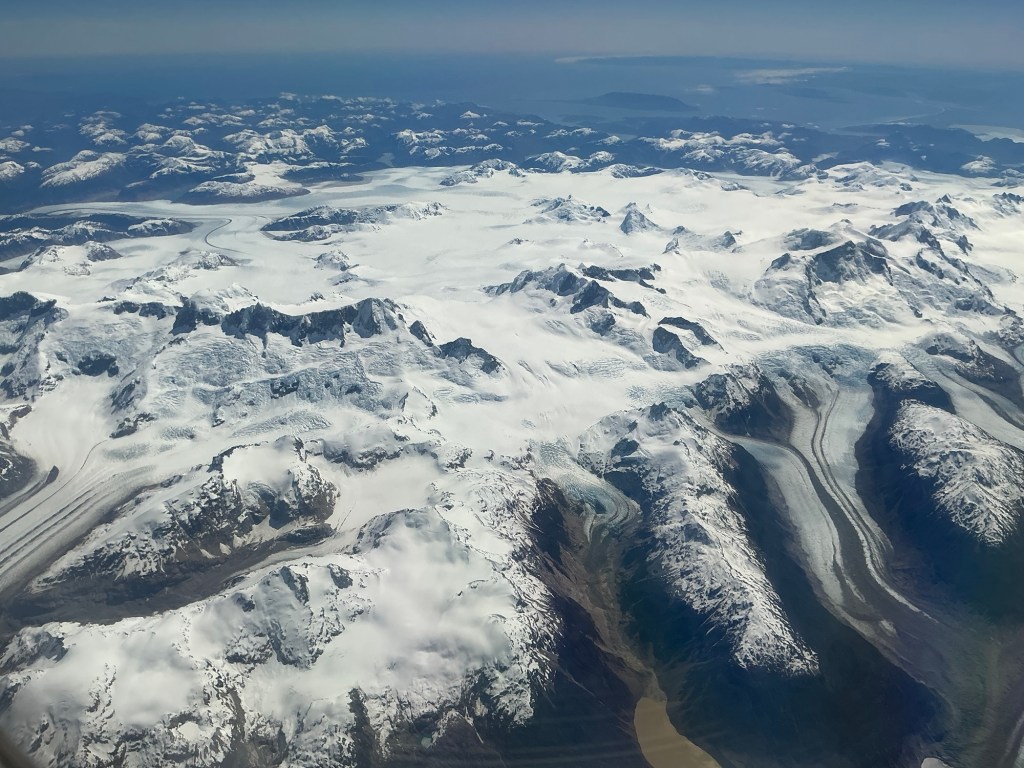
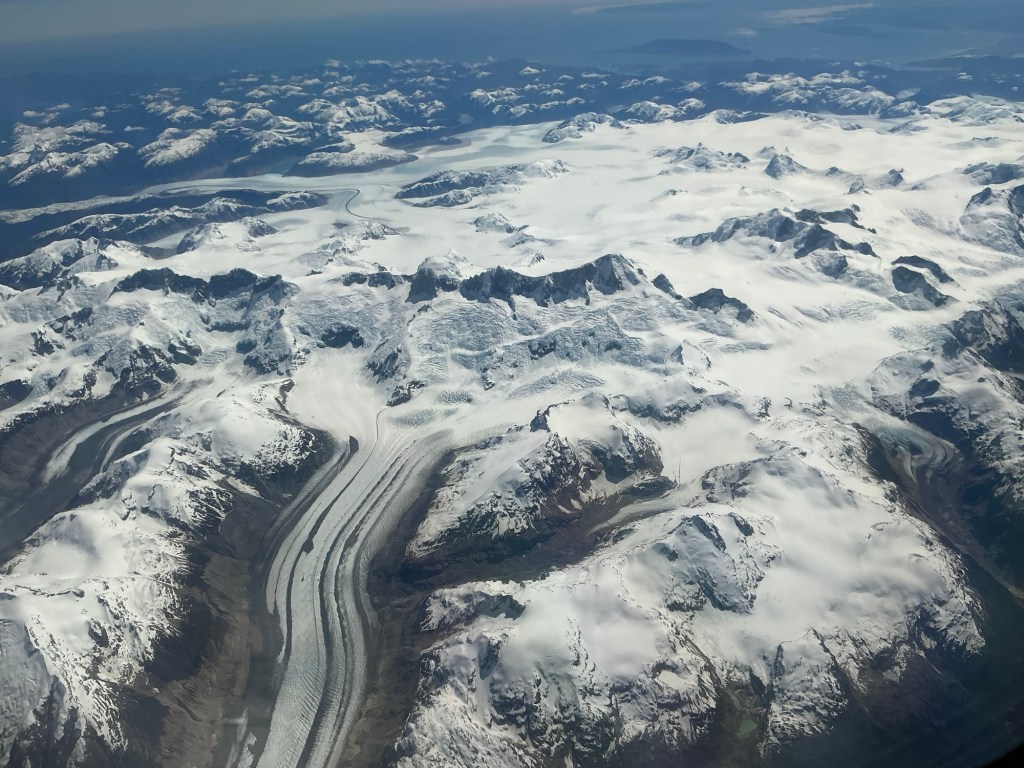
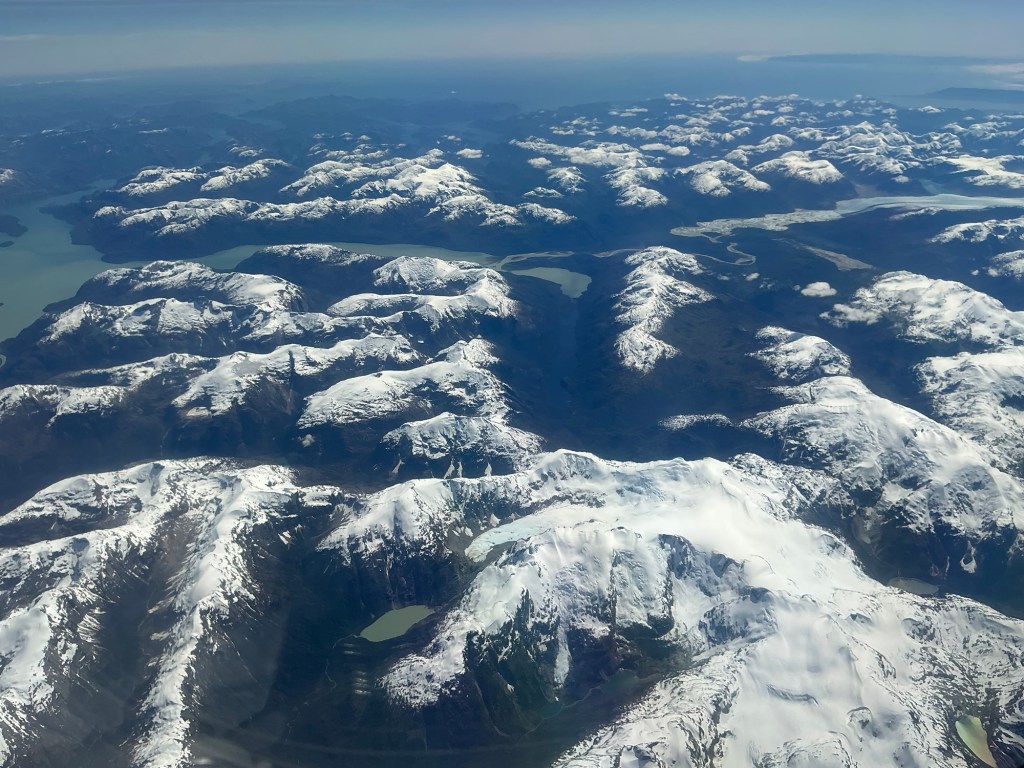
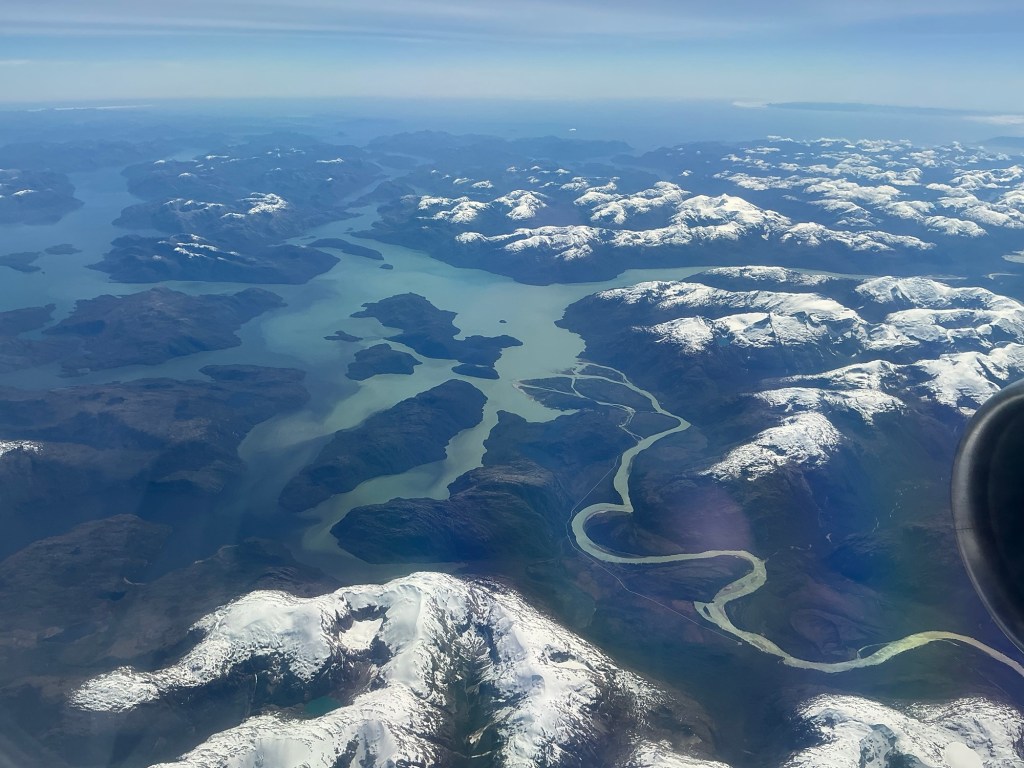
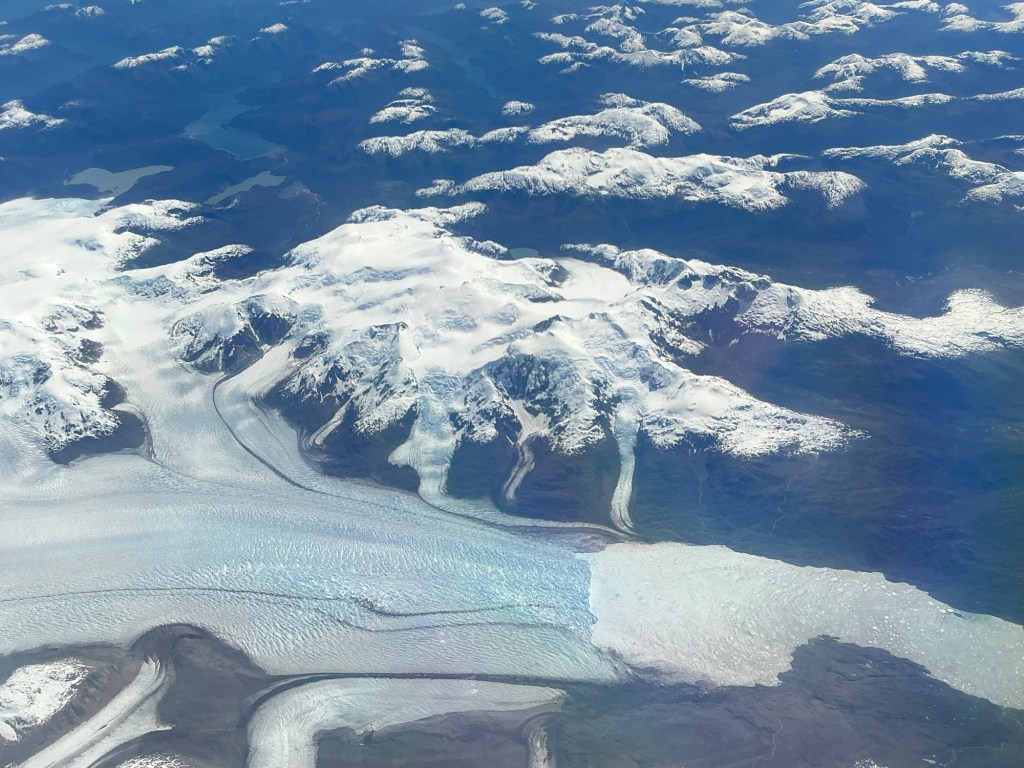
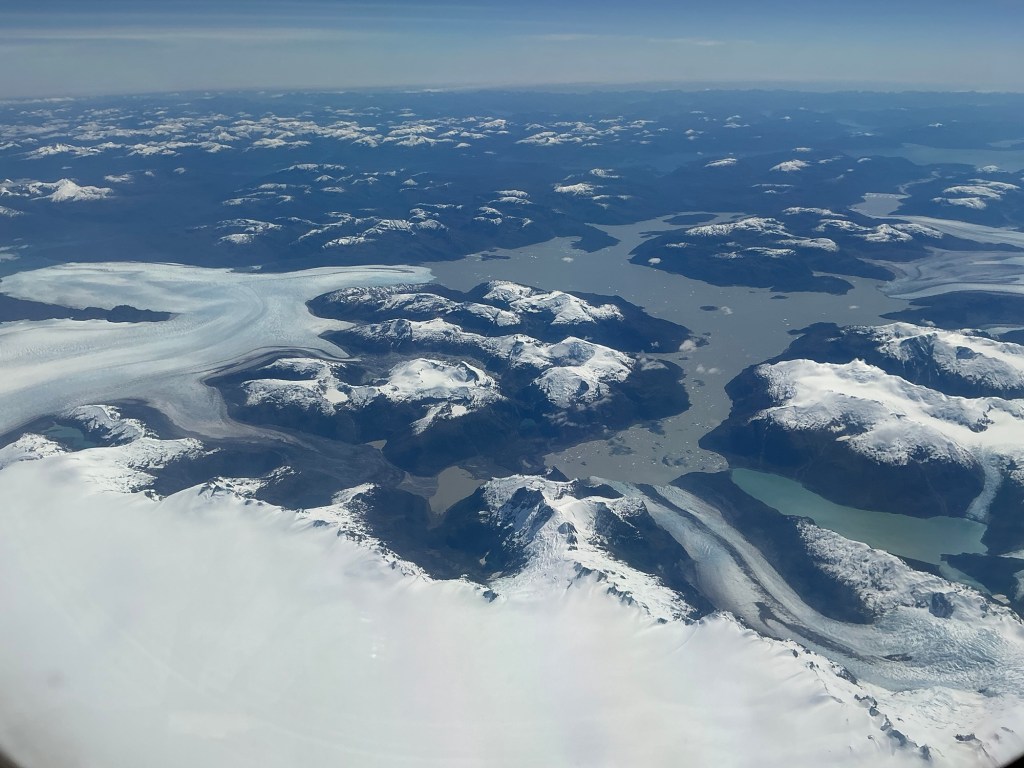
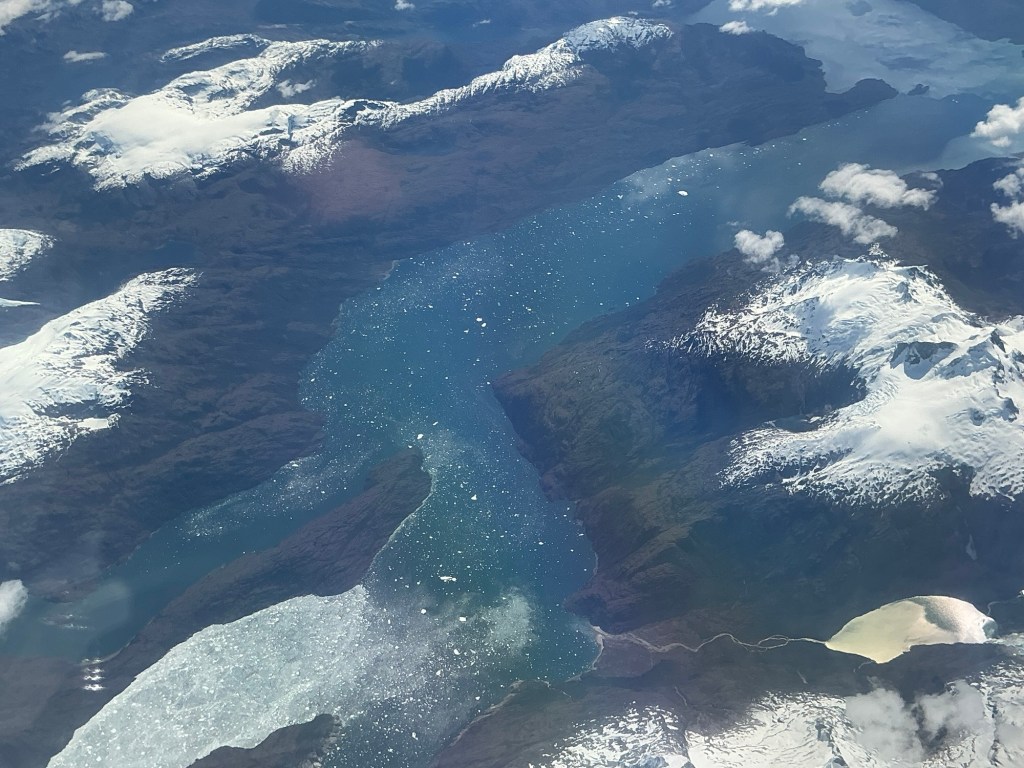
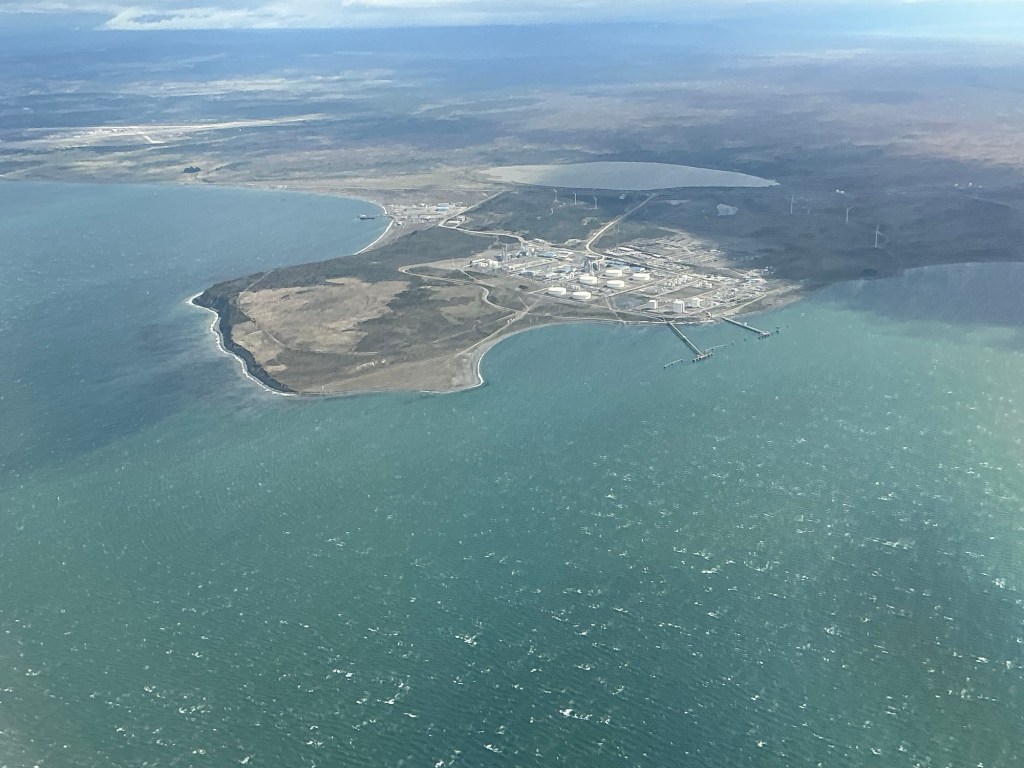
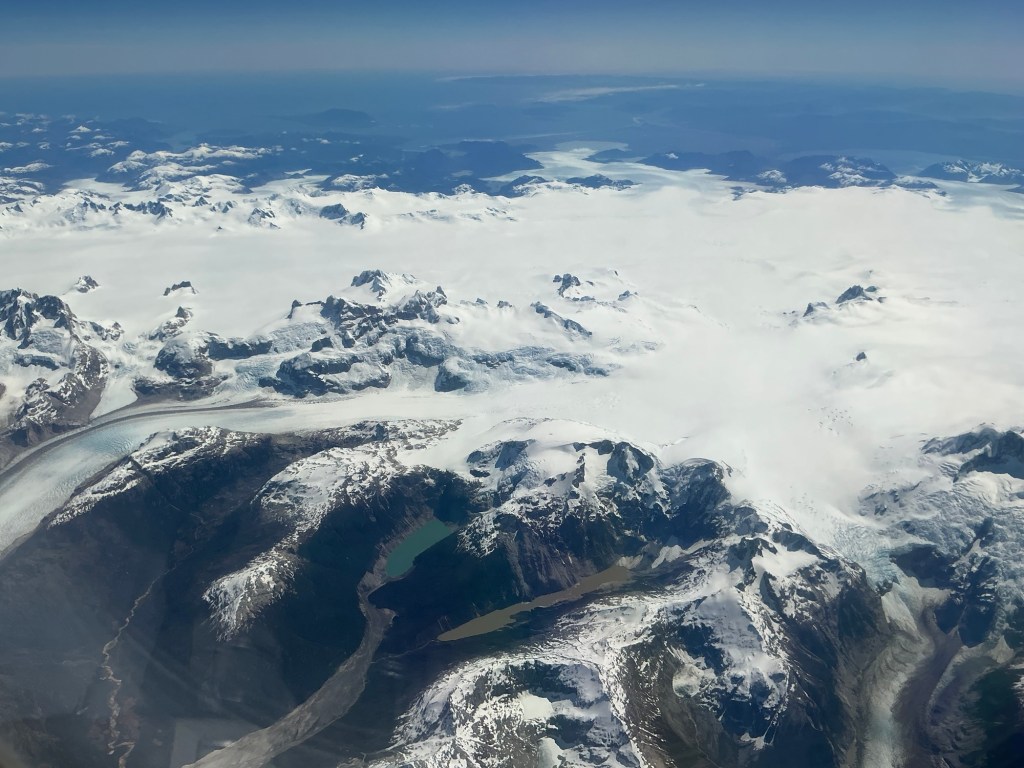
The sky for our flight was sunny and bright. Astonishing views out the window of the plane were shades of adventures to come.

Chilean ice cap with many outlet glaciers and glacial lakes surrounding it.

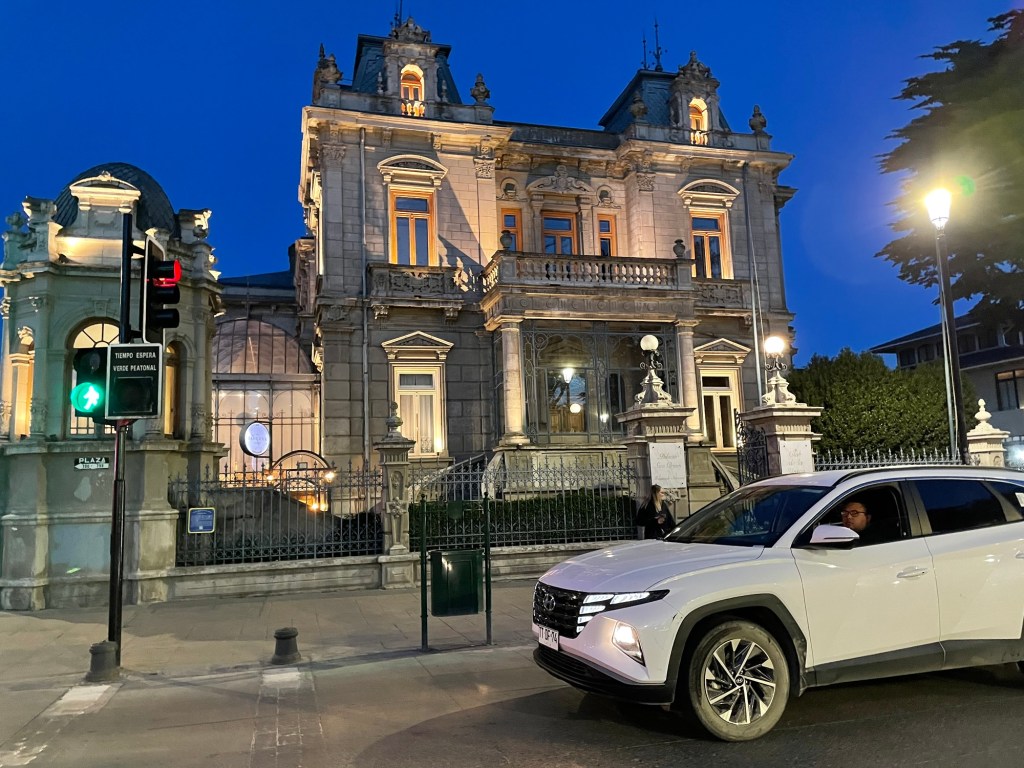
We stayed one night in a castle in Punta Arenas. The castle and 7 million acres of surrounding land were owned by Sarah Brown, an important person here.

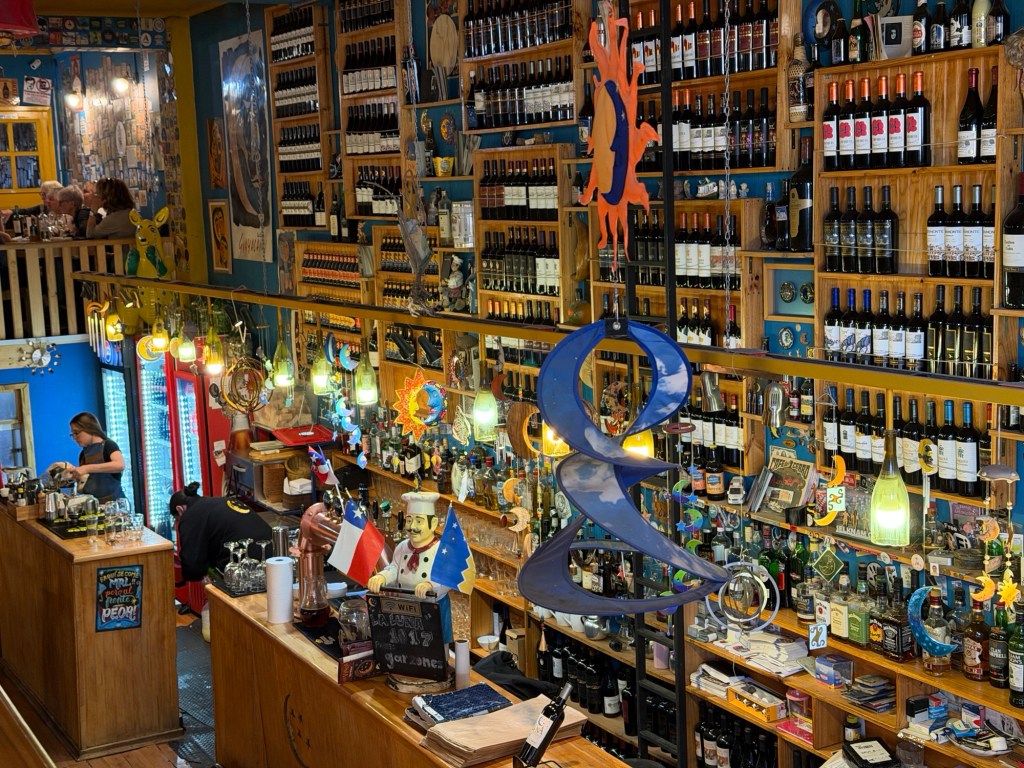
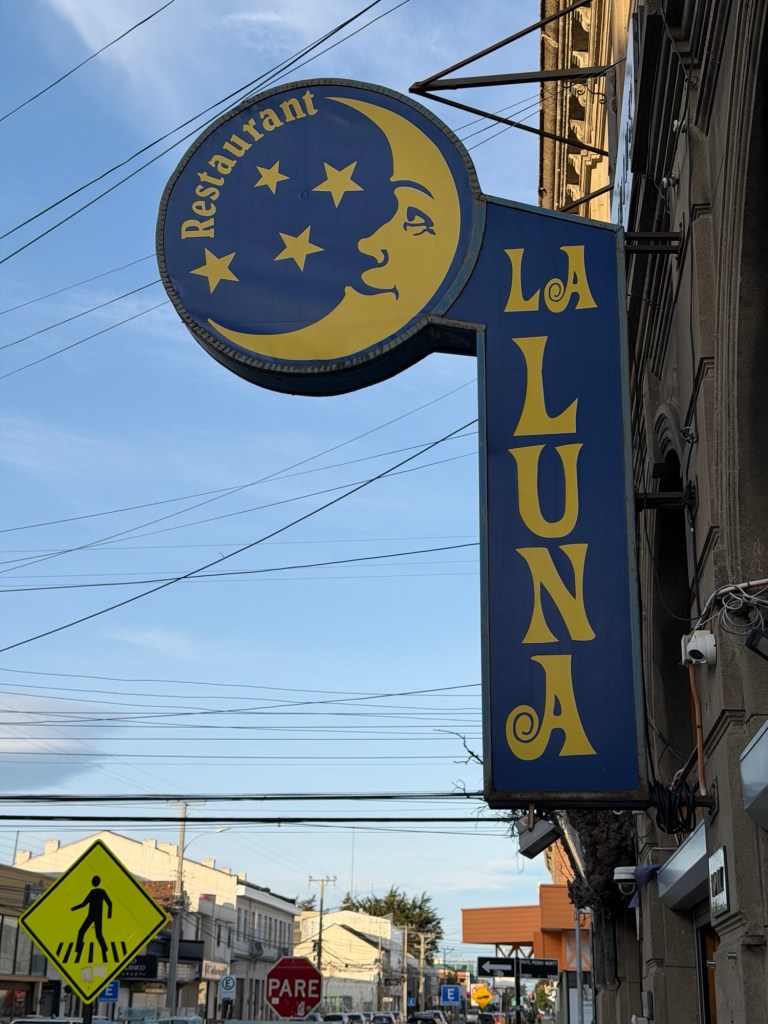
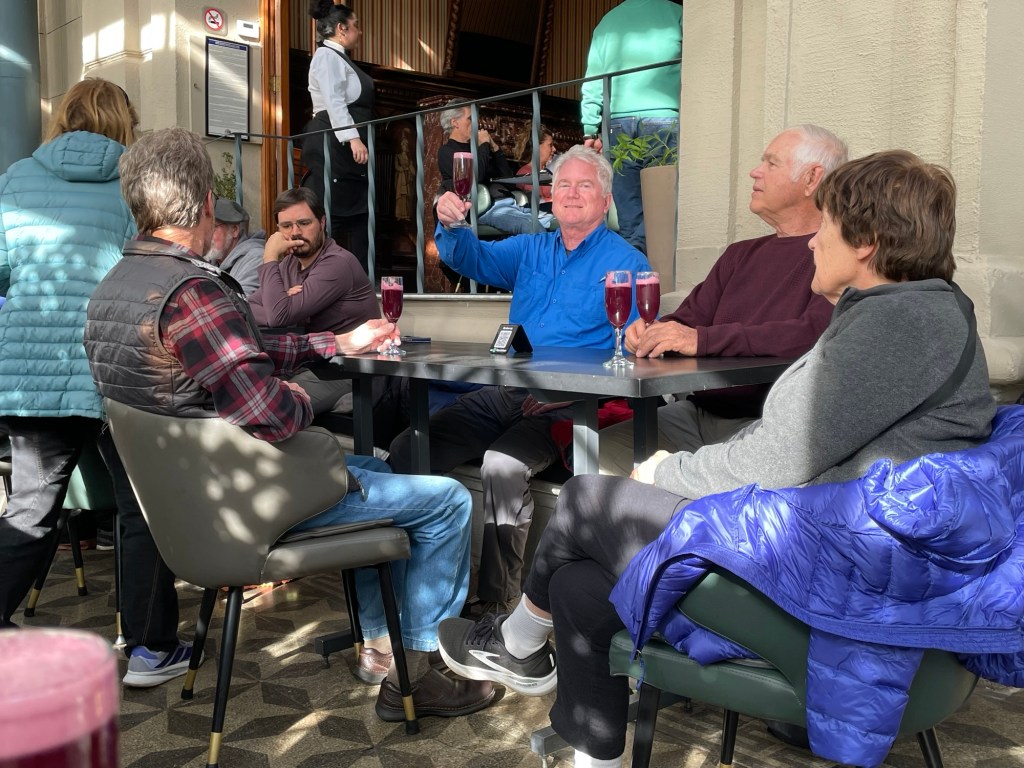
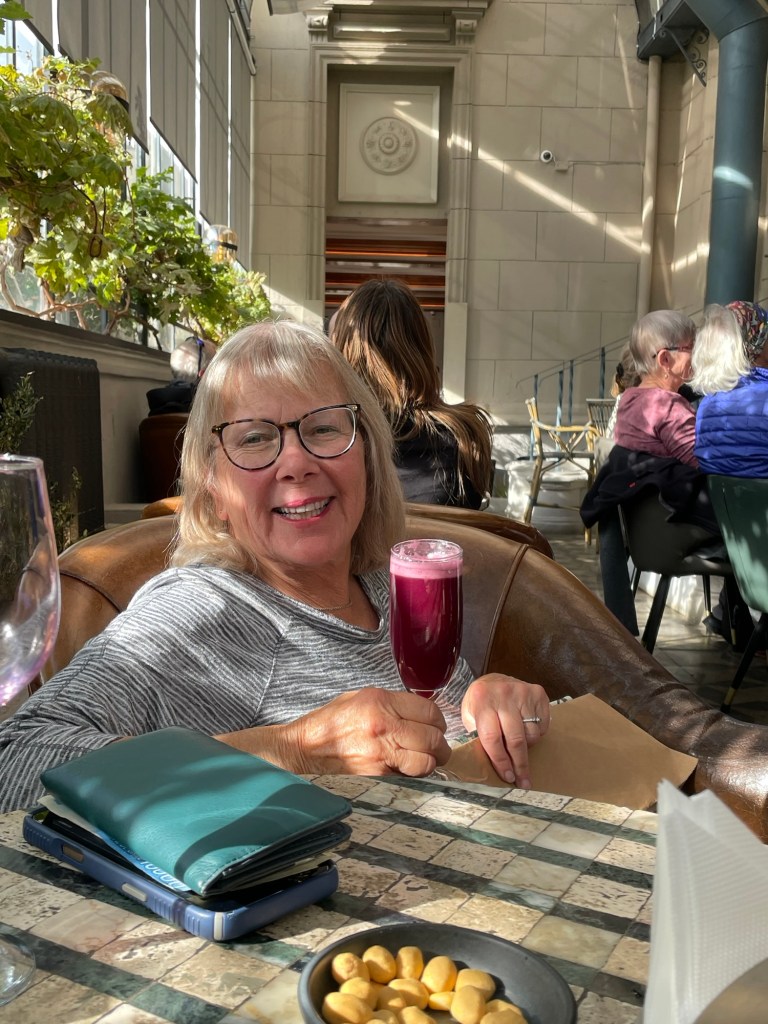
We walked to a restaurant together for dinner.

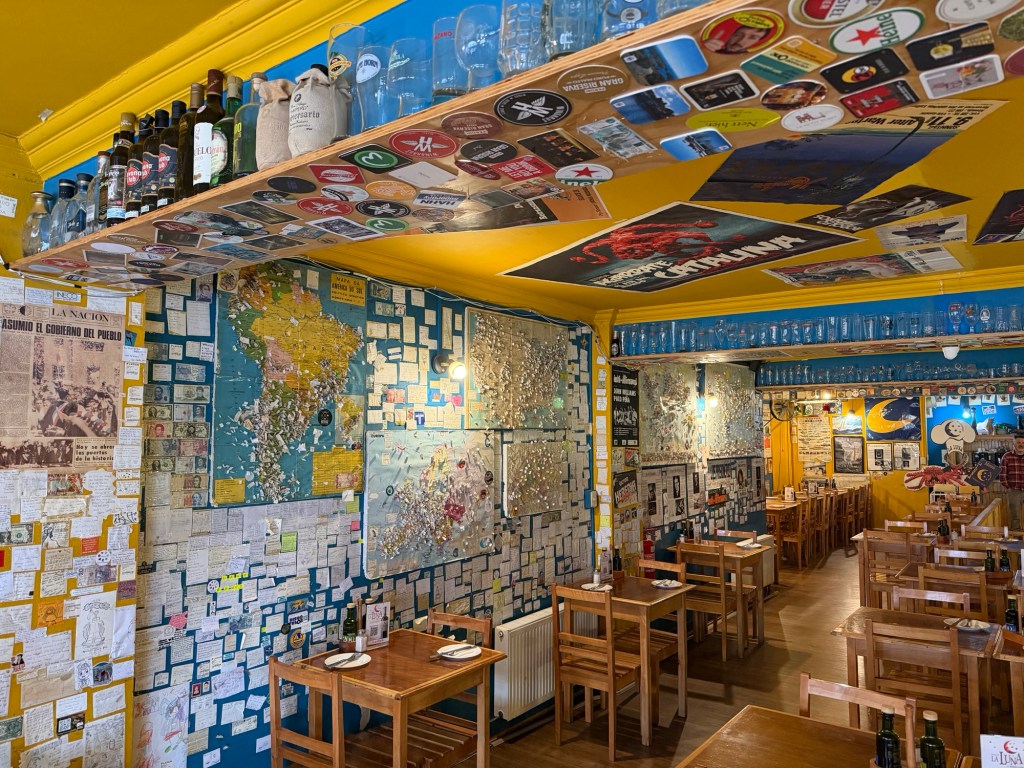
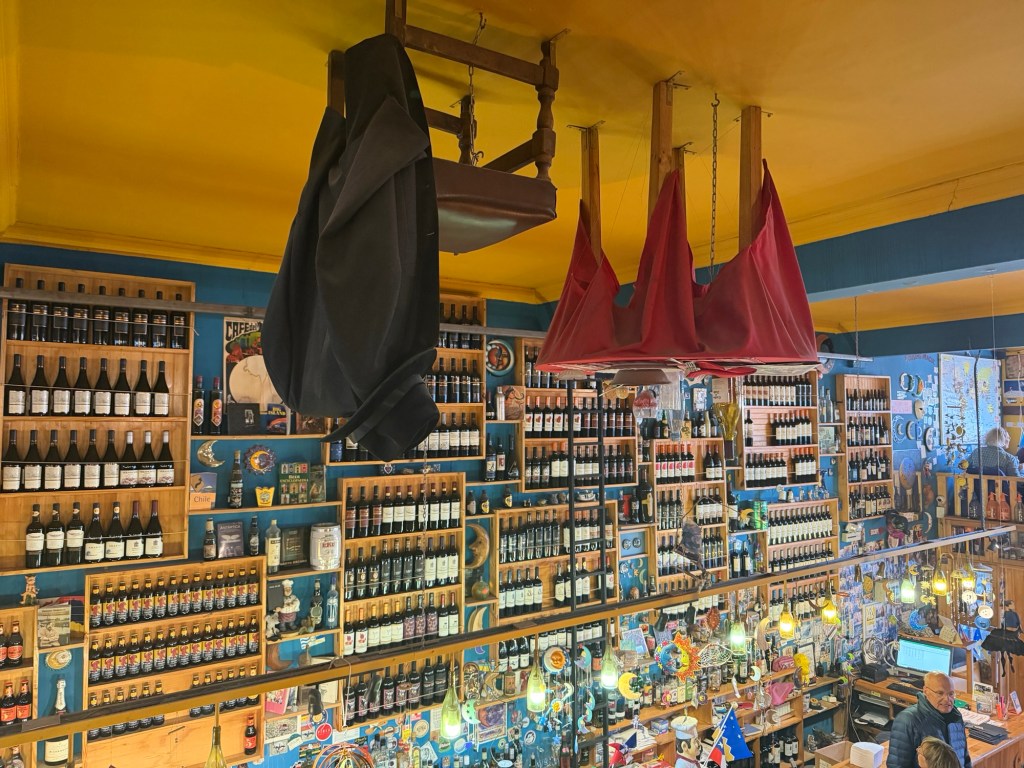
The decorations at the restaurant, La Luna, were amusing.

Minga, November 7

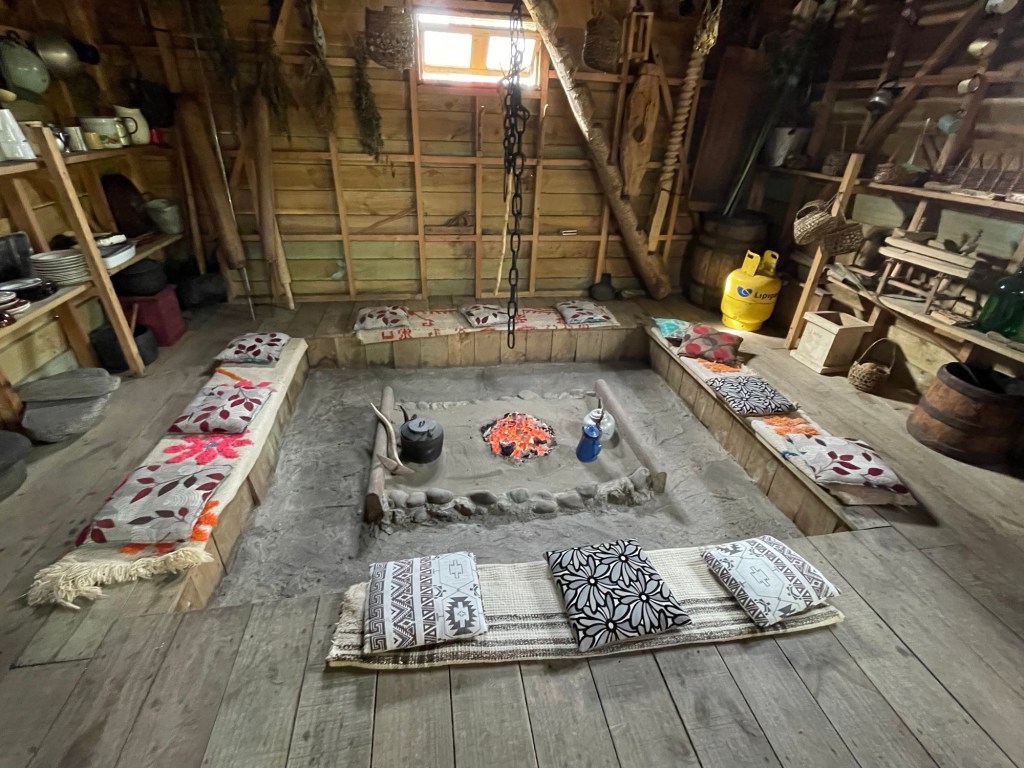
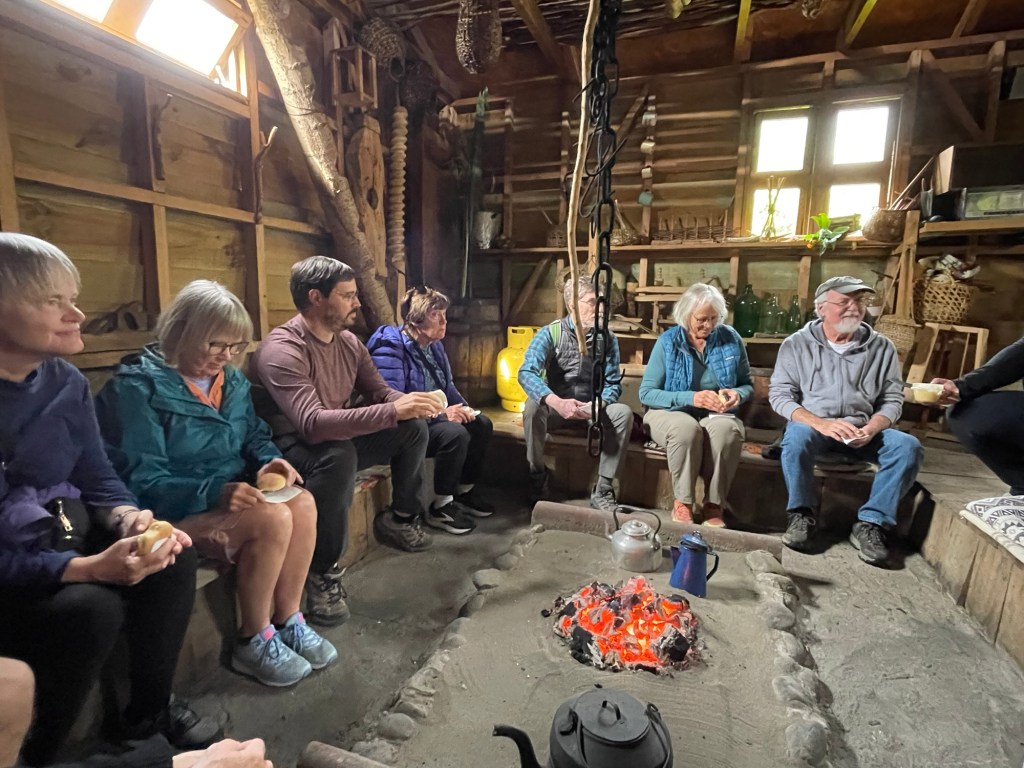
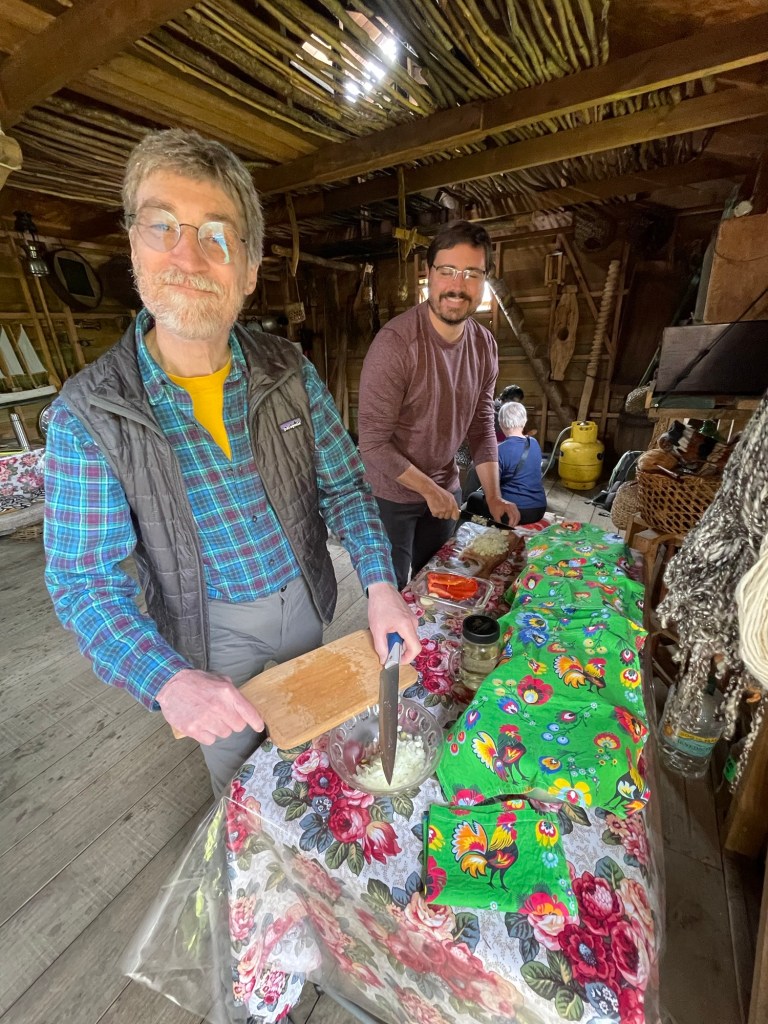
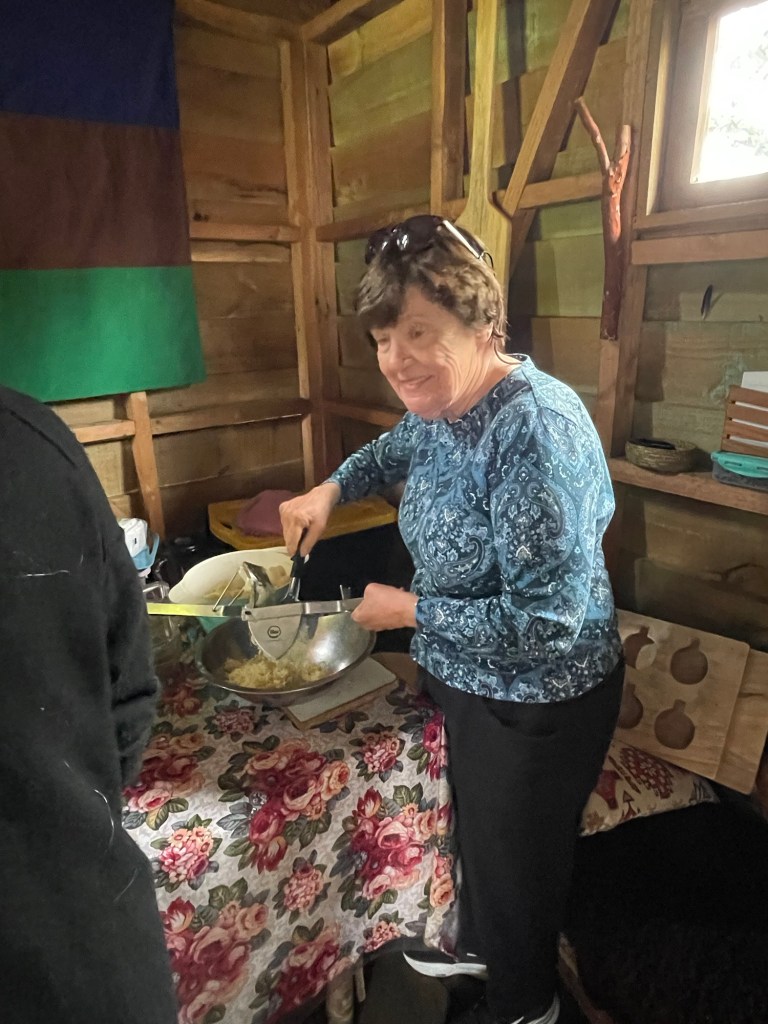
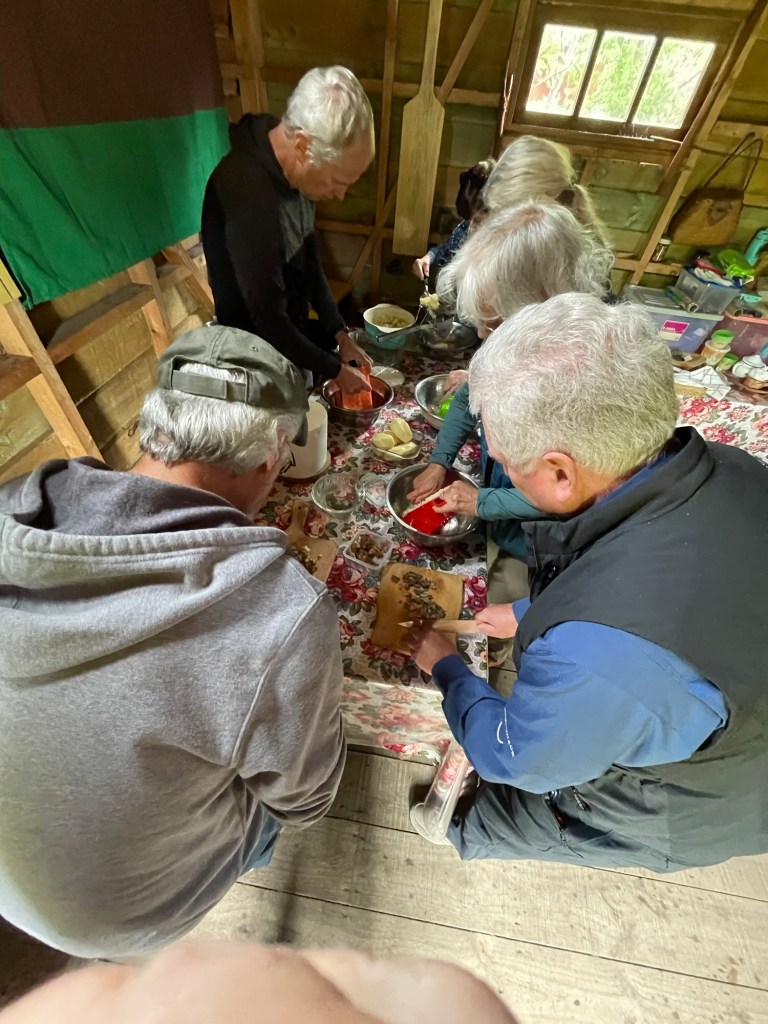
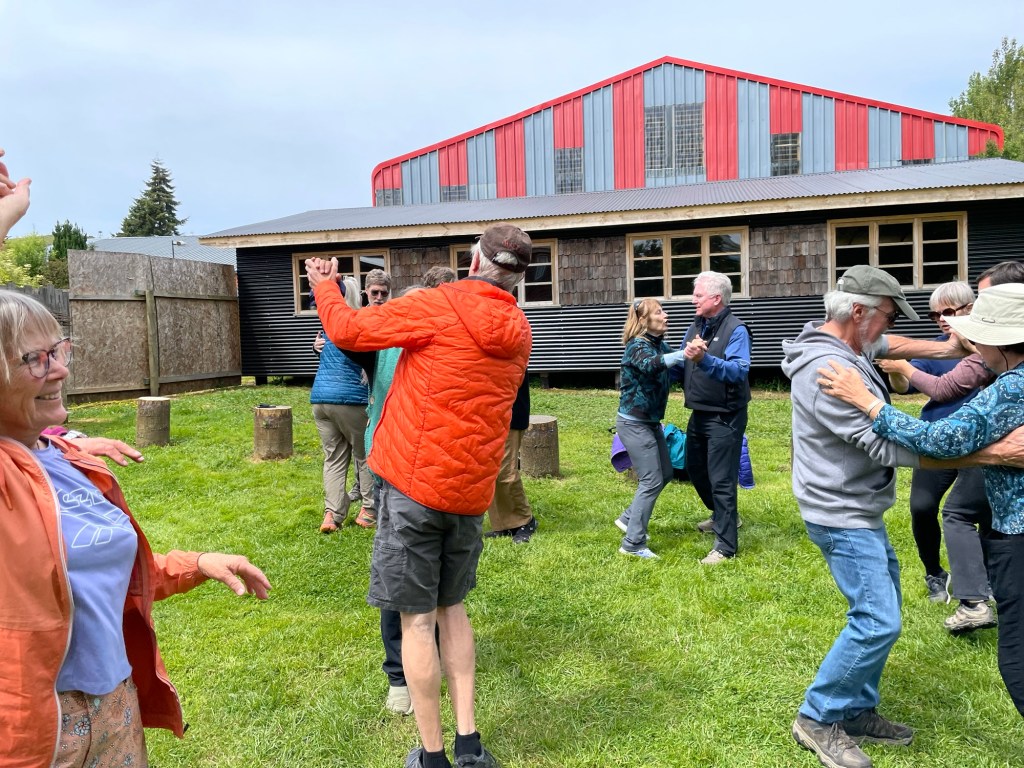
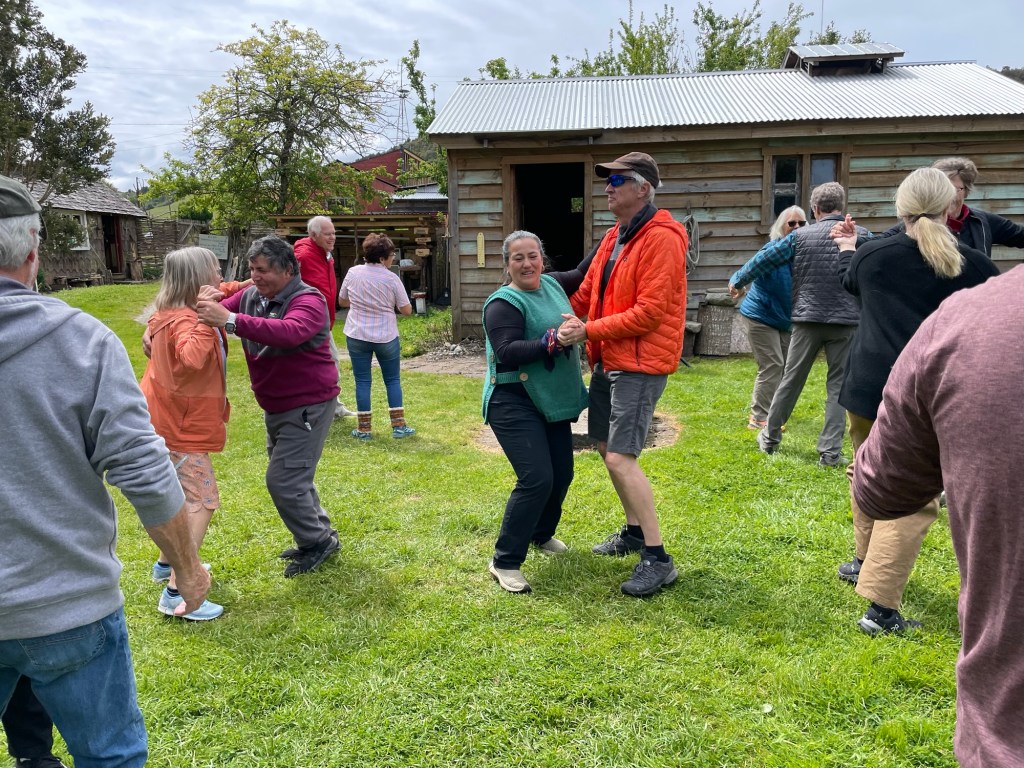
Minga translates roughly to cooperative work, and the term was explained as times when friends need to get things done that require more people than just the family. Usually, this involves the work as well as meal preparation and sharing.
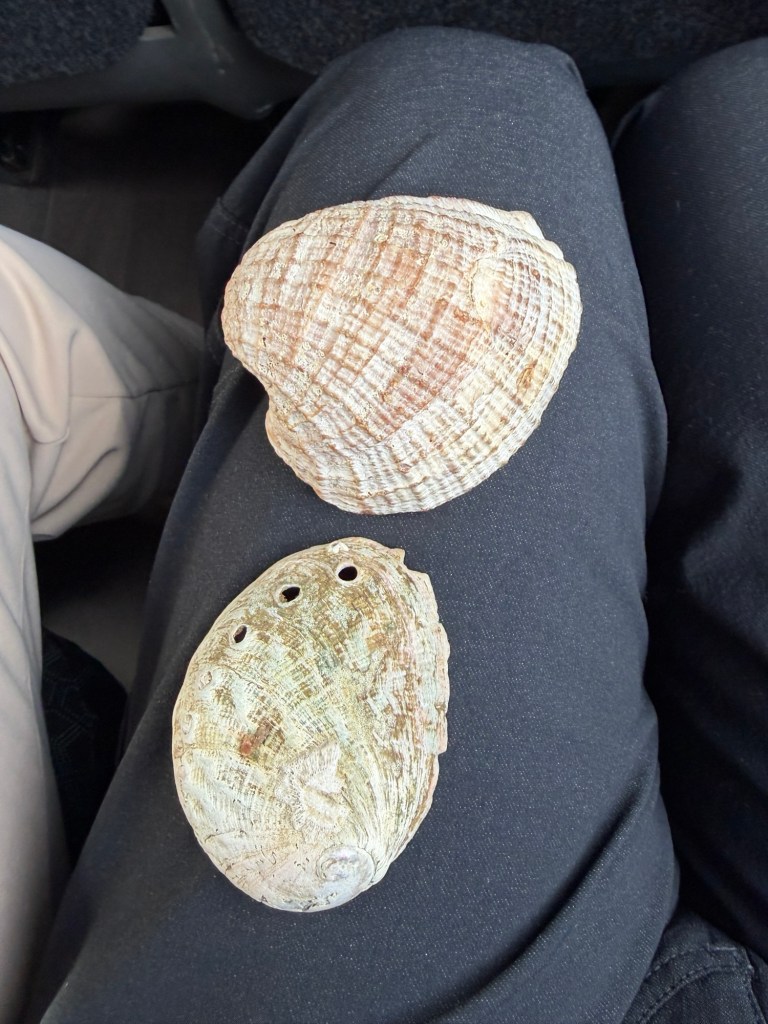
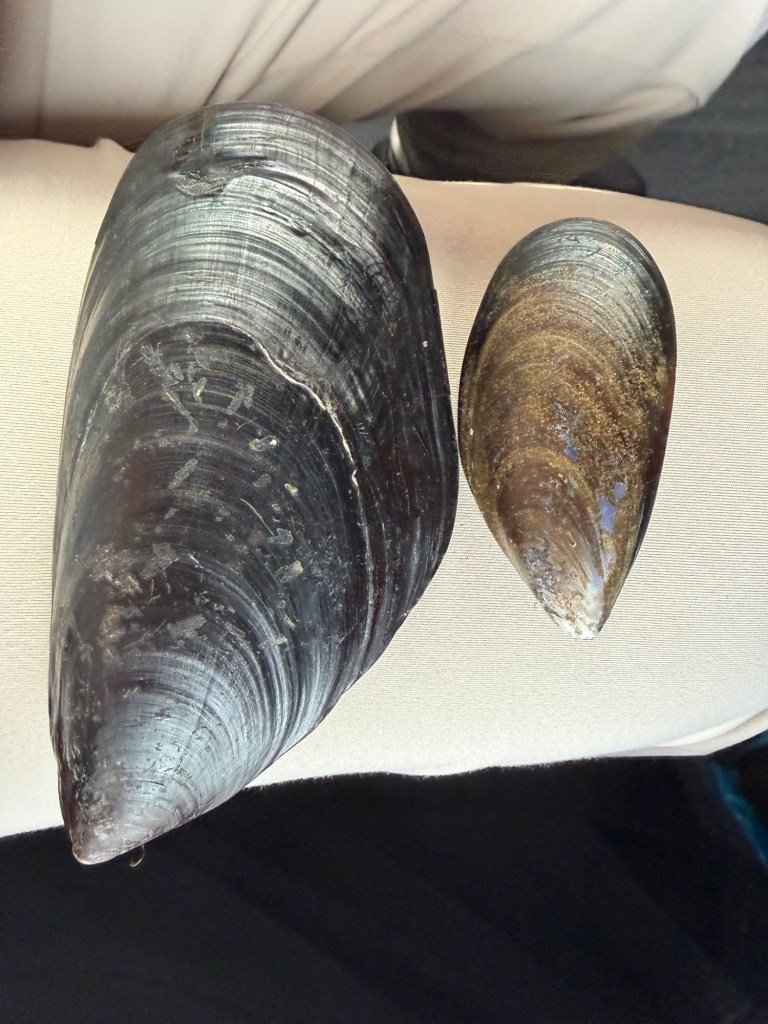
The previous night, we tried “abalone” as an appetizer, which did not taste like the California variety. We later learned they are called loco here, and look different from abalone. The mussels were also different.
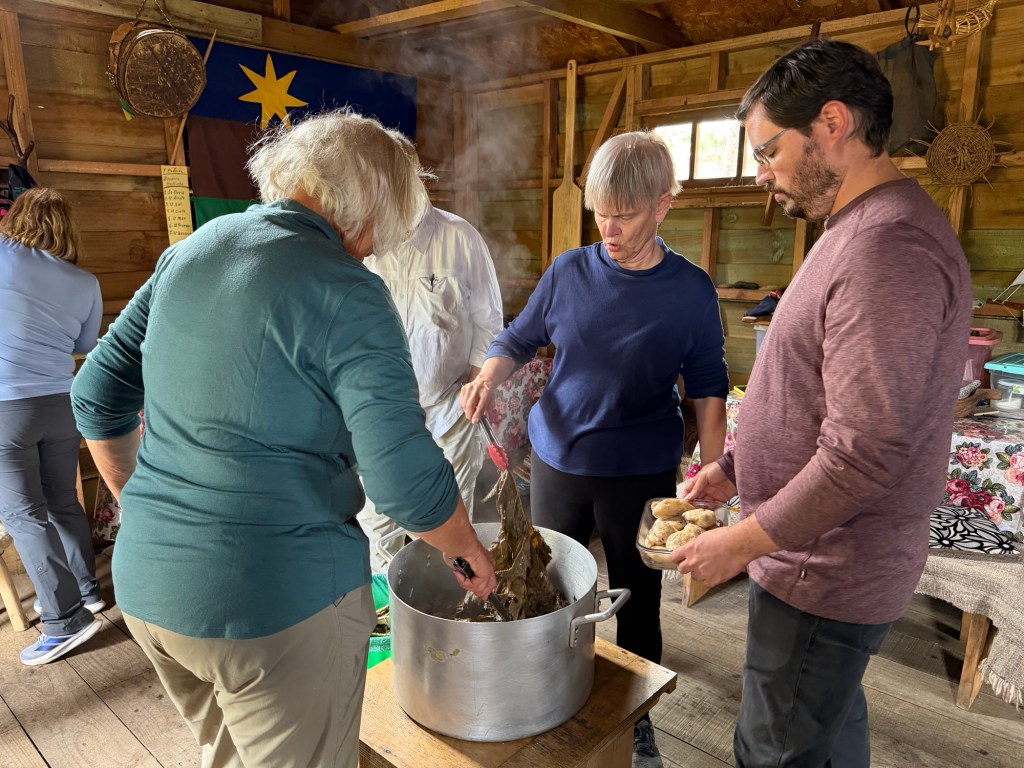
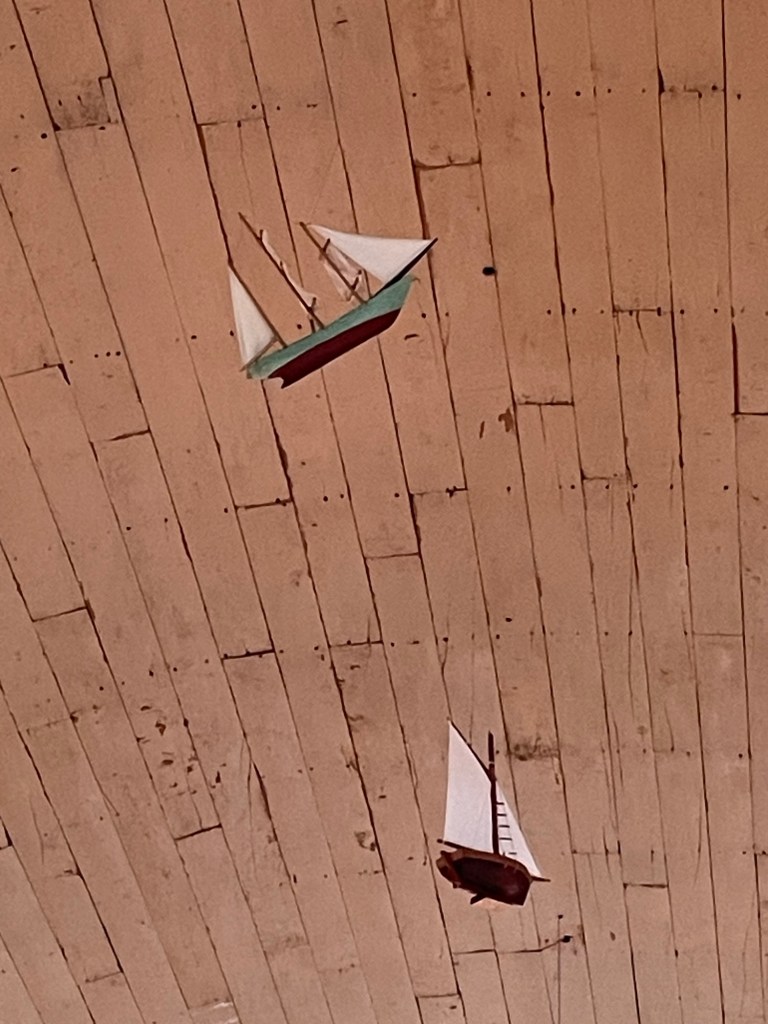
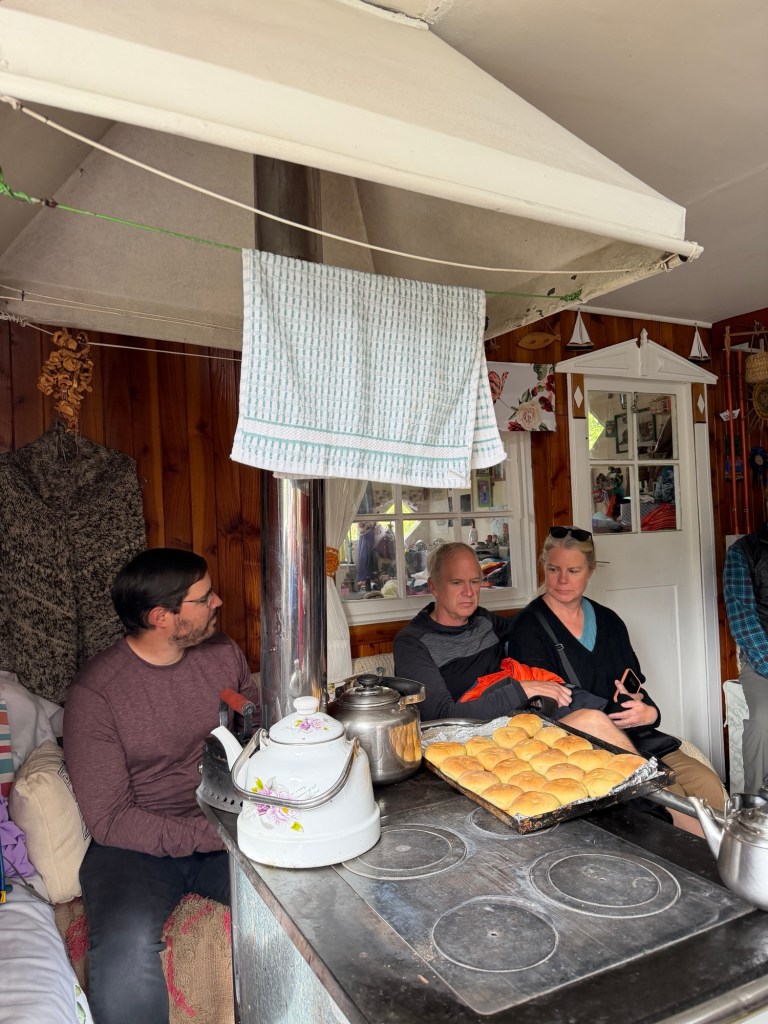
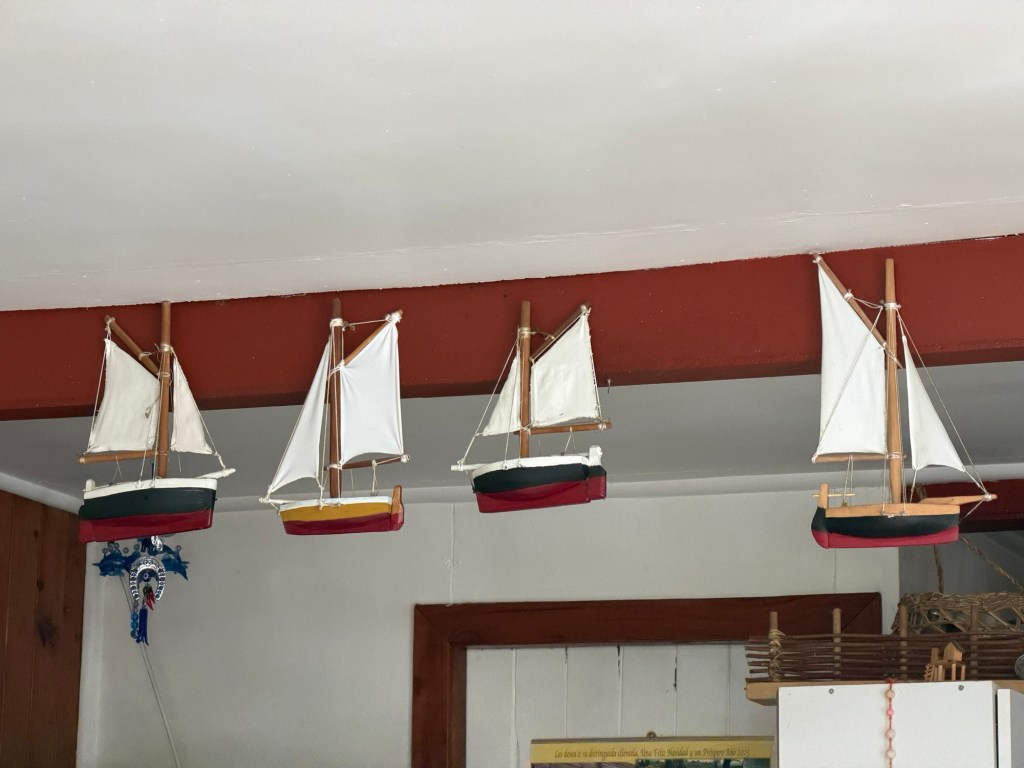
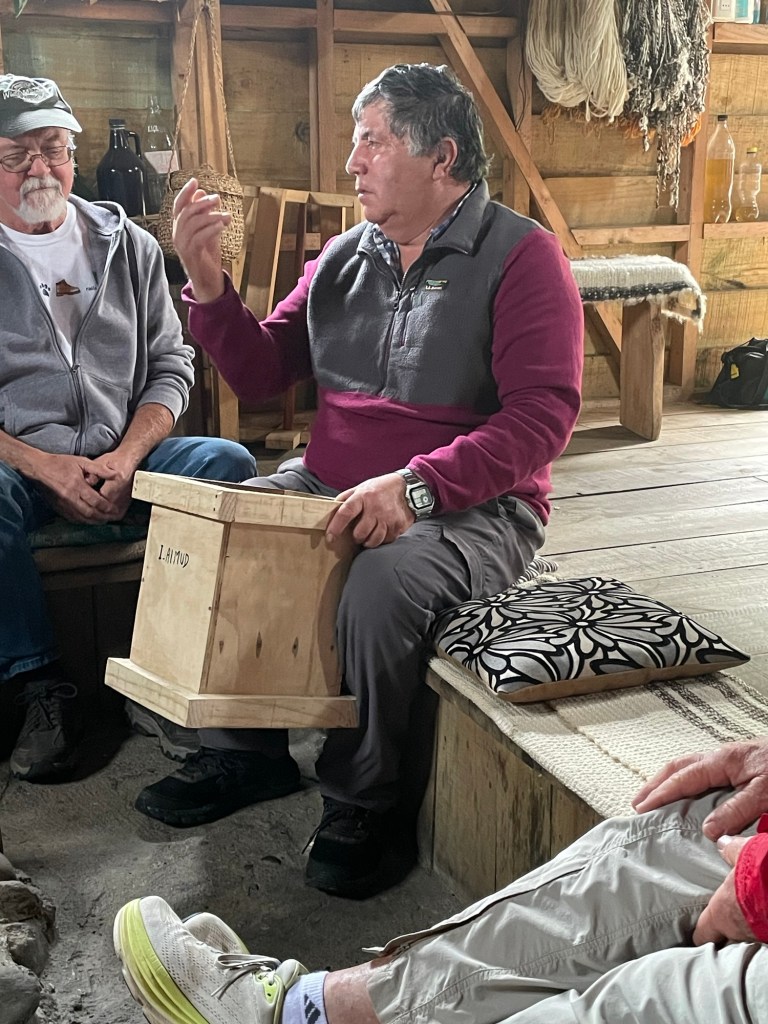
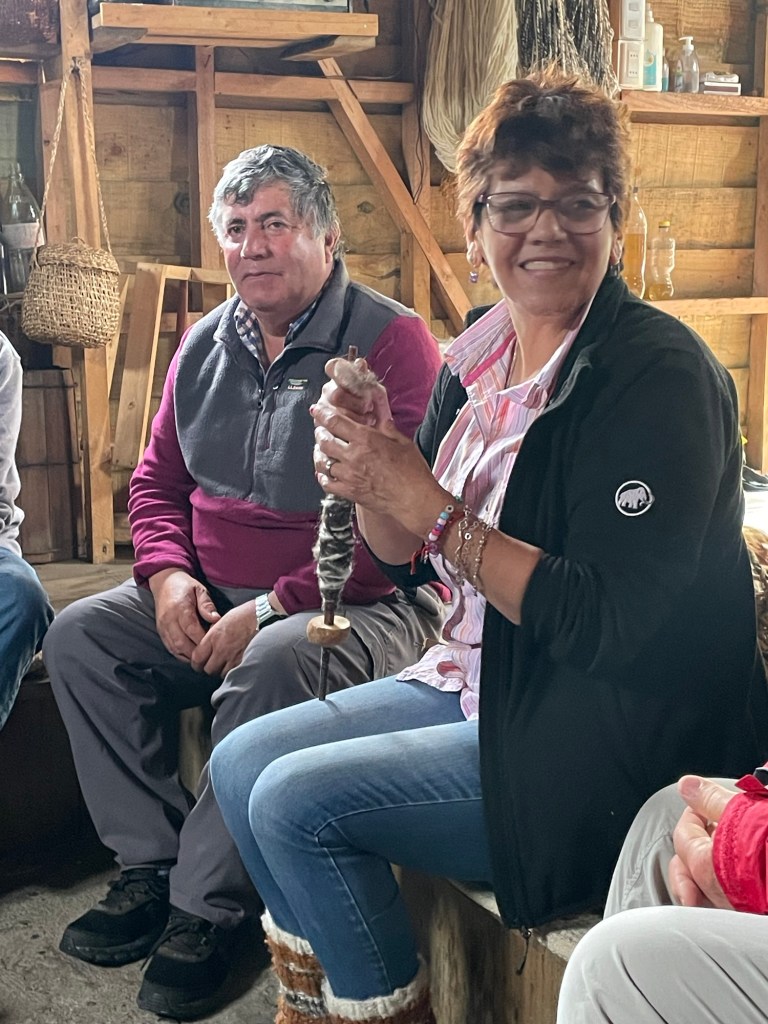
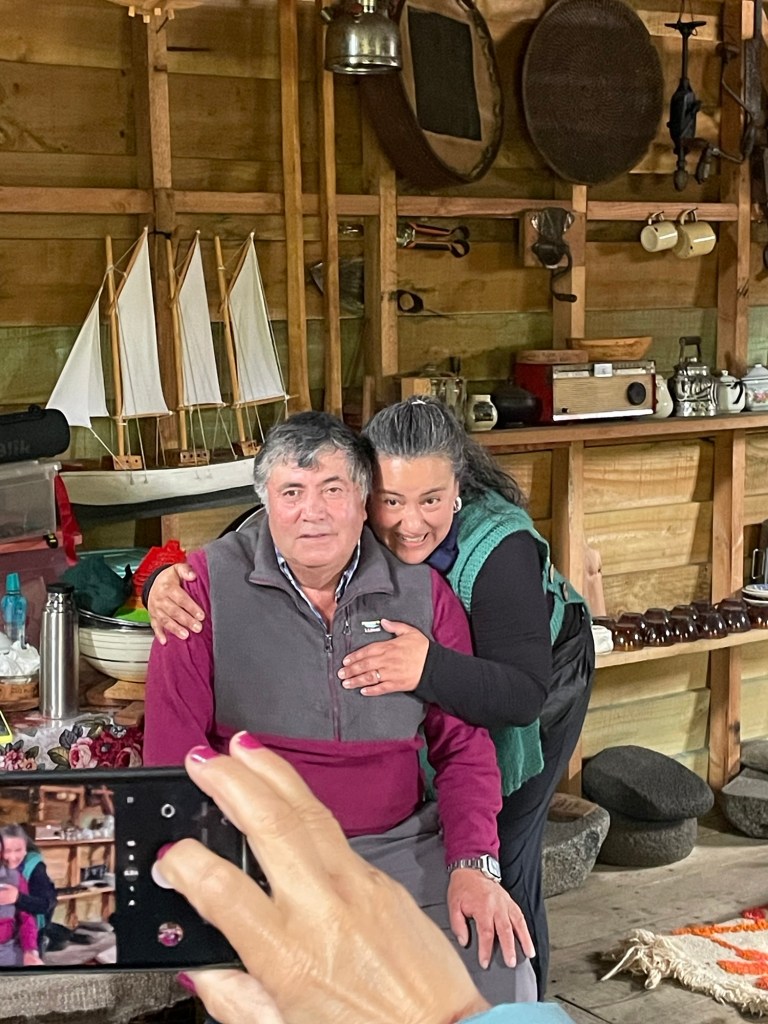
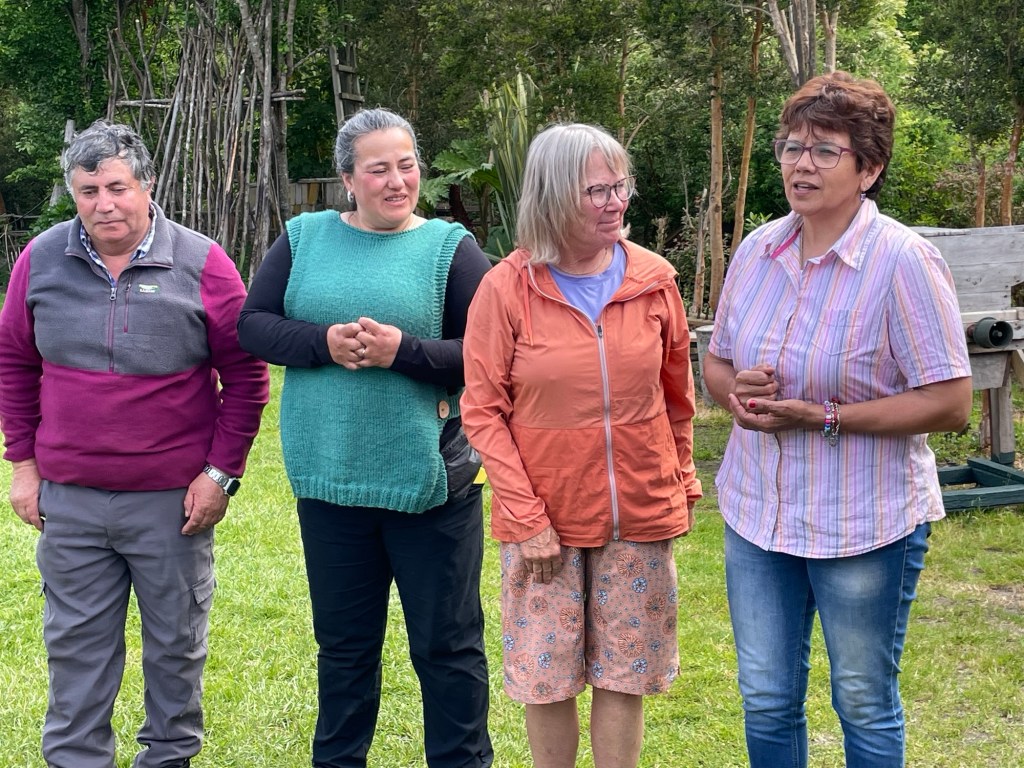
Our Minga happened at Raùl and Ilse’s house. They fed us fry bread (have to keep the workers happy), then they told us about their lives. Raùl loves to build miniature boats, and he sells them for displays.

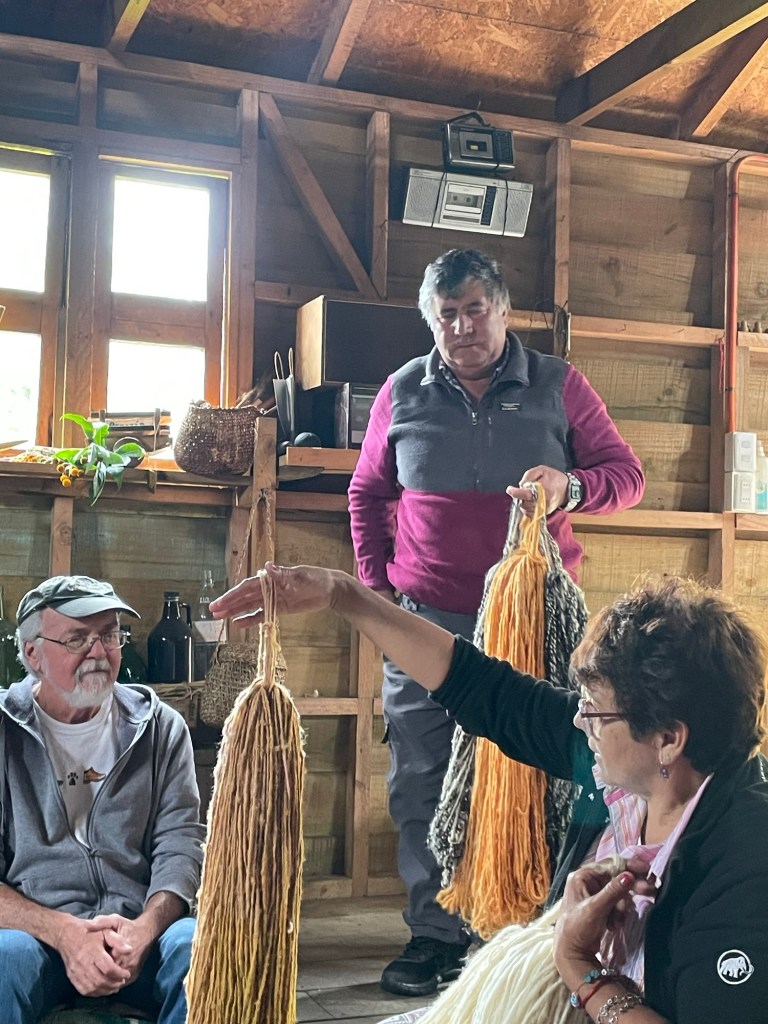
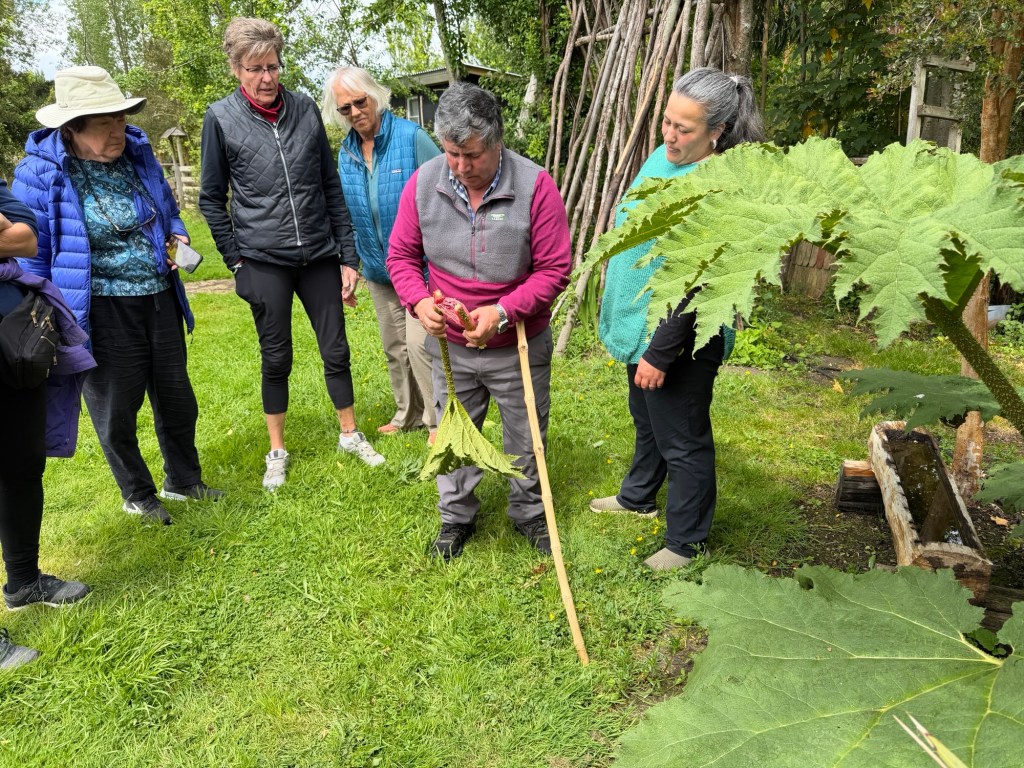
We learned how Ilse spun wool from their sheep and which natural materials she used for the dyes in her handicrafts.

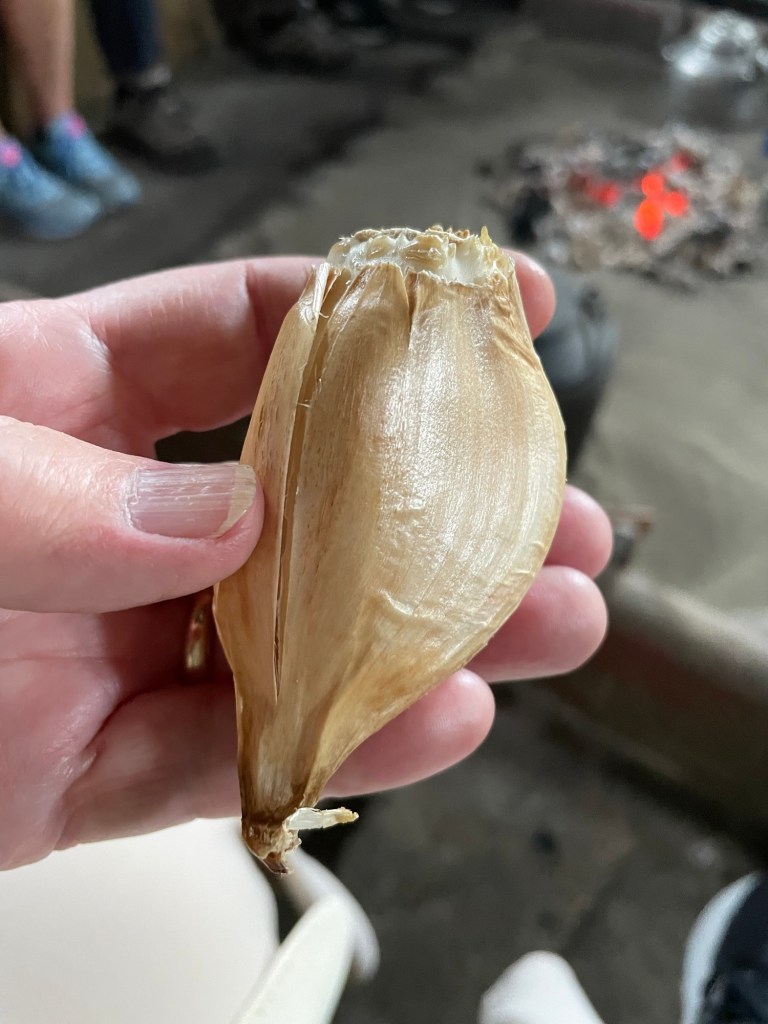
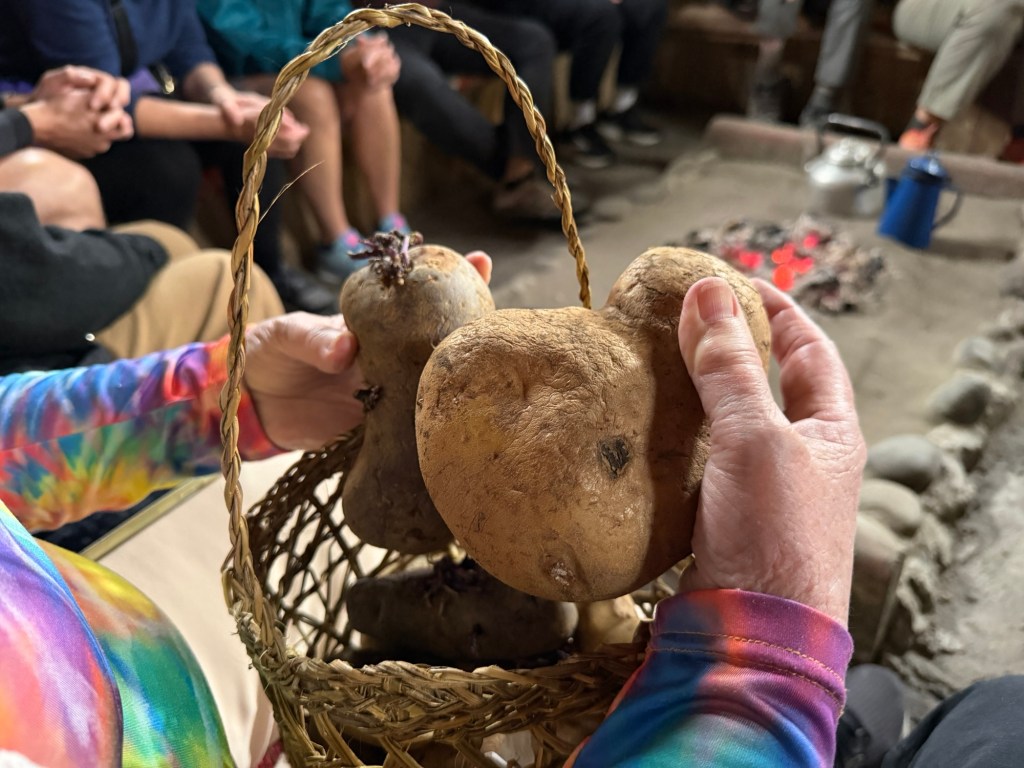
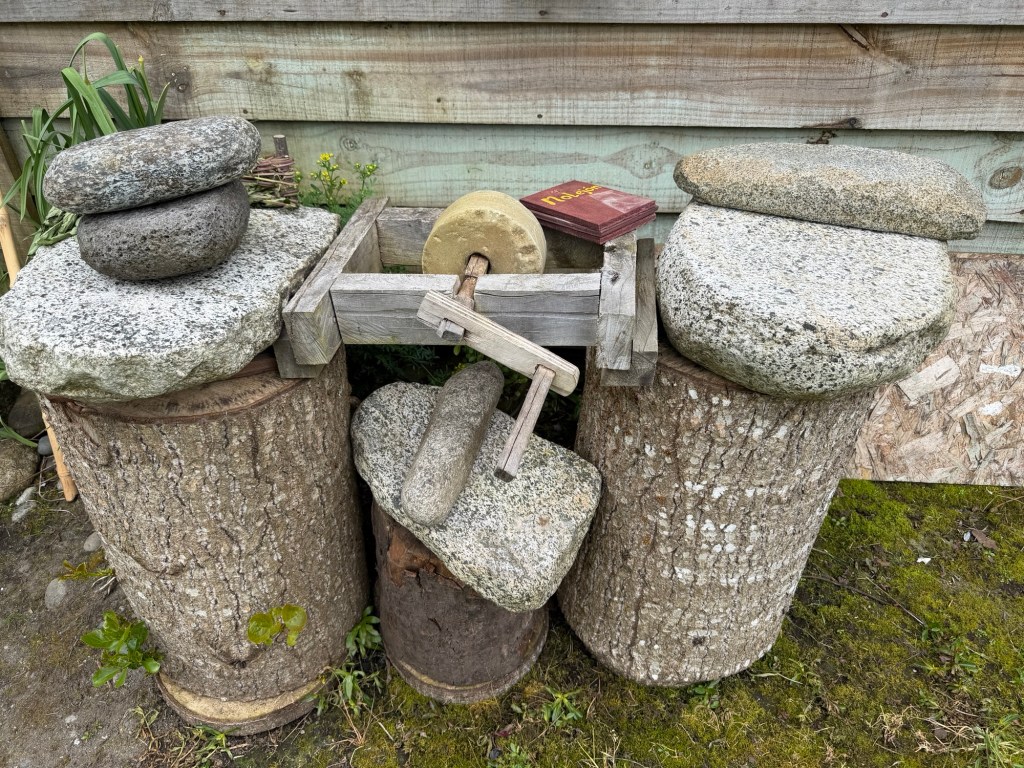
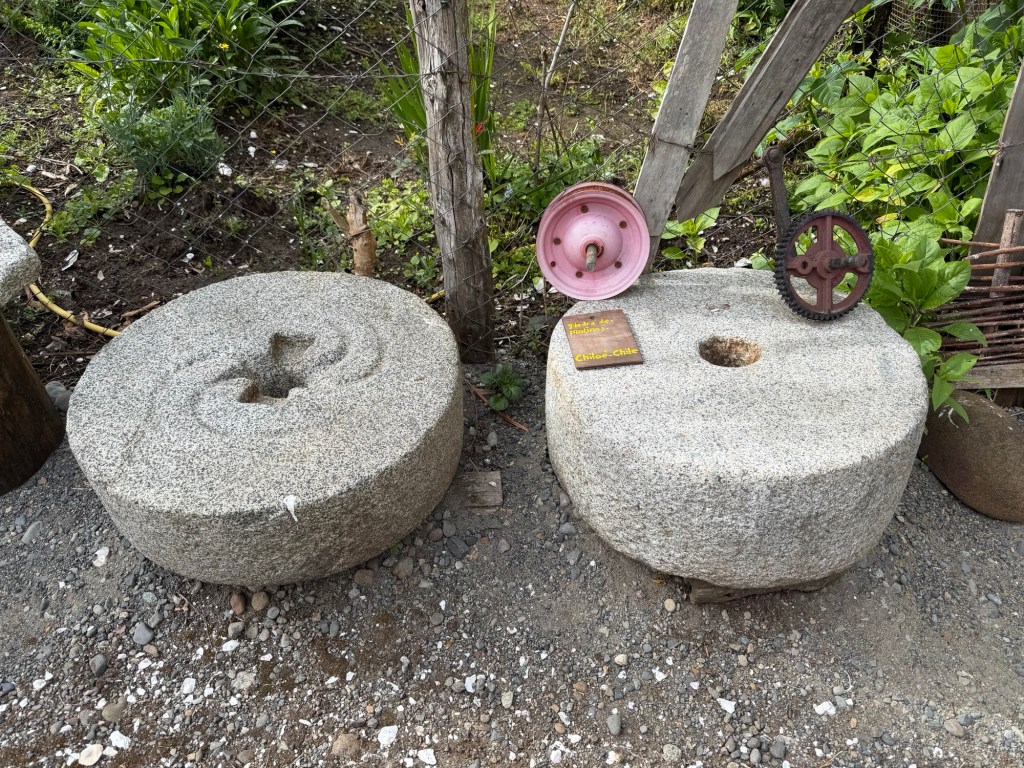
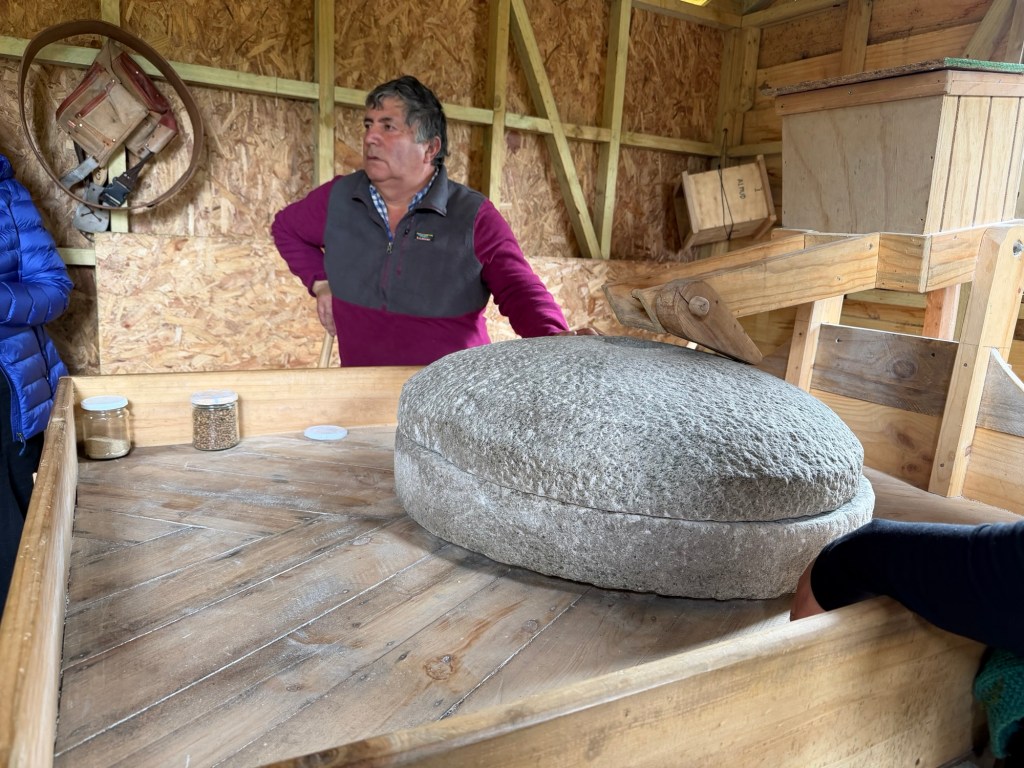
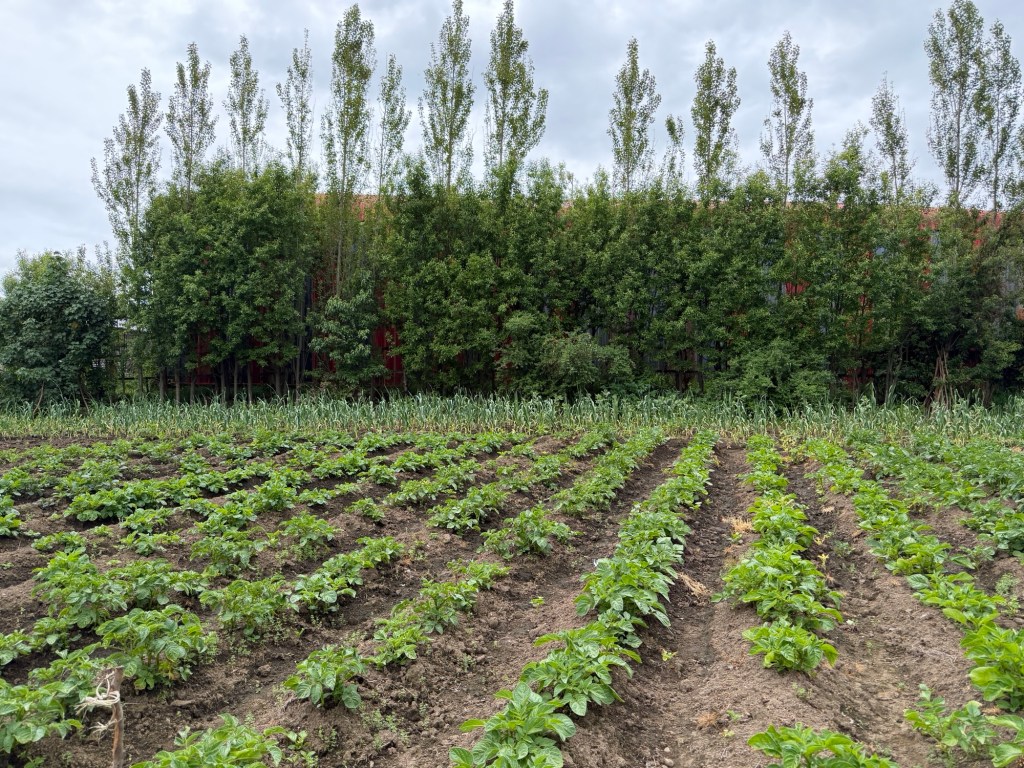
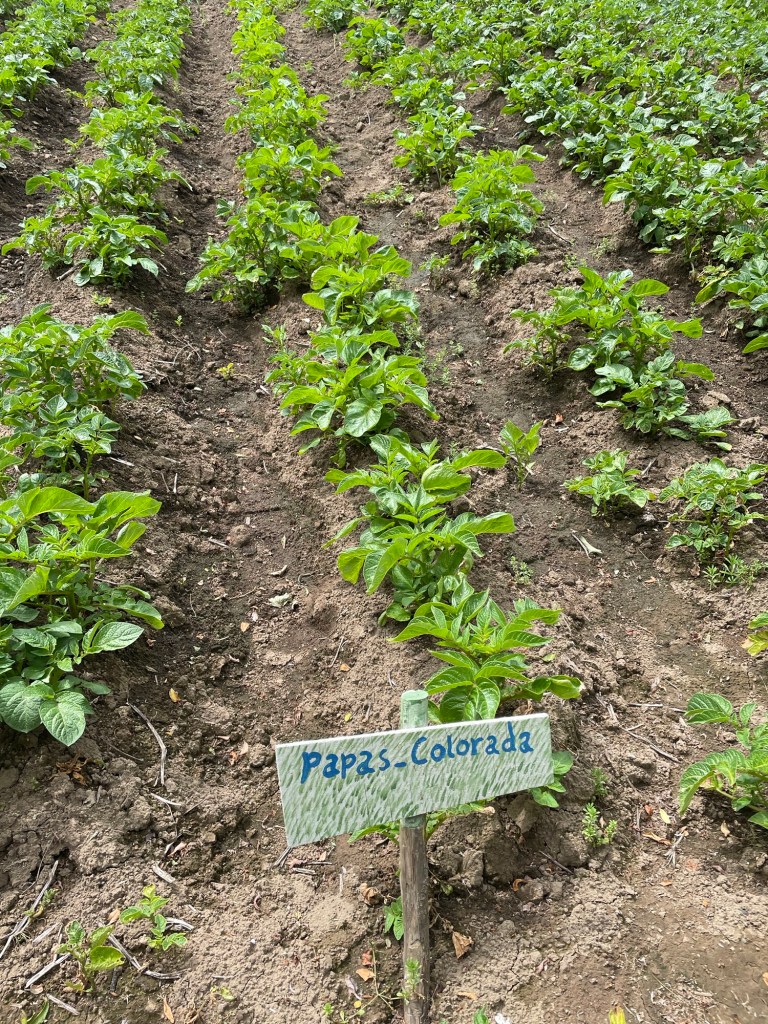
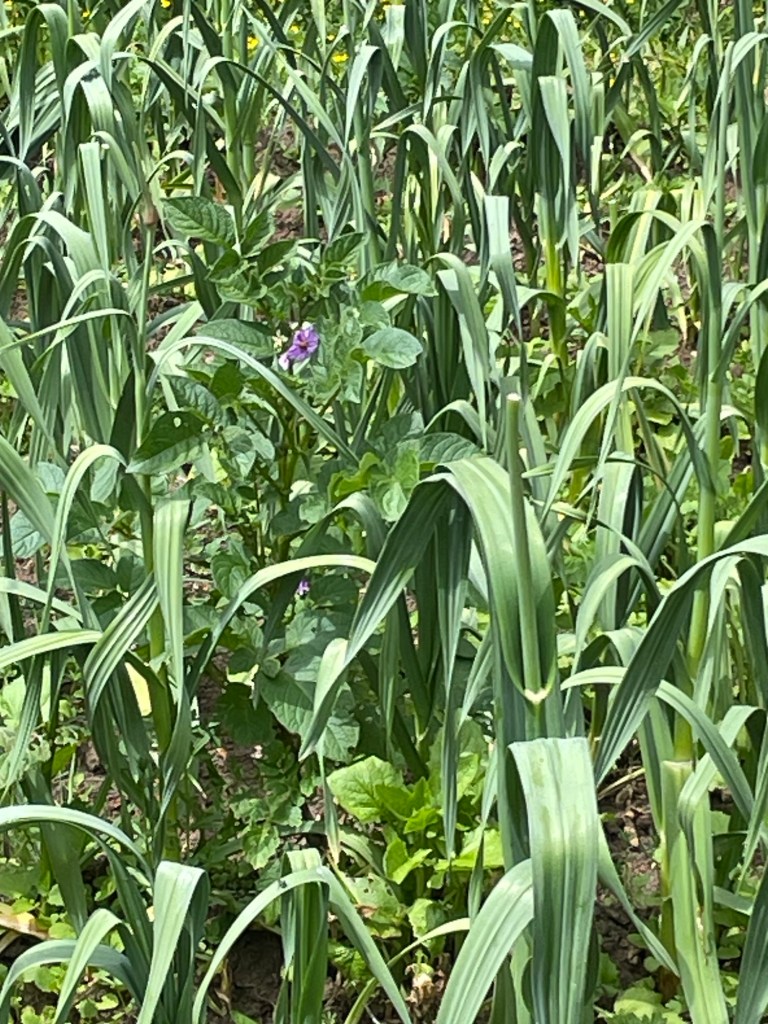
Raùl is quite the farmer, selling his potatoes and garlic, with a field of wheat on a neighboring property. He showed us his mill.

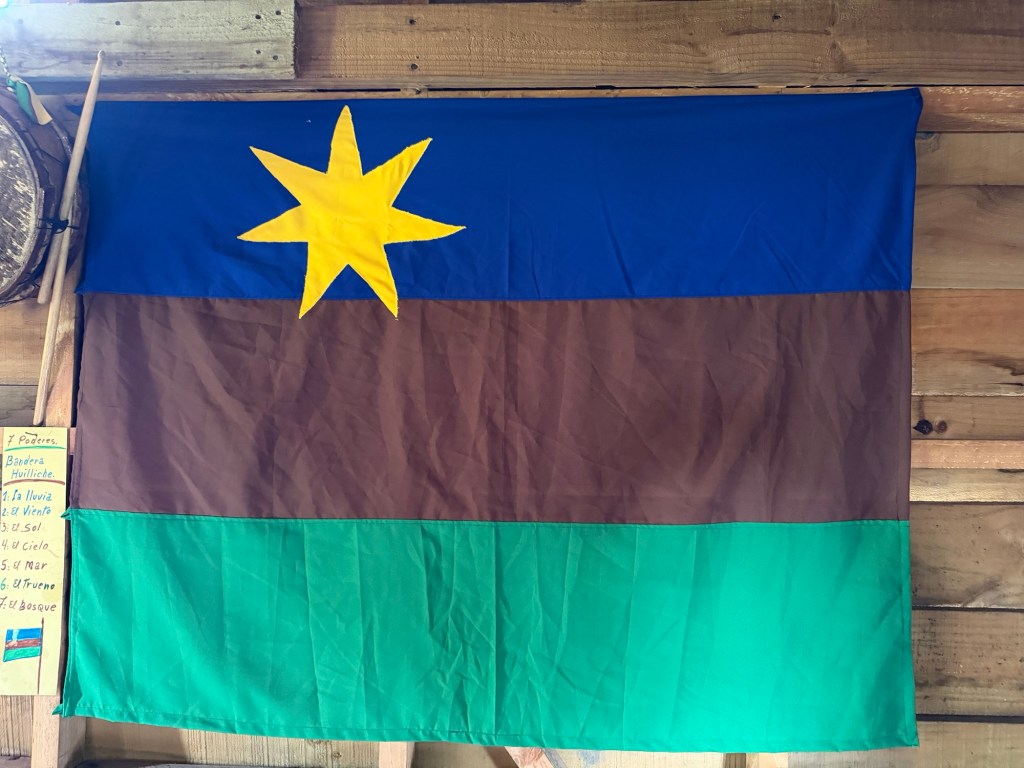
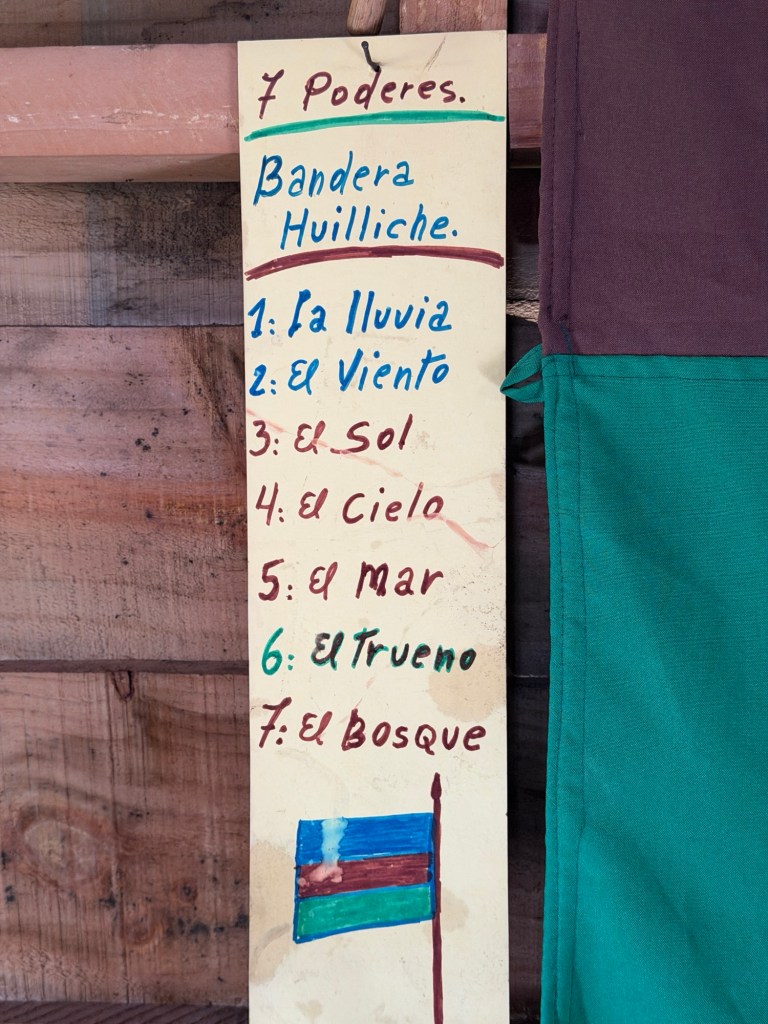
Raùl explained the flag of his people; the seven powers of Venus are the rain, the wind, the sun, the sky, the sea, the thunder, and the forest.

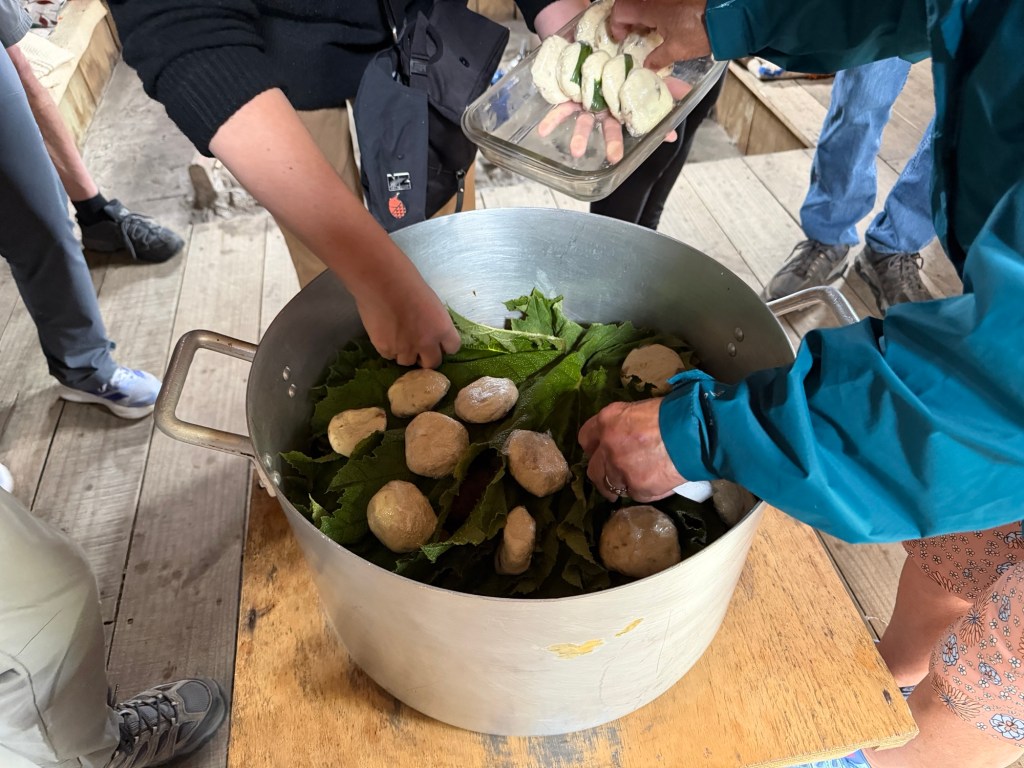
Our group helped prepare food, which needed to cook for a couple of hours before consumption.

We then got a tour of their property.

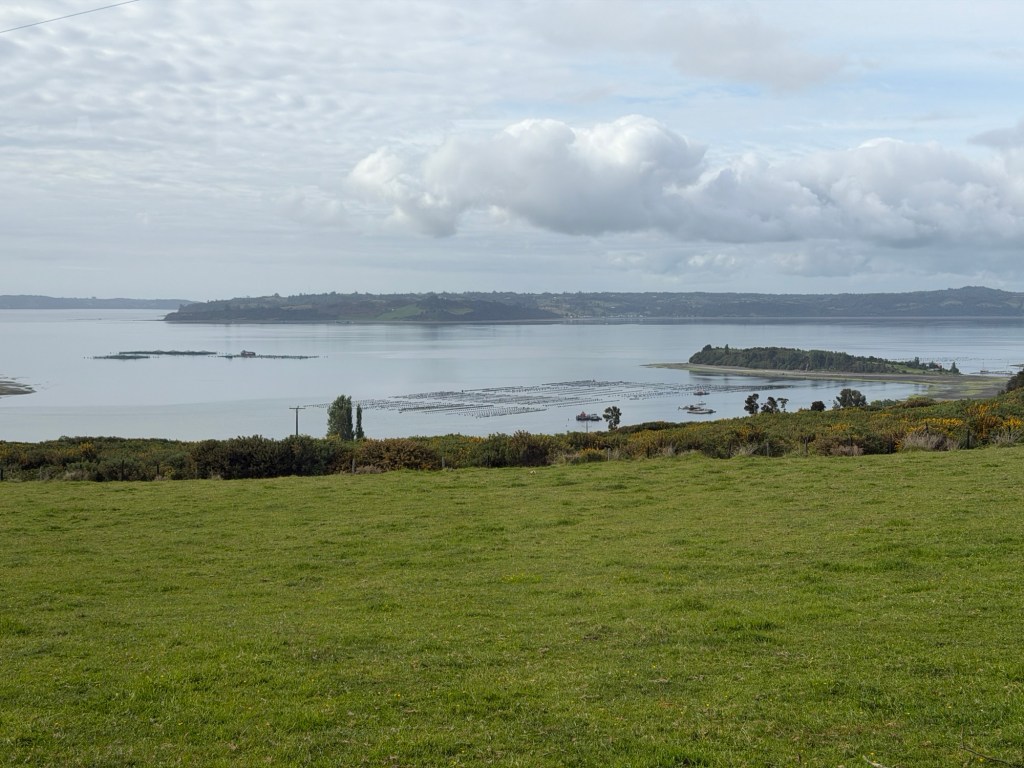
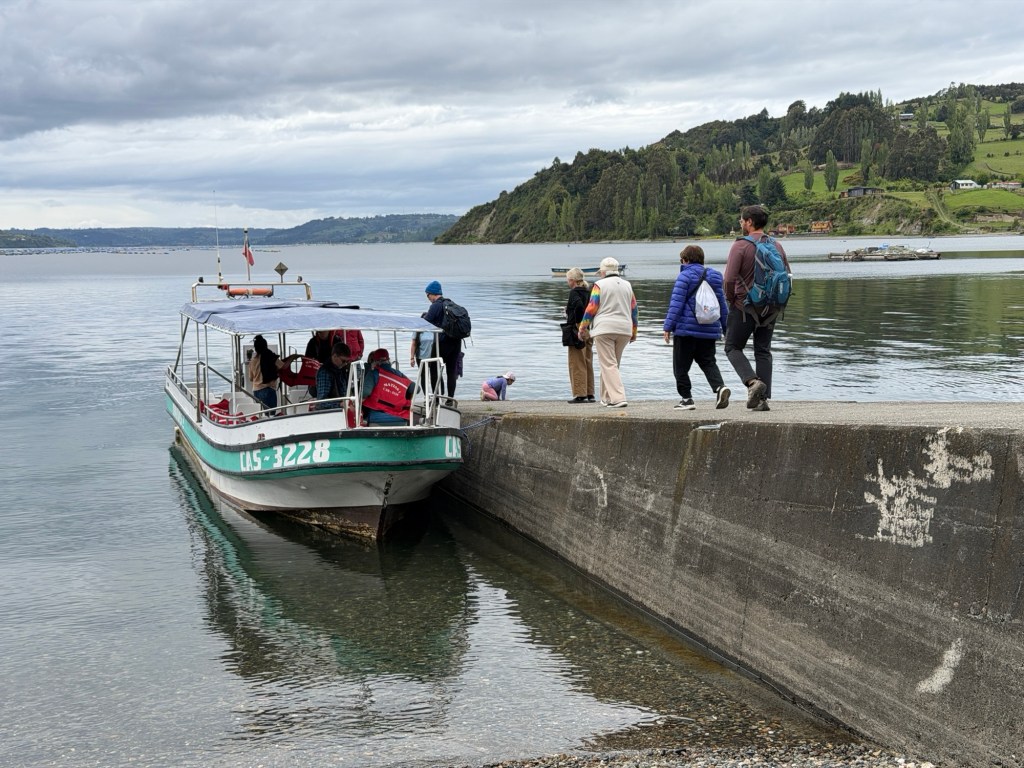
We took a boat across the bay rather than the bus to get back to Castro.

Chiloé Island’s famous houses on stilts
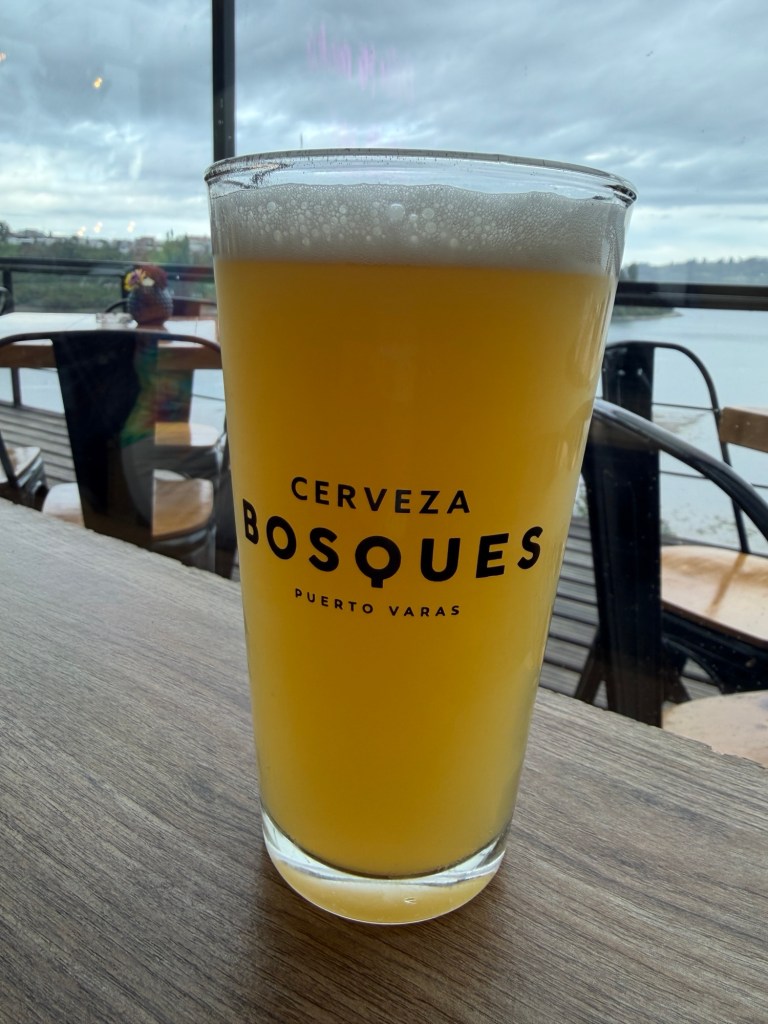
A beer to end the day.

Puñihuil Wildlife Reserve, drive to Castro

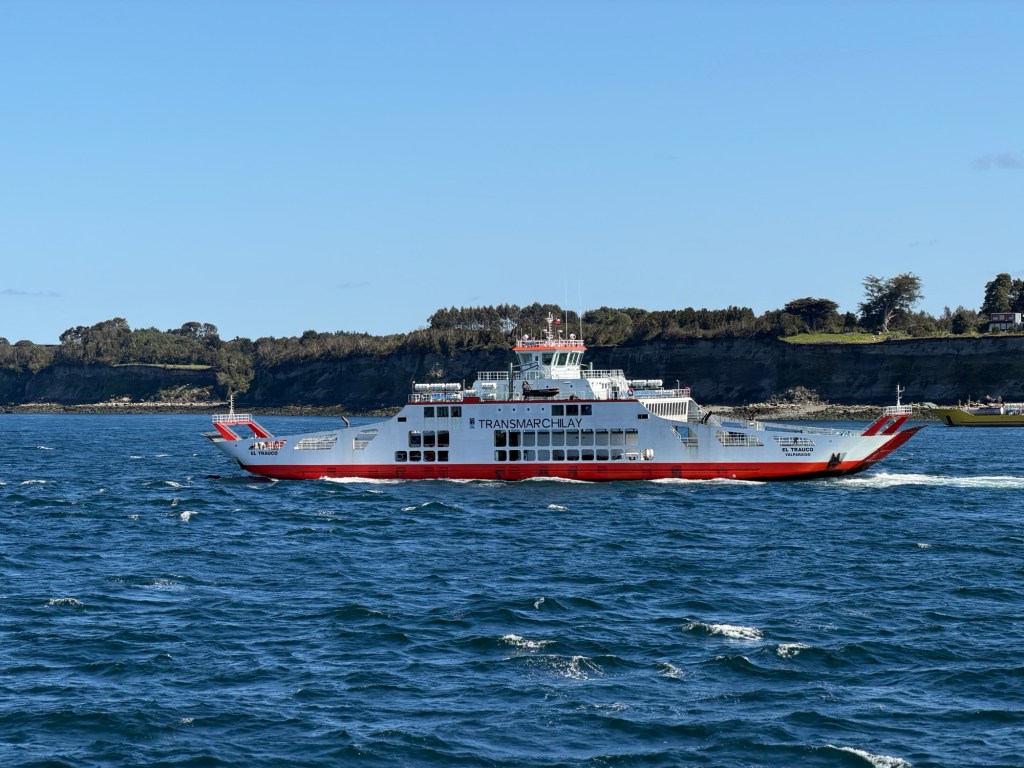
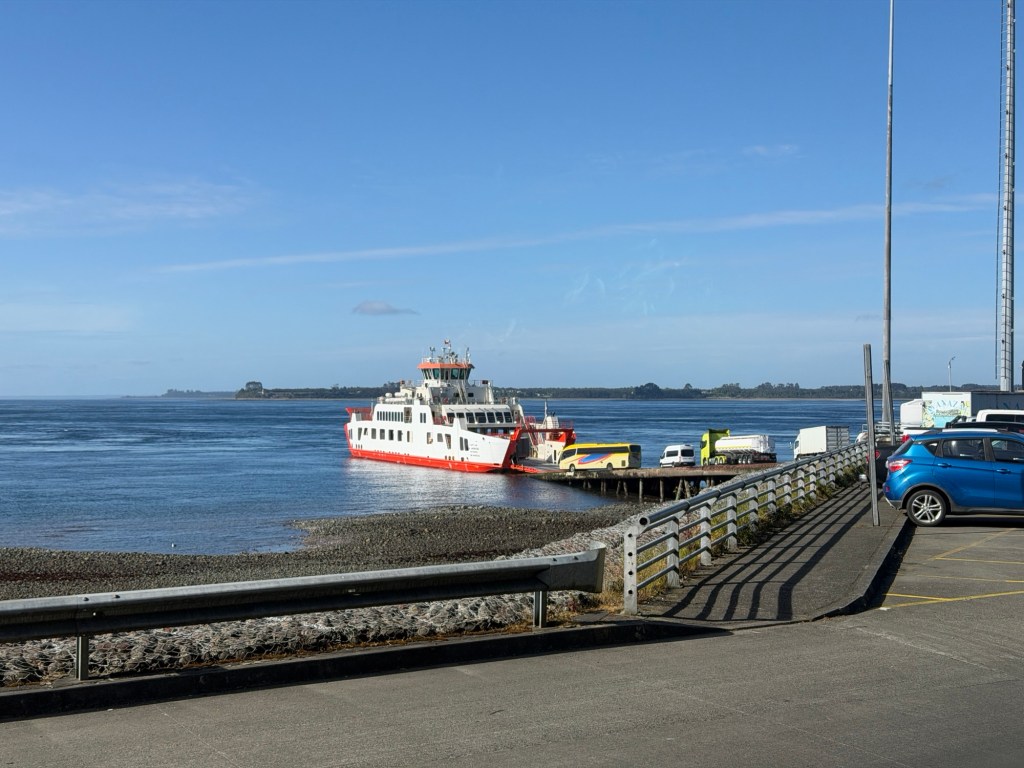
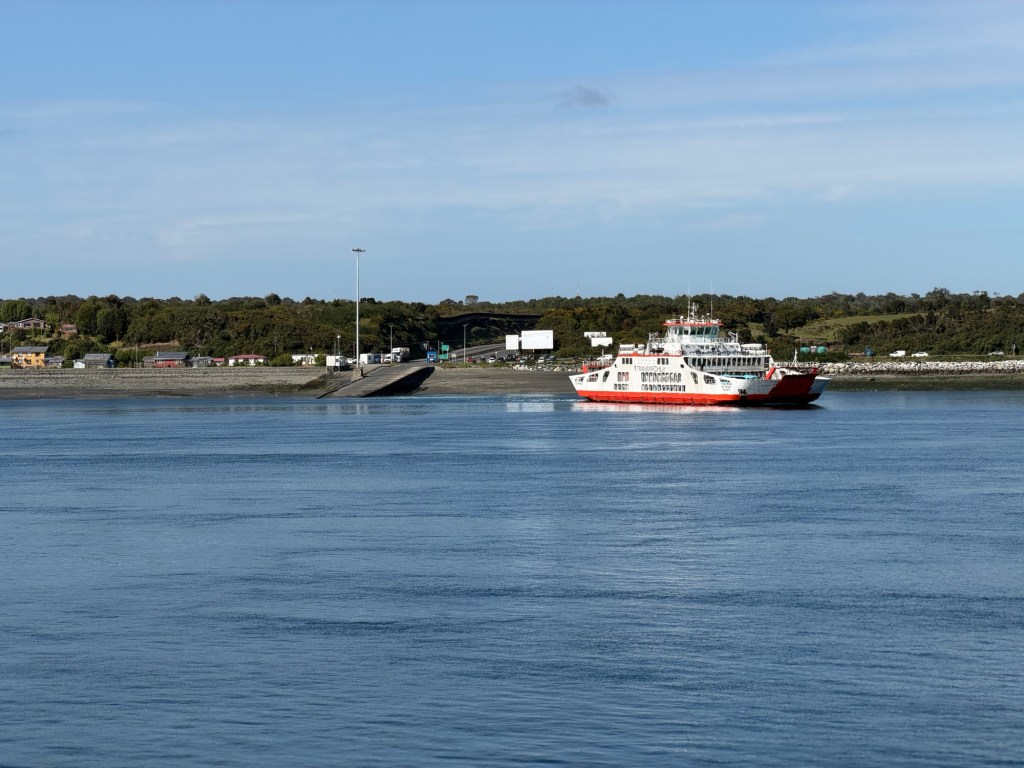
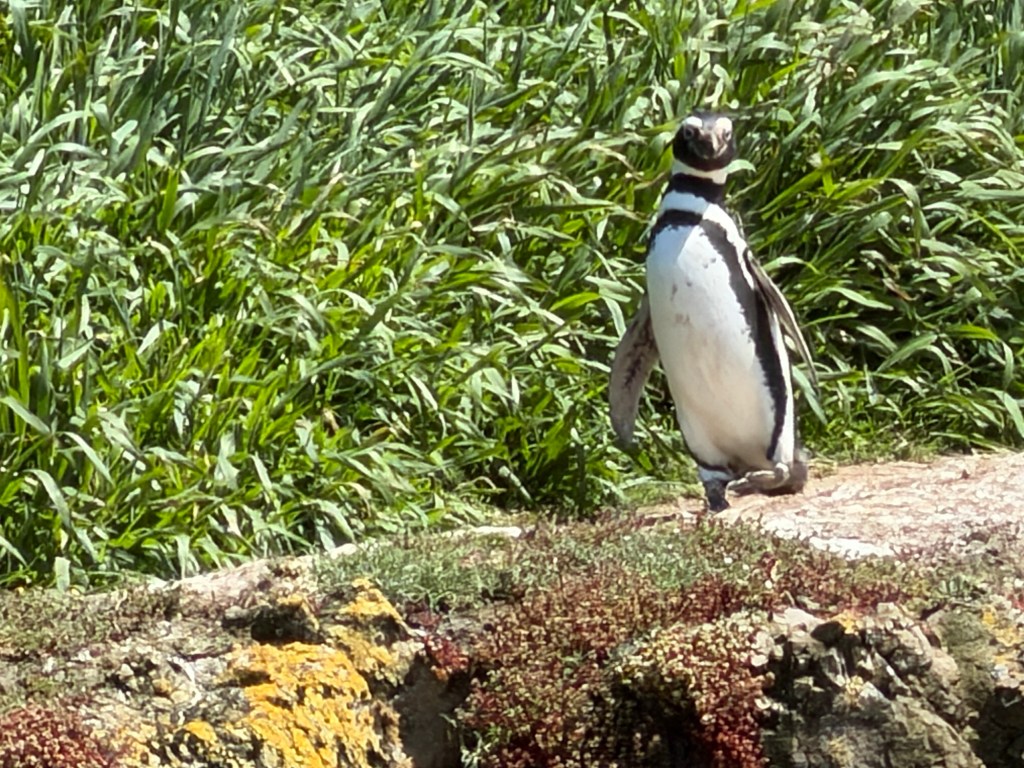
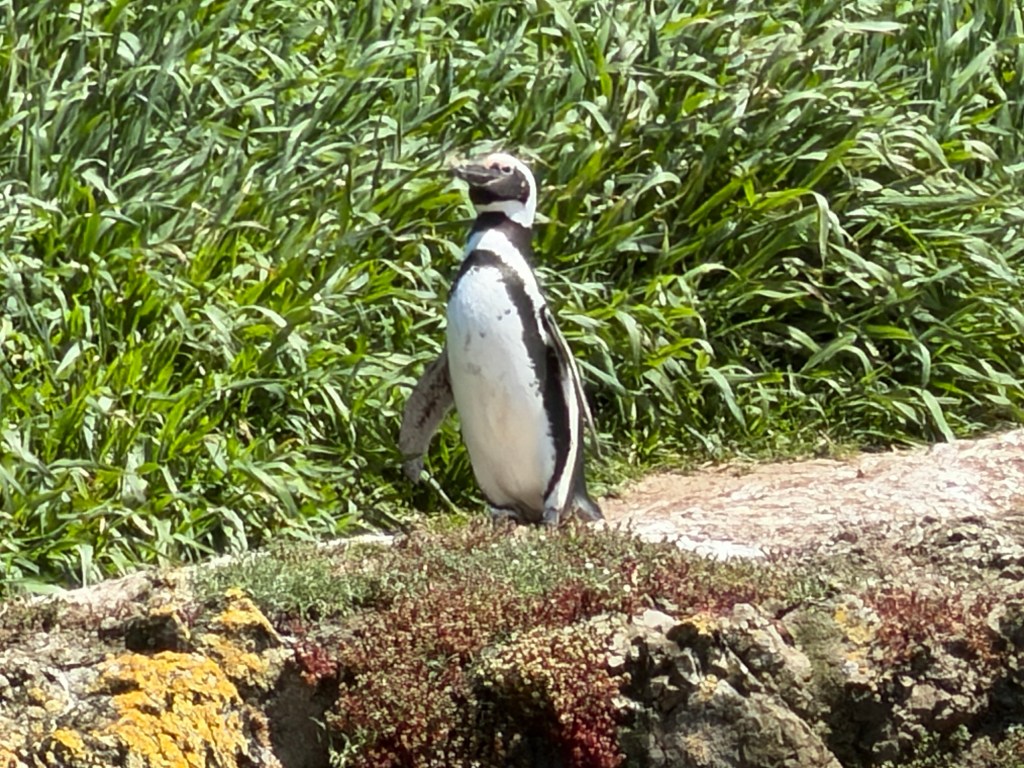
Marta and Carolina were impressed with the weather, and changed our plans to go to see penguins and other fascinating birds. First, we took a ferry to Chiloé Island, where we would spend two nights.

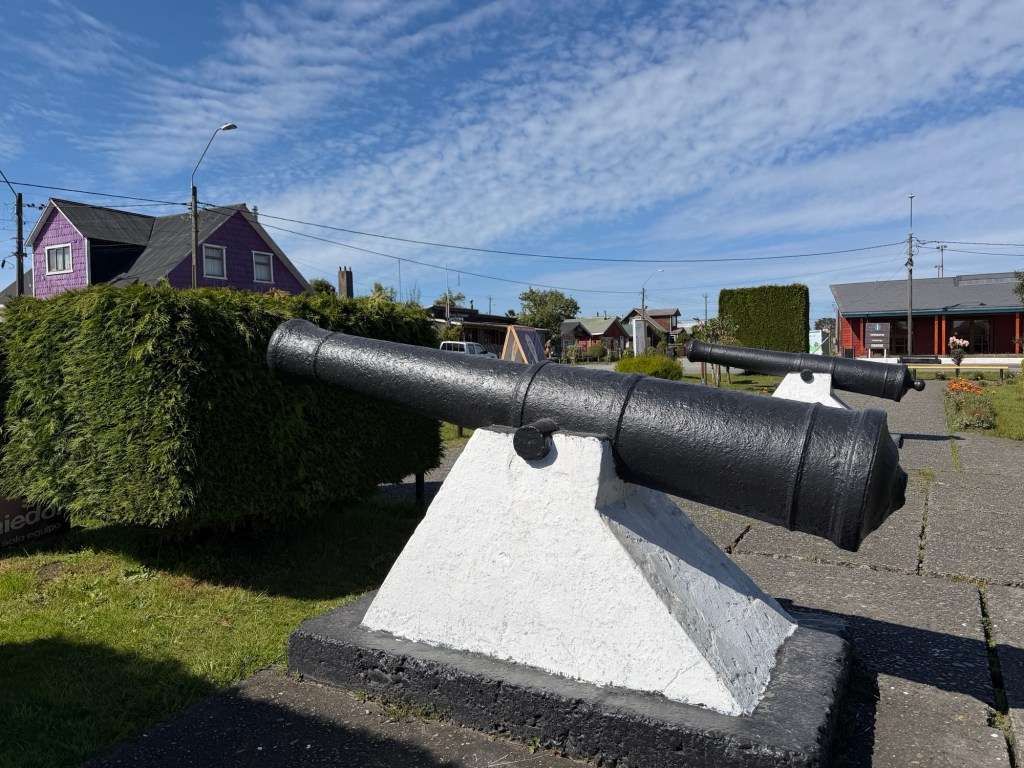
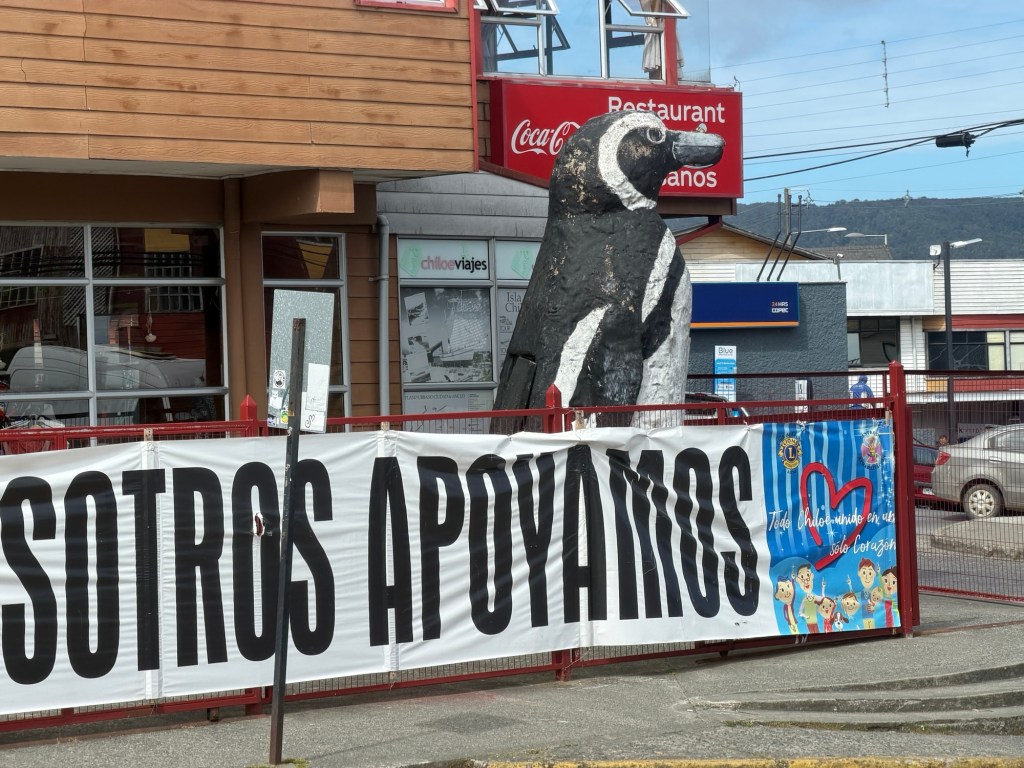
After we drove through the town of Ancud, we wandered around, exploring the island.

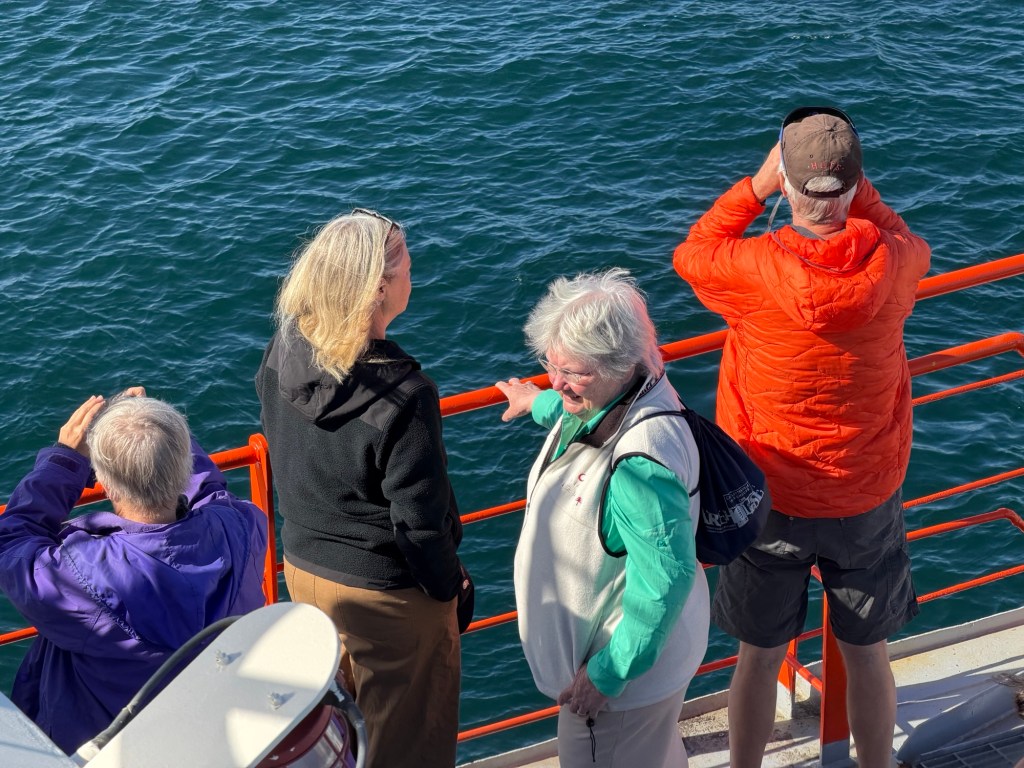
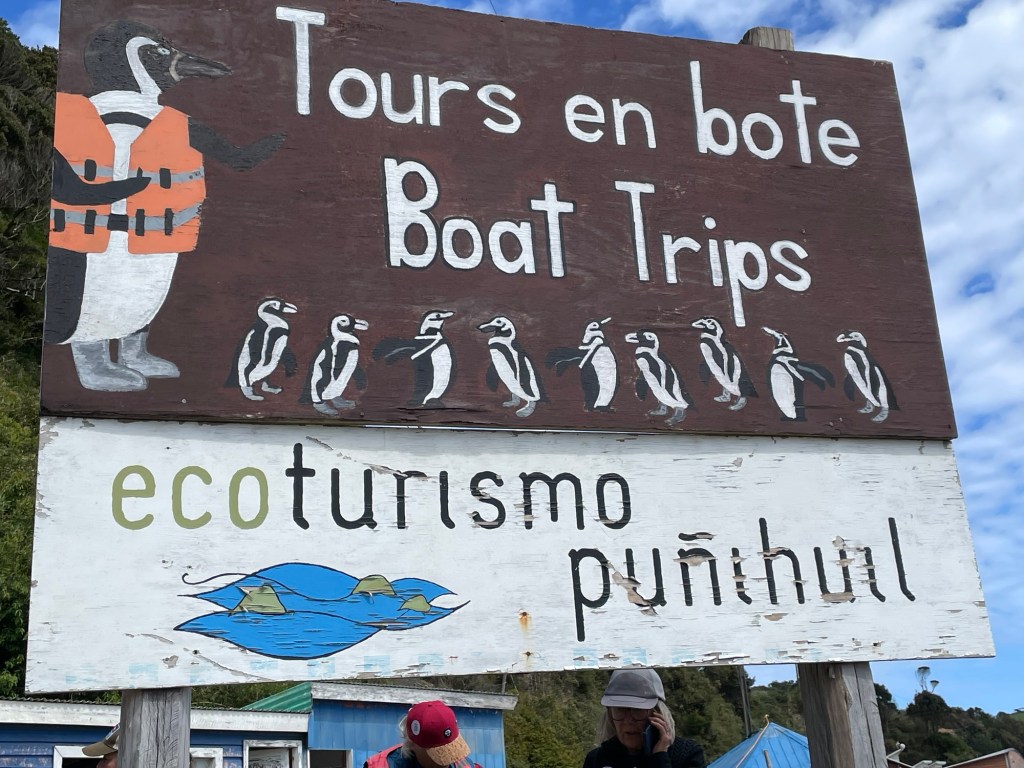
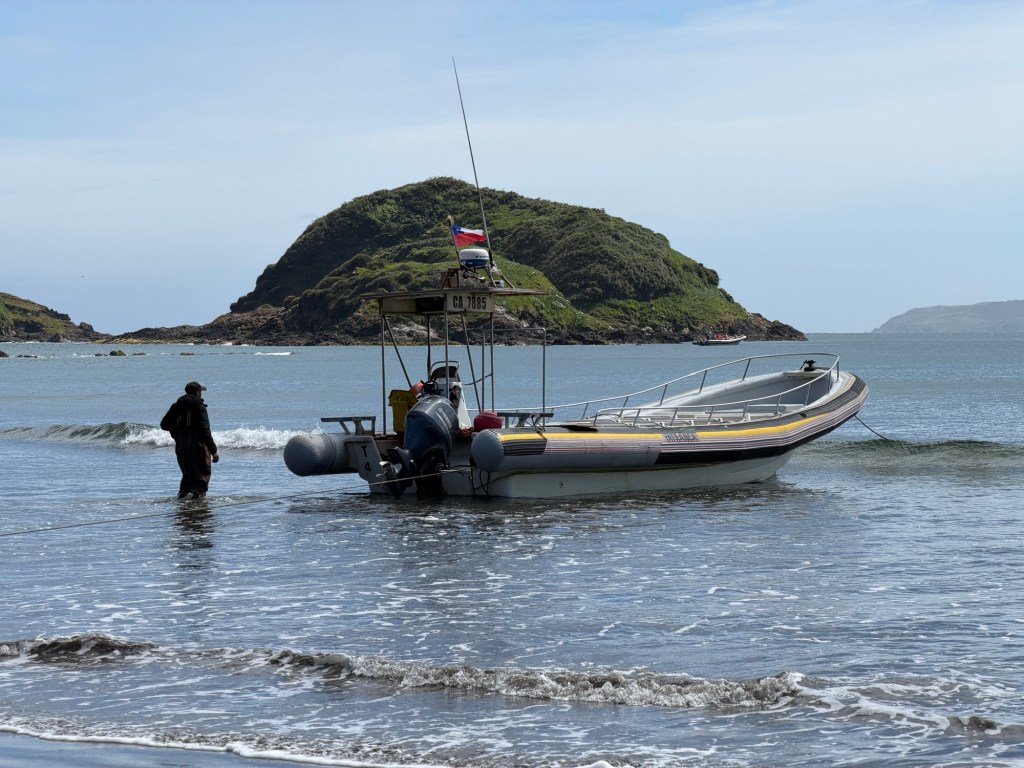
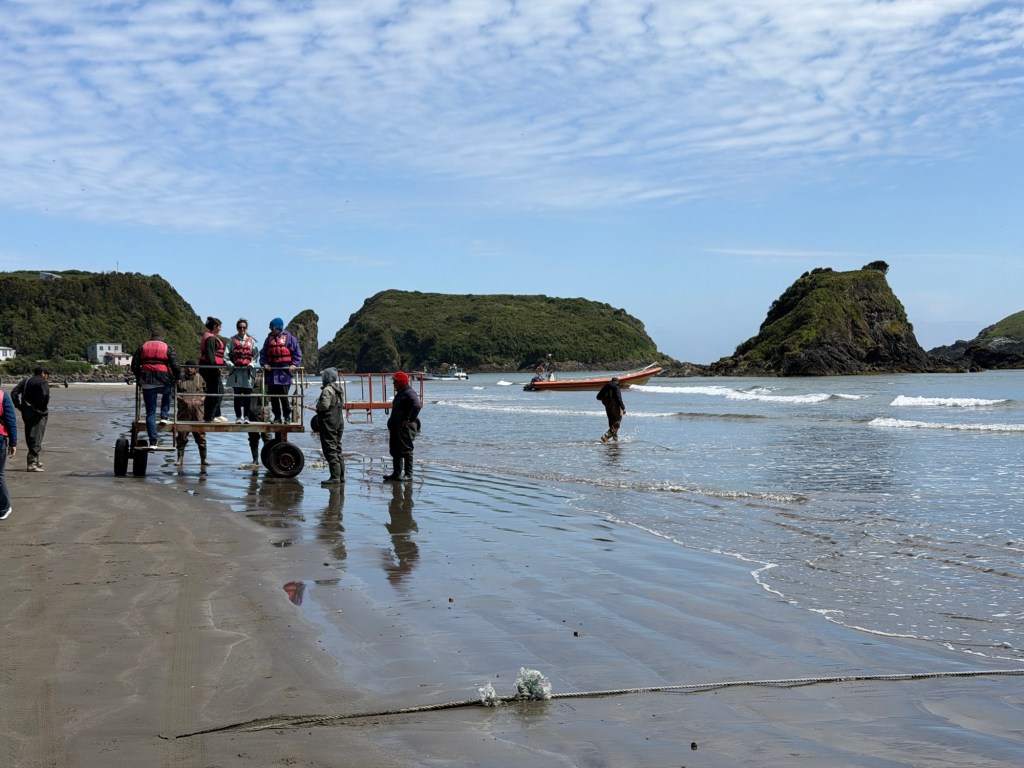
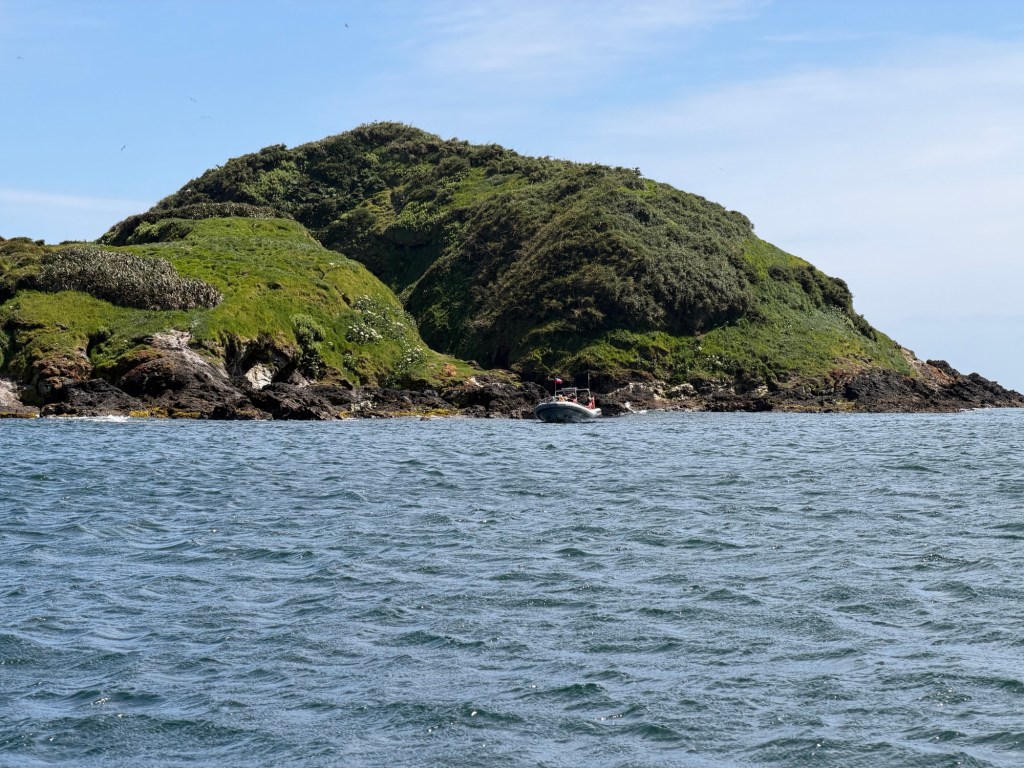
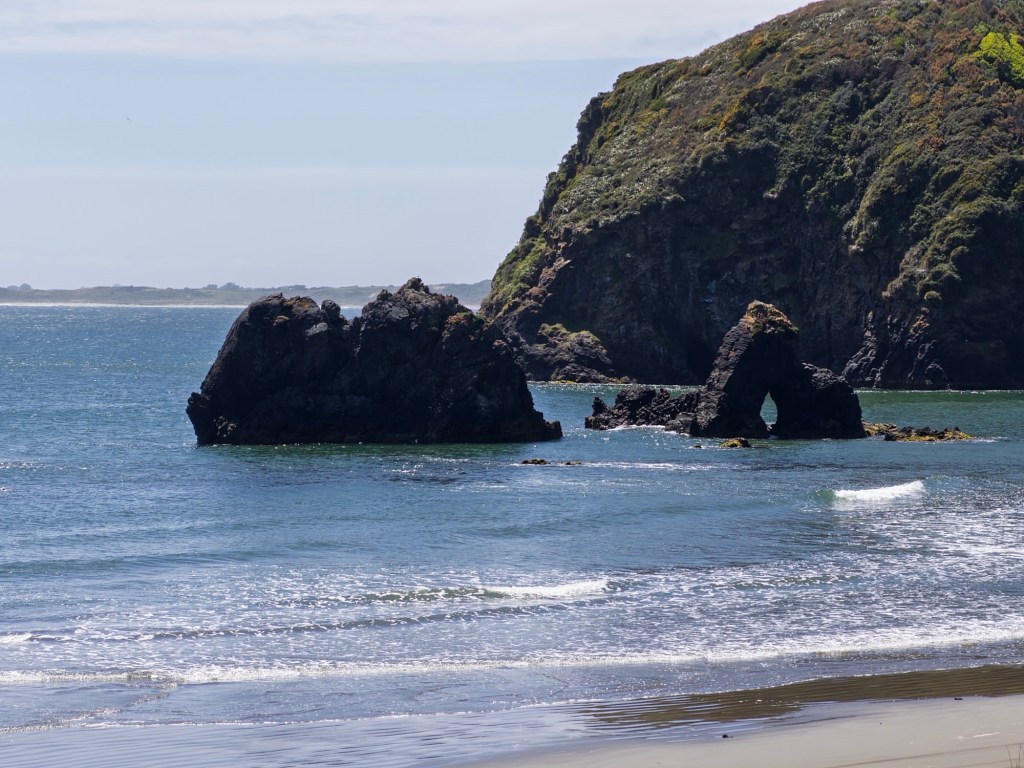
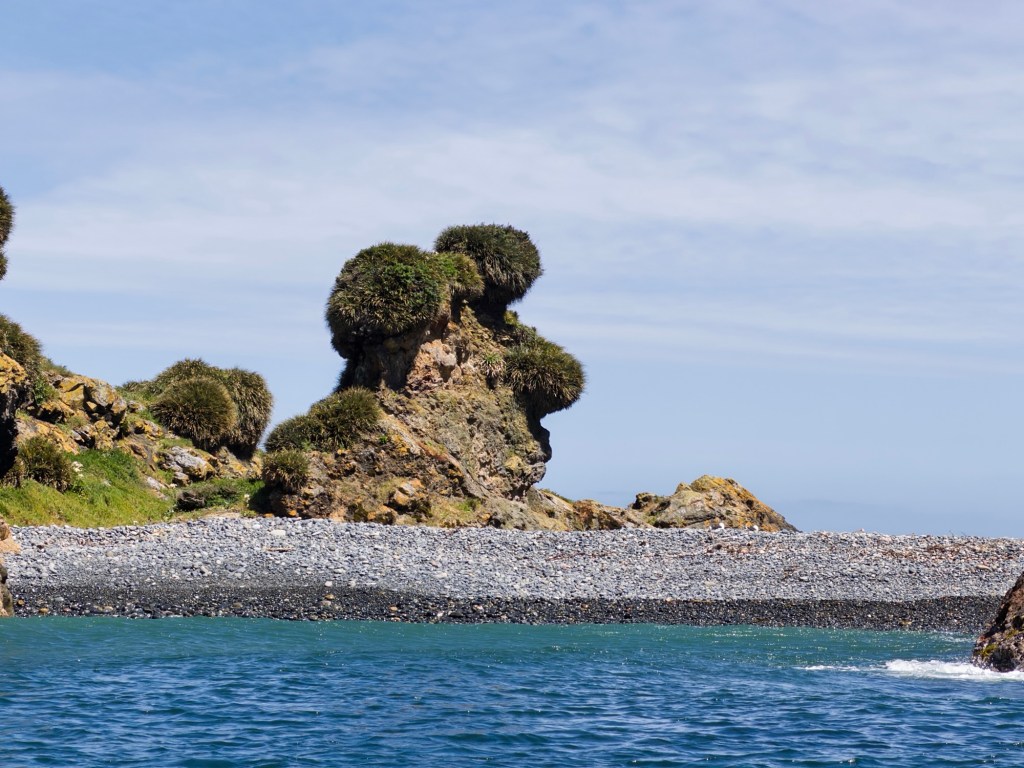
After a short walk, we found the place where our tour started, to take a boat around three islands to view the birds in the nature preserve. Getting on the boat was a unique experience; we climbed onto a platform on wheels, and three guys pushed the platform out to the boat.

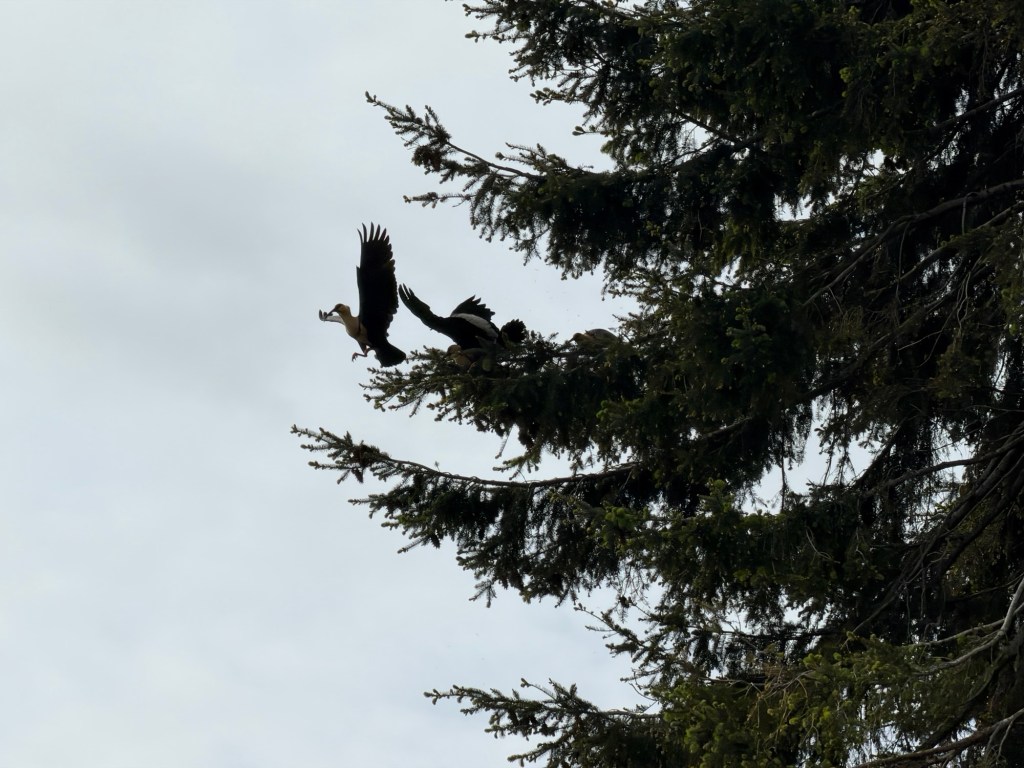
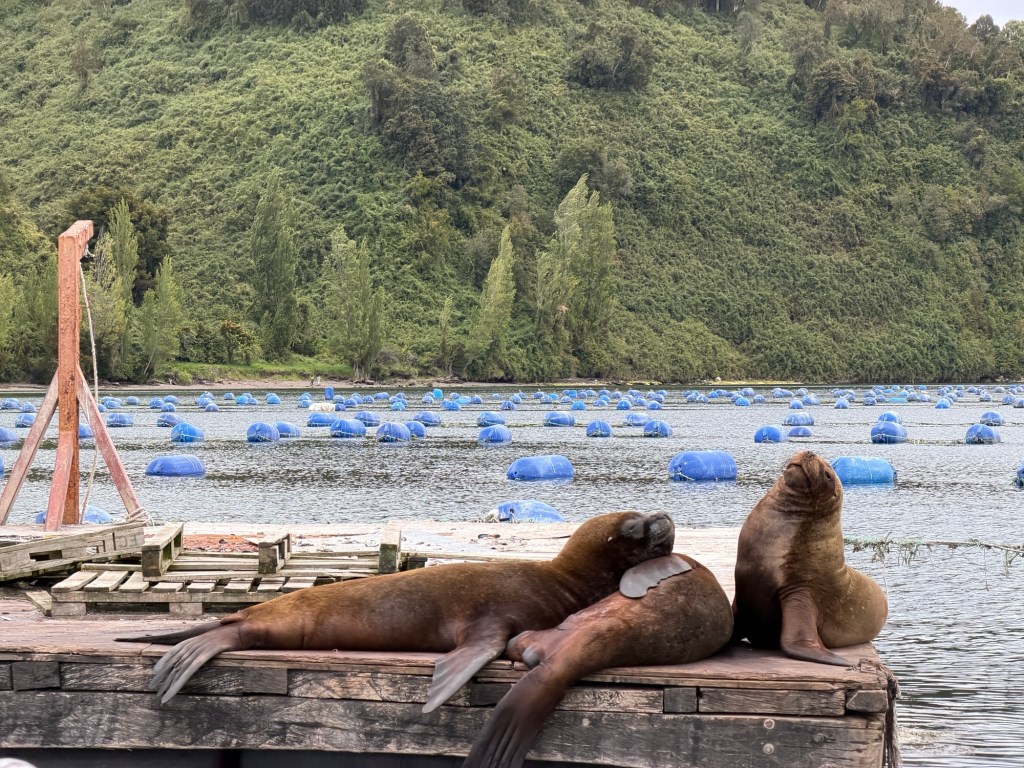
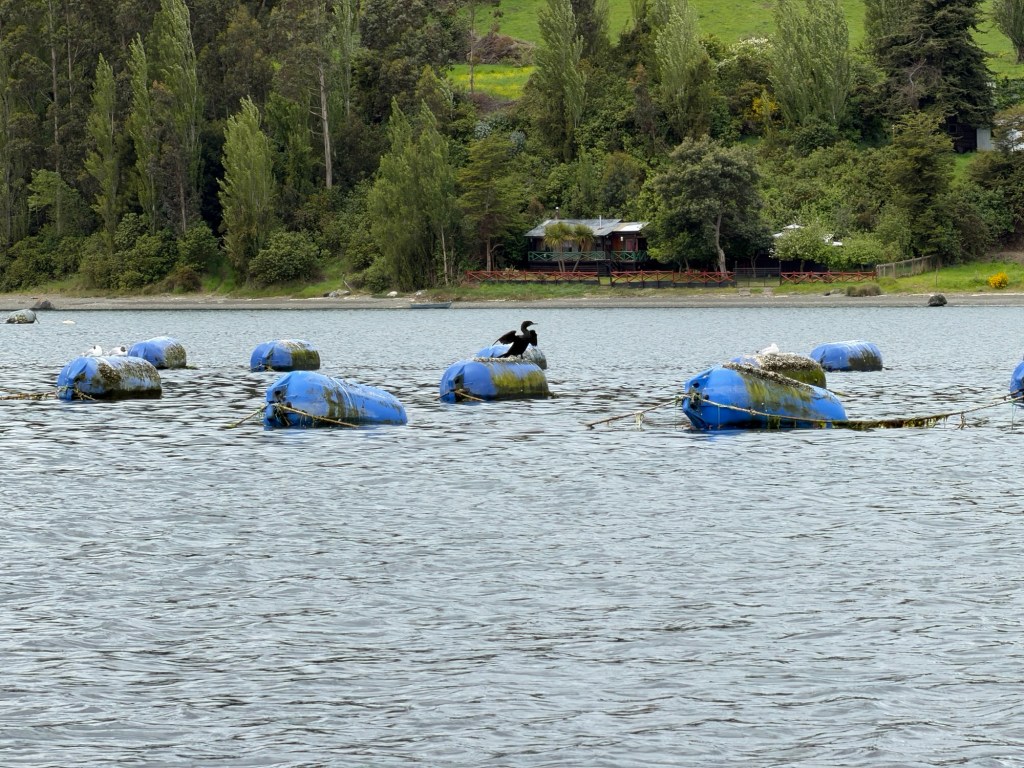
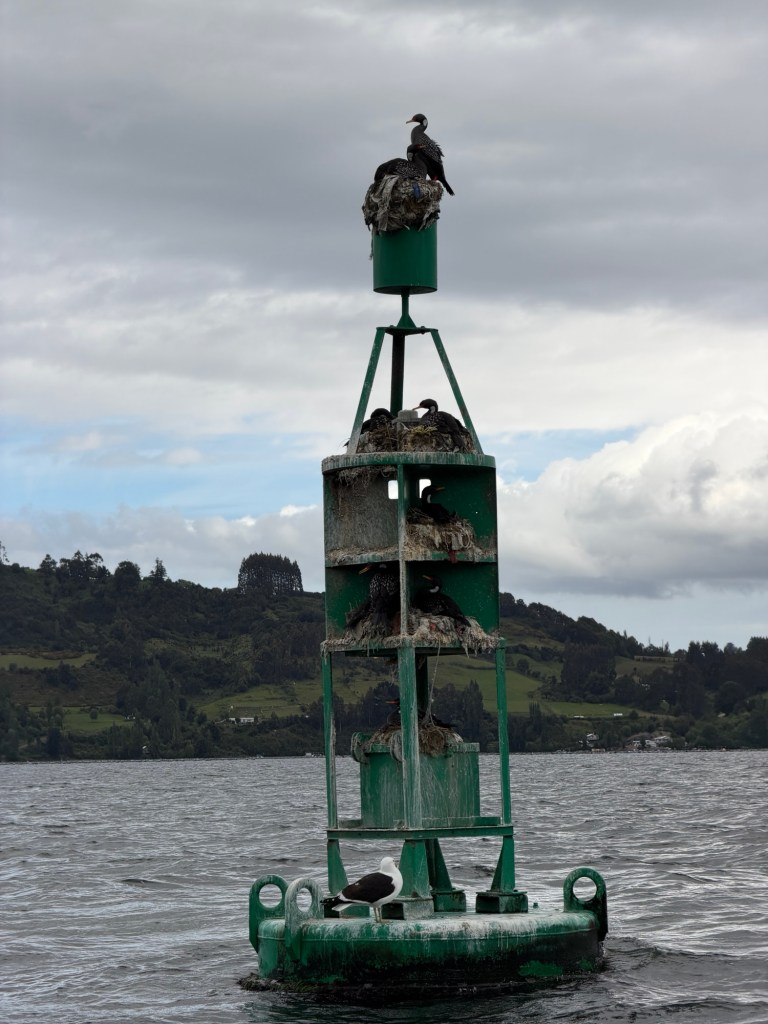
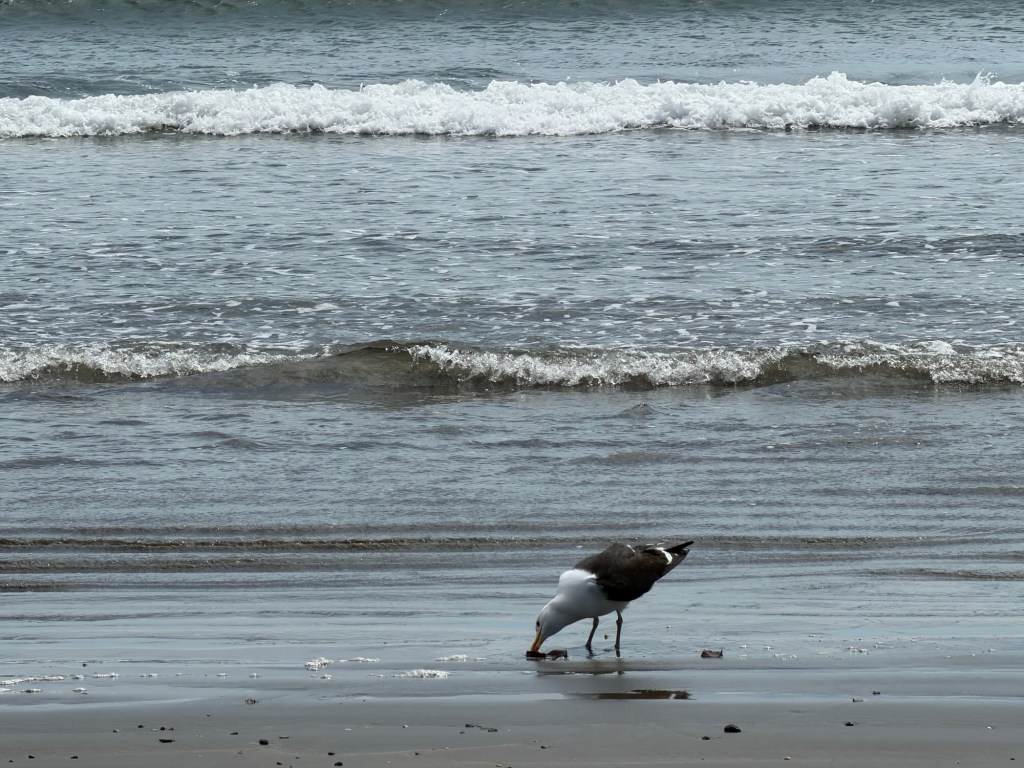
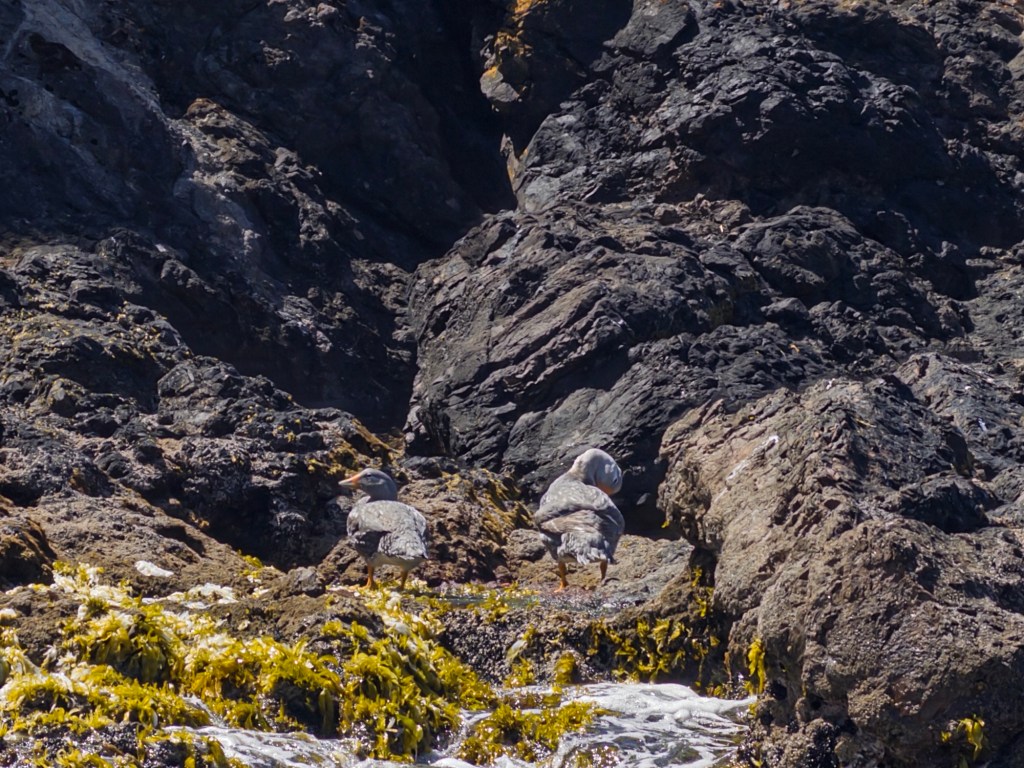
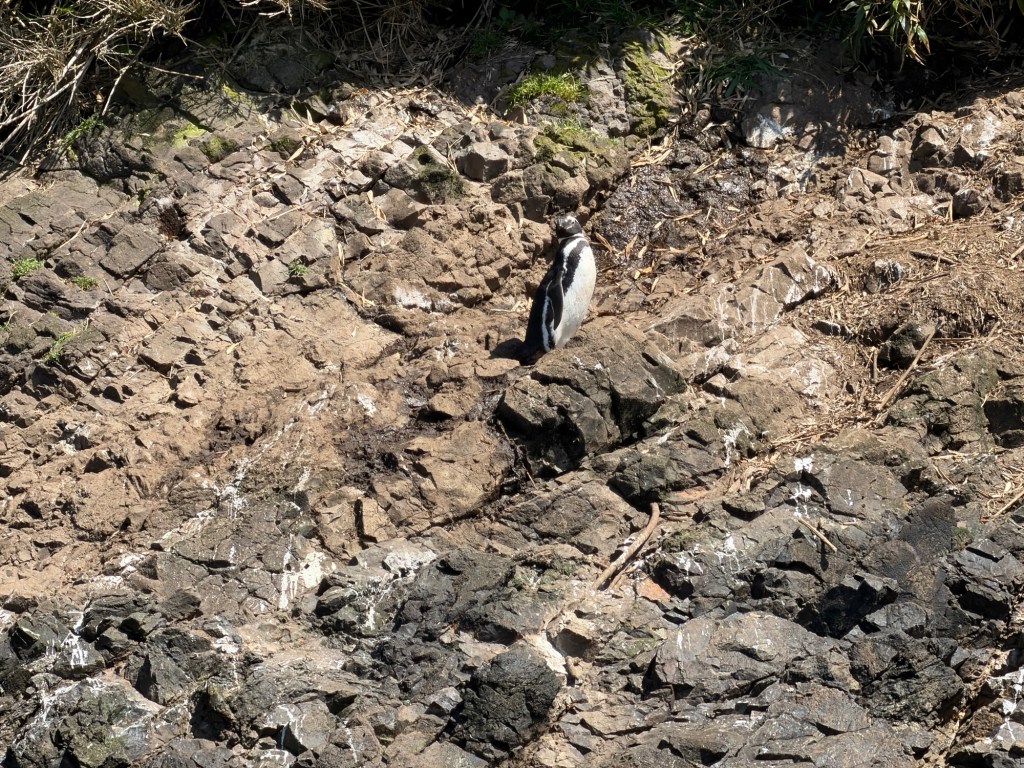
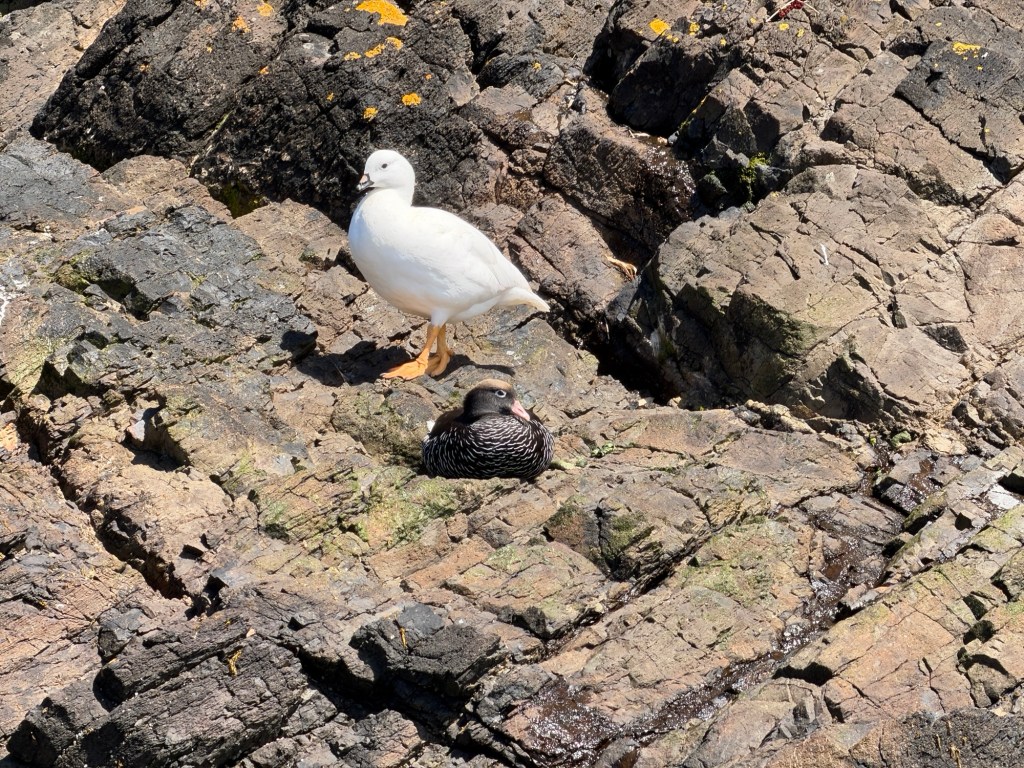
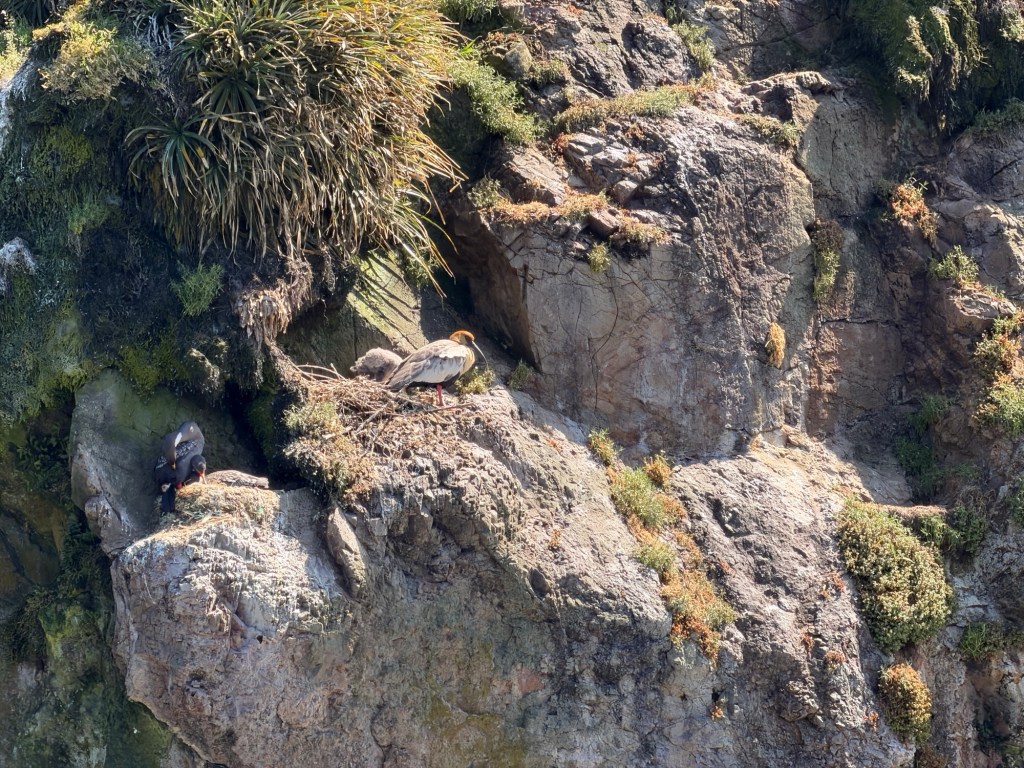
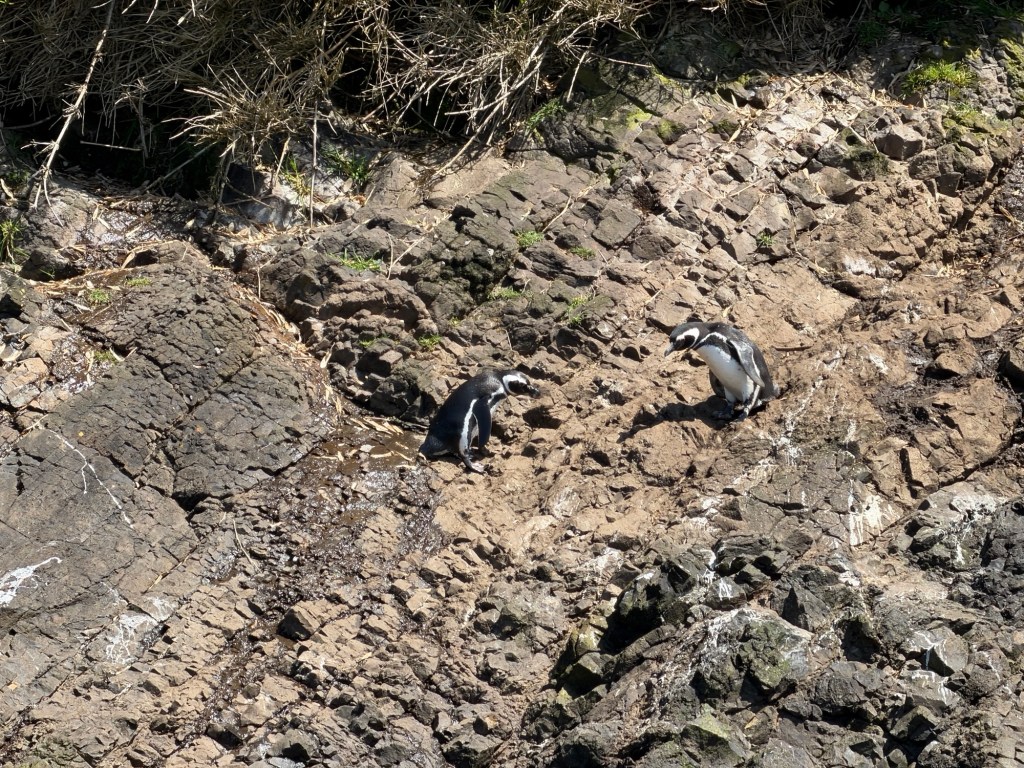
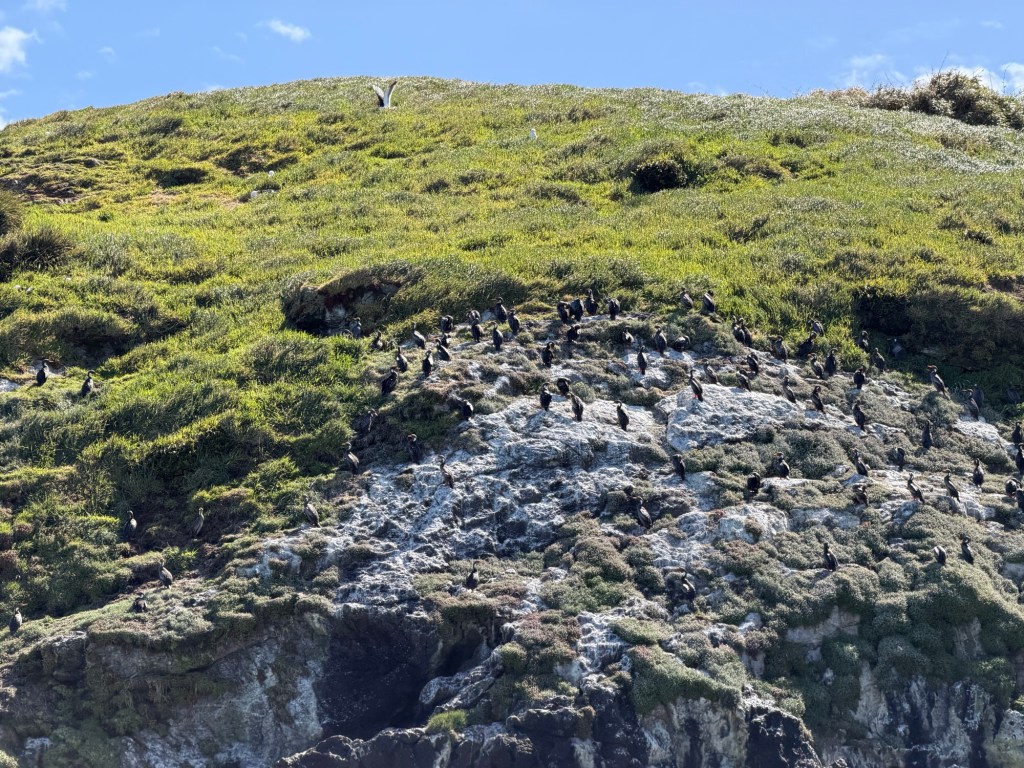
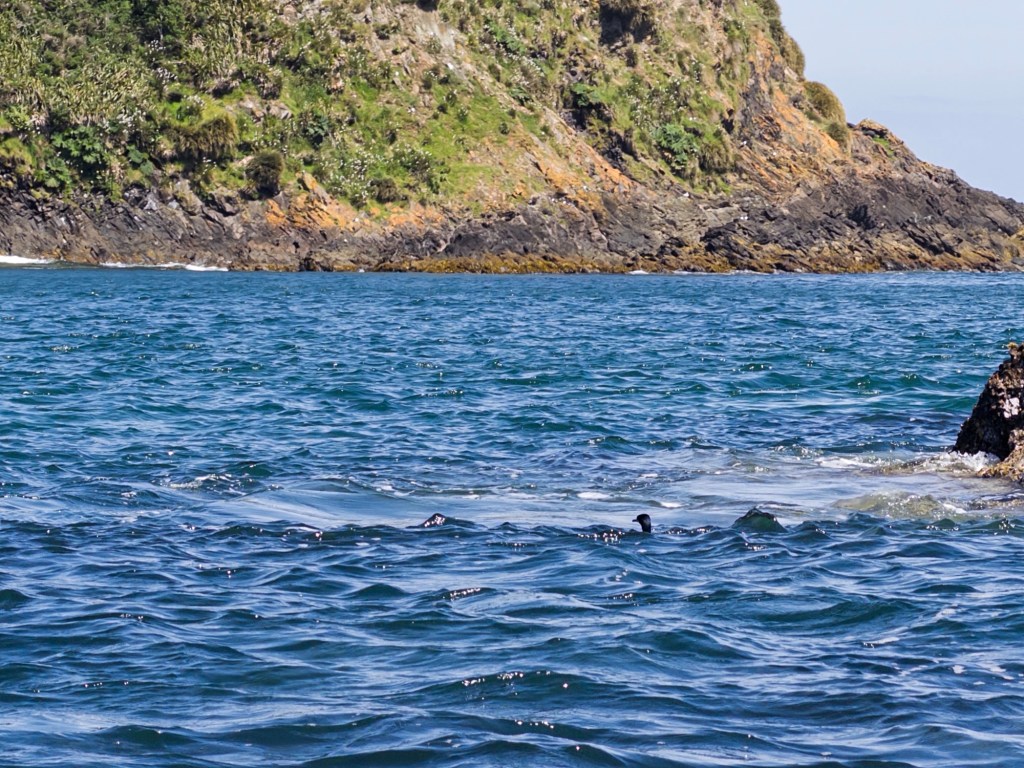
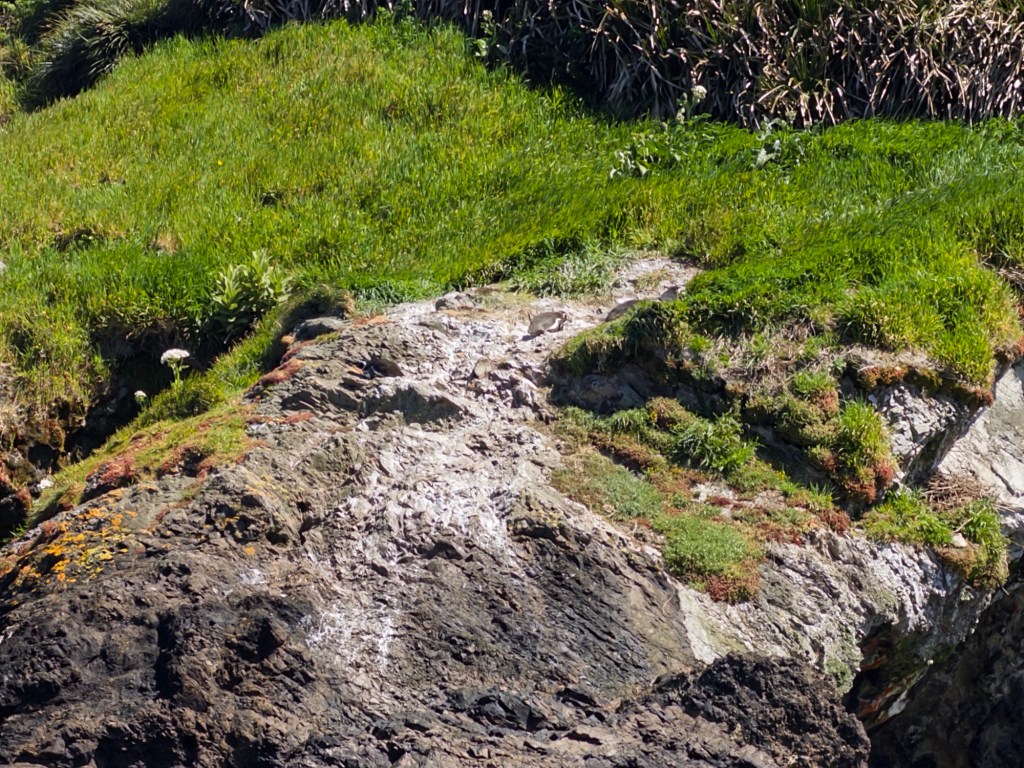
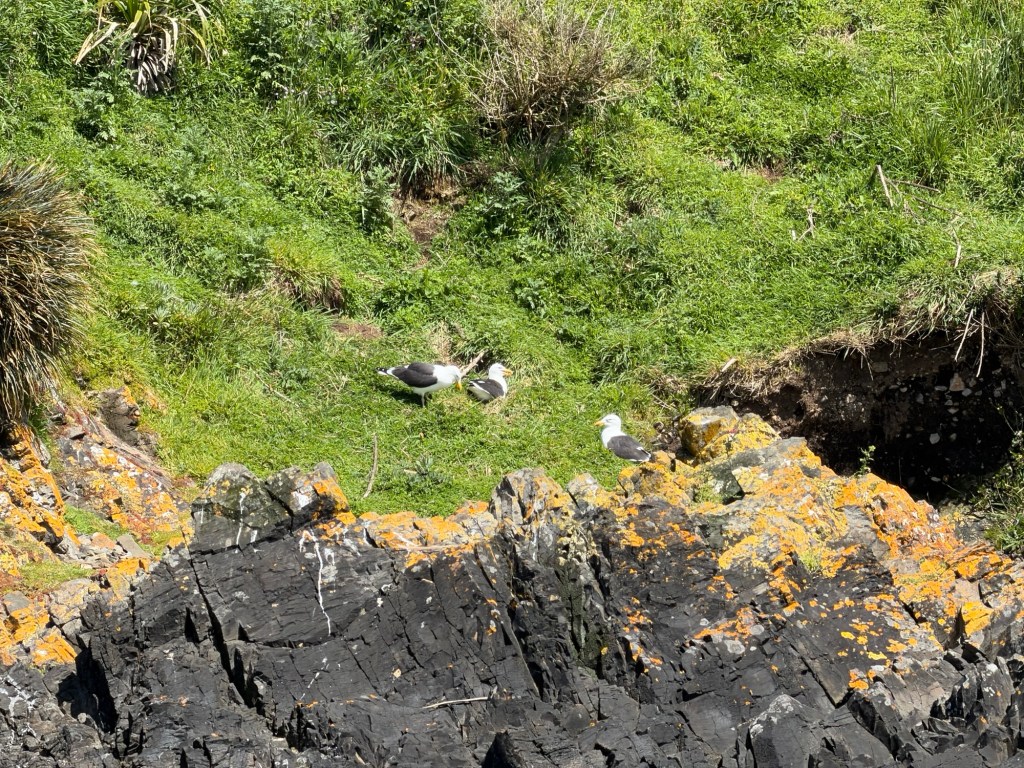
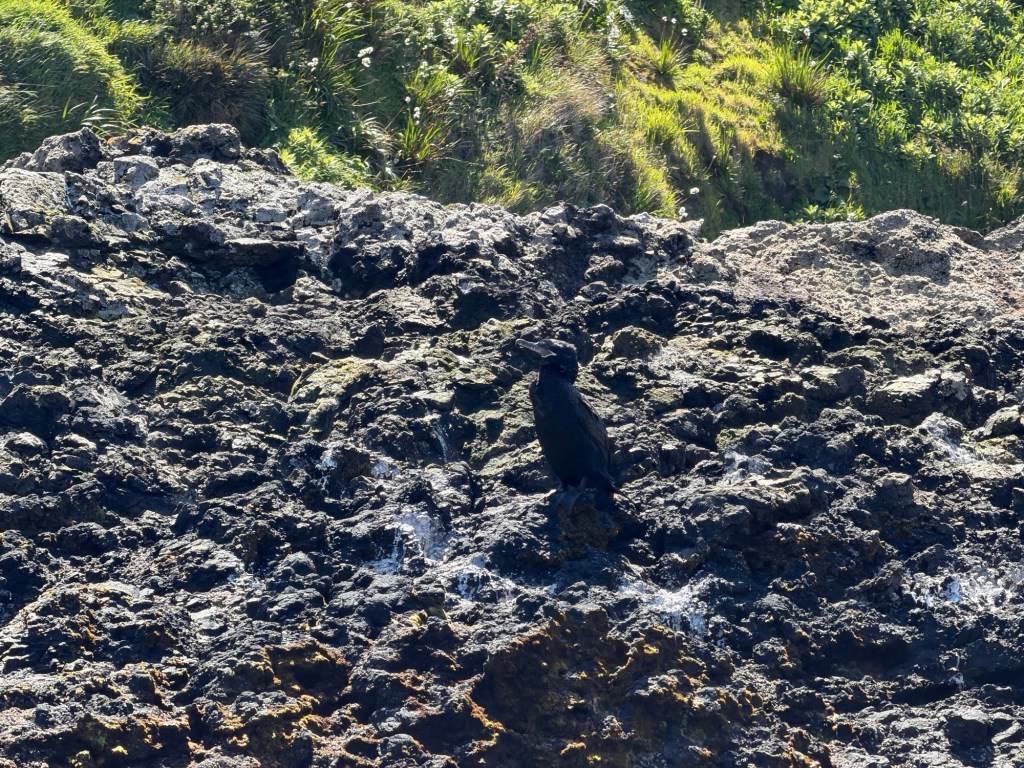
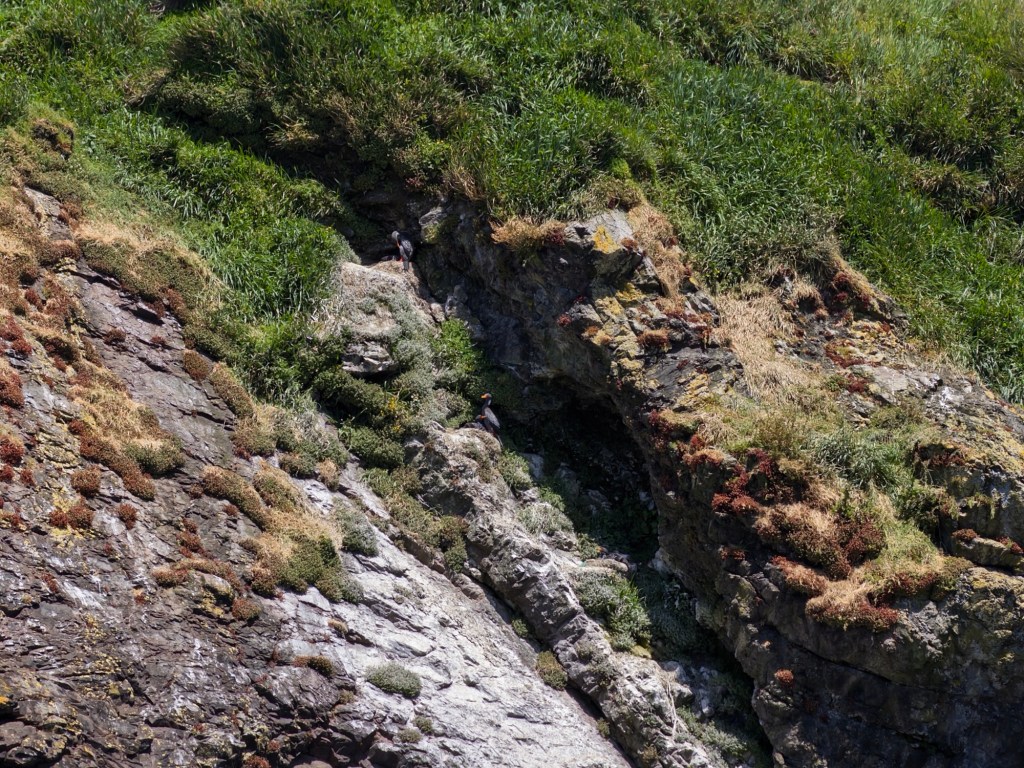
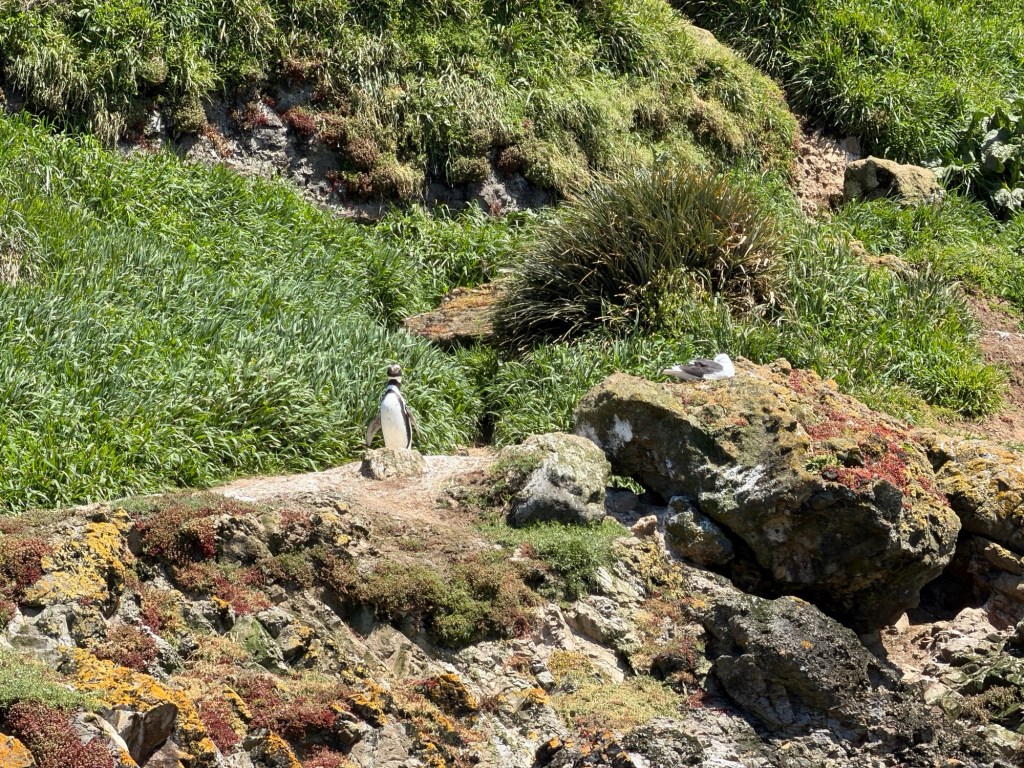
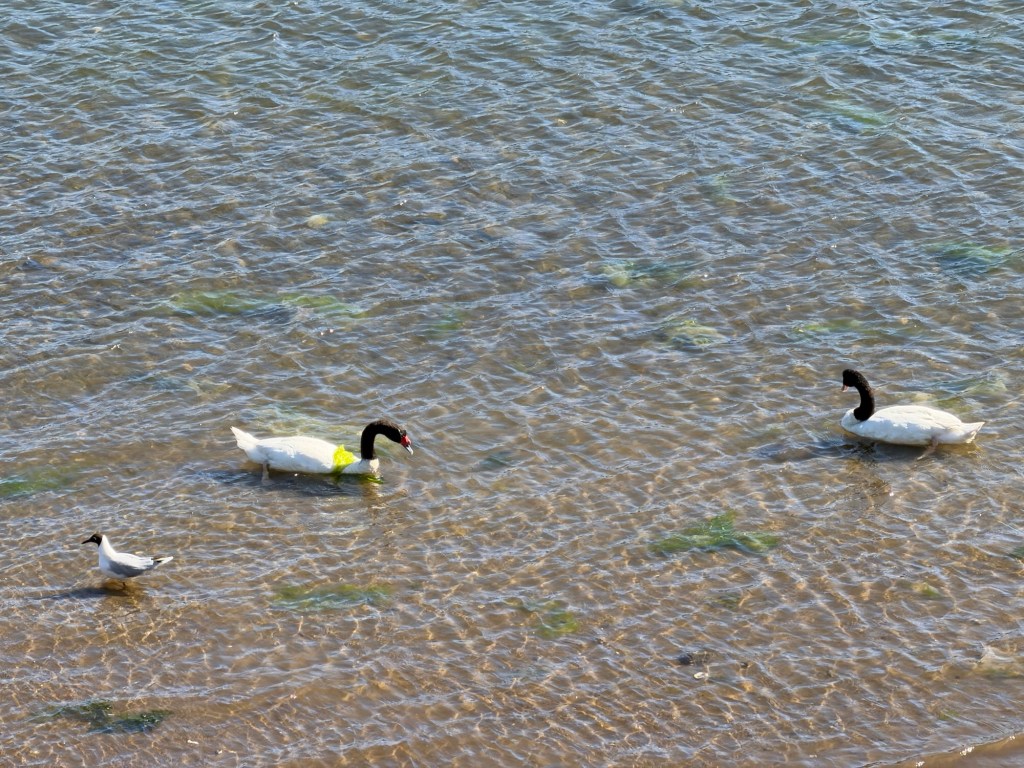
Now, we were rewarded with sightings of beautiful birds.

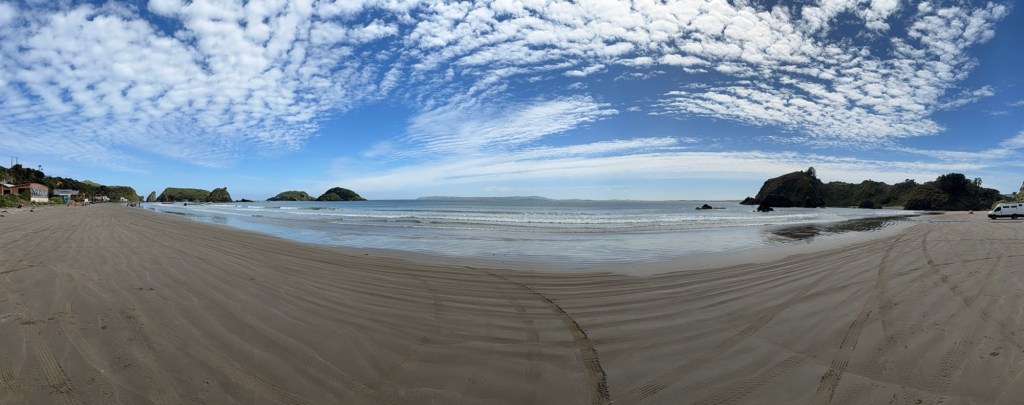
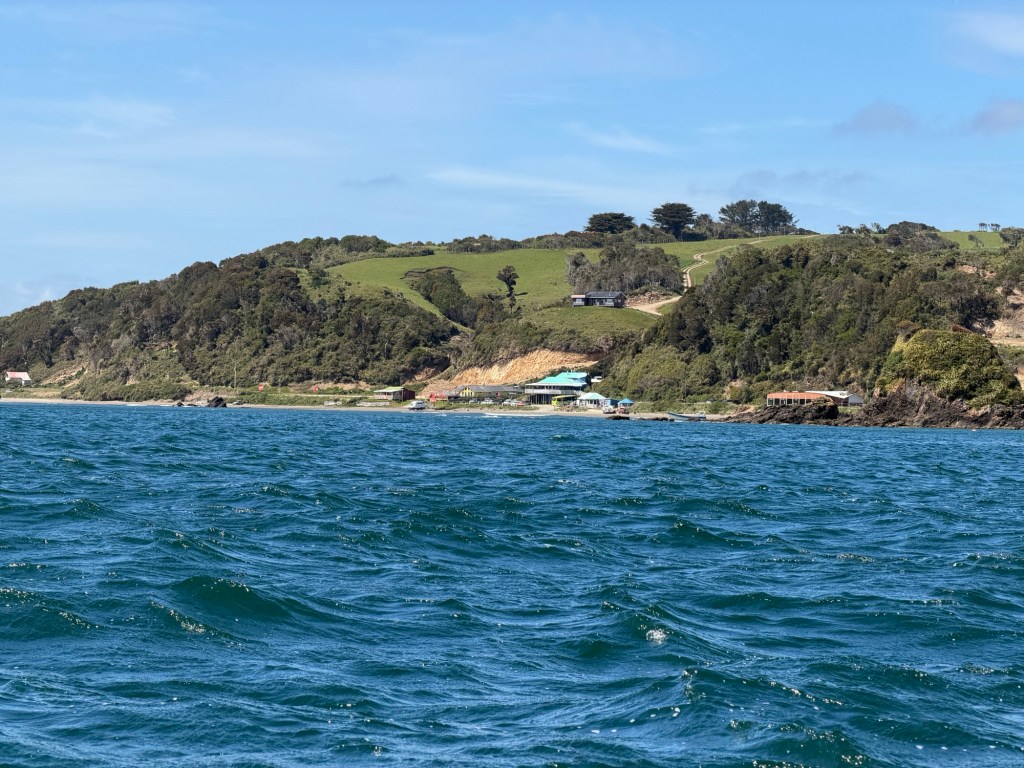
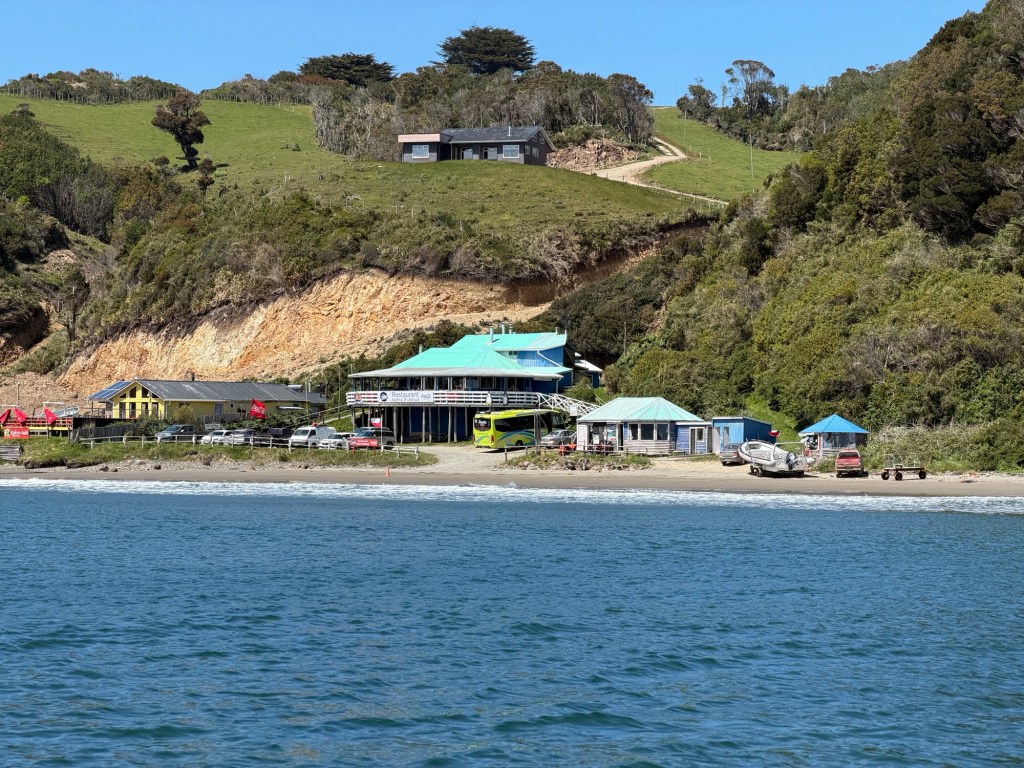
Lunch was at a restaurant on the beach — great food and views.

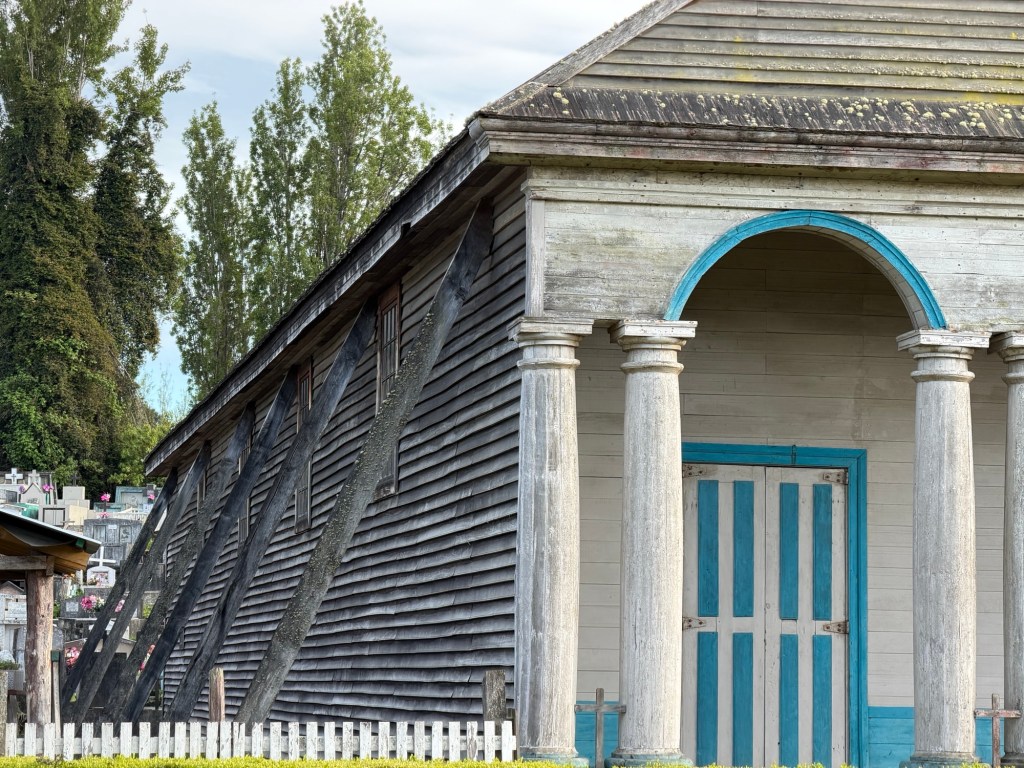
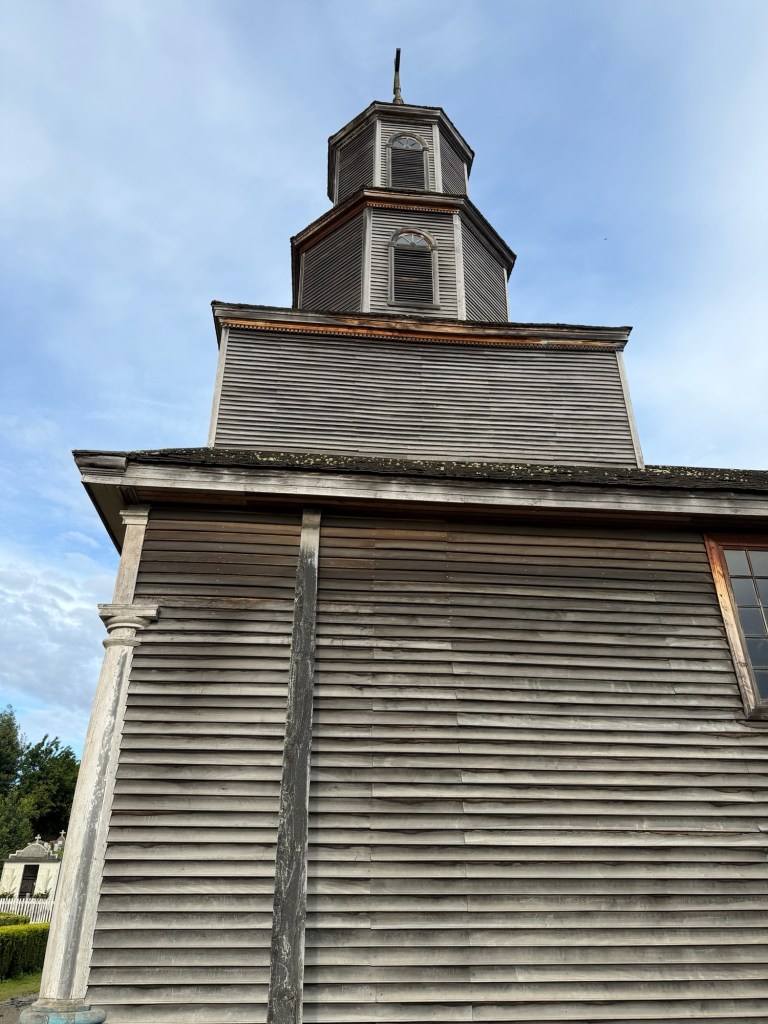
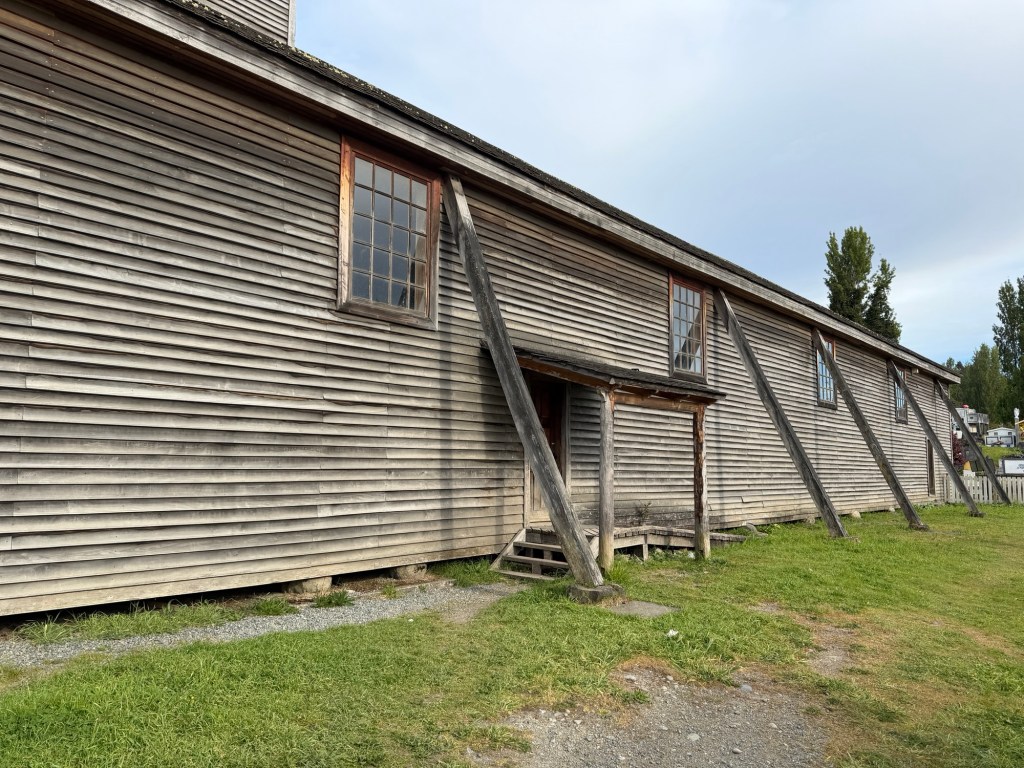
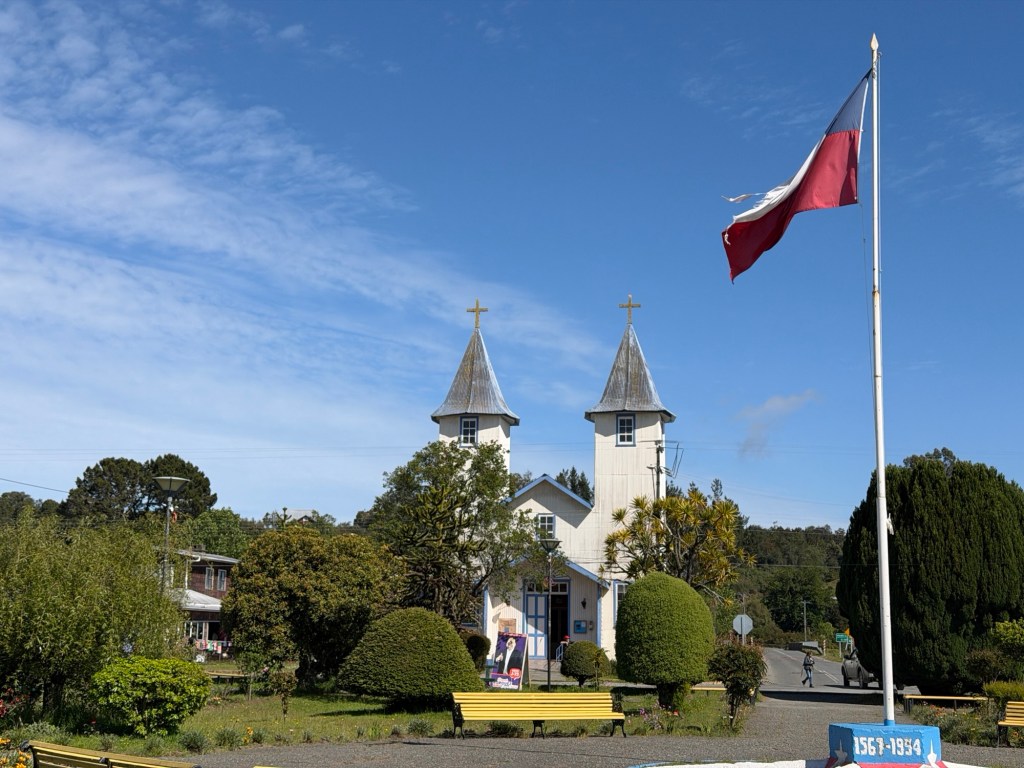
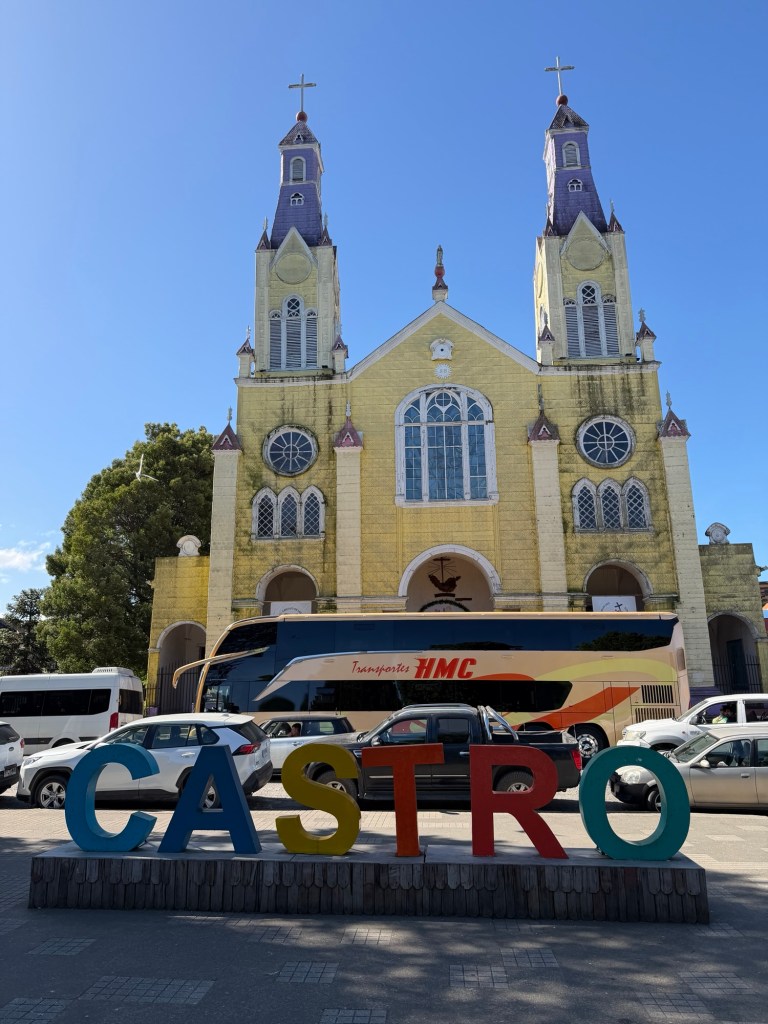
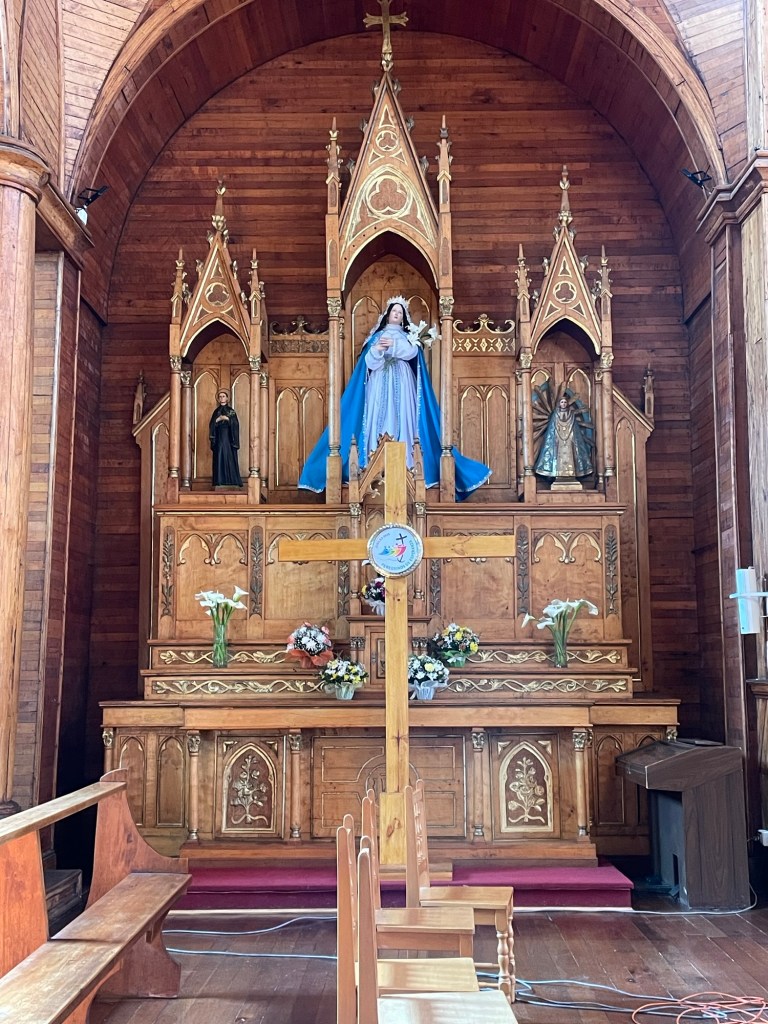
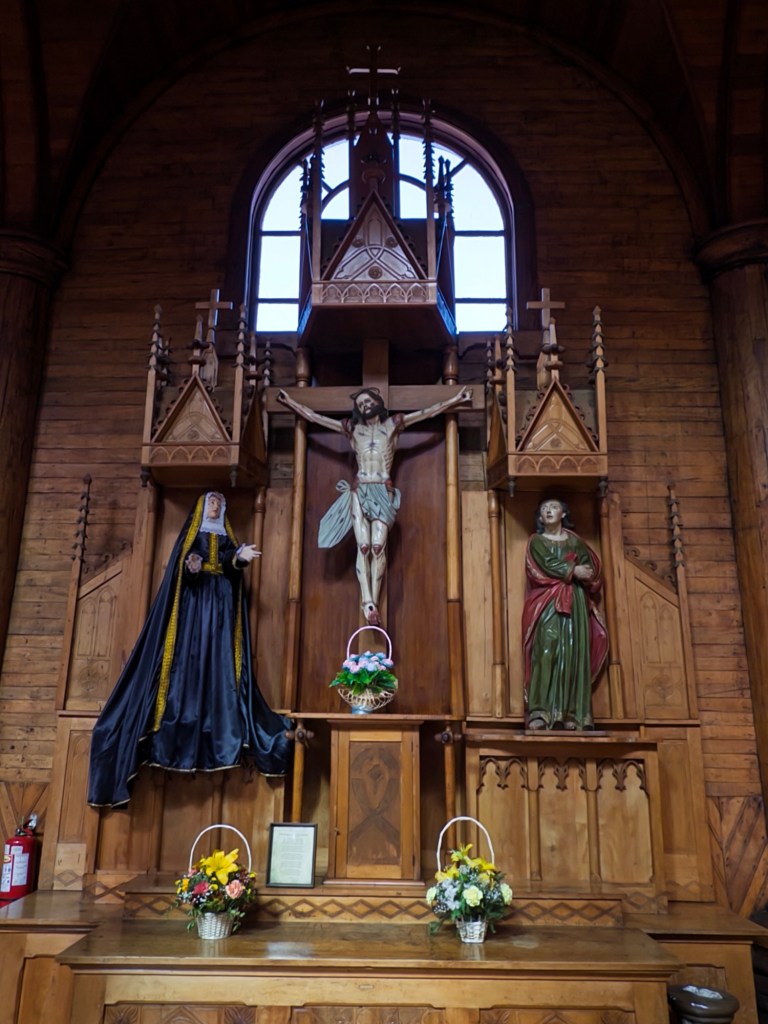
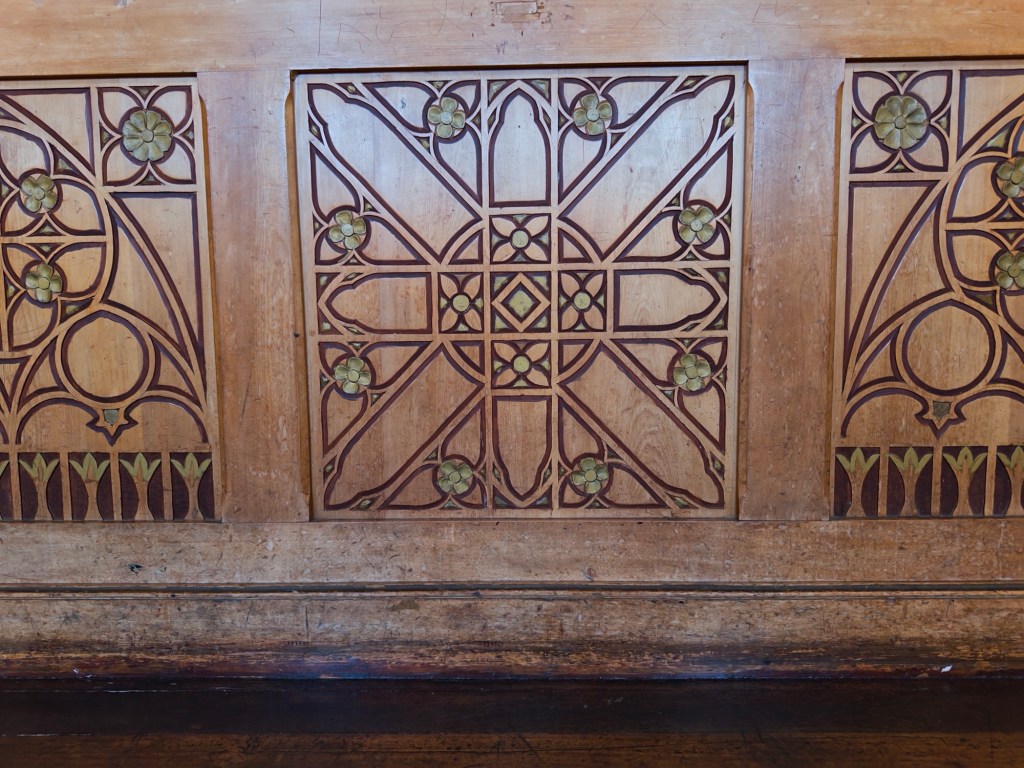
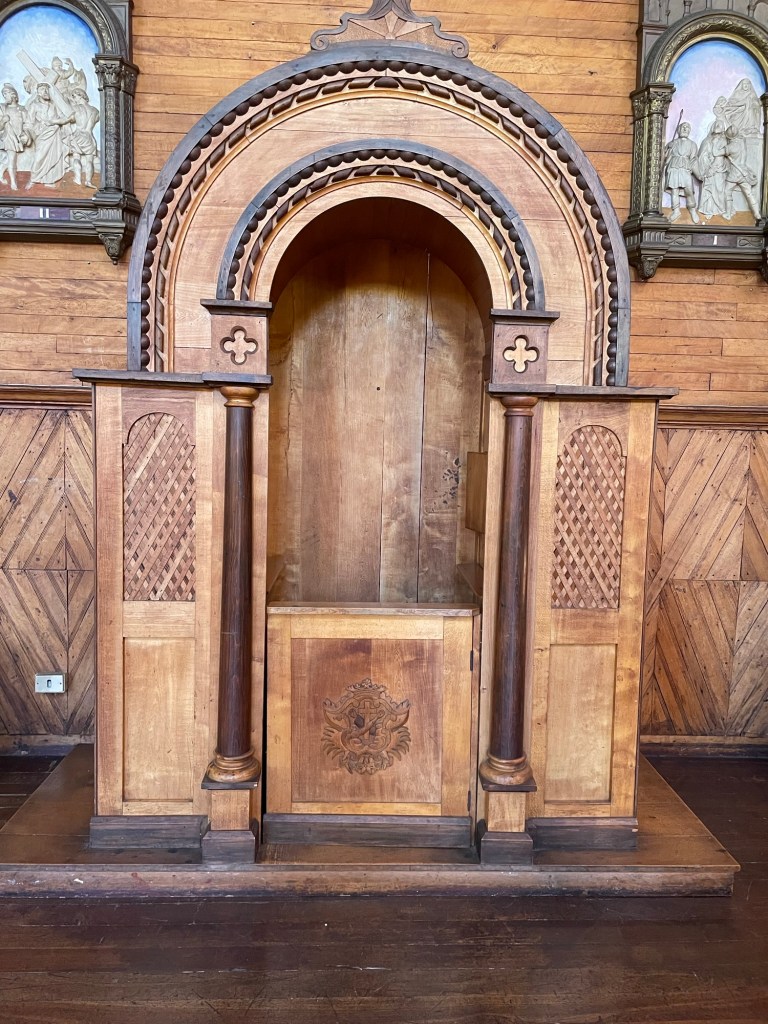
The bus ride to Castro was uneventful, but then we stopped at a church that is part of an UNESCO World Heritage Site, consisting of 17 churches. The first we saw, completed in 1910, showed a melding of native people’s construction talents with European styles. This is one of the last churches built here.

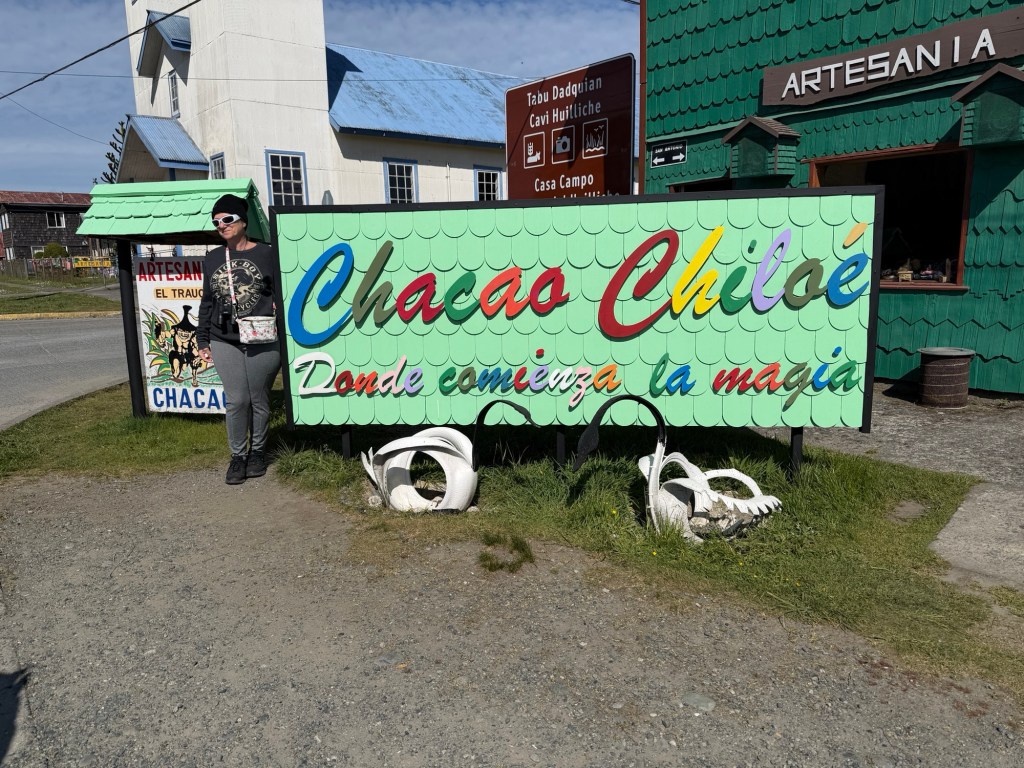
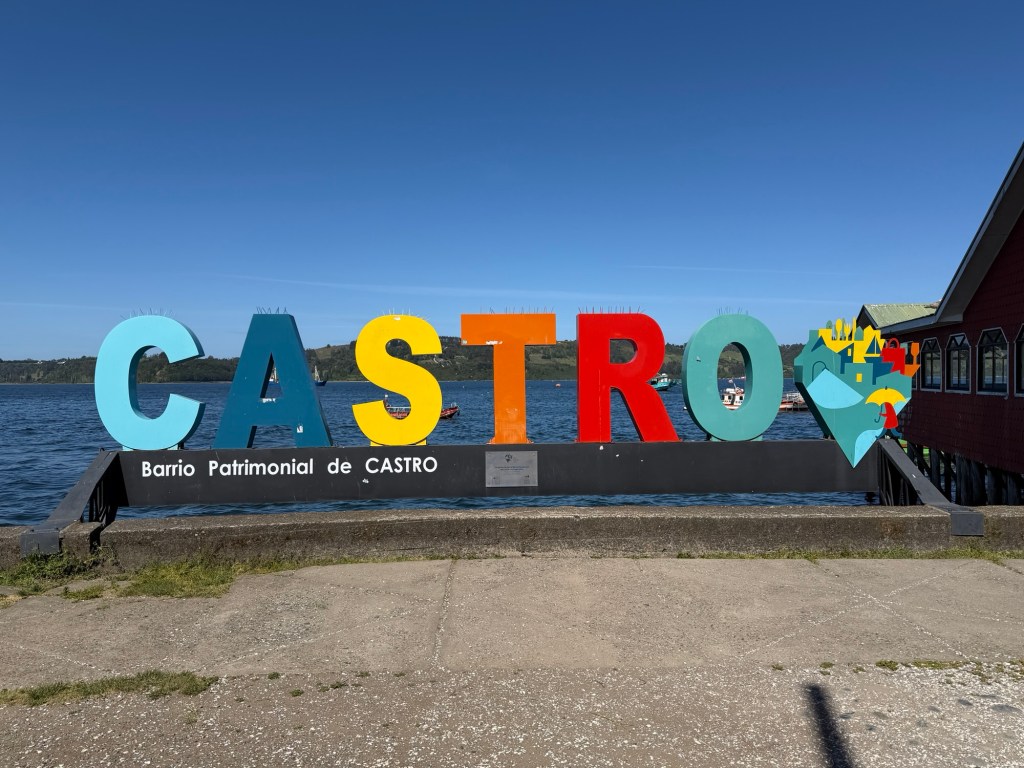
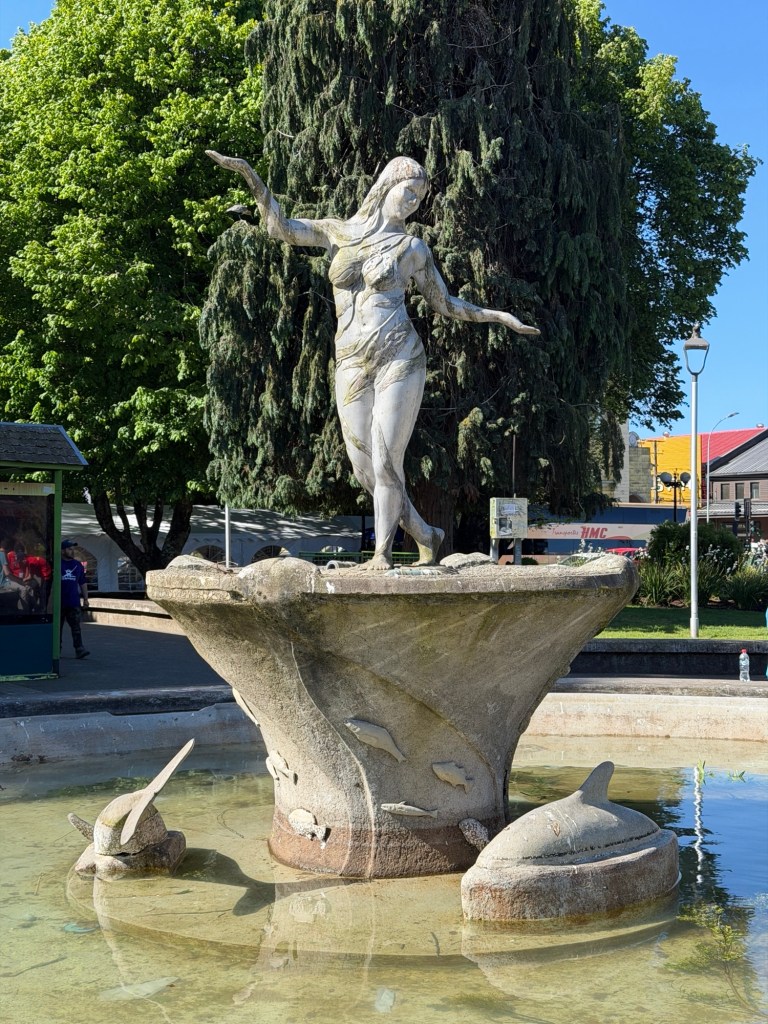
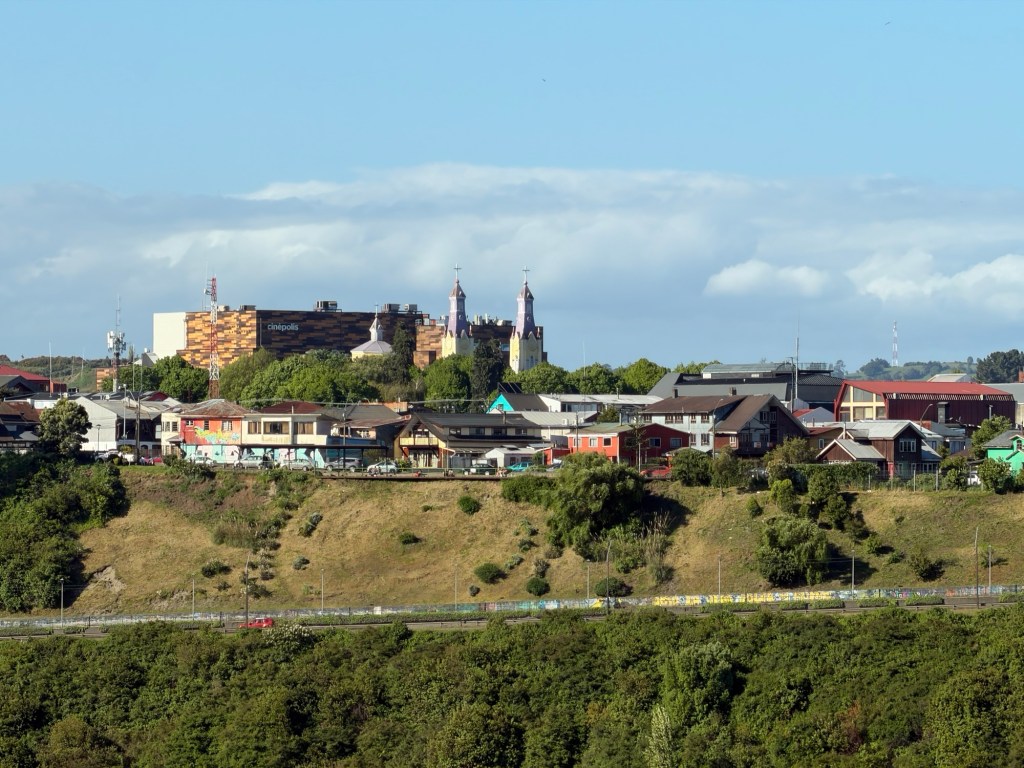
Around Castro.