Our good friends’s (Sue and Don) daughter Laura is getting married to Zach at Zach’s uncle’s farm in Connecticut. We decided to attend the wedding then see some of New England. We’ve never been here before!
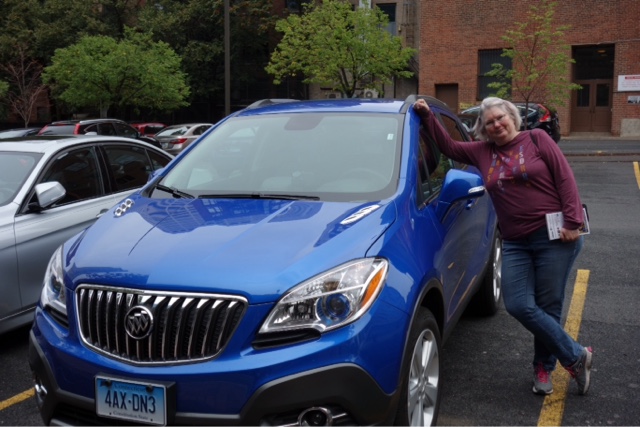
We arrived in Hartford around midnight Thursday and rented a little blue car Friday morning.
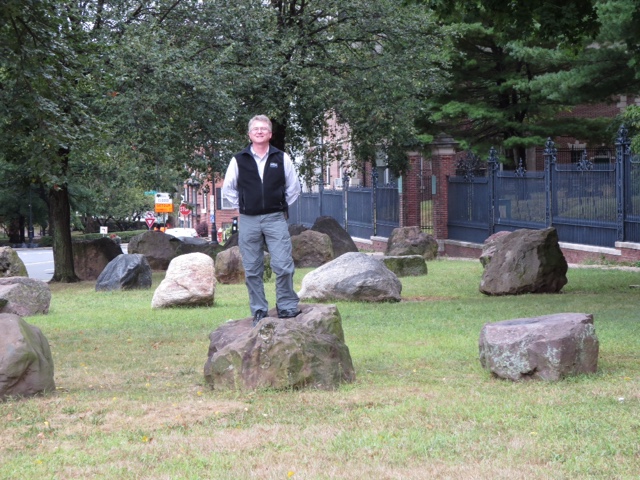
Since Hartford is the capital of Connecticut, we headed for the capital building. Along way was a grouping of large rocks on some grass. We have no idea why they were there, but Brian had to hop up.
We went into an old cemetery right in the middle of downtown Hartford, which had gravestones dating from the 1500’s. Pretty old for us Coloradoans!
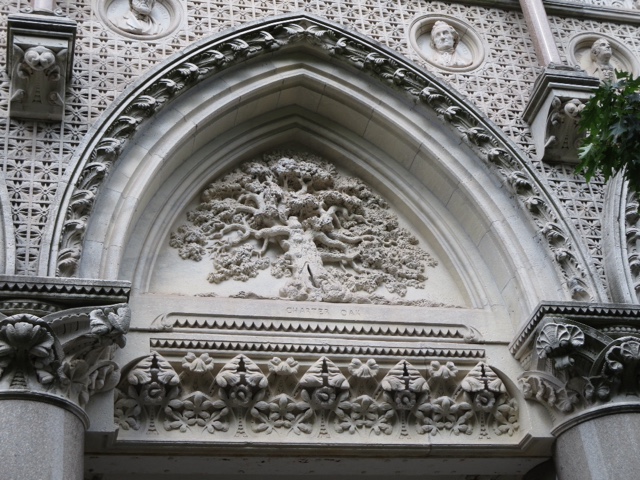
The first park in North America was the 37-acres around the capital building (1636). That’s a lot bigger than Denver’s City Park! And the capital building itself has a much older architectural style. I really liked the bas reliefs on the outside of the building.
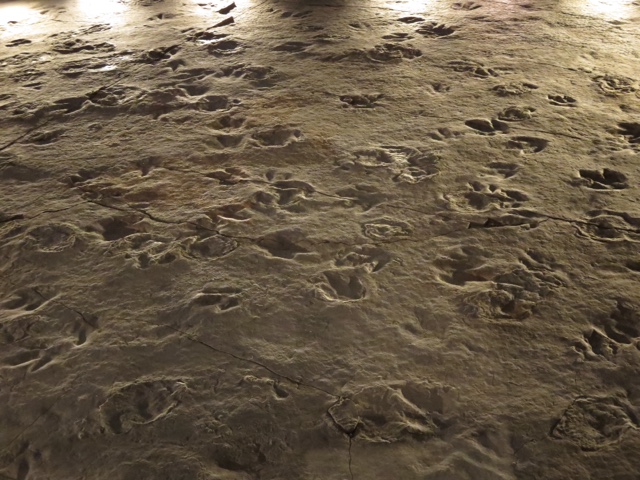
About five miles south of Hartford is Dinosaur State Park founded in 1967 just one year after over 2,000 Early Jurassic footprints were discovered. That is quick work for a state park!
The footprints were sursingly similar to the Cretaceous ones at Dinosaur Ridge, 100 million years younger than these. Perhaps a higher percentage of theropods, but still. It gave Brian a better sense of just how long dinosaurs lived on this planet – and he once identified himself as a geochronologist! We all need to experience things to understand them.
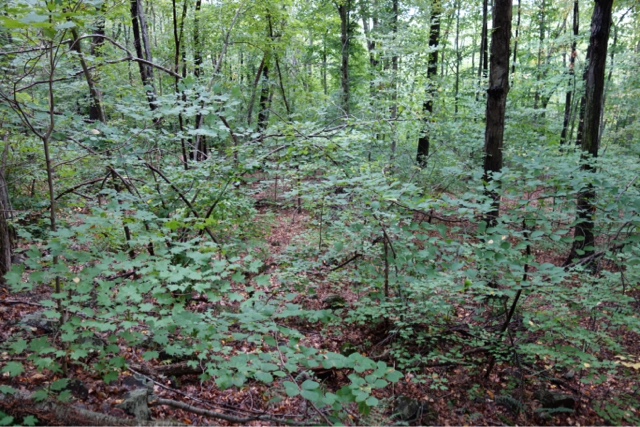
I loved walking on the paths at this park, just drinking in the green.
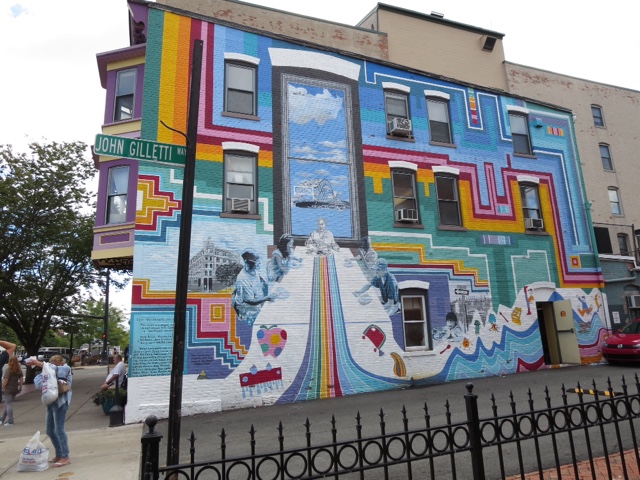
We ate a lovely lunch in Middletown near this colorful mural.
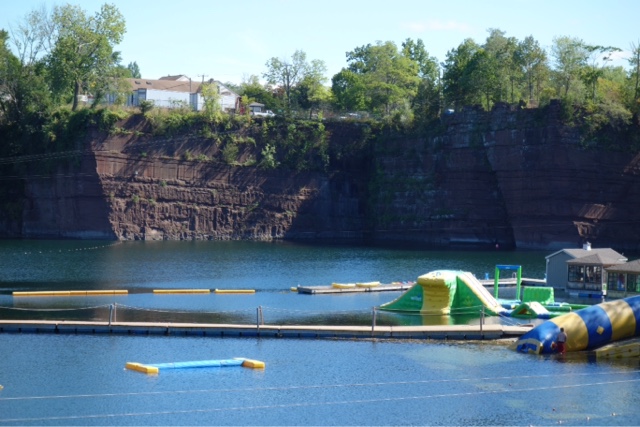
And found a Brownstone quarry across the river. Connecticut is known as the “Brownstone State” and we thought Brownstone was the state rock of New Jersey (but not officially true). So, we actually sought this place out to see the rock. But they had turned the quarry into an adventure park, which had just closed for the season. Looks like it could have been fun!
We then drove to Milford, just south of New Haven to find our hotel. The evening was spent at “The Bar” meeting Zach’s family and talking with friends at the rehearsal dinner. (No pictures).
It was raining in Munich this morning. Gathering some weather information, it was predicted to be less likely to be raining to the north. Therefore, picking between Salzburg and Nuremberg for a day trip was easy. The train from Munich to Nuremberg passes through some hop-growing areas that I recognized from similar farms in Oregon. Large fields with 15-foot high poles strung with wire to hold the hop vines (now just low shrubs).
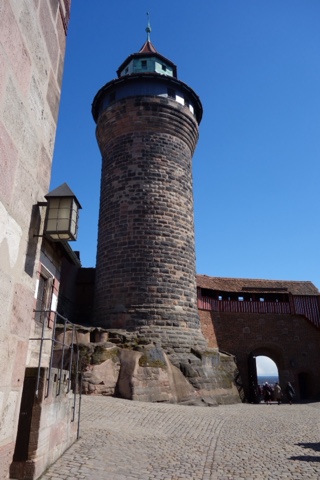
It was a good choice! Other than some wind and being generally cold, there were broken clouds and sunshine today in Nuremberg. After arriving via ICE train around 11, I walked into the old city on the main street down toward the river (and main shopping area), then continued uphill to the castle. I visited a few churches and had some grilled bratwurst for lunch on the way. After a tour of the castle museum and grounds, including a long circular staircase up the large tower, I went back to the central market area to find a bus to the Nazi Documentation Center. It was already 3:30 by then, so I had to go quickly through the excellent exhibits on the history of Germany from the end of WWI to the beginning of WWII. The English audio guide was quite good, but all the signage was German. I had a quick walk outside to see the unfinished congress building that houses the Documentation Center, and catch a glimpse of the Zeppelin Field where the National Socialist Party held rallies. Then a city tram carried me back to the Hauptbahnhof and I am now on an ICE train back to Munich. It is very full but I did get a window seat.
This is the last blog entry for the trip as tomorrow is all train and planes back to Denver. By the way, Checkers arrived in Durango last night as planned.
A note on being unfamiliar with signage. To get to the Hauptbahnhof or central station, one must exit the station below ground level and continue underground until coming up at a point where crossing the adjacent streets is possible. Otherwise you end up on an island only accessible to buses and trams. Coming back into the station via tram (ground level), I knew that I needed to go back downstairs, but once in the underground, I could not figure out where the station was. I came up twice only to resume my search in the tunnels. I was looking for signs that said Hauptbahnhof, but finally realized that the whole station is called that. What I needed to look for were signs that said DB for the Deutsches Bahn regional trains. Nuremberg is the second largest city in Bavaria, so has a commensurately large central station, with both U-Bahn and S-Bahn services as well as regional trains (like Munich).
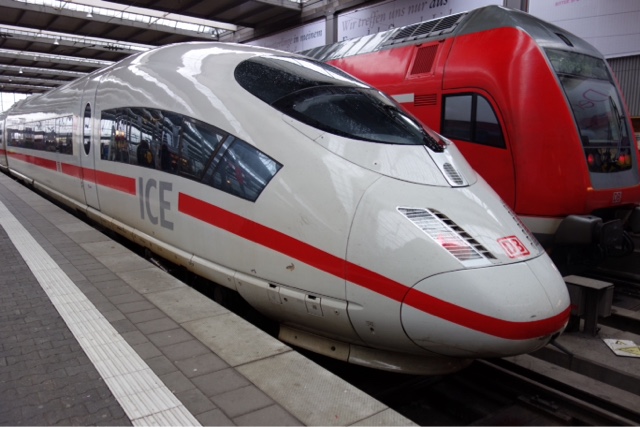
ICE trains commonly travel over 200 km/hr.
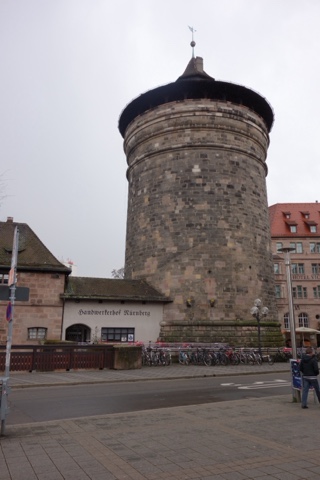
Tower at main gate to old city across from Hauptbahnhof.
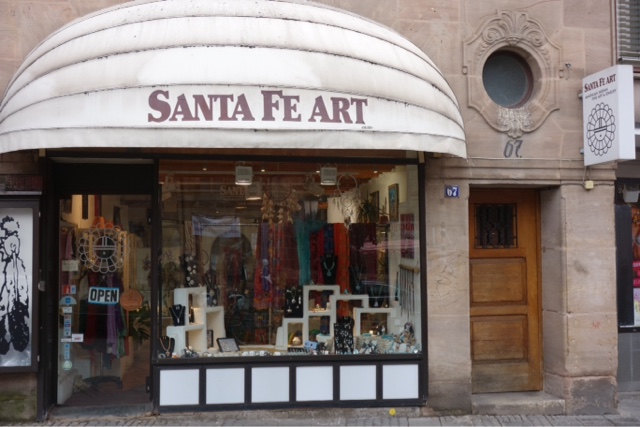
Yes, southwest Indian jewelry for sale in Nuremberg. By the way, many Germans are interested in Native American lore and relics.
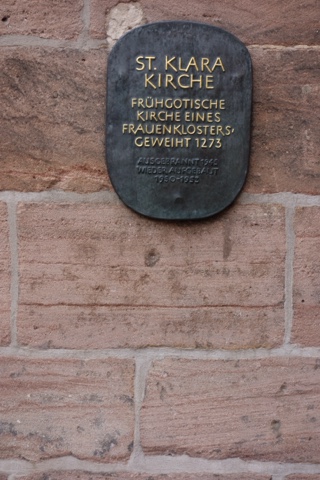
Clara Church, like most buildings here, is made of red sandstone.
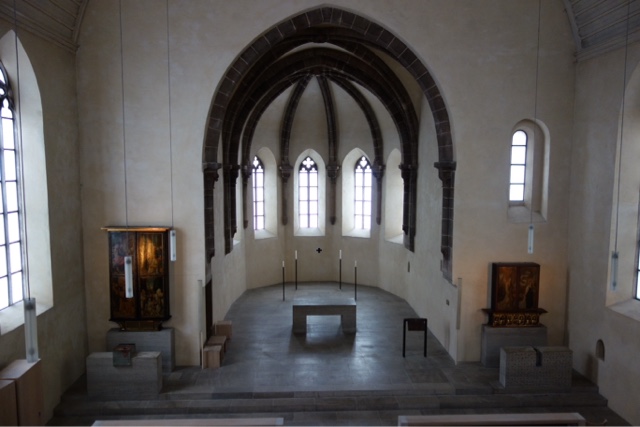
The interior of Clara Church is very simple.
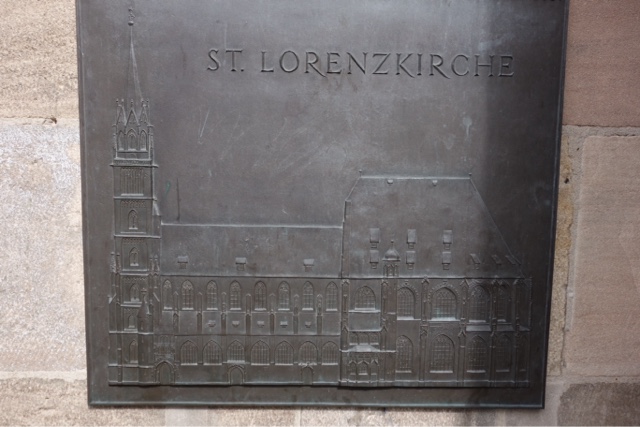
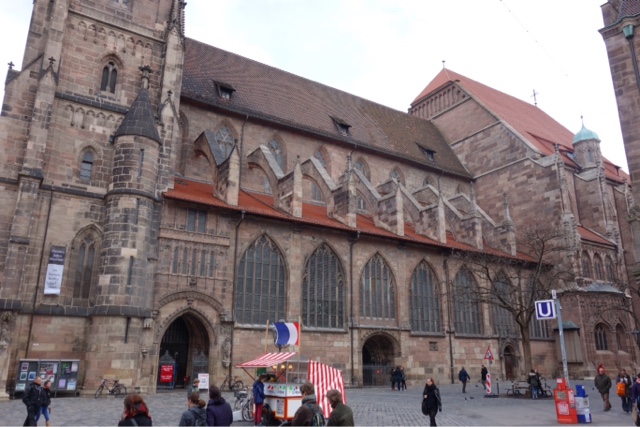
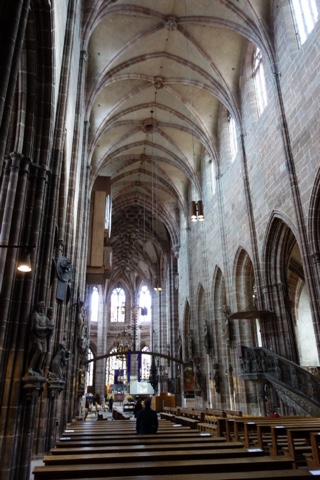
The huge St. Lawrence Church has an interesting history. It was completed as a Catholic Church, but not furnished until after the reformation, as a Lutheran Church. In common with most buildings here, it was partially demolished by Allied bombs toward the end of WWII.
It is one of the larger churches.
Very impressive interior.
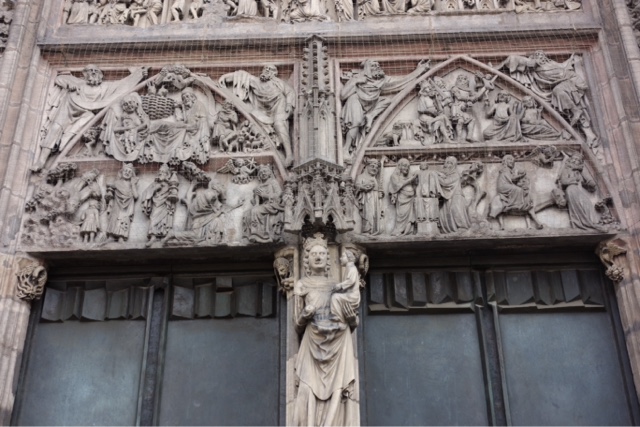
Lots of symbolism above the main doors.
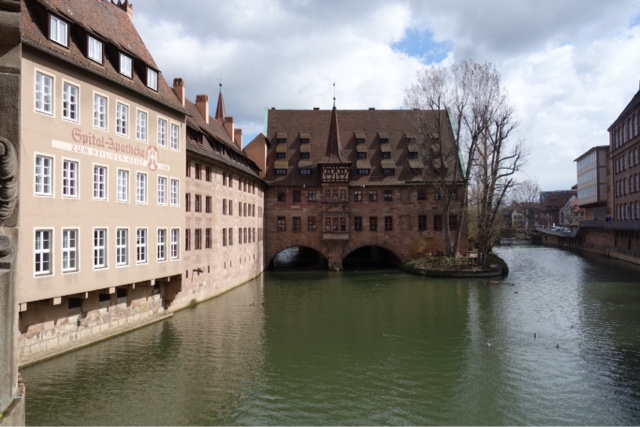
A river runs through it, the old town that is! The Pegnitz River.
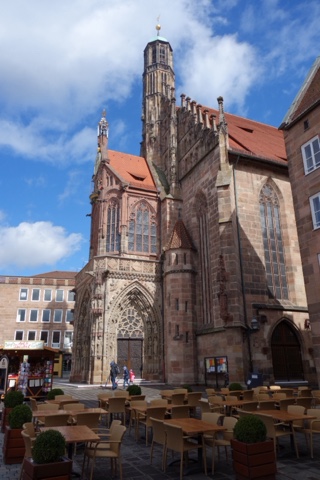
The Frauenkirche was built on a swampy area where the two separate old walled cities were joined by Emperor Charles IV.
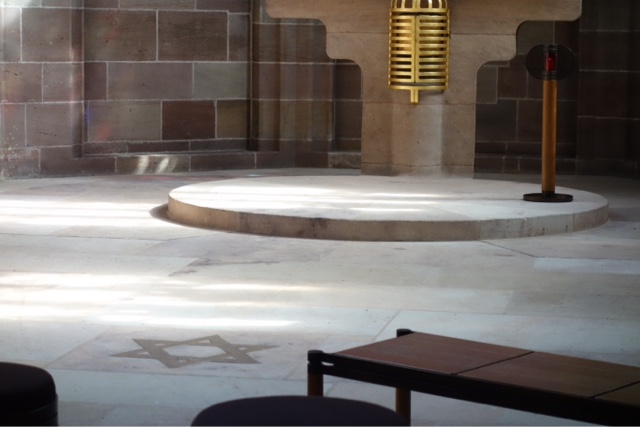
A Catholic Church, it has a Star of David on the floor of the altar as a reminder that the church was built on the site of a Jewish synagogue.
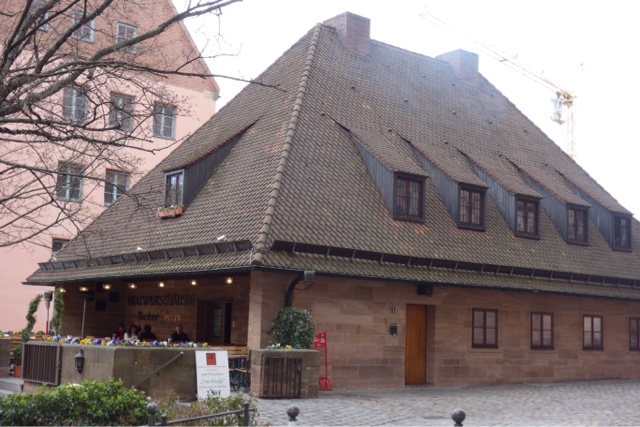
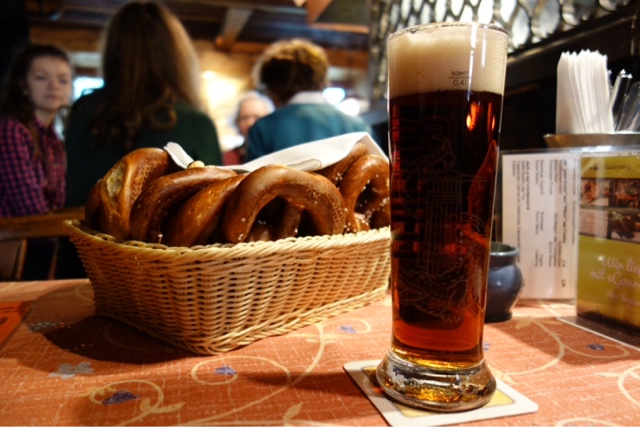
Lunch was here at Bratwursthausle, a cozy restaurant with tables around a central BBQ grill. Notice all the smoke from the chimneys. The menu is simple; just choose the number of small sausages that you want (6, 8, 10, 12) and a side dish of sauerkraut, potato salad, or creamed horseradish.
Enjoyed a good dark beer (Doppelbock) with my wurst. Pretzels are on each table (1 €).
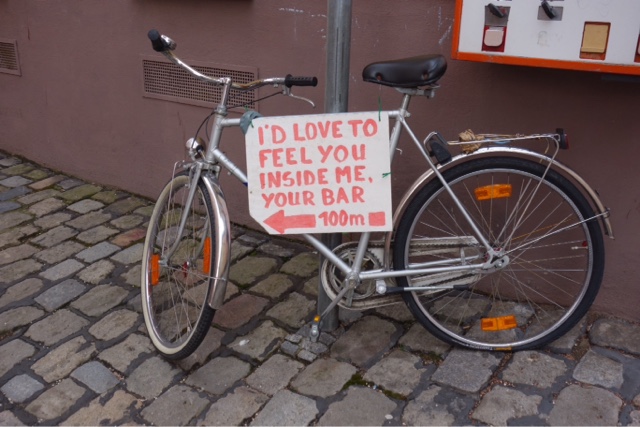
Interesting ad on the way up the hill to the Imperial Castle (Kaiserburg). No, I didn’t visit the place.
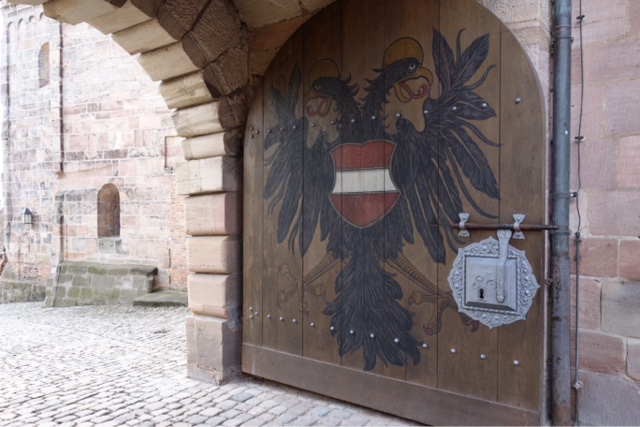
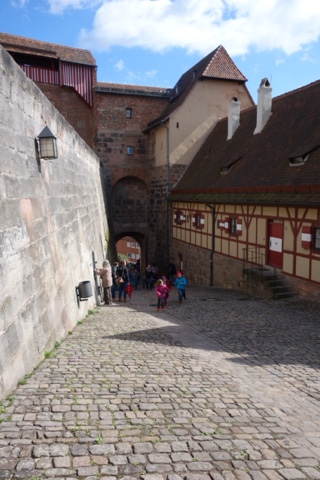
A door into the upper courtyard.
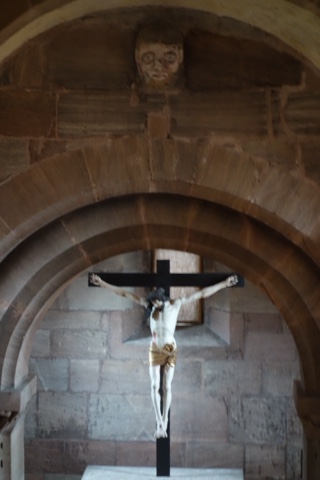
The castle chapel.
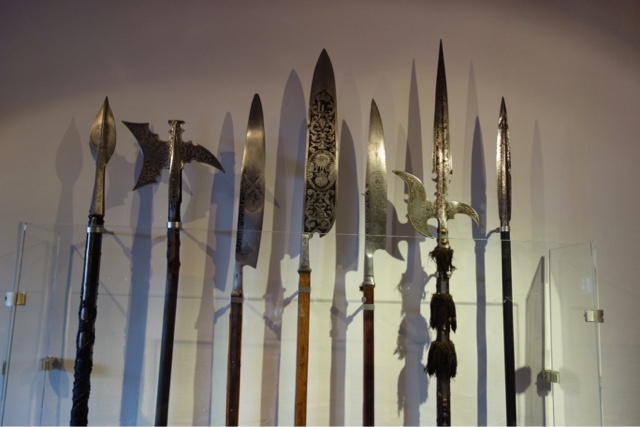
The museum has lots of exhibits, including these sharp objects to wound or kill one’s medieval enemies.
I climbed the tower for views.
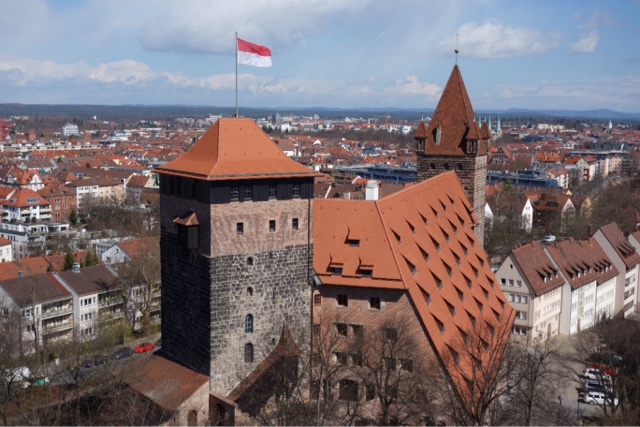
This part of the castle is now used as a youth hostel.
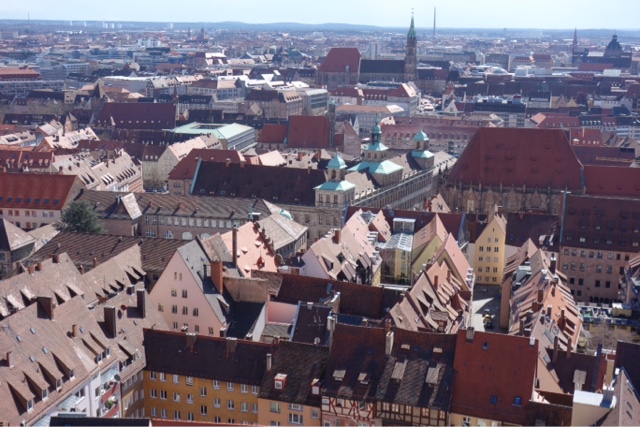
View into the old city. The steeple in the center is St. Lawrence Church.
Back out of the castle and down the hill to the river…
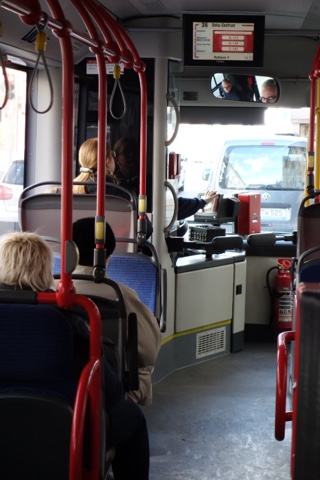
I hopped on a bus to Doku Zentrum. The buses, here and elsewhere, have screens showing upcoming stops. My stop was the end of the line.
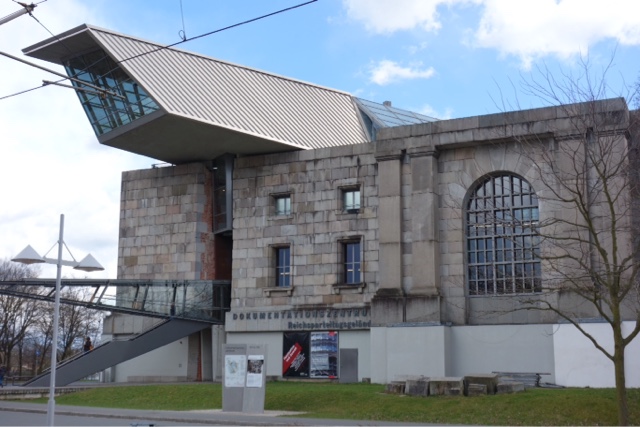
The Dockumentationszentrum (Nazi Documentation Center) is built into part of the unfinished National Socialist congress hall. It’s purpose is to document the rise of Hitler’s Third Reich, the causes of the atrocities and the trials that occurred after the war here in Nuremberg.
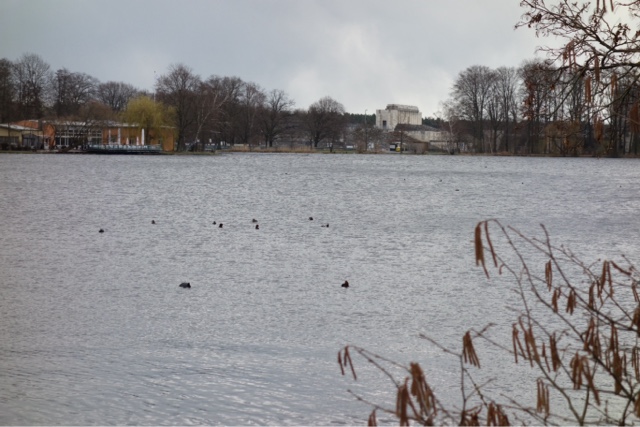
It was starting to rain, and getting late, so I did not walk to the Zeppelin field where the infamous rallies to National Socialism were held in the 1930s. The rostrum and backdrop are visible in the distance.
Checkers left on the S-Bahn for the airport early this morning. She has three flights back to Durango.
So I toured Munich to see what I could before it started raining late this afternoon.
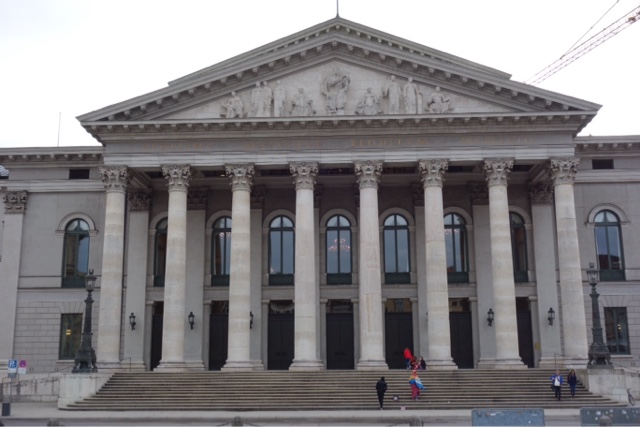
National Theater where Richard Wagner’s operas were first performed in the 19th century.
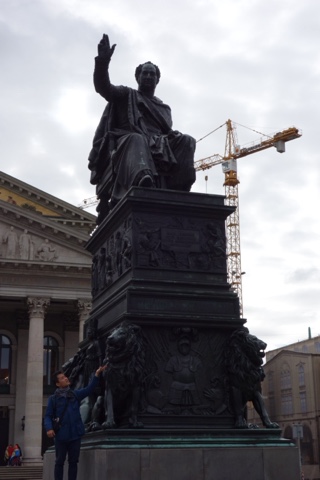
Max Joseph, aka Maximilian I.
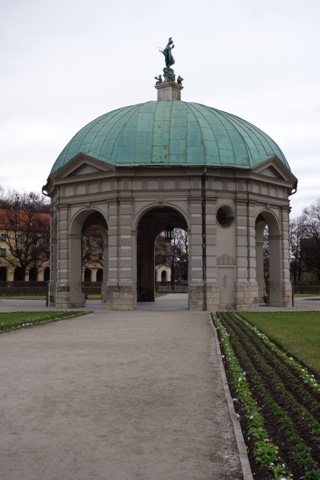
Hofgarten
Where Checkers would likely be found if she lived here!
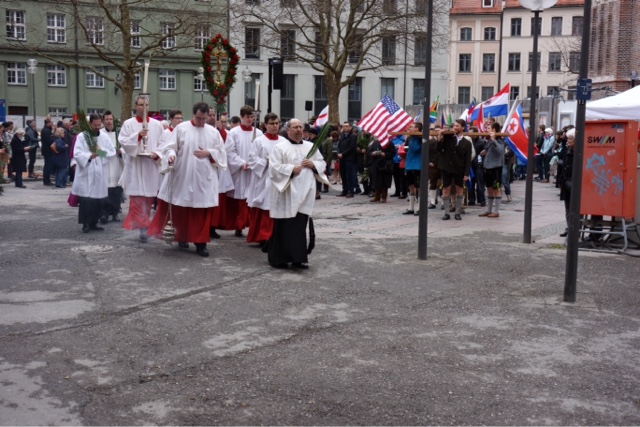
Came upon this Palm Sunday procession at the back of Frauenkirche, whose twin onion dome towers are a symbol of Munich. I could hear the service from a block away; there were musicians and singers in the procession, which was broadcast through outdoor speakers.
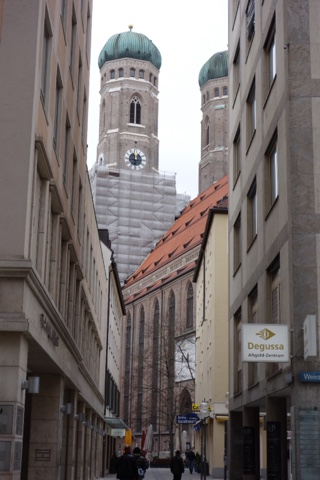
It is hard to see the twin onion dome towers of Frauenkirche from within the city center.
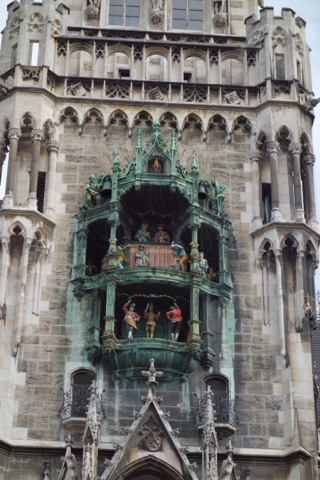
The Town Hall glockenspiel only performs at 11, noon, and 5.
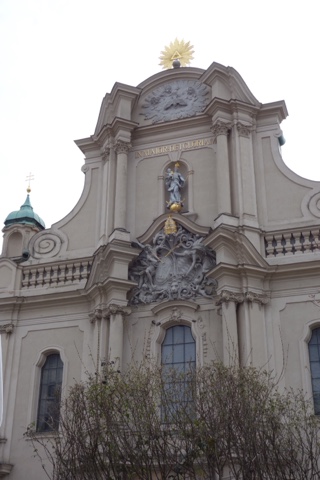
Heiliggeisrkirche. There are many churches in the city center!
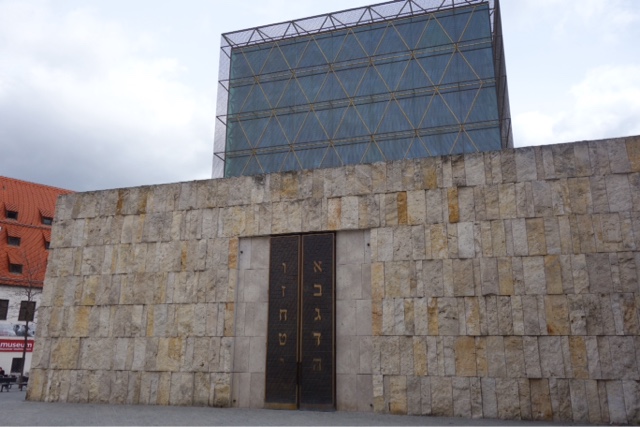
The Jewish synagogue, with the first ten numerals in Hebrew on the doors. I visited the Jewish Museum next door and learned about the history of recorded music, especially vinyl records.
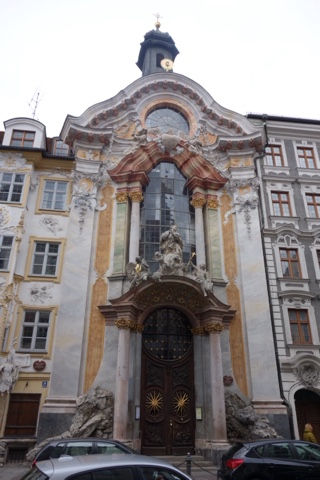
Asam church, built by the brothers of the same name in 1740, is only 30 feet wide to fit into the row of houses and businesses on the block.
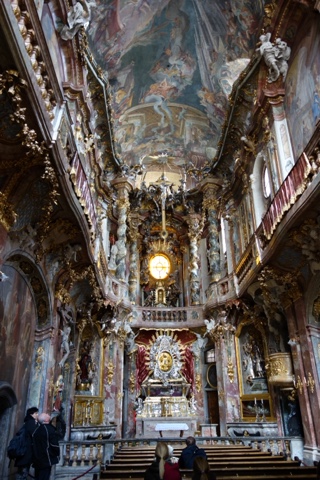
Inside the Asam church; lavish decorations.
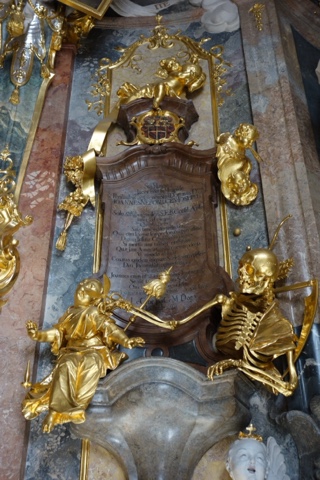
Gilded grim reaper in the foyer of the Asam church.
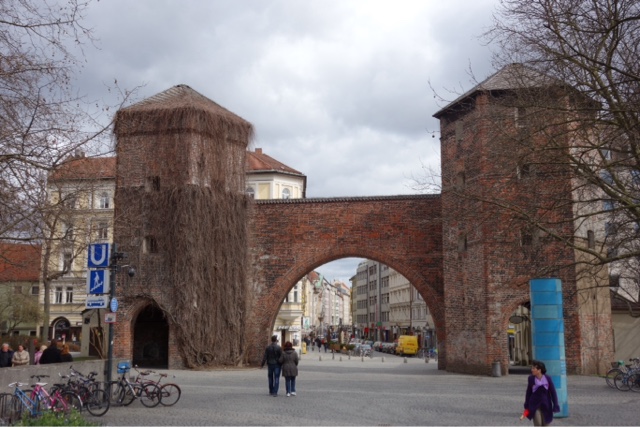
Another old Roman gate; this is Sendlinger Tor on the south side.
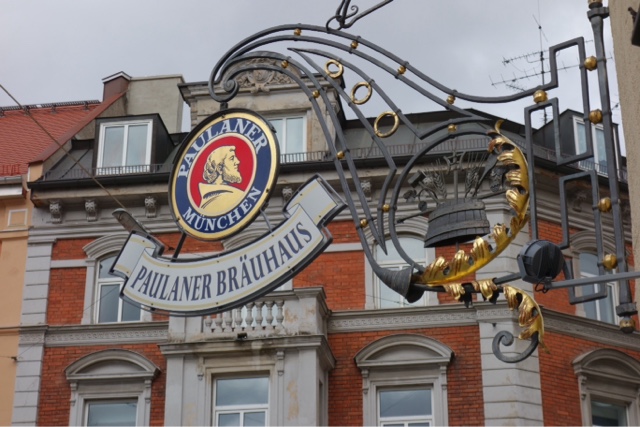
Outside Sendlinger Tor by a few blocks, the Paulaner Brauhaus and restaurant welcomes thirsty travellers!
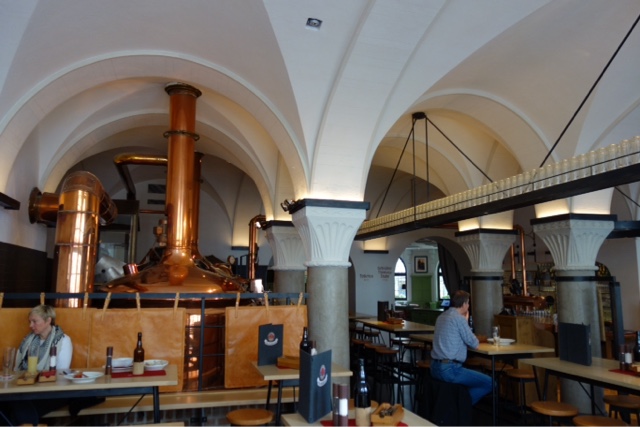
A relaxing place for lunch on Sunday, when many other businesses are closed.
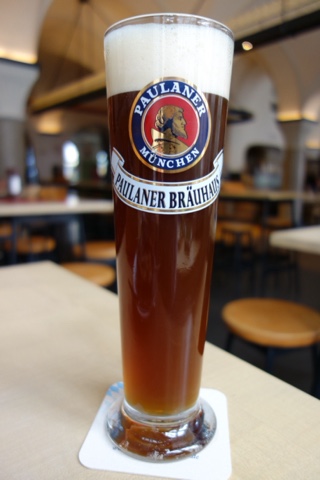
Dark wheat beer (7% abv) was my favorite of the three that I tasted.
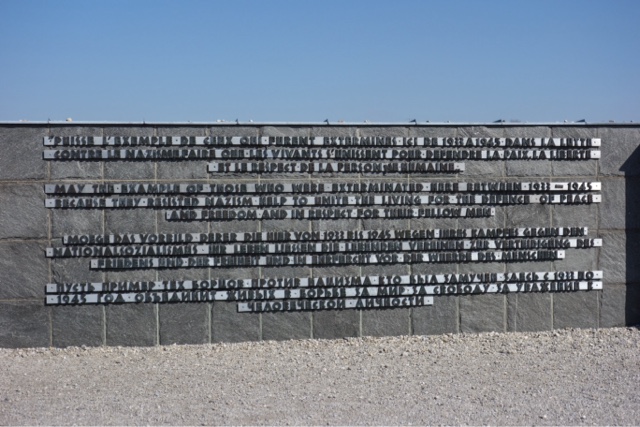
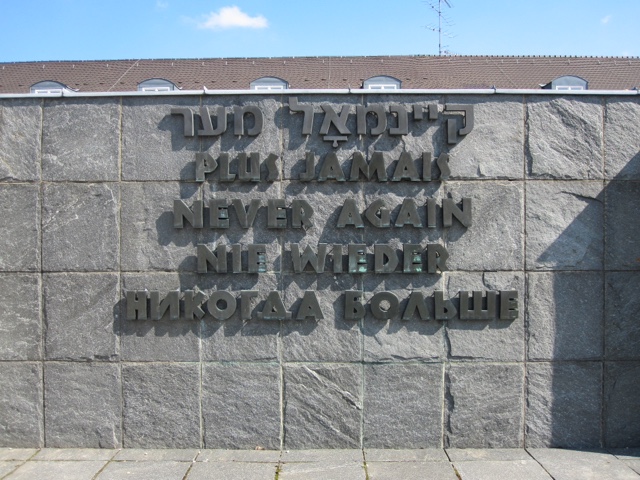
We needed extra sleep this morning. But around noon we arrived at the Dachau concentration camp memorial. Powerful and sad place! Afterword, we spent the remainder of the day (until 5) at the Deutsches Museum. At sunset, we were in Marienplatz for a beer and then dinner in the Ratskellar.
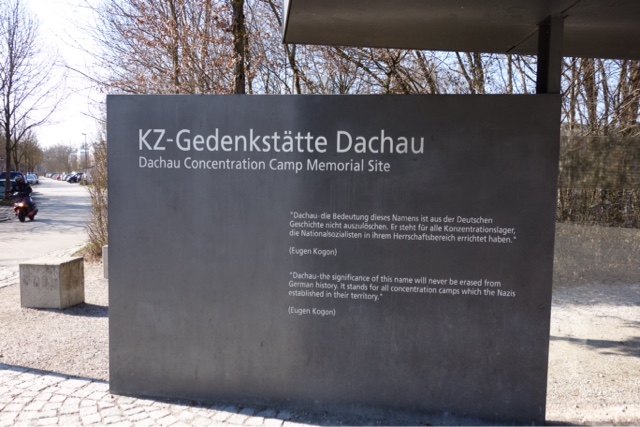
Sign at the bus stop confirms that we are at the right place. There were many English-speaking folks on the bus.
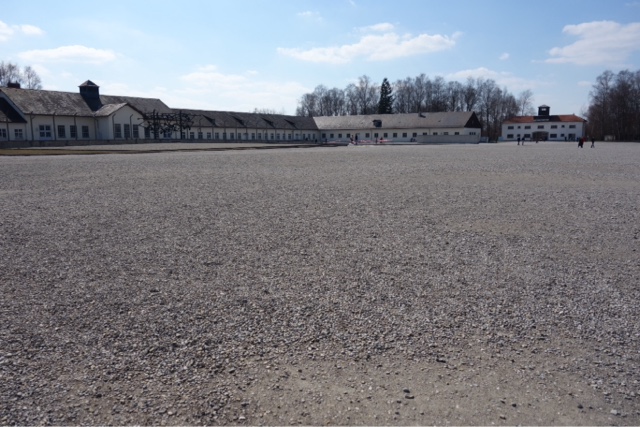
There is a lot of empty space at the Dachau memorial. This is the assembly area between the barracks and the administration buildings. The memorial site was reconstructed in the 1960s.
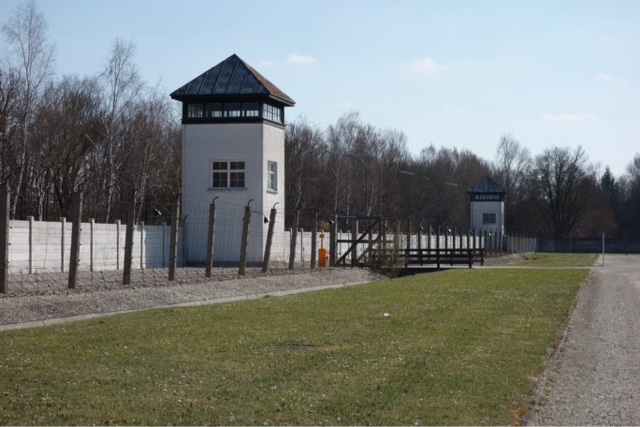
Guard towers and fencing to keep prisoners in.
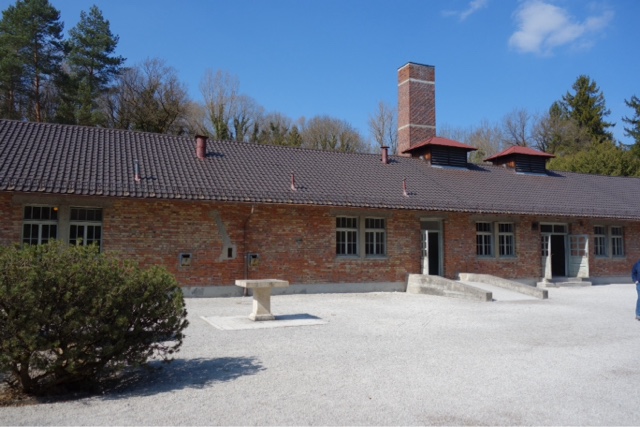
Reconstructed crematorium and gas chambers are difficult to comprehend.
It is admirable that the state of Bavaria maintains this site and that it is widely visited.
!!!
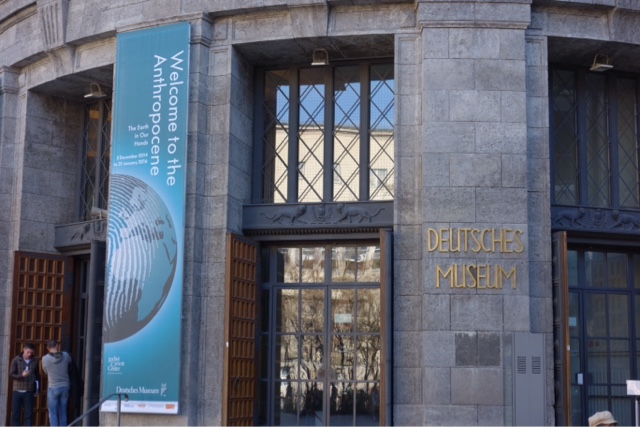
Entering the Deutsches Museum.
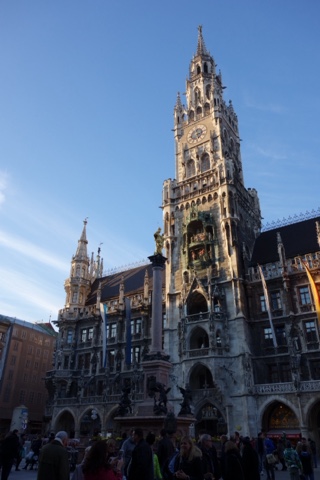
Marienplatz and the clock on the Rathaus. Too bad it was already done with its show for the day.
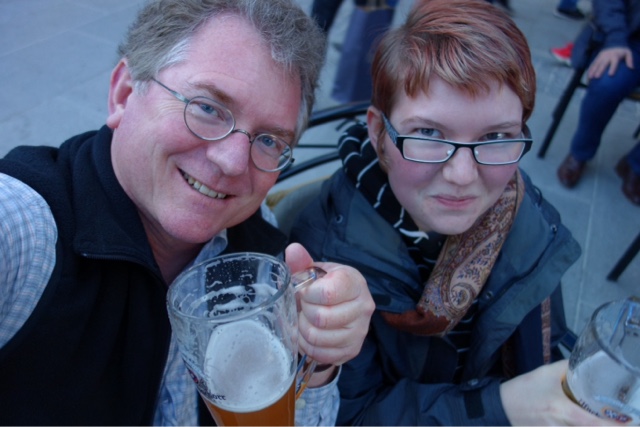
But we enjoyed a beer together on our last evening in Germany.
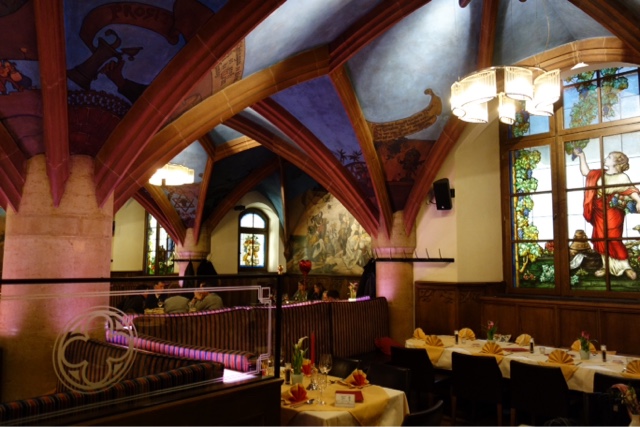
Dinner at the Ratskellar consisted of potato soup, then sausage and sauerbraten.
 Bunch of Geeks go Traveling