Category: 2016

Hot Stuff! December 27, 2016

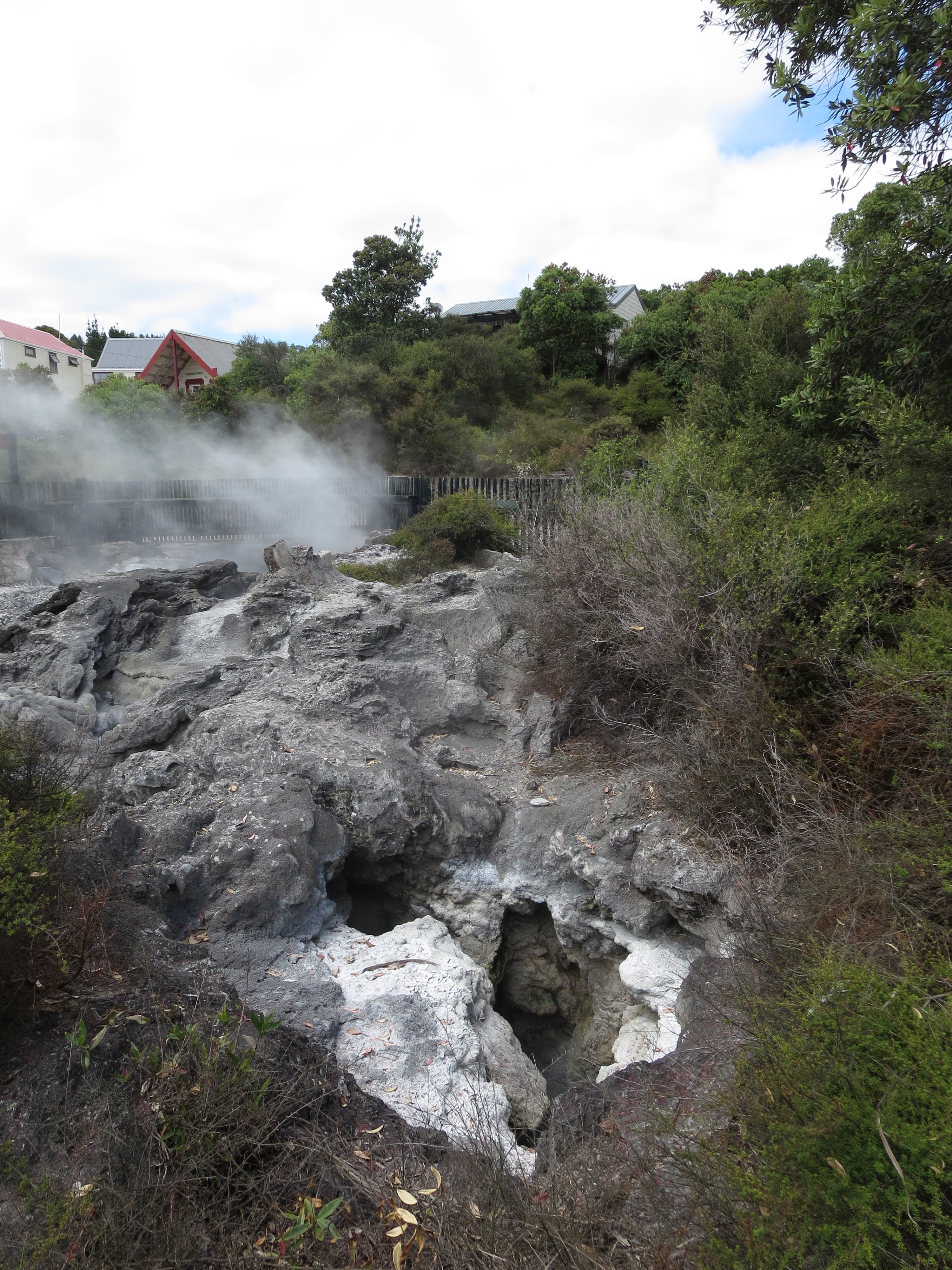
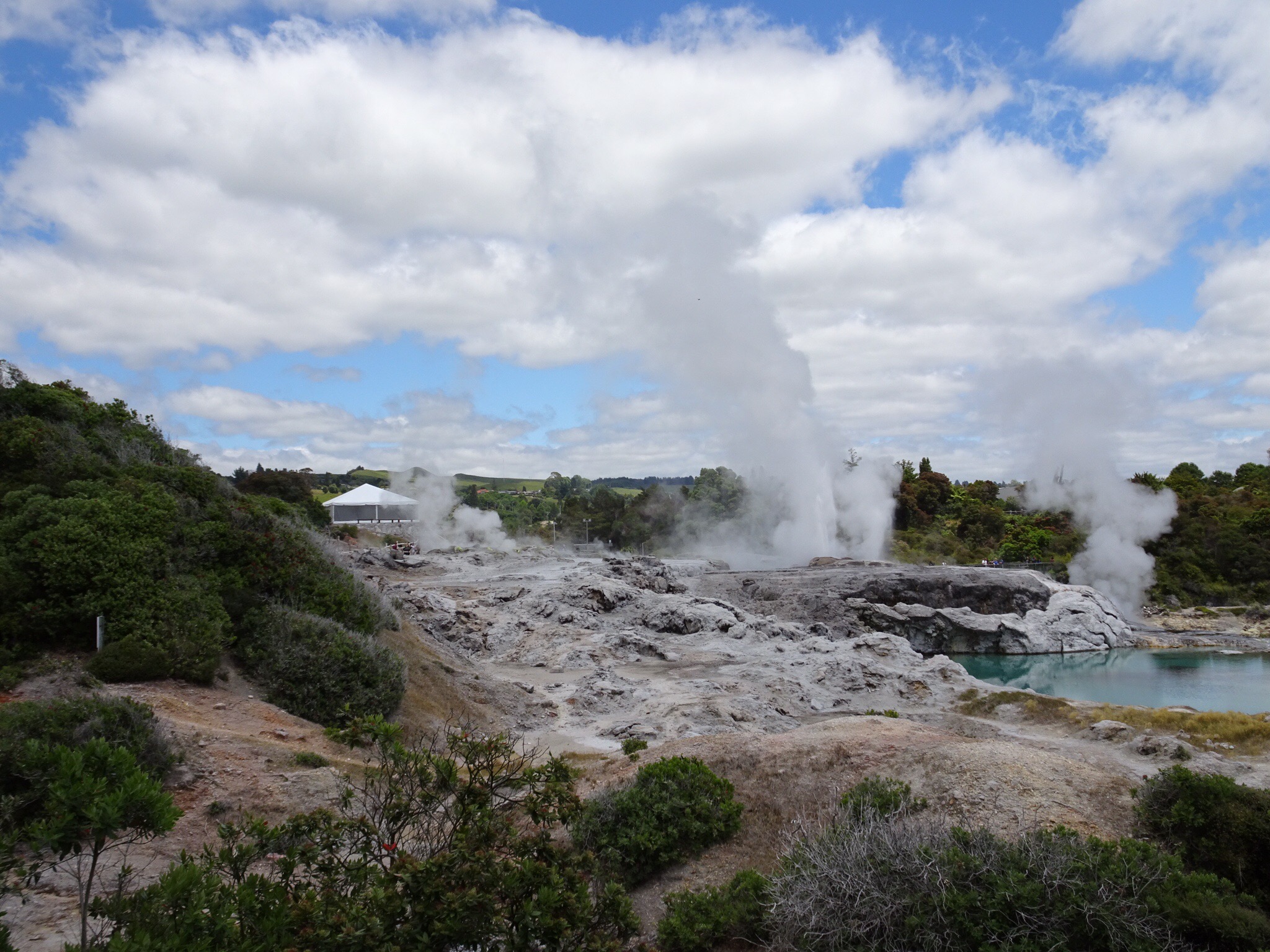
Volcanic rock is everywhere on the North Island. It is strange to read the geology books we brought, where all the dates are thousands, not millions of years. The features are complex, caulderas (*huge explosive volcanoes) on top of lava flows, and cones of pumice. Hydrothermal areas are common. Did you know New Zealand has a lot of geothermal power plants?

After the Maori experience at Whakarewarewa, we walked around their thermal area, seeing how the villagers learned the tourist trade early (1860’s), sharing their thermal springs with the European visitors. Smart!
Tubs at different temperatures for different purposes.
The thermal areas in the Taupo rift are often privately, or tribally owned. Although they feel a lot like Yellowstone, with thermal springs, geysers with beautiful pools, and gurgling mud pots, each area is managed by a different group.
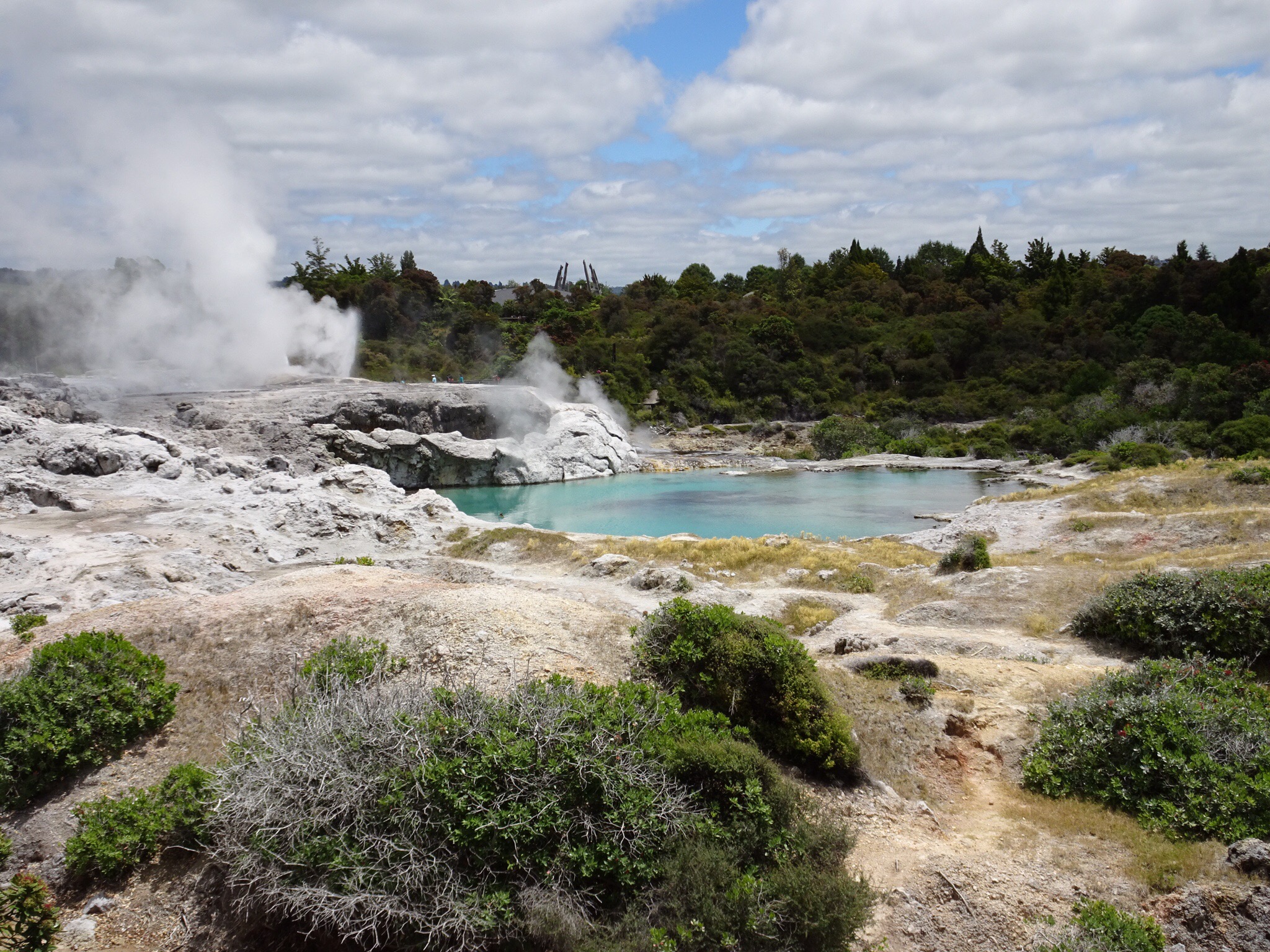
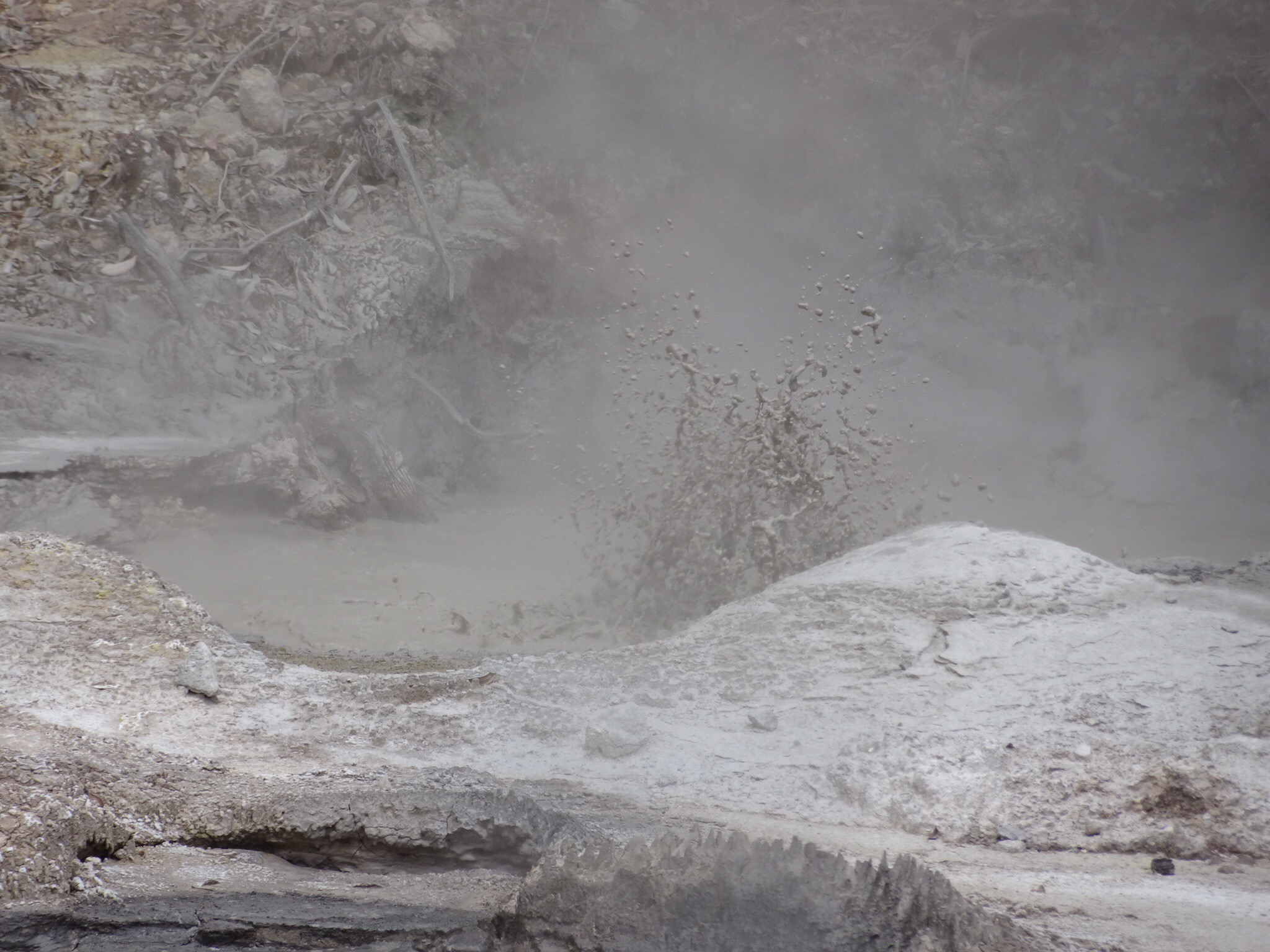
That afternoon, we went to the Craters of the Moon – because of the park of the same name in Idaho is one of our favorites – and found out how different the moon is on the other side of the Earth!
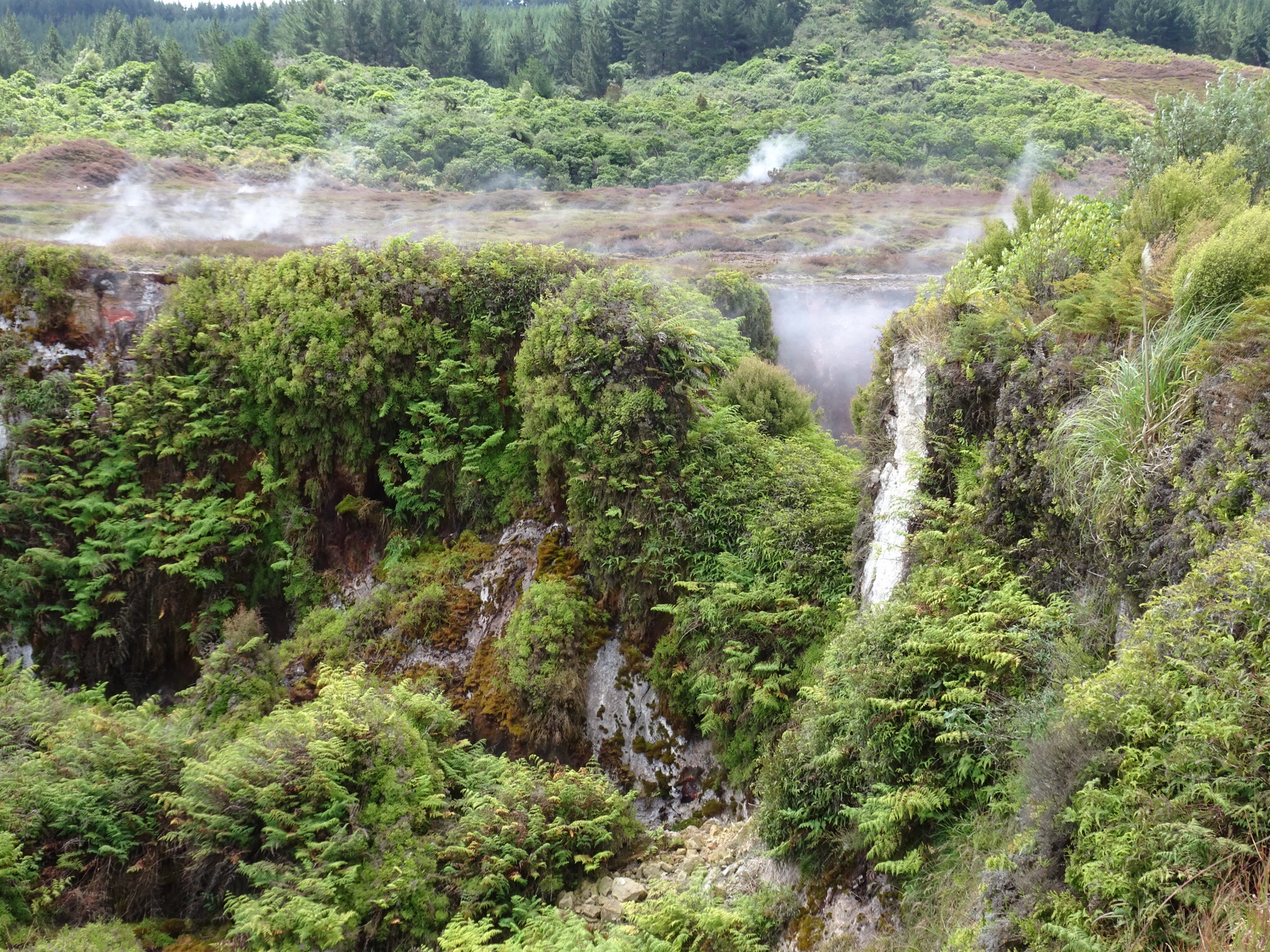
Look at all the water, the plants! In Idaho, the park with this name is black basalt flows and lava tubes, desolate.
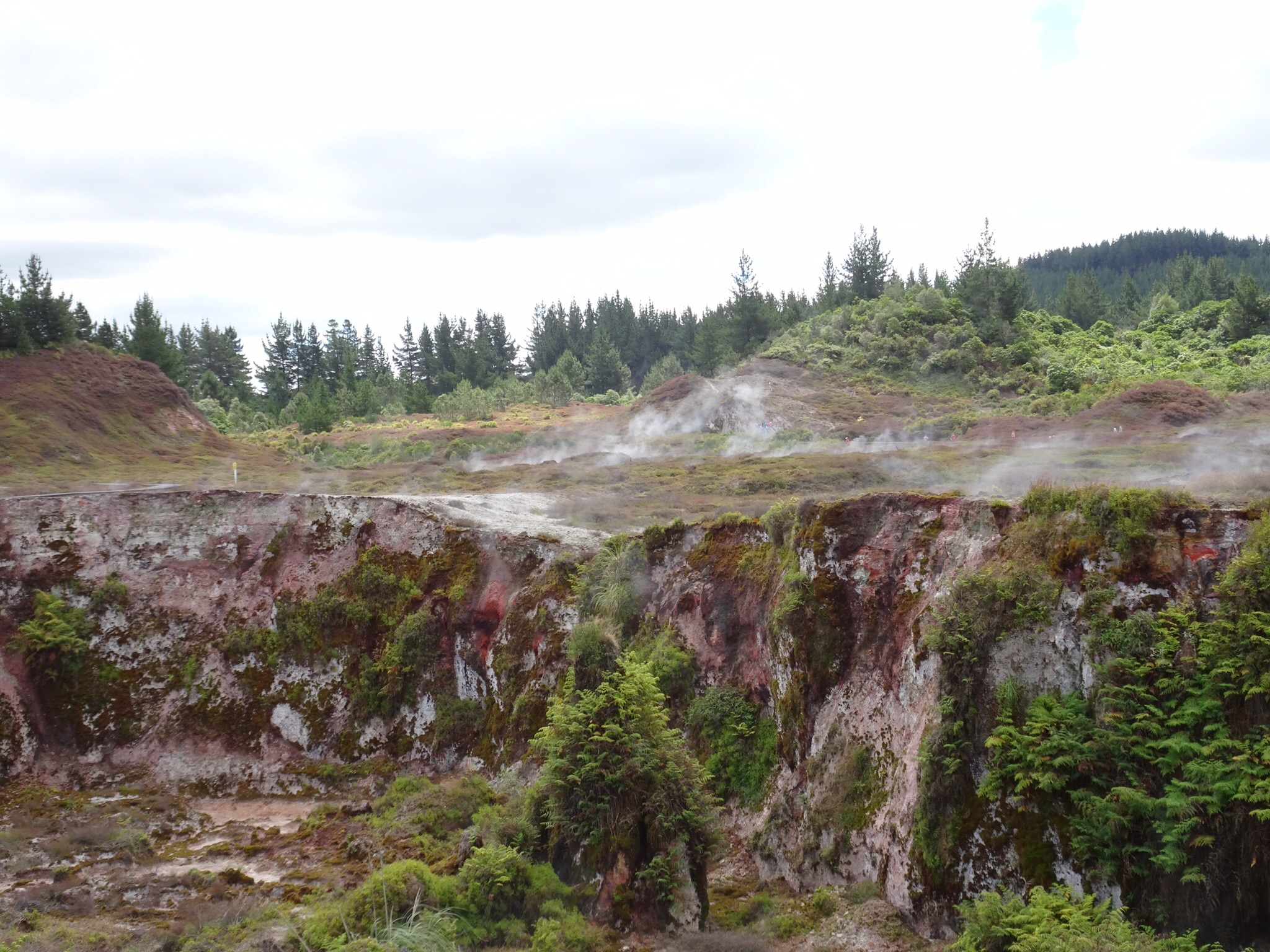
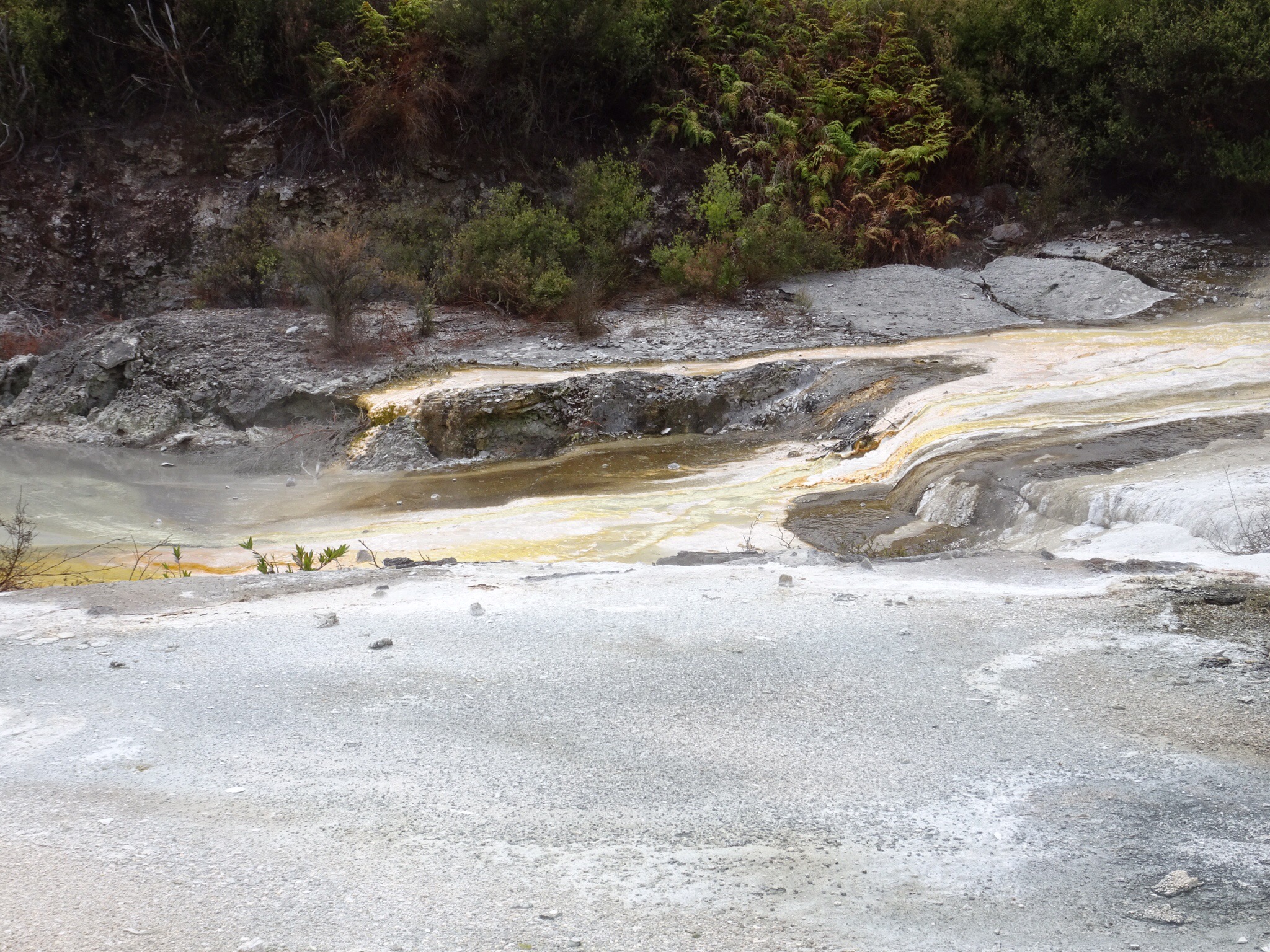
Great colors in the hydrothermal fields, too
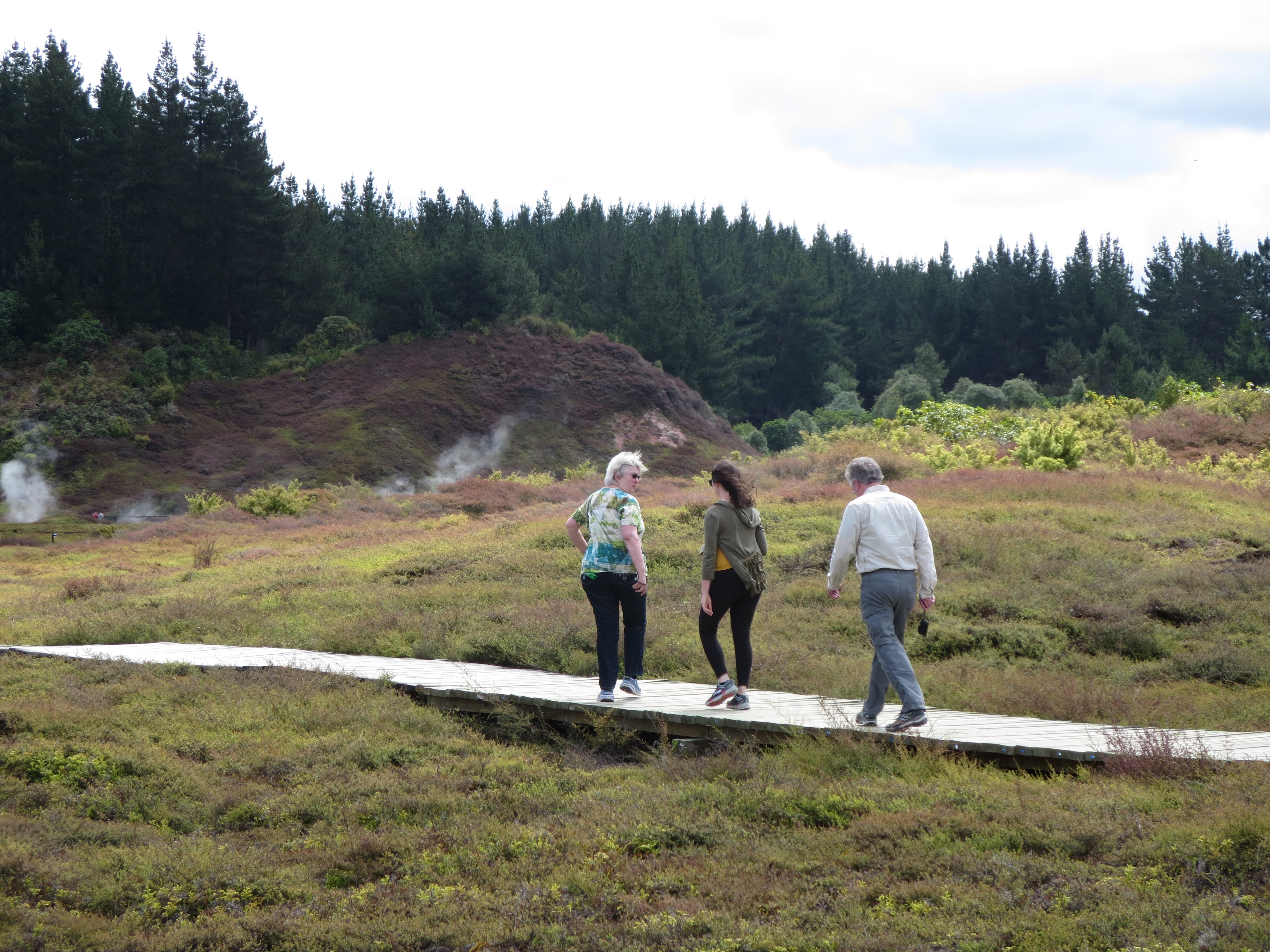

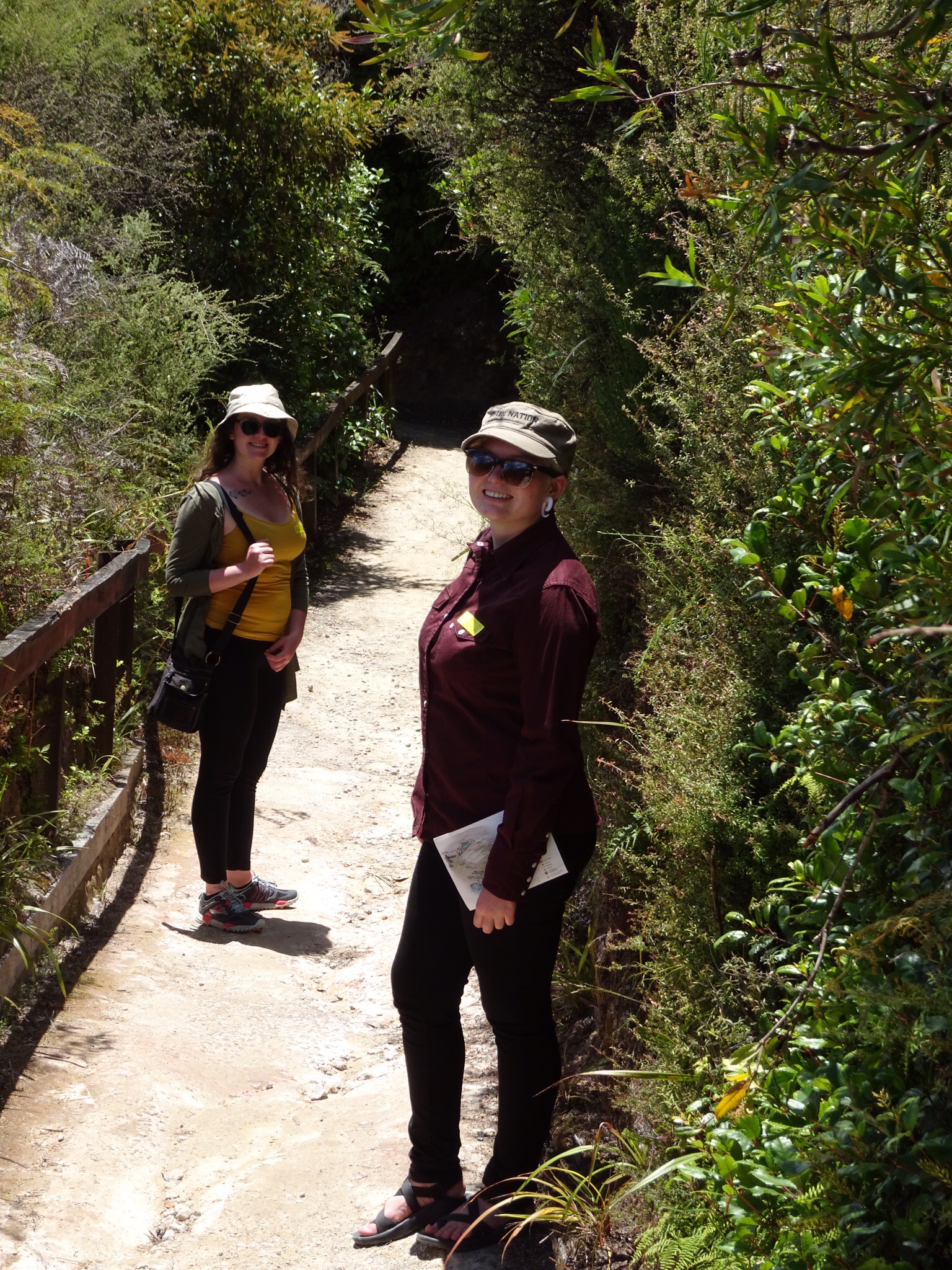
And a fairly easy walk for us travelers.

We got back to our resort in the town of Taupo, on Lake Taupo, which is a big crater formed by a cauldera, surrounded by volcanoes, and took pictures of the water fowl:
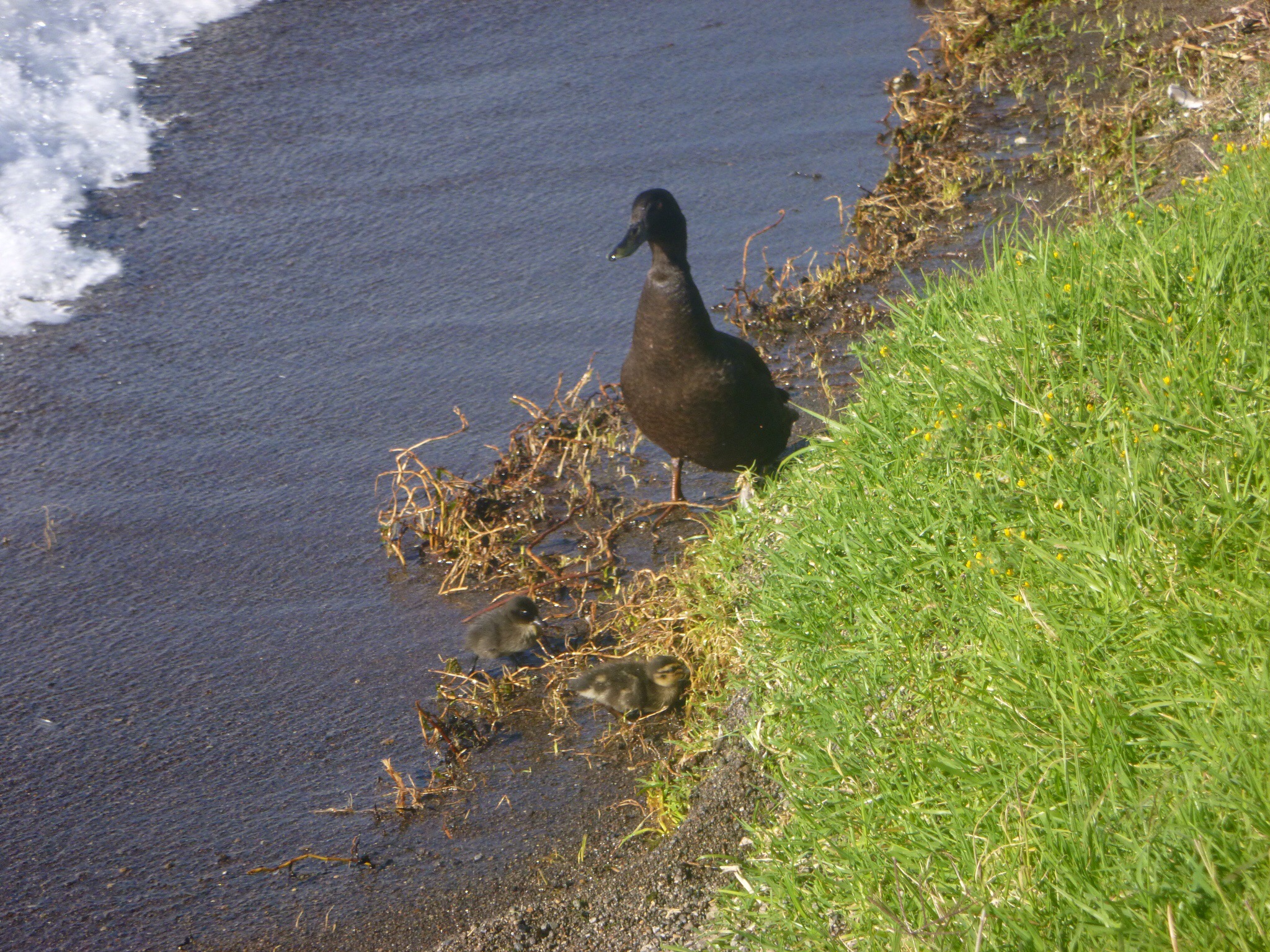
See the ducklings? They are almost pure black – far darker than ducklings in Colorado!
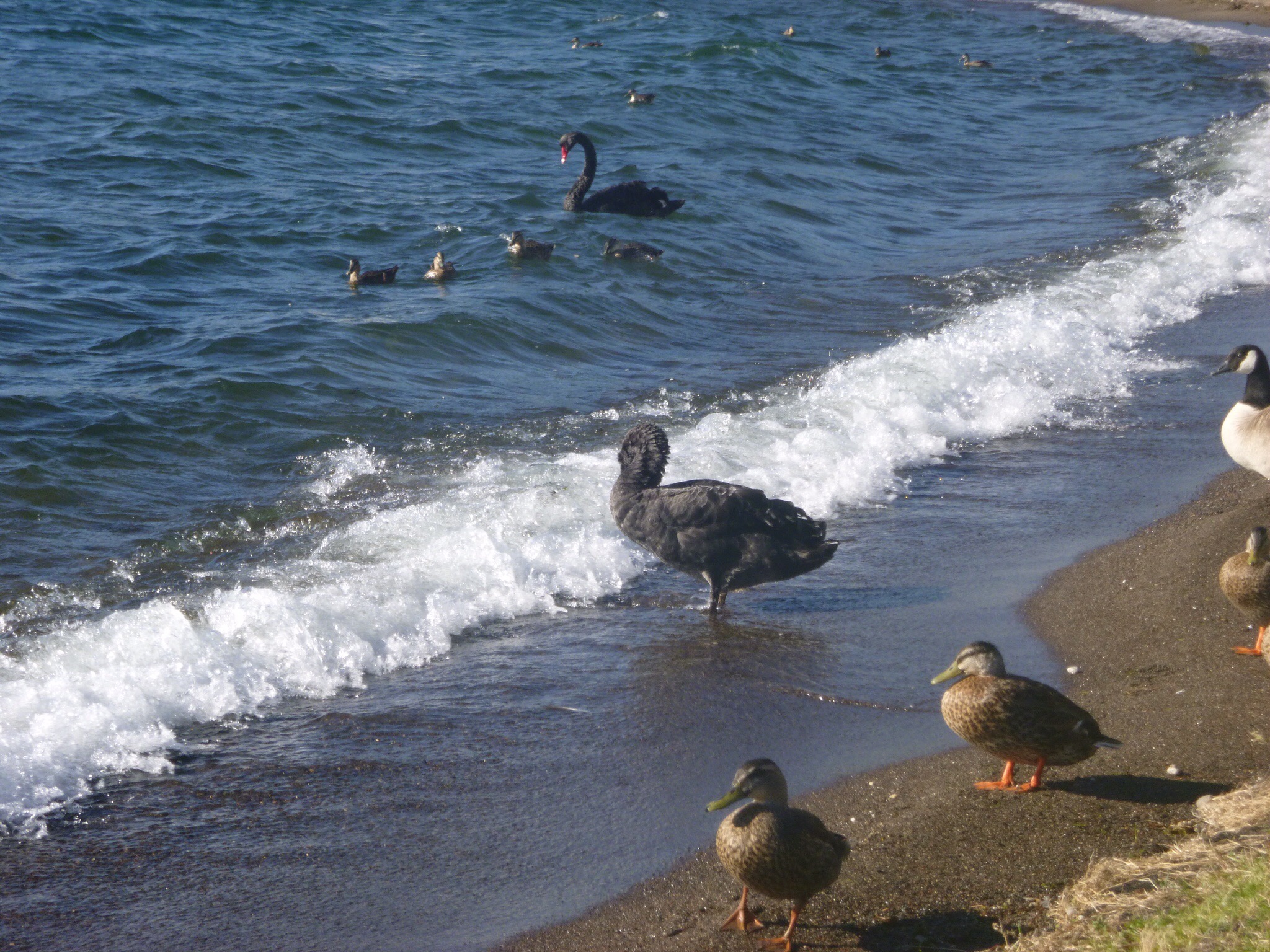

And we don’t get black swans in Colorado, either!
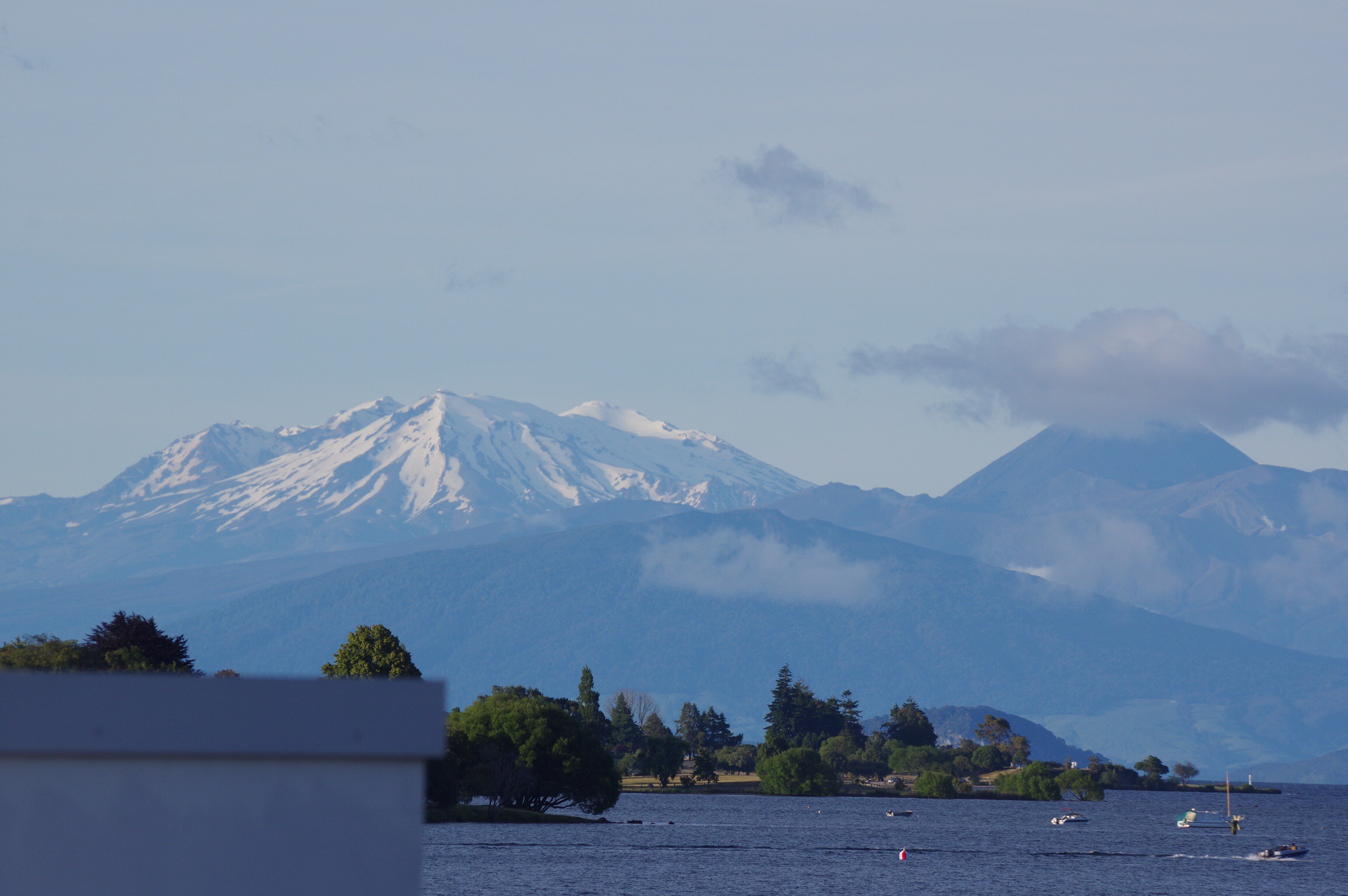

This is Ruapehu – used in filming the Lord of the Rings as a stand-in for Mt. Doom, the close up shots of the hobbits climbing up to destroy the Ring, as seen from our window of the hotel!

******written by Clare******
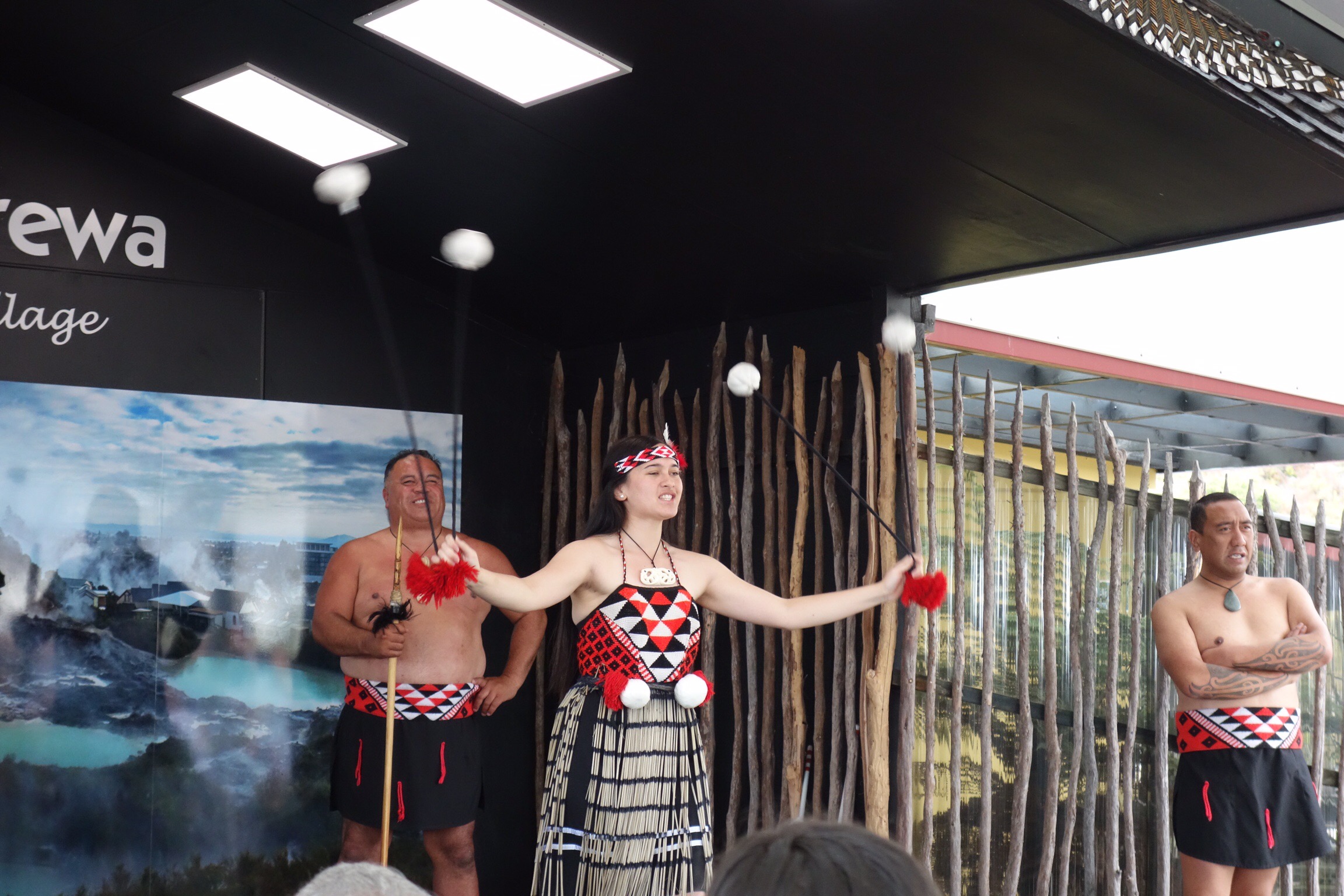
Learning about the Maori

The Maori culture and its history are a huge part of New Zealand. Many names of towns, signs, and other information can be found in the language, which has been one of the official languages of NZ since 1987. Of course, the relationship between the Maori people and the colonizing Europeans has not always been great, but it does seems like overall the two cultures try to understand one another in earnest. The Maori culture developed over time from Polynesian settlers arriving on the islands sometime between 1250 and 1300 CE. European settlers did not arrive until the mid 1800s.

We wanted to learn more about the Maori culture, especially since it was where the art of poi originated. Being outsiders, it is difficult to reach into another culture without coloring it with our own bias. We attended a tourist attraction called The Living Maori Village knowing full well that it could be just as exploitative as some of its counterparts in America. However, we were pleasantly surprised. The set up may have been a bit cheesy for the performance, but the performers all clearly loved what they did. All we can hope is that through sharing their culture, they can educate others without watering it down.

We saw traditional dances, a love song, a fierce Hakka, and poi and stick dances. The performances were all incredible, and we took few photos, preferring to soak it all in.


Short poi were used solely for contact, to beat out different rhythms. Long poi were used in movements more recognizable to modern flow art, and were evocative of specific animals and other natural or spiritual phenomena. Both poi and stick were arts of training, and improved dexterity and coordination as well as being beautiful to watch.

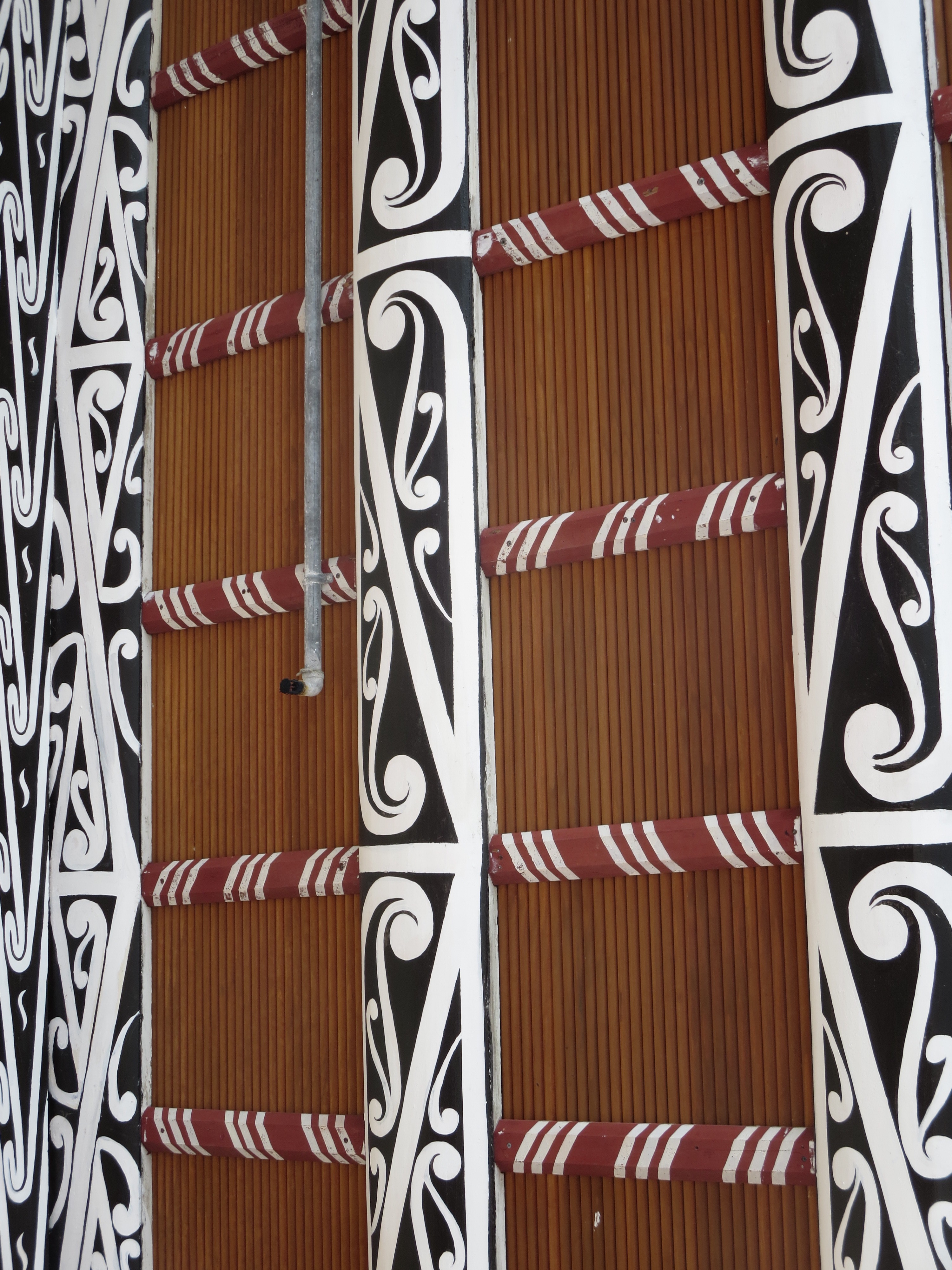
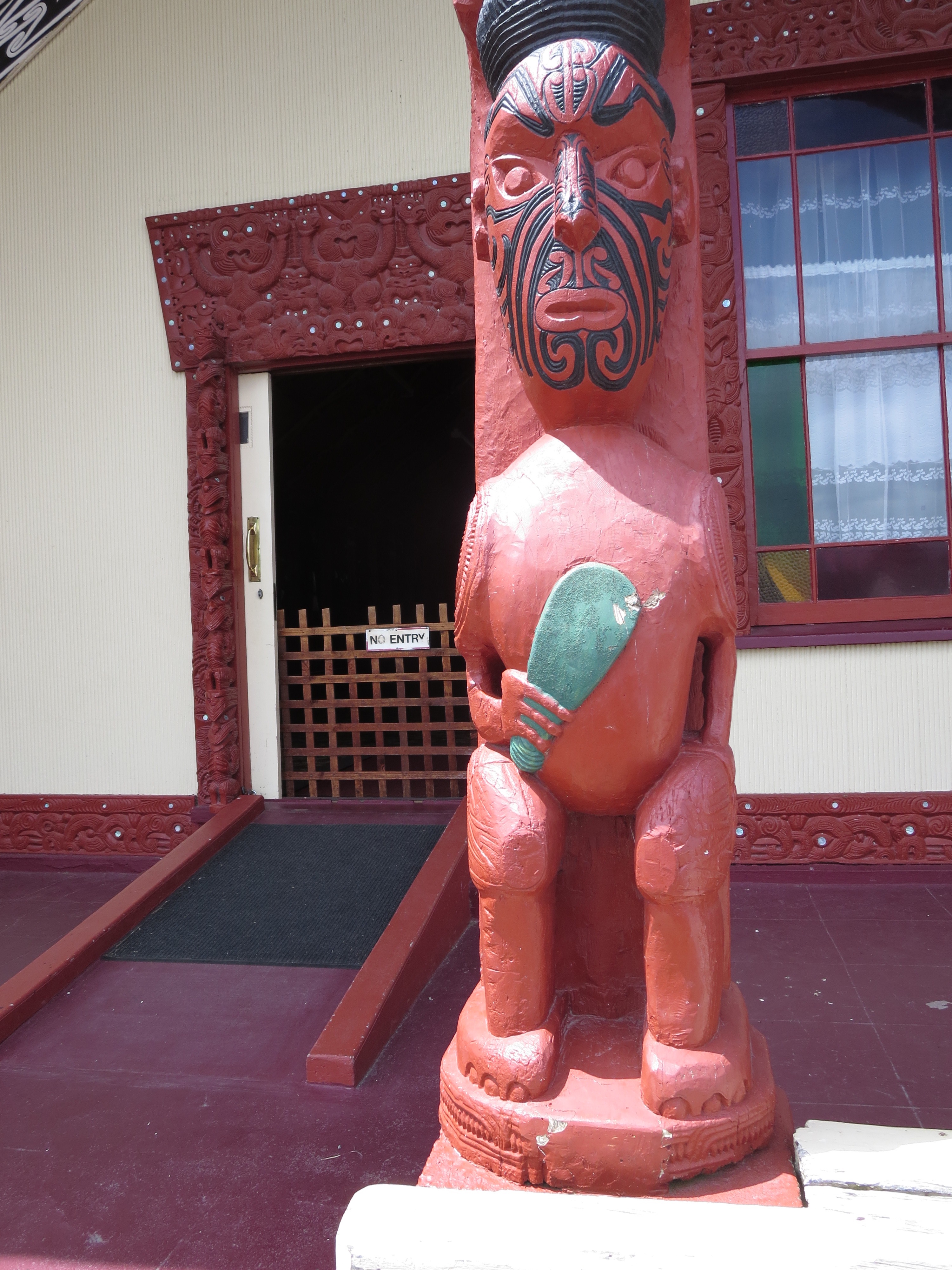
The village itself displayed mostly post-European arcitecture, although Maori carvings often adorned the buildings. The best carvings were reserved for the Ancestral Meeting House, where they told a story of a tribe’s history.


The Maori used the resources around them. This tribe developed around a geothermal hotspot. The heat from the pools was used to cook food, as well as for bathing and washing. The entire village seemed to fill with steam as we wandered about.


There were also some geysers.


We took a short hike.


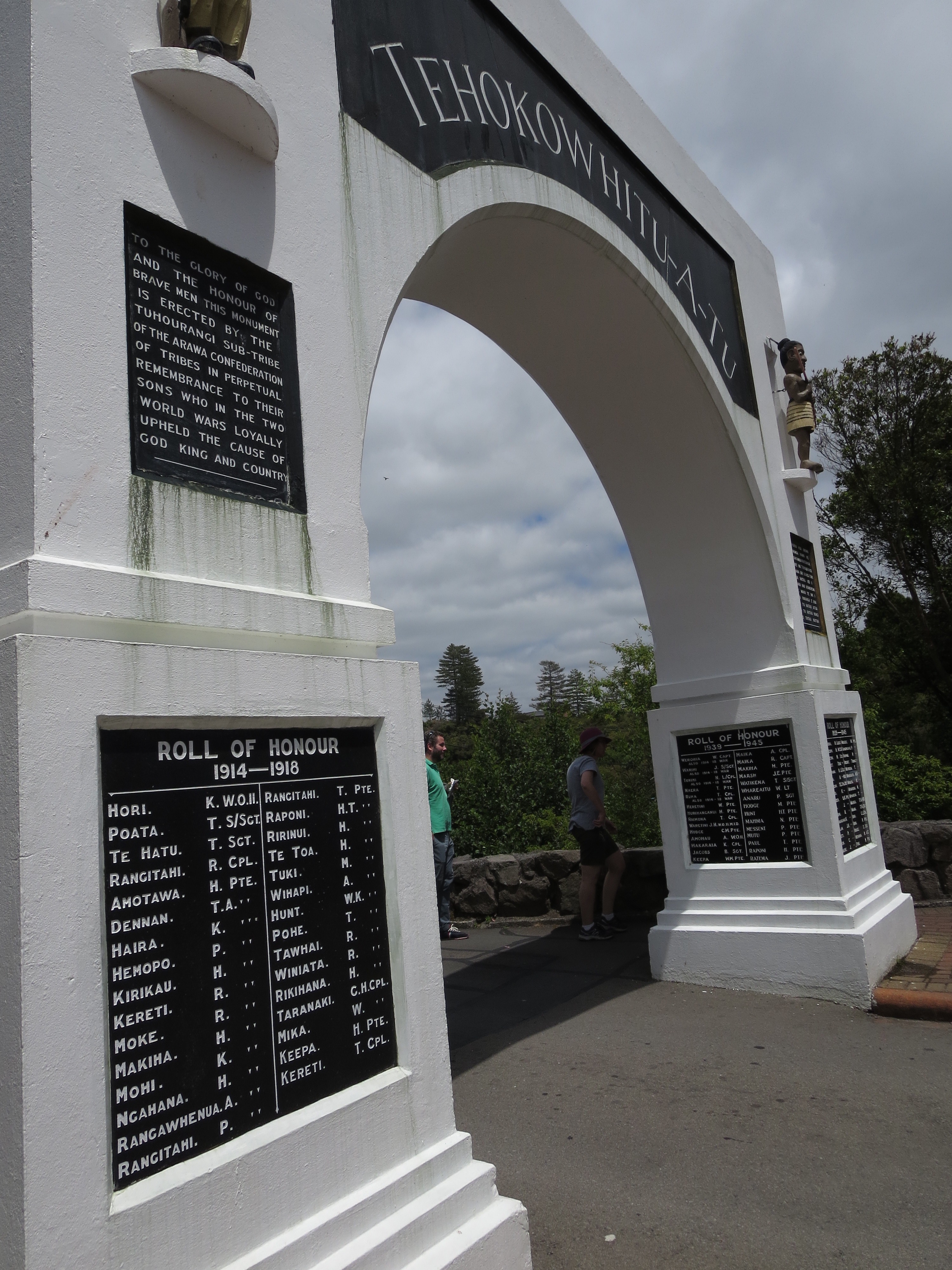
When we left the village, I took one last look at the entrance. The arch is a war memorial.


Hobbiton Across the Water

We left the Orchard House to take a much-anticipated adventure. And no, we didn’t need to run out of the house with a signed contract in hand. We had a quick lunch at Shire’s Rest to begin our journey.


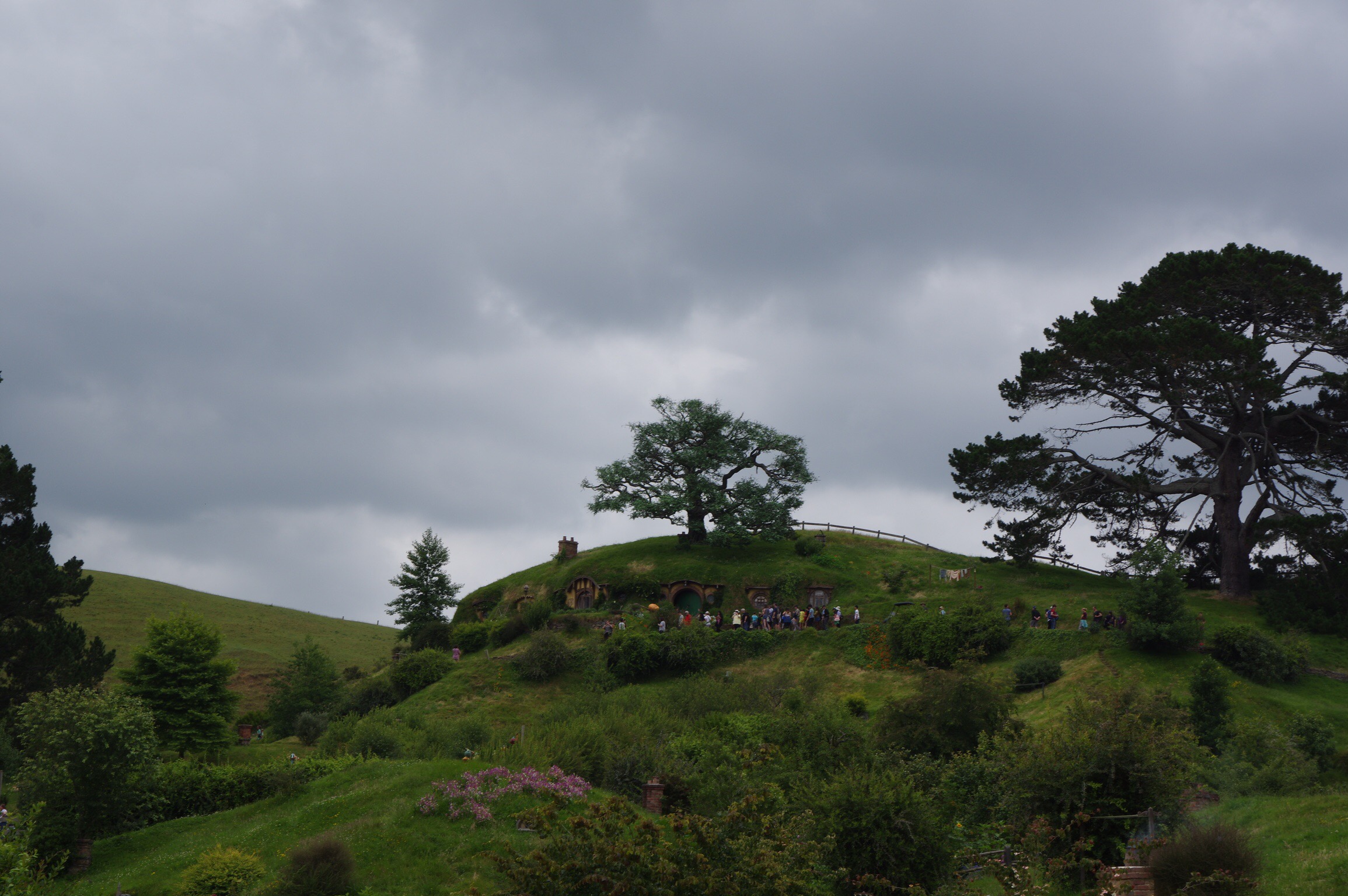
Hobbiton, in its original form, was the set for first Lord of the Rings and then the Hobbit trilogy. However, nearly all of the set was reconstructed just for the tourist sensation. Can you guess which of the trees in this photo is complete fake? They even took down the leaves and repainted them so they looked as realistic as possible during the film.


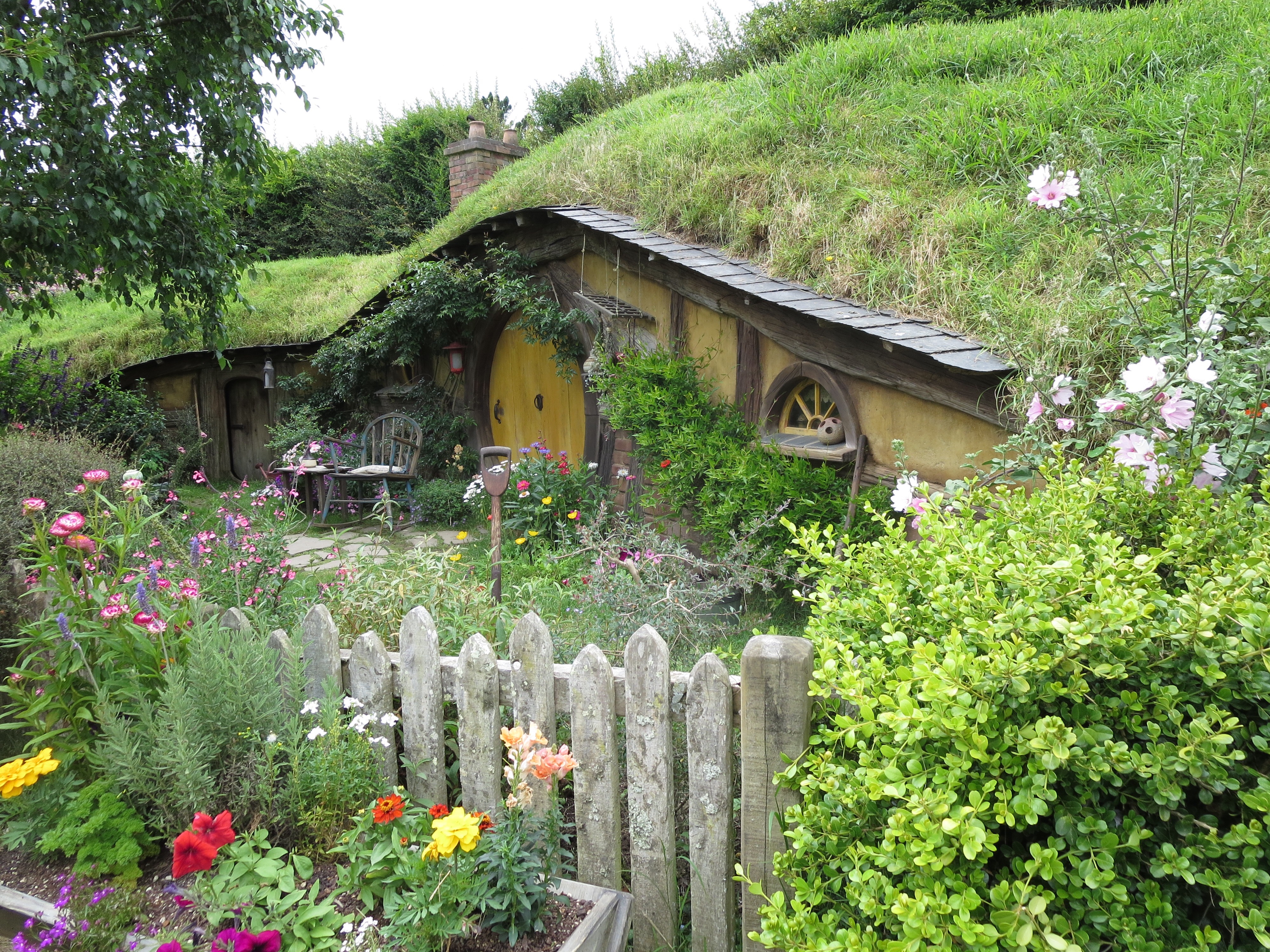
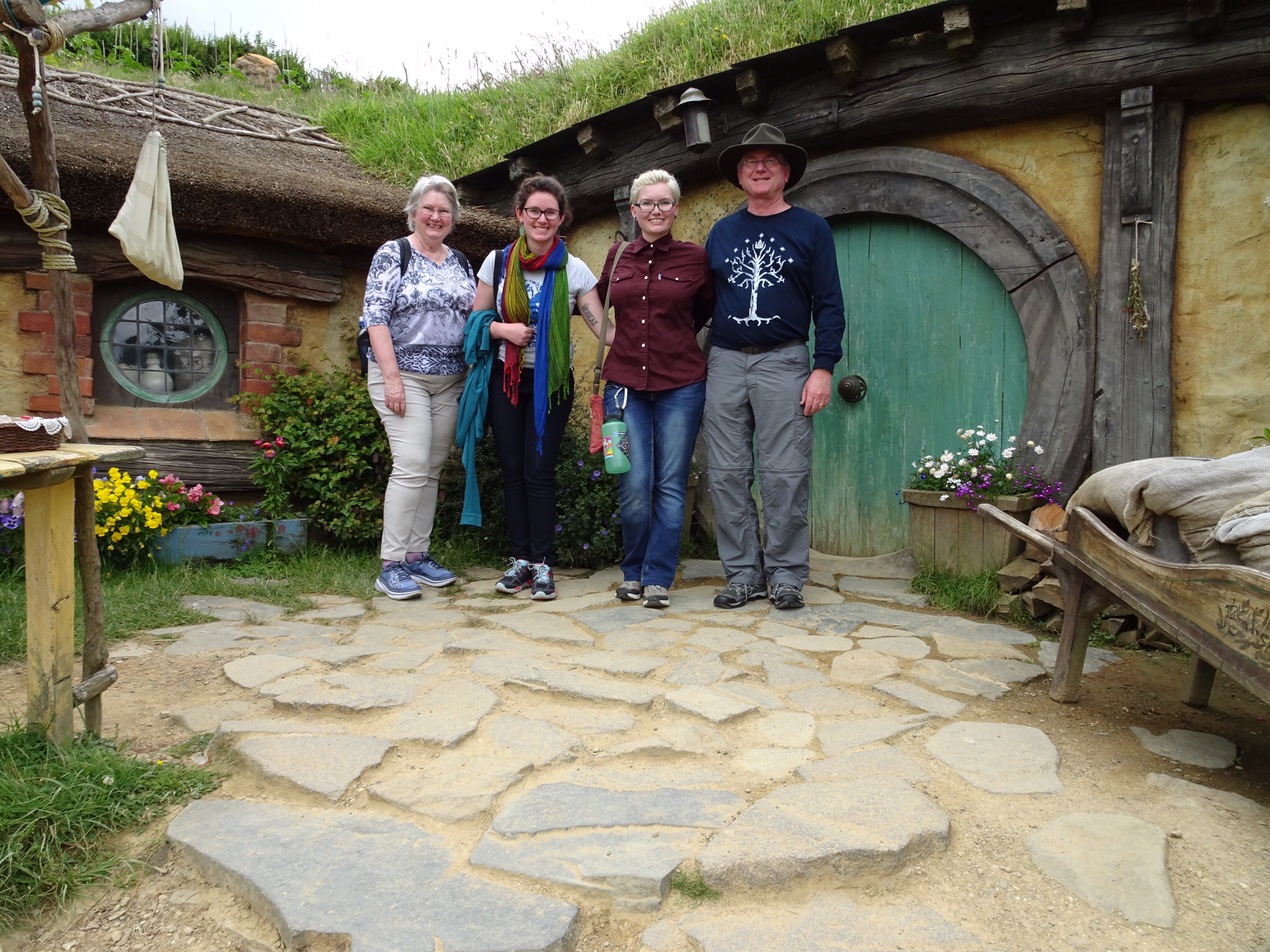
There are forty four hobbit holes in Hobbiton. It is really, really difficult to choose which pictures to post. Some of them are very small, to give the illusion of someone like Gandalf being unusually our of proportion in the Shire. Others are “to-scale” to us, so that they seem like realistic proportions to the hobbits.


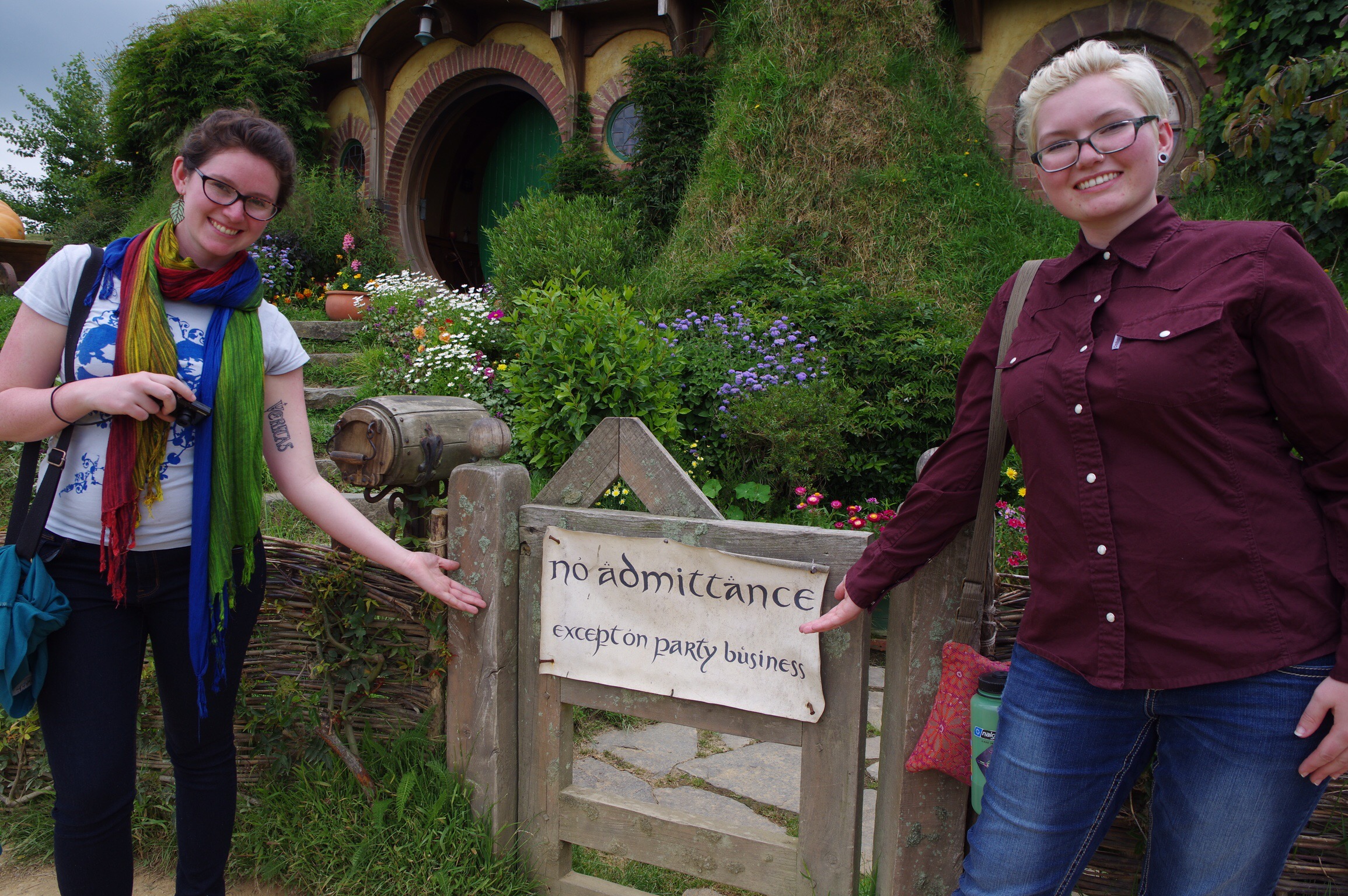
Not only is the set much larger than any of us expected, but the attention to detail was astonishing. The chimneys of the hobbit holes smoked like the hobbits were home, there was a fishing hole near the Green Dragon Inn with plastic fishes, and well, Bag End had the perfect addition to its entrance gate.


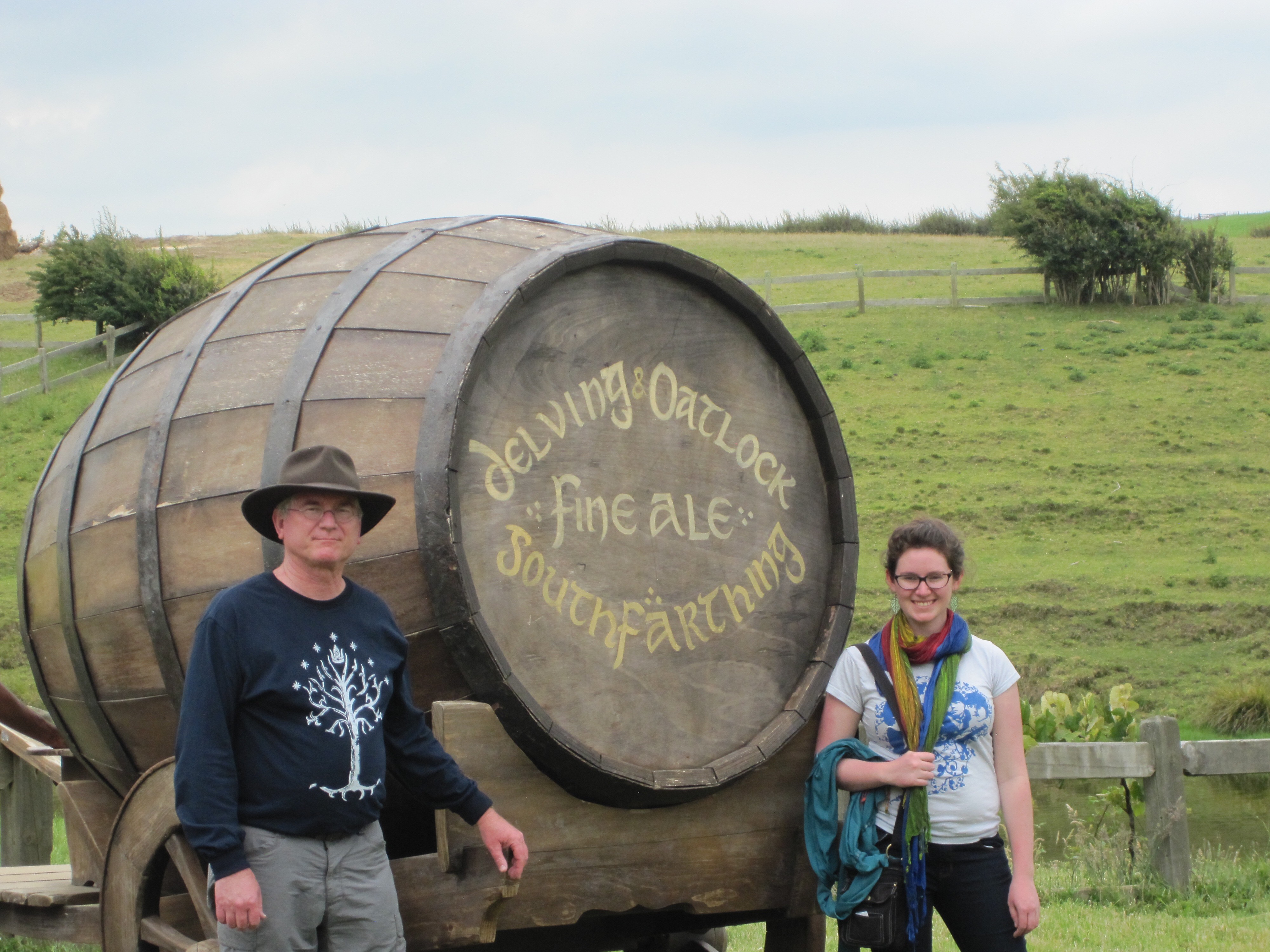
The walk through of Hobbiton took over an hour, through the meandering paths of the village, and over the gathering place where Bilbo gave his eleventy-one birthday speech under the Party Tree. The final culminating moment was a nice cold ale at the Green Dragon Inn, rebuilt after the first set was literally burned down to film the scene that Frodo sees in the Mirror of Galadriel of the Shire burning. Yes, Peter Jackson burned down a perfectly good pub for his attention to detail. Don’t worry, the only brew for the brave and true, is still from the rebuilt Green Dragon.


Our travels were not even over yet, for we had another two more hours to drive to Lake Taupo, our next lodgings. Lake Taupo would be our next headquarters for a few days to do some of the more touristy jaunts we have planned. It is a picturesque resort town next to a very large lake in an ancient volcanic caldera. Tired from the day’s journey, the hobbits had a much needed relaxing evening.

*****Written by Checkers and Laura*****

Christmas on the Other Side of the World

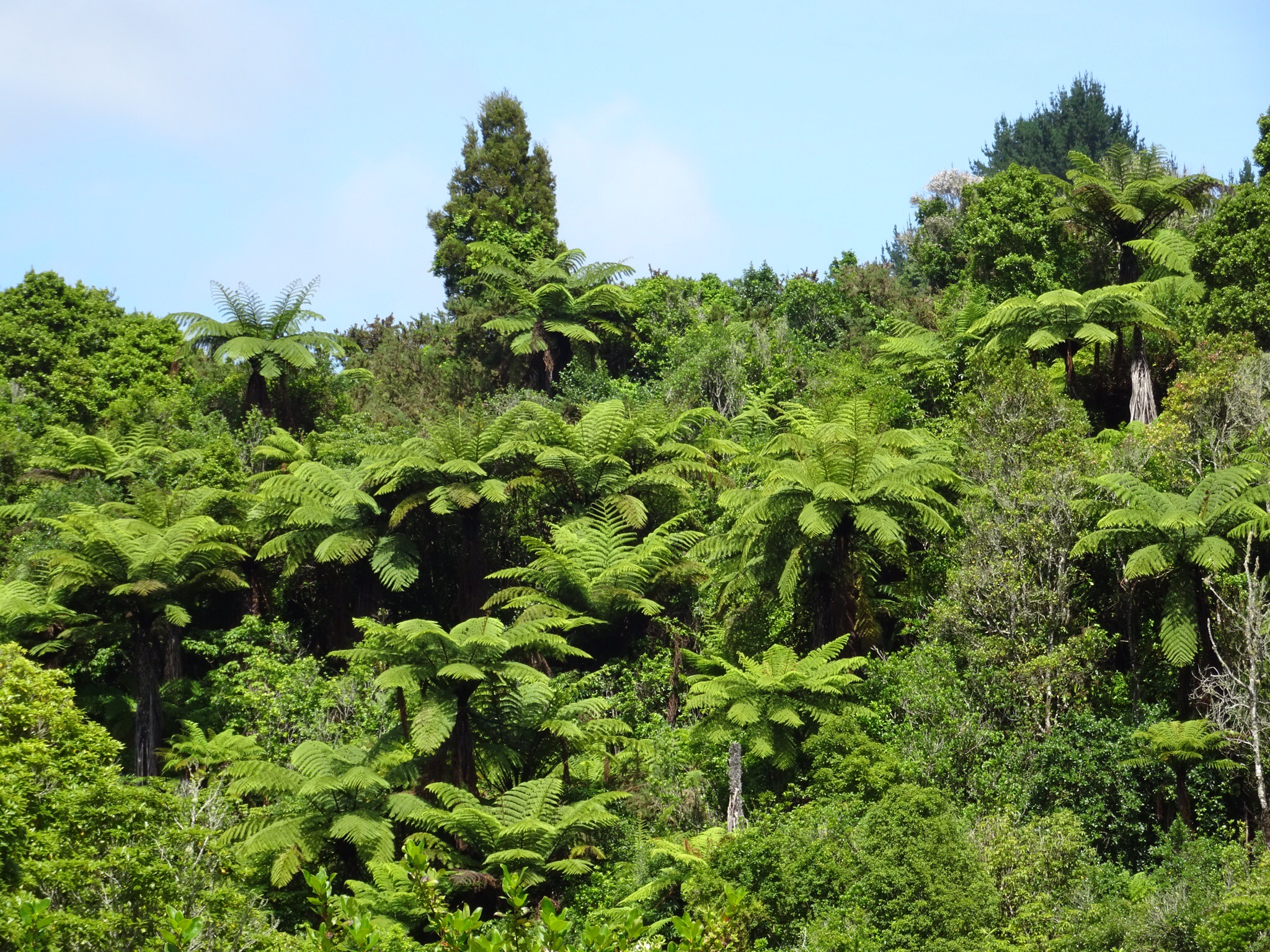
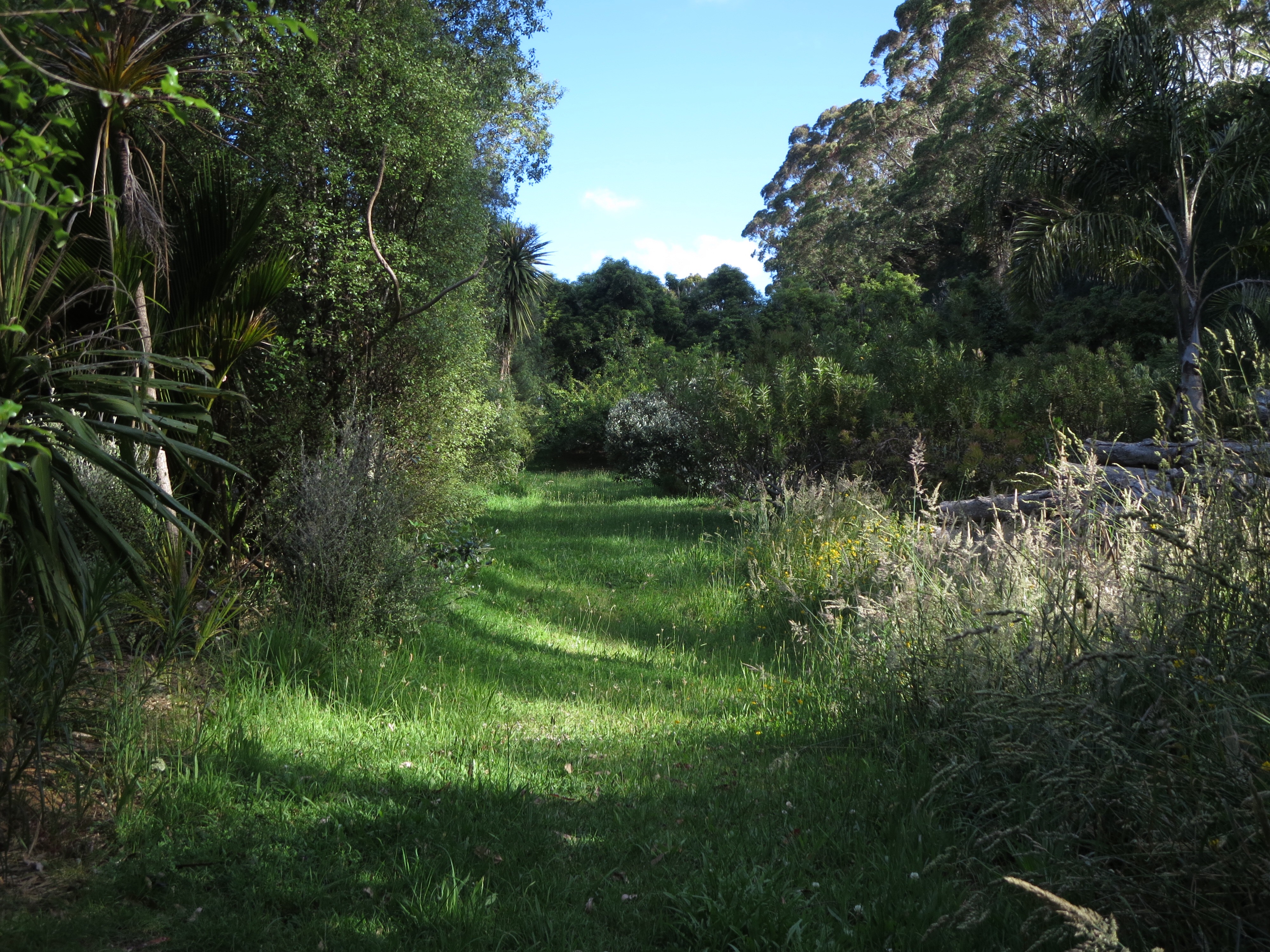
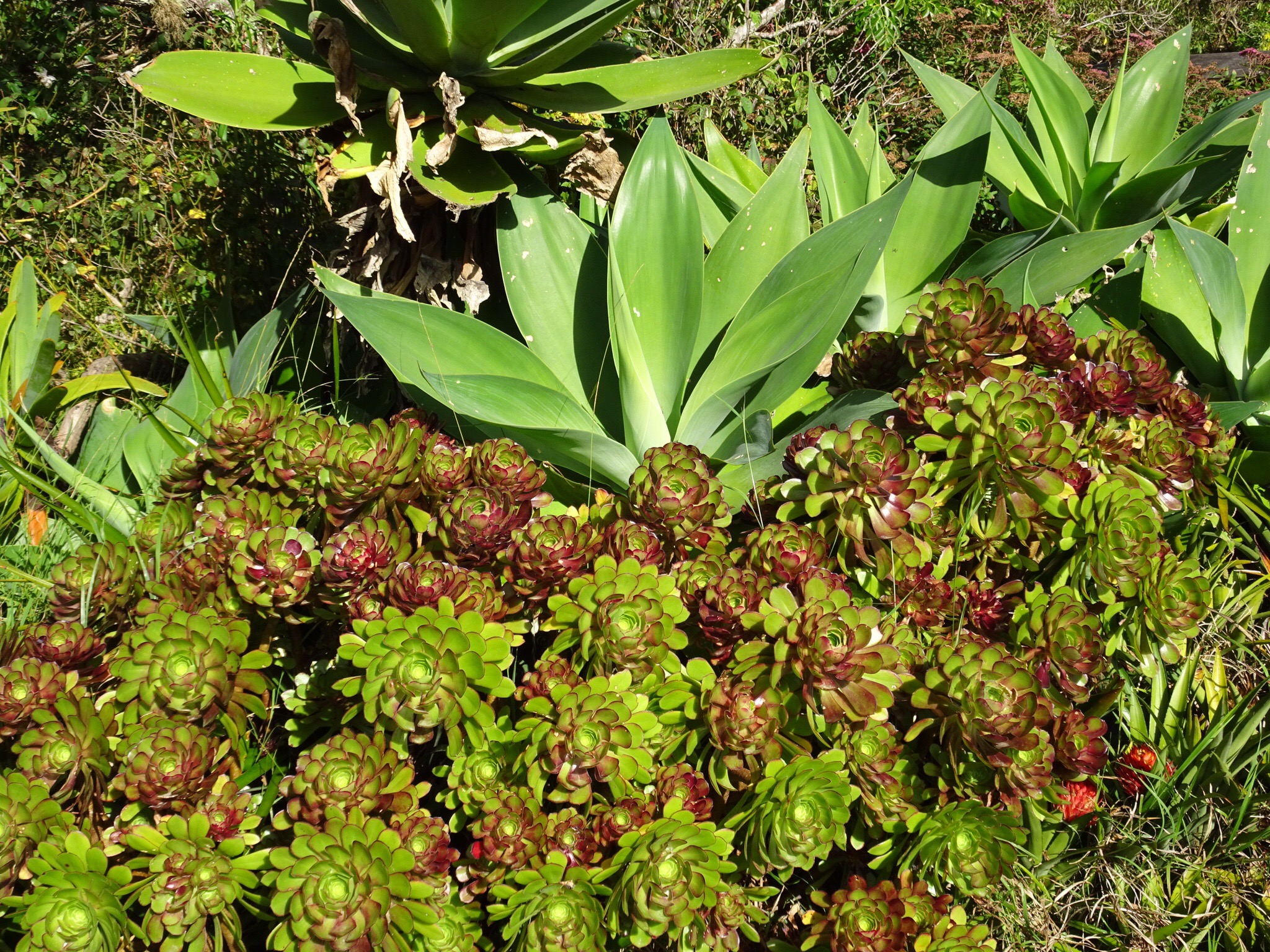
Plants love the North Island, at least between Auckland and the east coast at about the same latitude. Rain comes in quick gentle bursts, like an automatic misting system in a greenhouse. Everything is GREEN. Few flowering plants are found, except in areas where humans have brought them.


In Auckland, flowers were everywhere, especially purple and red varieties. But once away from the city, the grass fields were flowerless, and the areas with trees had ferns, cycads, conifers and deciduous trees with few flowers. The bottle brush trees have red flowers, though. I keep wondering which plants are native here, and which were brought by humans, either the early Polynesian settlers or the later European ones. 


Because this was Christmas, we talked about how it seemed. Beautiful, and surrounded by people we love, but not like Christmas. What was missing? Other family members, friends, gift-giving stress, the excitement of long planned secrets revealed. WiFi… We had the hardest time make dinner because we had to remember recipes instead of looking them up!

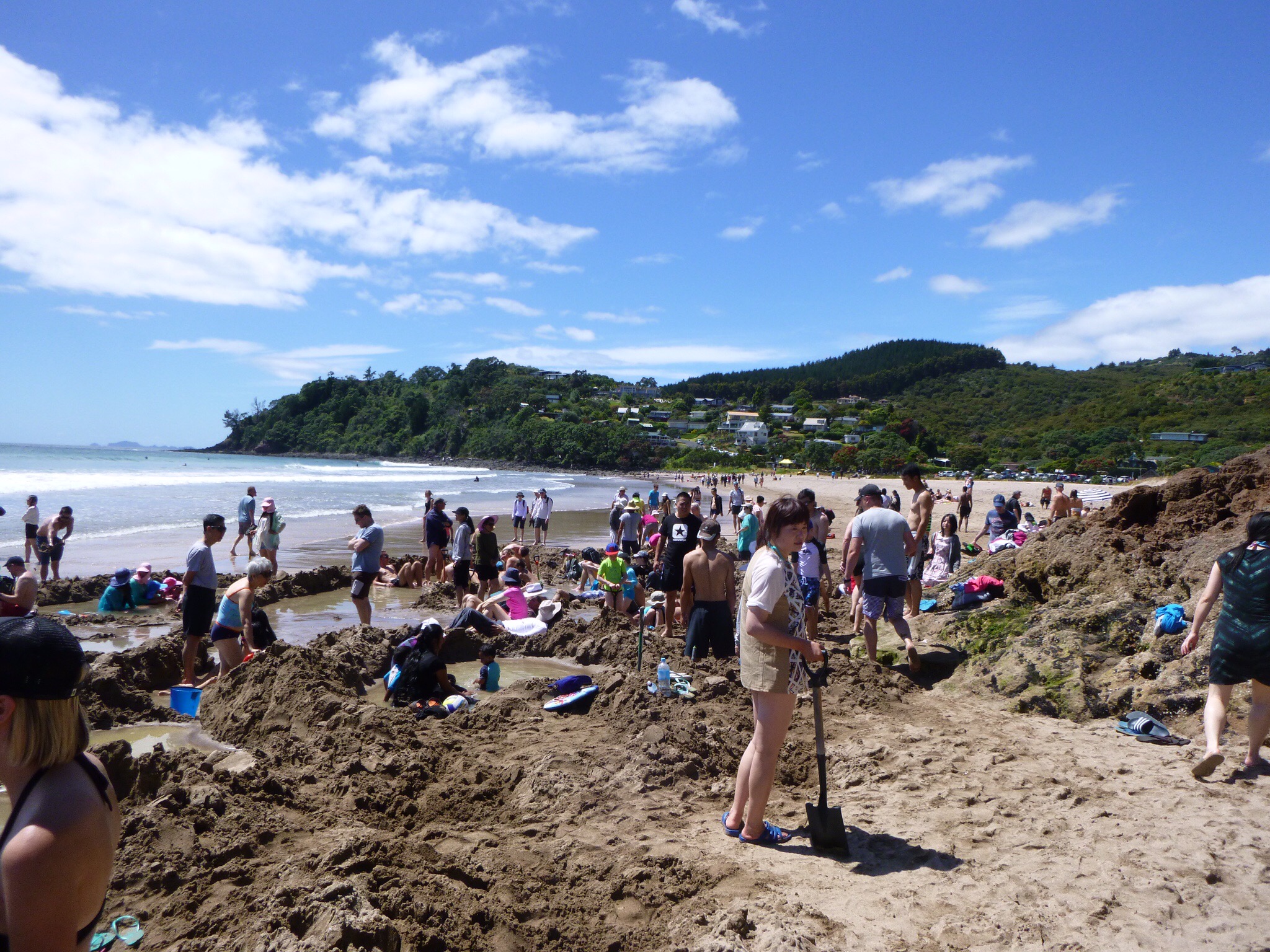
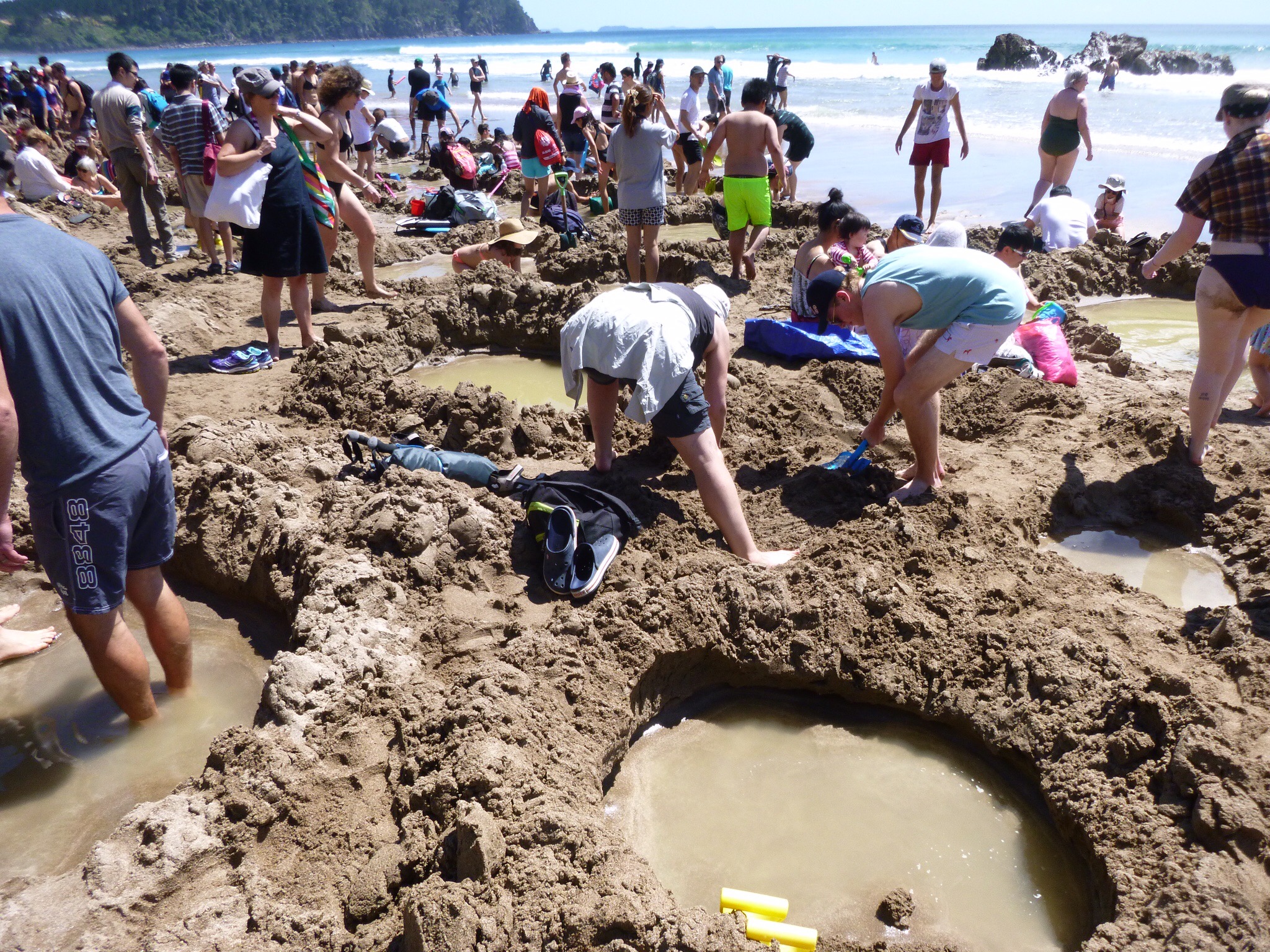
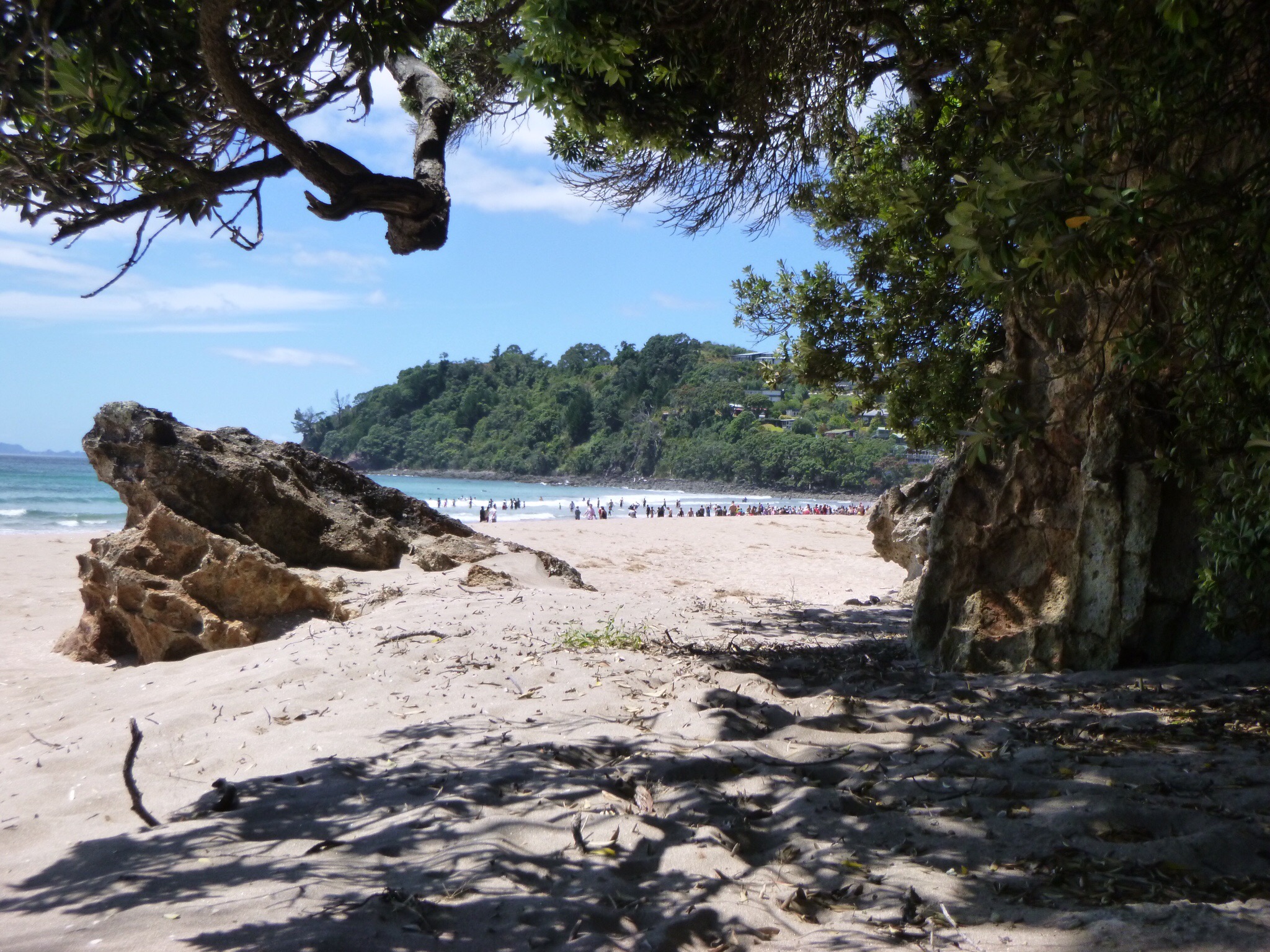
But this was Christmas Day, so we went to the “Hot Water Beach”, which was about ten minute drive from where we stayed. It was easy to see where the hot water was! A lot of people go to the beach on Christmas Day in New Zealand.


Everyone was digging holes in this area, hoping to get warm or hot water for soaking. We were not lucky doing so, but the ocean water adjacent to this space was far warmer than the ocean water near where we parked.

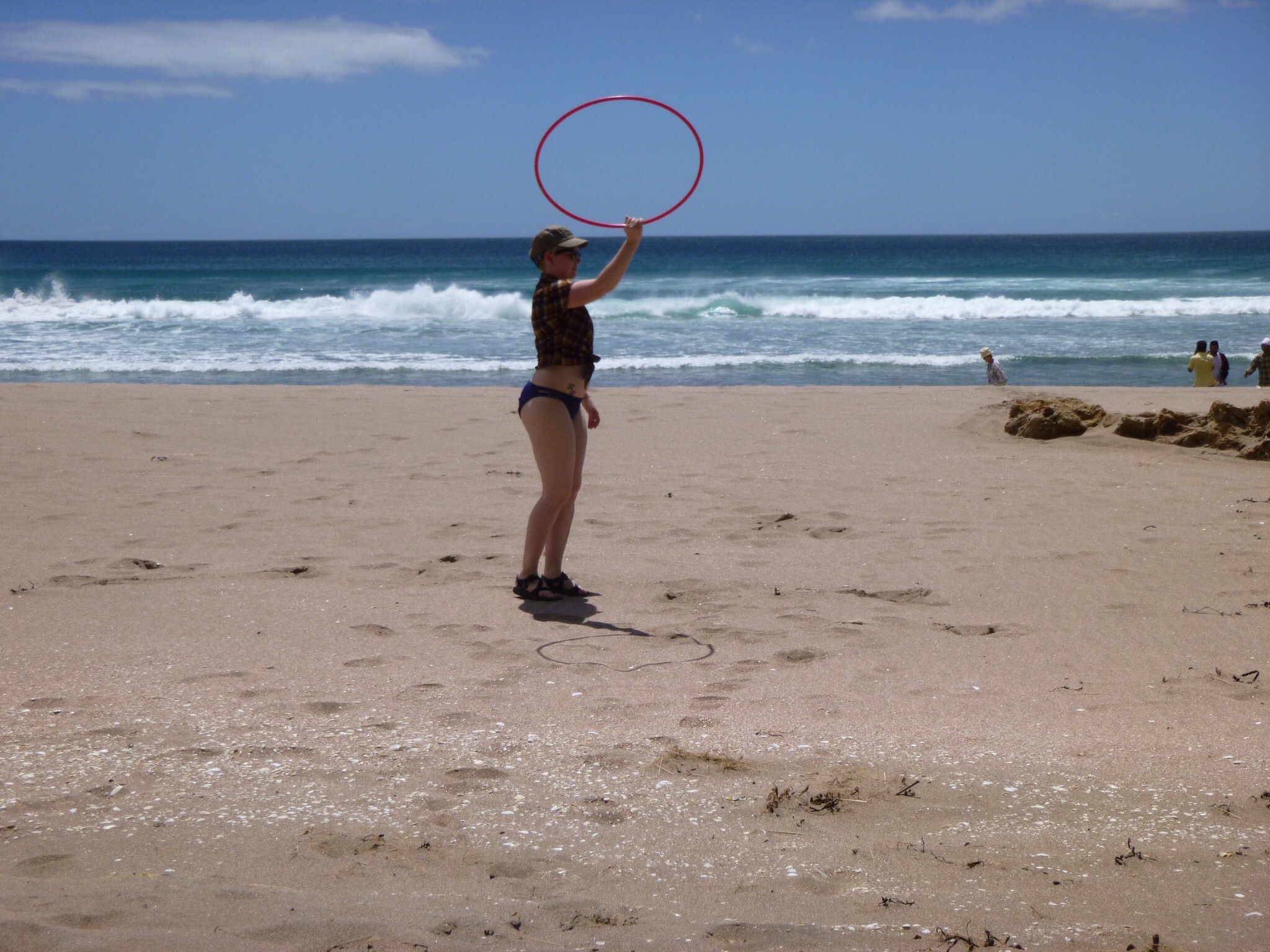
Checkers took a moment to practice her art.


Earlier, we were wondering how different the Christmas decorations would be here below the equator. Overall, more subdued. We didn’t see many Christmas lights, but that could be because we were asleep by the time it was dark. A few other notable sitings:

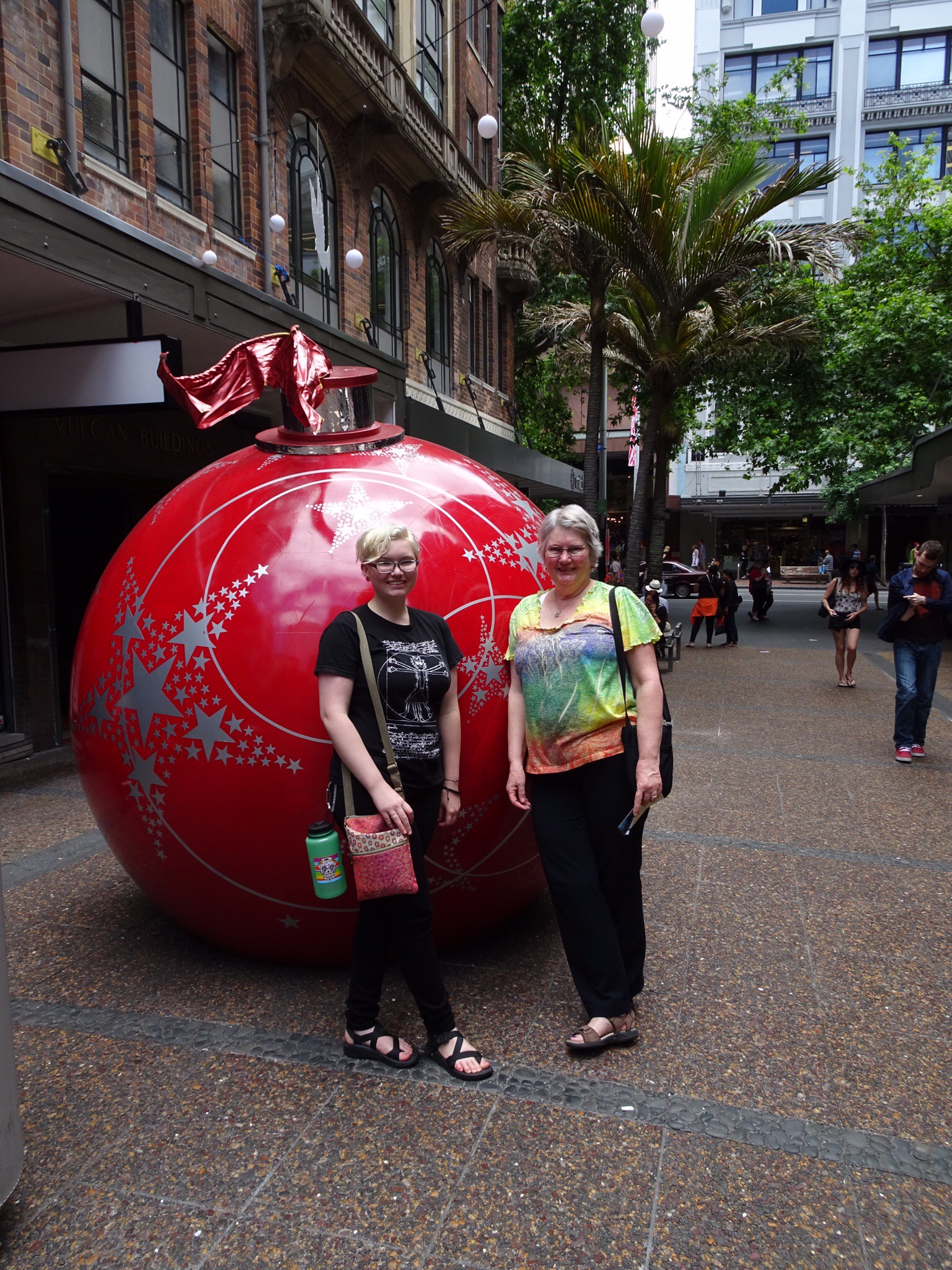
Giant Christmas balls (one was purple!)

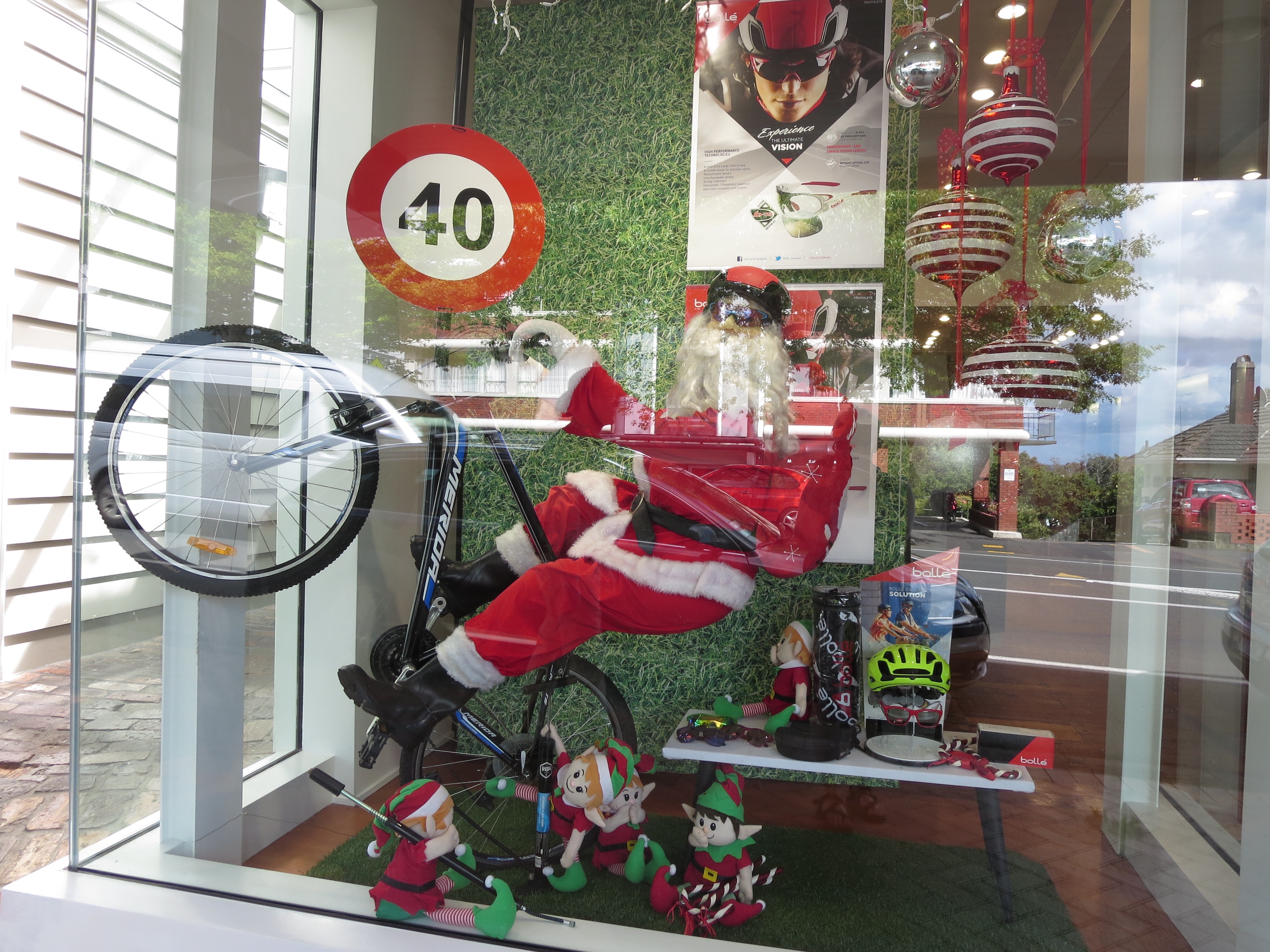
Santa on a bicycle, elves helping out


These were both in Auckland.

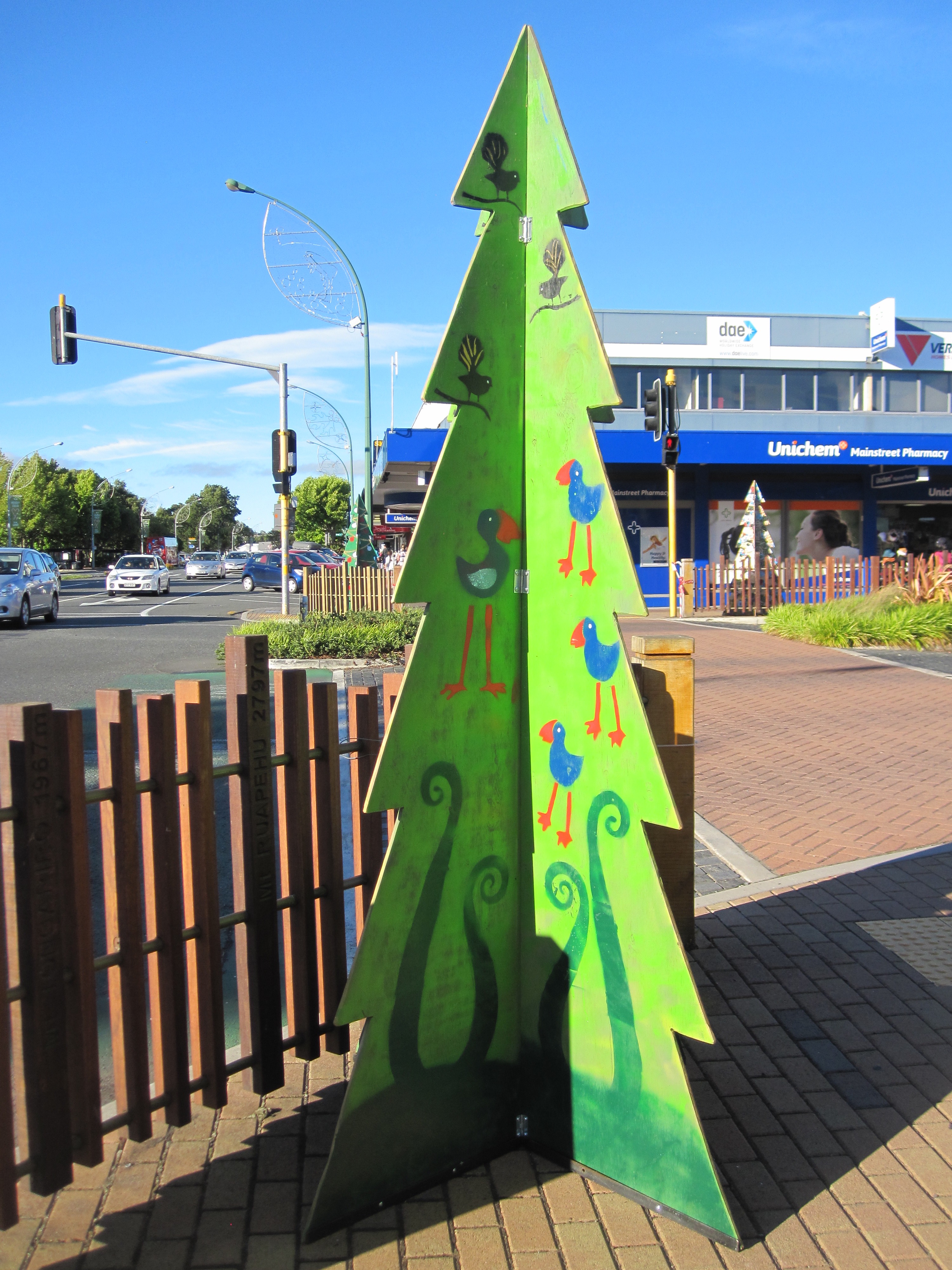
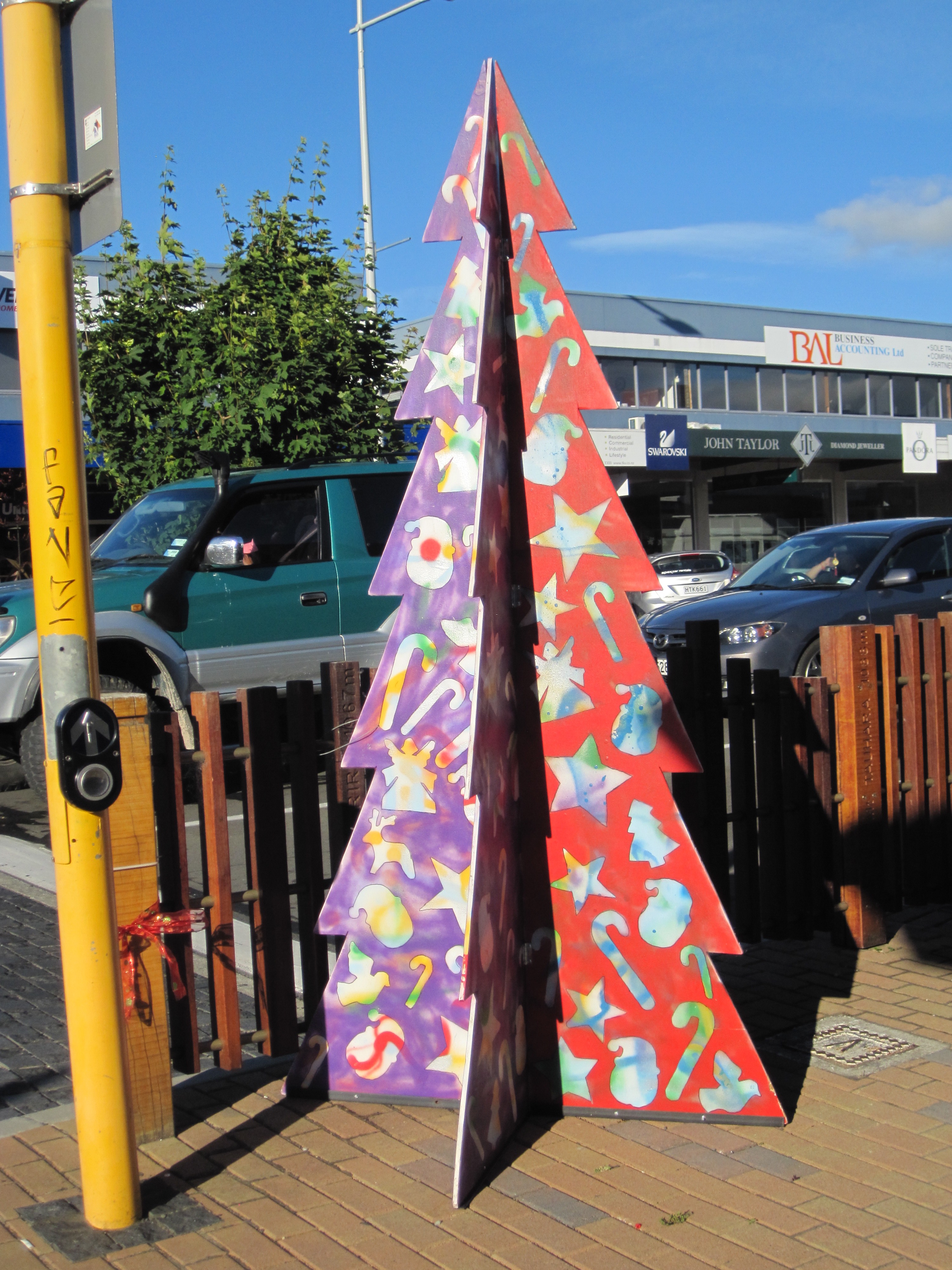
In Taupo, where we spent a few days after Christmas, funky trees were everywhere:

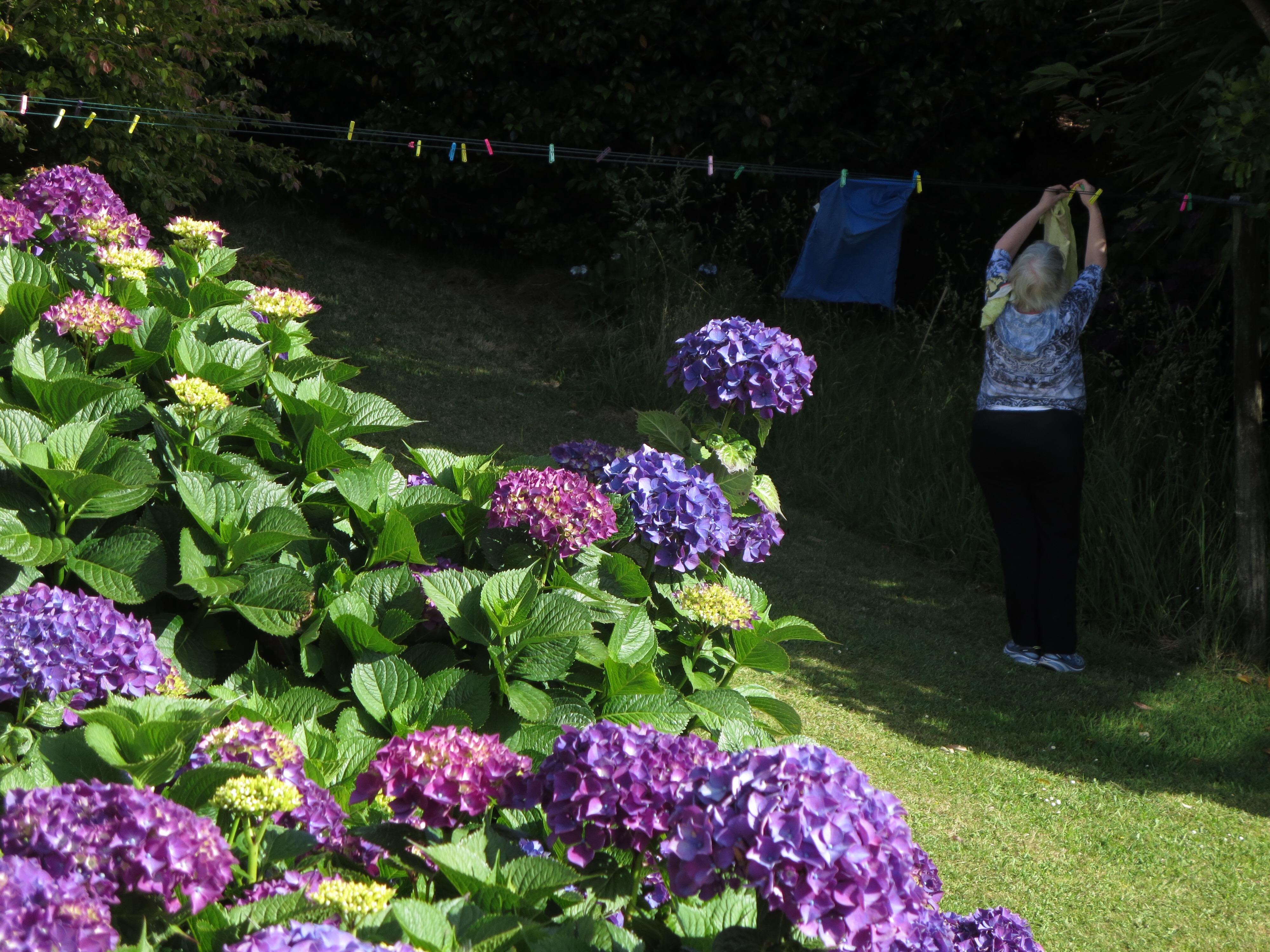
At our subtropical paradise, Orchard House, the decorations were mostly natural:

Yes, laundry was left in the washer and I put it out to dry.


That evening, Brian cooked a roast beef on the barby and Checkers made roasted potatoes in the oven, and all was good.

To our friends and family, Merry Christmas to all of you. We love you and were thinking of you on this special day.

*****Written by Clare*****