Category: Europe 2022

Stolpen Castle and Saxon Switzerland National Park, Saxony, Germany

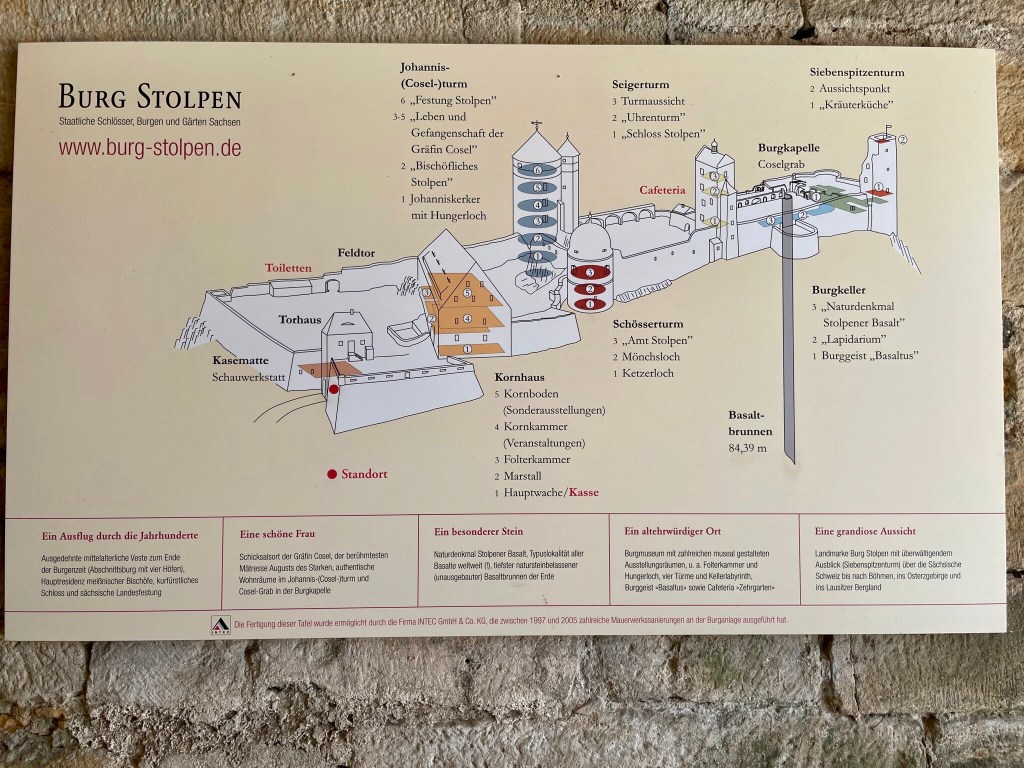
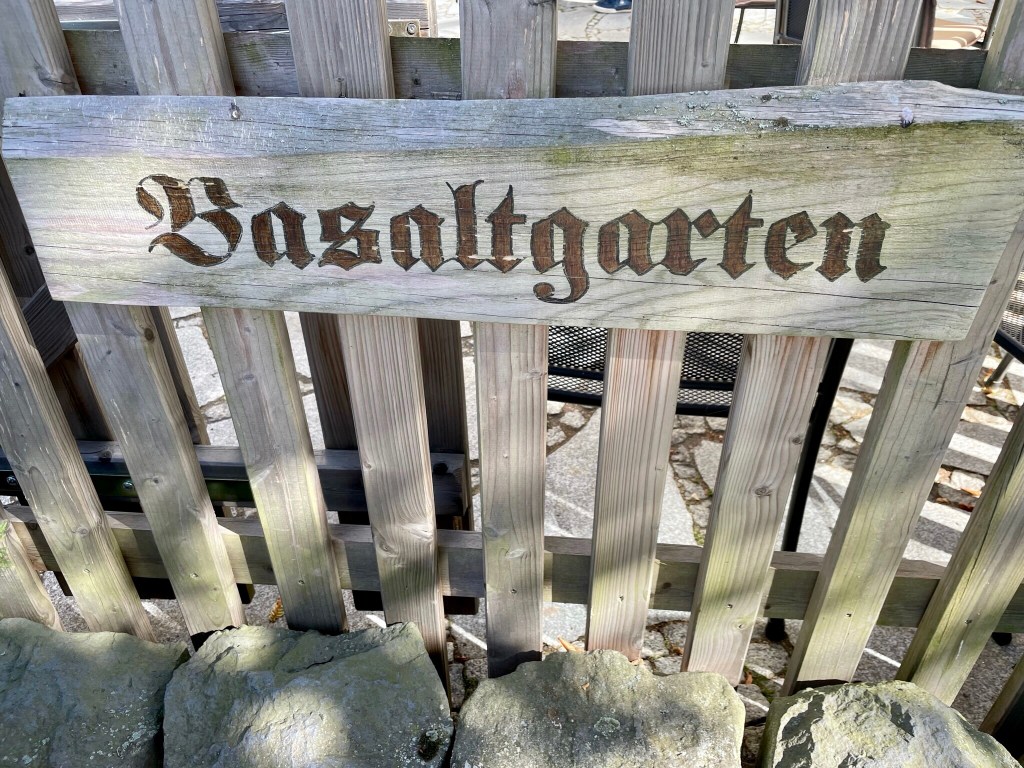
The last day of the conference was actually a field trip to (sort of) three castles. Basalt and sandstone: the first providing the building materials for a hilltop castle and the latter providing spectacular pinnacles that long ago supported a fortress castle. The conference provided the opportunity to visit these sites in a field trip, followed by a dinner at another castle closer to Dresden.
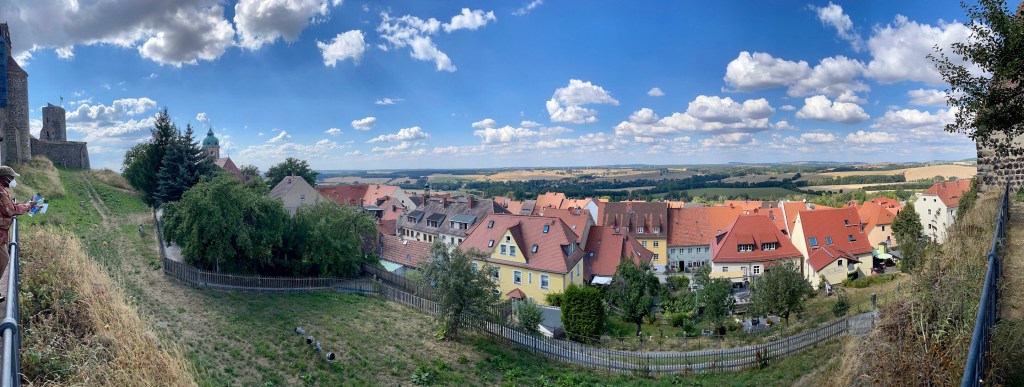
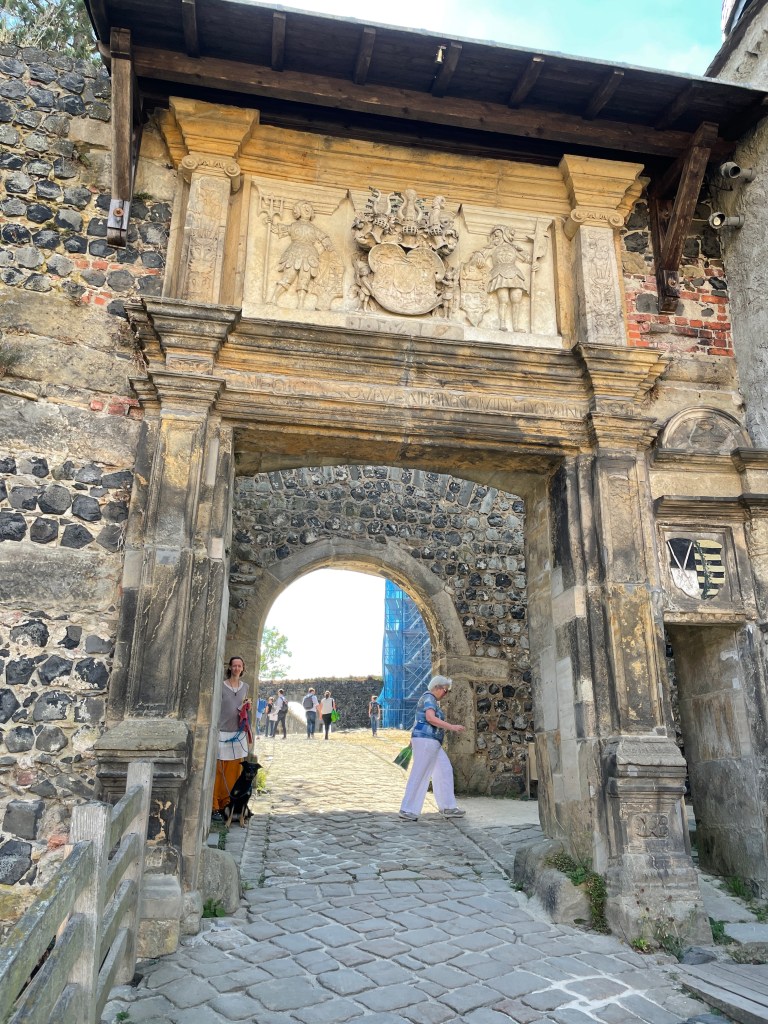
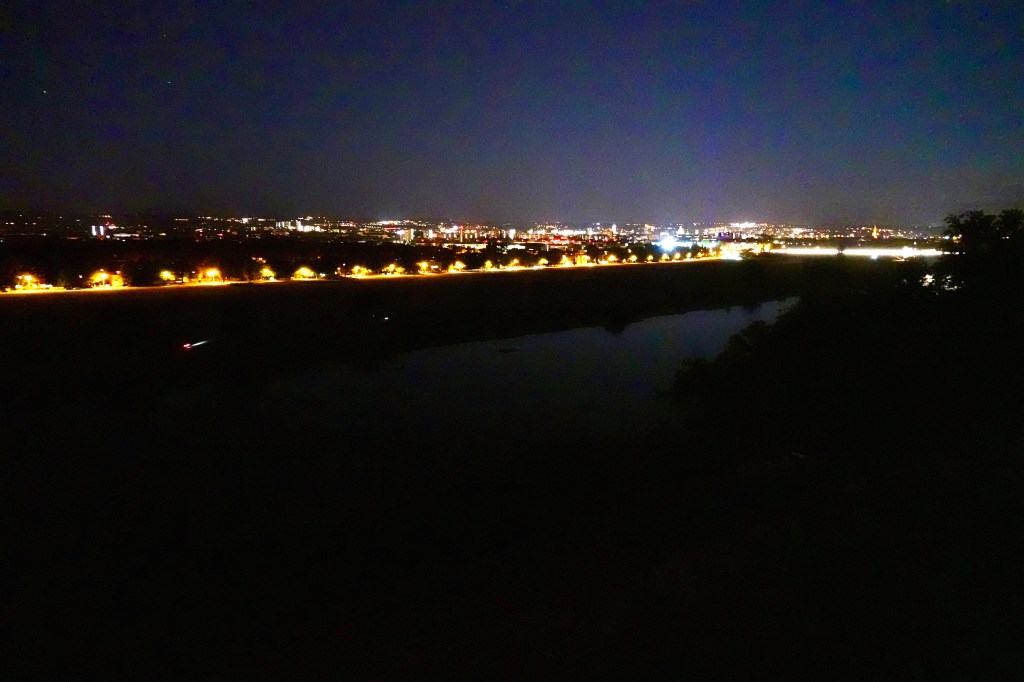
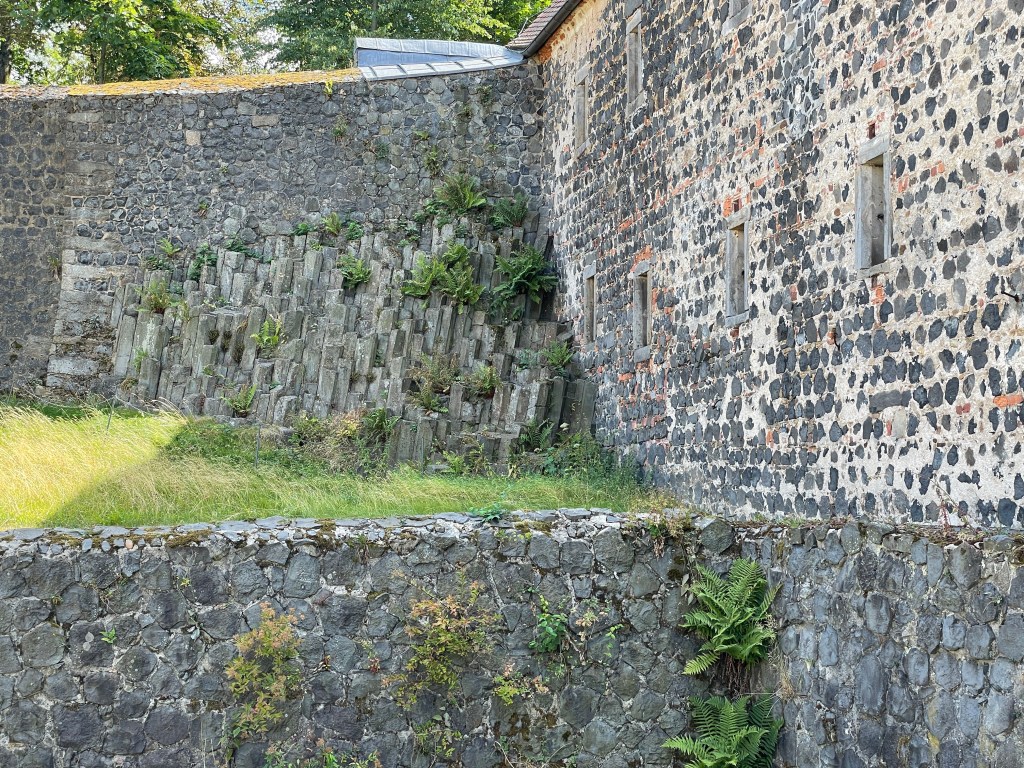
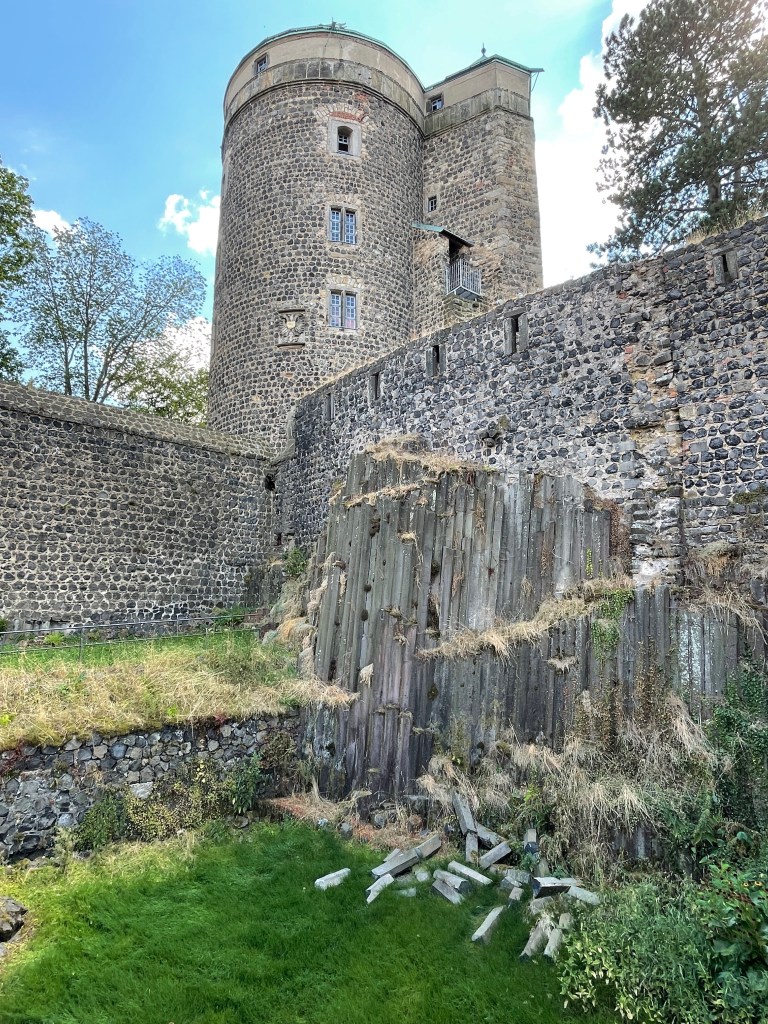
View from Stolpen Castle – the one made with basalt columns

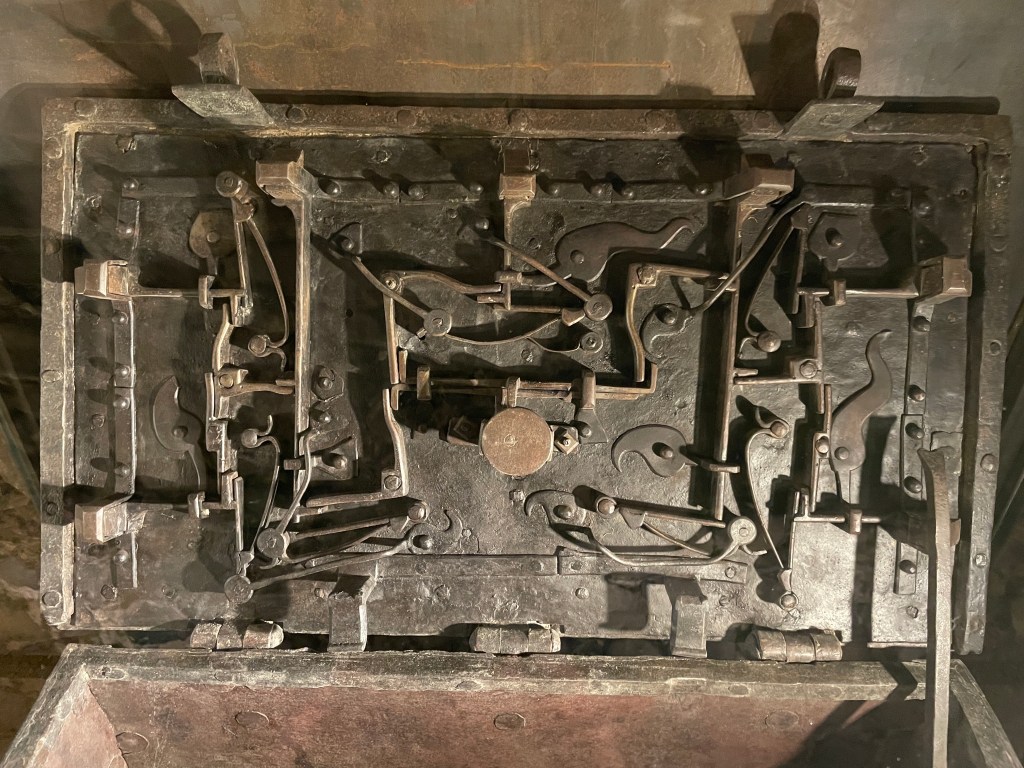
Most visitors to Stolpen Castle are interested in the “torture” part of the displays in the castle, so our group was a bit unusual. How many tourists happily look at the rocks? Basalt seems an unusual stone to build a castle!
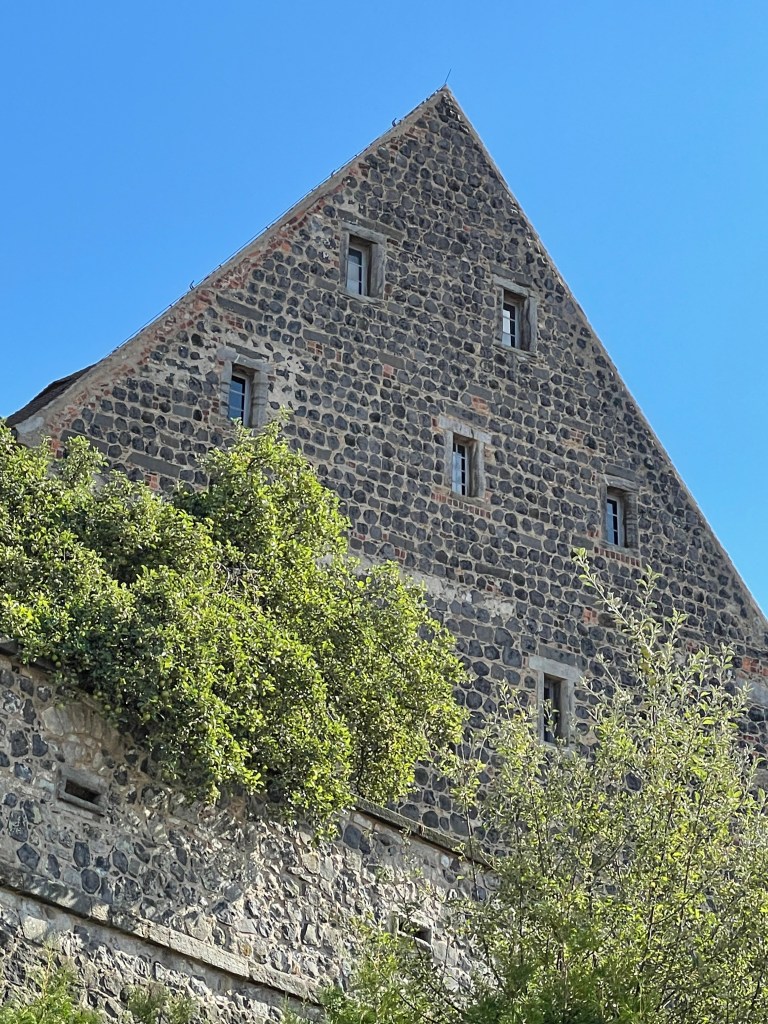
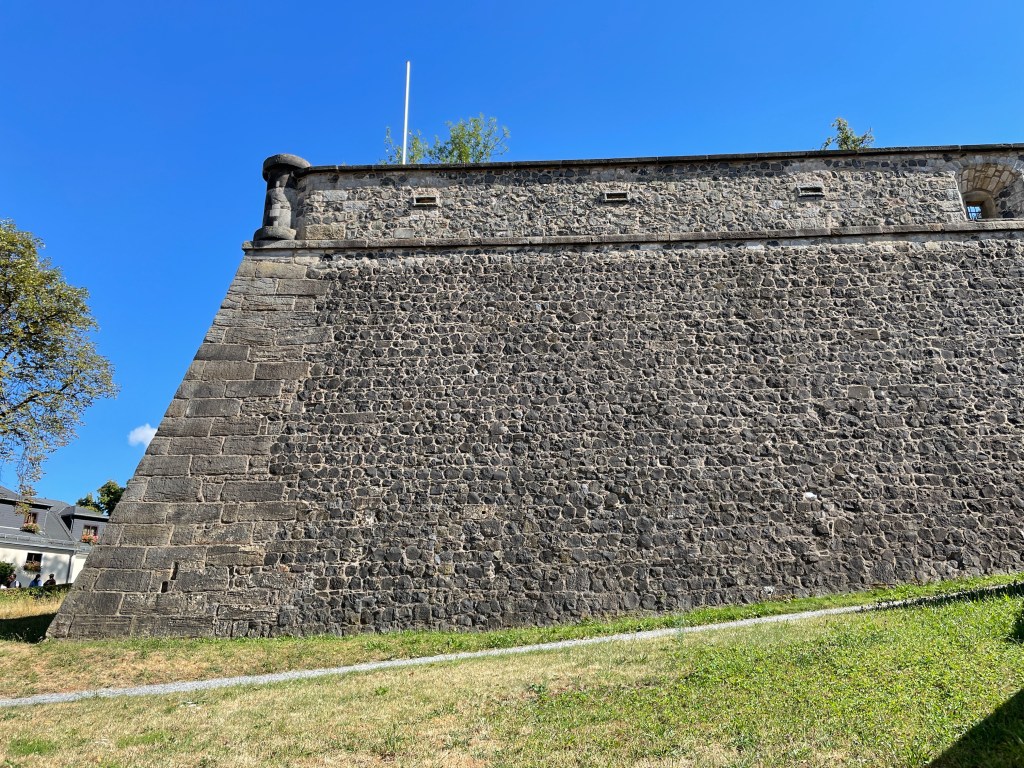
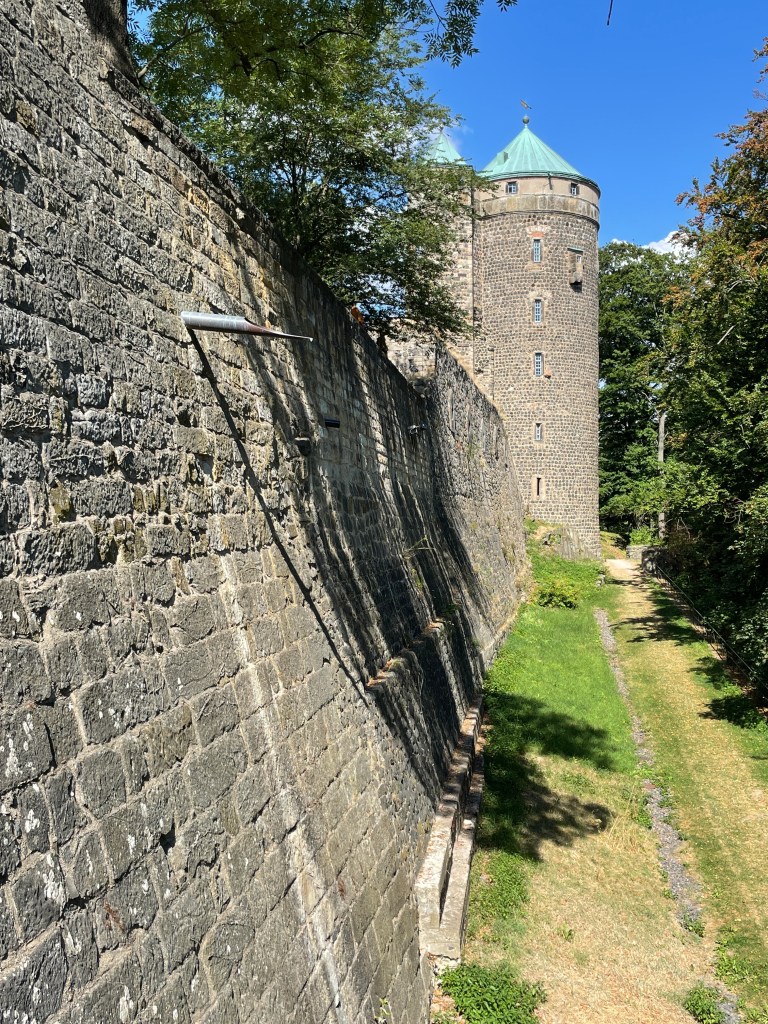
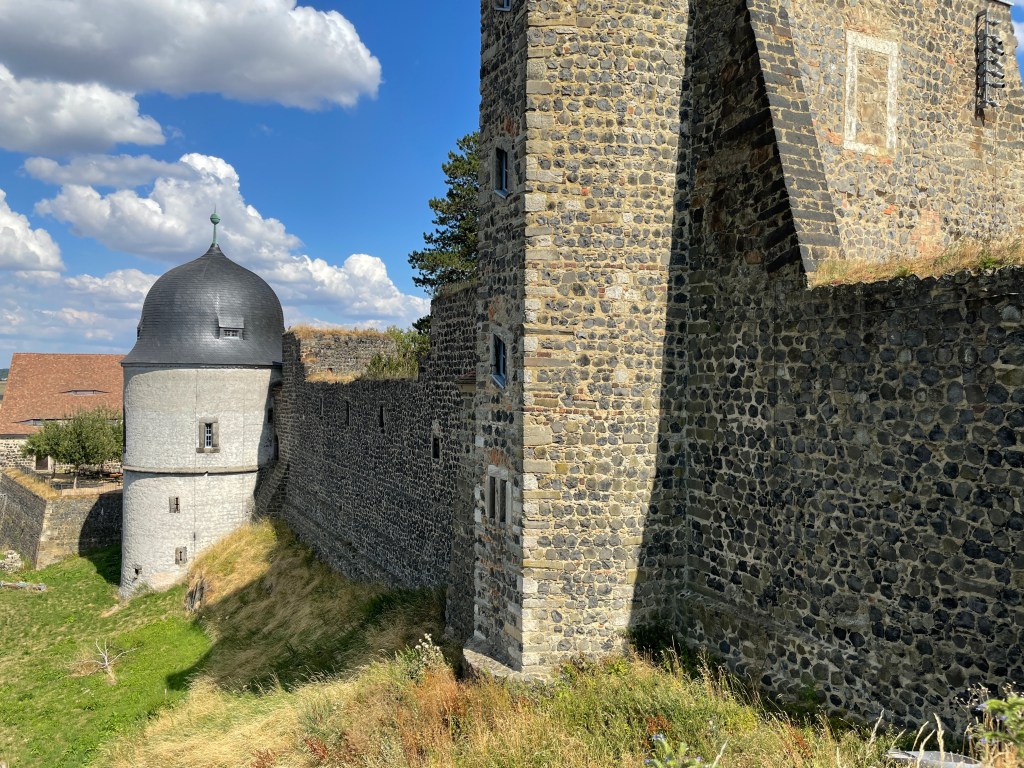
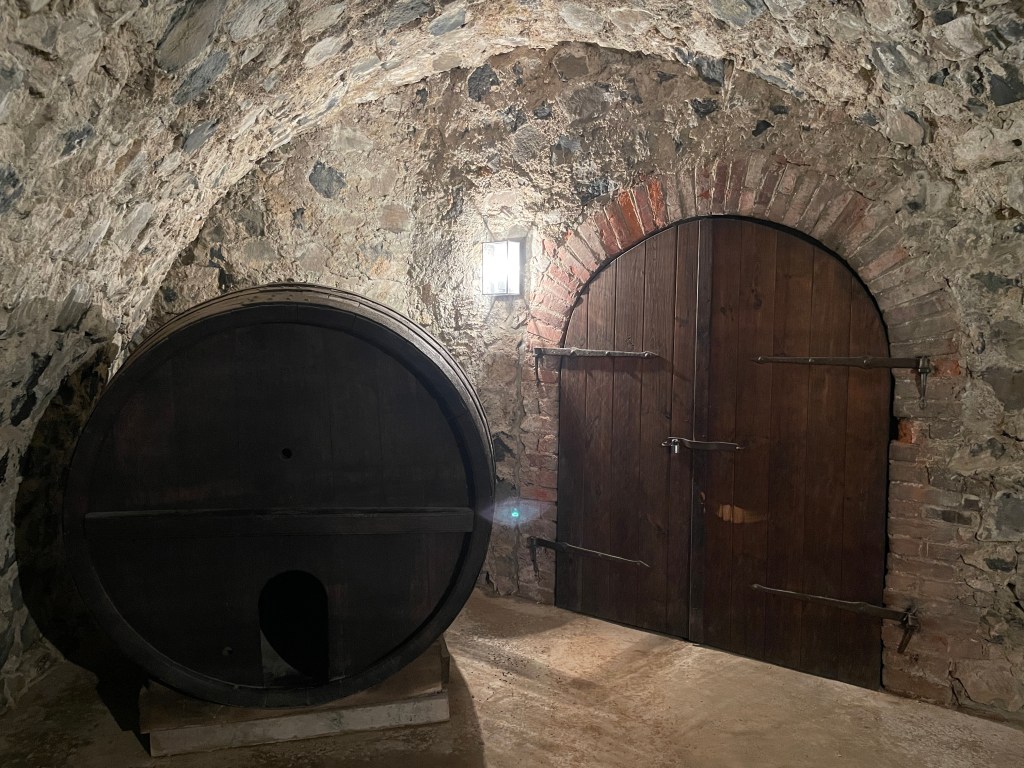
The fun part of wandering around a castle built of basalt was all the cool (temperature) rooms in every direction. This was important because we walked up a hill to get to the castle, and we were all hot.

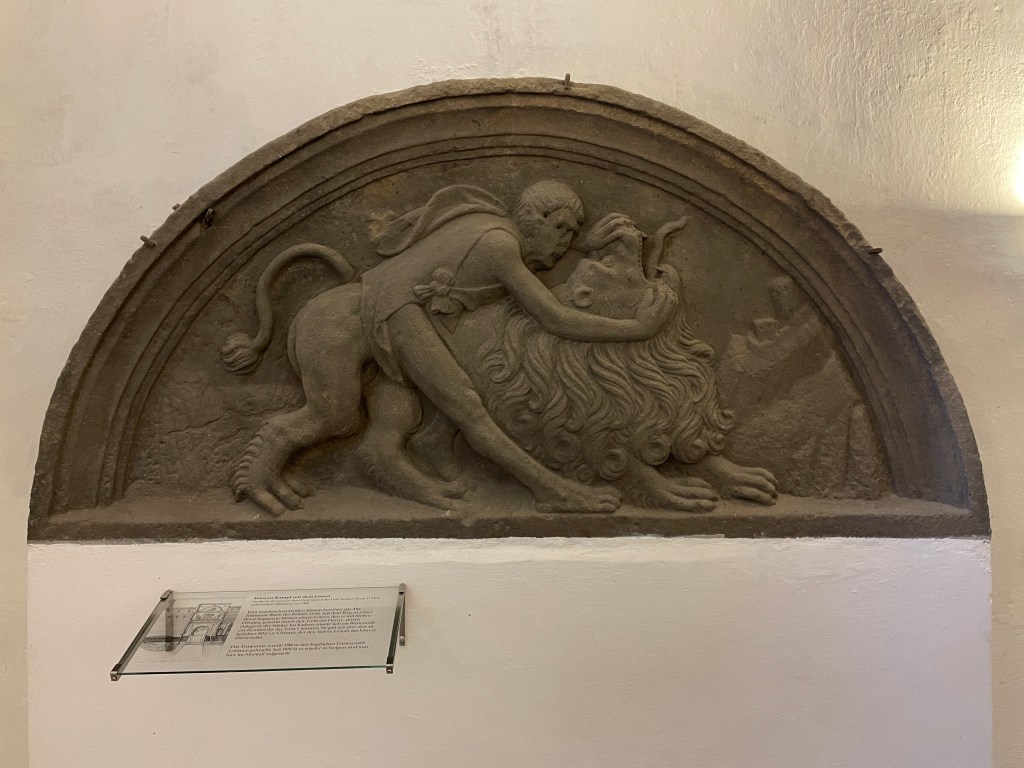
We visited the lapidary area in the lowest portion of the castle, where rocks were shaped into regular hexagons and other works are done.
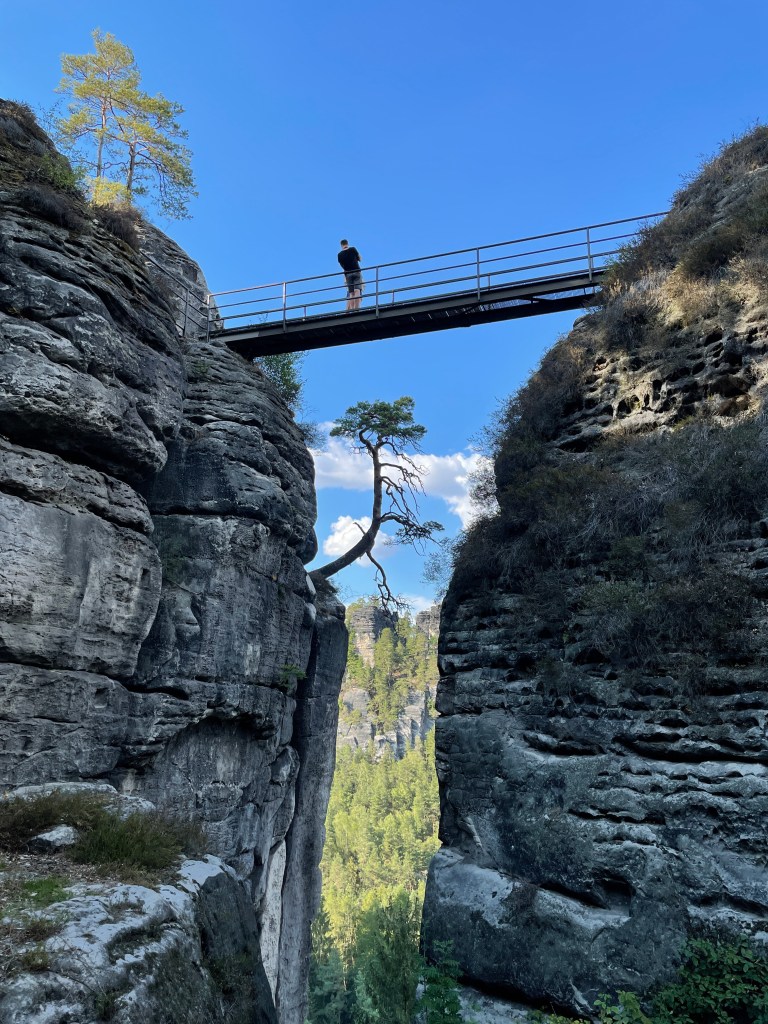
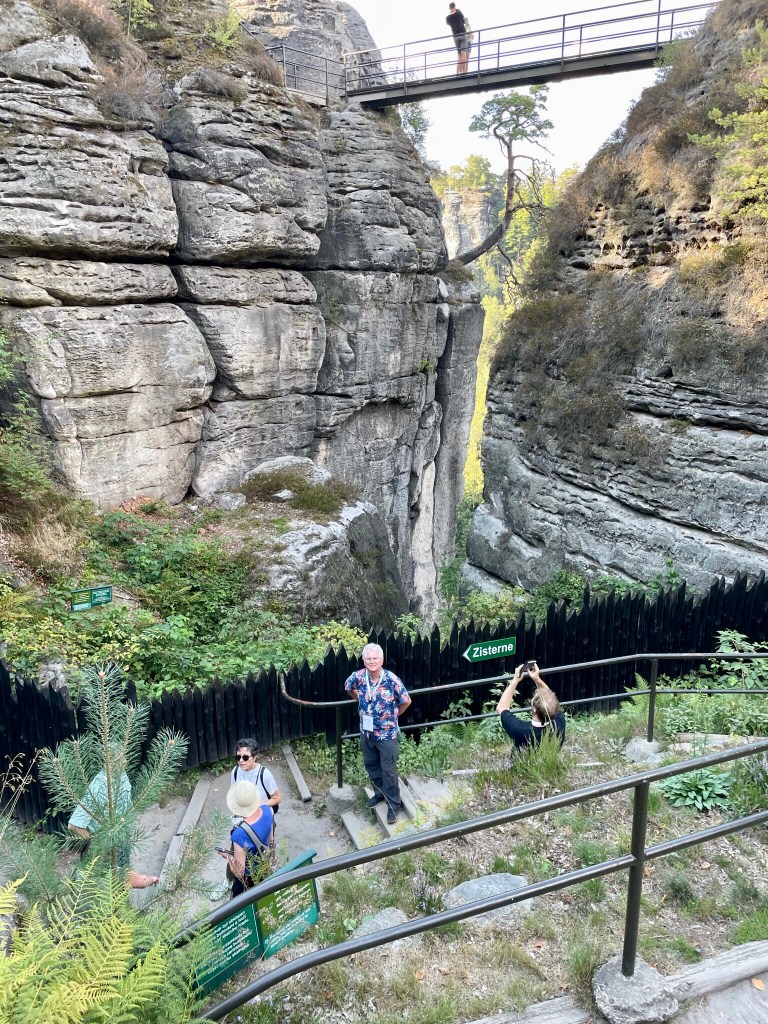
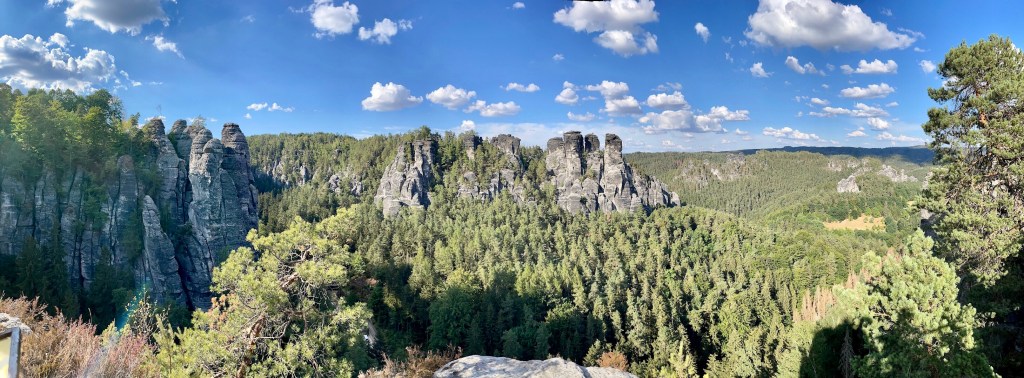
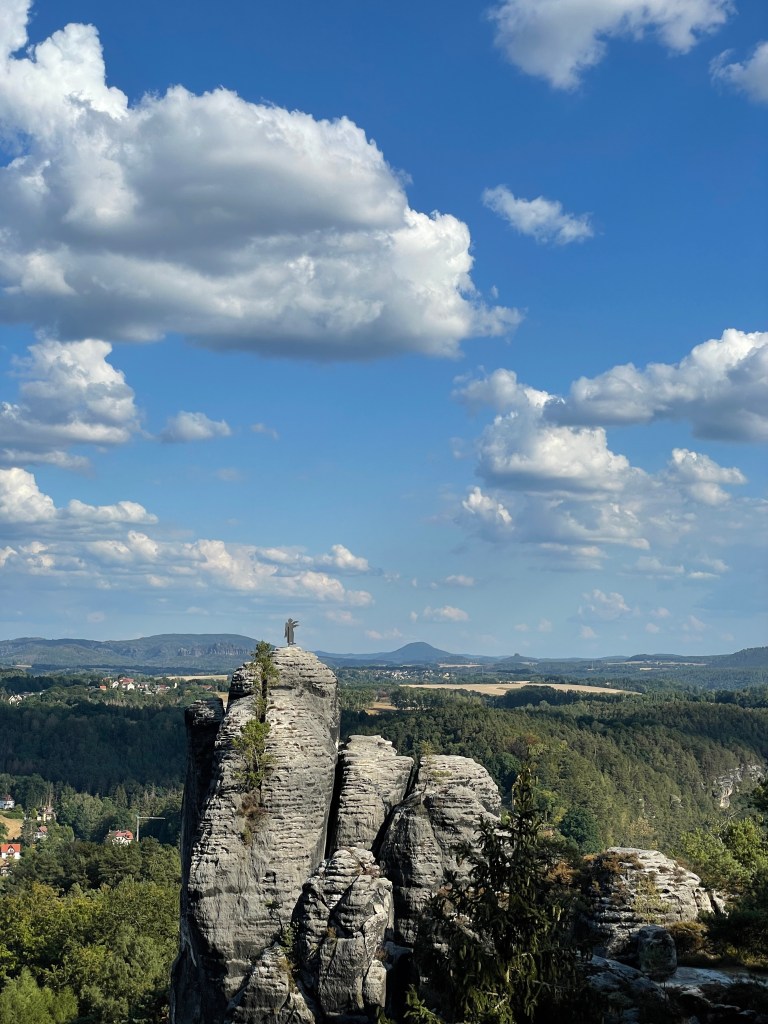
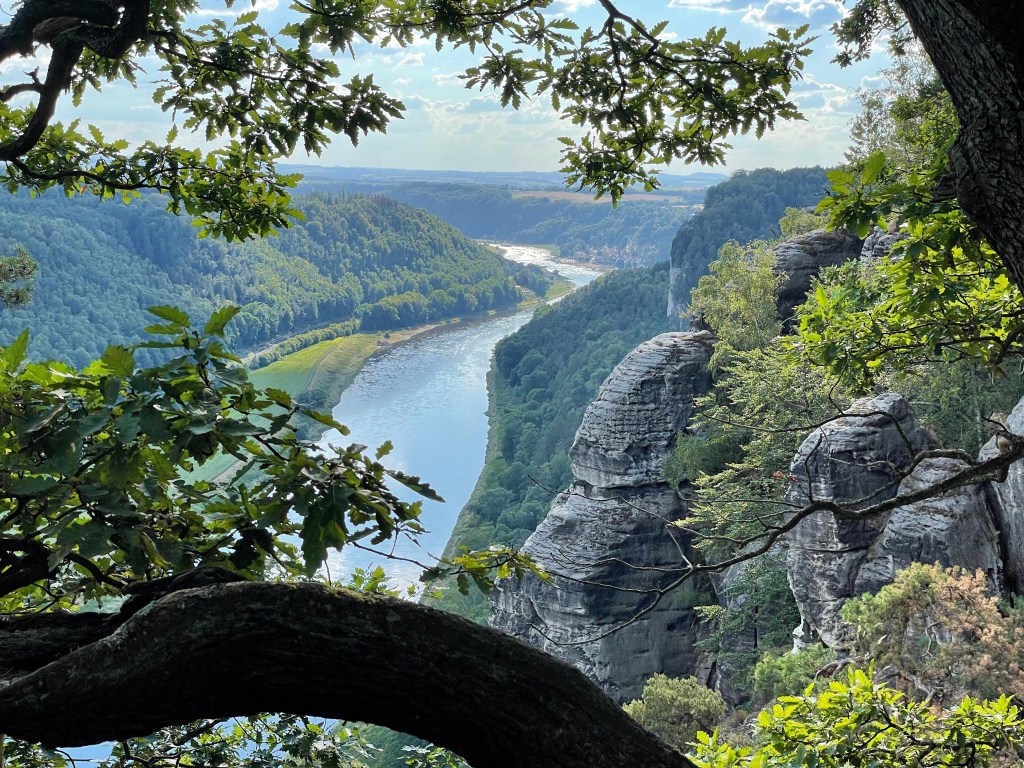
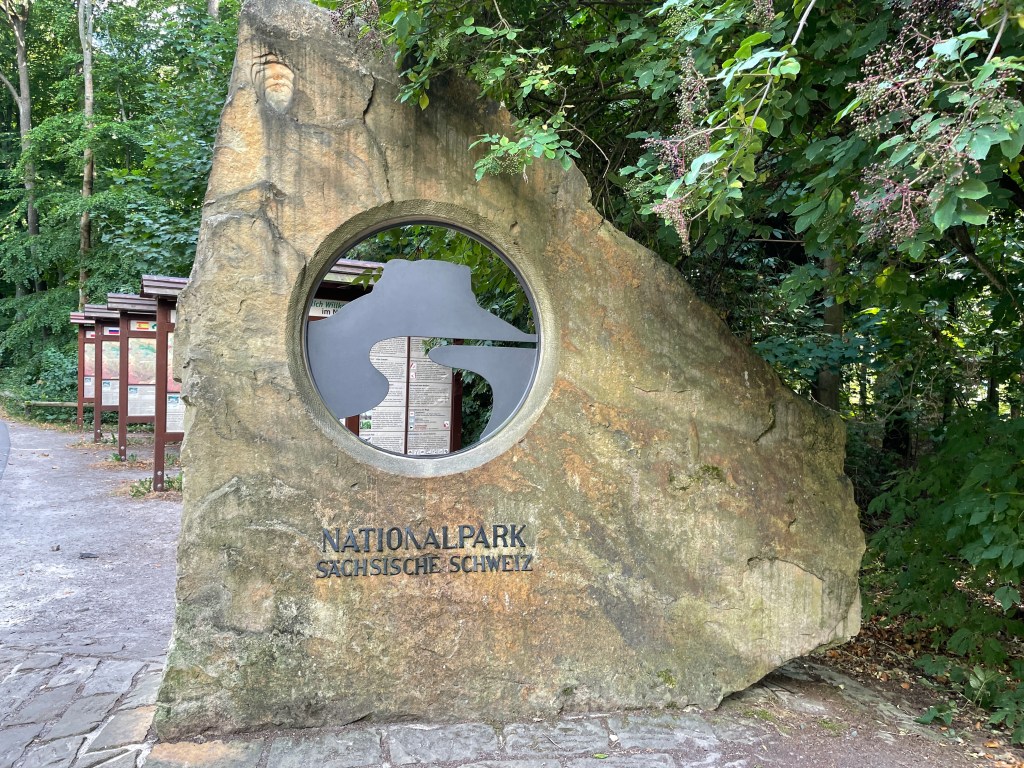
Saxon Switzerland National Park is a beautiful area with a castle built in the Middle Ages on top of extremely steep outcrops of sandstone. Our entire group of field trip participants climbed down the stairs and across the bridges to get to the castle ruins.
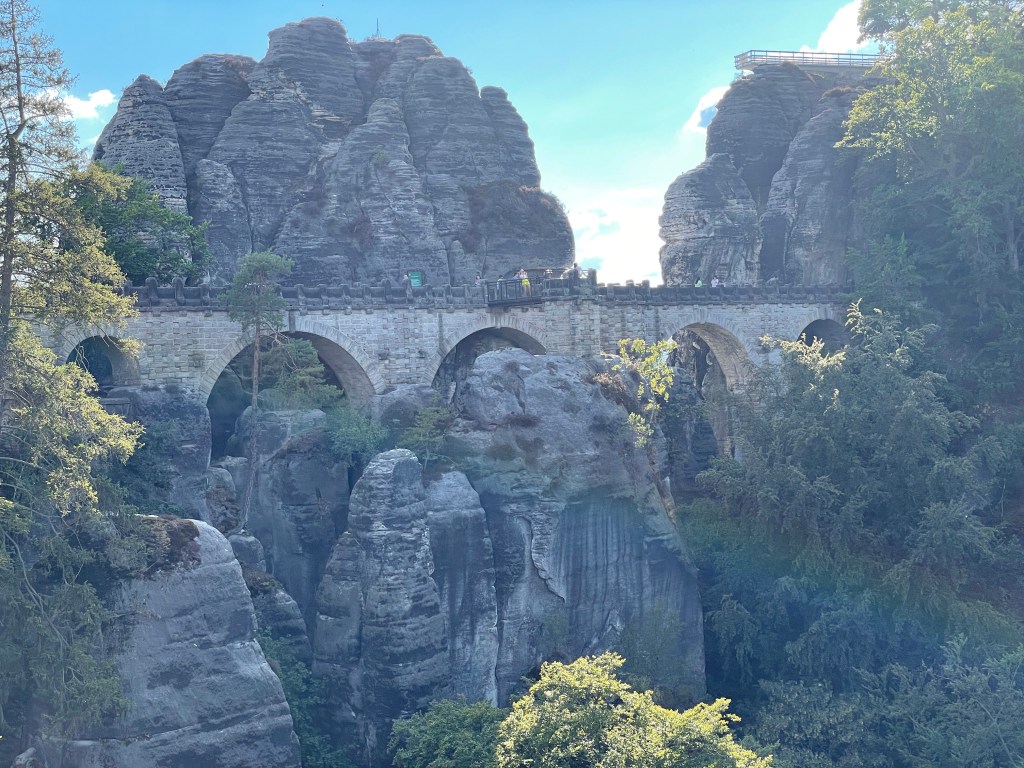
The rocks formed these columns in a similar way to the columns in Bryce Canyon NP in the US, except that the sandstones at Bryce are much softer.

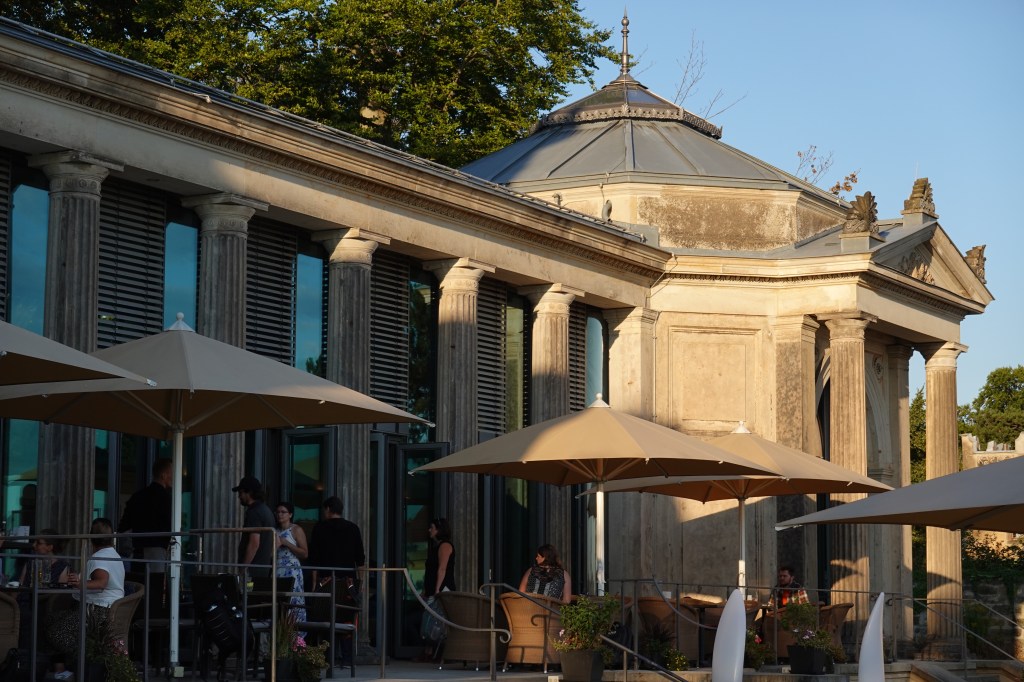
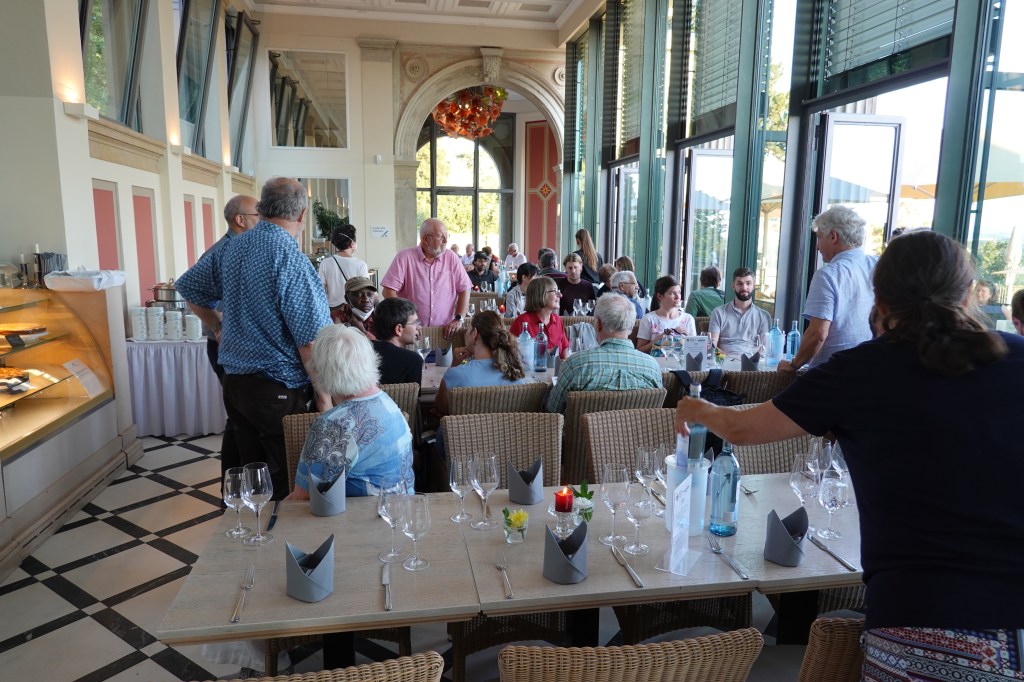
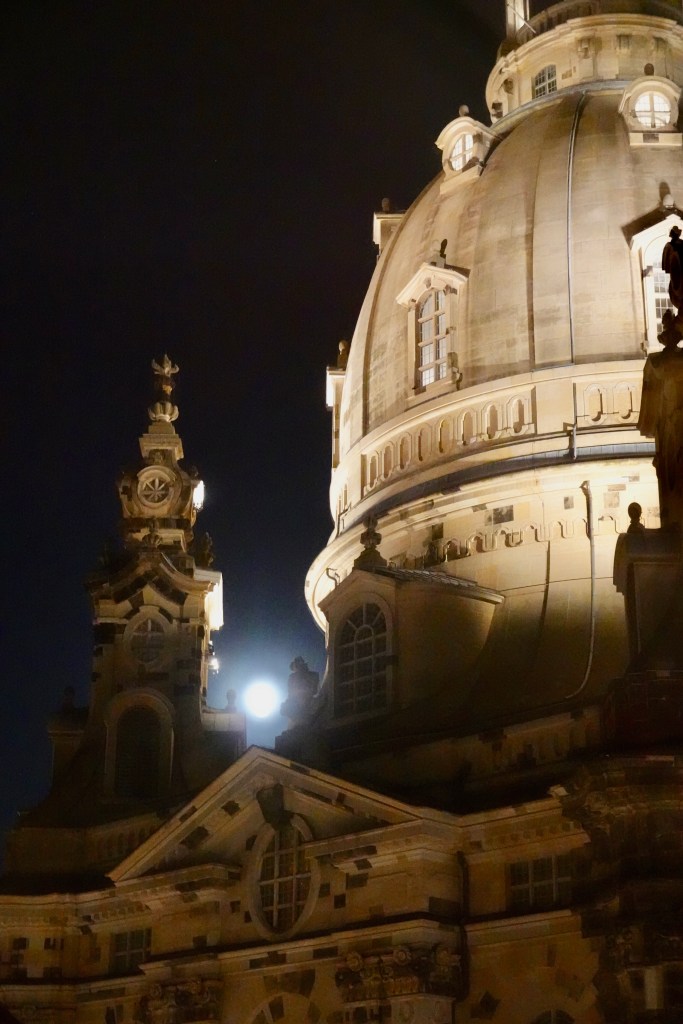
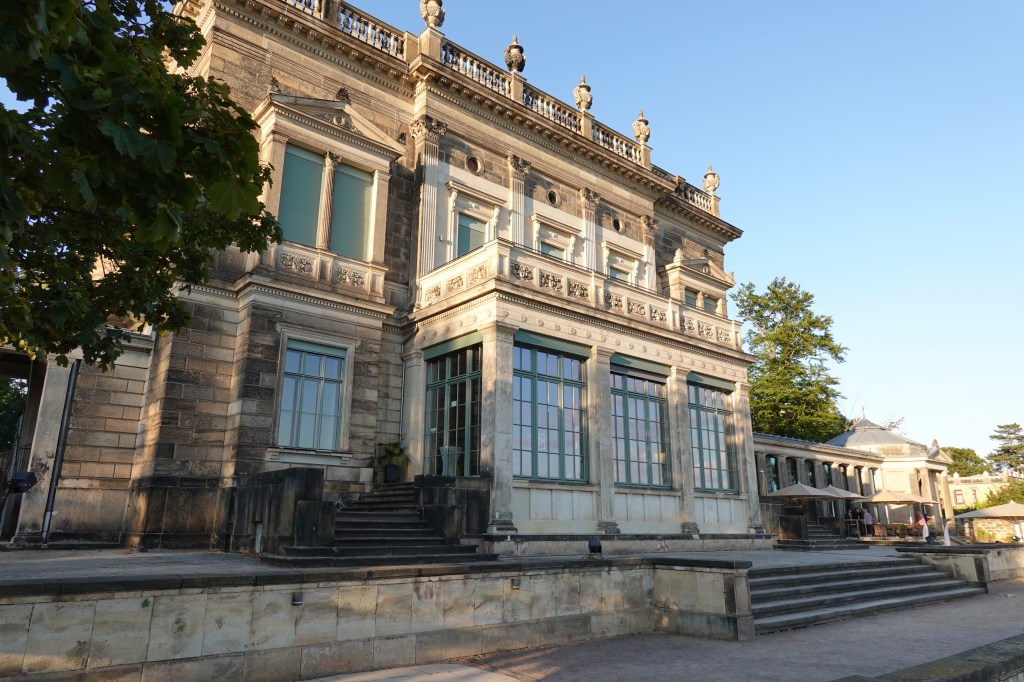
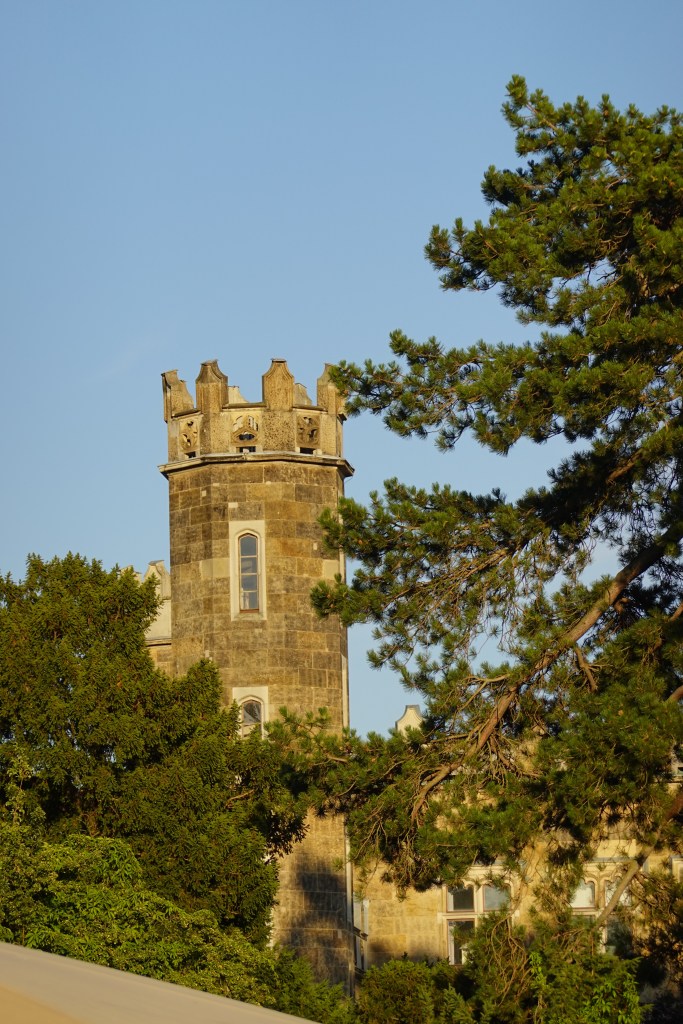
Our third castle of the day was where our group had dinner together. Great food, great conversation. From there, Brian and Clare took a tram to Dresden.
Chemnitz, Saxony, Germany

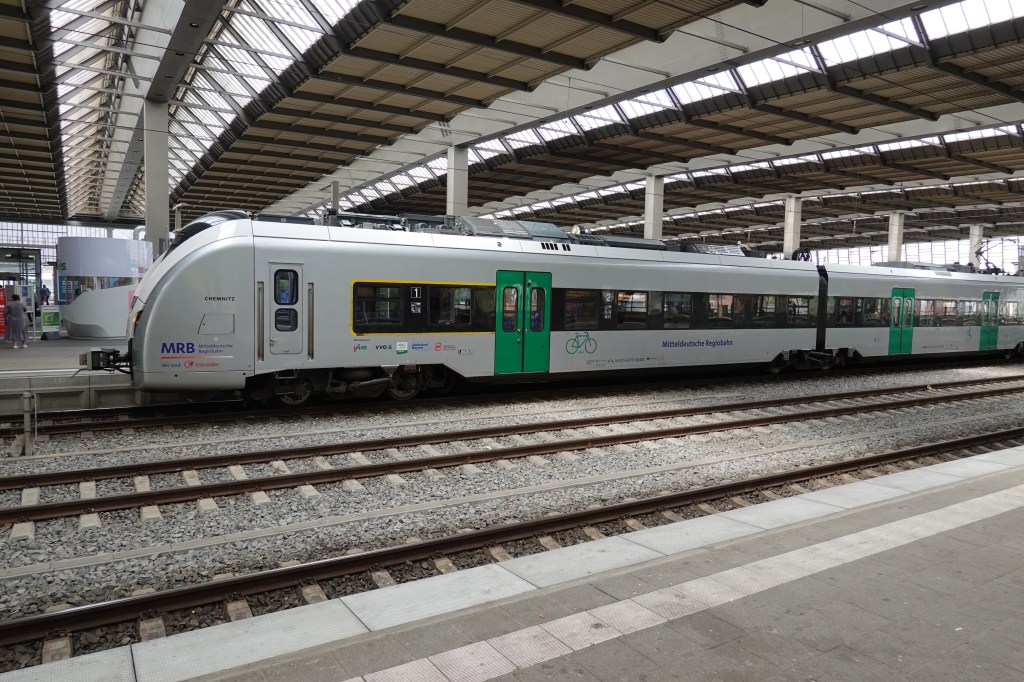
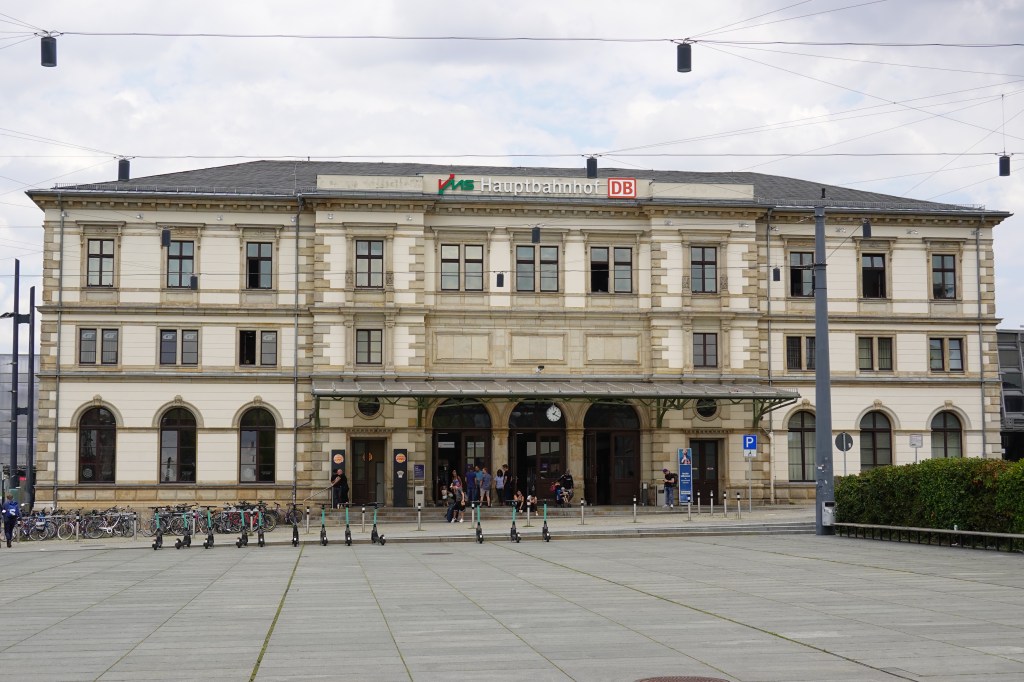
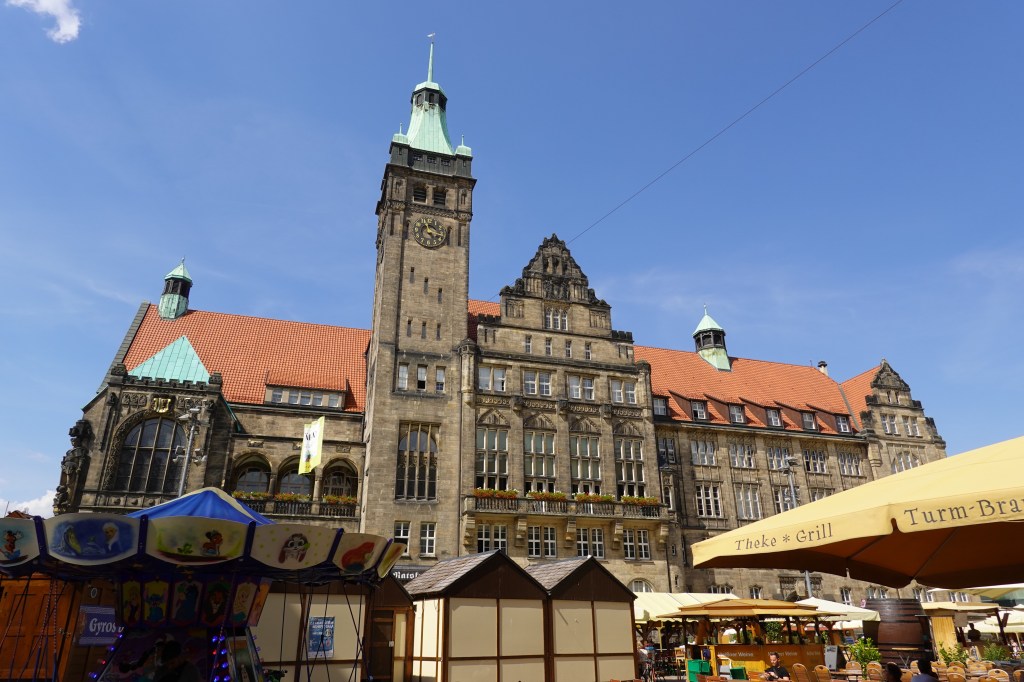
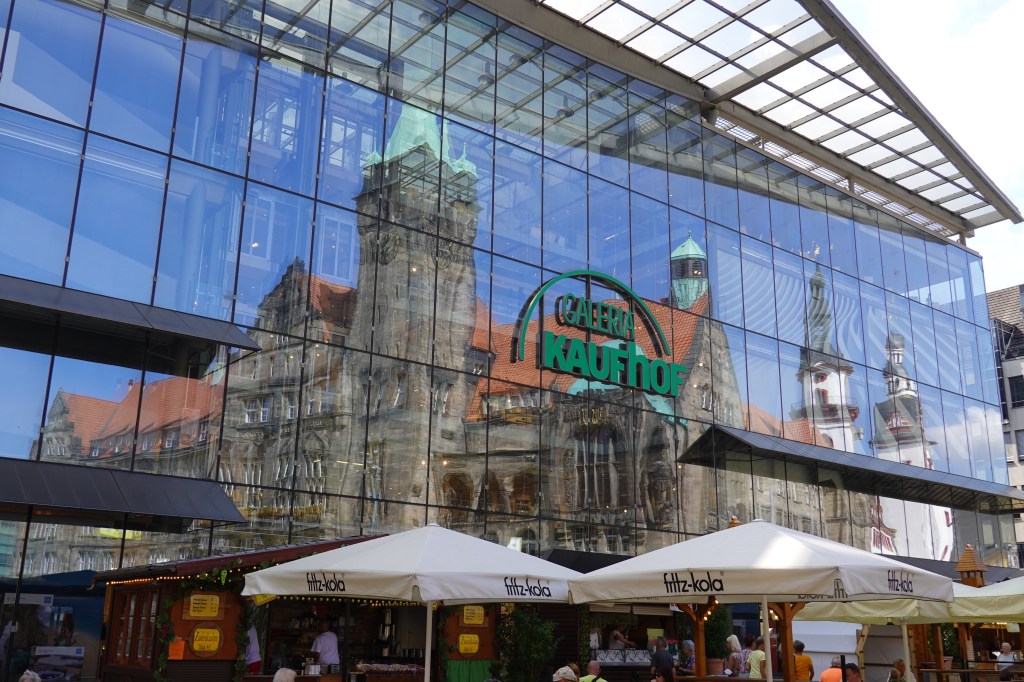
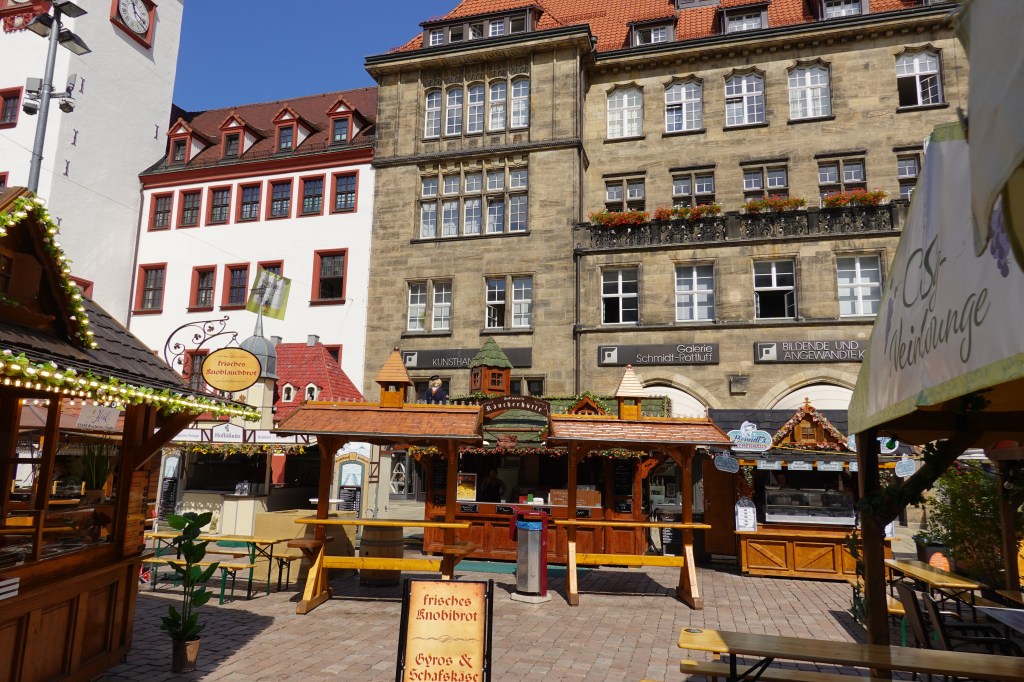
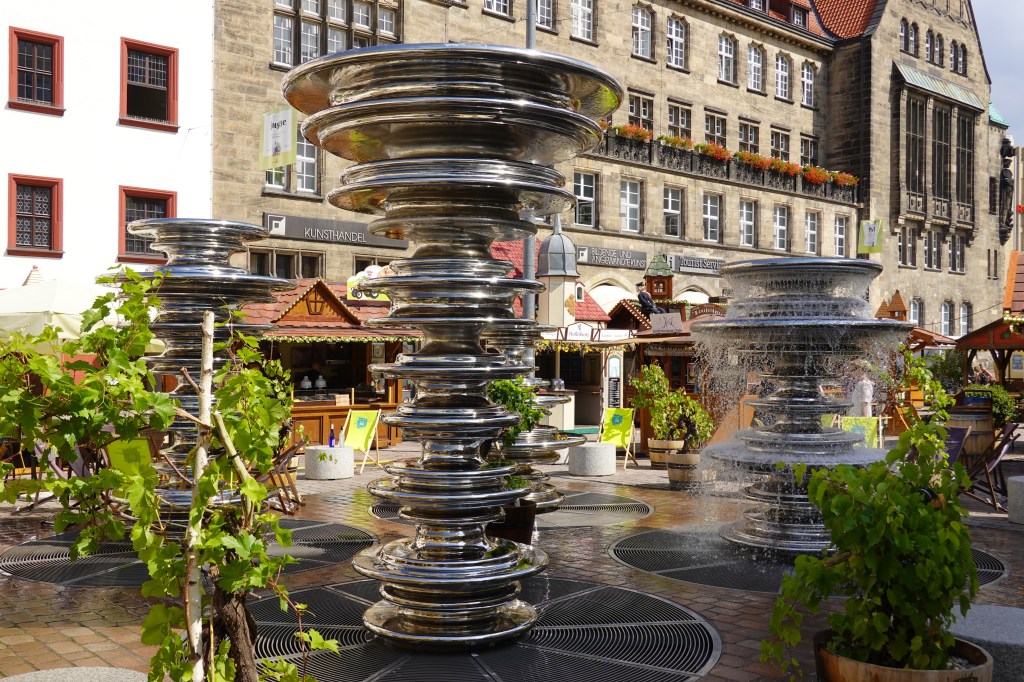
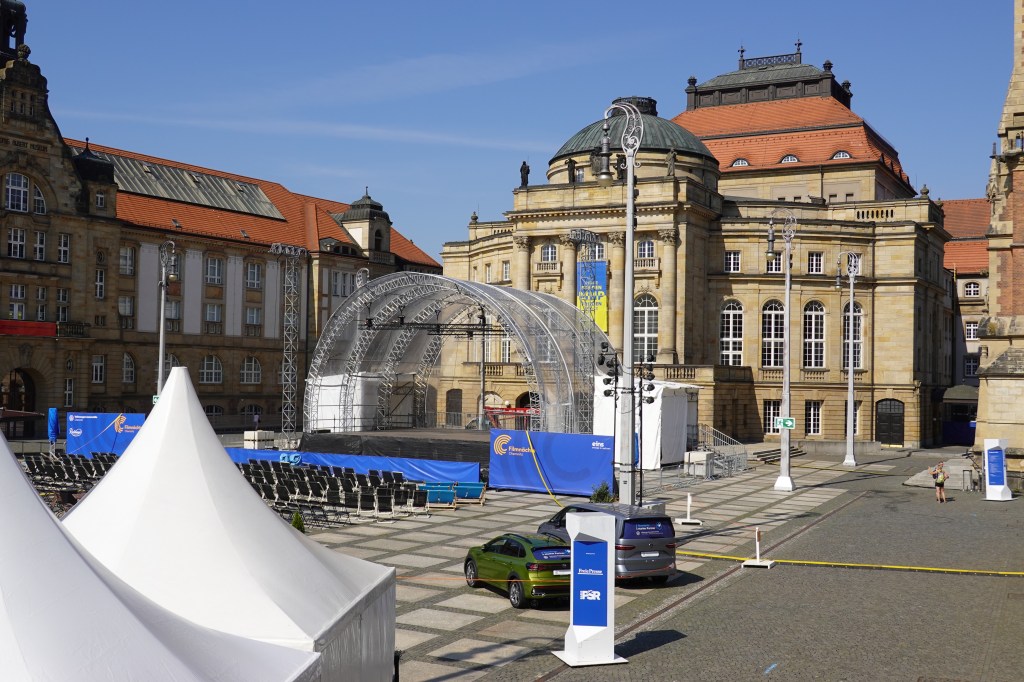
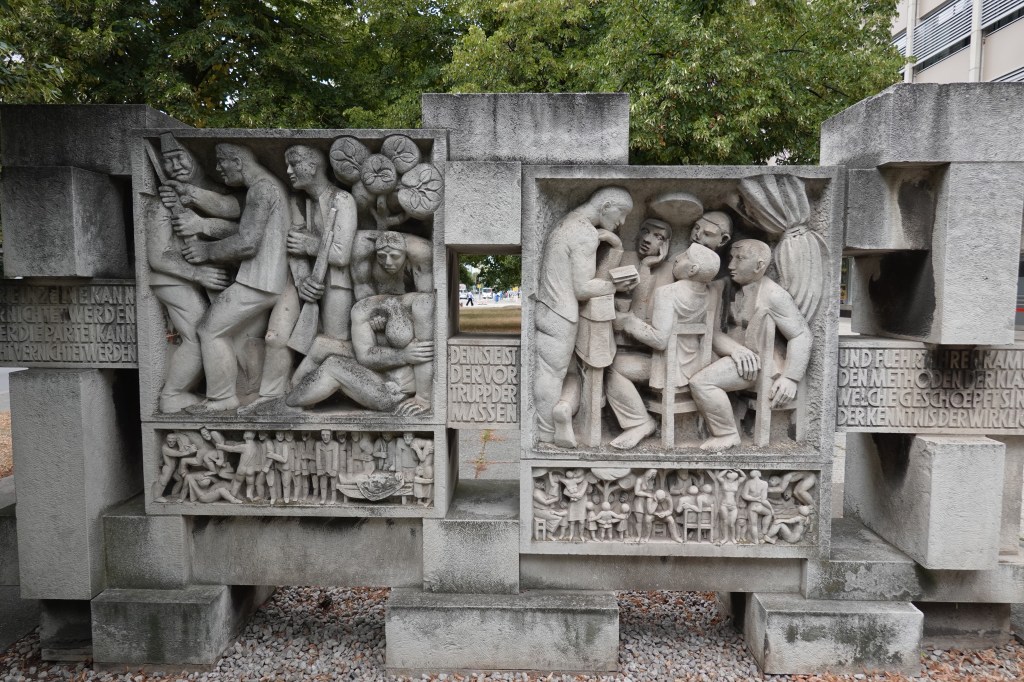
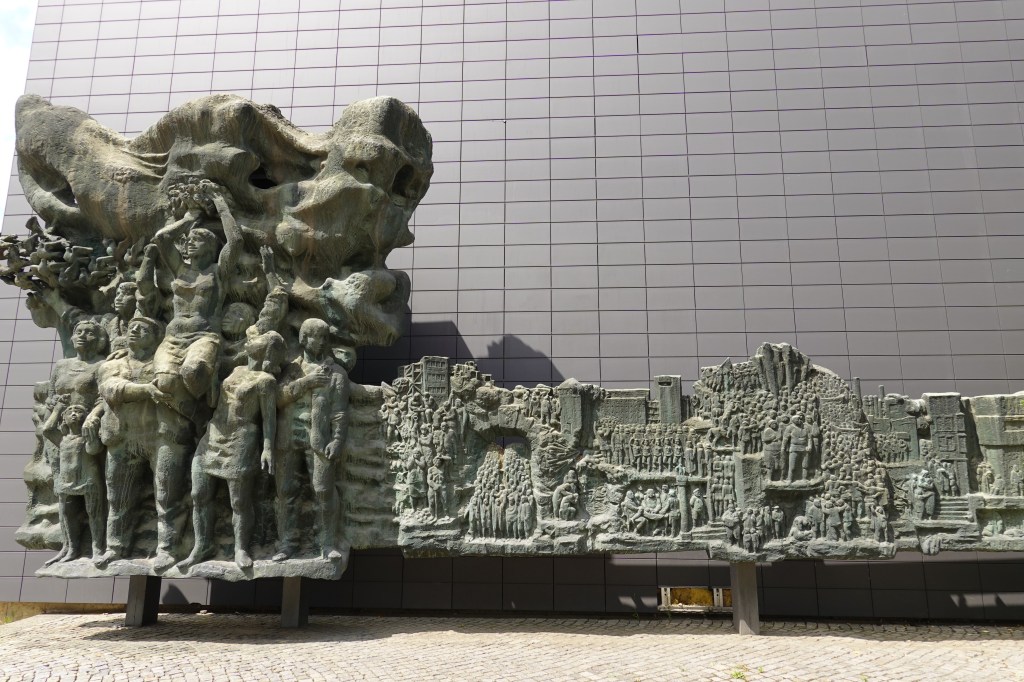
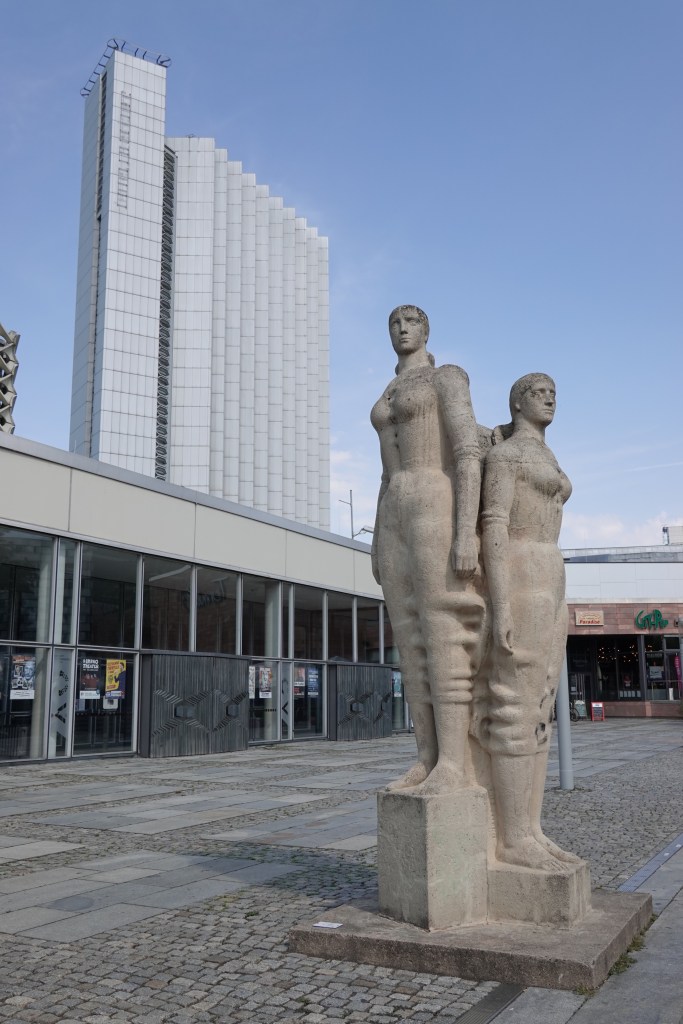
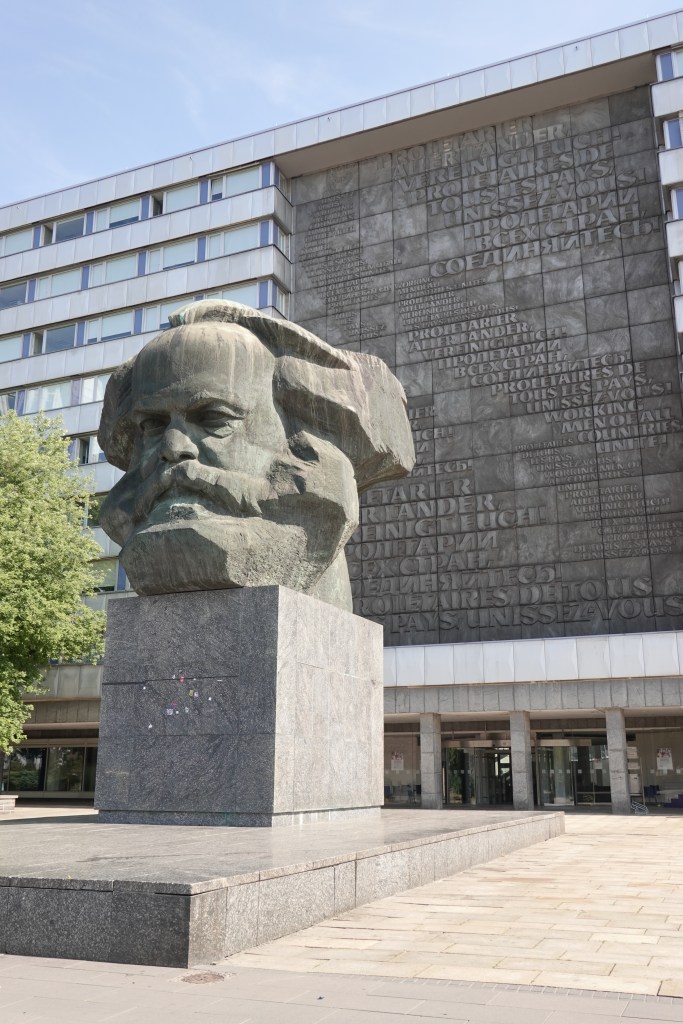
Brian took a day off from the conference, and together our travelers took a train to another small town in former East Germany. Chemnitz was called Karl-Marx-Stadt beginning in the 1970s, but the people of the city voted to return to the historic name as soon as possible after the reunification of Germany in 1990.

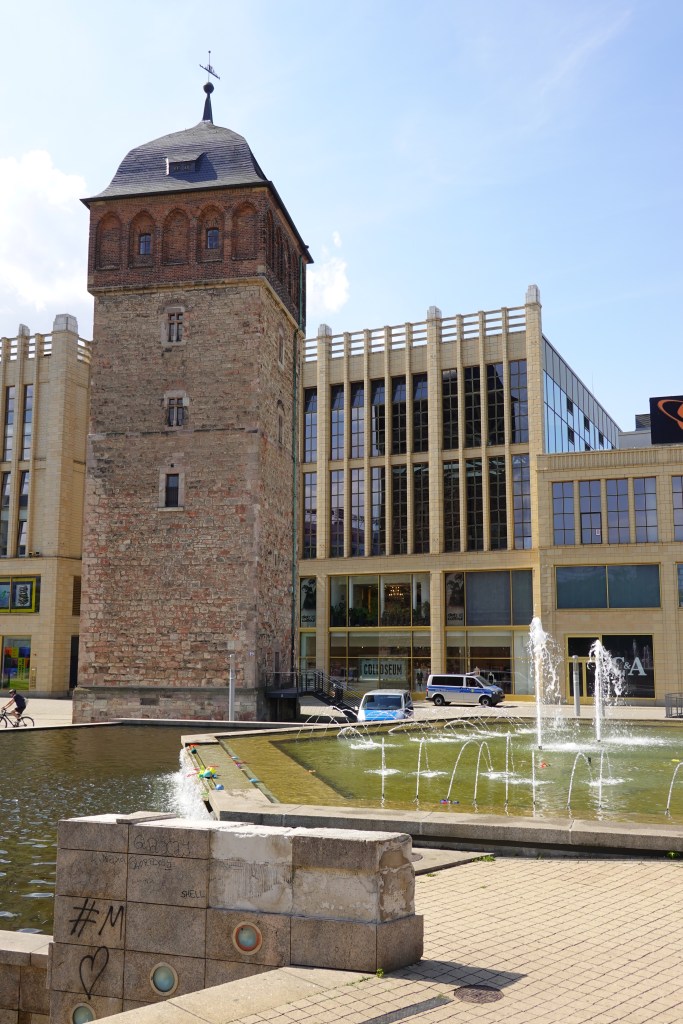
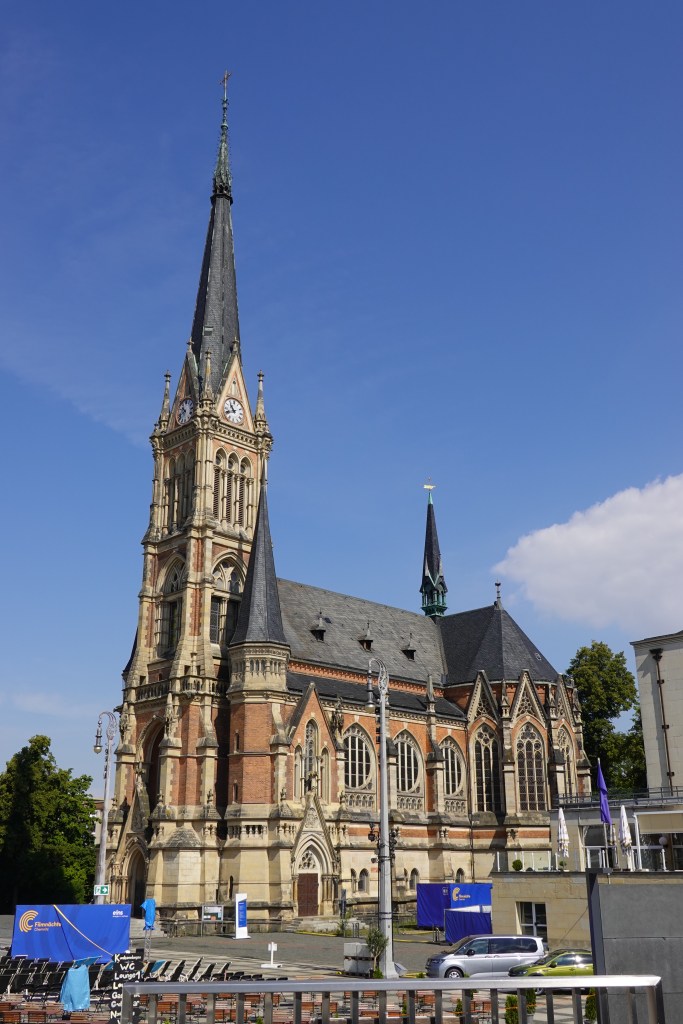
This is simply called Red Tower.

Near the Red Tower, we met a woman also visiting, who spoke excellent English. She was from former West Germany, and lamented that her visit to this town makes her believe that Germany is still divided. The unification was only a generation ago; perhaps more time is needed.

Terra Mineralia, Freiberg, Germany

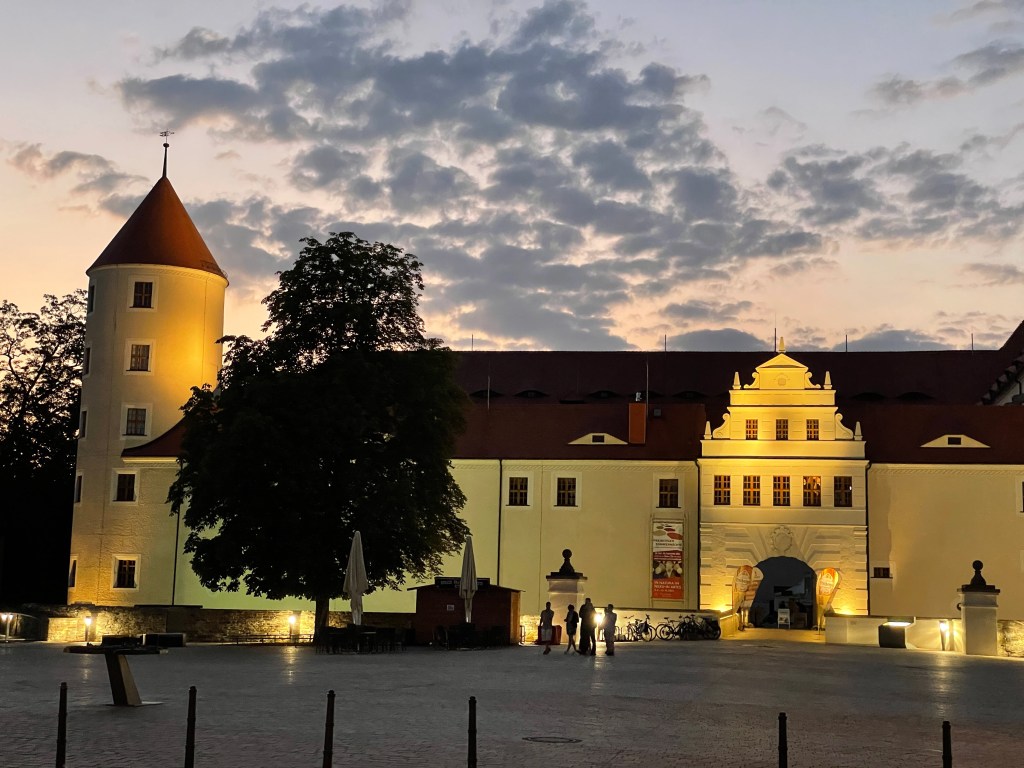
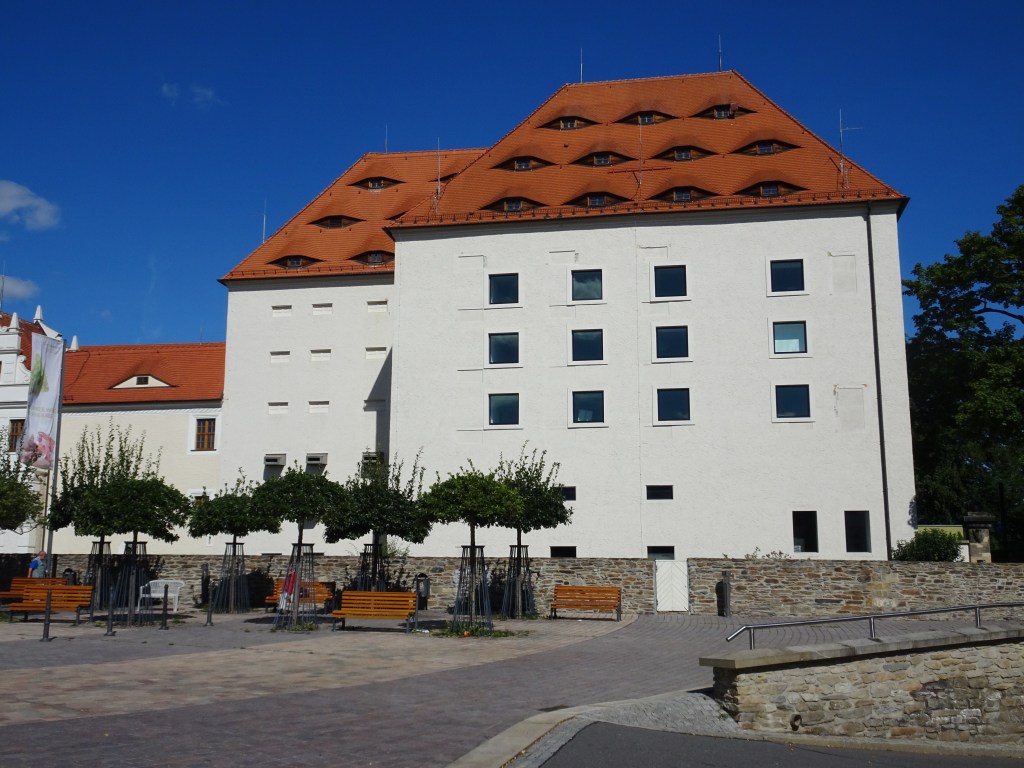
The museum in this old castle was the site of the opening reception for the Geoanalysis conference. Plenty of food and drink were arranged throughout the galleries.

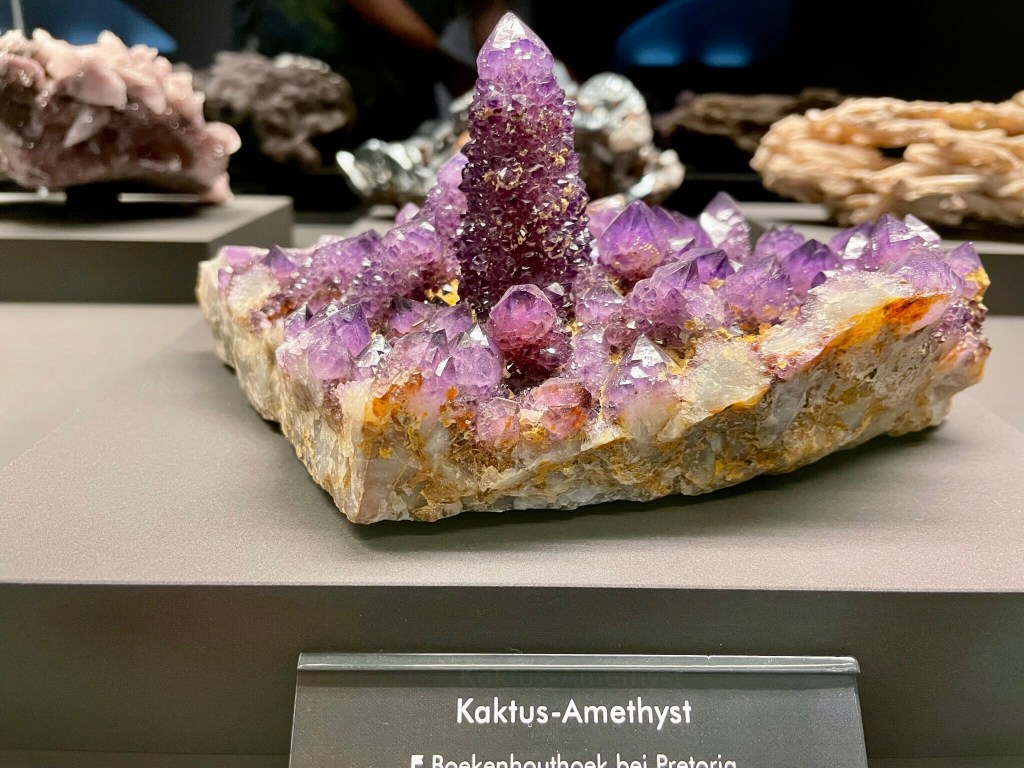
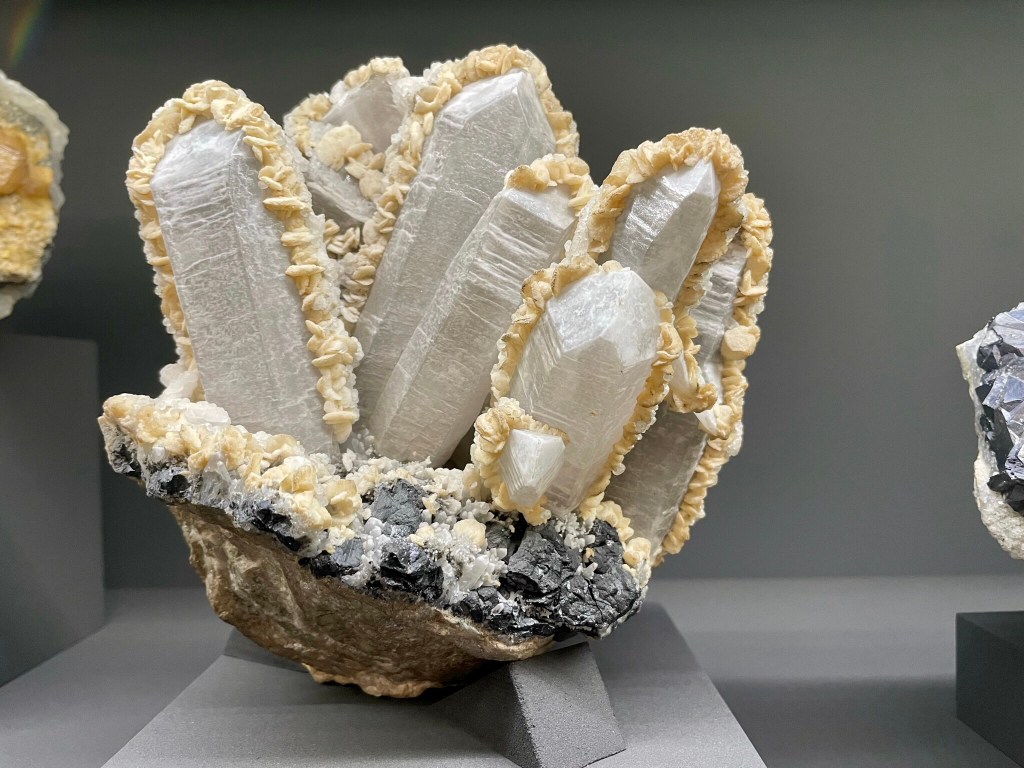
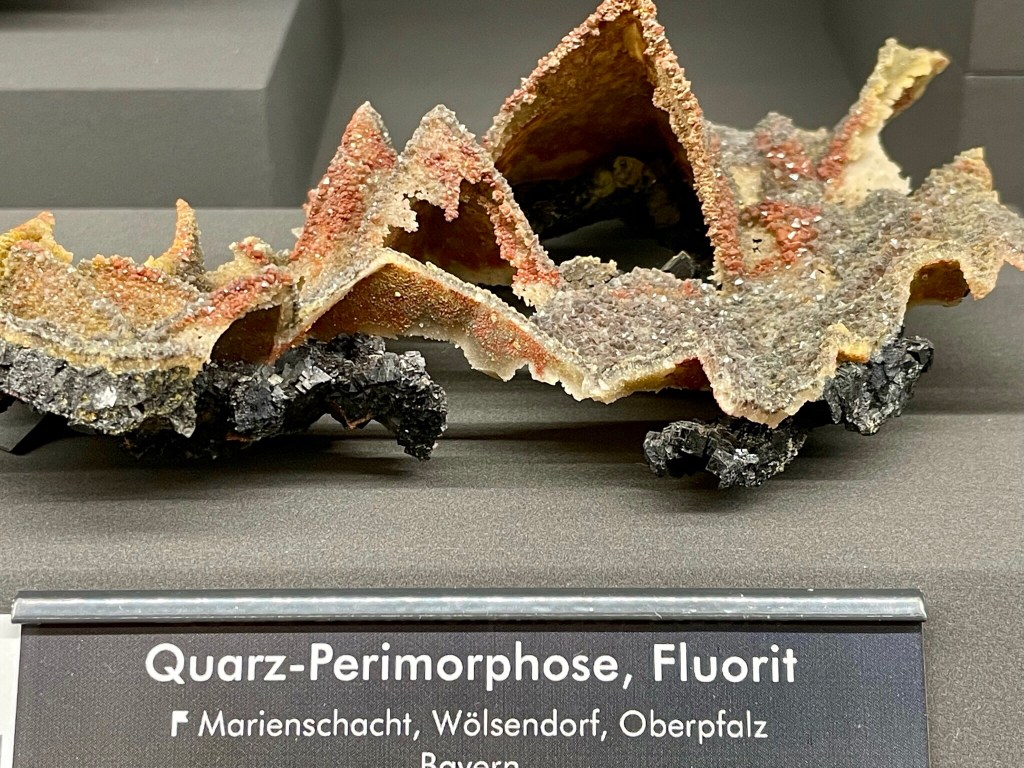
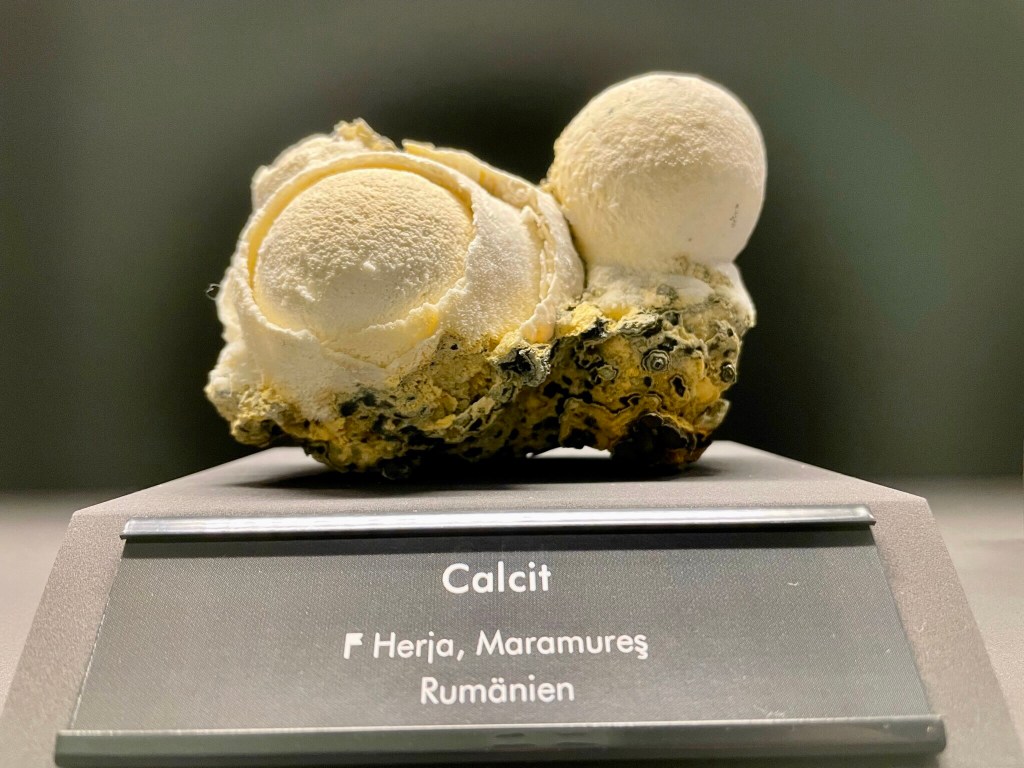
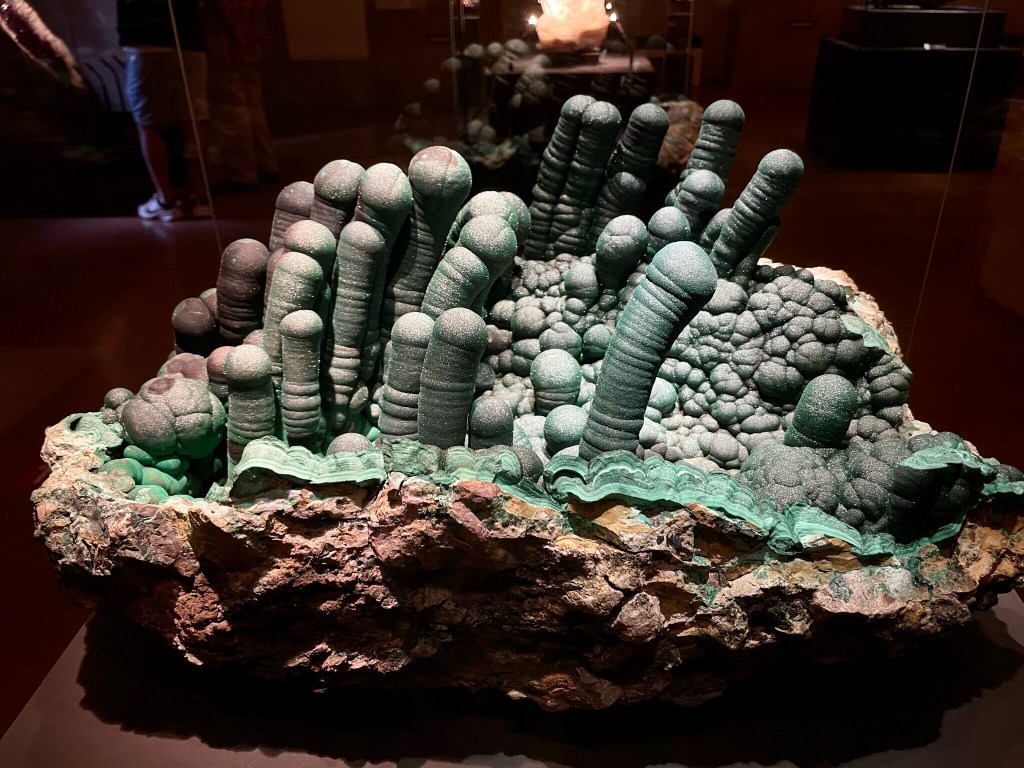
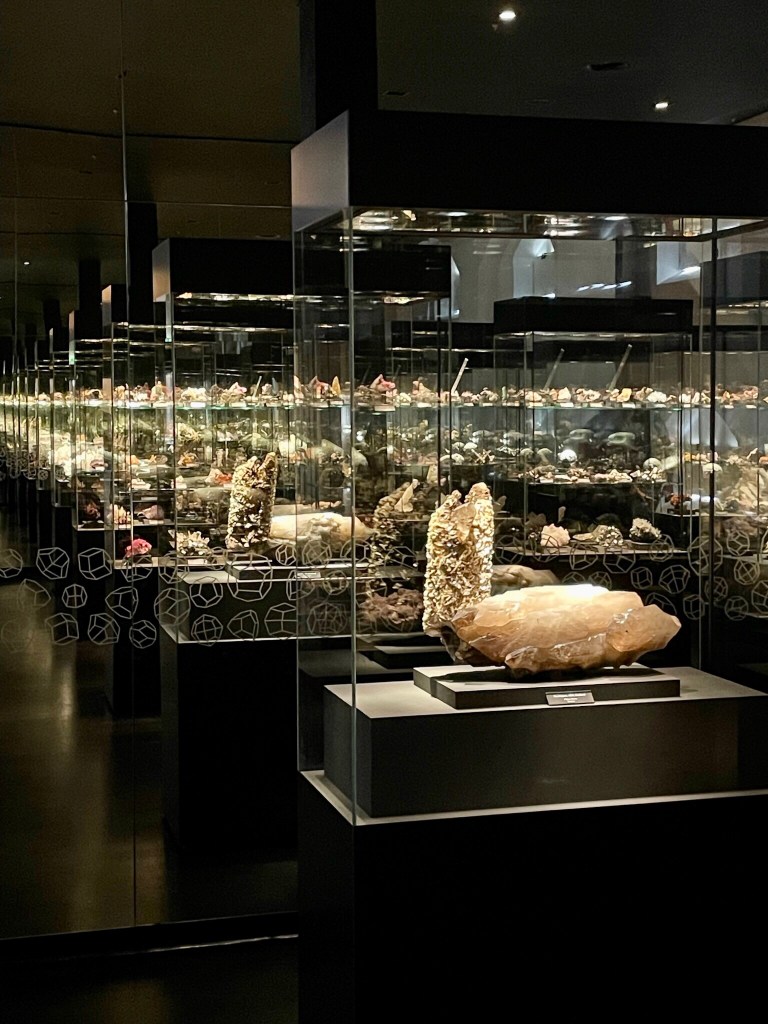
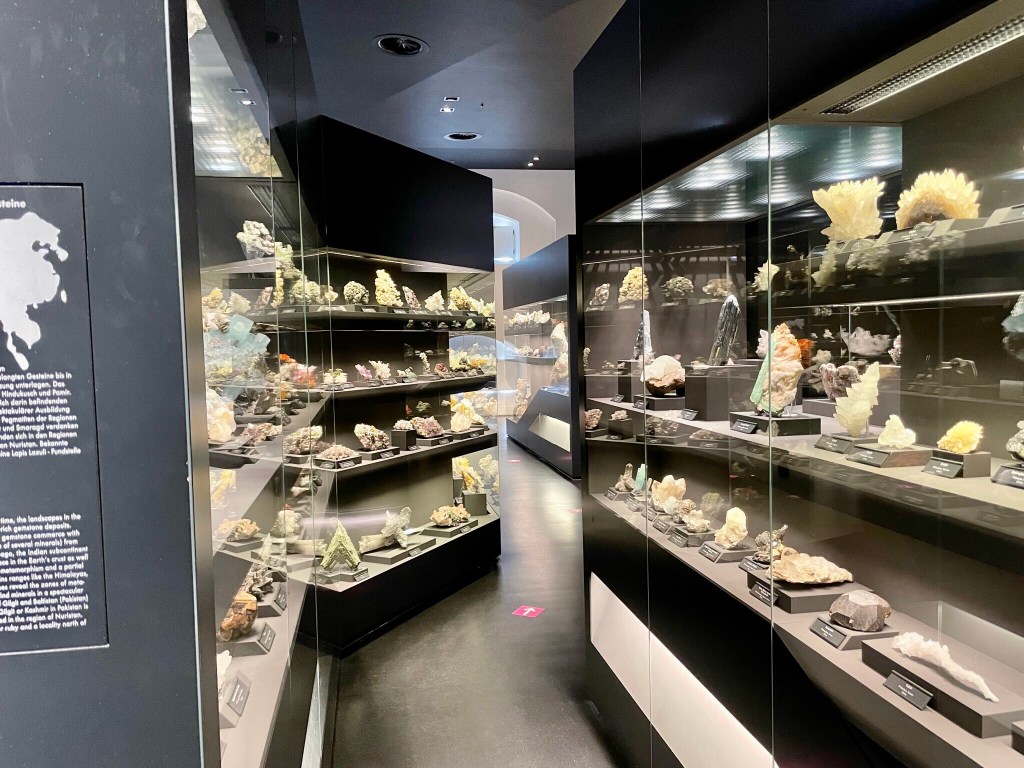
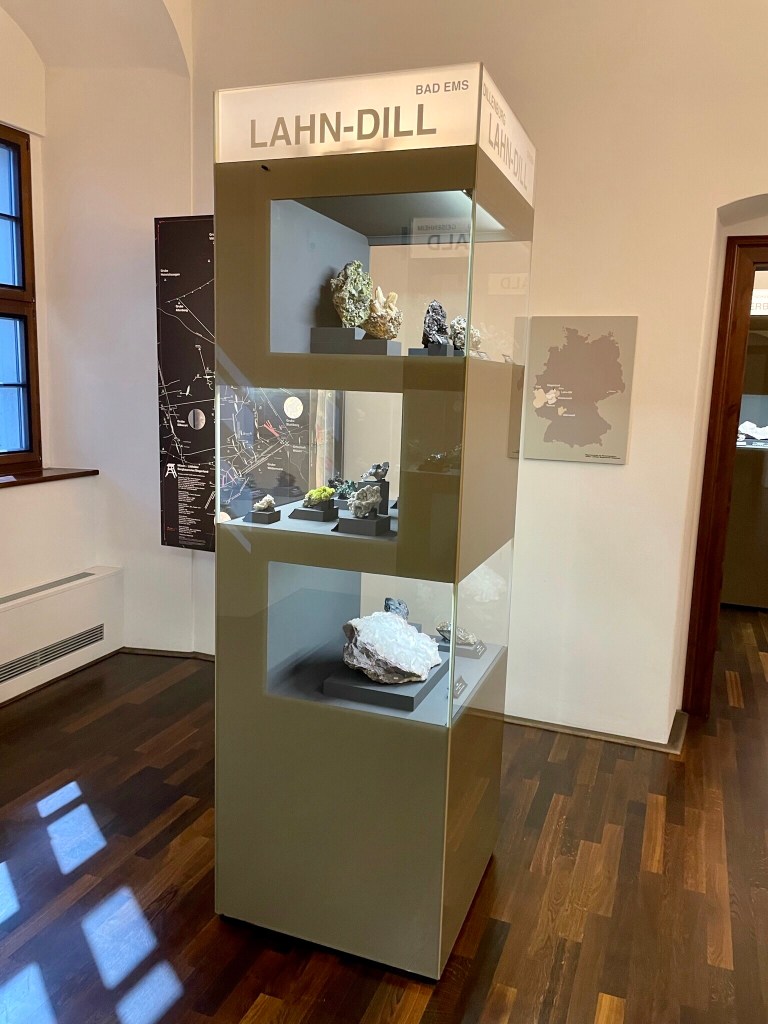
The “best mineral museum in the world” is indeed fantastic. It’s organized primarily by continent. The Hall of Europe divides the minerals into chemical groups, carbonates, salts, silicates etc. This took Clare a while to figure out, because of the Covid arrows on the floor, directing visitors to take a certain path to minimize contact. The arrows, of course did not follow the chemical groupings.

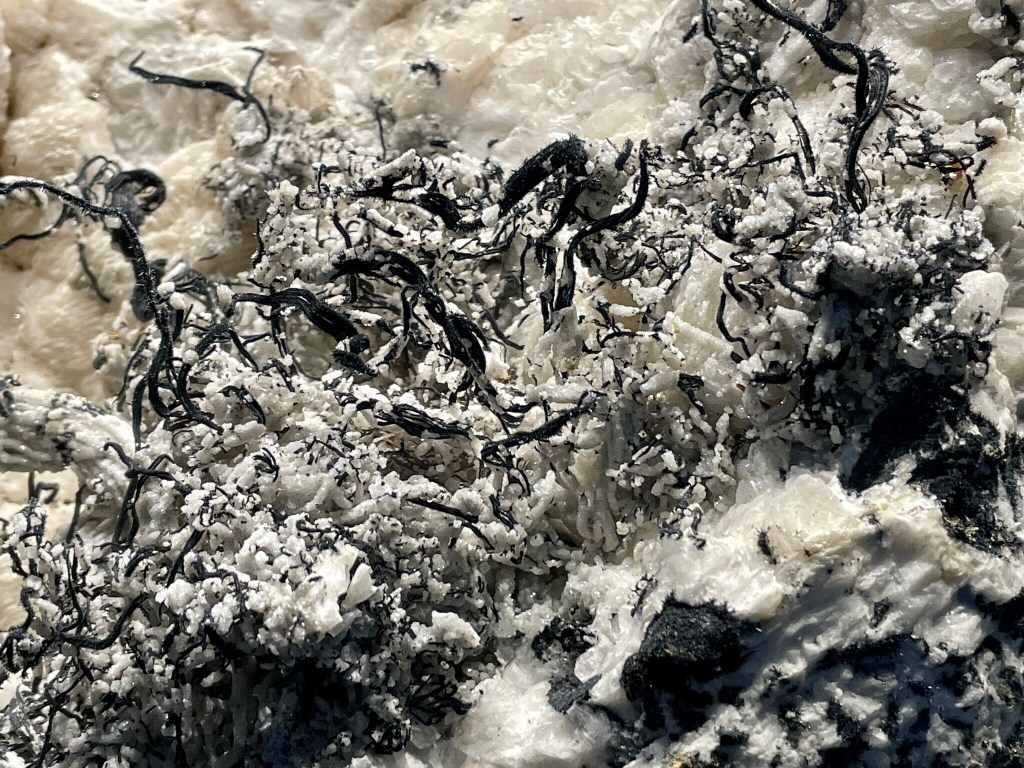
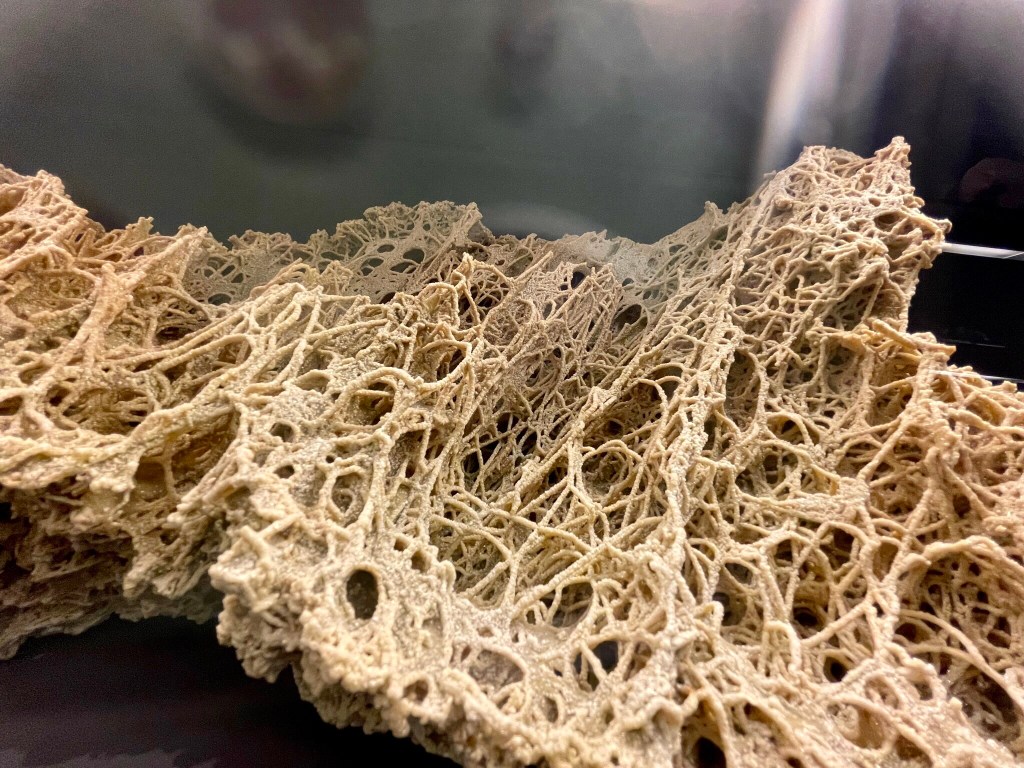
Native silver, from near Freiberg

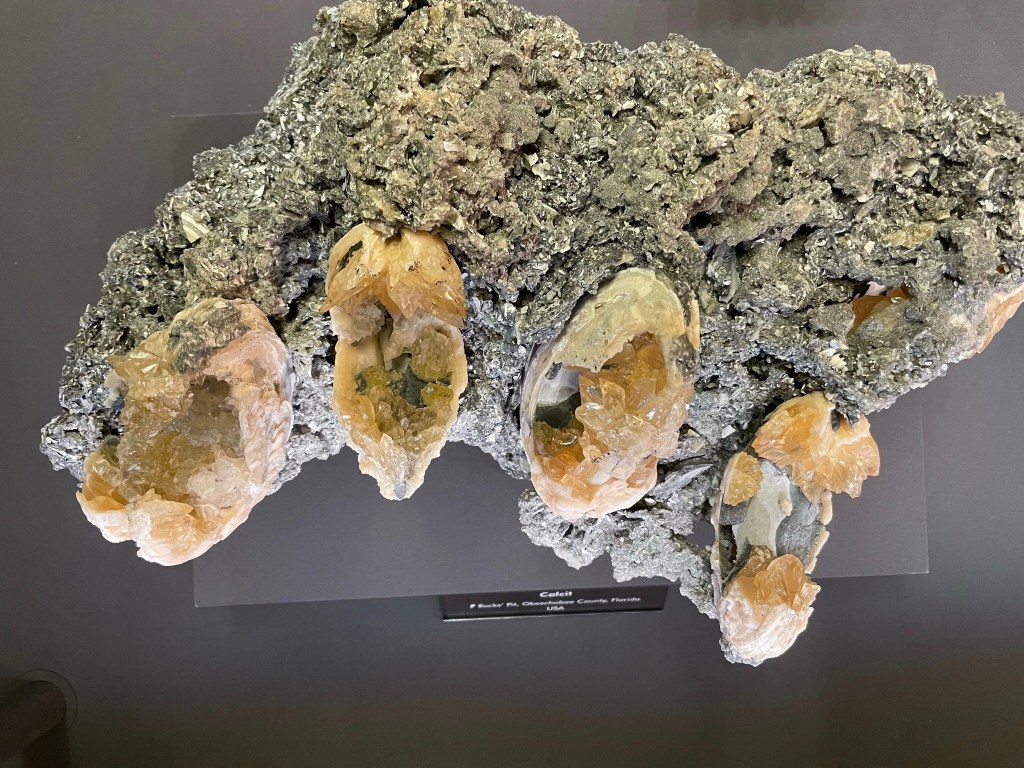
Big specimens. Unbelievably big. But without scale, photographs cannot capture the awe felt by visitors to this place. Instead, Clare concentrated on showing pictures of fun or unusual minerals from these collections.

The explanations of the genesis of minerals in the Hall of Europe included pegmatite, skarn and hydrothermal veins, all environments where crystals can grow freely, forming perfect crystal faces. These large, graphic displays are all in German, no other translations.

The Hall of Africa is divided geographically and by mining region. The explanation signs, at the ends of cabinets, were translated into English (hooray) and, reading them, Clare learned a lot about the genesis of many unique ore deposits and the minerals found in each.
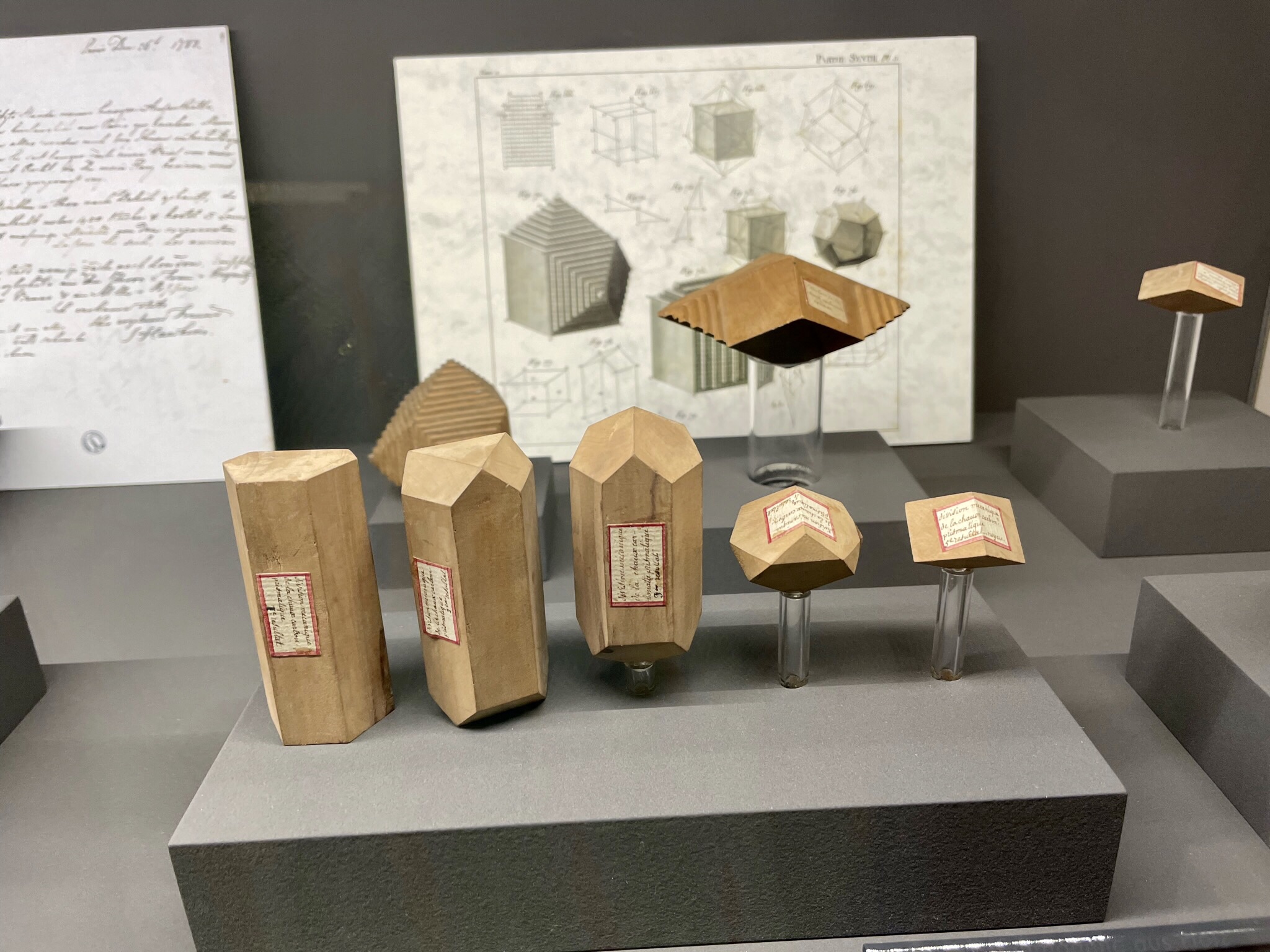
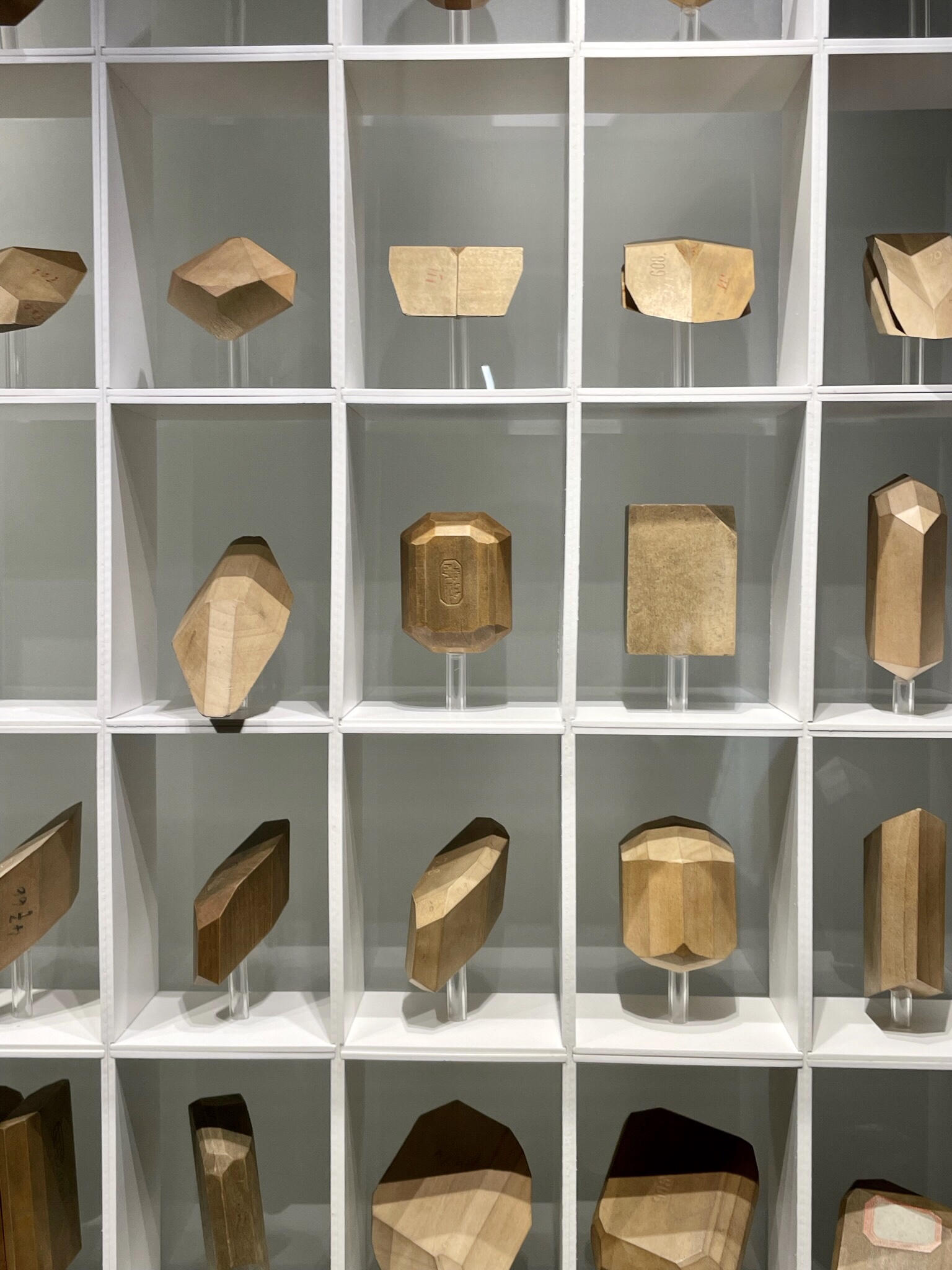
Display cases in each of the rooms varied a lot. All were controlled environments with good lighting, but the way minerals were displayed was different.

The Americas were combined into one room, north and south together. Clare was happy to see rhodochrosite from Alma, the official state mineral of Colorado in the same case as benitoite, California’s official state gemstone. Asia and Australia were combined into one room as well.

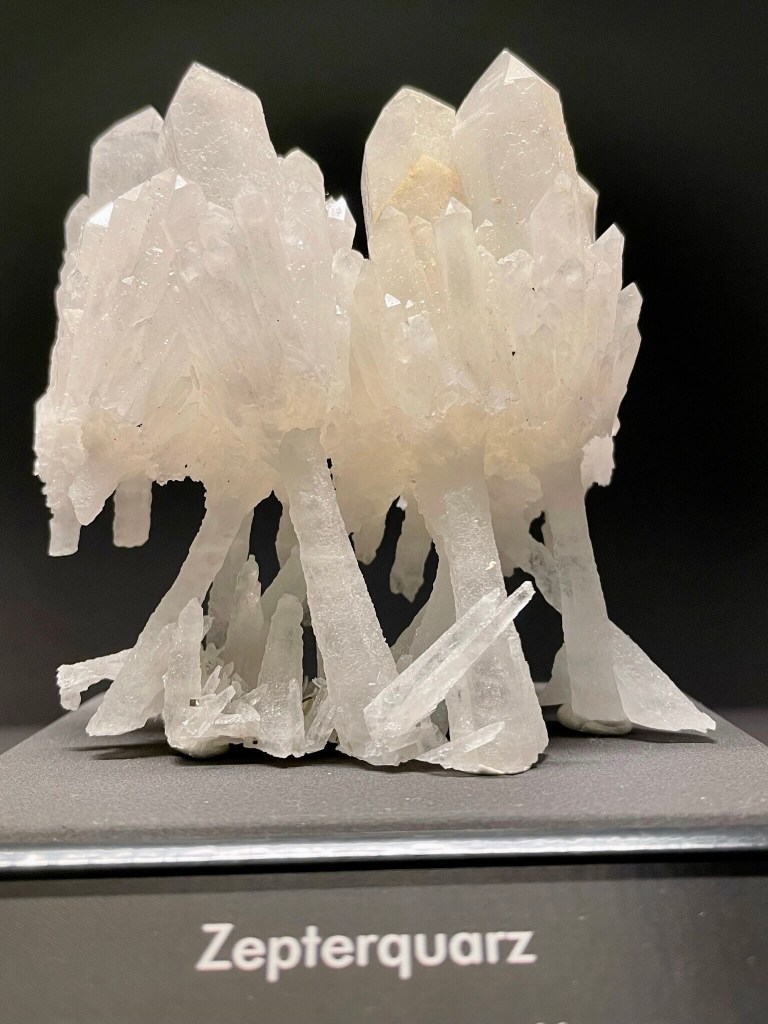
Scepter Quartz, or crystals dancing

Another area, not in the castle, showcased minerals of Germany. but the first room you walk into shows crystal faces in wooden models. So many times when teaching, Clare wished for such models to explain symmetry.

Freiberg, Saxony, Germany

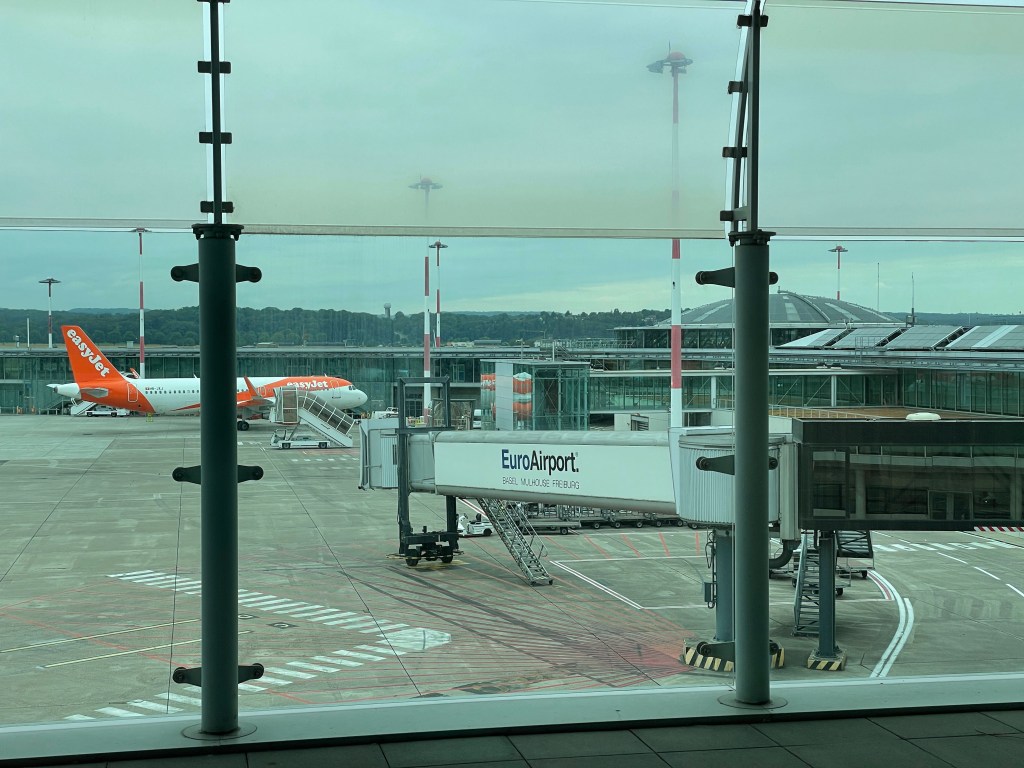
We made it to Freiberg after a long but successful travel day. We probably broke a record for number of transport vehicles in a day. In Basel, Switzerland, start on a city tram to get a bus to the Basel Airport in France to fly to Dresden, Germany (via Munich). From the Dresden airport, take bus to another train station, to get to the main Dresden train station. Then train to Freiberg then a bus to near our hotel. Total 8.

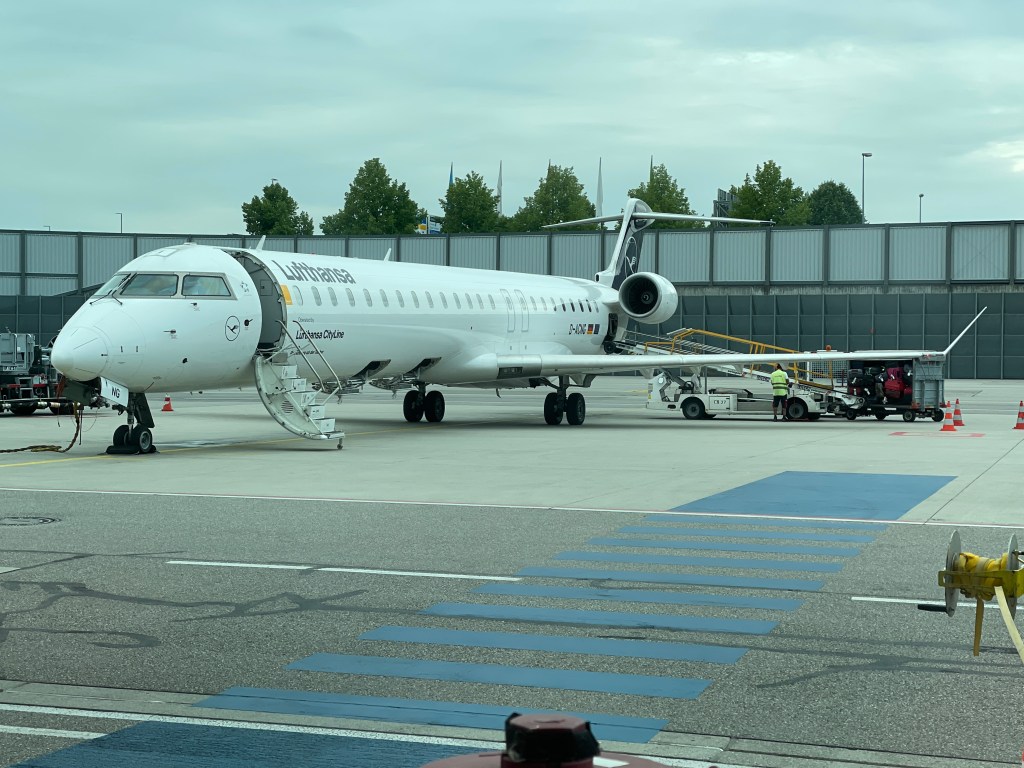
We flew on two of these Canadair regional jets; each flight was only an hour but very noisy.

We found late dinner near our hotel in Freiburg, and the next morning, Brian was greeted by colleagues also here for the meeting! Fun to be recognized so far from home.

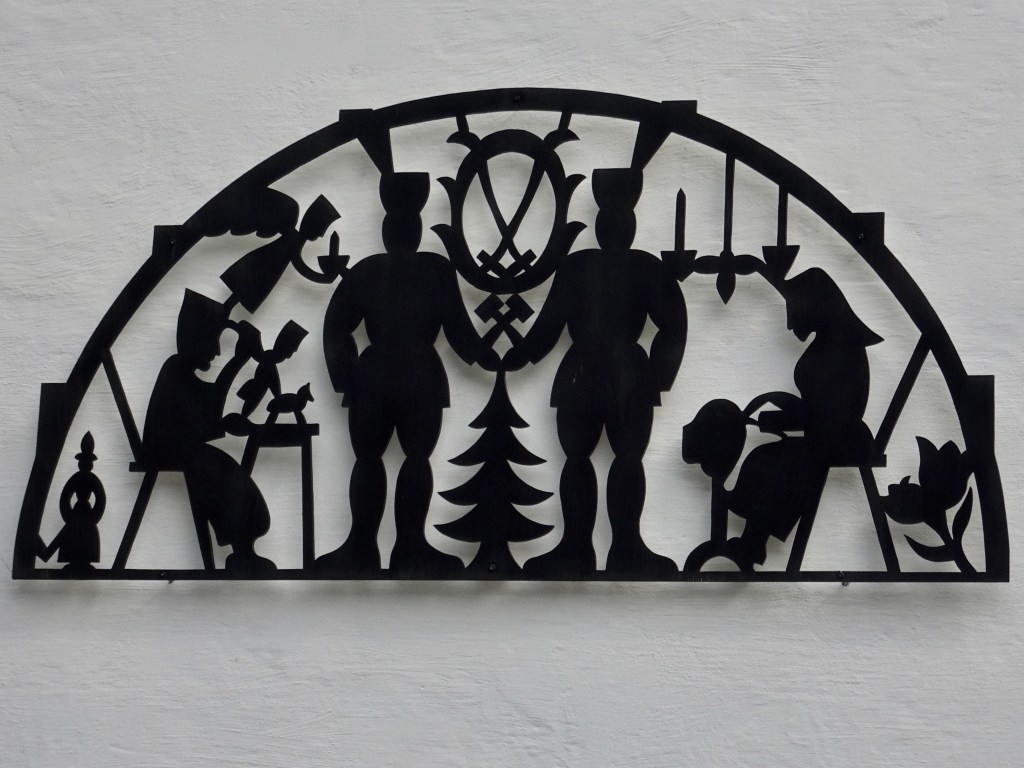
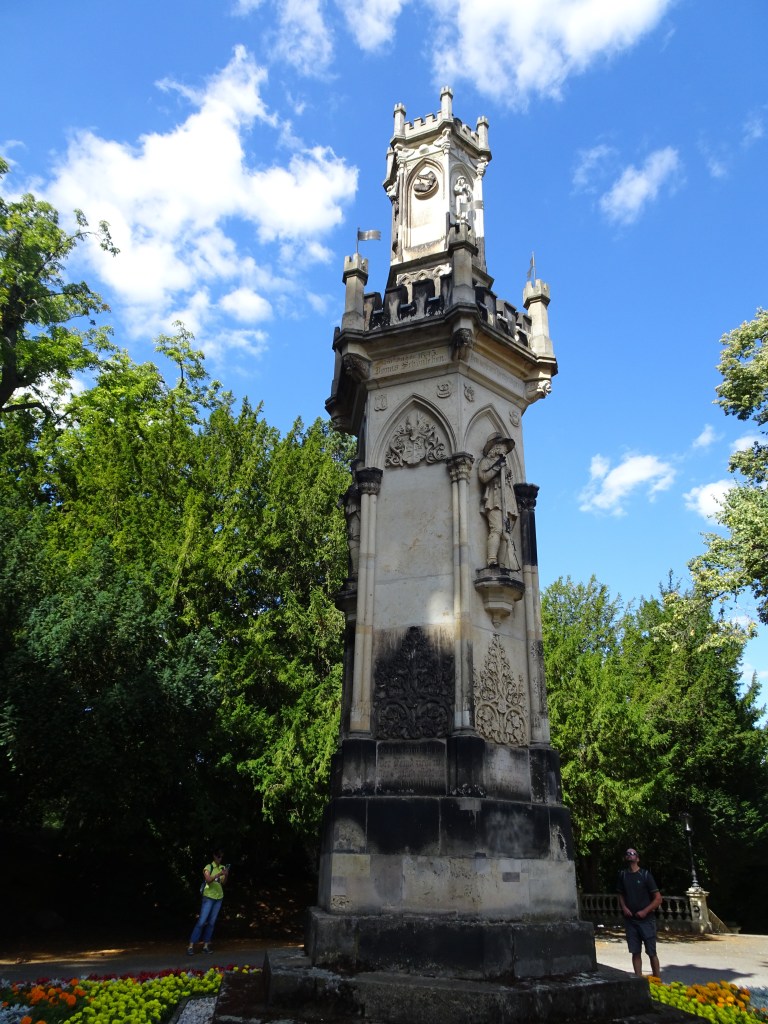
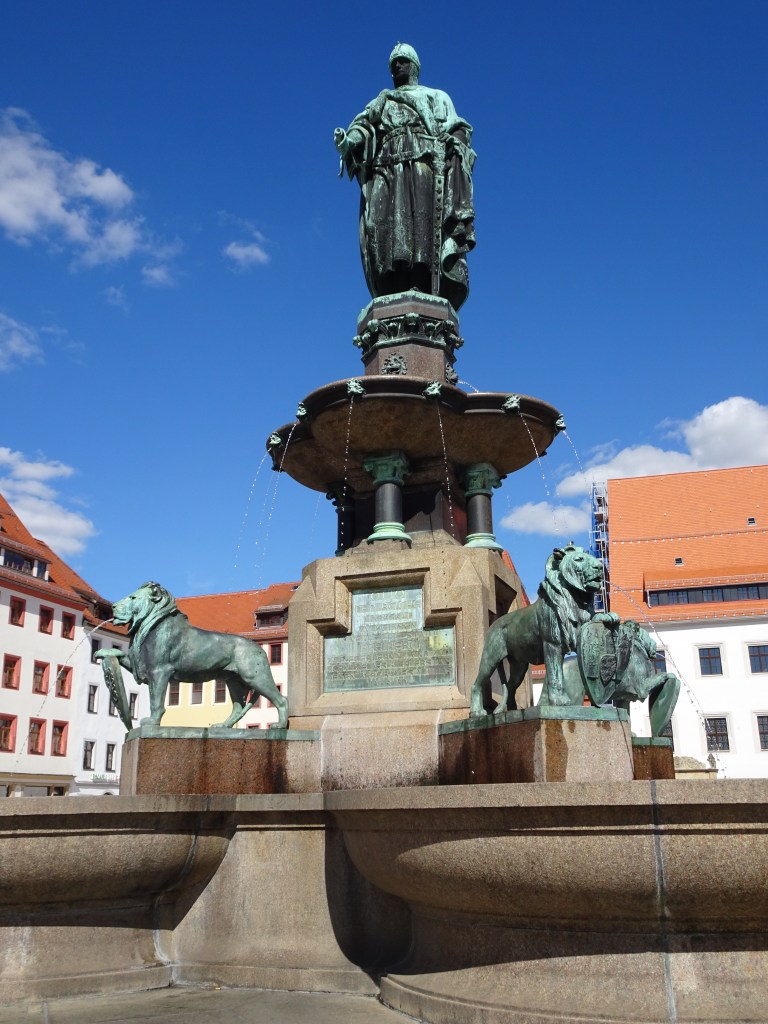
Symbol of Saxony, showing the importance of mining and industry

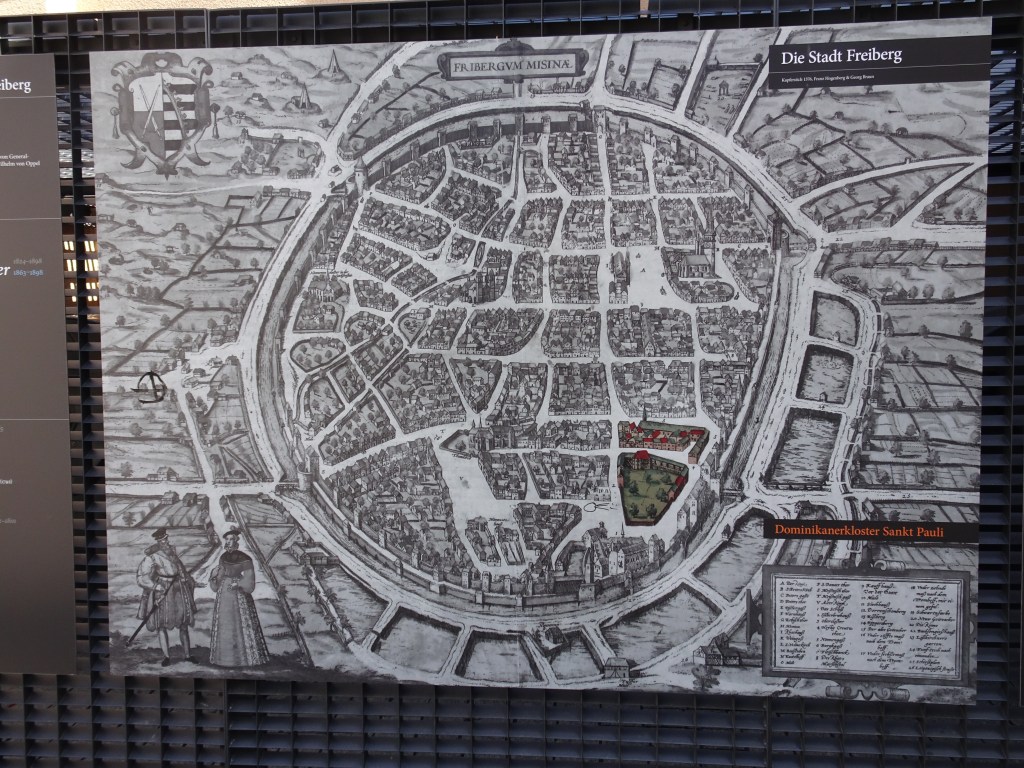
Freiberg, founded in 1168, is in former East Germany. The old section is small, nearly circular, as one might expect from a Medieval Town that had been surrounded by a wall and a moat. The narrow, curving, cobblestone streets seem to be designed to mess up one’s sense of direction, and the buildings are tall. Getting lost or at least disoriented is a real possibility.

Freiberg, circa 1200 AD

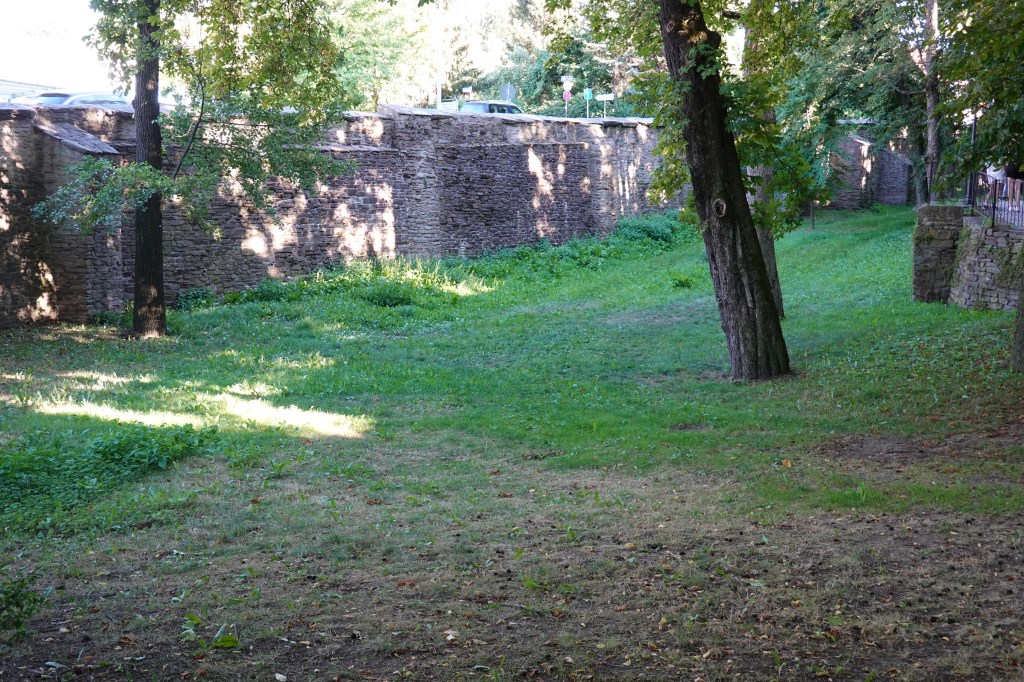
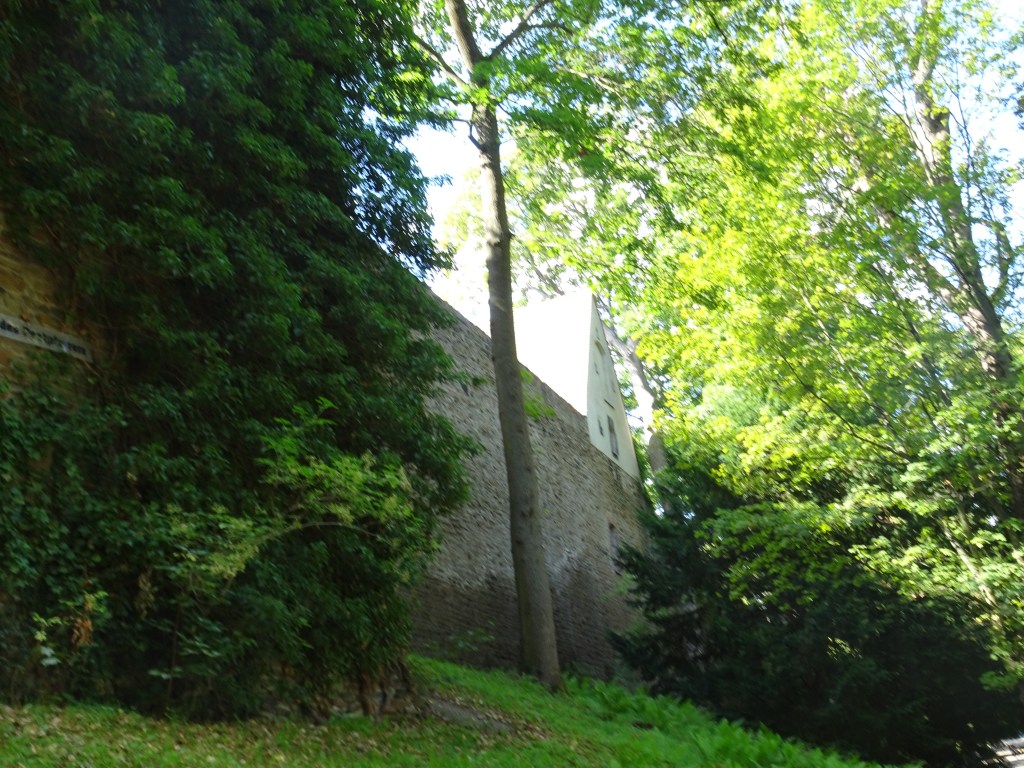
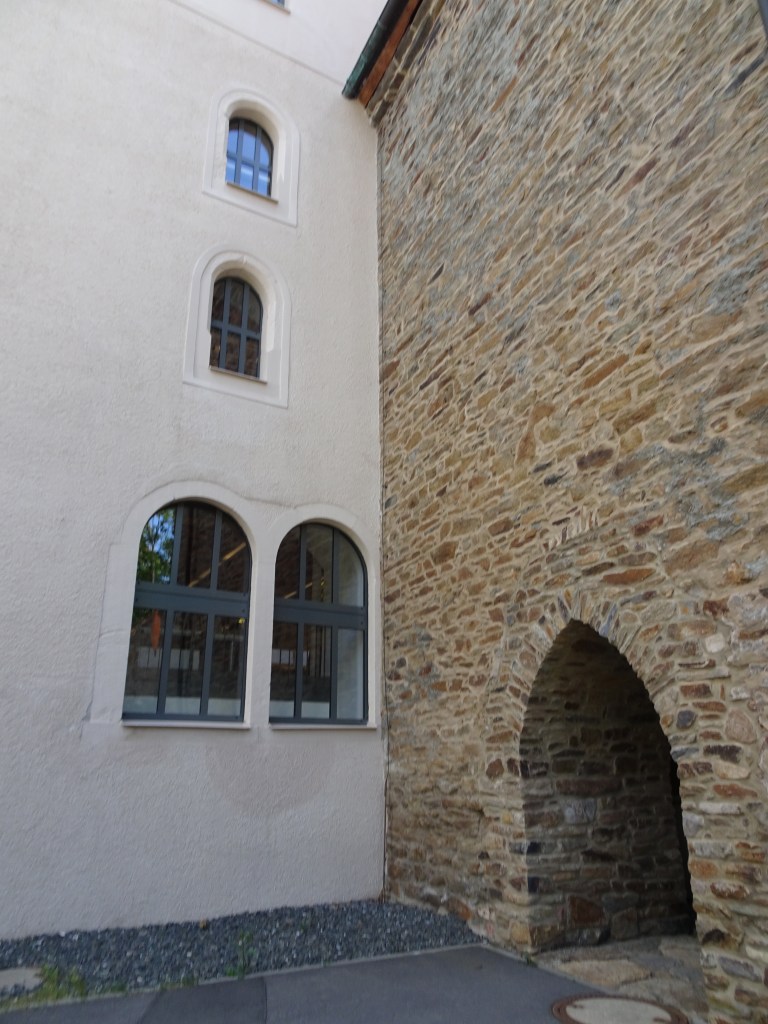
Our hotel windows look out onto part of the old wall, built around 1200 AD. Only parts of the wall are still standing, as well as parts of the smaller wall on the other side of the moat that formerly protected the town. Now the moat area is a greenway that almost completely surrounds the town. Lovely walk or morning run for everyone.

Part of the outer wall
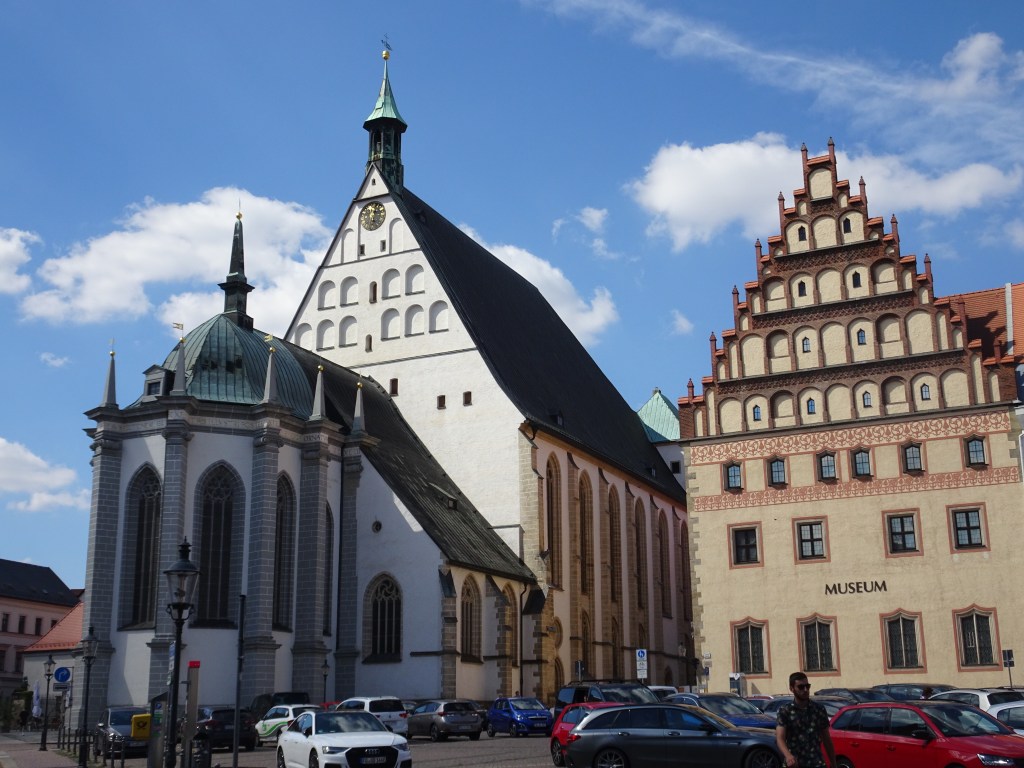
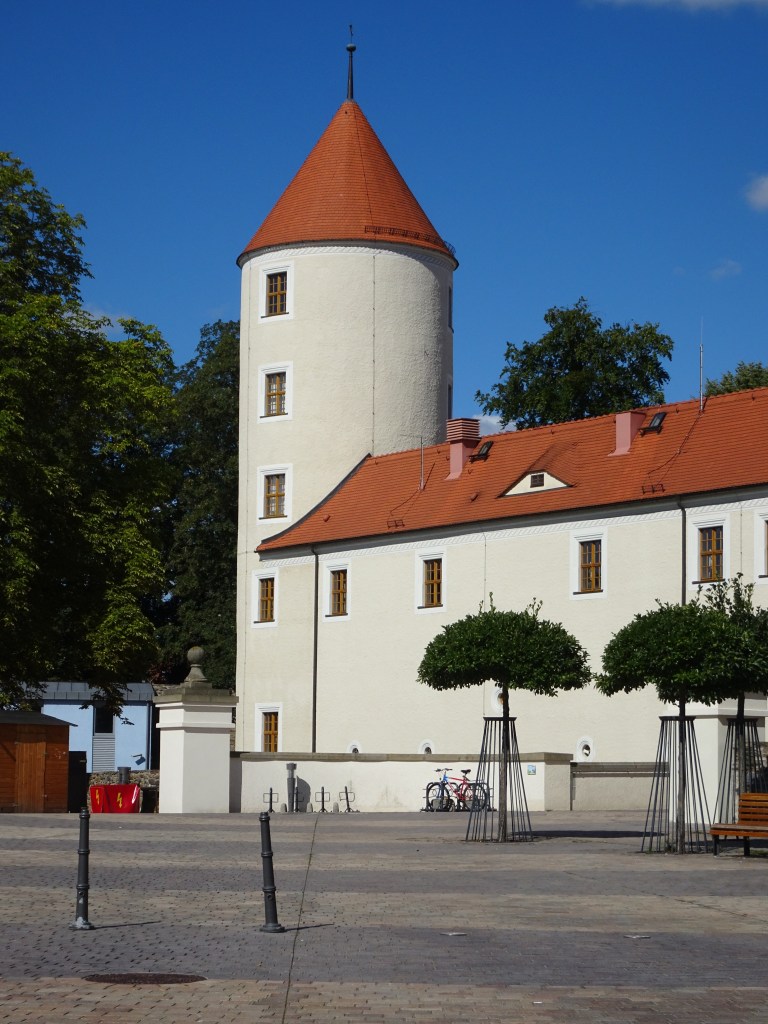
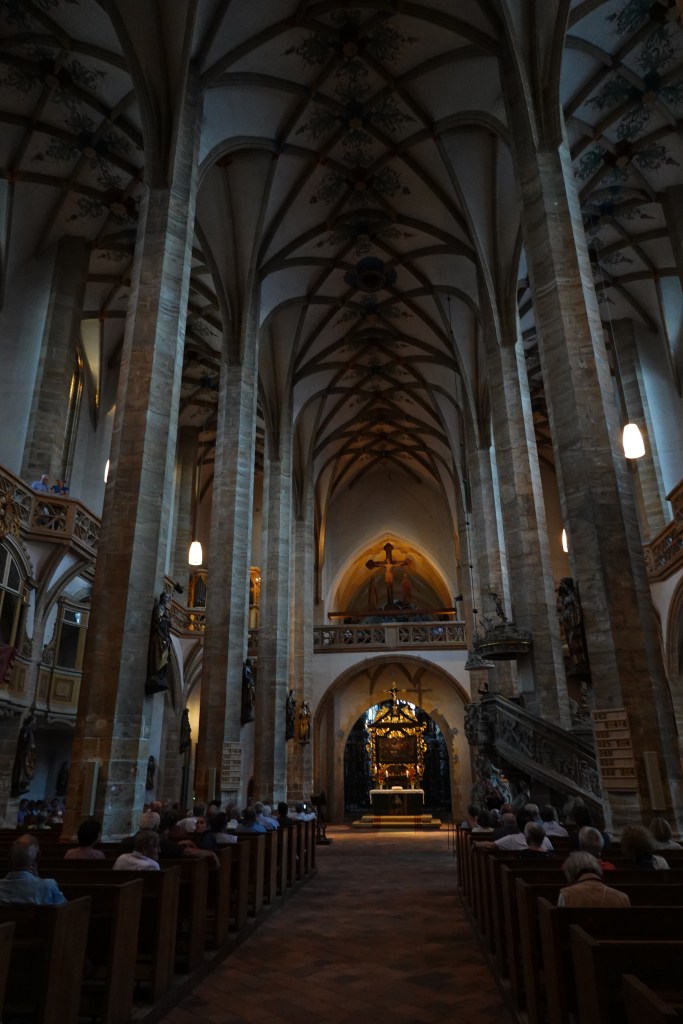
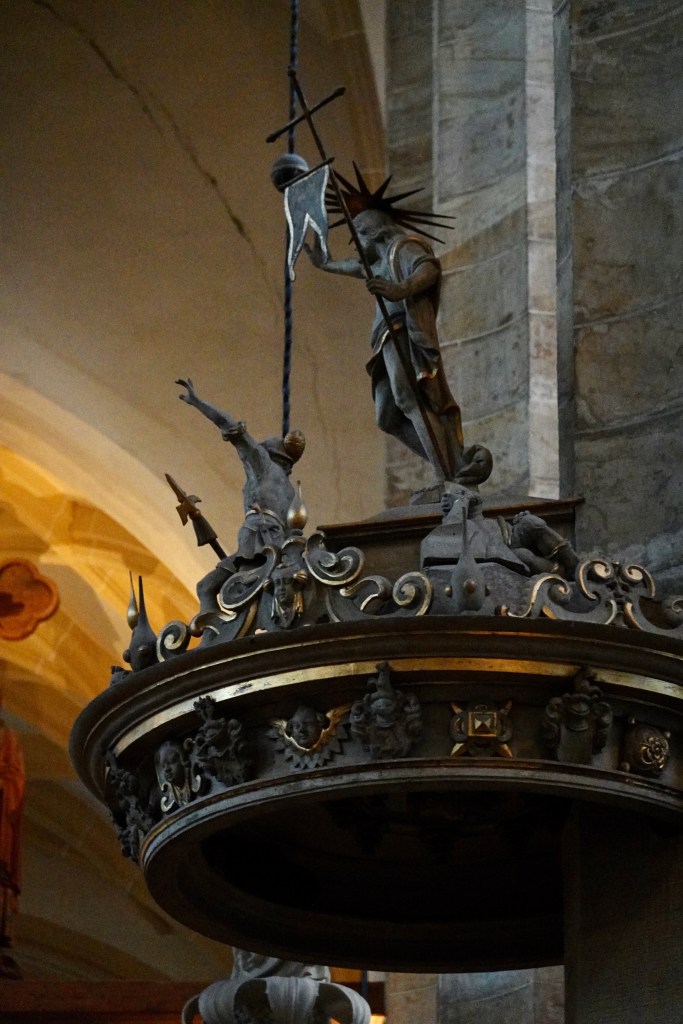
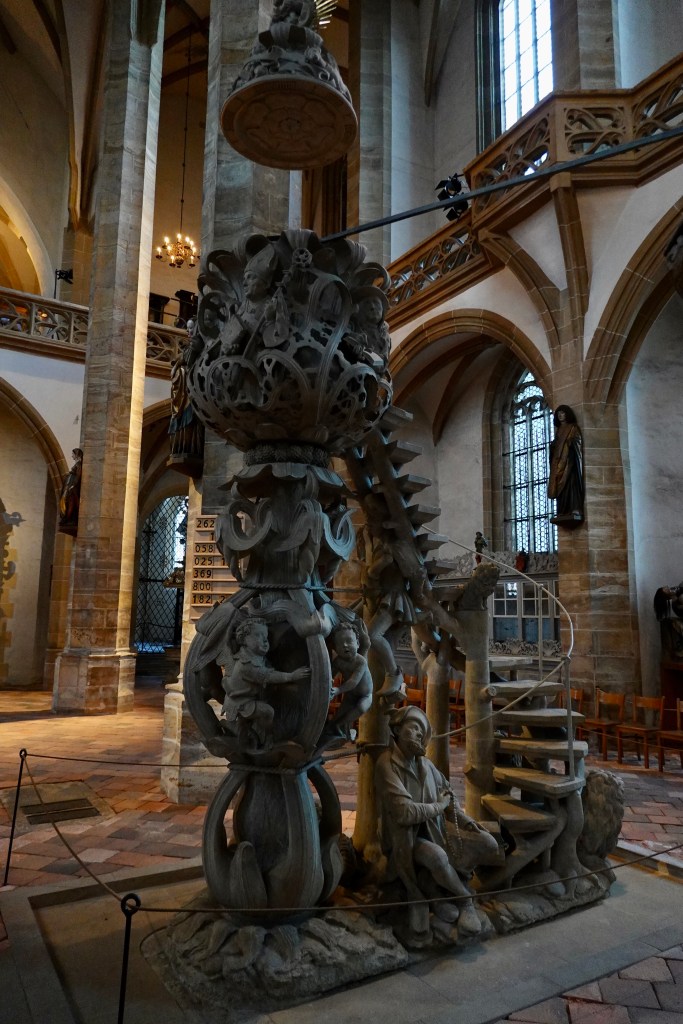
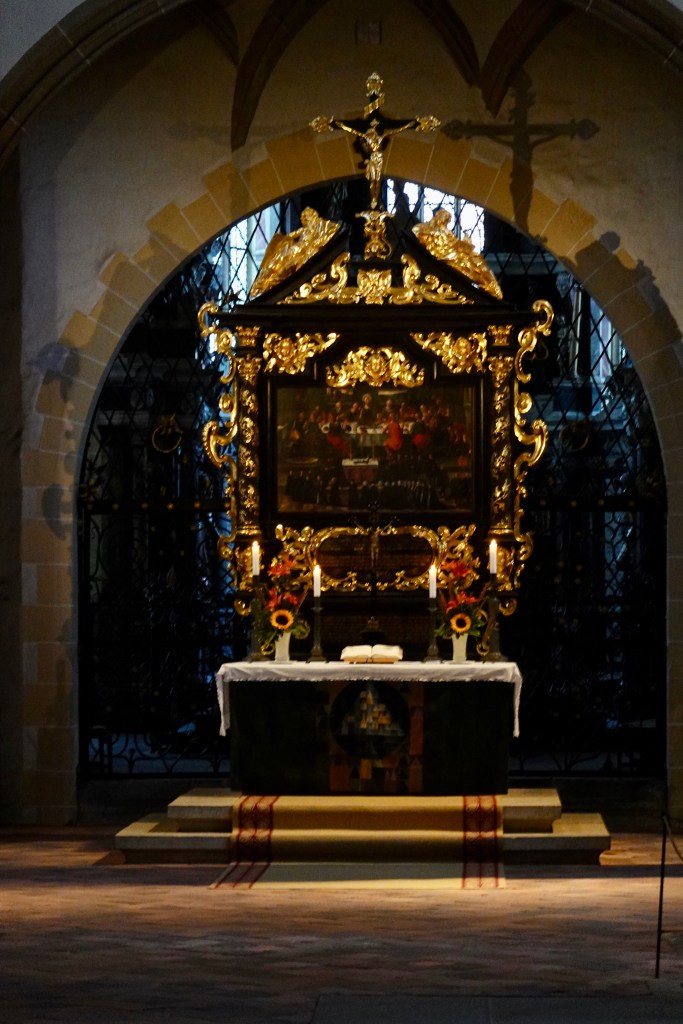
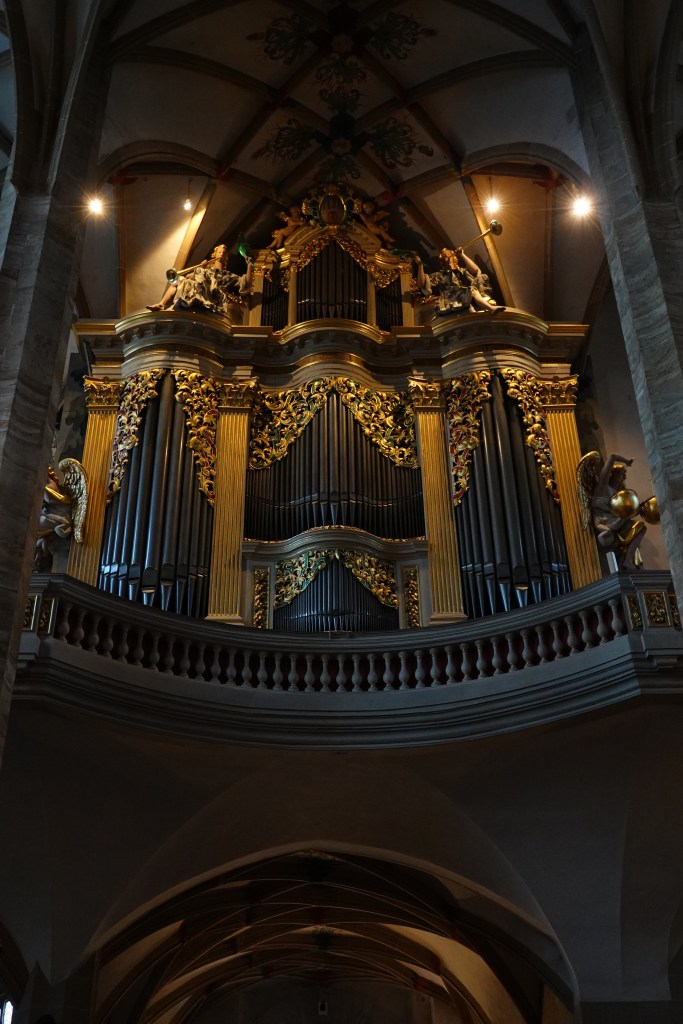
Church and museum adjacent to our hotel are inside the castle walls. On Thursday evening we attended an organ recital at the church.
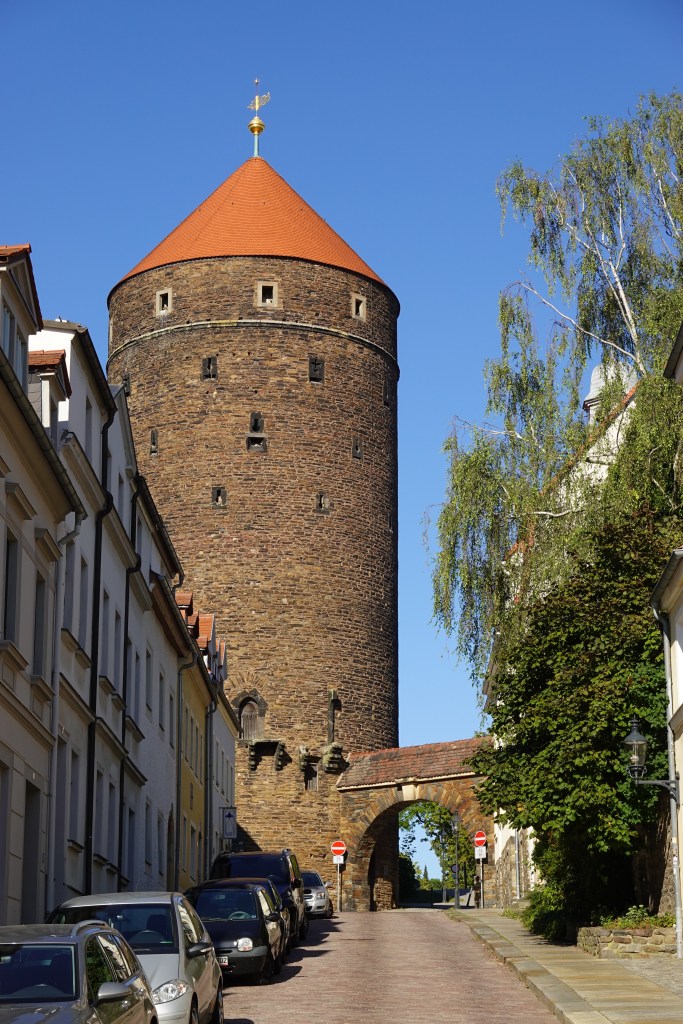
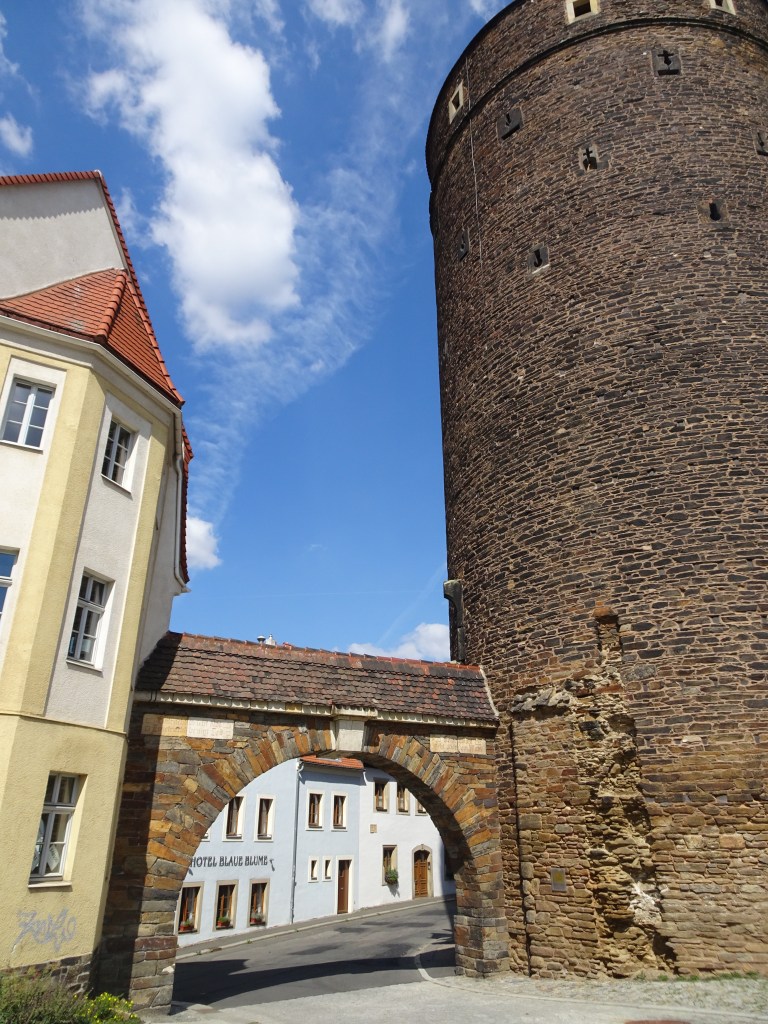
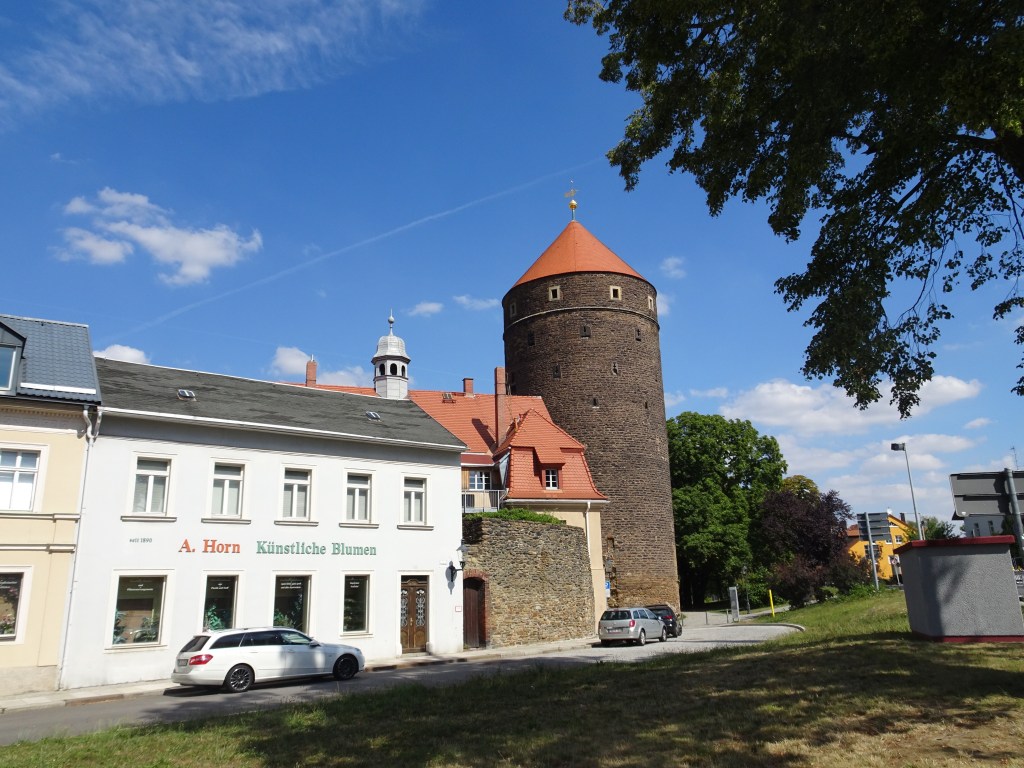
Circular tower at the gate through the wall, on the other side of town from our hotel

Interestingly, the town got rich because of silver mines in the nearby mountains. Unfortunately, it also got polluted for the same reason, in part because of loose environmental restrictions in the former East Germany.

After Germany reunited in 1990, years of cleanup began. Today, the town is green and beautiful, with lots of kids play areas in the surrounding green belt.

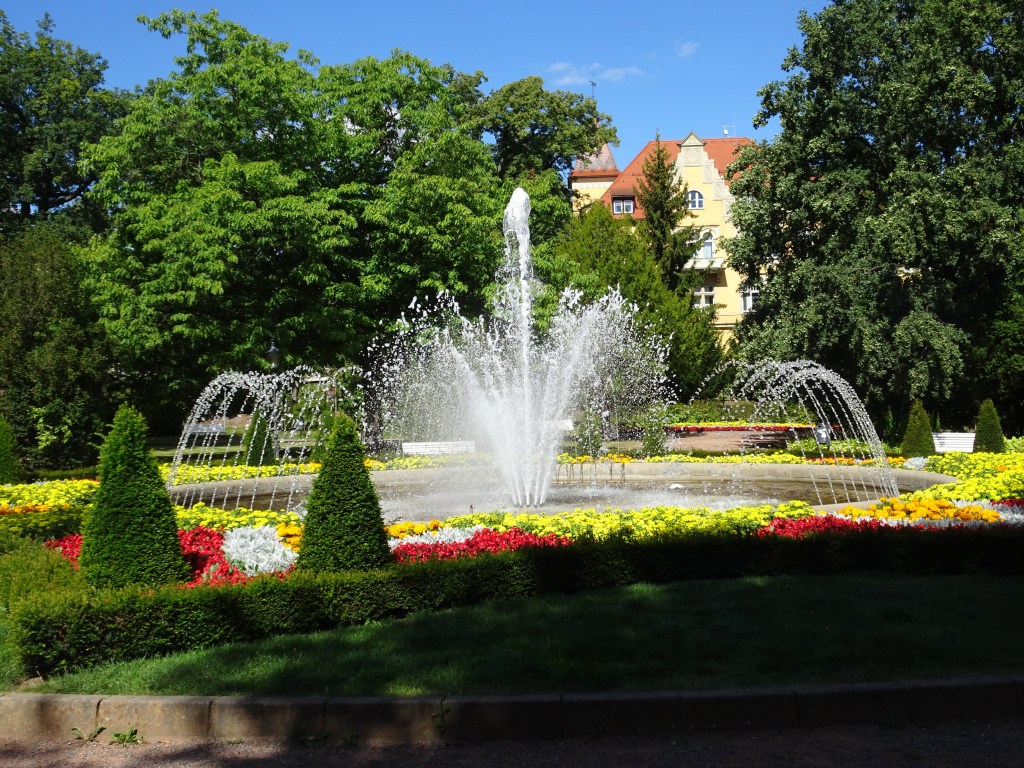
Flowery fountain near the old moat and a playground

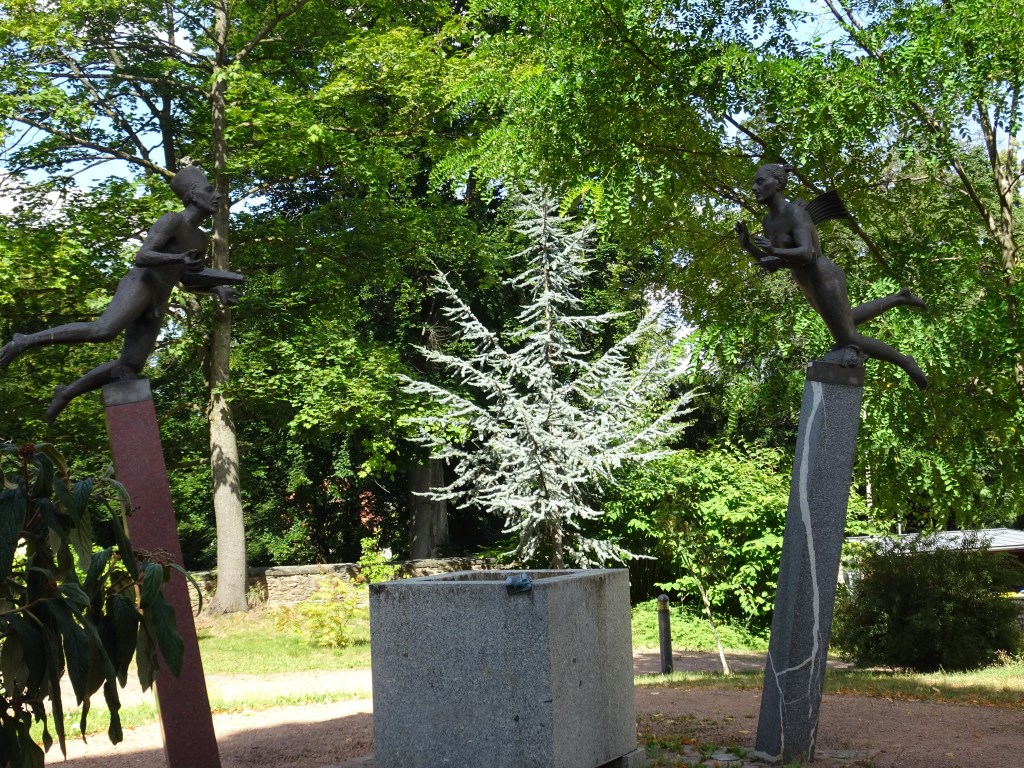
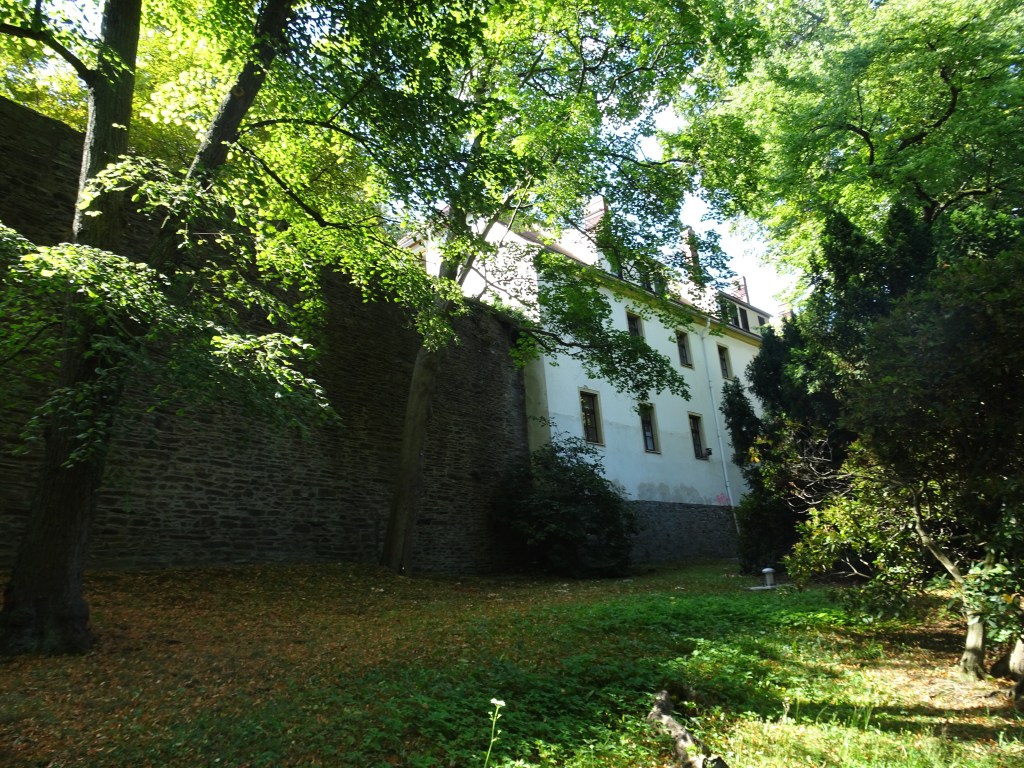
On the last official day of the conference, Clare decided to take a camera on her daily moat walk, to show how the new buildings incorporate the old castle walls.

Most interestingly, not on the tourist map, is the city hospital that uses the old castle walls. A huge parking garage is under the hospital, adjacent to the old walls.
Brian pointed his camera at the ceiling to record part of a piece by J.S. Bach.