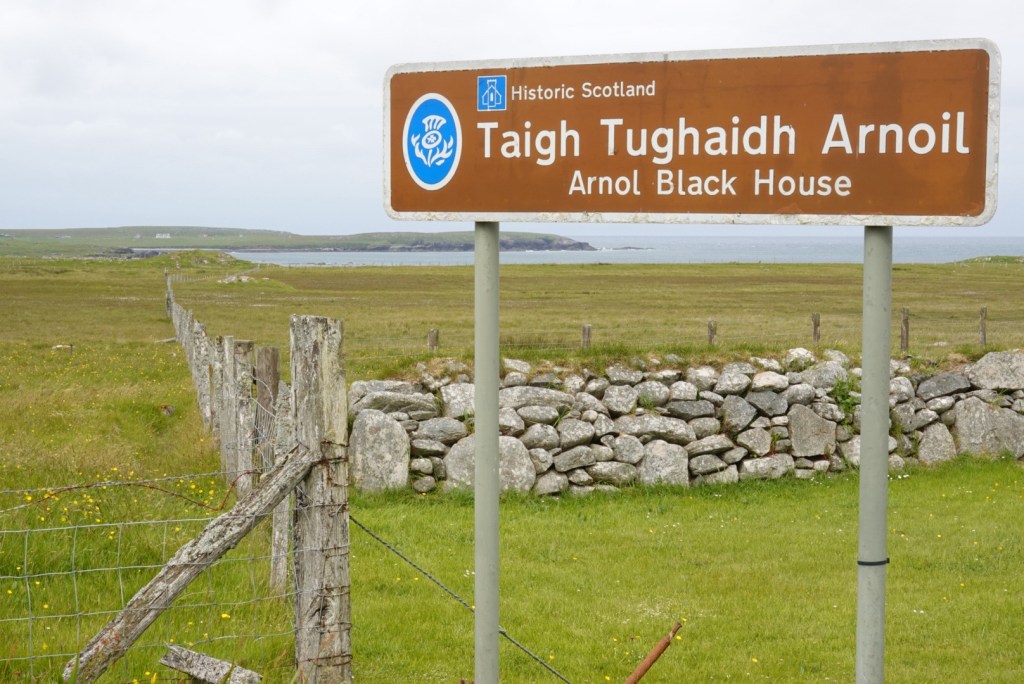
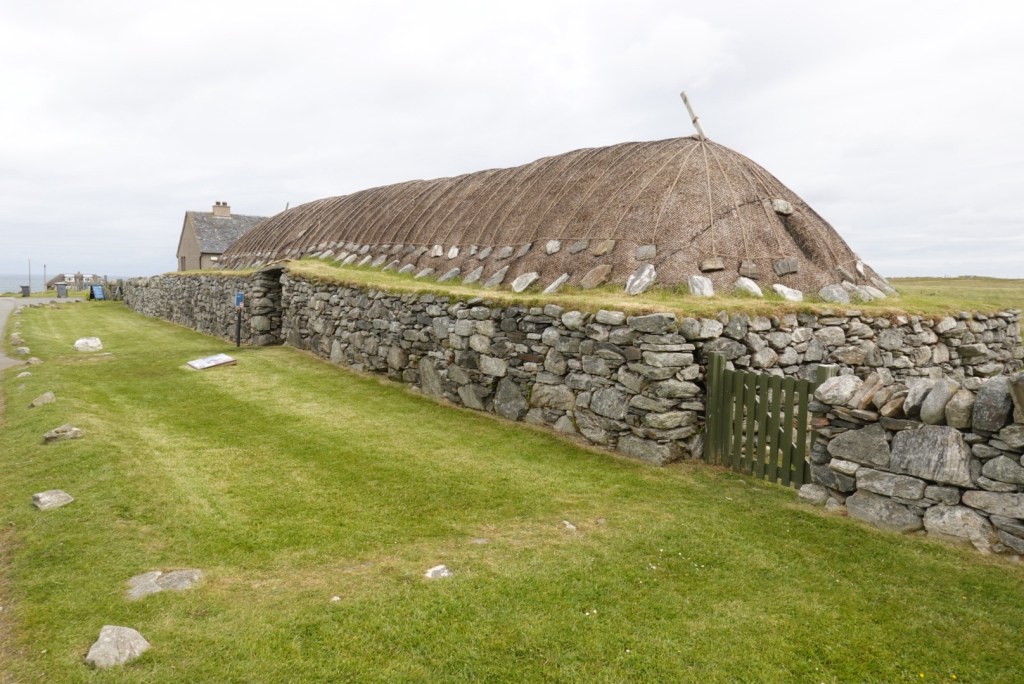
In the morning on Wednesday, cloudy but not foggy, we drove to the Blackhouse on the west coast of Lewis. This showed how people lived in the past century, up until the mid 1900s.
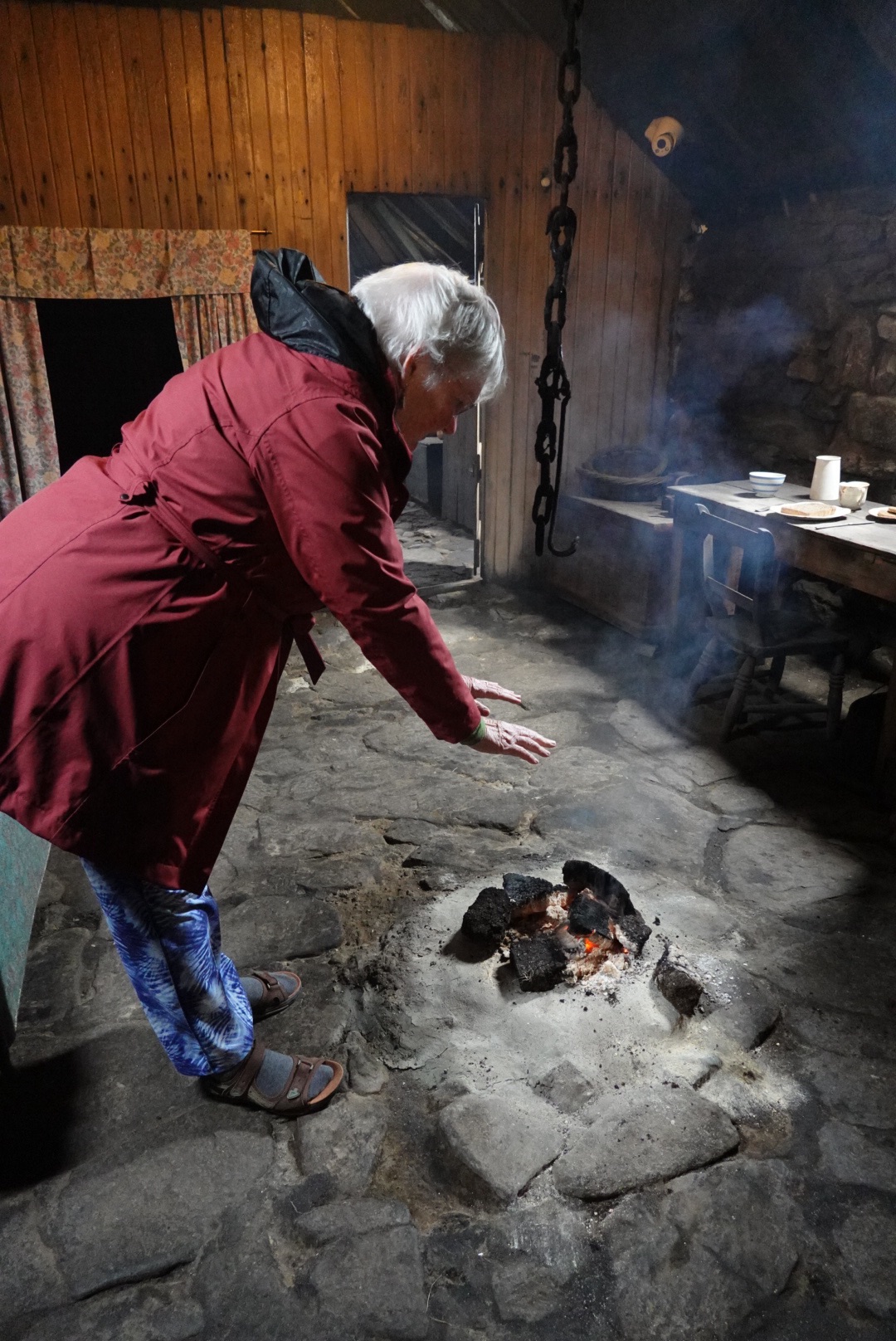
People lived in stone houses with little ventilation for a long time in the past, similar to what we saw at the Highland Folk Museum on our first day. A peat fire in the center of the house issued smoke up toward the ceiling, where it stayed a long time, smoking the meat for preservation. If you stayed in the house very long, you smelled like peat, too.
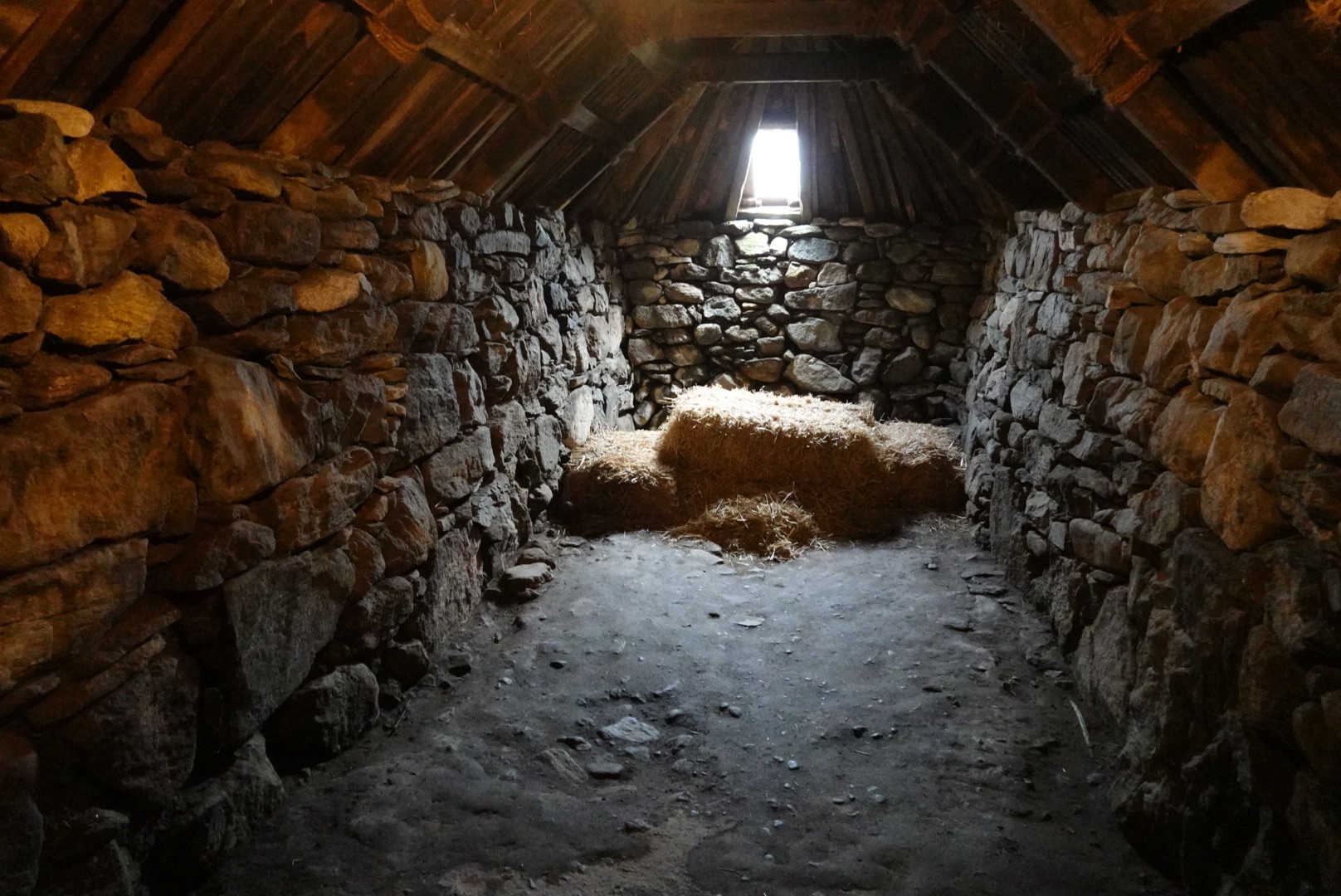
The house was long and narrow, partly because the animals were also sheltered there. Peat smoke prevented intrusion of many insects, and the animals helped warm the house. It is difficult to imagine the variety of odors in the house which would presumably be masked by the peat fire, which was kept burning continuously.
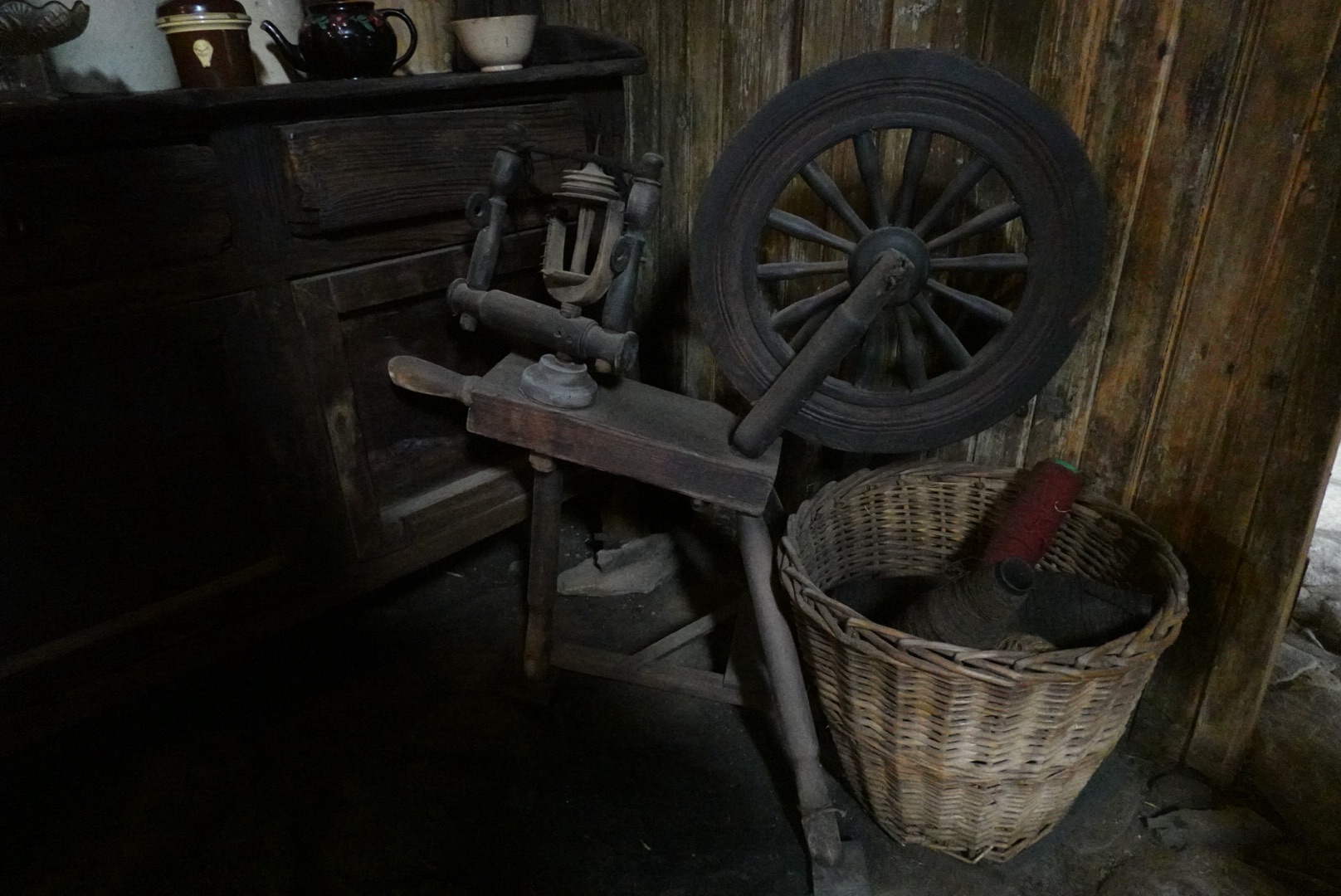
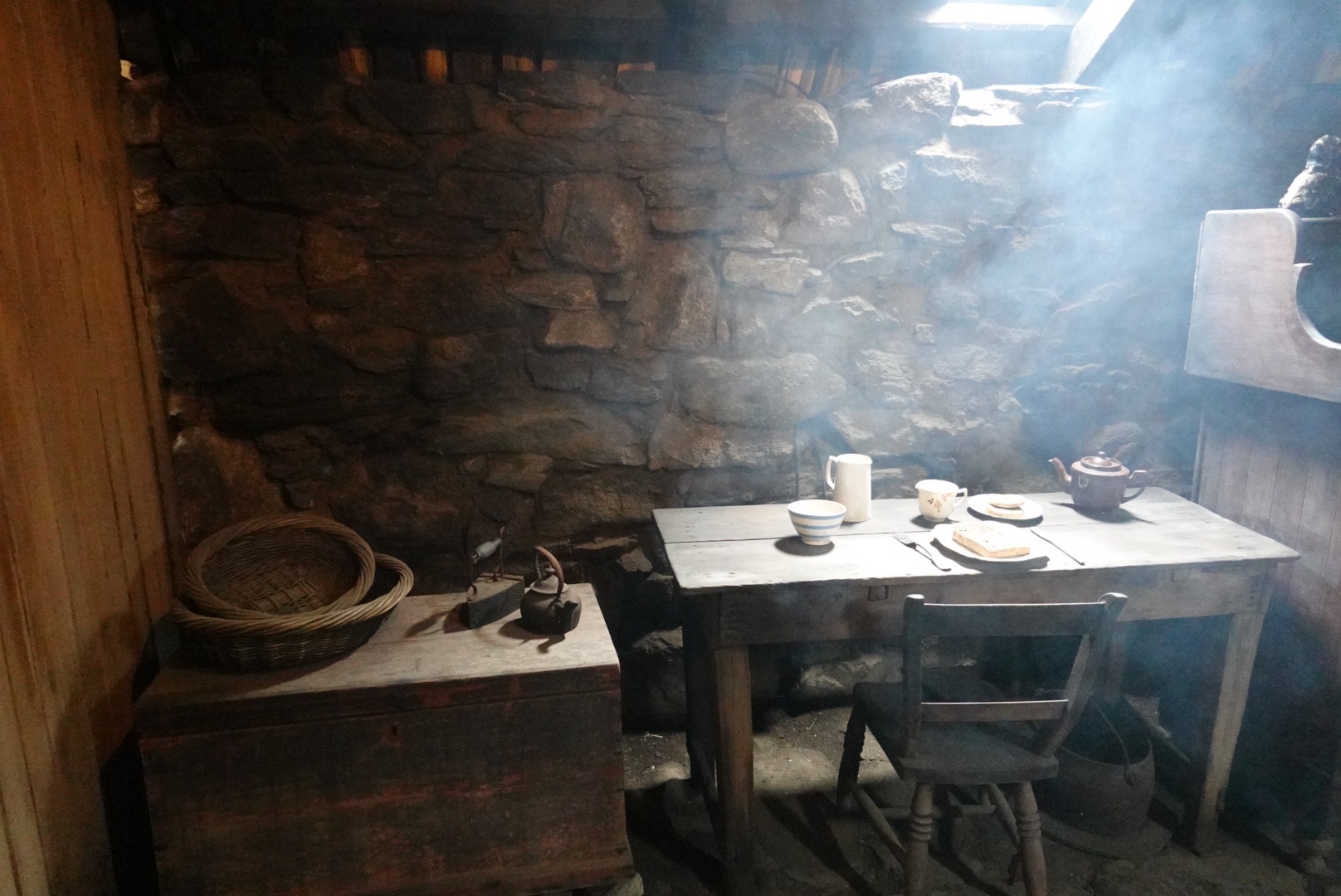
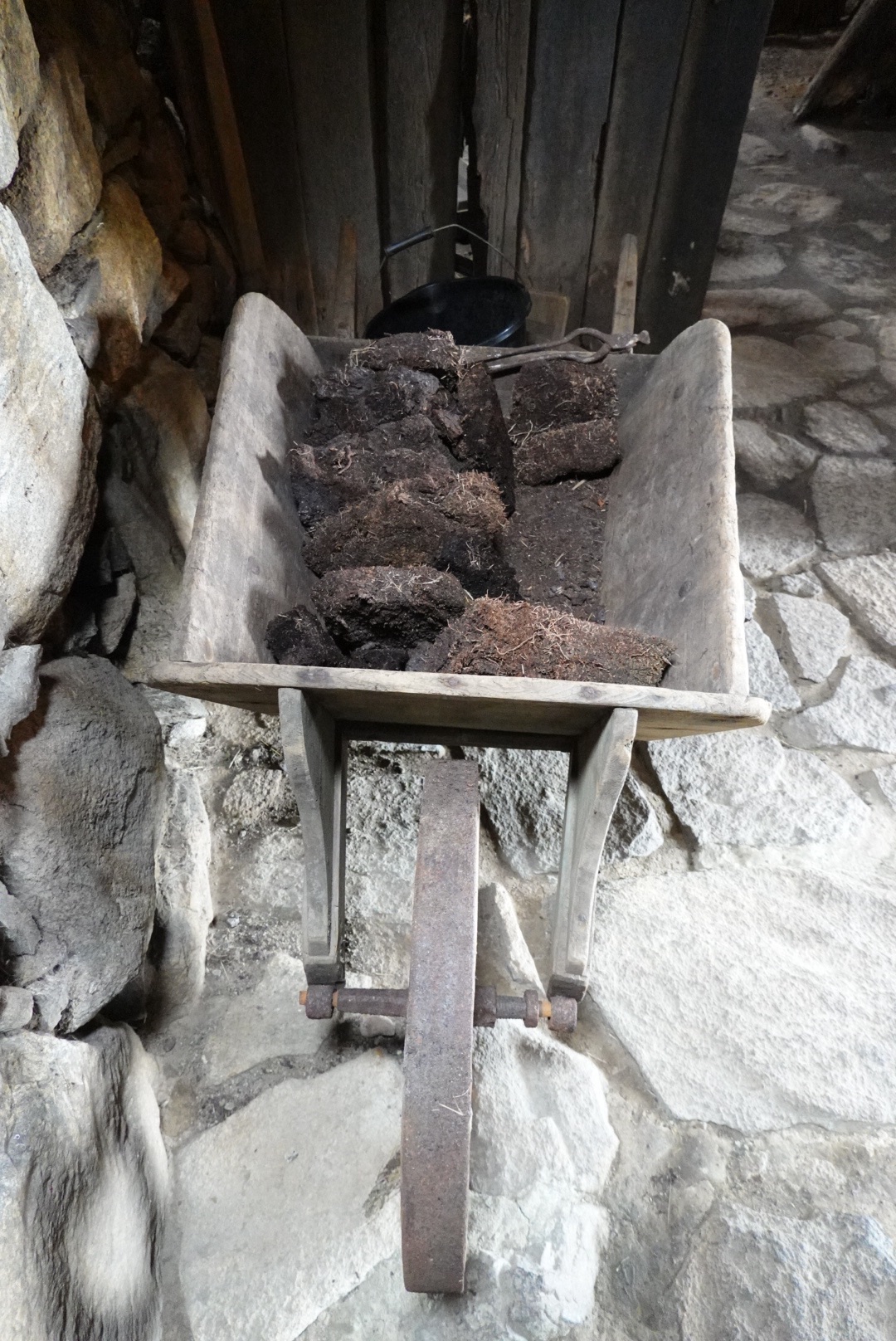
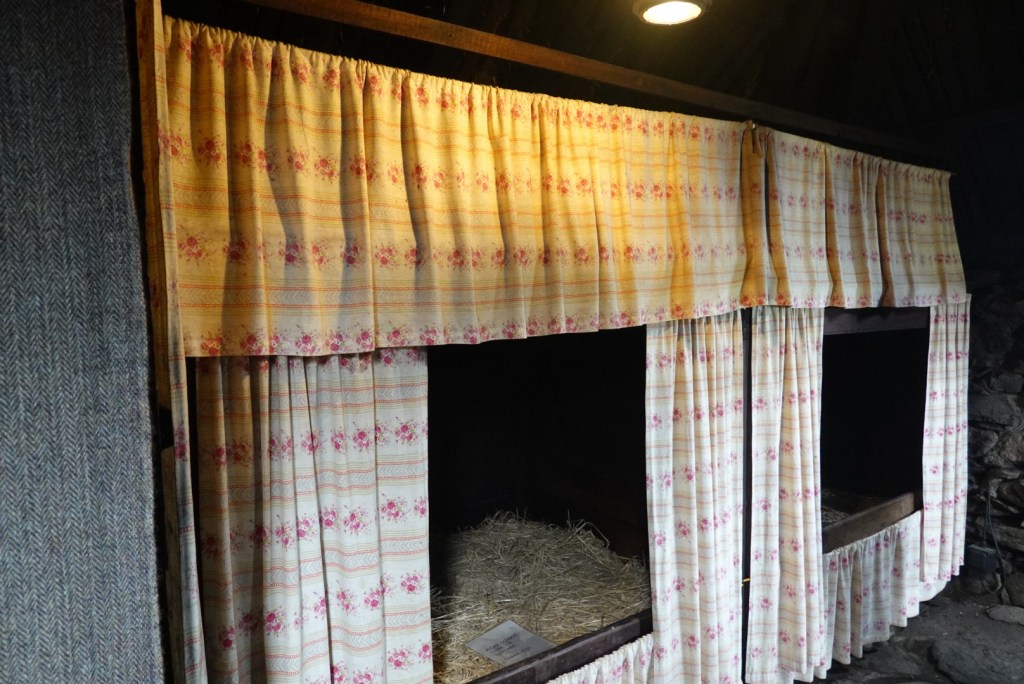
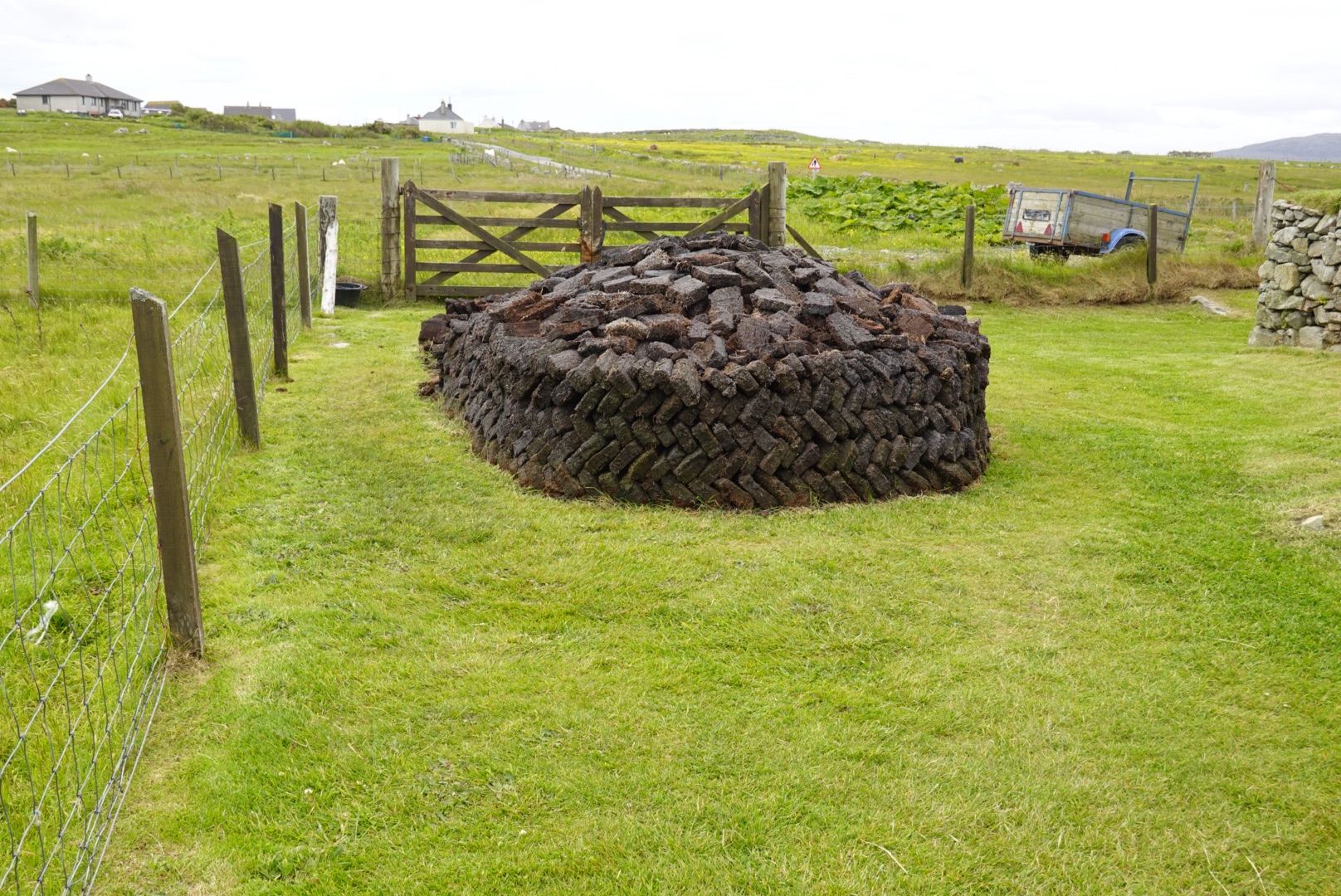
Spinning wheel and wool in the homeTable setting, iron, tea pot and basketsAnimal’s side of the houseLarge wheel barrel where peat driedBed alcoves with curtainsLarge, neatly stacked pile of peatClare warming her hands on the peat fire
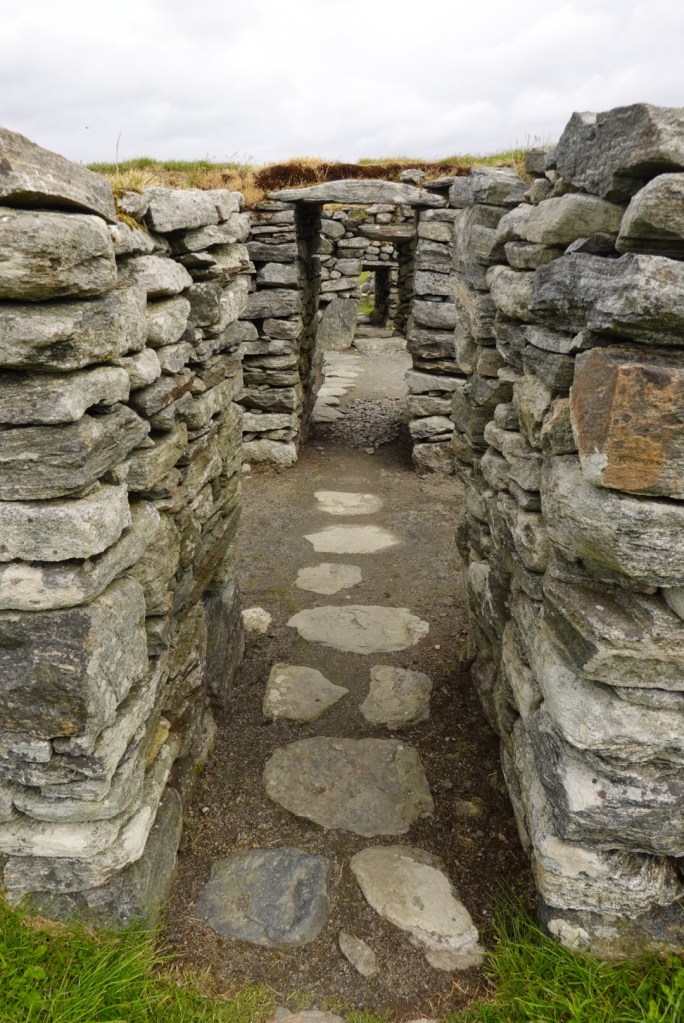
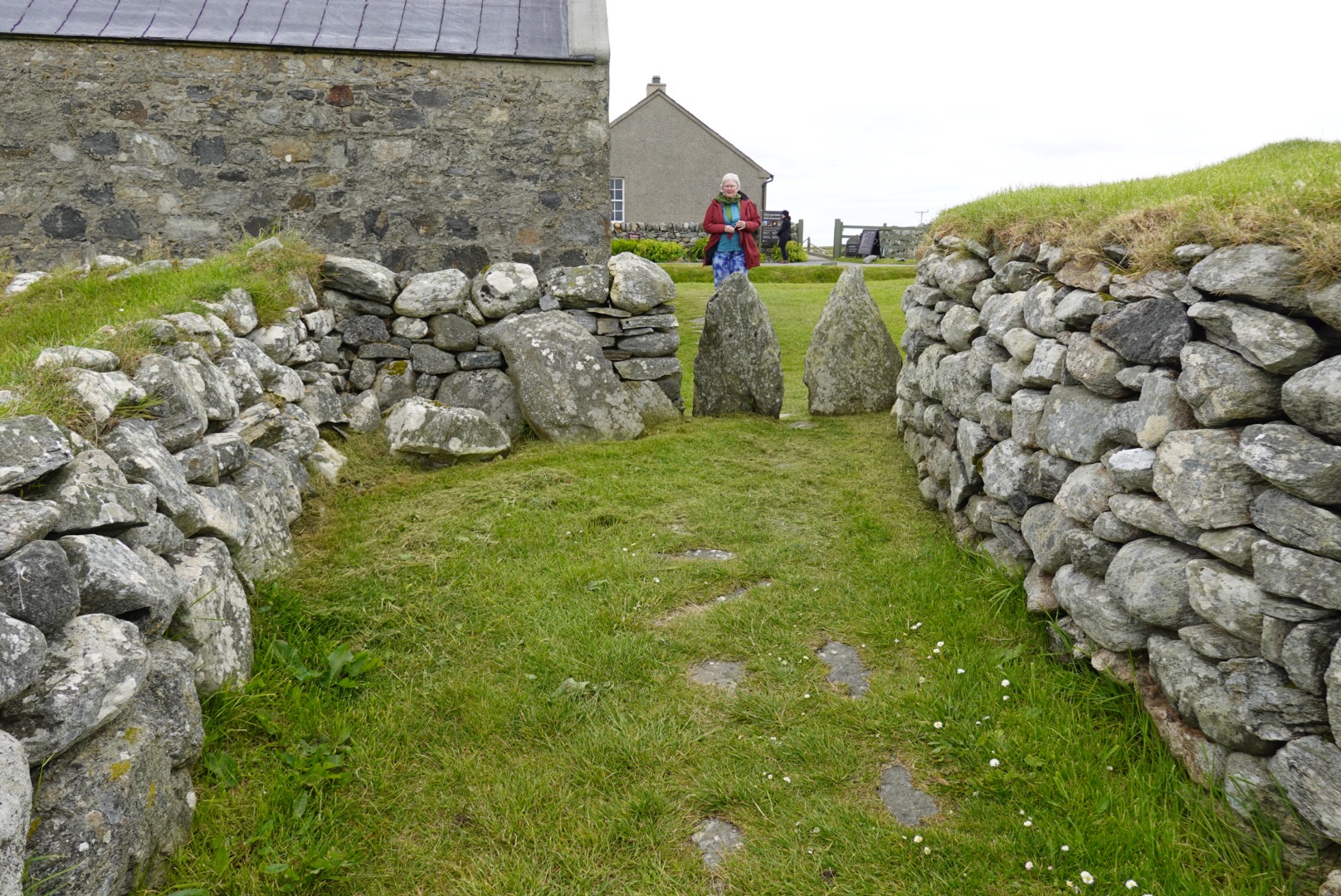
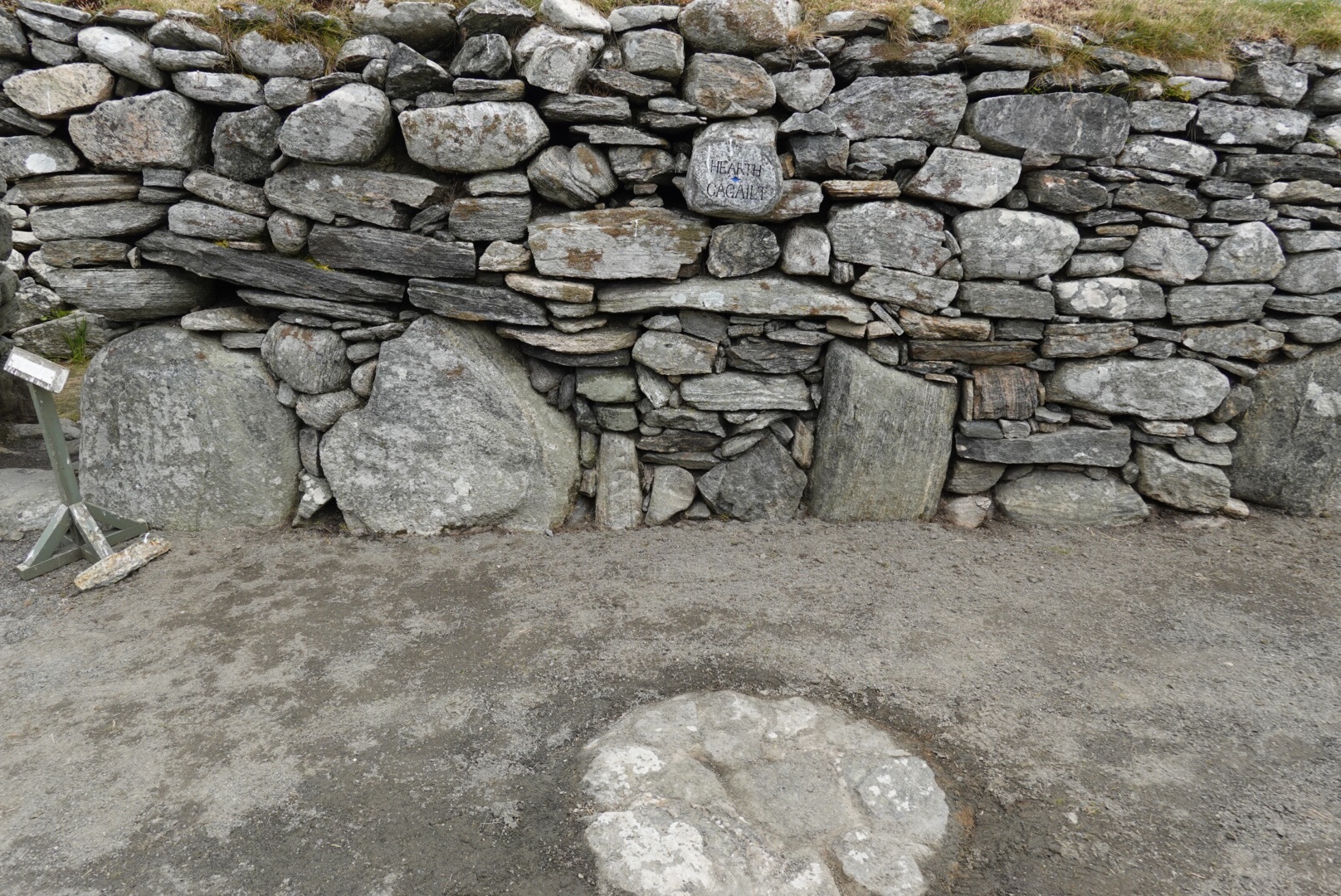
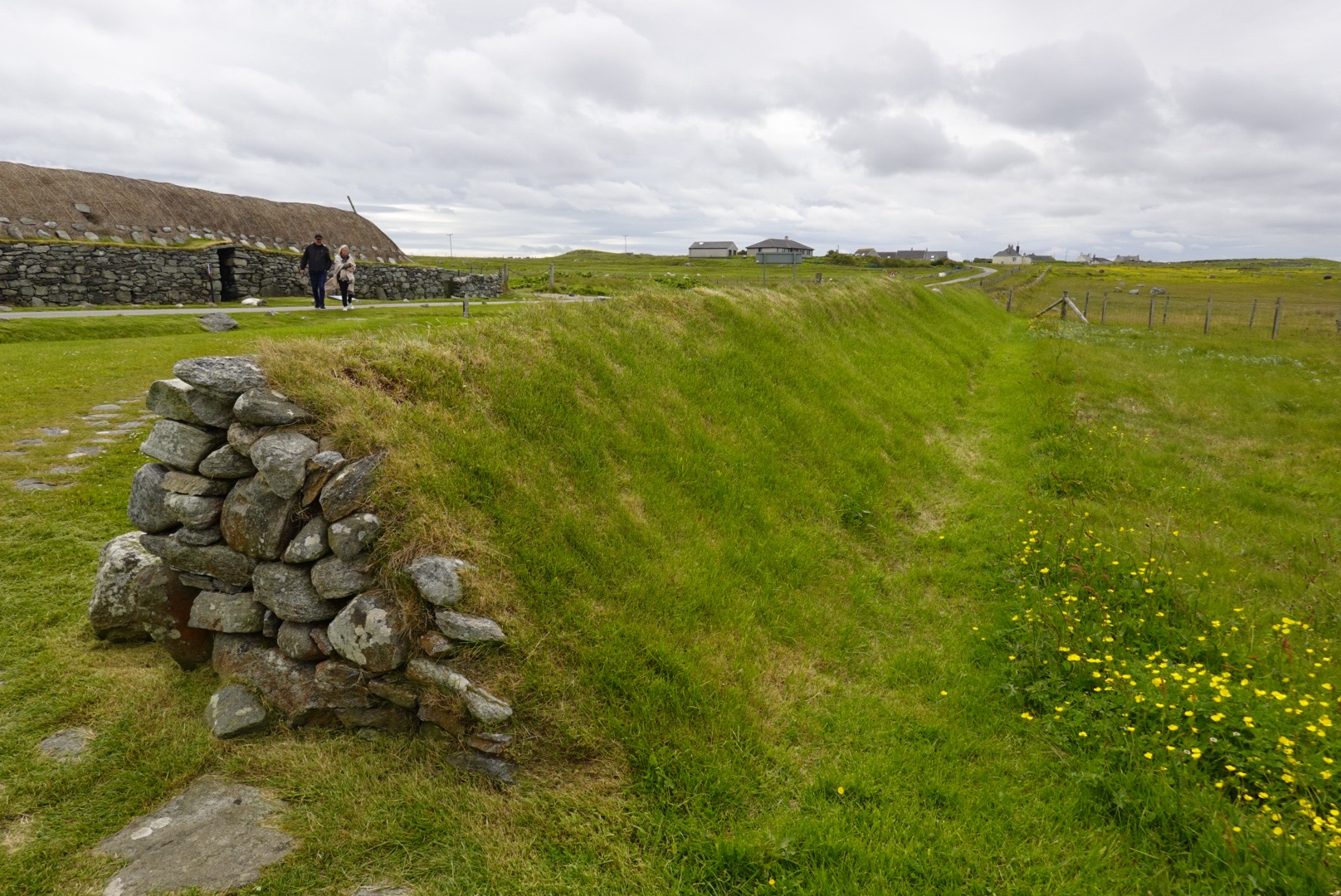
Several structures in various states of ruin were at the same site.
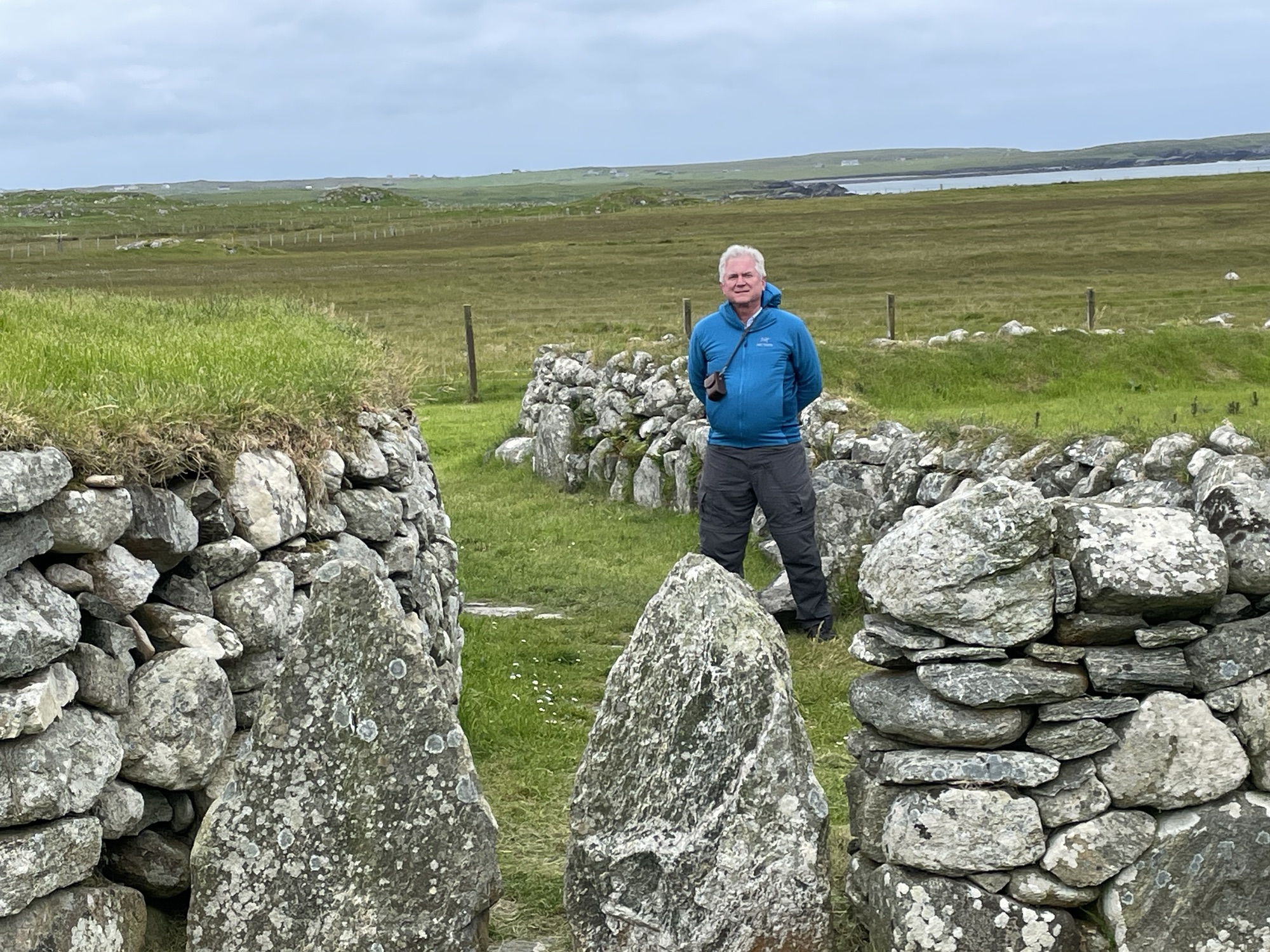
Four doorways almost in alignment in this now unroofed ruinClare outside one of the ruins. Note that the door would let humans through, but not sheepRuin, with the center ring where the peat fire once burnedFence with rocks on one side and a sloped grassy face on the other Brian standing next to an area that might have been used for keeping animals
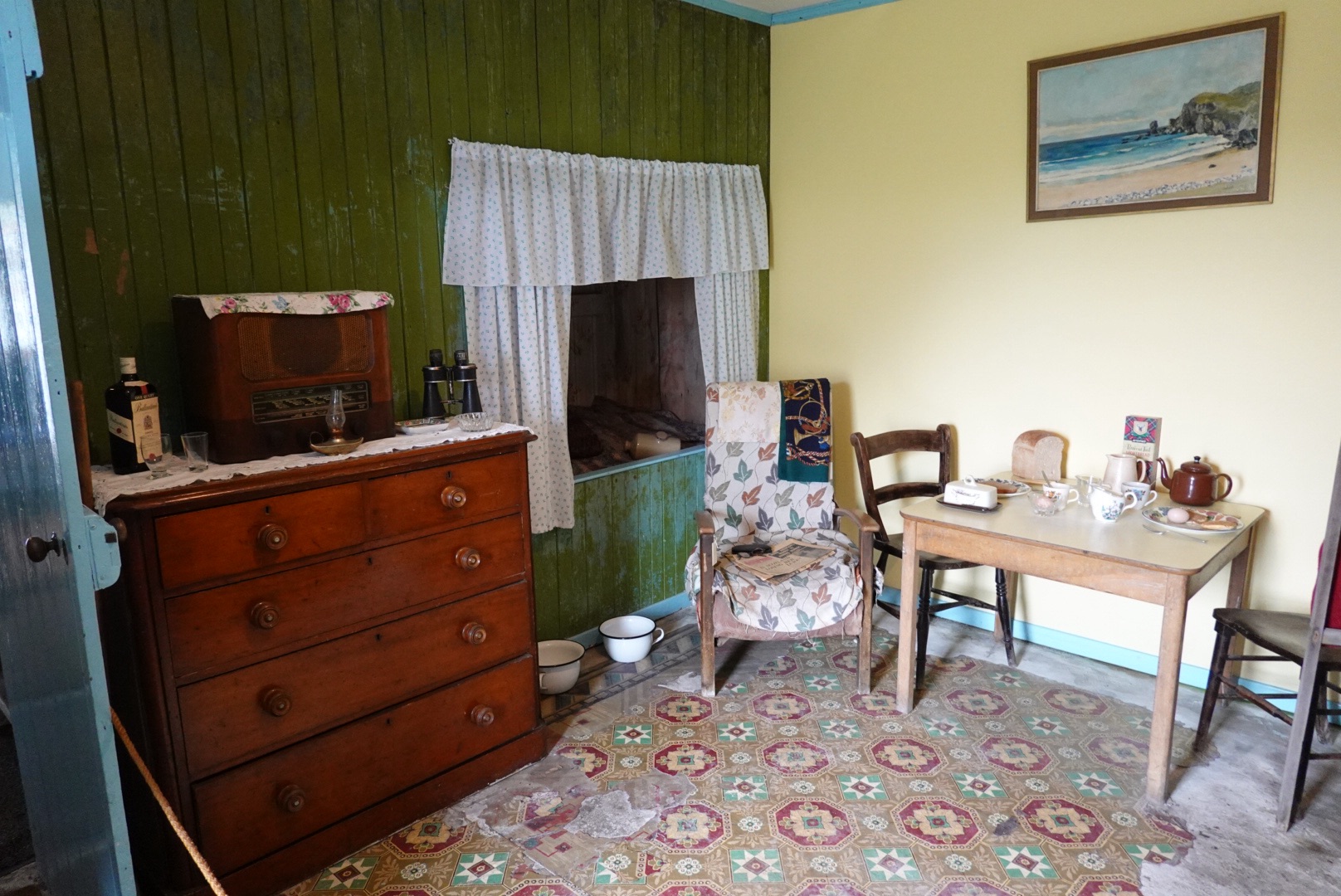
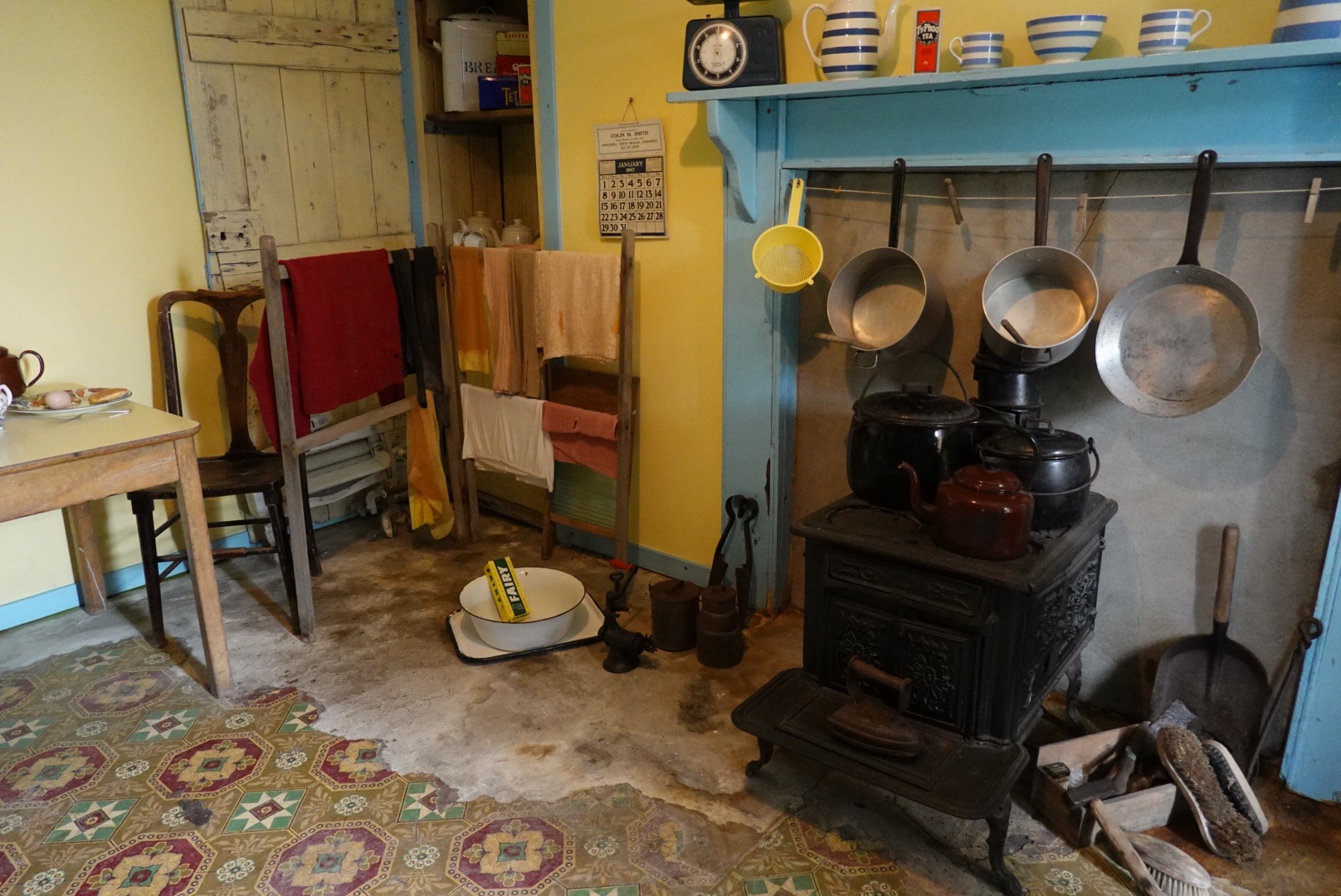
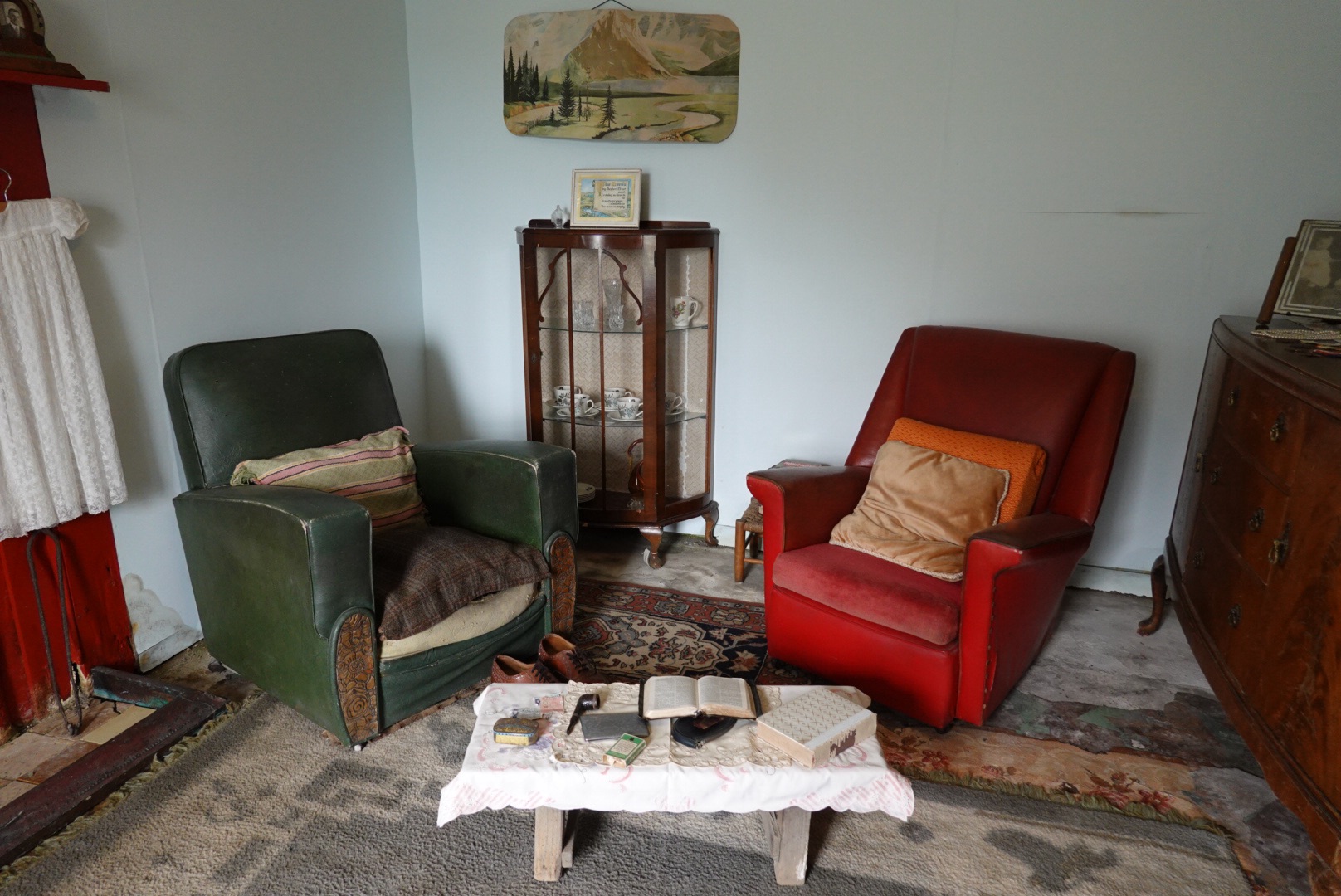
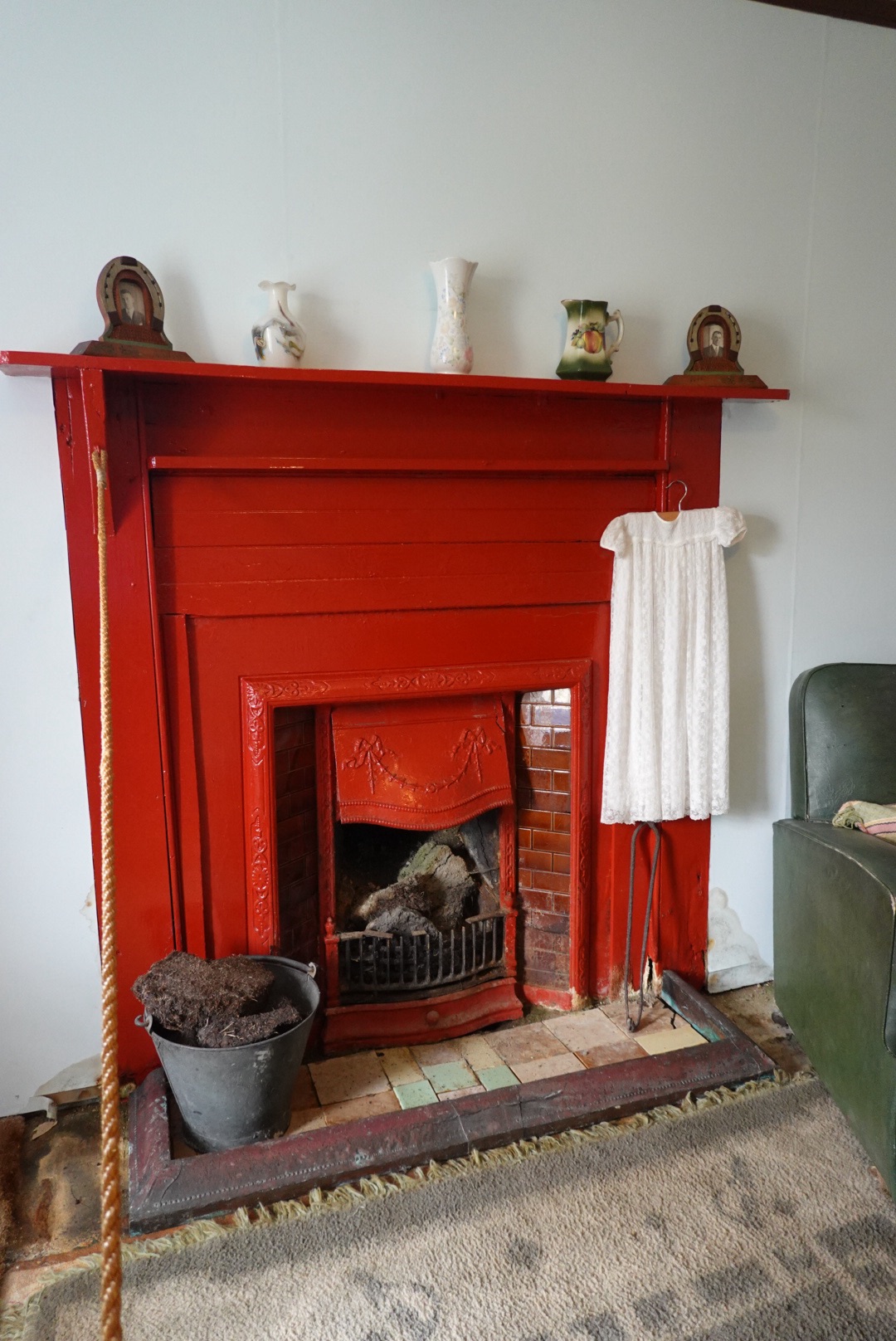
The last building was preserved from 1967. This made us feel old – we remember some of these artifacts and they are now in a history museum?
Whiskey bottle, radio, bedchamber like the older houseDrying rack, wash basin, pots and stoveComfortable chairs and table. Note the pipe and cabinetFireplace with child’s dress drying on the side
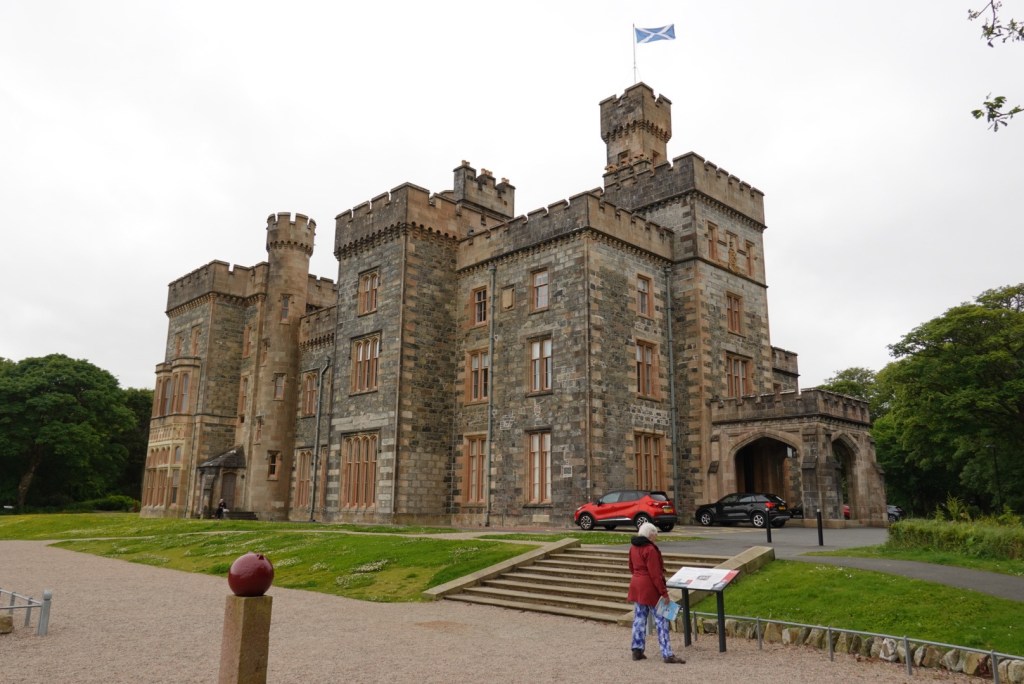
Lews Castle
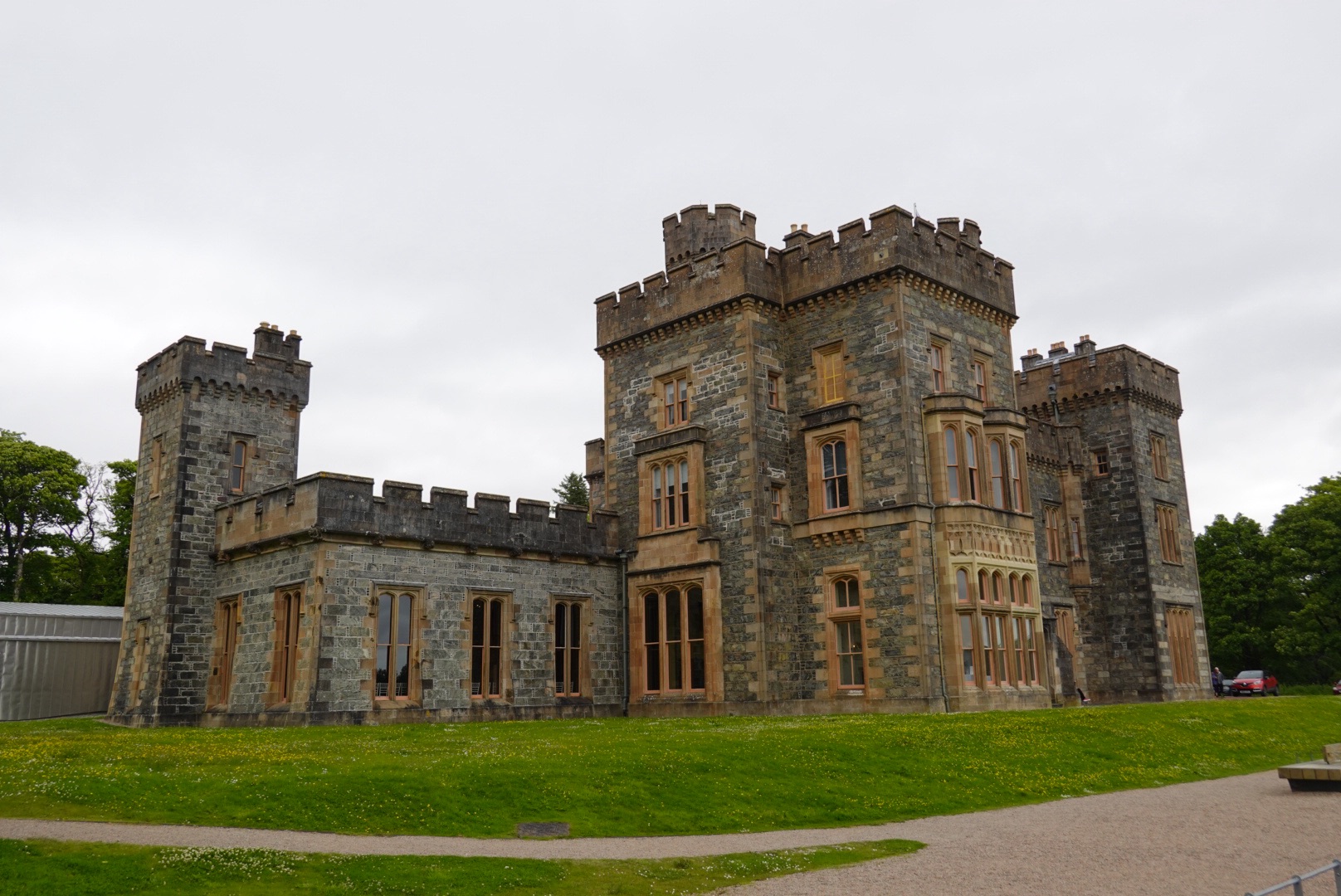
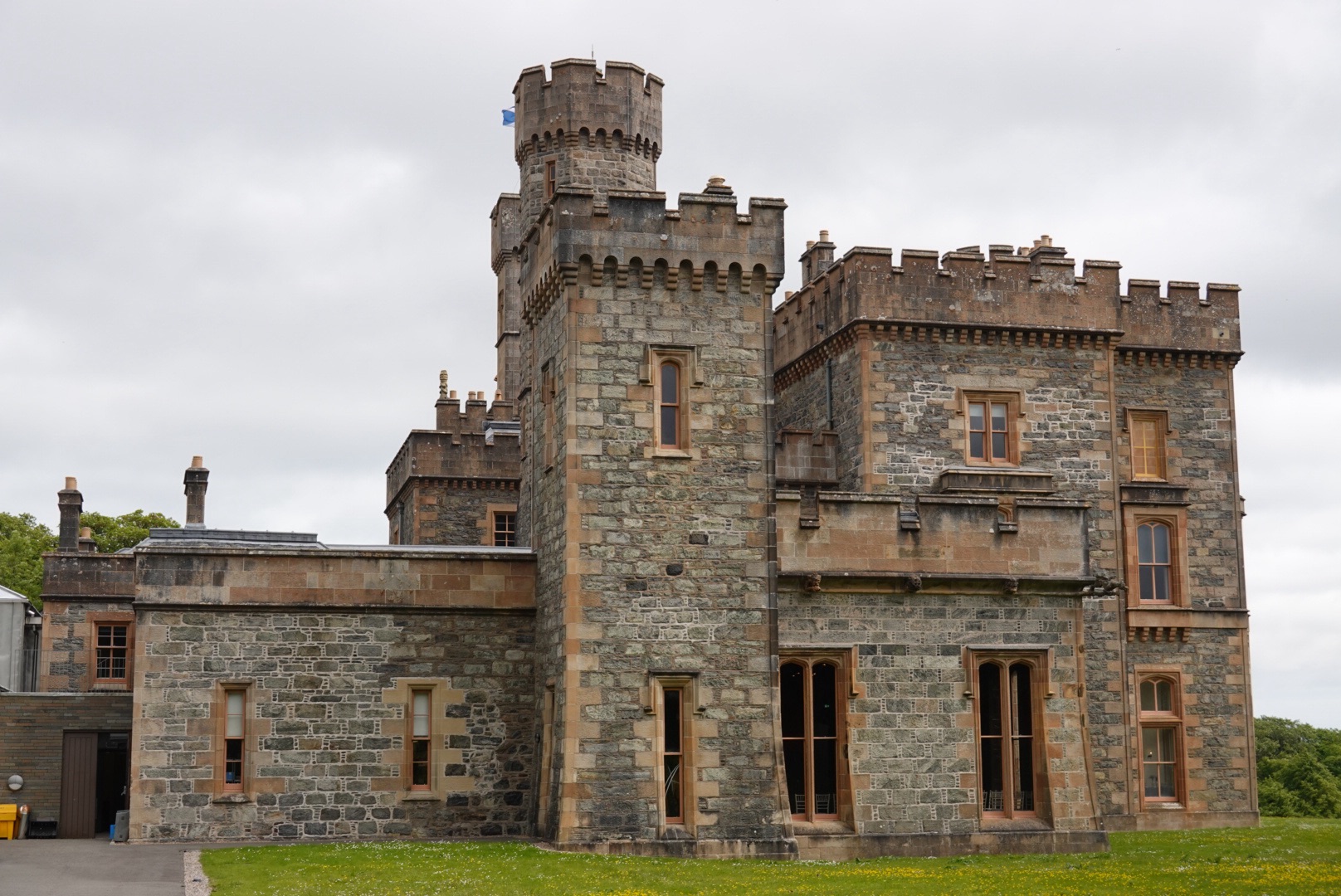
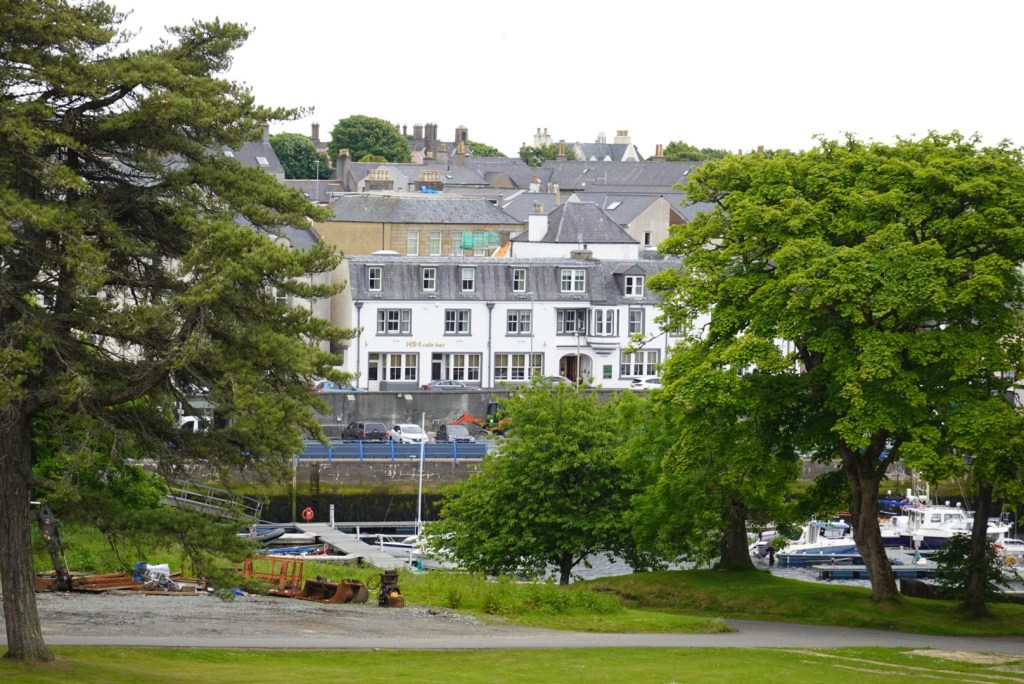
The Lews Castle in Stornoway, in view of our hotel. Its blocky structure tells us that this is a much more recent building than others we have seen so far on this trip.
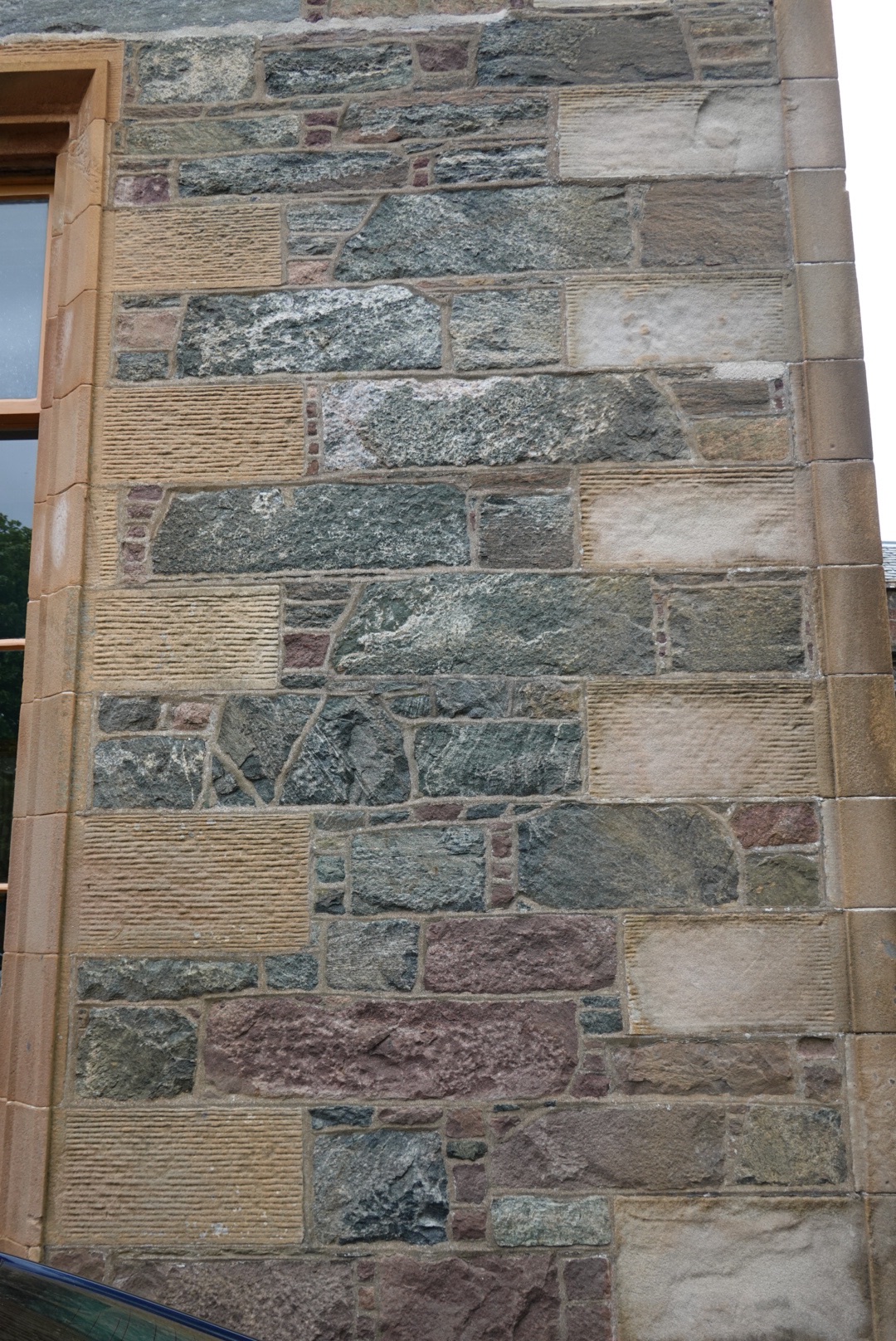
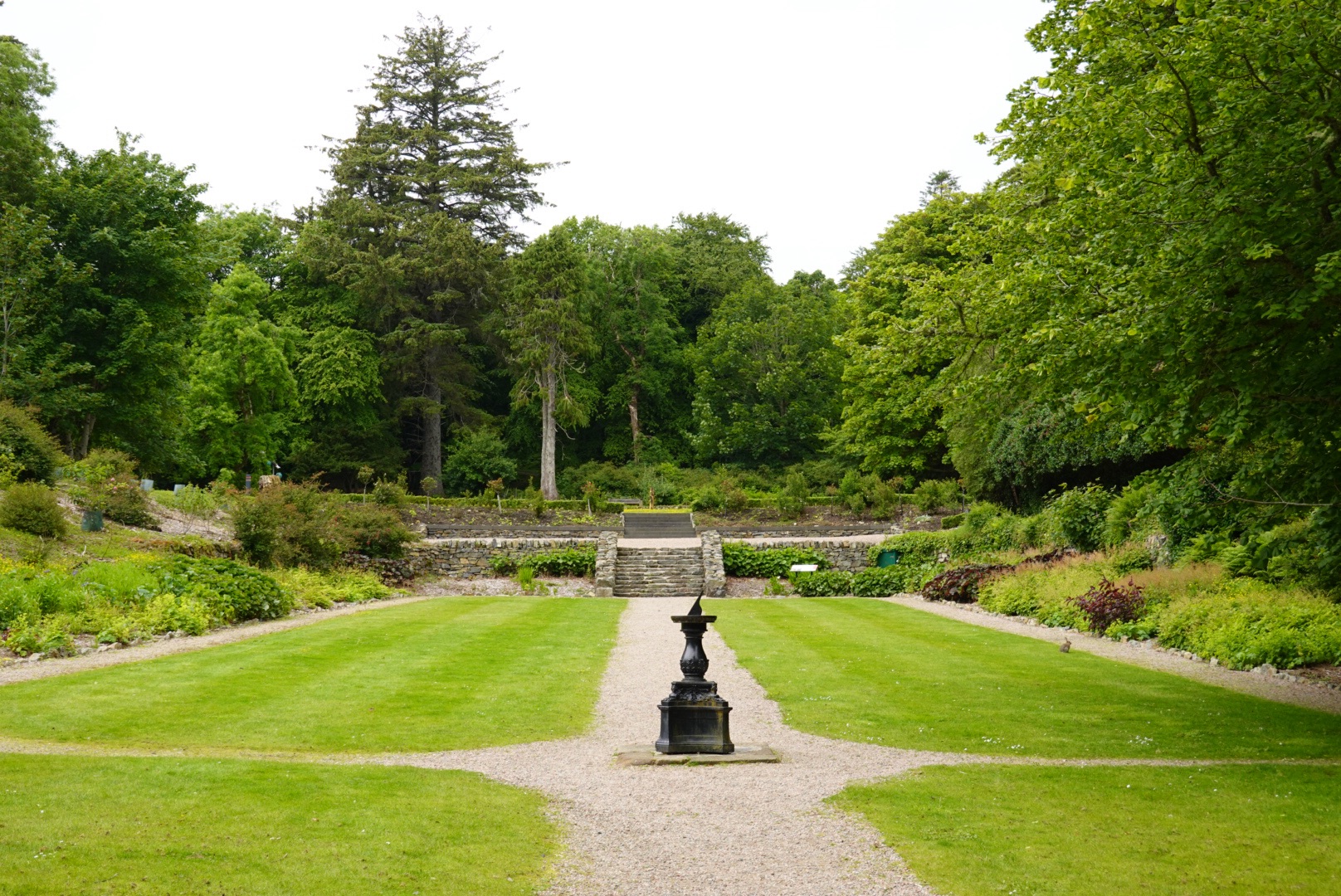
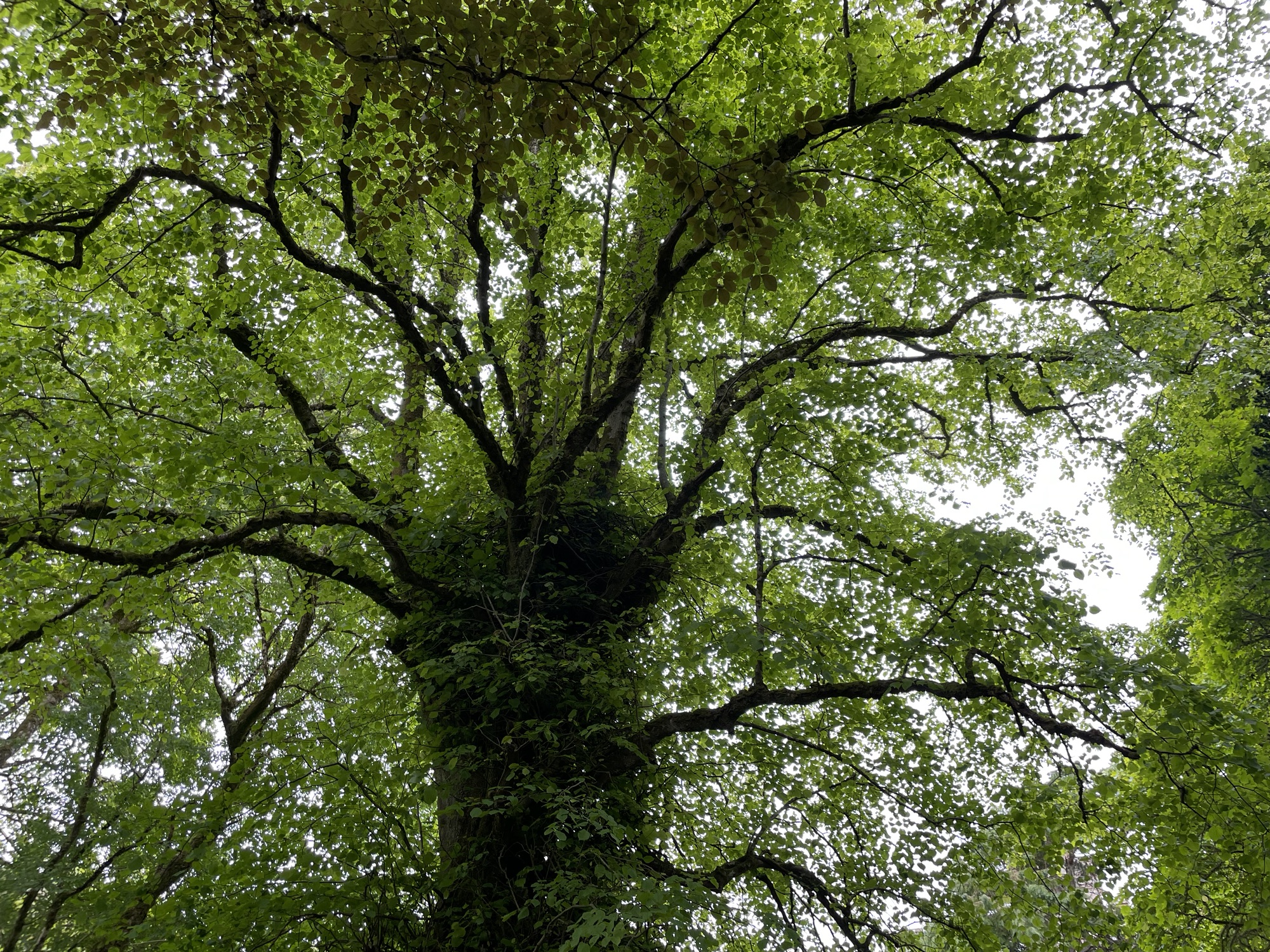
Clare reading a sign in front of the Lews CastleView of sideFront of castleA variety of rock types were used in the outer wallsSunken garden with a (useless?) sundial in the centerStrangely shaped, very large tree
We toured the Lews Castle using an augmented reality app and learned much of its history.
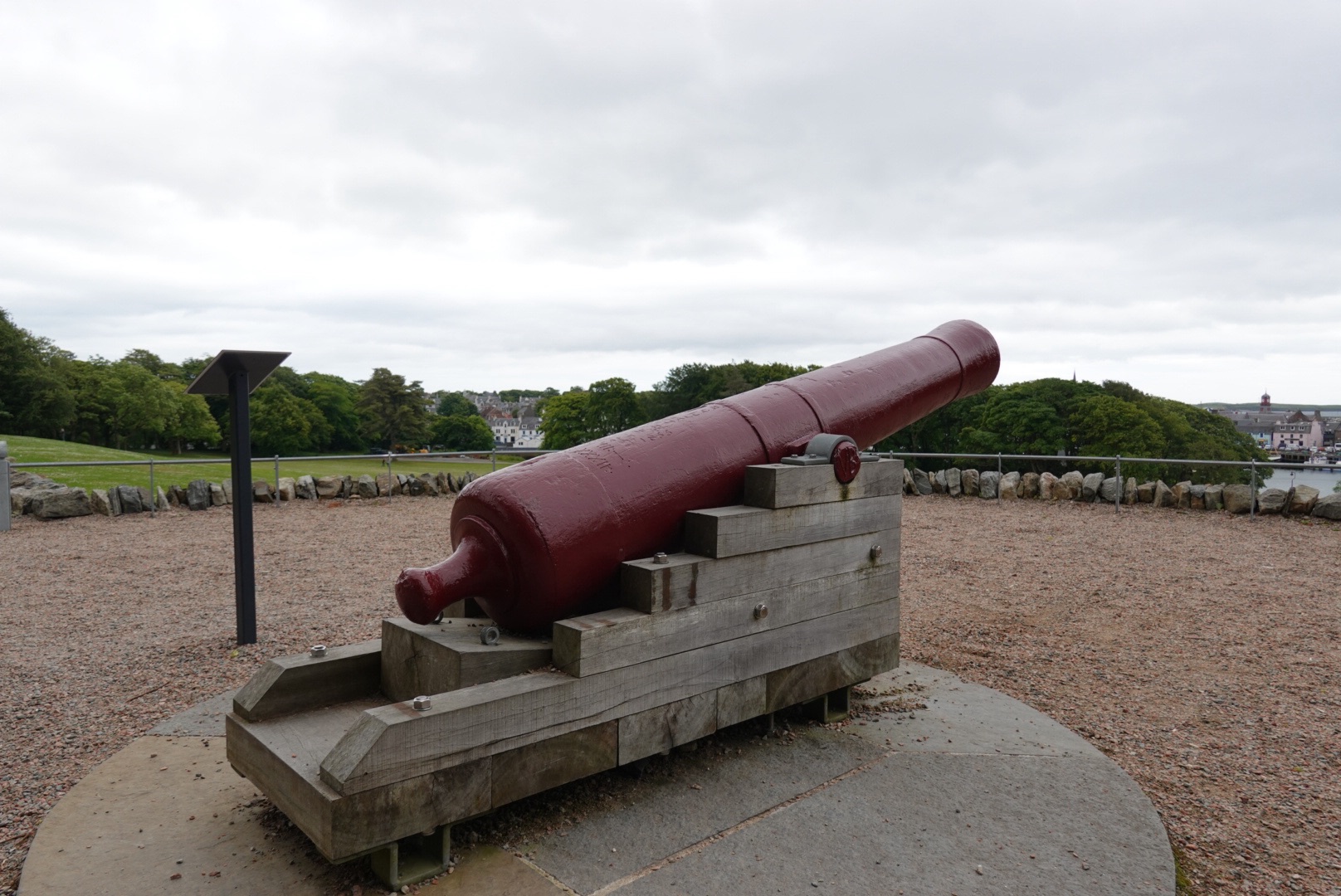
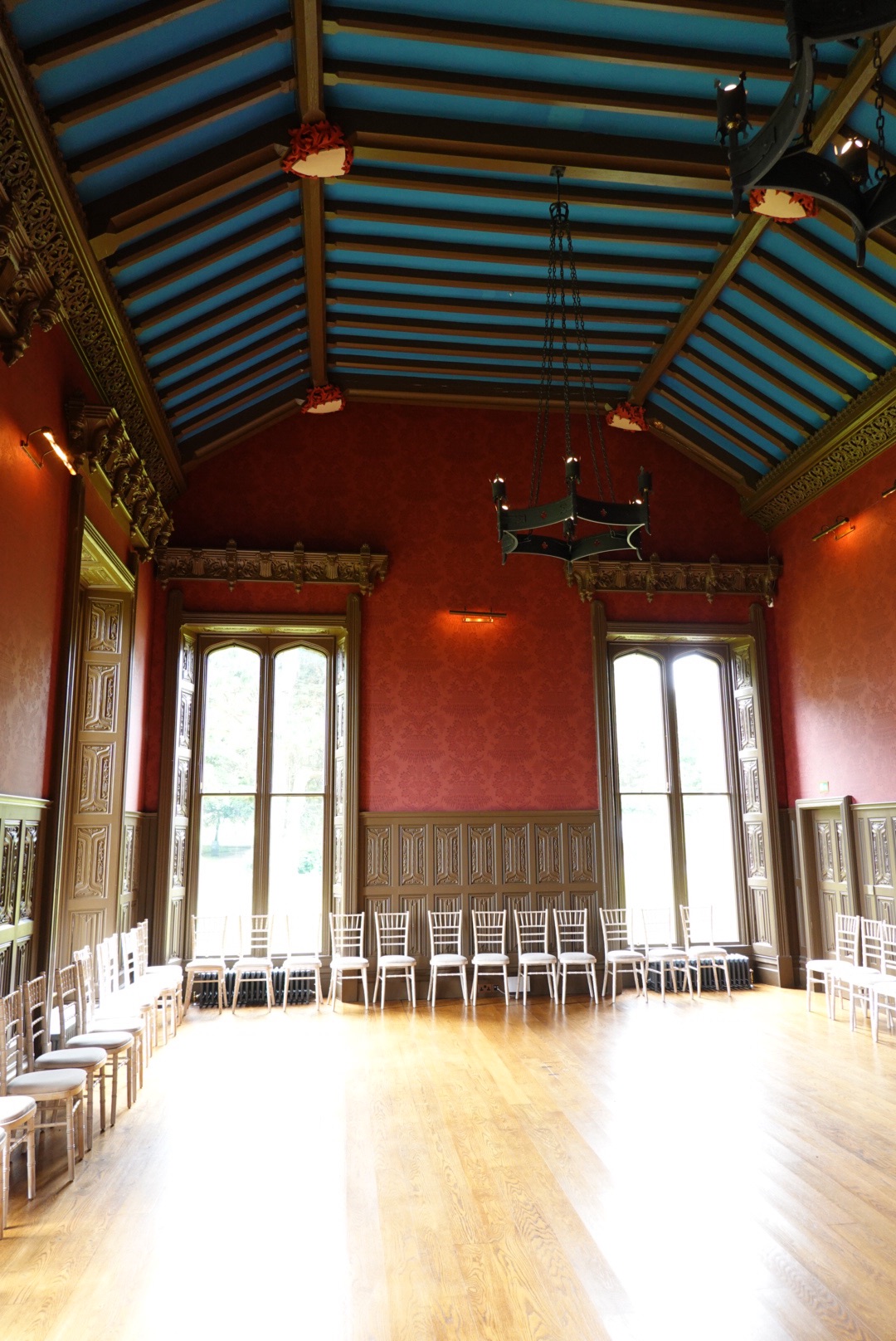
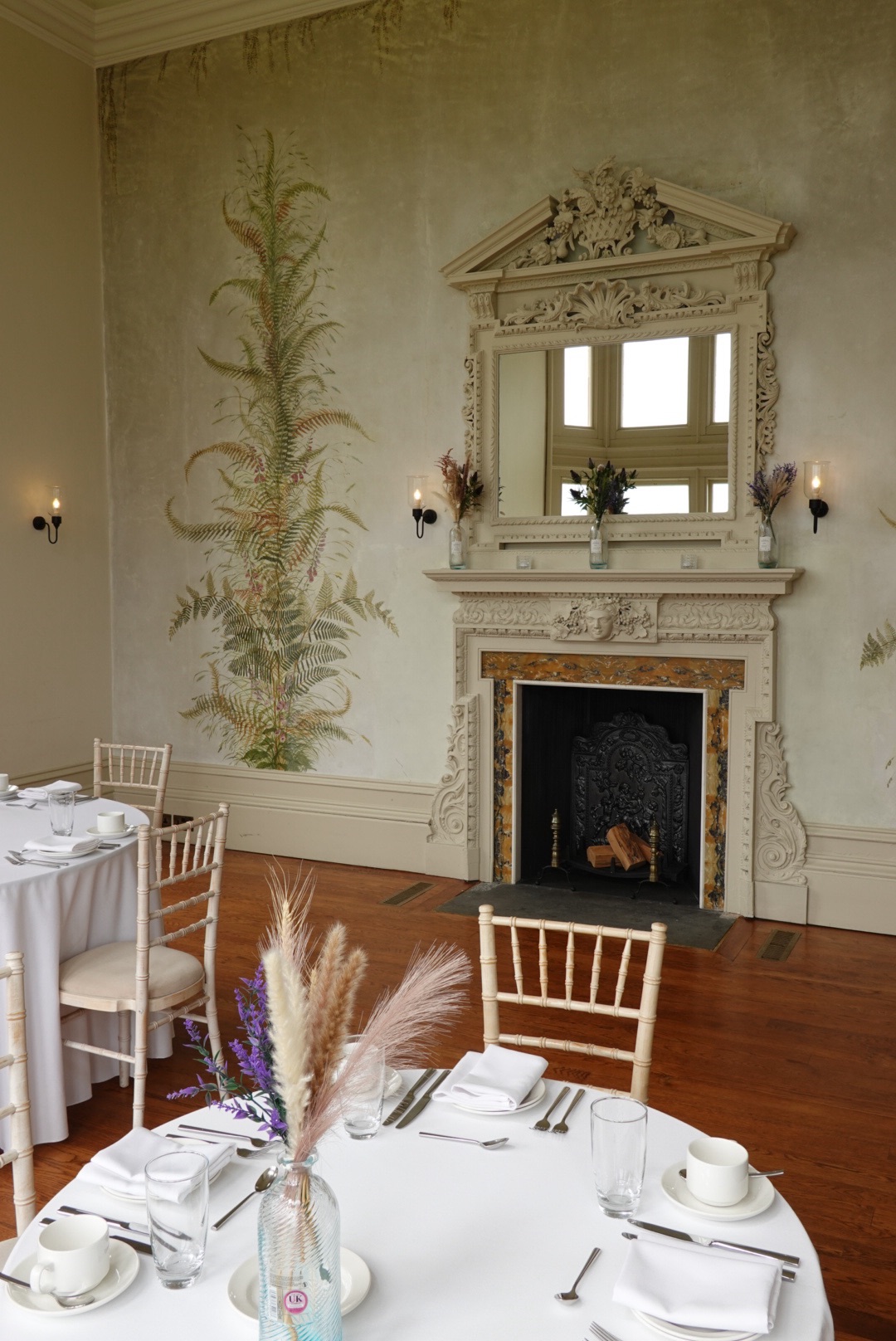
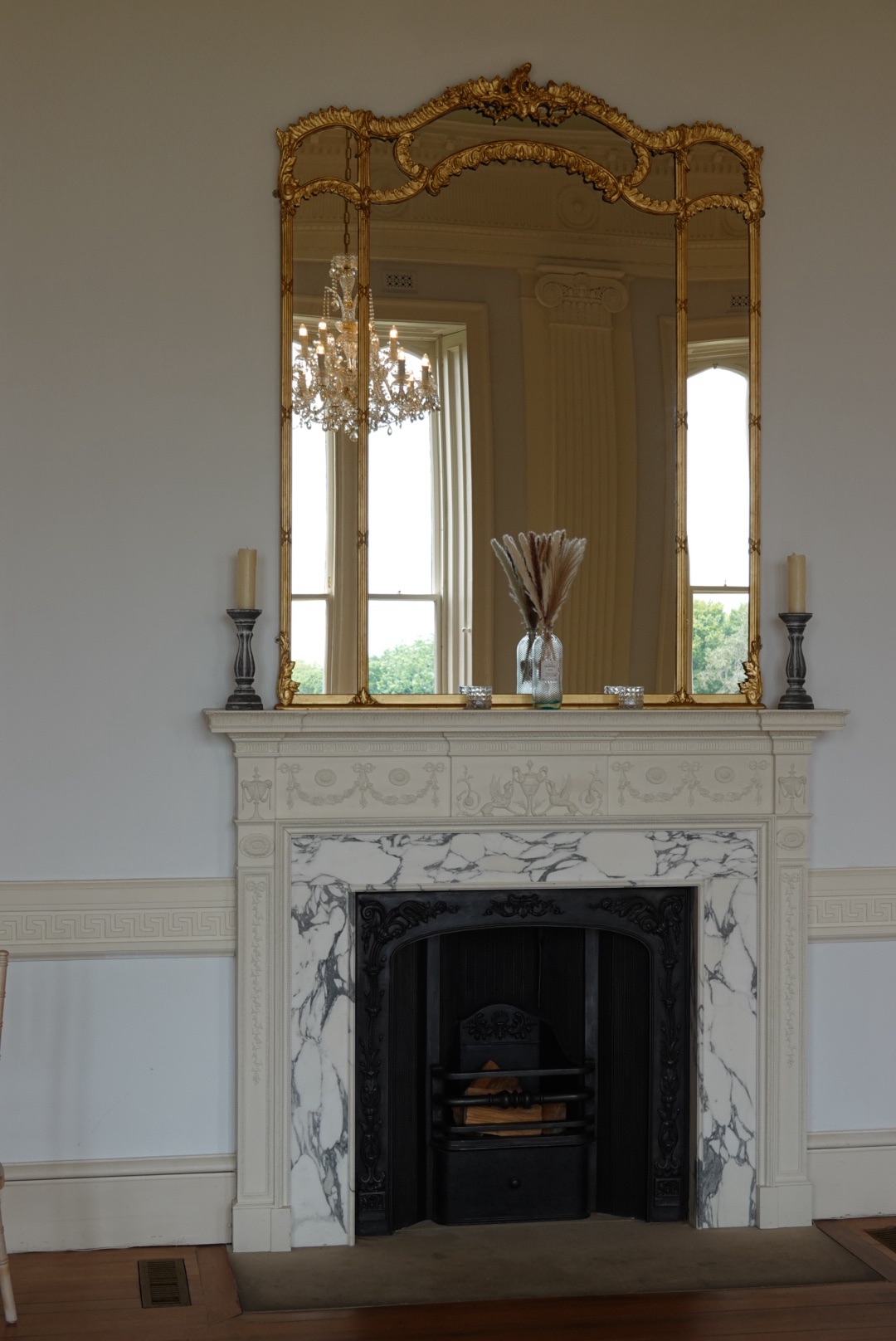
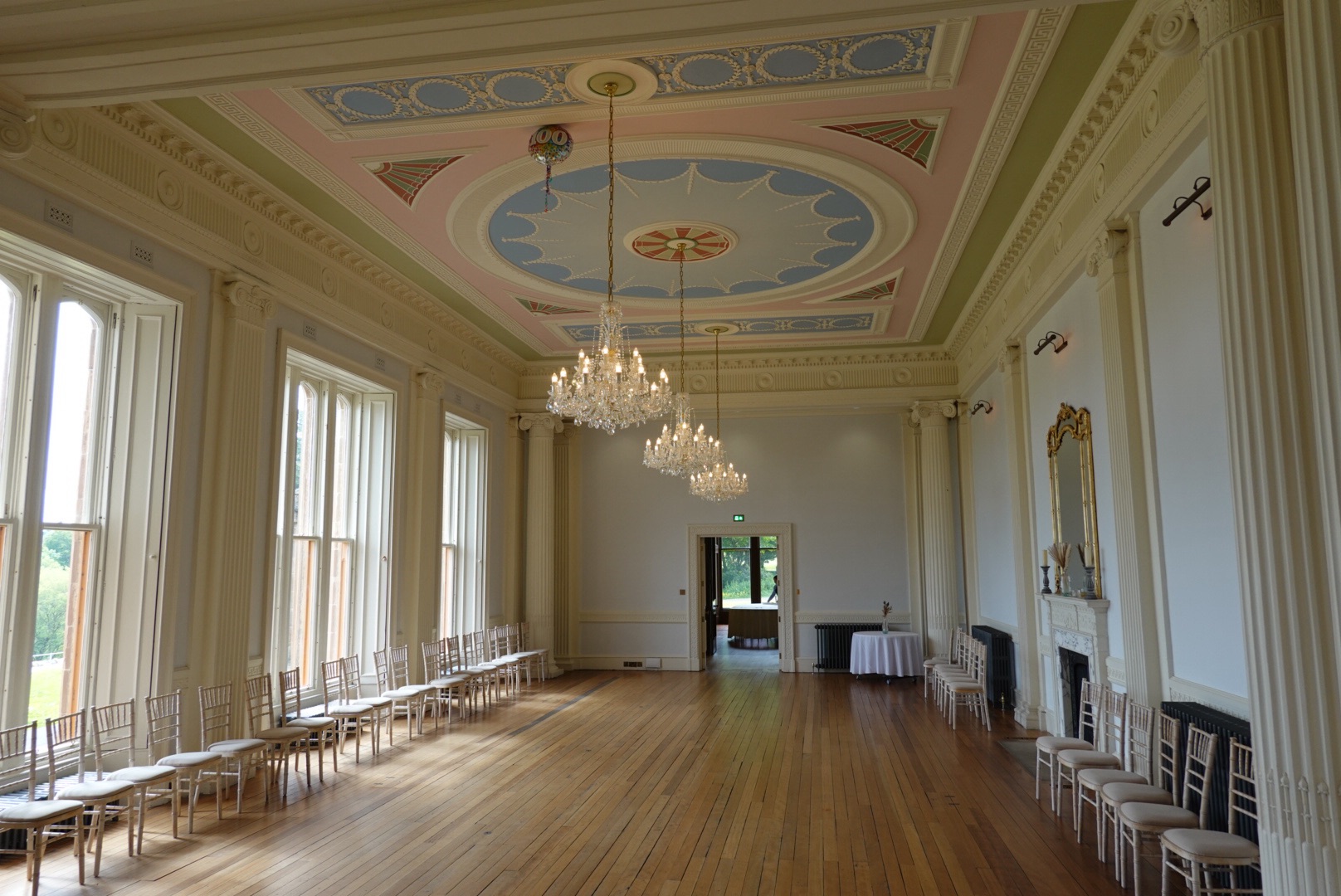
You can find cannons everywhere.Looking back toward Stornoway Dining RoomMorning RoomBallroom FireplaceBeautiful chandeliers in the Ballroom
The rooms on the first floor are open for viewing, but the upper floors have been converted into private apartments. The castle was built by Sir James Matheson after he bought the whole island of Lewis in 1844. In the 20th century the castle was used for housing soldiers in wartime and later as a school. In the 1990s the castle was declared uninhabitable and fell into disrepair. It was renovated with an added museum and cafe in 2006.
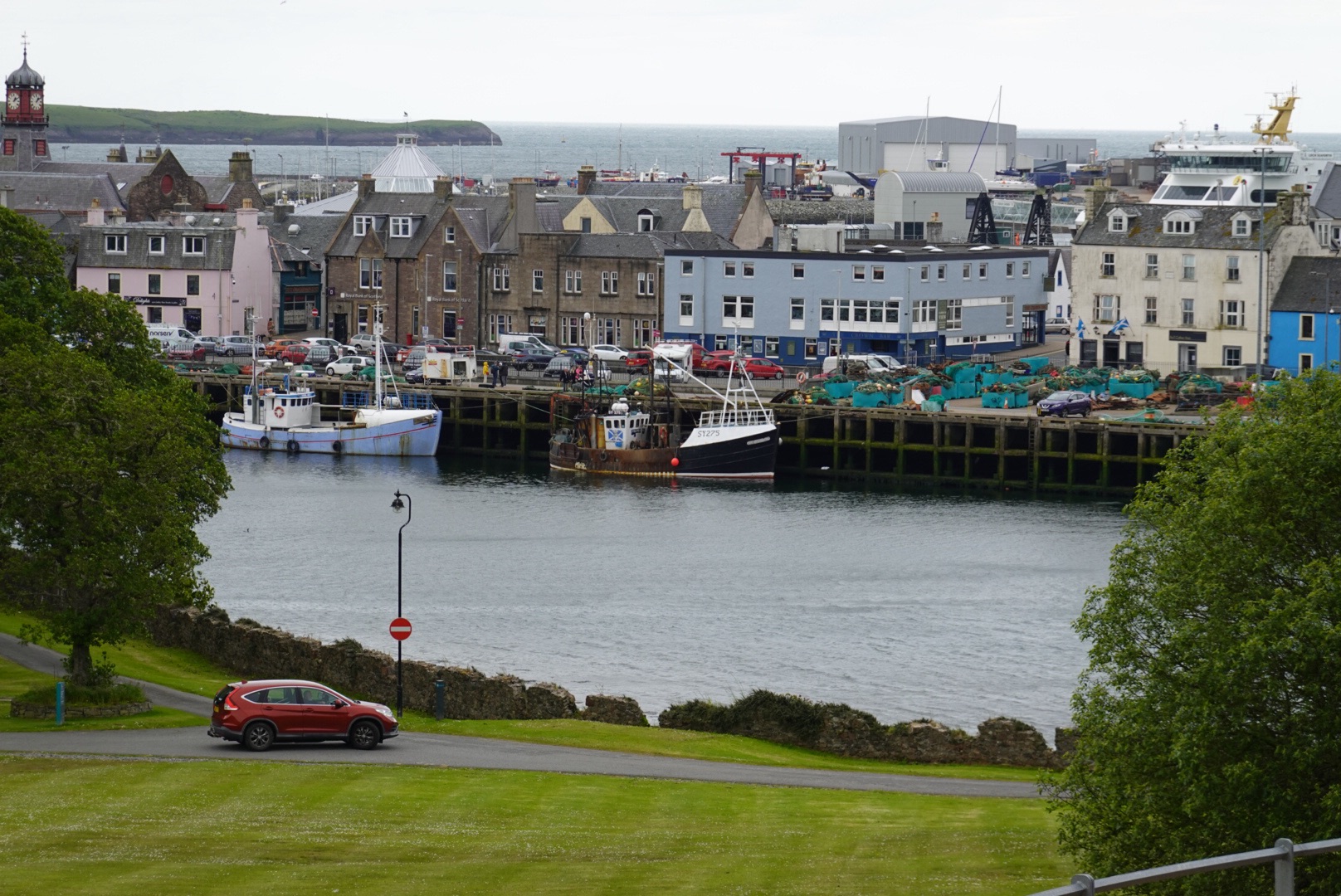
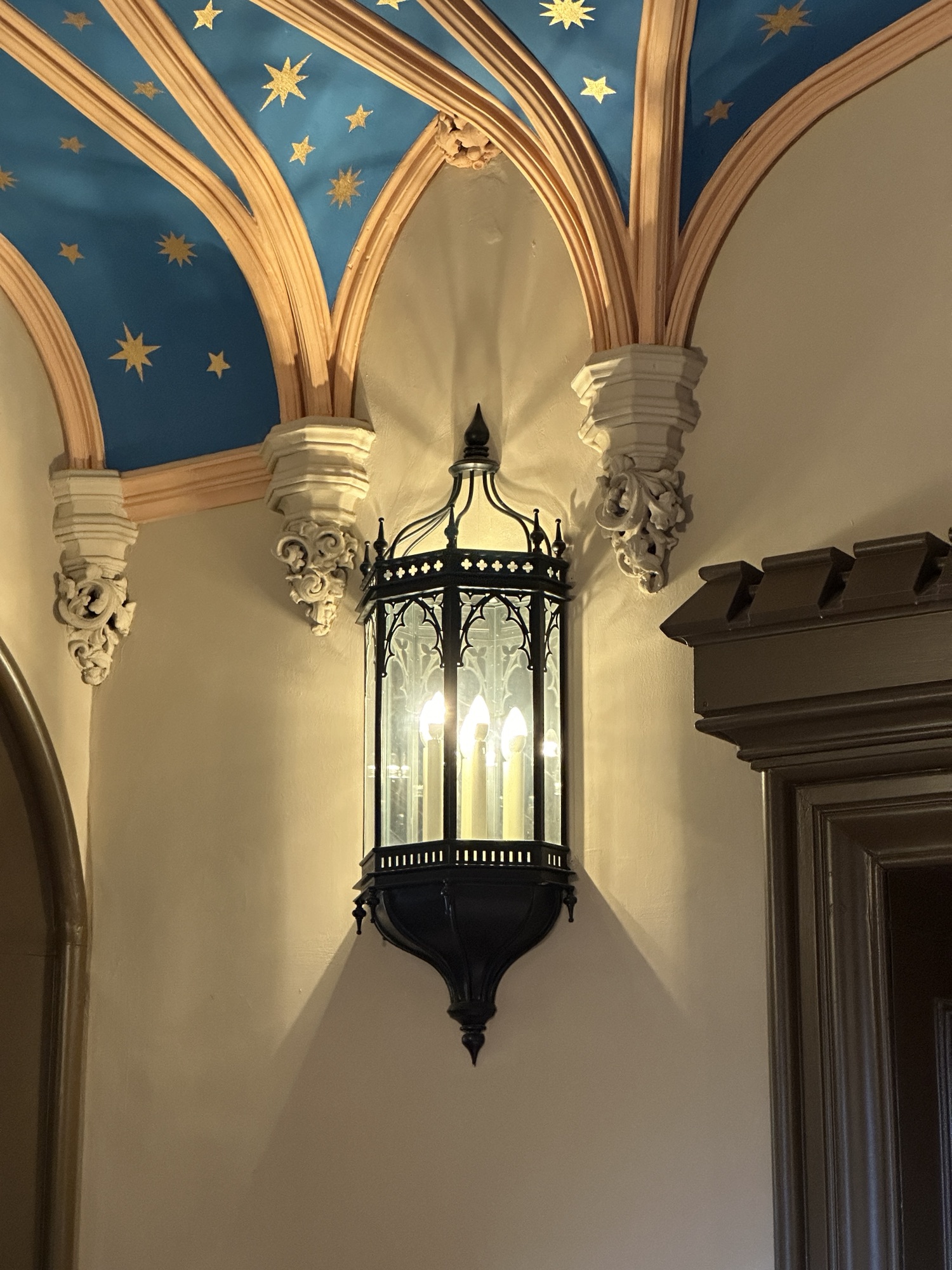
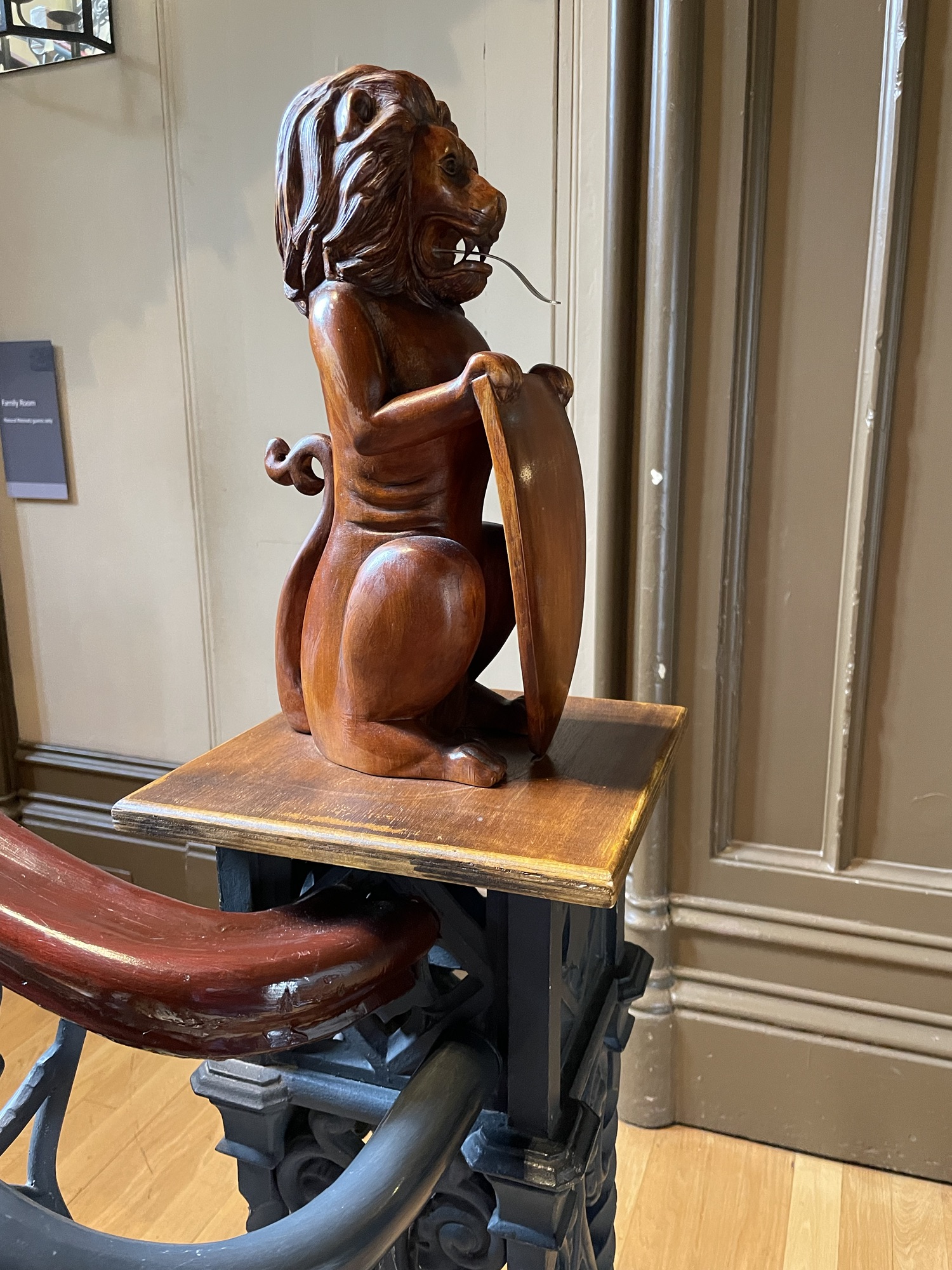
Large wall sconces in the hallway and stars on the ceilingLions decorated the staircaseWe stayed at the Royal Hotel, which is seen here from Lews Castle. The bistro restaurant is named HS-1 after the first 3 characters of the postal code.
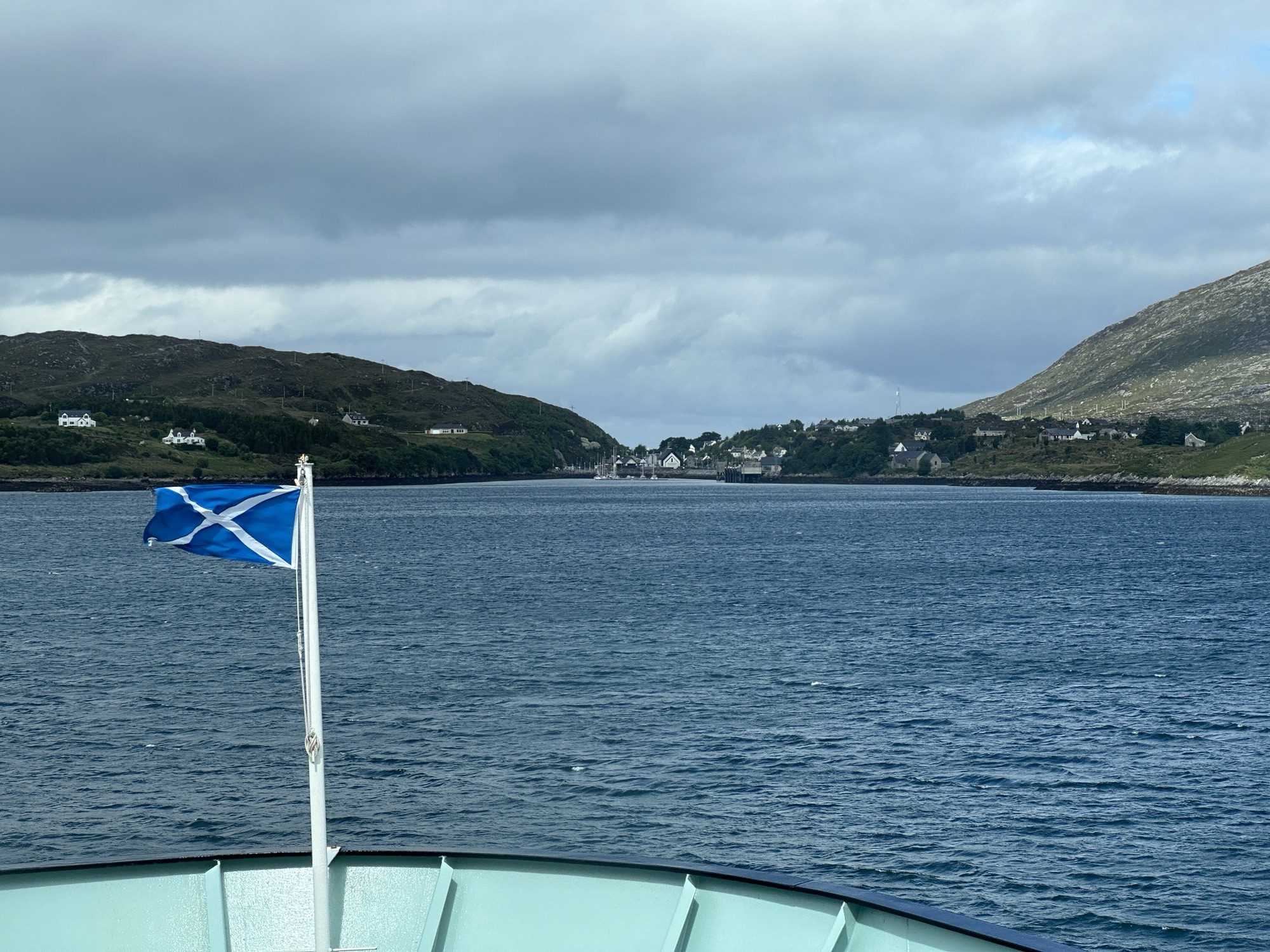
Three nights on an island seemed like it would be enough time to explore everything, but it’s really just two full days. We spent them well, but it seemed too short. This morning we ride the ferry across The Little Minch to Tarbert on Harris Island in the Outer Hebrides. Time to catch up on the blog! Turned out the WiFi was not good enough on the ferry, so we watched the scenery.
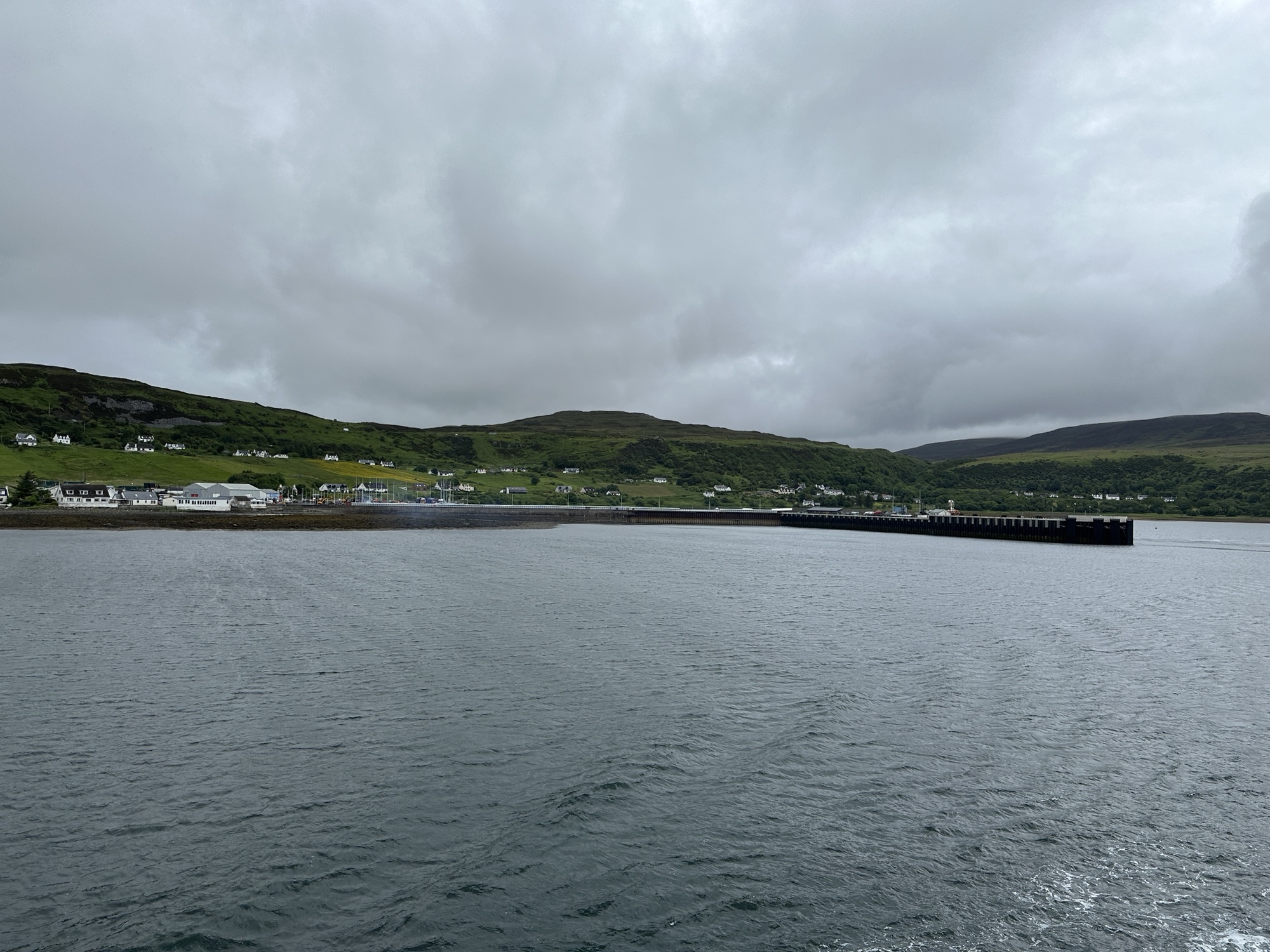
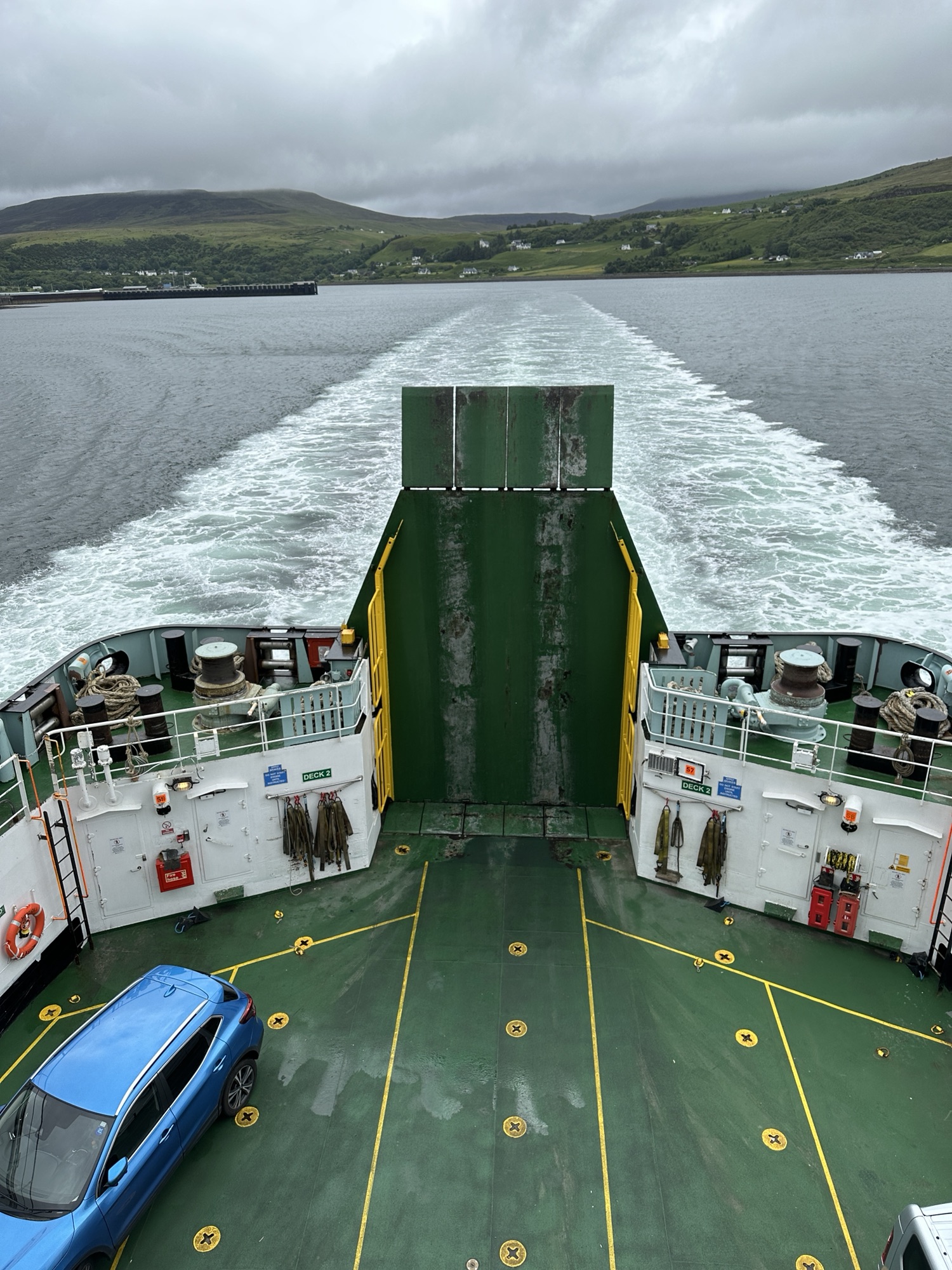
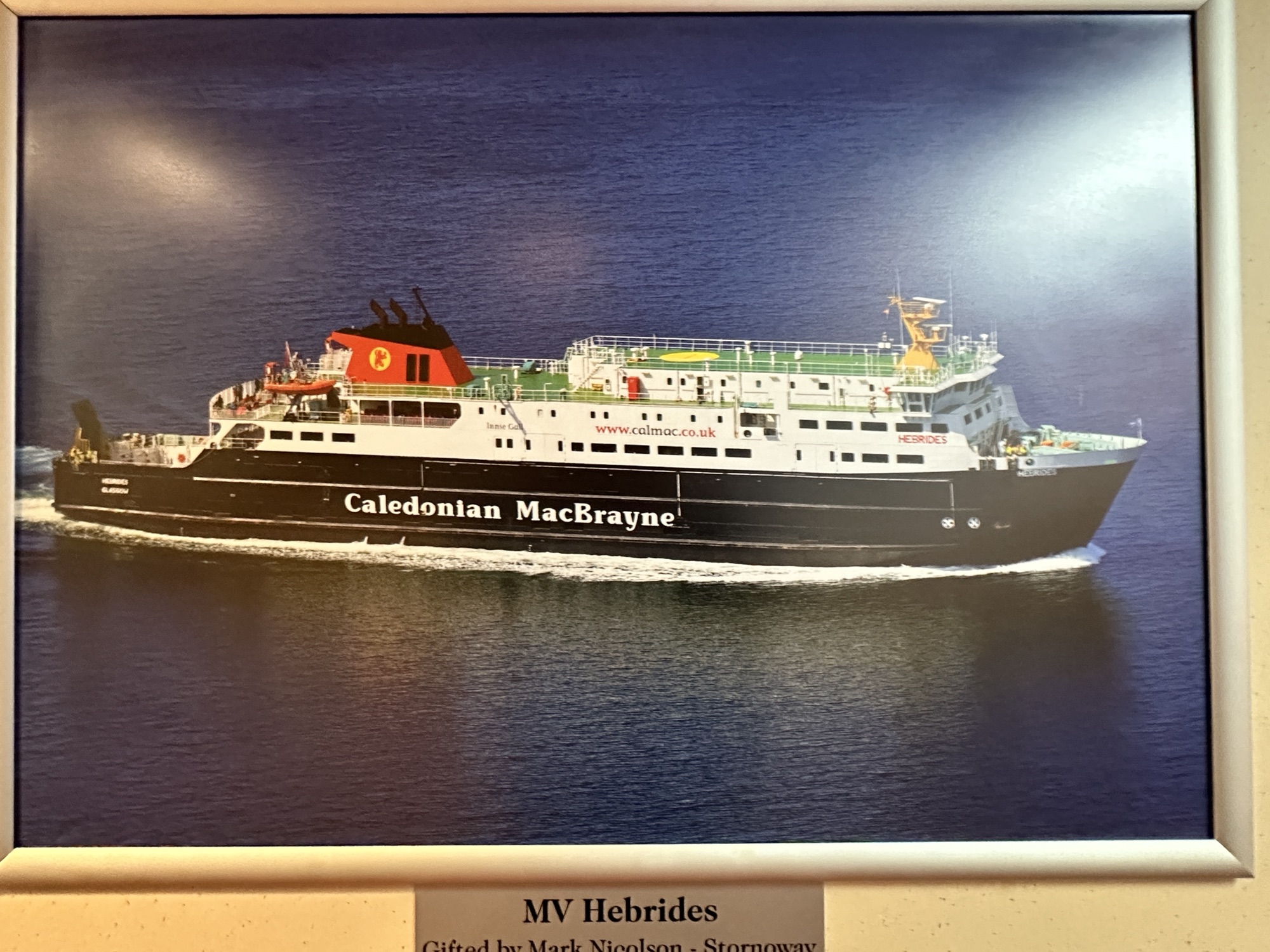
We left from the town of Uig, shown here Back of the ferryFramed photo of ferryLooking forward toward Lewis and Harris
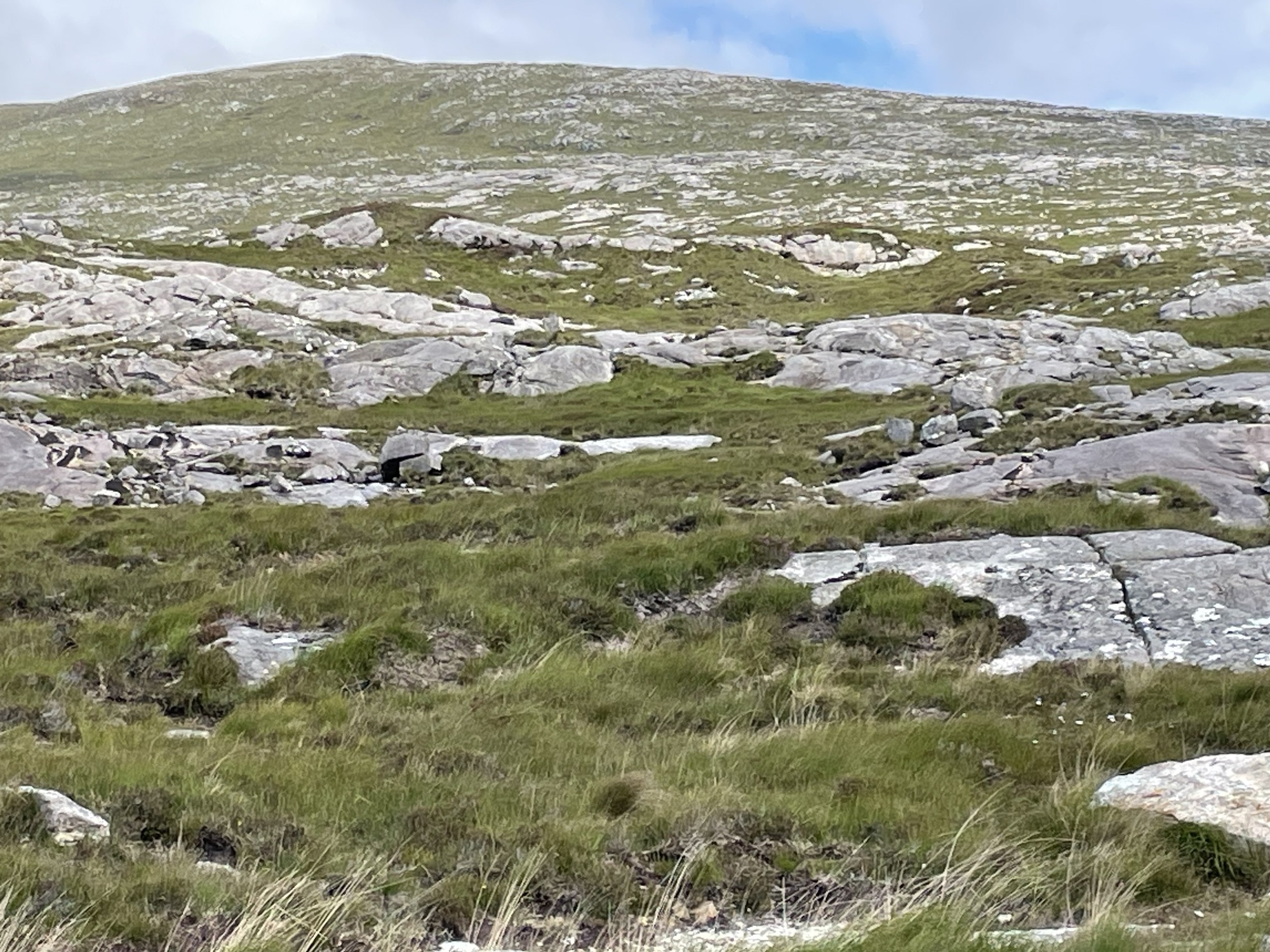
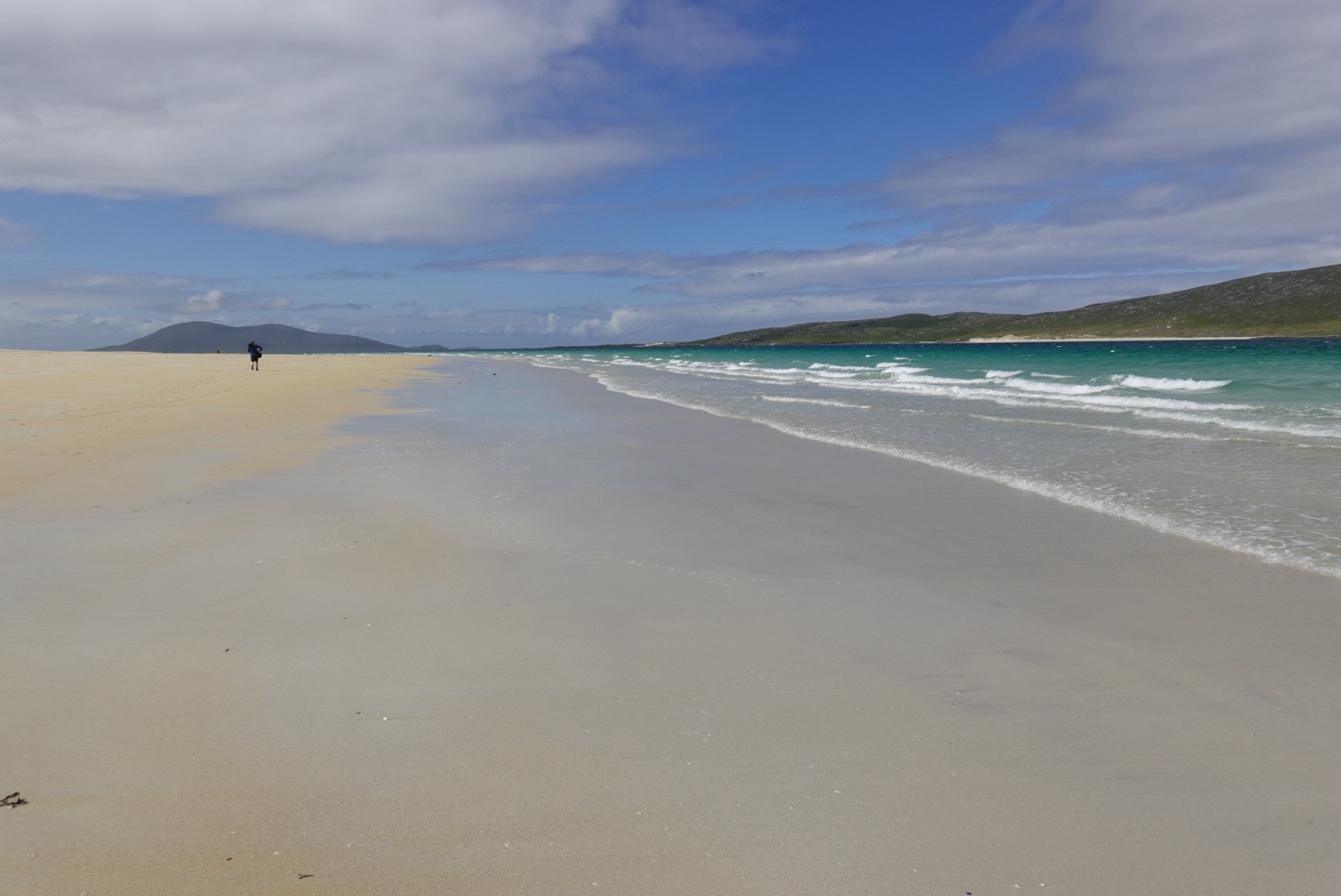
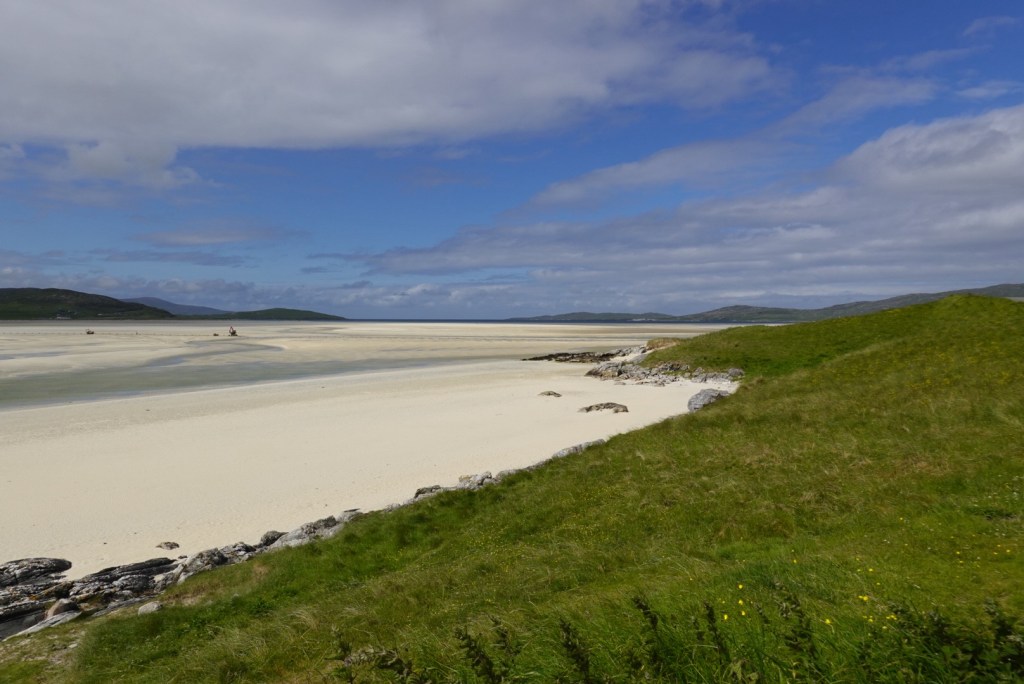
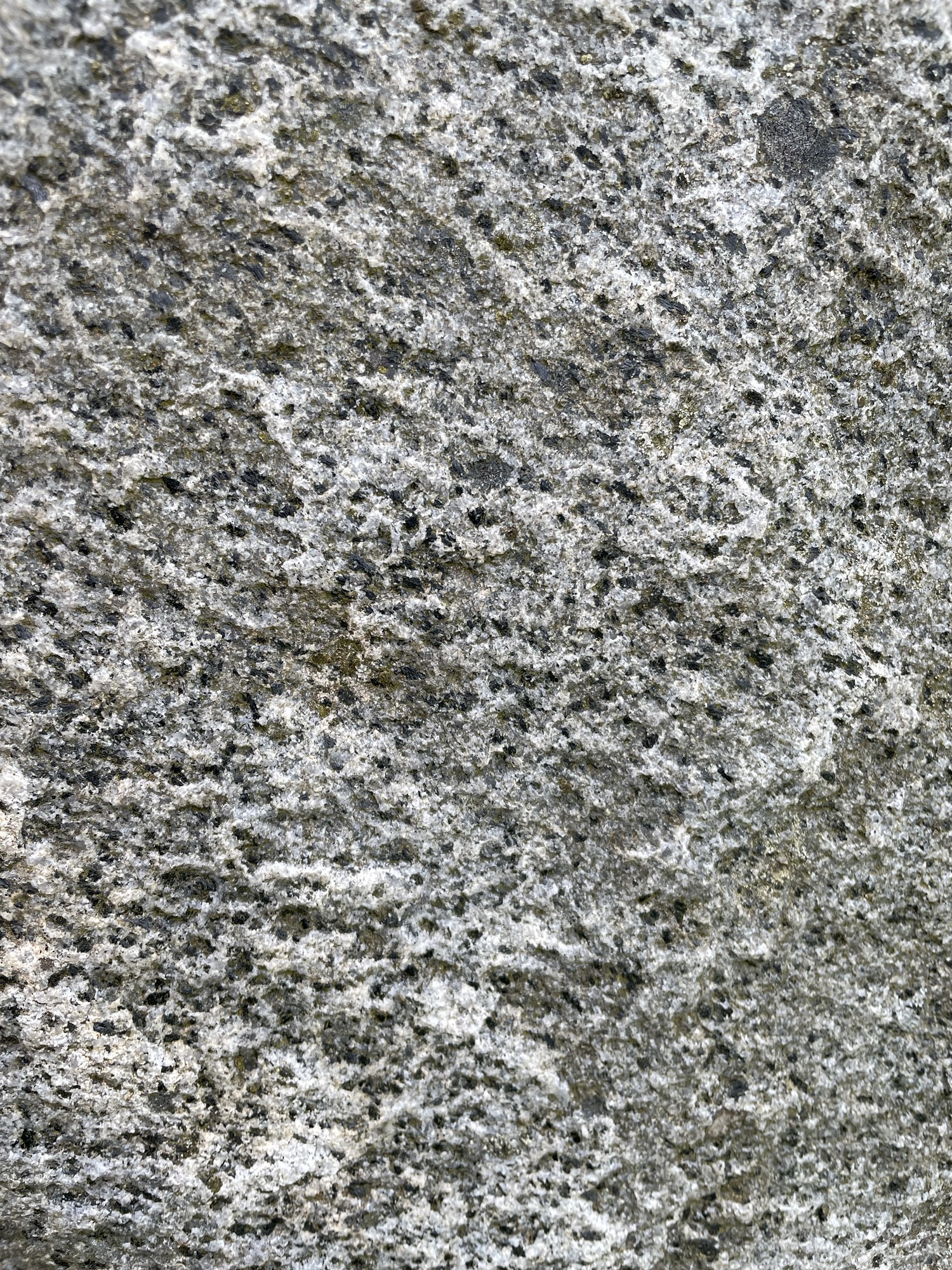
About a 1.6 hour ferry ride away from the Isle of of Skye led us to Harris, an island of the Outer Hebrides. So different! Here, the rocks are felsic, like granite in composition. And Precambrian in age, estimated to be about 3 billion years old. Unlike Skye, only a few trees dot the Harris area, but the beaches are renowned. Many tourist information sheets say that the beaches in Harris would be very popular, if only the weather were warmer.
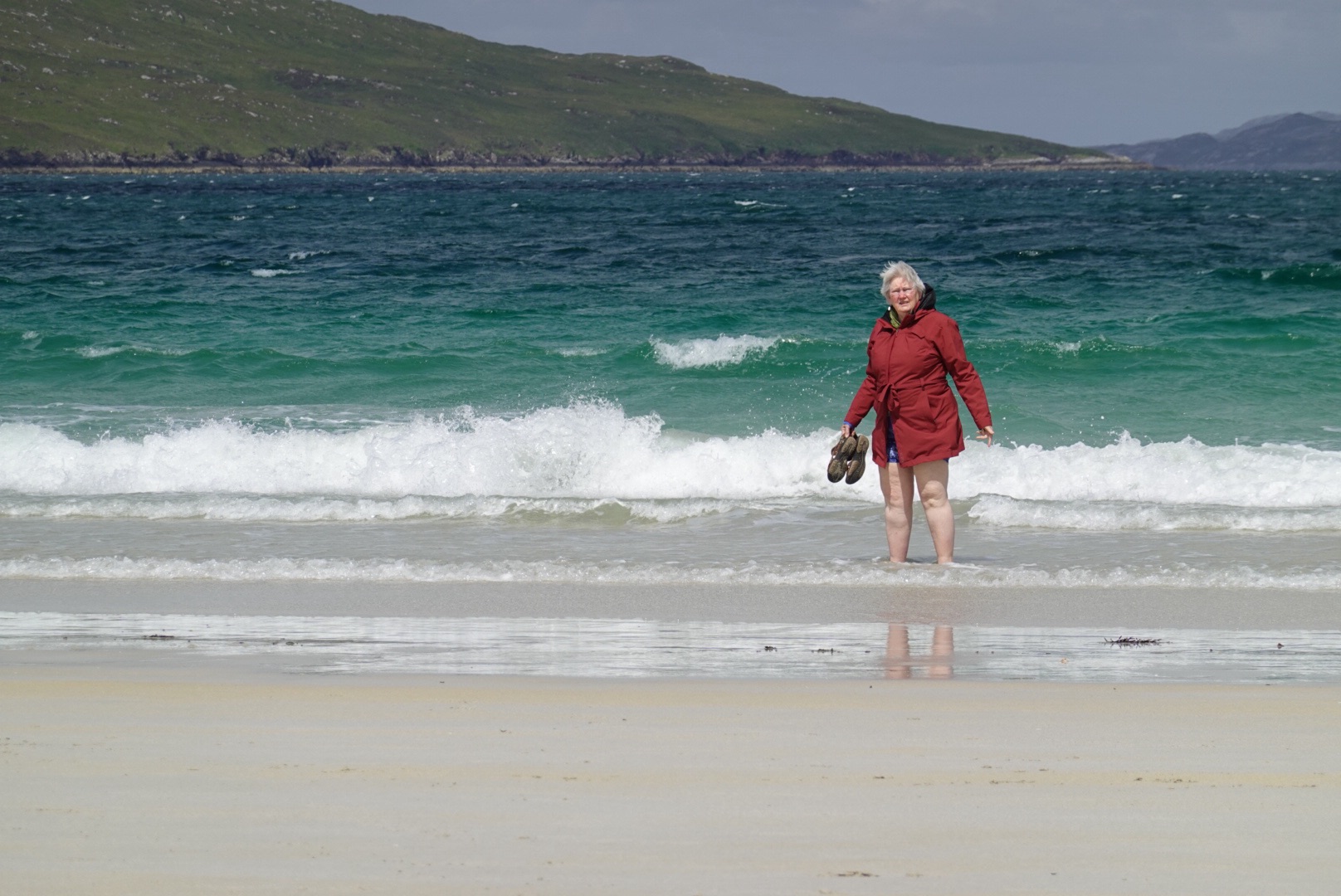
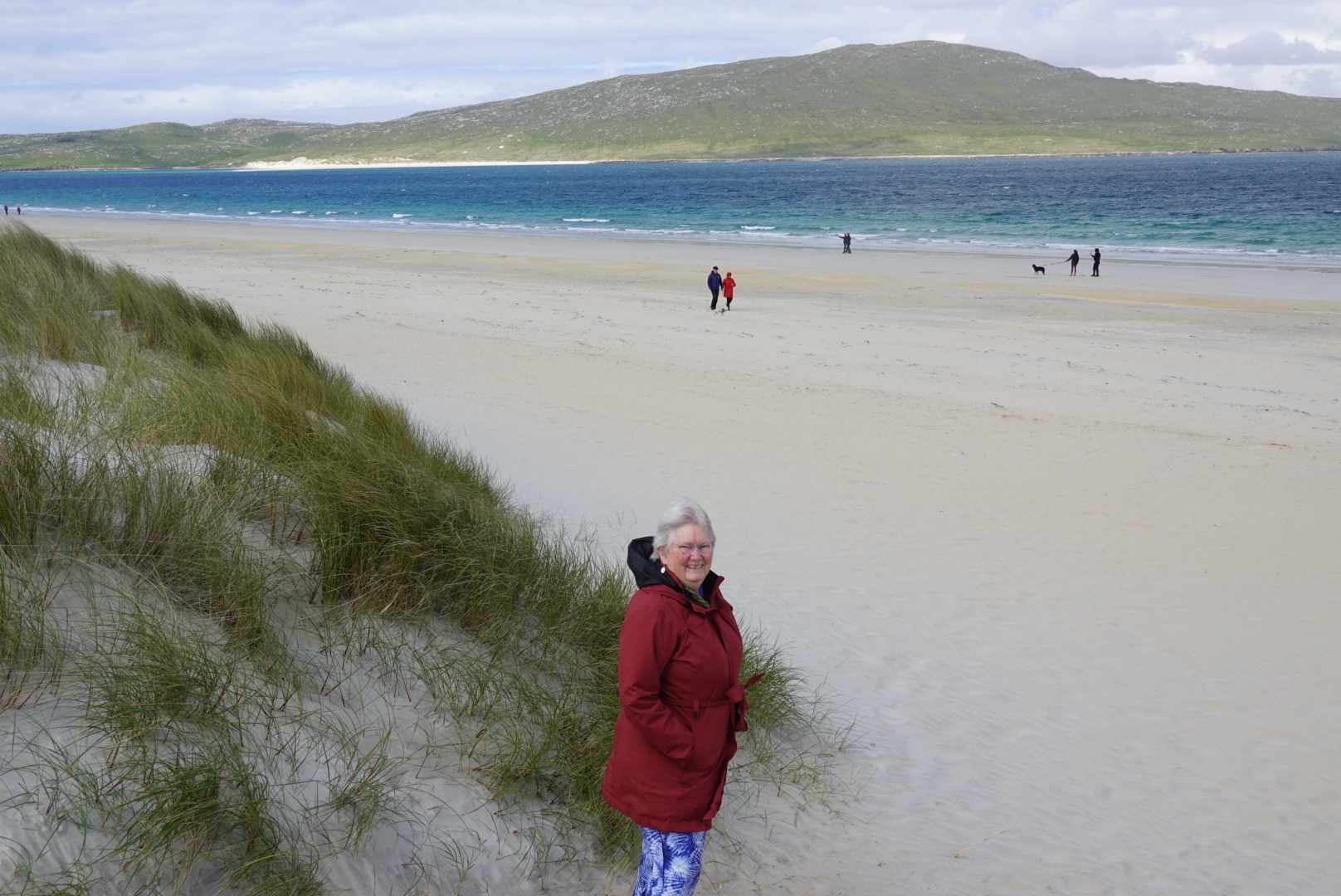
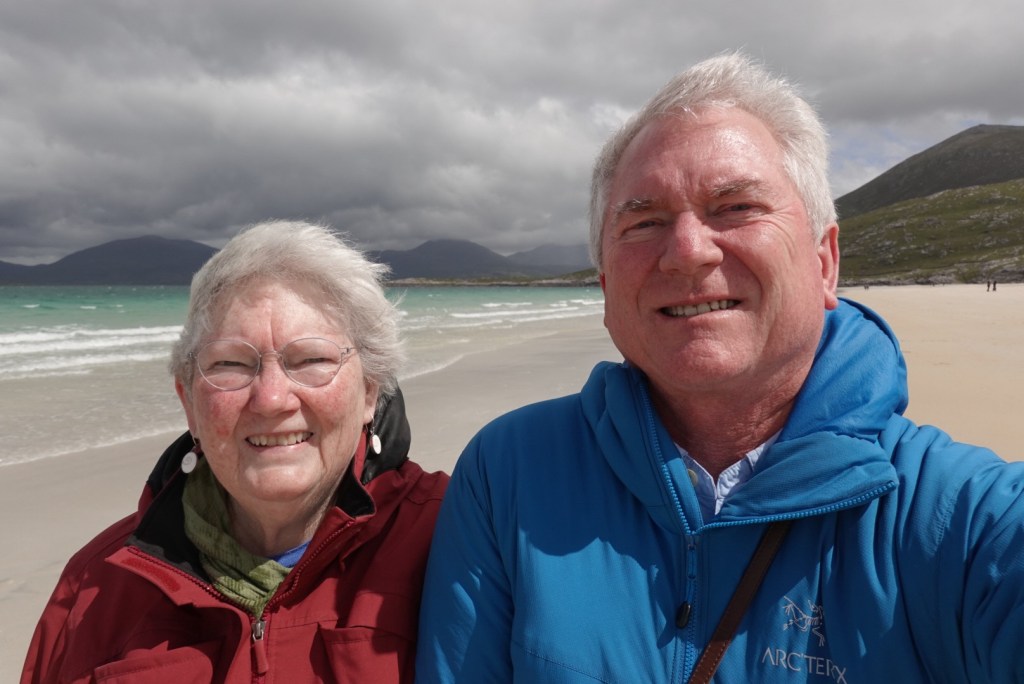
Lewisian gneiss, glaciatedLuskentyre Beach on the west side of HarrisClare cannot resist getting in the waterWind keeps the beach clearWindy selfie at Luskentyre Beach
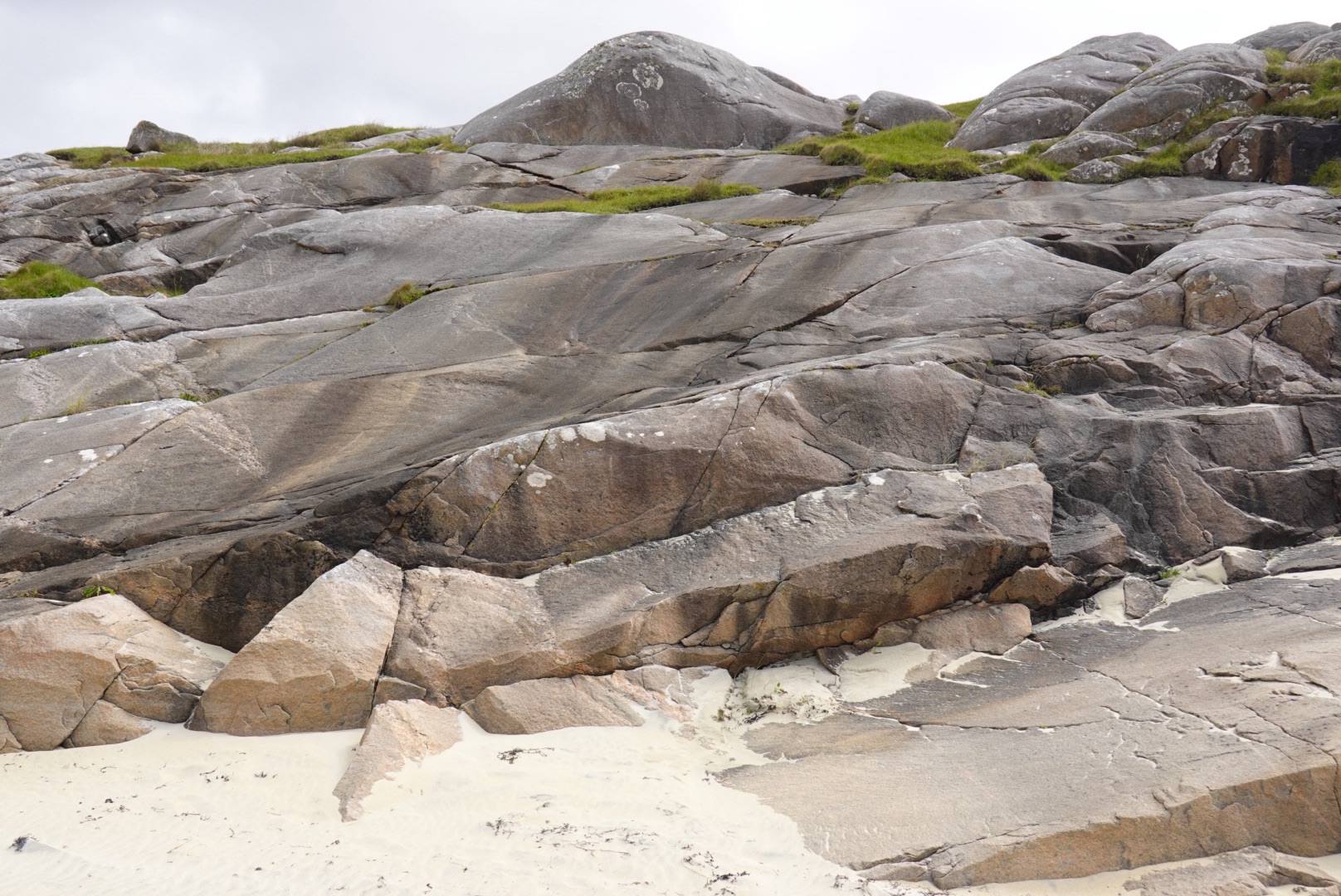
Clear outcroppings of Lewisian gneiss near the beach.
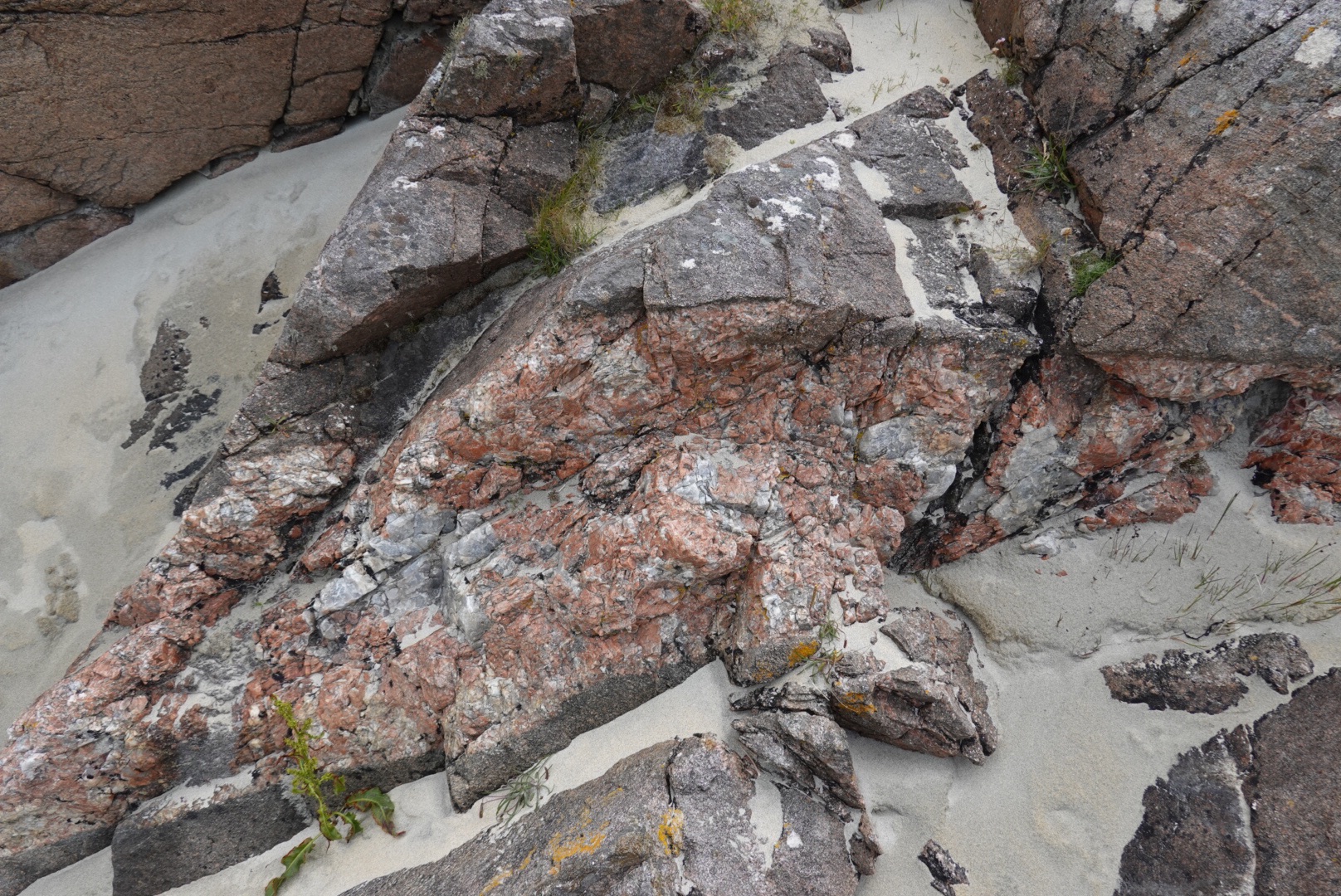
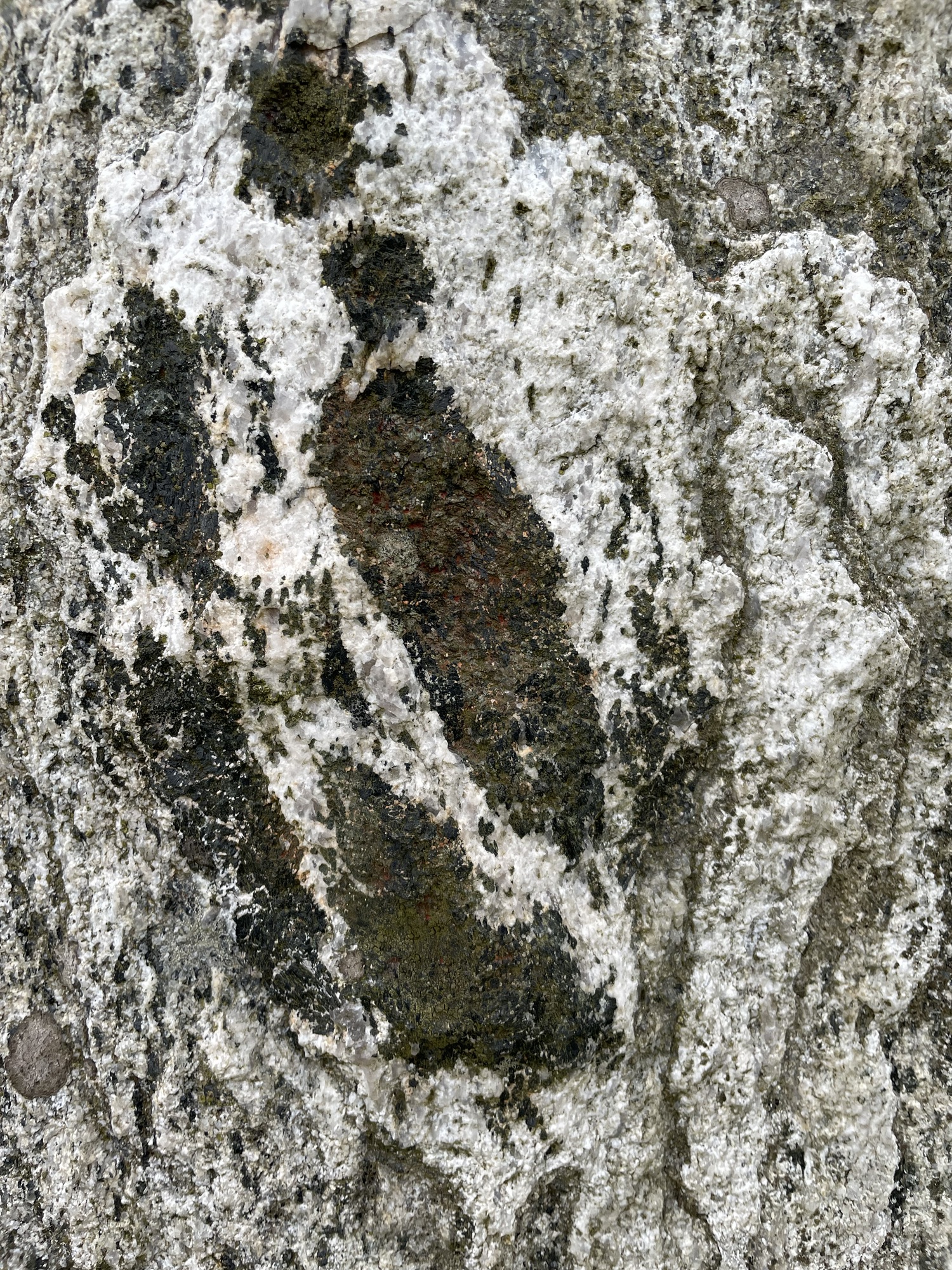
Glacially smoothed, massive outcrops of Lewisian Gneiss at the beachThis part of Harris is underlain by gneiss that is not banded, containing granite veins such as this granitic pegmatite
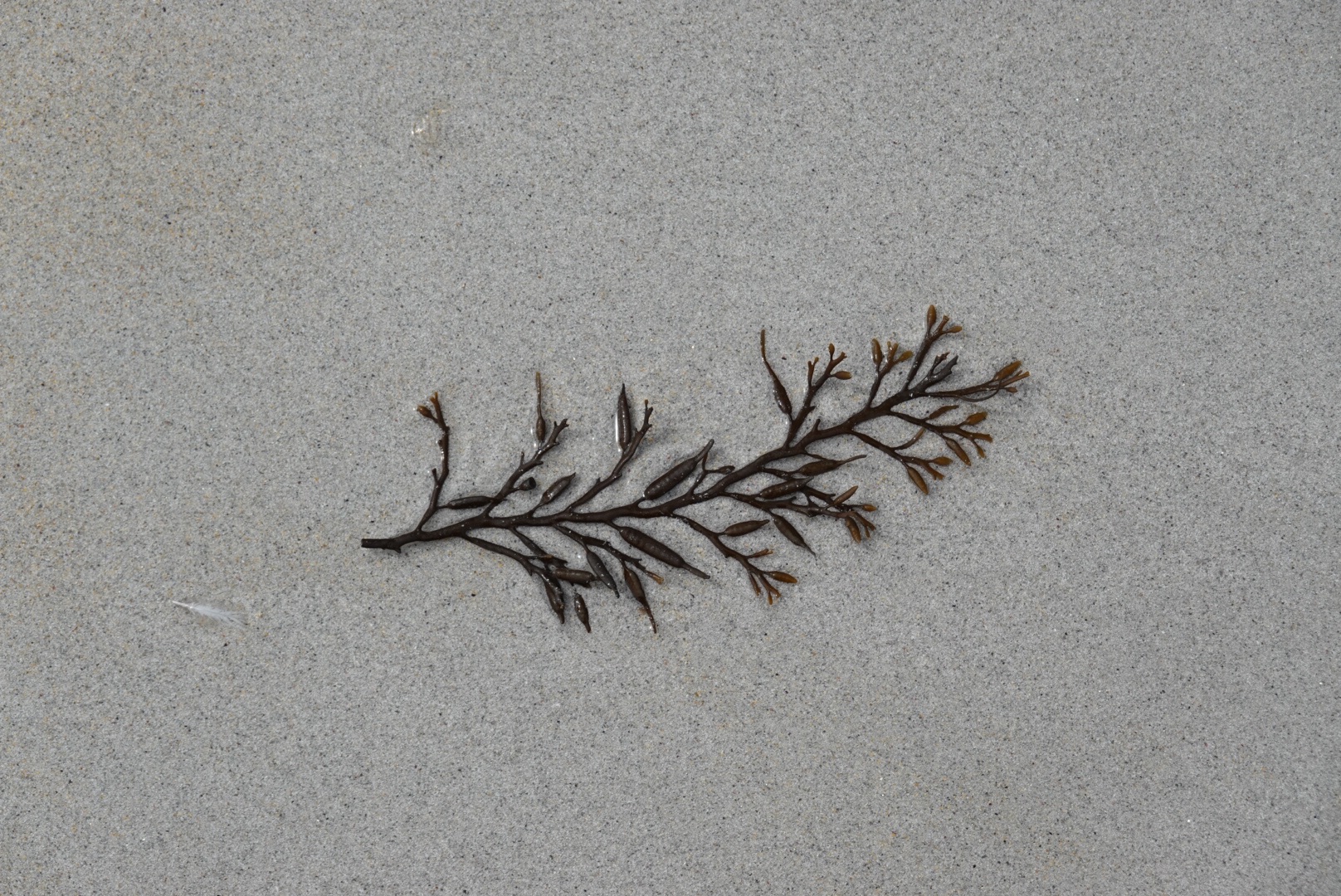
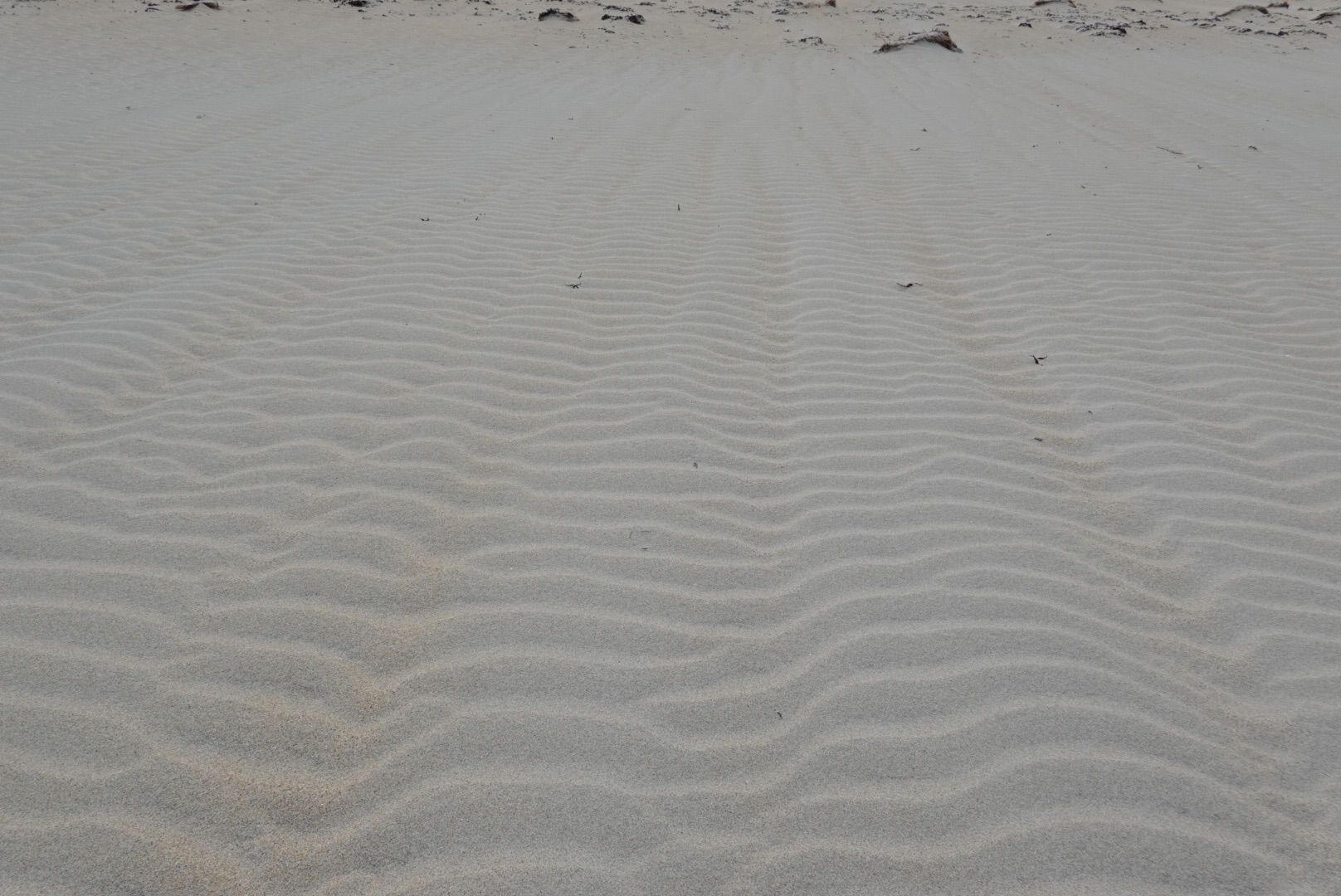
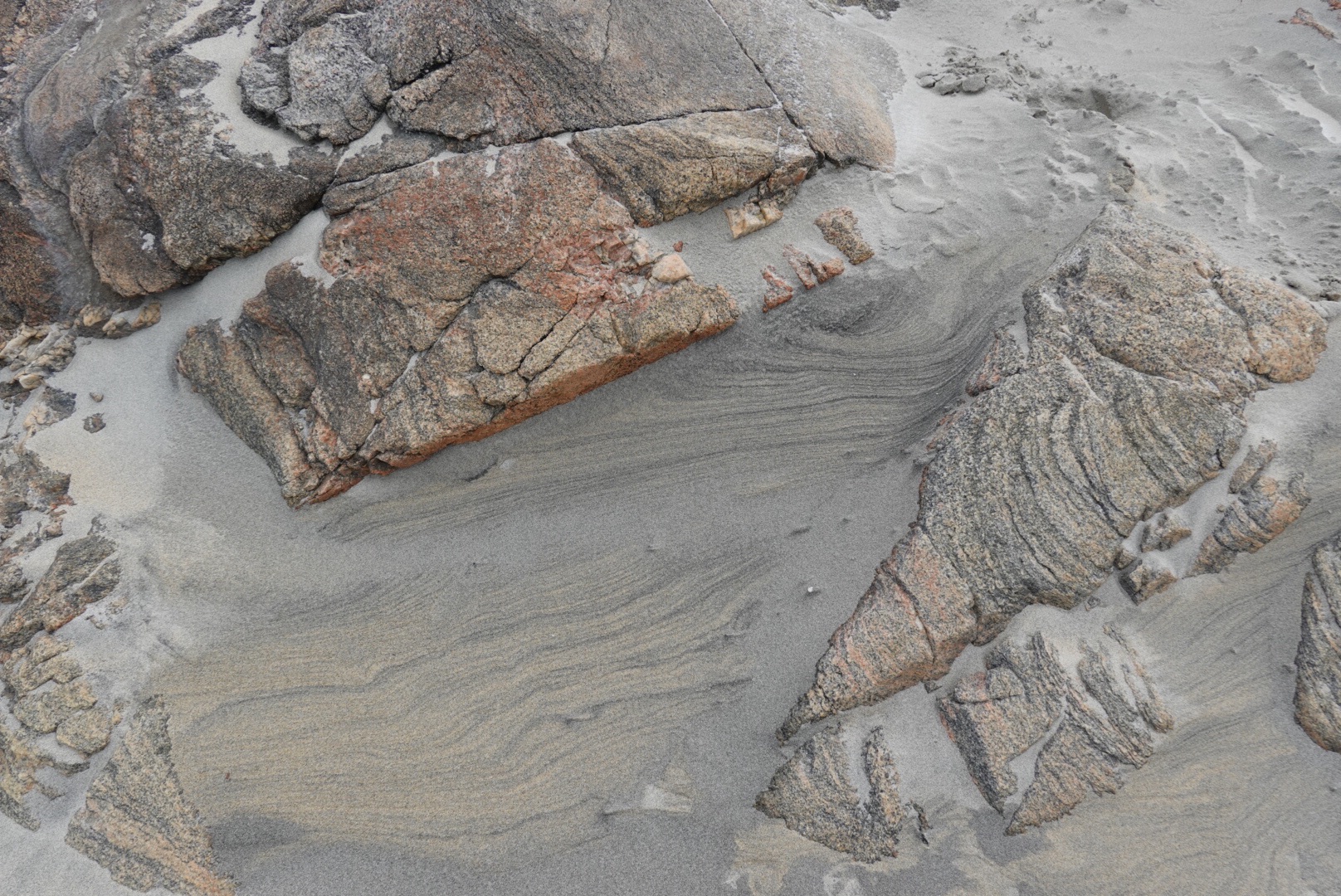
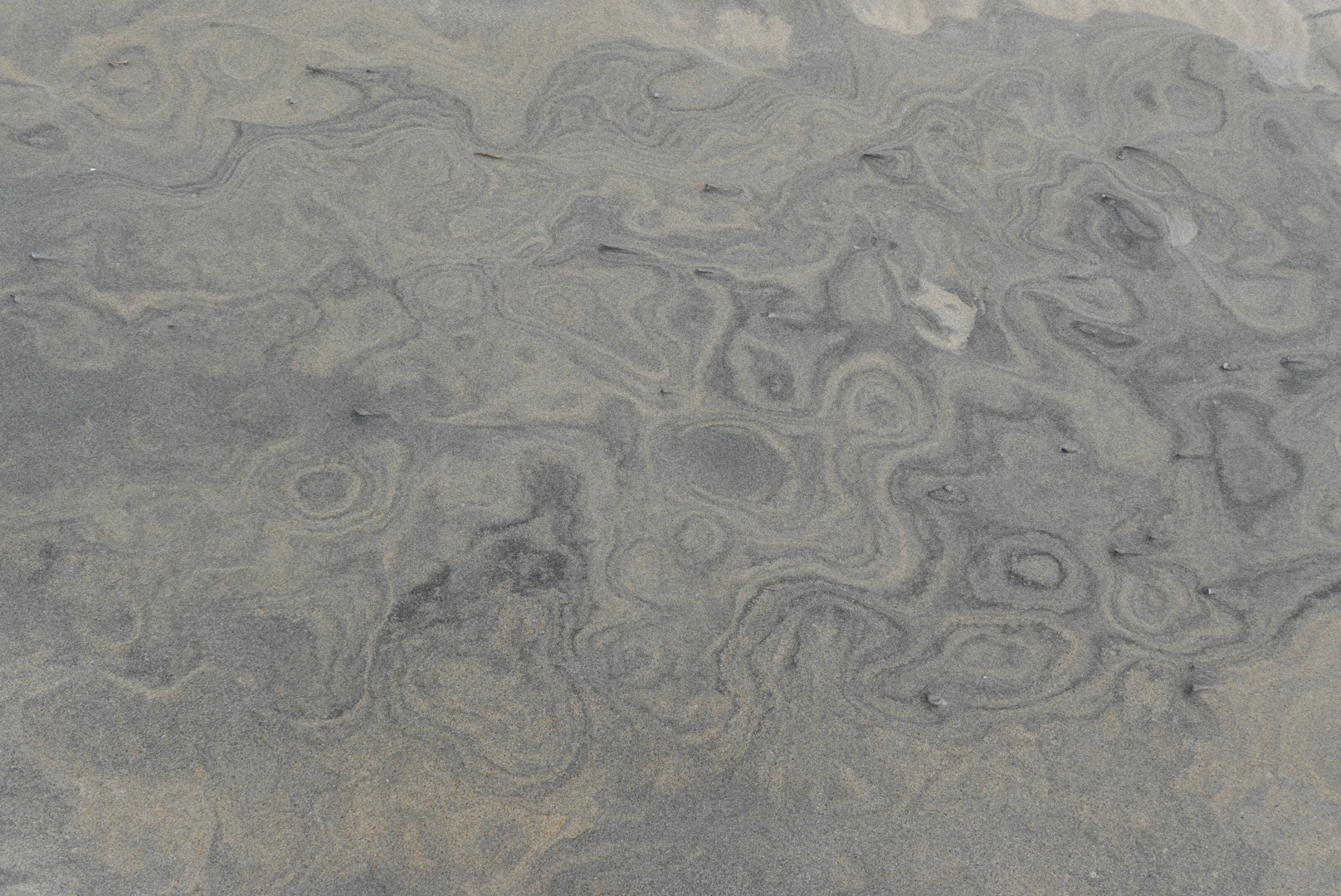
Sand patterns
Sea weedRipple marks from the constant breezeStripes in rock and in sand!Swirls of dark (probably magnetite) and light colored sand grainsSand-clogged estuary leading into the beach
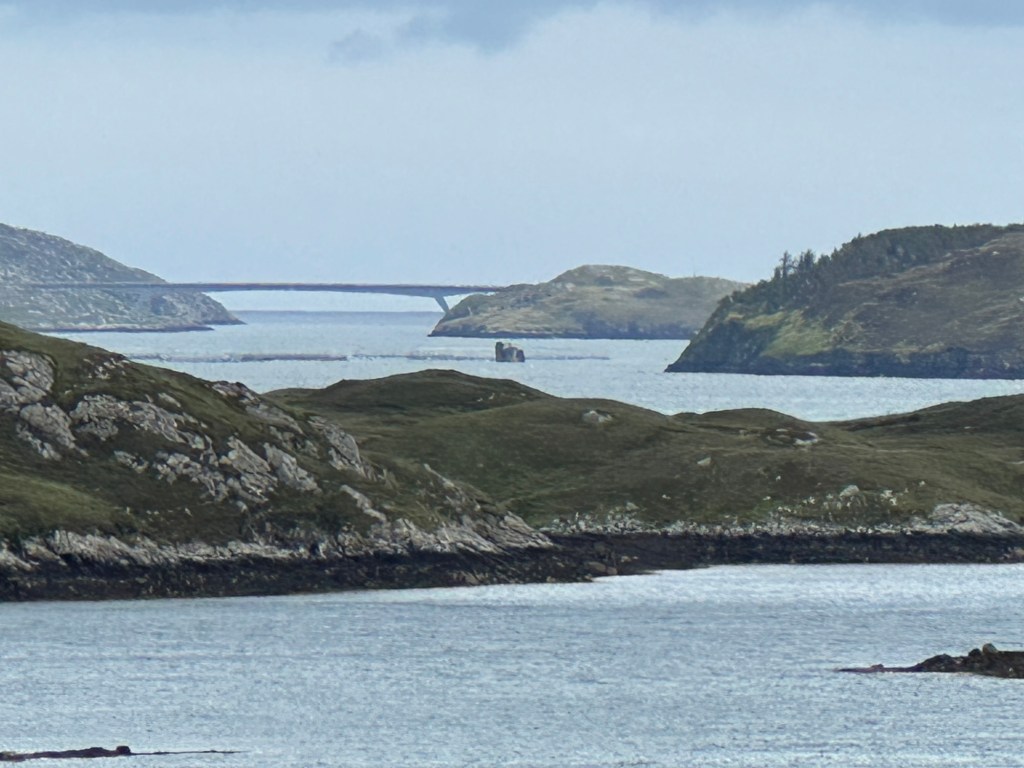
On the way back from the beach, we stopped to see this landscape. The bridge in the background is the Scalpay Bridge, linking Lewis and Scalpay islands.
Lewisian gneiss covered by a layer of vegetation, surrounded by lochs and bays.
Another big difference between Skye (part of the Inner Hebrides) and Lewis and Harris (part of the Outer Hebrides) is the visibility. The Island of Skye is called the Misty Island – for good reason. Skye is the only place I have visited where it was windy and foggy at the same time. So far in the outer Hebrides, on Harris anyway, although it’s cloudy, it’s not nearly as foggy. You can usually see a long way.
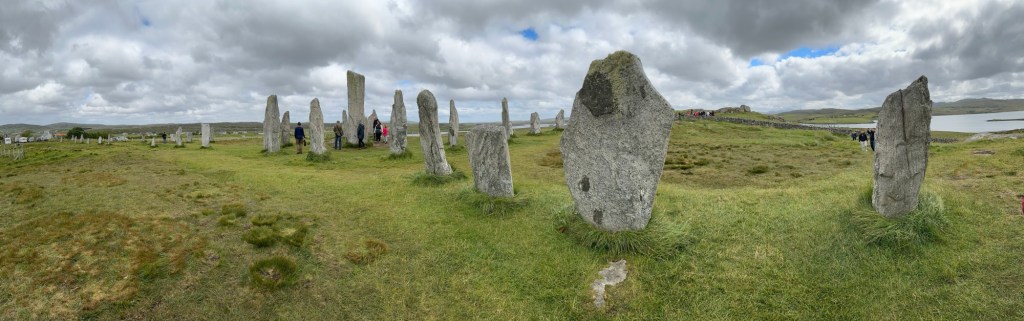
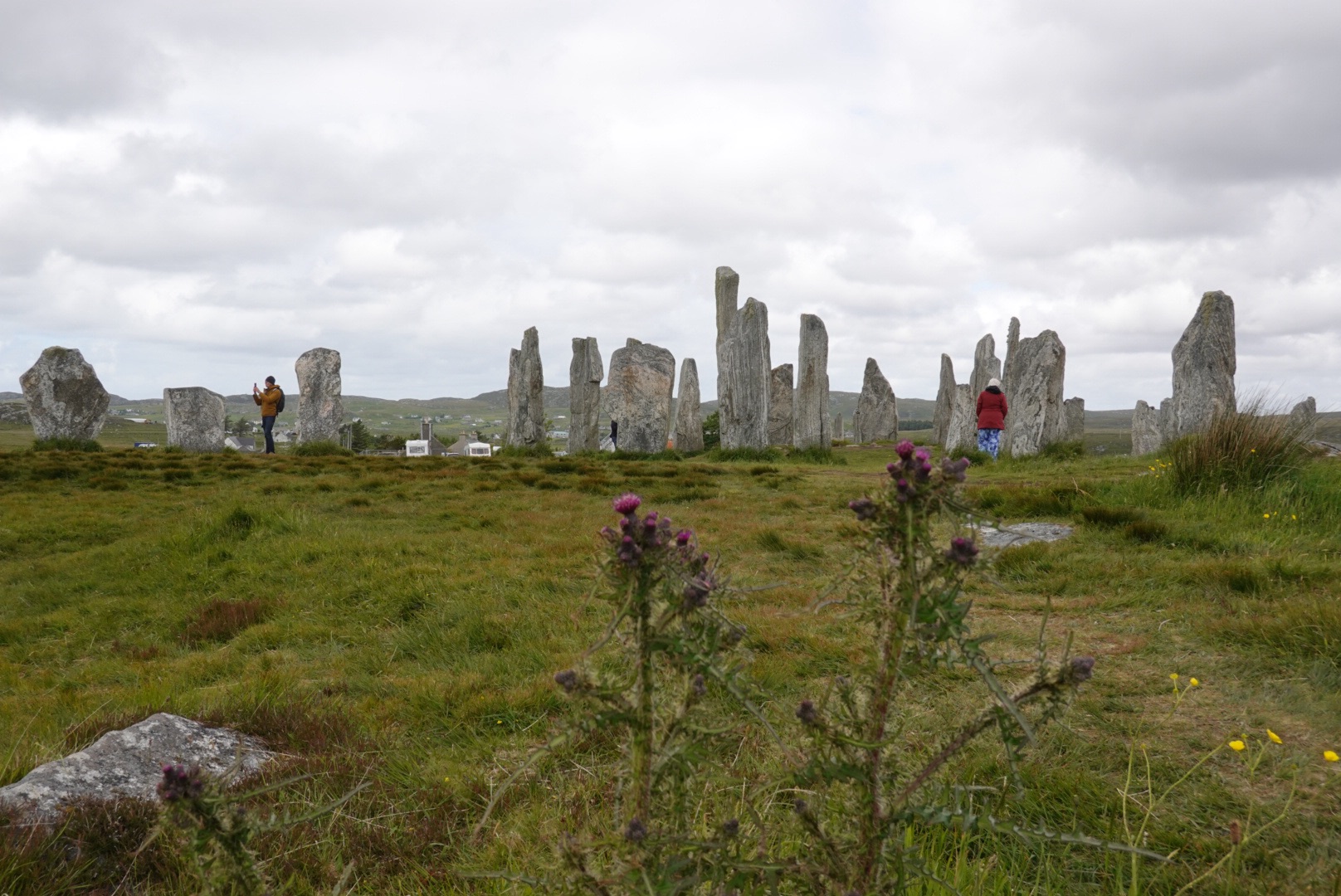
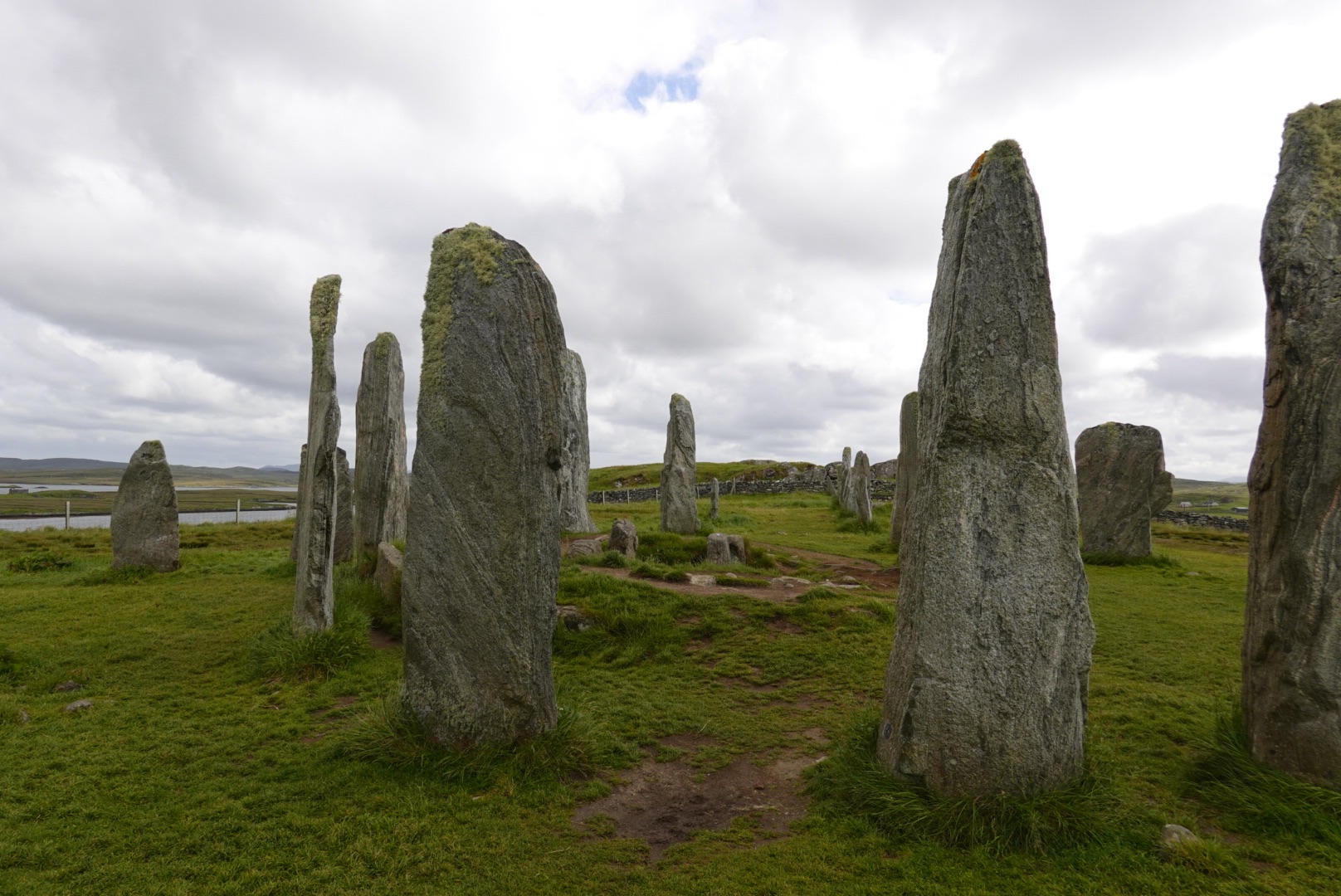
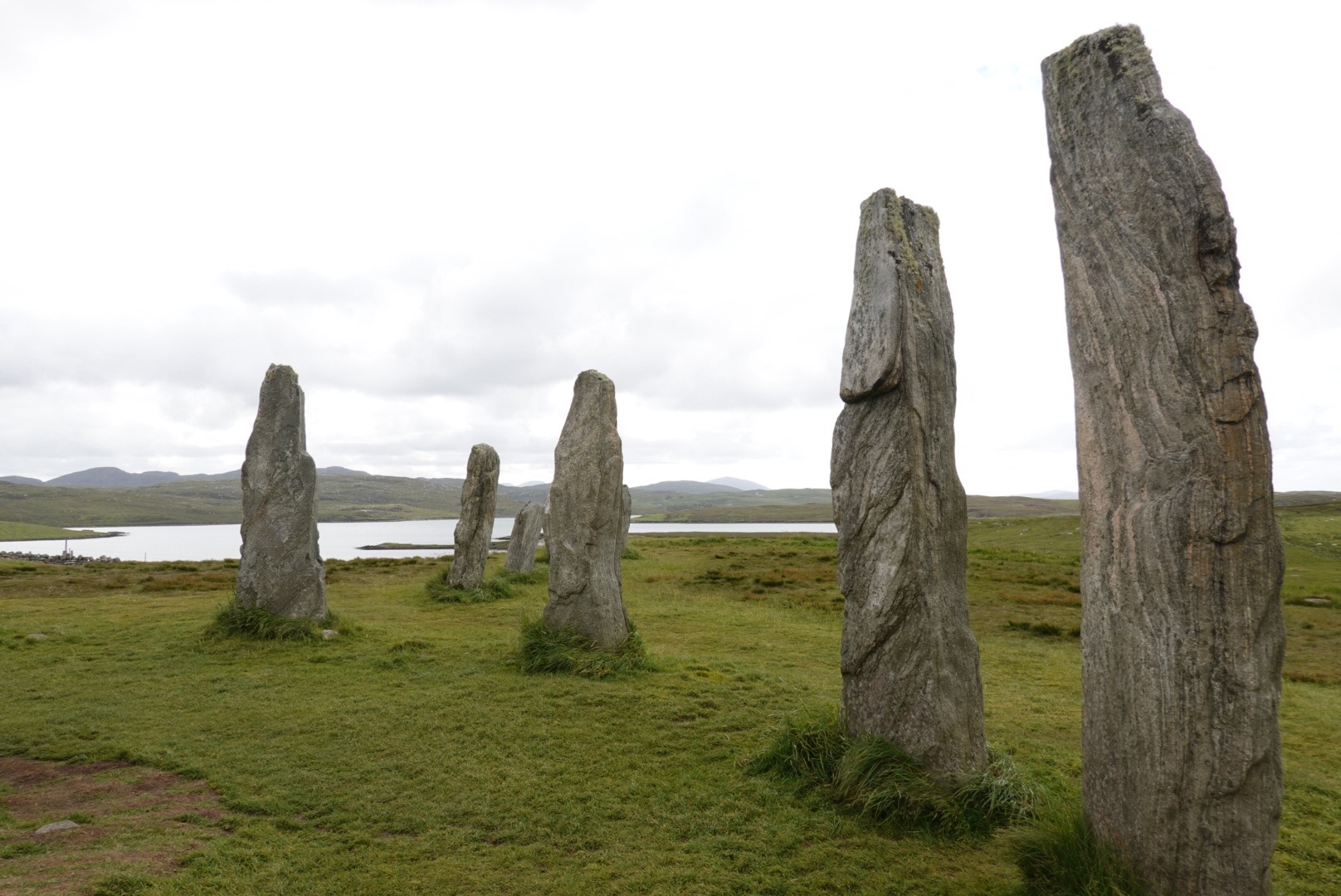
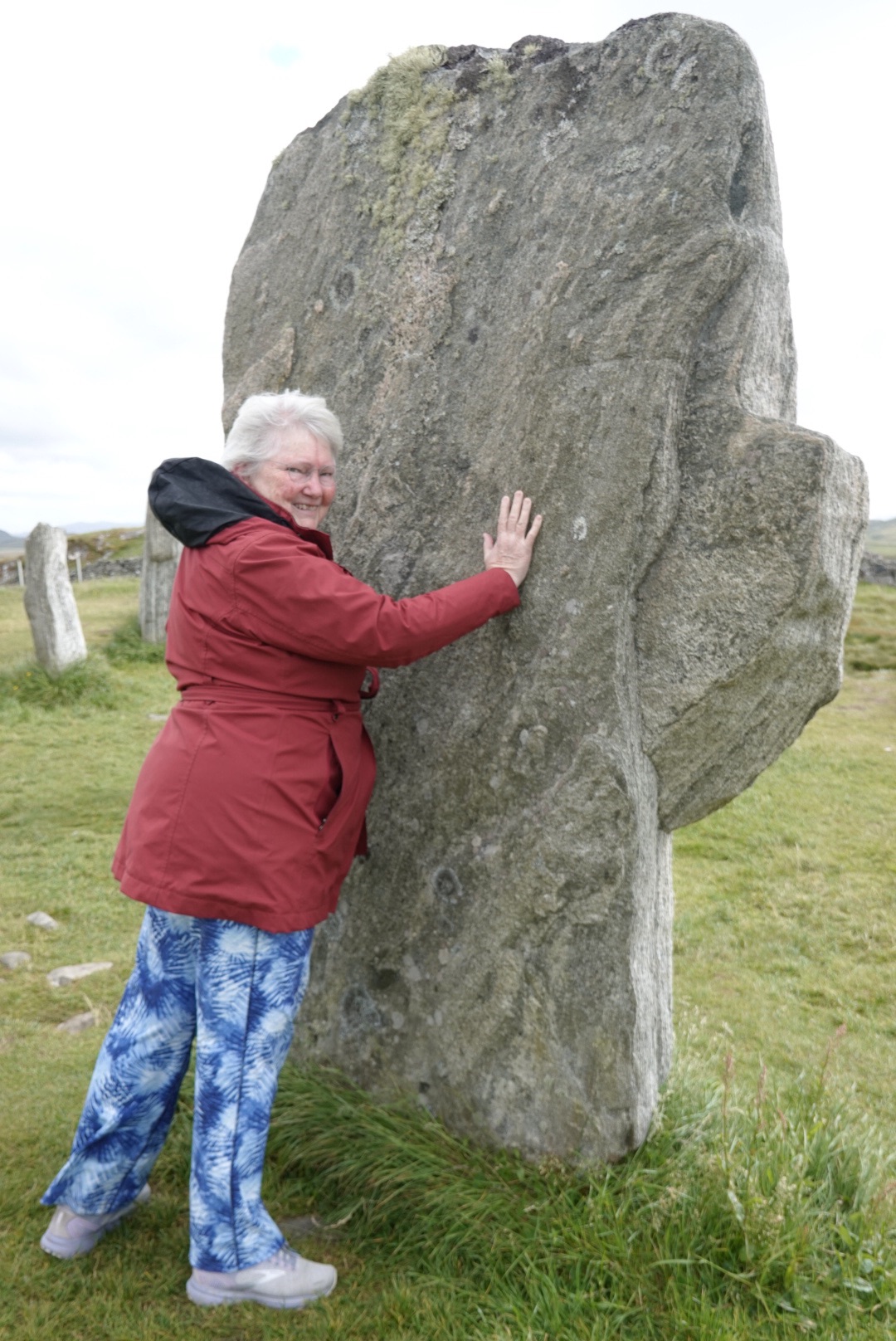
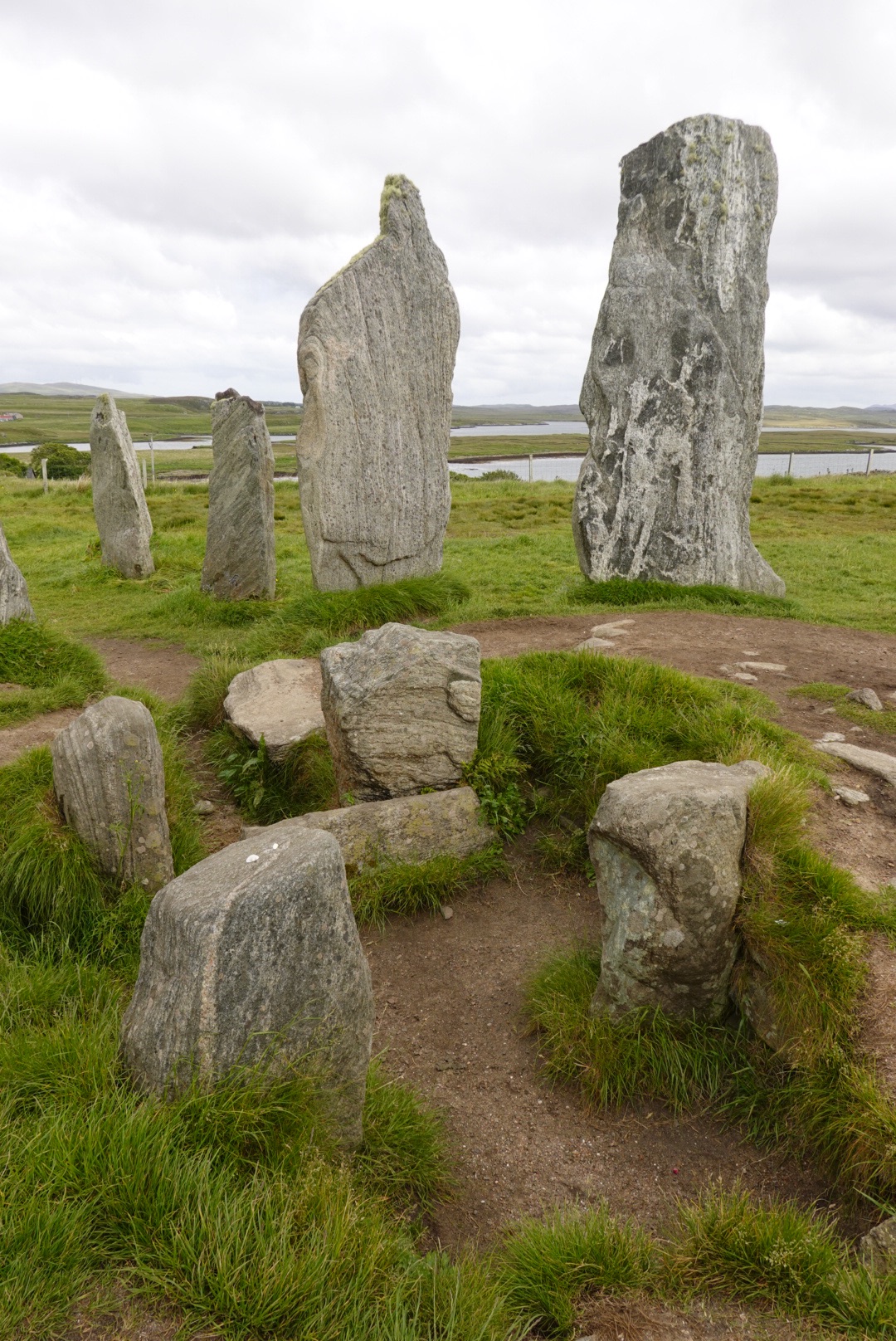
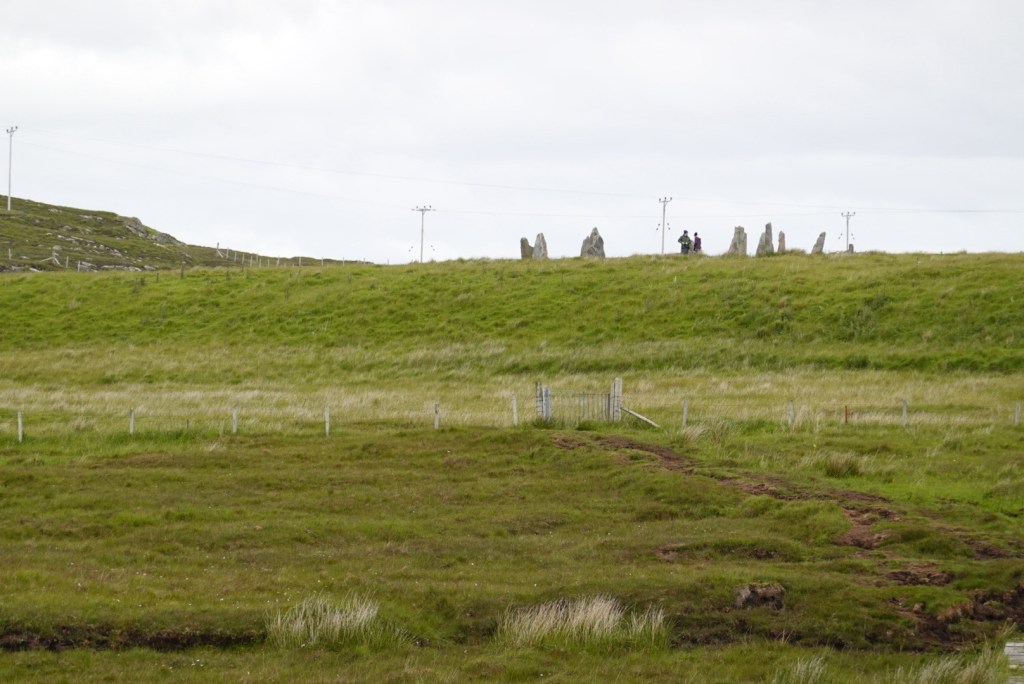
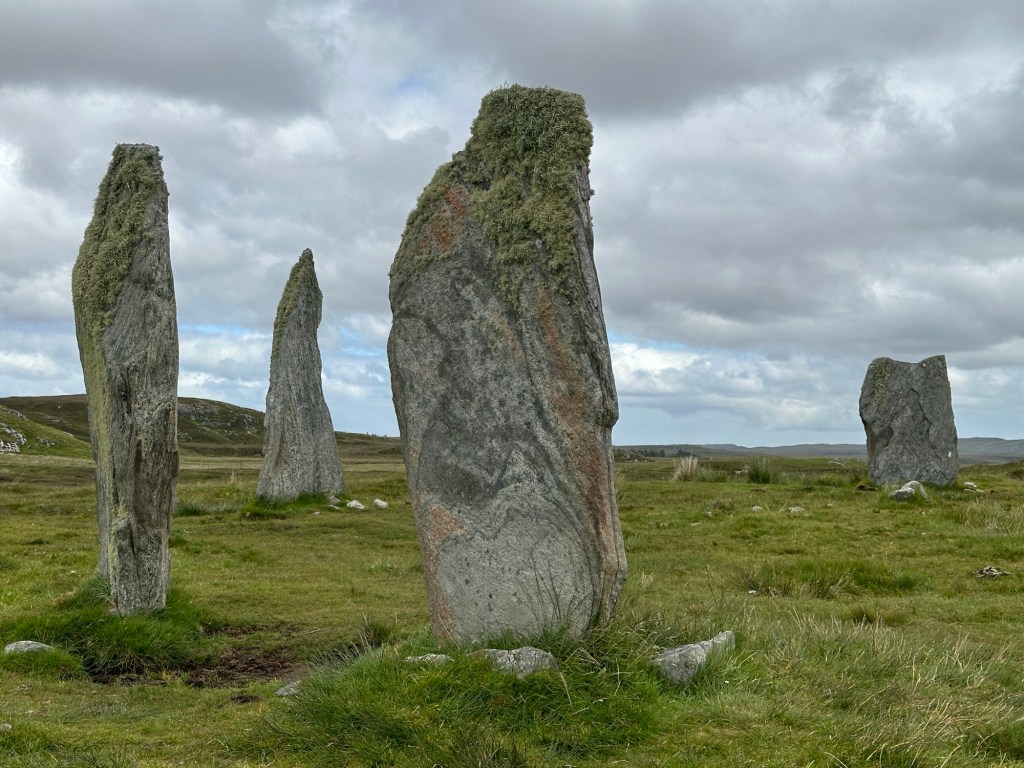
The Callanish Stones, on Lewis, are near vertical slabs of Lewisian Gneiss set up by Neolithic peoples. We visited two of the groupings.
Panorama of Callanish 1, showing one stone with a far rock surface, possibly how the Neolithic peoples split the stones for the monument?Callanish Stones I. Scotch thistle in foregroundCallanish stones ICallanish stones IClare tries to follow Claire (from Outlander) through the stonesCentral pit where cremated human remains were placedTiny garnets in Lewisian gneissVery large garnets in an adjacent stoneCallanish Stones IIICallanish Stones III
Stornoway
We booked two nights in Stornoway, the largest town on Lewis. We went for a walkabout.
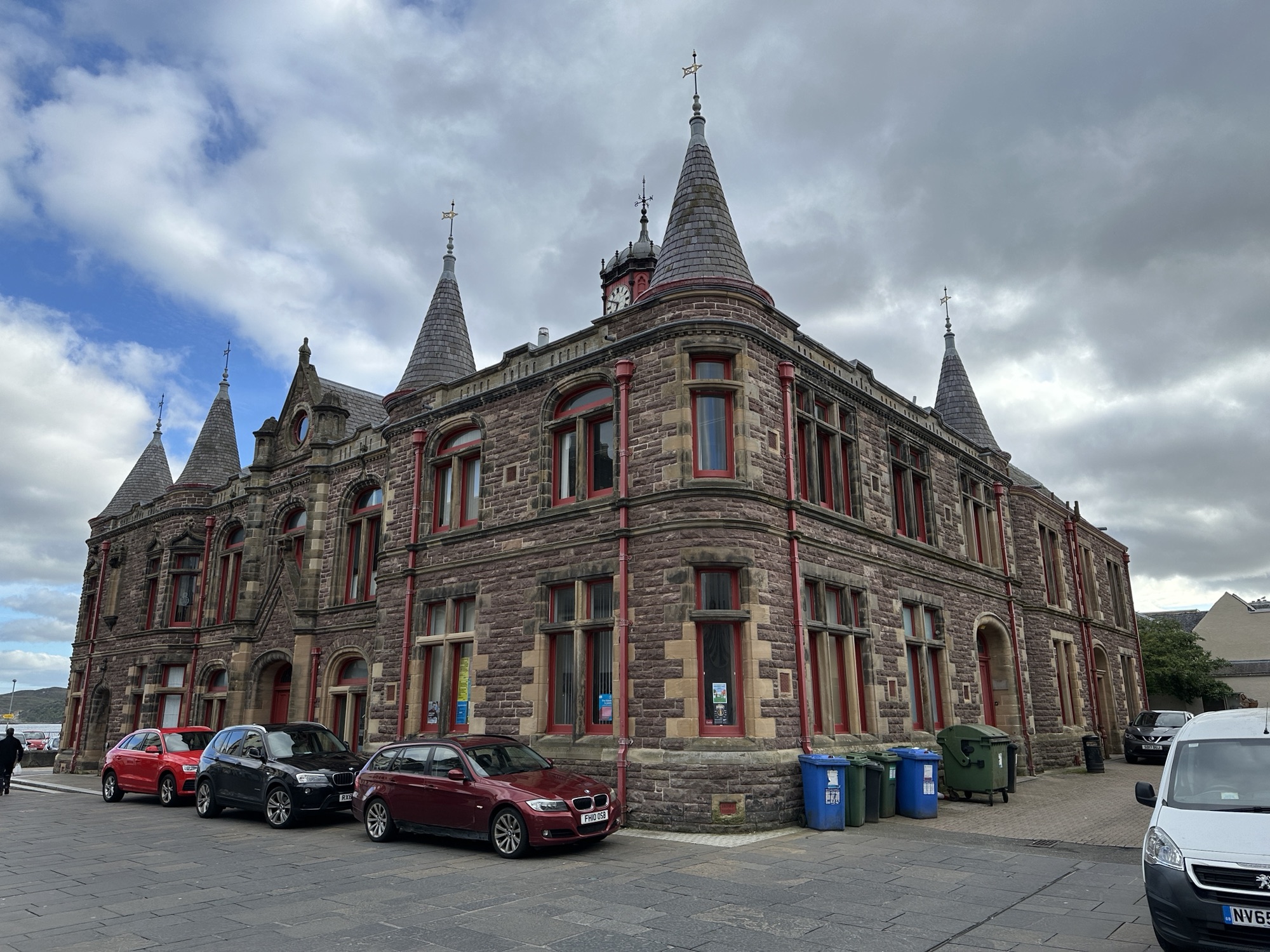
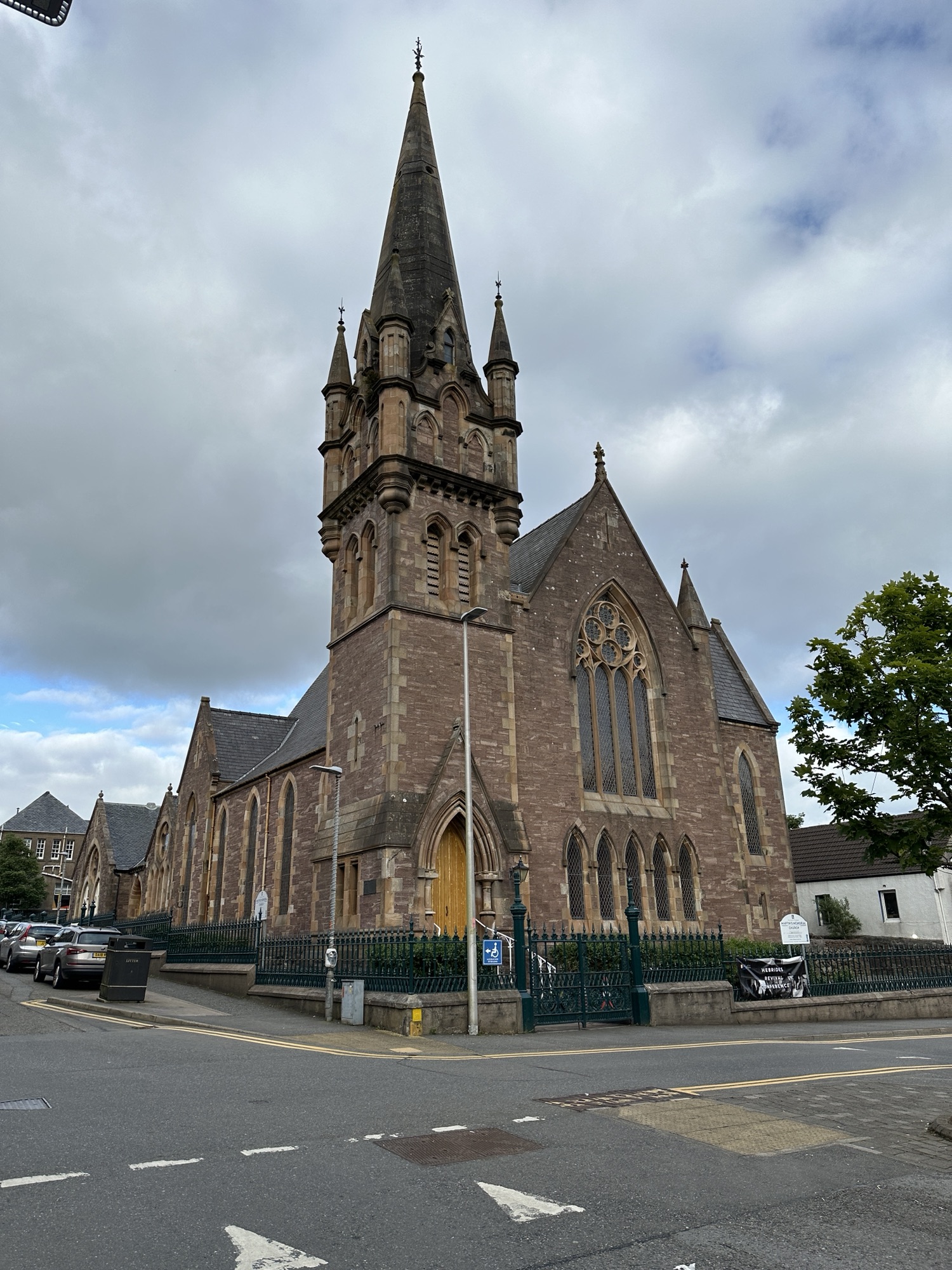
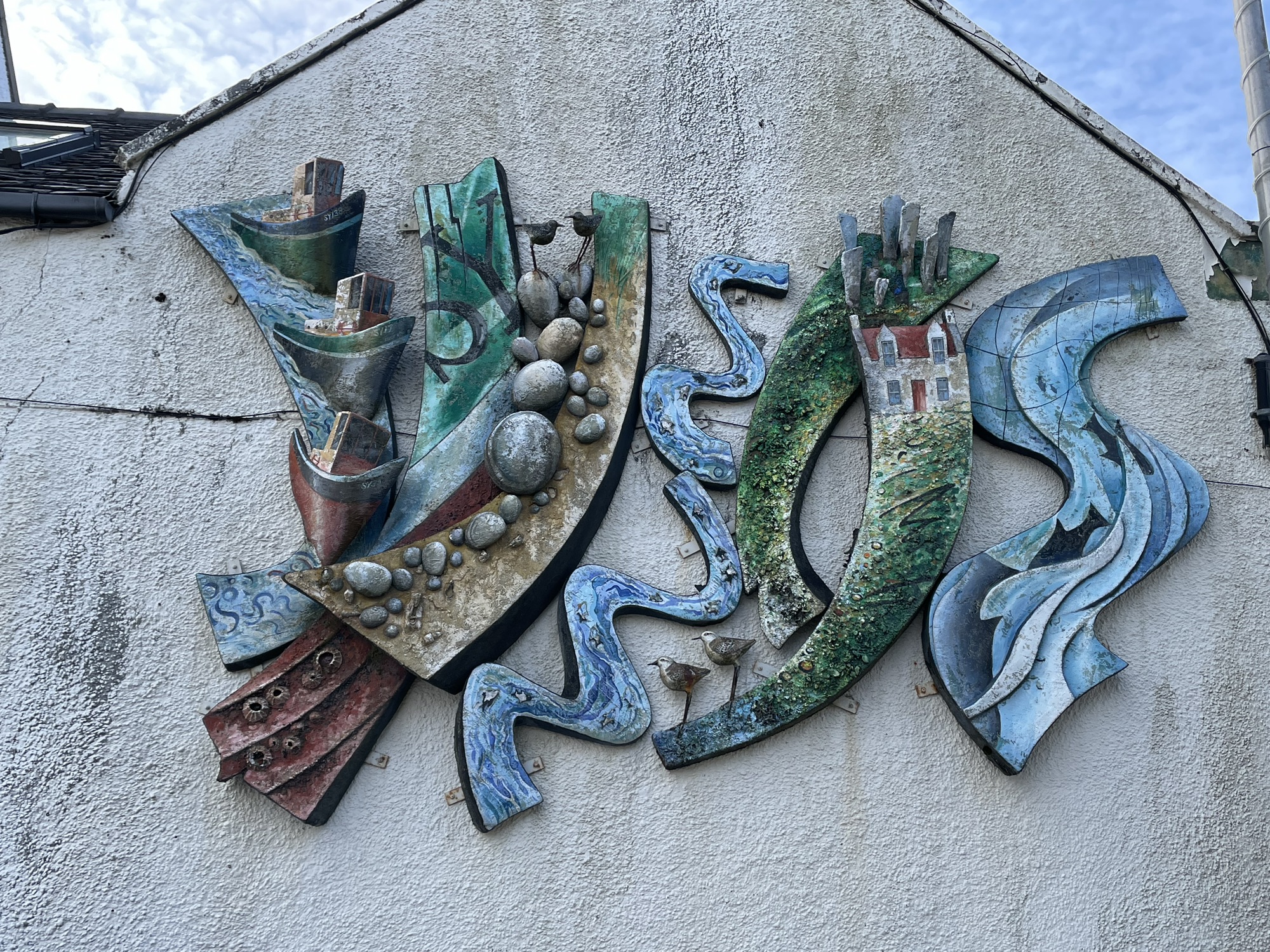
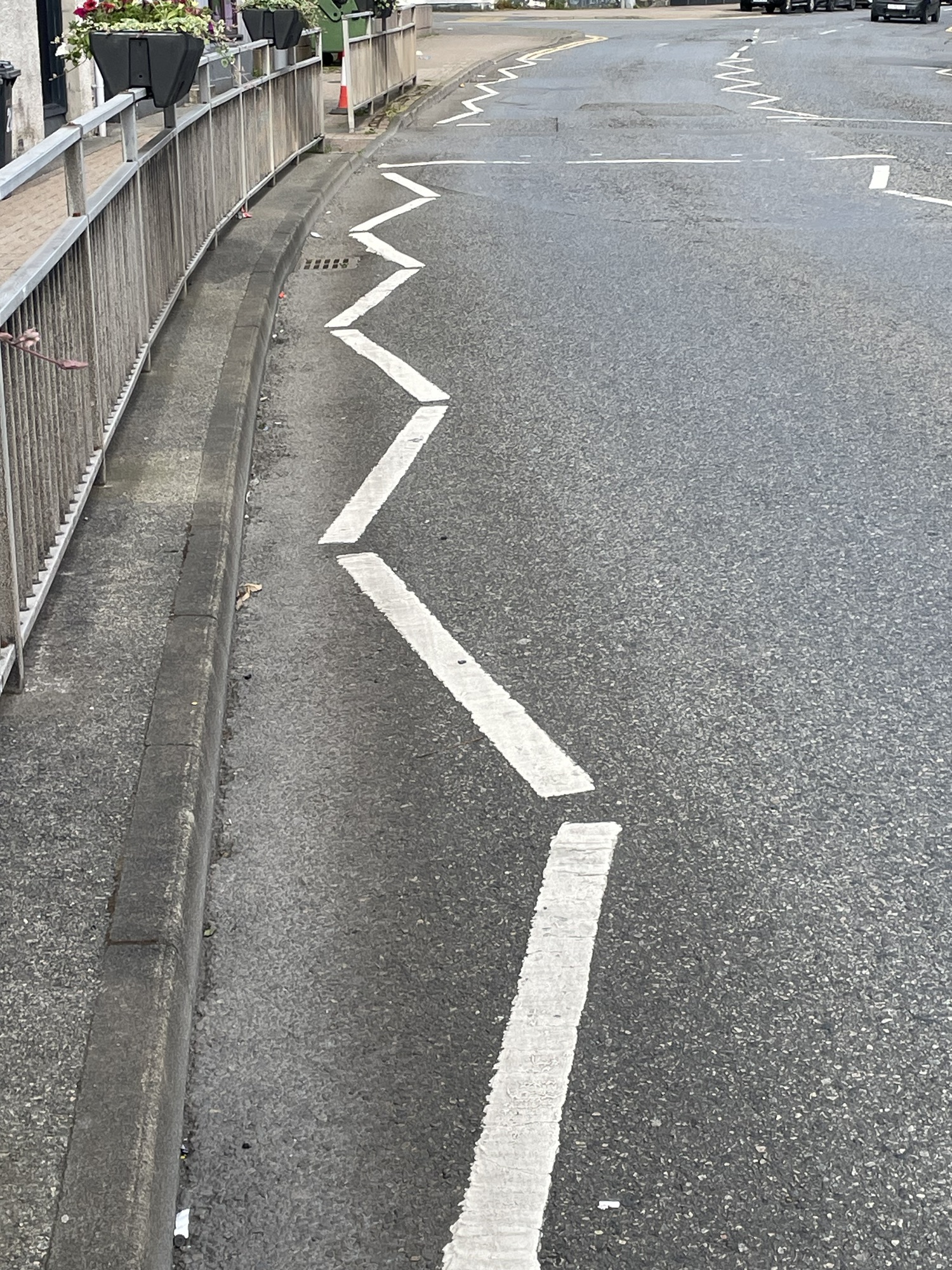
Old building made of native rock, Stornoway historical society?Old church made of same rock3-D Mural – street artThese markings on streets are common, but we weren’t certain what they signified until we saw a sign: parking on zigzags is dangerous and selfish.
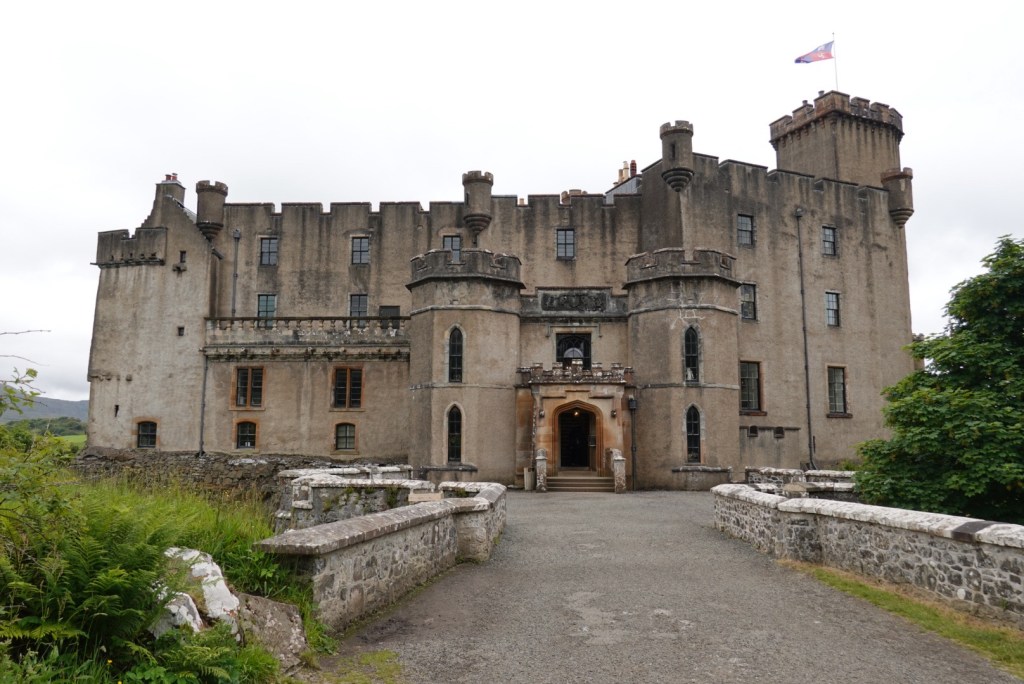
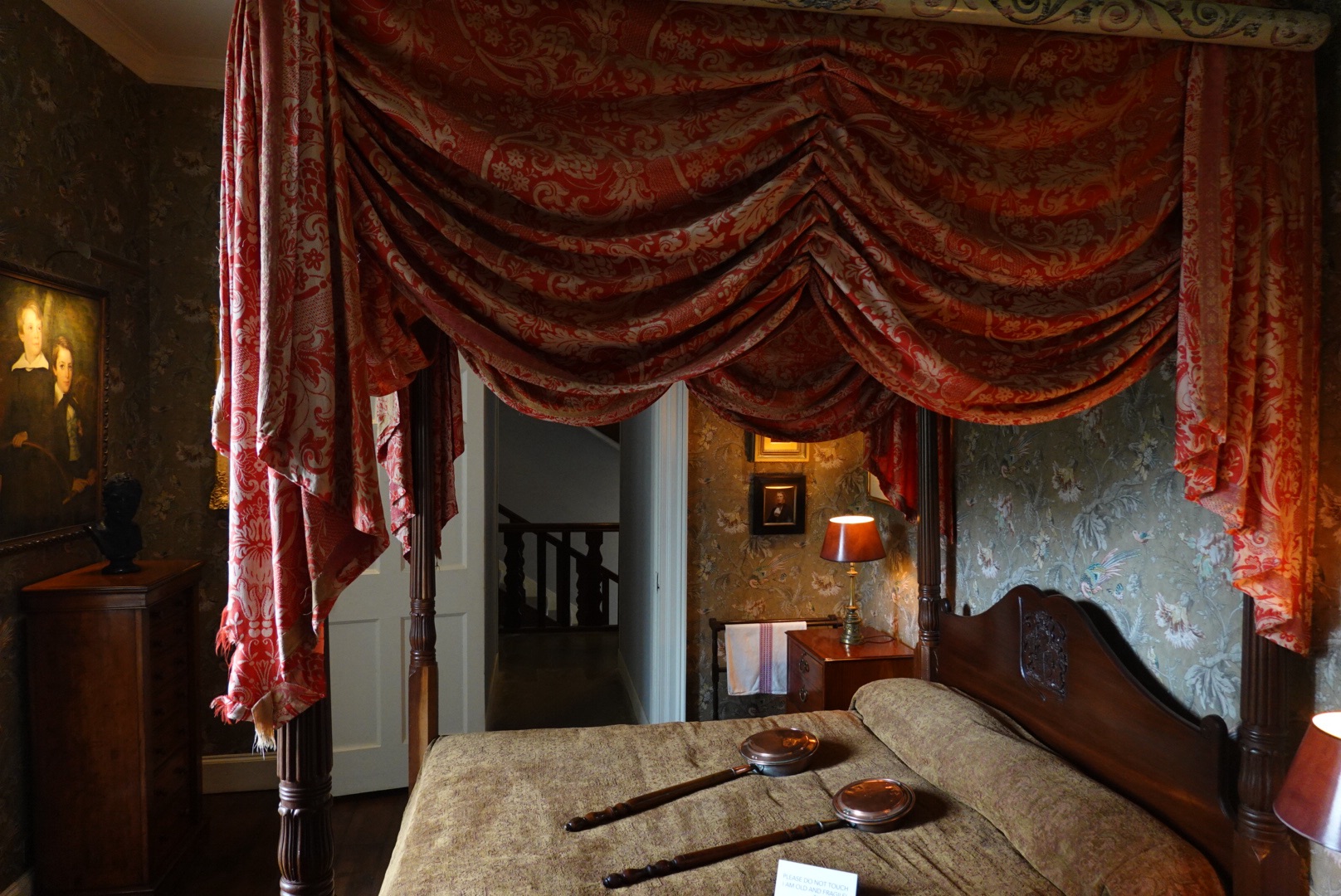
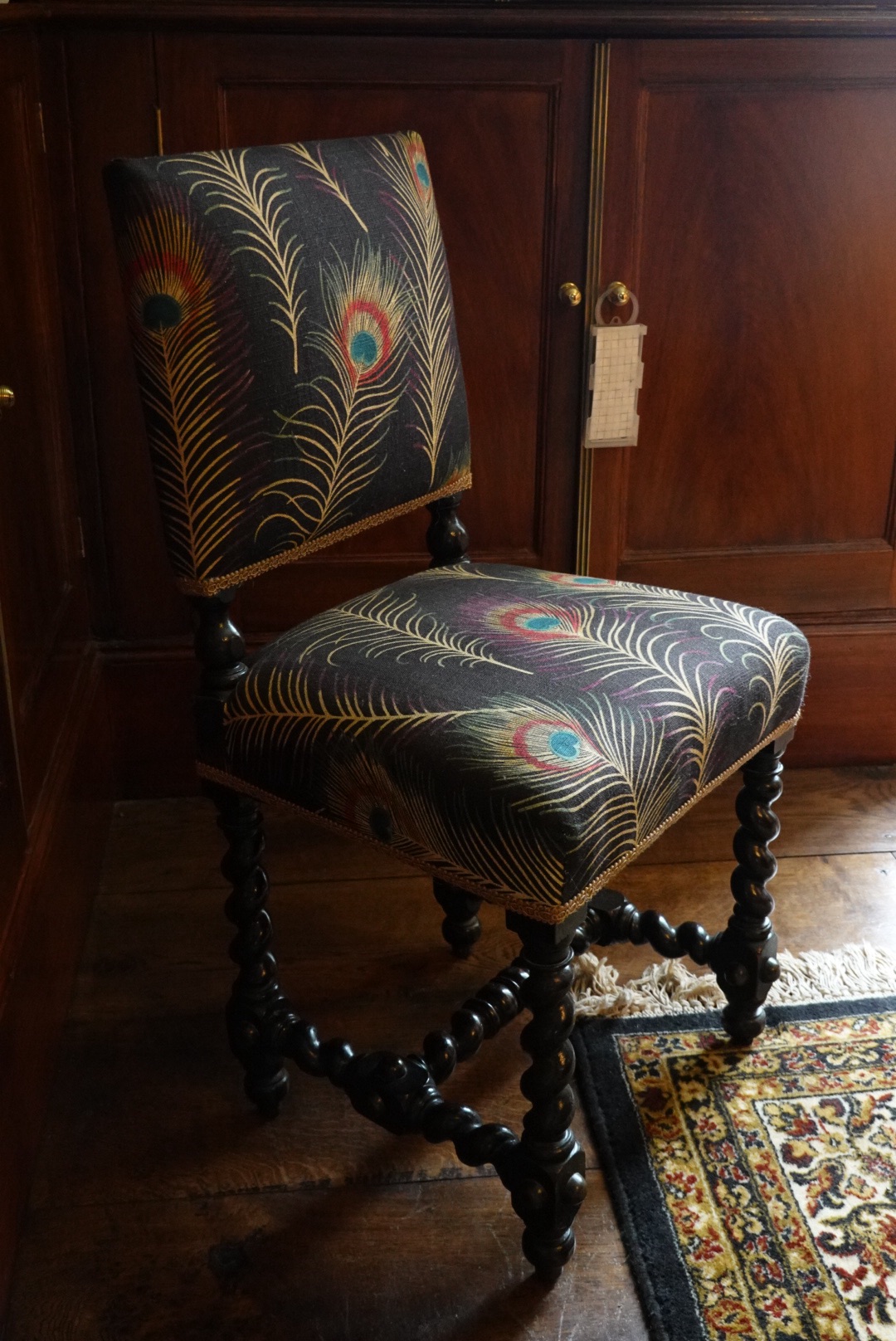
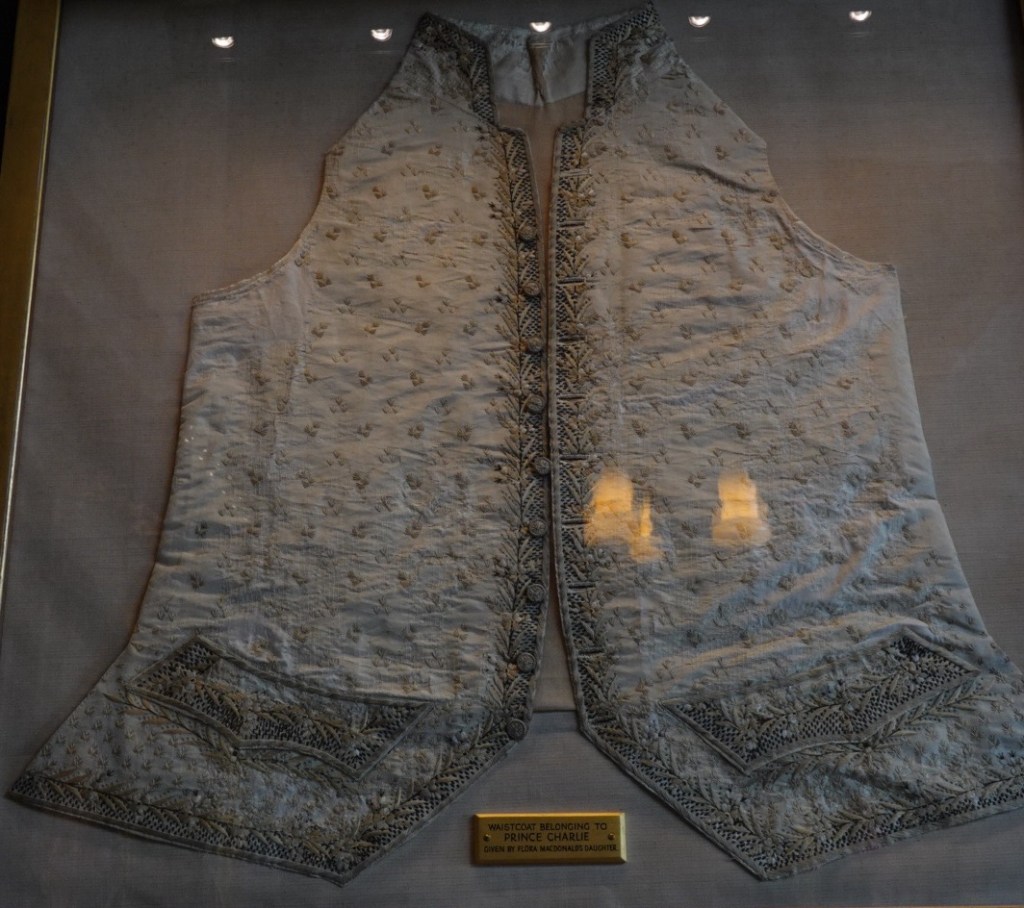
We went to Dunvegan Castle and Gardens this morning. What a great restoration, even though it is privately owned. Well preserved artifacts, excellent thorough information, beautiful woodwork and walls. The gardens were also spectacular, forcing us to wander longer than we had planned.
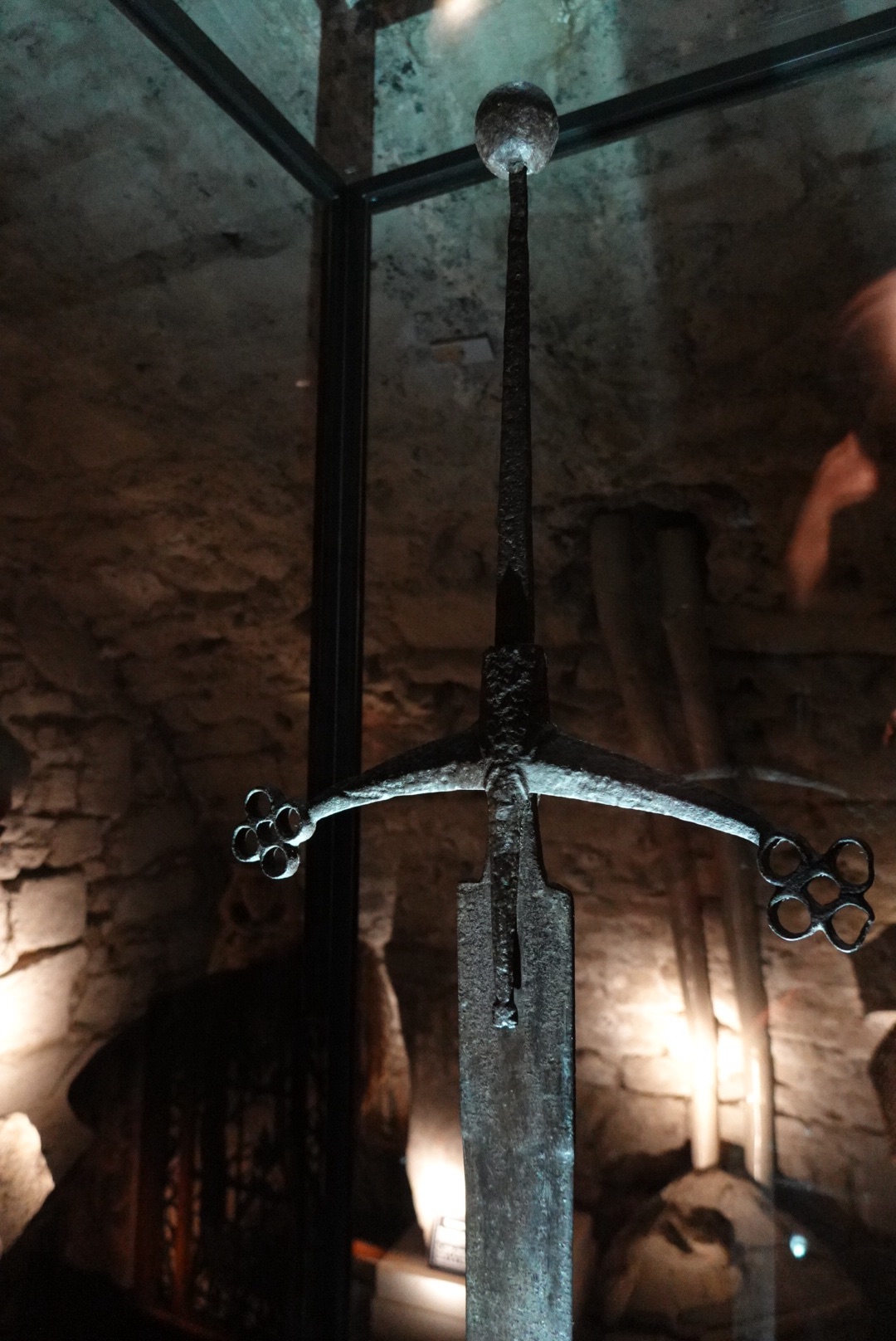
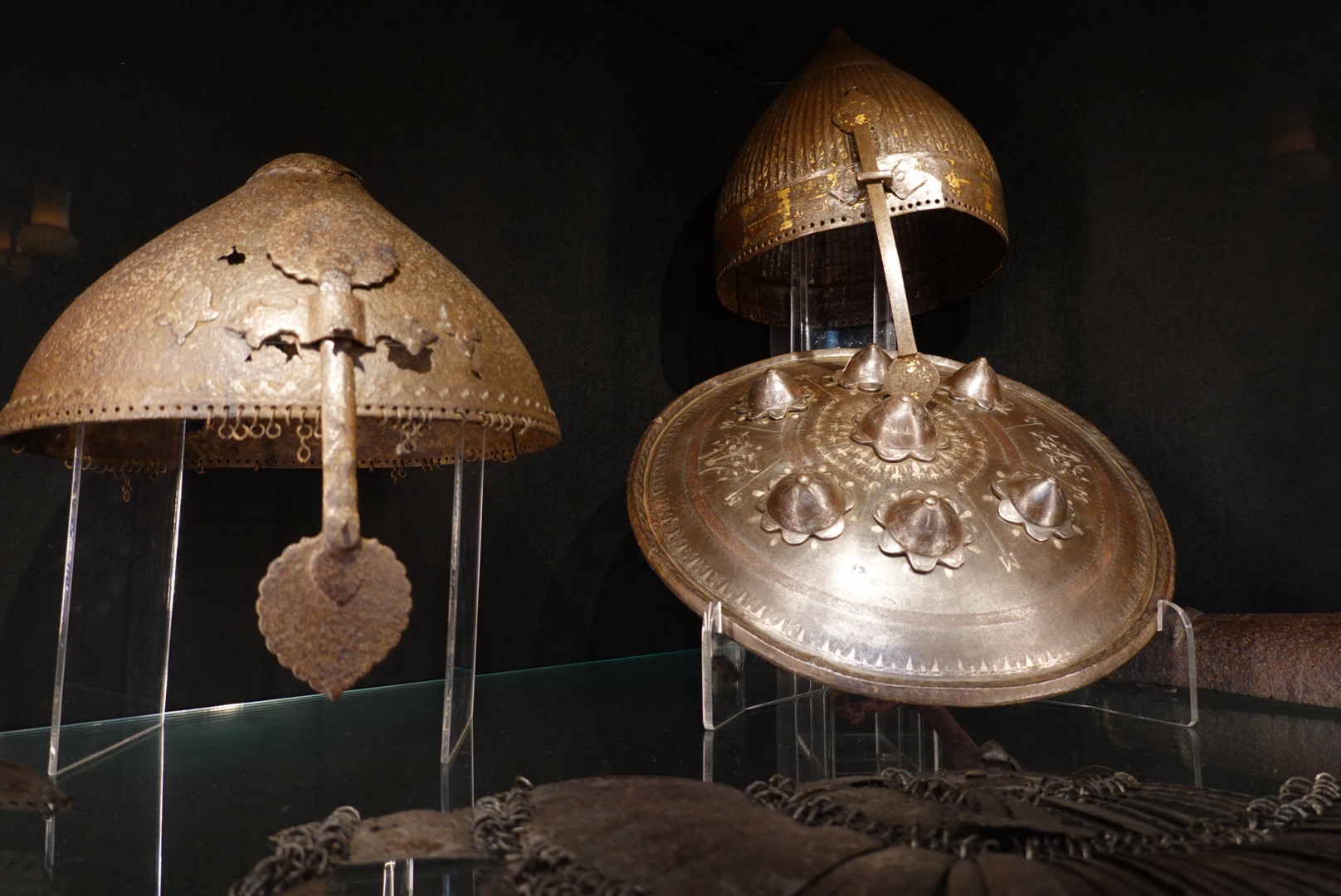
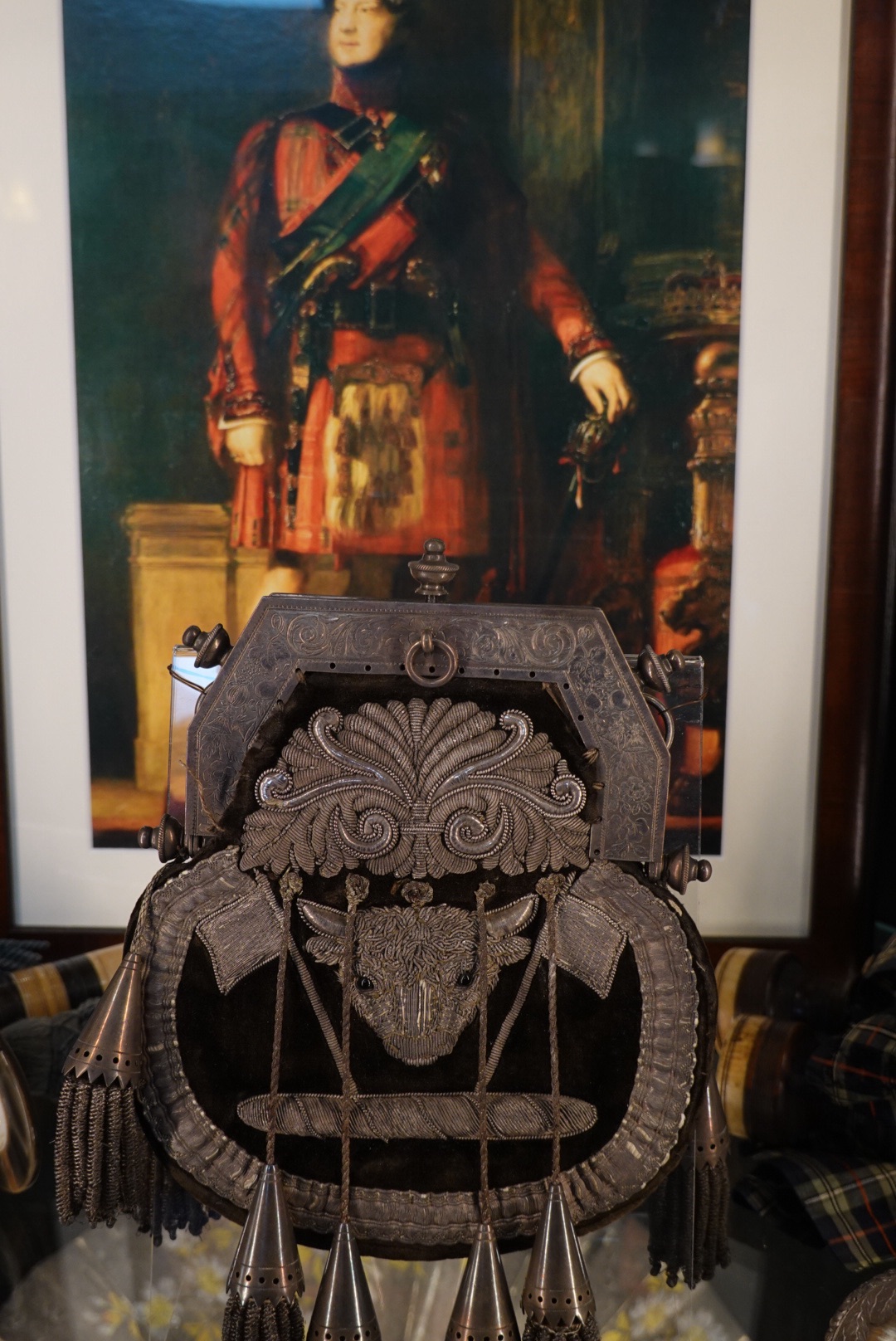
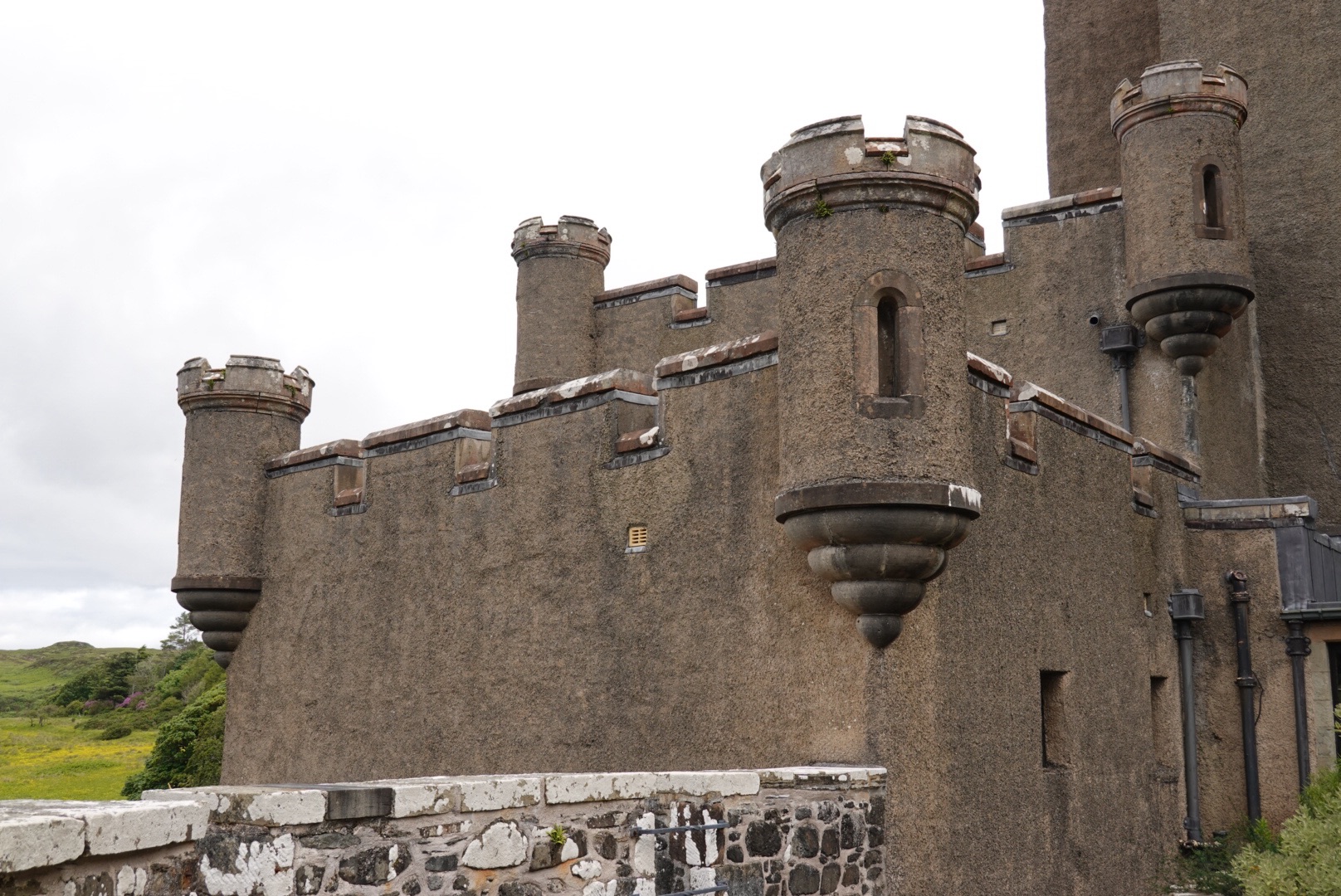
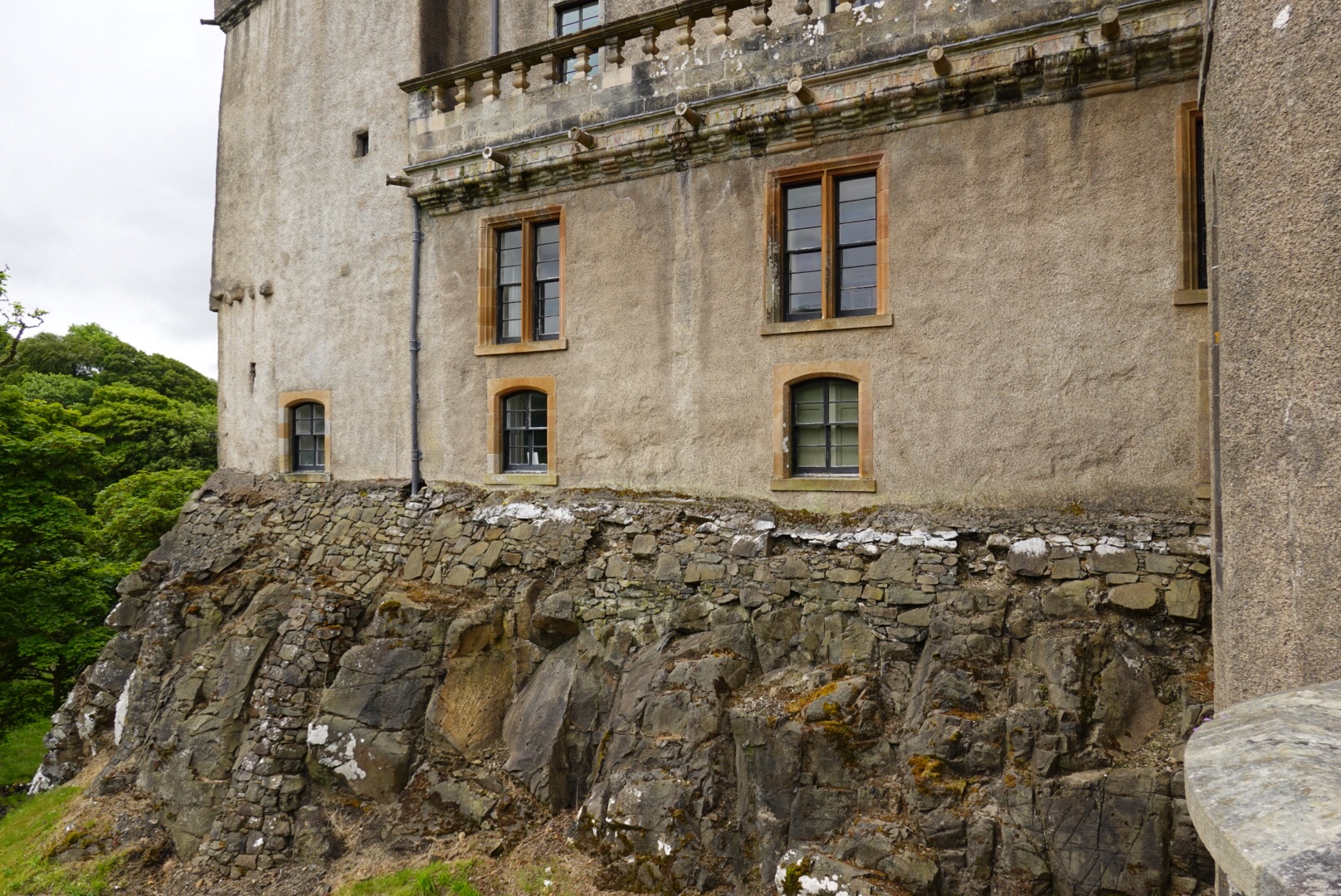
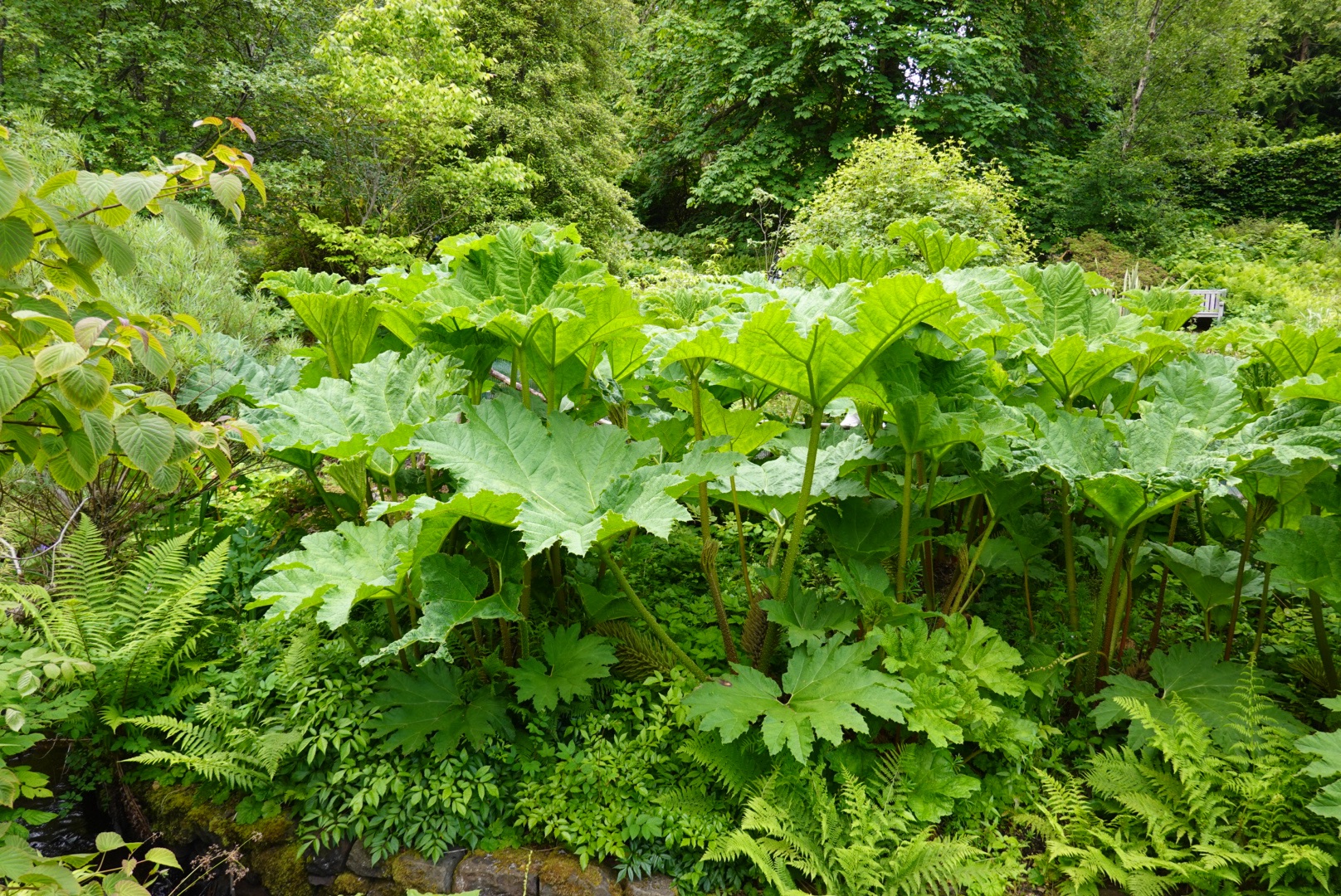
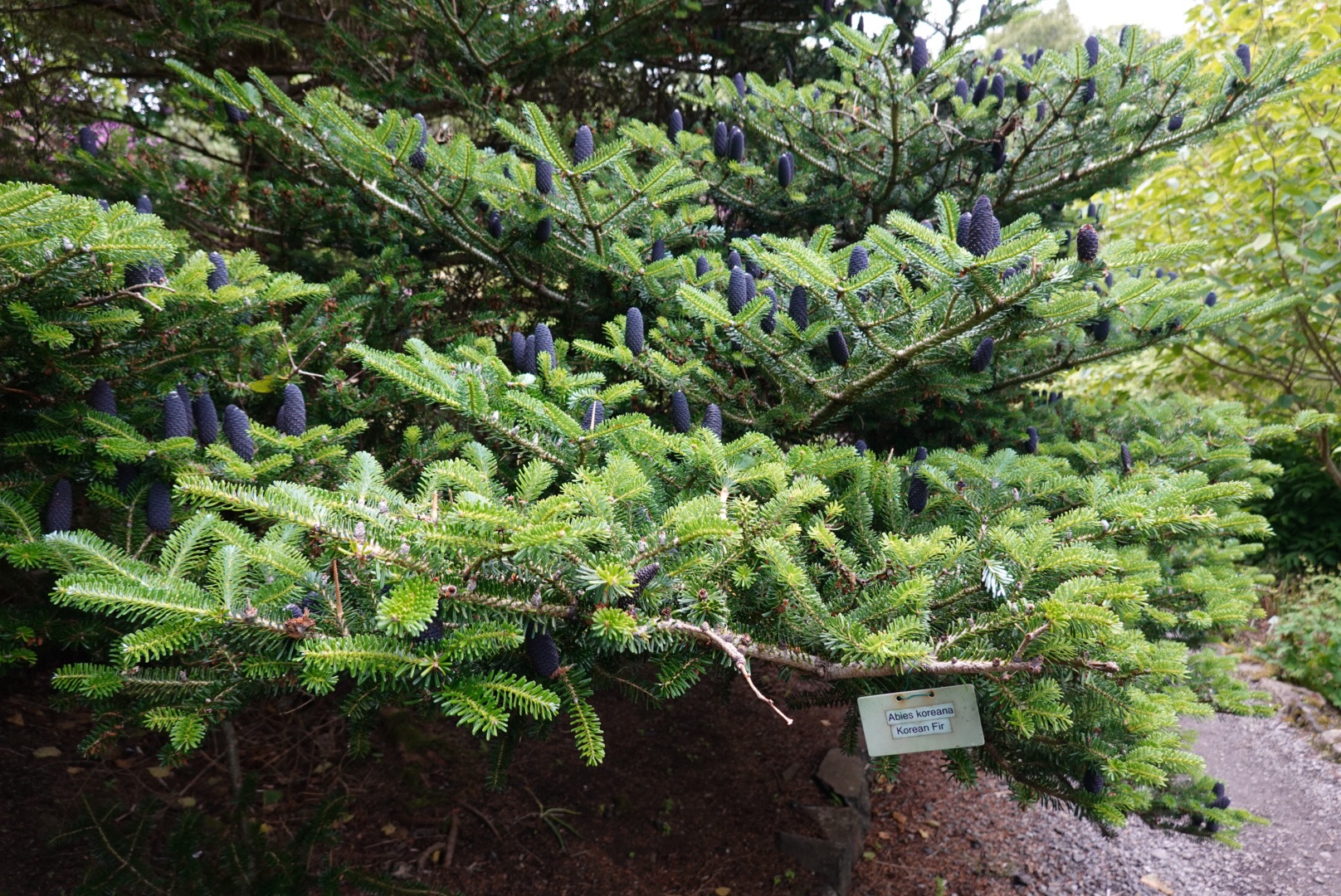
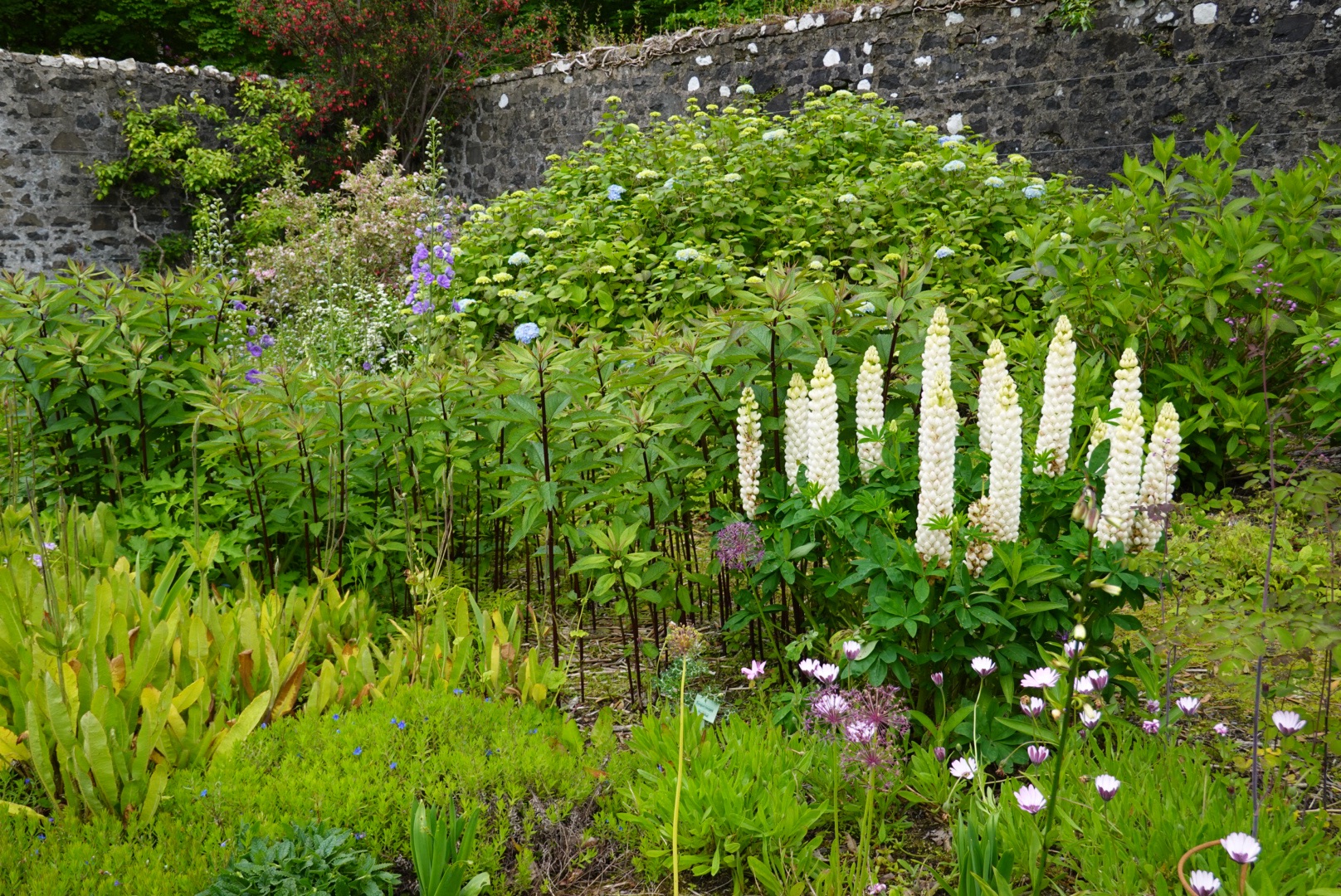
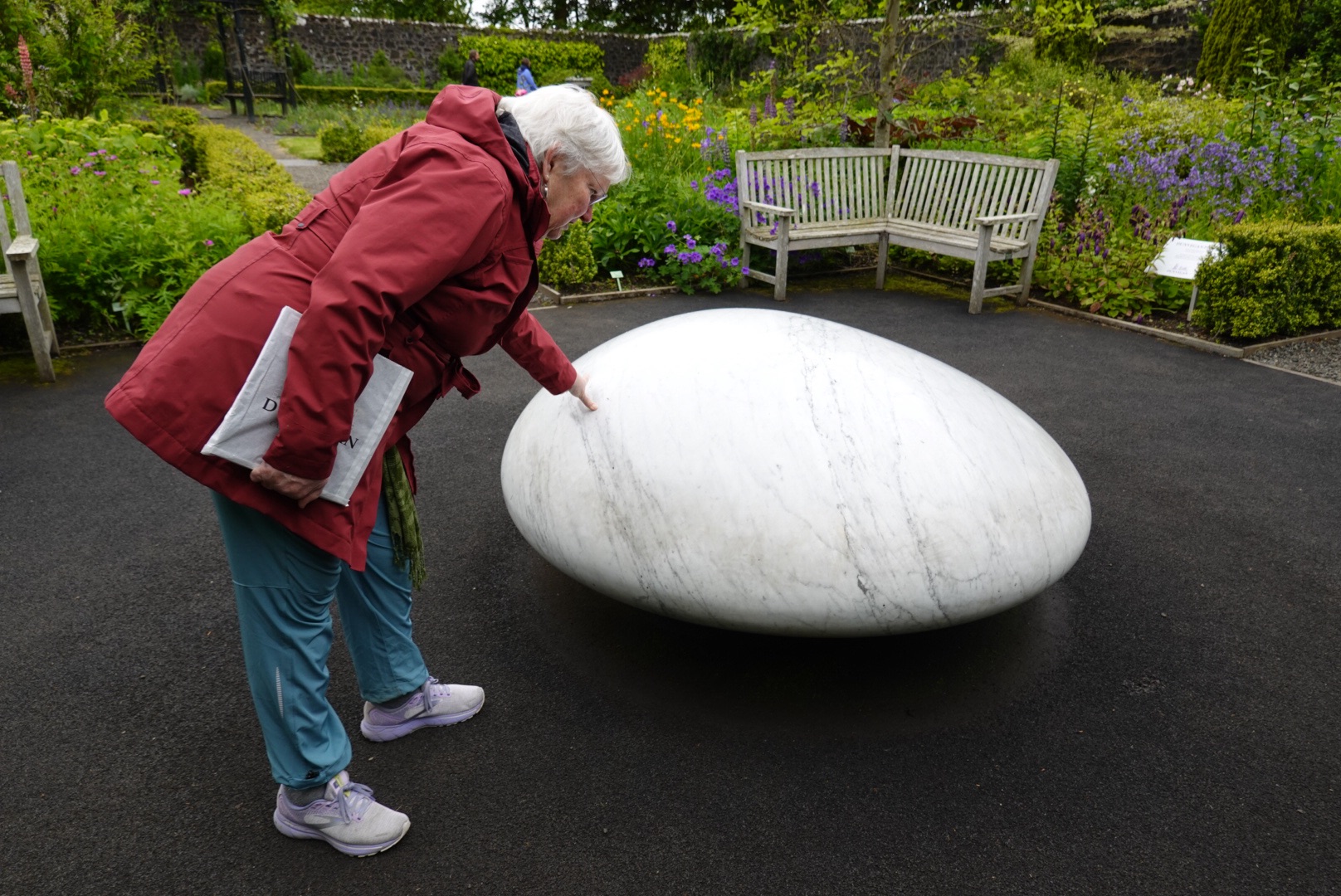
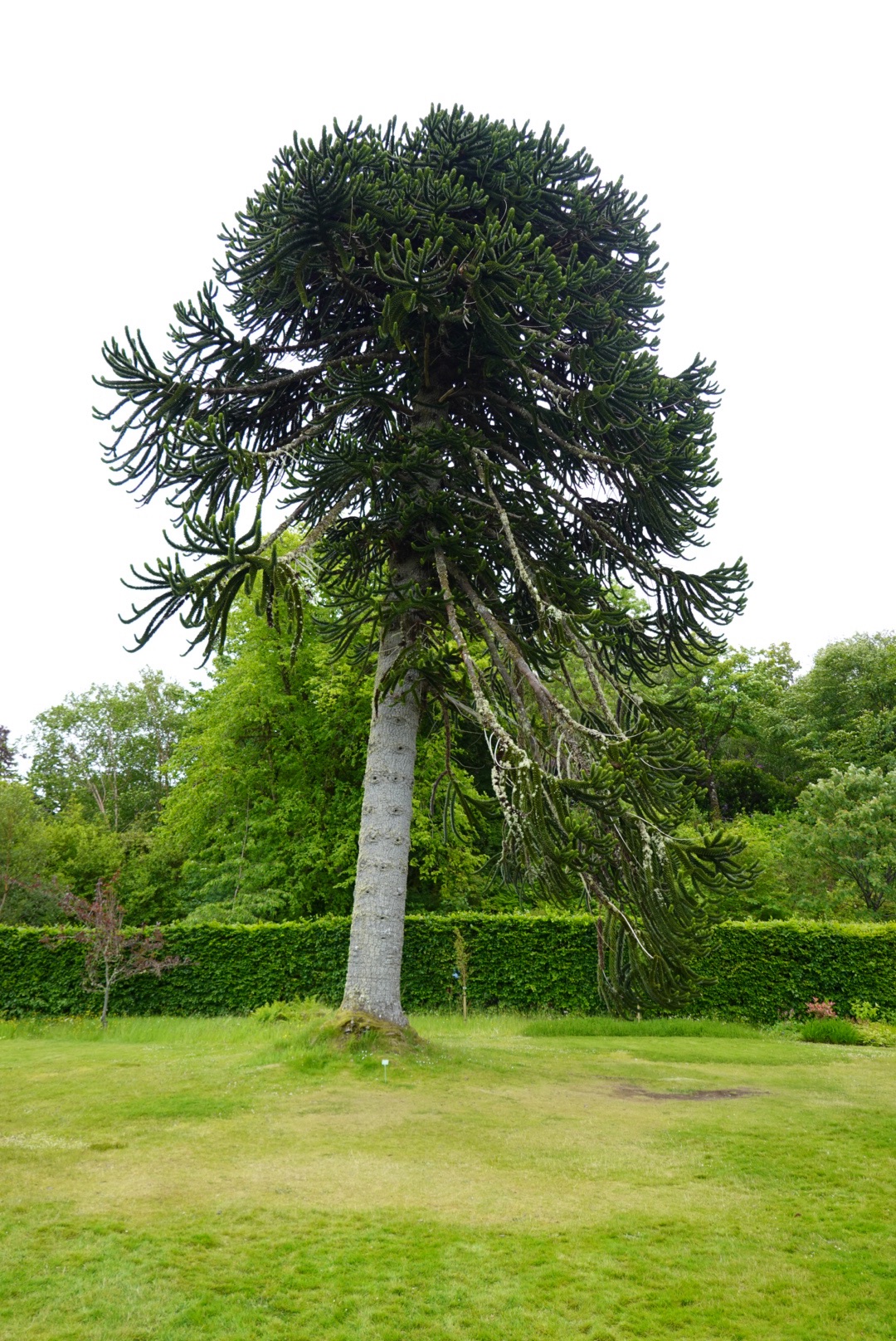
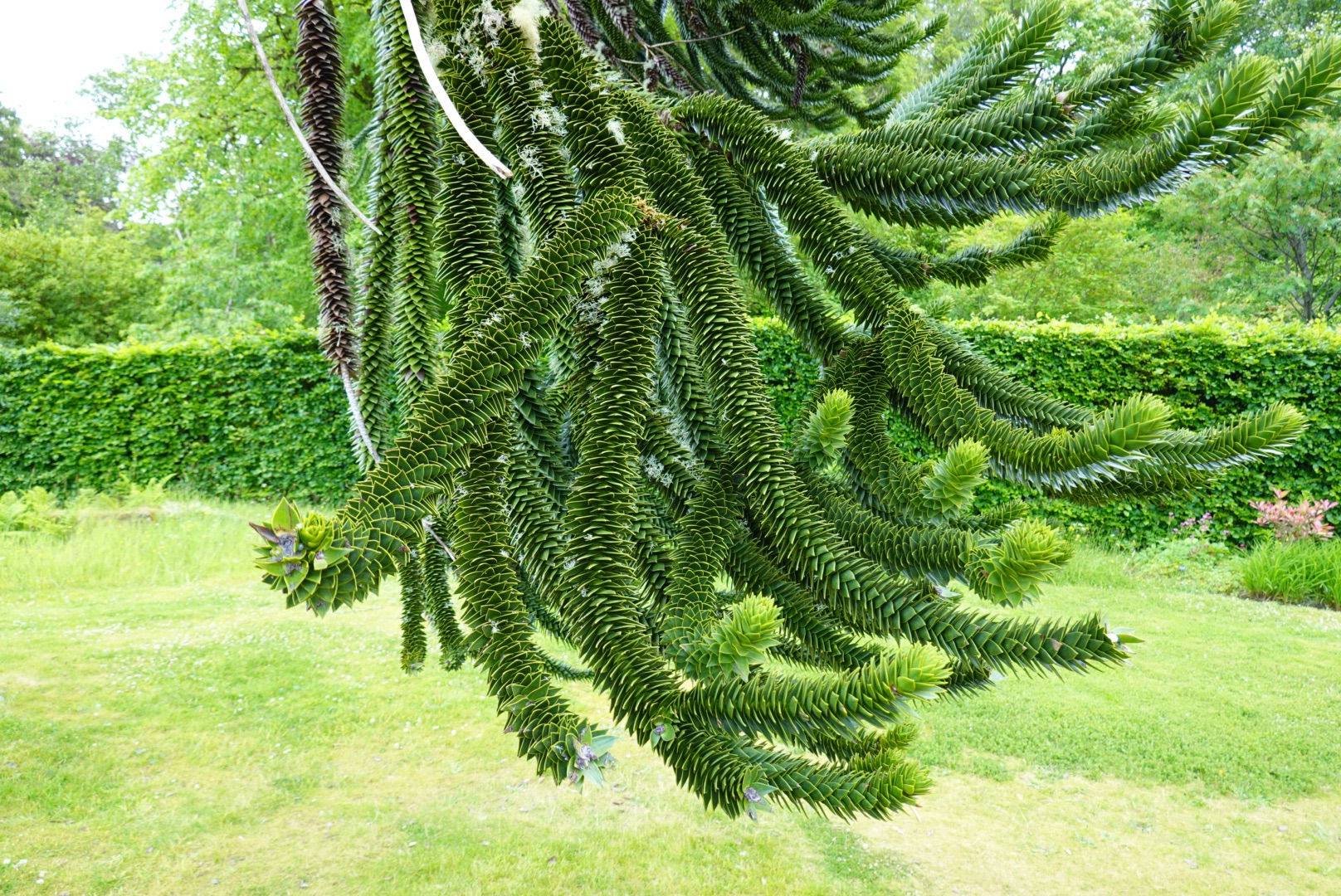
Dunvegan CastleNote the warming pans for the bedThe peacock feather pattern was commonWaistcoat belonging to “Bonnie Prince Charlie”Sword dating from 15th centuryArmorSilver filigree to decorate your kiltCastle turrets for defenseStonework directly upon bedrock may date from the 13th centuryLarge leafed plantsThe cones on this Korean fir, purple and upwardLarge lupinesKinetic sculpture made of marble that moved at a touchMonkey Puzzle tree, thought to be so complicated monkeys could not climbClose-up of monkey puzzle. These are often used in Paleoart, but they are recent plants.
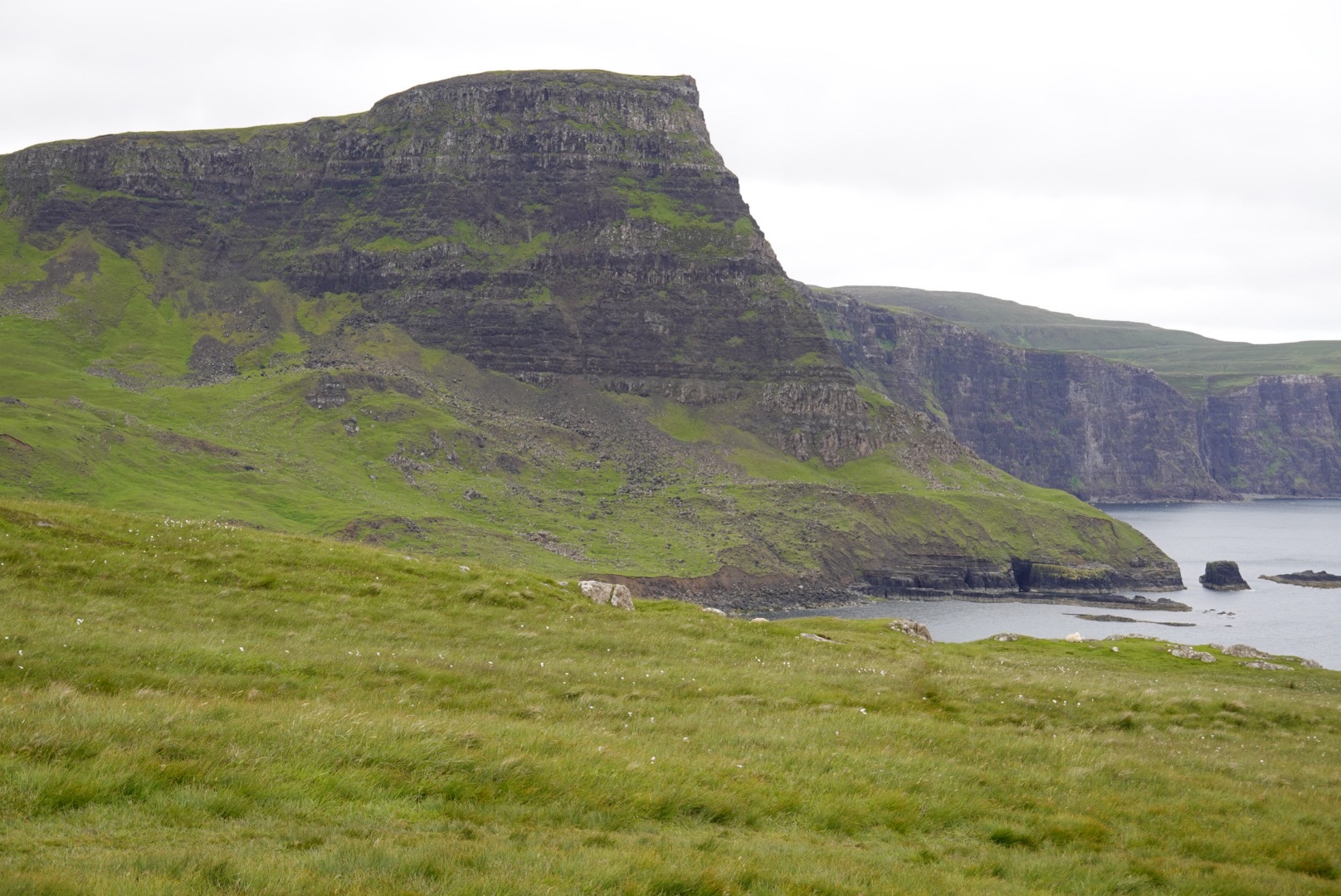
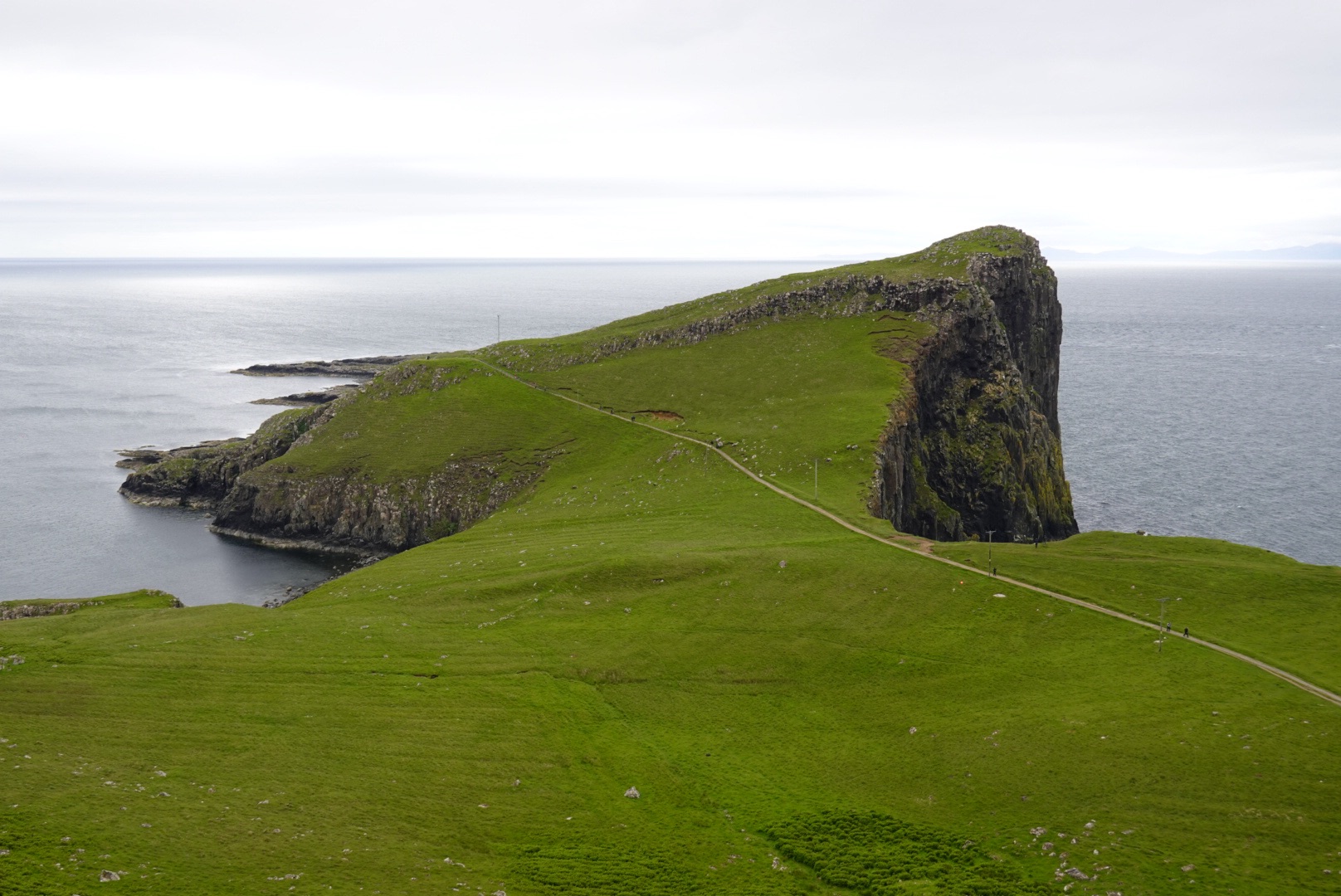
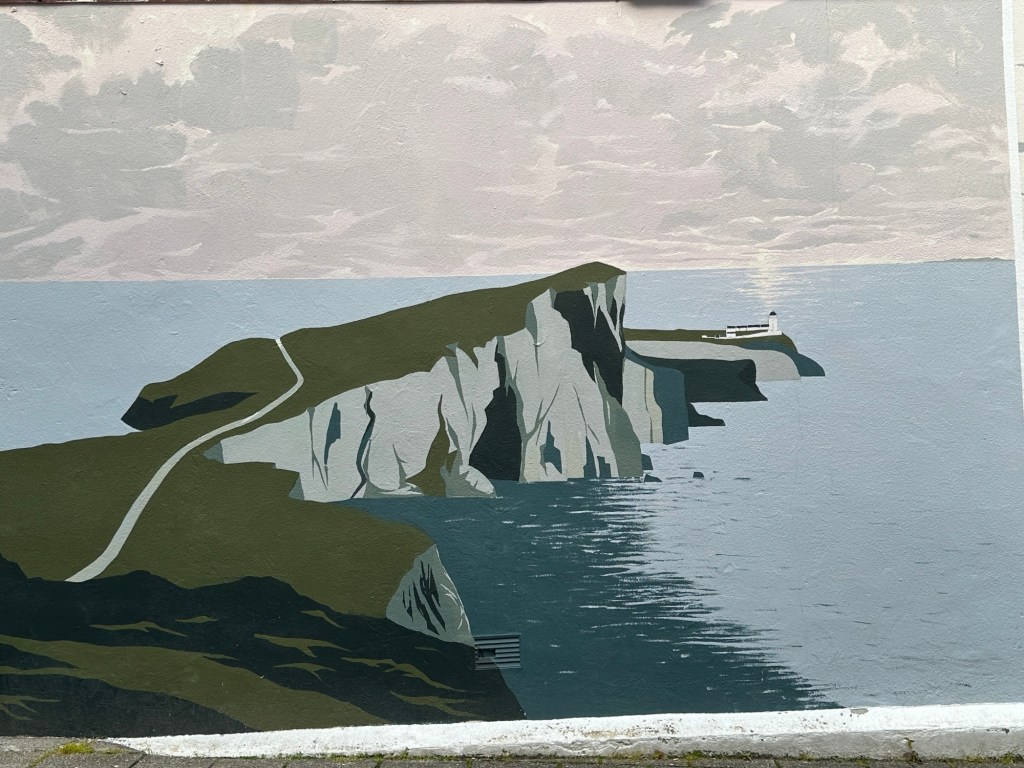
Next we drove to the Neist Point, the most western point on Skye, and tried to see the Neist Point Lighthouse, but the viewpoint was a long way, and we had reservations at a distillery too soon. Fortunately, the landscape along the way was beautiful.
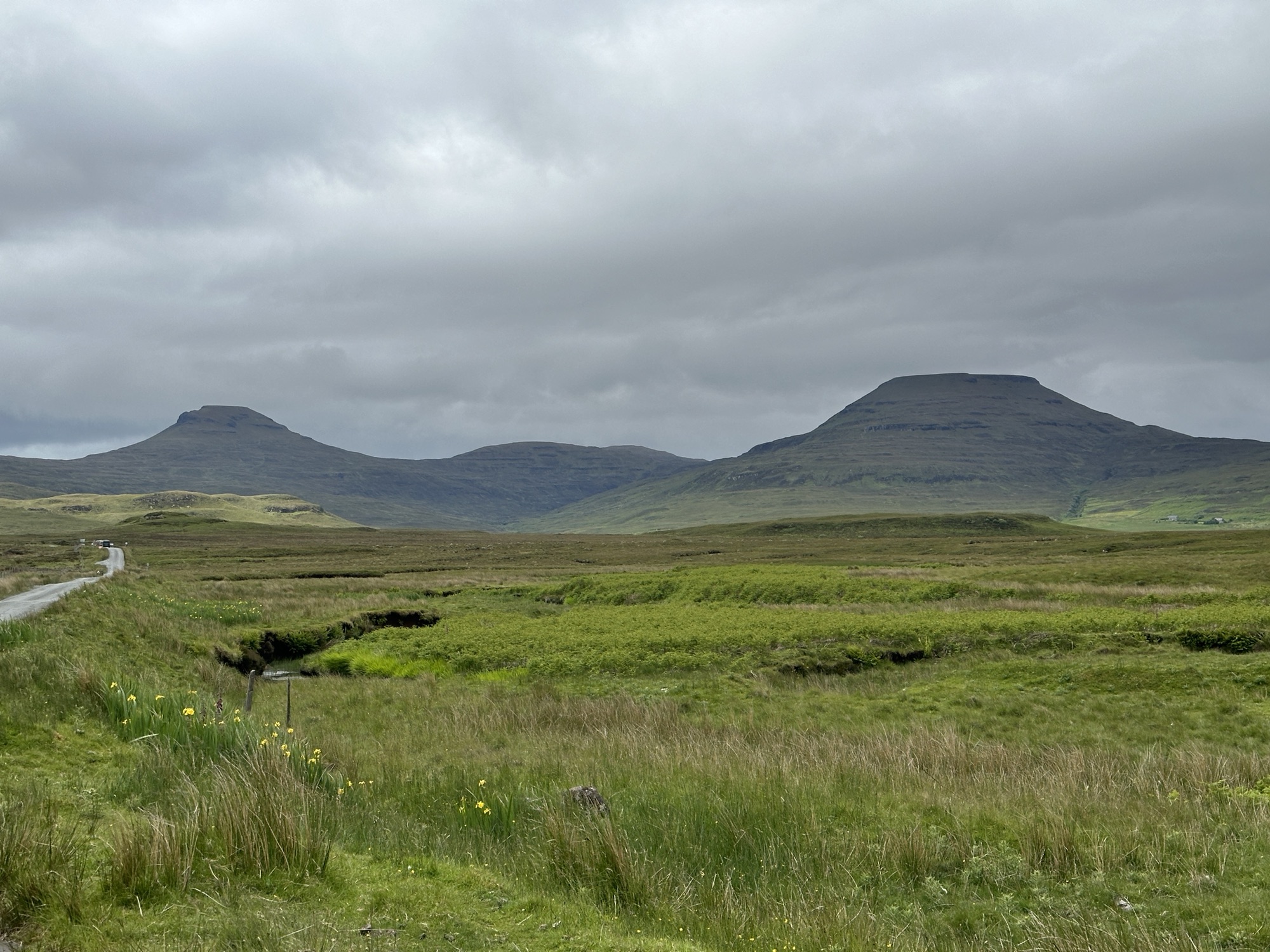
Macleod Tables (like the table mountains in Golden, CO)Layered volcanic rock at the west coastNeist PointWhat the lighthouse might have looked like, if we had time, as shown in this mural in Portree
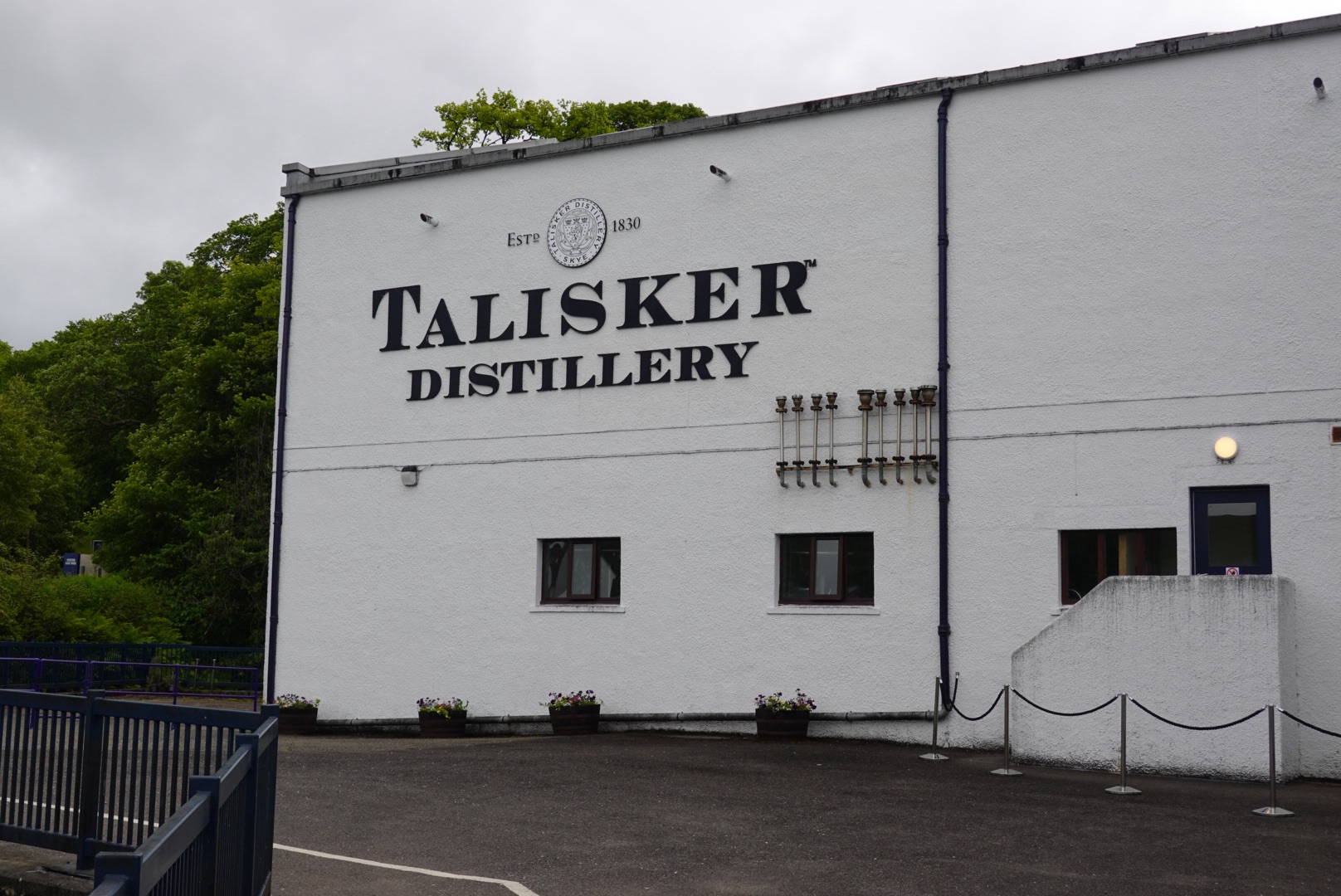
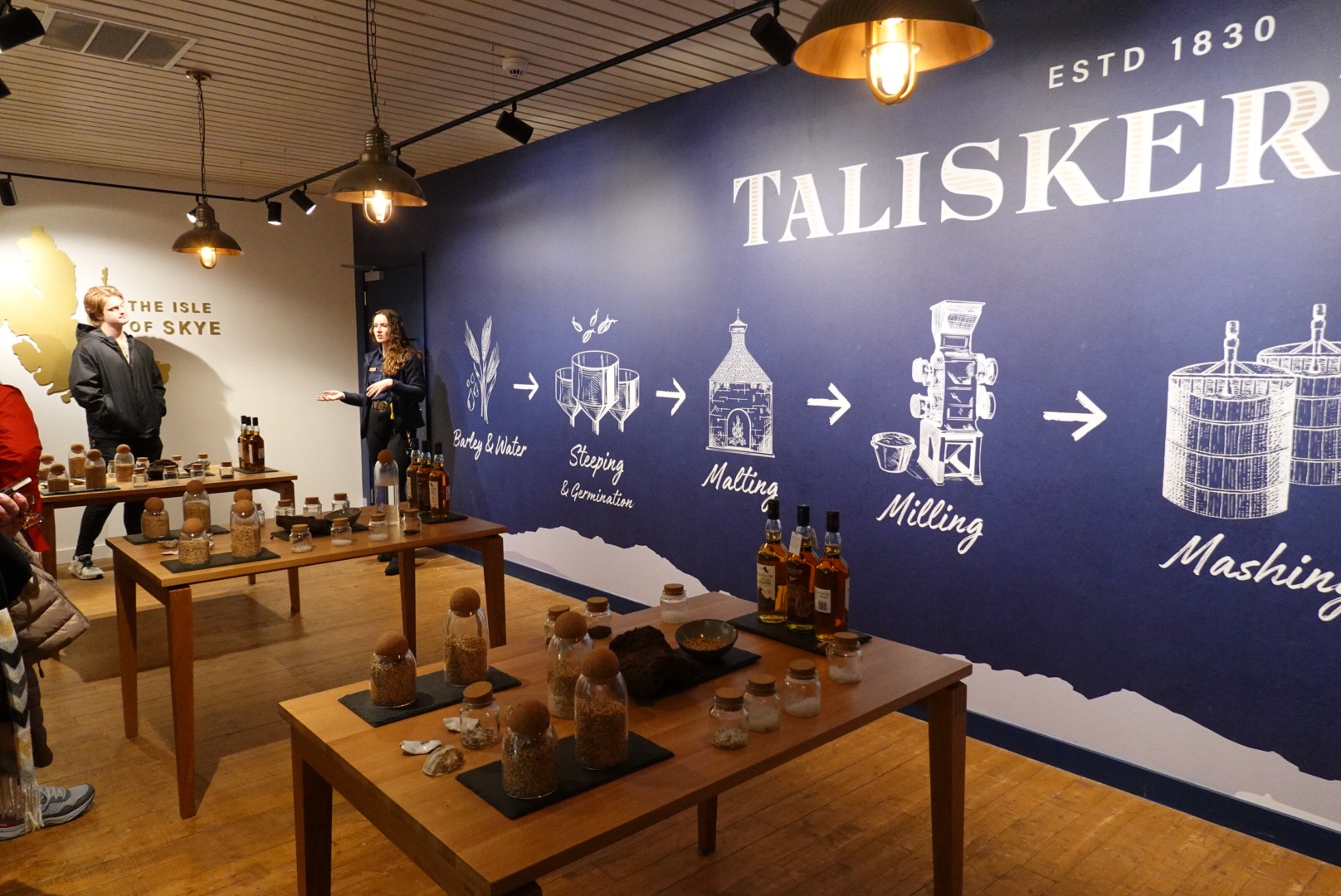
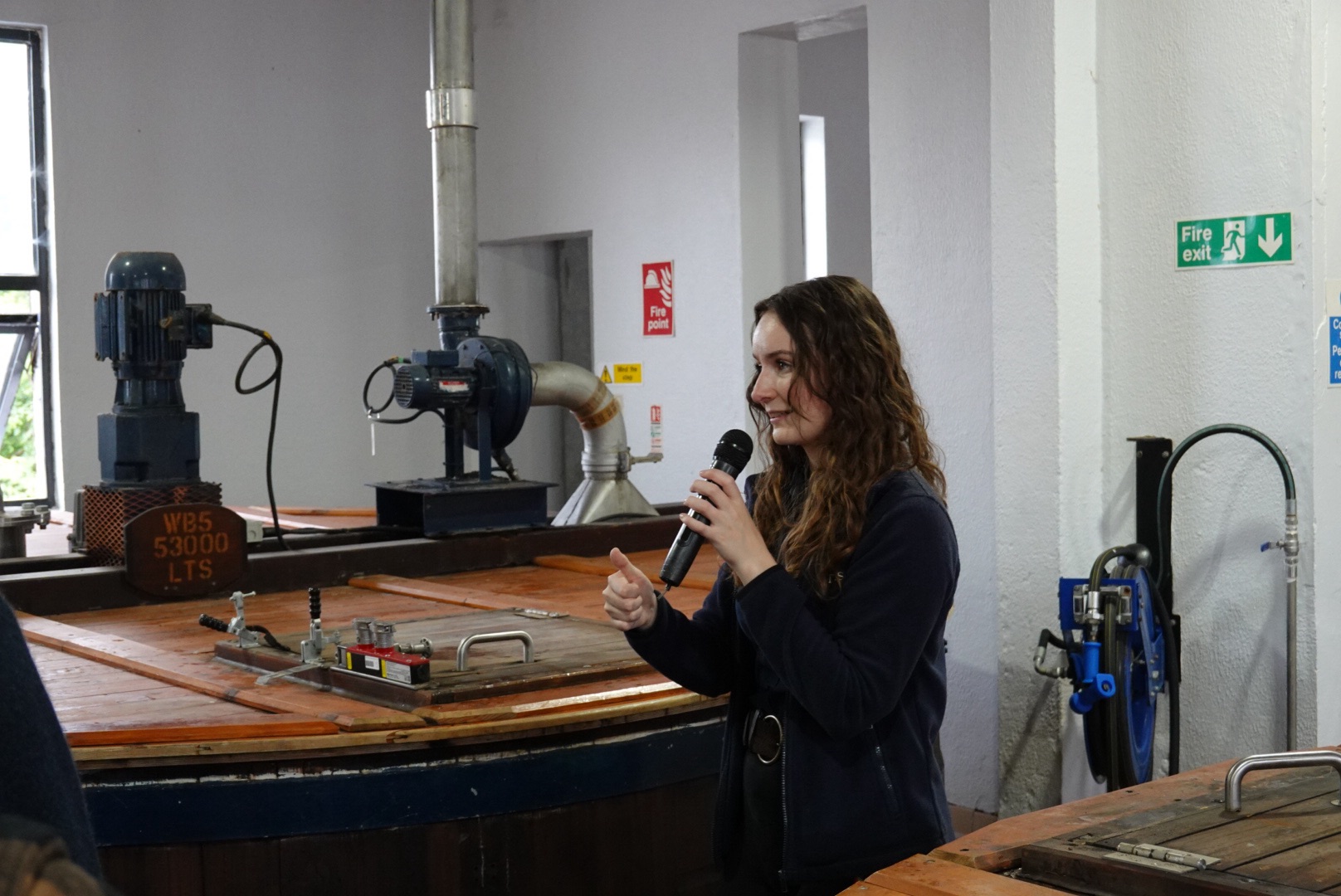
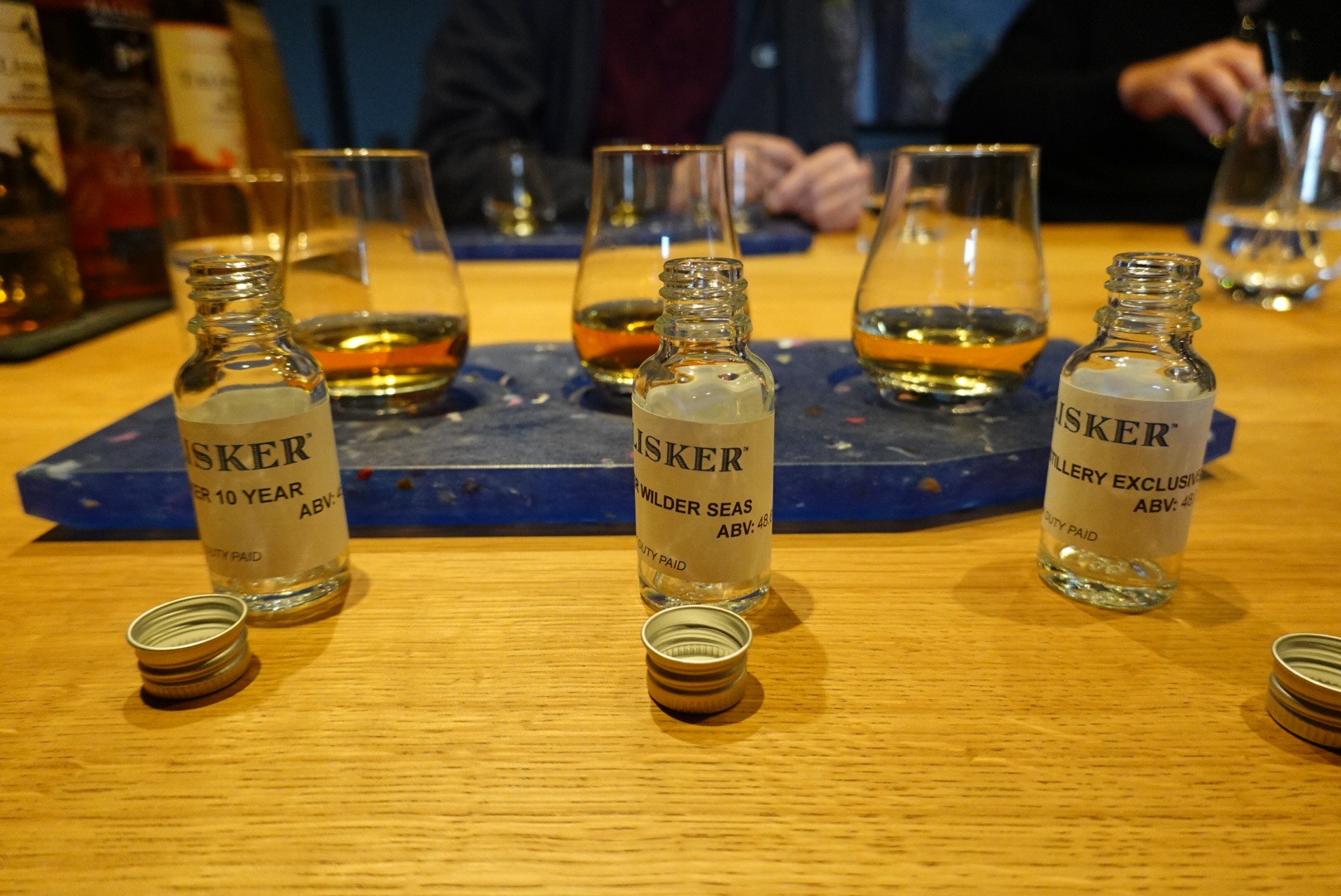
Talisker Scotch is world-renowned. Known for its spicy, citrus flavors, this Scotch is a favorite. The tour was excellently led by a young woman, a native to the area. We learned a lot, then Clare tasted three of their whiskeys. A road law in Scotland states that no one can drive with any alcohol, so at the tasting part, all the drivers were only allowed to sniff. Then our guide gave the drivers three tiny bottles to take their tasters home to try. So we poured our whiskey extras into the tiny bottles, and drove to the Fairy Pools.
Front of the distilleryProcess for making ScotchLoren, our tour guide, is in the warm room with wash-tuns; note the piping for removal of CO2.Tiny bottles, filled with the scotch only Clare was allowed to taste
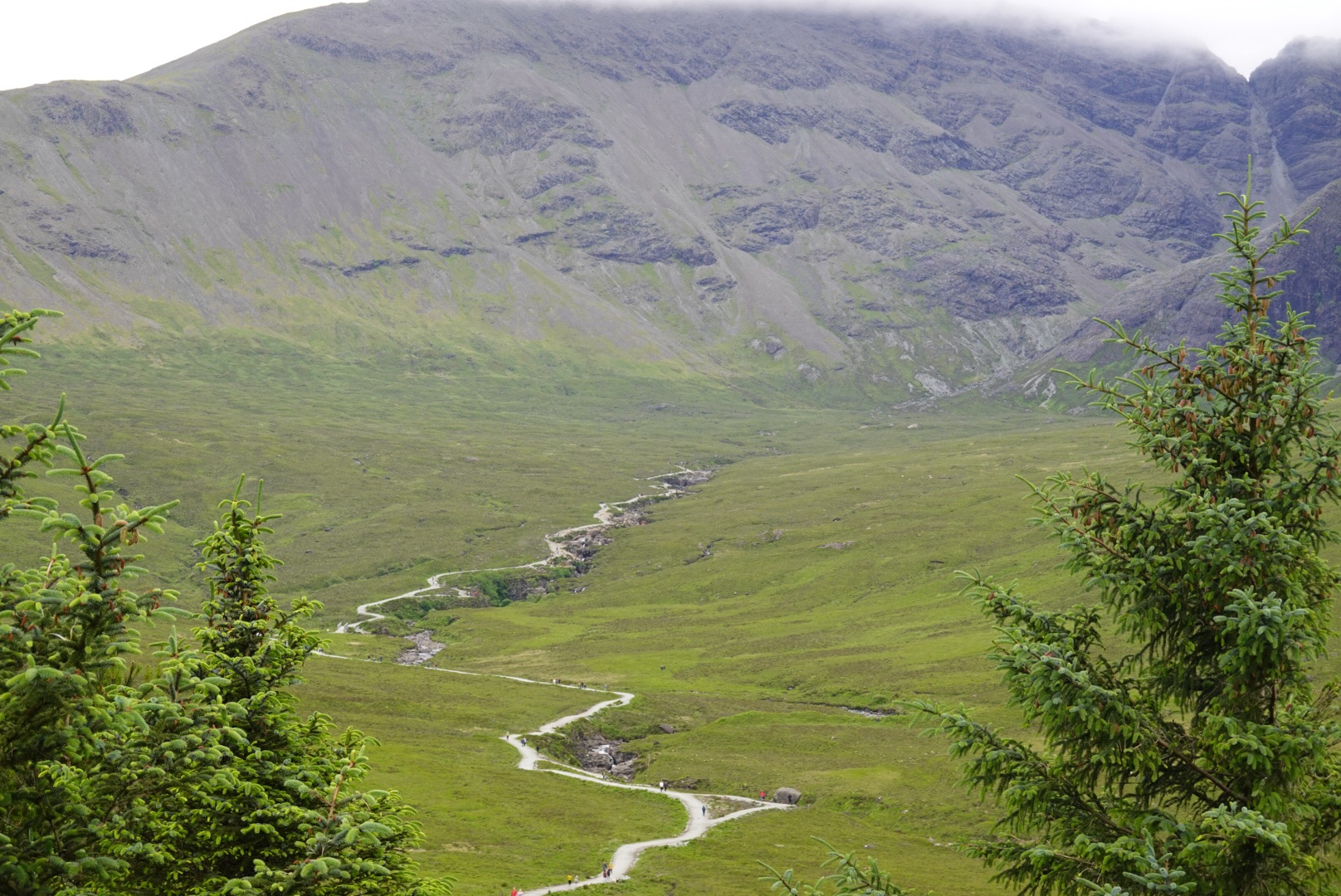
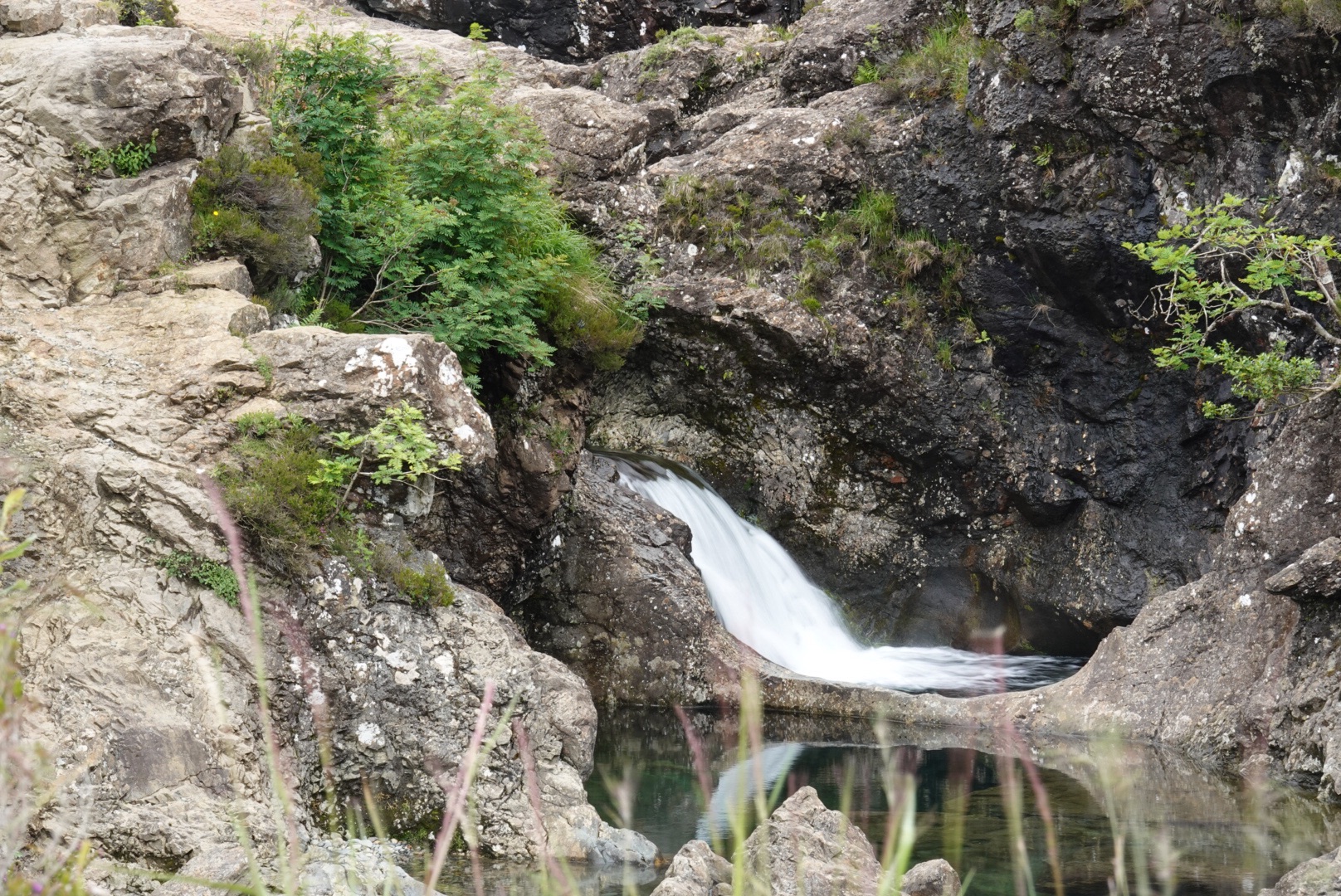
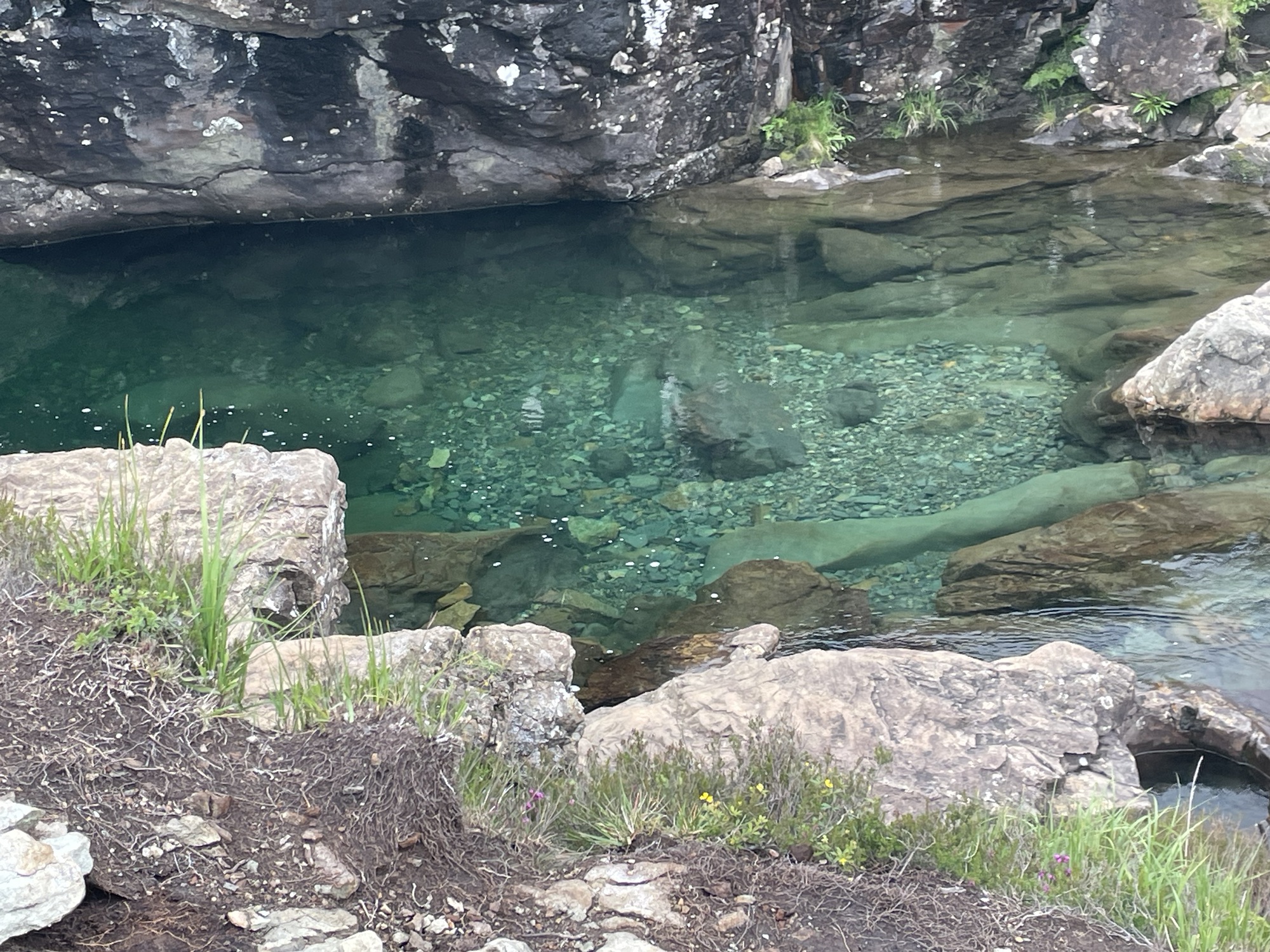
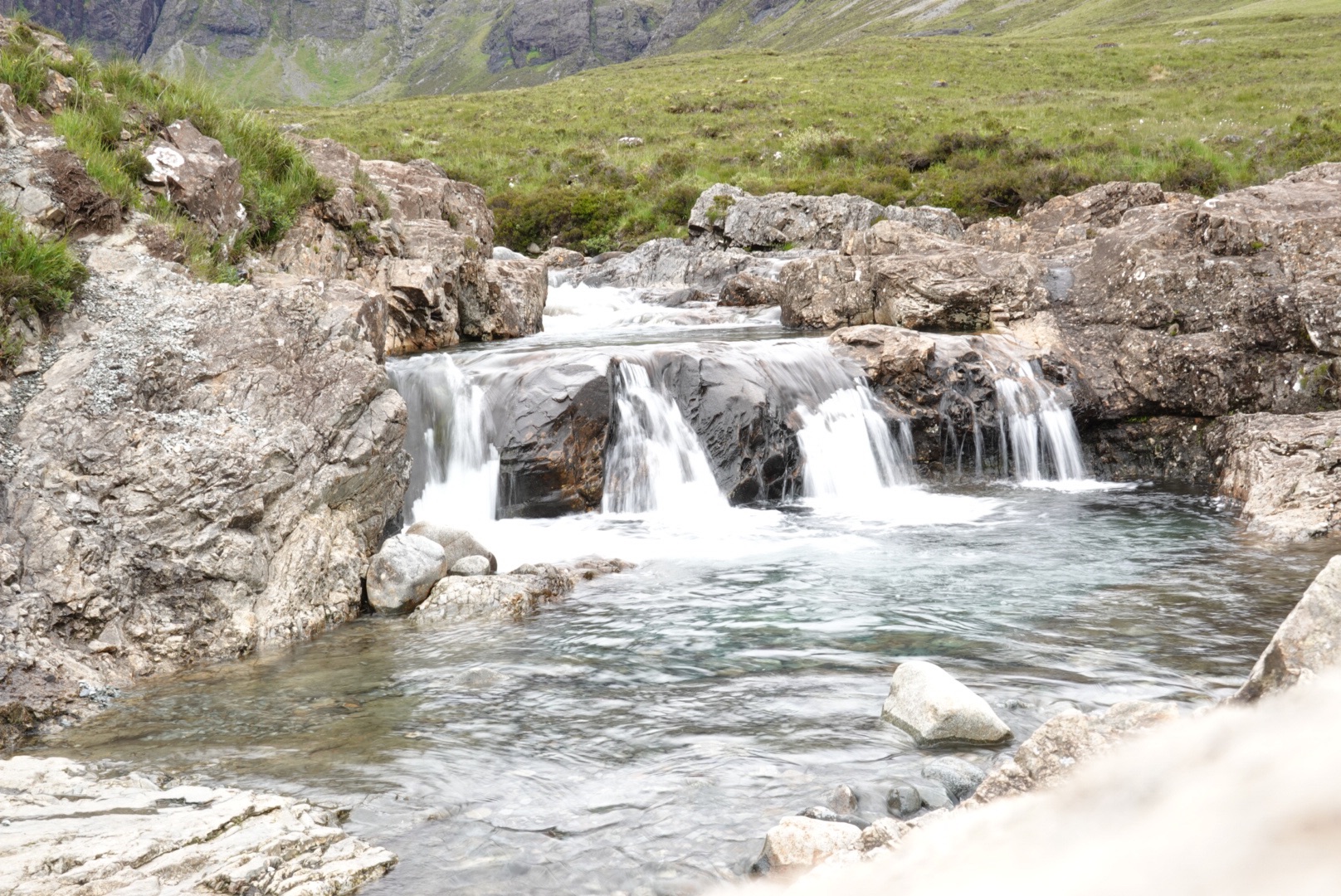
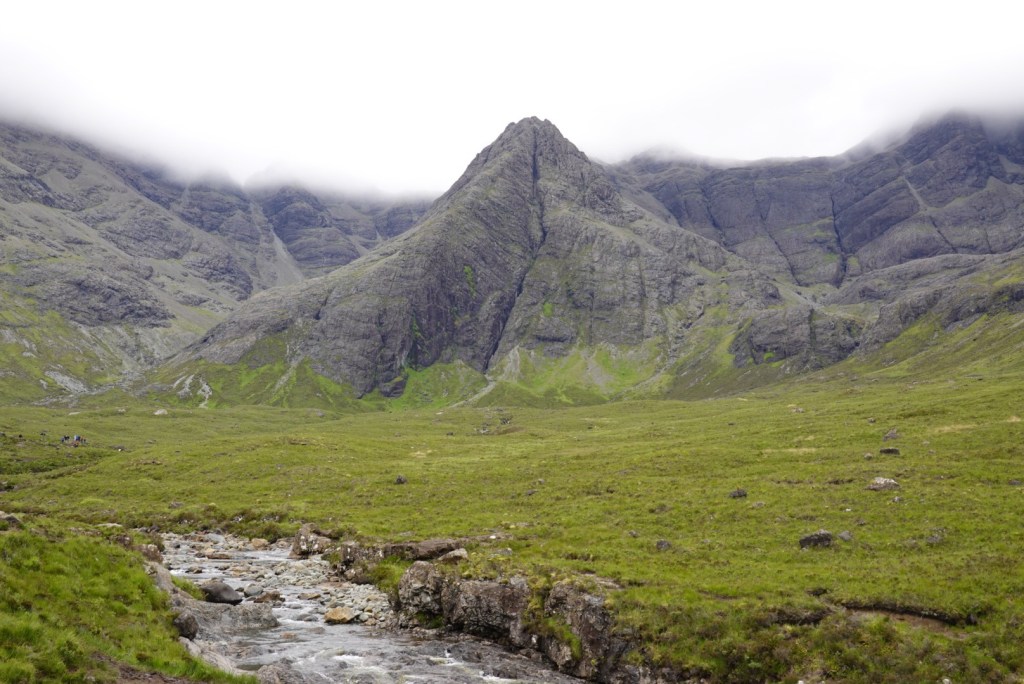
The Fairy pools are a series of pools and small waterfalls in the River Brittle that runs down Glen Brittle, a glacial valley. These are particularly spectacular because of the large amount of water and the steepness of the terrain. Many tourists enjoy this site.
Looking down the path to the poolsWaterfall into a poolDeep pool. The water is very clearFour adjacent waterfalls, a bit unusualSome people were climbing up the crack on Sgùrr an Fheadain
After an unremarkable dinner, we decided to hike up The Lump, a hill above the harbor in Portree. The forest was deep and lush. Birds serenaded us as we walked. It seemed more like a tropical forest than what I expected in Scotland.
The beginning part of this trip, we experienced cloudy days with some rain, some drizzle, basically what we had anticipated. Most of the rain fell while we were driving, so it was no problem. Then Saturday (yesterday) dawned with a clear, beautiful sky and sunshine. I put on sunscreen. The skies remained clear all day, with light breezes, perfect weather.
Today, the prediction was similar to the start of our trip, but it did not continue that way. Wind and rain combined to make us cold. Glad to have wool underwear!
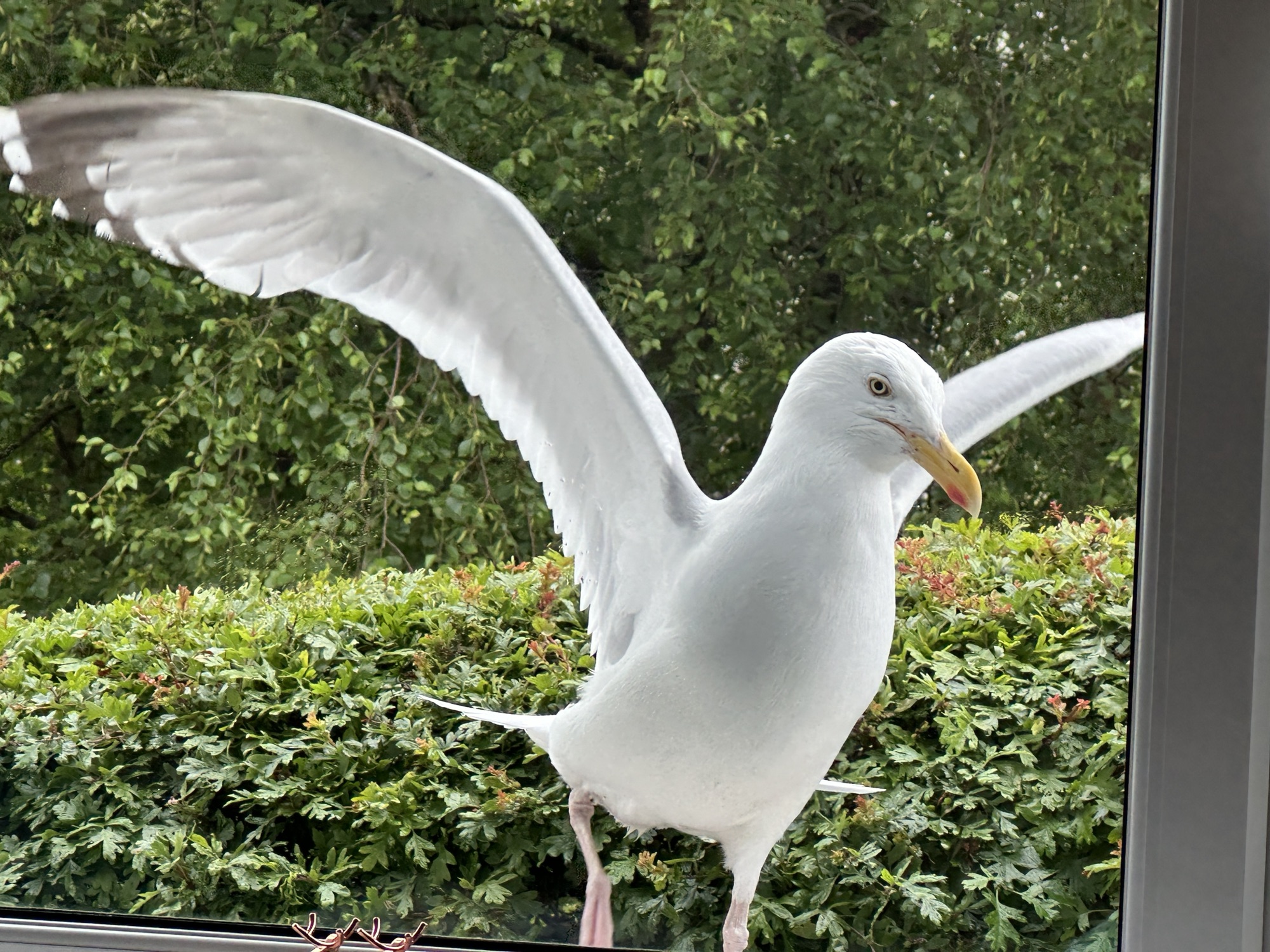
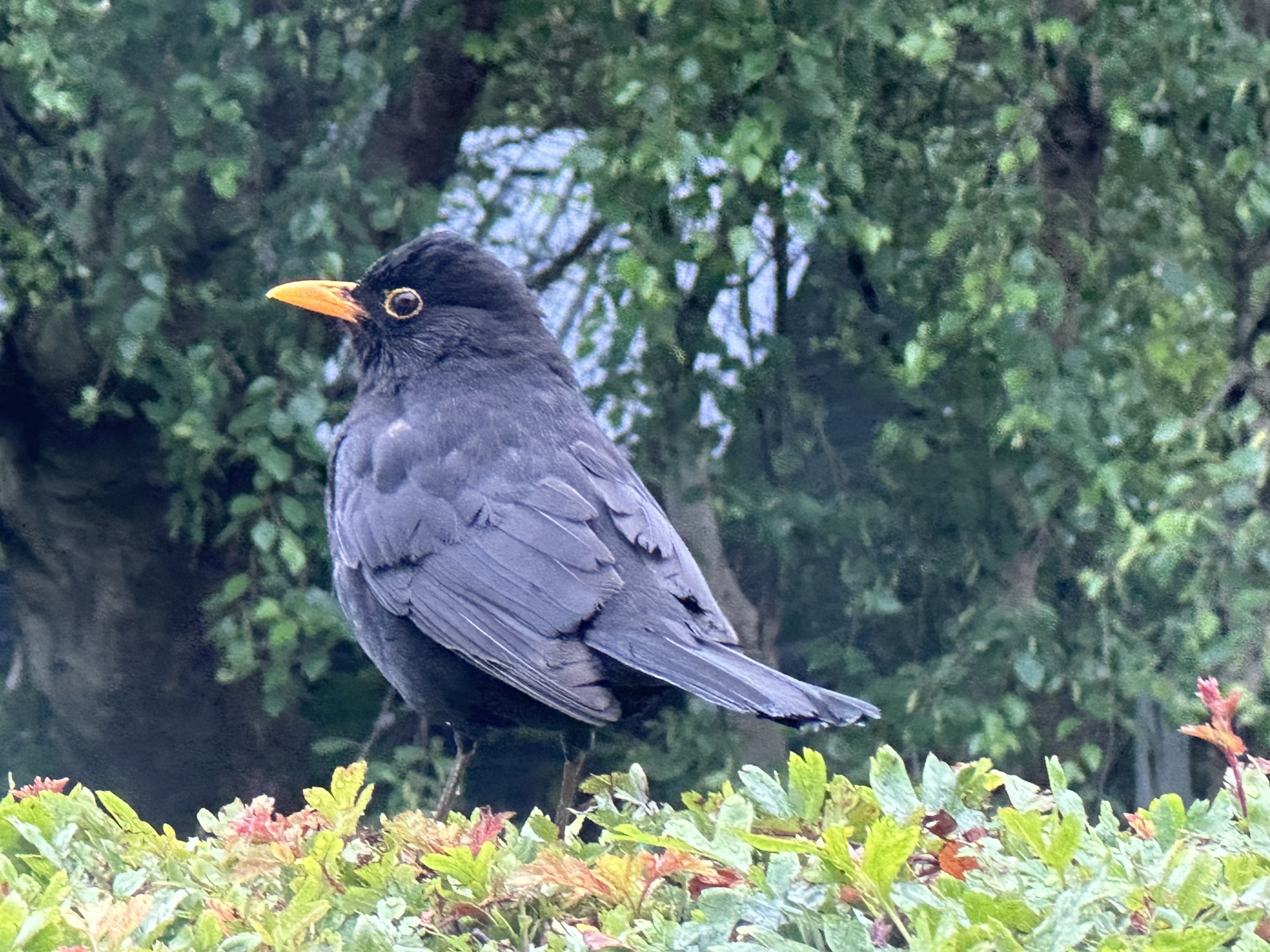
Unrelated, early this morning we were surprised by a loud thump of a beak on our window – a large, white seagull was begging for handouts; our host has named him Steven Seagull! Later, a smaller black bird graced the same place. Such silly birds!
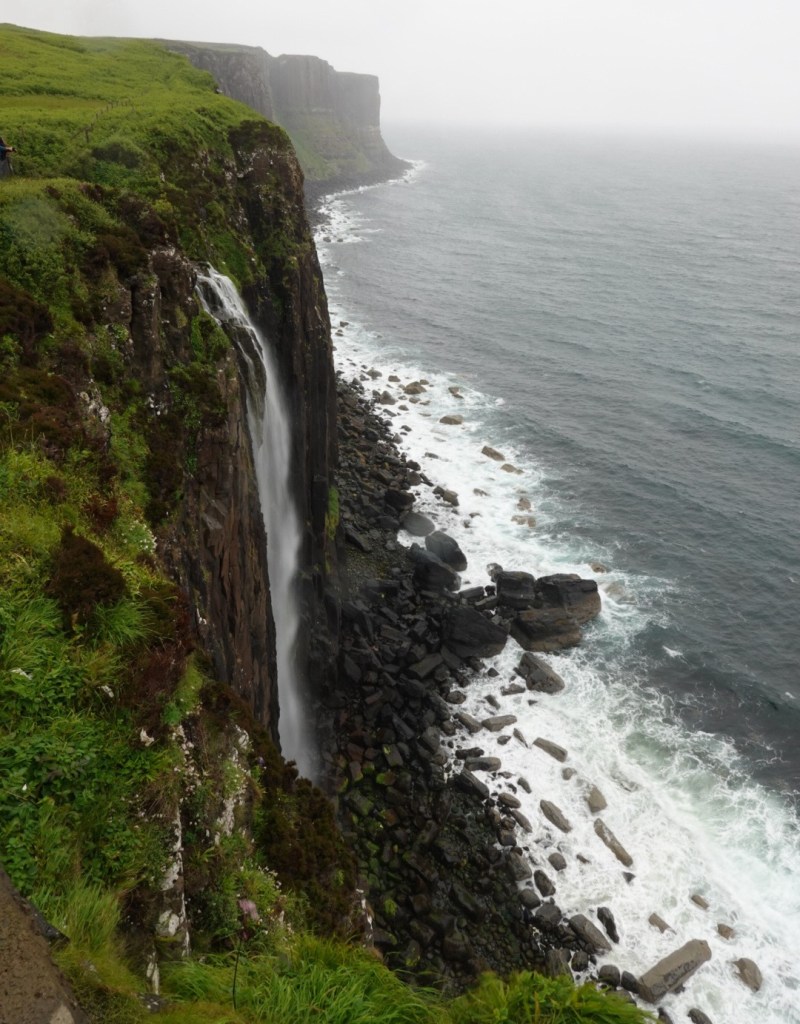
The sky was gray. Water droplets filled the air. We grabbed our raincoats and started north from Portree to see The Old Man of Storr. But we passed the site because rain was coming down hard. We continued to Kilt Rock. Famous for its dark volcanic rock, which breaks into columns (like at Giant’s Causeway in Ireland), Kilt Rock is a popular place to visit. Unfortunately for us, the fog hid this spectacular scene from our eyes. Happily, the waterfall that drains into the ocean was quite full and beautiful.
The weather was still cold and windy, so we visited the local museum in Staffin.
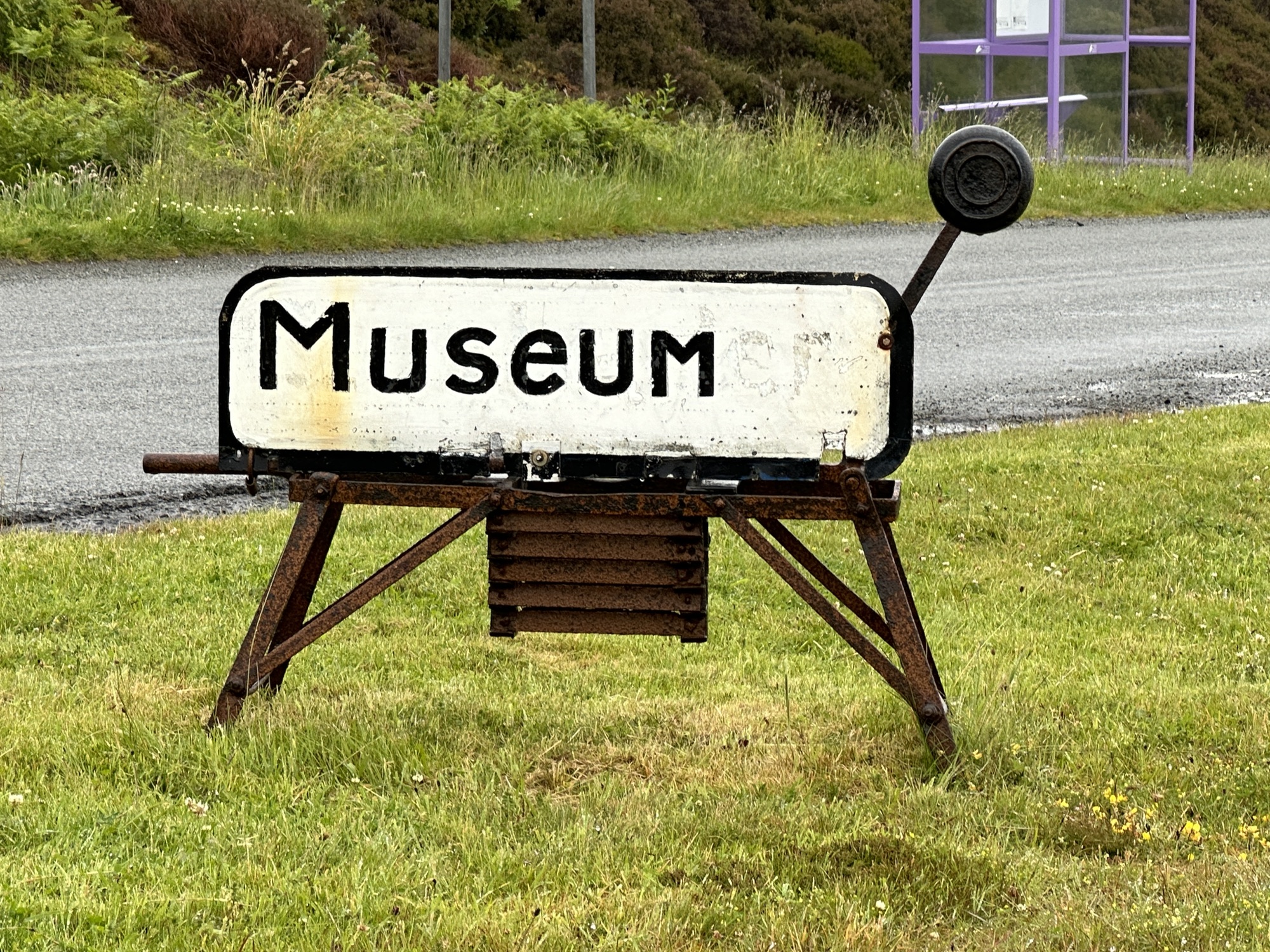
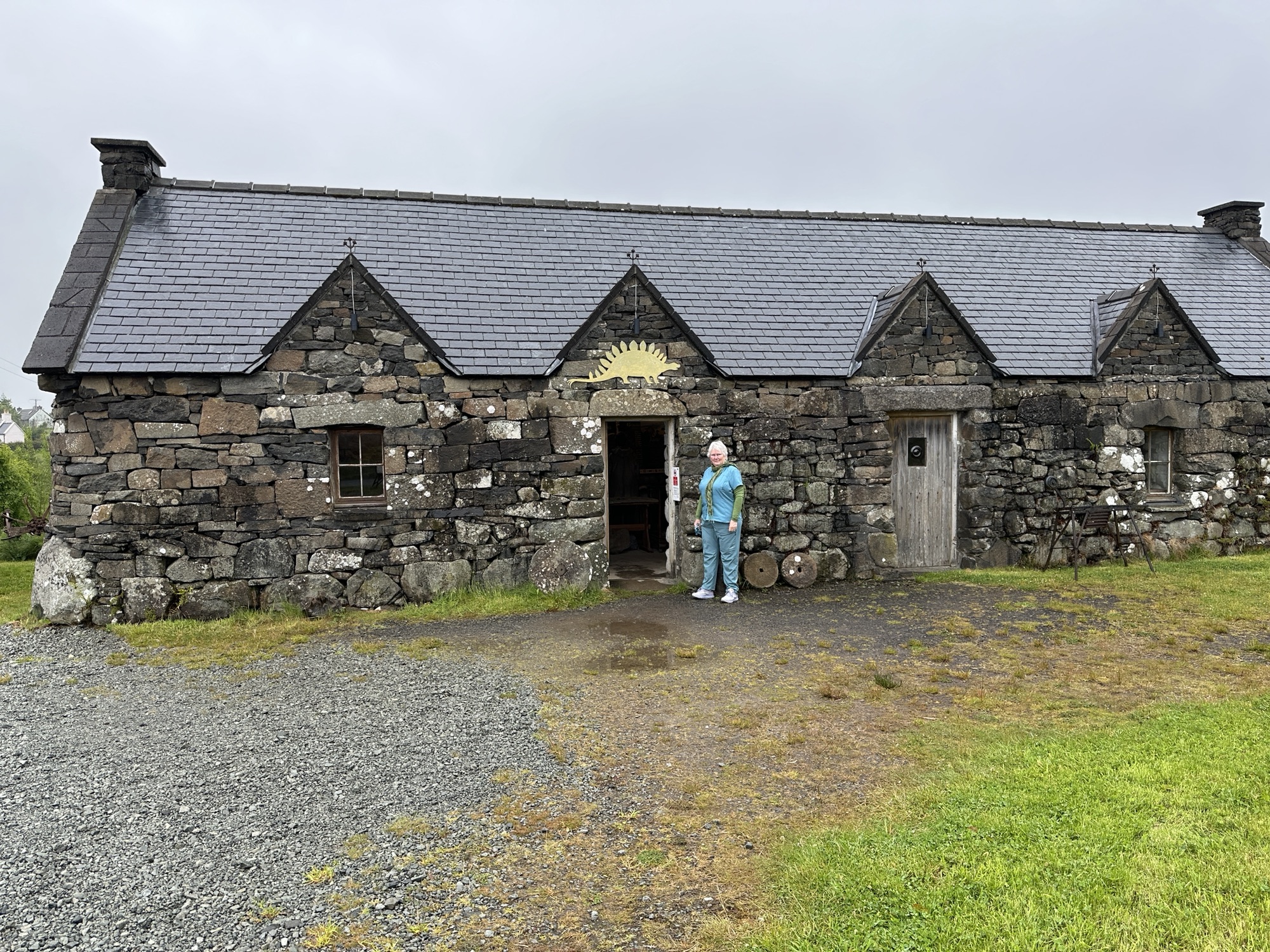
The only indication that the adjacent building was a museumThe museum building was made of local rock.
The guide was knowledgeable, and specimens of dinosaur footprints, ammonites and other fossils were abundant and beautiful. Many other artifacts and such were also on display. Unfortunately, no photographs allowed.
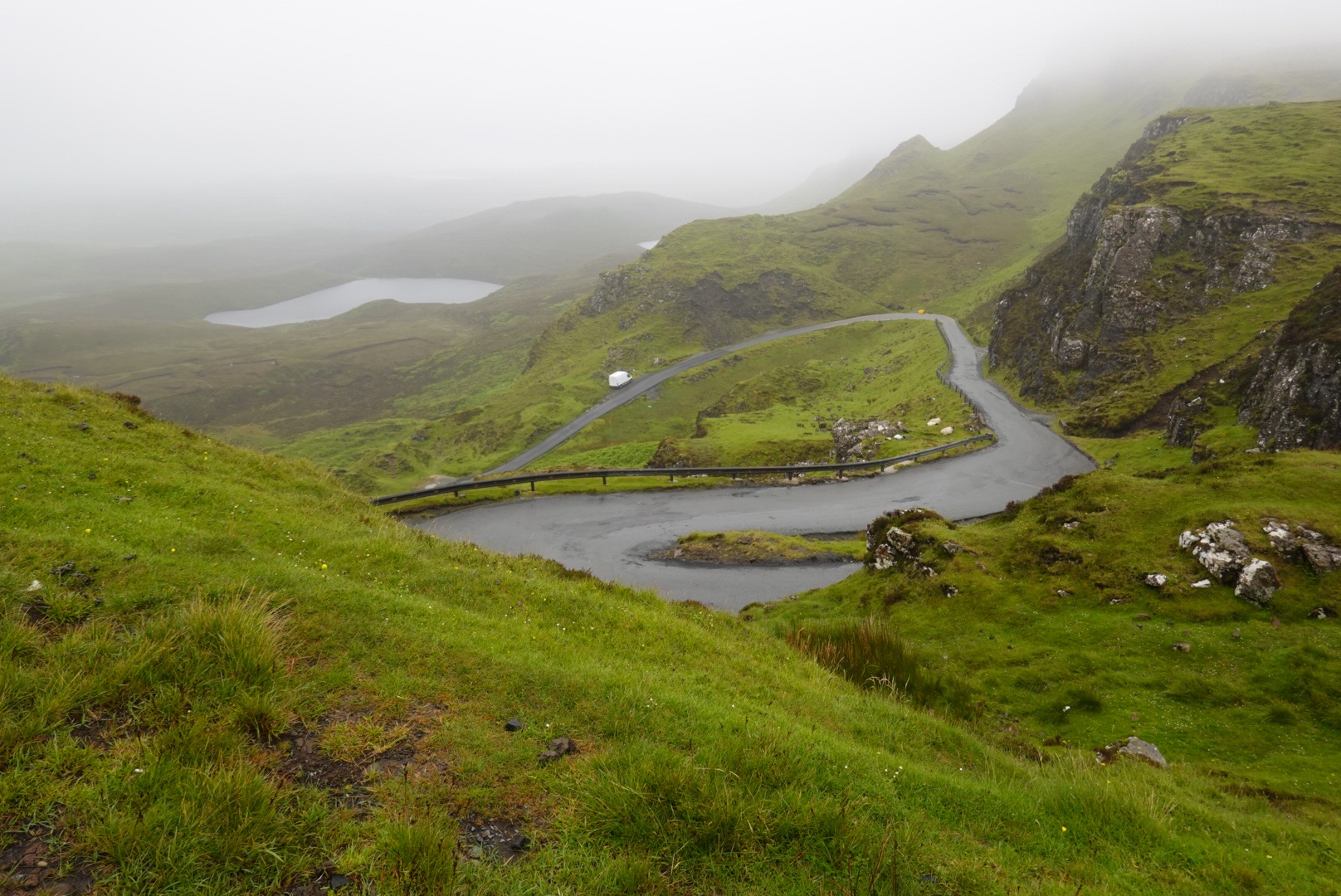
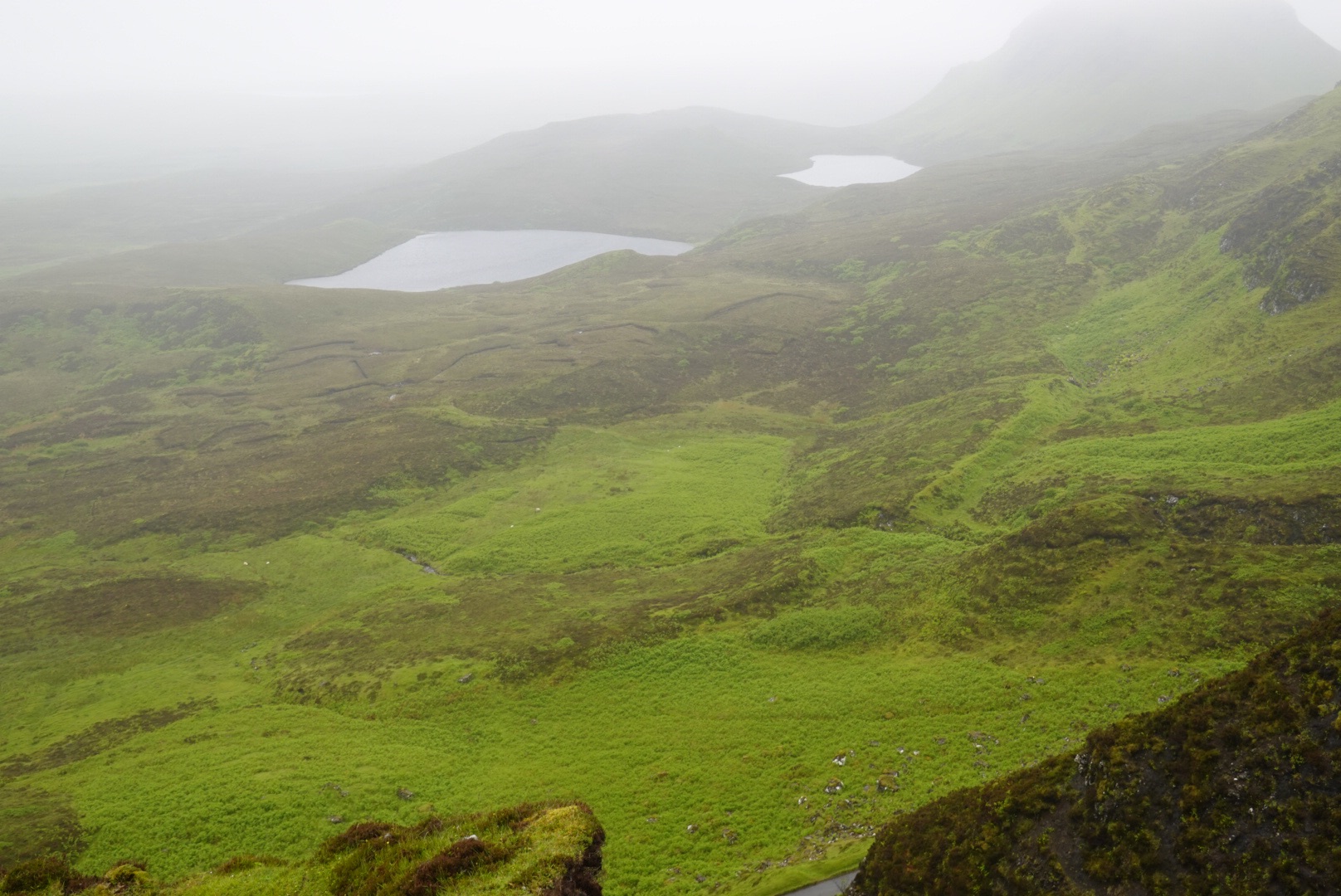
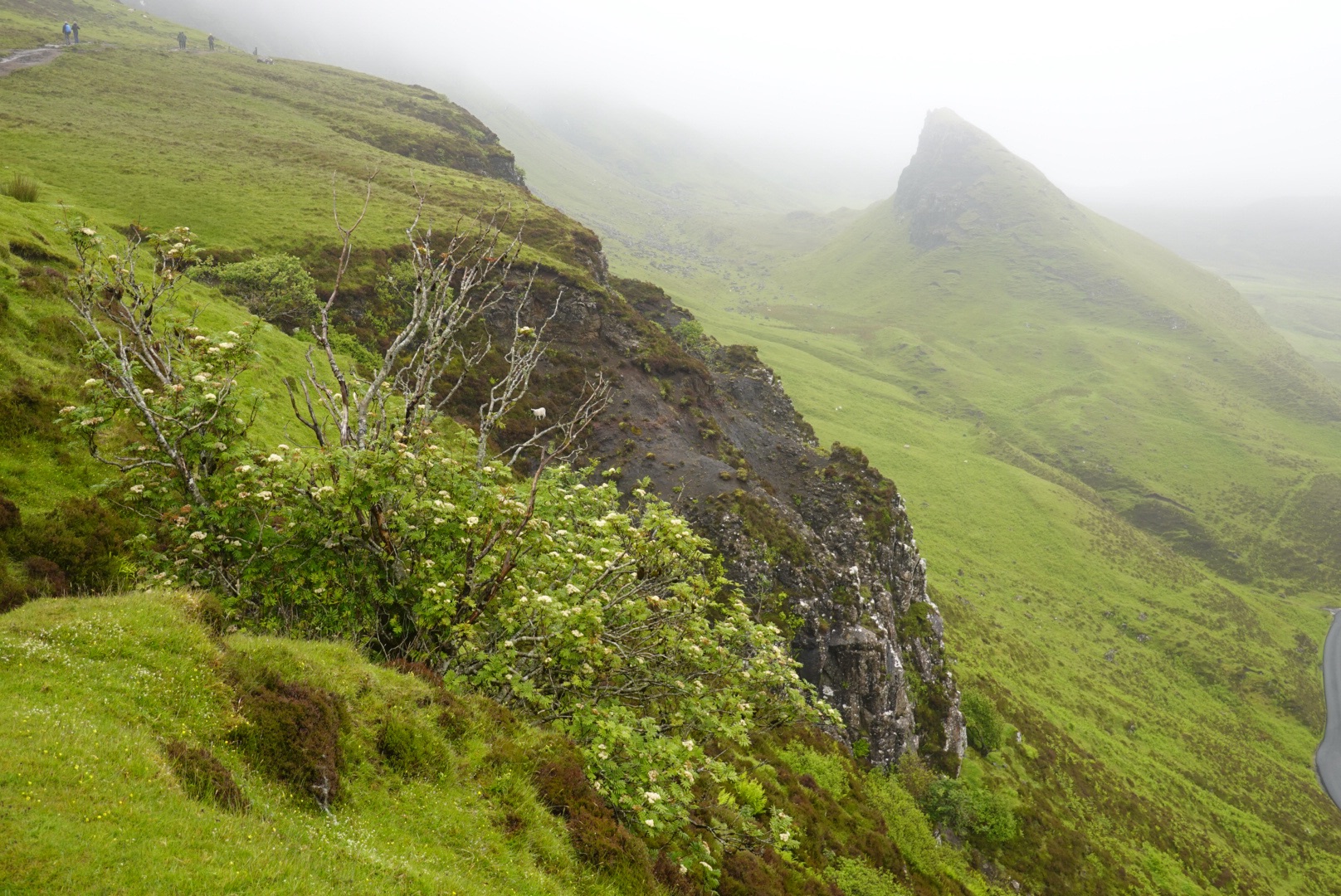
So, we ventured to the Quirang, off a single carriage road. This was a place where the local people hid their livestock from the Viking invaders, because rocks formed somewhat of a high circle around a relatively flat, grassy area.
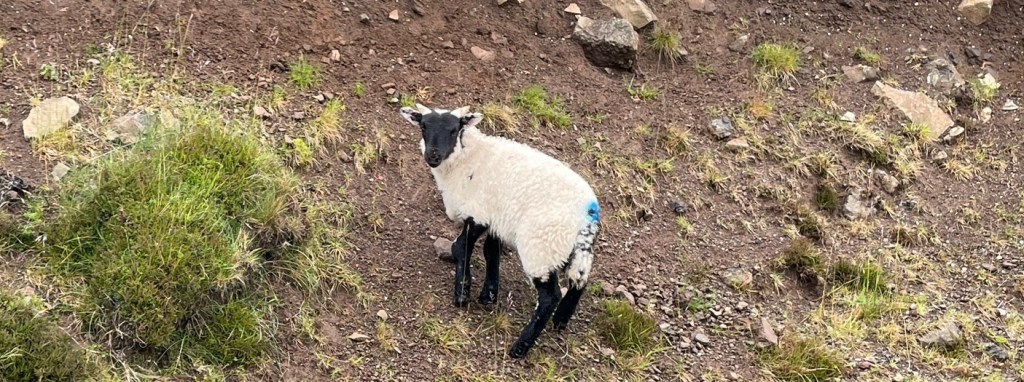
On the way back to the larger road, many sheep were visible. Only one posed for a picture, however.
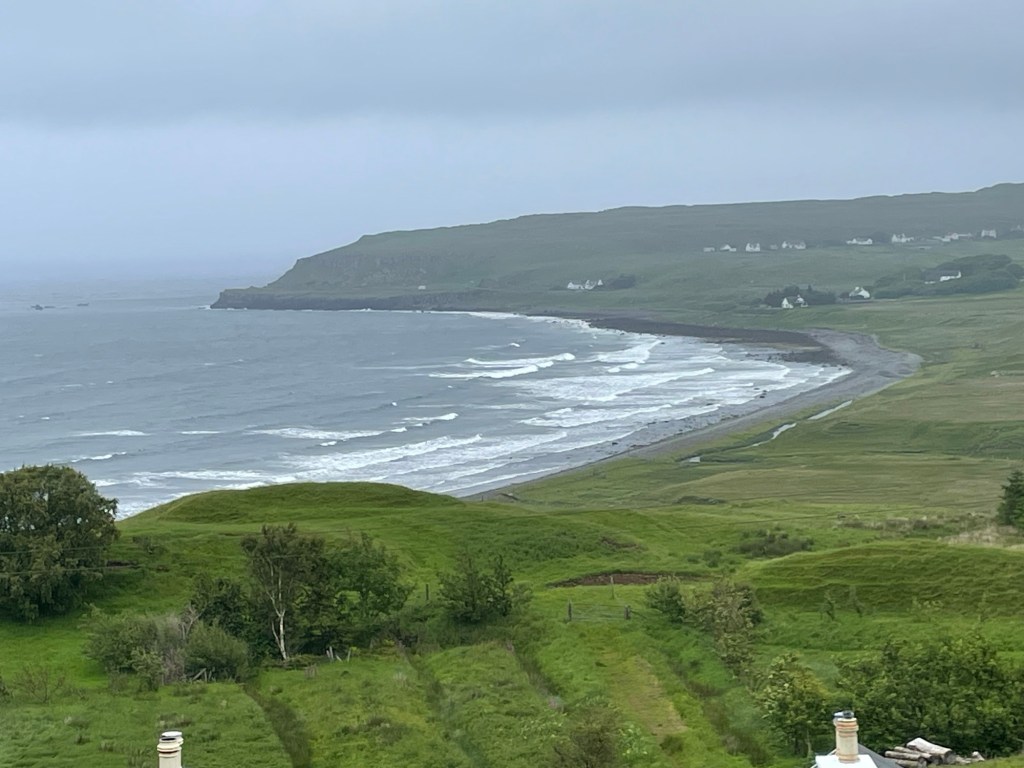
Staffin Bay
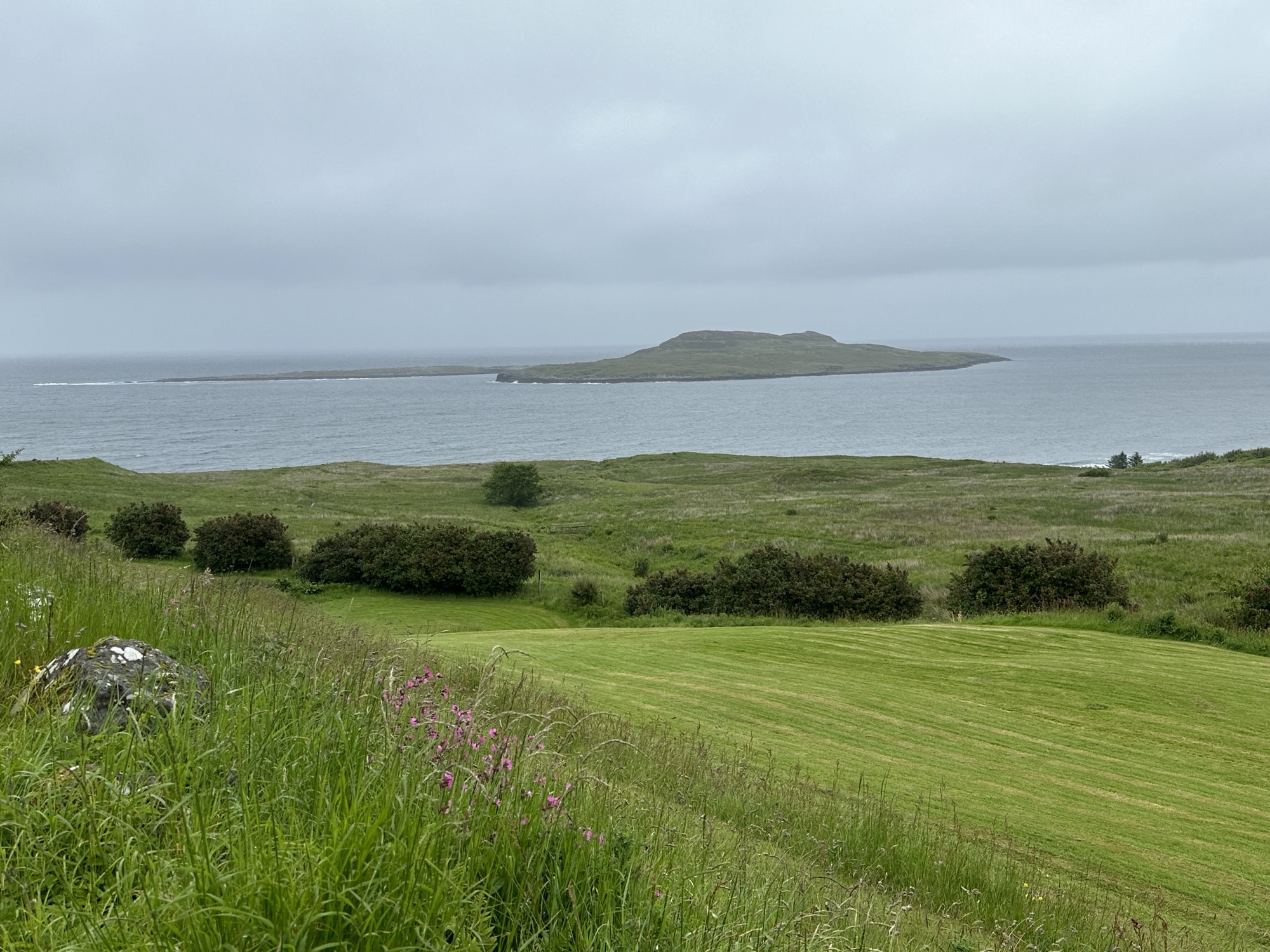
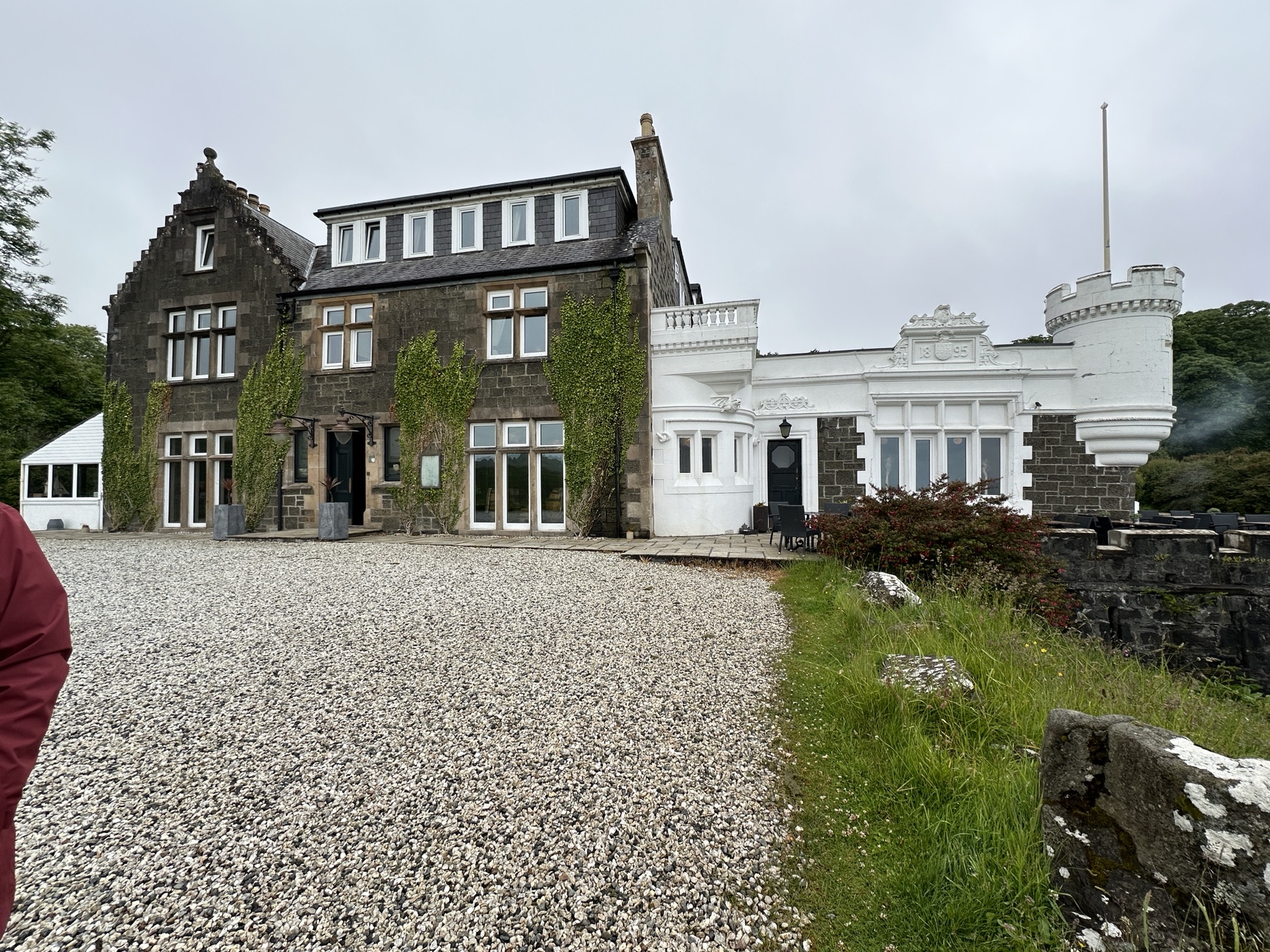
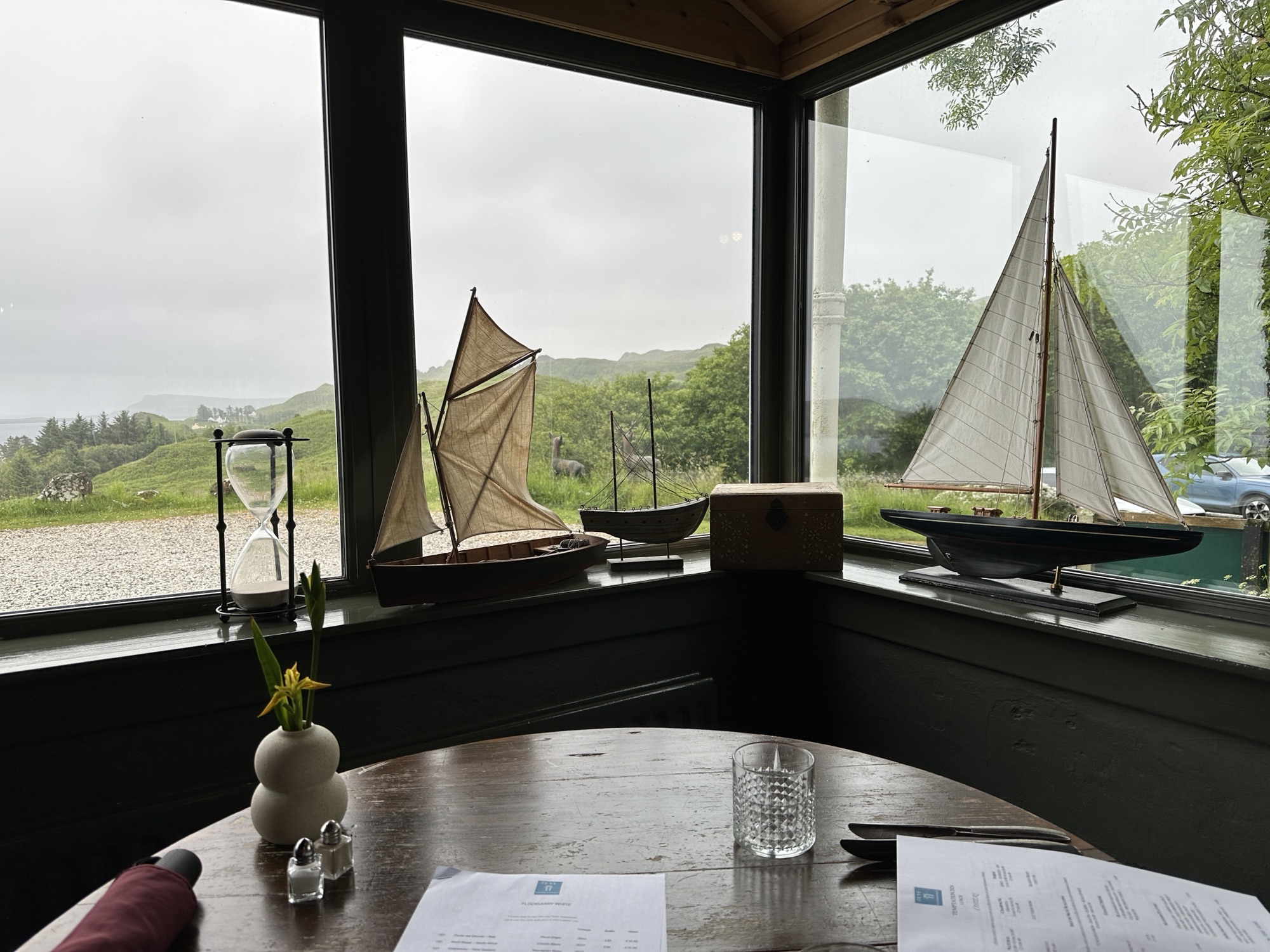
We stopped for lunch at the only place that was serving food on a Sunday, the beautiful Flodigarry hotel and restaurant.
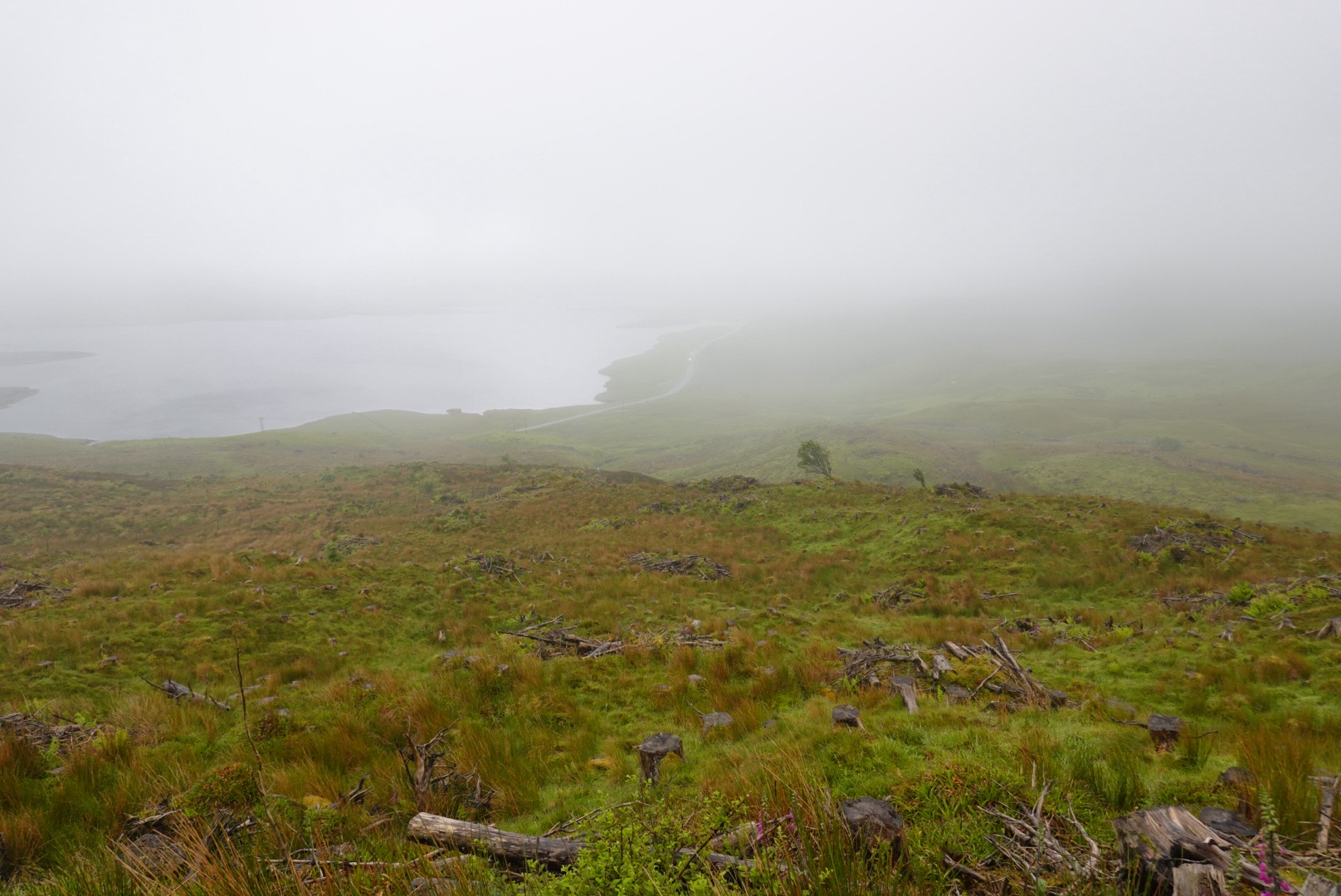
After a delightful meal, we decided to again try for the Old Man of Storr. Rain had let up, but wind was beginning. Also, mist or fog was coming. I’m not sure I have ever before experienced fog and strong wind at the same time.
We parked and started up the trail to the viewpoint, over a mile uphill. We took the “moderate” path rather than the “strenuous” one, because the rocks were wet. We didn’t see much along the way.
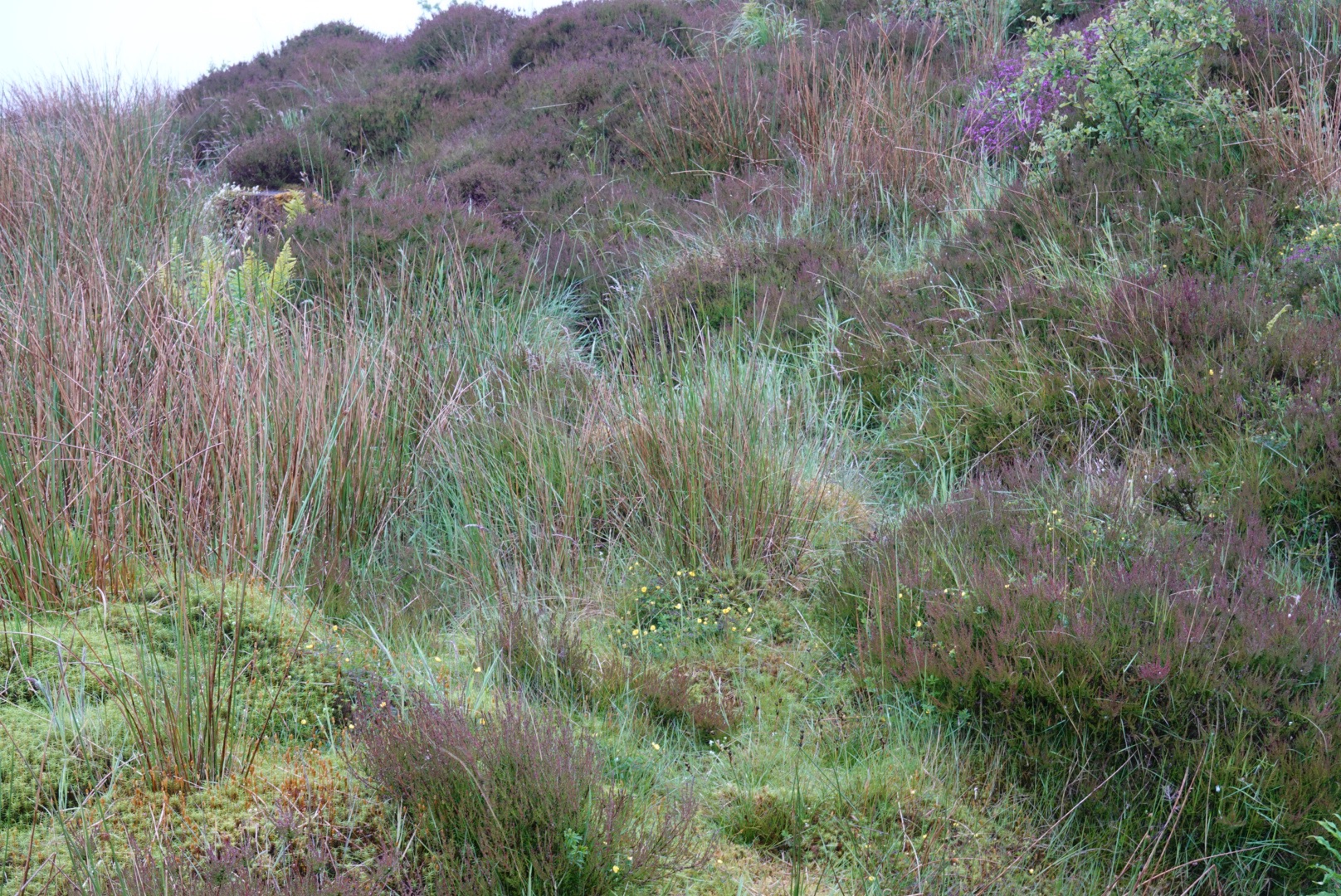
View down toward Loch Lea thanThe brownish green heather blooms with purple flowersLots of these on the trail
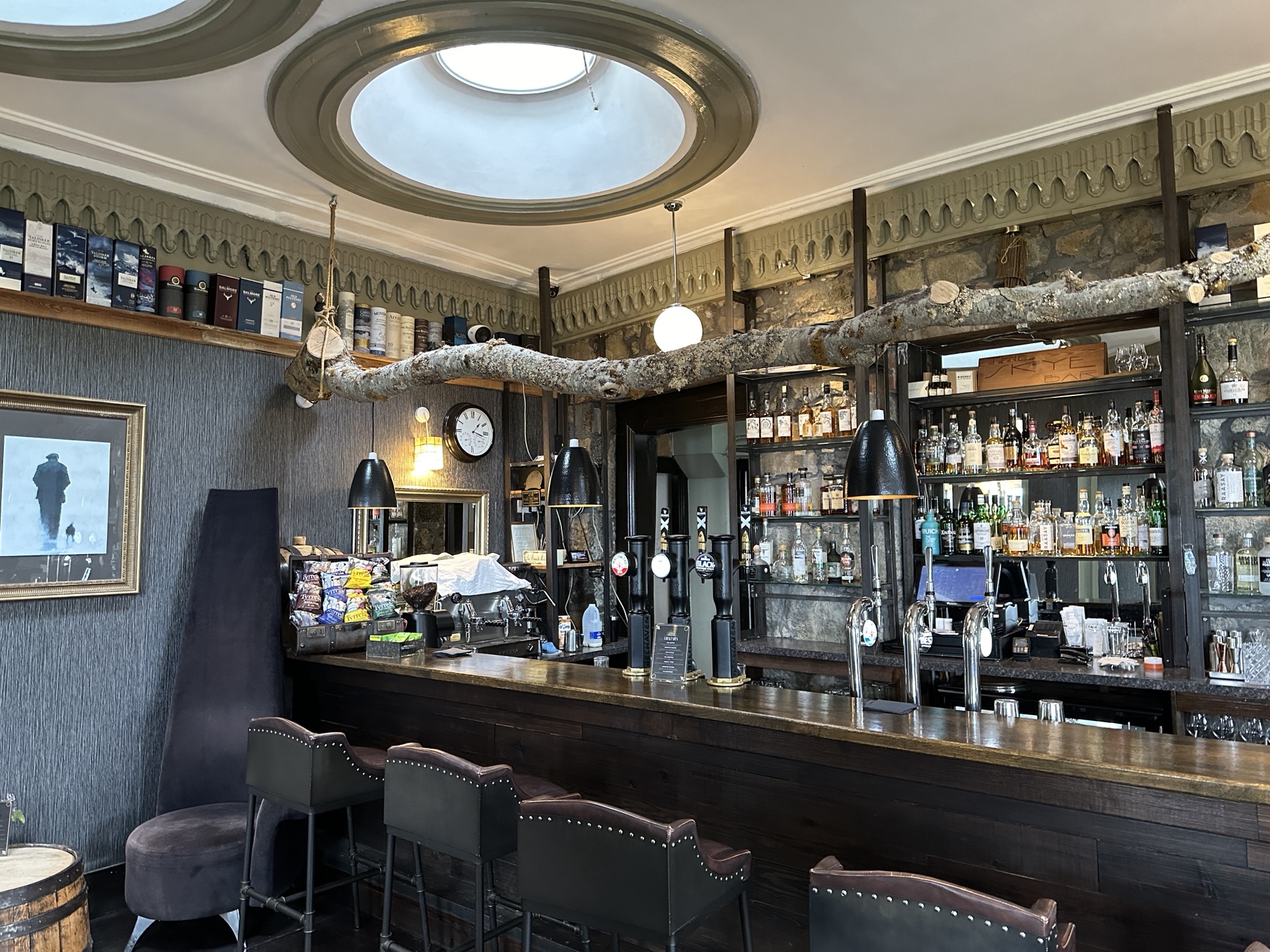
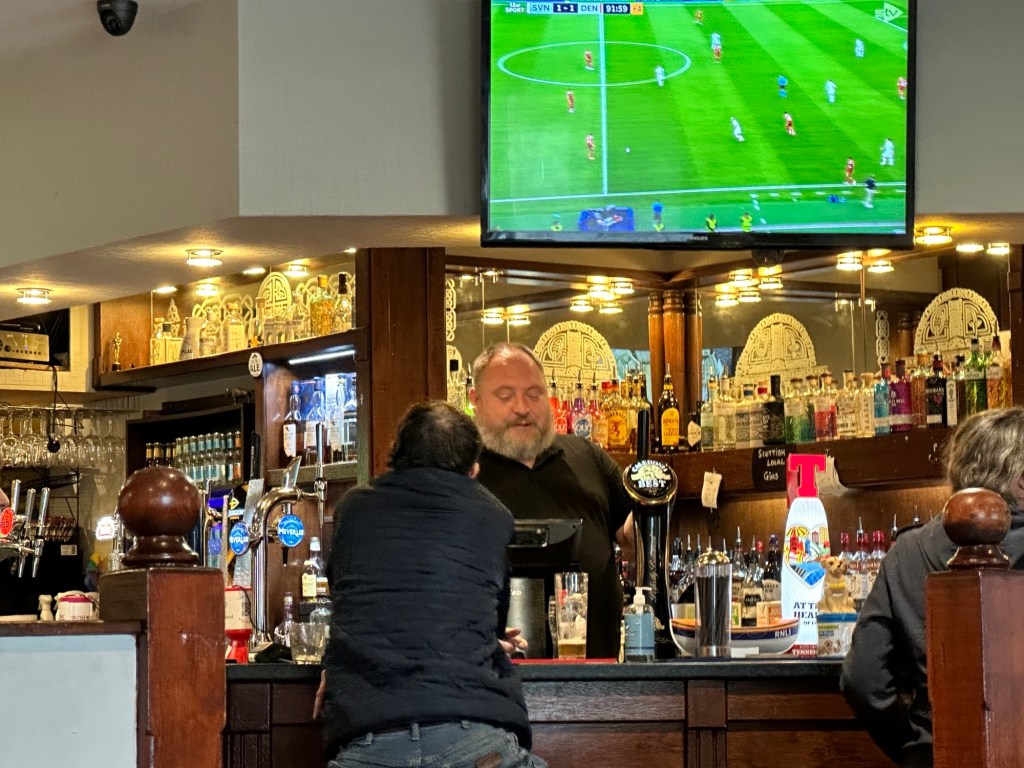
Before dinner we had a drink at the bar in the Royal Hotel. A football (soccer) game was on TV.
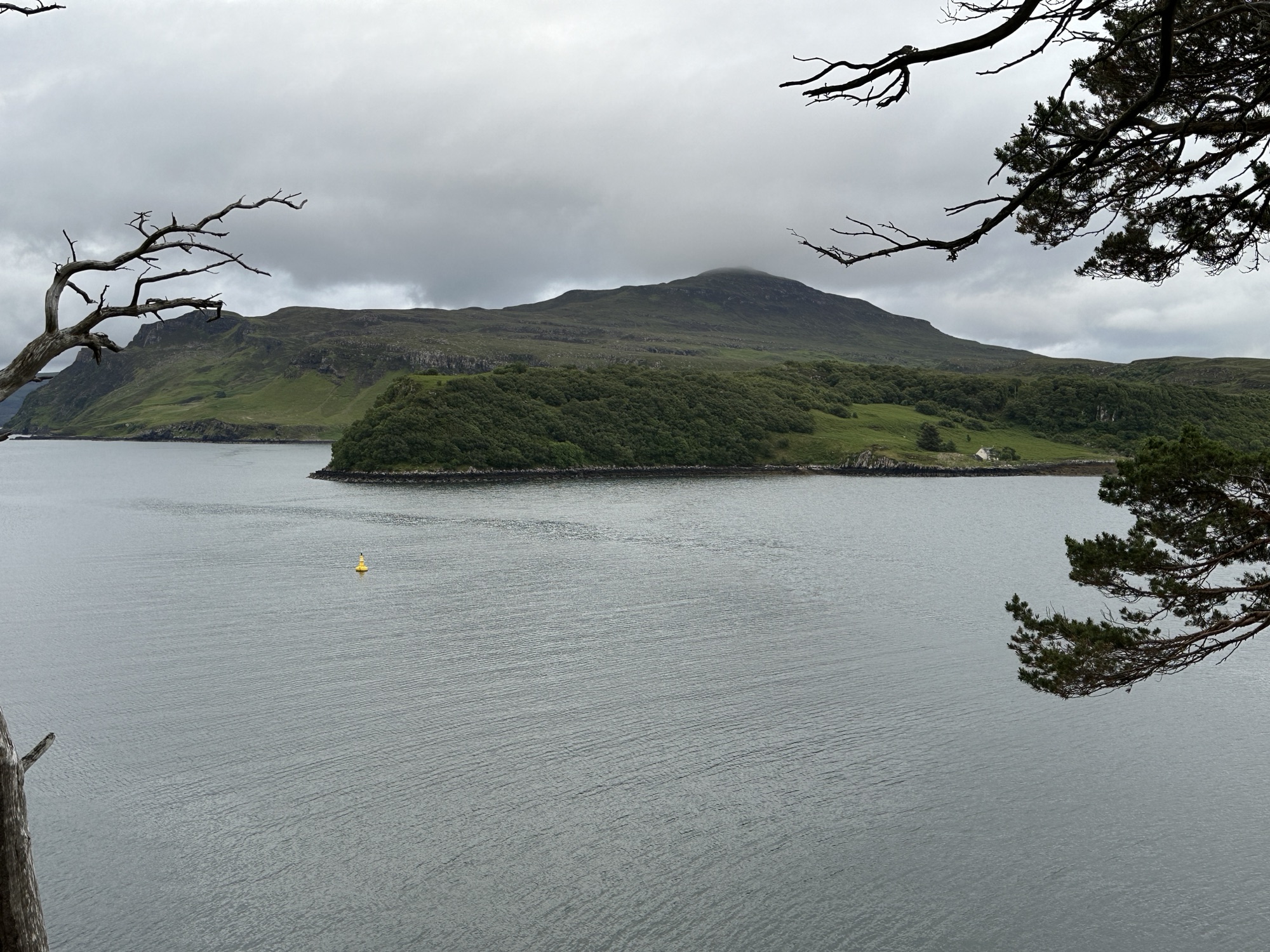
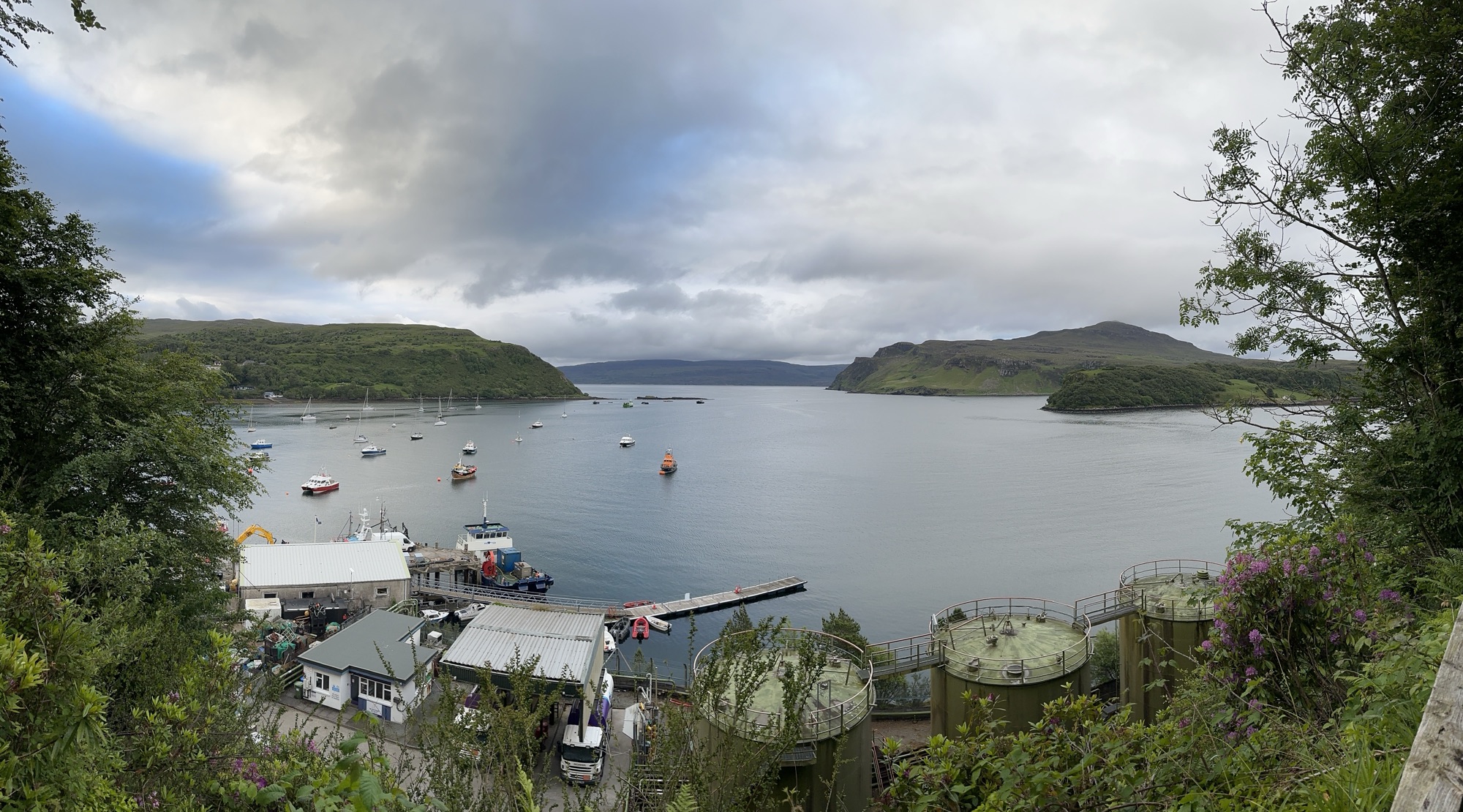
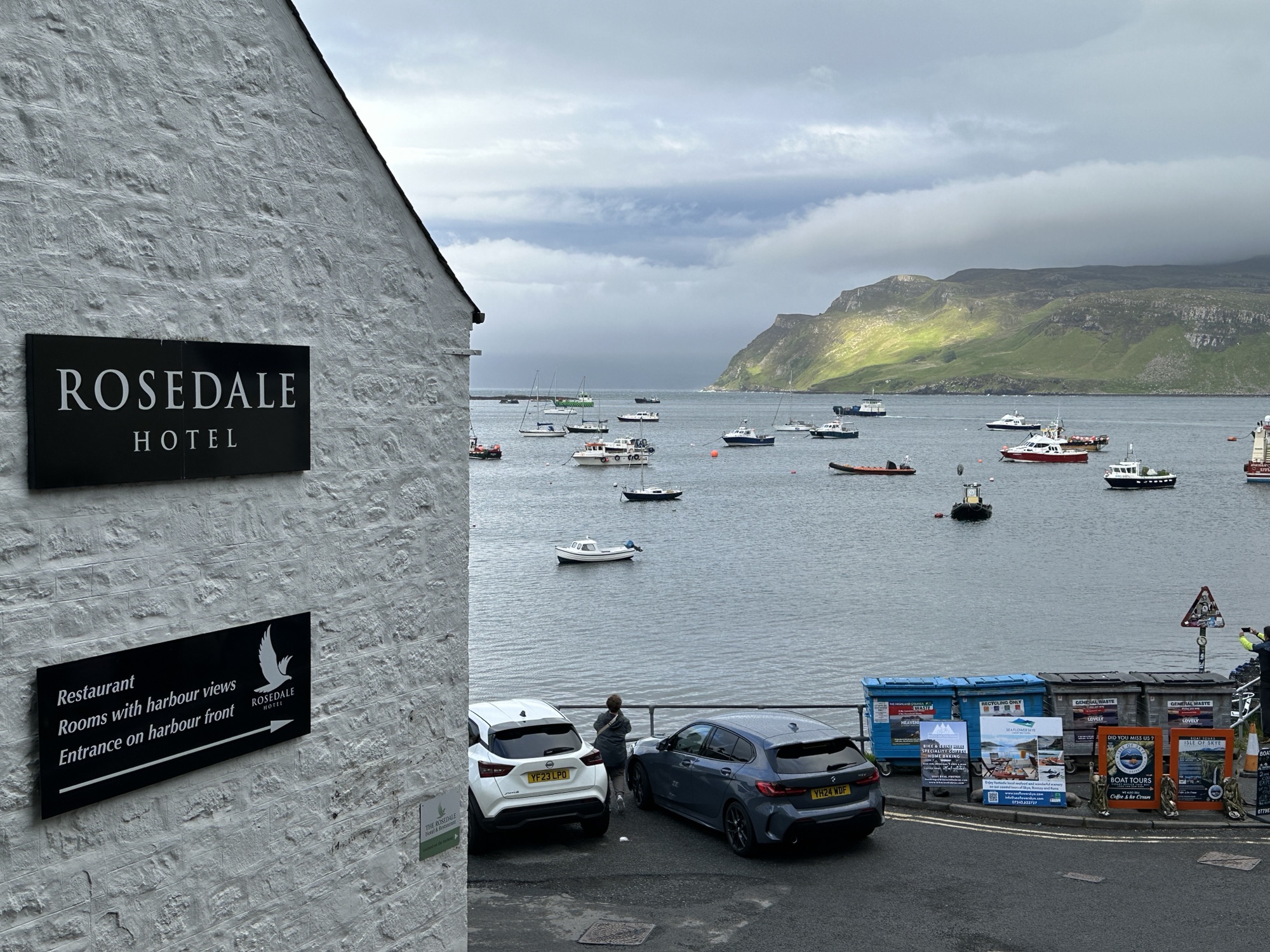
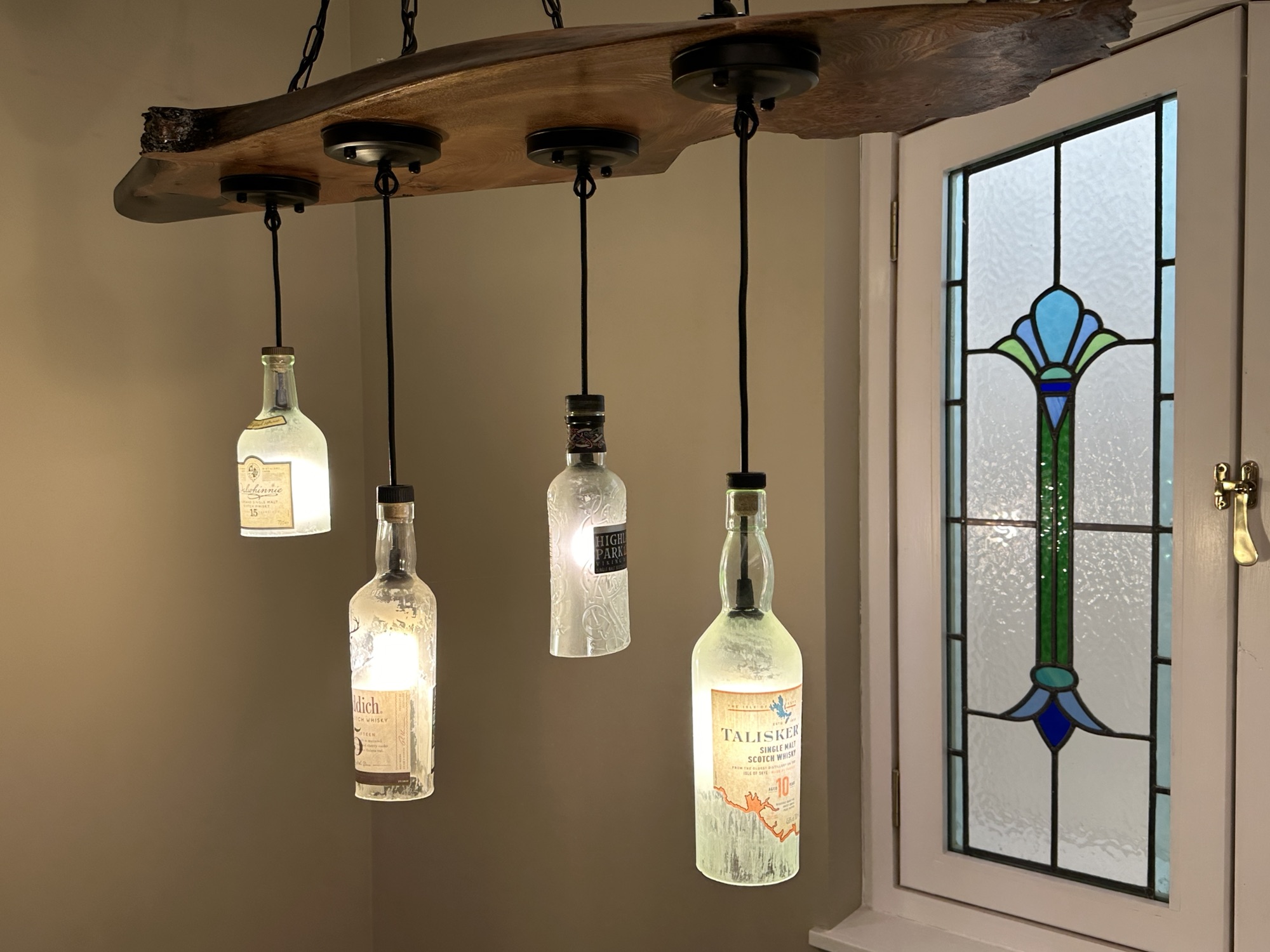
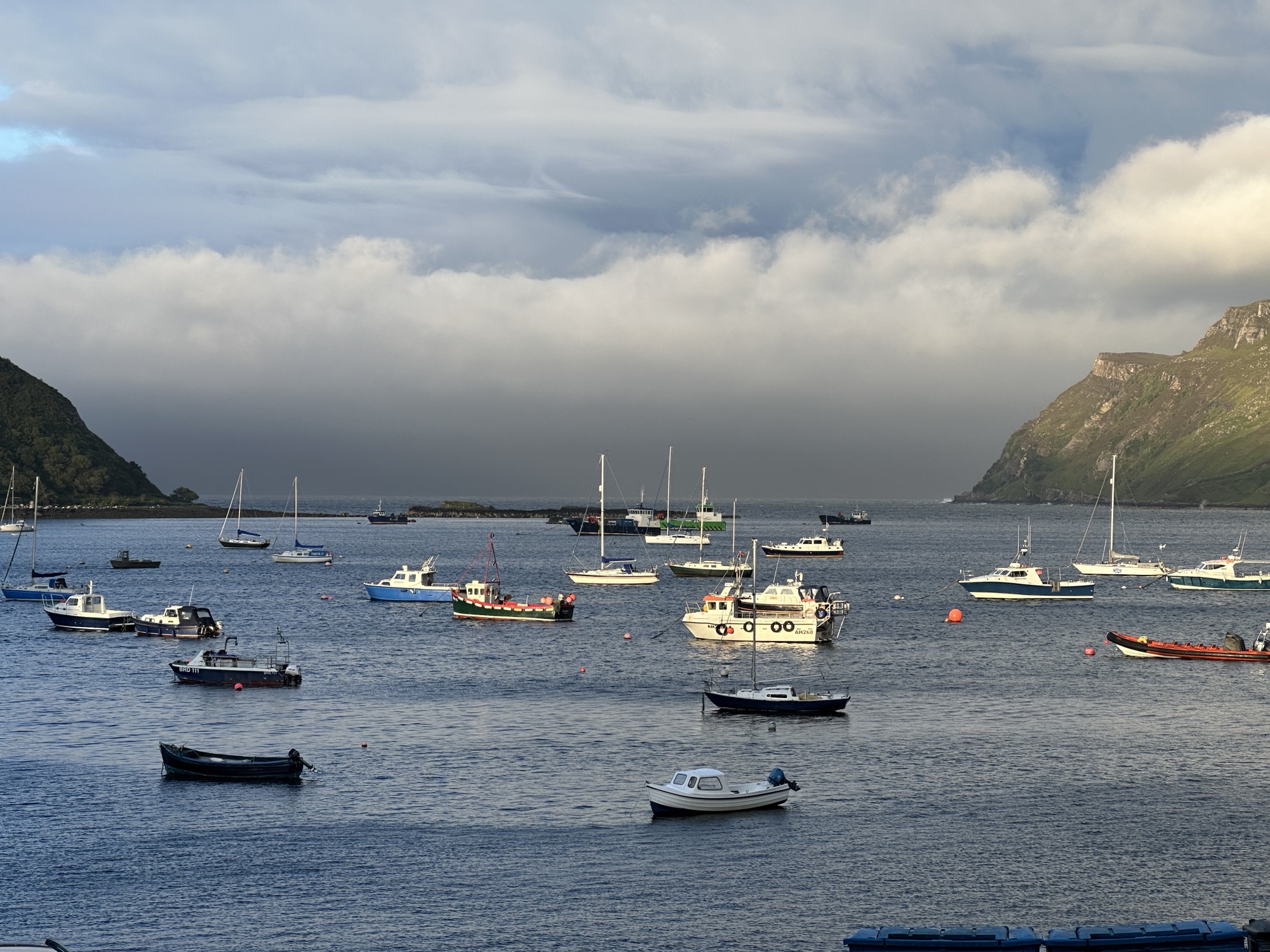
We dined at the Rosedale Hotel on our second evening in Portree. A chandelier made from whisky bottles was above the stairs. After dinner the setting sun shone on the harbor.
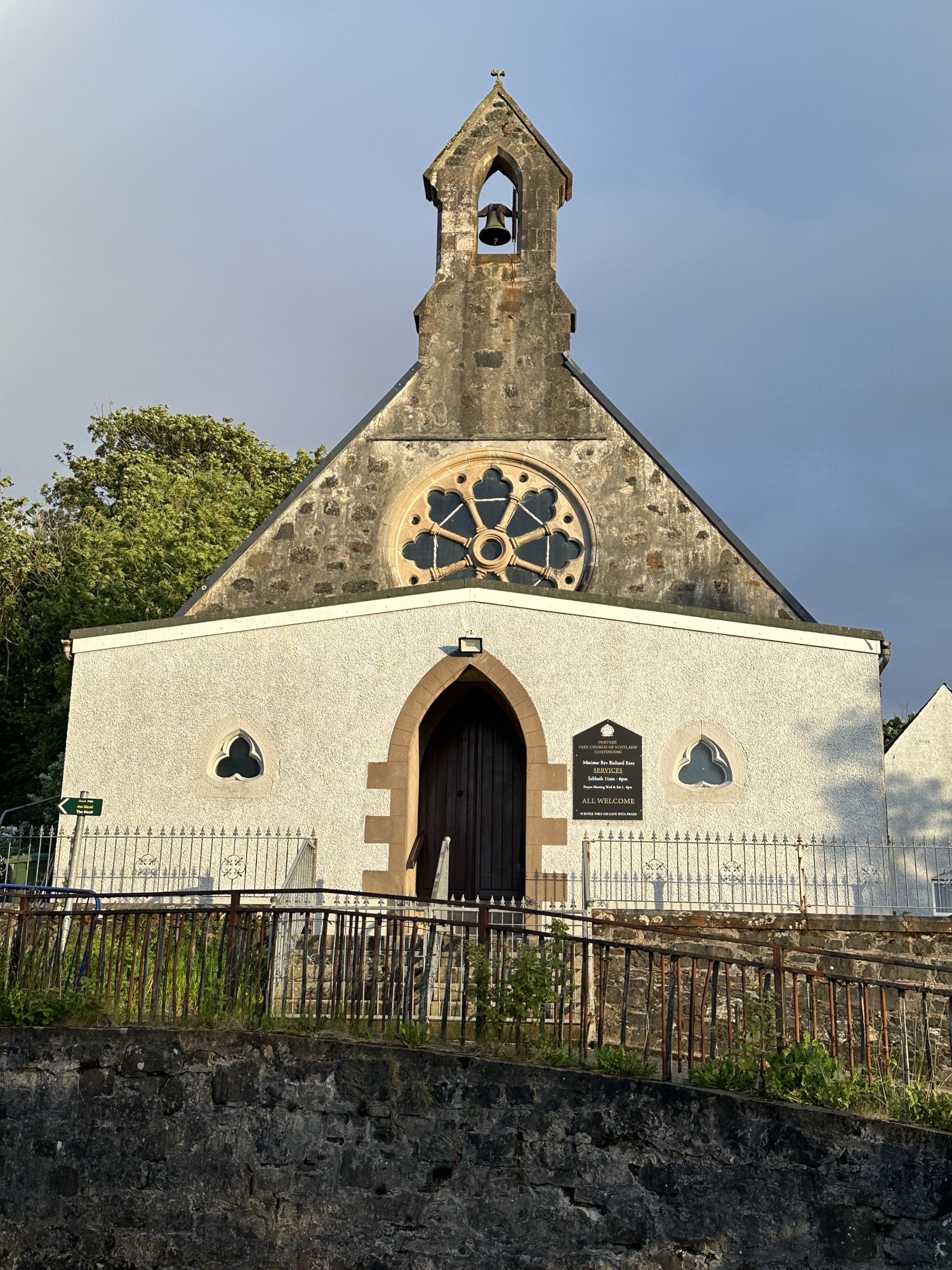
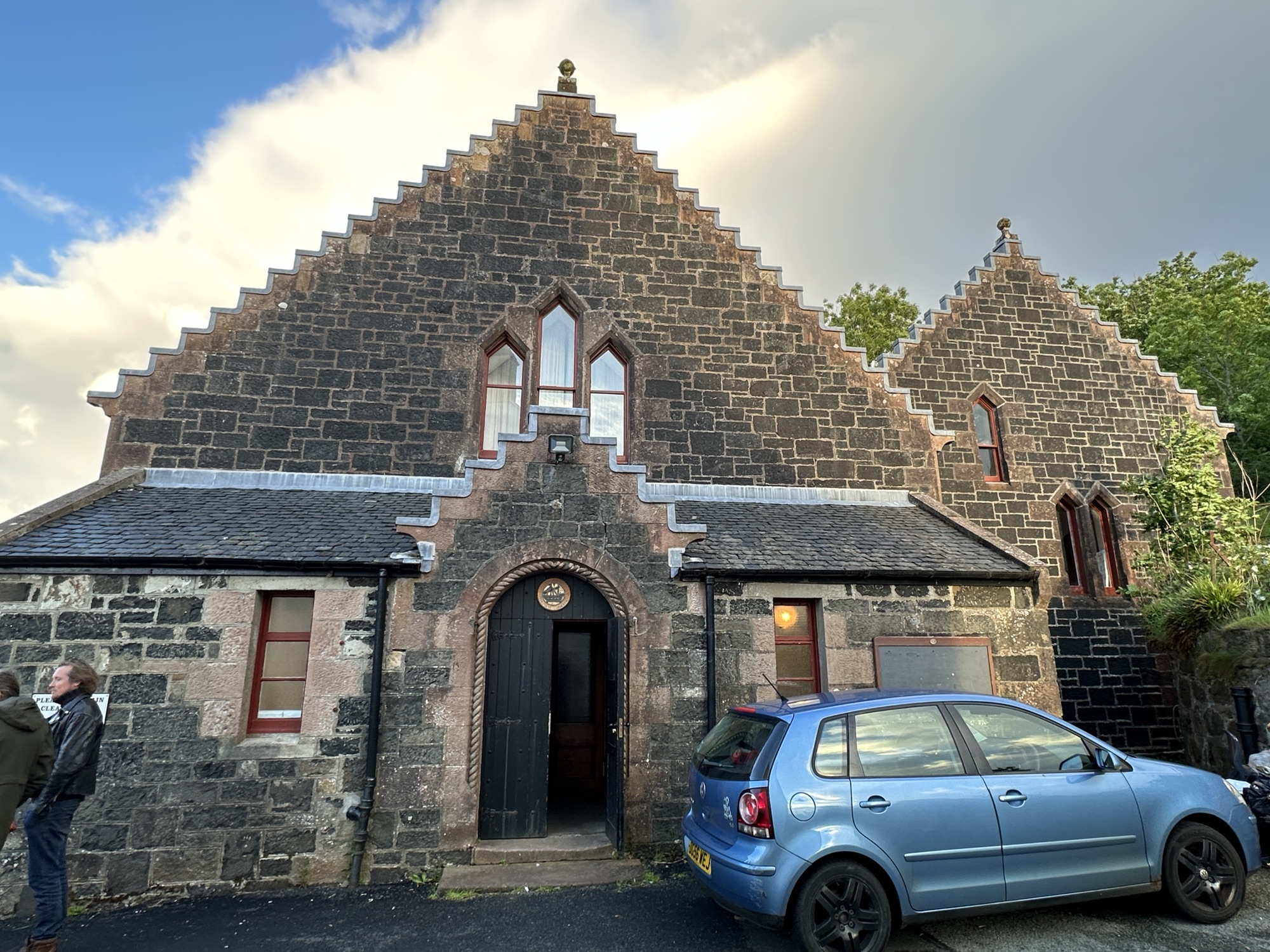
These two churches are just above the harbor in Portree.
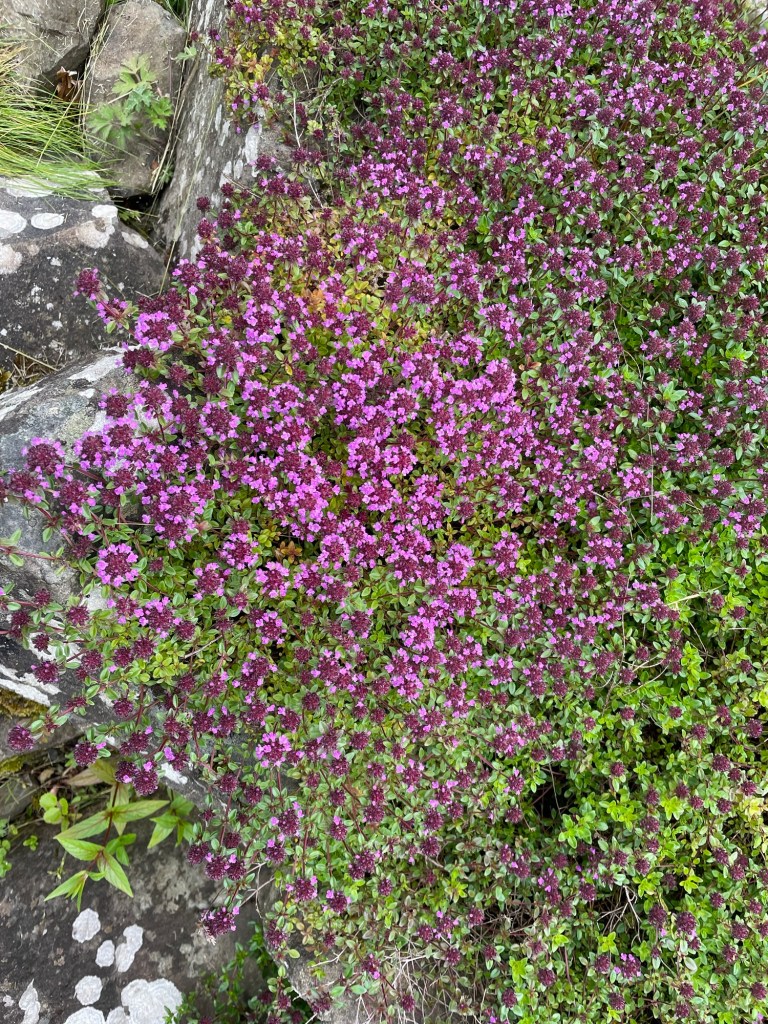
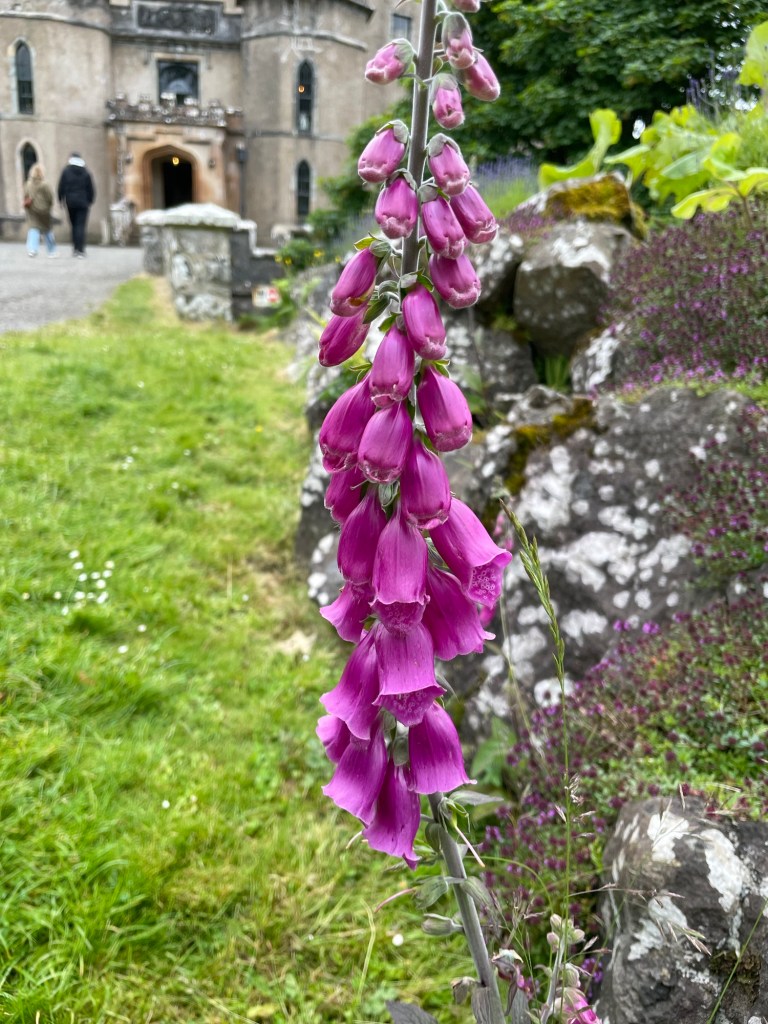
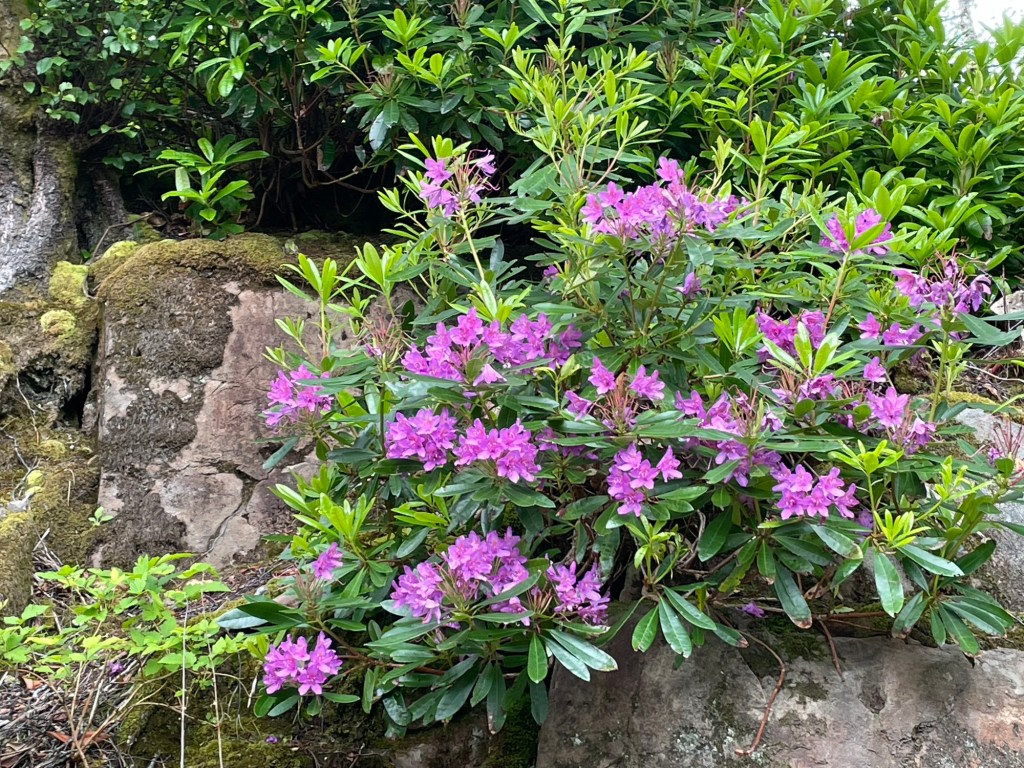
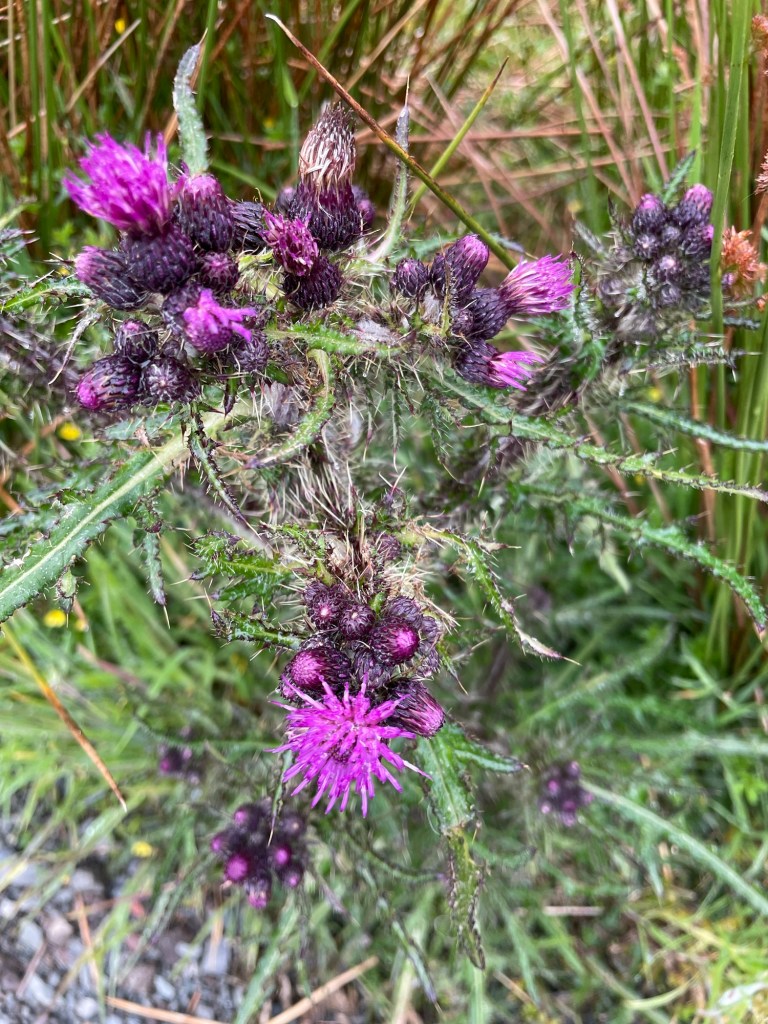
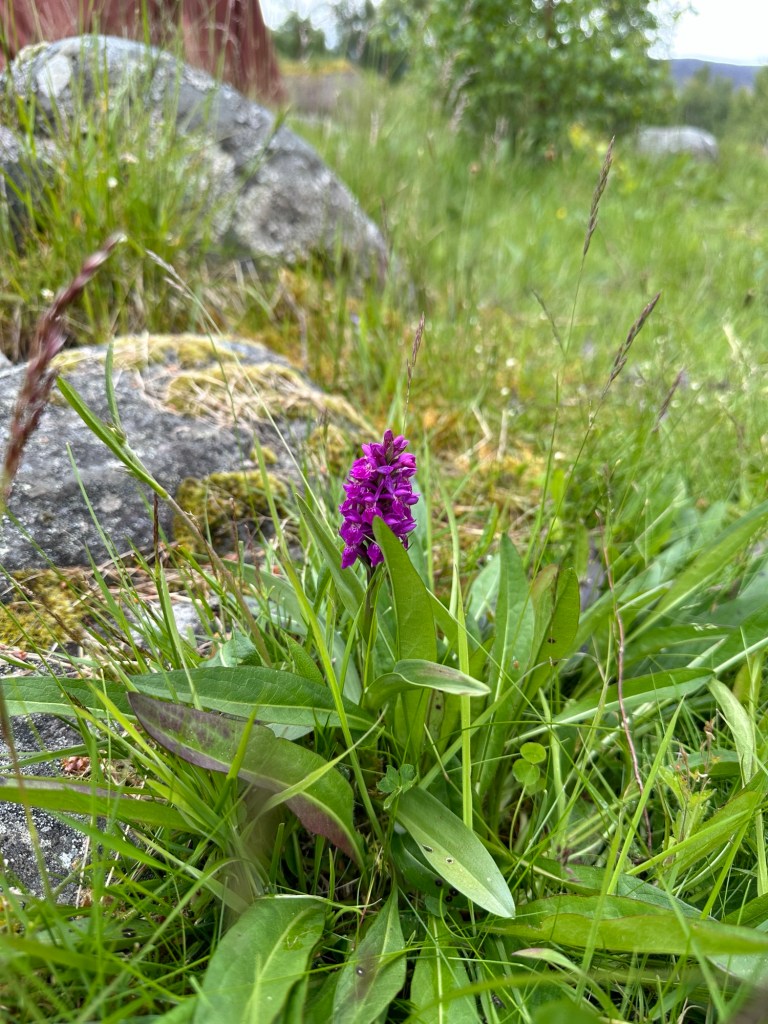
Because the weather made visibility short range, we noticed things close to us. Like the flowers. A large variety of the wildflowers here are approximately the same shade of pinkish purple. Heather is brown in winter, but the flowers that bloom spring and summer are purple. Foxglove, scattered about this damp countryside is also similar. Rhododendron are everywhere (although the color of the flowers vary, the most likely color for wild rhododendron is this one). Scottish thistle is the same shade. and a rare orchid! I only ask why?
HeatherFoxgloveRhododendronScotch thistleOrchid
The geology of the Isle of Skye is relatively young. About 60 million years ago, the continent started to rip apart, allowing hot magma to rise, helping to push the left and right sides (later North American Plate and European Plate) apart. So dense igneous rocks, lava flows, sills and larger intrusive magmas distorted the older, Jurassic aged sedimentary layers. You can see evidence of this in the places we visit tomorrow.
 Bunch of Geeks go Traveling