Travel Blog
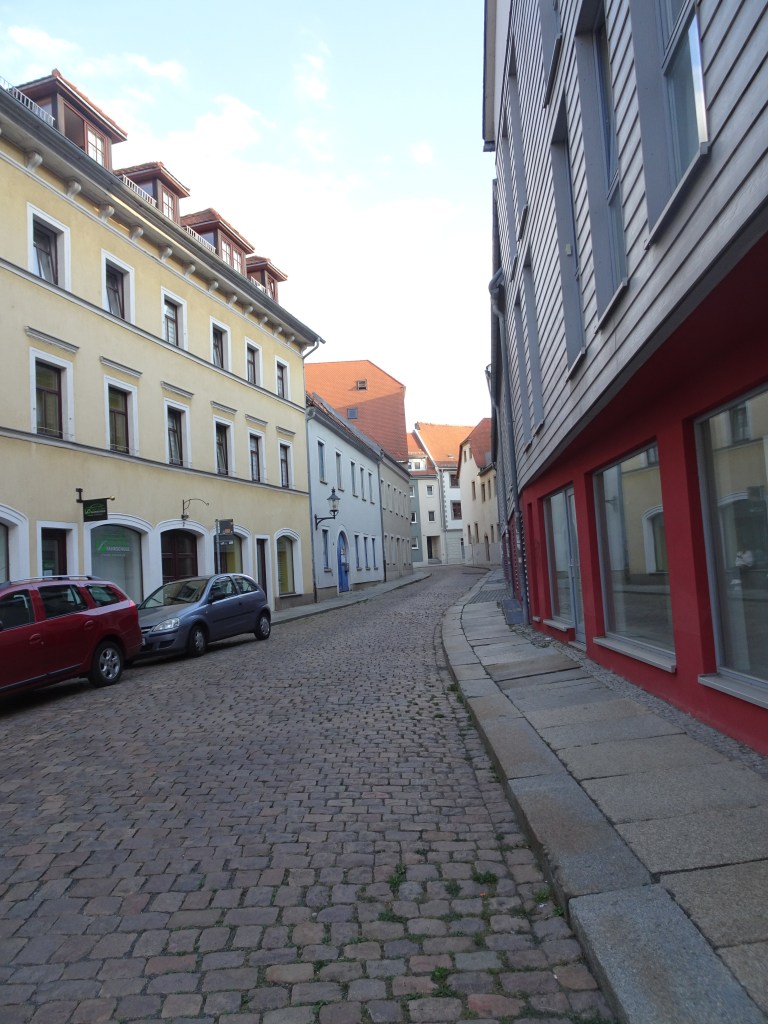
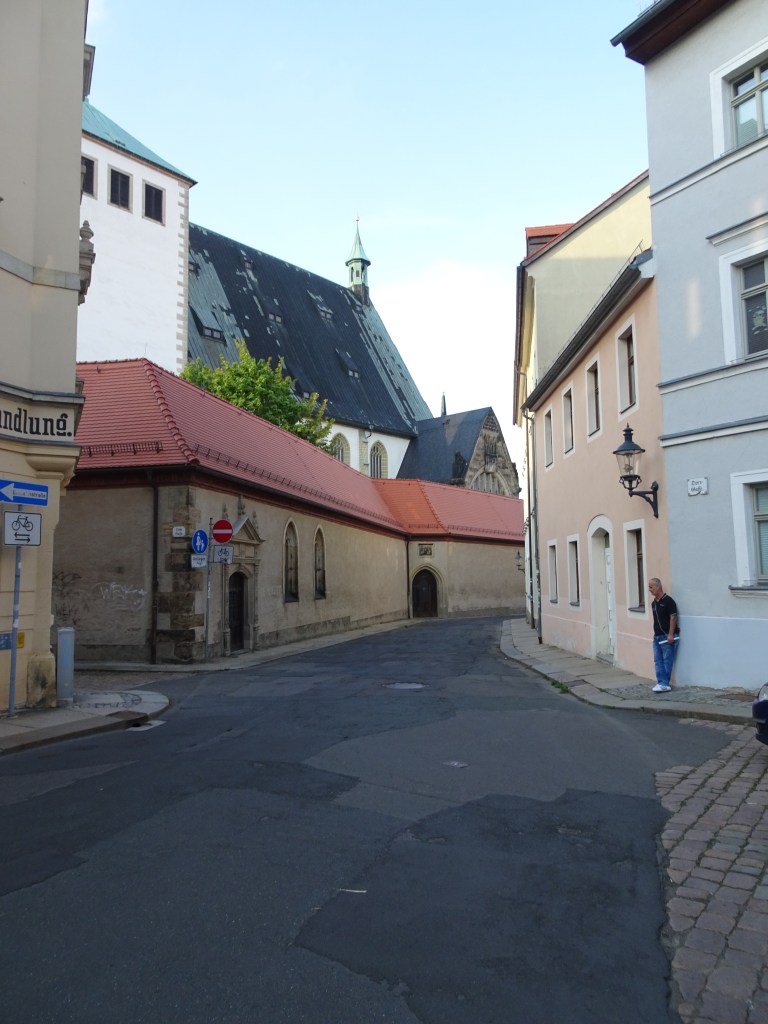
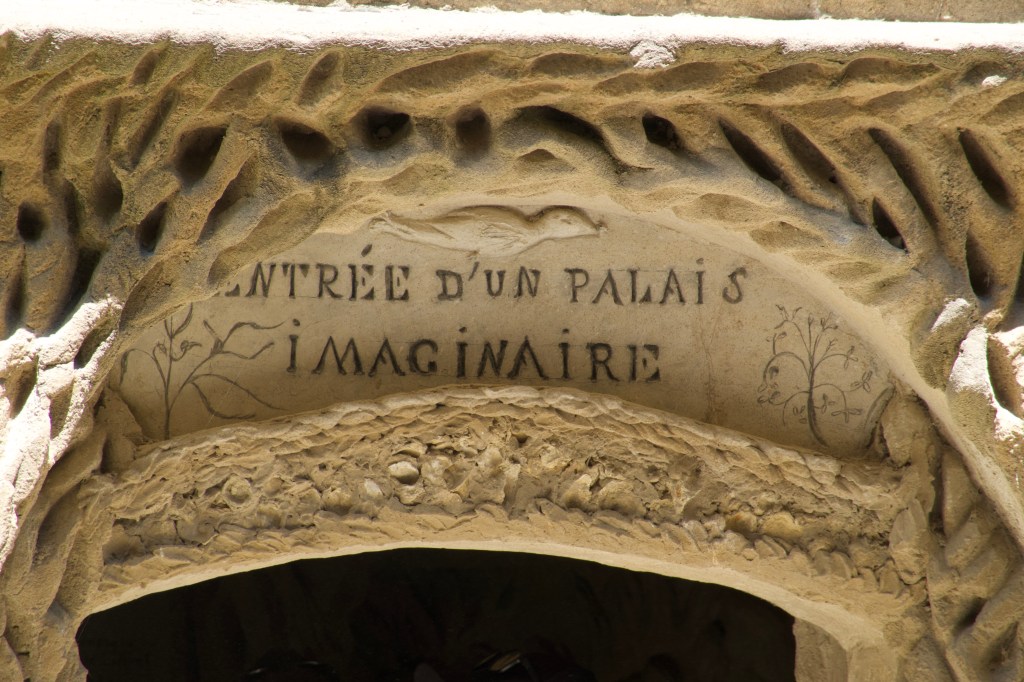
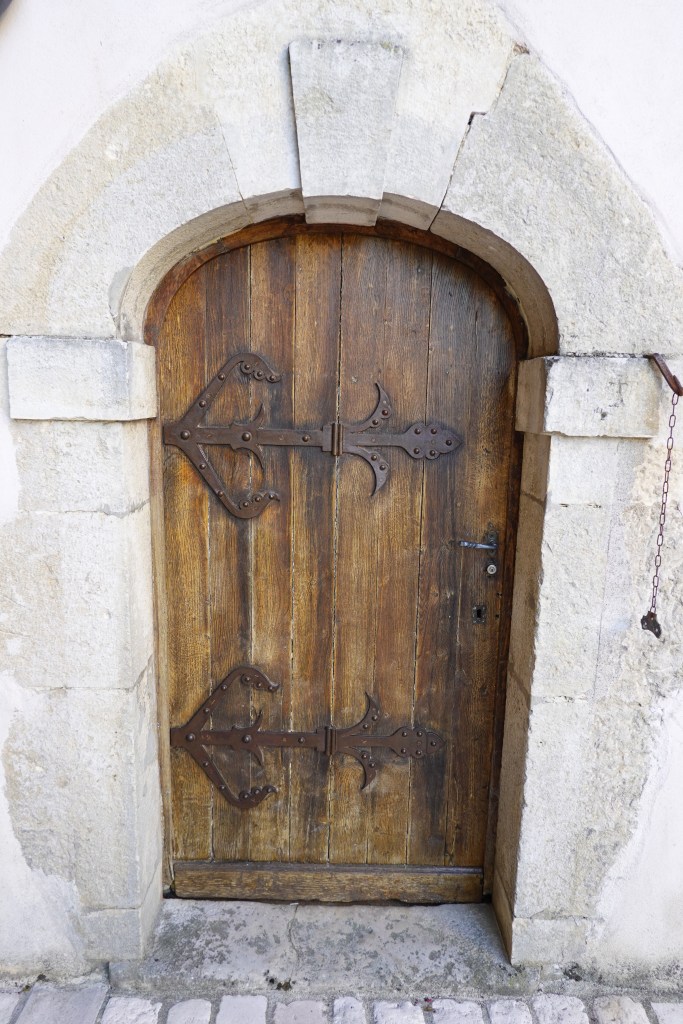
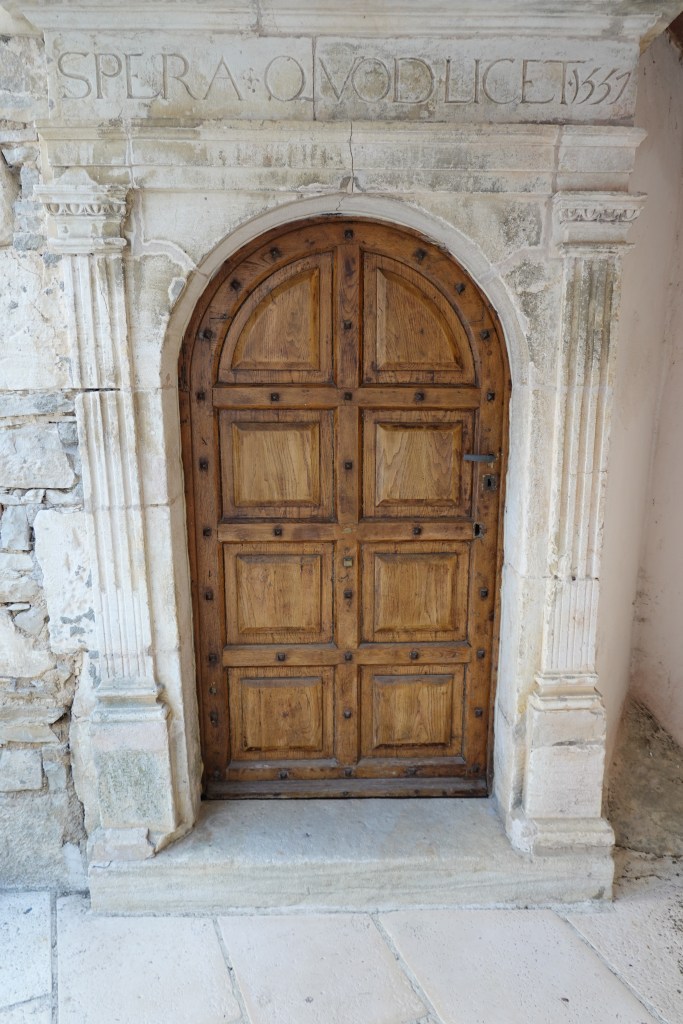
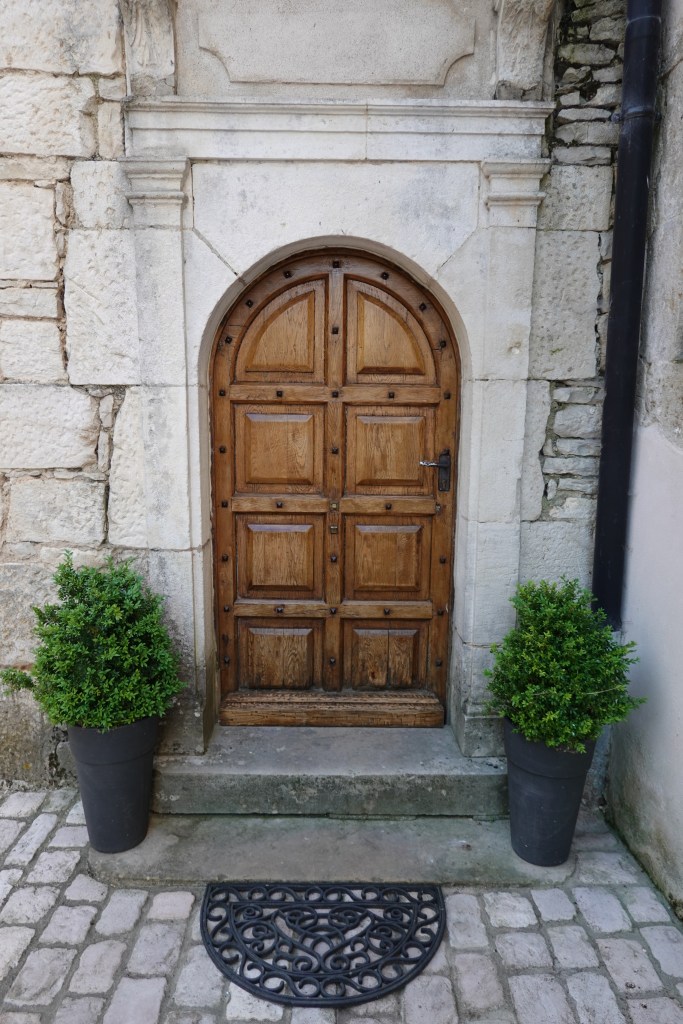
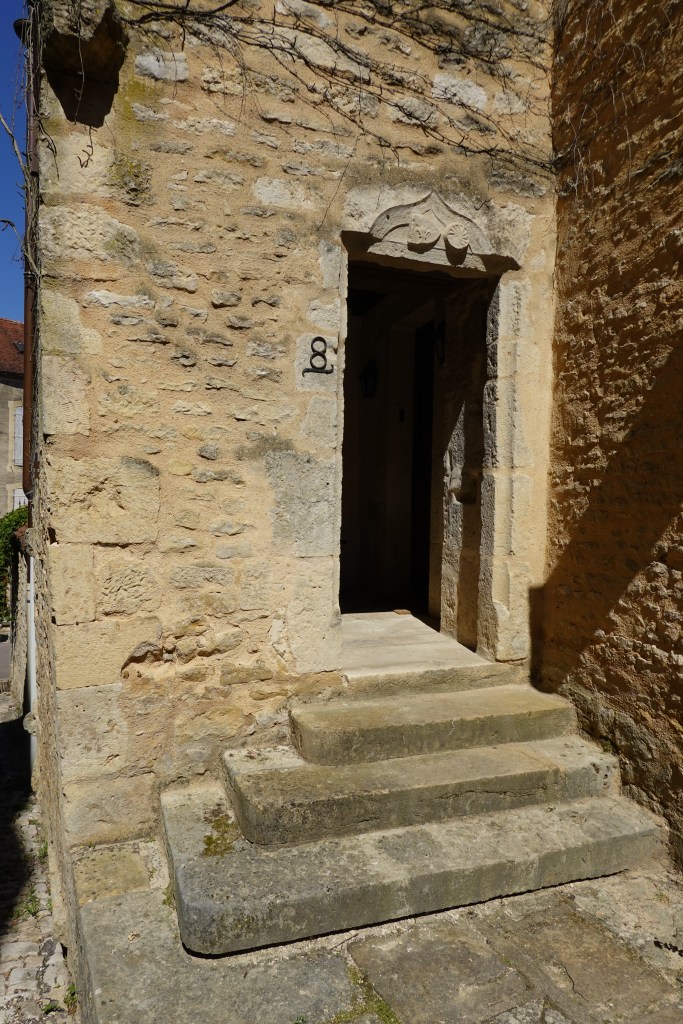
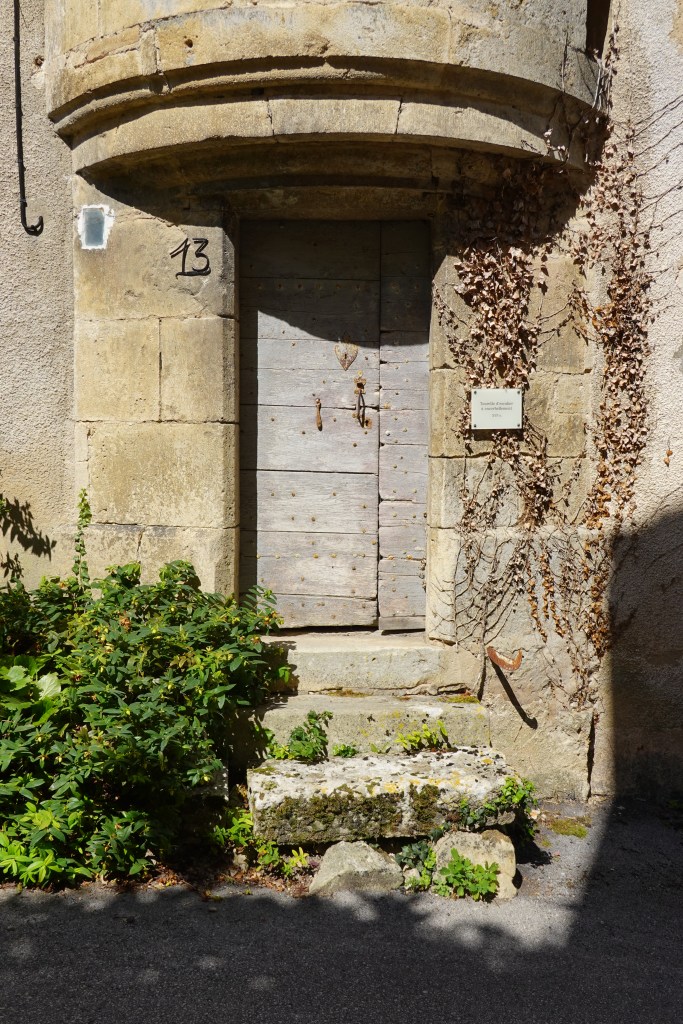
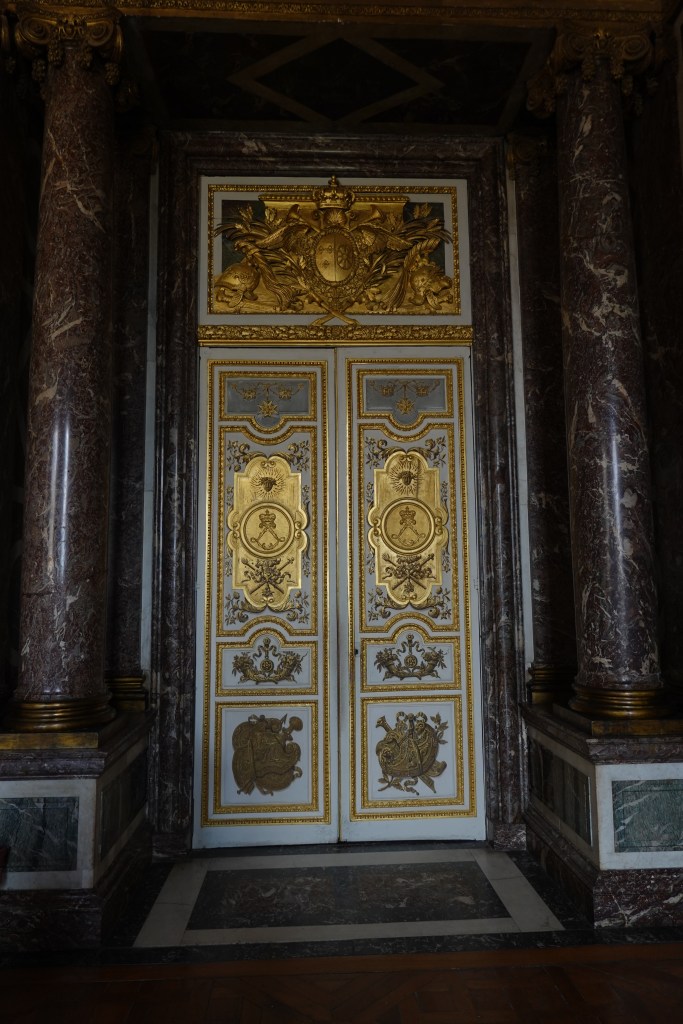
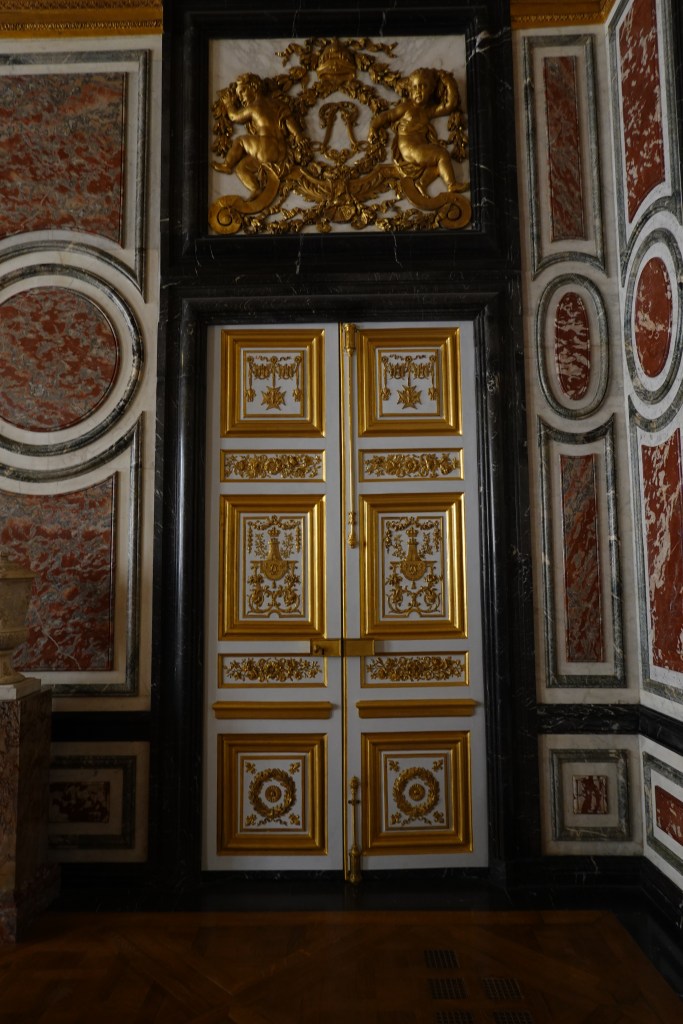
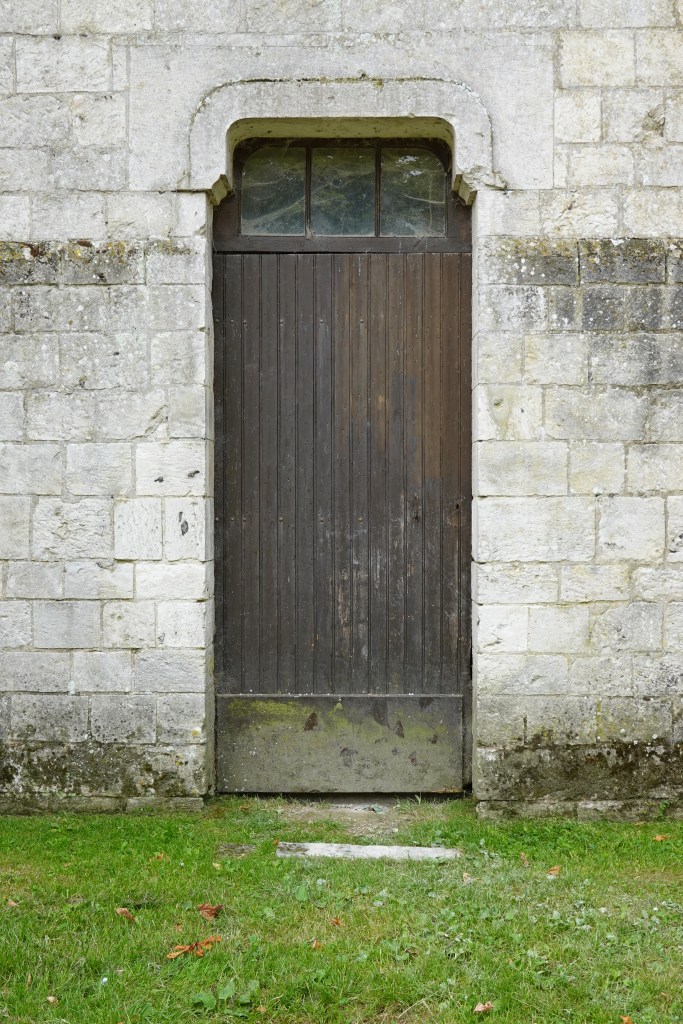
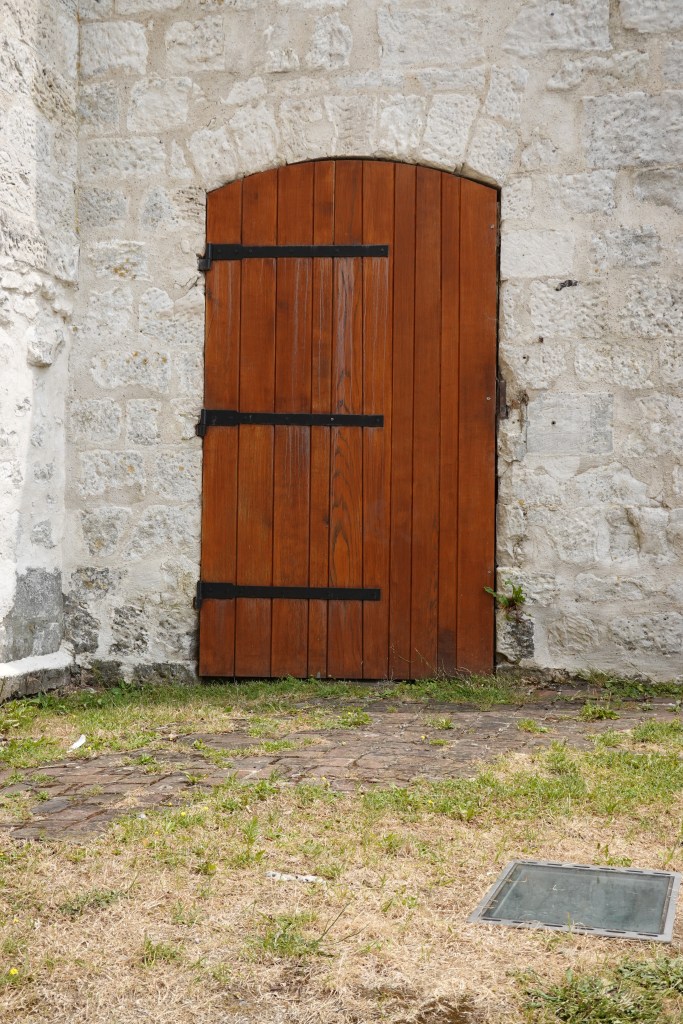
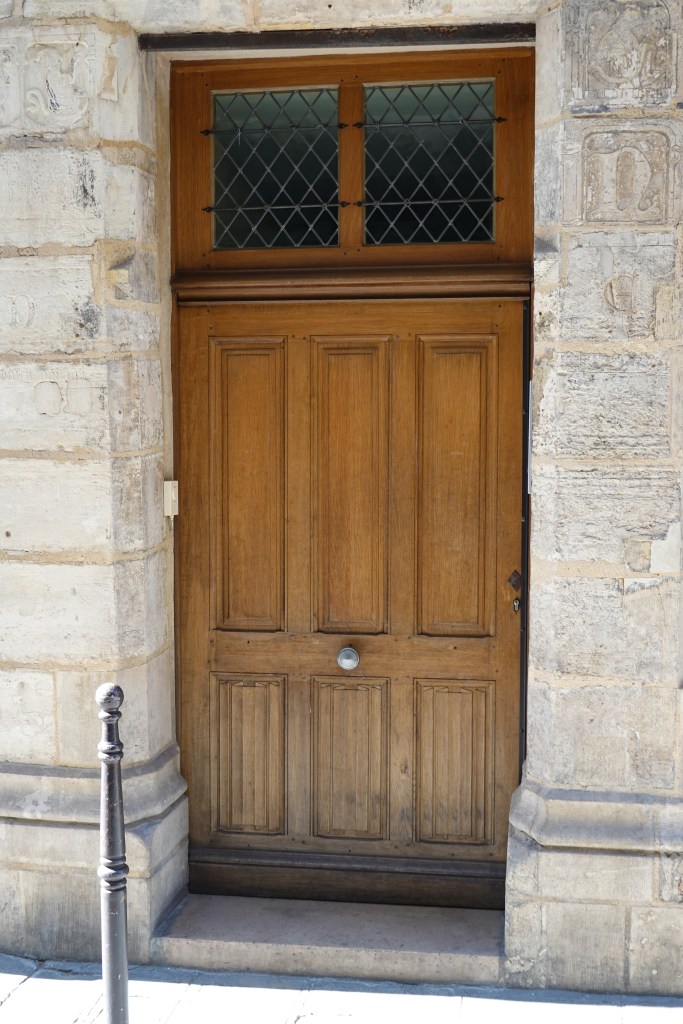
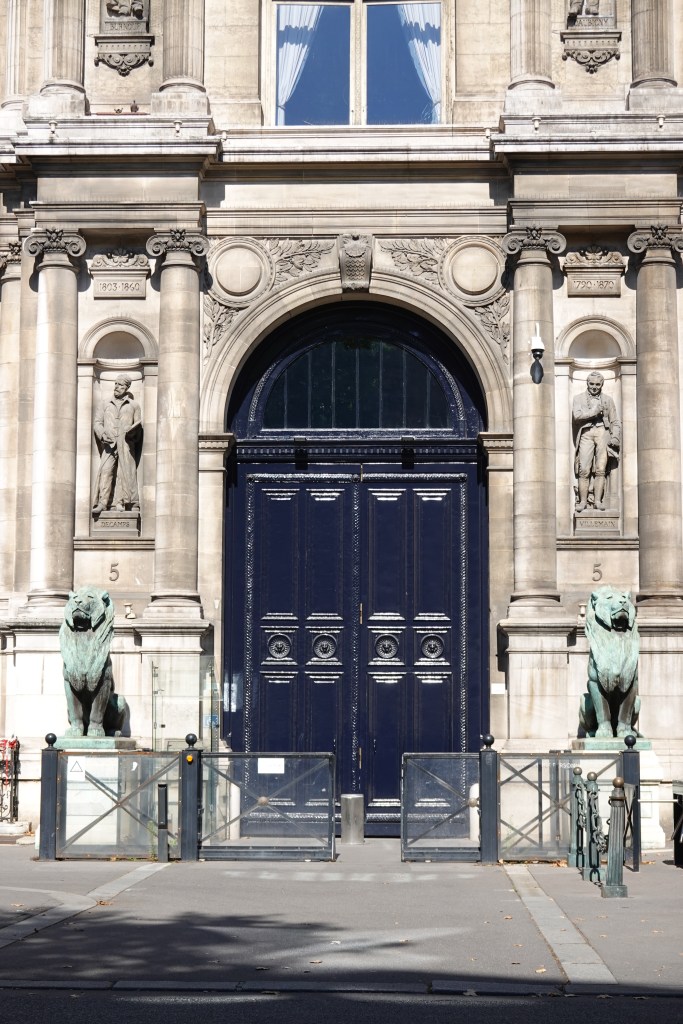
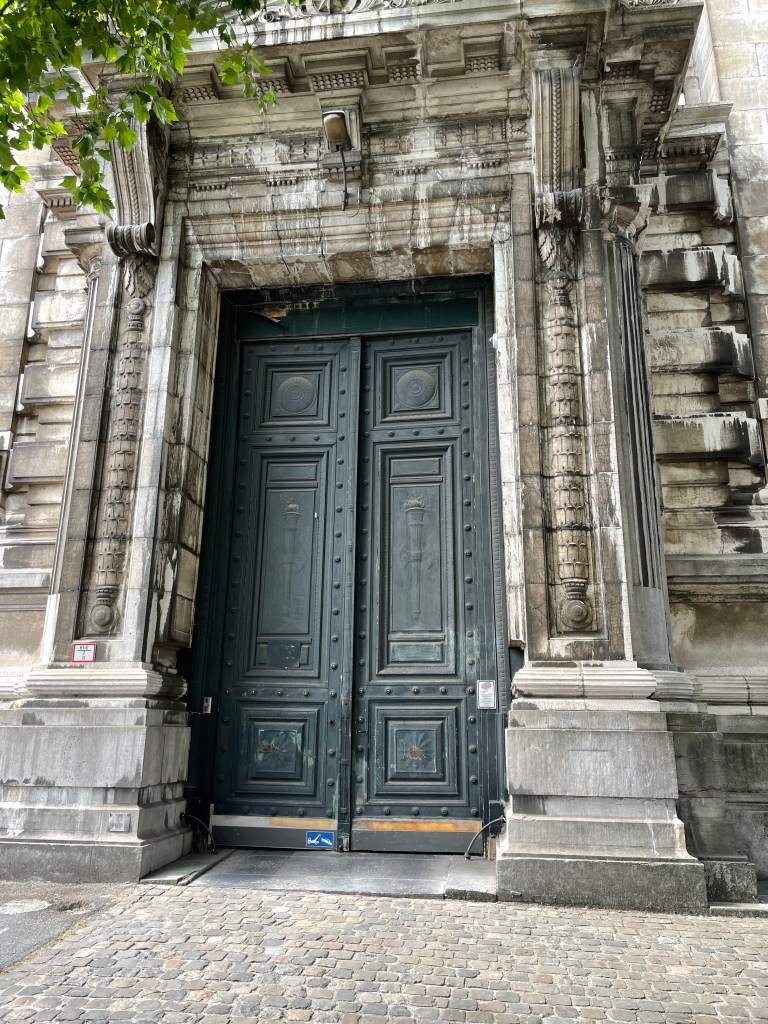
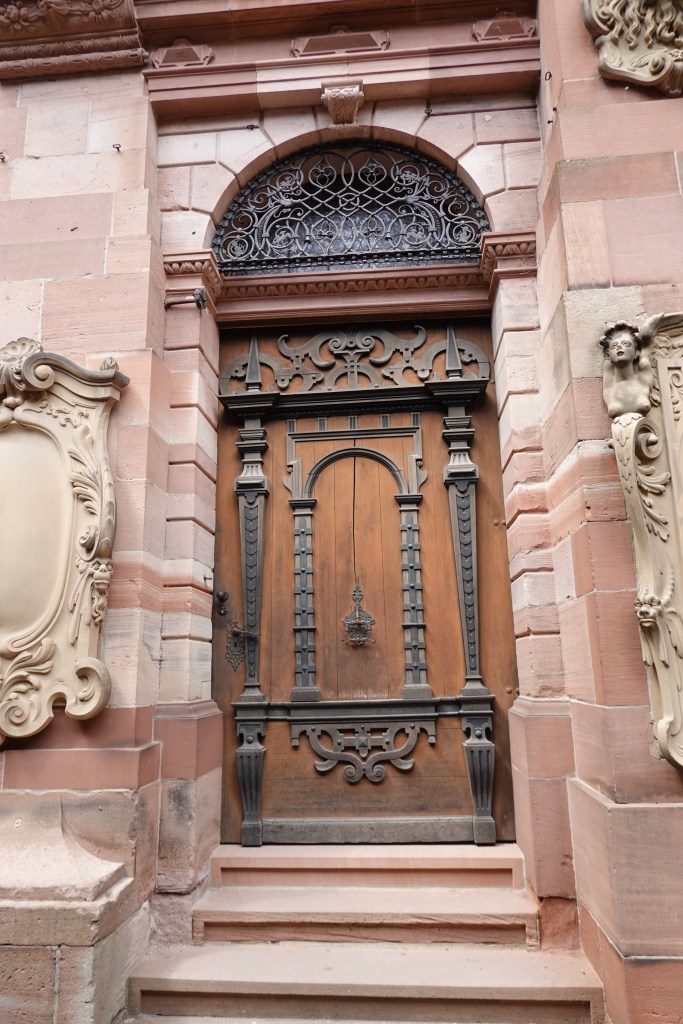
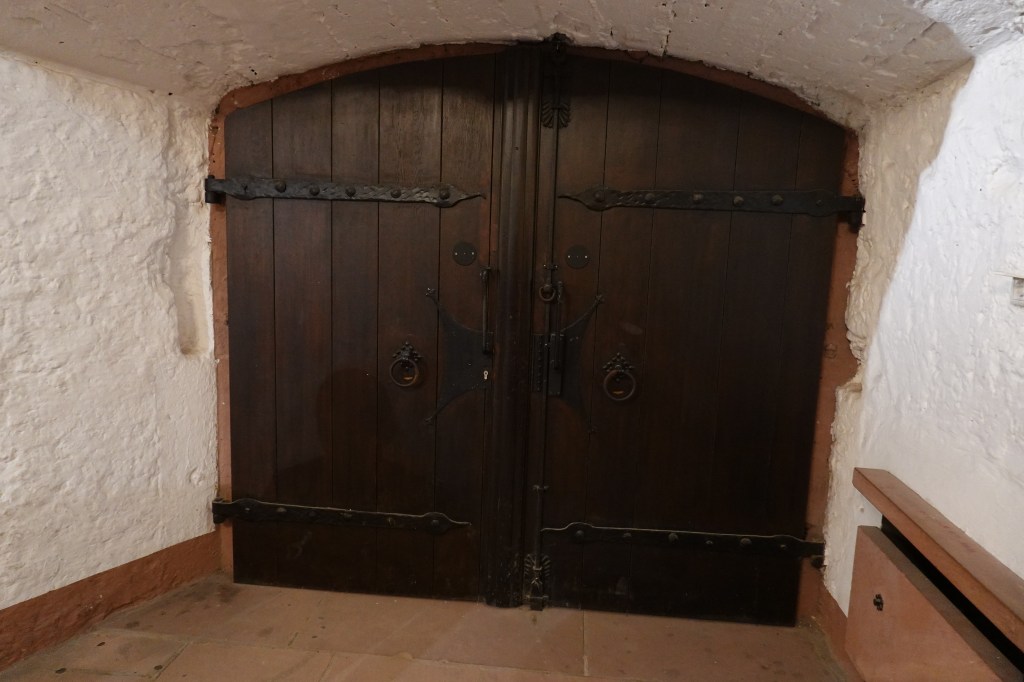
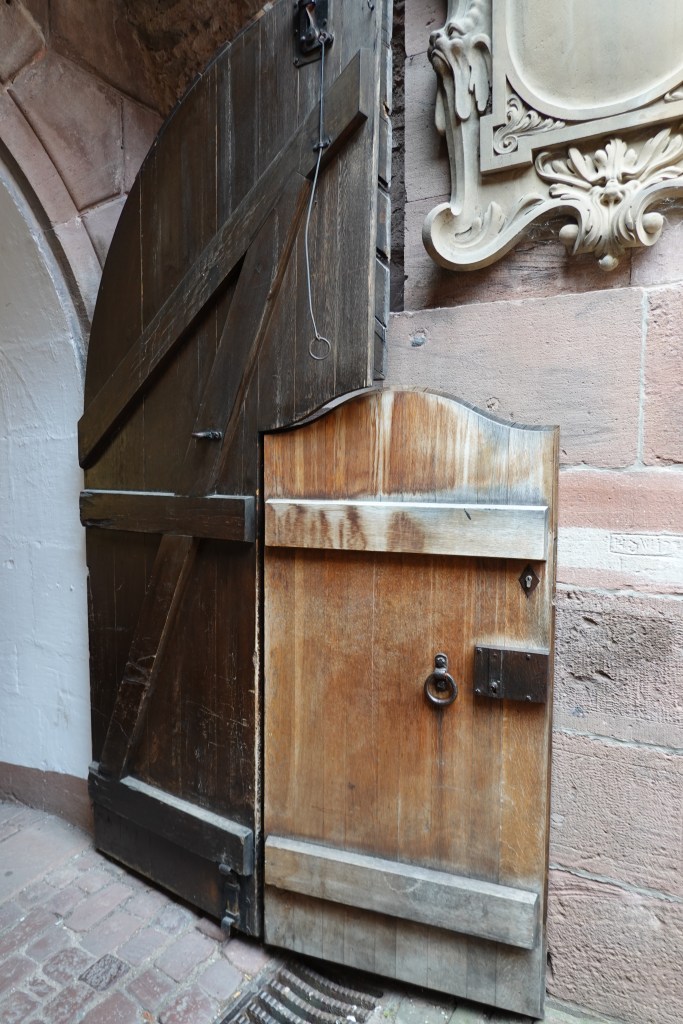
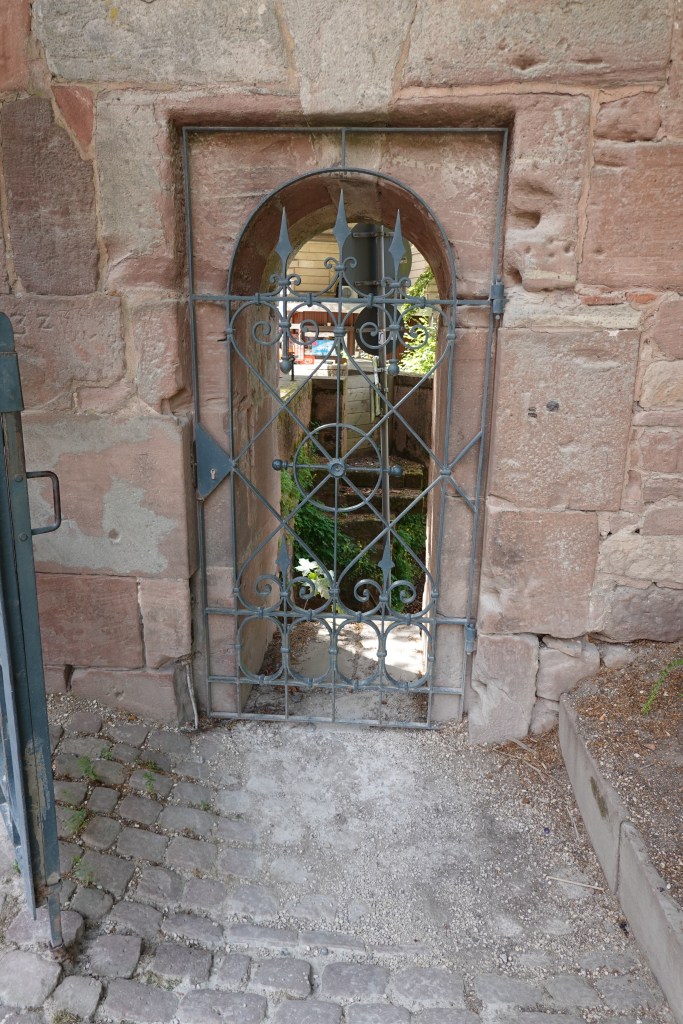
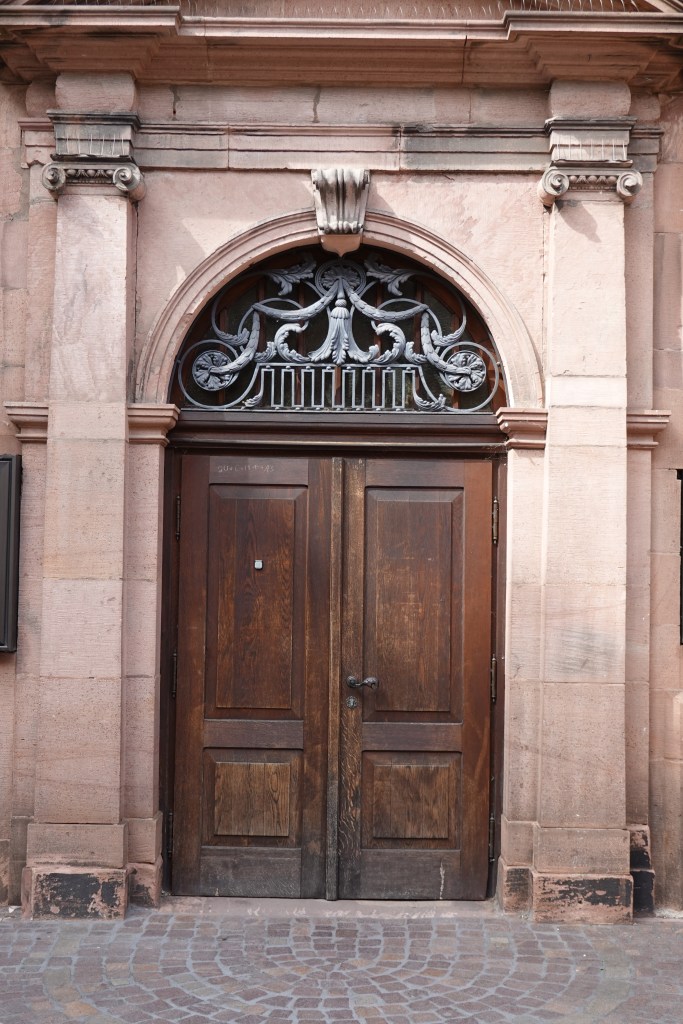
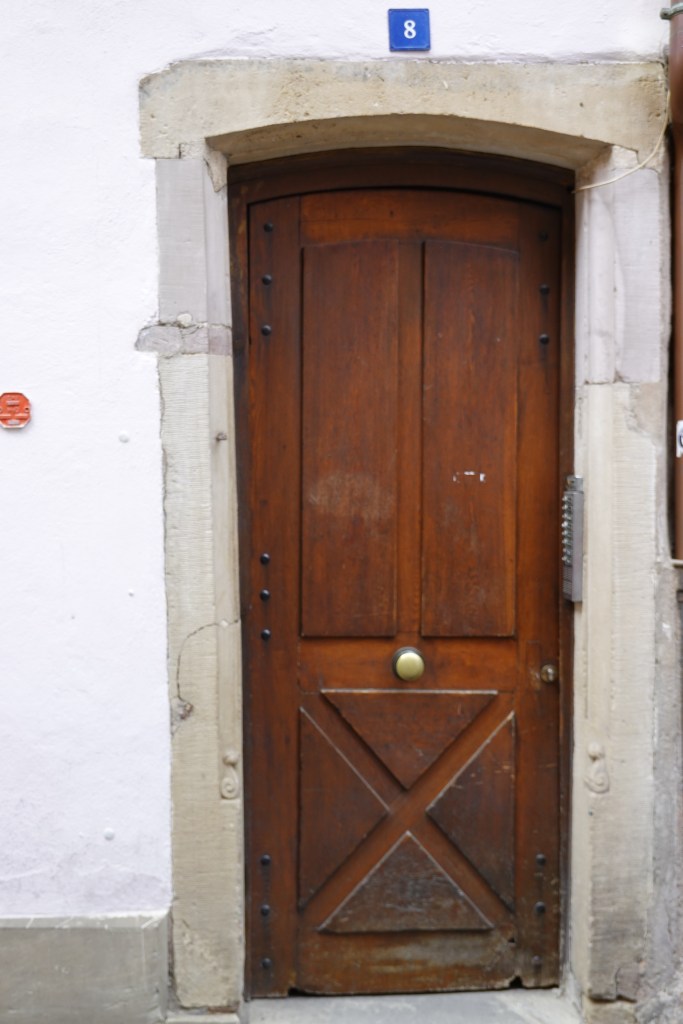
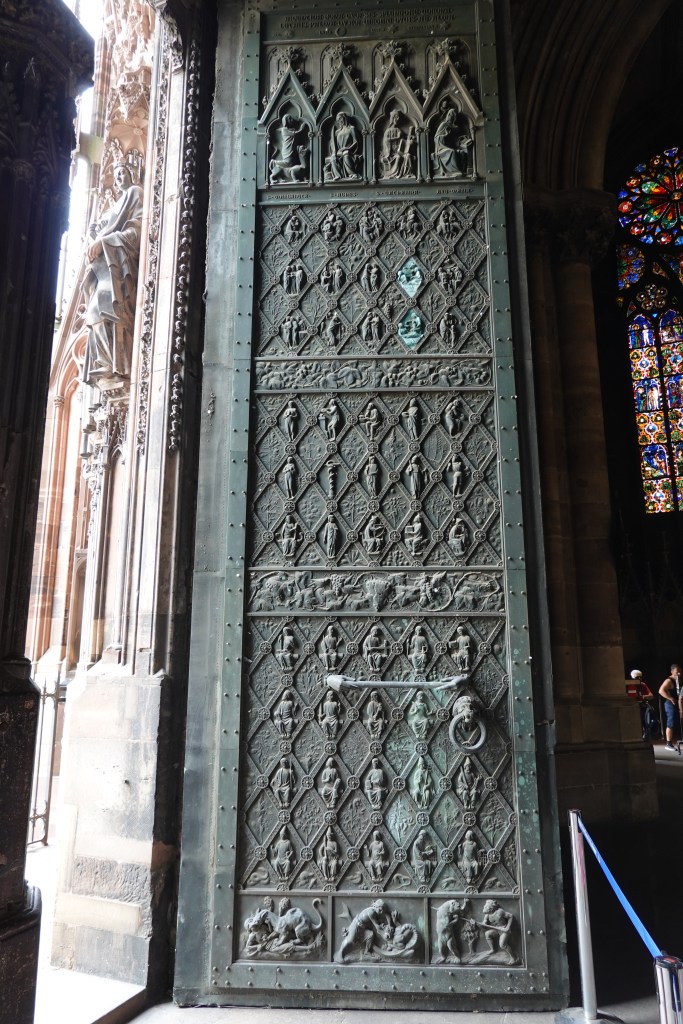
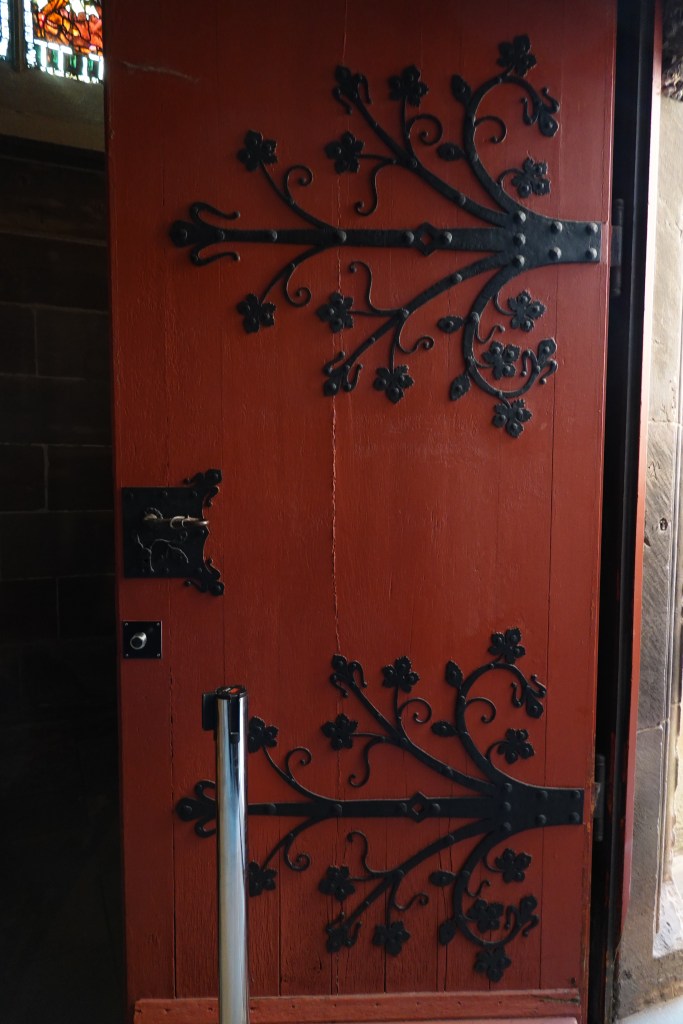
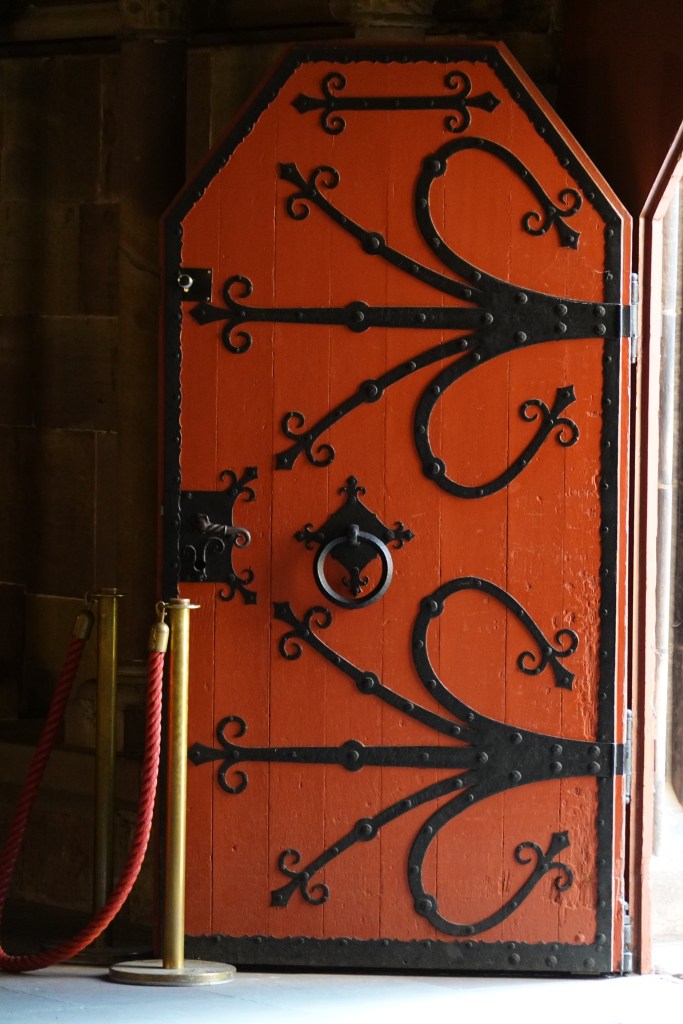
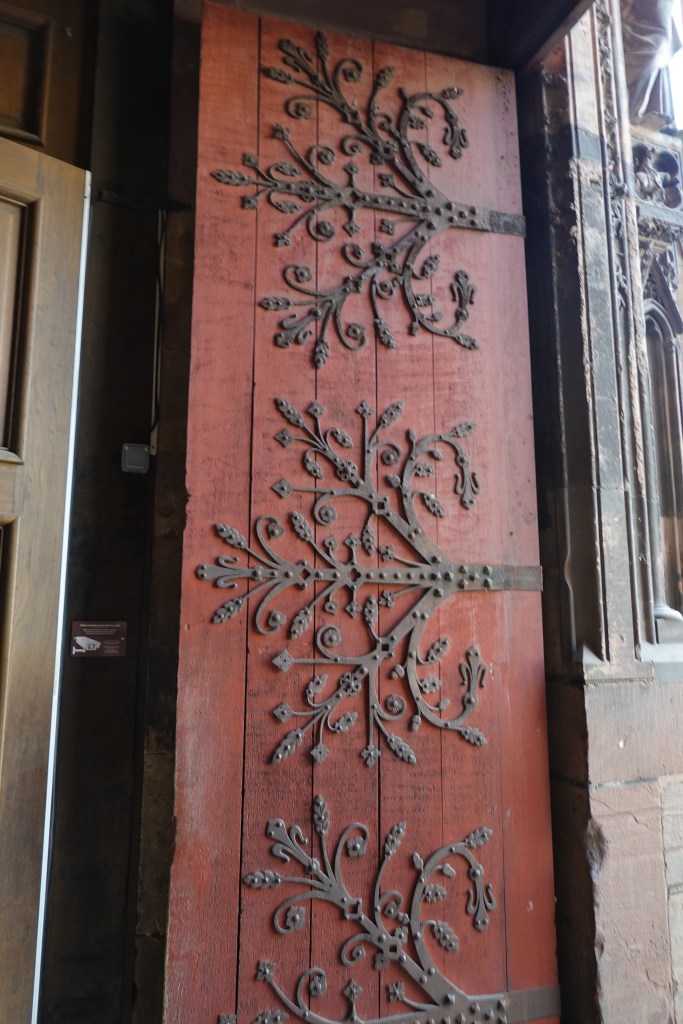
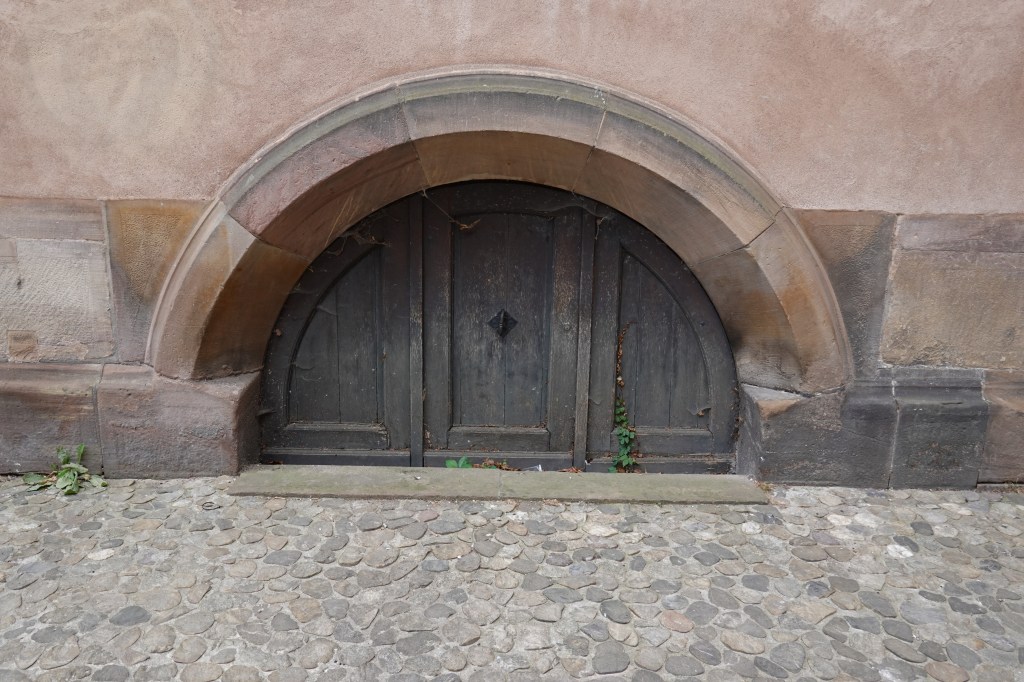
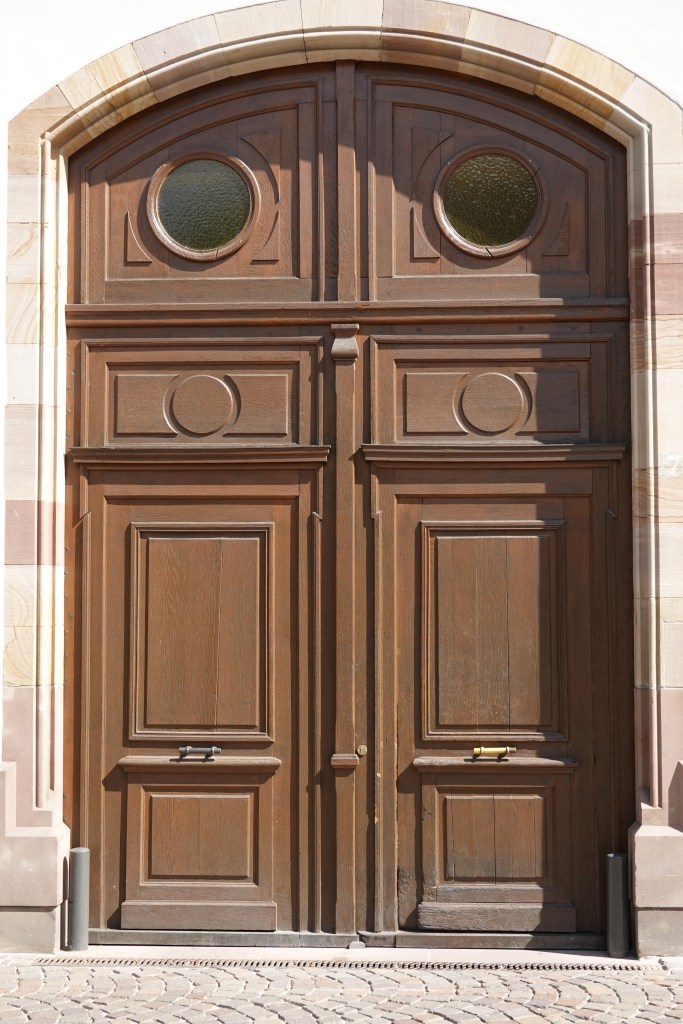
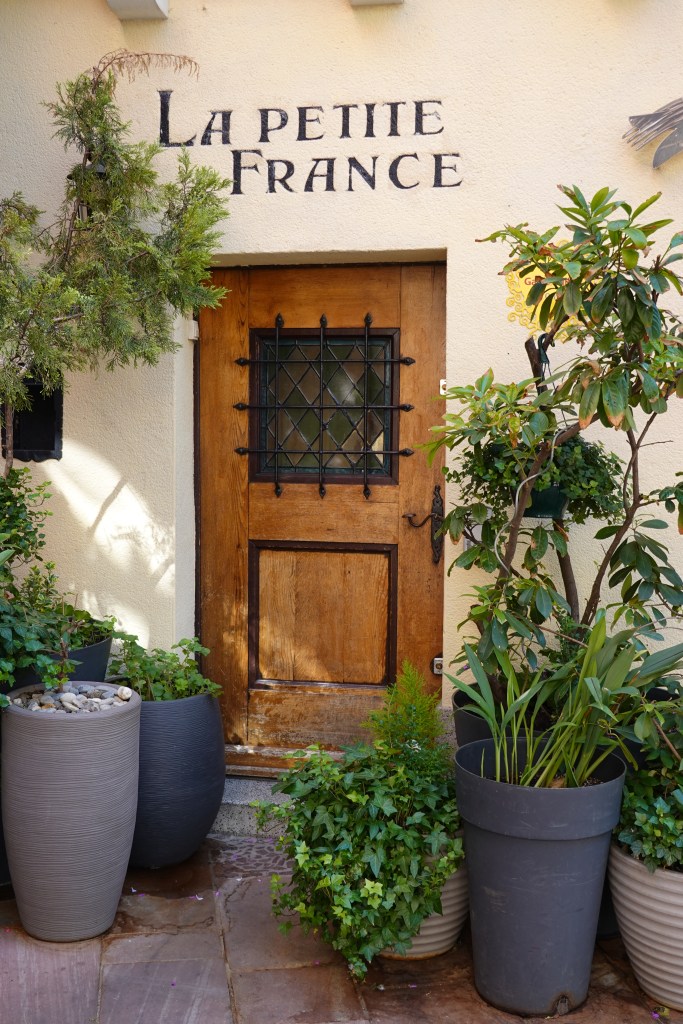
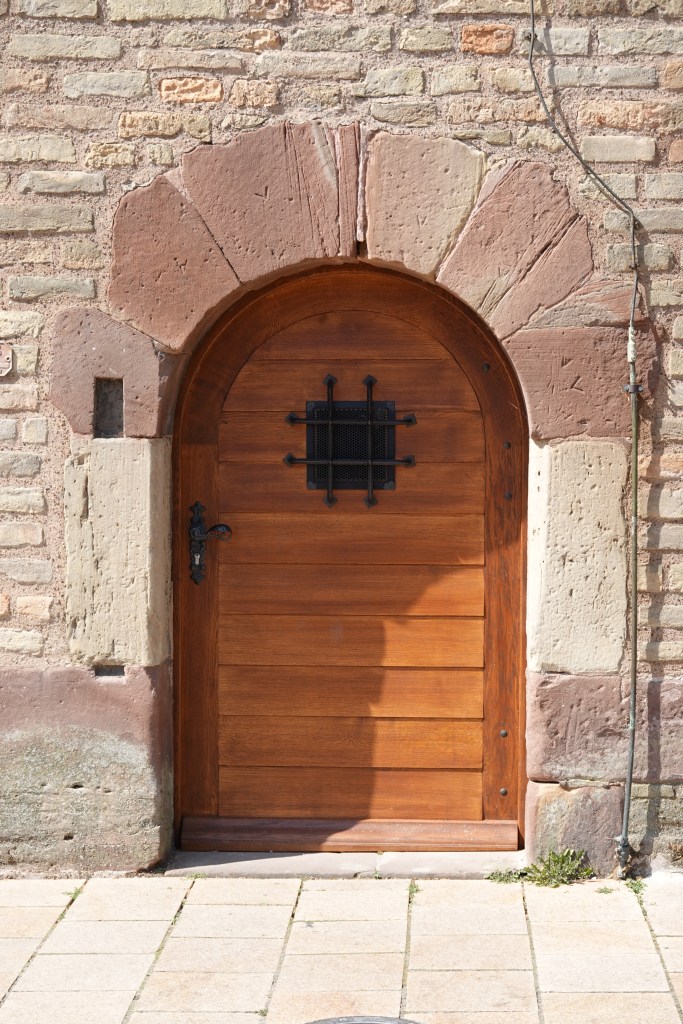
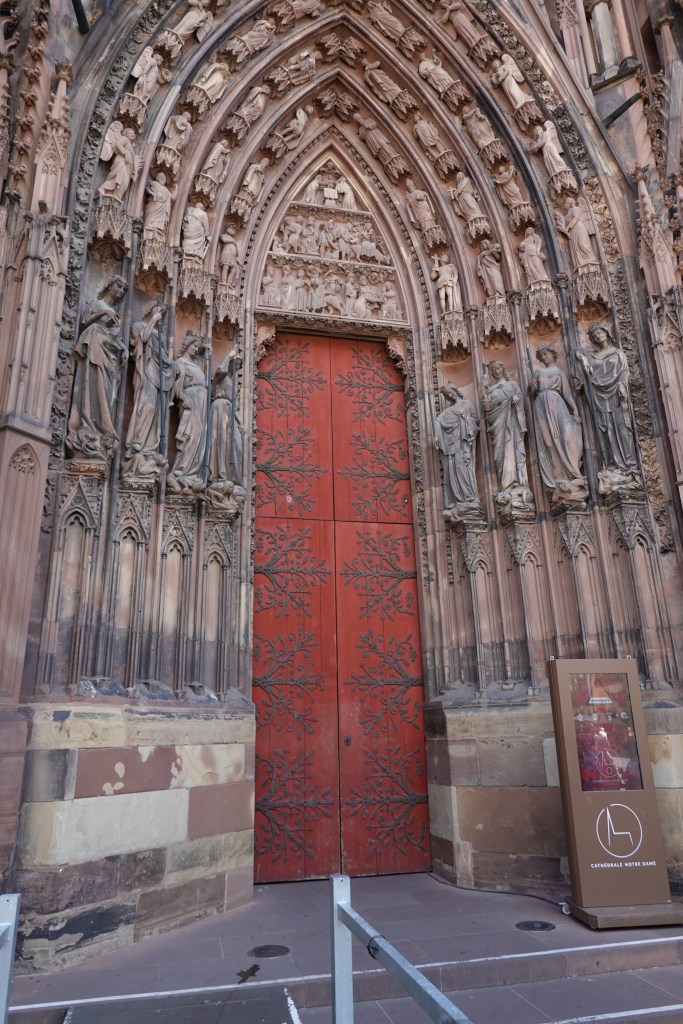
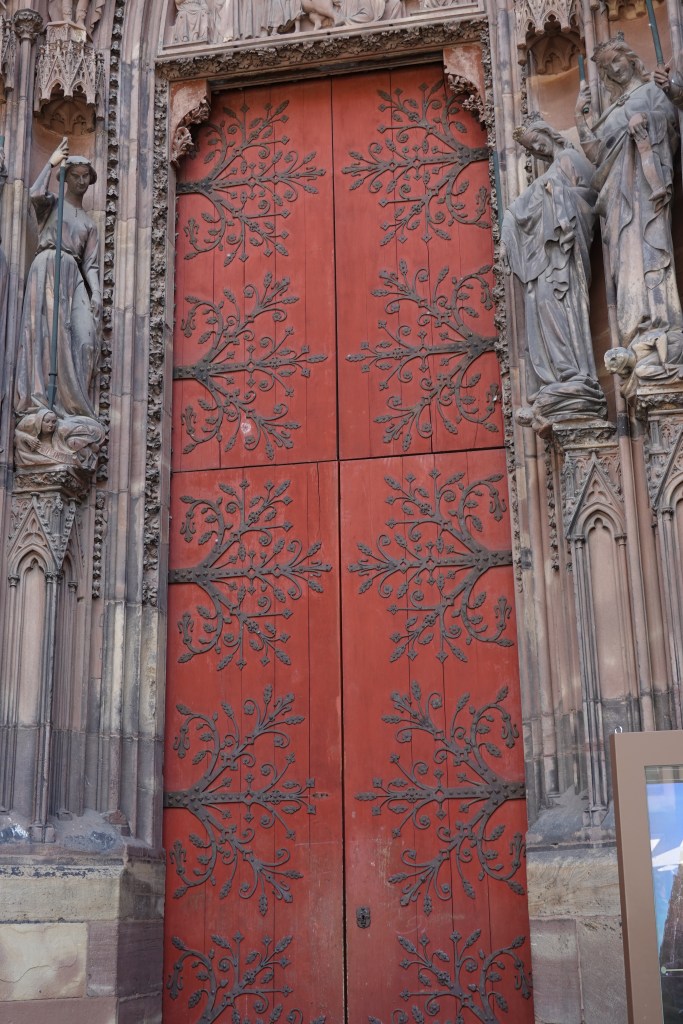
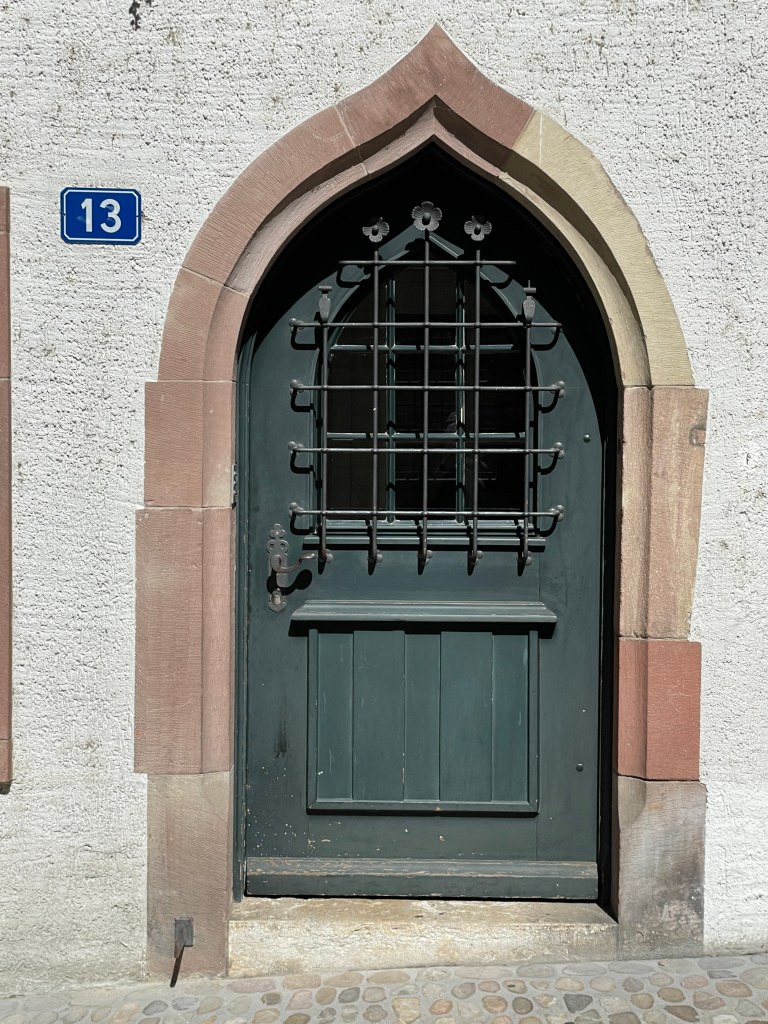
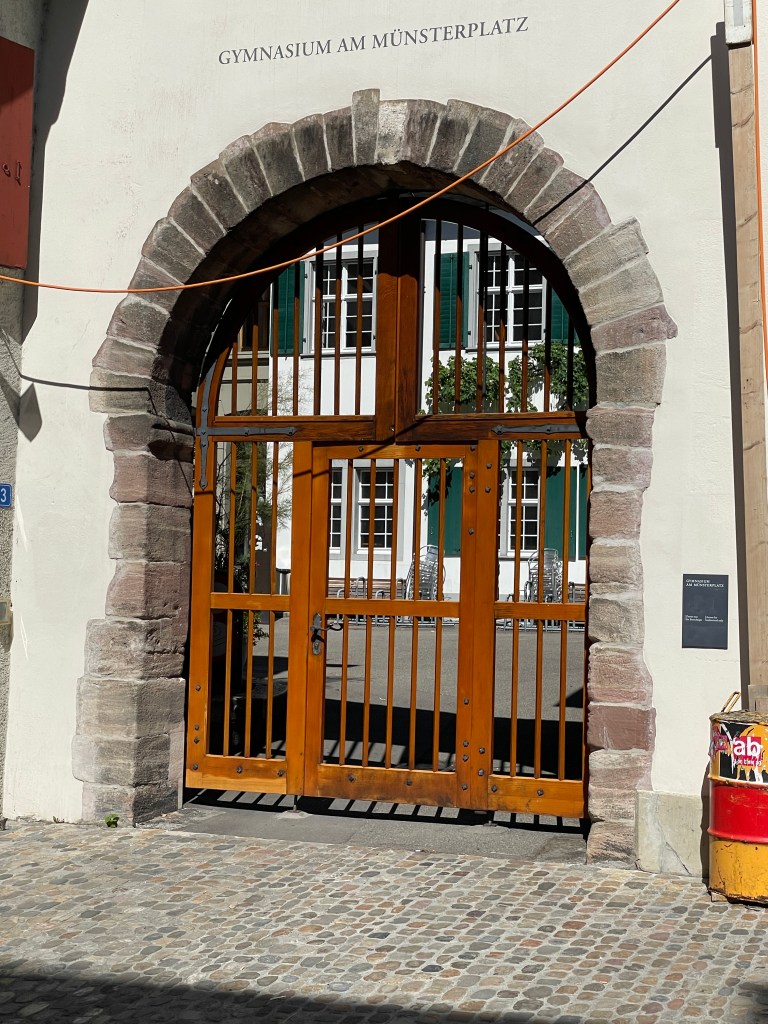
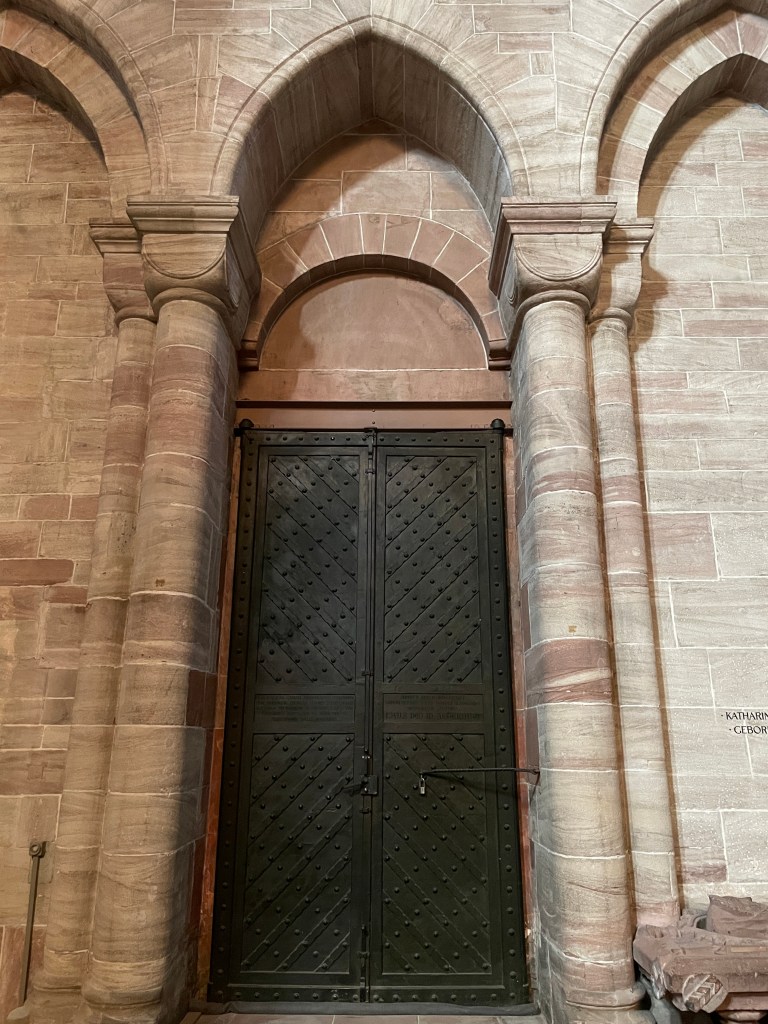
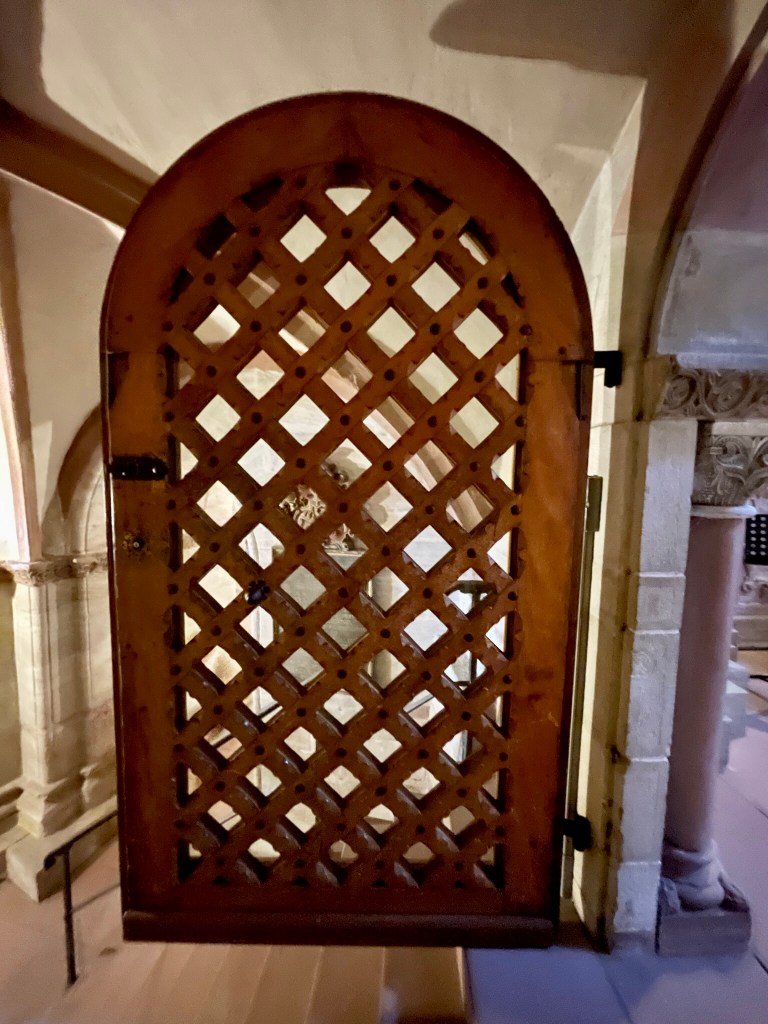
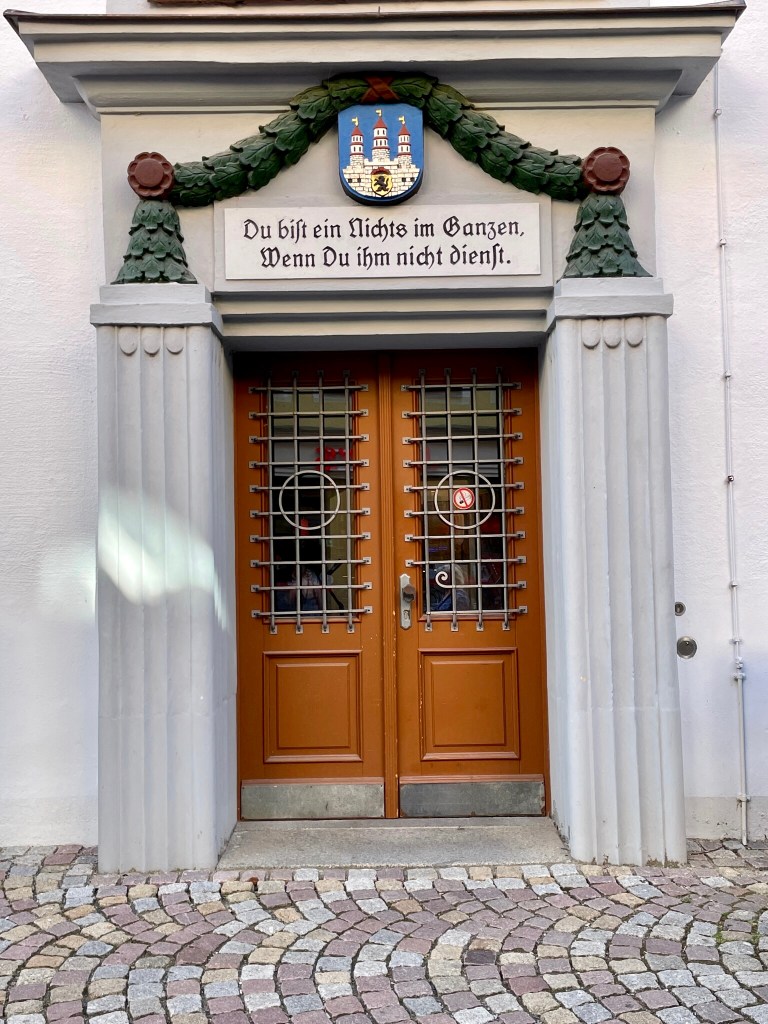
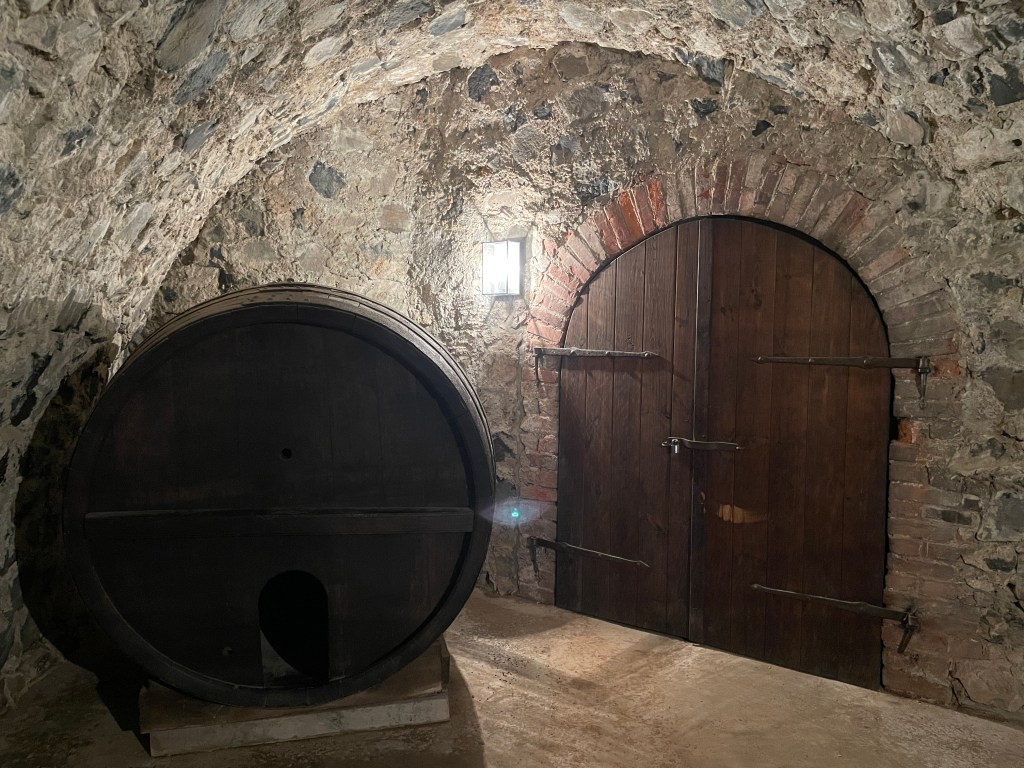
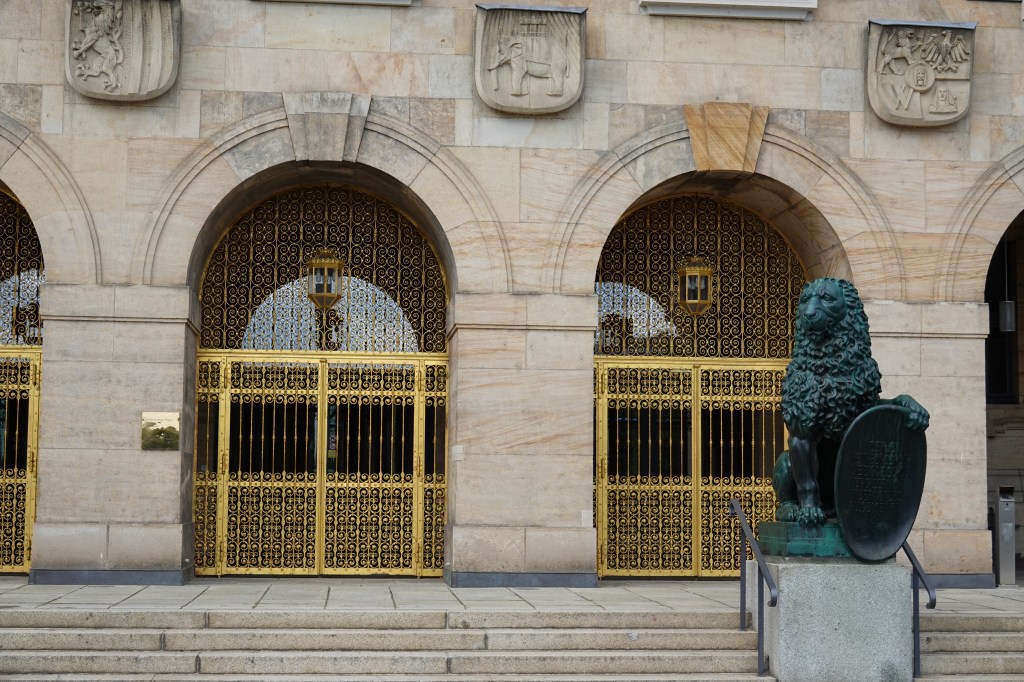
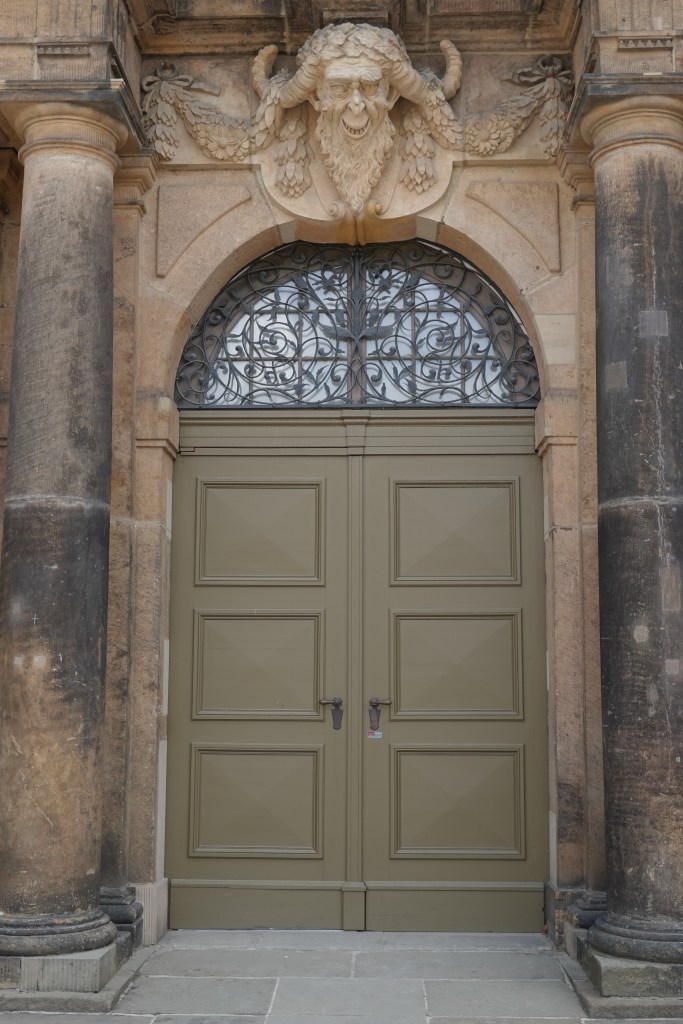
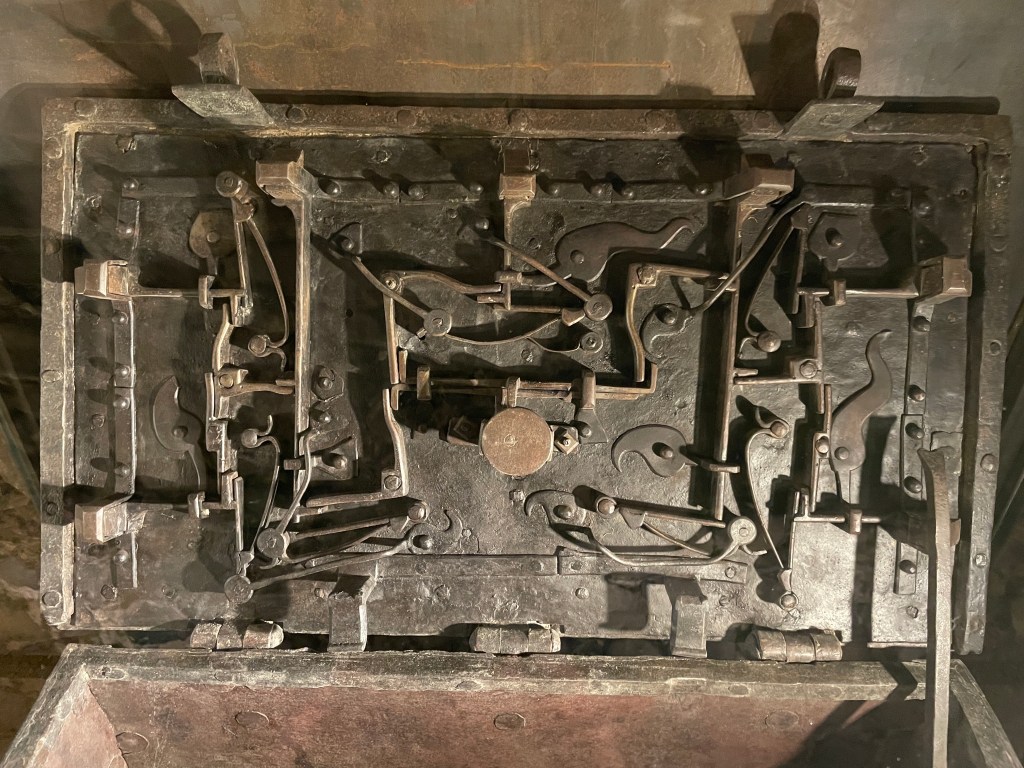
Doors and entrances to churches, castles, residences, city halls, and cellars provide interesting and beautiful subjects. Consider how old some of these must be.
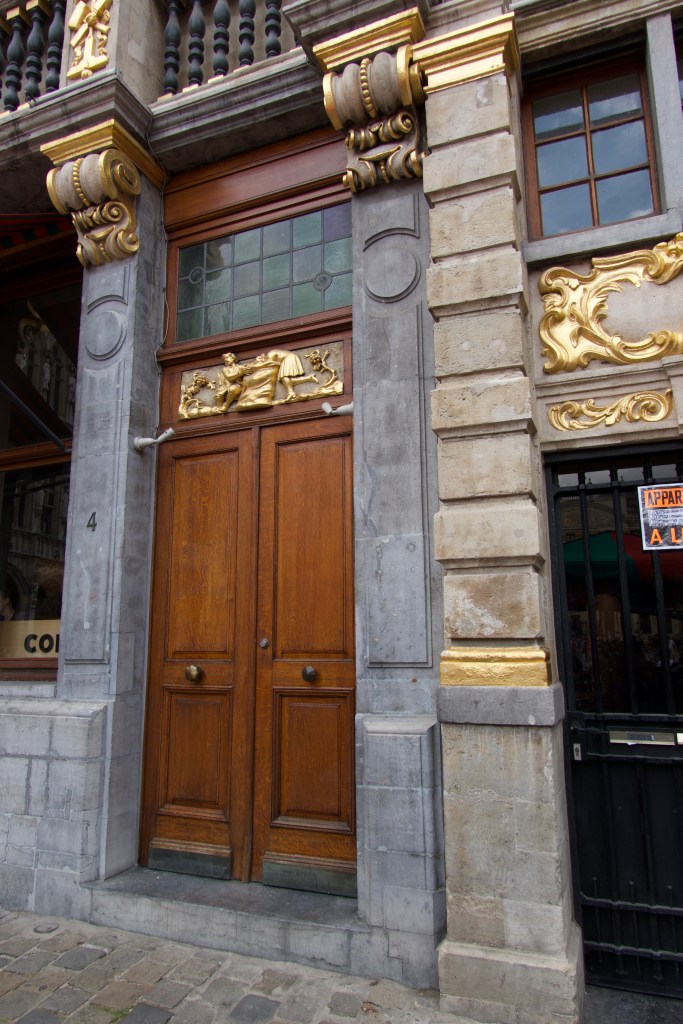
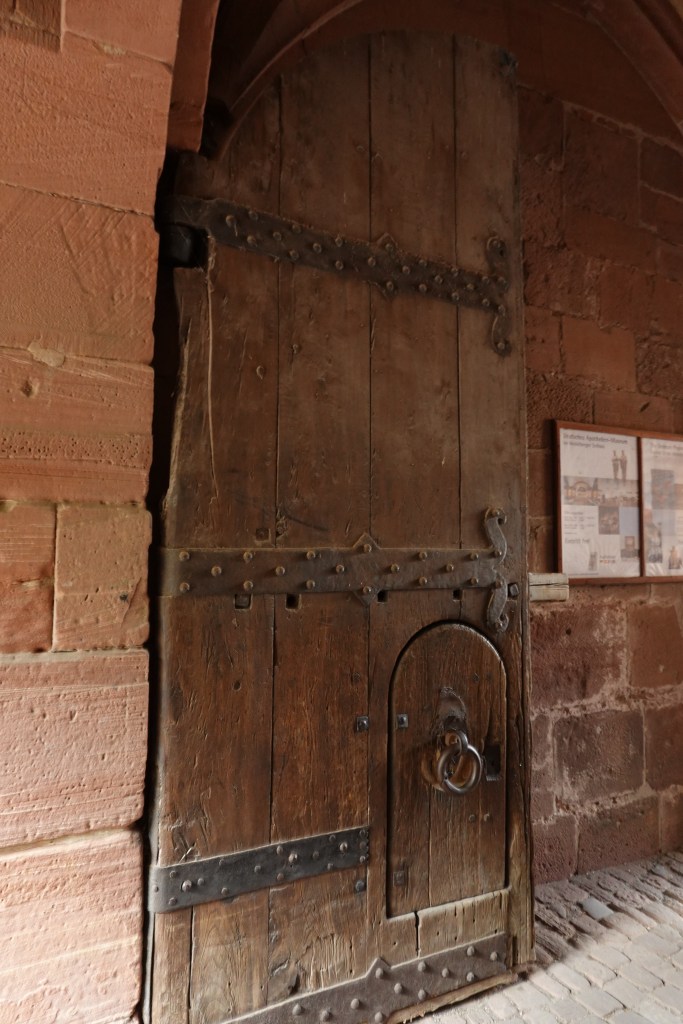
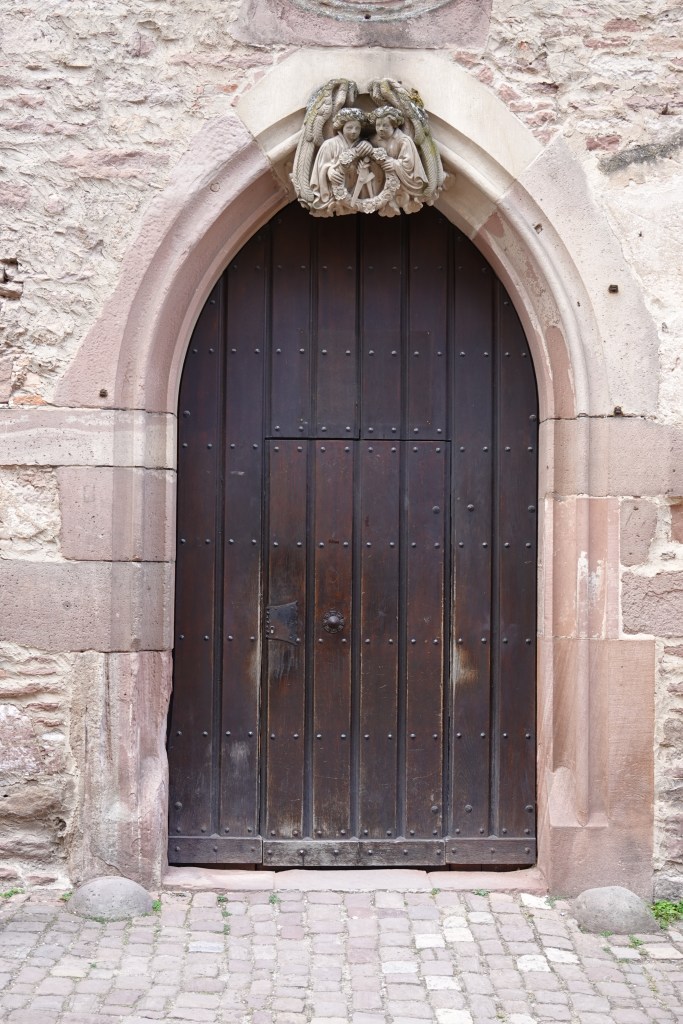
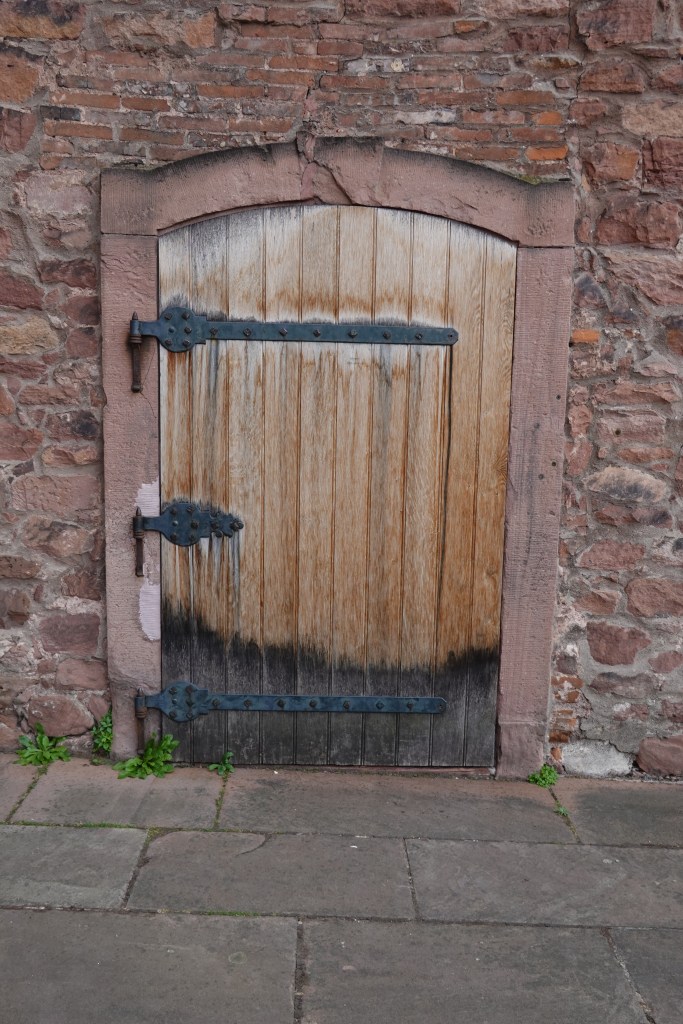
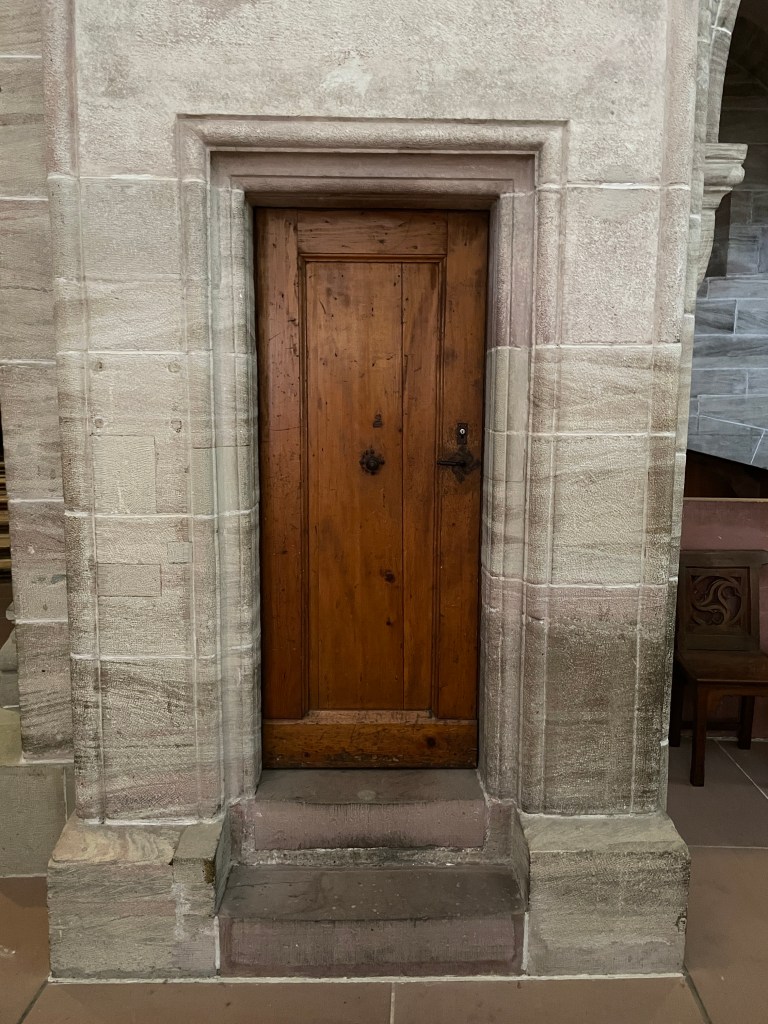
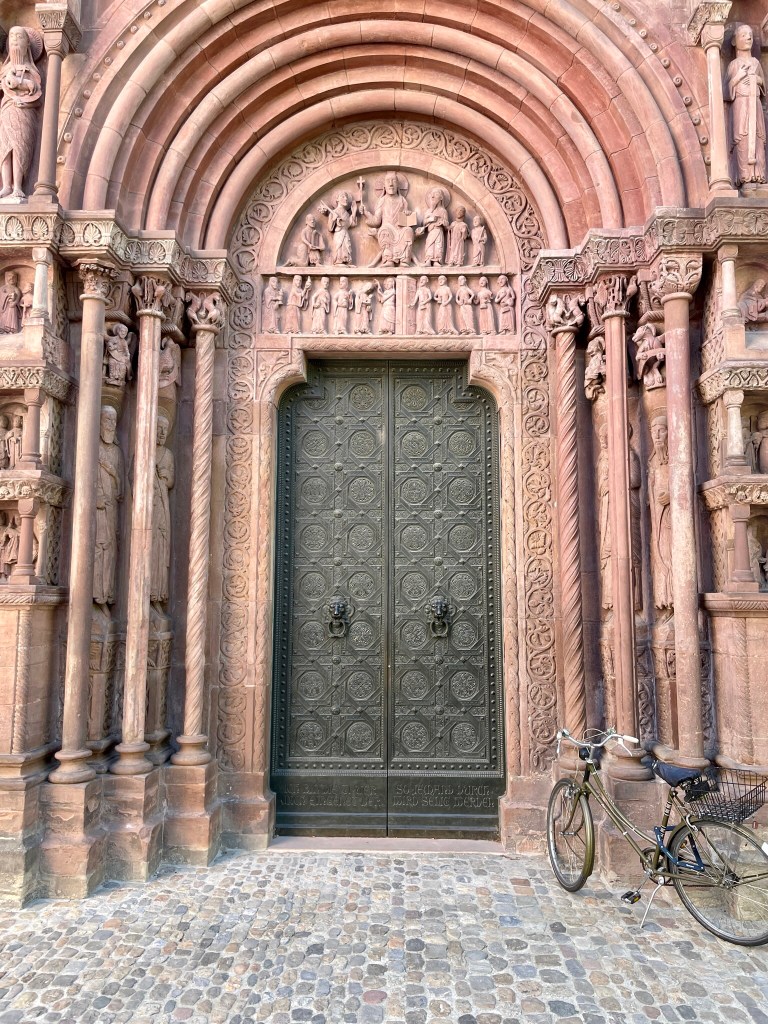
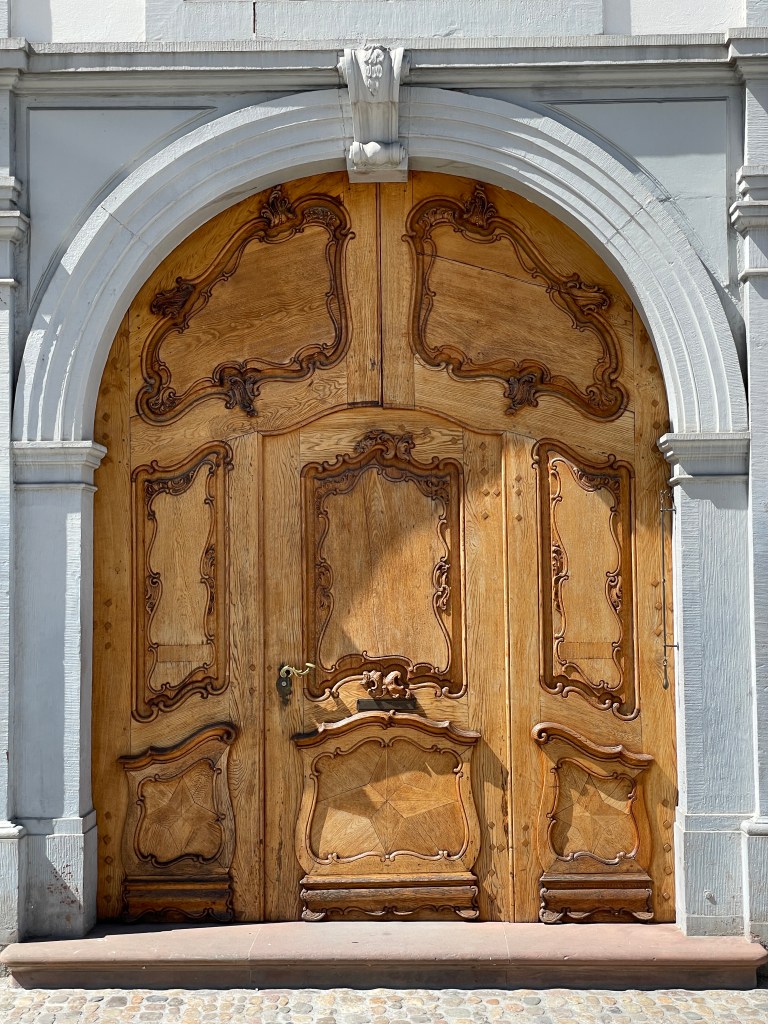
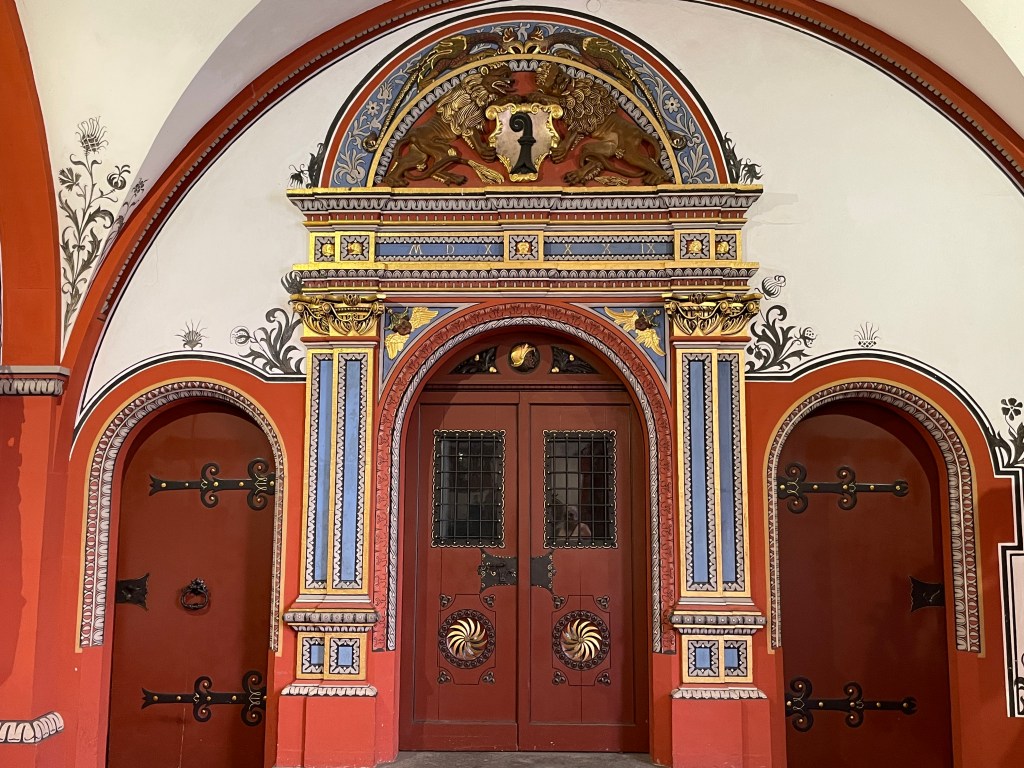
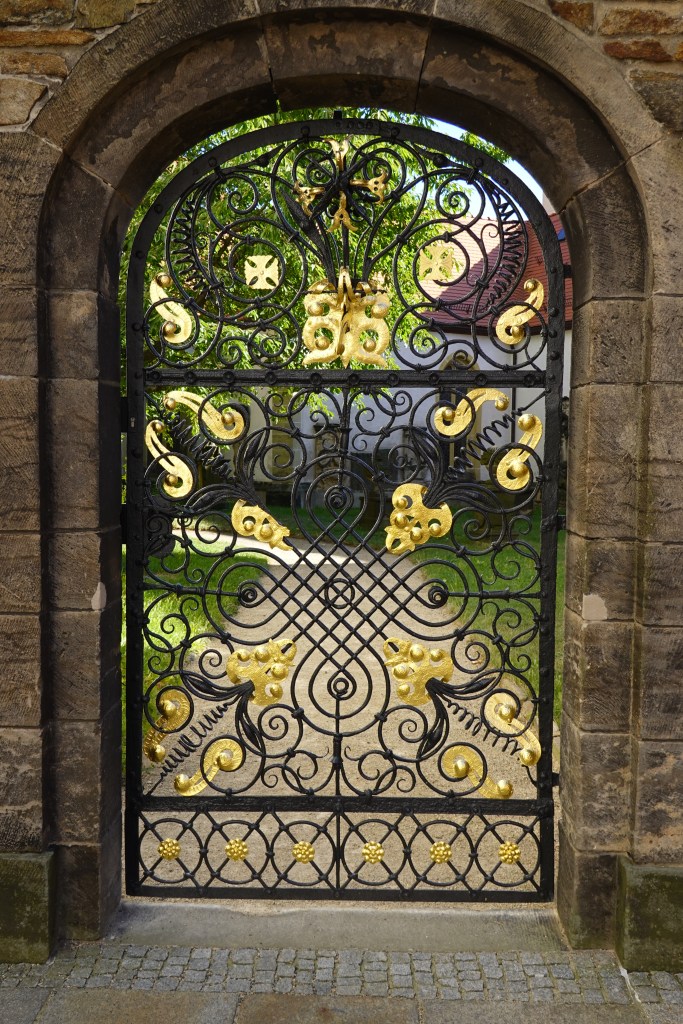
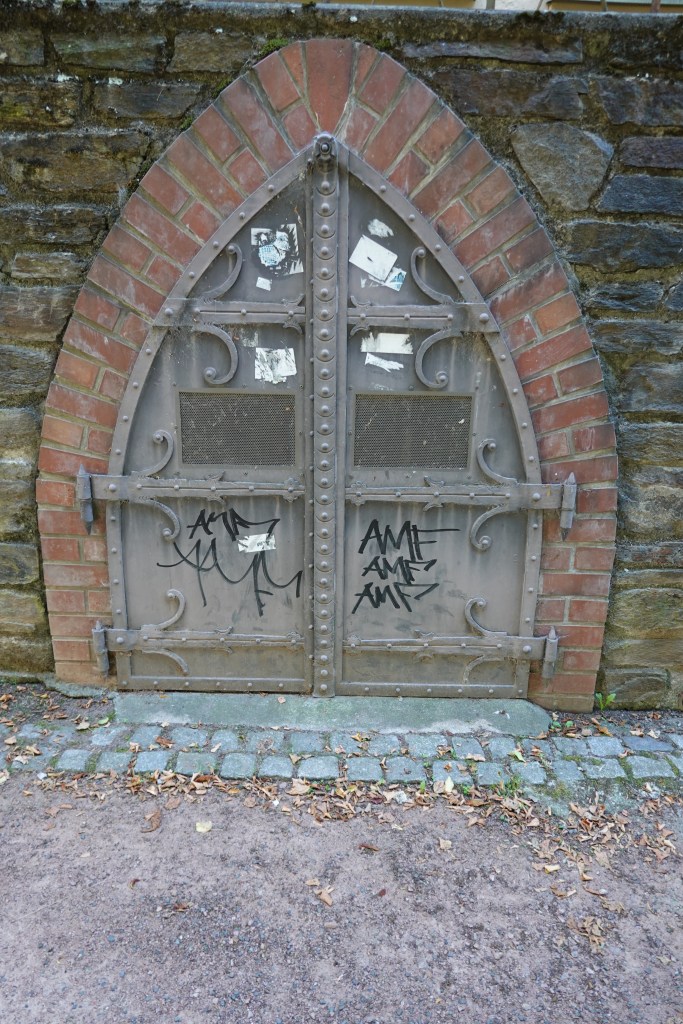
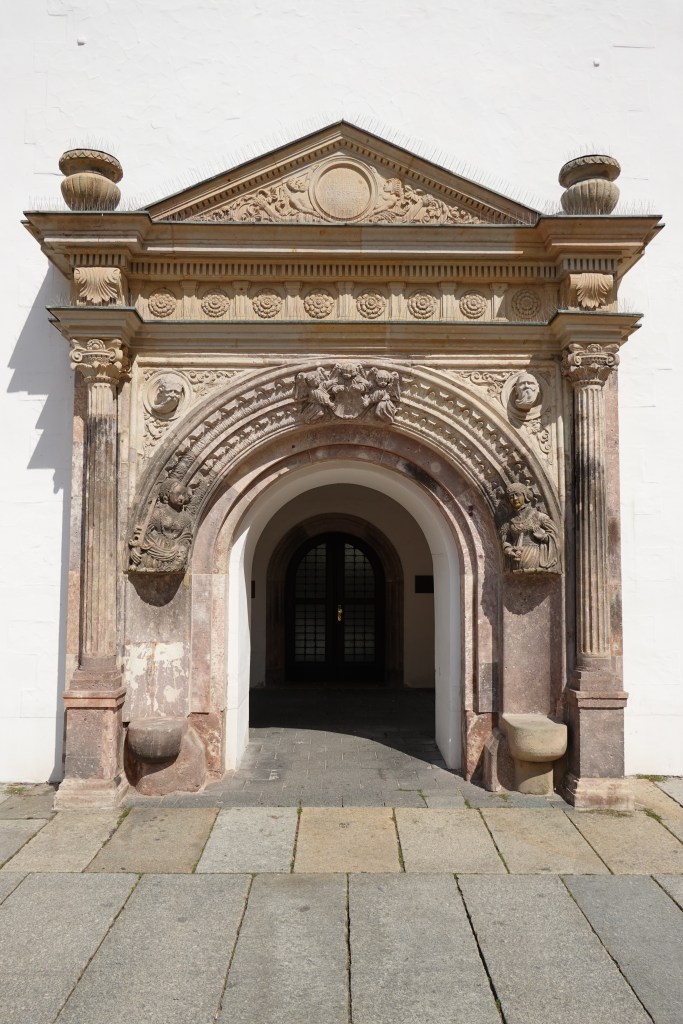
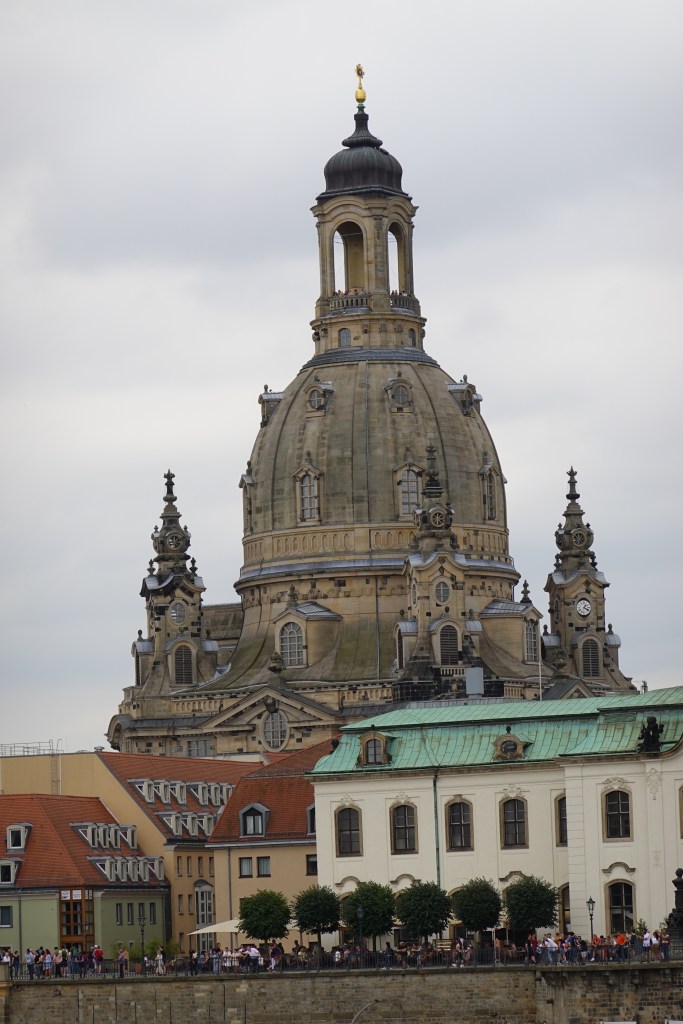
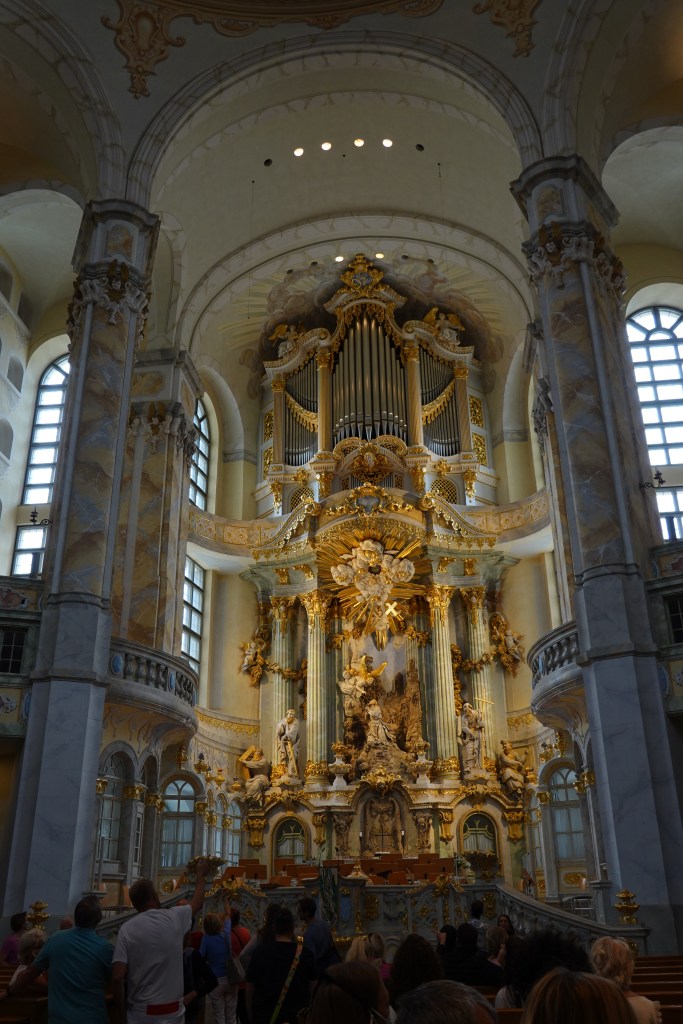
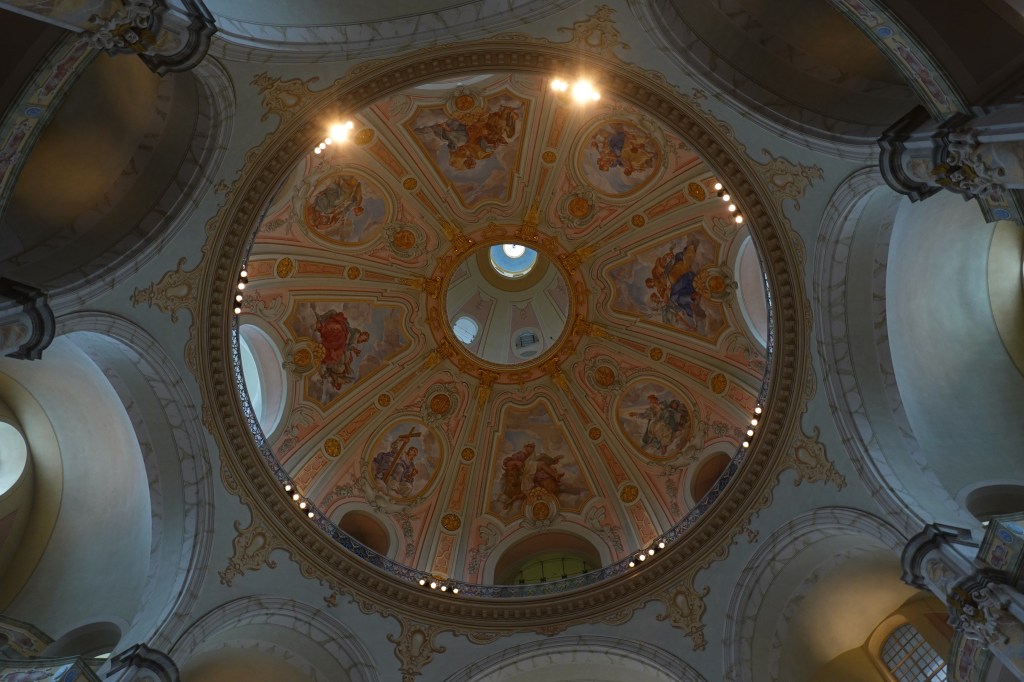
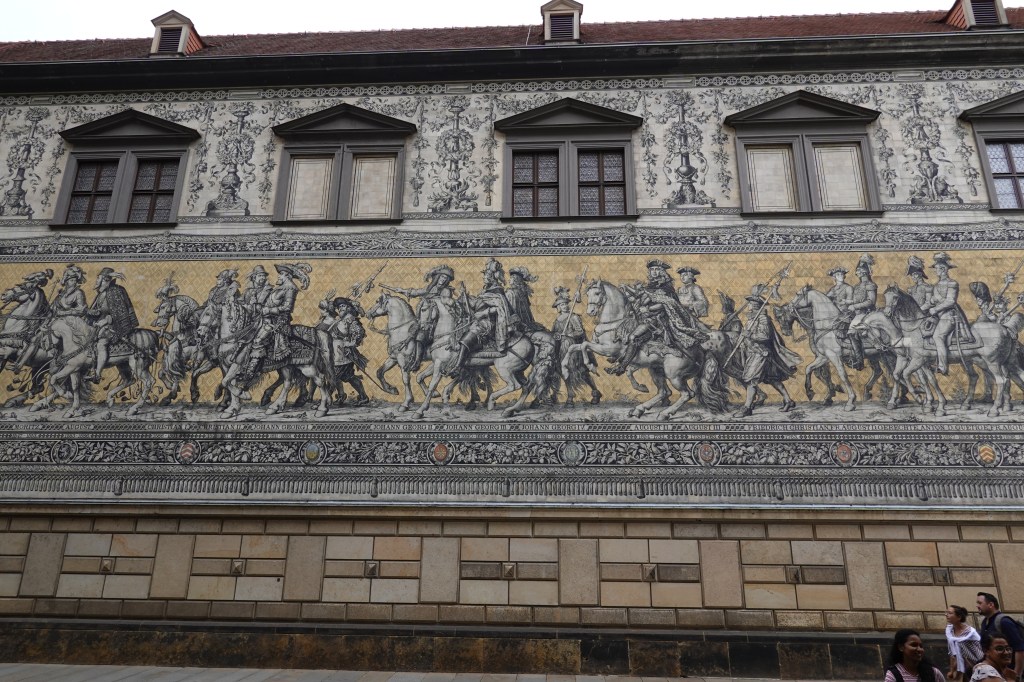
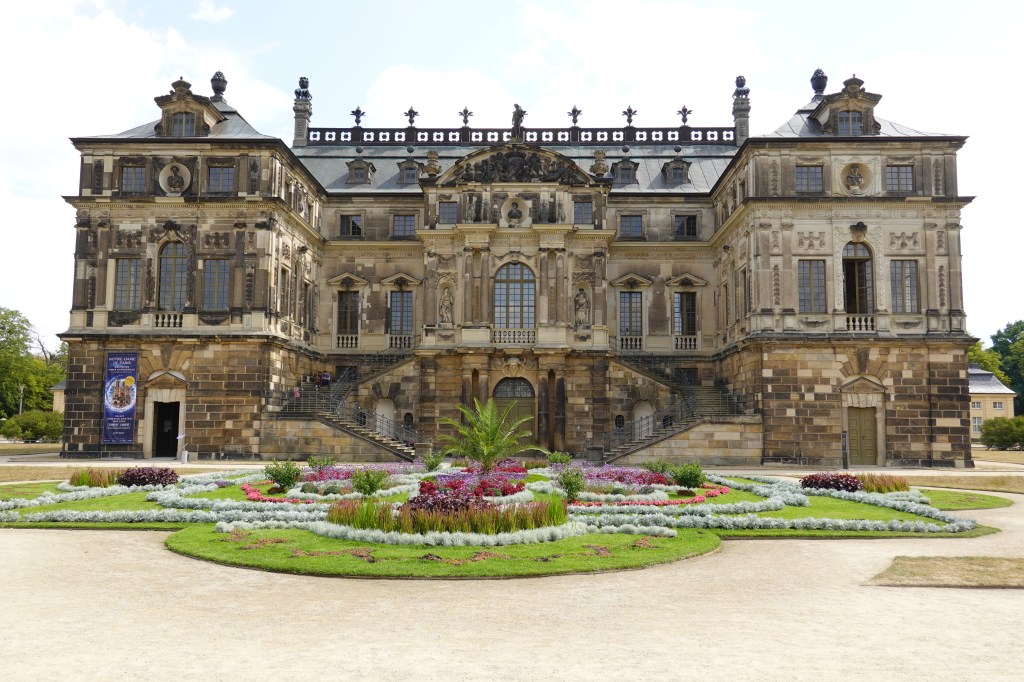
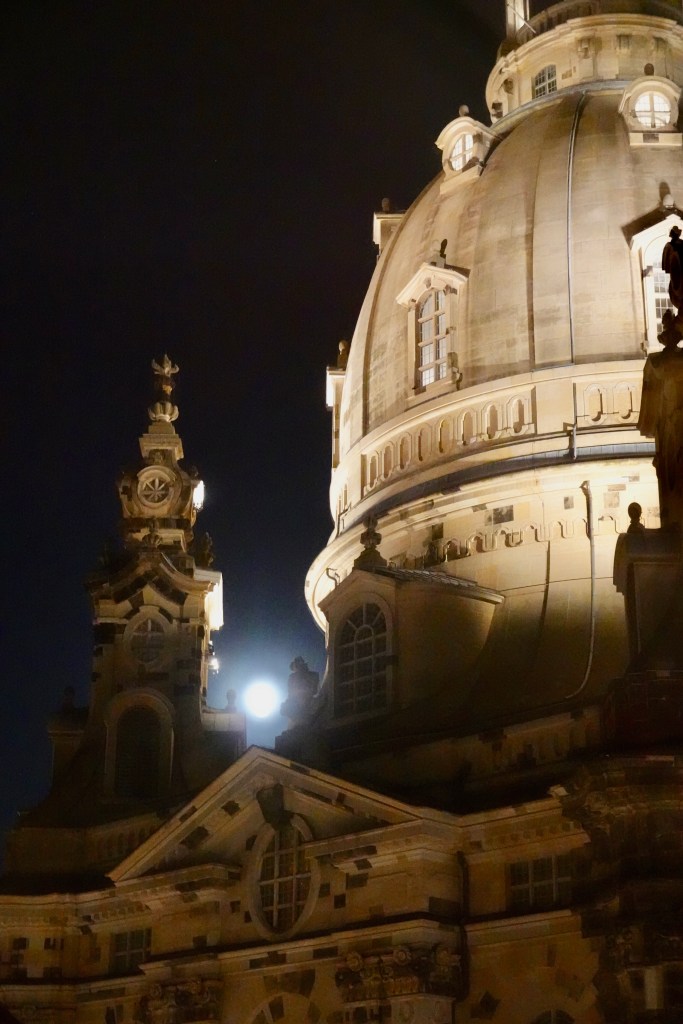
What an incredible climax to all the castles, cathedrals, artwork, and amazing human-made artifacts is Dresden. Baroque, overboard, exquisite. Our last couple of days on this trip are in this often rebuilt city.
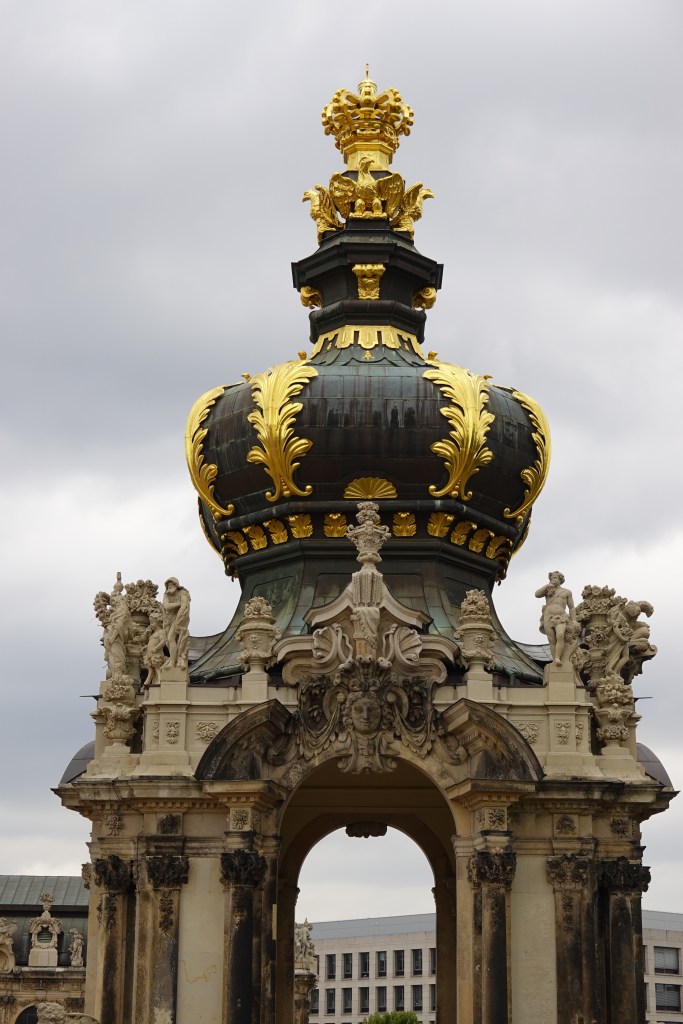
Clare went with people from the conference for half a day while Brian went with other attendees to see the Dresden Ion Beam Center. She met Marta, who kept Clare from getting lost (by stopping to gape at the incredible buildings in the city).
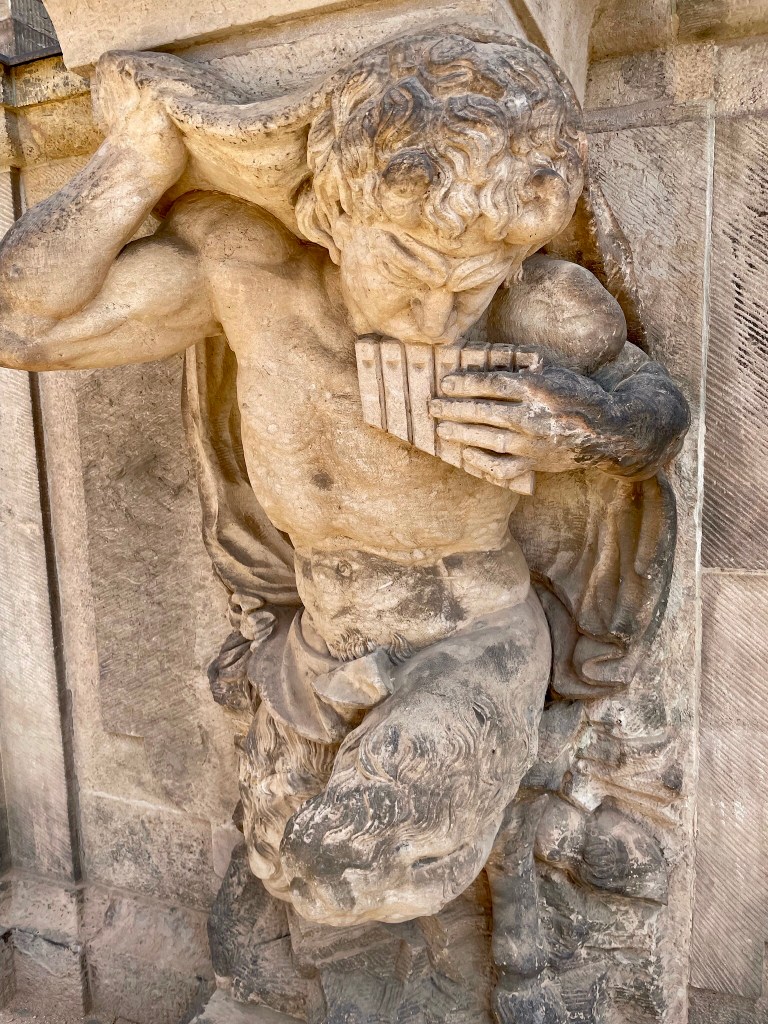
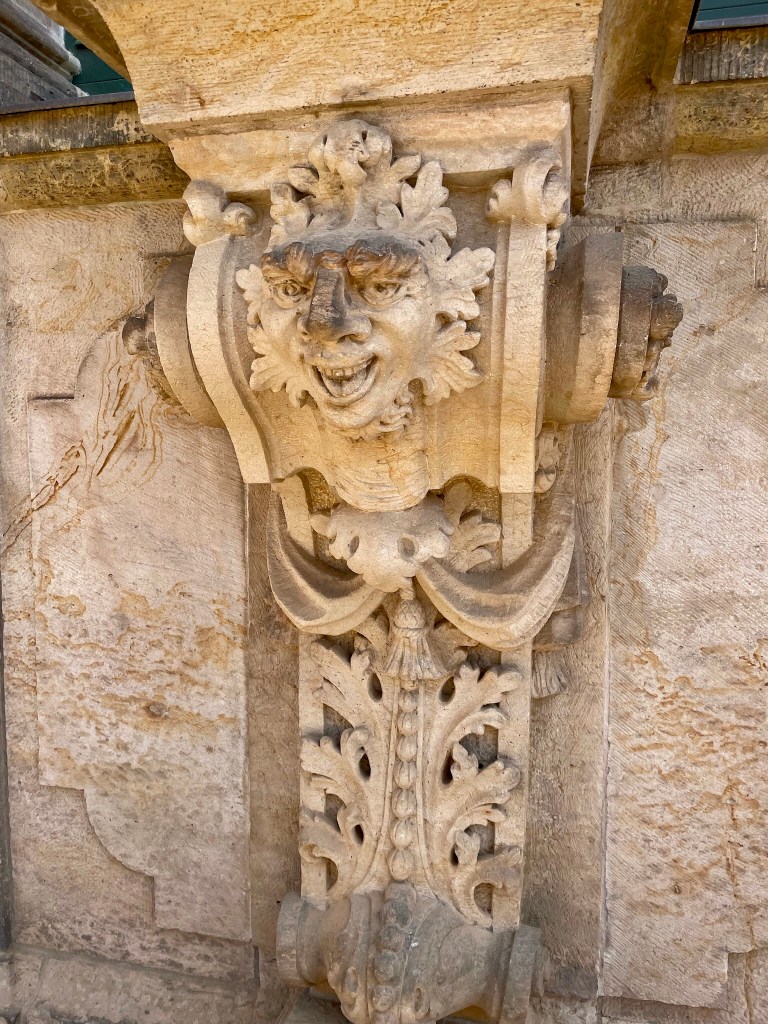
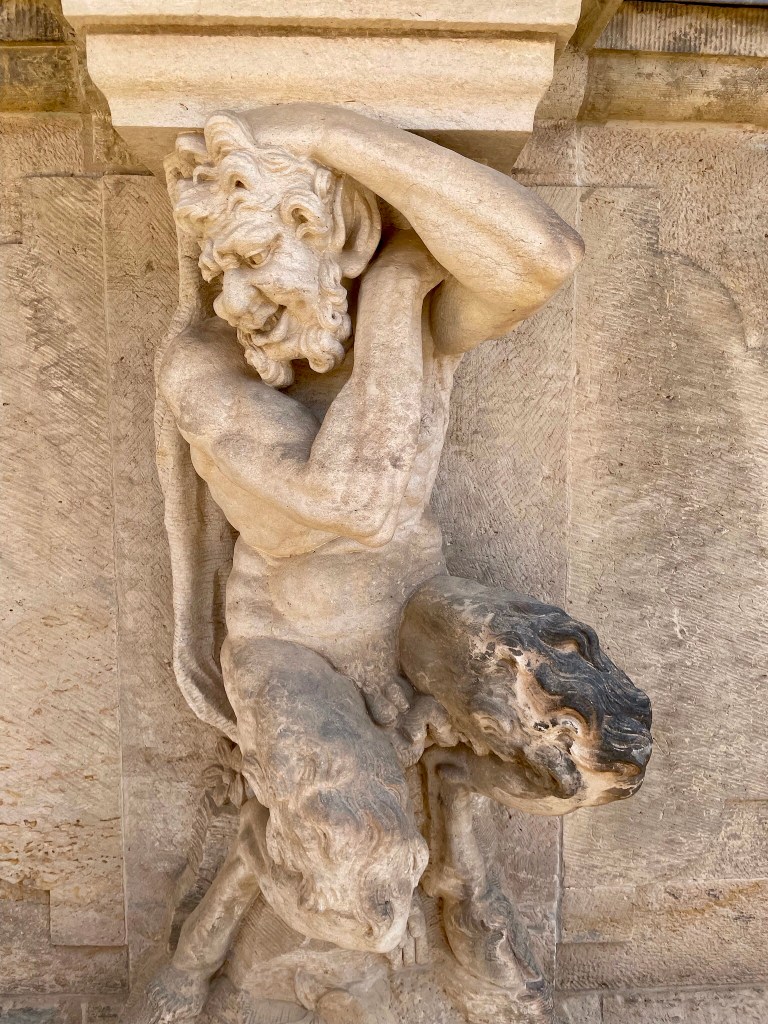
Clare’s group first went to the Mathematisch-Physikalischer Salon to see old clocks, globes, drafting tools, and other scientific instruments.
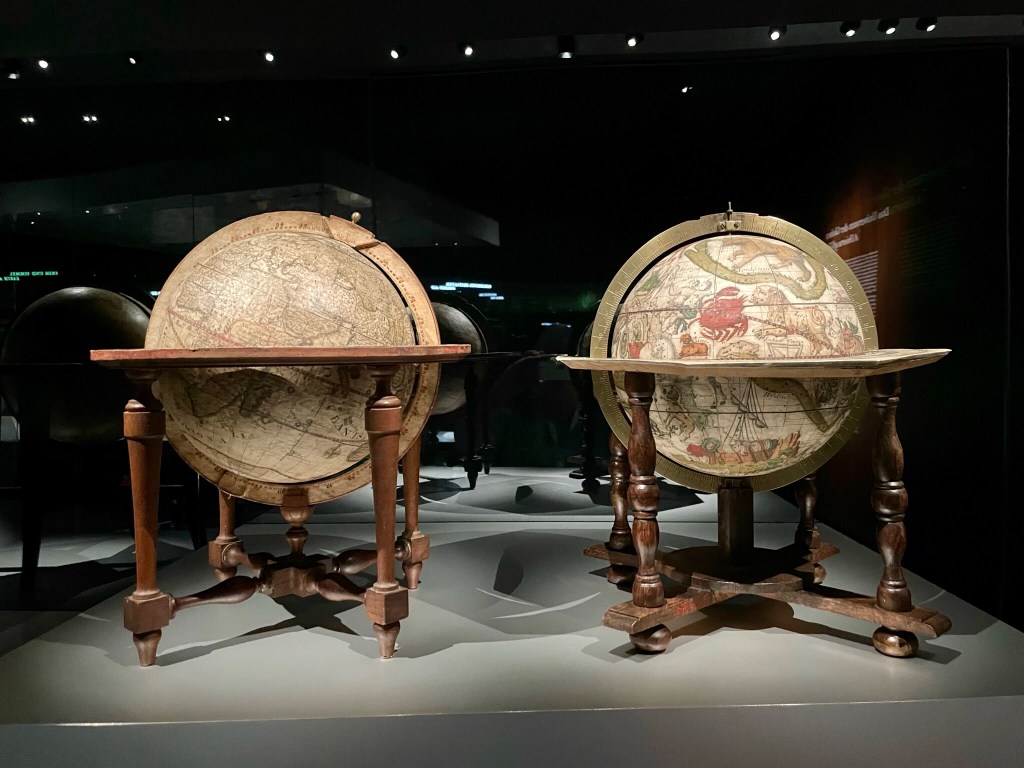
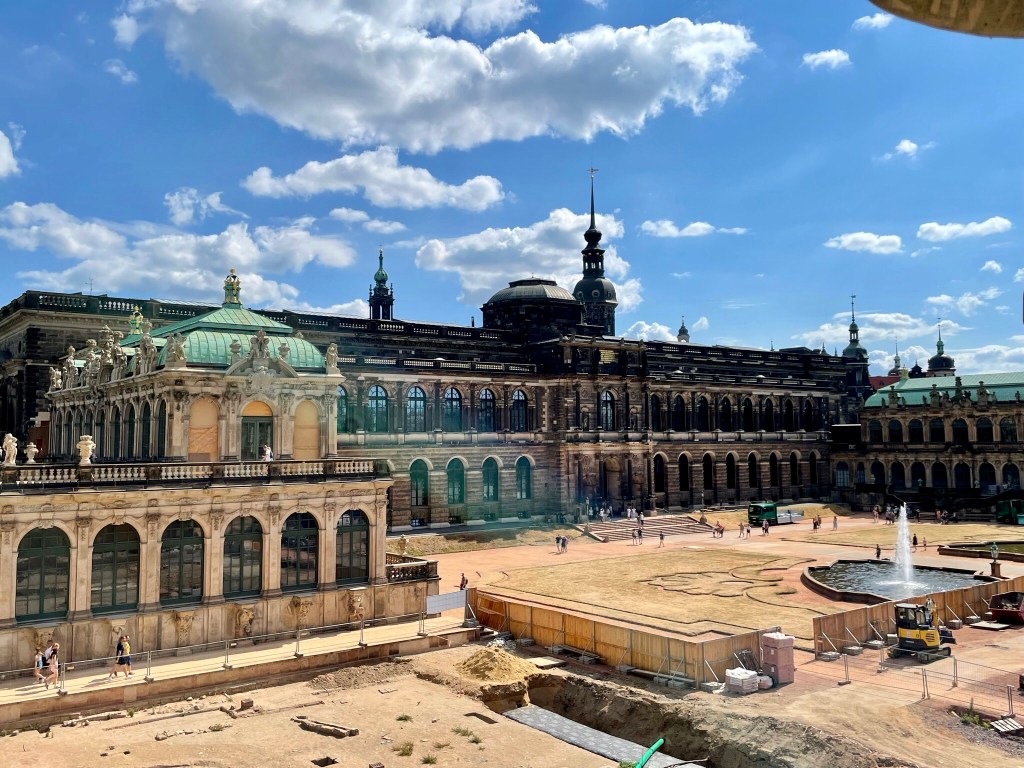
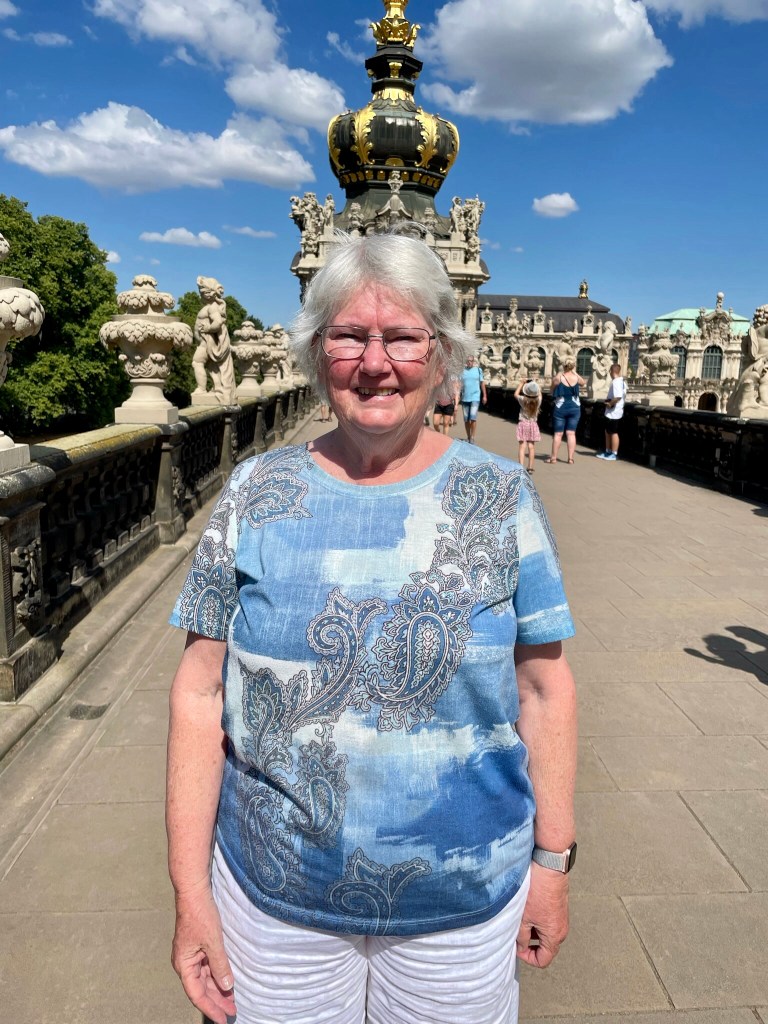
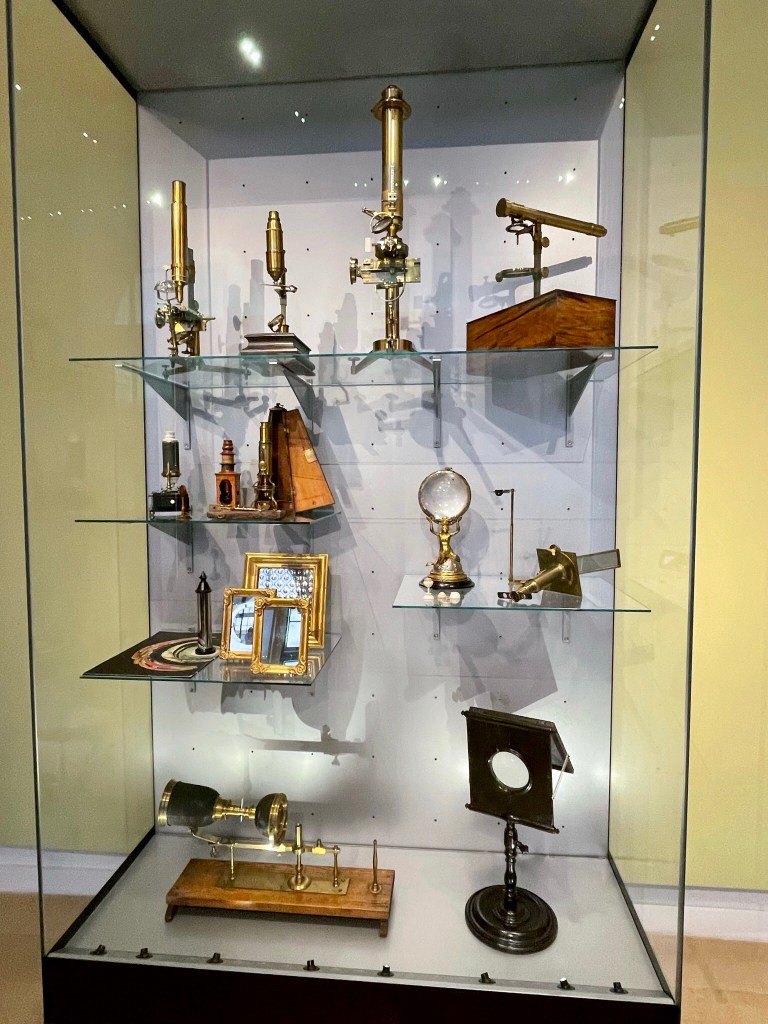
Later, Clare’s group went to the Green Vault to see amazing gold, silver, ivory and gemstone collections. Unfortunately, photographs were strictly forbidden. The rest of this post is when Clare and Brian were together in Dresden.
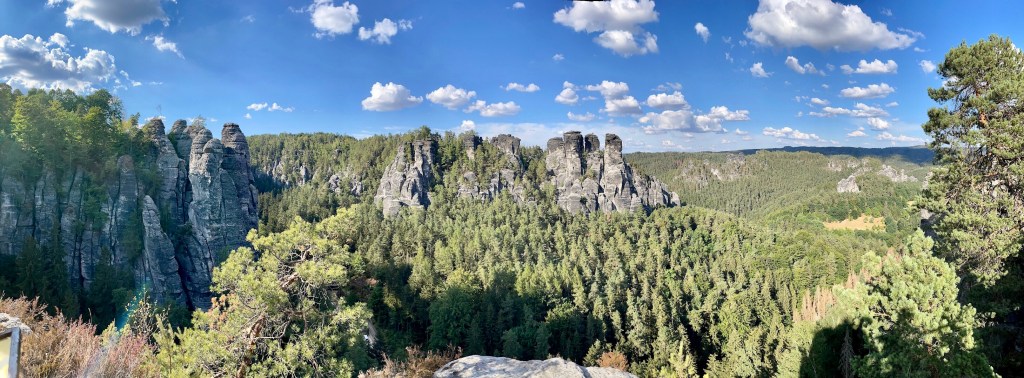
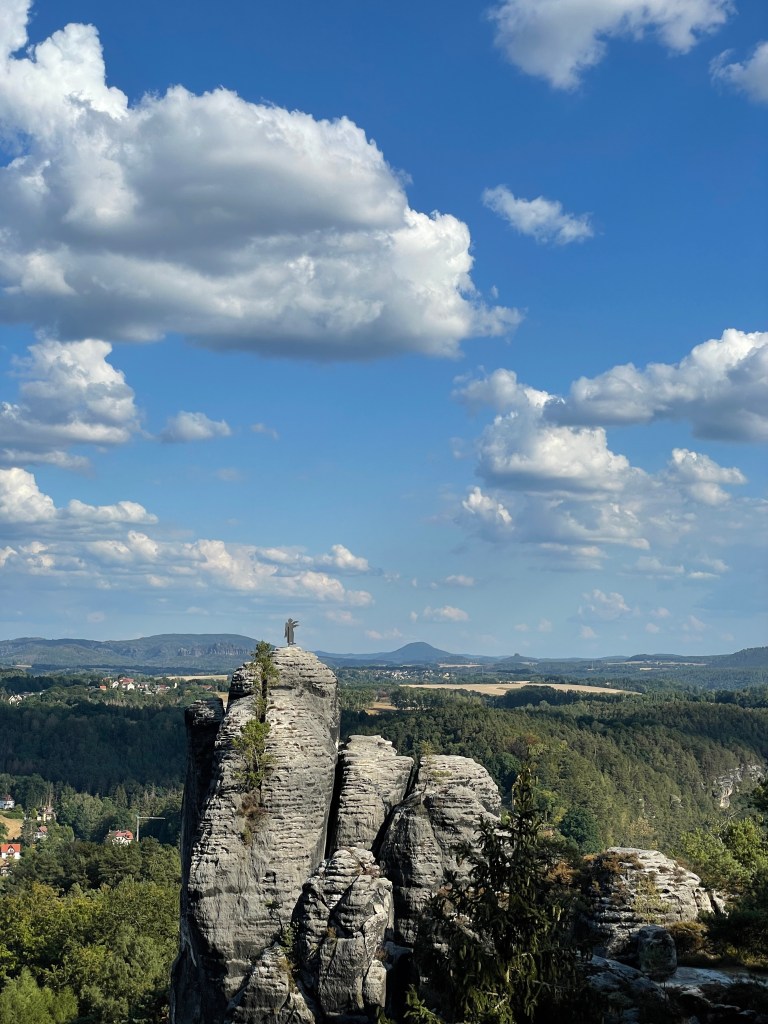
The last day of the conference was actually a field trip to (sort of) three castles. Basalt and sandstone: the first providing the building materials for a hilltop castle and the latter providing spectacular pinnacles that long ago supported a fortress castle. The conference provided the opportunity to visit these sites in a field trip, followed by a dinner at another castle closer to Dresden.
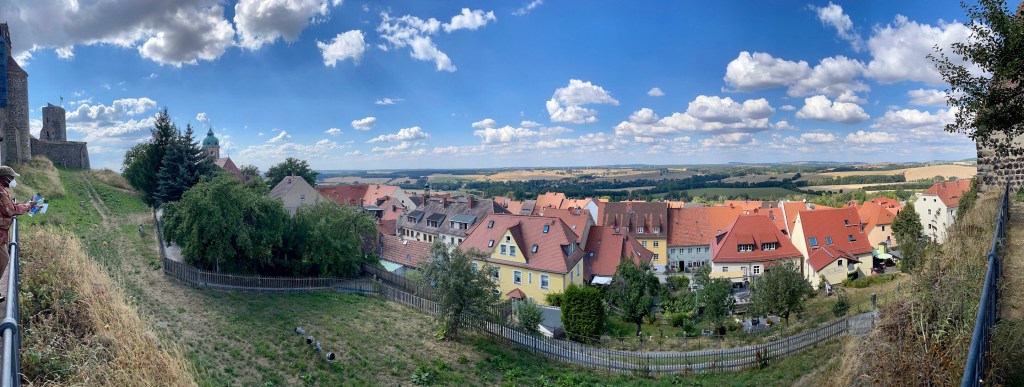
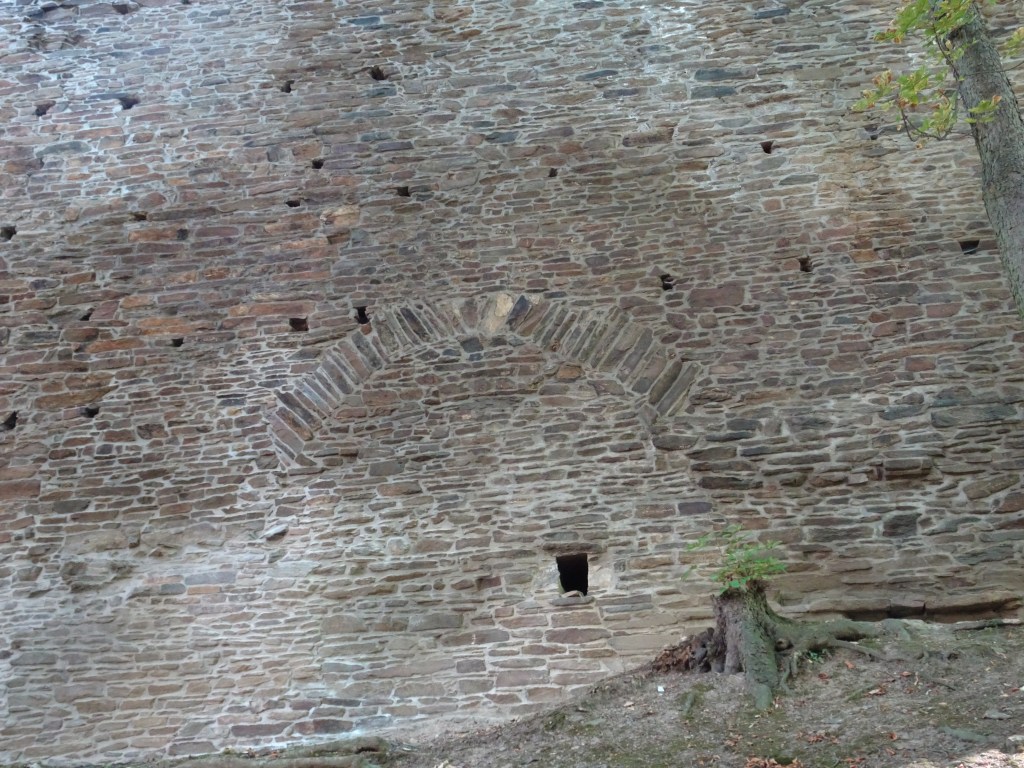
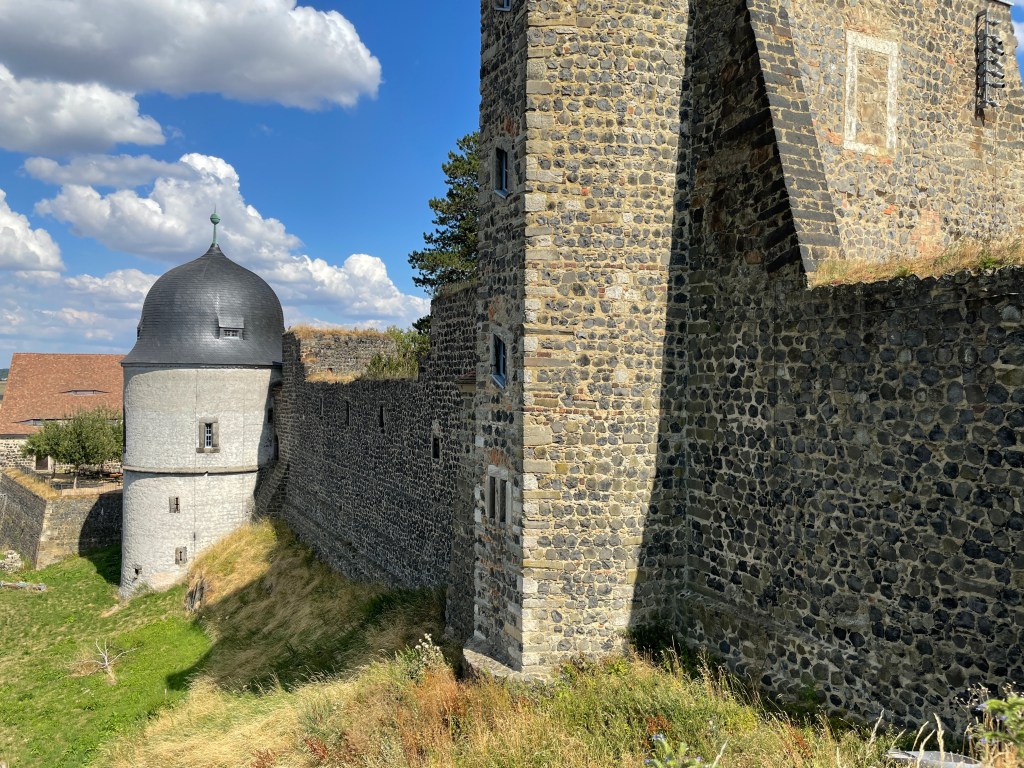
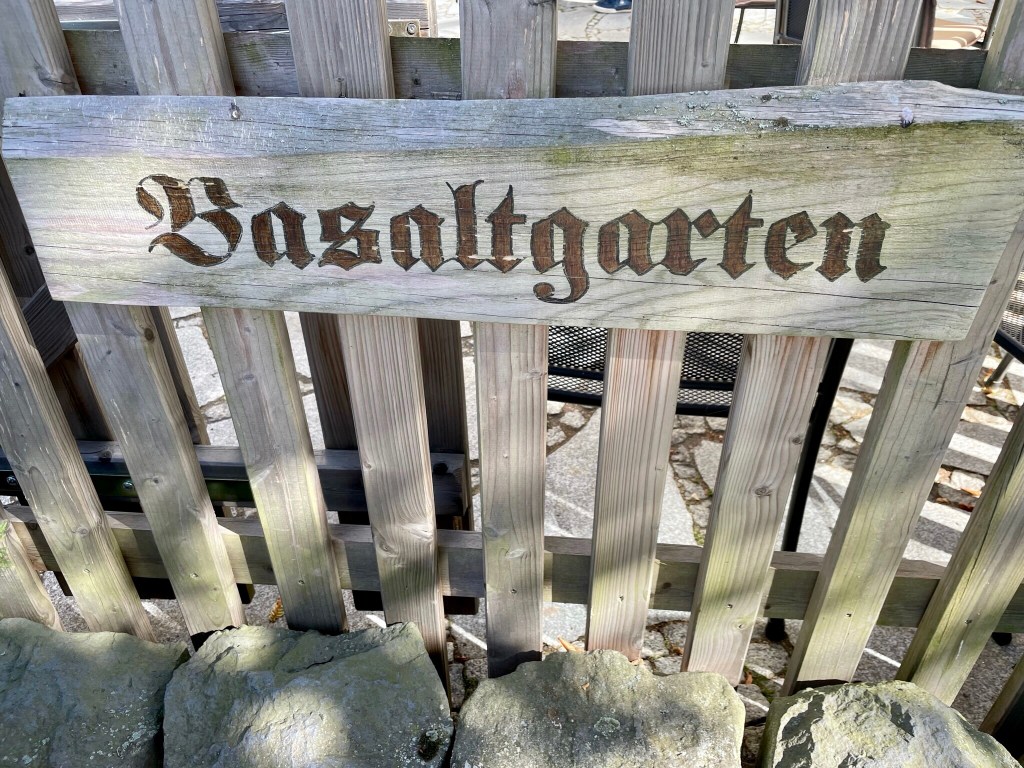
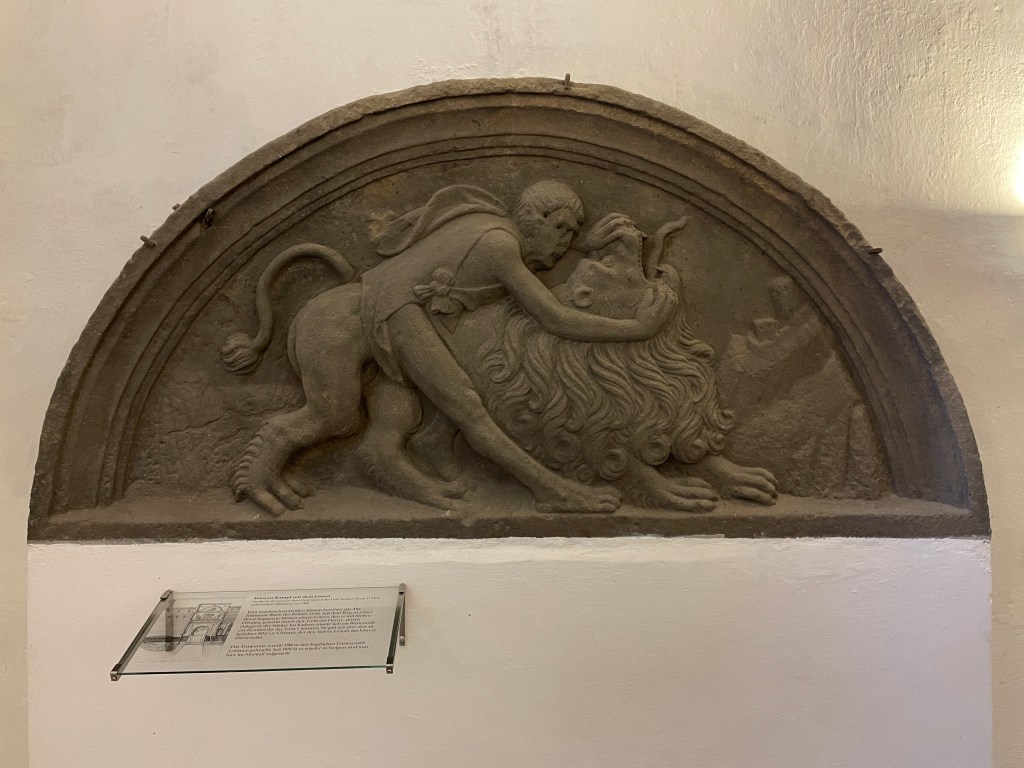
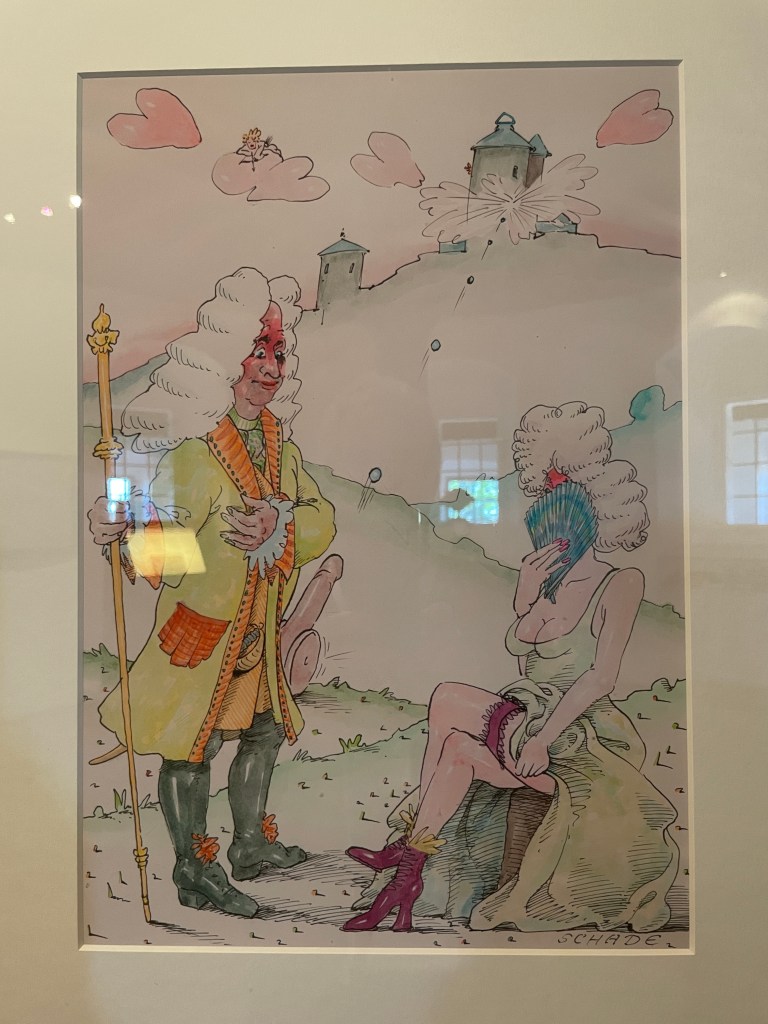
Most visitors to Stolpen Castle are interested in the “torture” part of the displays in the castle, so our group was a bit unusual. How many tourists happily look at the rocks? Basalt seems an unusual stone to build a castle!
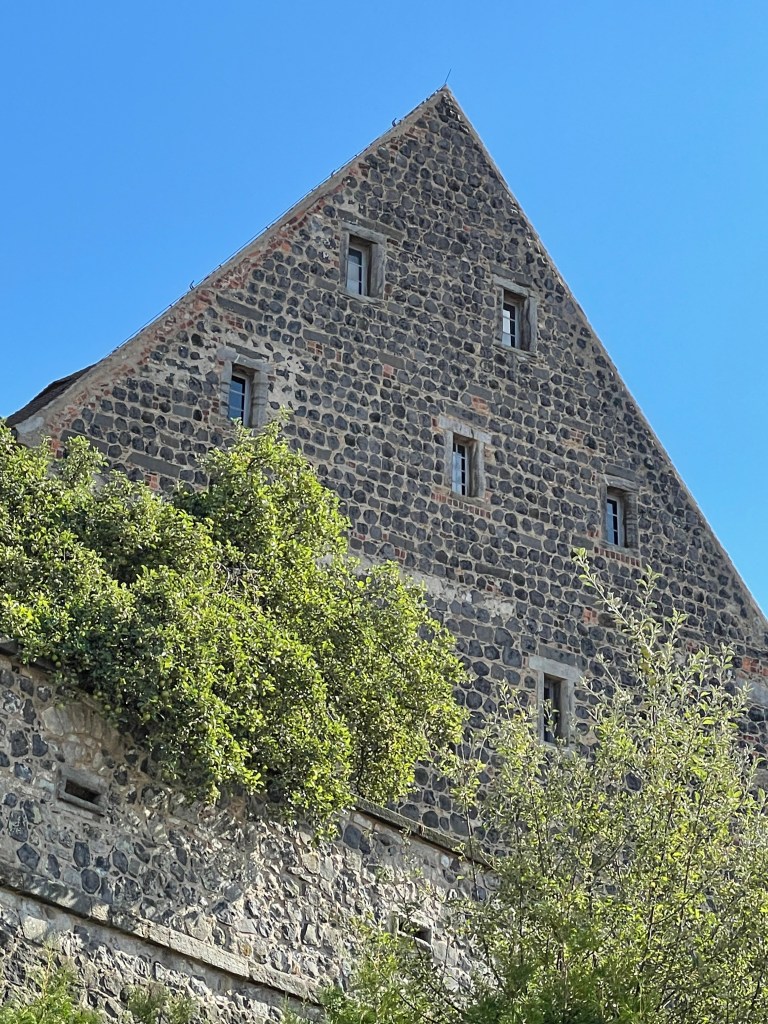
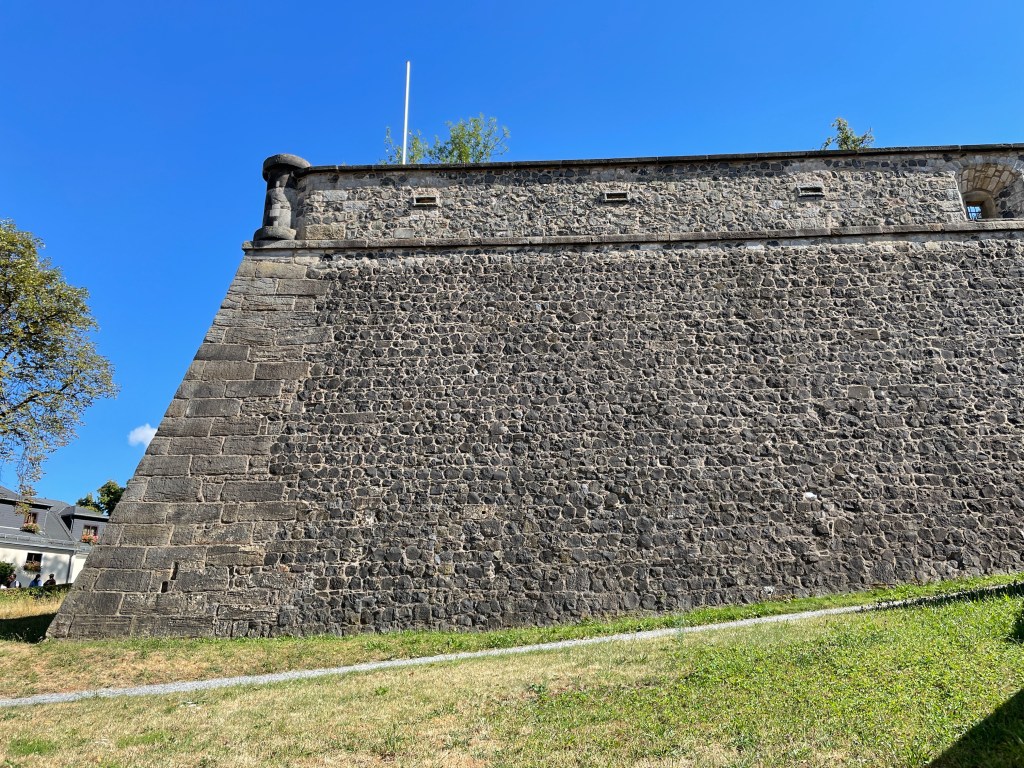
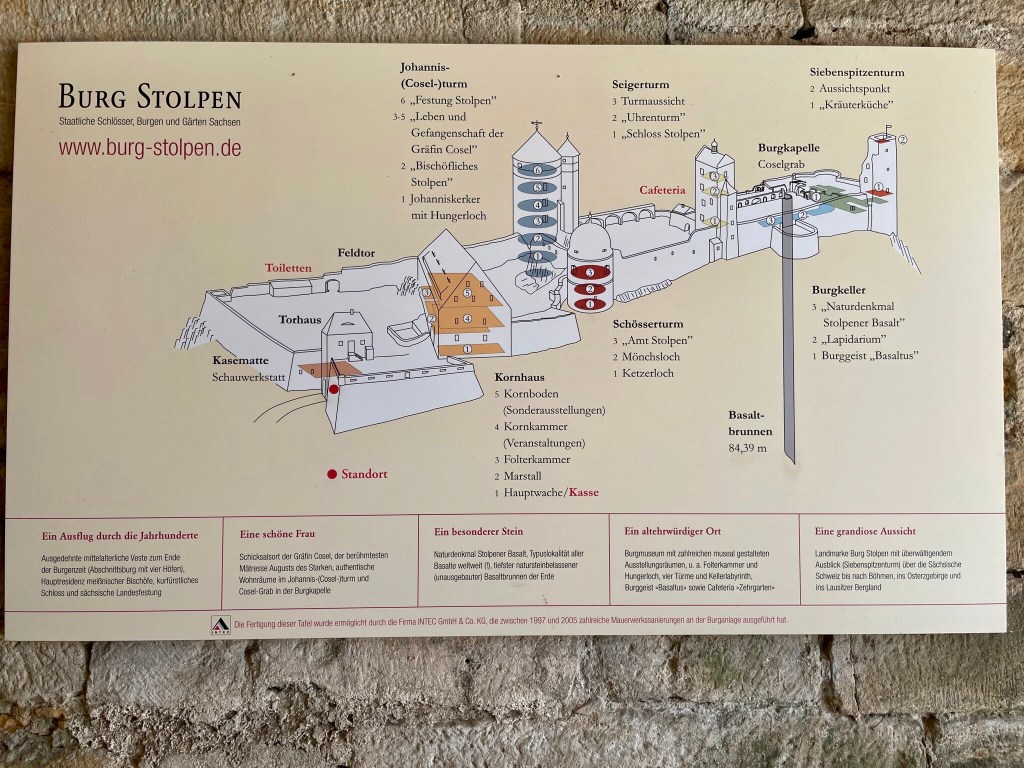
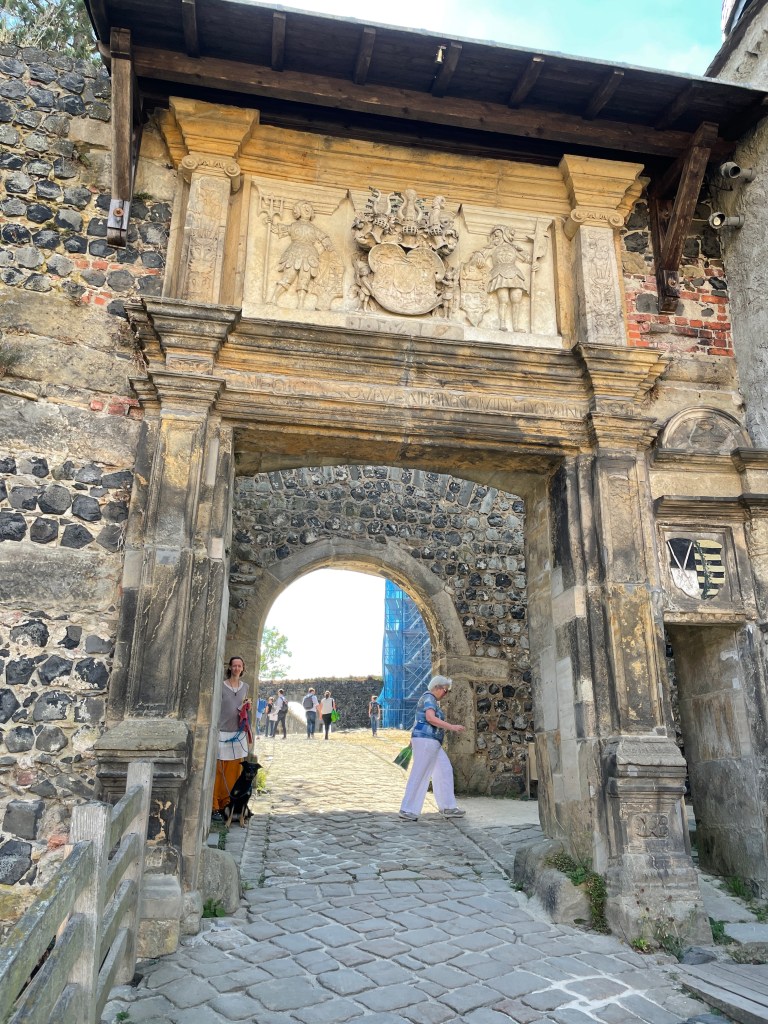
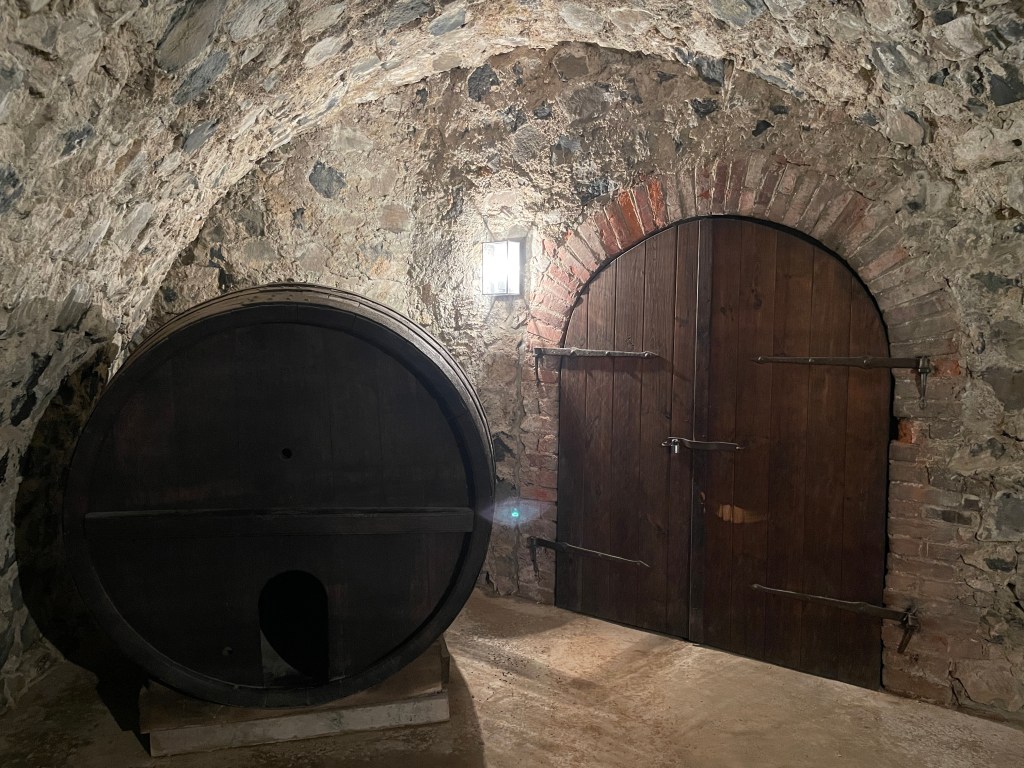
The fun part of wandering around a castle built of basalt was all the cool (temperature) rooms in every direction. This was important because we walked up a hill to get to the castle, and we were all hot.
We visited the lapidary area in the lowest portion of the castle, where rocks were shaped into regular hexagons and other works are done.
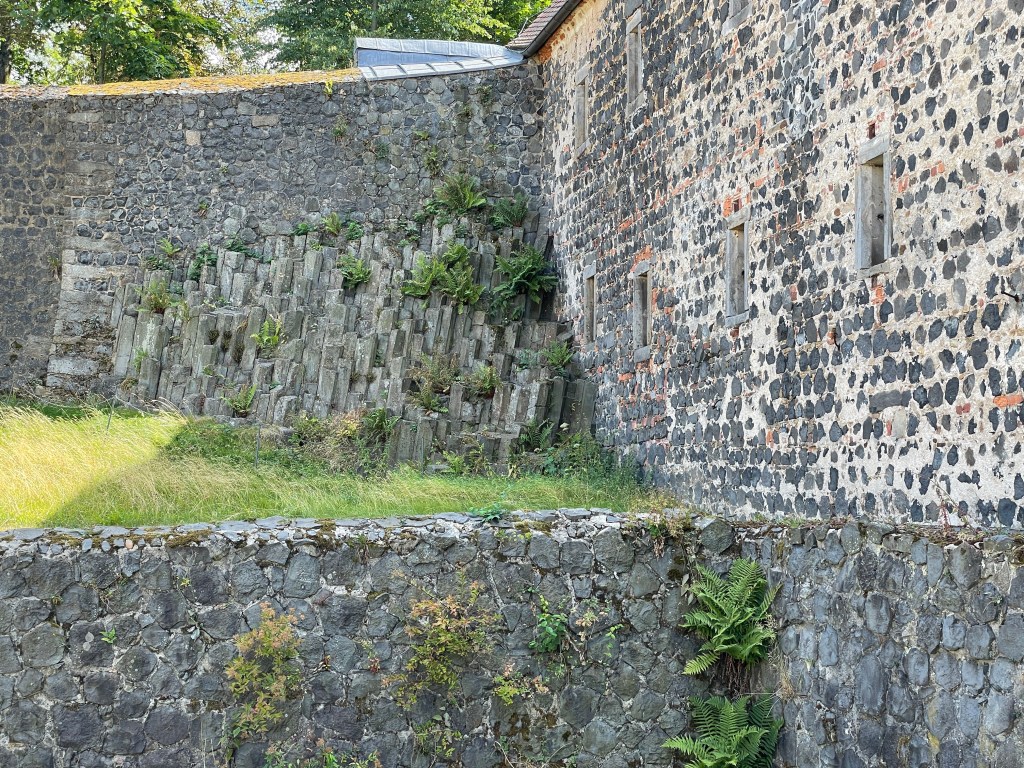
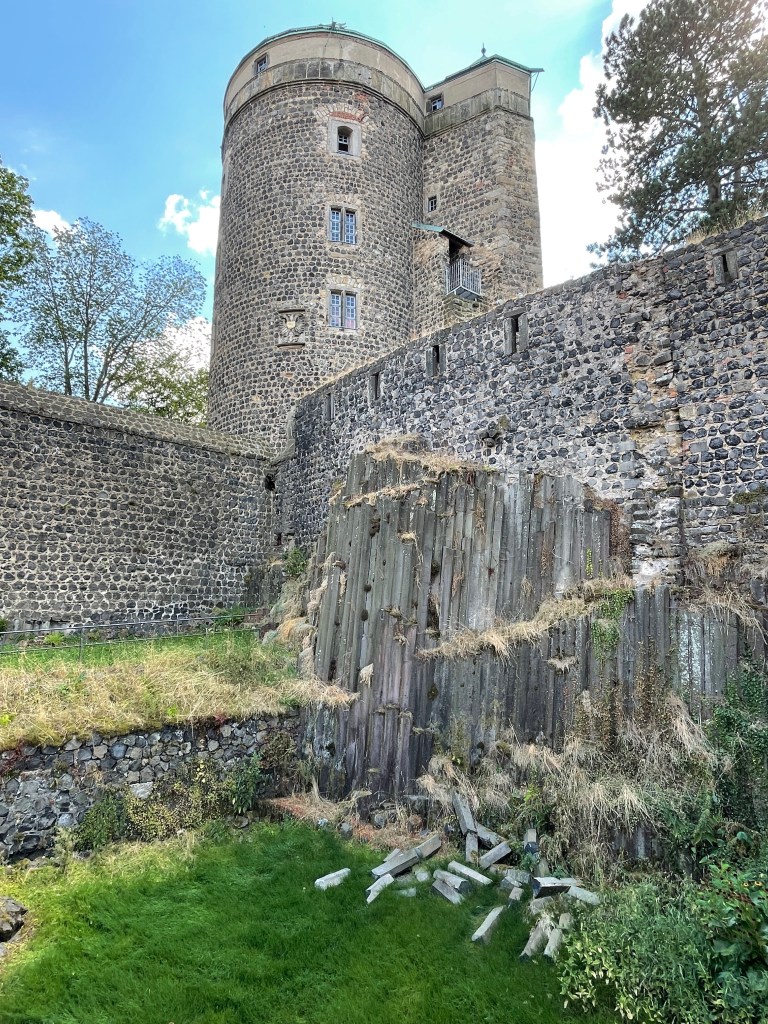
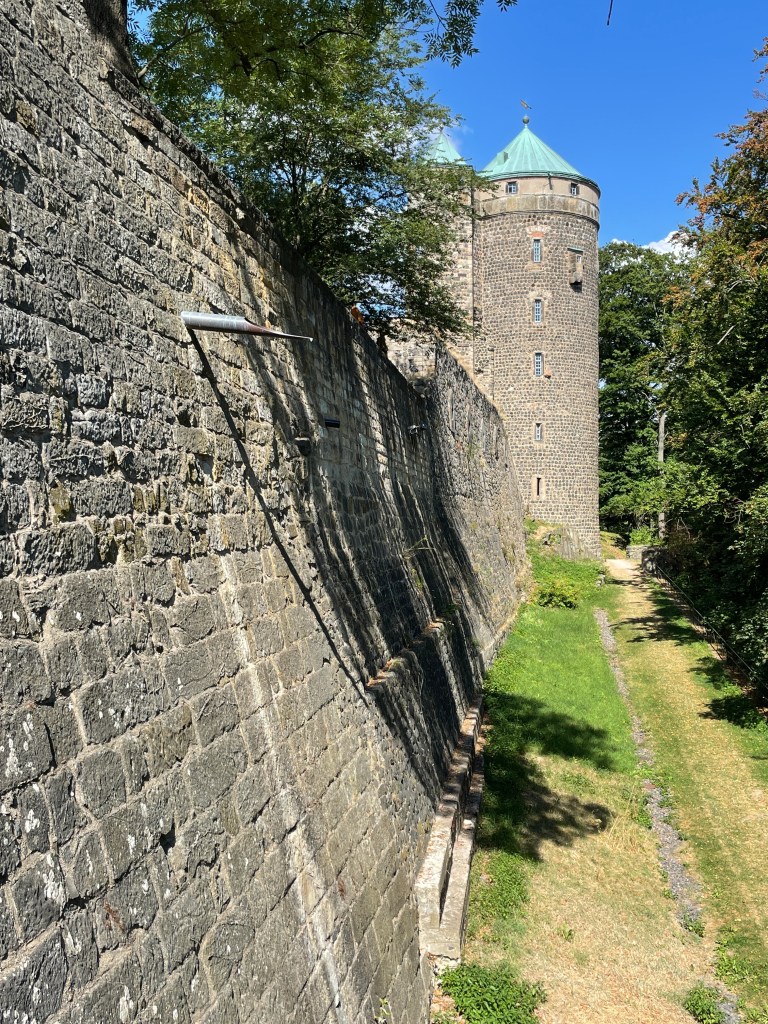
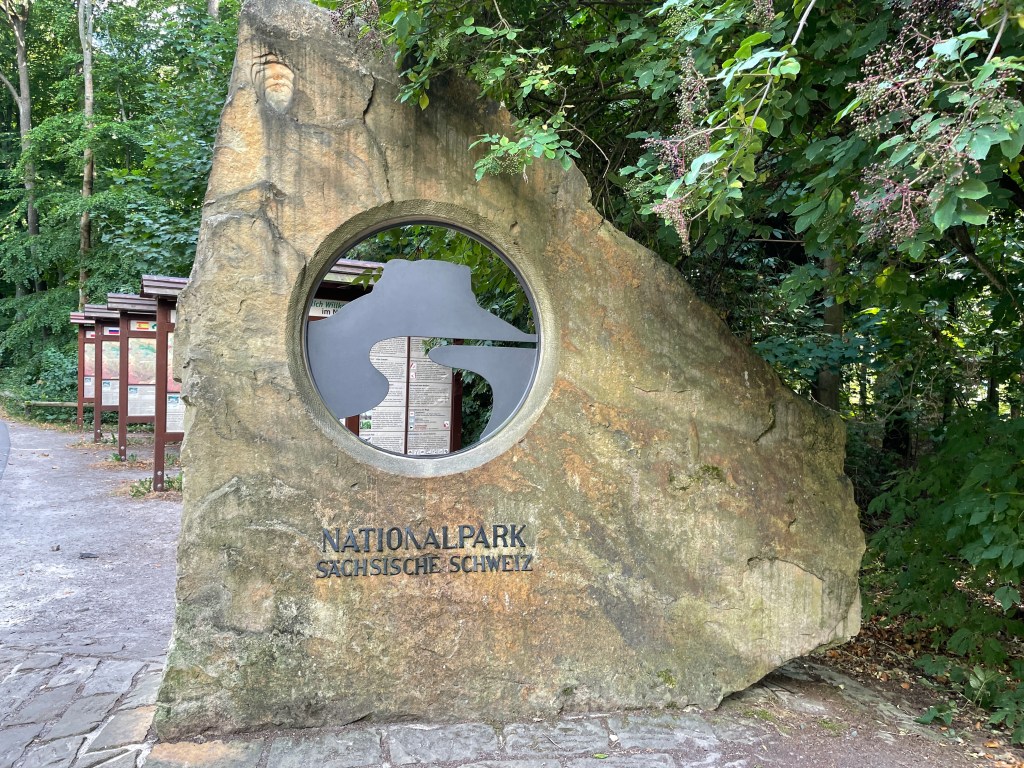
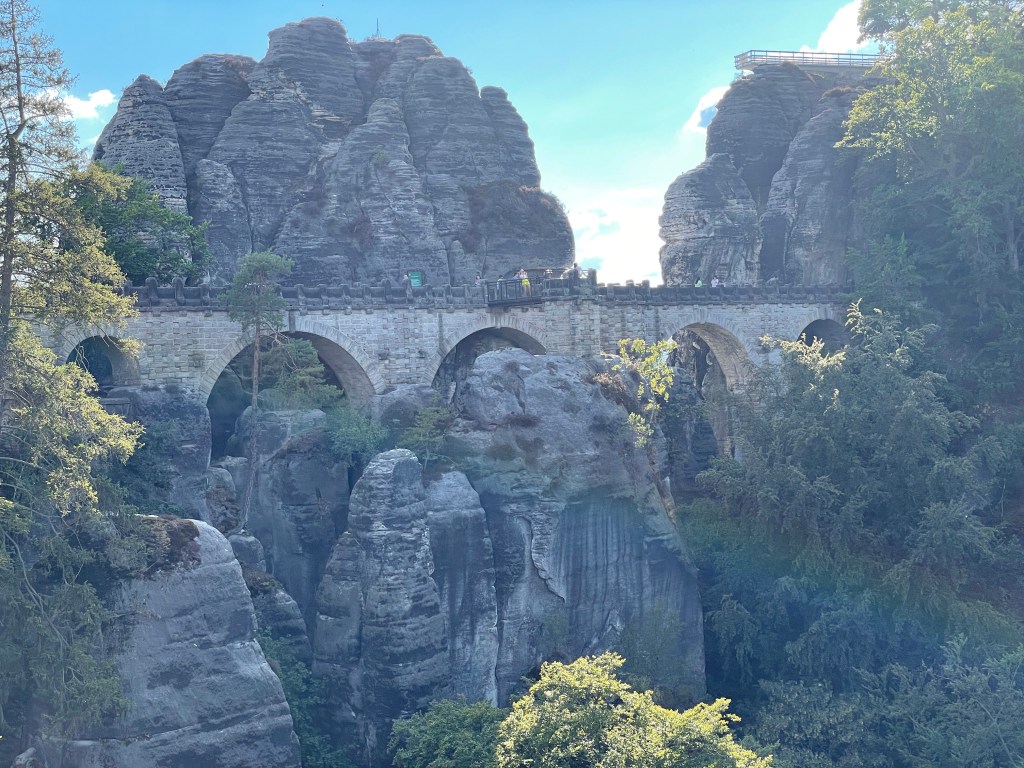
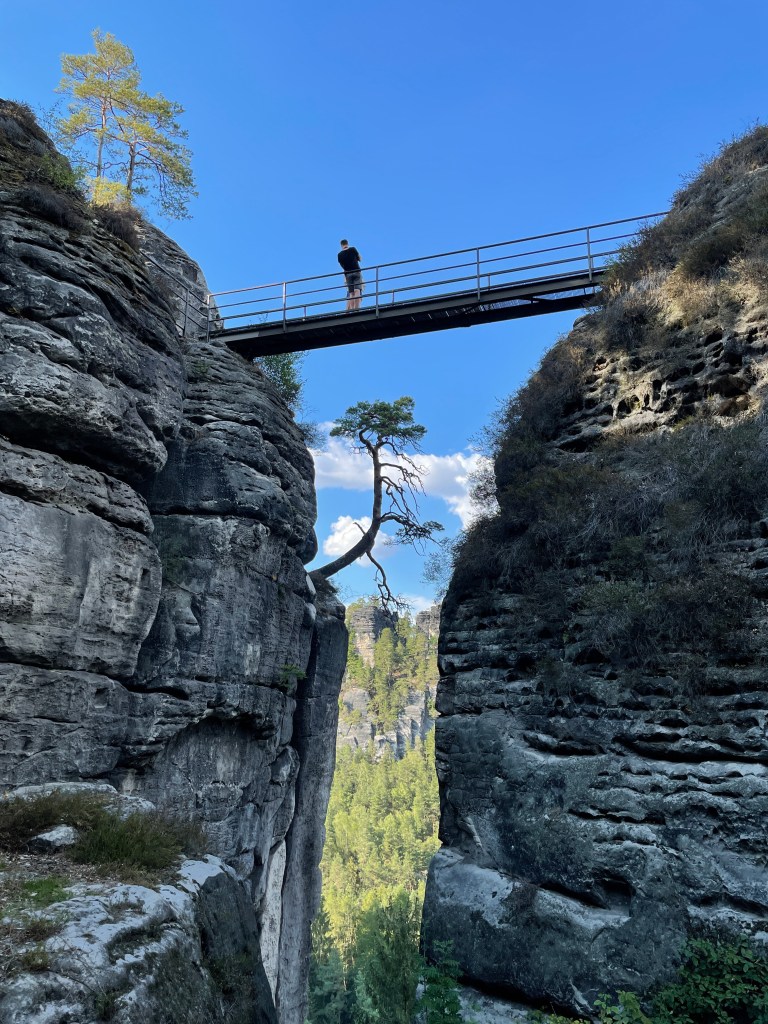
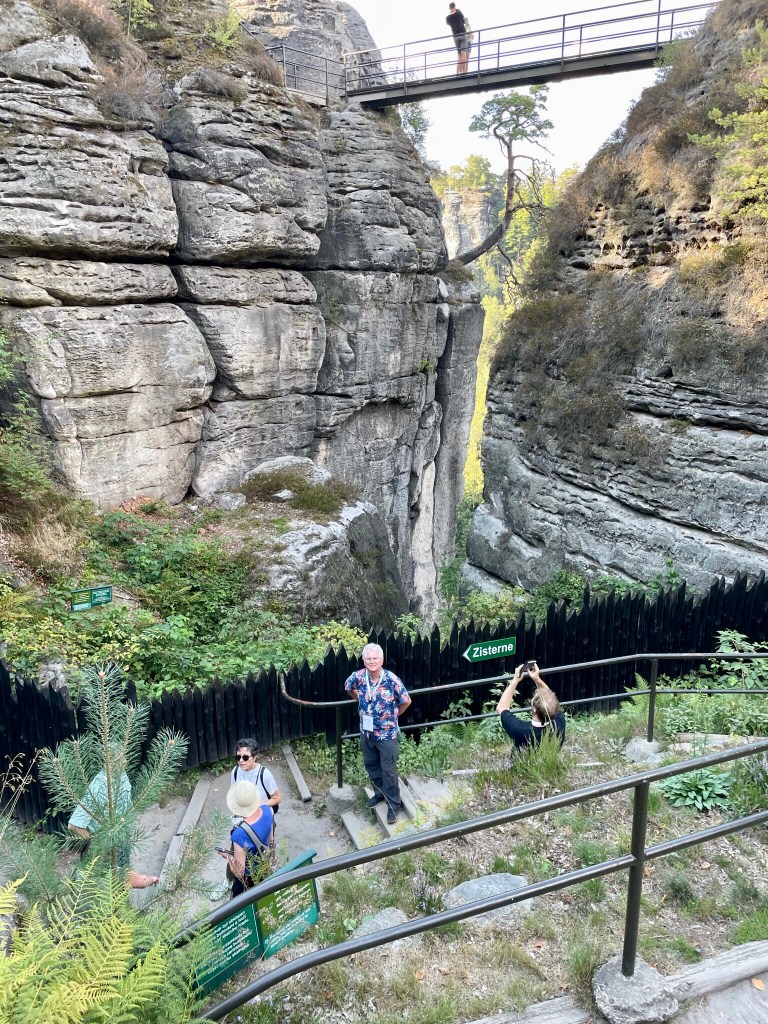
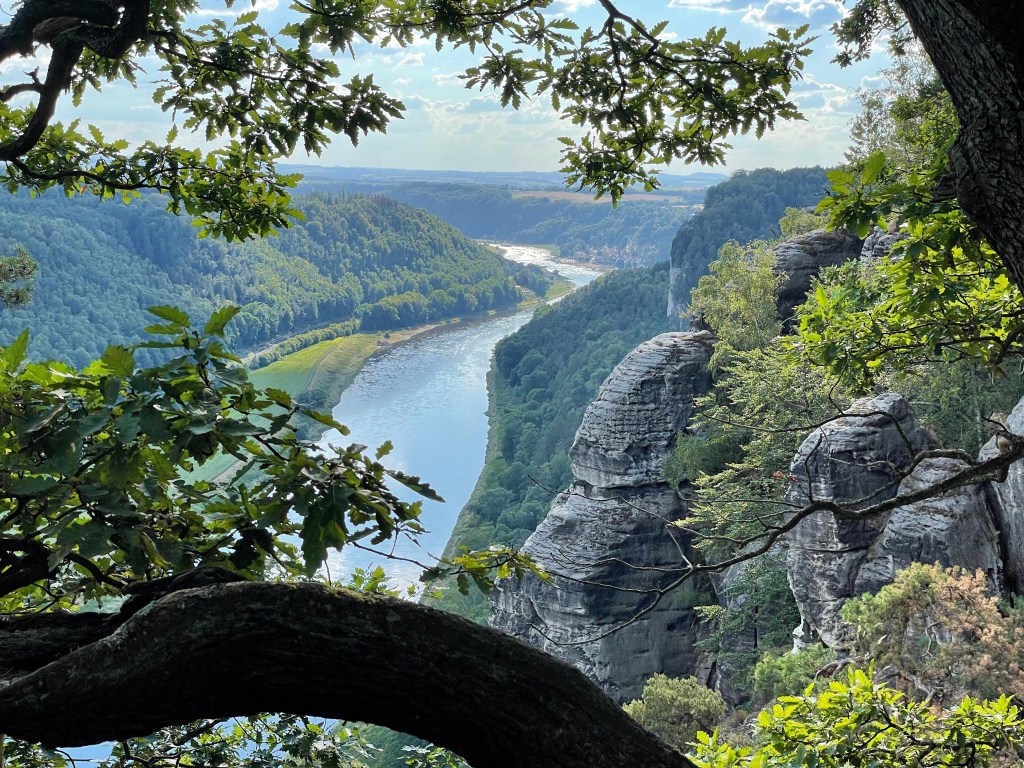
Saxon Switzerland National Park is a beautiful area with a castle built in the Middle Ages on top of extremely steep outcrops of sandstone. Our entire group of field trip participants climbed down the stairs and across the bridges to get to the castle ruins.
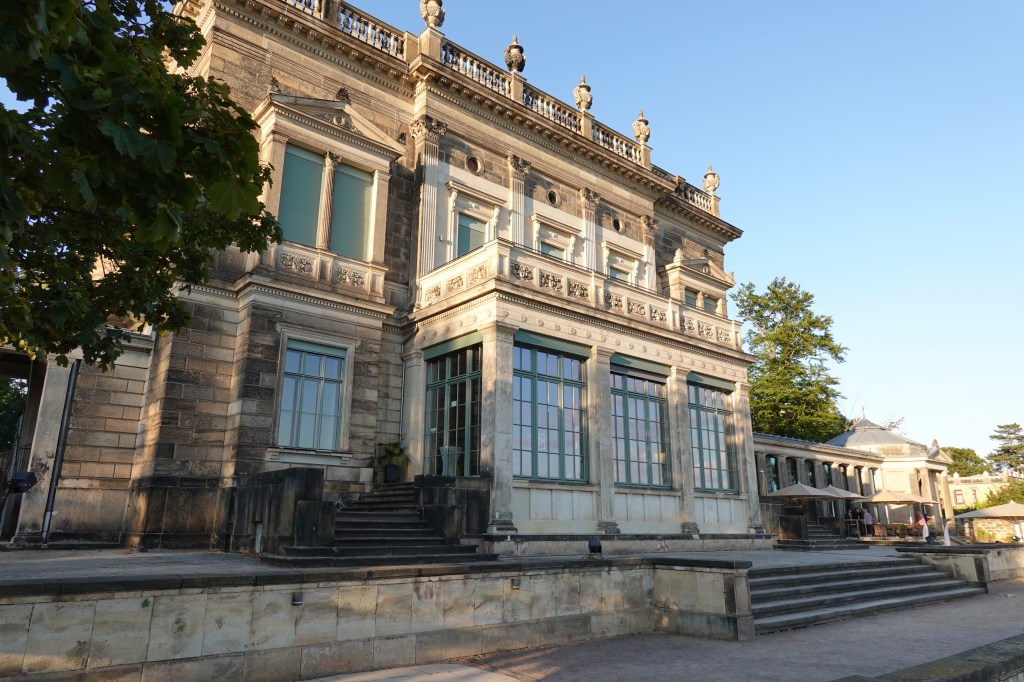
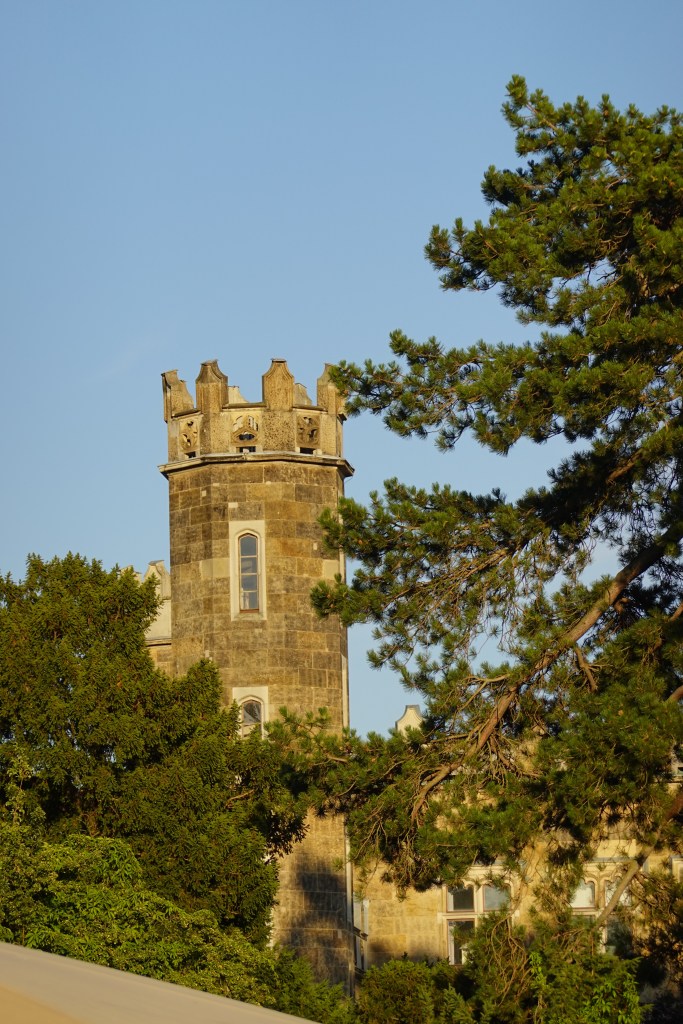
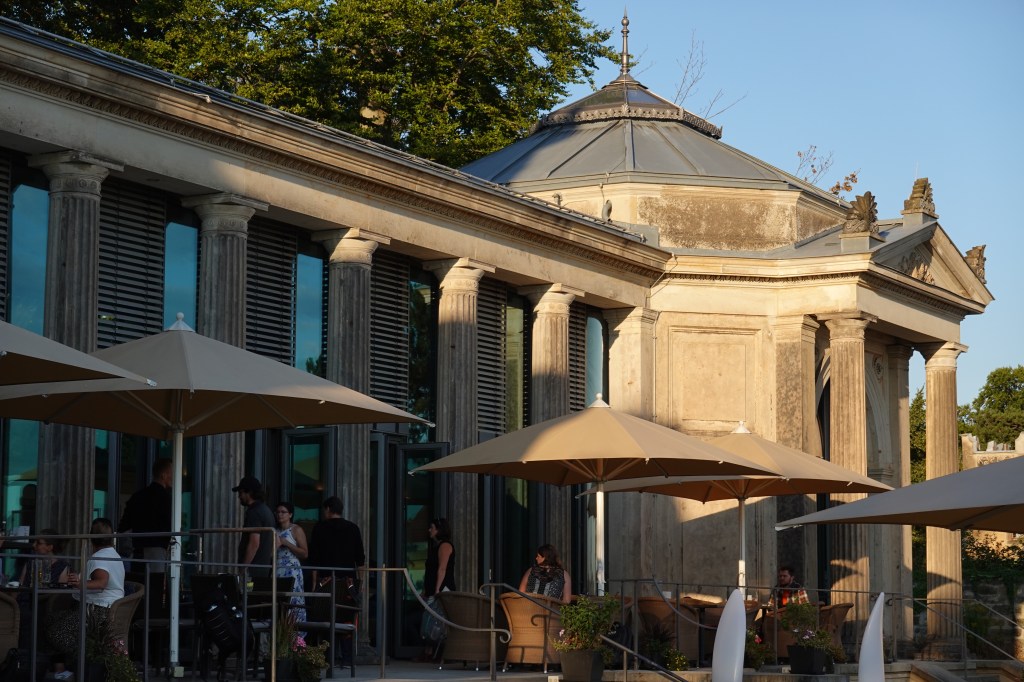
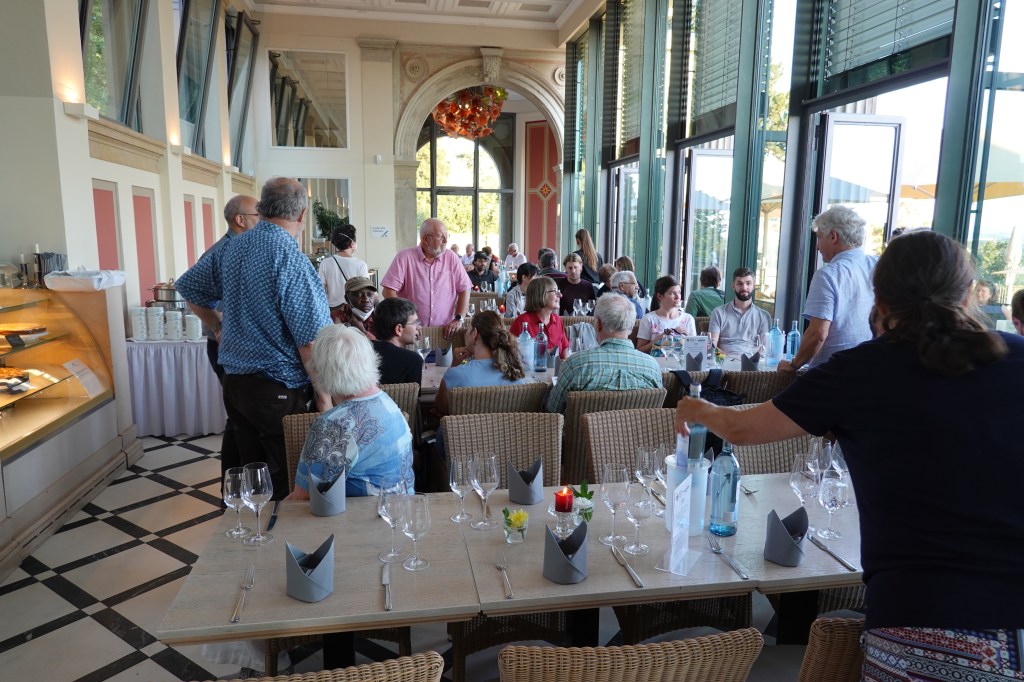
Our third castle of the day was where our group had dinner together. Great food, great conversation. From there, Brian and Clare took a tram to Dresden.
 Bunch of Geeks go Traveling