To many people, the “Middle Rhine” is the high point of their journeys along this famous river, because of all the castles visible along the cliffs above the river itself. The first part of this entry is the middle Rhine. We tried to name all the castles for you, but it’s difficult. Fortunately, the cruise line gave us good maps and the cruise director told us stories of the castles as we passed.
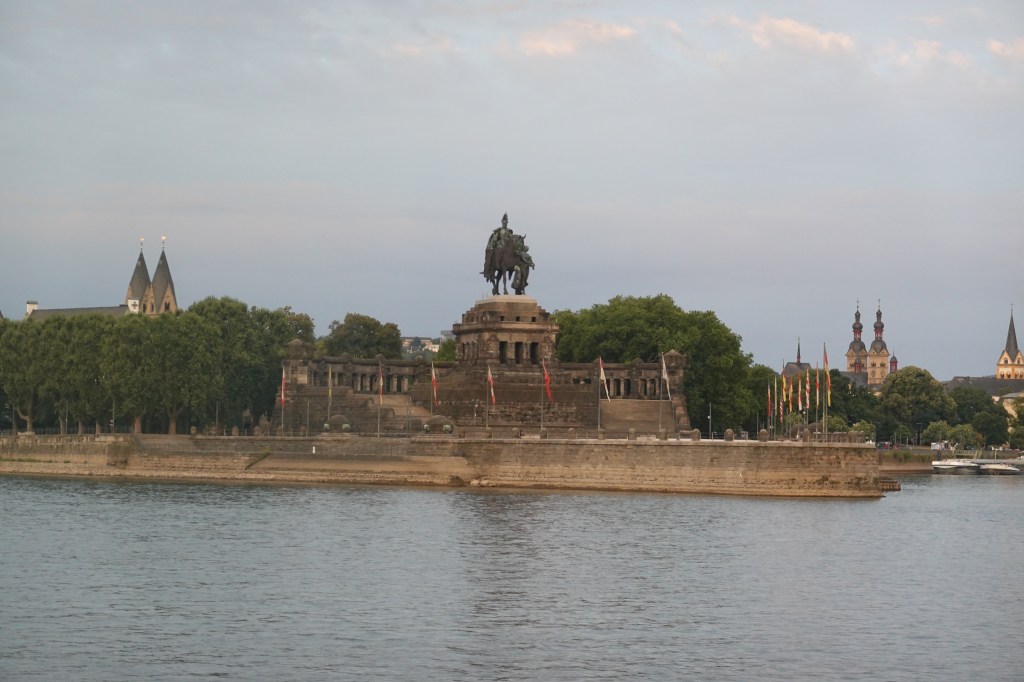
Fortunately, we woke up early and grabbed some breads and drinks to take up to the top deck to watch the castles and cute towns of the Middle Rhine as we sailed upstream.
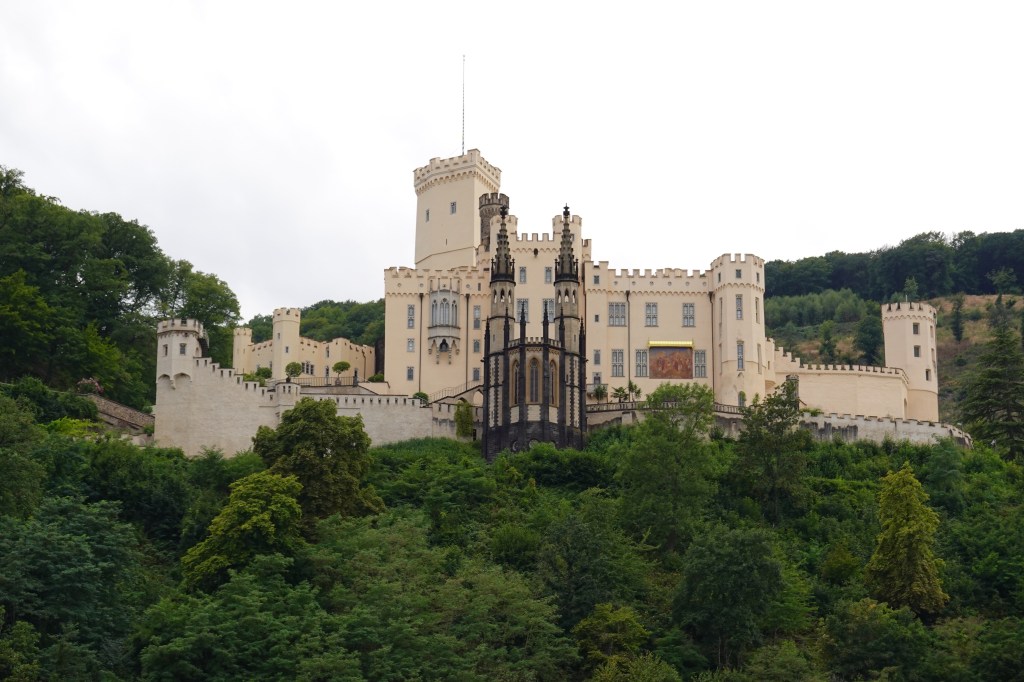
We noticed large numbers on the Rhine River, which tell us how many kilometers we are from the source of the Rhine, and helped a lot in identifying the castles as we sailed past.
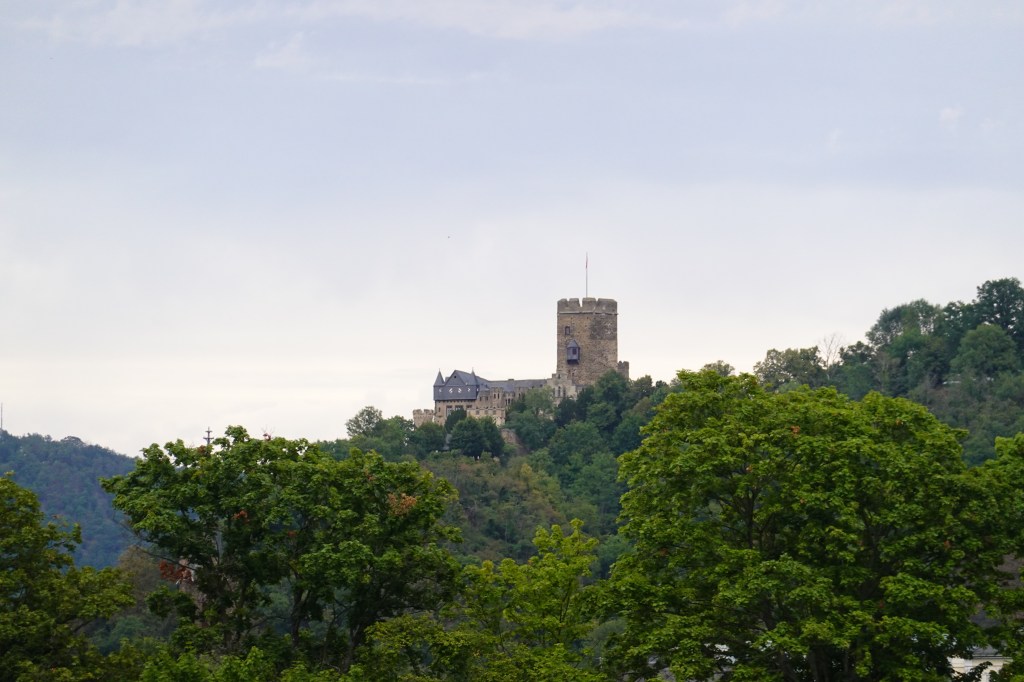
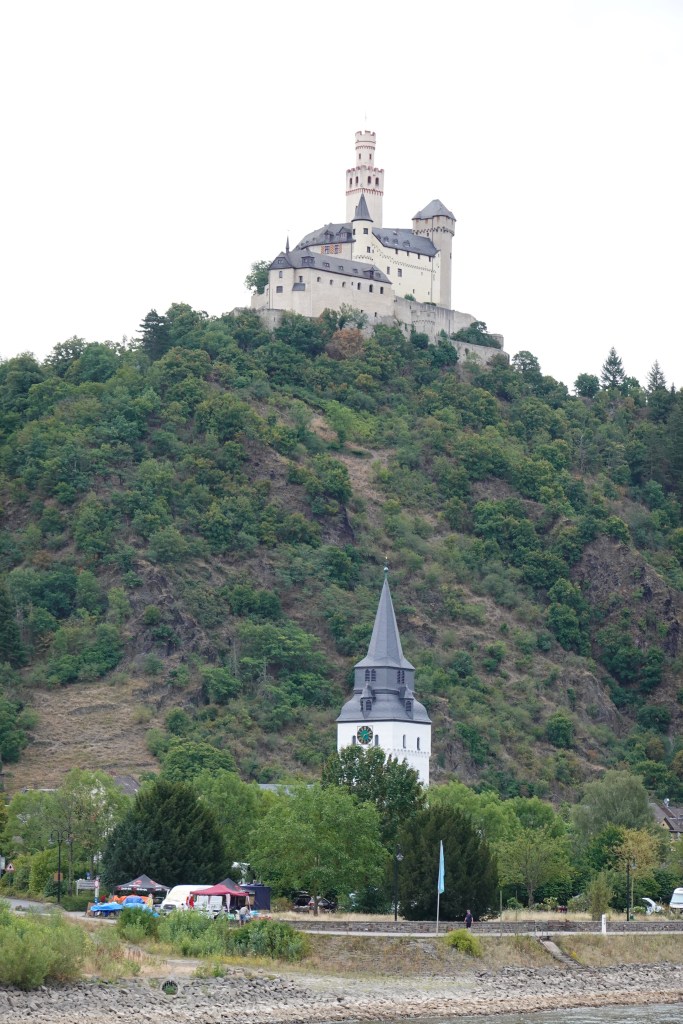
The most fun was seeing how the architecture of the castles varied. Some of the differences were due to the approximate date the castle was constructed, other differences were in style, from the identity of the castle owners.
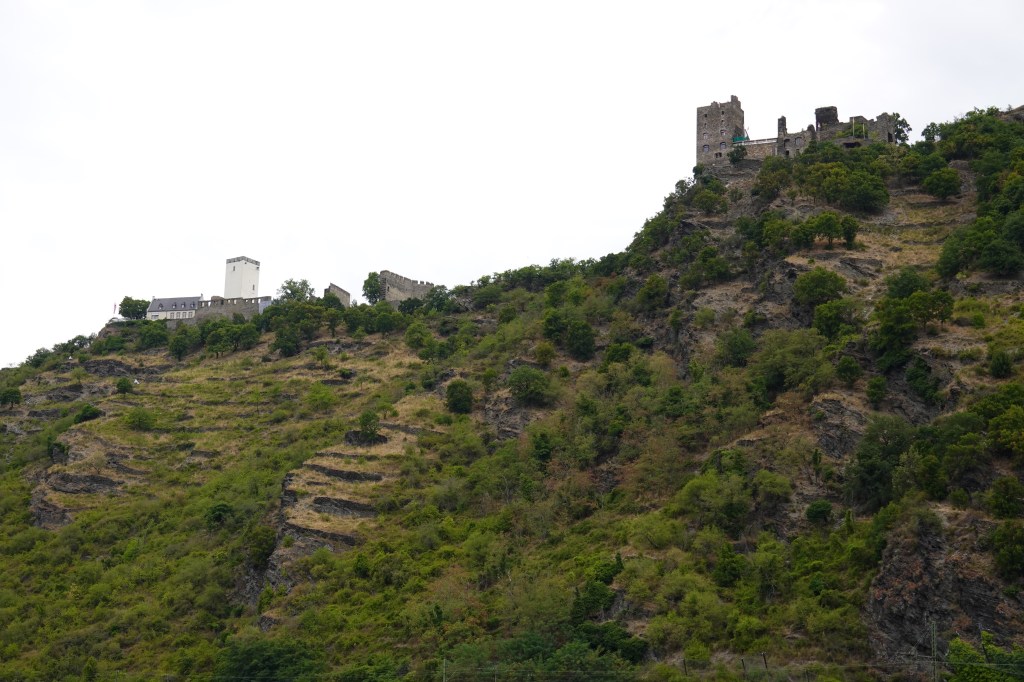
So much complexity of history here, most of which did not affect the world, just the sites along the river. Many of these areas were tiny kingdoms in their own rights.
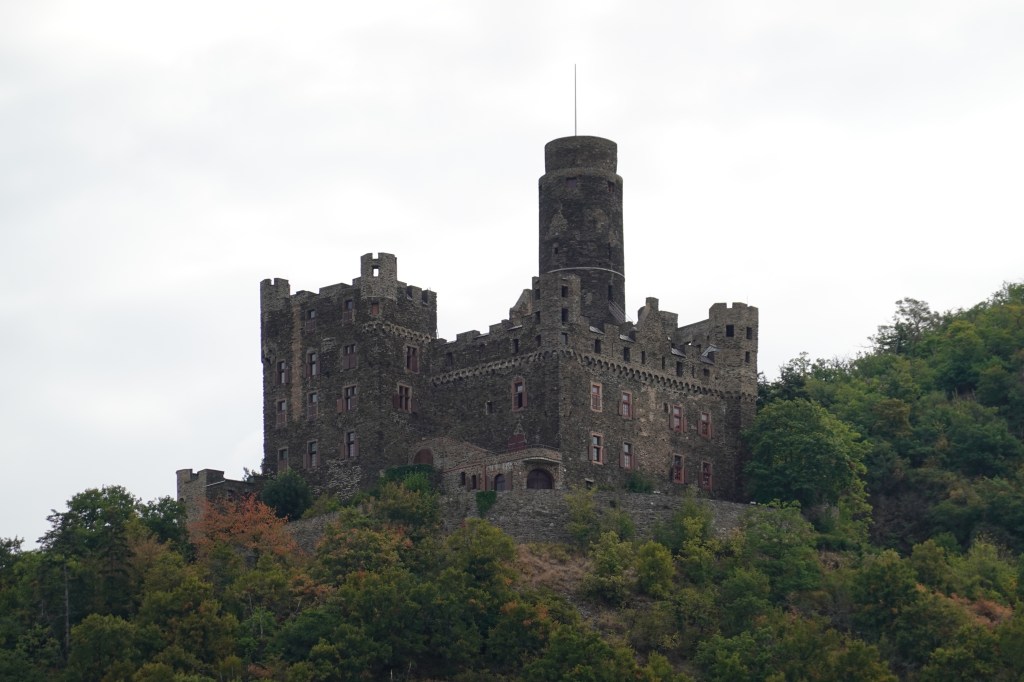
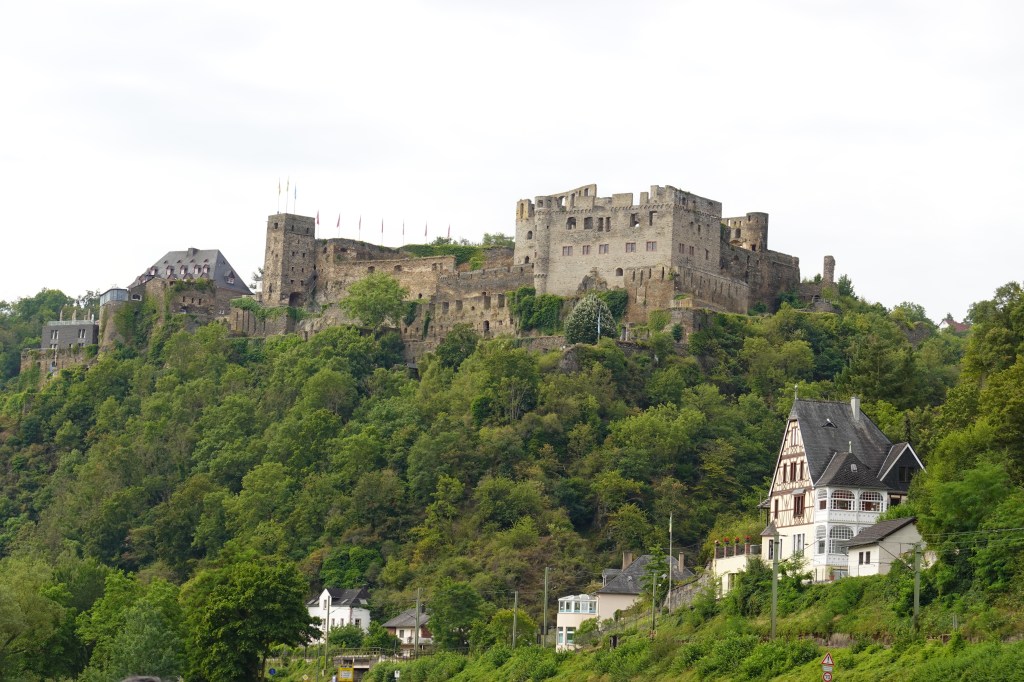
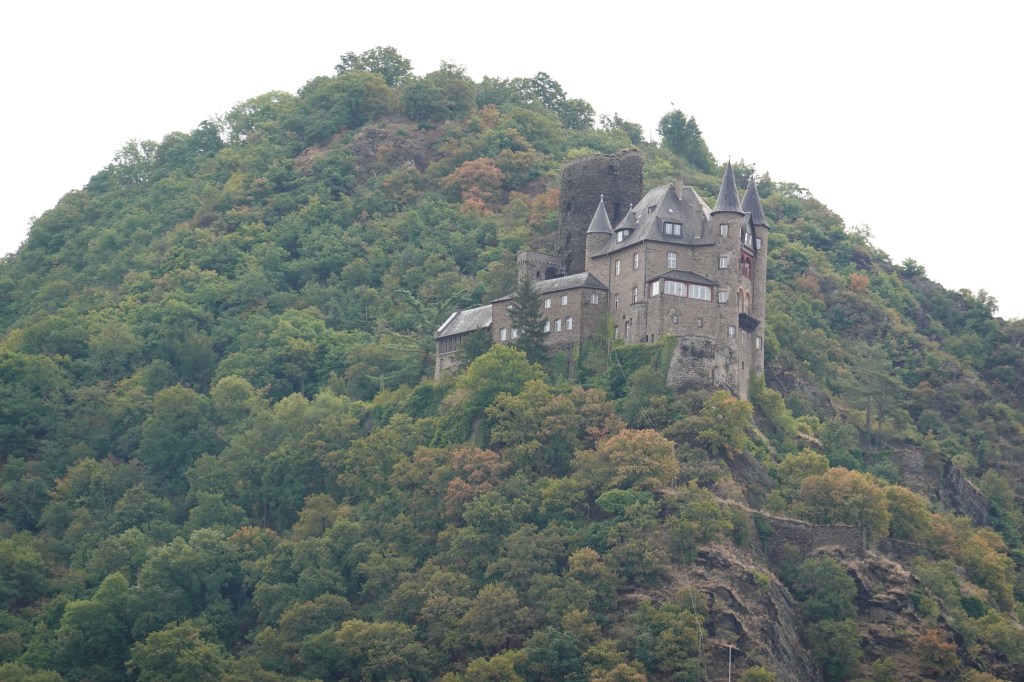
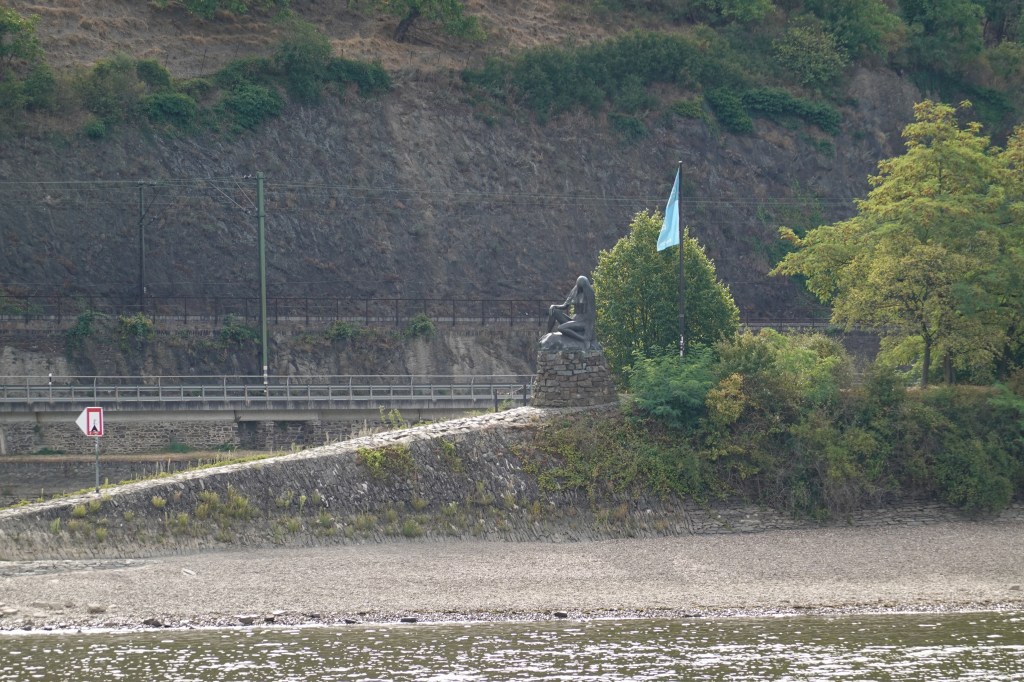
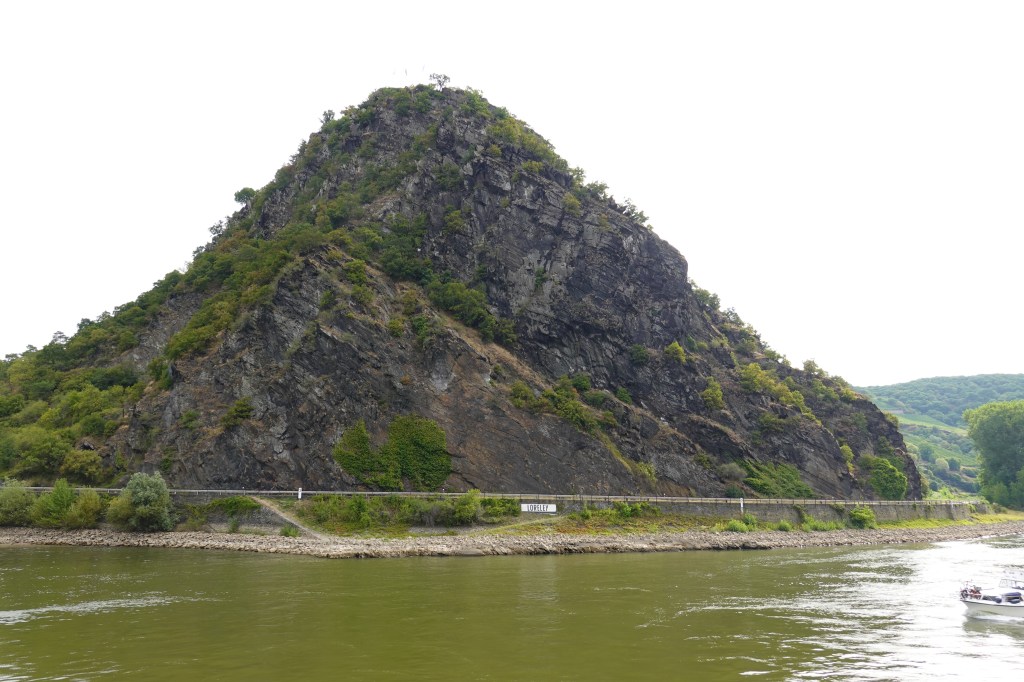
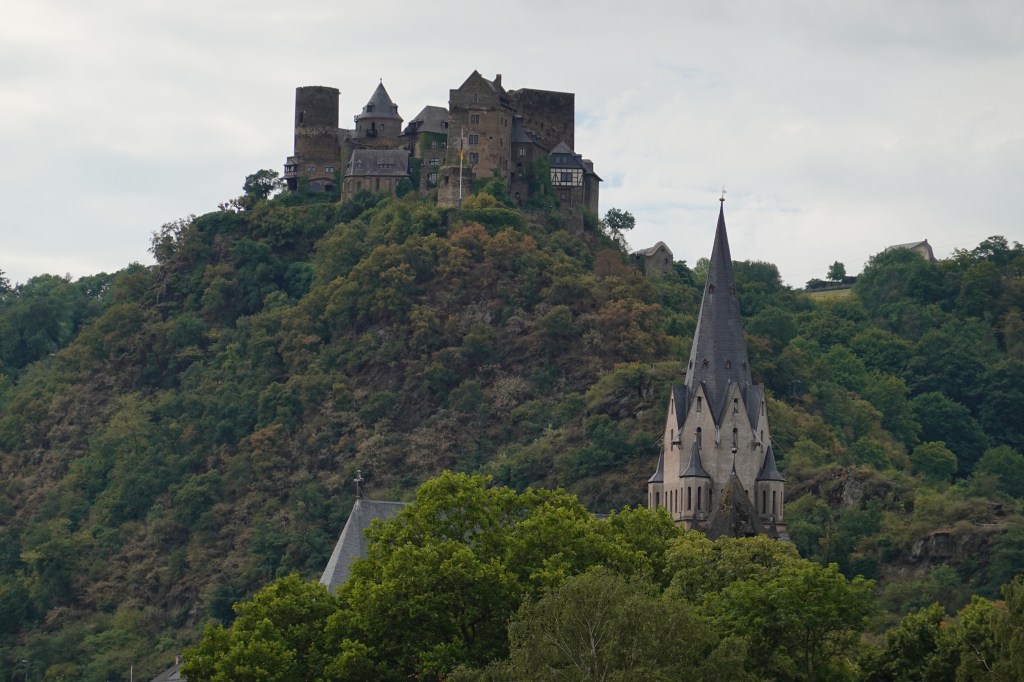
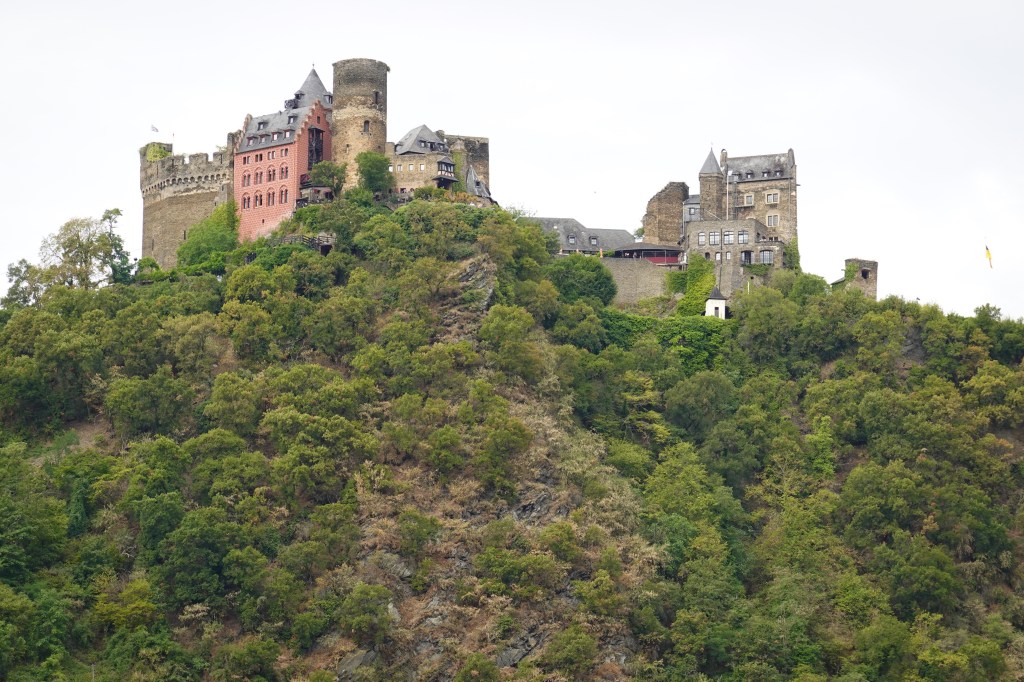
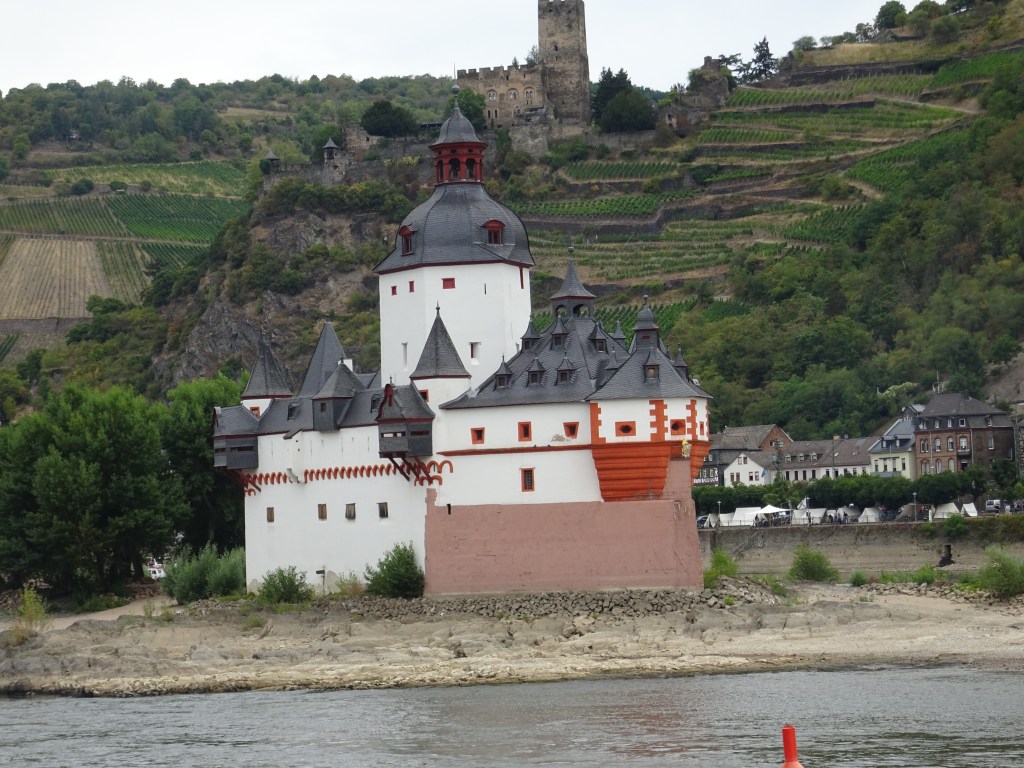
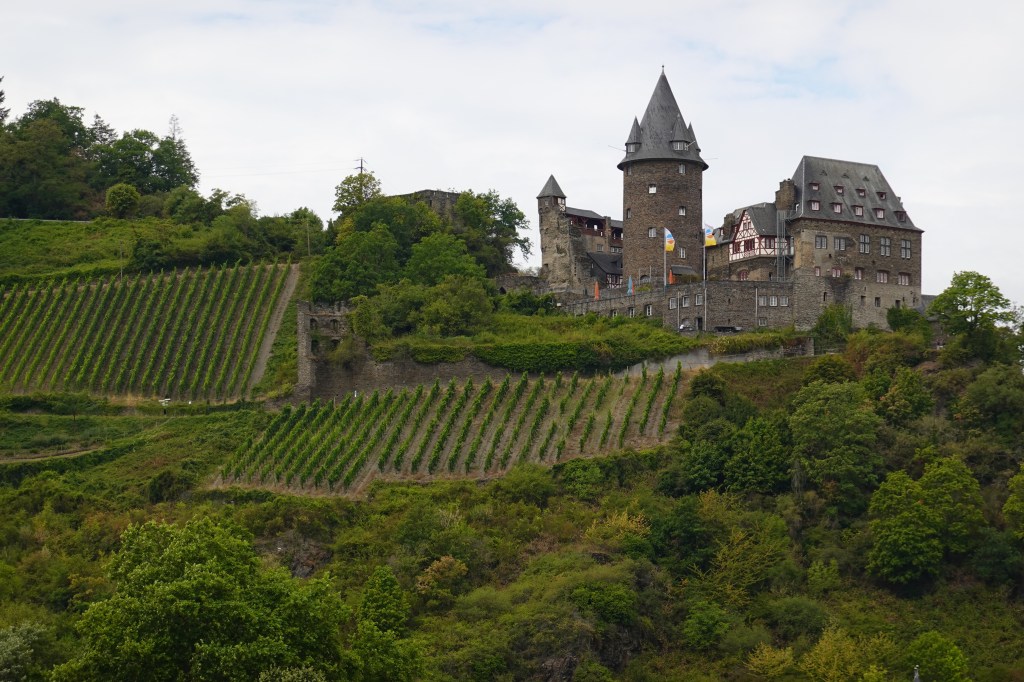
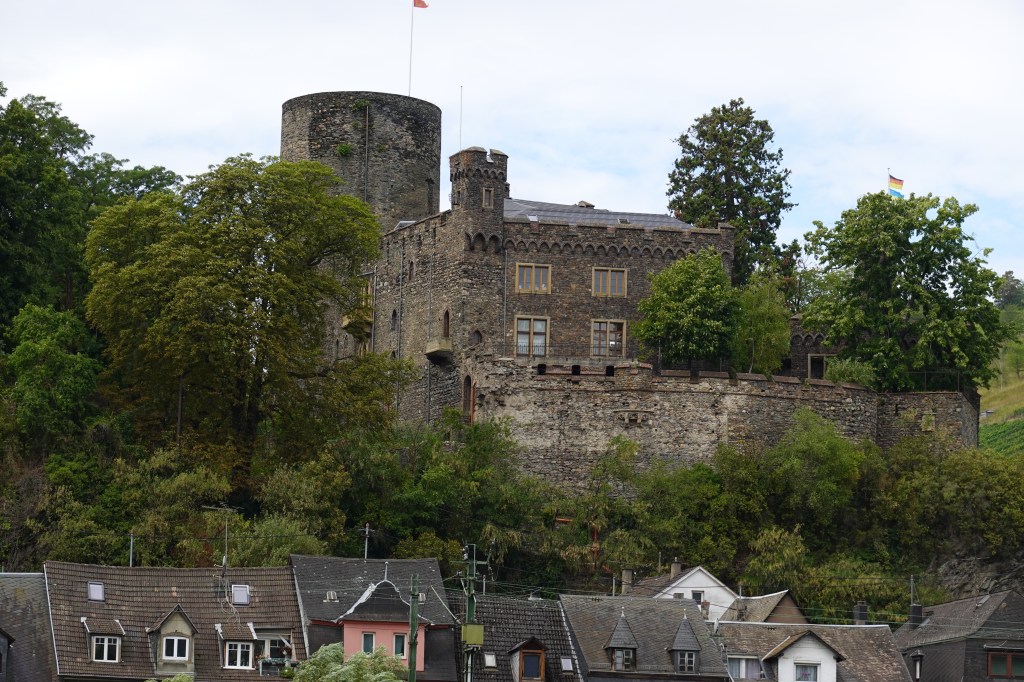
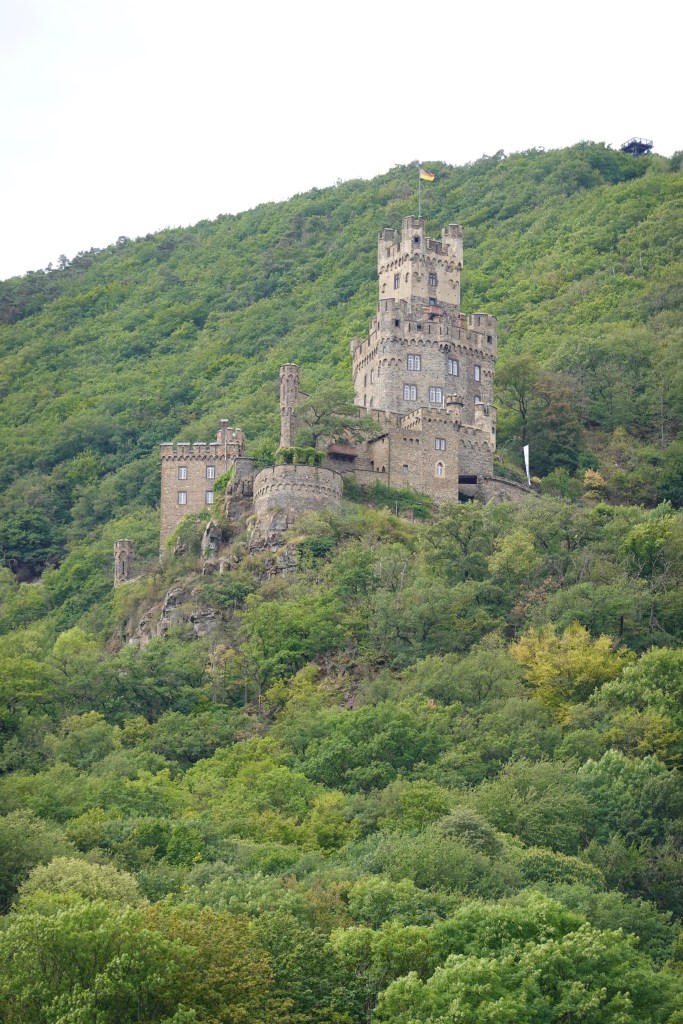
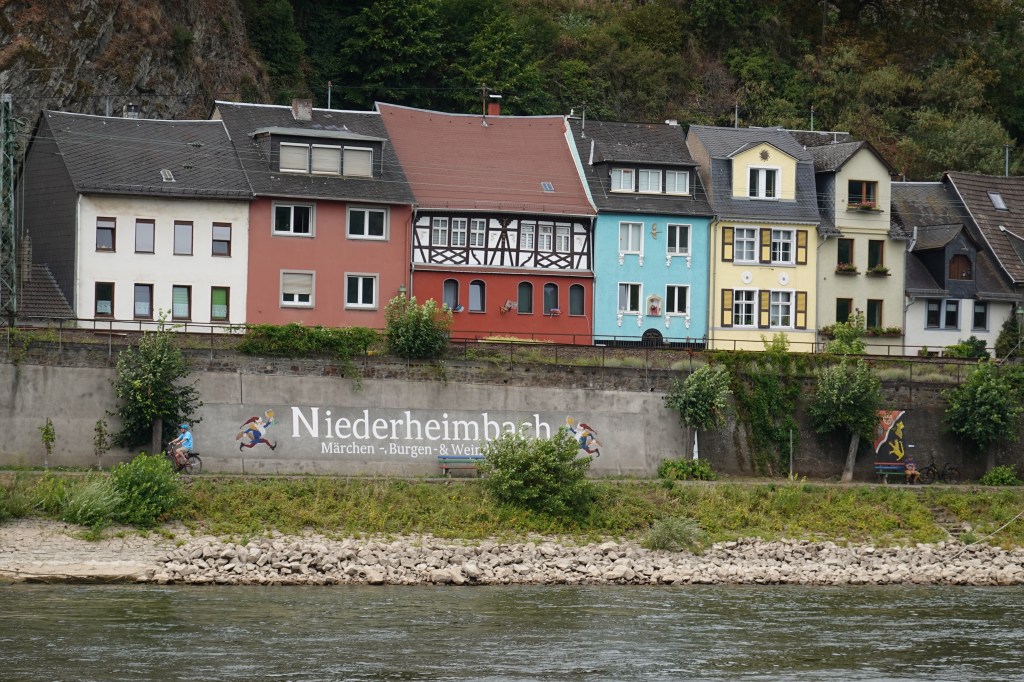
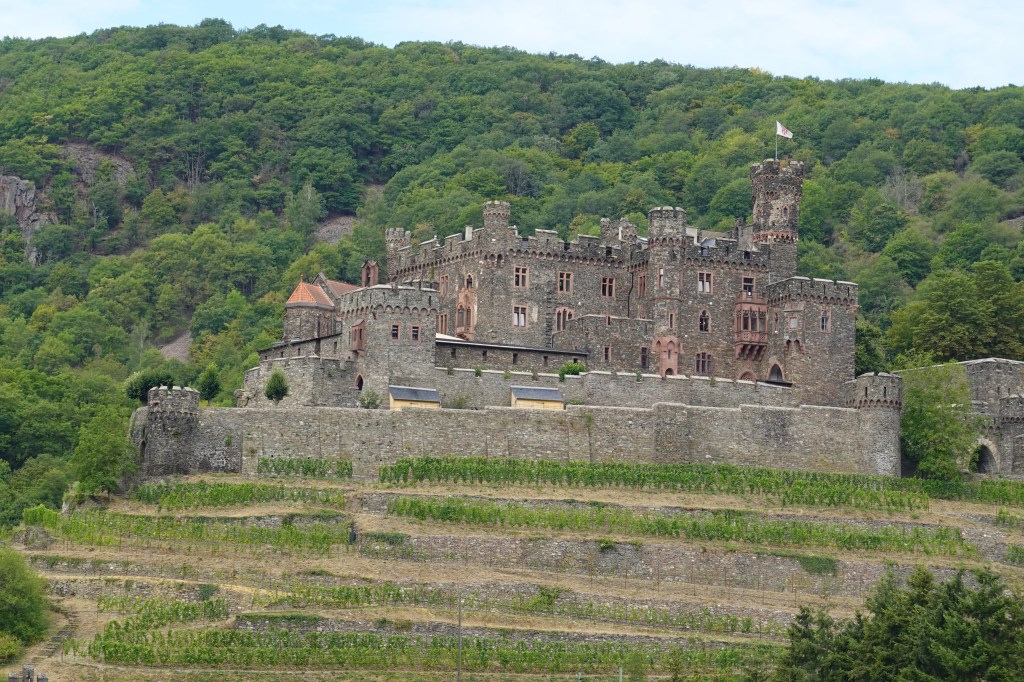
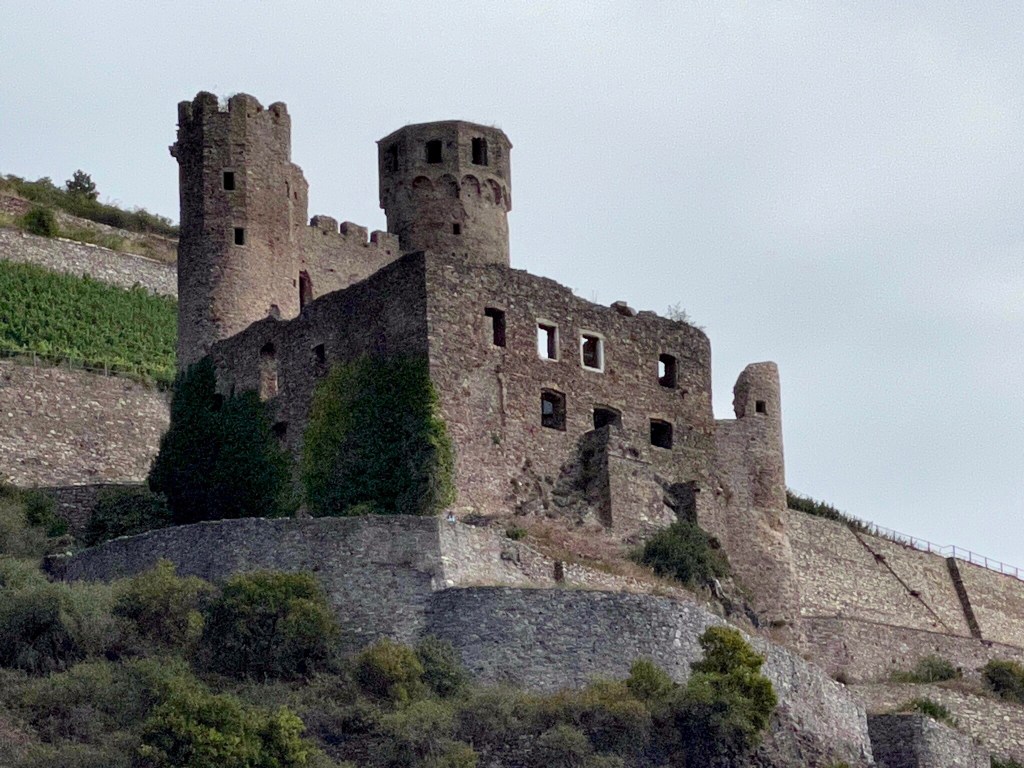
One of the challenges the cruise director prompted was to count the number of “towers” in one of the towns associated with a castle. Clare thought there were many more than the 7 official towers, because she was counting the tall architectural things (not towers, somehow) in the many churches along this part of the valley. The towers are the high points along the old walls and moats protecting the castles.
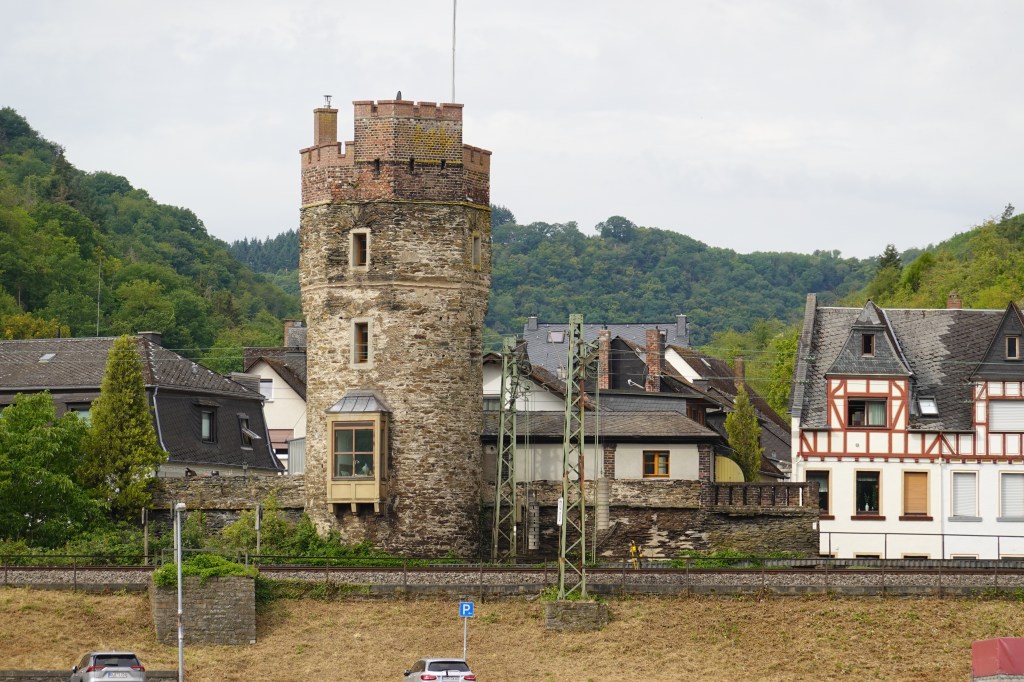
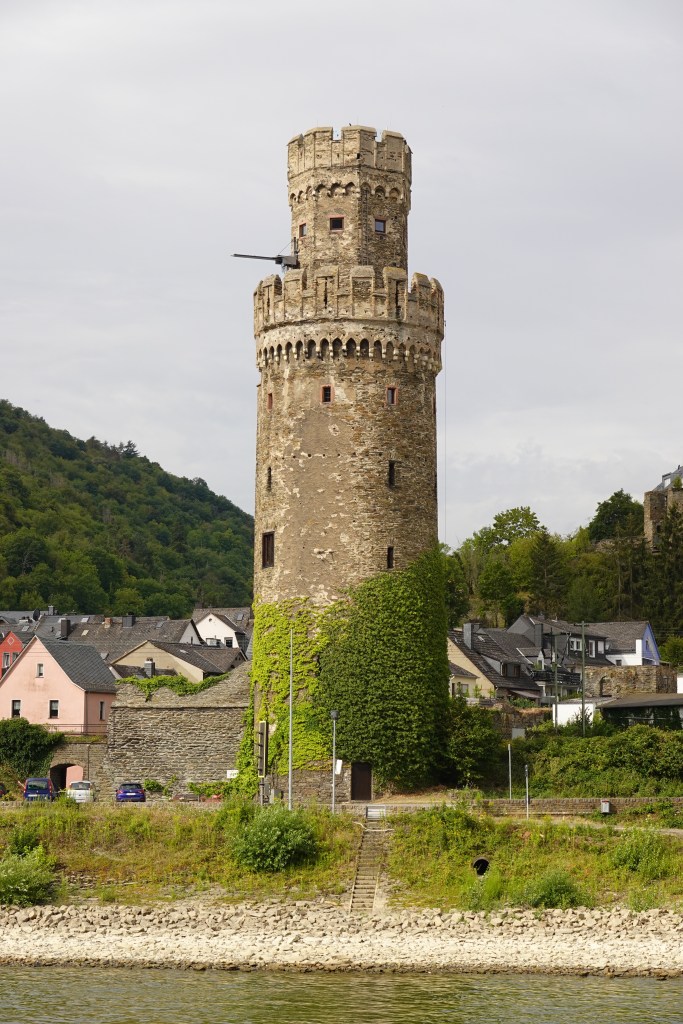
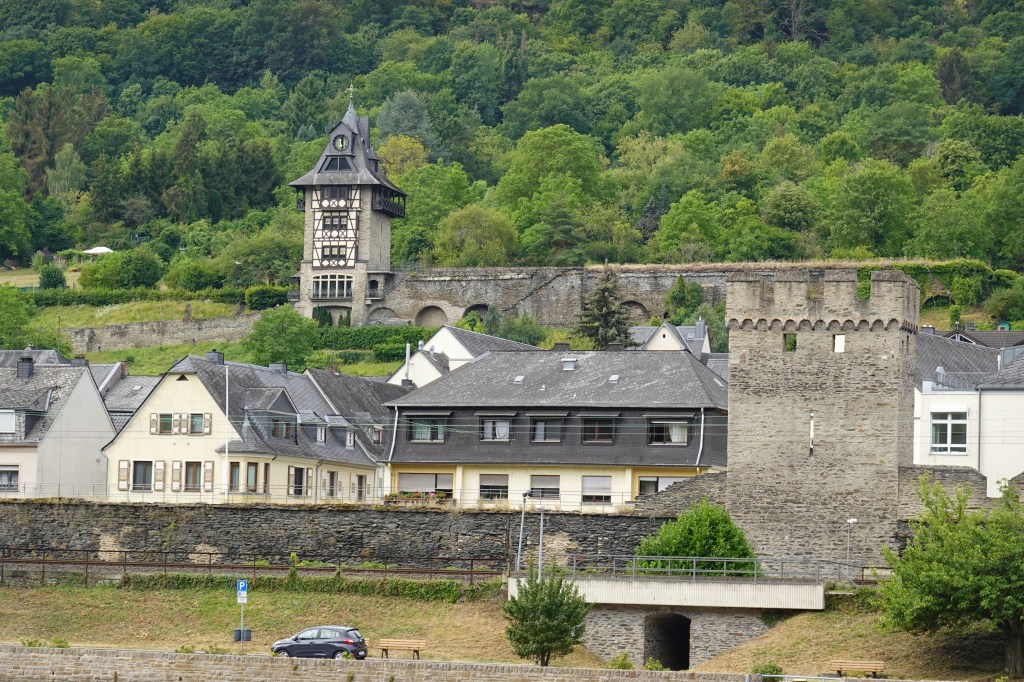
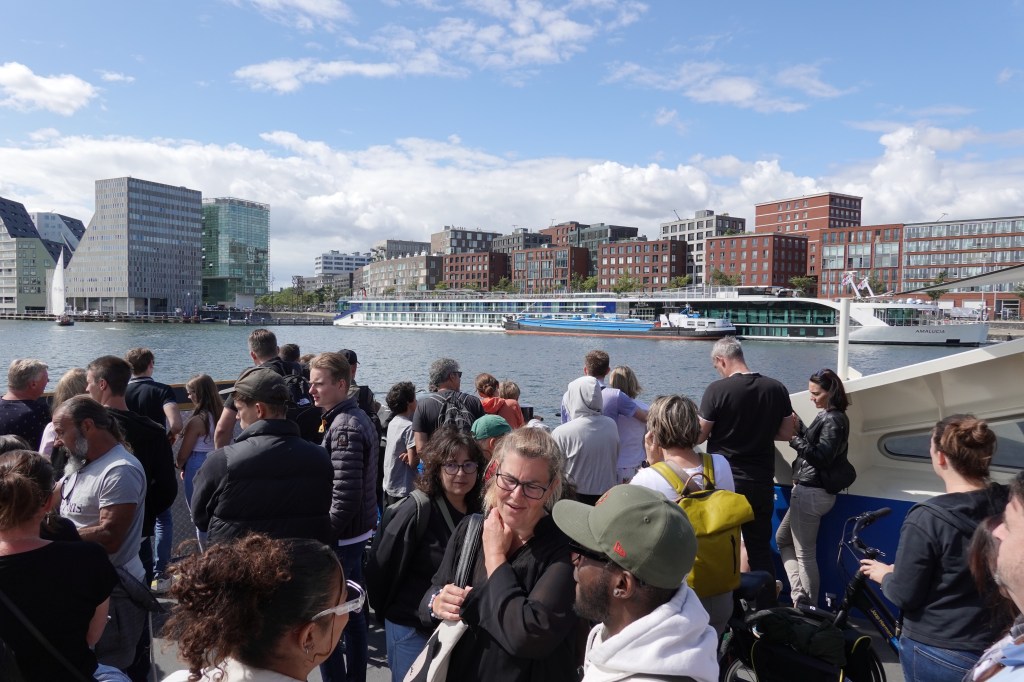
A few years ago, we stayed in a small town along the middle Rhine and took a ferry to see the castles. The ferry trip was crowded, and the stories about the castles were difficult to hear. This time, we were able to move around the cruise ship easily, making Brian’s photographs more clear than before.
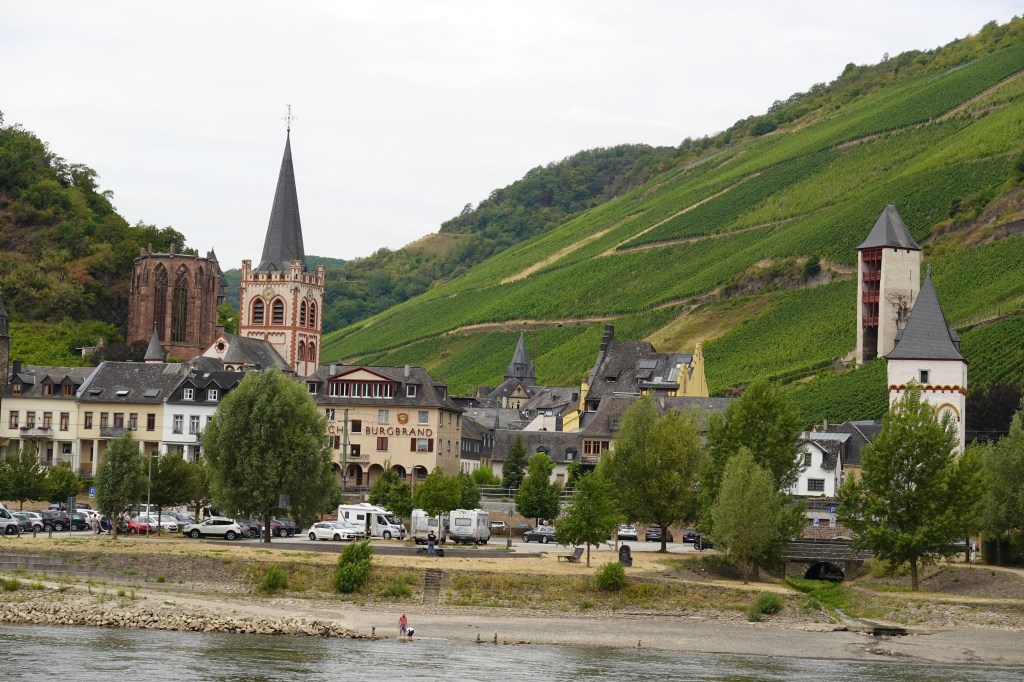
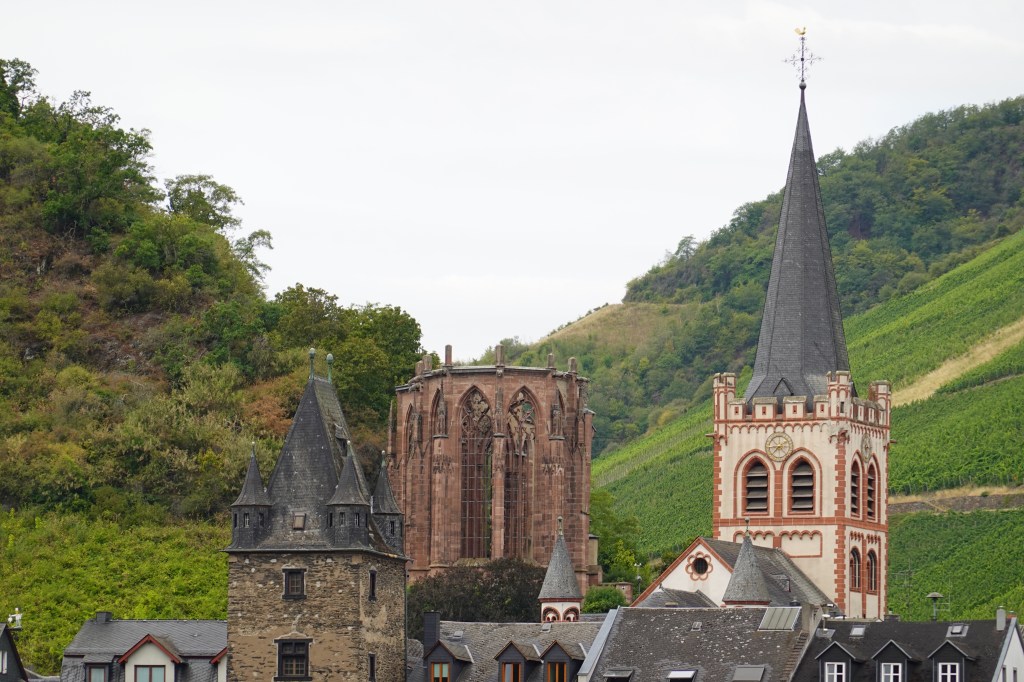
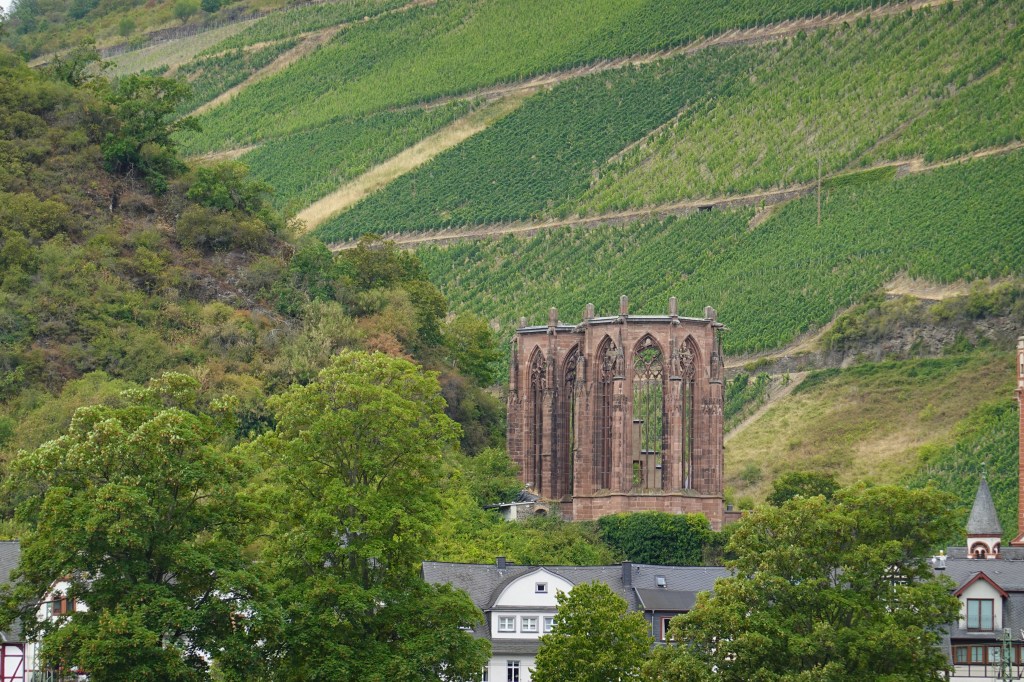
At the end of the Middle Rhine was the christening of the ship.
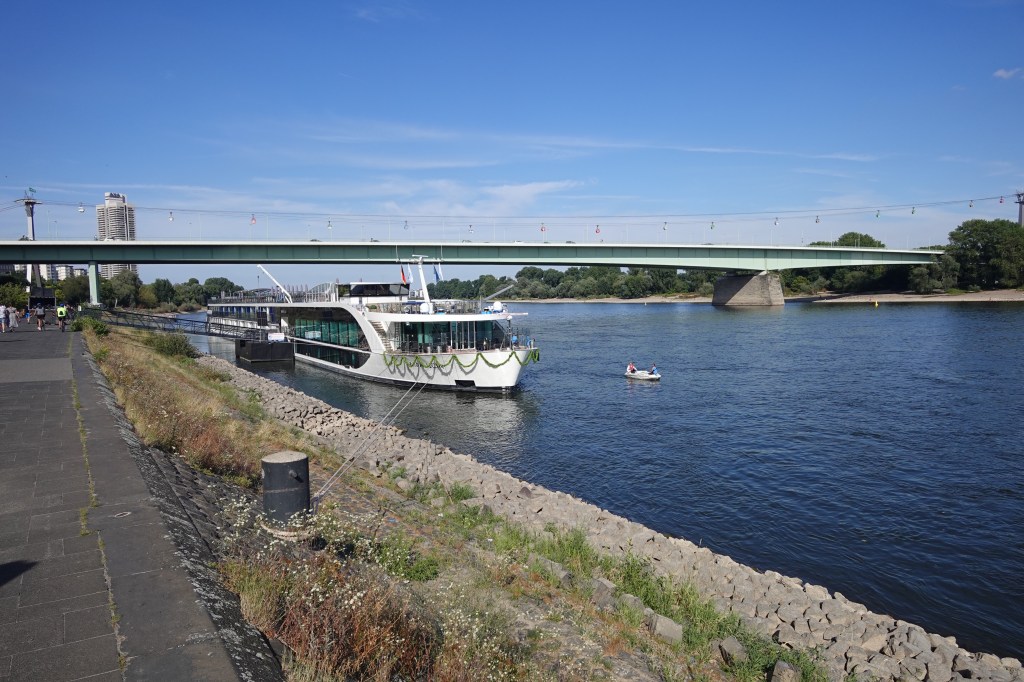
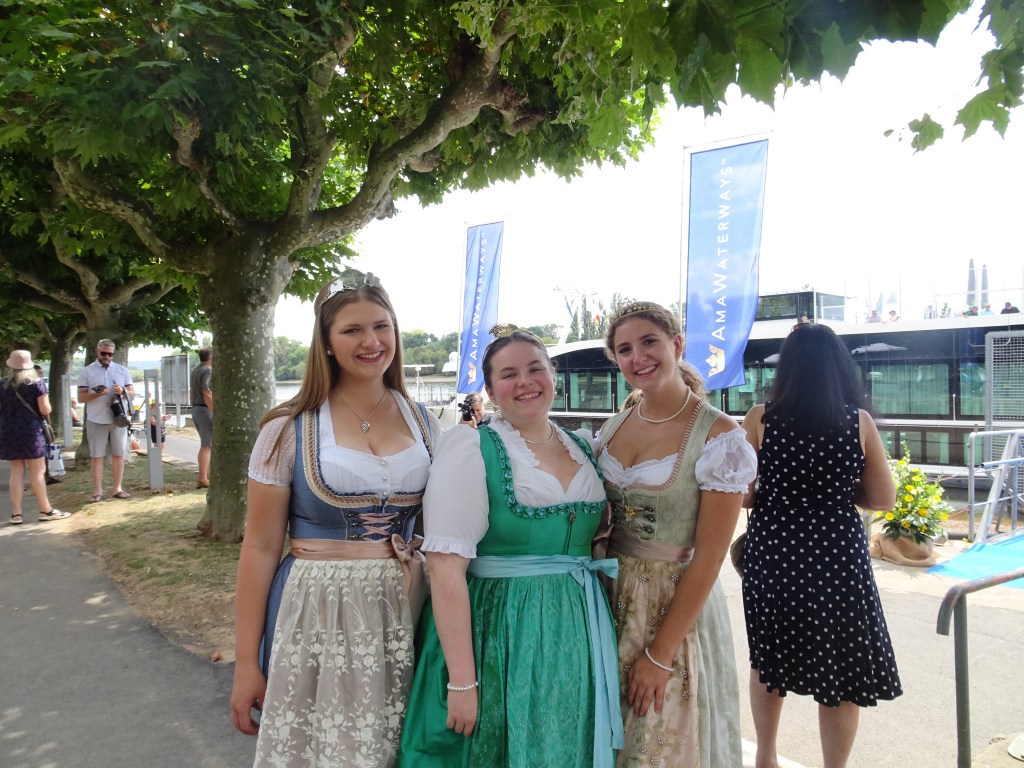
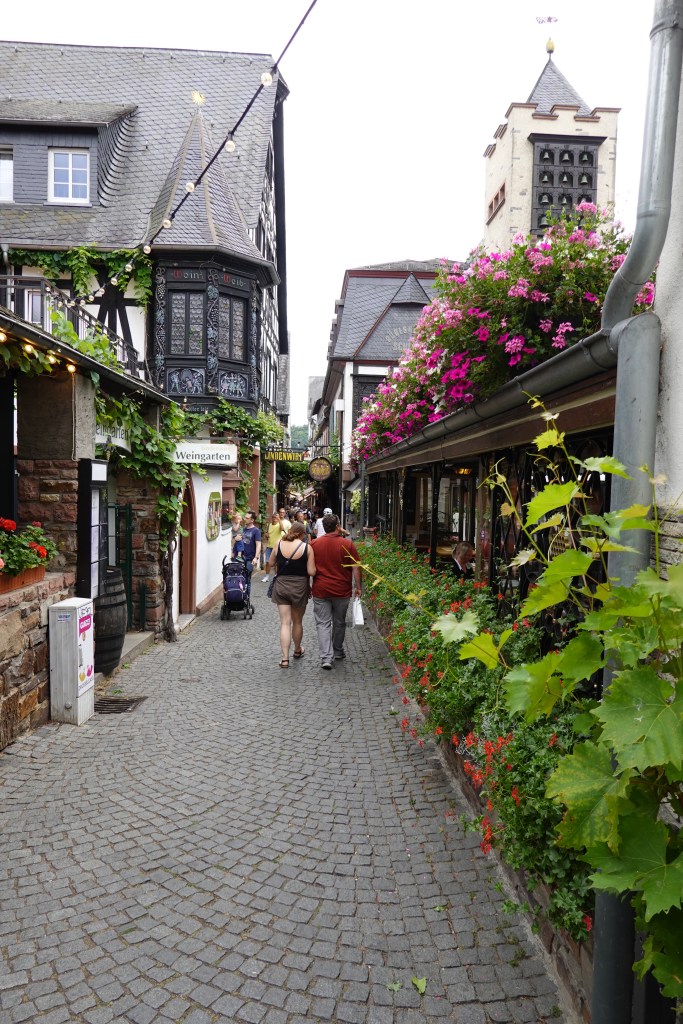
Although the AmaLucia had been sailing for about six months, this voyage was designated for the christening of the ship; the ceremony was held in Rüdesheim. All of the passengers were invited by the owners, Rudi Schneider and Kristin Karst, to attend, but we decided to hike to some vineyards above the village with a small group.
The ceremony included this Irish blessing:
May love and laughter light your days, and warm your heart and home. May good and faithful friends be yours, wherever you may roam. May peace and plenty bless your world with joy that long endures. May all life’s passing seasons bring the best to you and yours!
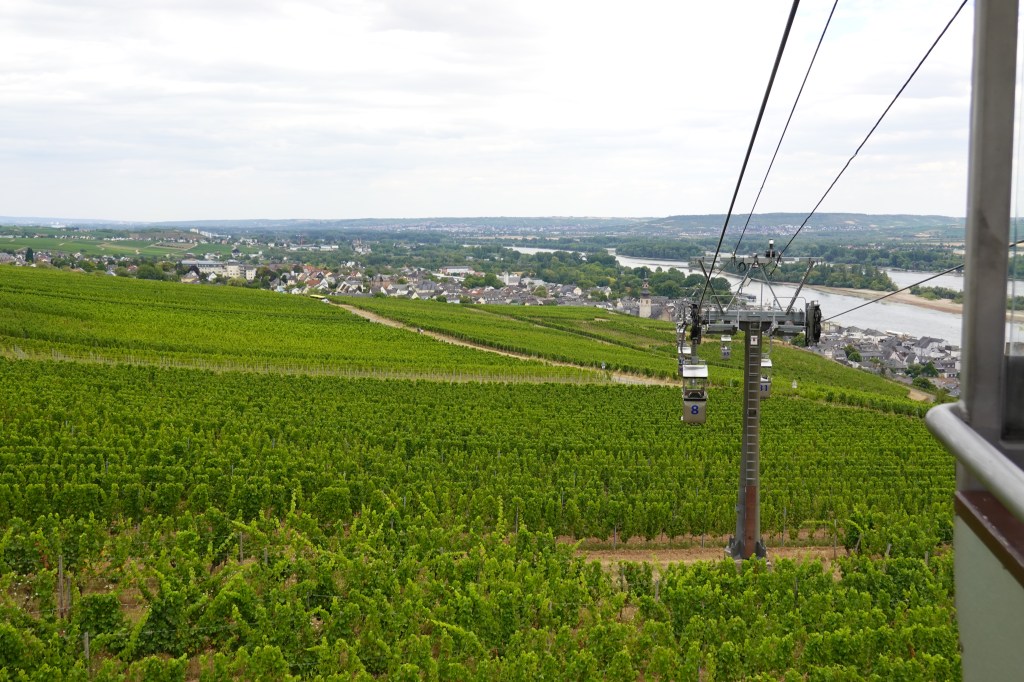
We did not attend the ceremony, choosing instead to walk through some of the vineyards and riding a gondola up the side of the valley.
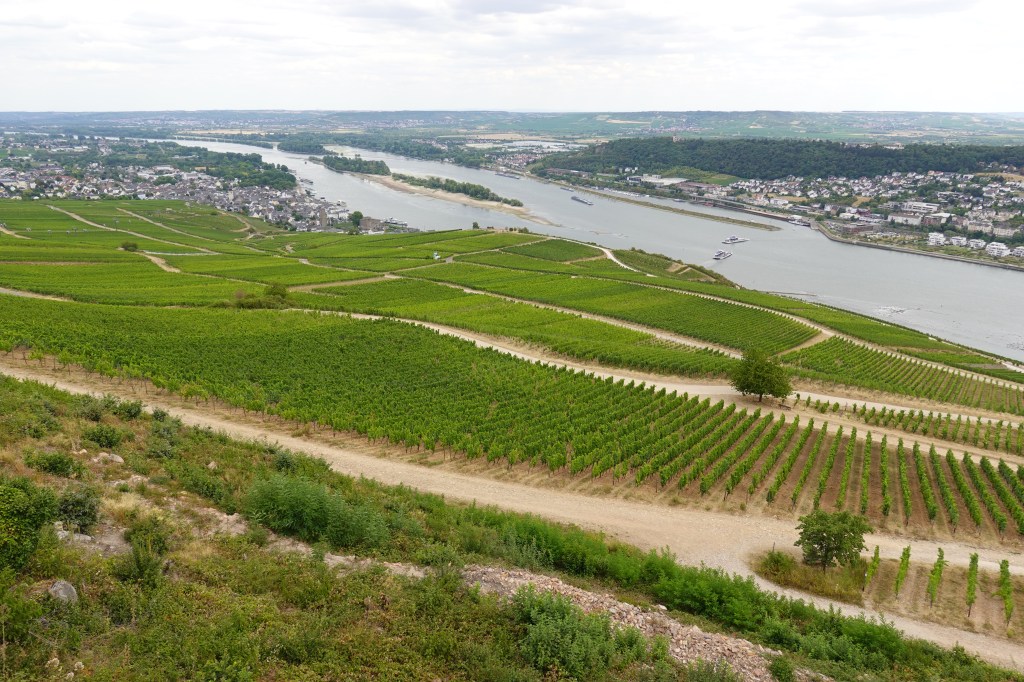
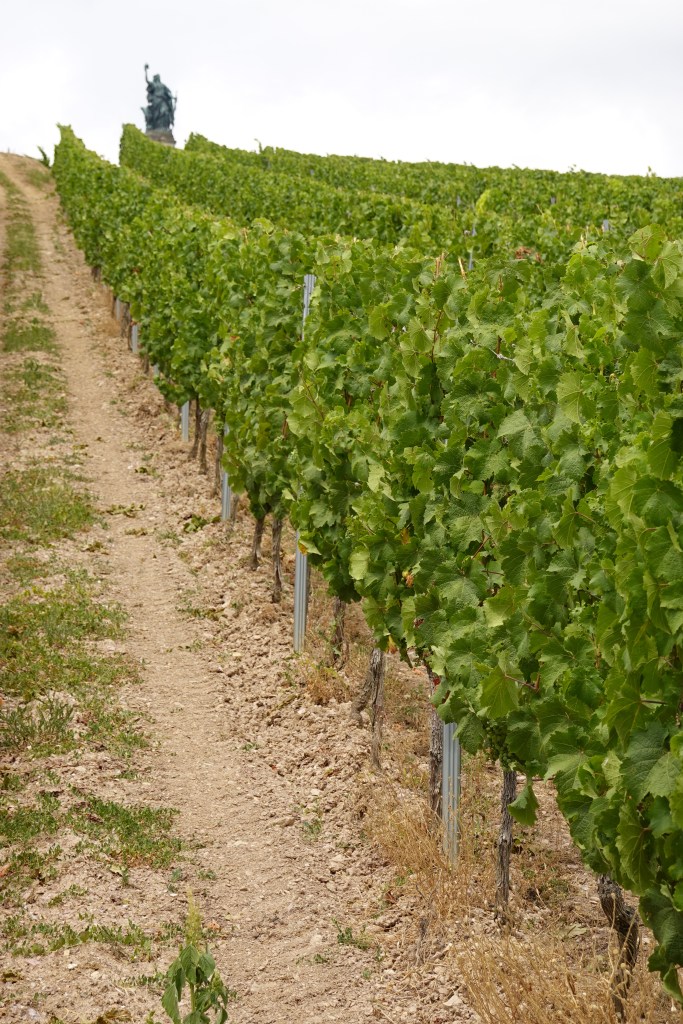
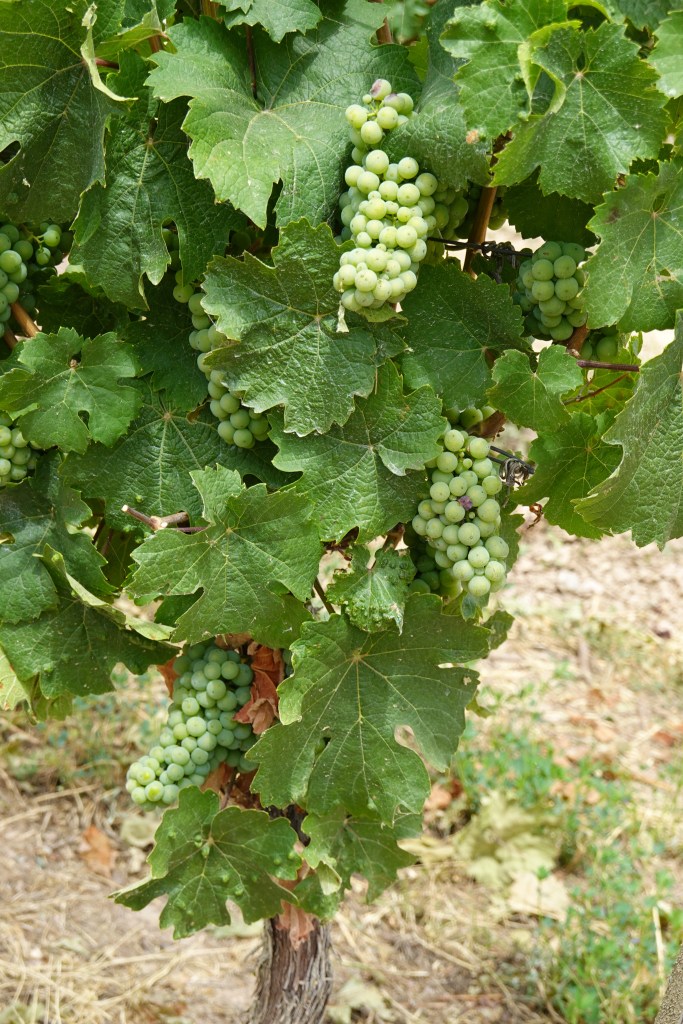
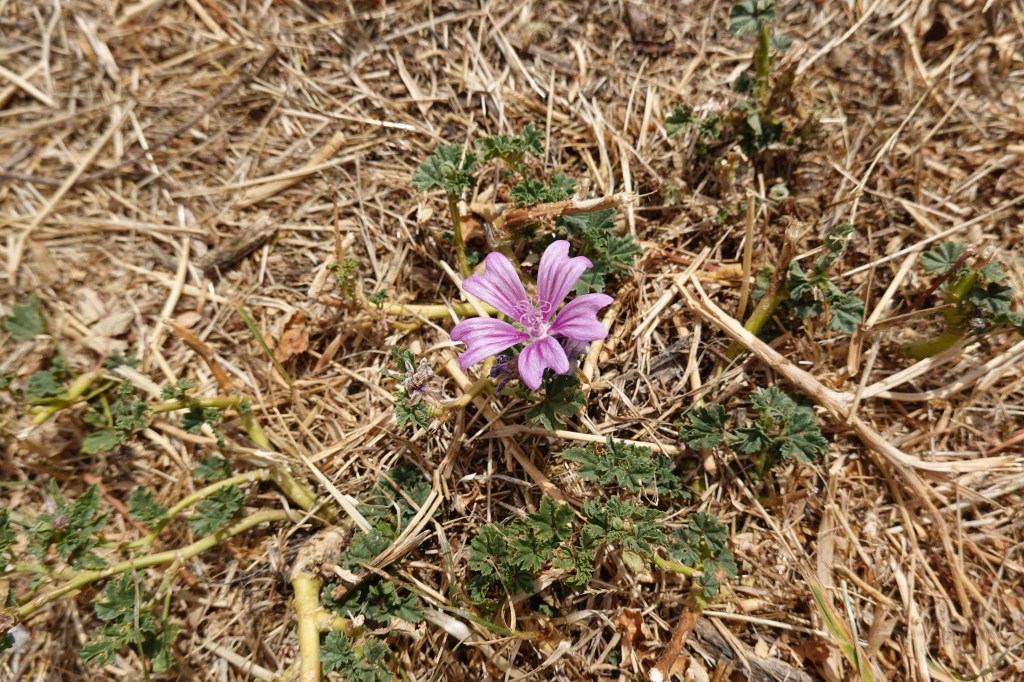
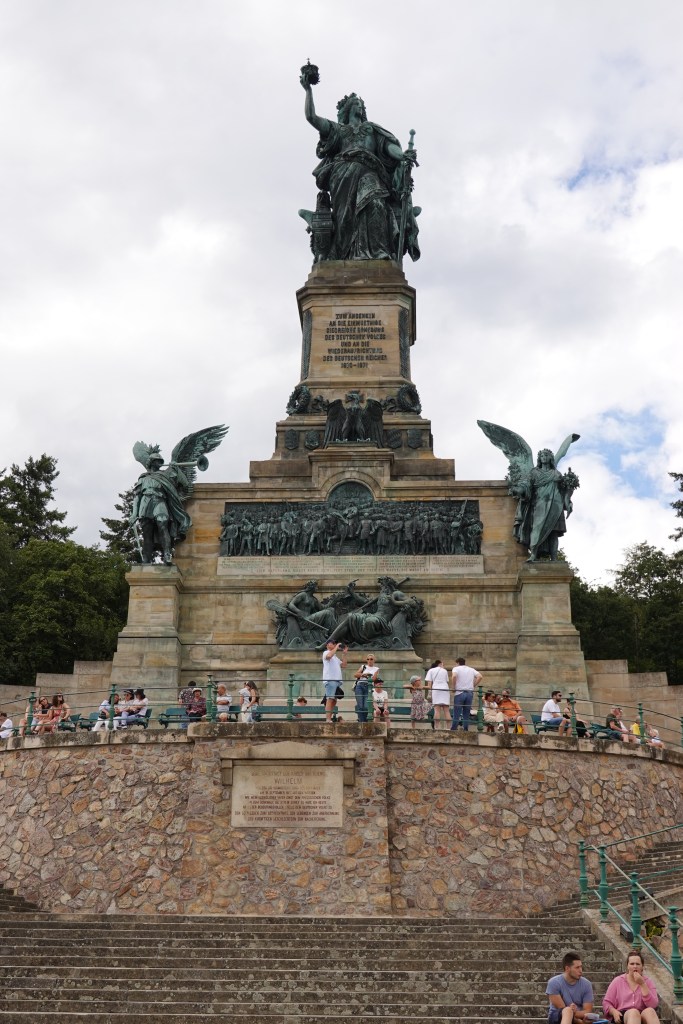
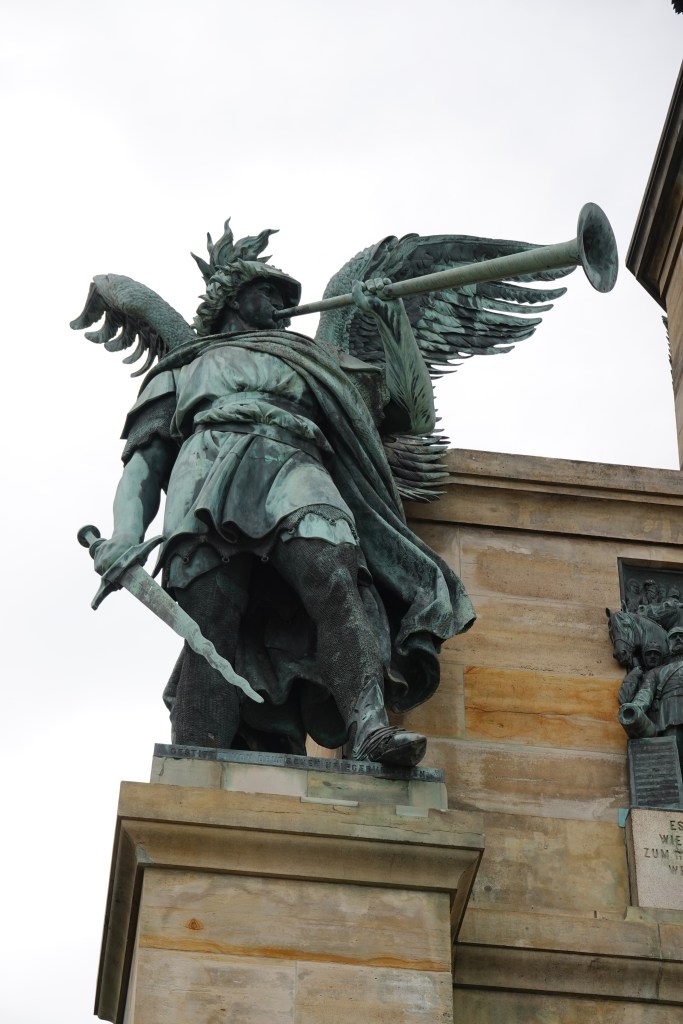
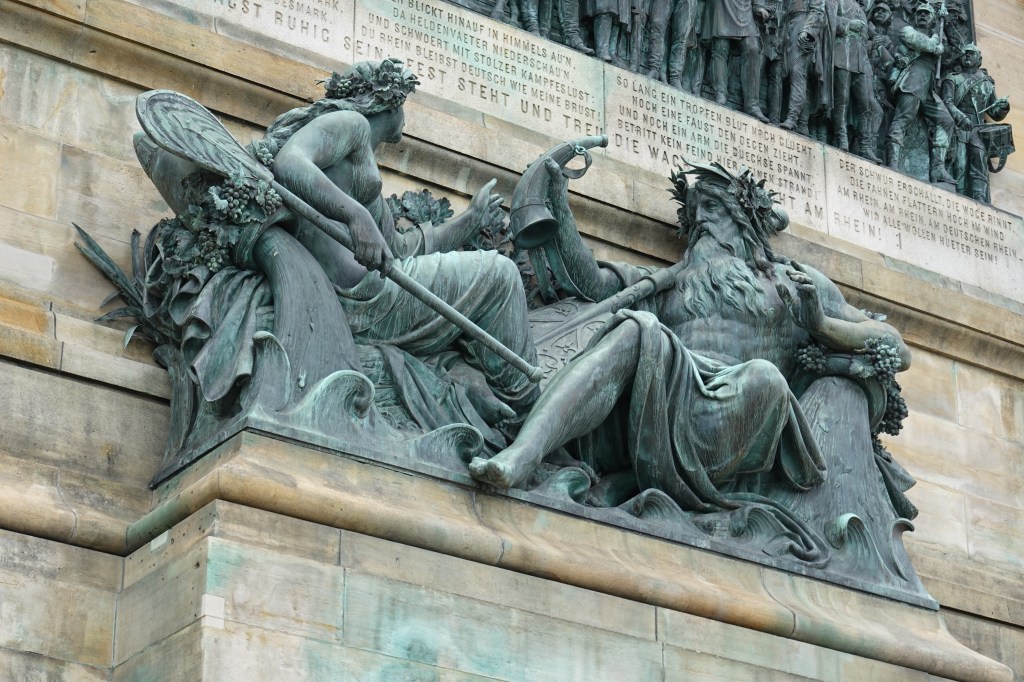
The hike was in direct sun on a very hot day so we opted to go back into the village and ride a gondola up to the Niederwald monument, which commemorates the unification of Germany. The central figure is Germania holding a crown with other figures representing war and peace. The main inscription on the pedestal translates to “In memory of the unanimous victorious uprising of the German People and the reinstitution of the German State 1870-1871.”
 Bunch of Geeks go Traveling