Regensburg Bicycle trip

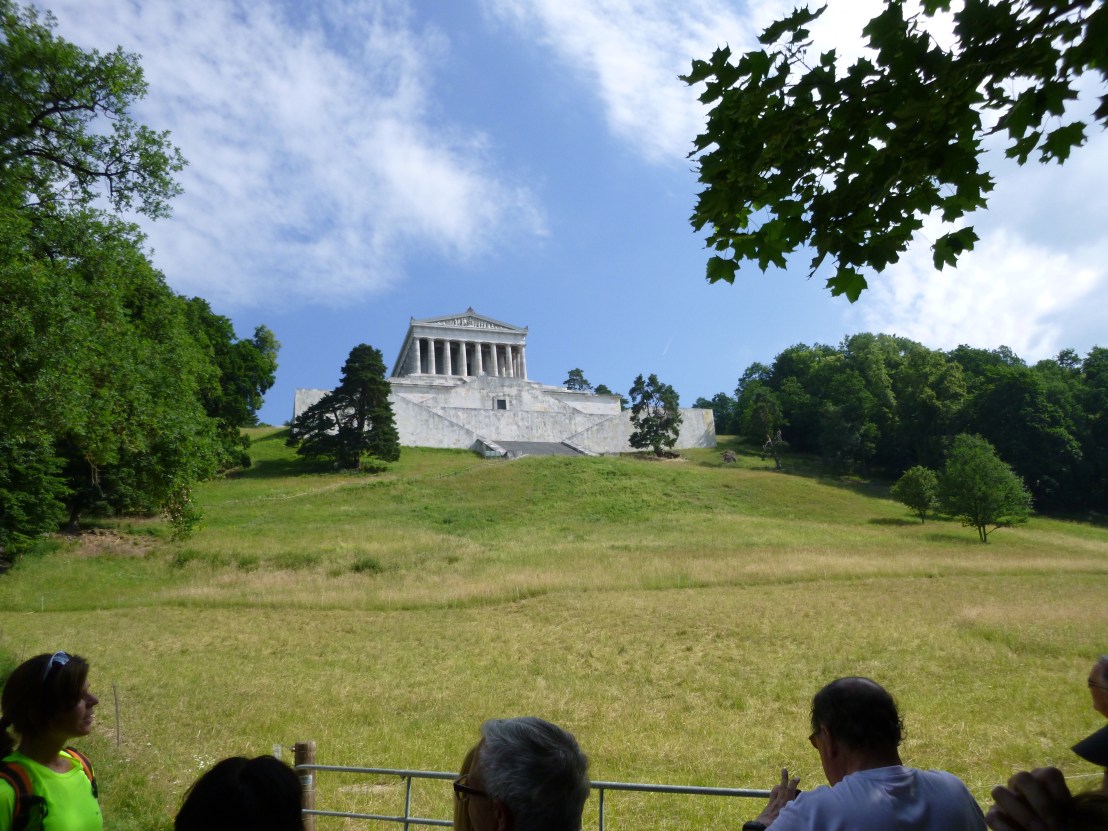
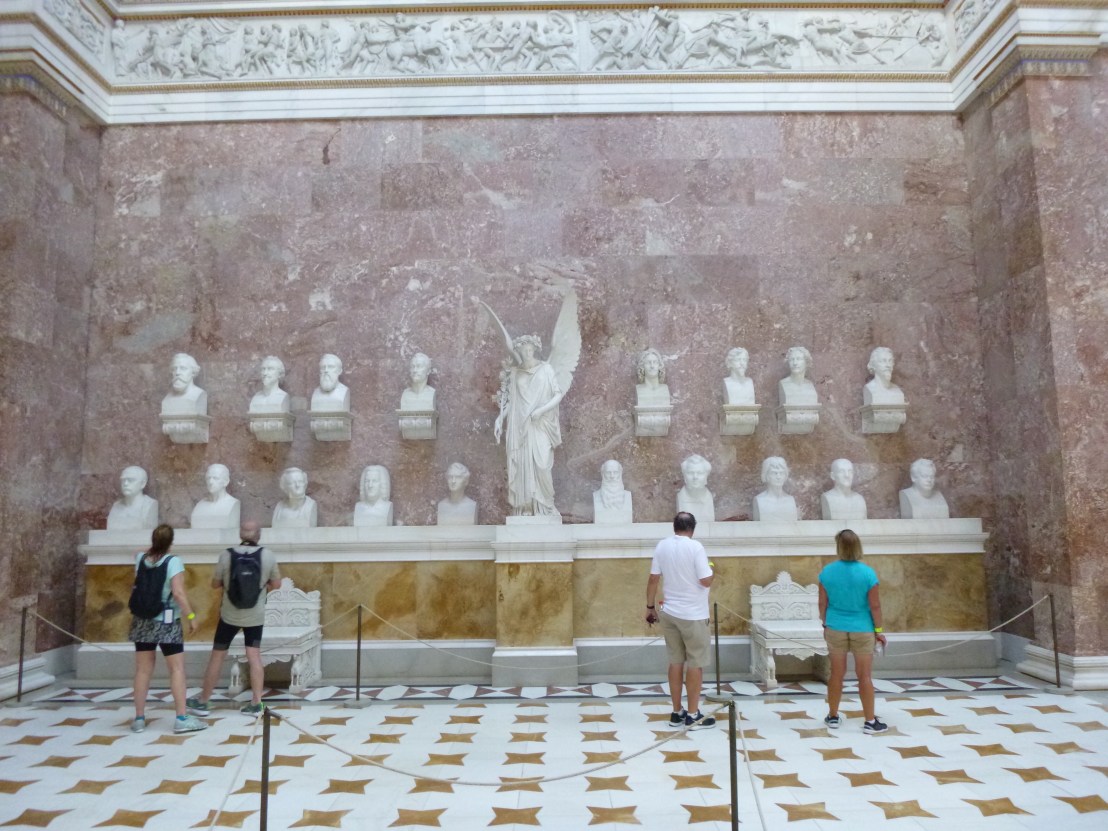
We decided to see the Walhalla monument? (trying to figure out a word for this place) which is a replica of the Greek Parthenon built around 1857 to celebrate the German culture. The idea was to acknowledge the contributions of the German – speaking people long before there was a country of Germany. Busts of famous scientists, artists and innovators are displayed in a huge room.

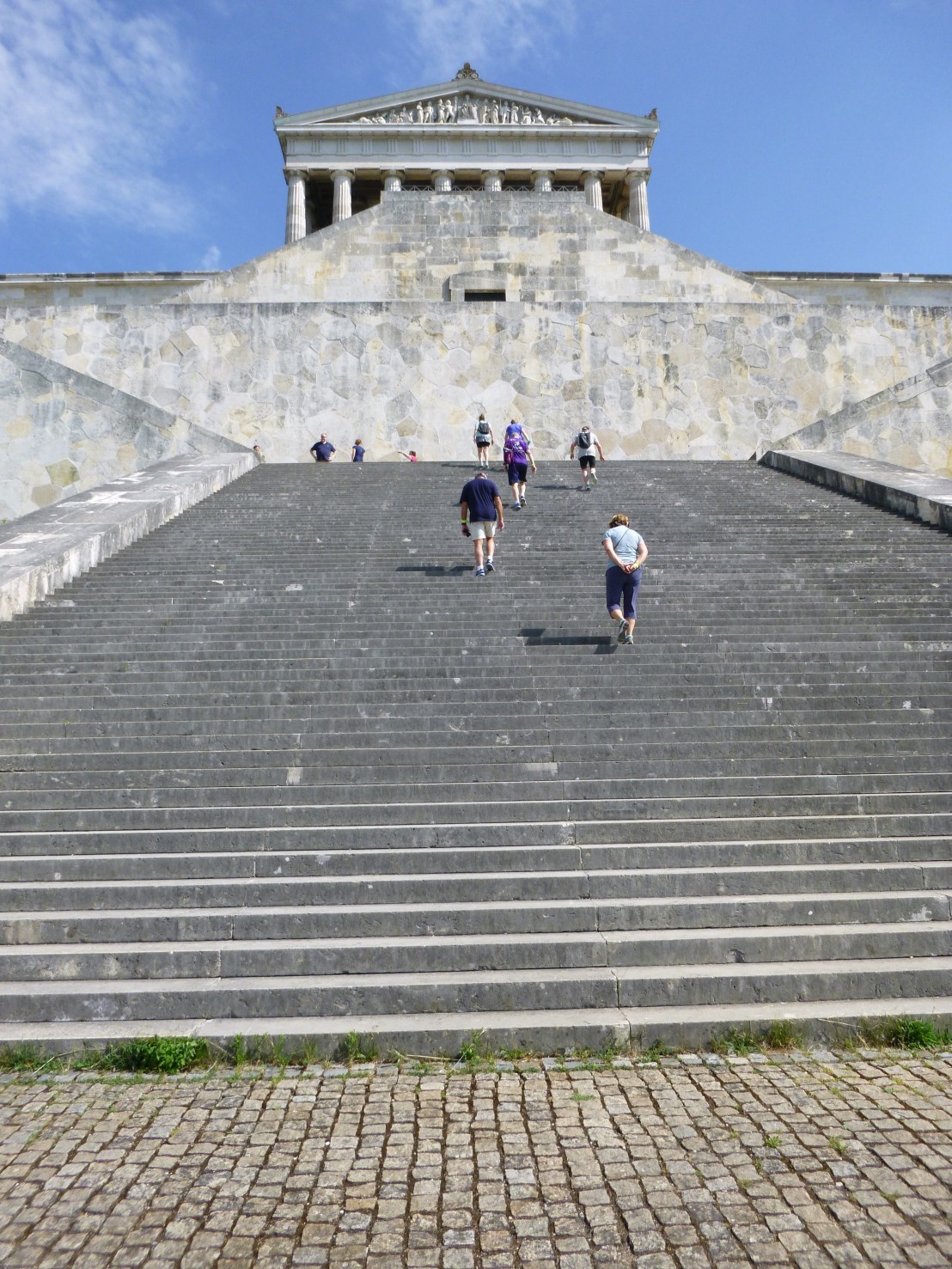
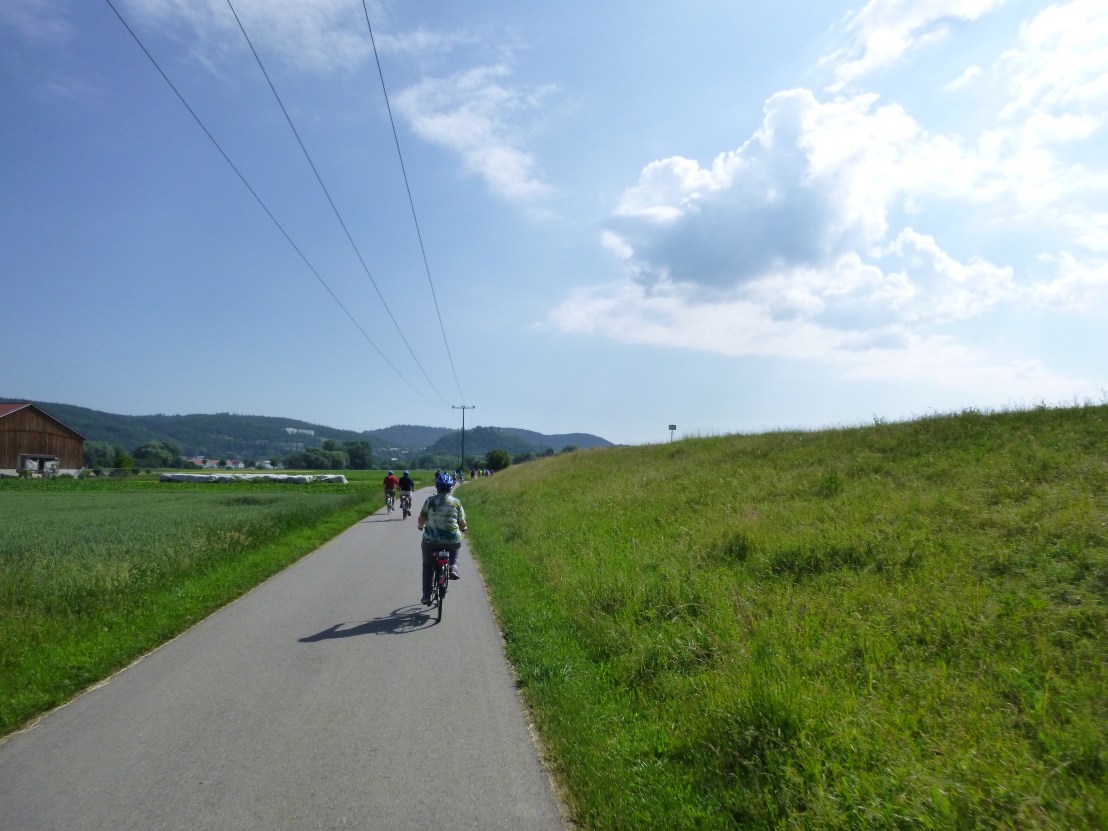
So we got on bicycles with a group of about 20 and rode down the Danube to below the building and then walked up about 350 steps. Yikes. Heat and humidity were strong, but fortunately the marble structure was cool inside. Then we went back downstairs and rode back to the boat.
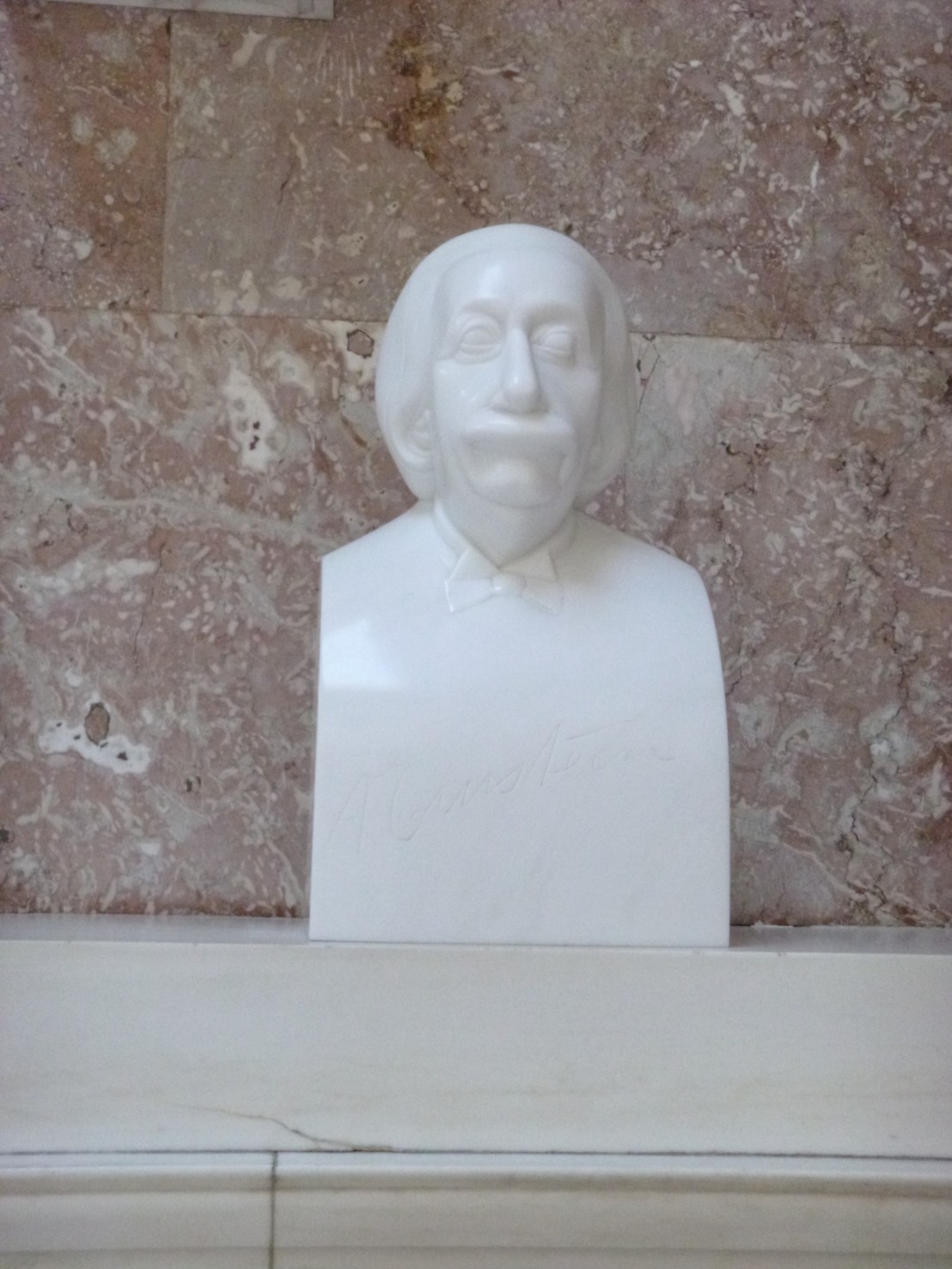
Einstein was the only one (we noticed) that has a signature instead of block letters for his name.
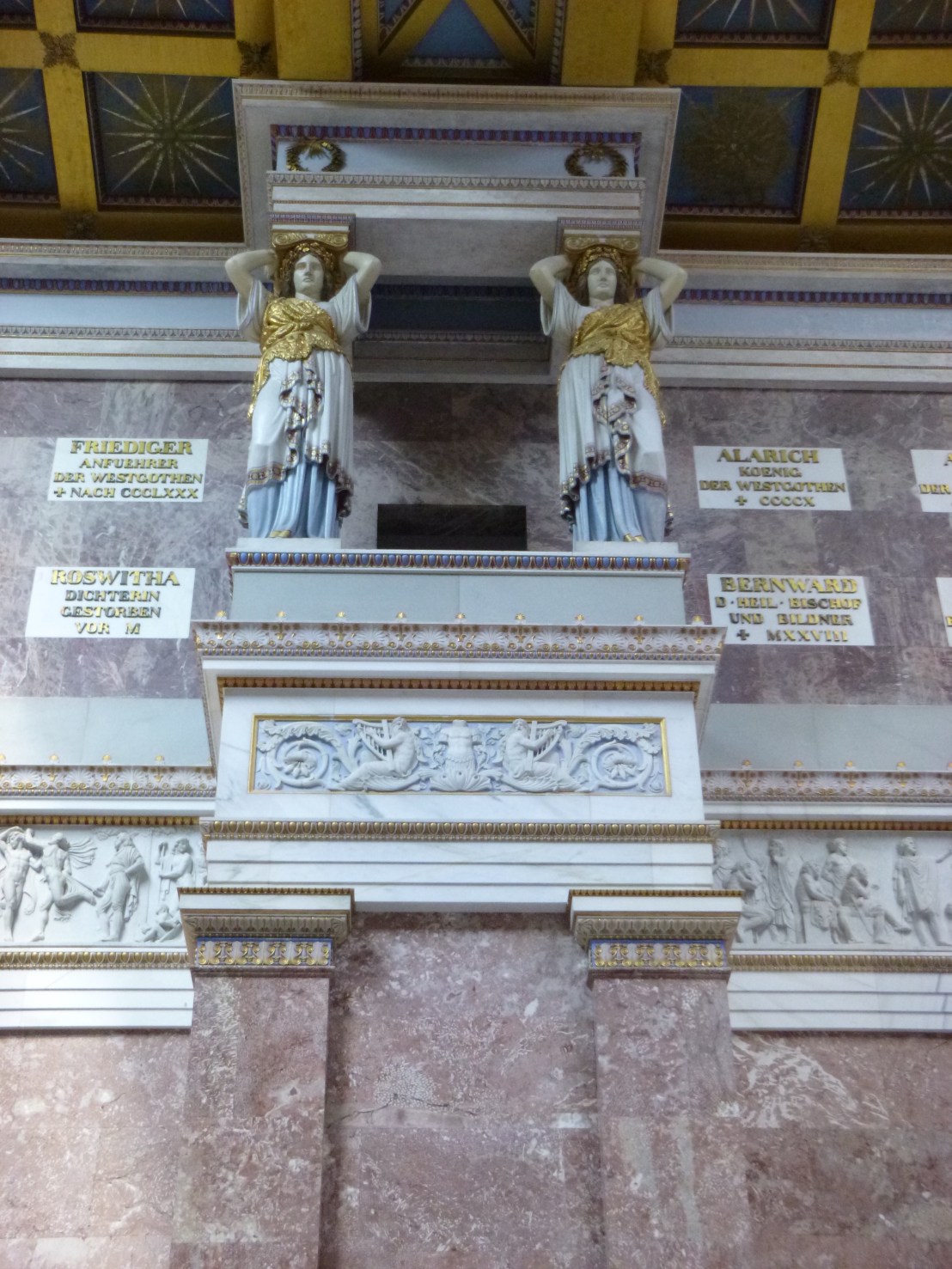
Women were holding up the ceiling.

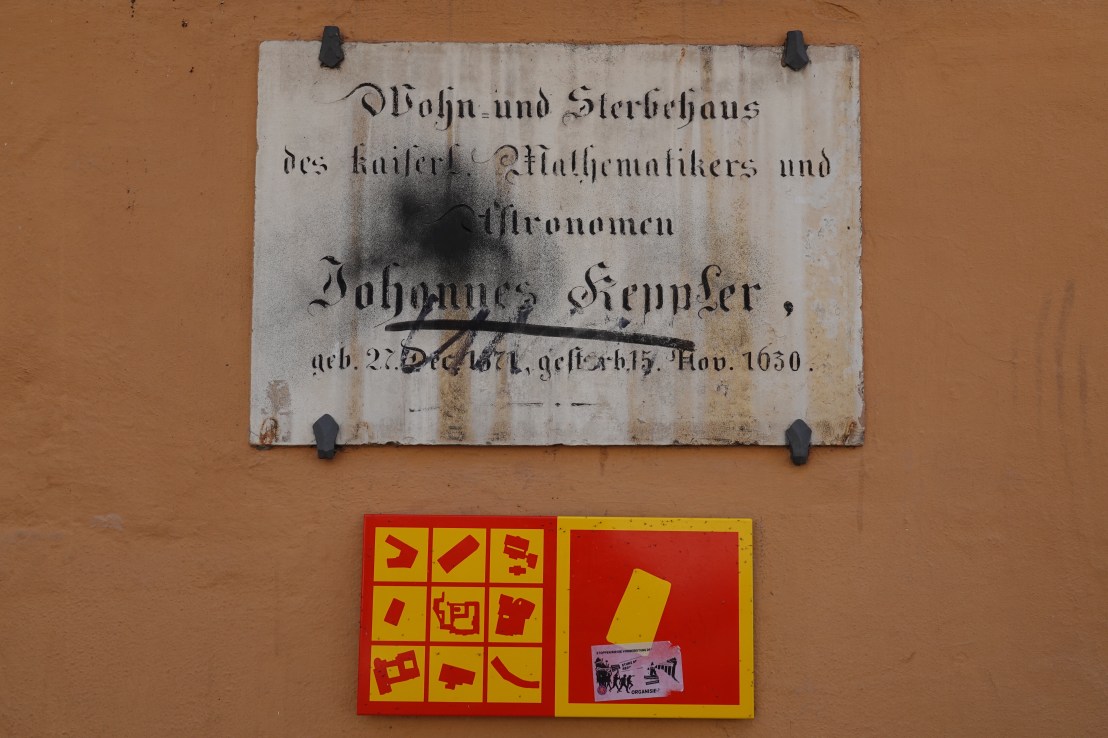
After lunch and a short nap, we walked around the town of Regensburg. We found Johannes Kepler’s house!
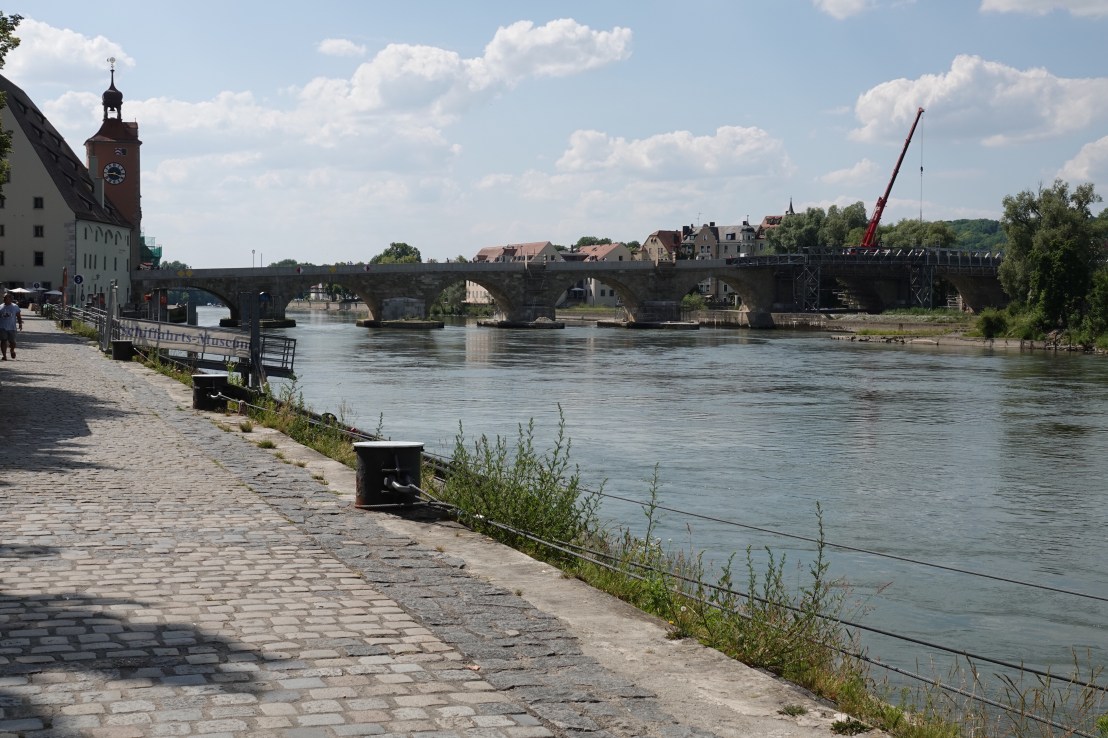
This is a famous stone bridge from the 12th century. The story is similar to Romeo and Juliette, except across the river instead of political enemies (although they were different city states at the time).
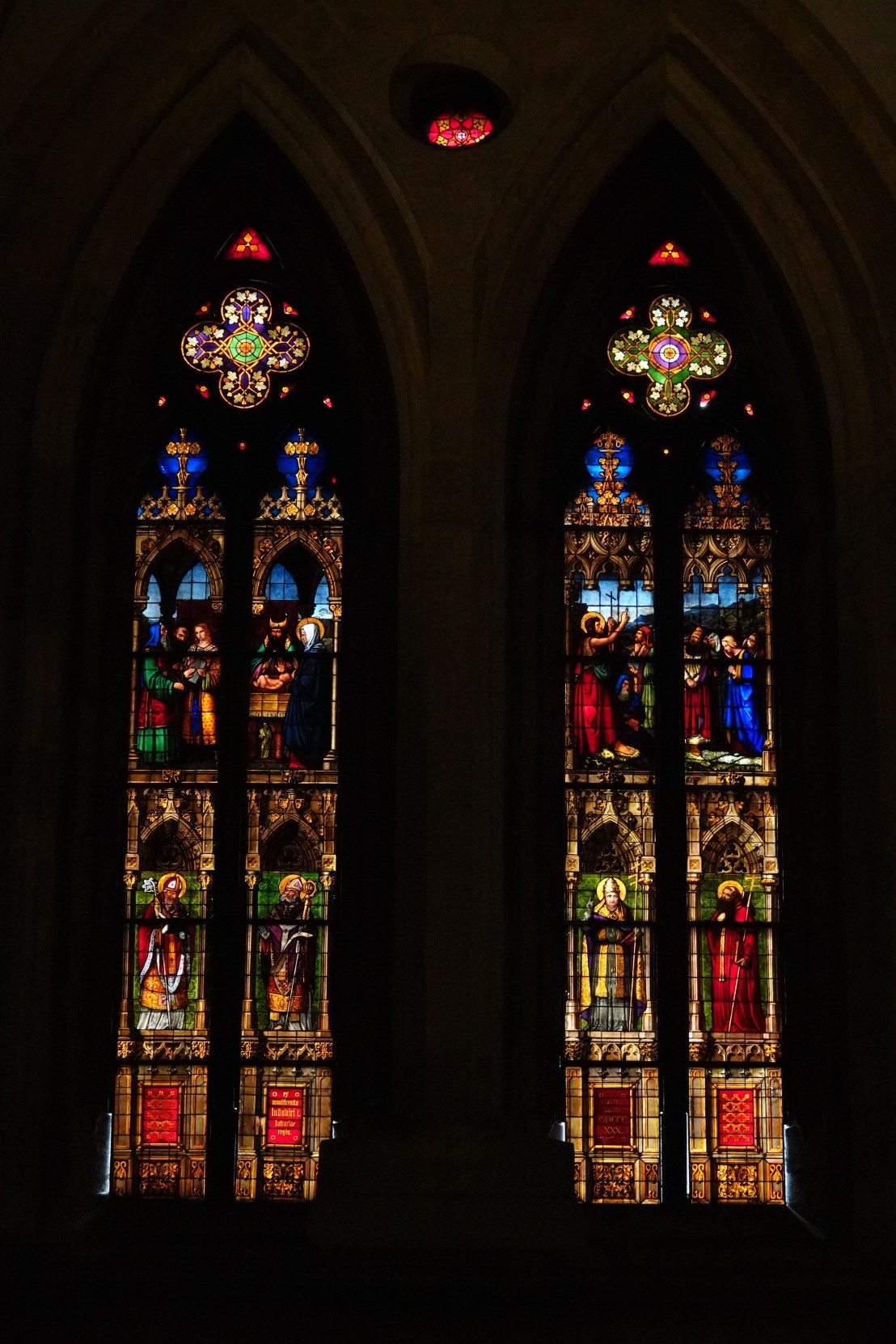
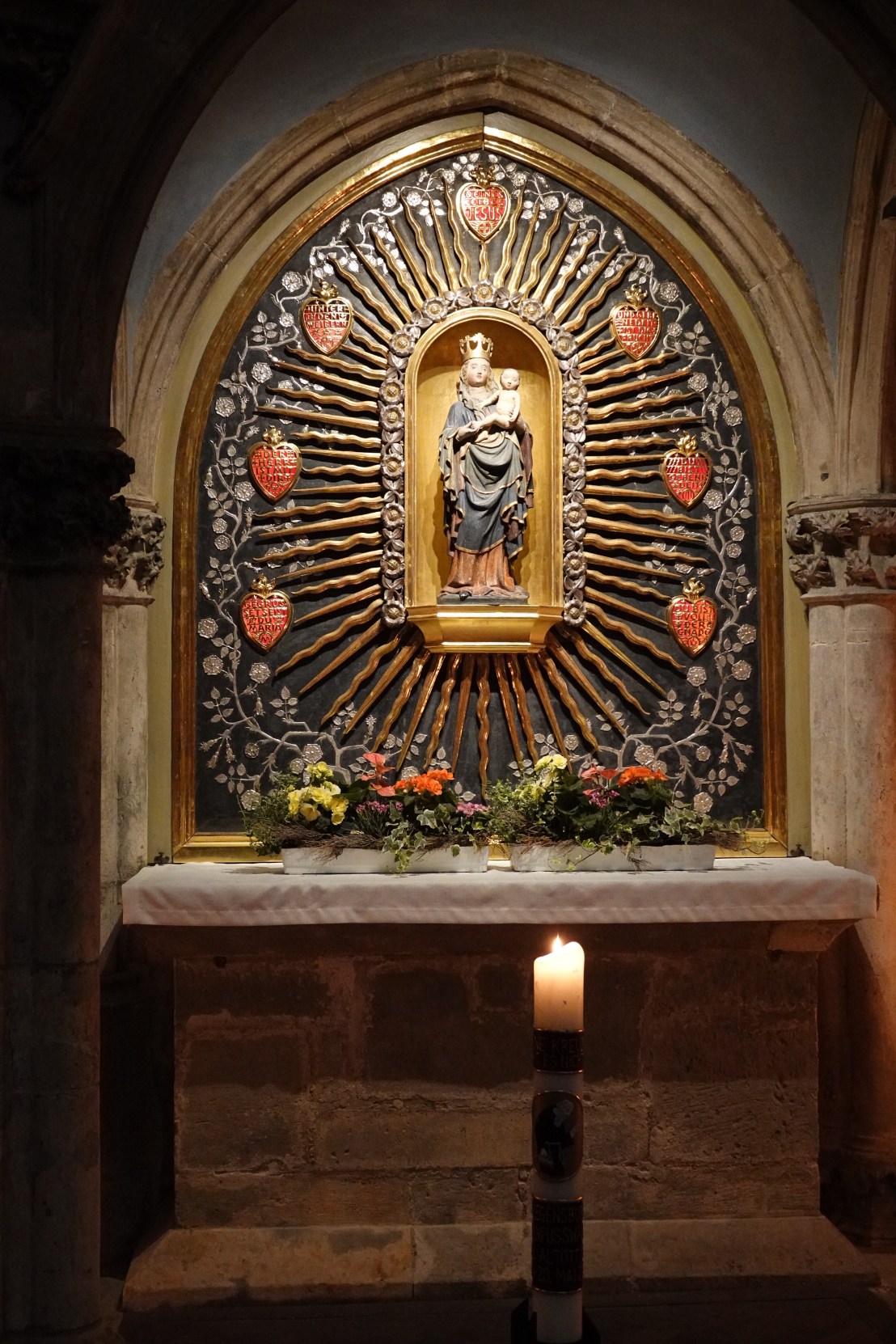
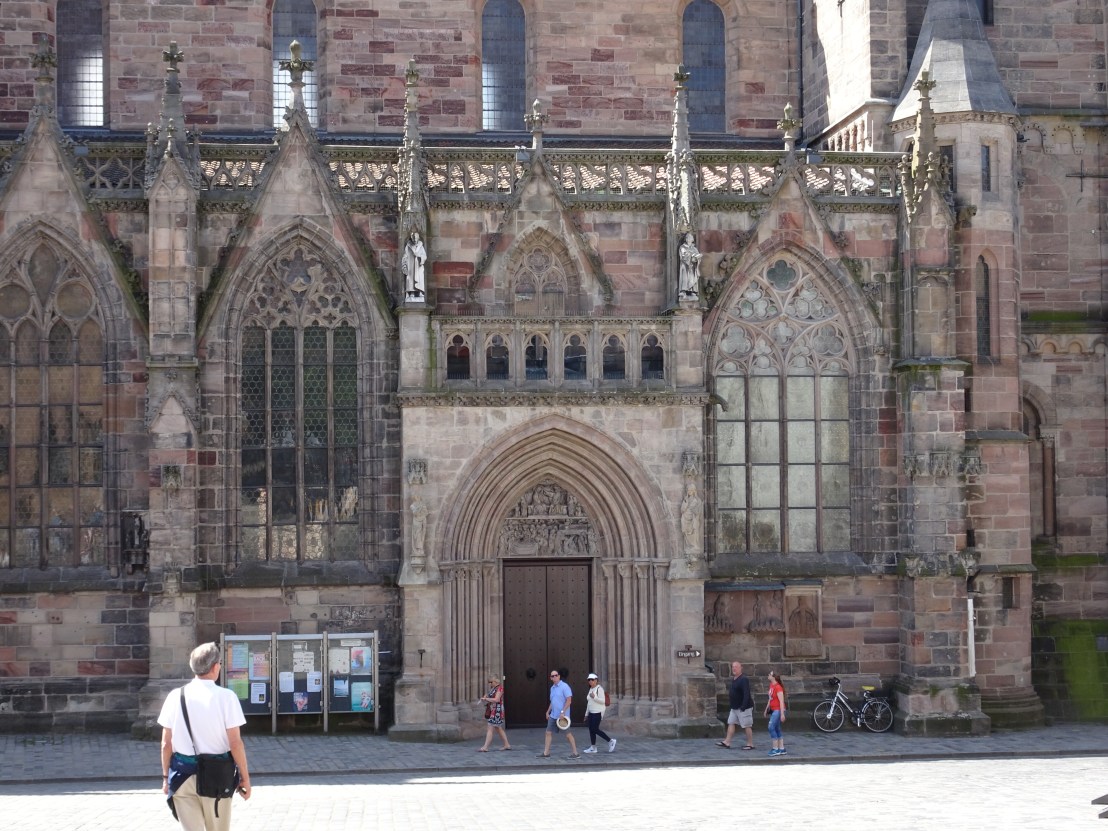
The cathedral in Regensburg was gothic.
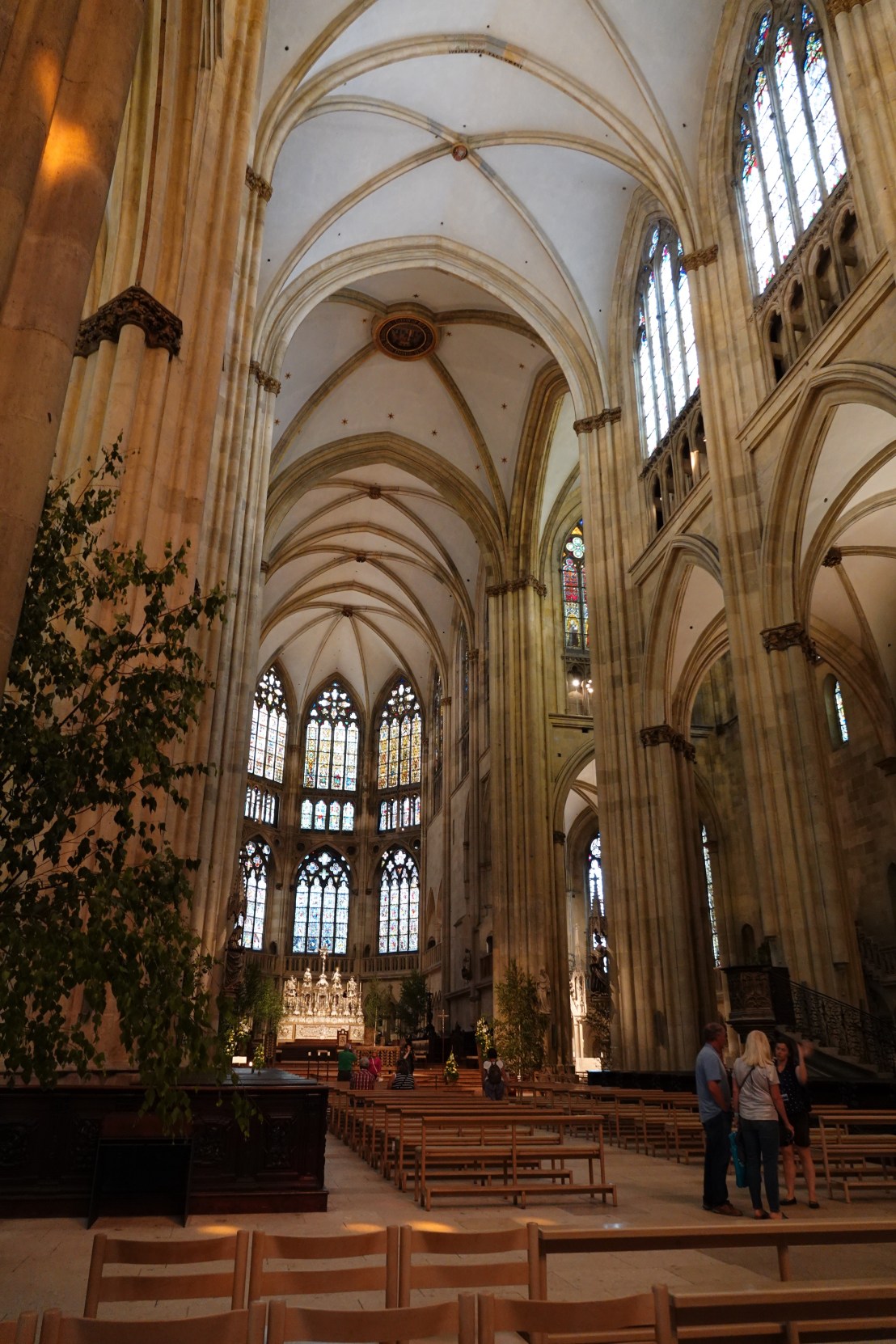
I did not find a confessional there. ☹️
Interlude

Thoughts flash through my mind.

What did the creators of the cathedrals and churches we have observed want to say to us, now in 2018? (Did they think about us at all?) As you walk in, the ceilings are arched high above you, with gold and colors and grandeur, so are we we meant to become small? That was what I thought as a child.

OR – and this is what I hope is true – did they hope to make beauty to last a long time? Do we see the work of individuals and groups of people, humans, creating different truths, together, beneficial for many, leading us to their idea of greatness? Leaving their marks on the world, even if their names are no longer remembered?

When I see the statues, the stained glass, the fountains, I think about the artisans who created them. Some probably worked for years on one artifact. The churches shout “hooray” to architects and engineers who were involved in their fabrication. These are gifts that humans centuries before us created – why? For us? For God? To express their own yearnings? To be remembered?

I don’t know. But I like thinking about this.

Nuremberg

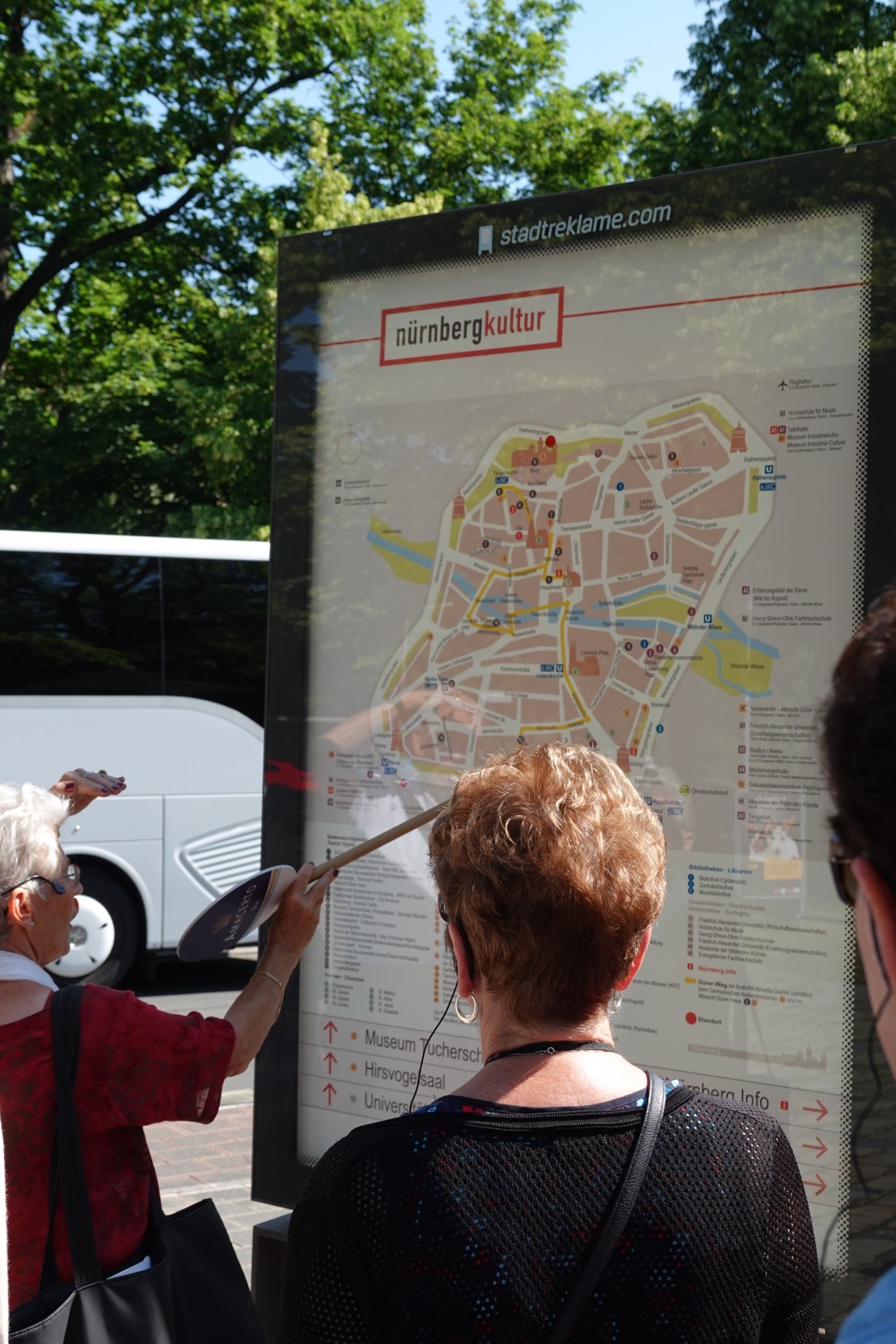
This city is famous for two surroundings walls, with a moat between them, as you saw in the picture with the map from our previous post. The tour guide was delightful, with stories about everything. We started at Nuremberg Castle and wandered downhill with the group.

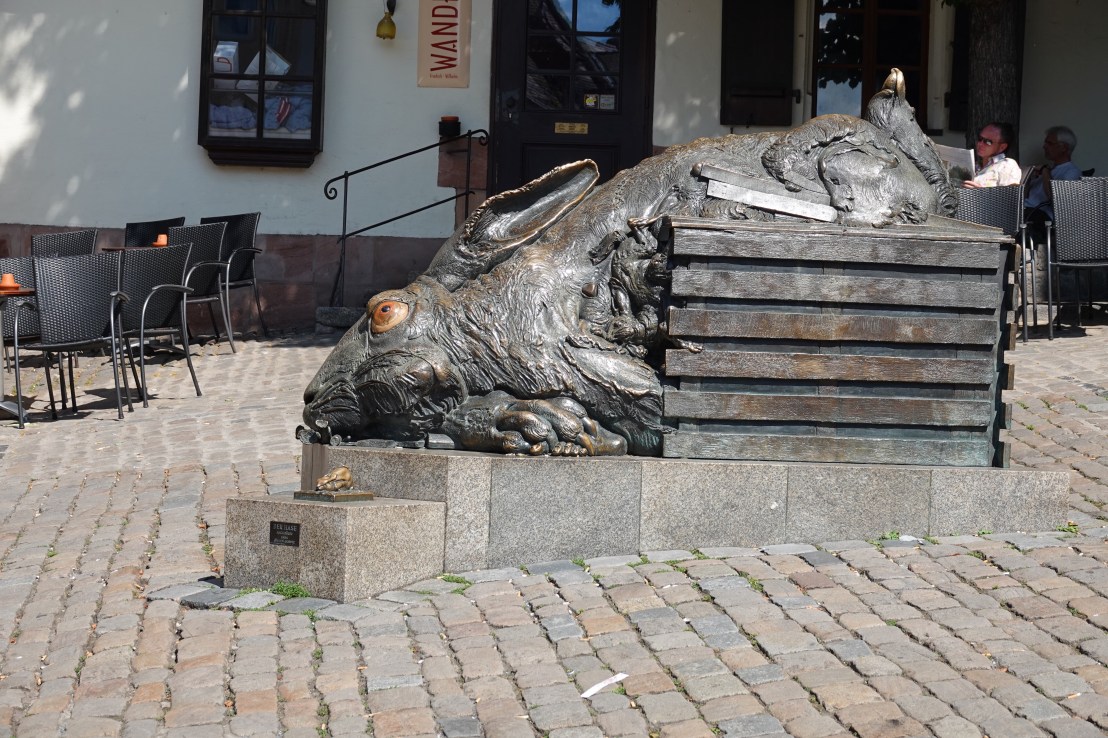
The statue of a rabbit (in honor of an artist – scientist – author who painted one like it in 1502 to call attention to human’s destruction of nature.

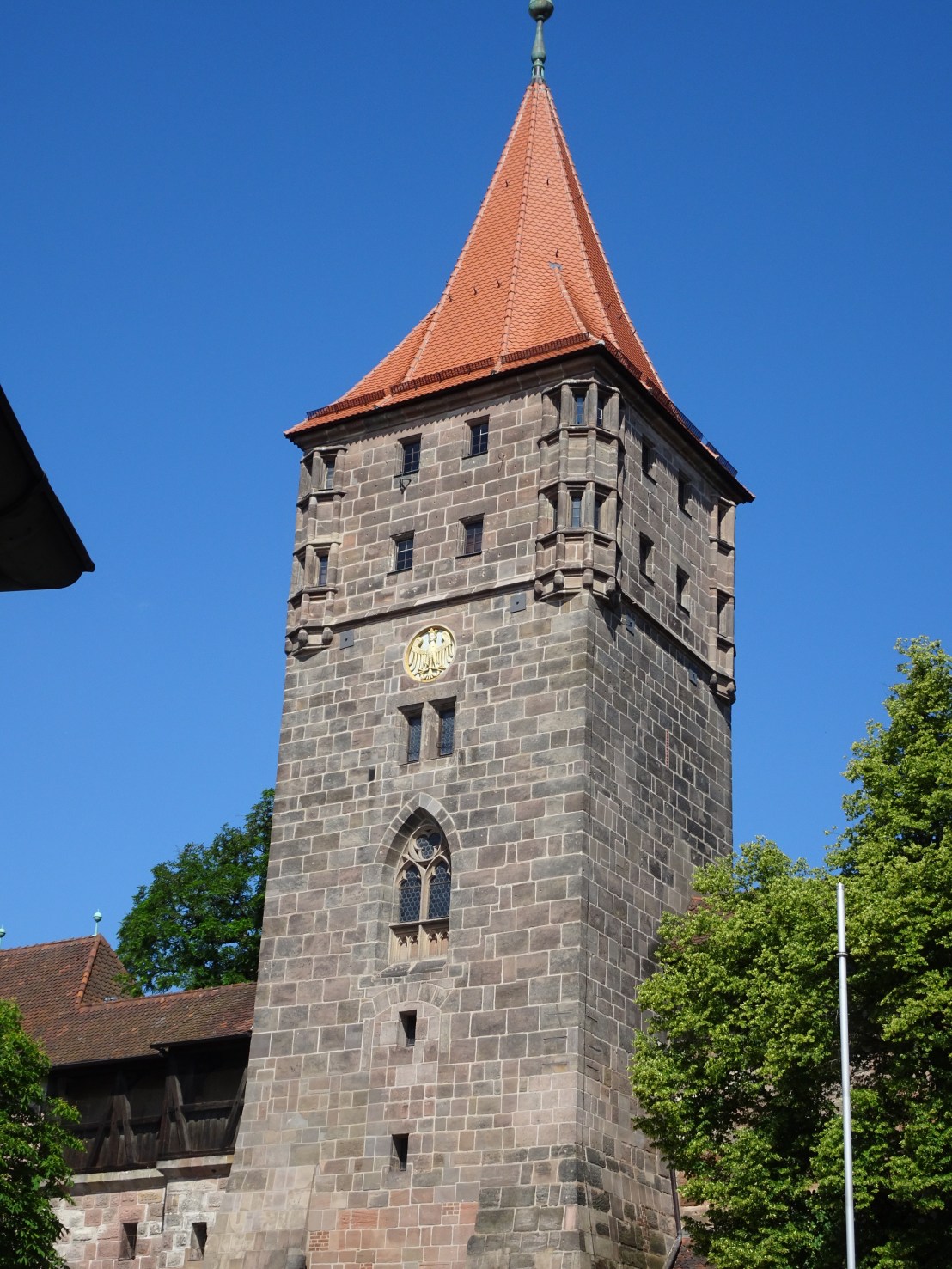
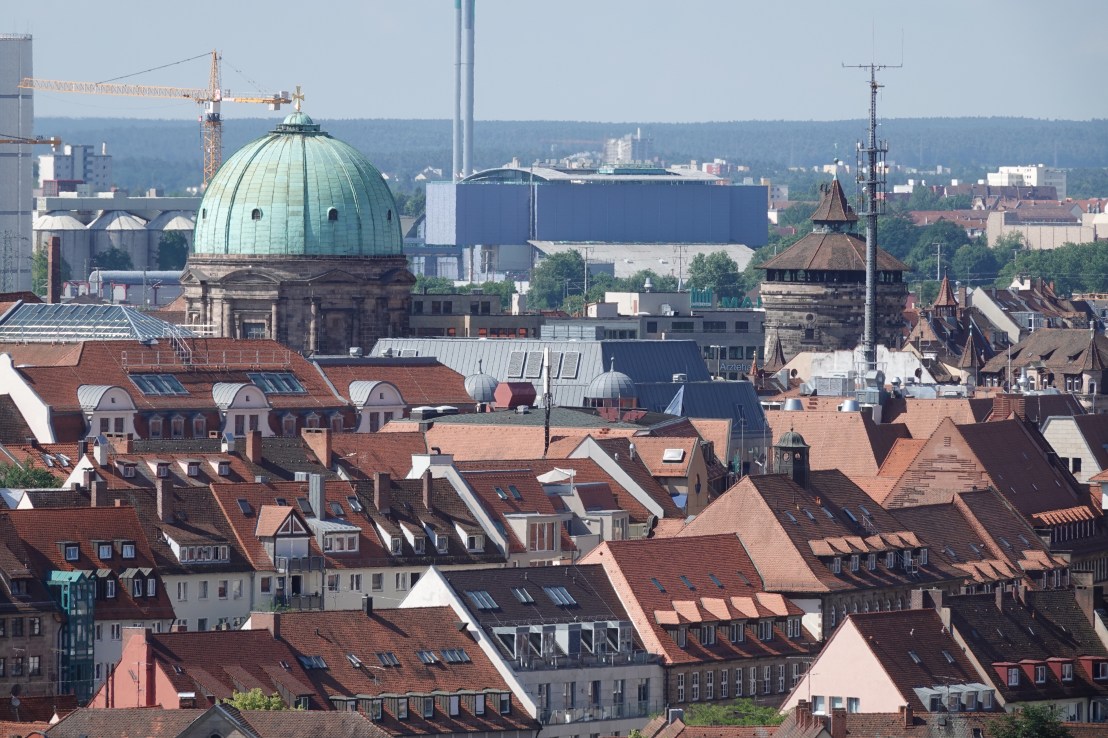
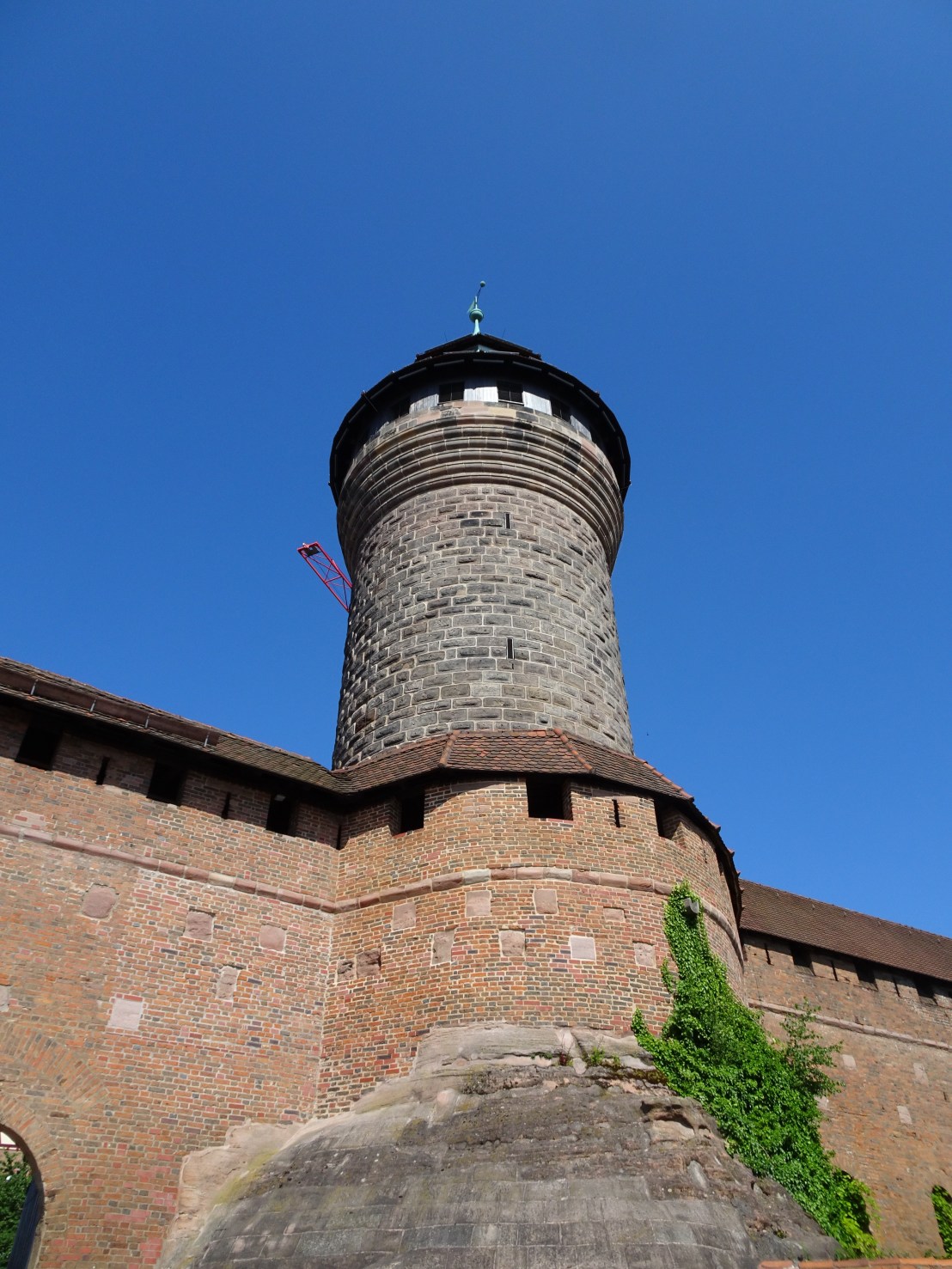
Nuremberg skyline, showing one of the round towers that was designed to repel cannon fire:

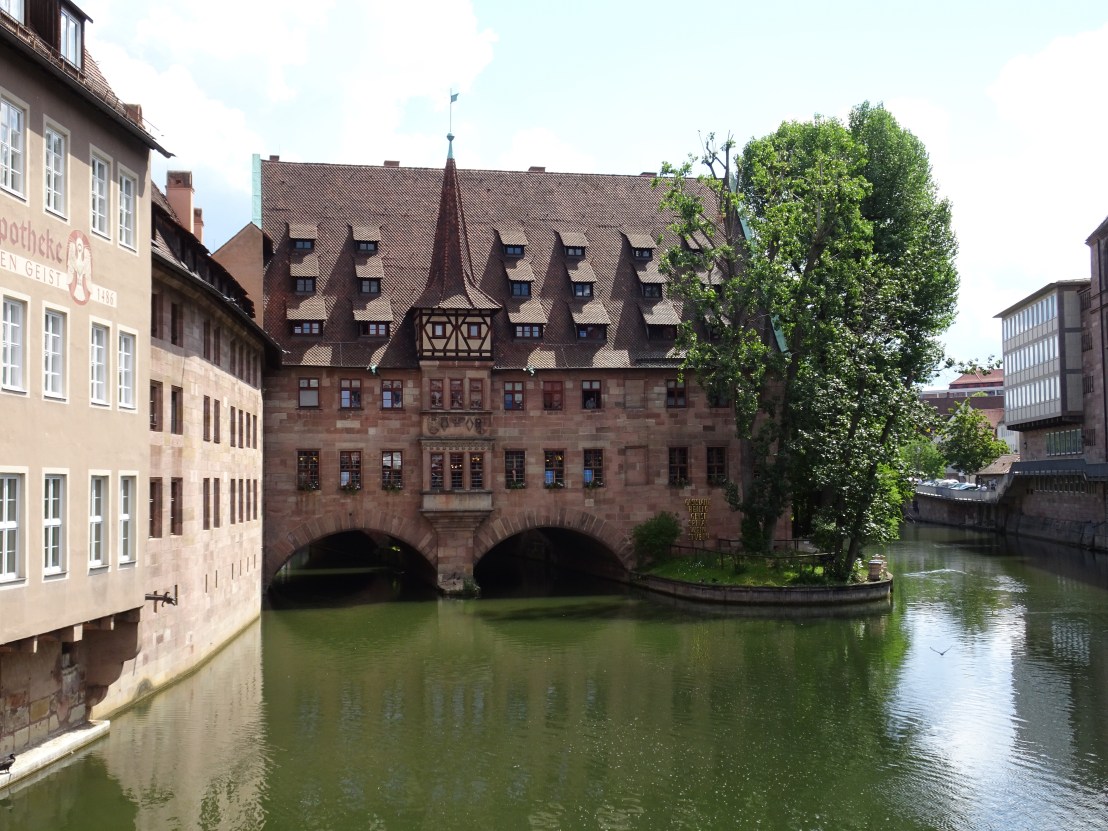
Famous sanitarium in use in the Medieval times, taken from a bridge over the river that flows through the city.

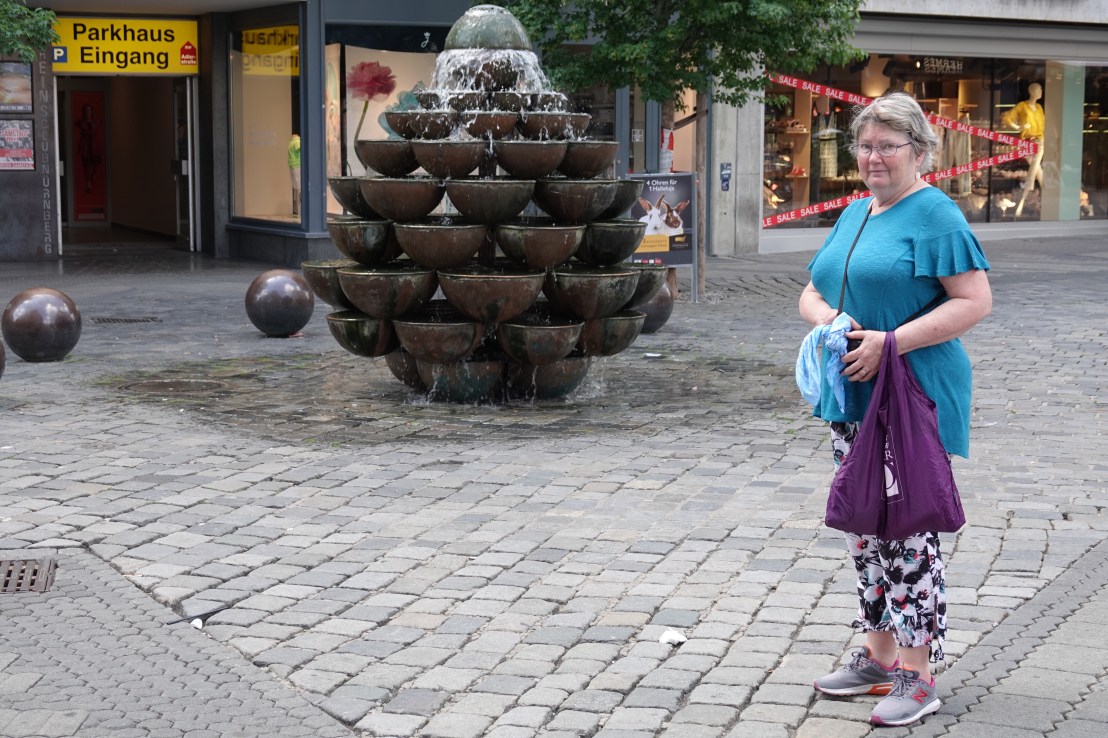
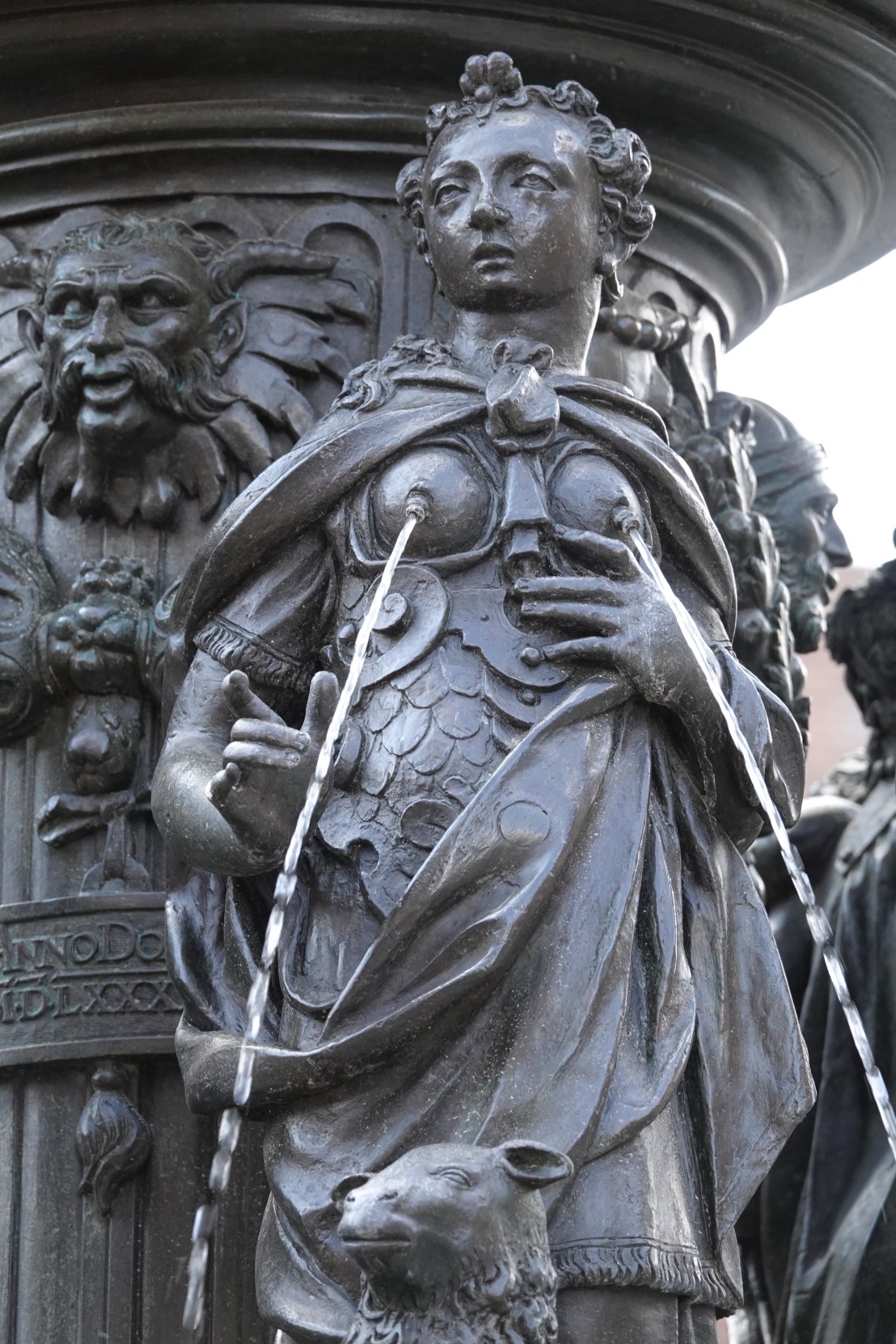
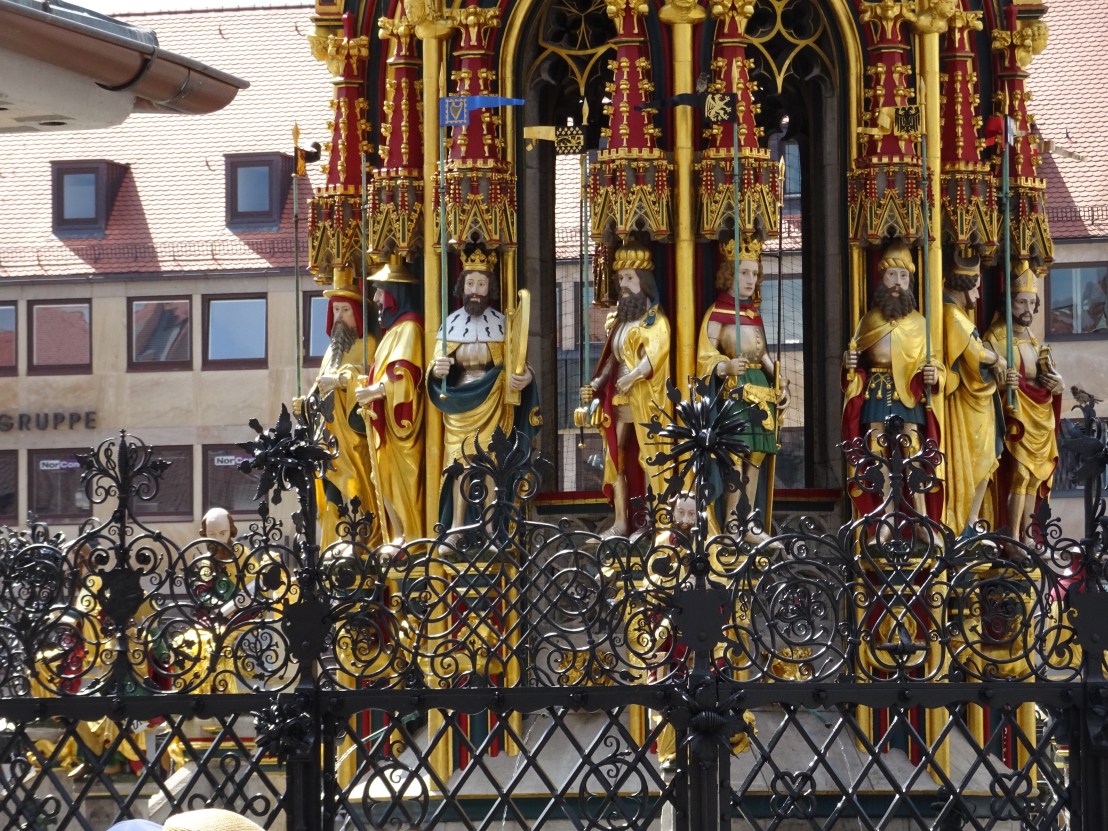
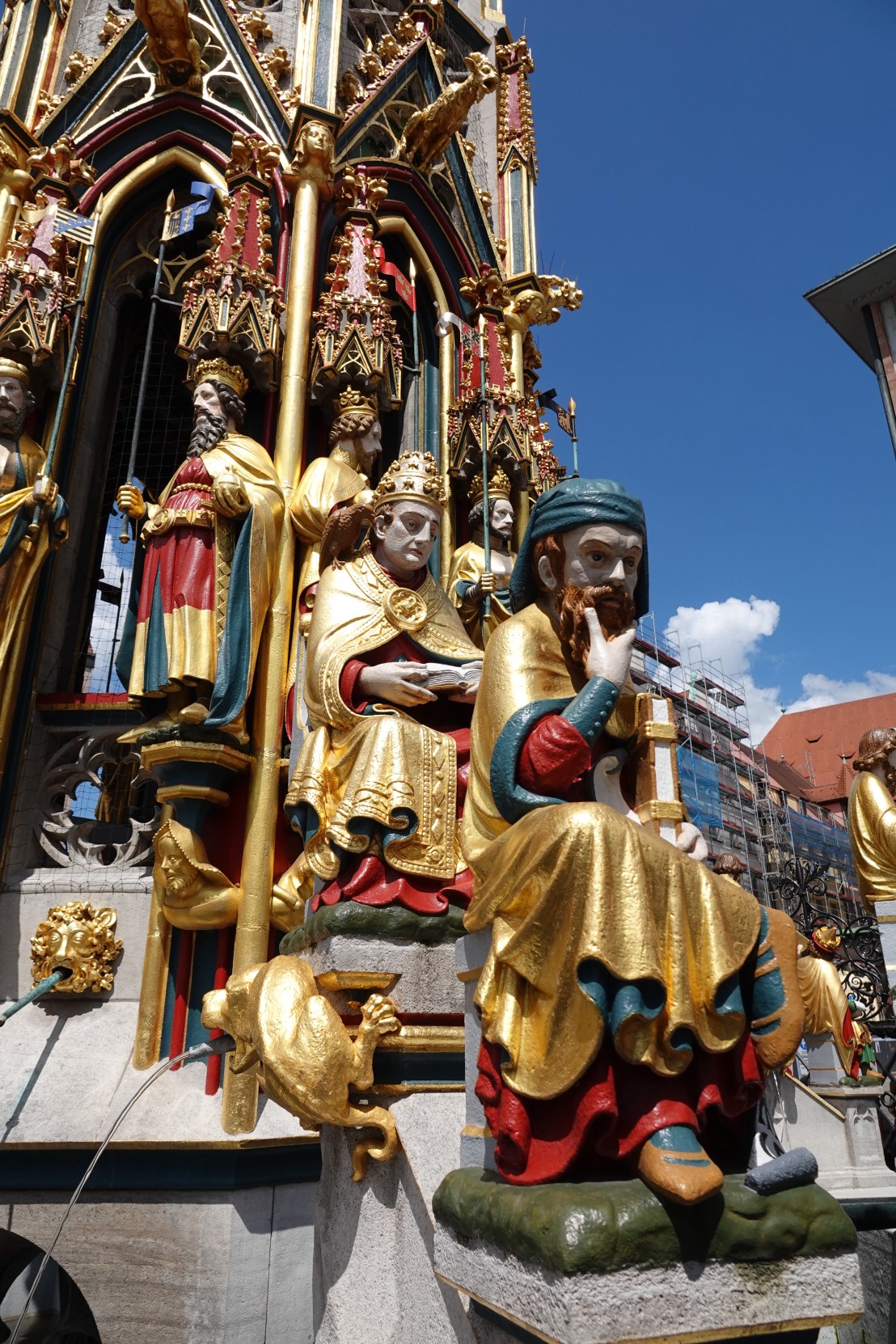
Lots of interesting fountains:

This fountain was to celebrate hydro-engineering:

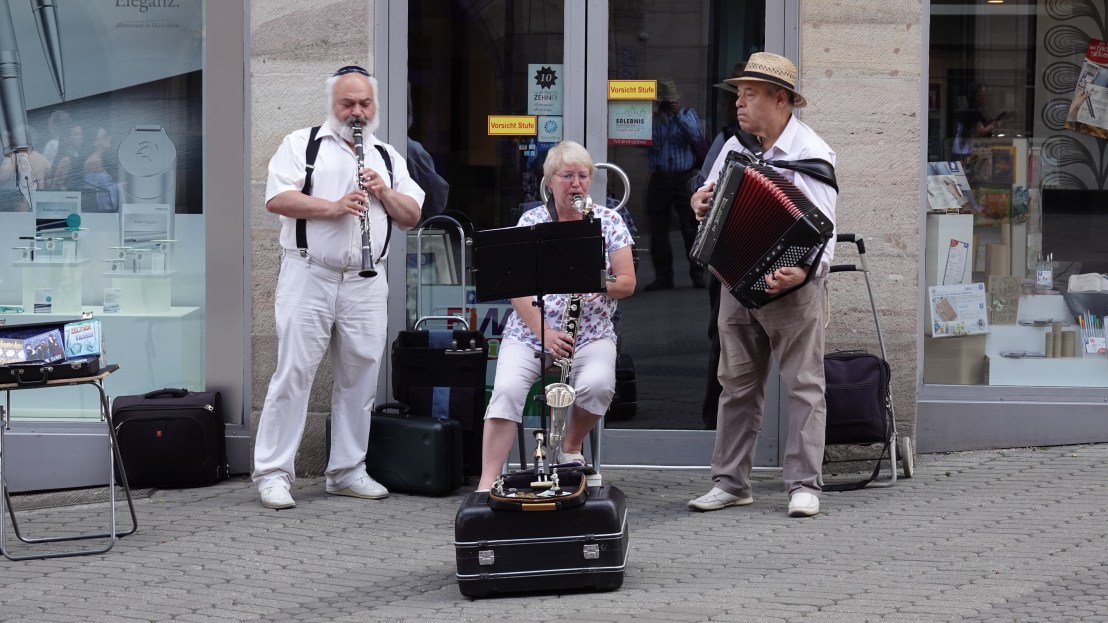
We listened to a trio of street musicians for a while. They were good!

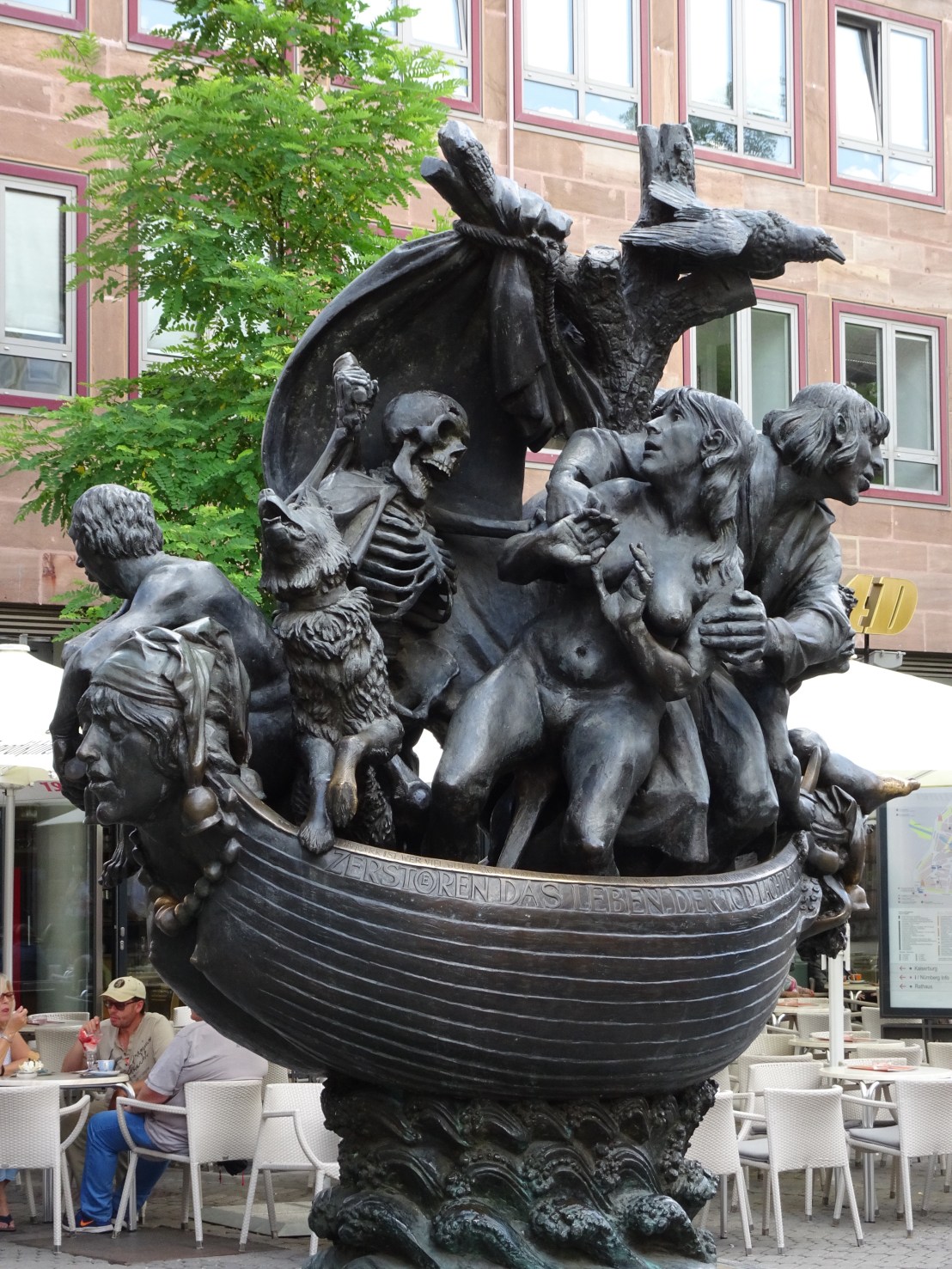
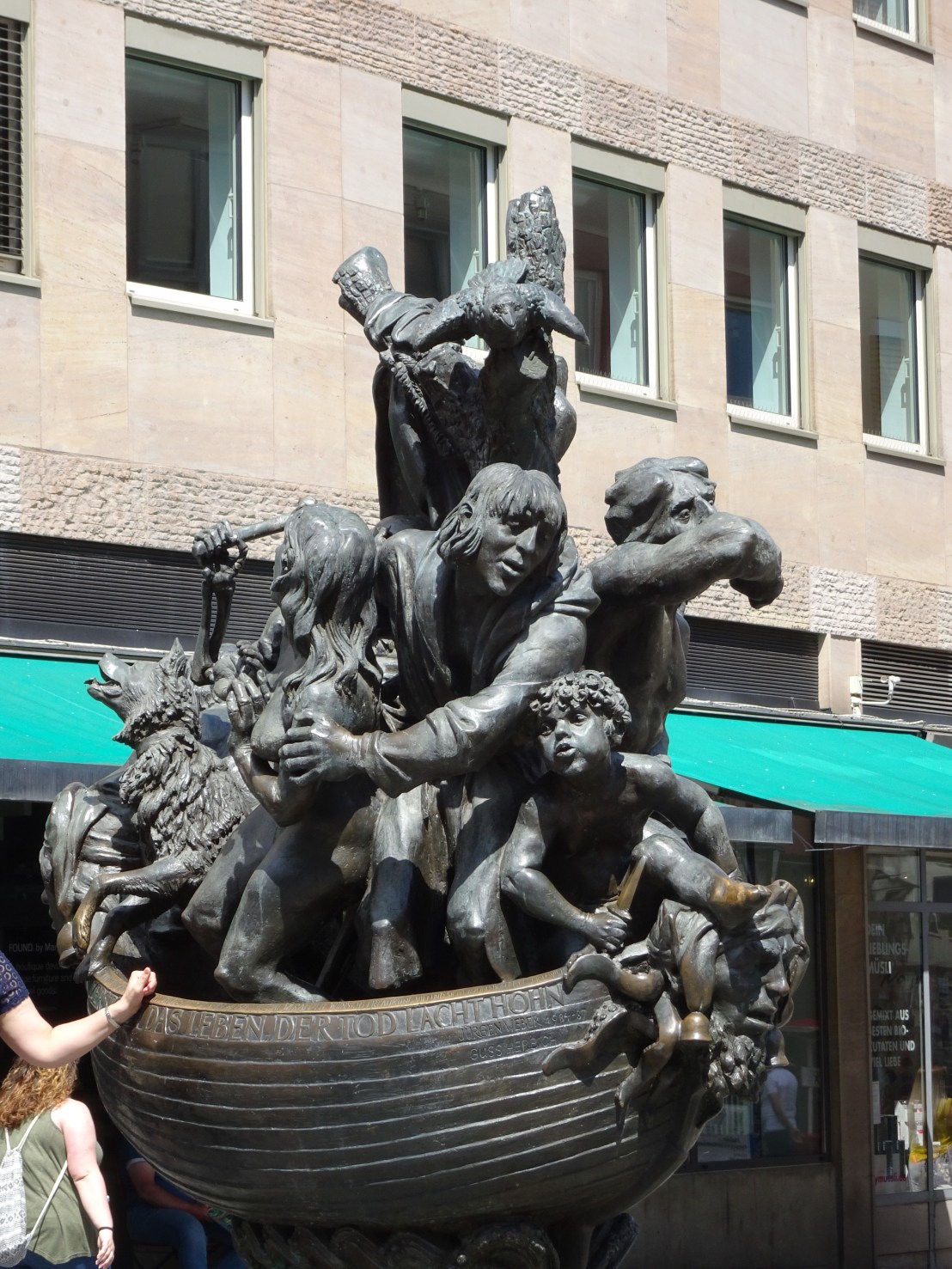
And, this statue represents the “ship of fools”

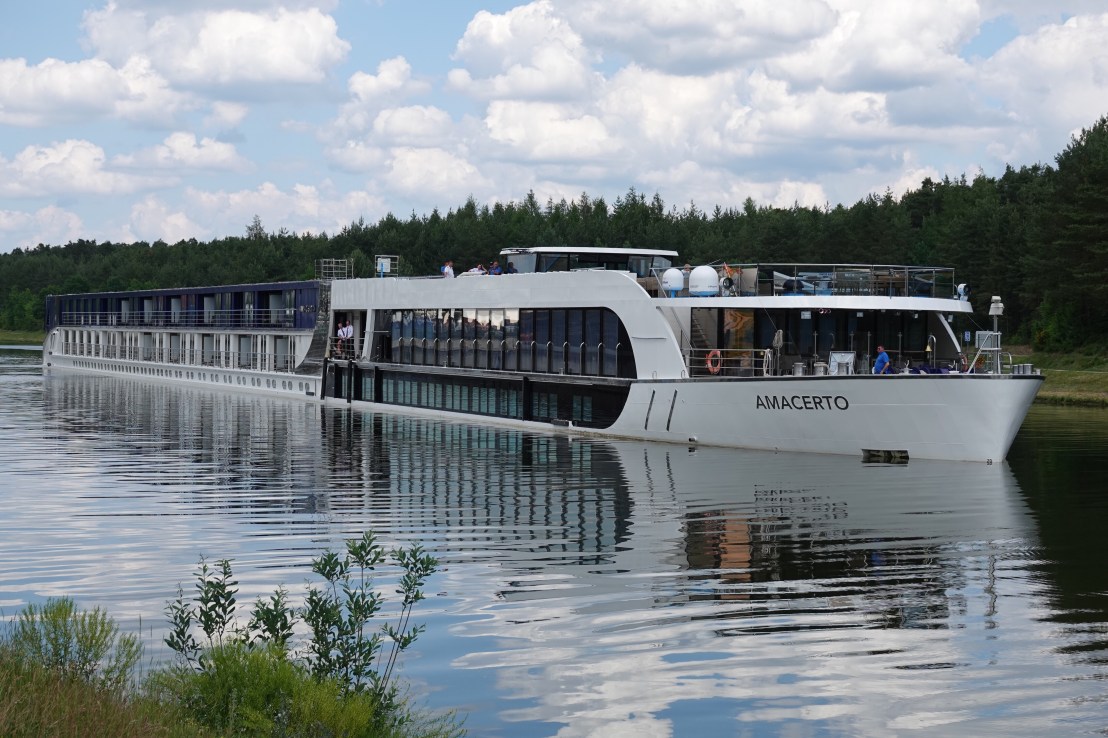
We arrived back at our cruise boat for lunch as the boat left for Regensburg; no fools are we!

Starting the Cruise

After Salzburg, we went to Nuremberg to catch our cruise boat.

That picture was taken the next day. We were late arriving after our side trip to Salzburg. Did you know it is named for salt deposits? (No, we did not see any).

Our first town is of course Nuremberg, and we discovered how great a river cruise is! A bus took us to the top of the hill (which Brian climbed when he was here before) and informative guides told us stories. We each used blue-tooth devices to hear the guides, so the sound was clear AND we did not need to hover around the guides. Also, if we were too far away from the guide, the sound cut out, and we knew to find the group again. Fantastic!