Category: 2018

Vienna, Austria

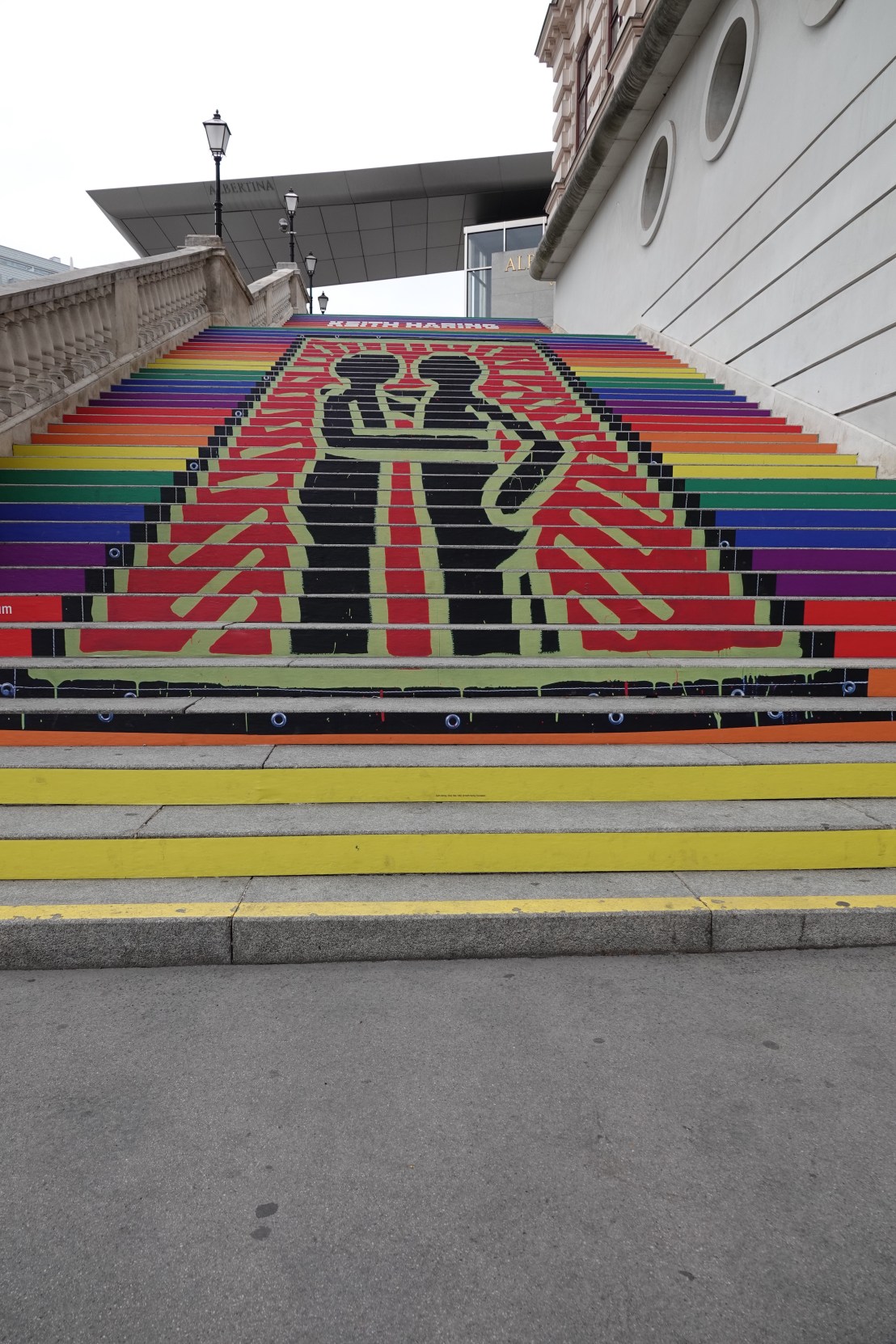
Vienna was great. Yet another local guide led us through and told us stories, then set us free for a bit, to meet again to go back to the ship. On a the tour, Brian saw this artwork on a stairway.

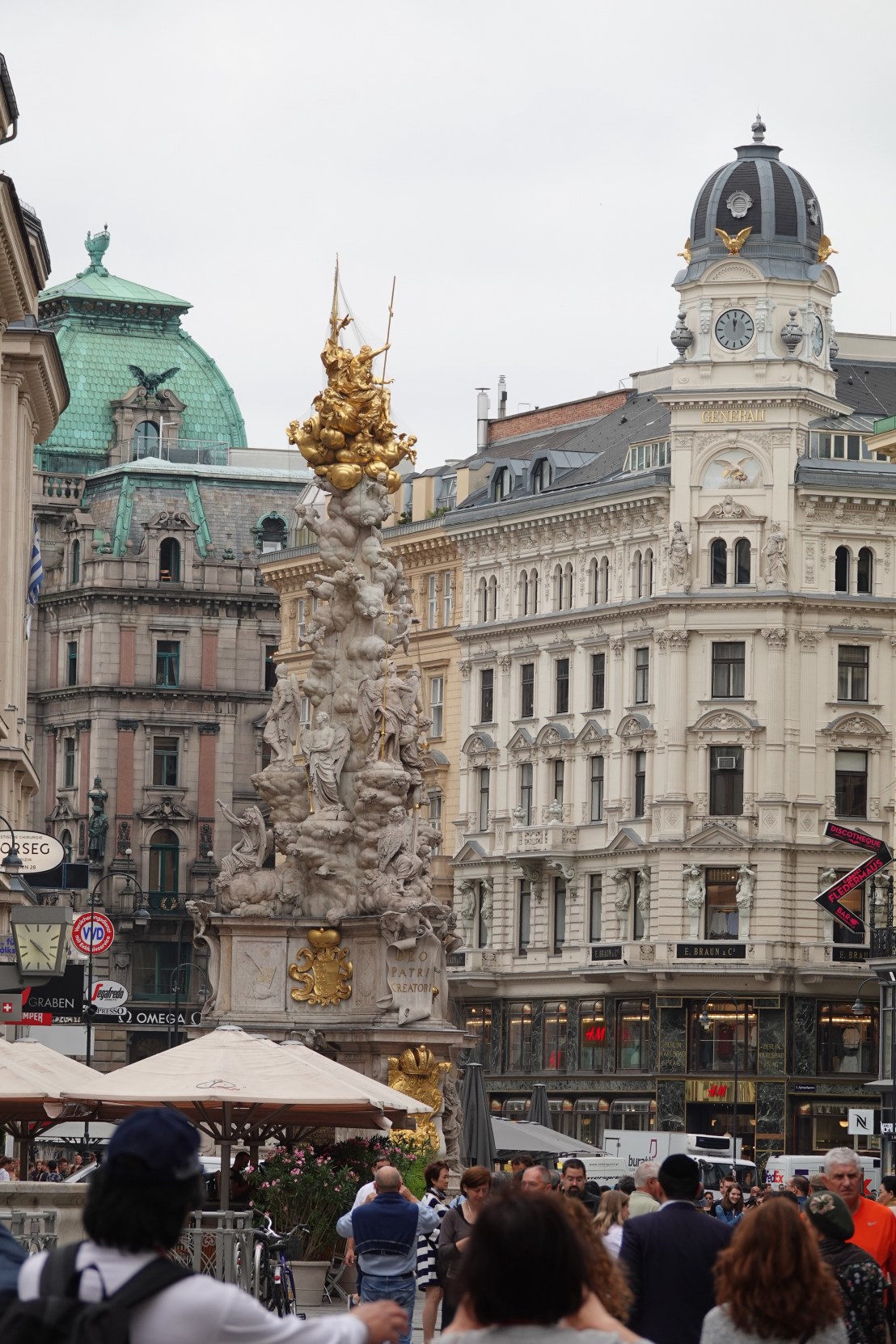
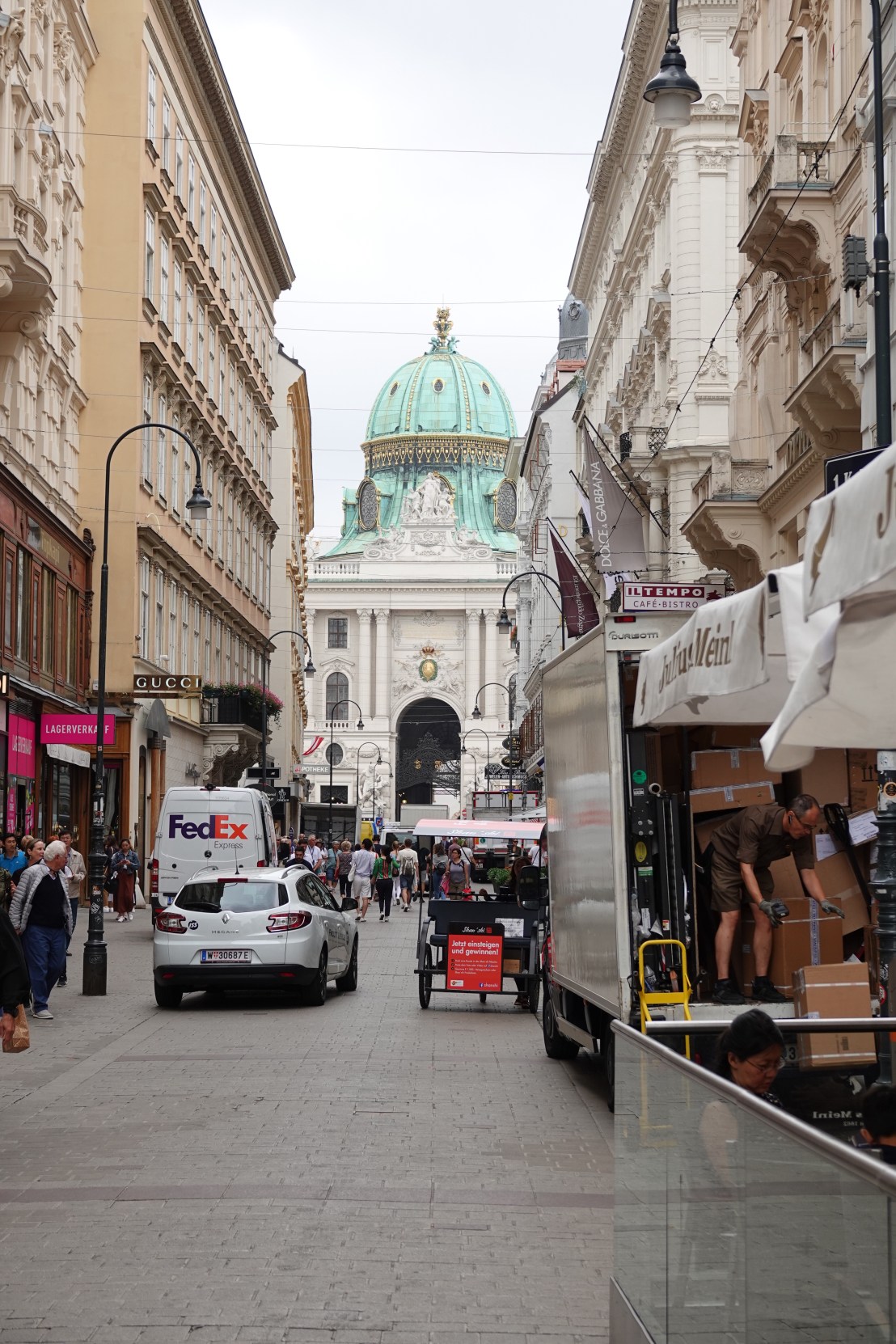
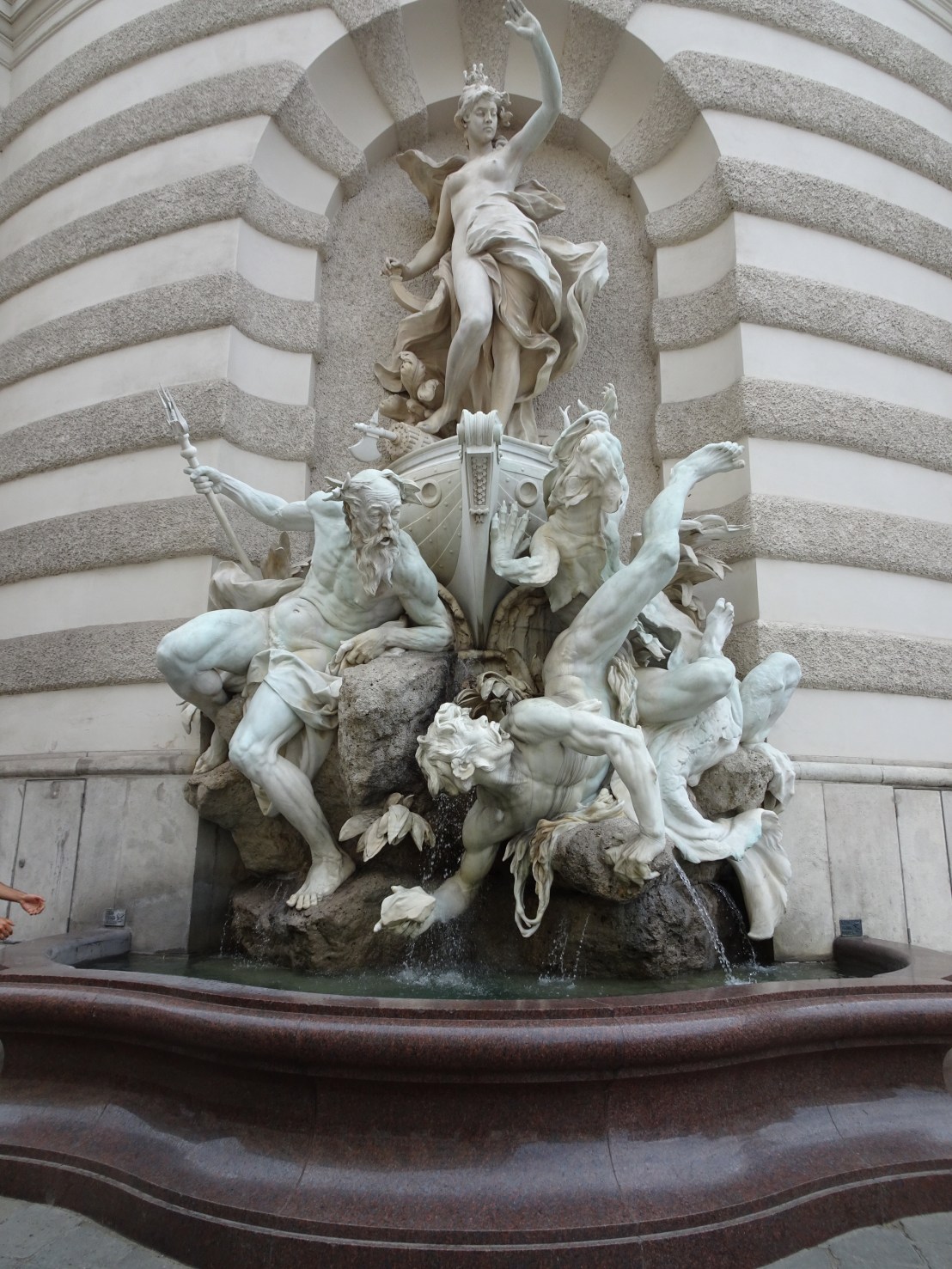
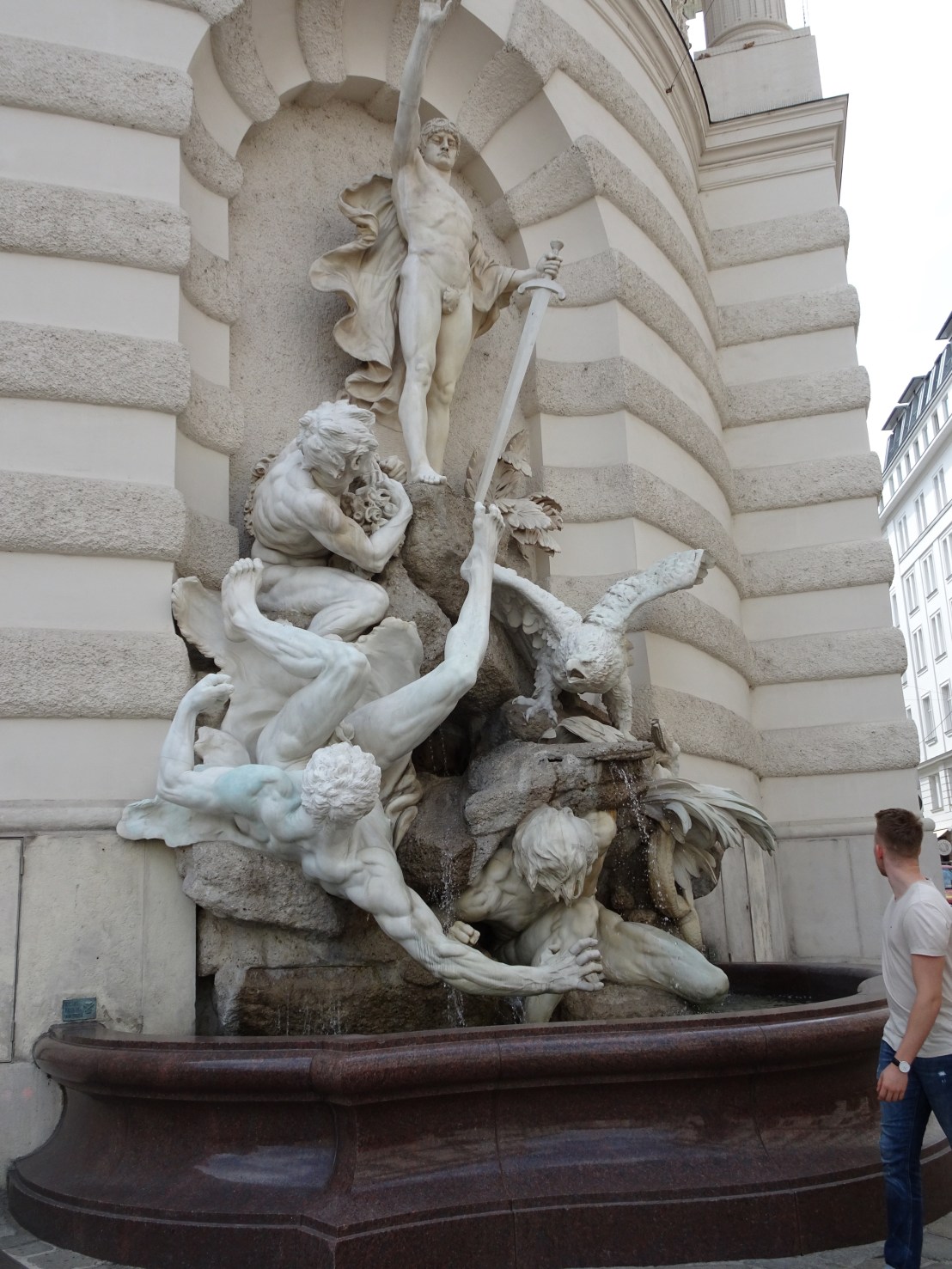
We were led through streets, hearing about the statues and buildings.

A lot of the stories were about how much of Vienna had to be rebuilt after WWII. So much destruction! And statues often depicted the plagues, constructed after each plague was over..

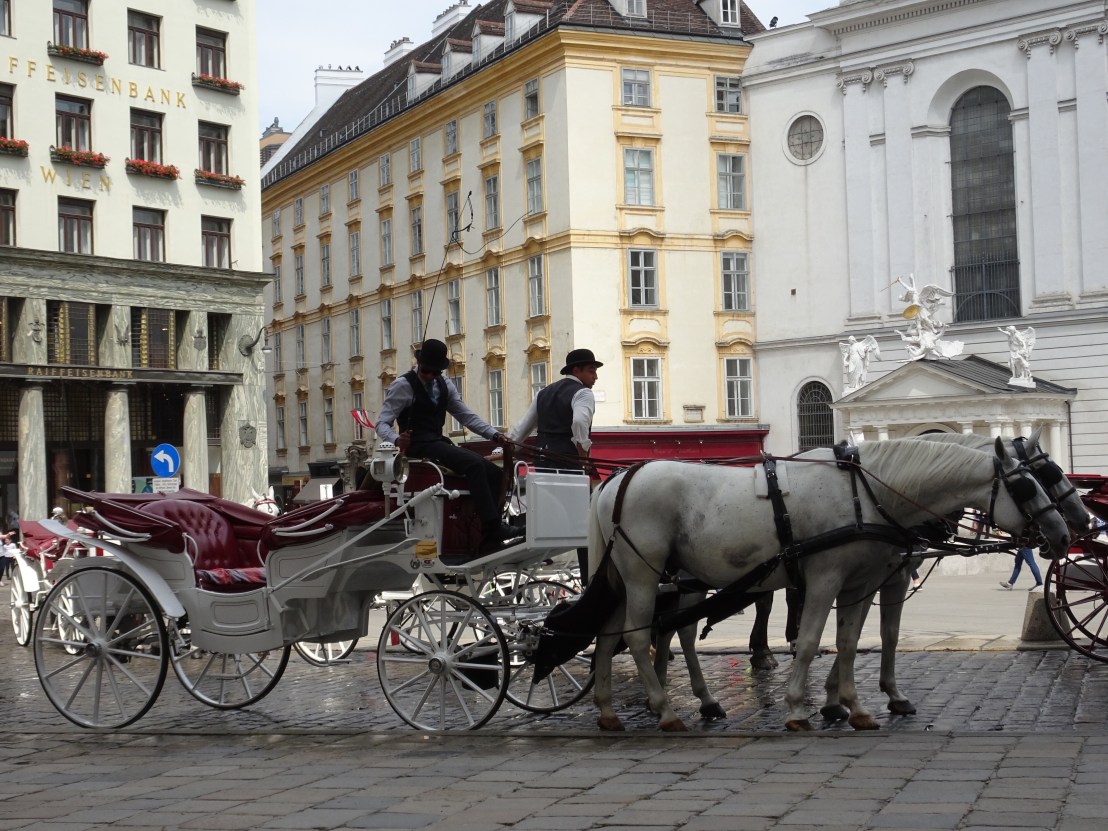
Horse drawn carriages were popular with tourists. We were encouraged to take a ride by our guide.

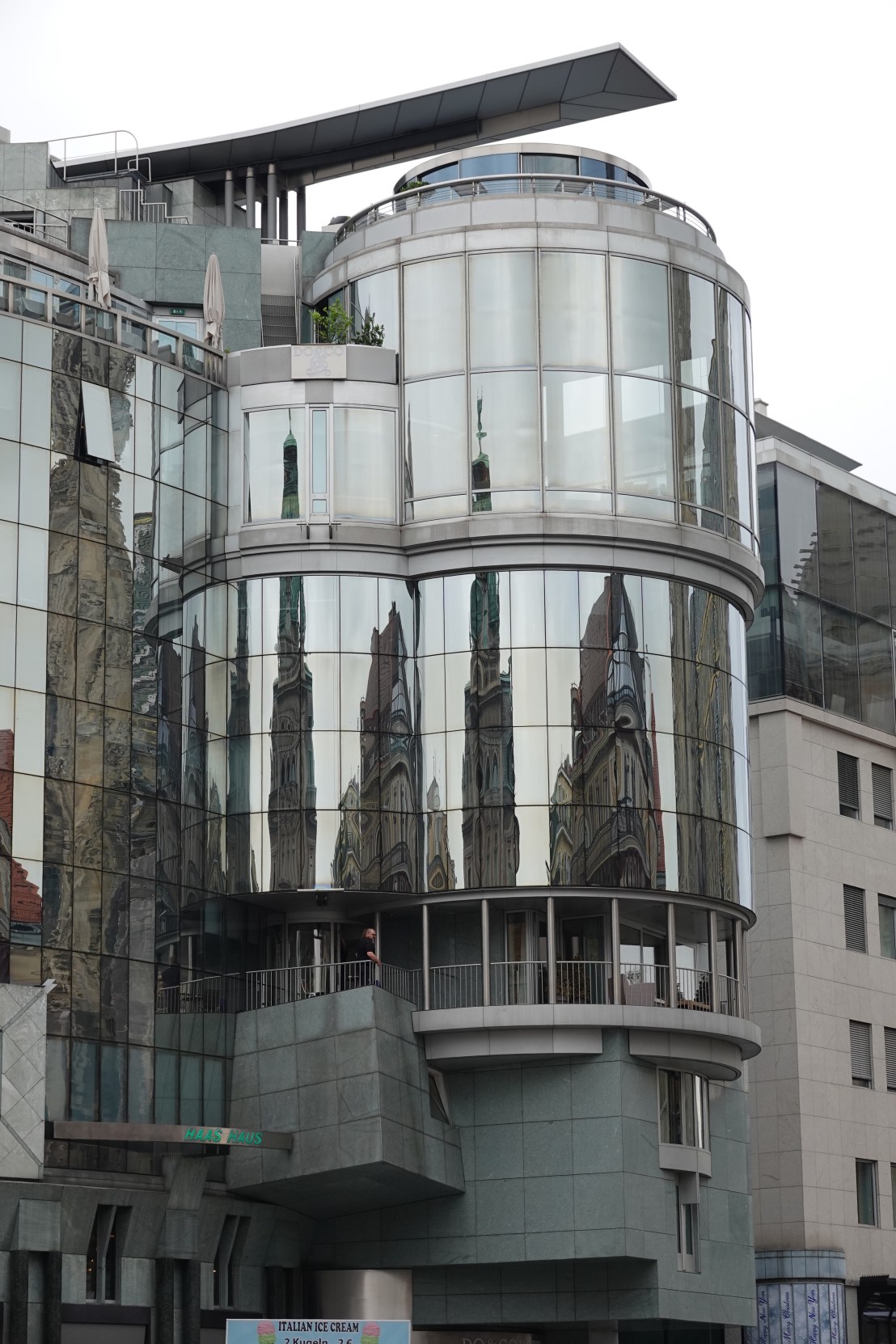
I liked the modern building that reflected the older style buildings.

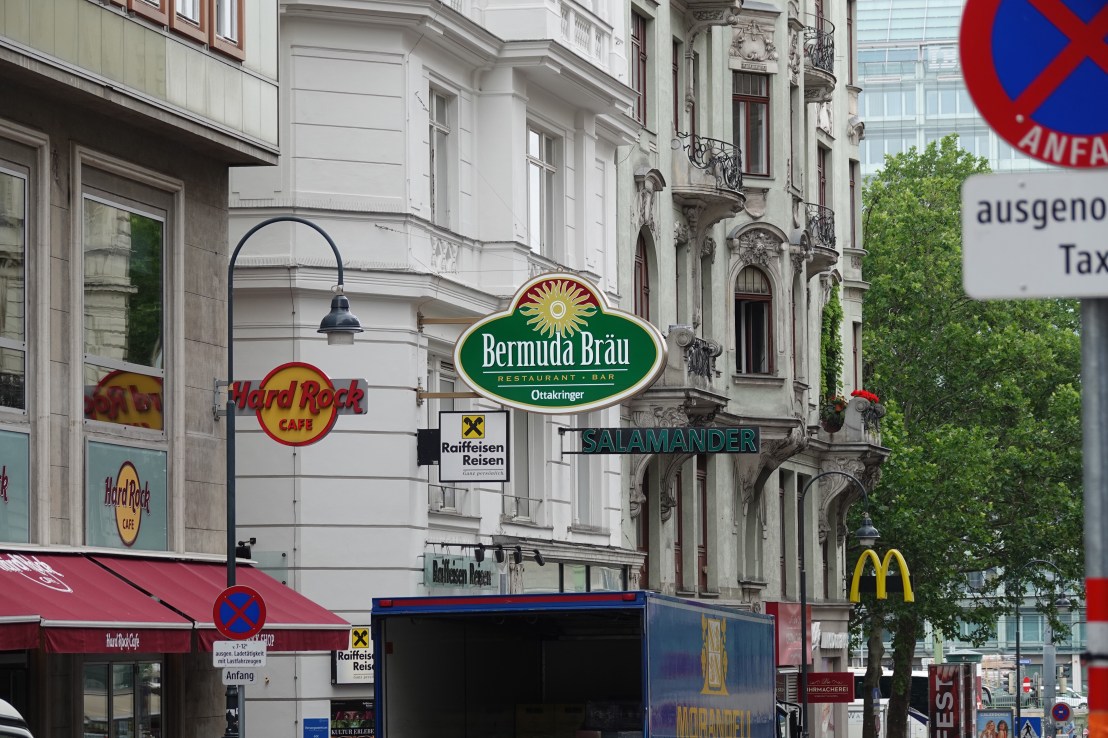
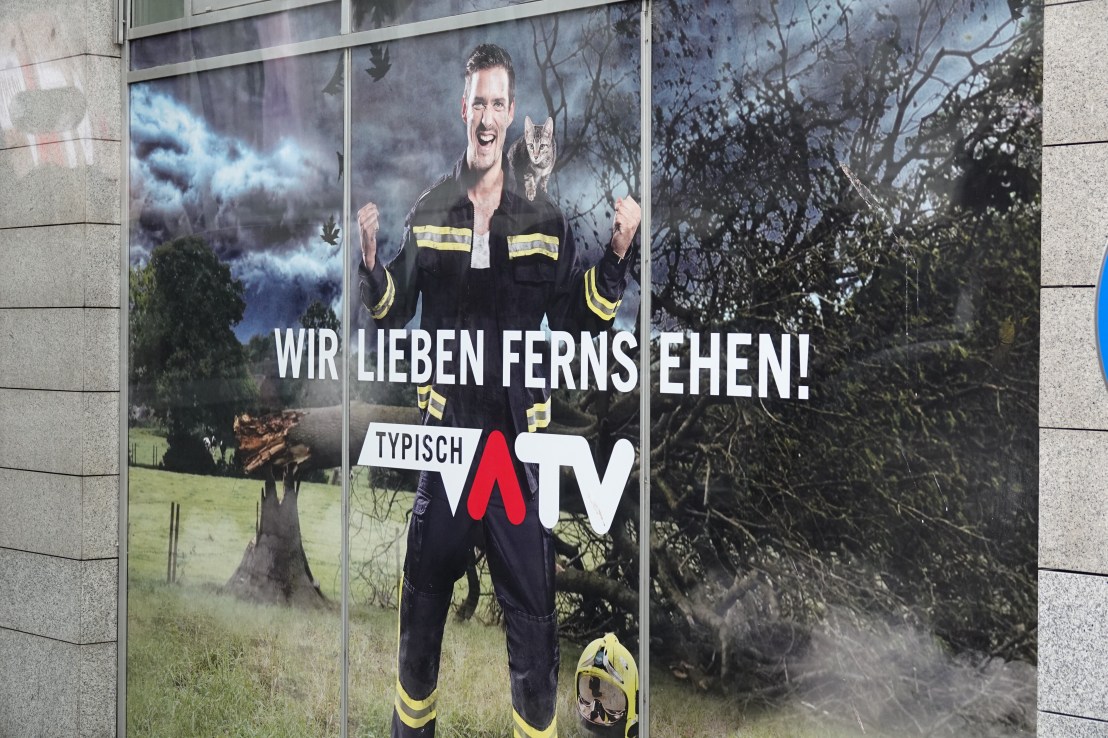
And of course a lot of advertisements and places to shop.

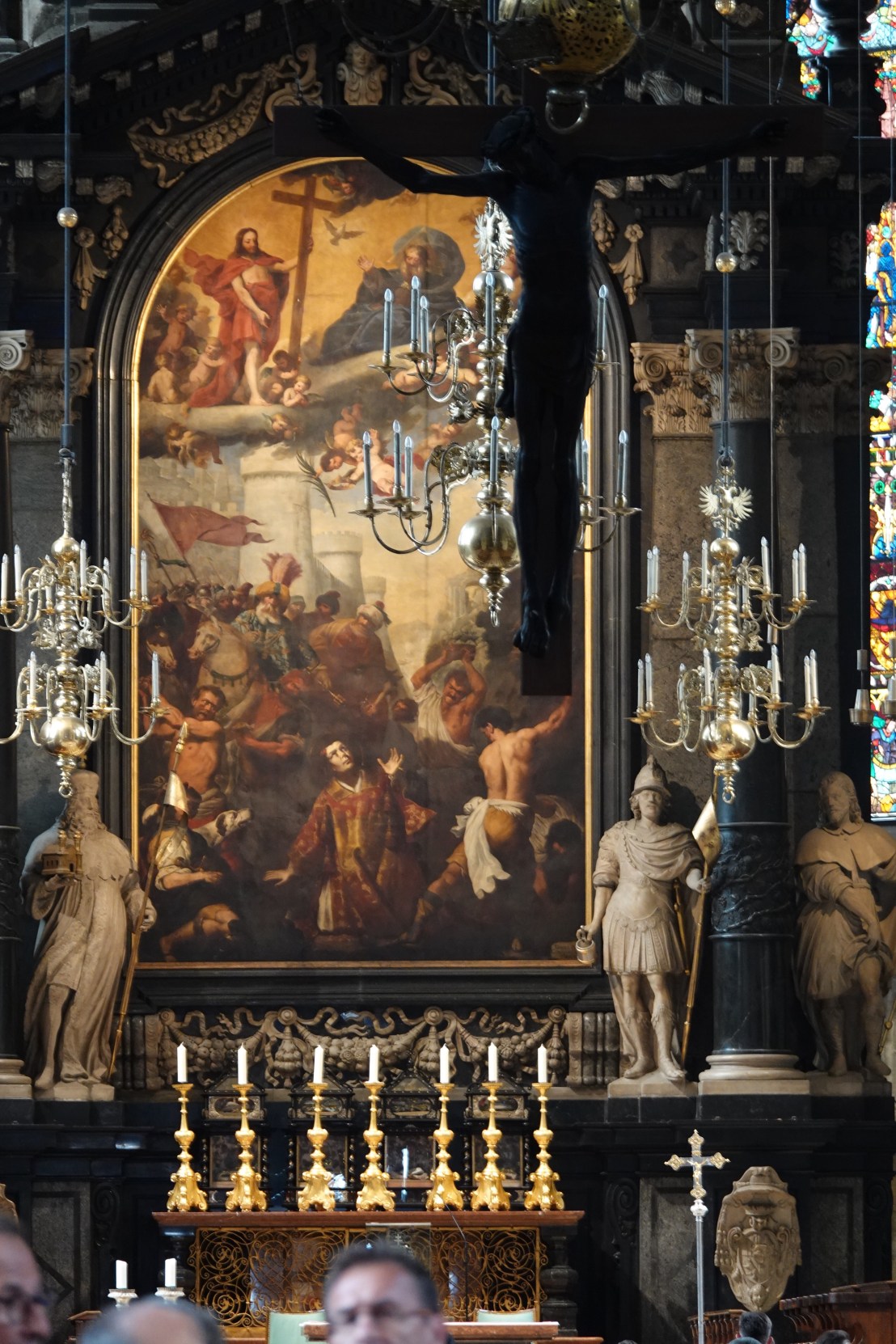
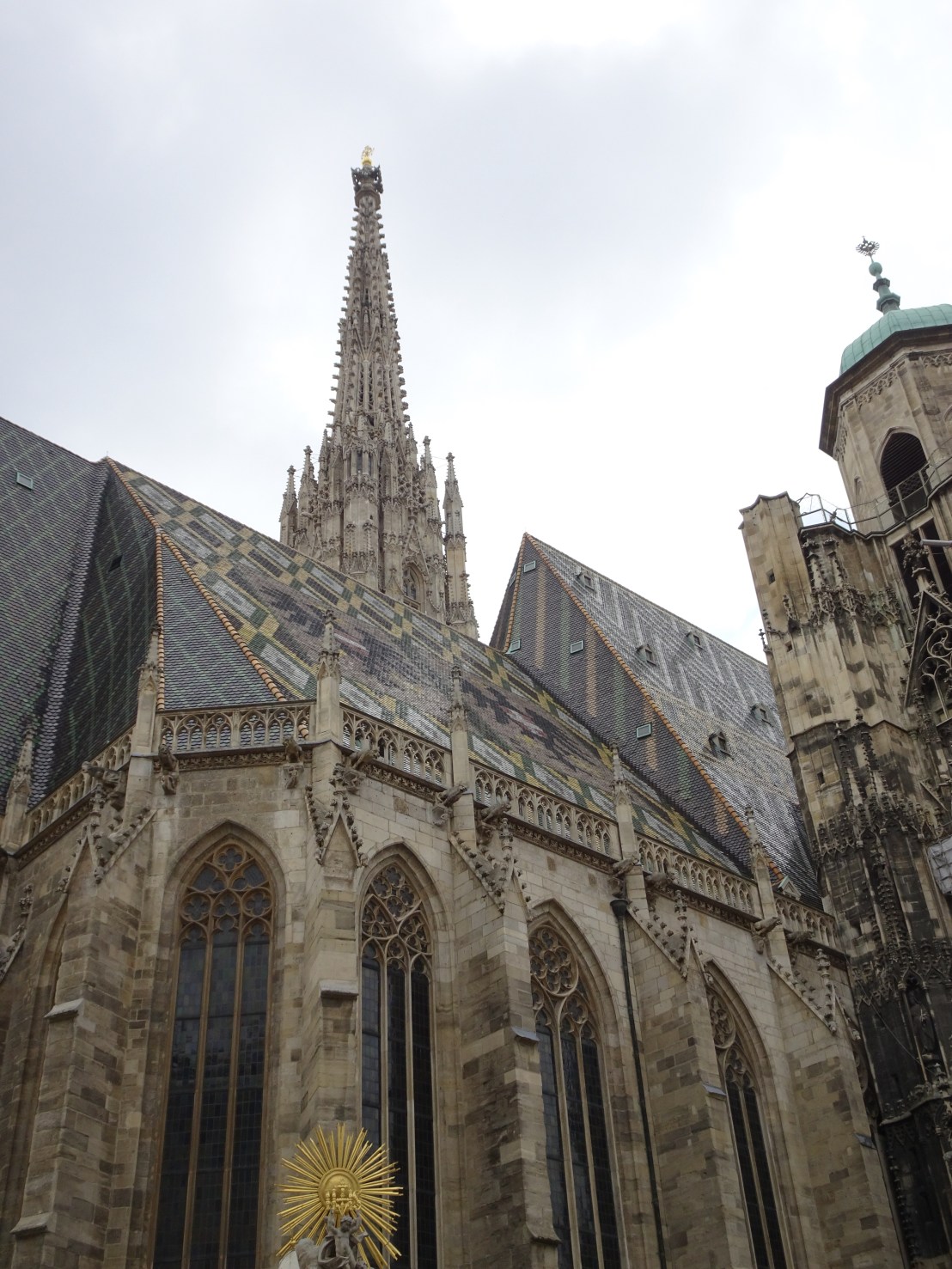
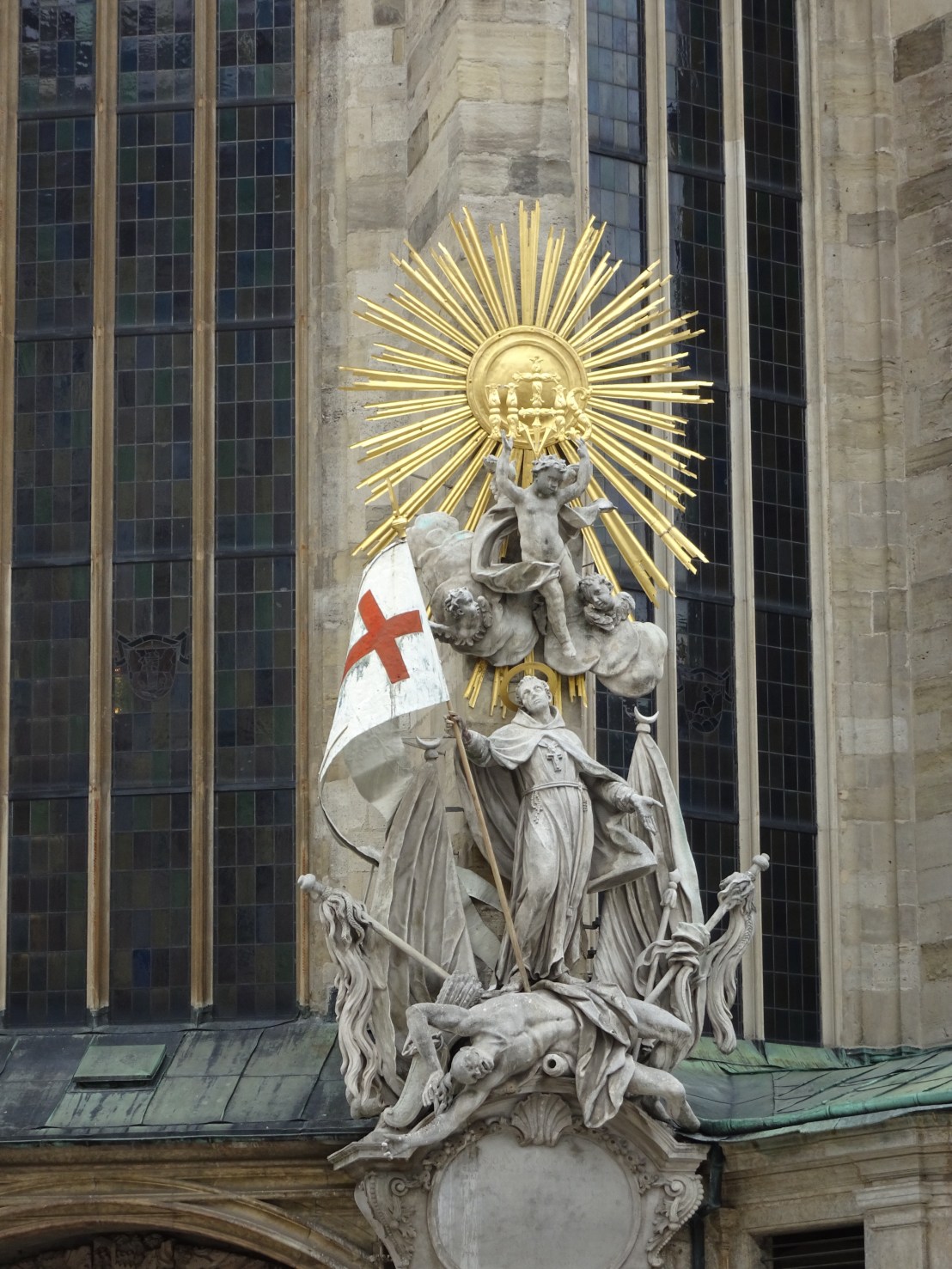
The cathedrals are starting to blur together for me now, but here are a few pictures.

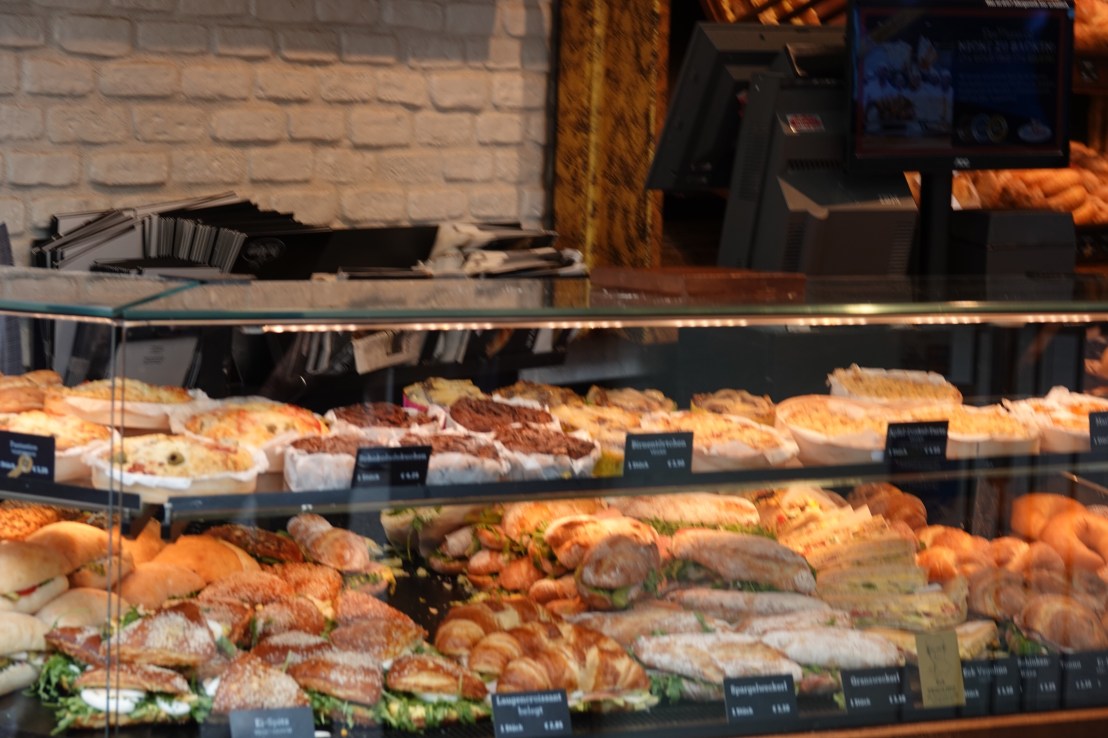
After lunch, on our own, we had an adventure!

Melk, Austria

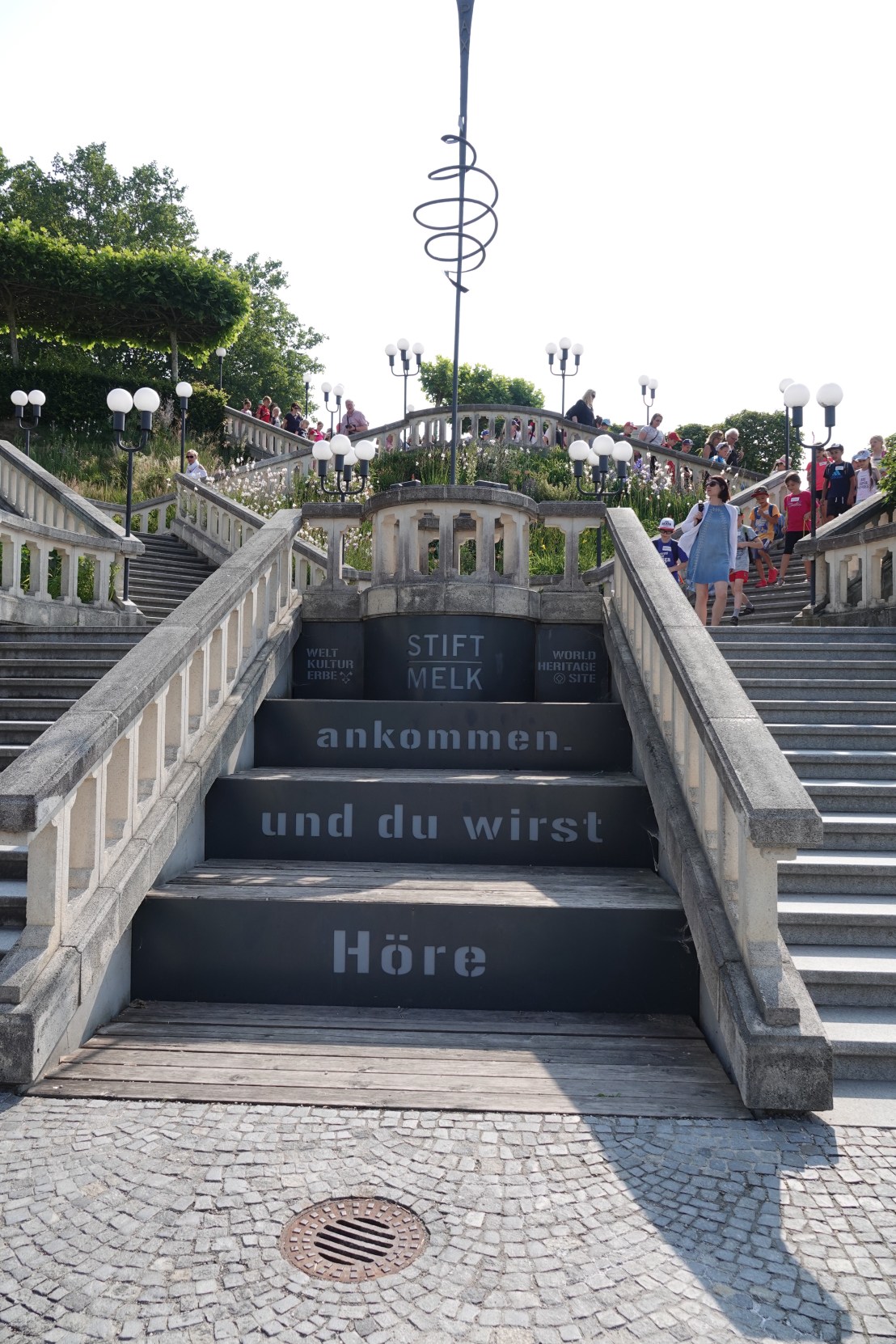
In the morning we took a guided tour of the Melk Benedictine Abby. Like many places here, it has a long history, but this place was largely rebuilt in the 18th century, Baroque style. A quick bus ride took us to the Abby area where about 30 monks live today. Also every day about 1000 high school aged kids come for school. Since it is a private school, they take an entrance exam to get in, and since the 1960s, both boys and girls are allowed (only boys before that).
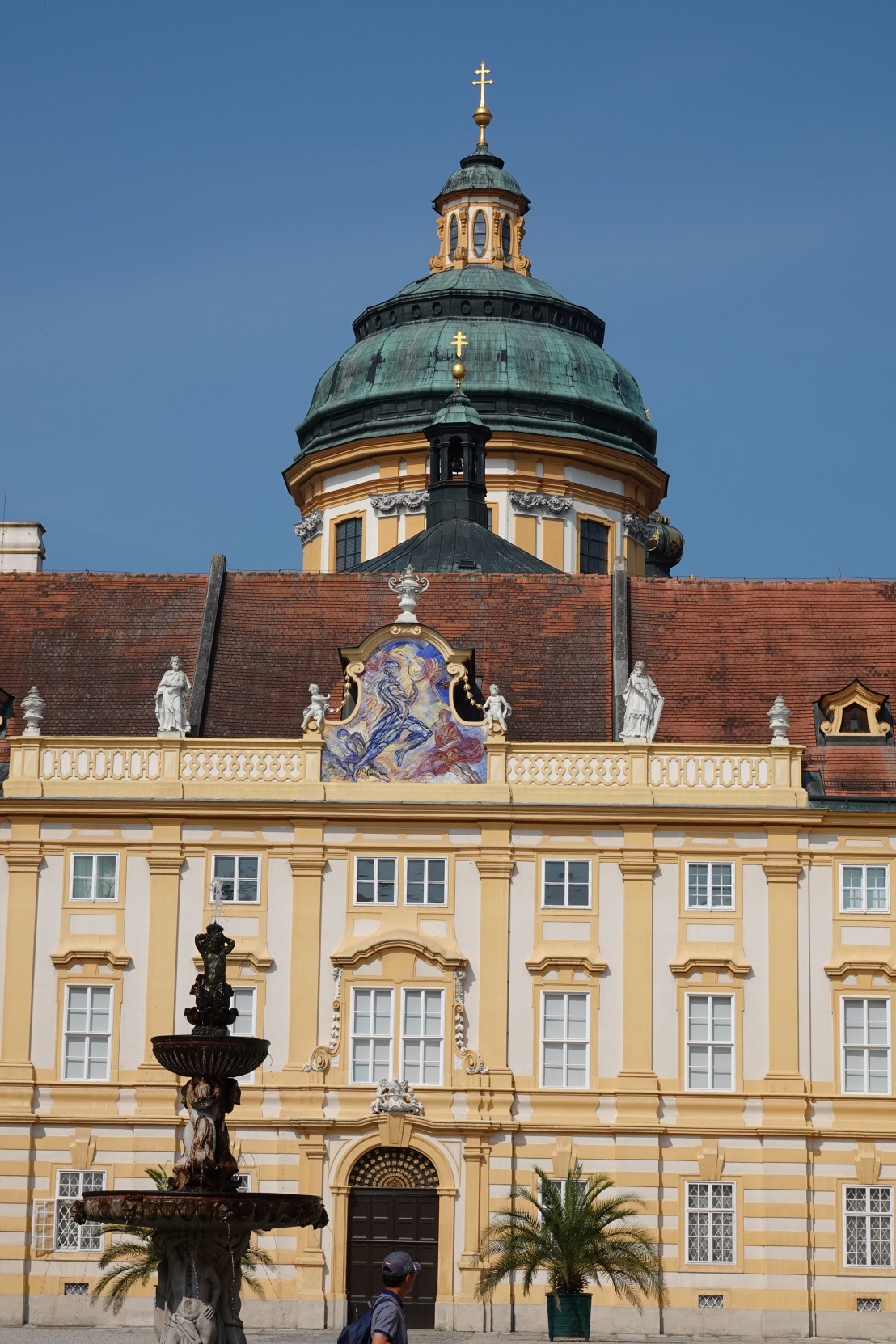
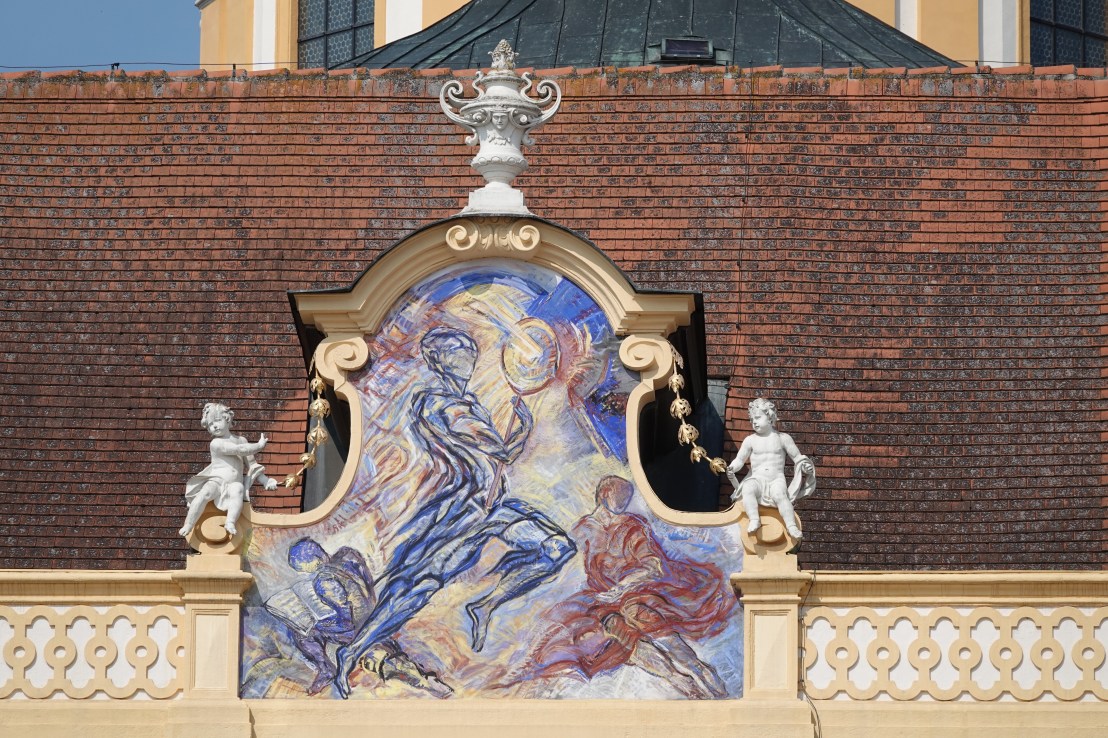
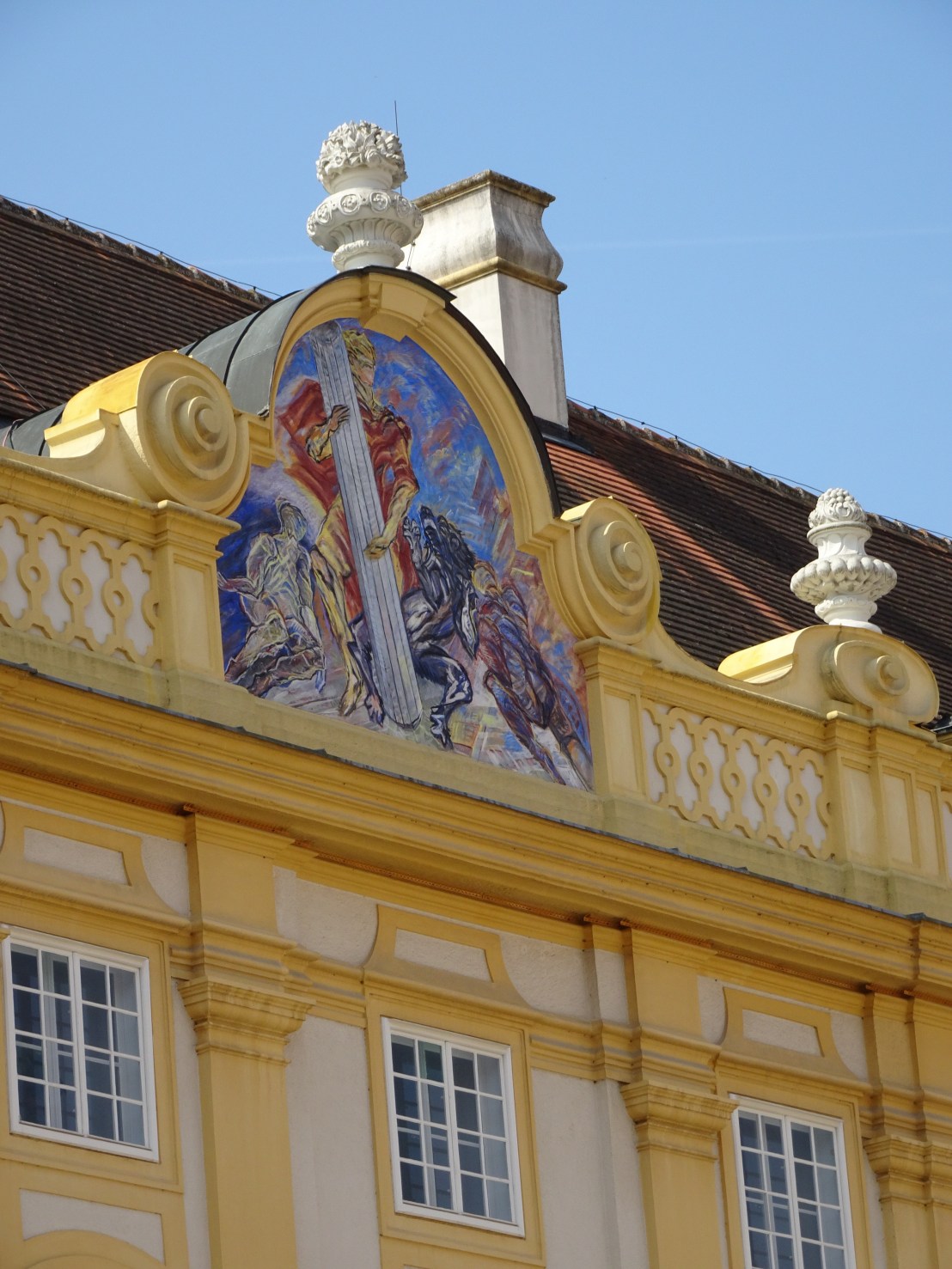
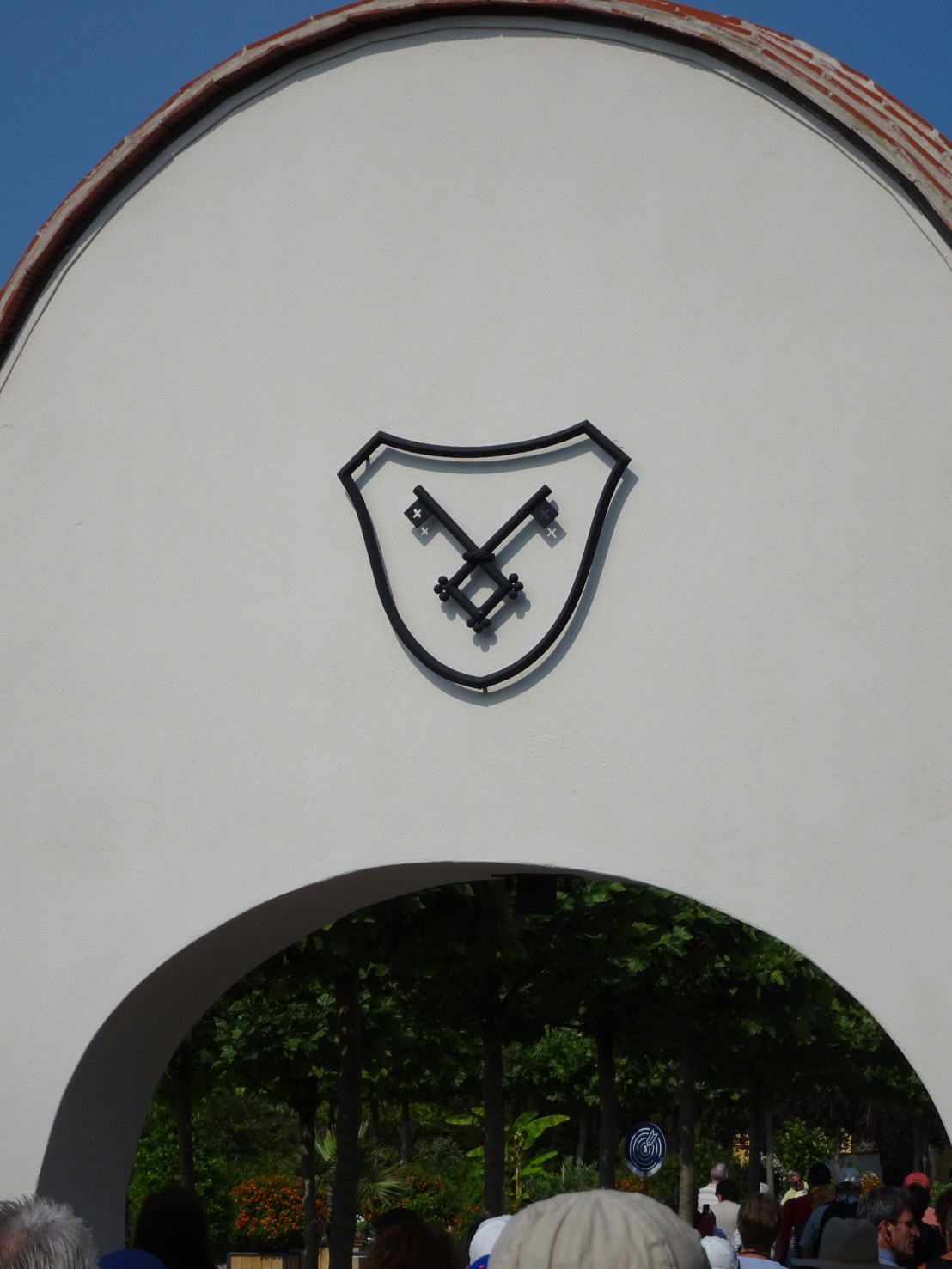
The two keys symbolize St. Peter and St. Paul, who are the patron saints of this Abby.
No photography of any kind was allowed inside the Abby. So I will describe it a bit. The first part was a line of over 500 rooms along one hallway on the second floor which was used by the Emperors and other royalty when they visited. These are not in use over 90% of the time, but when needed, the monks had to be sure all the lords and ladies (and their court people) were comfortable.

The second part was the oldest library I have ever seen. In the room we were allowed to visit, most of the books were from the 15th and 16th century, with a total of over 100,000 books. The old books spines and covers were redone when the Abby was rebuilt, so they all look similar, in the Baroque style.

Then we saw the church, where only 8 pounds of gold was distributed over zillions of statues and other art. Truly impressive.

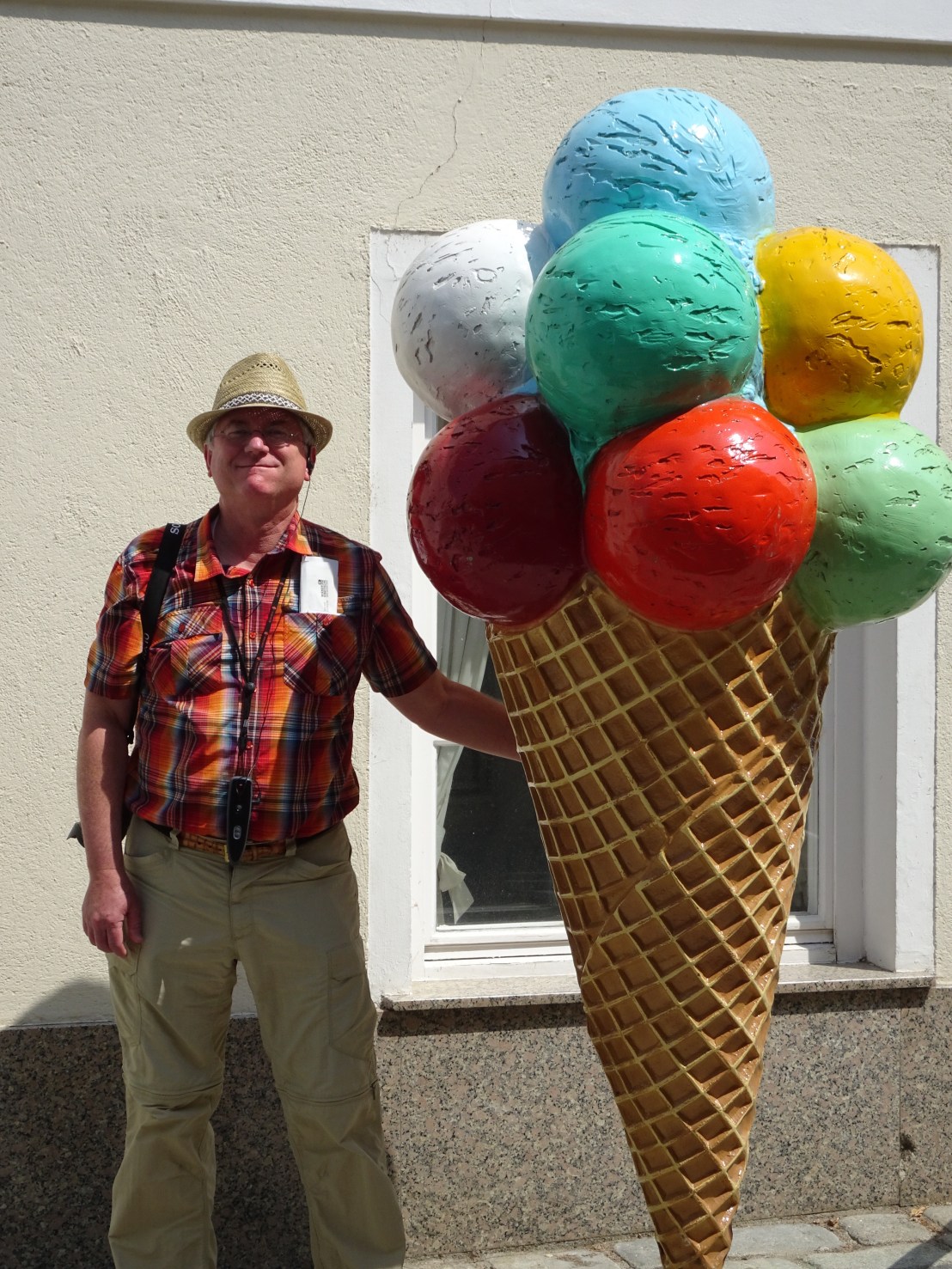
The weather has been unusually hot. All of our tour guides have mentioned it. And, looking at people, many are eating ice cream. Here is one ice cream cone, Brian for scale.
After the tour of the Abby, we walked back downhill through the tiny town.
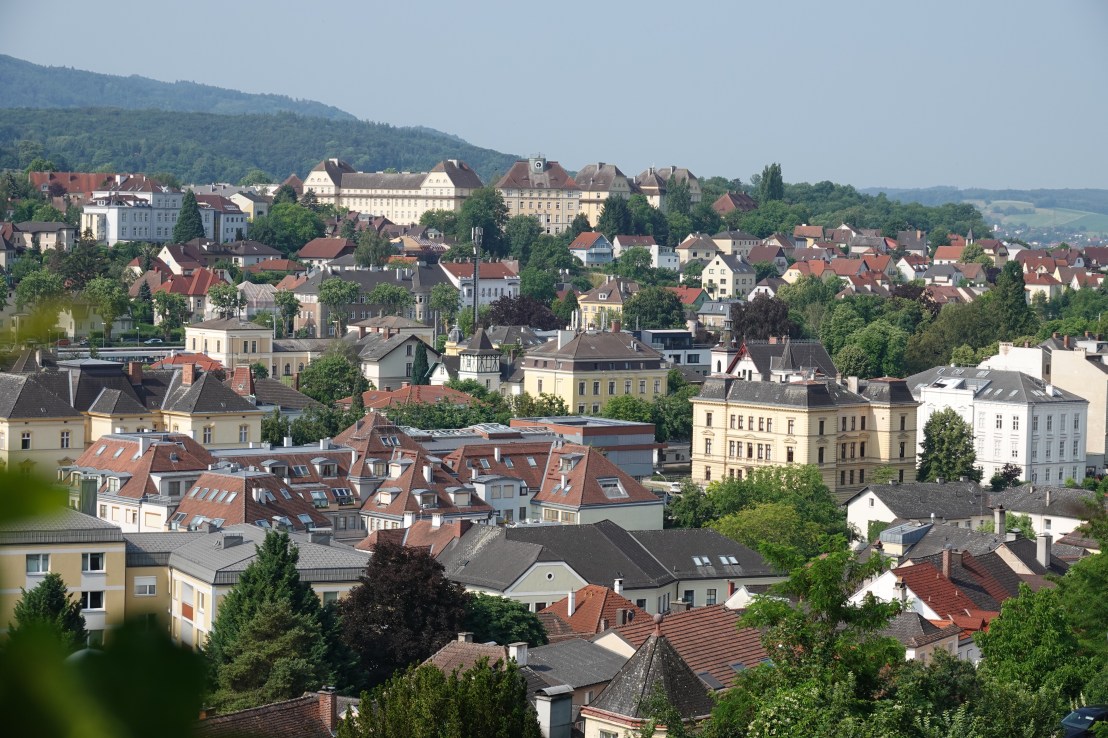
The yellow buildings on the horizon are Austrian army barracks. From the tour guide, it sounded like these people are more like our disaster relief helpers than soldiers. They are always first there after a flood on the Danube.
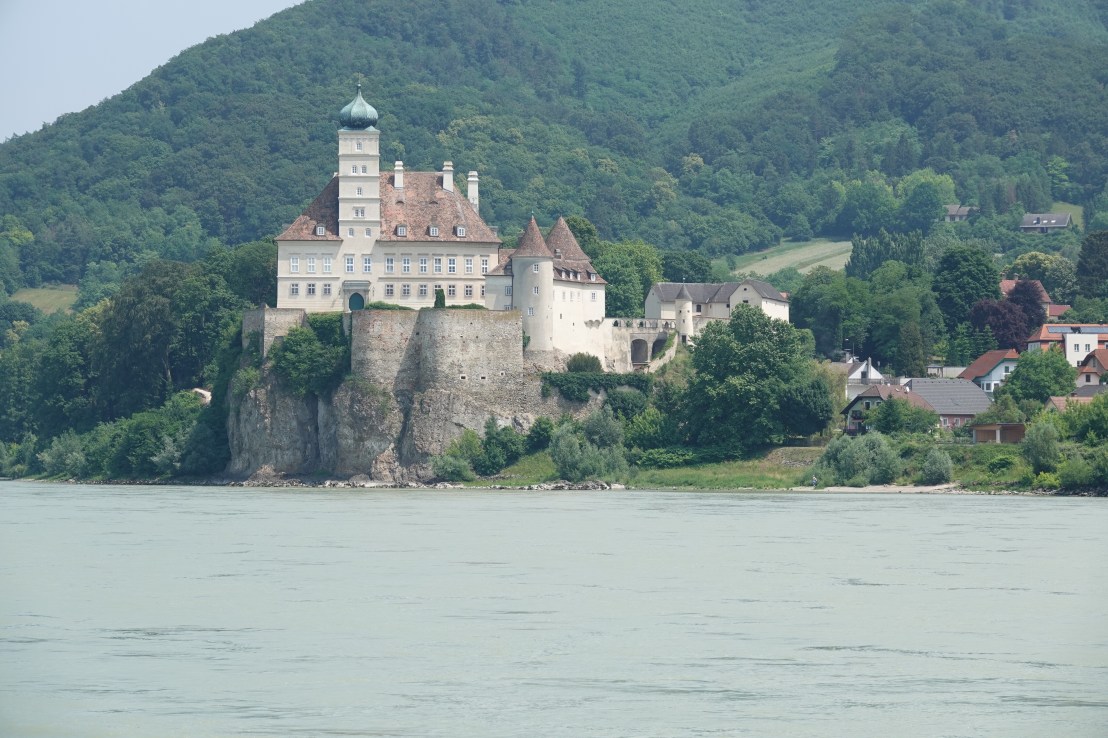
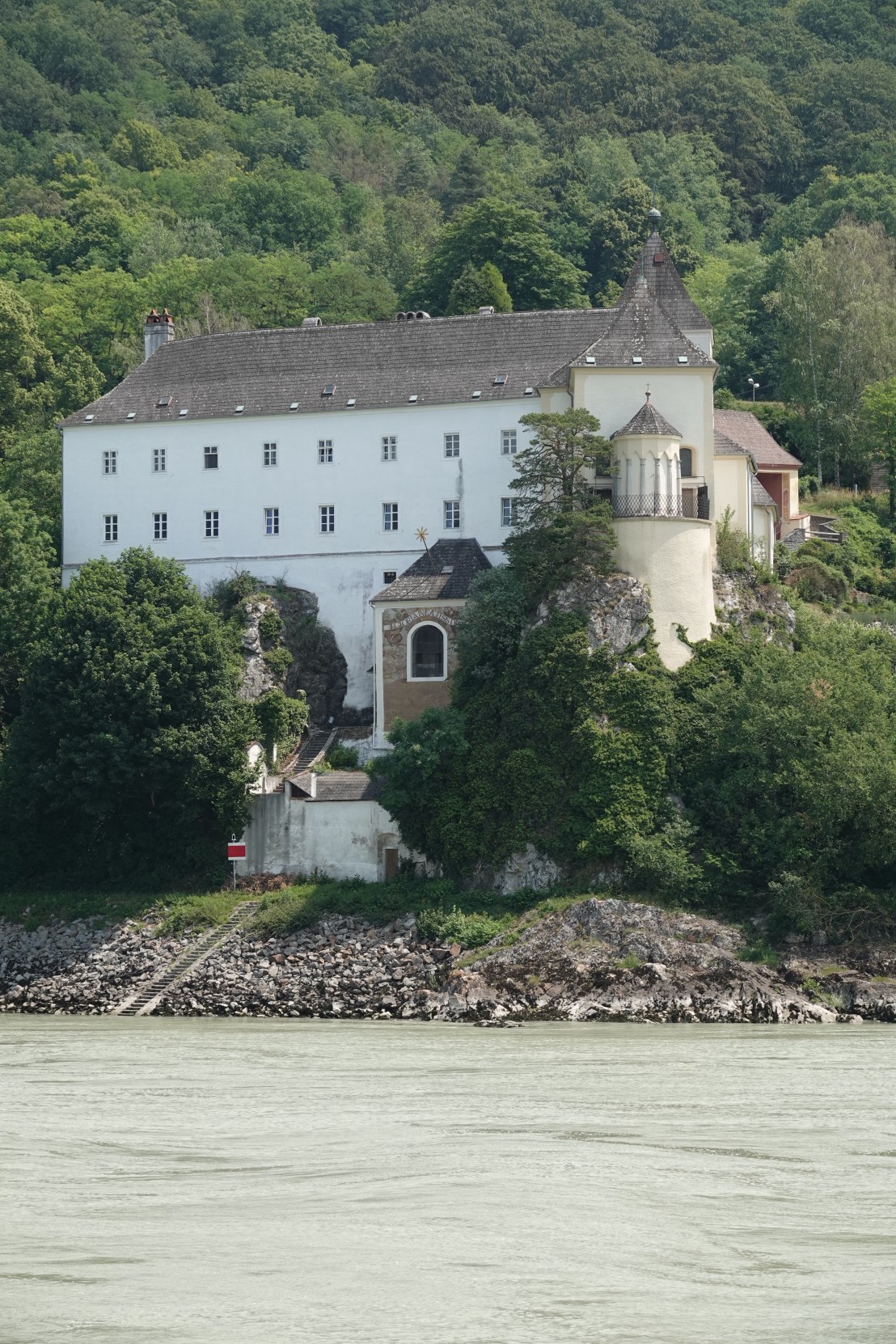
After lunch, we went through the Wachau Valley on the Danube, one of the largest wine grape growing areas in Austria. Interestingly, the vines are horizontal, sub parallel to the river while along the Rhine River Valley the grapes were sub vertical, perpendicular to the river. Brian read the descriptions and history of things we could see on the river, the cruise director was pointing out exactly when to look for the castles and churches. A lovely afternoon on the way to Vienna.
Locks over the Divide

On our first day of the cruise, the afternoon was spent going over a divide. The Main-Danube canal allows cruise boats and goods to connect from central Germany to the Black Sea. Another canal from the Main to the Rhine completes the connection to the Atlantic Ocean in the Netherlands.

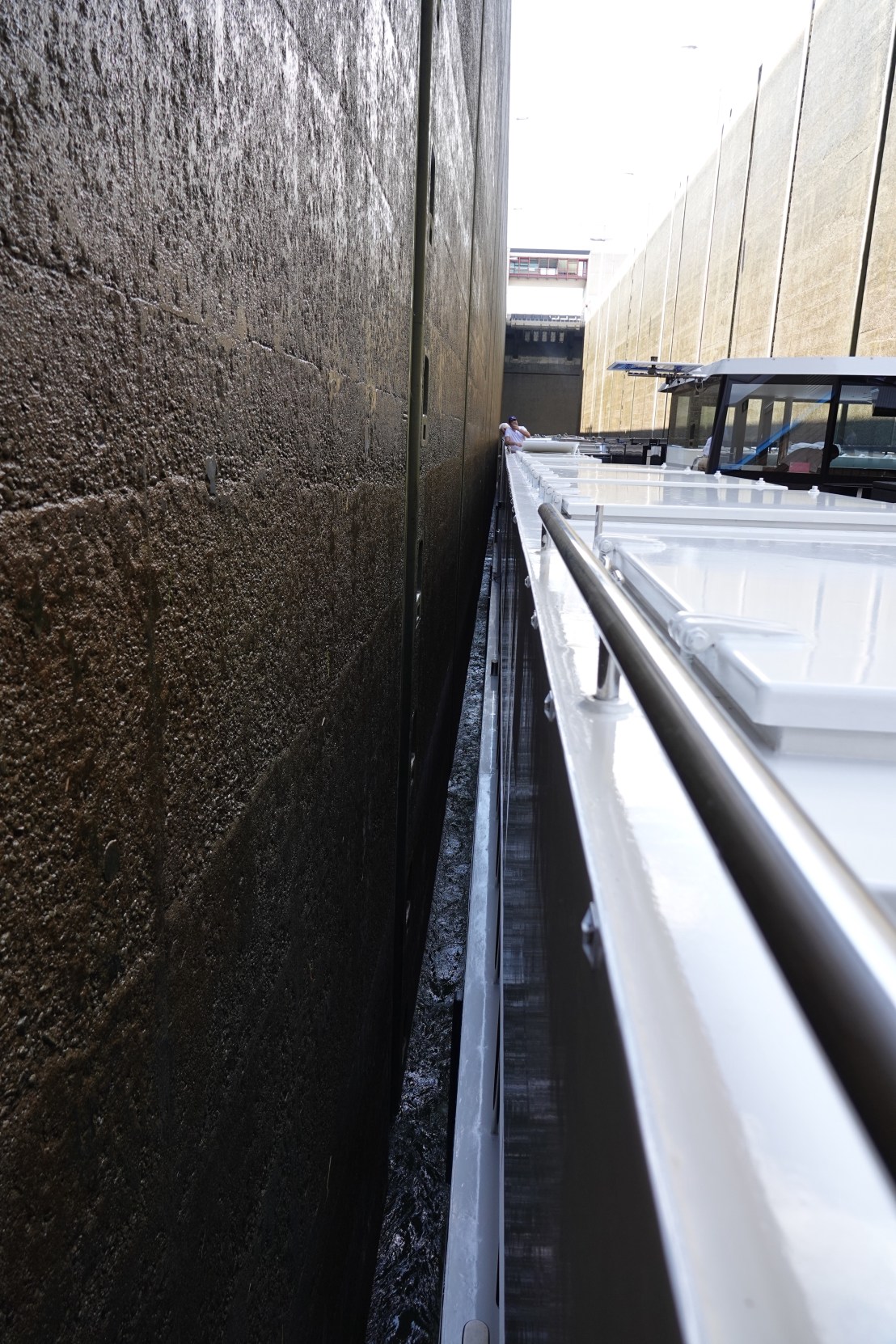
First, some facts about the ship. Brian visited the wheelhouse and learned about the ship AmaCerto from Vlad, one of two captains who work in 6-hour shifts. The ship is specifically designed to fit into the locks, with 11 cm clearance on each side. The bottom of the ship is flat, and the propulsion is via two 1200-hp Diesel engines each operating a set of counter-rotating propellers that can move 360°. There is also a bow engine for maneuvering into docks and locks. The ship must be able to handle clearance below and above. Some stretches of the Danube have obstacles less than 1 m depth. On the canal and upstream from Passau, Germany, many bridges pose a low clearance hazard. The ship deals with these issues by changing its draft and by lowering upper deck objects such as sun shades, radar and the wheelhouse. Yes, the whole wheelhouse can be lowered into the upper deck by about 2 m. To change the draft of the ship, river water is used as ballast, pumped in to holding tanks to lower the draft by up to 2 m or expelled to raise the ship to clear obstacles less than 0.5 m below the surface! The ship also treats its gray water in order to discharge it into the river, following strict regulations.

The Main-Danube canal crosses a continental divide about 20 km from Nuremberg. Huge locks raise the ship in steps to a height of 406 m (Nuremberg is at an elevation of 302 m). The current locks were built in the late 20th century and modernized in the early 21st century. Although not completely automated, there are no personnel at the locks. Large reservoirs adjacent to the canal provide water to fill the locks as necessary.

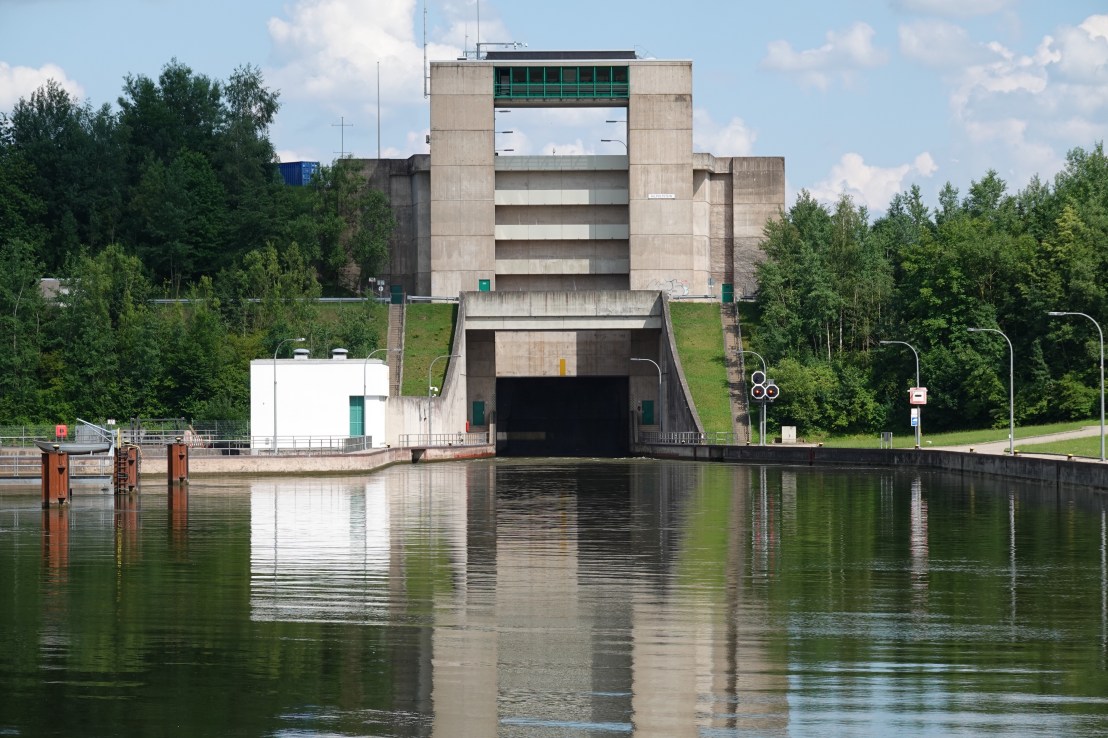
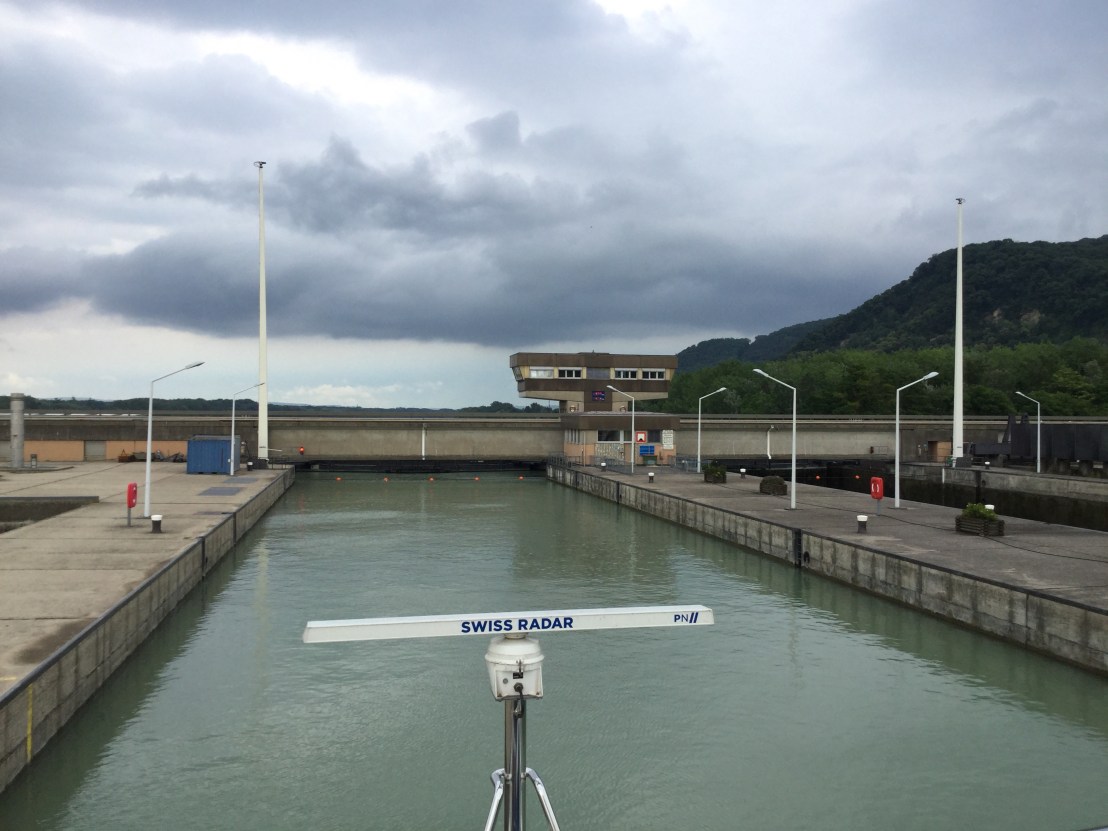
Entering a lock on the canal.

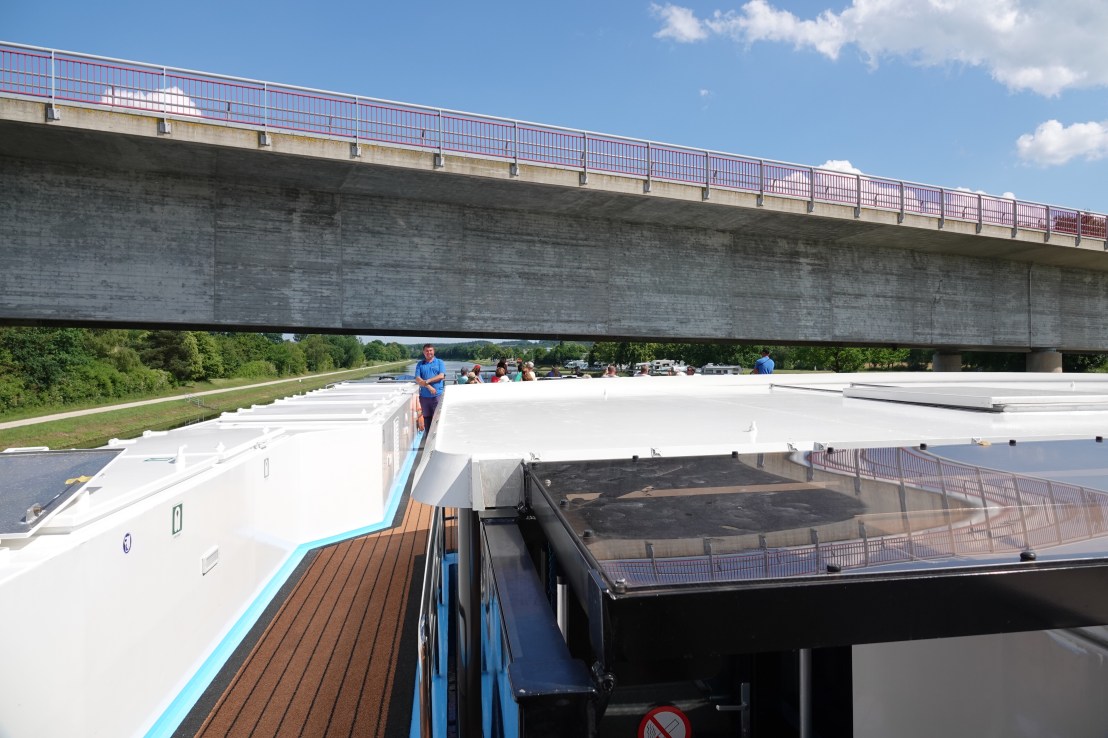
Going under a low bridge on the canal; the wheelhouse is lowered into the upper deck.

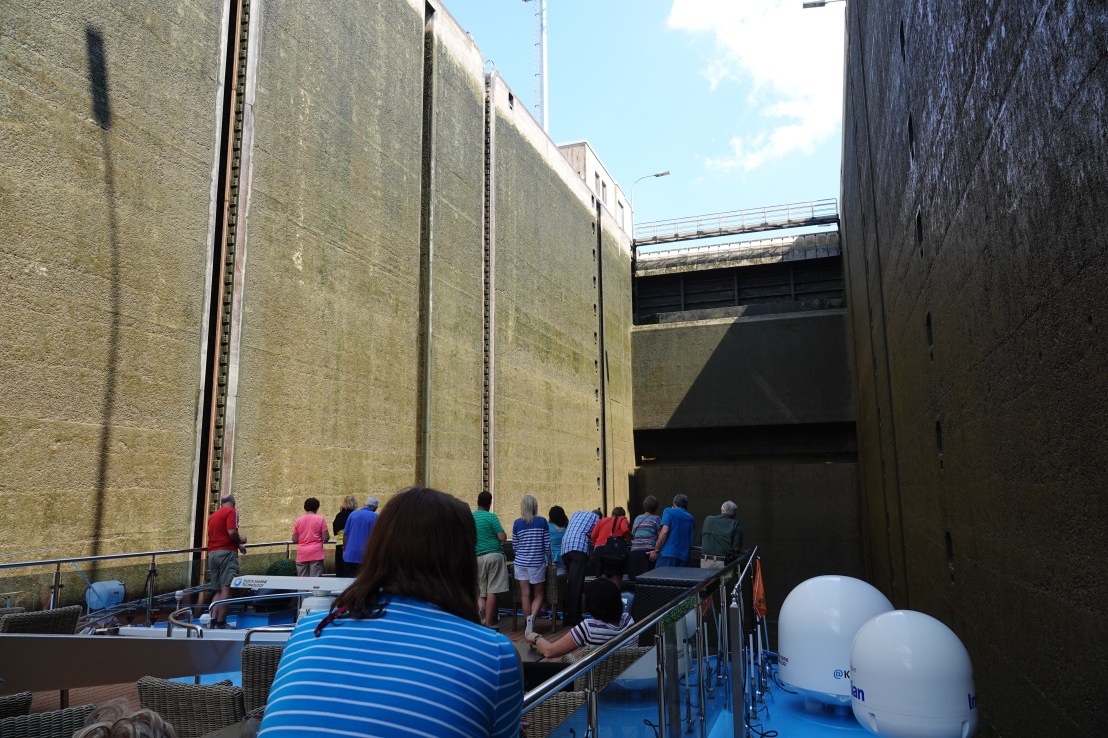
In a deep lock on the canal; some locks are up to 30 m deep.

Eleven centimeters clearance on each side of the ship from the lock wall.

In a lock on the Danube.

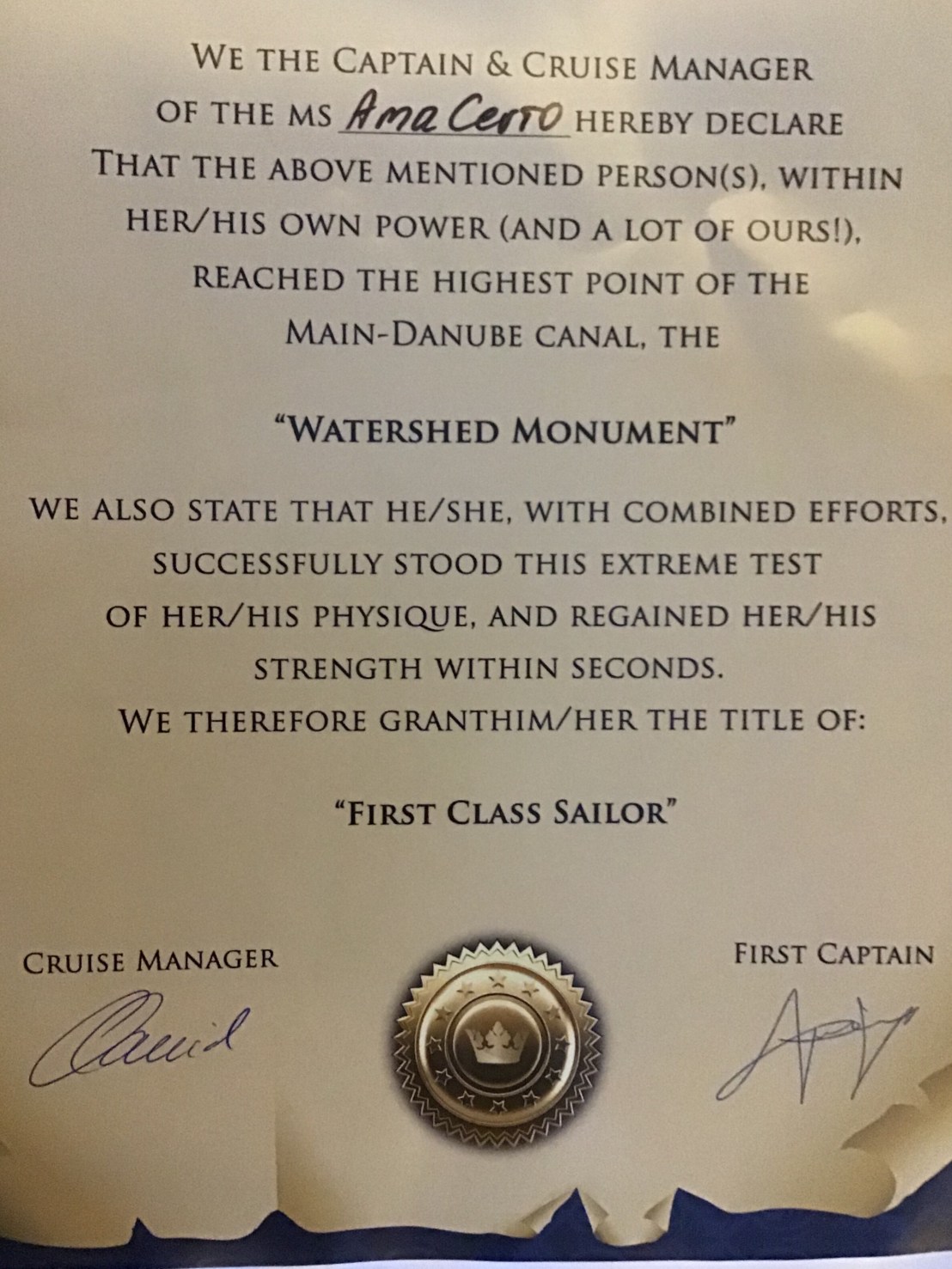
Certificate left in our cabin after we crossed the divide!

Indulgences

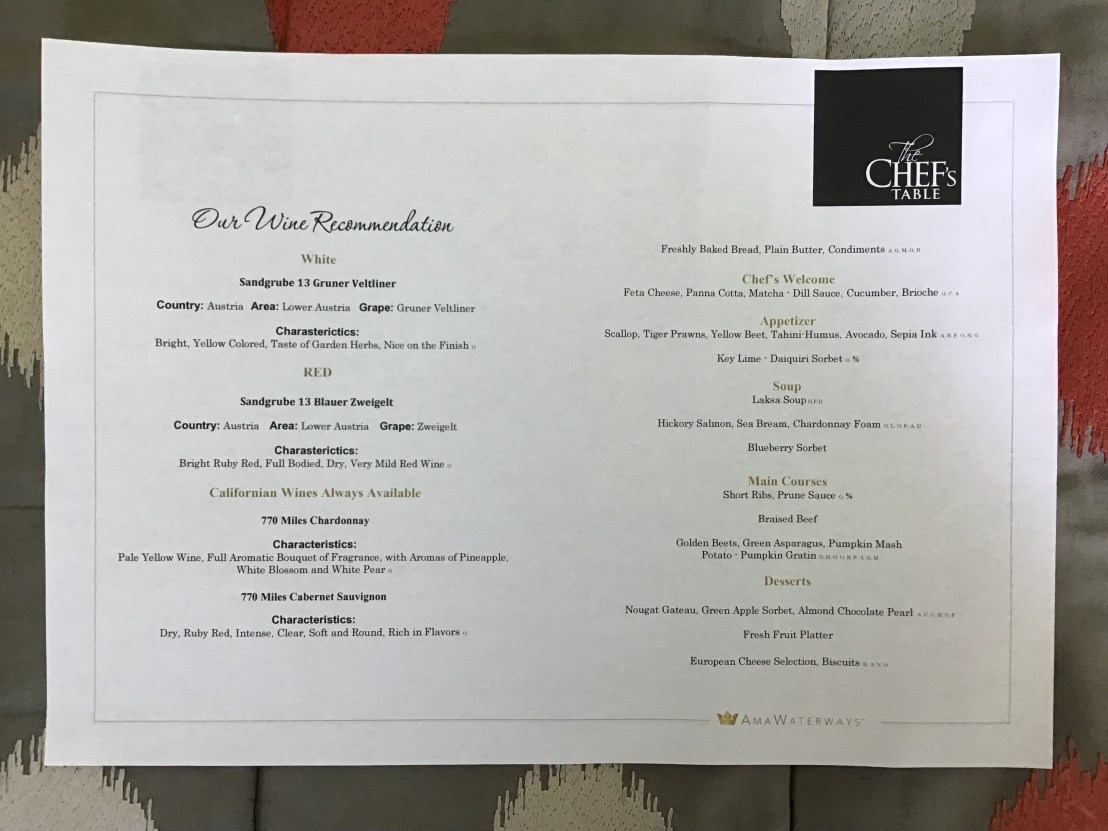
The evening after Passau, we dined at the Chef’s Table. OMG! I don’t know how many courses we ate. Here is the menu.

We ate at a table of 7, with people from New York we met the first night on the boat. One course was made with coconut milk, but they made mine with cream. 😋

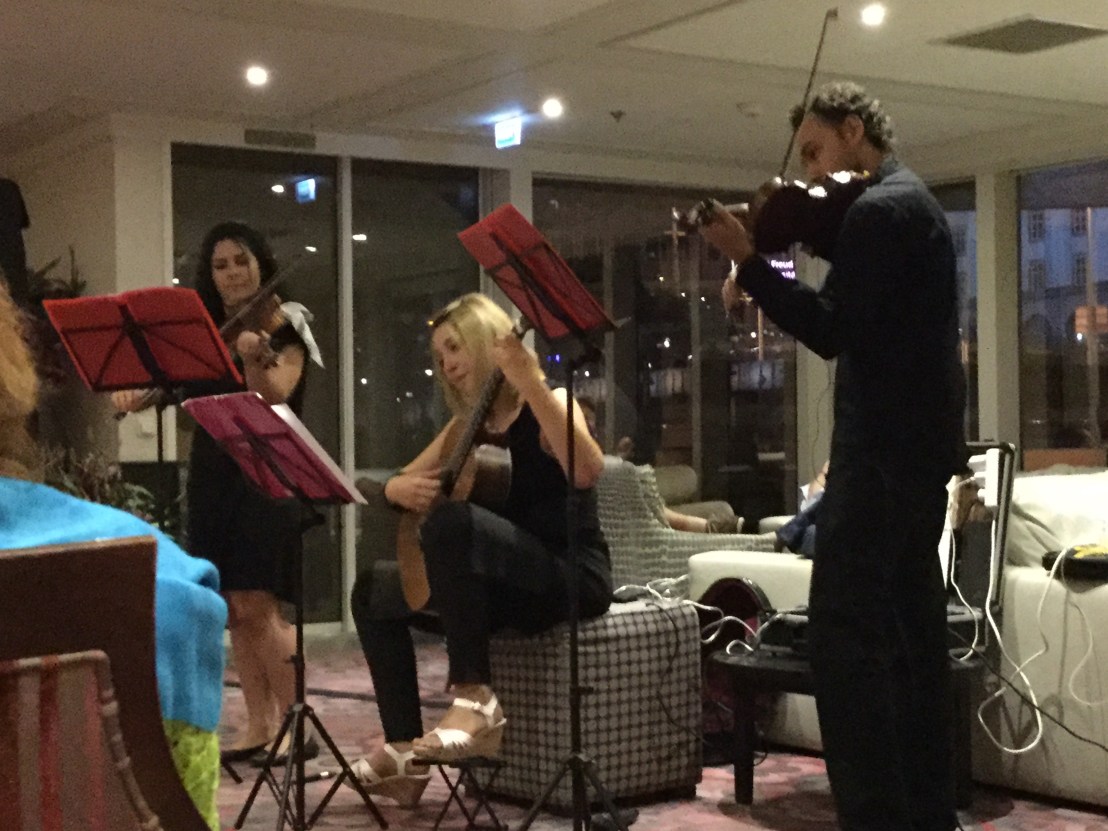
After dinner, we listened to a trio of fine musicians in the lounge on the boat.