Berlin, Day 2

We did too much on our first day in Berlin, so Day 2, we cut out a few things. This was to be our day of music, with a concert and the musical instrument museum. The concert was great! The museum will have to be seen at a later date.

We spend this day learning about the Soviet occupation, beginning with the Stasi Museum (the Stasi was the East German state security force).
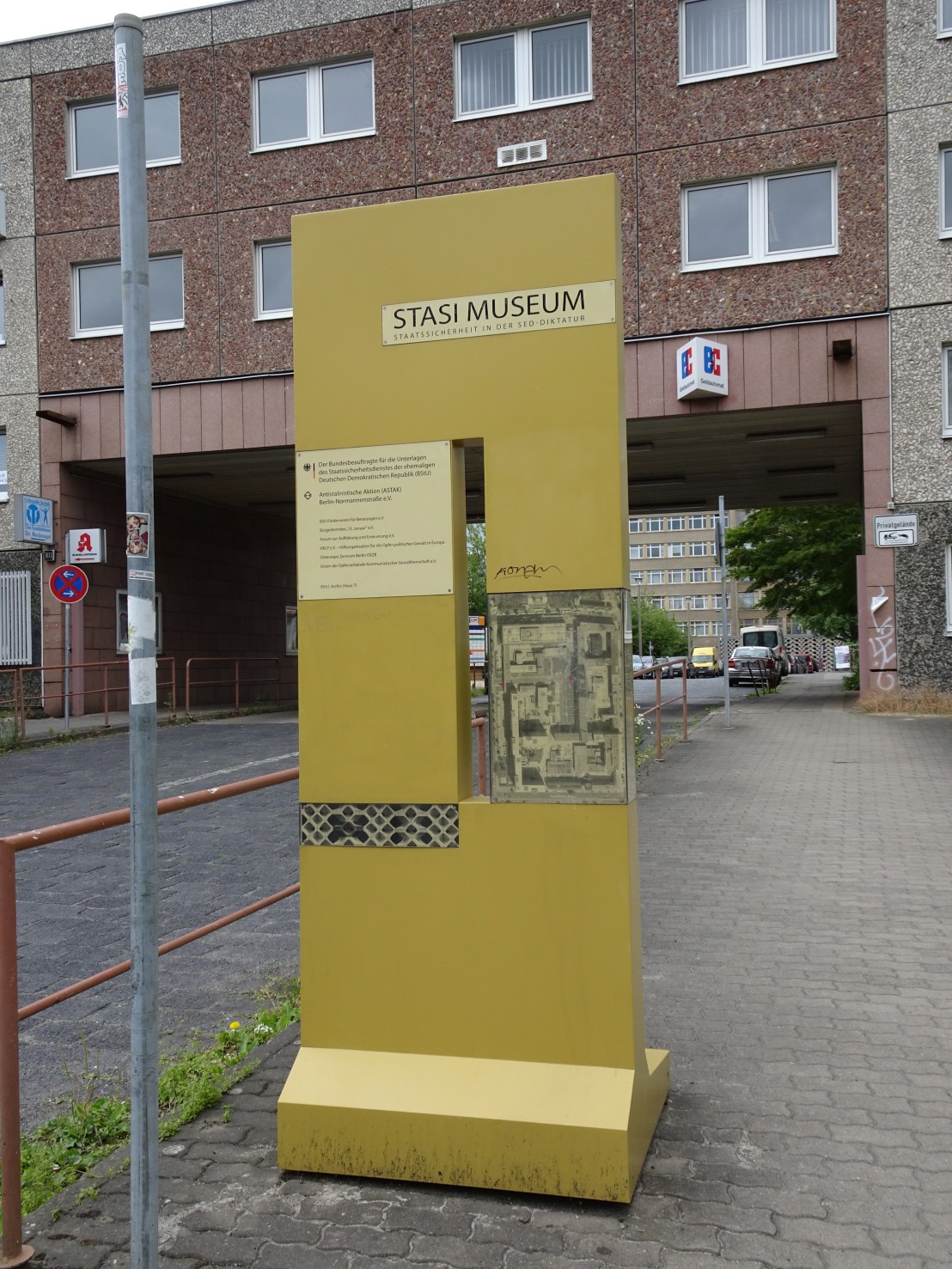
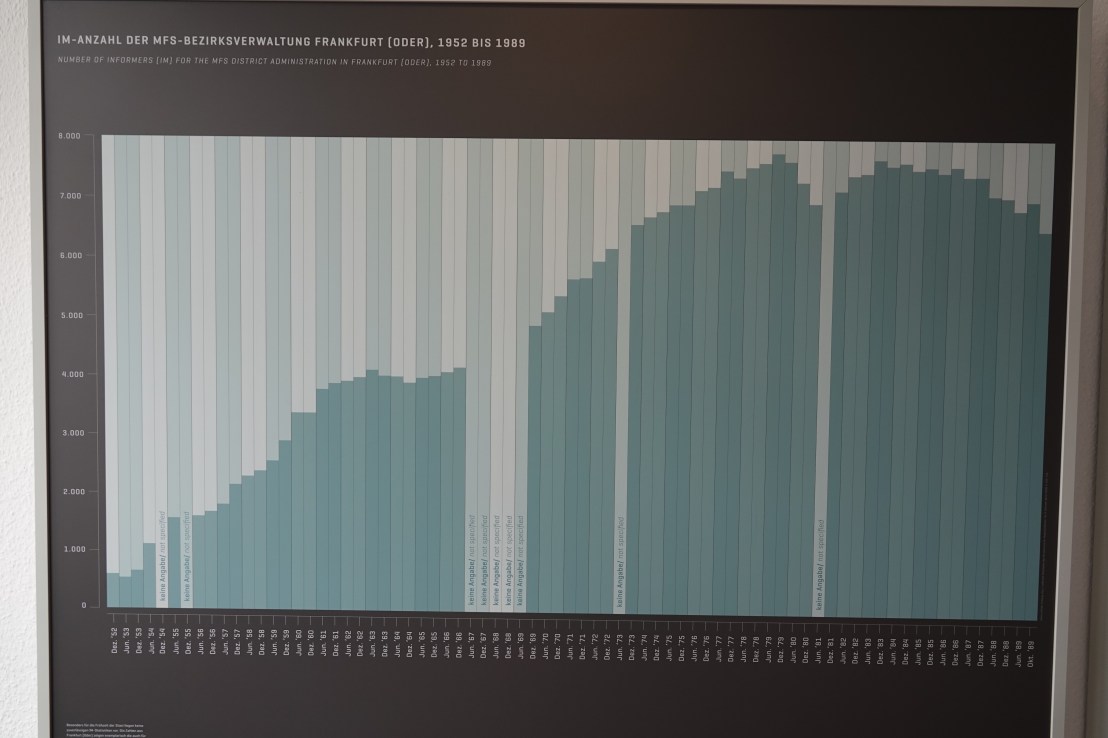
The building was once a center for the Stasi, who occupied many buildings all over Berlin. These buildings were usually not mapped, leaving blank areas with no explanations. Toward the end of the era, about half the population was spying on the other half, counting Stasi employees as well as informants.
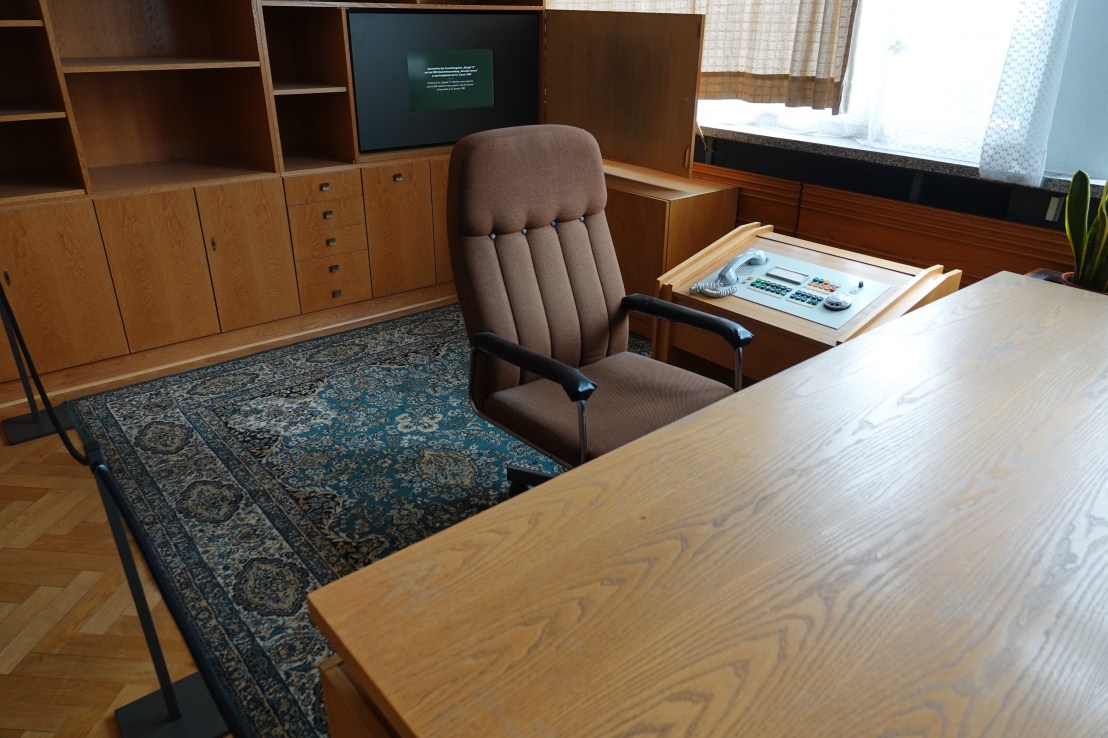
Inside, the furnishings were lush, for the leaders of this giant spy network.
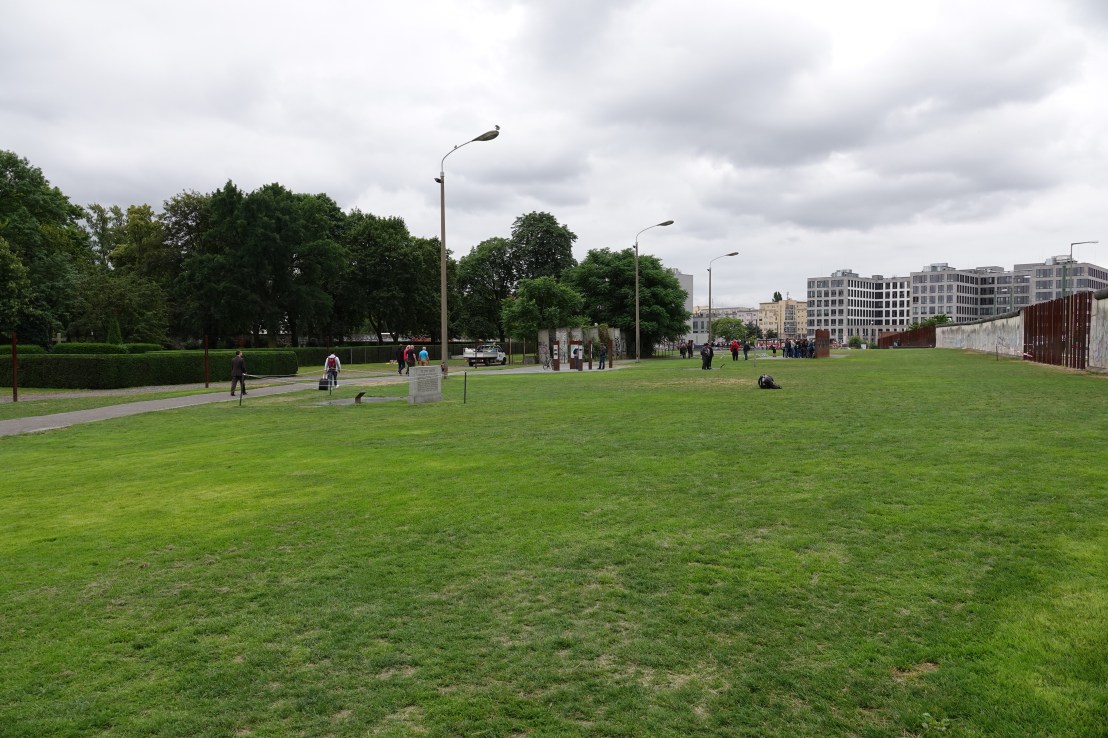
Later, we went to some of the remains of the Berlin Wall.
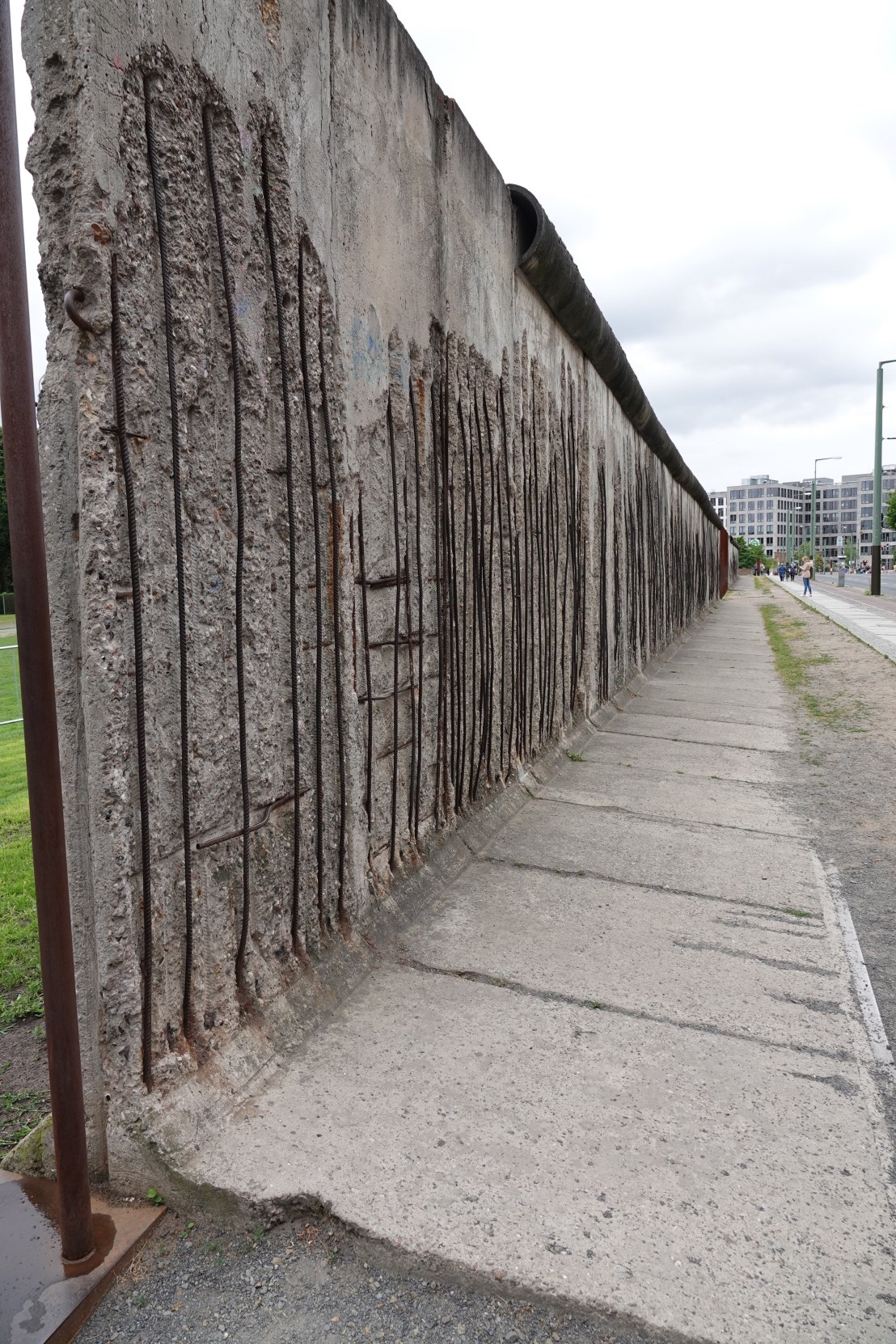
The two walls enclosed a “no-mans land” originally with guard towers and lit at night to prevent escape from the east; now the space is used like a park at this memorial to those killed trying to escape.
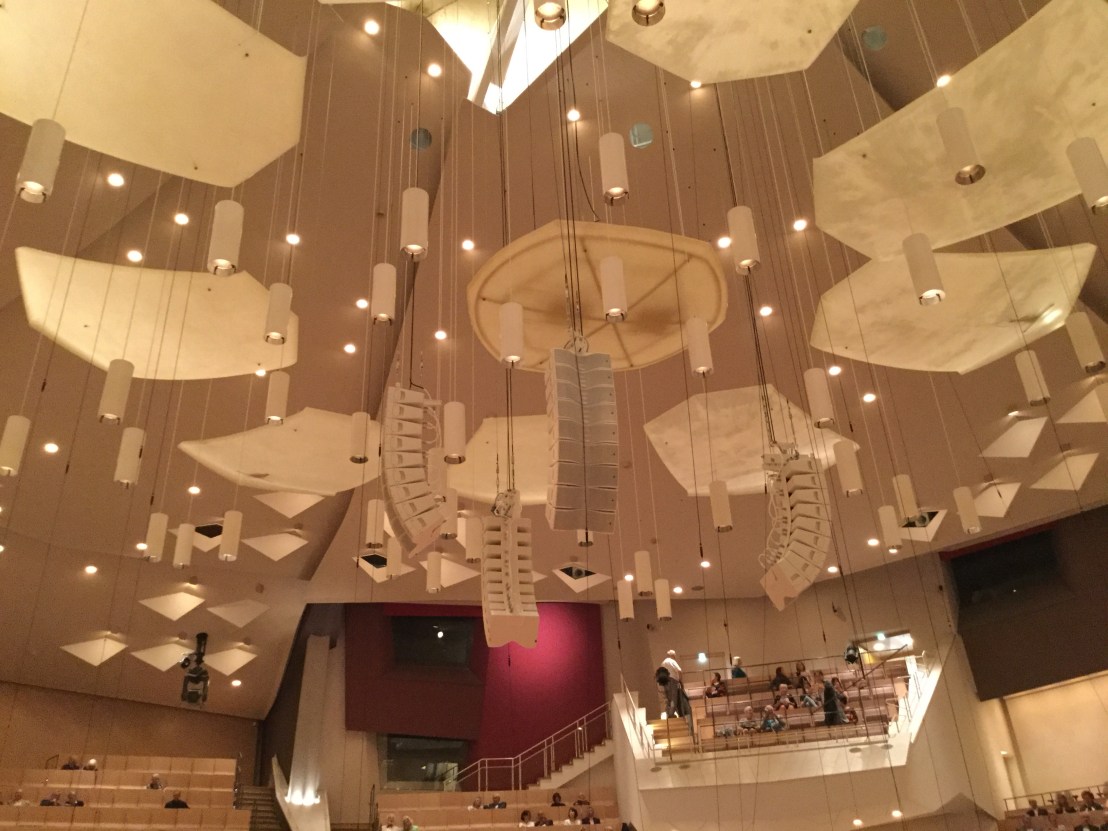
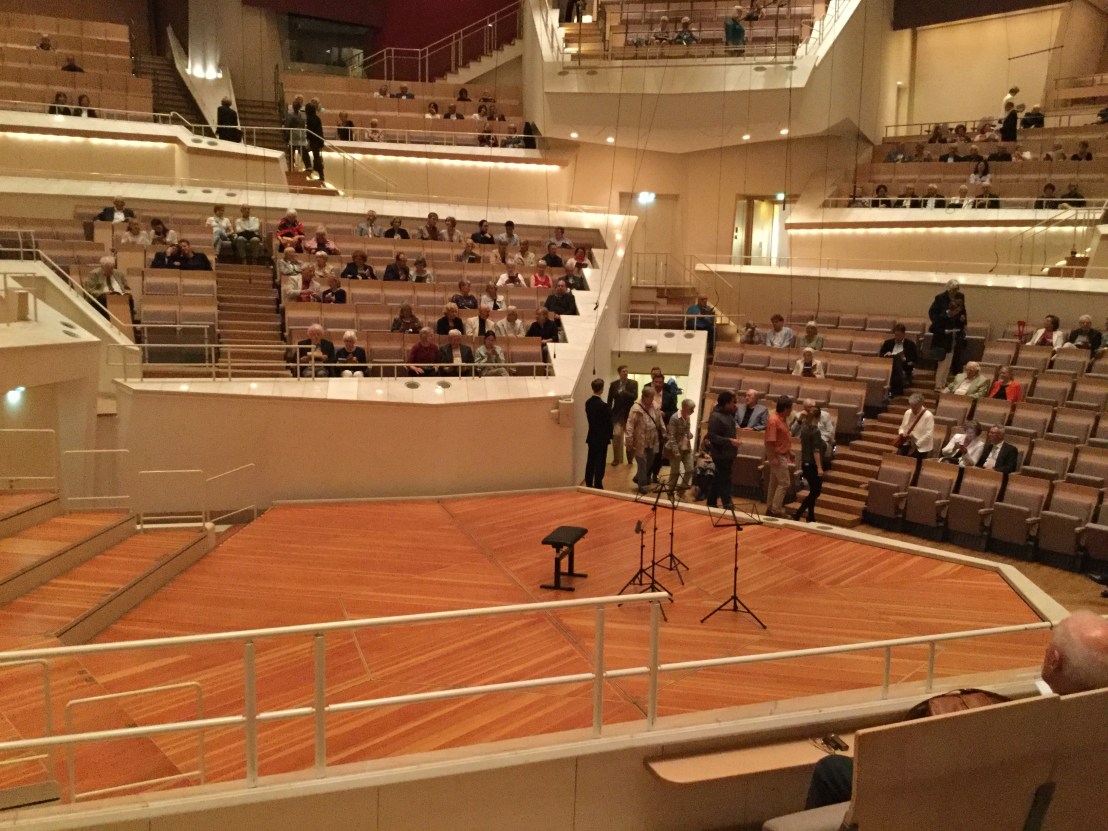
Then we got dressed up for the concert at the Berlin Philharmonic Hall! Four to six musicians played interesting, rare pieces. The woman next to us was alone, and had been to the US many times. We enjoyed chatting with her between pieces, especially since she had a program and told us about the music.
Berlin, Germany Day 1

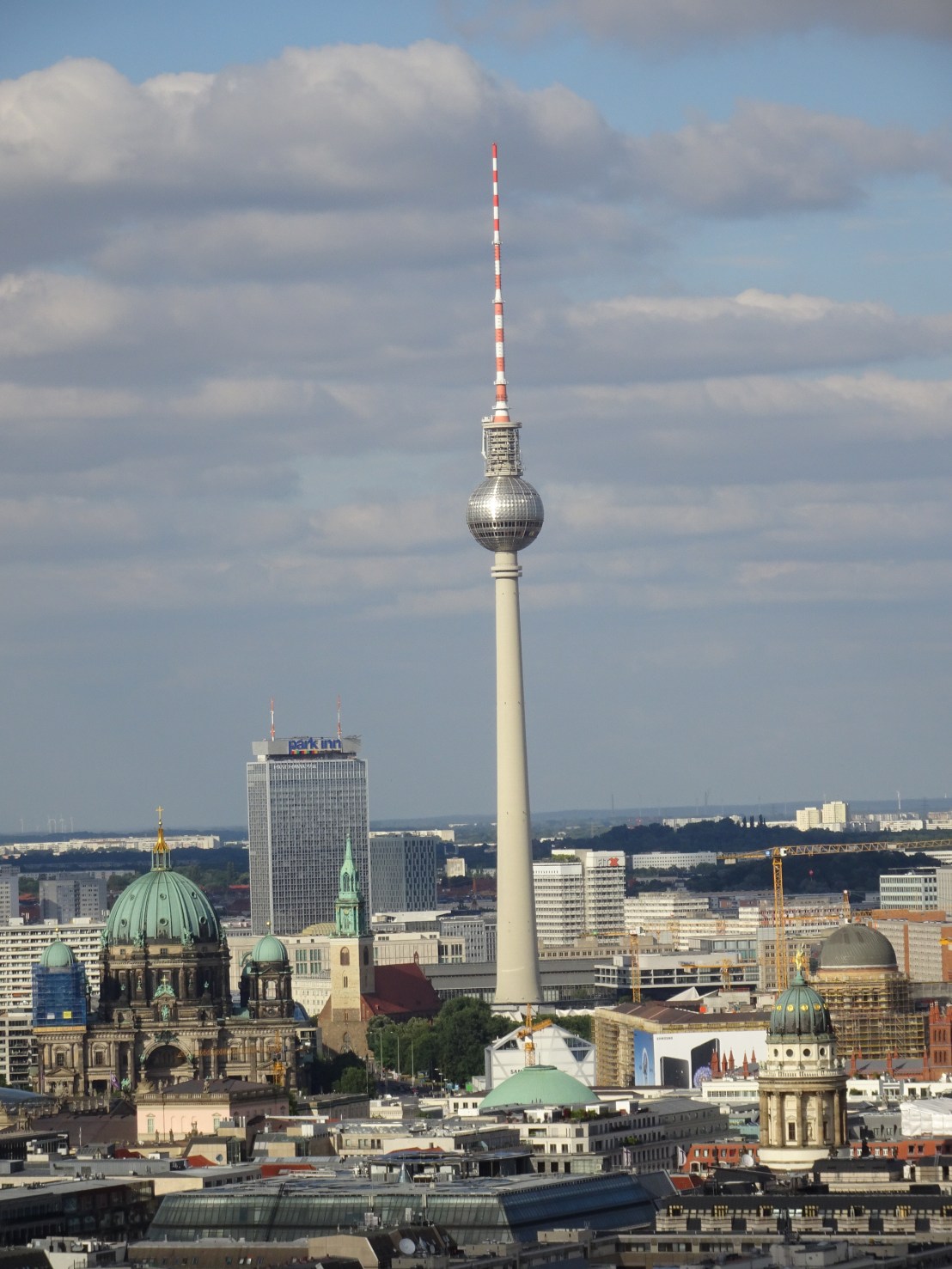
We arrived by train in the evening, took a local S-Bahn train (surface commuter) toward our hotel near Alexanderplatz (showplace for communists when this was East Berlin), a big transit hub. Alexanderplatz has the highest “building” in continental Europe, although it is mostly a communication tower built during the time of the Soviet occupation. The tower makes a great landmark when we were running around Berlin. It is on every map, too.

Going from all the “Old Town” parts of cities for the past few days to modern Berlin was a bit shocking. Perhaps that is the reason the first place we visited was the Charlottenburg Palace, a short S-Bahn away. The trains are in 3-D. Two underground layers of the S-Bahn go N-S and E-W. Beneath those is the U-Bahn, slower trains with more frequent stops.

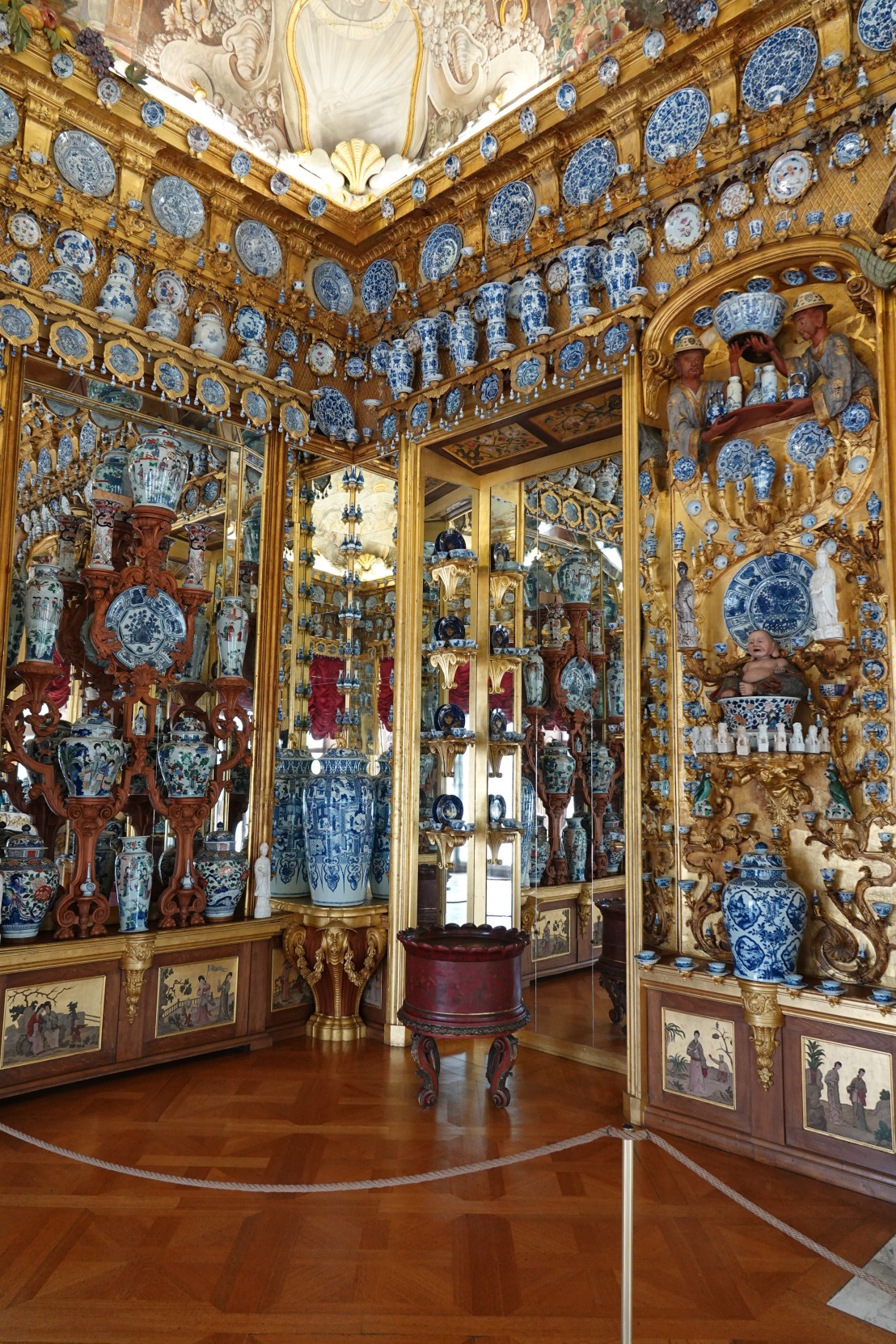
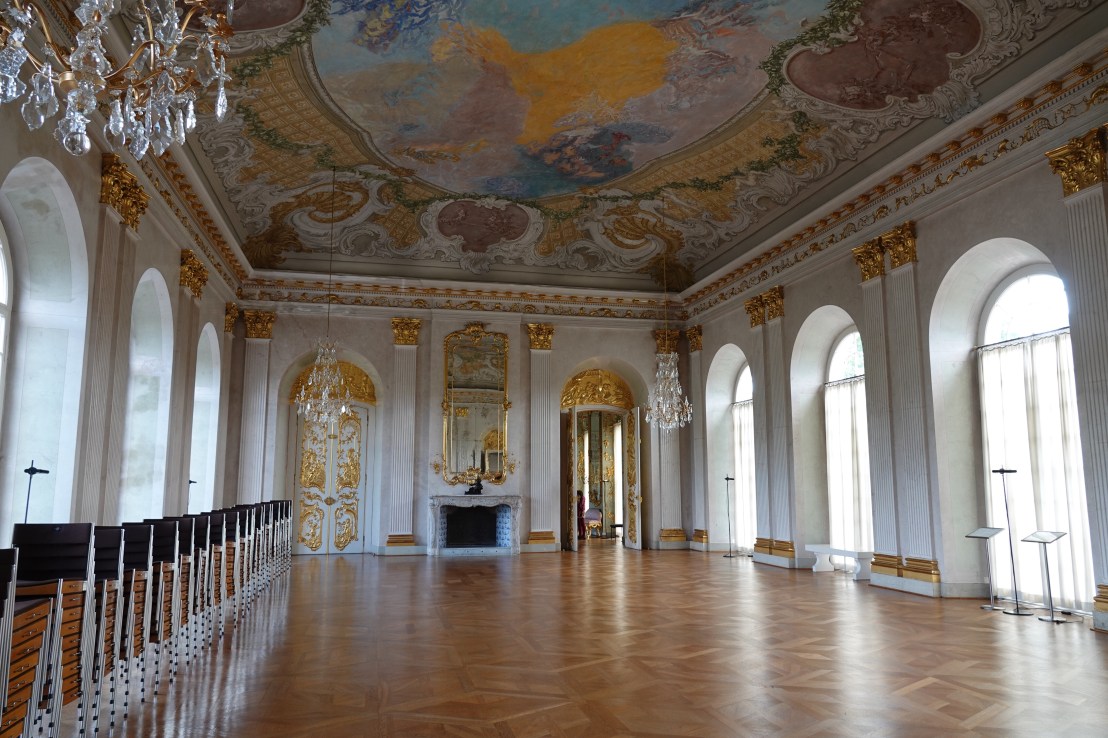
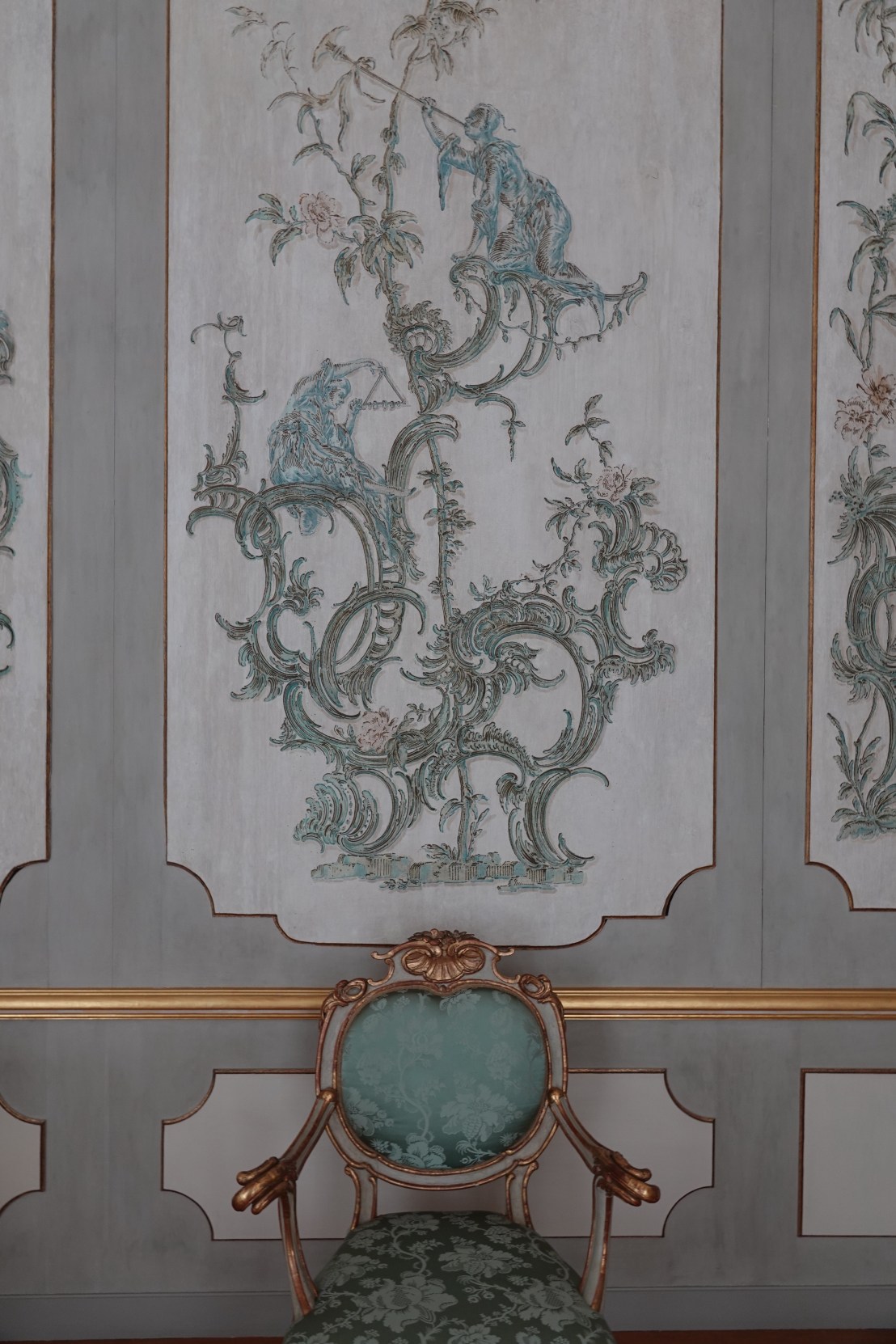
The royalty responsible for this palace (we saw two generations of art and buildings) loved porcelain, both Chinese and Japanese.

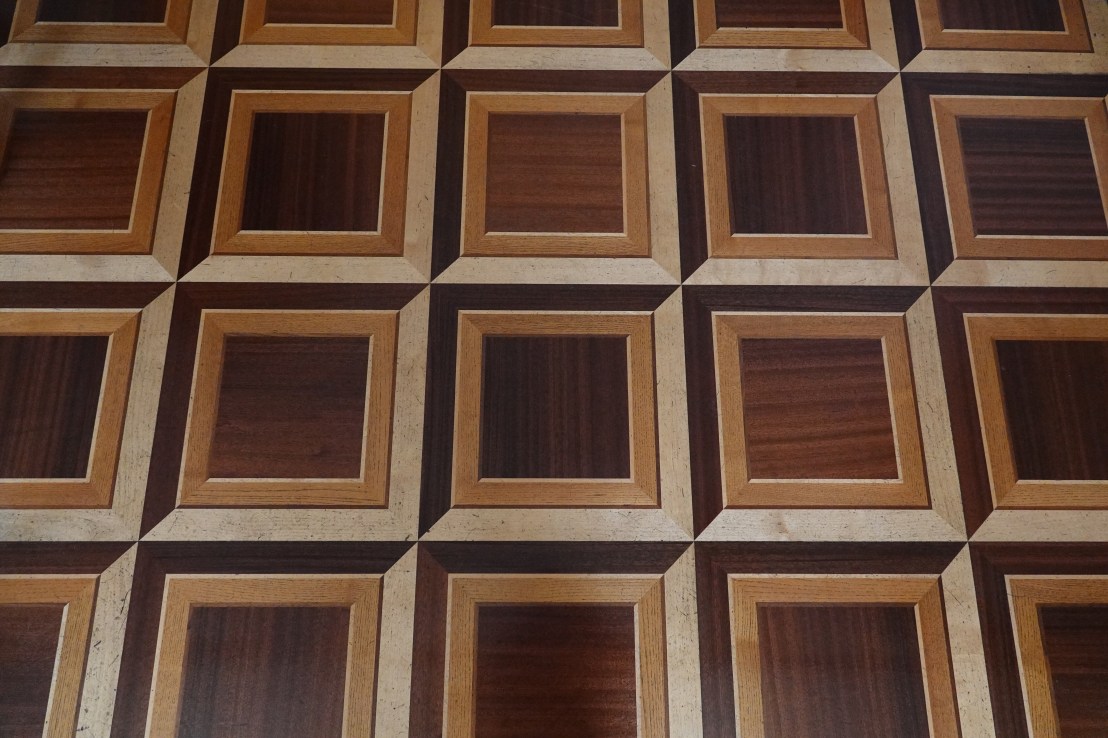
And inlaid wood floors:

And large chambers with astonishing chandeliers (they were different all over the palace):

And tapestries:

Is it strange that so many of these Royal people are now remembered more for what they collected than what they did? (At least remembered by US tourists.😉)

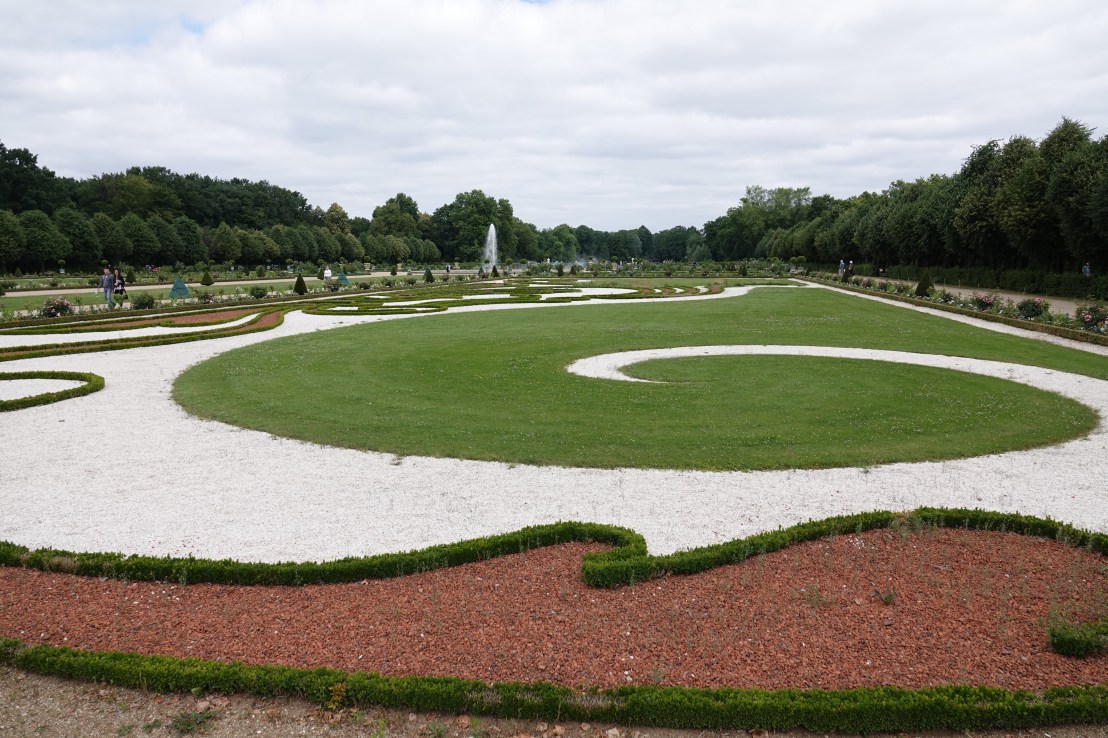
We also visited the palace garden. It must look interesting from a higher viewpoint.

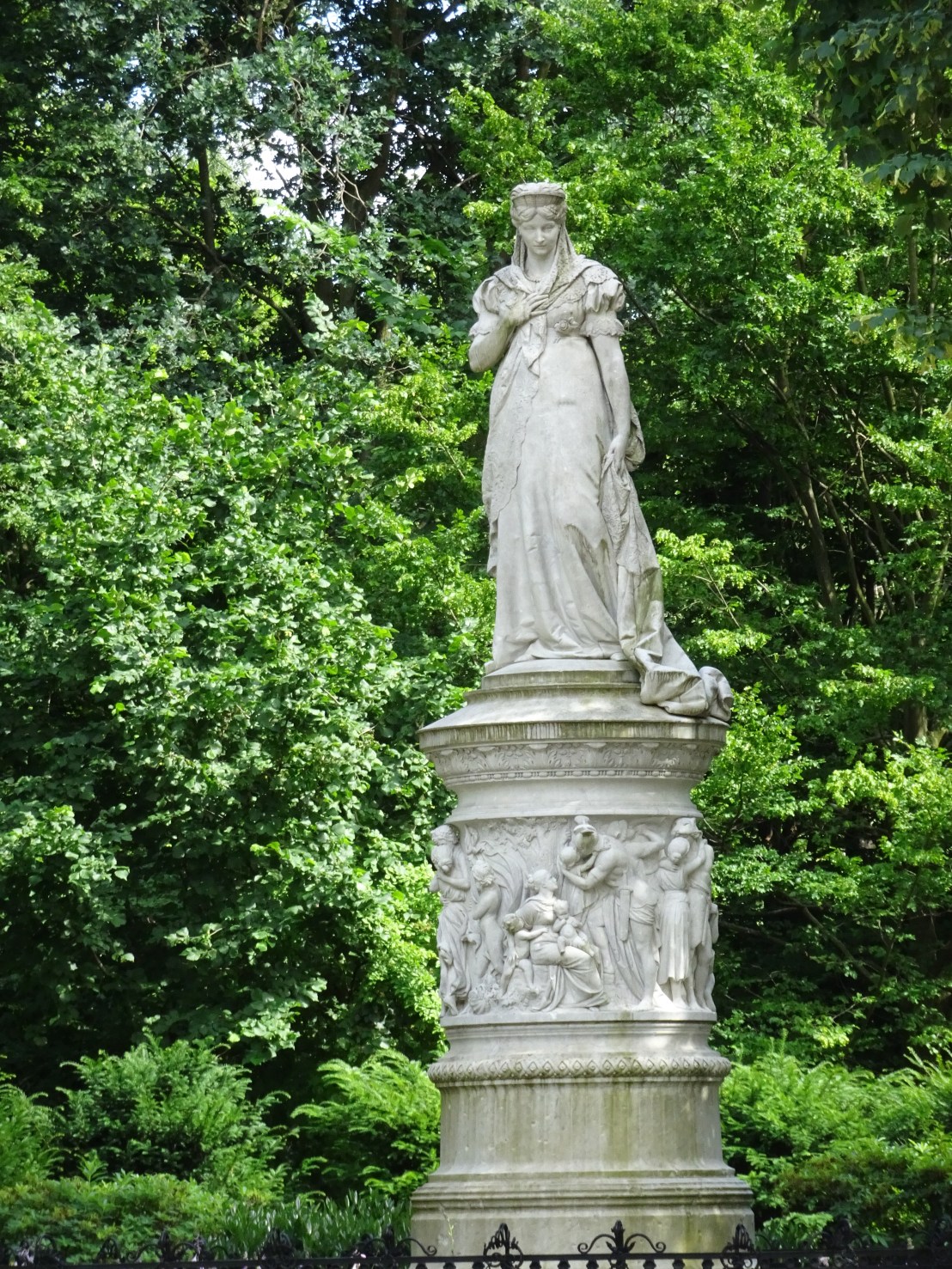
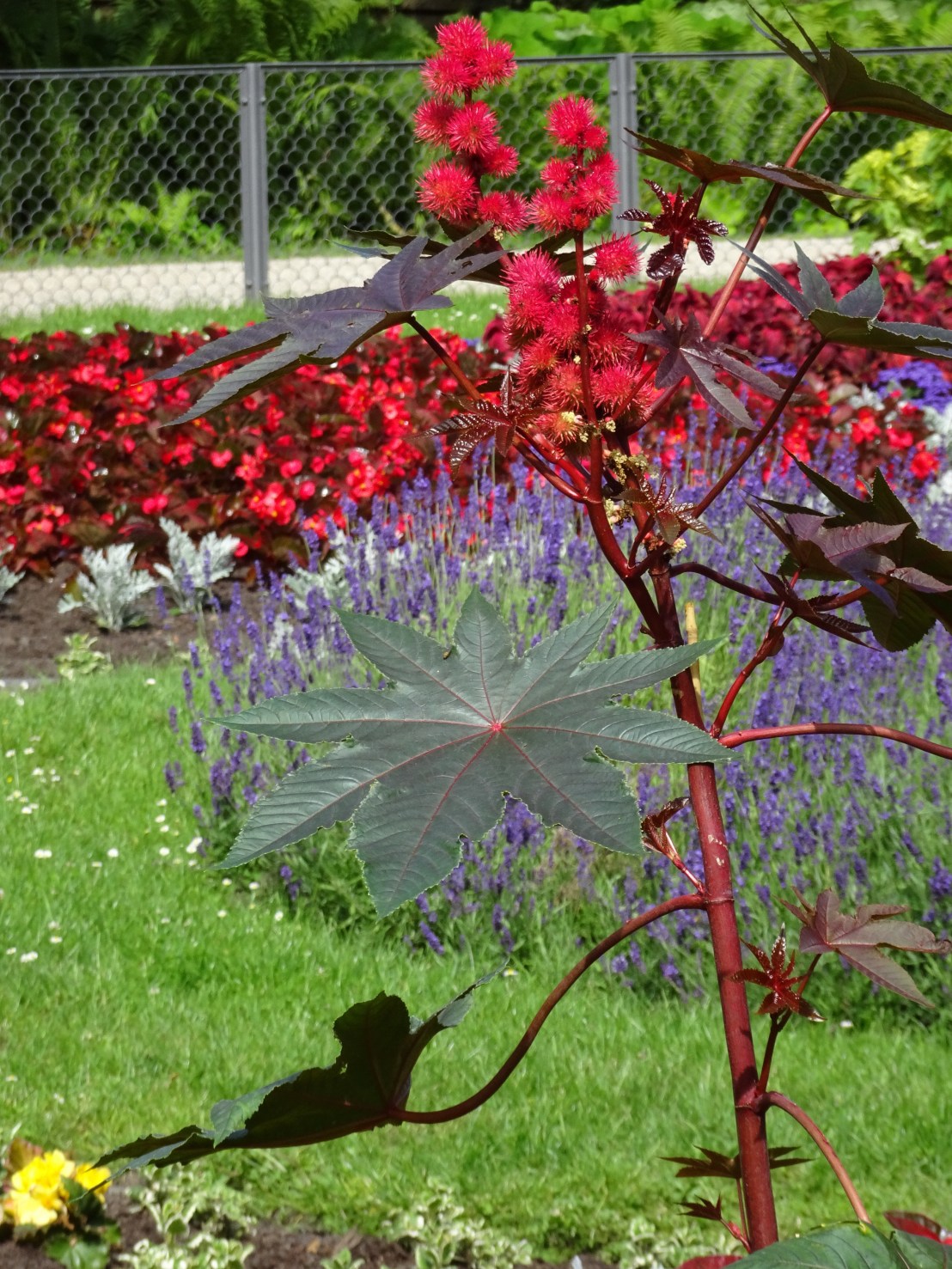
Later, we walked through Tiergarten Park, with statues and interesting plants:

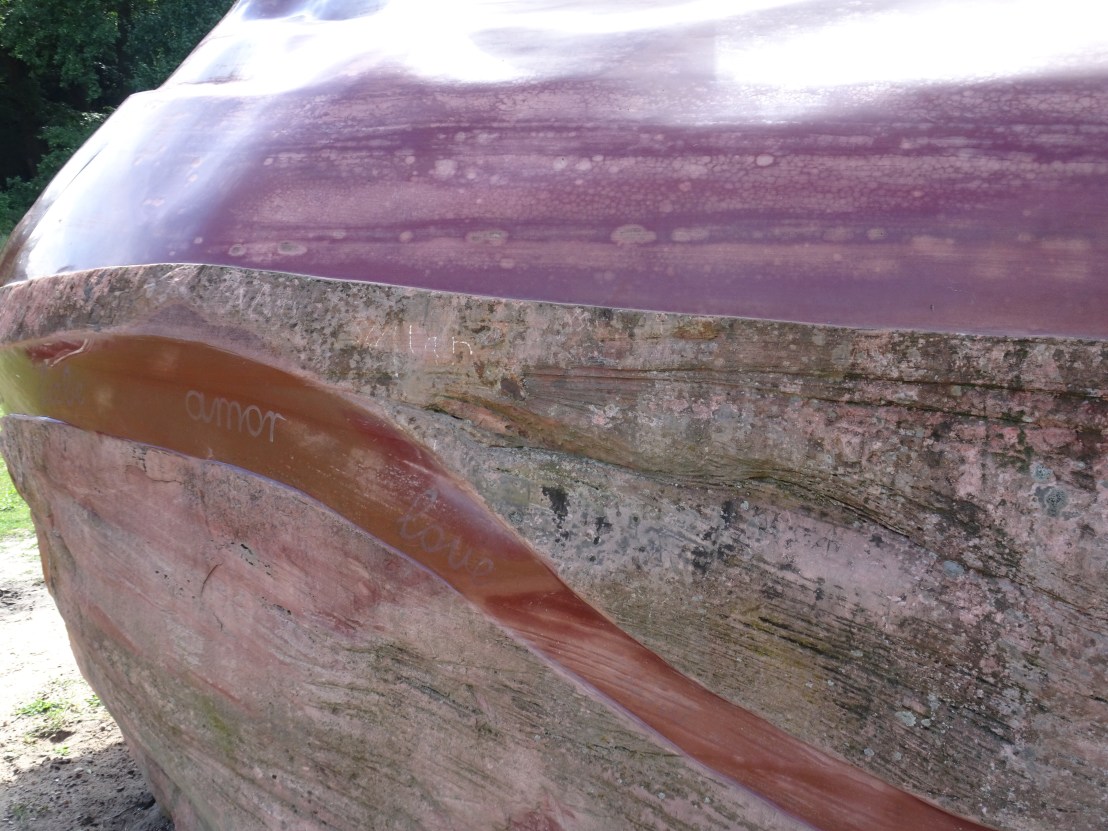
In the Tiergarten, we stumbled upon a creation called the Global Stone Project, which has big rocks representing: peace, love, awakening, hope and forgiveness from four continents: Africa, Asia, Europe and America, arranged artistically. The sign said something about the summer solstice and alignment, but we did not figure that part out.

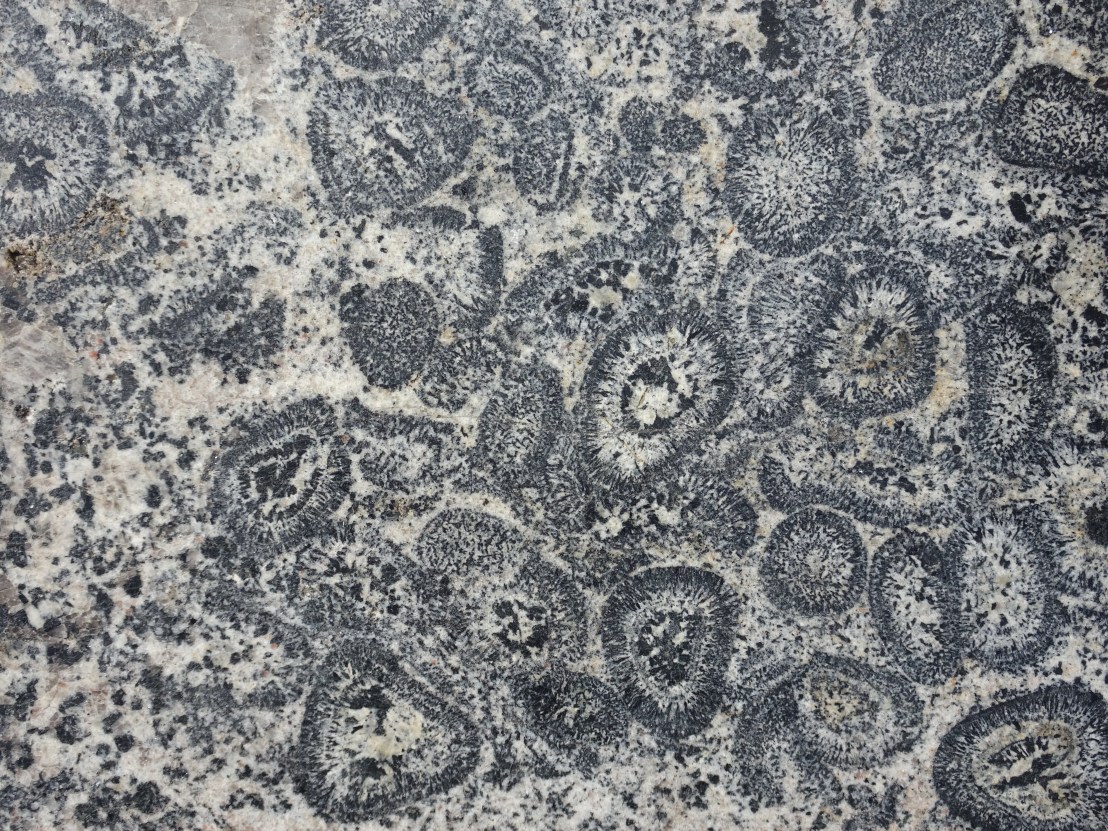
I couldn’t resist a close up picture of crystals in this igneous rock showing a chemical reaction frozen in time.

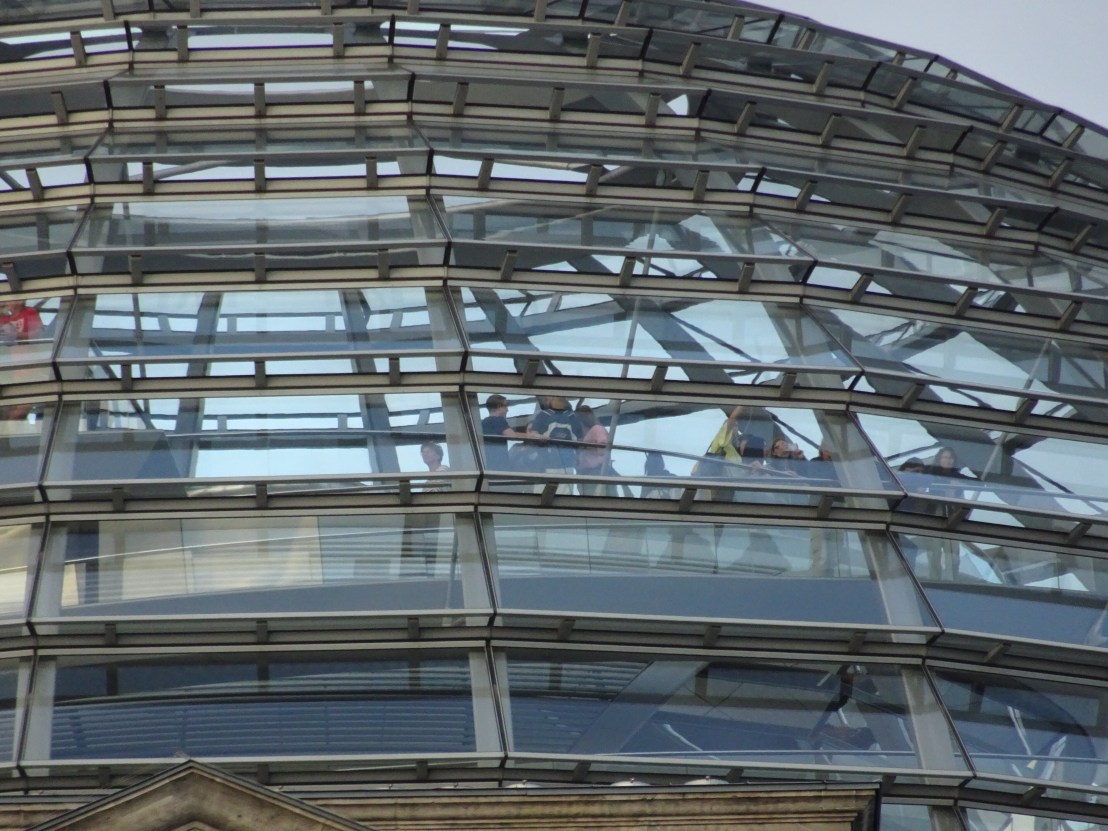
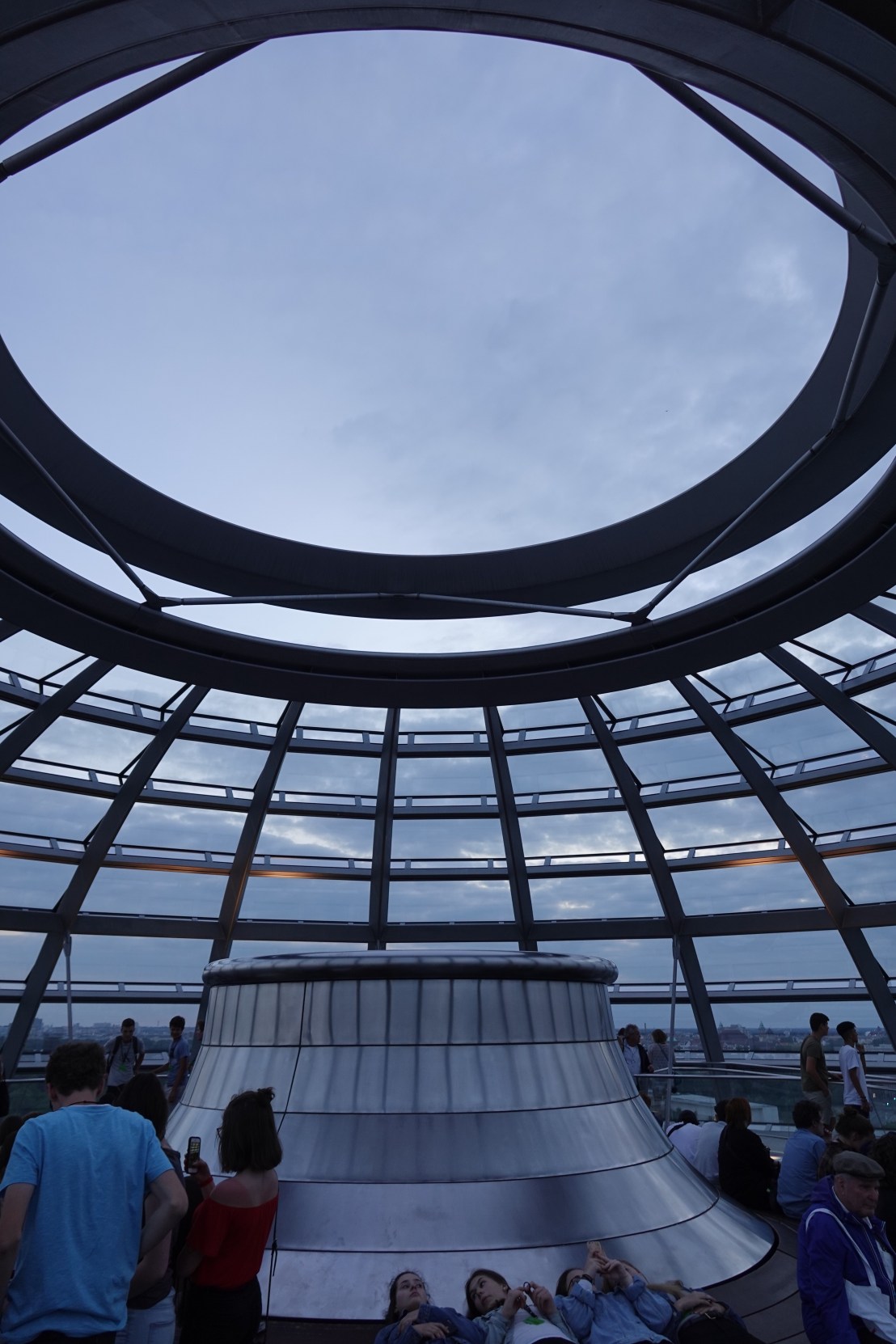
In the evening, we had reservations for the dome at the Reichstag (Parliament building), to walk around and around, high above Berlin, listening to descriptions on Bluetooth devices as we went along.

The dome is open at that top to let the hot air out (from all those politicians!), with an ingenious system for collecting precipitation.

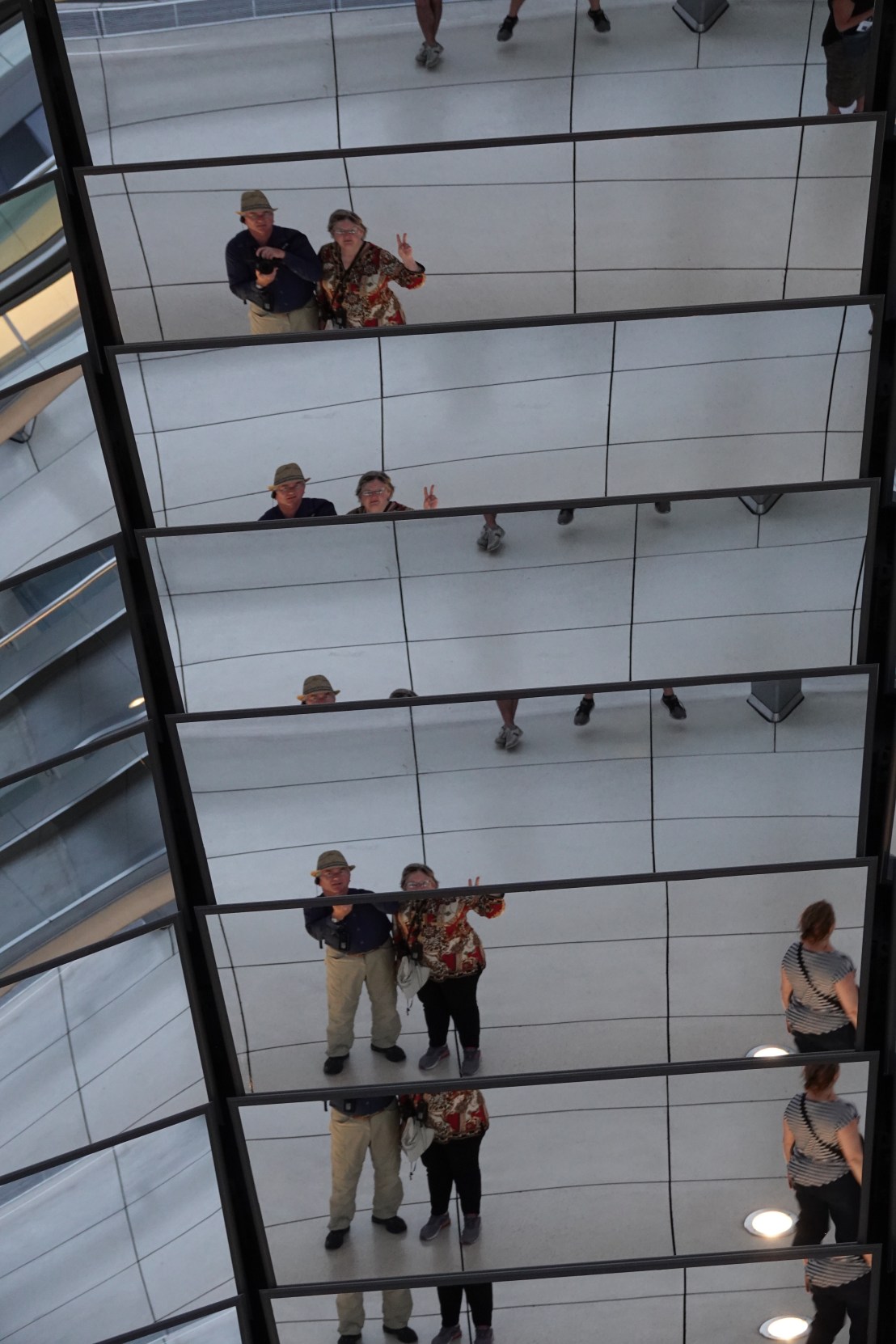
The mirrors that reflect light into the parliament chamber allowed for a special multiple selfie!

Prague, Czech Republic

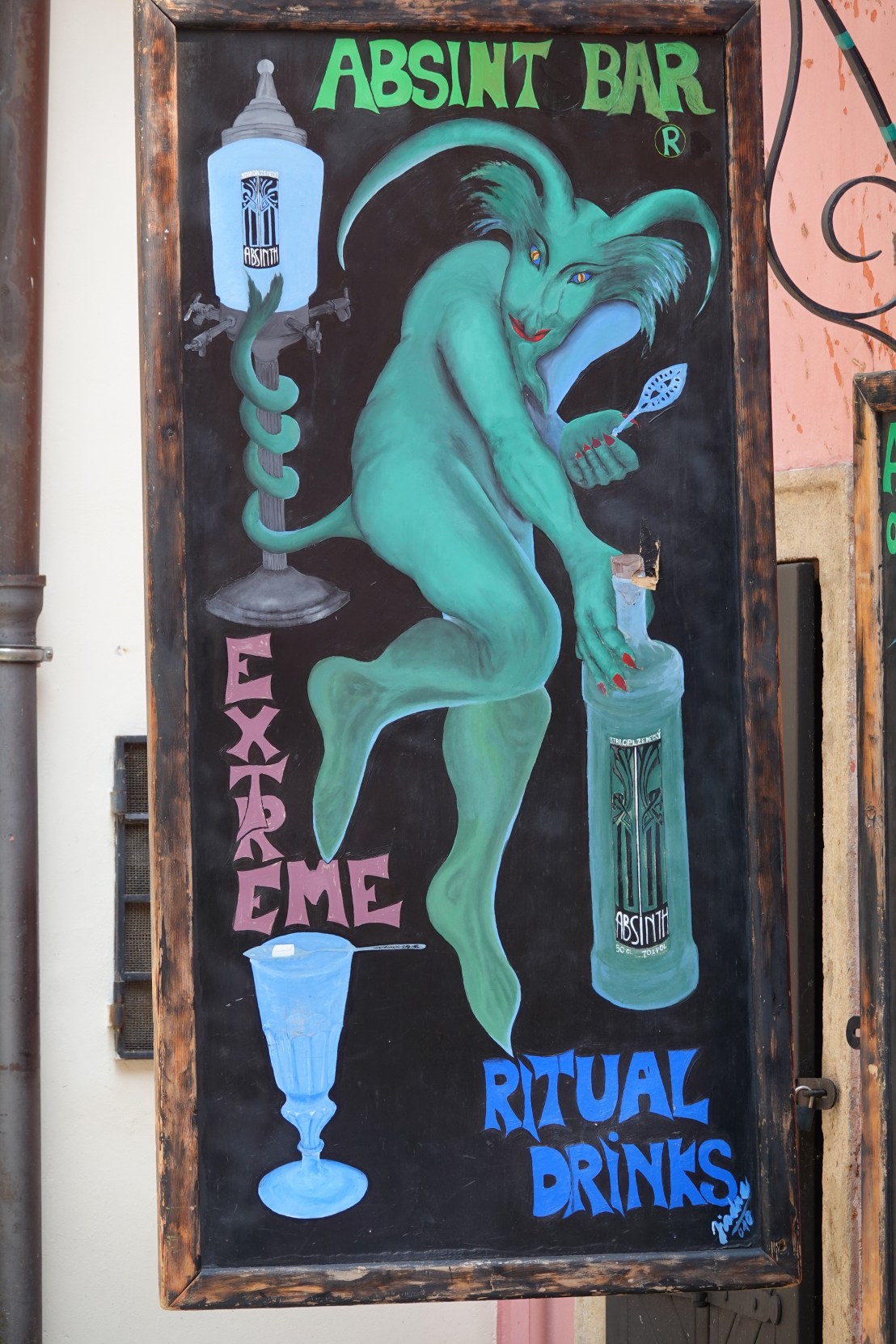
With a delay at the airport and an long train ride the next evening, our stay in Prague was quite short. We wandered around the old part of town, looking at art on buildings and such.

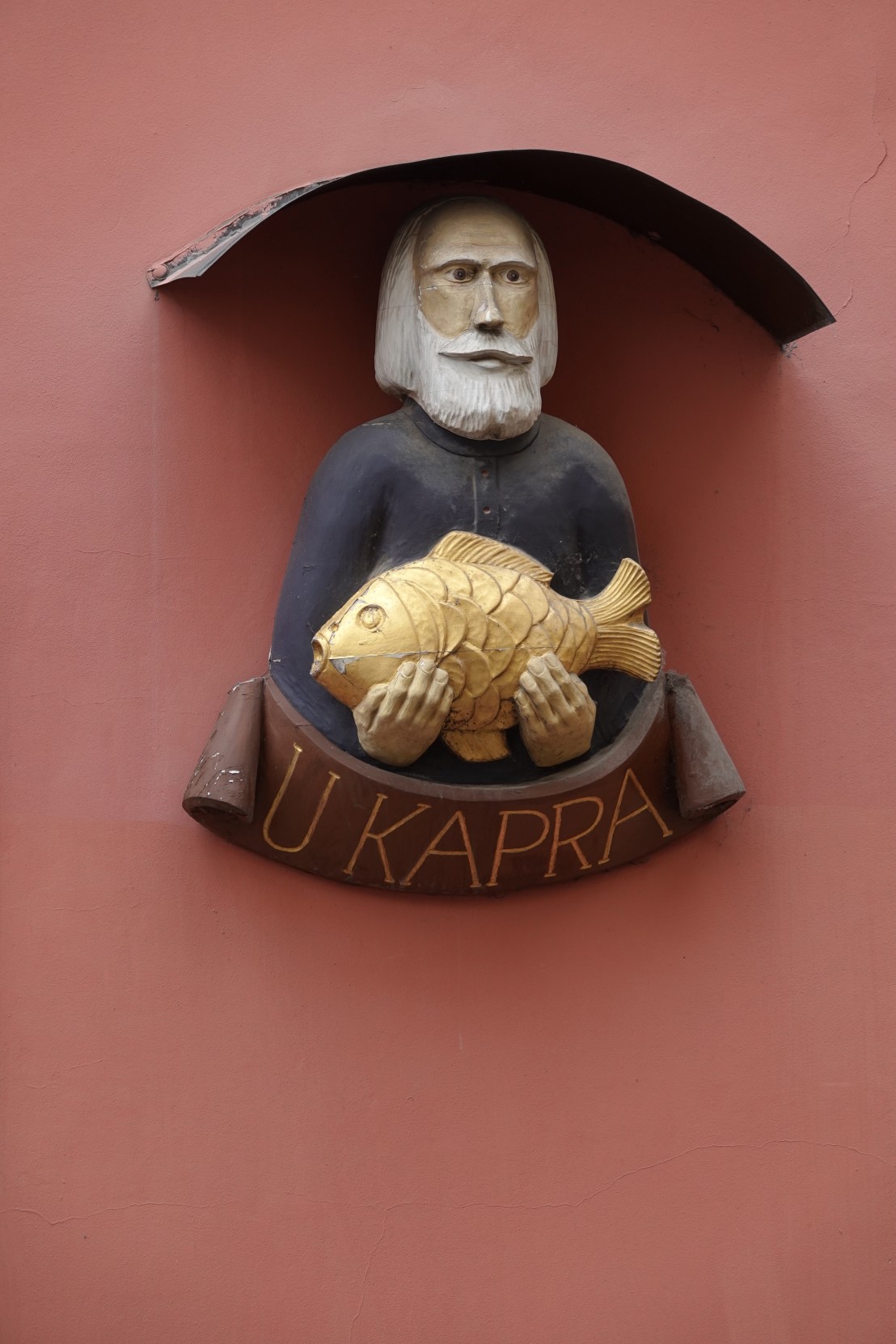
In Old Town, many of the shops have wooden statues commemorating the people who owned the shops before. This shop used to be a fisherman’s.

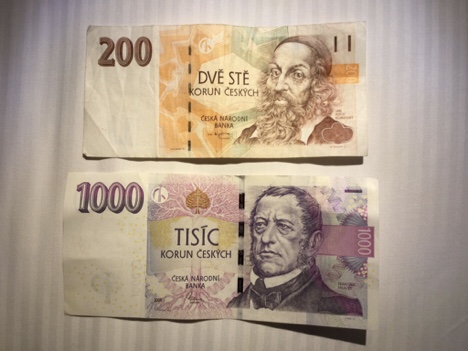
One problem was the currency, Koruna. We got out the minimum amount at an ATM in the airport, tiredly thinking it was about $50.

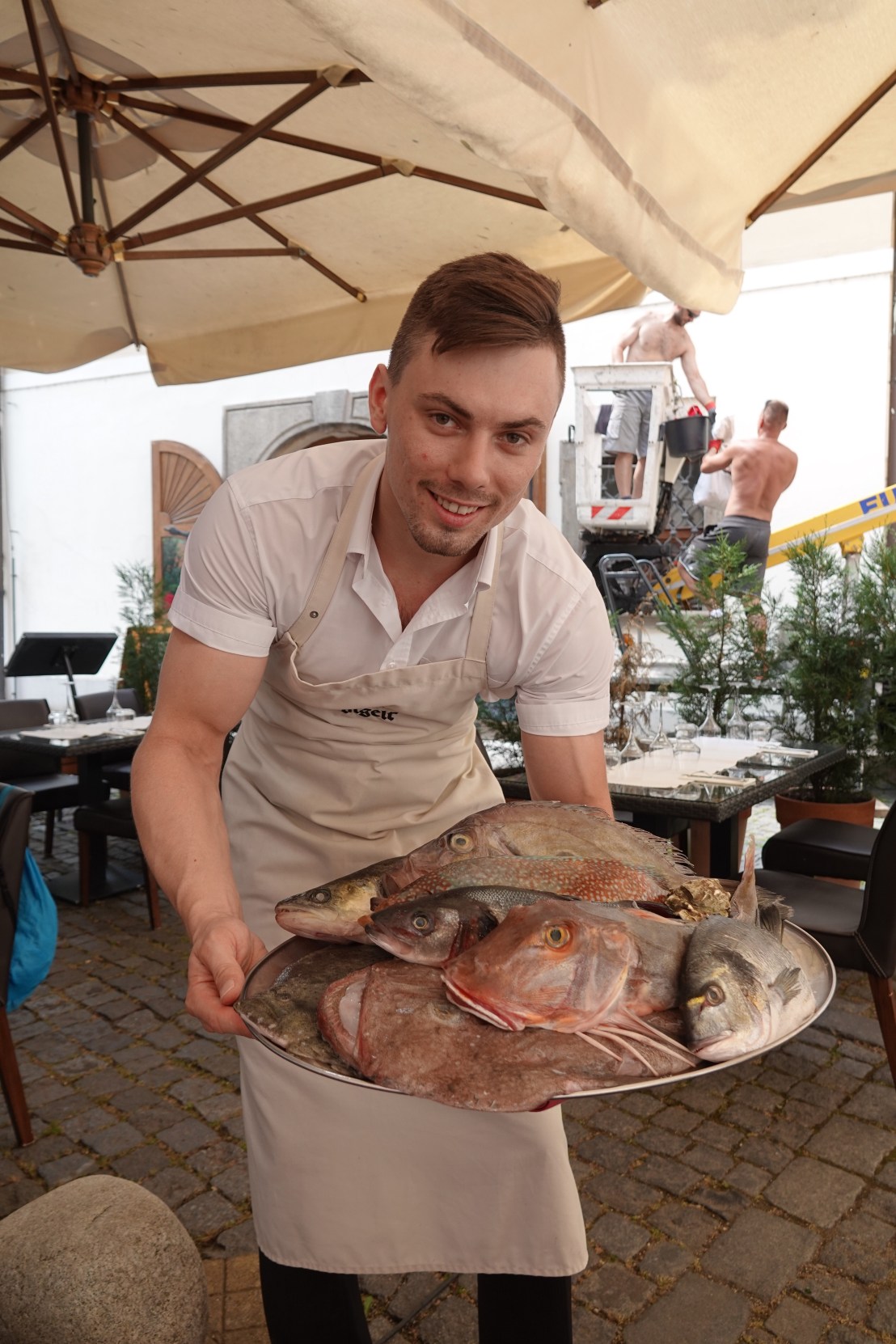
Throughout the day, we noticed that what we thought were small tip amounts won us big smiles and enthusiastic service from everyone. We ate lunch at a French restaurant, and the server showed us the fresh fish of the day.

Looking at the menu, Clare saw that you could get 100 grams of fresh fish for lunch. She ordered some – turned out that you get the whole fish, and the 100 grams indicated the price was per 100 grams of fish. A very large lunch!

After that surprise, and with champagne and wine at lunch, we were even more suspicious about the amount of cash we had, because that lunch could not have been less than $50. Later, we discovered that we had actually taken out $450 of Koruna. Oops!

Back to Prague.

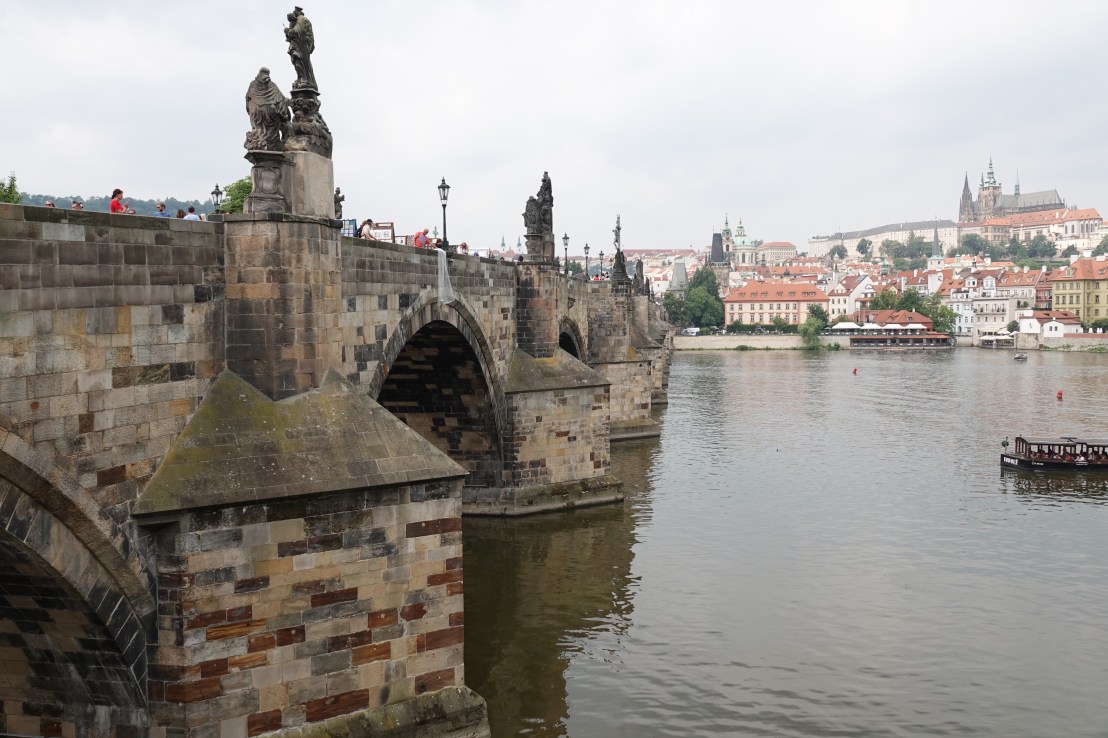
Of course we went to the Charles Bridge, world renowned for its history and monuments.

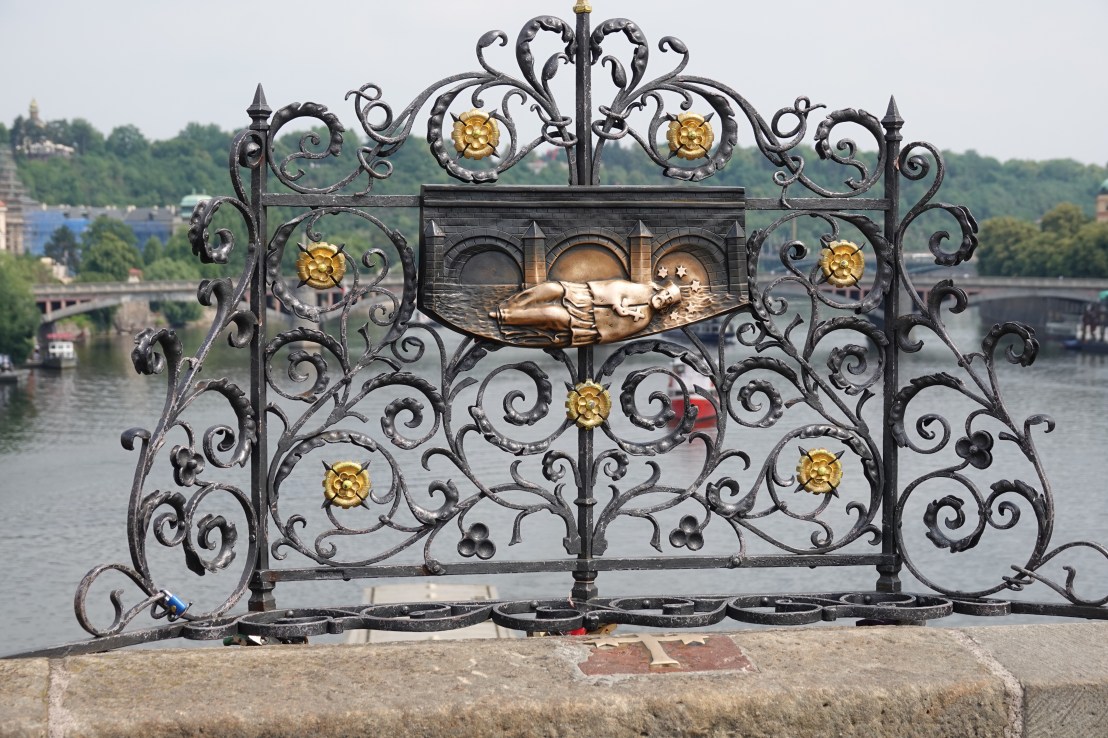
This one is of a priest who took the Princess’s confessions, but refused to tell her father what she said, so he was thrown off into the Vitava River. Of course he became a saint.

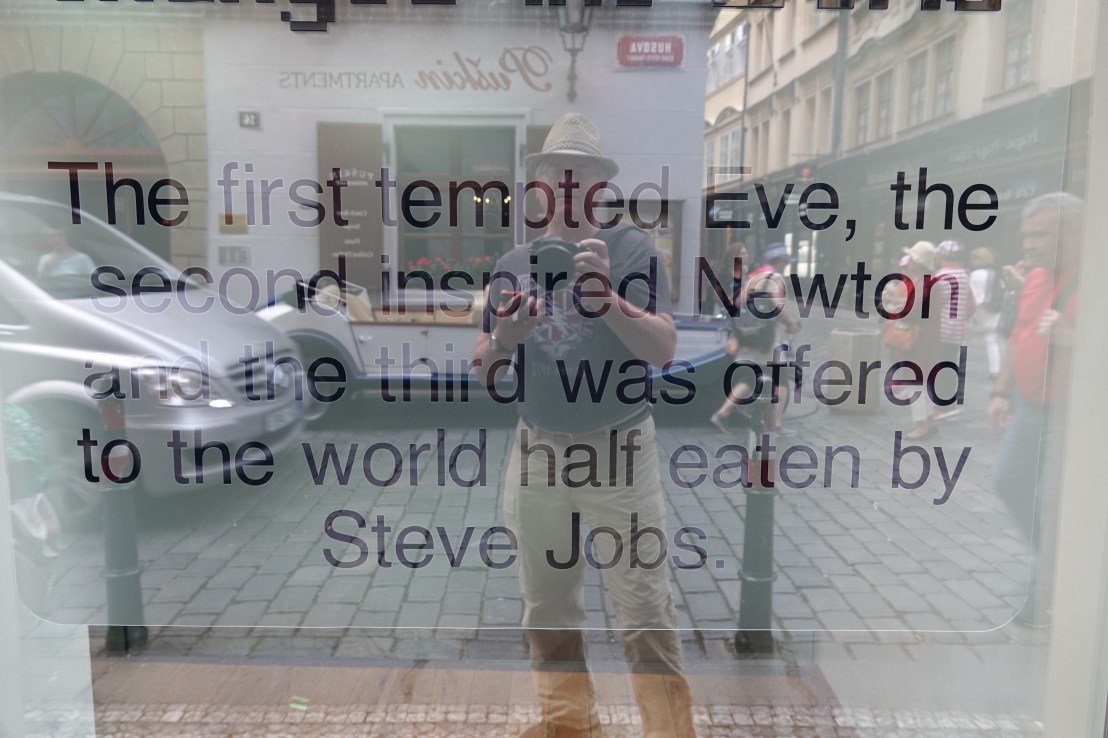
We found an Apple computer museum! (The fourth was reflected with Brian).

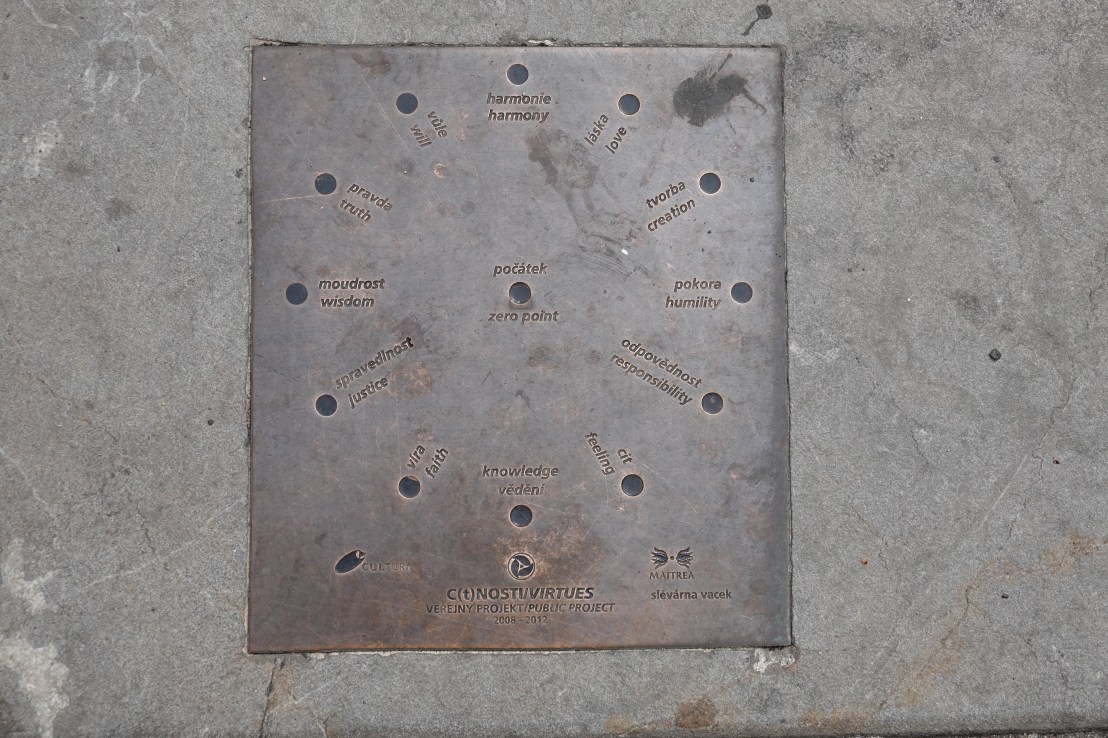
This was a guide to sculptures imbedded in the pavement at one end of the Charles Bridge.

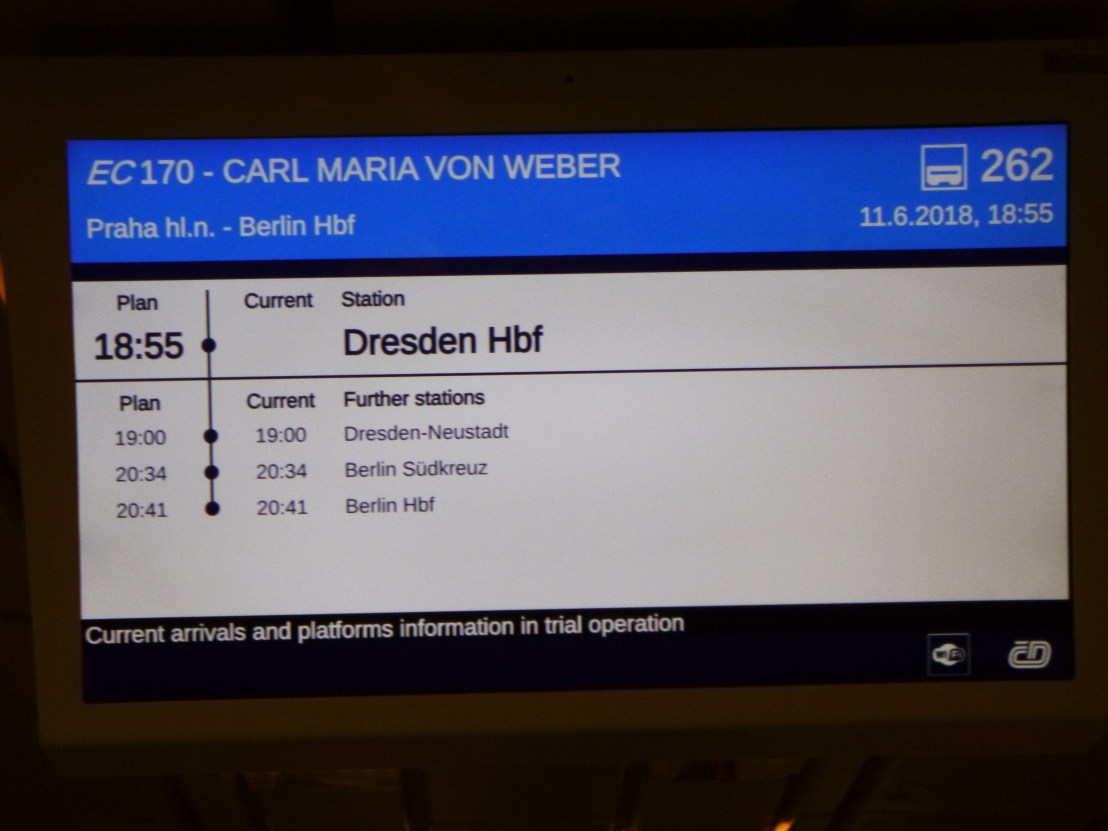
Then we took a train to Berlin! We rode on a Czech train (Eurocity) and had a good dinner in the dining car (spending the rest of our Czech money). After crossing the imperceptible border into Germany, south of Dresden, the stops were announced in German and English, rather than Czech, German, and English. Changing to a local S-bahn train at Berlin hauptbahnhof, we arrived at our hotel near Alexanderplatz after dark.

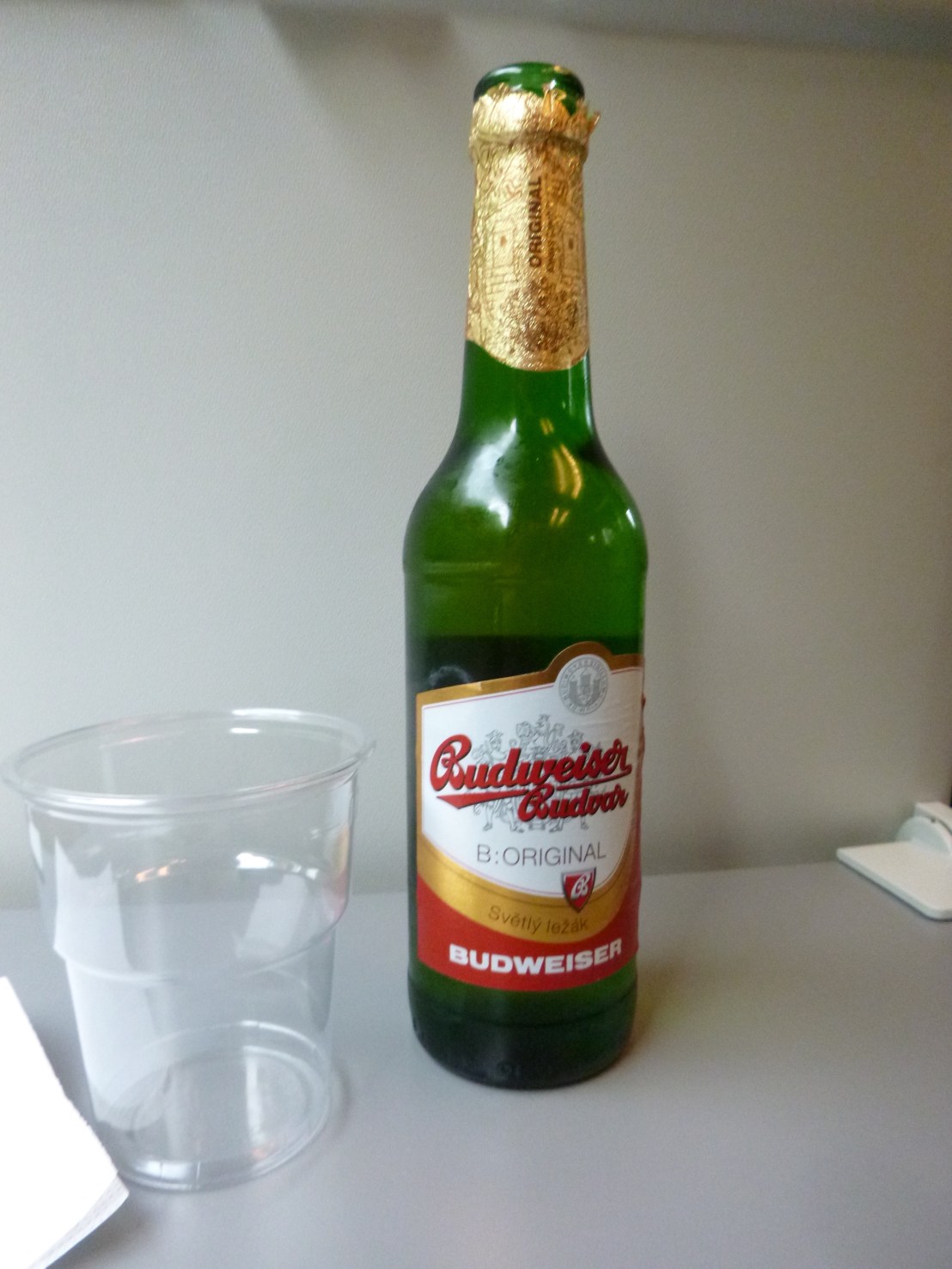
Brian bought a Budweiser on the train, the original Czech product.

Budapest, Day 3

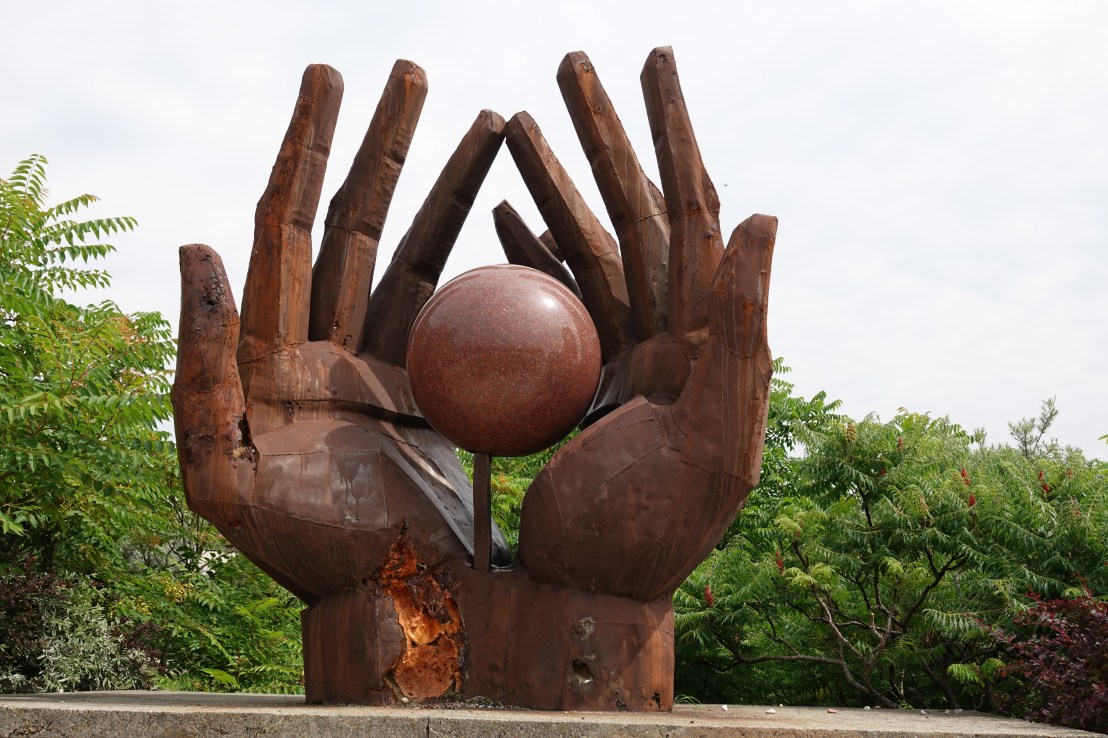
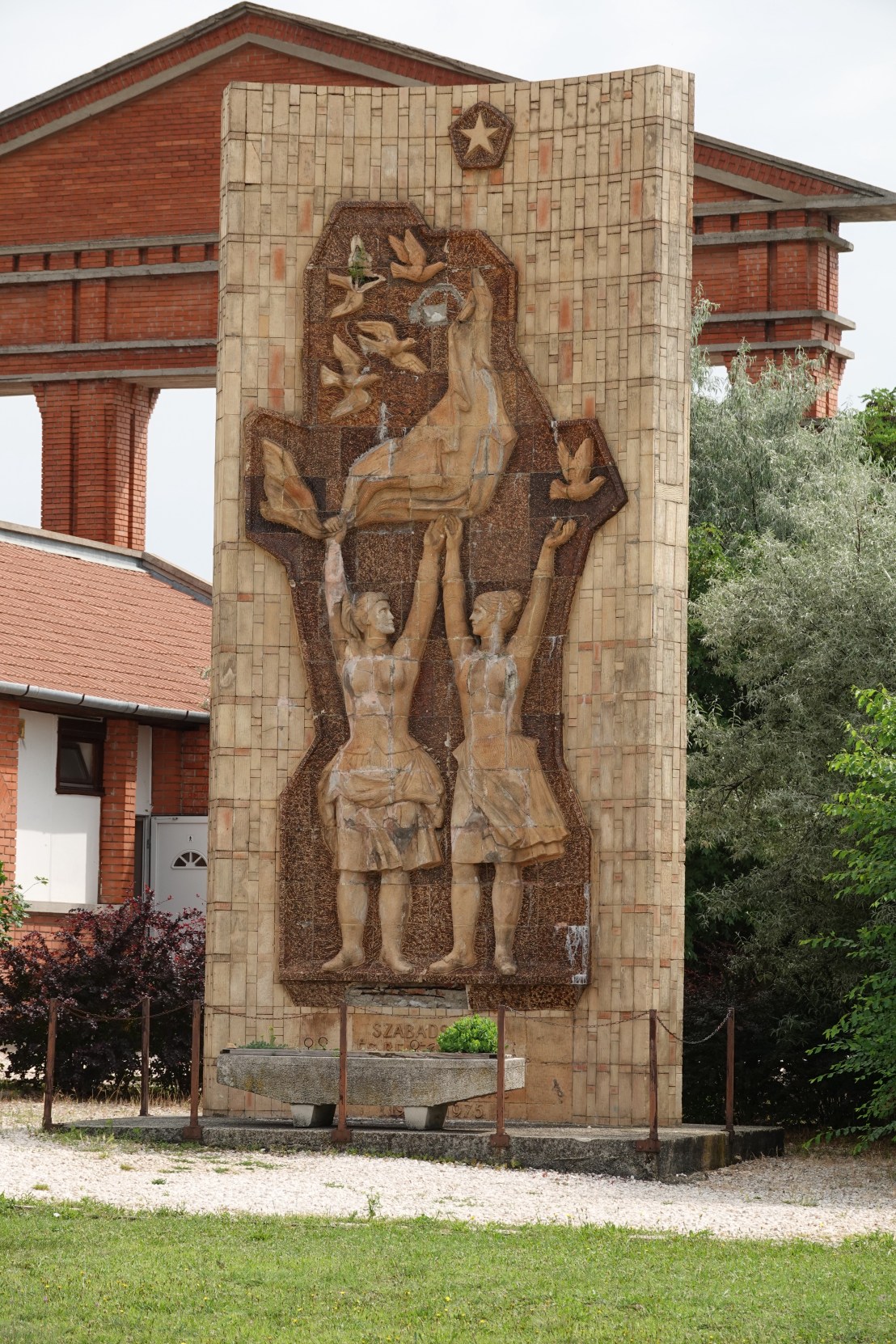
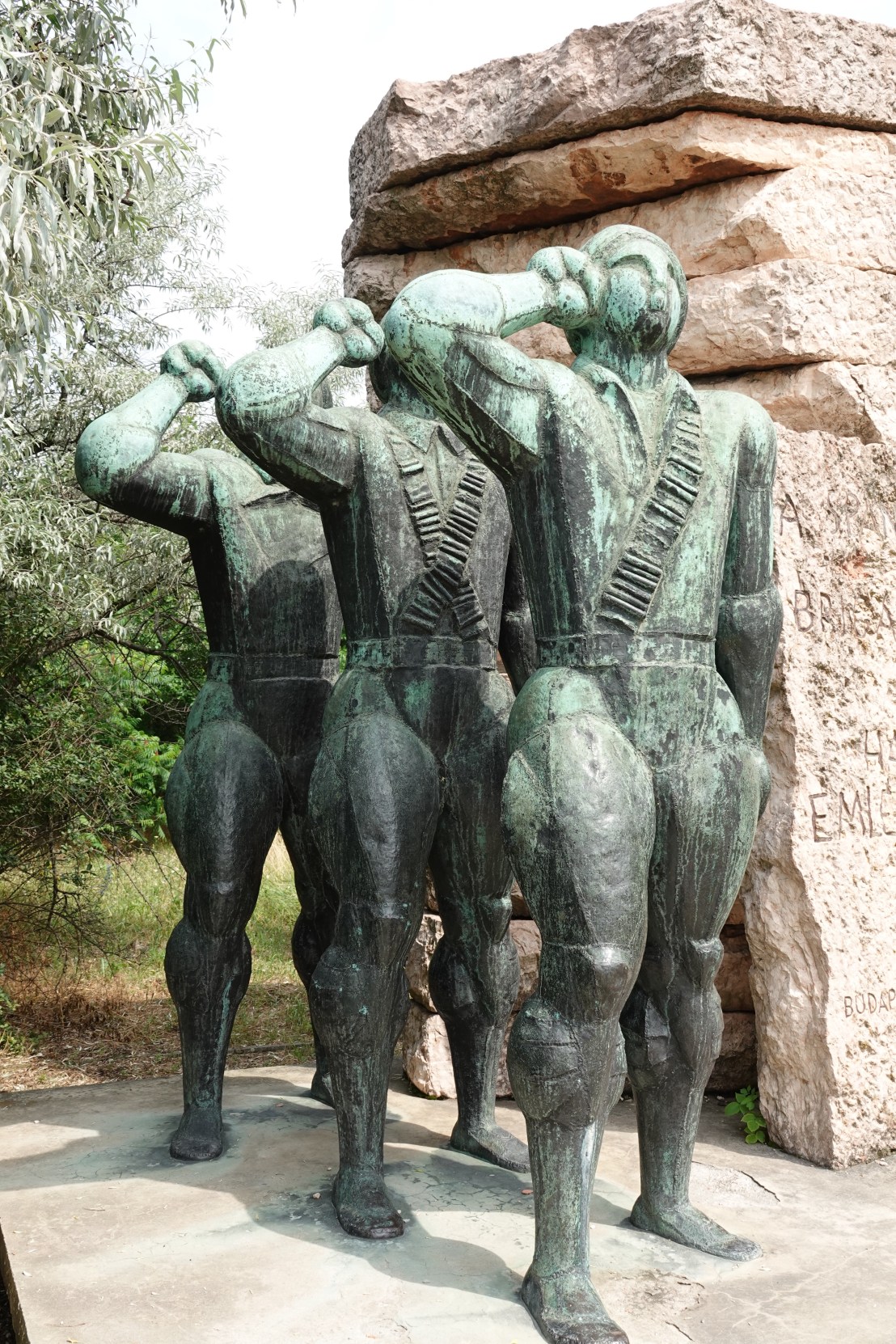
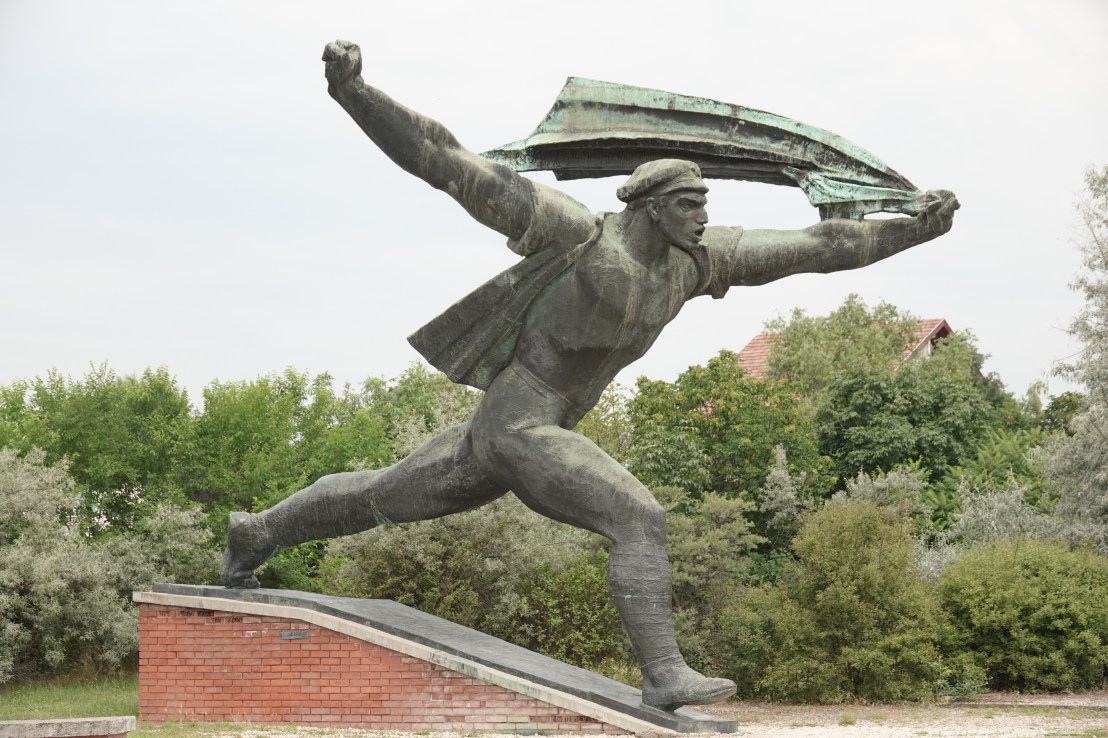
On the third day, we went to Memento Park, where the Hungarians placed all the Soviet and Communist icons (in case they take over again, according to one of our guides).

Workers hands holding a sphere, which once also held a red star.

Hungarian woman and Soviet woman letting the Doves of Peace go. Propaganda?

Dedication to the Party.

Guy who forgot his towel at the Hot Spring? Actually, it depicts a worker charging forward with the Soviet flag.

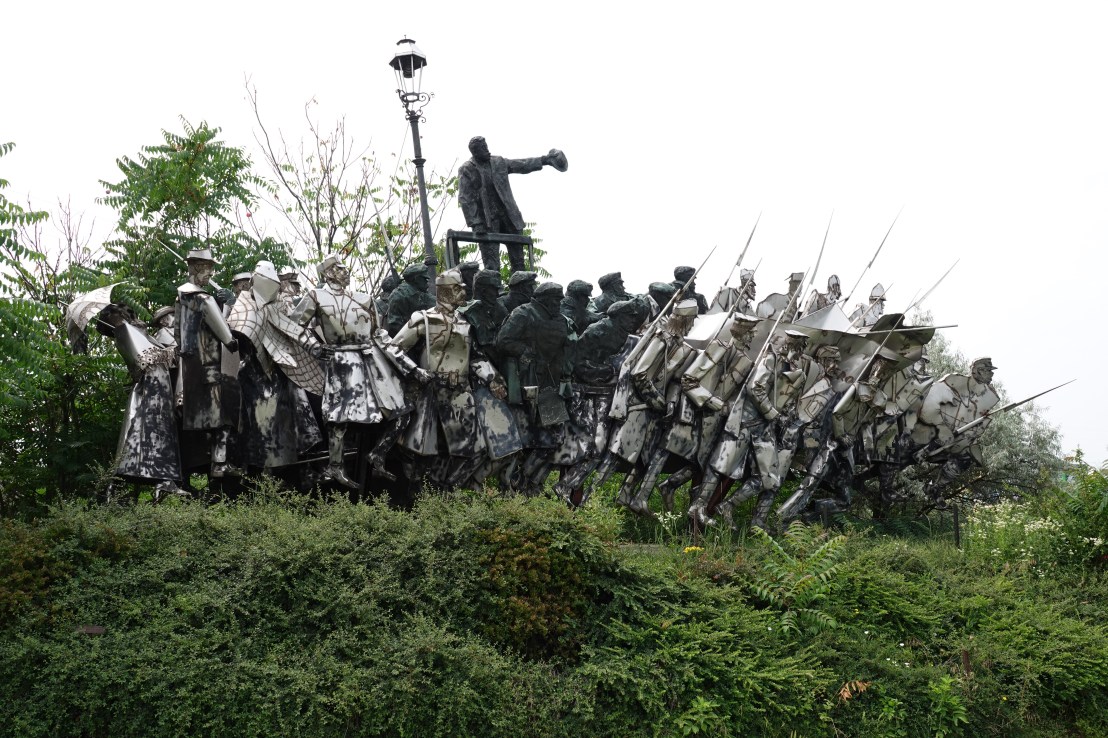
Workers and aristocrats (Habsburg empire) both become soldiers (leader Bela Kun is leader in middle). Lamppost symbolizes the gallows, reminding us that Kun was executed.

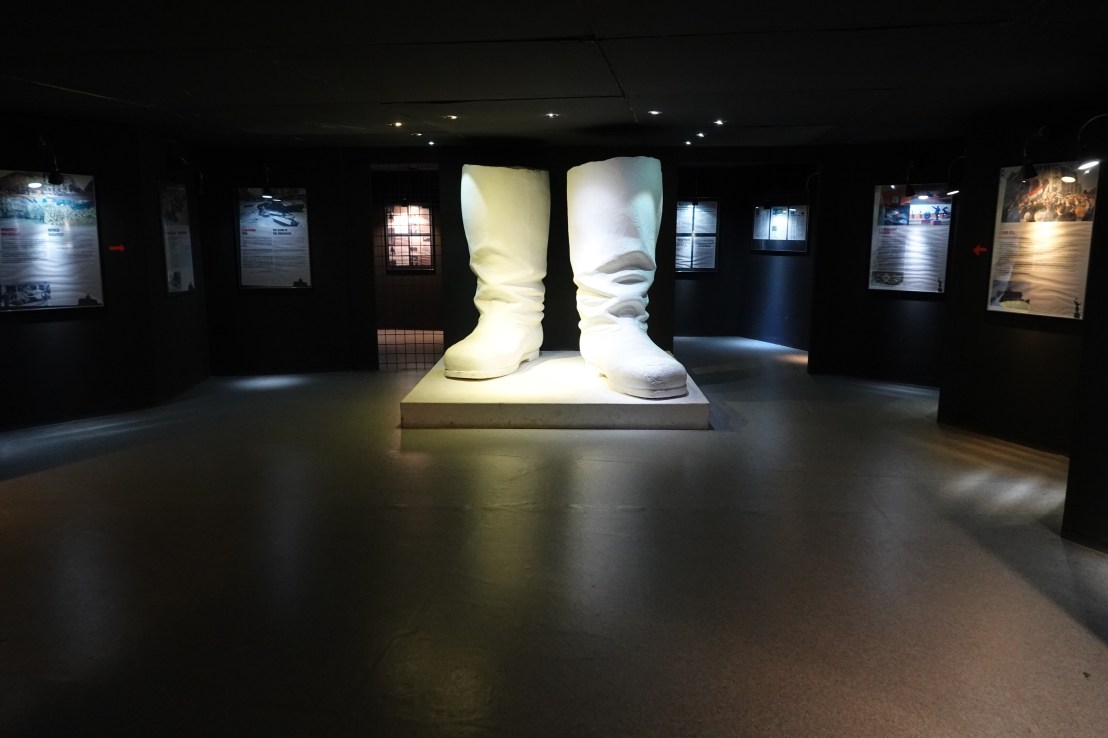
Here are replicas of the boots from a statue of Stalin; he was “cut off at the knees” during the 1956 uprising. This building, styled after a gulag barracks, also had a theater showing training films for the secret police (how to spy on your comrades).

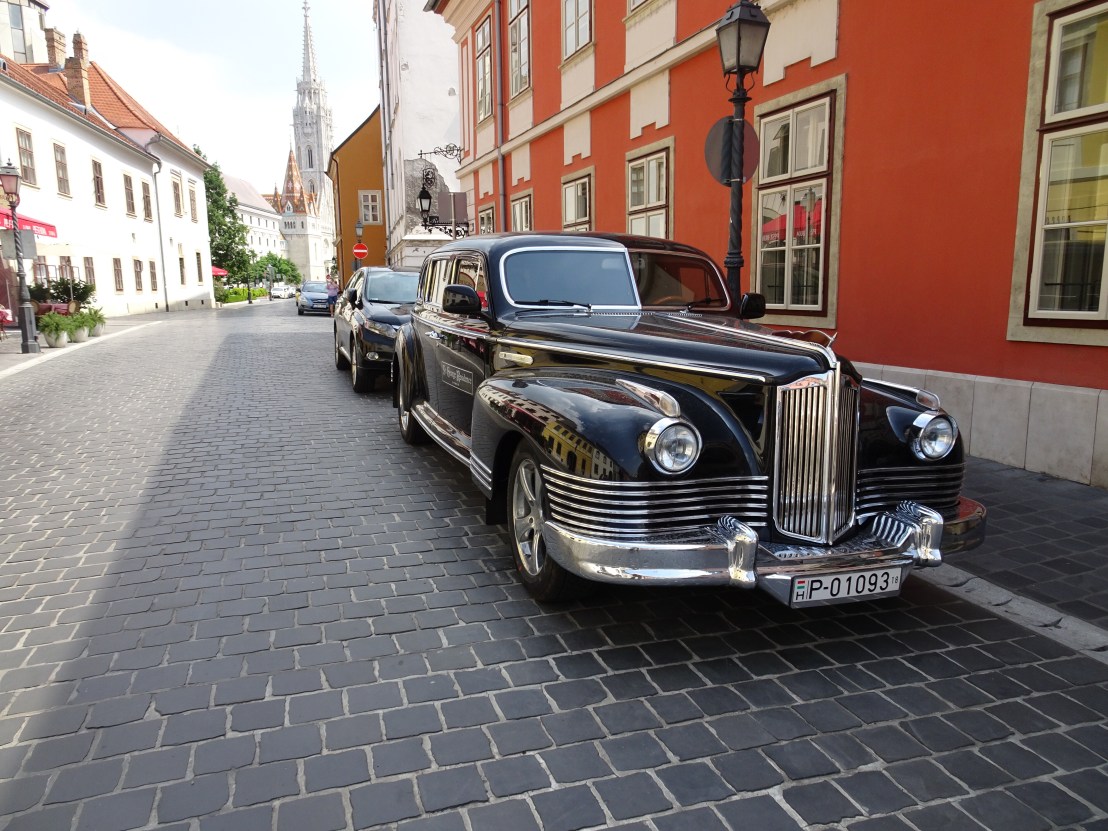
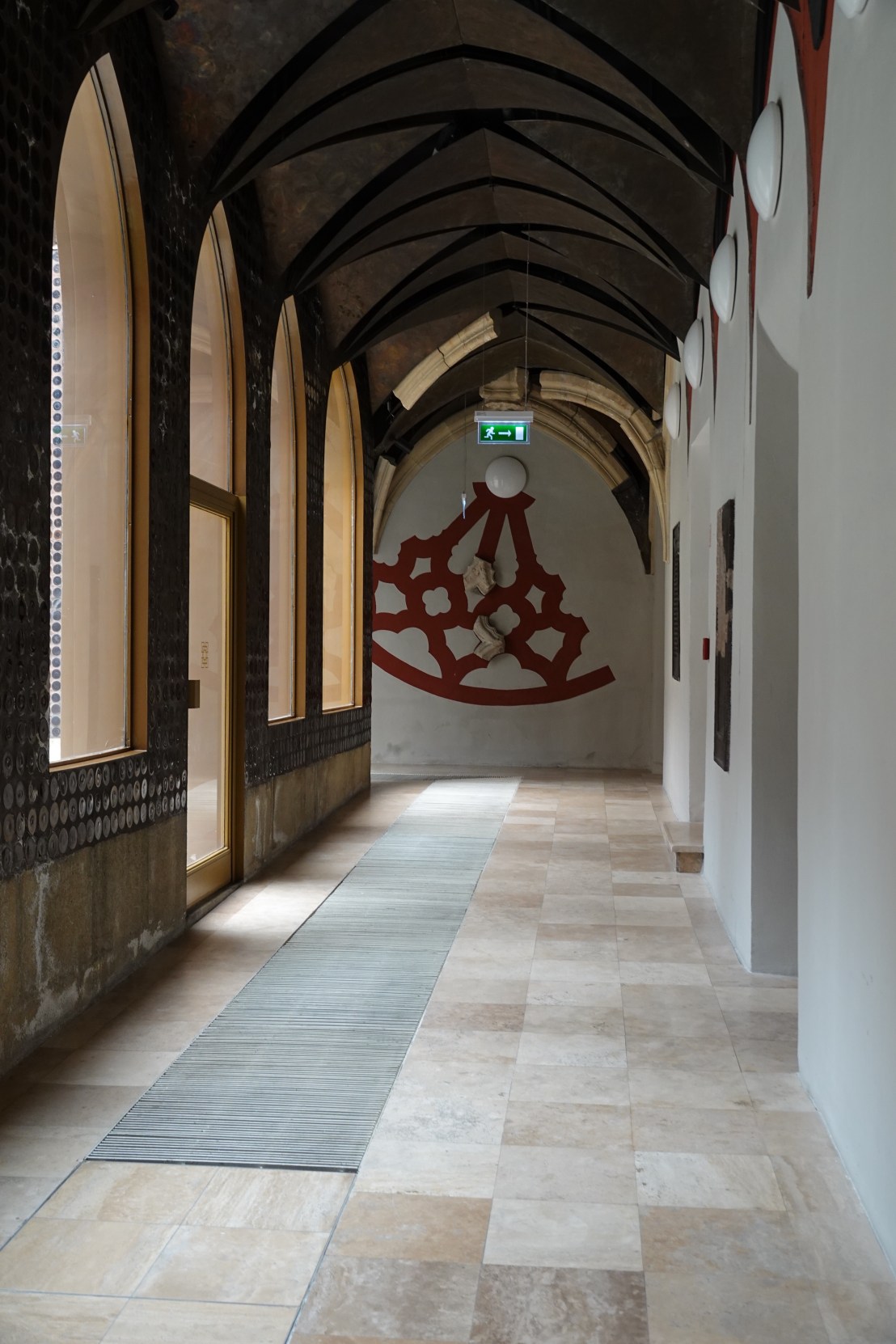
Above is a Russian limousine used by one of the hotels. After lunch, we wandered around the hills of Buda for a bit, until we left for the airport. Below is part of the 13th century wall that was left as part of the Hilton hotel where we stayed, preserving part of the old Dominican abbey.