Freiberg, Saxony, Germany

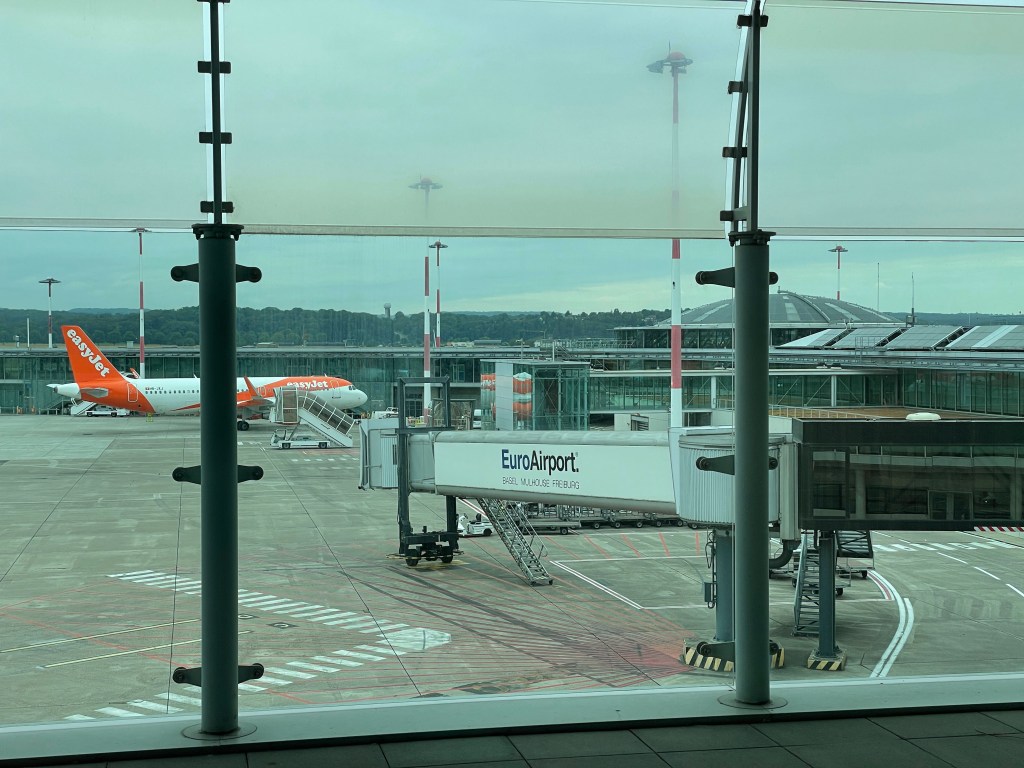
We made it to Freiberg after a long but successful travel day. We probably broke a record for number of transport vehicles in a day. In Basel, Switzerland, start on a city tram to get a bus to the Basel Airport in France to fly to Dresden, Germany (via Munich). From the Dresden airport, take bus to another train station, to get to the main Dresden train station. Then train to Freiberg then a bus to near our hotel. Total 8.
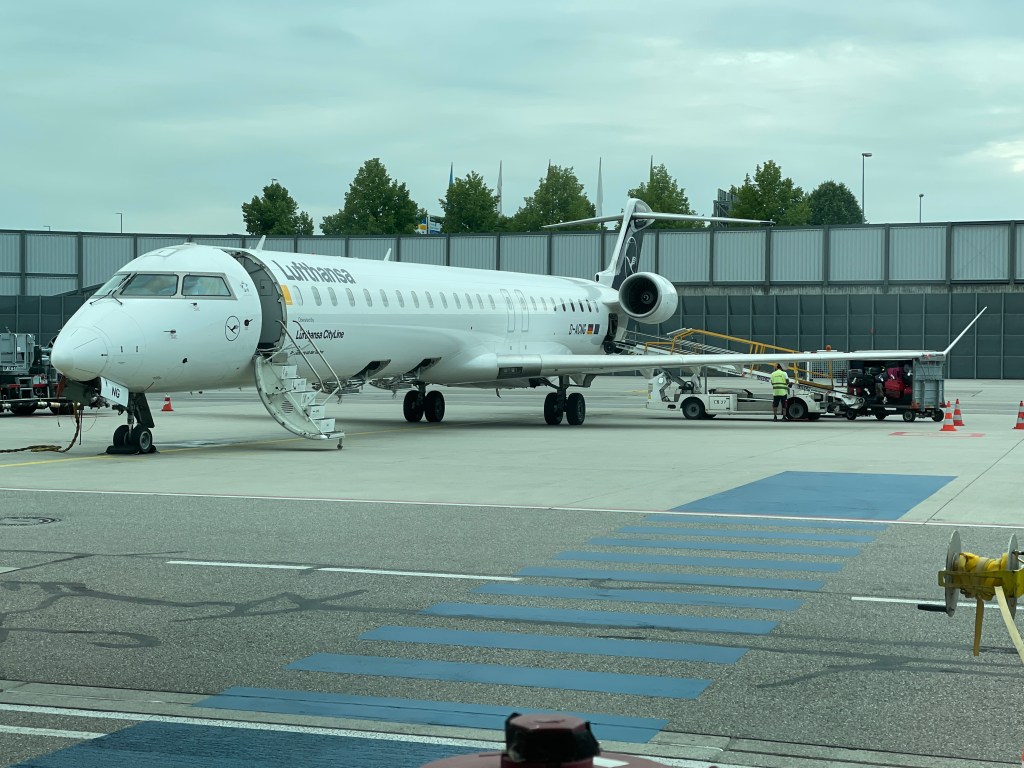
We flew on two of these Canadair regional jets; each flight was only an hour but very noisy.

We found late dinner near our hotel in Freiburg, and the next morning, Brian was greeted by colleagues also here for the meeting! Fun to be recognized so far from home.
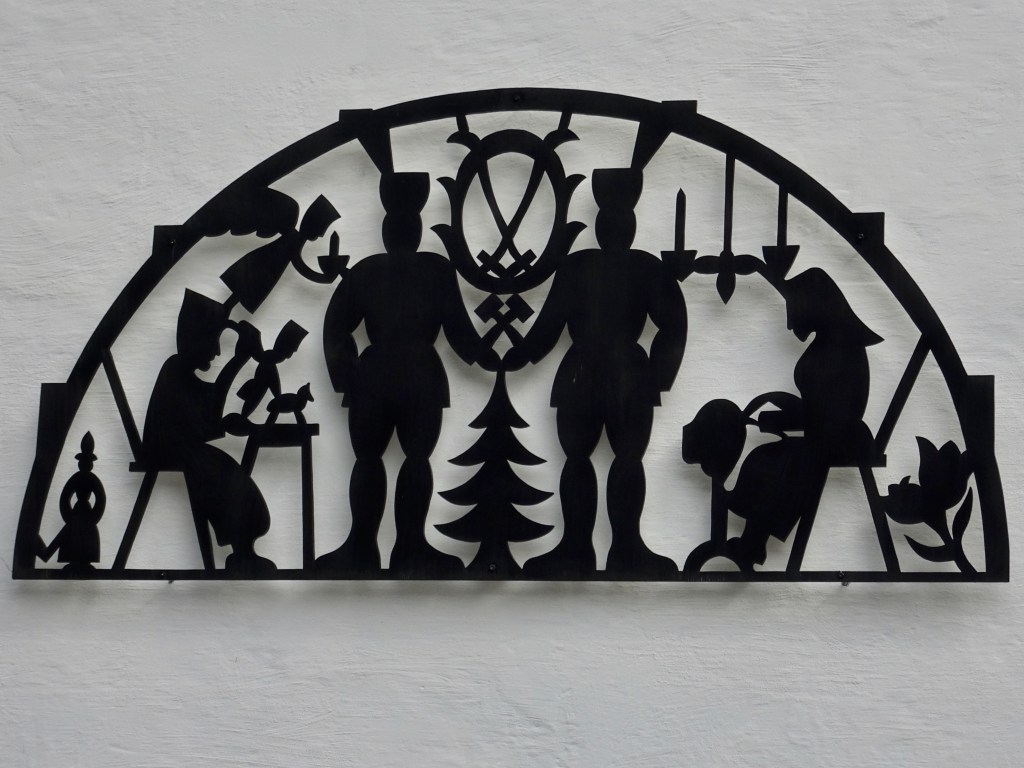
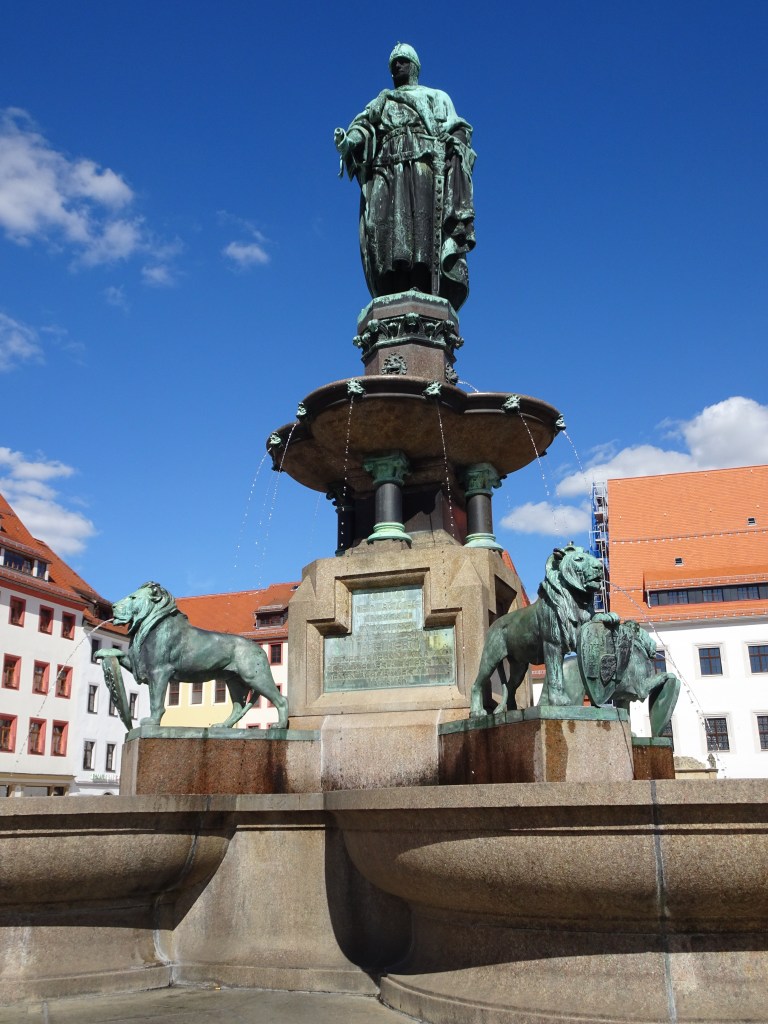
Symbol of Saxony, showing the importance of mining and industry

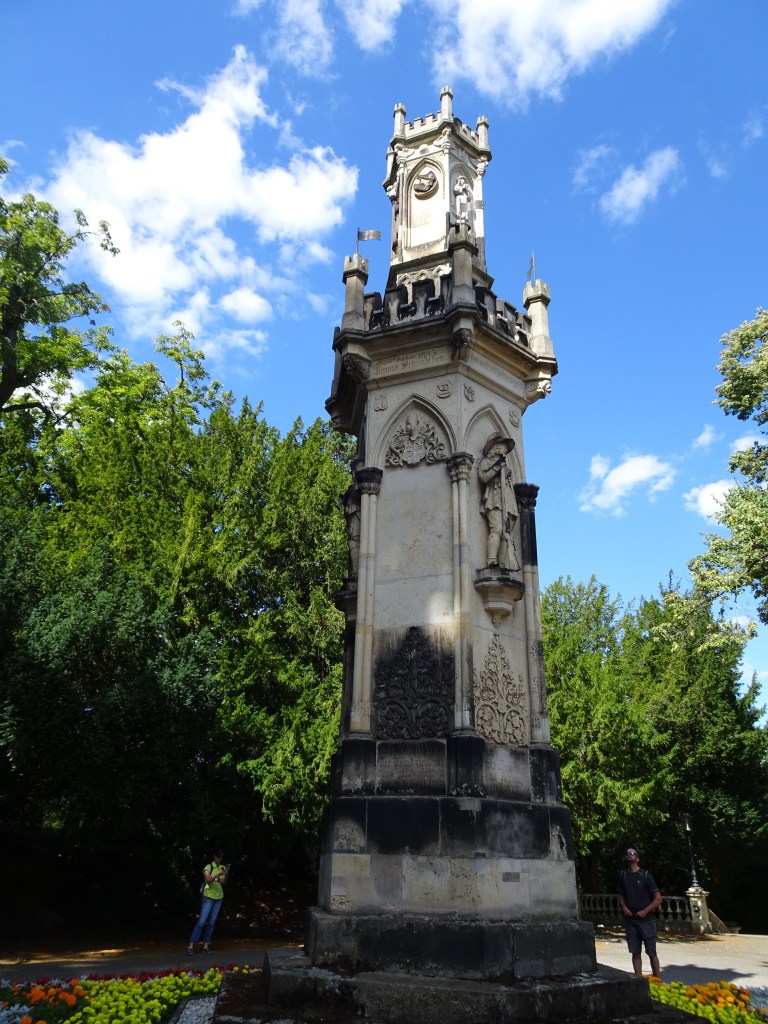
Freiberg, founded in 1168, is in former East Germany. The old section is small, nearly circular, as one might expect from a Medieval Town that had been surrounded by a wall and a moat. The narrow, curving, cobblestone streets seem to be designed to mess up one’s sense of direction, and the buildings are tall. Getting lost or at least disoriented is a real possibility.
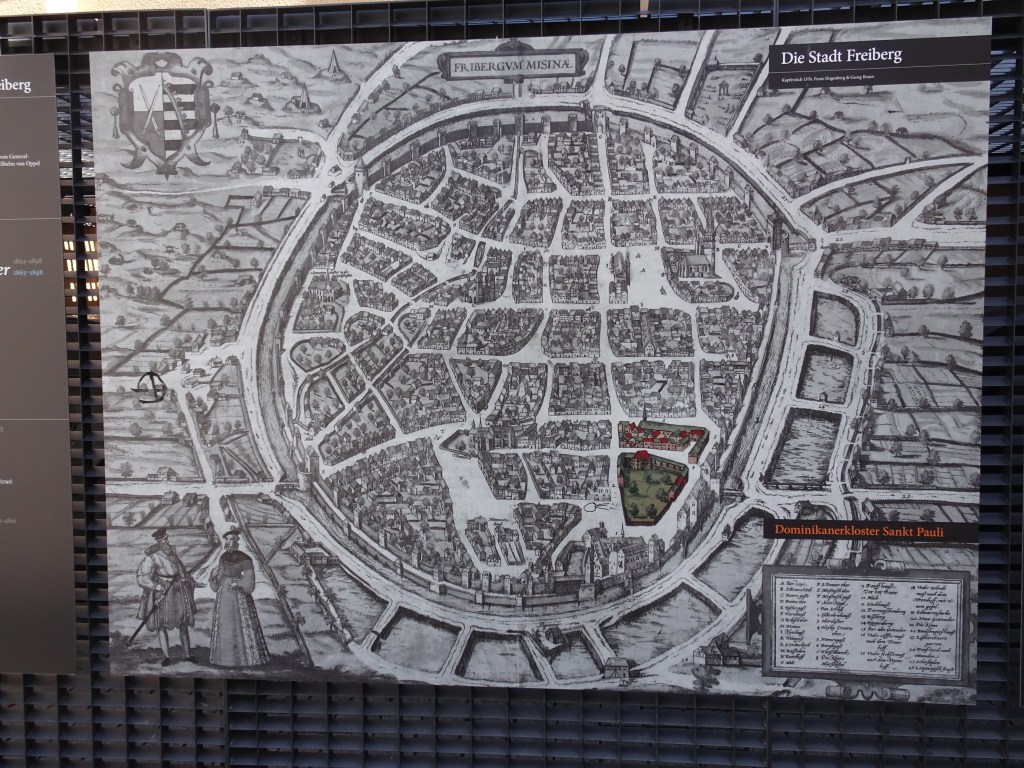
Freiberg, circa 1200 AD

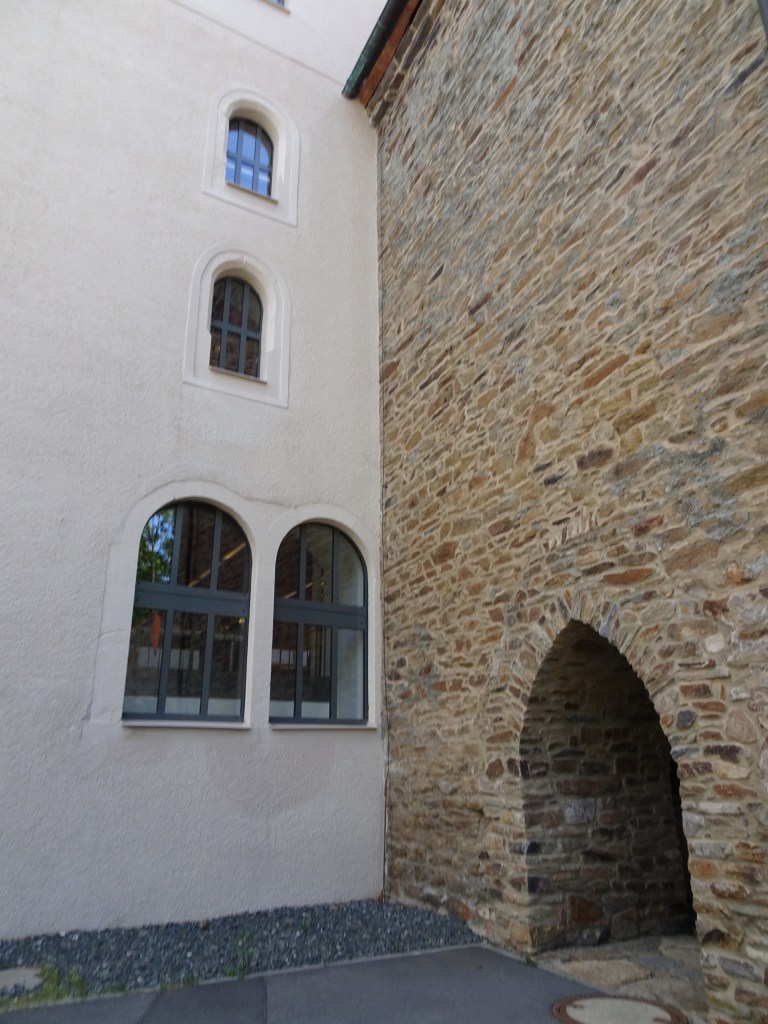
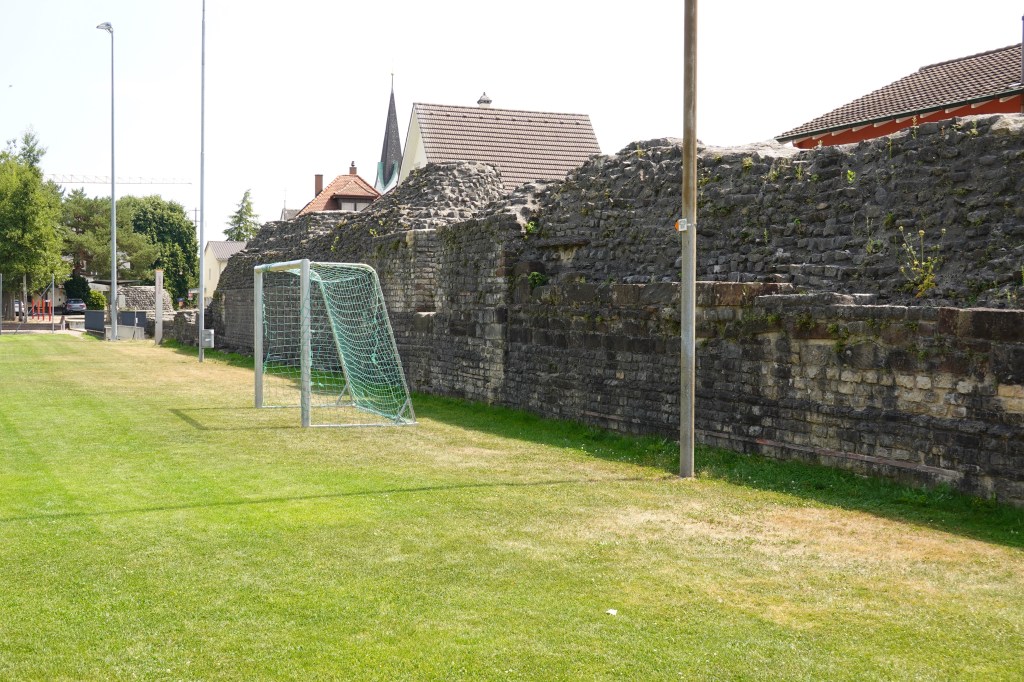
Our hotel windows look out onto part of the old wall, built around 1200 AD. Only parts of the wall are still standing, as well as parts of the smaller wall on the other side of the moat that formerly protected the town. Now the moat area is a greenway that almost completely surrounds the town. Lovely walk or morning run for everyone.
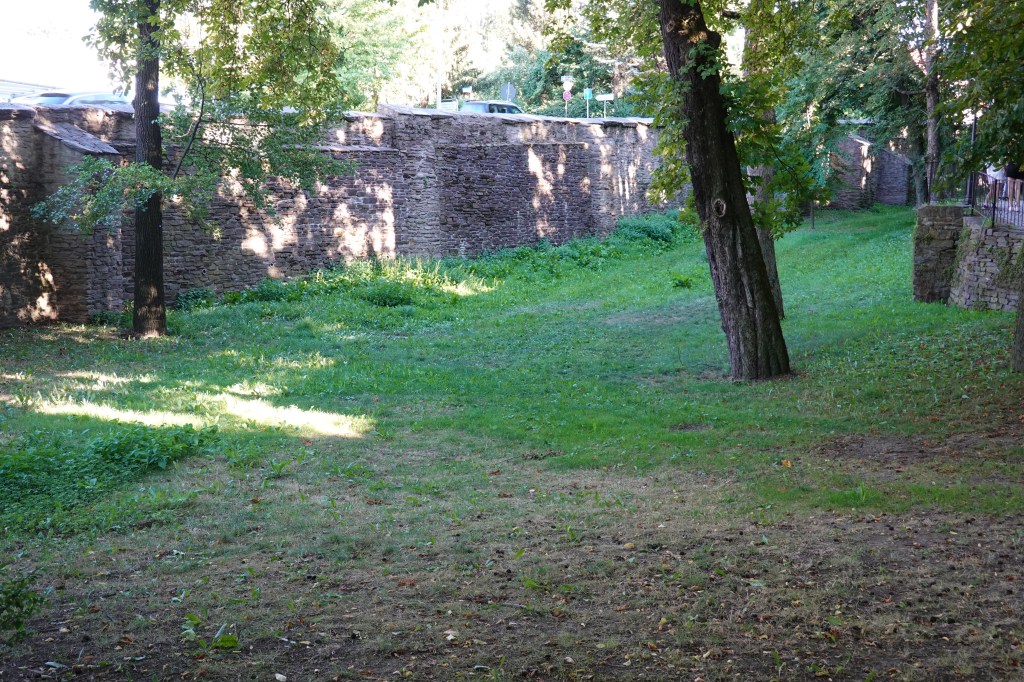
Part of the outer wall
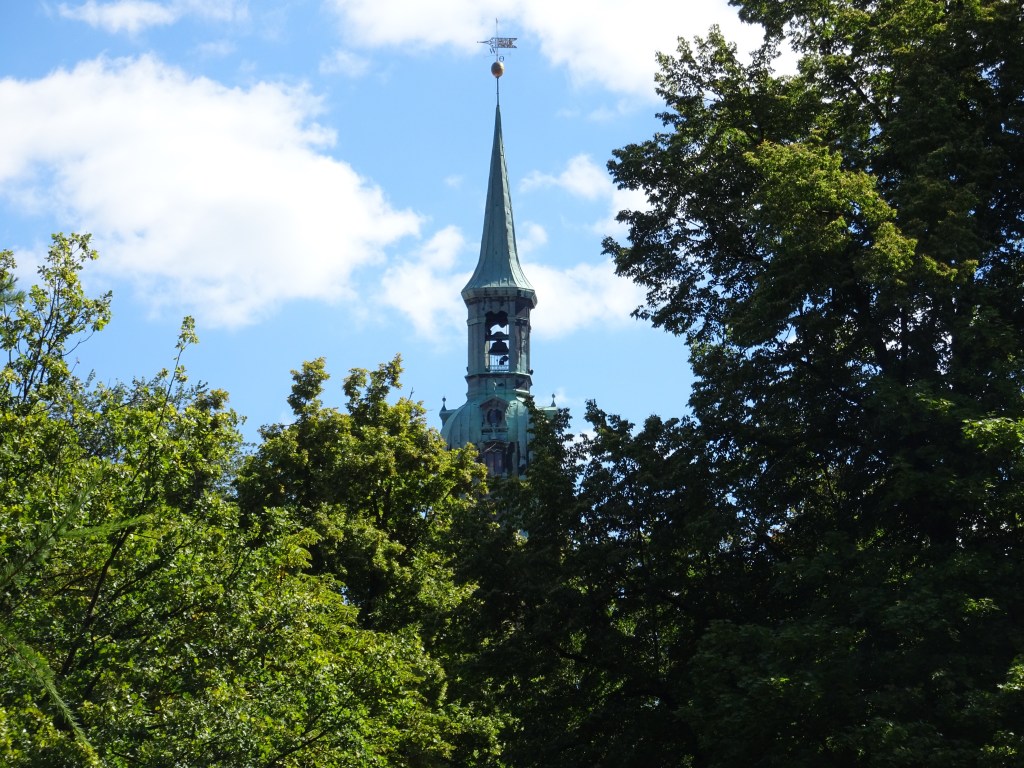
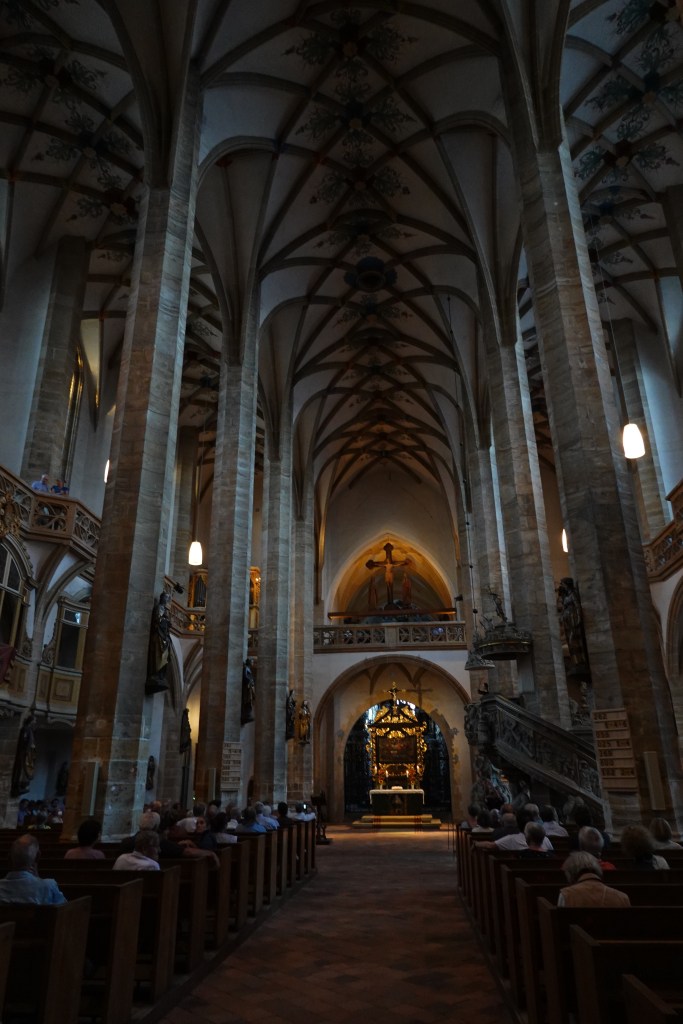
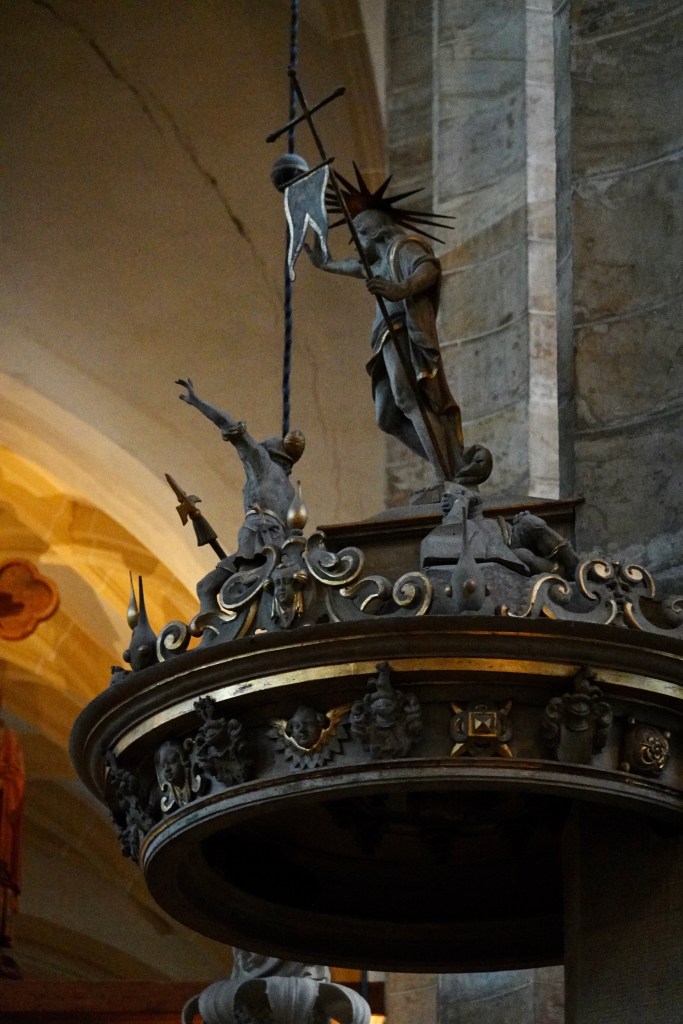
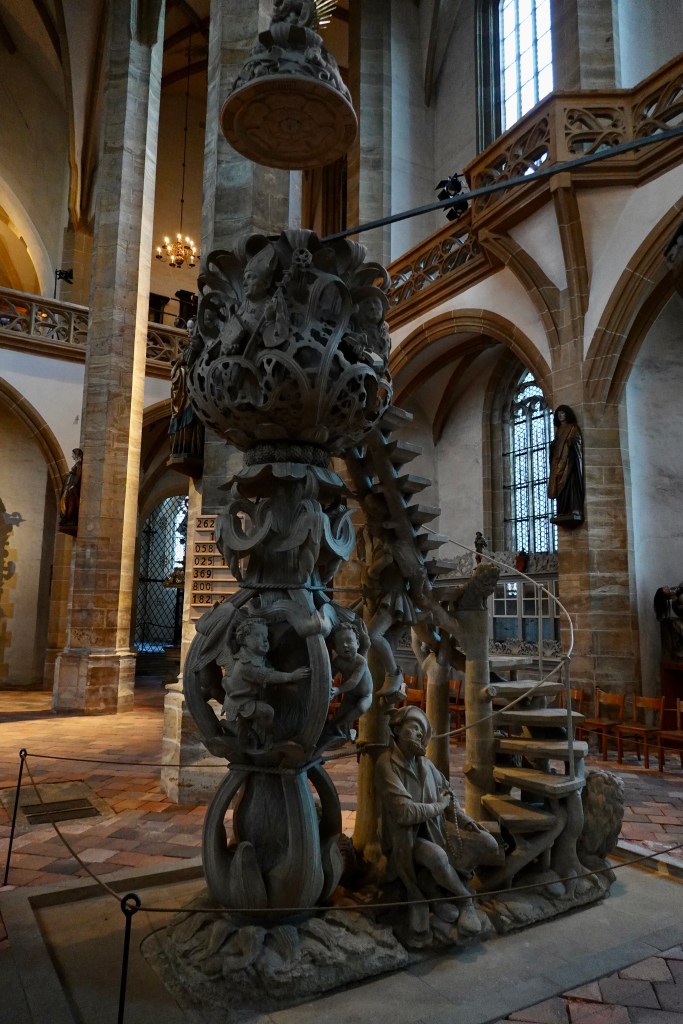
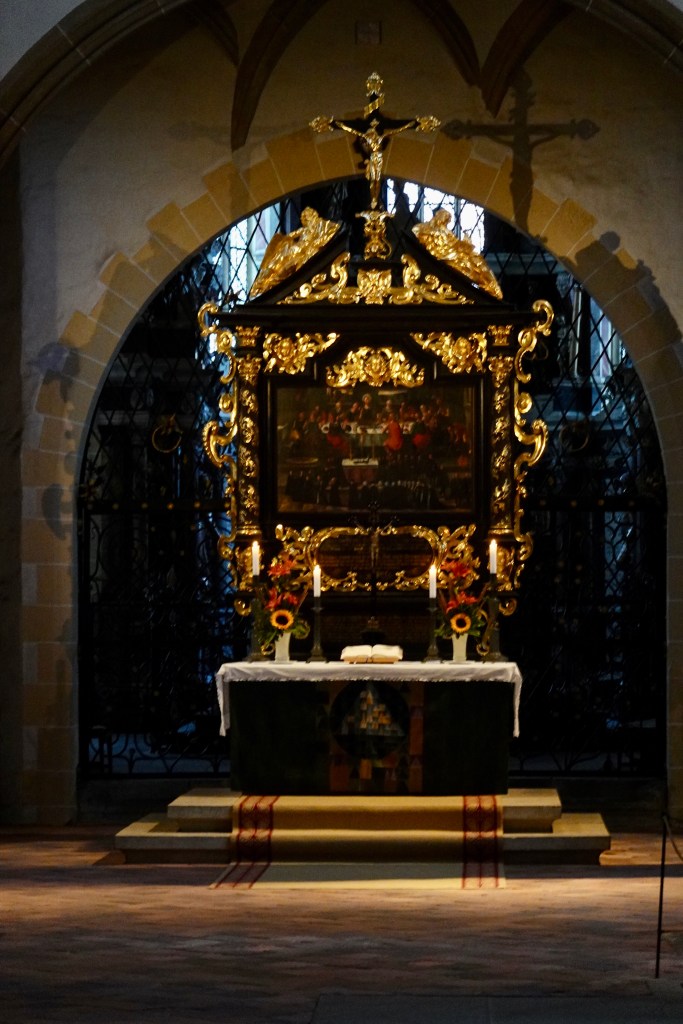
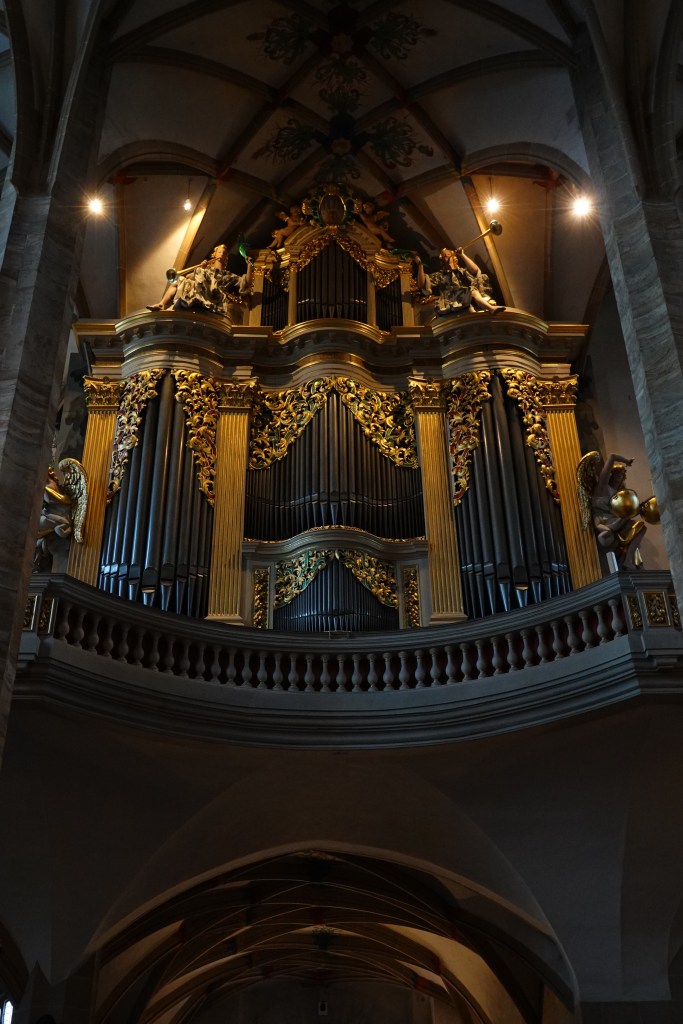
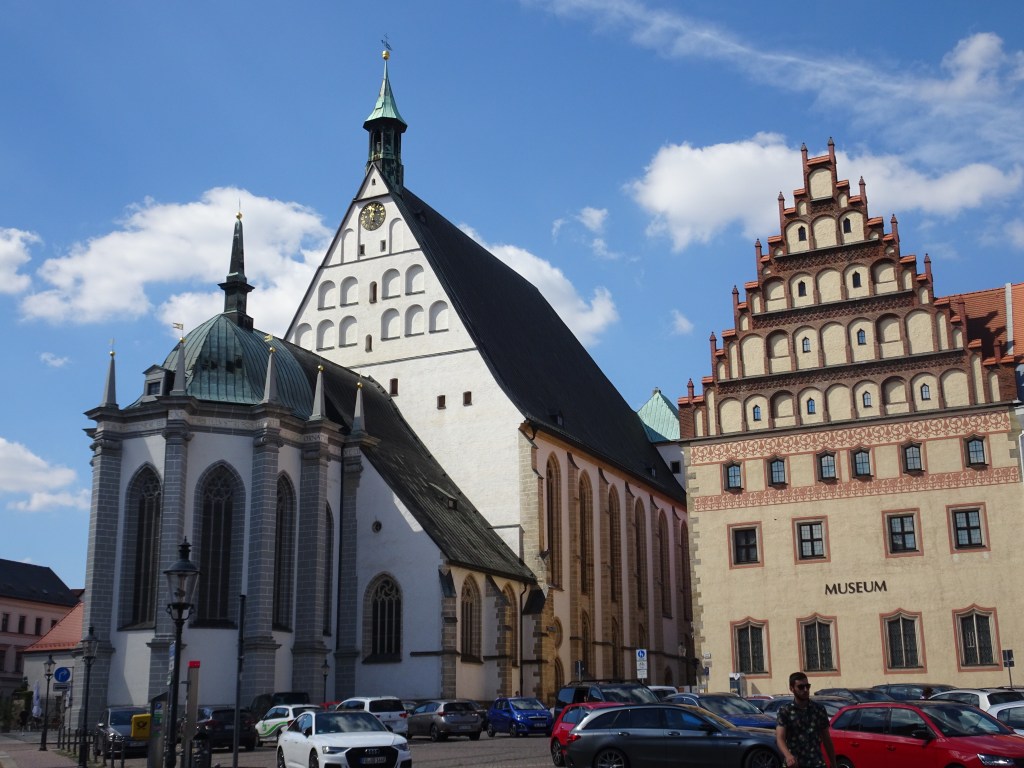
Church and museum adjacent to our hotel are inside the castle walls. On Thursday evening we attended an organ recital at the church.
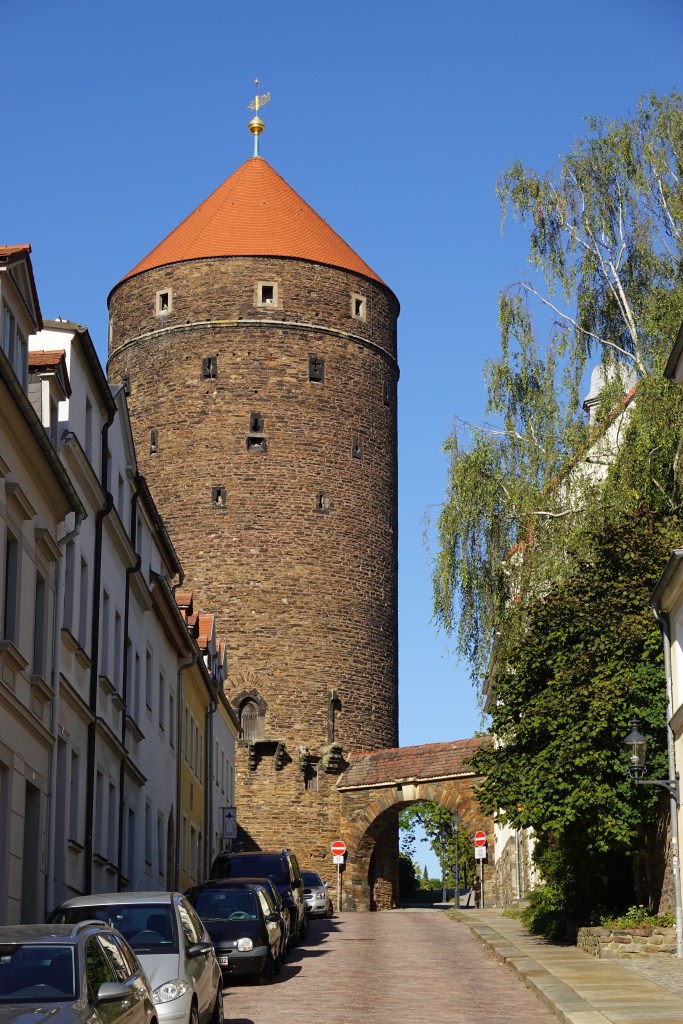
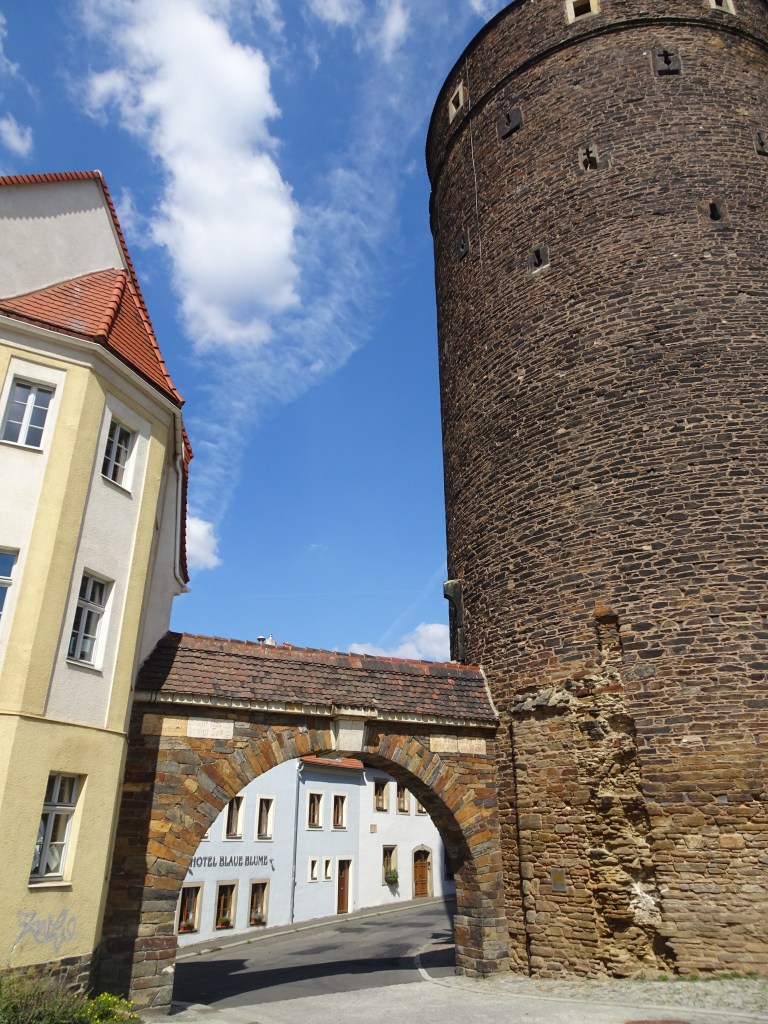
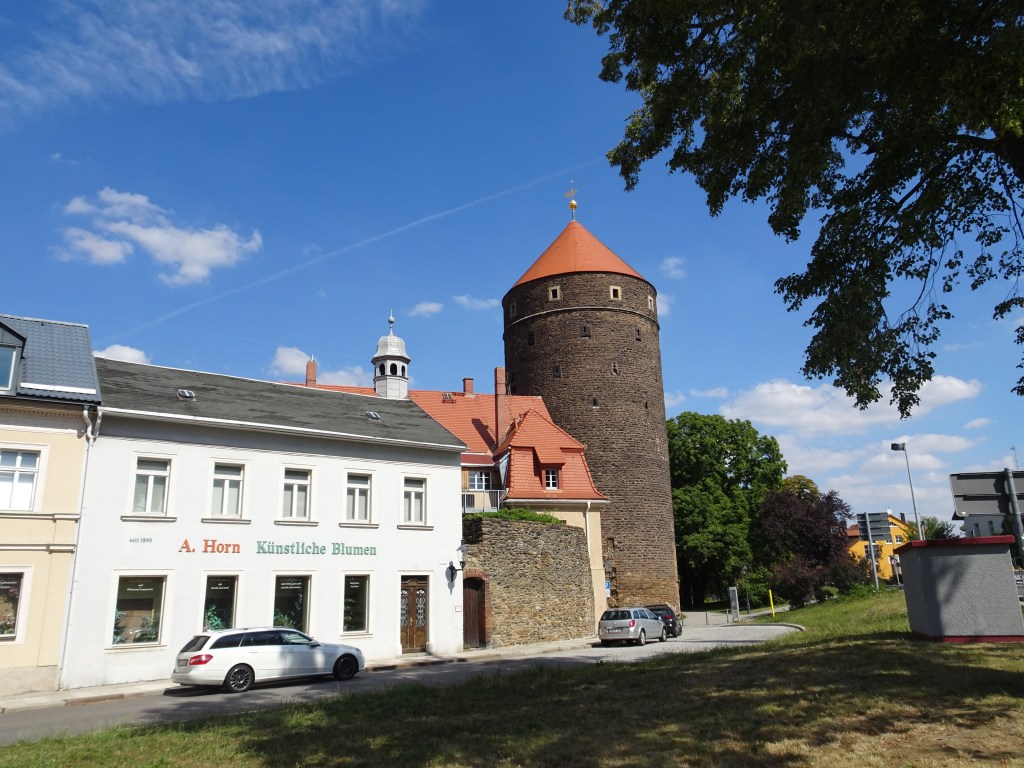
Circular tower at the gate through the wall, on the other side of town from our hotel

Interestingly, the town got rich because of silver mines in the nearby mountains. Unfortunately, it also got polluted for the same reason, in part because of loose environmental restrictions in the former East Germany.
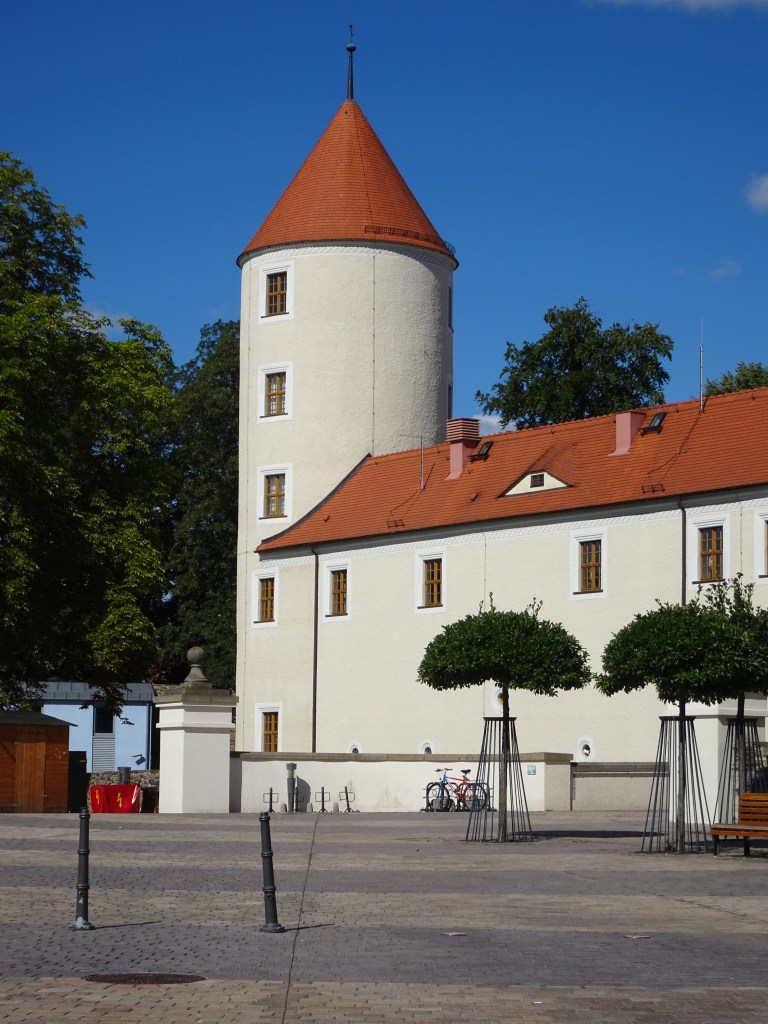
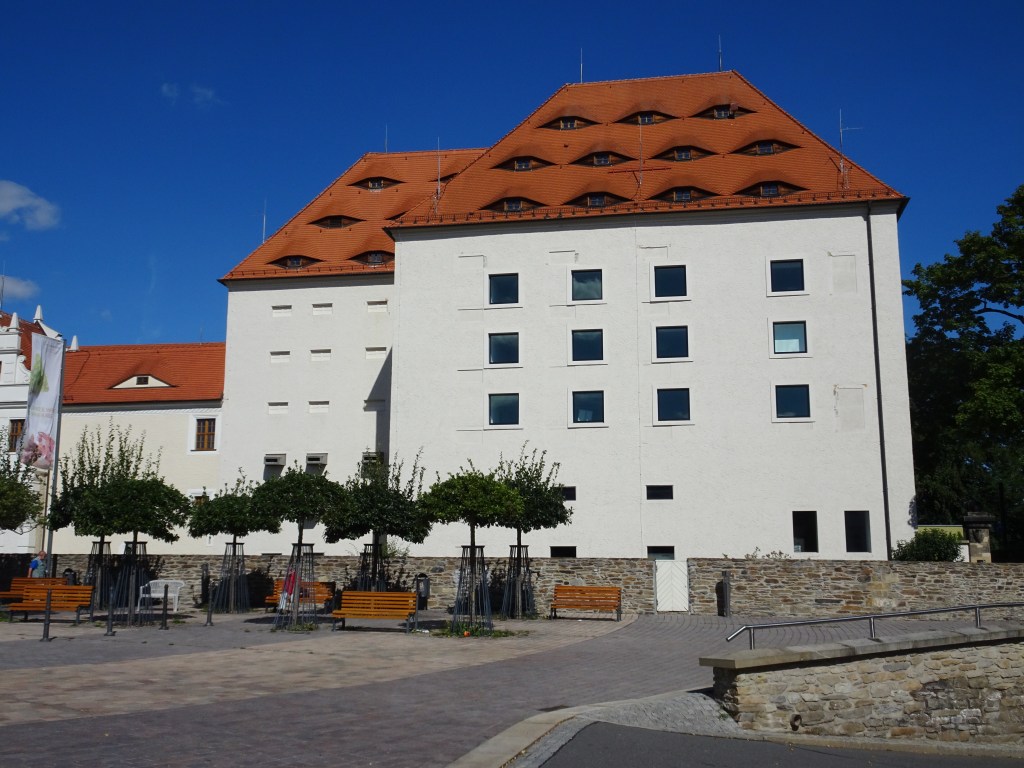
After Germany reunited in 1990, years of cleanup began. Today, the town is green and beautiful, with lots of kids play areas in the surrounding green belt.
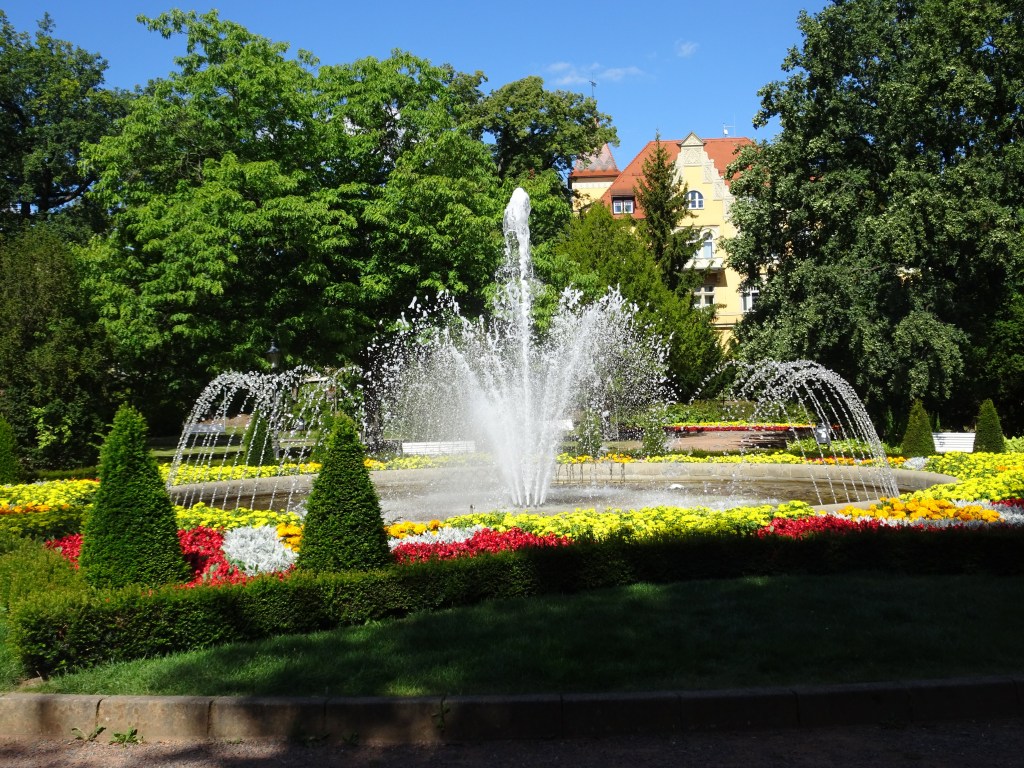
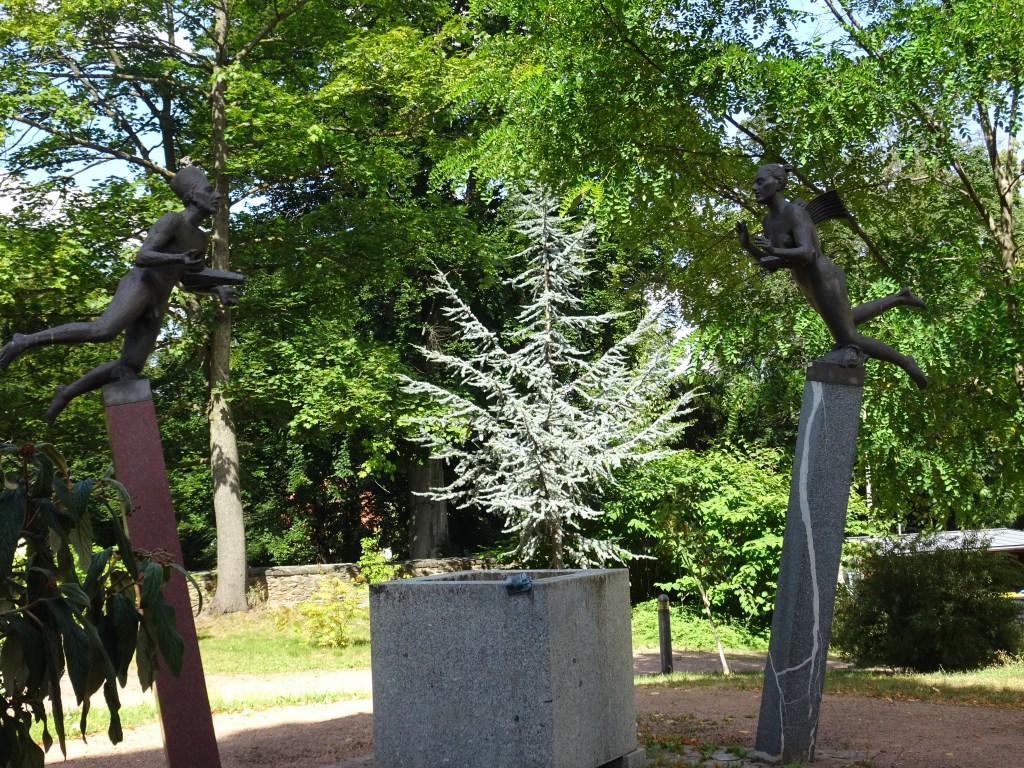
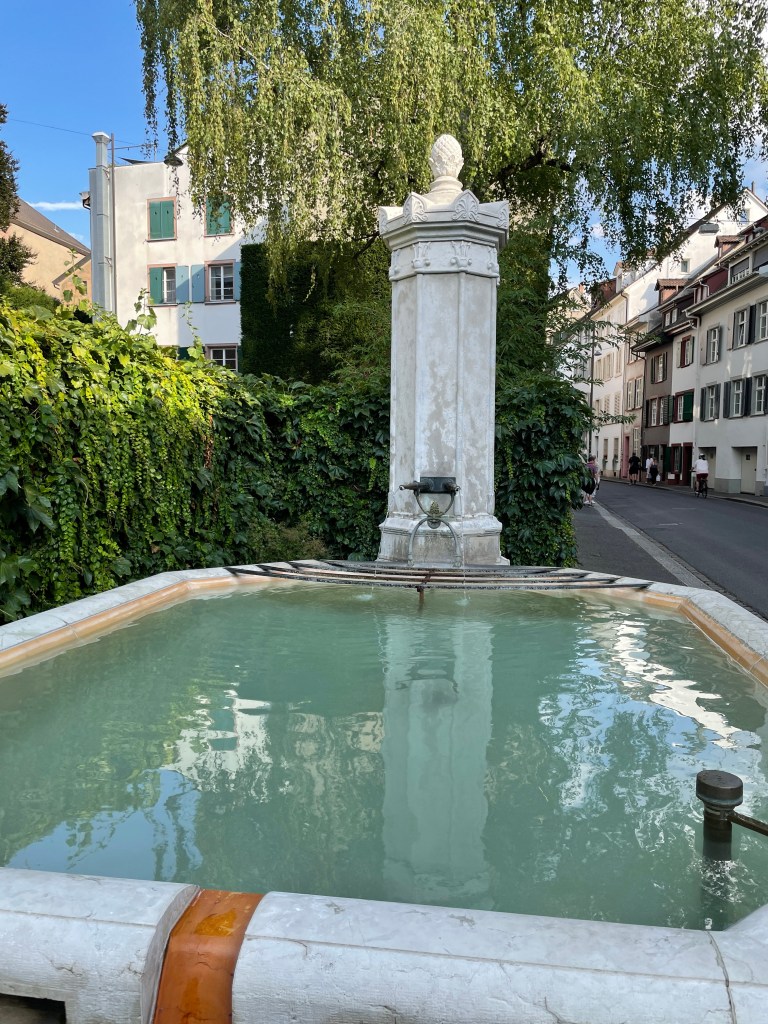
Flowery fountain near the old moat and a playground

On the last official day of the conference, Clare decided to take a camera on her daily moat walk, to show how the new buildings incorporate the old castle walls.
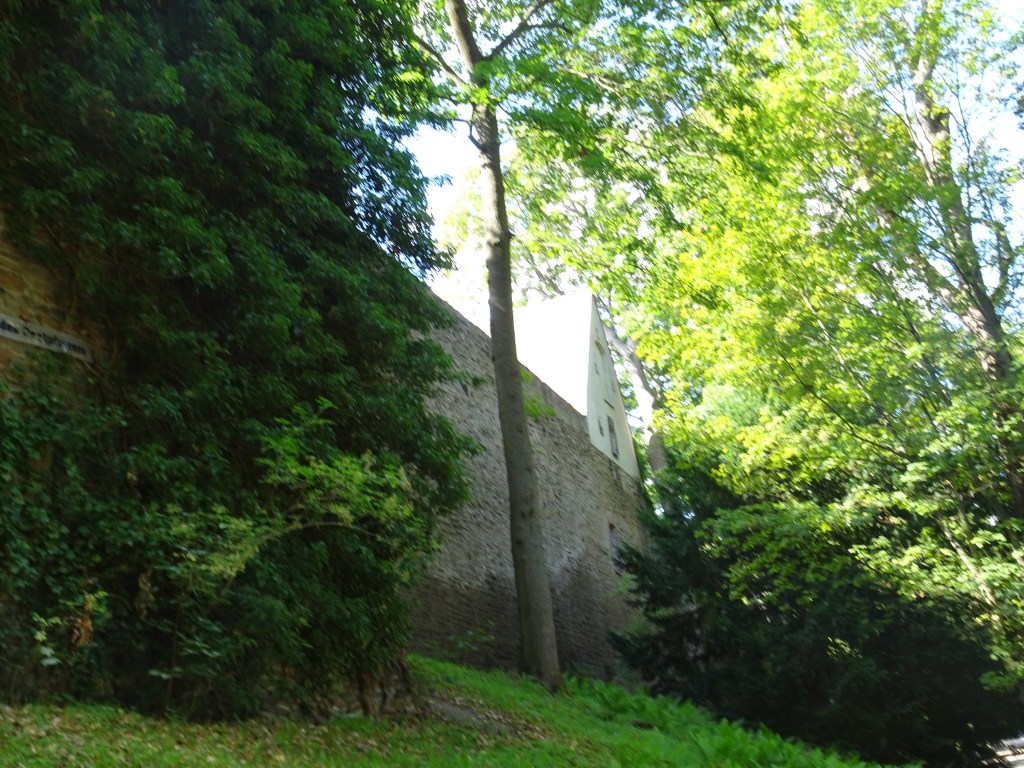
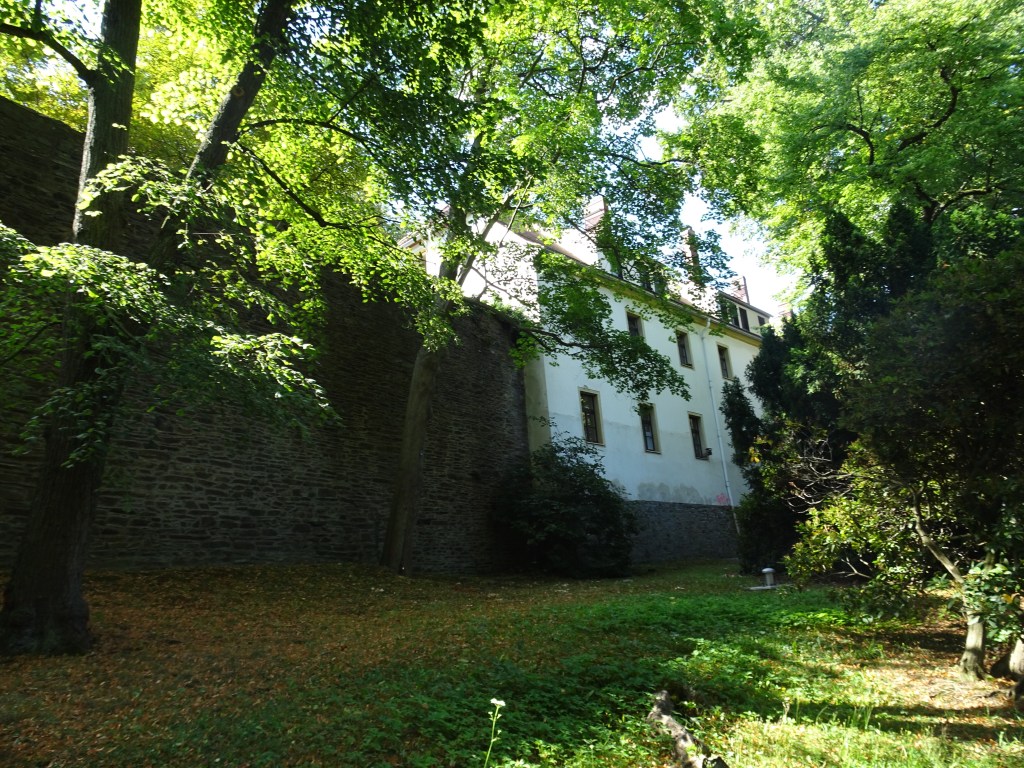
Most interestingly, not on the tourist map, is the city hospital that uses the old castle walls. A huge parking garage is under the hospital, adjacent to the old walls.
Brian pointed his camera at the ceiling to record part of a piece by J.S. Bach.

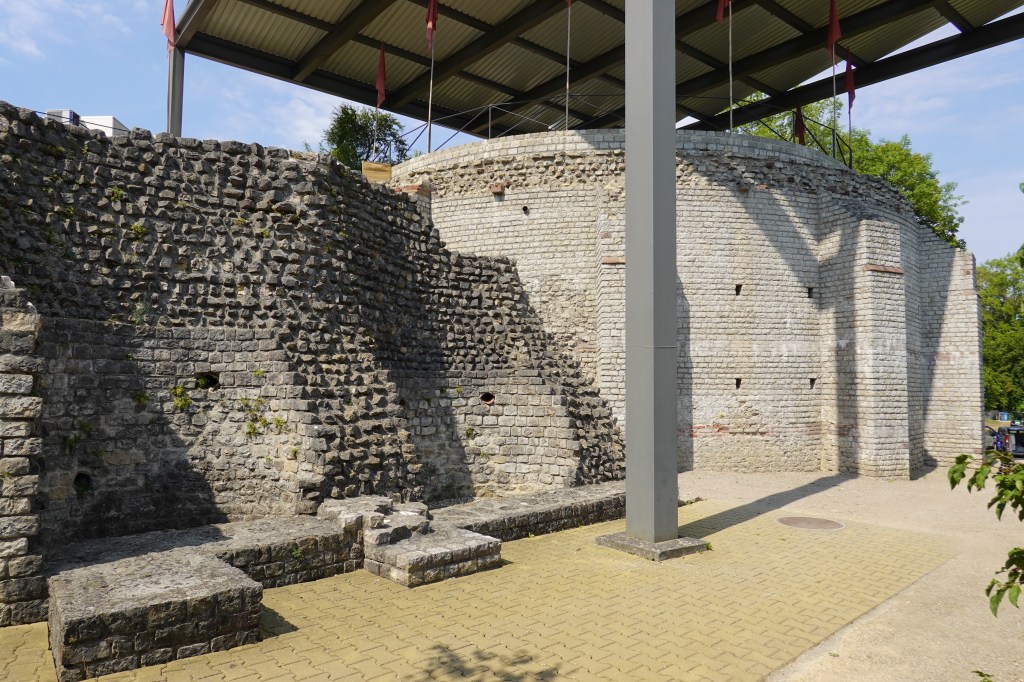
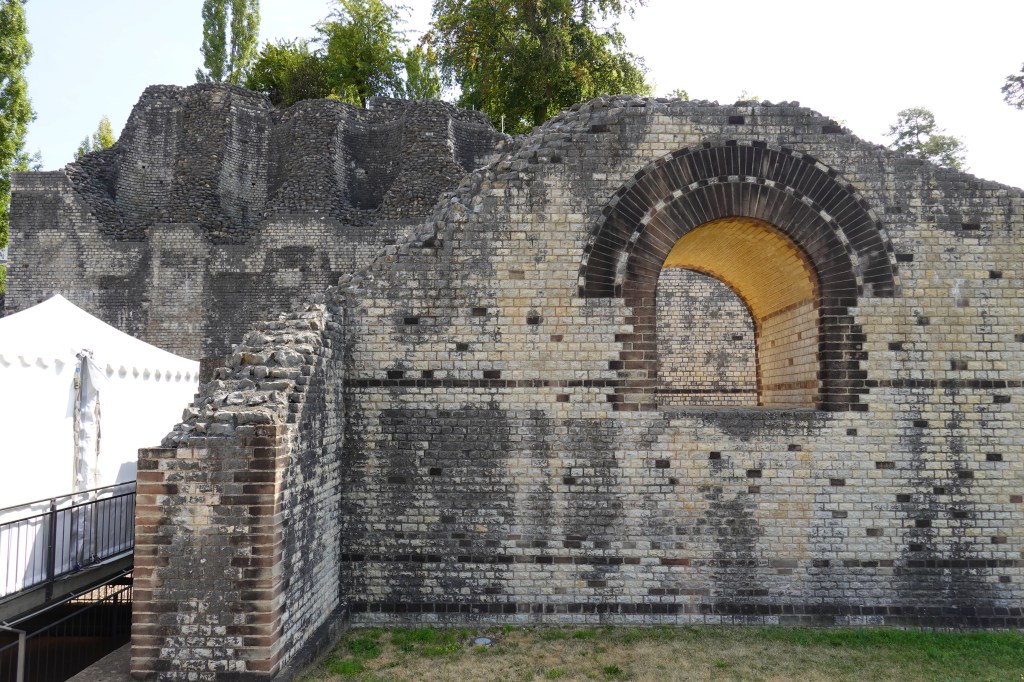
Augusta Raurica, near Basel, Switzerland

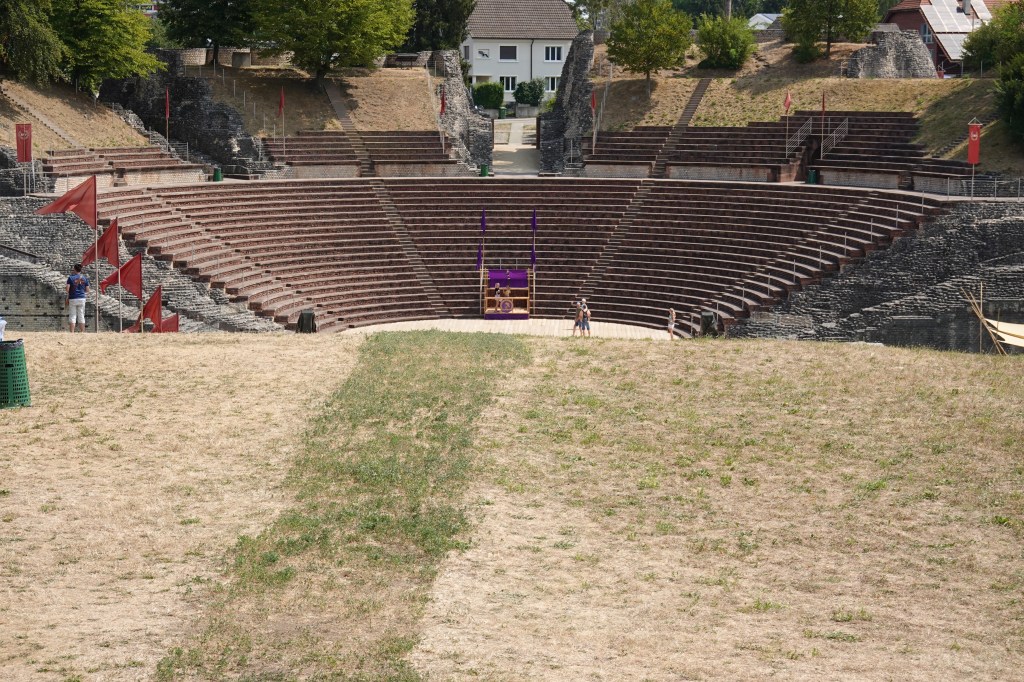
Large Roman amphitheater, partially renovated.

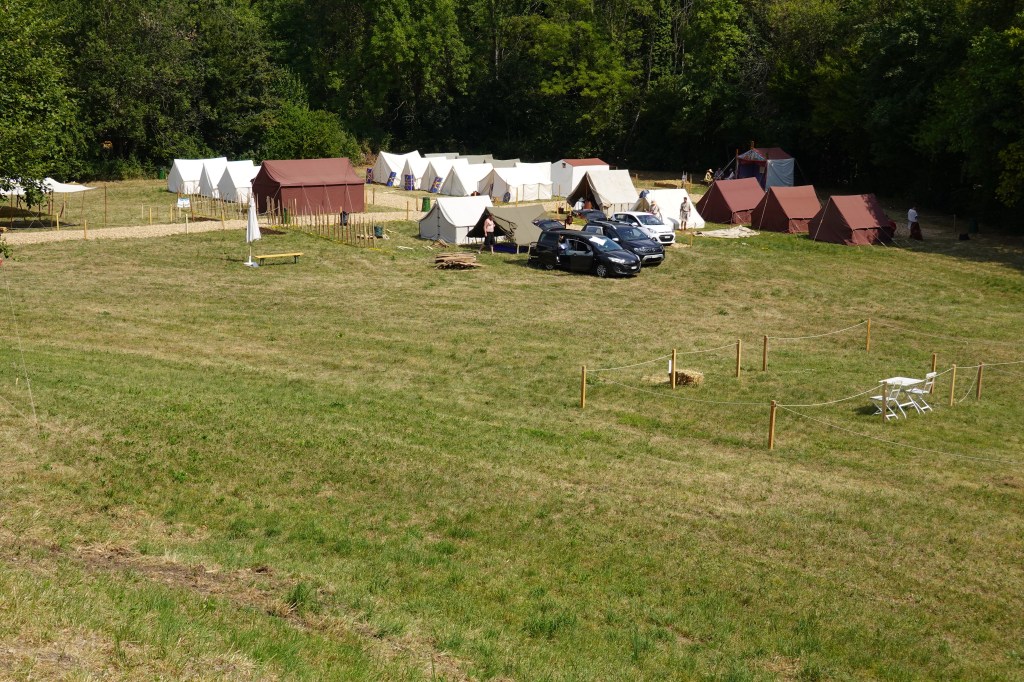
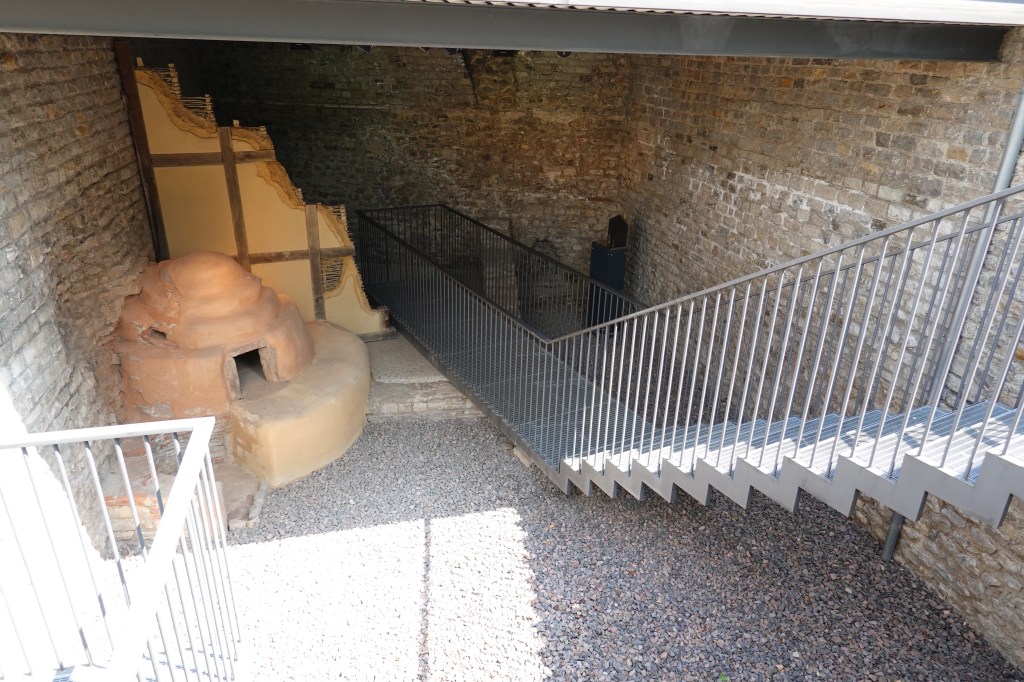
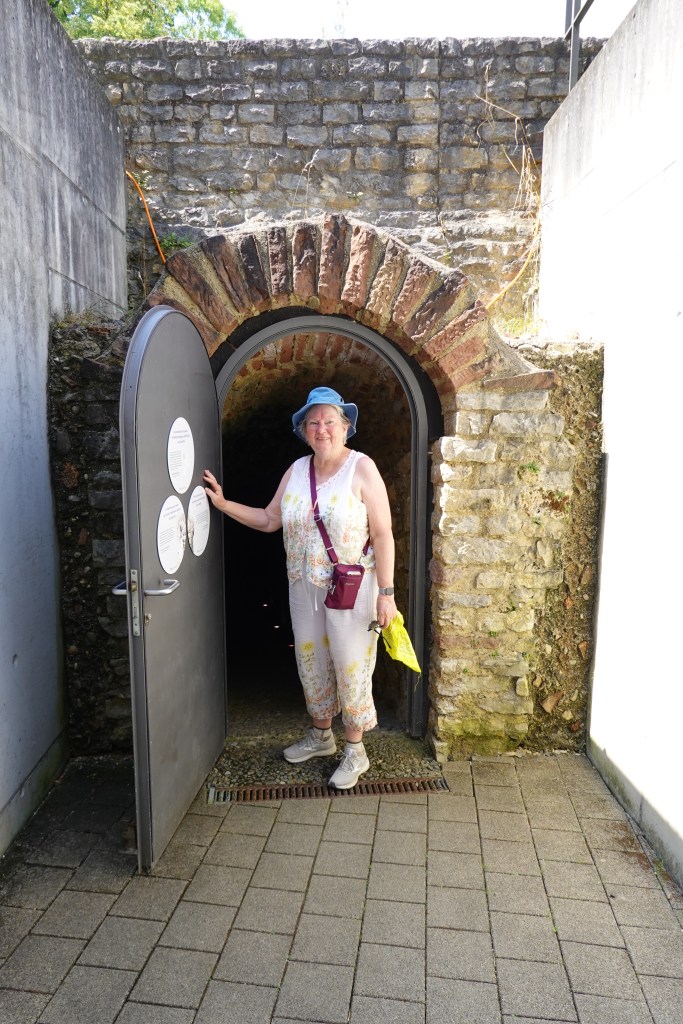
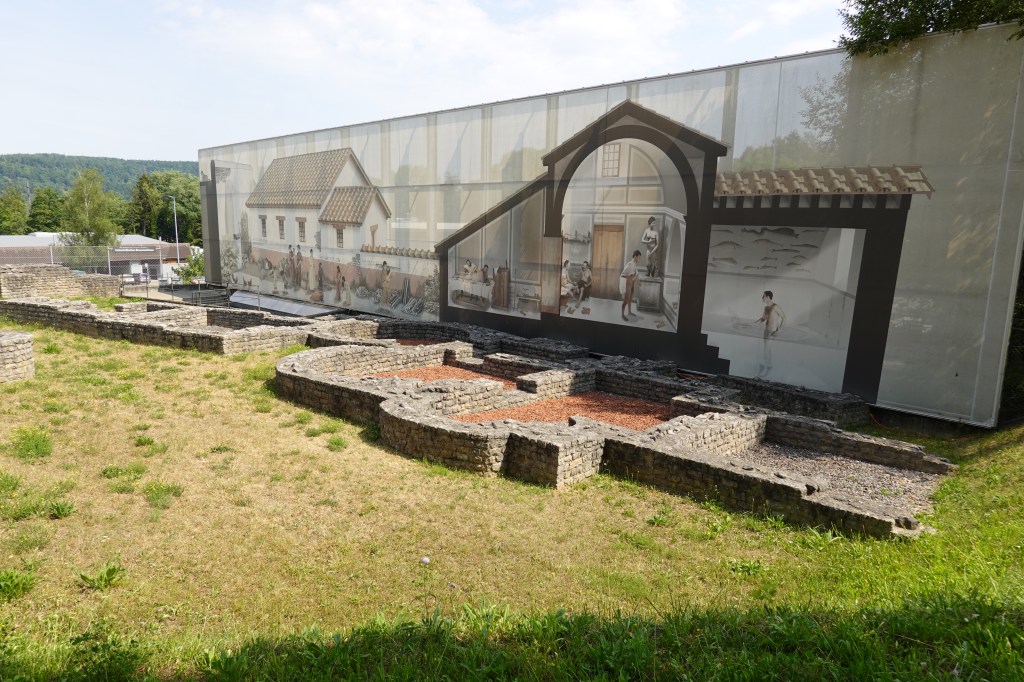
A short train ride from Basel leads to ruins of a Roman town that has been made into a fun park and museum. When we visited on a Friday, people were getting ready for the 25th annual Roman Festival, which would happen that weekend. The fee was waived because of all the people setting up tents for the festival.

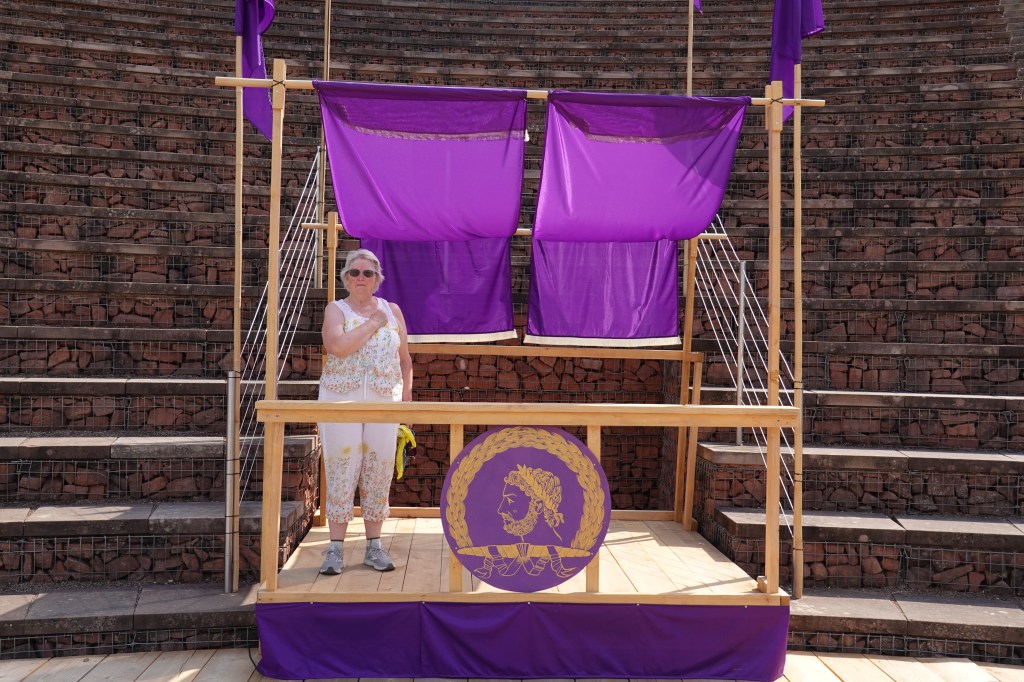
Clare as Caesar!
Tents with food and games for the festival.

The festival seems similar to the Renaissance Festival in Colorado and the Shakespeare Festival in California, except for the time being portrayed. Everyone in costume talking in feigned accents. Seems like great fun, but we would be on our way the next day.
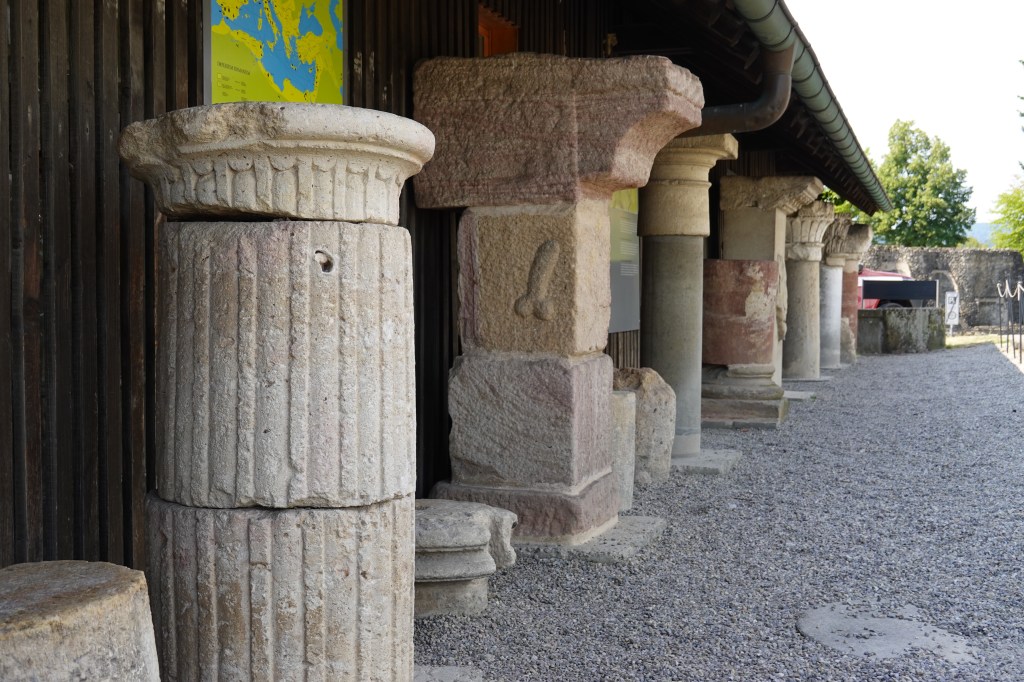
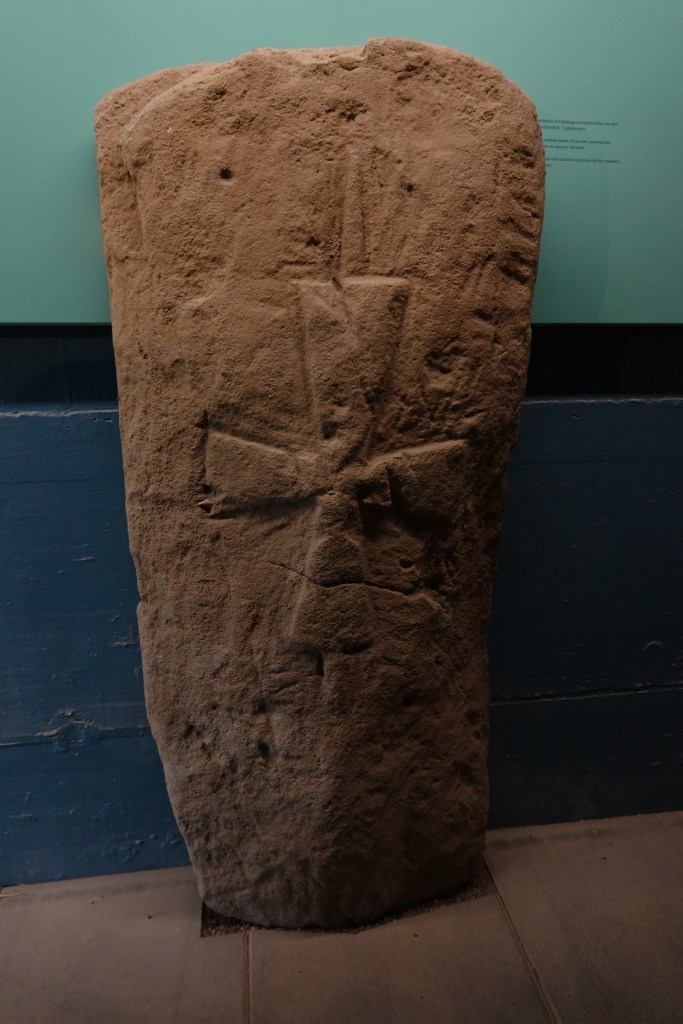
Stone relics recovered from the ancient ruins.

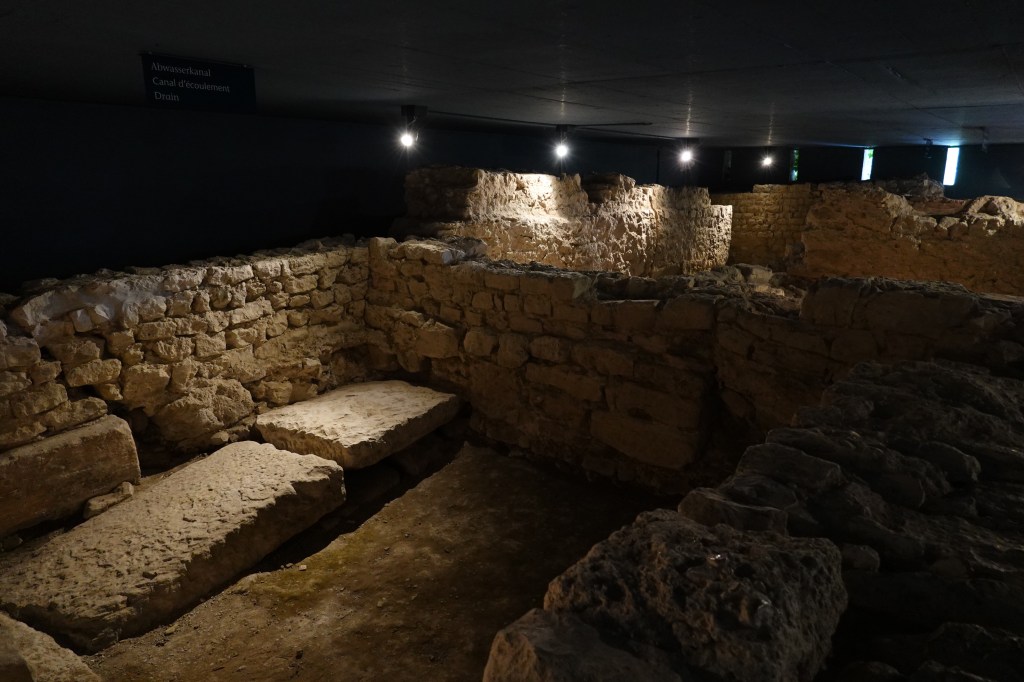
An astonishingly large amount of Roman silver was excavated recently near the old town and is now on display in the museum at the site.

Basel, Switzerland

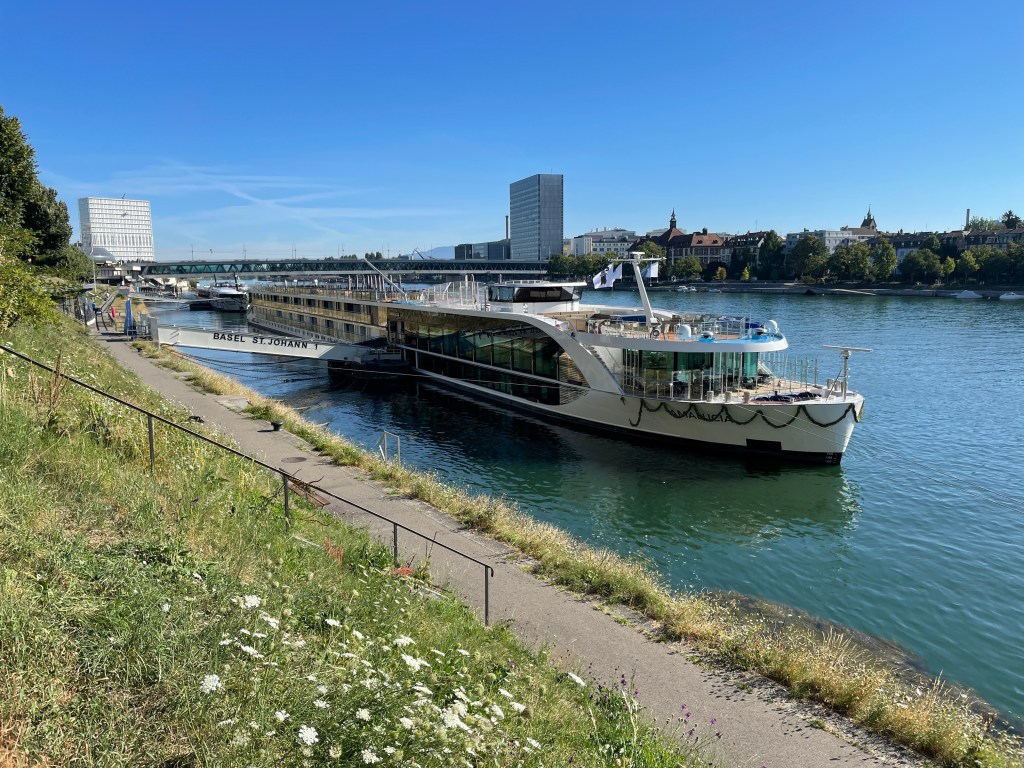
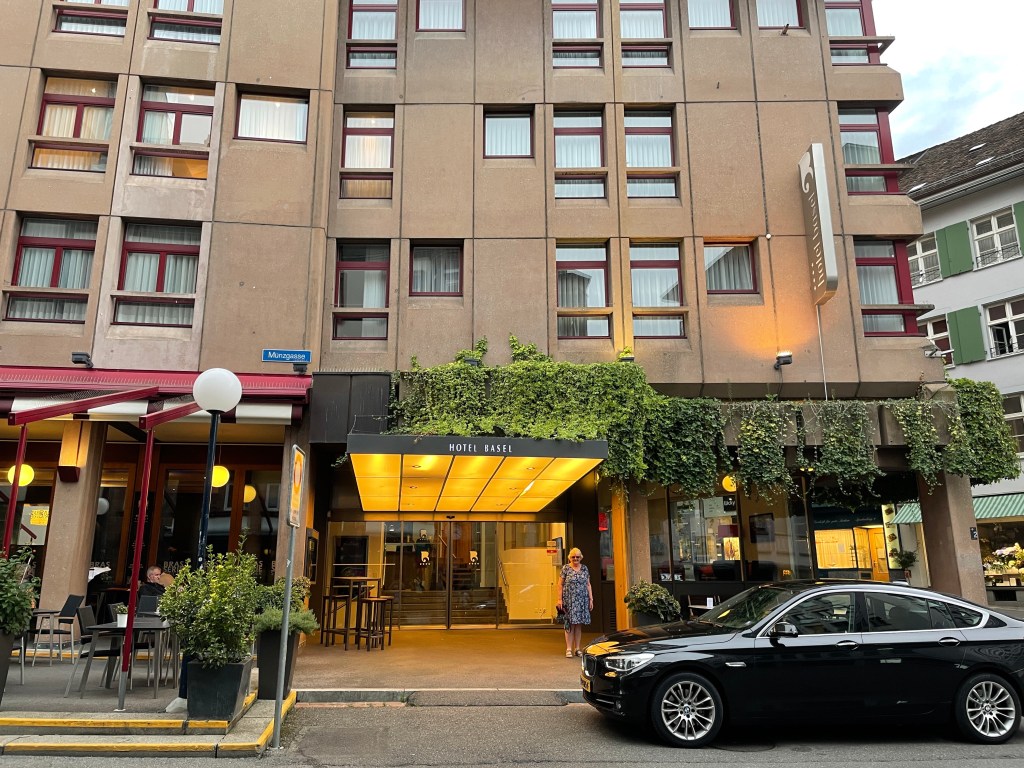
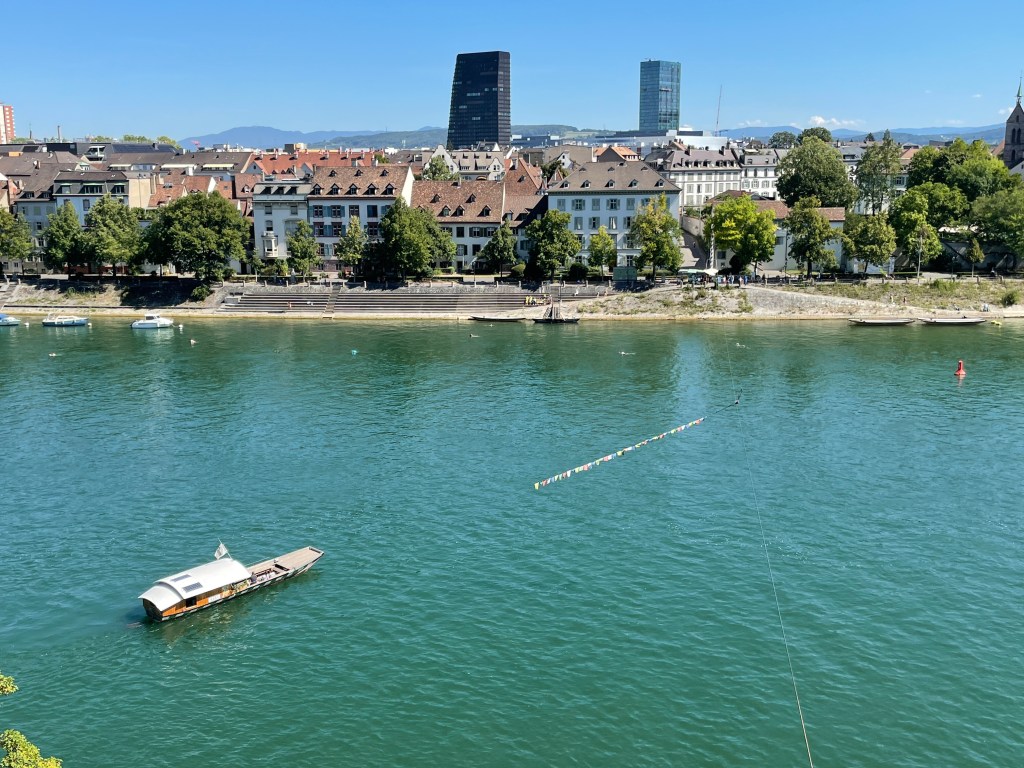
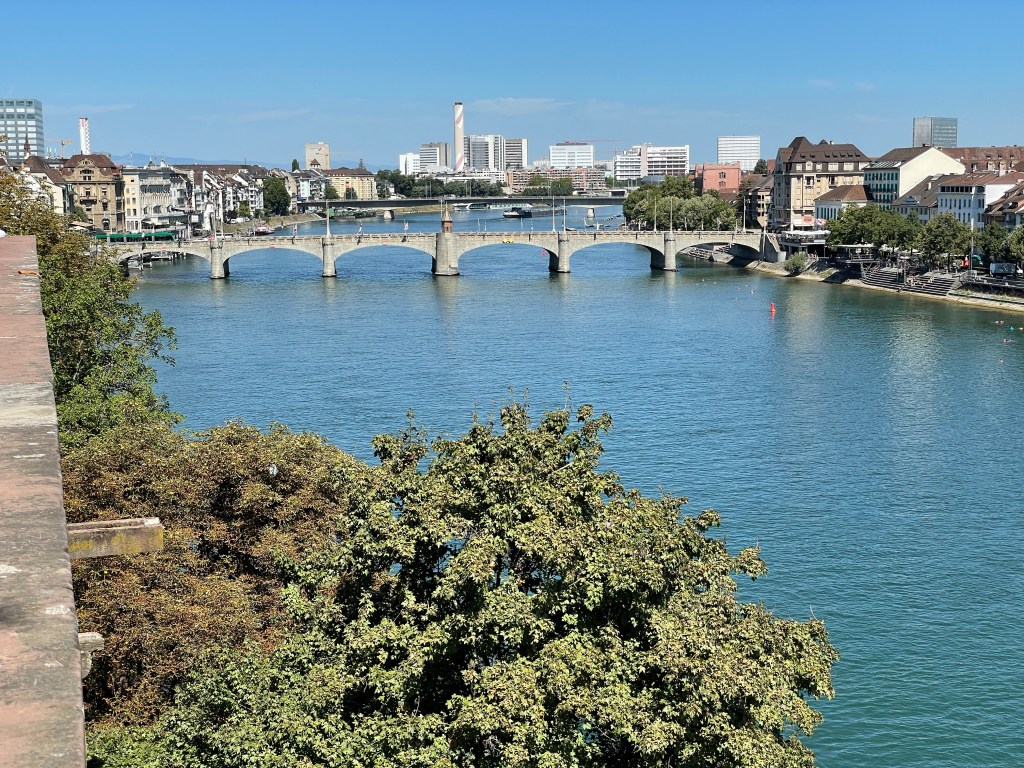
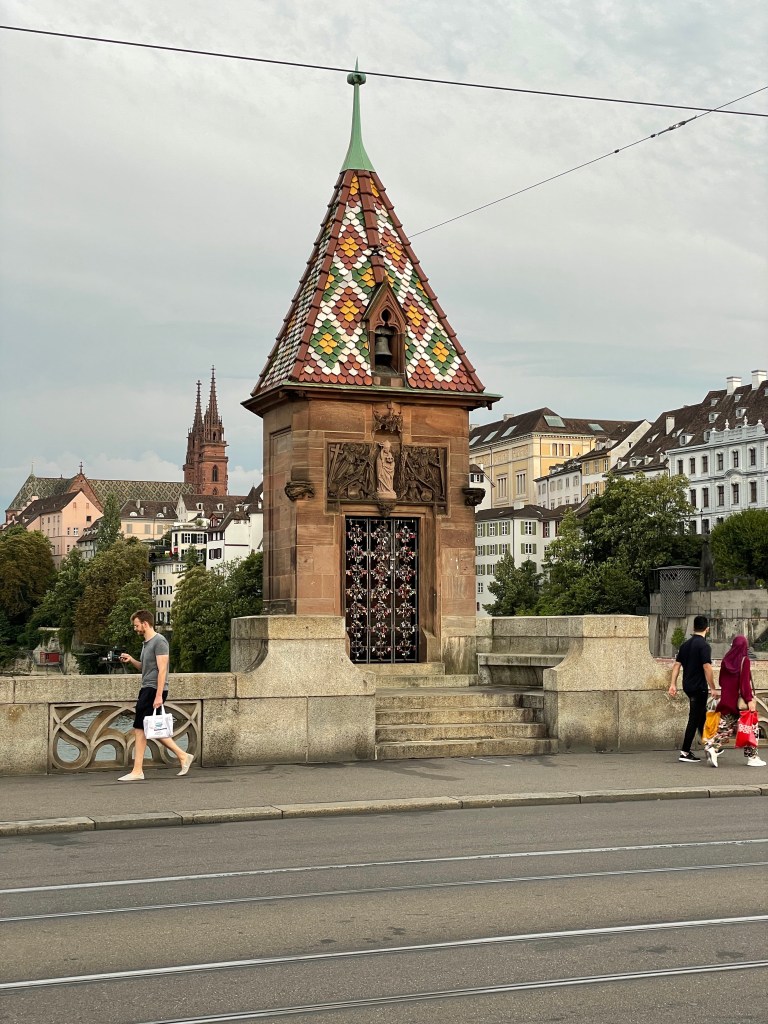
A large, busy city at the intersection of three countries, France, Germany and Switzerland. We walked from the cruise ship to our hotel.

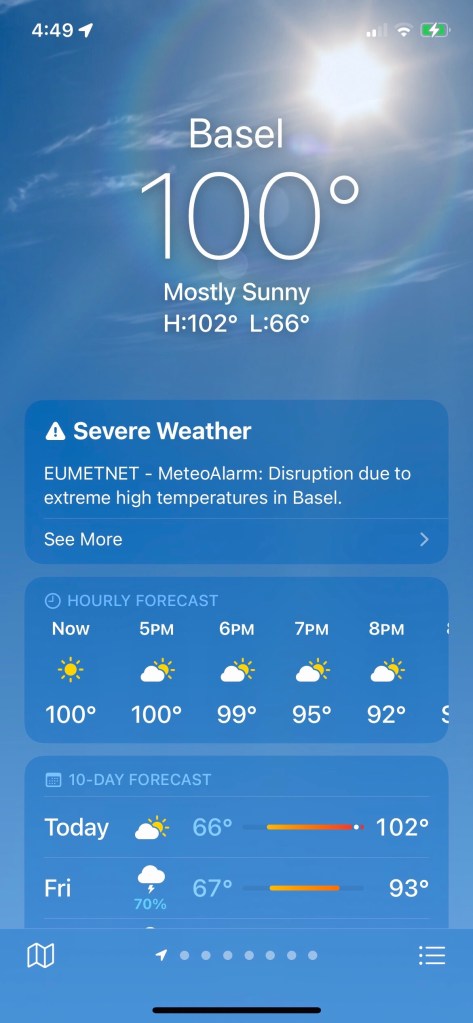
Did we mention that it was hot? Our hotel and most of the trams were air-conditioned. We were grateful for the tram system. The trams came often and were well laid out. Hotel guests receive a pass for all the buses, trams and trains within Basel and surrounding areas.

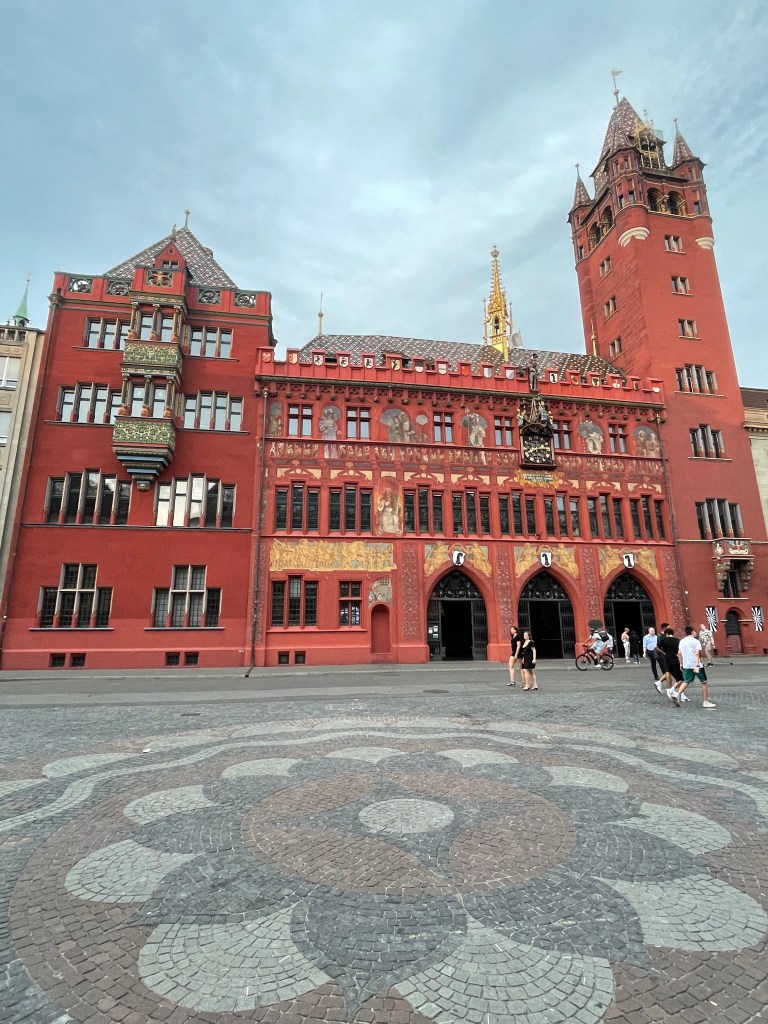
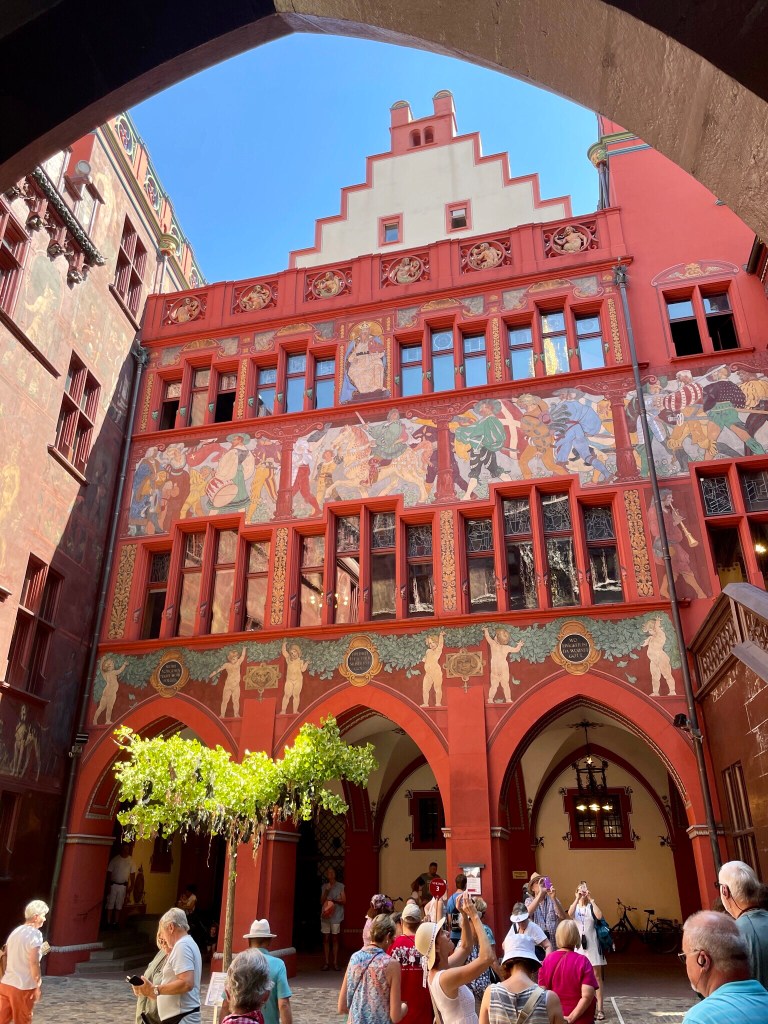
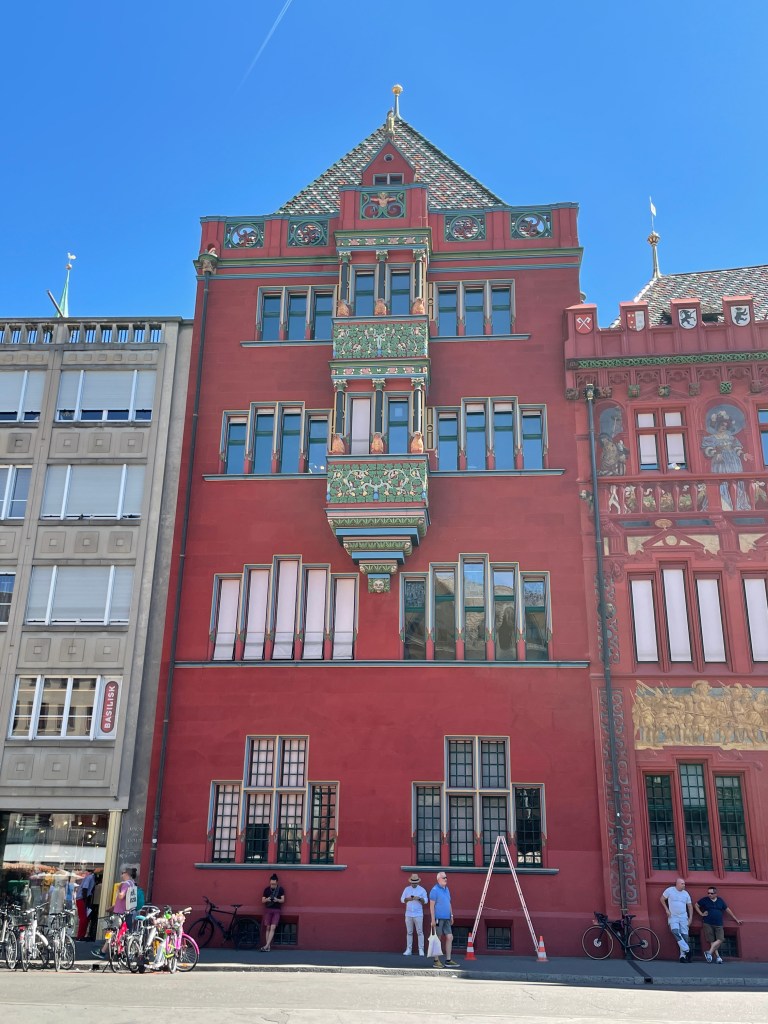
This beautiful building, city hall, is a short walk from our hotel. A daily marketplace is in the front courtyard.
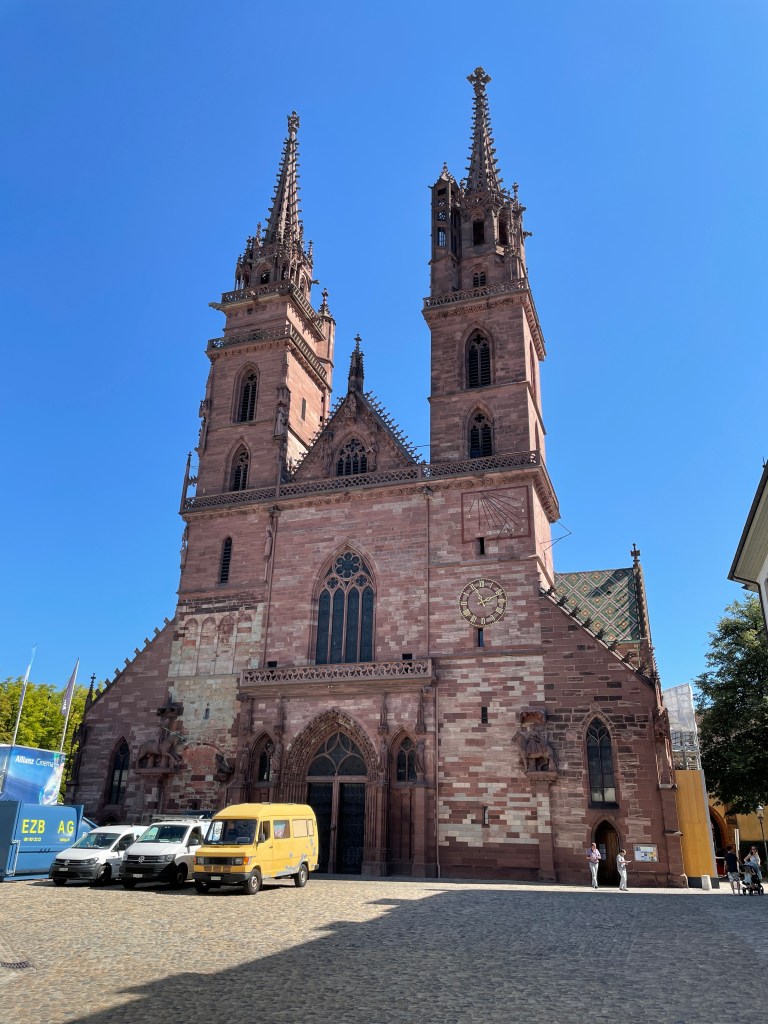
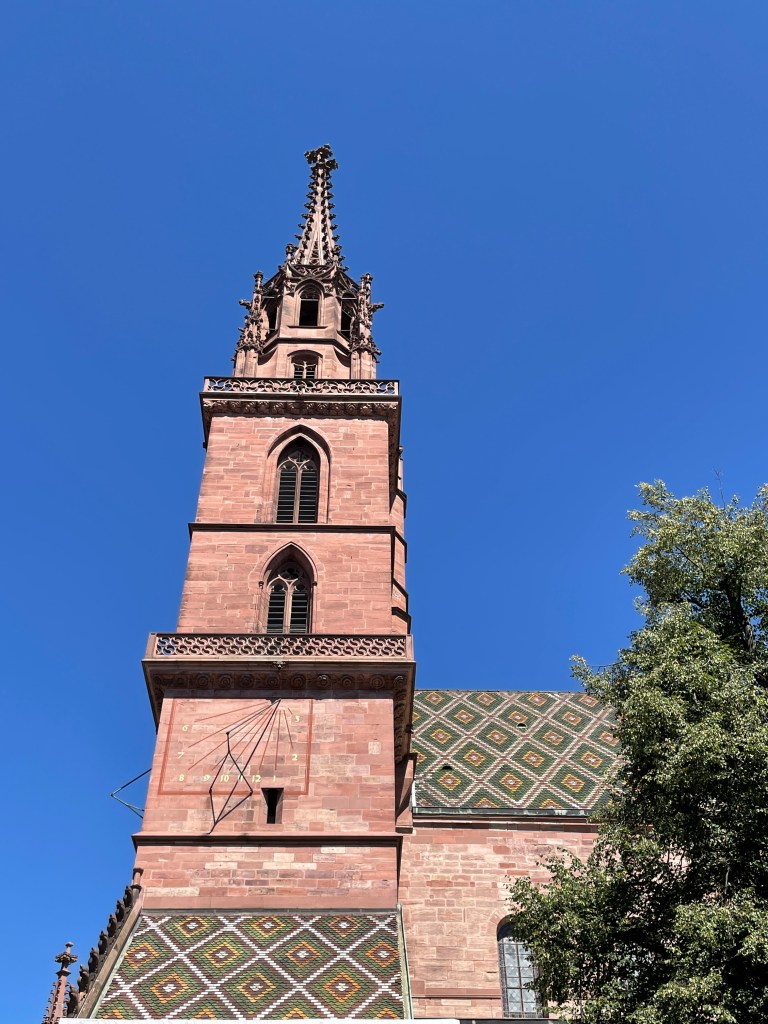
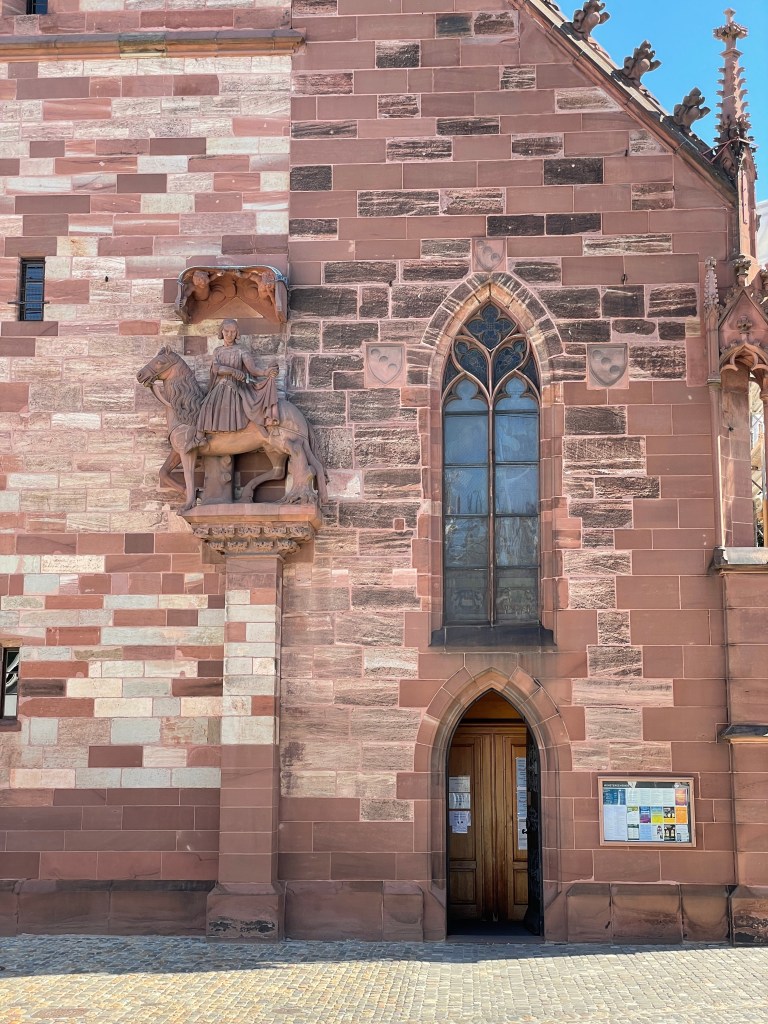
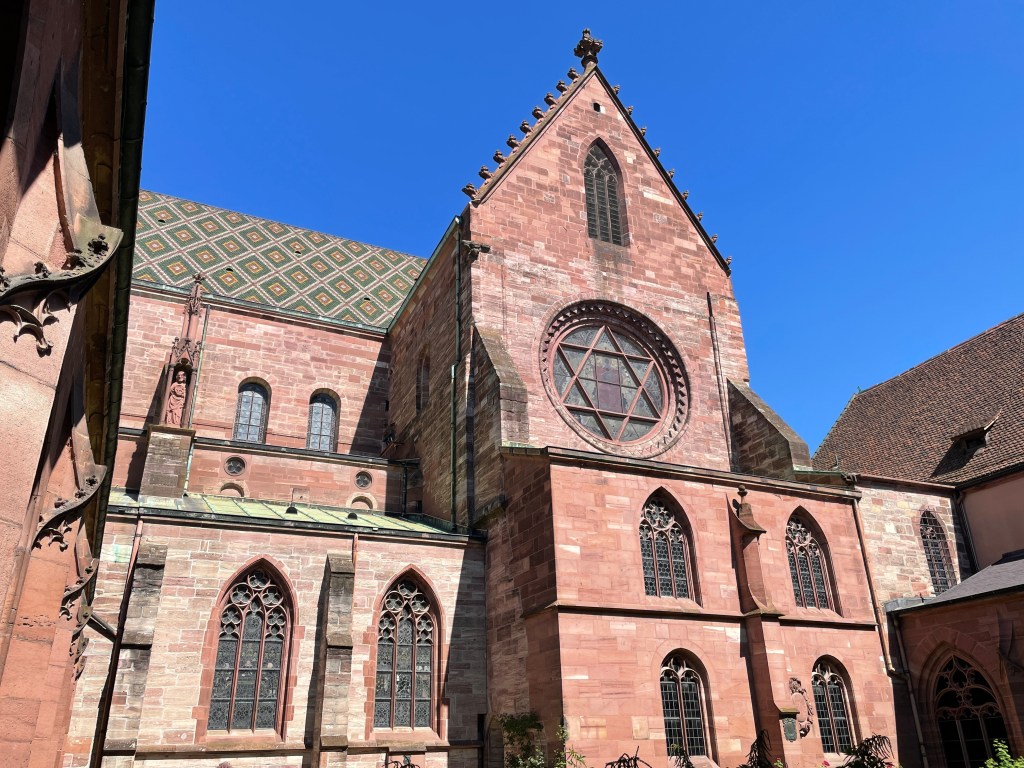
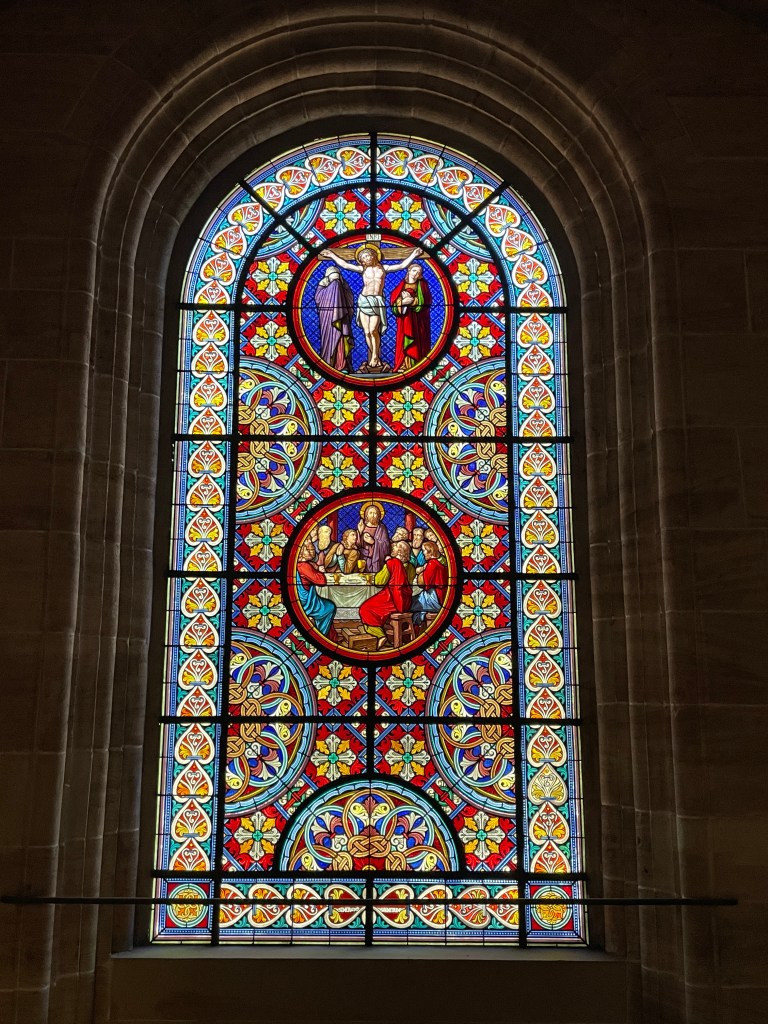
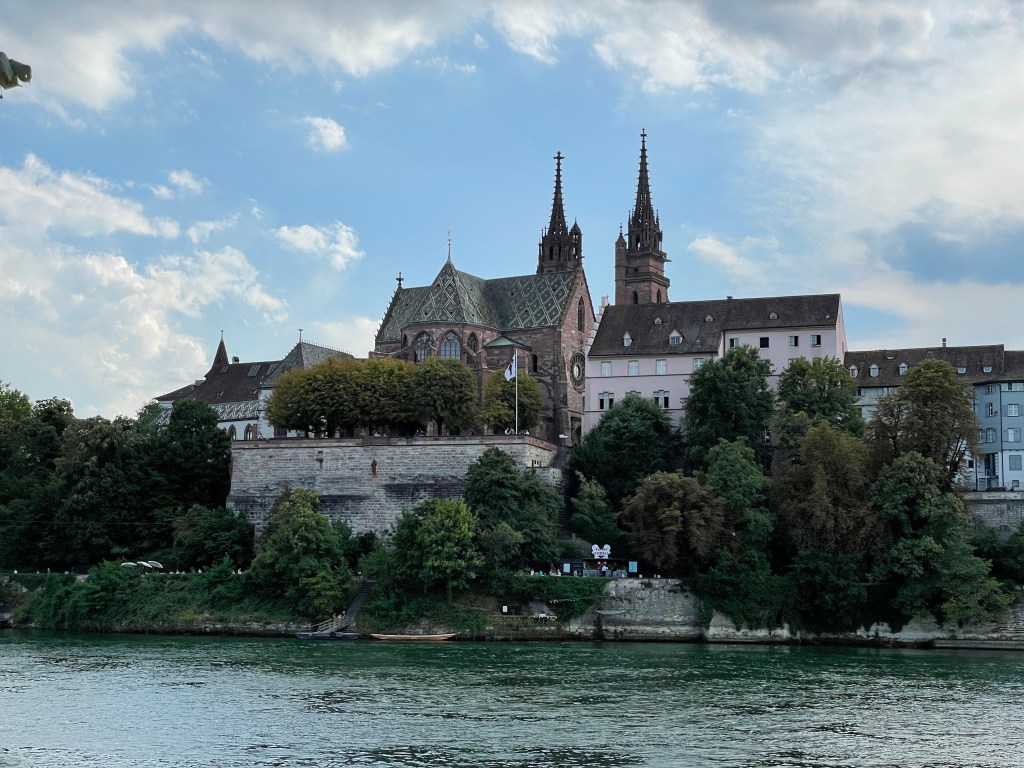
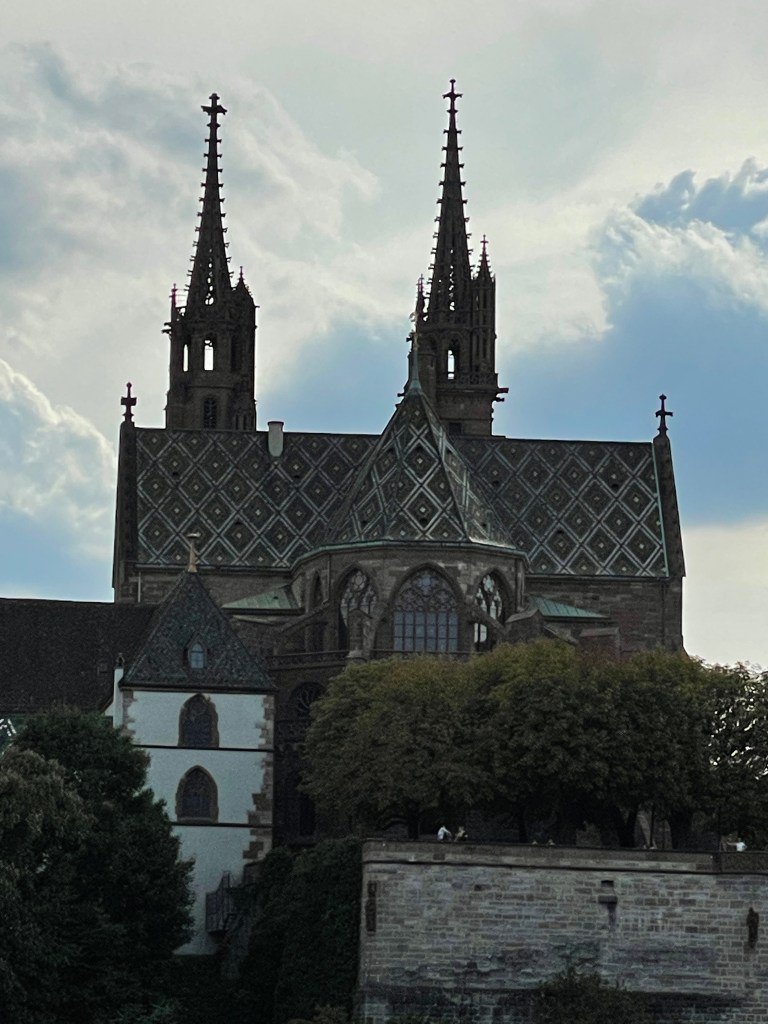
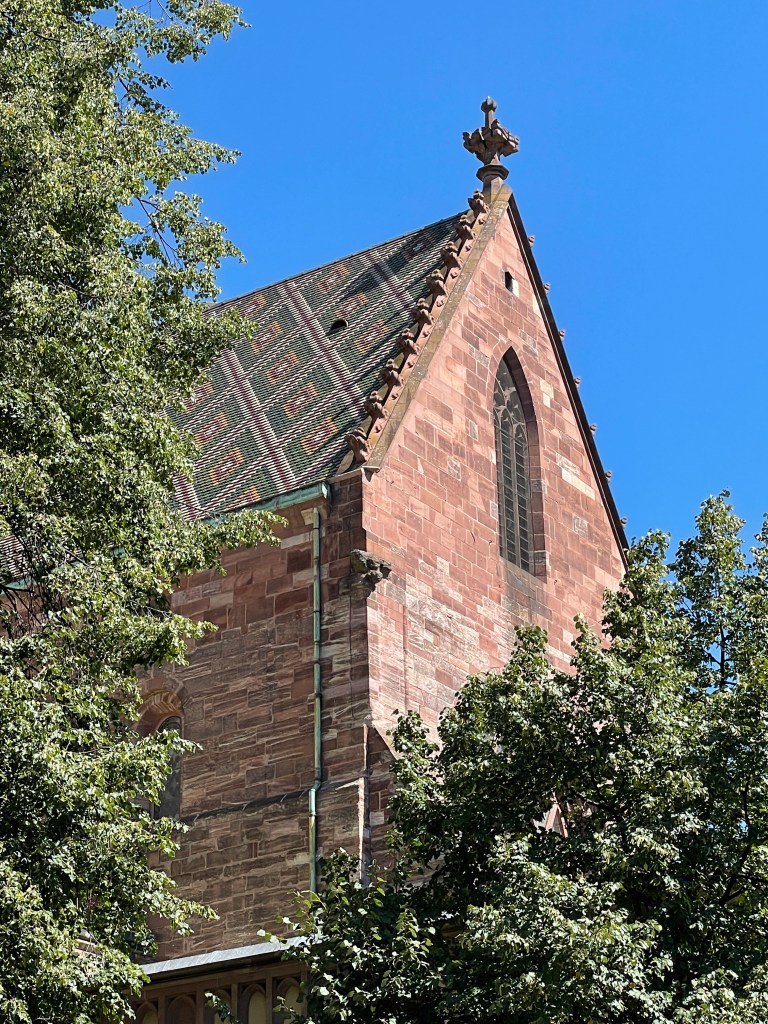
Basel Minster

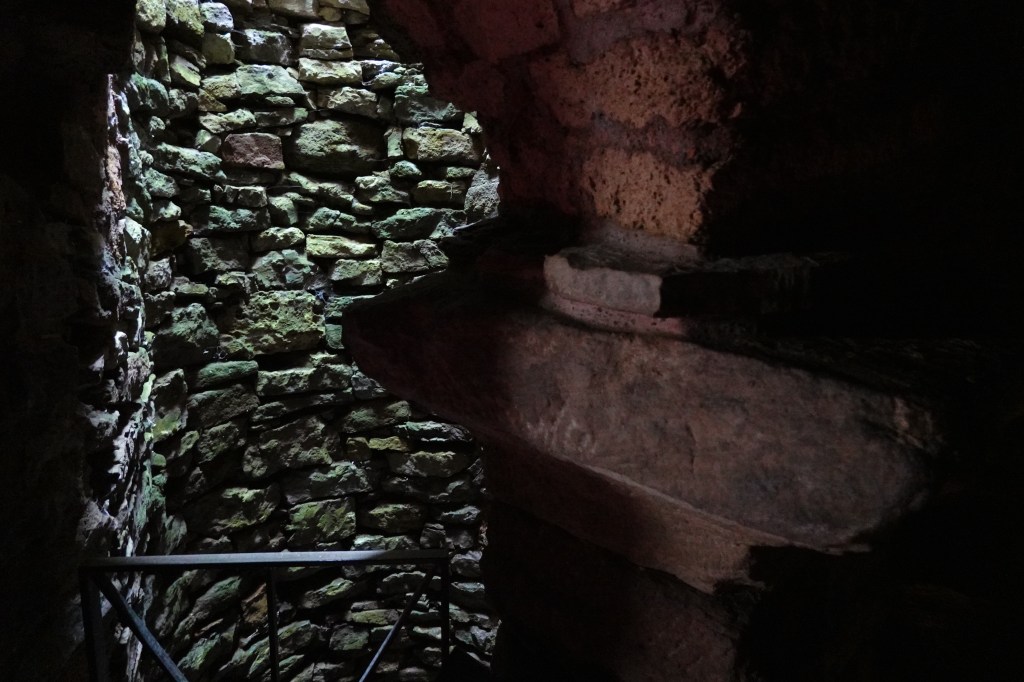
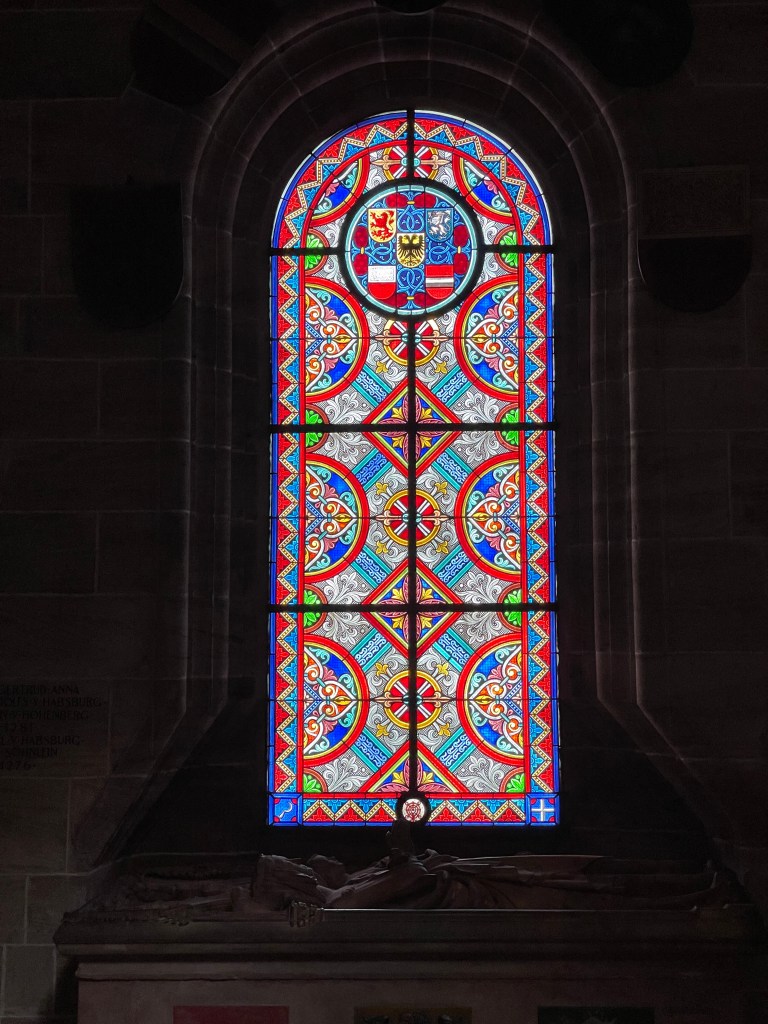
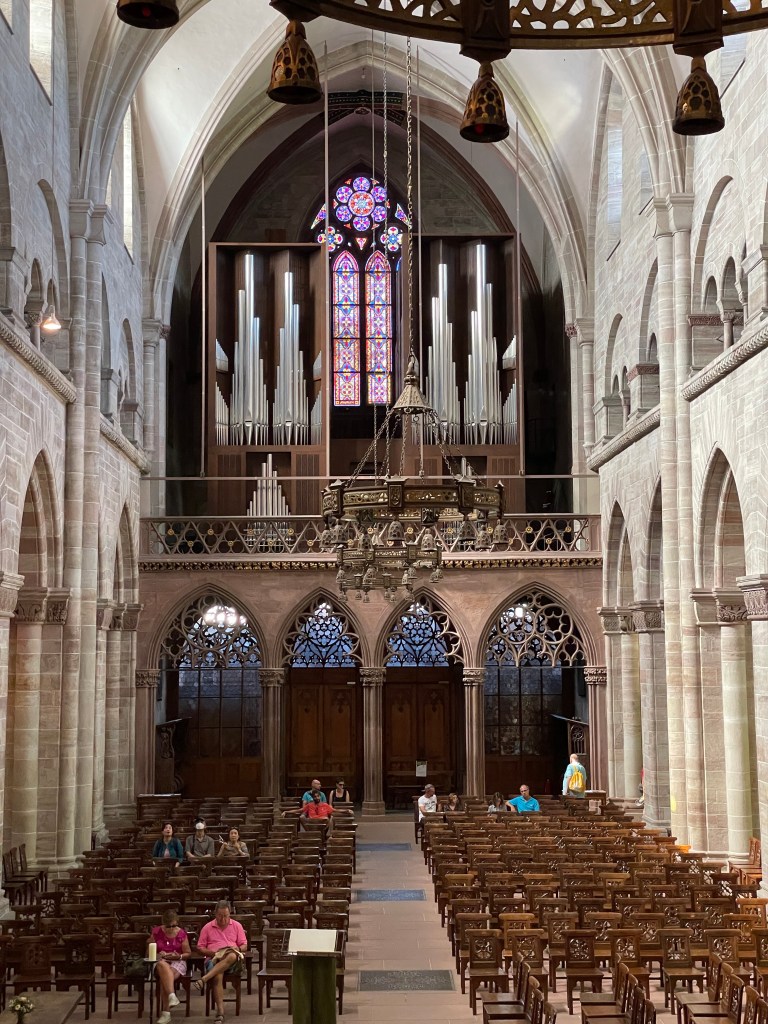
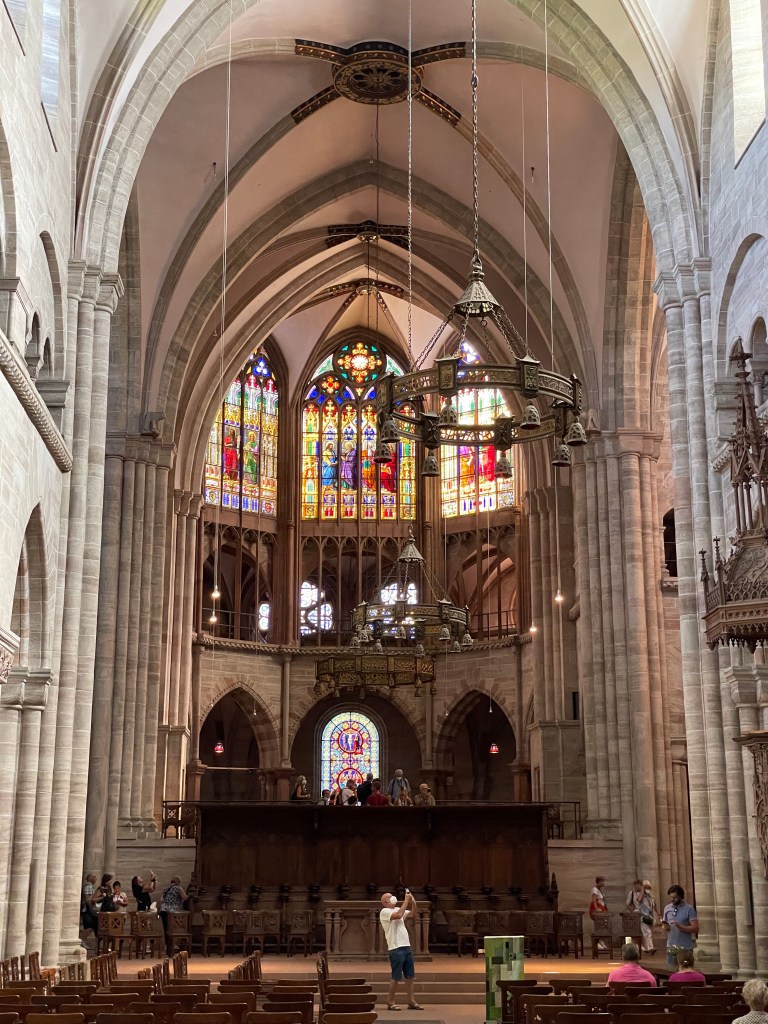
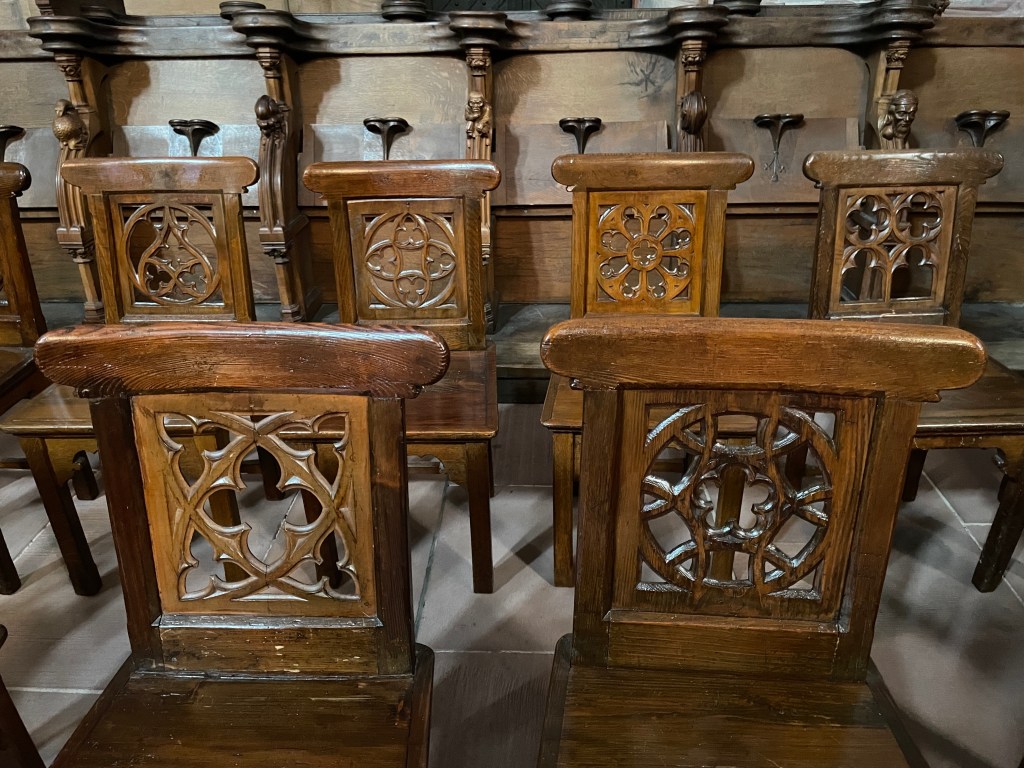
We visited the cathedral and its dozens of crypts of famous bishops and other leaders over the past hundreds of years. That part felt a bit creepy, underground and dark, until we likened it to visiting an extremely old cemetery.

Rhine River Cruise: Hiking in the Black Forest, Germany

We tried to ensure that the cruise we chose included this excursion as not all cruises stop near here. The Black Forest seems such a mysterious place, filled with Grimm’s Fairy Tales. The ancient peoples who first settled on the lowlands did not venture into the forest.

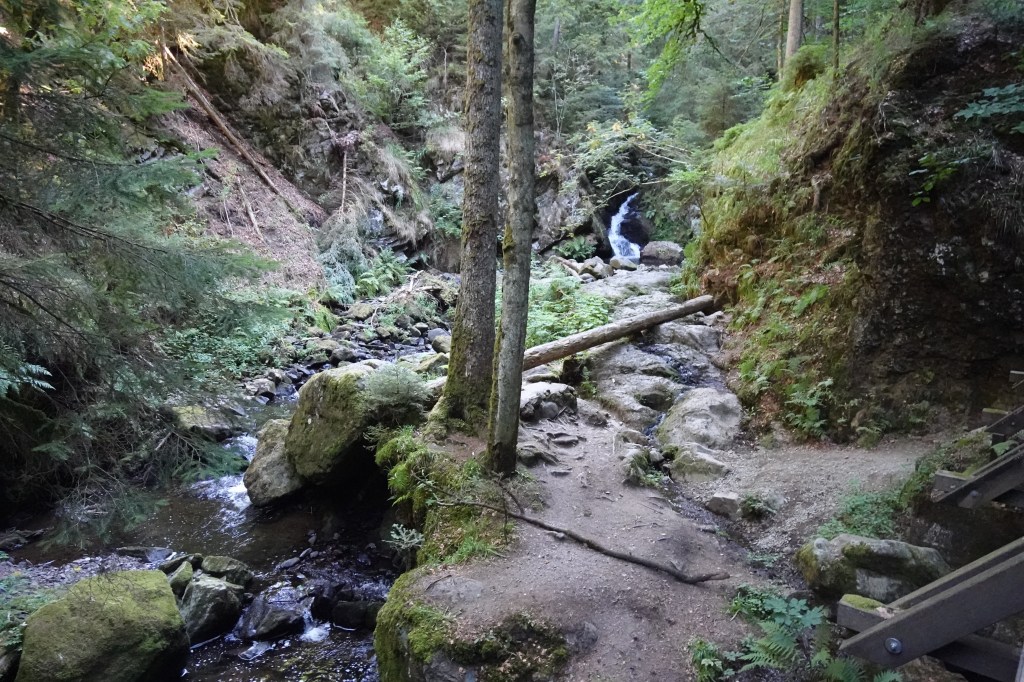
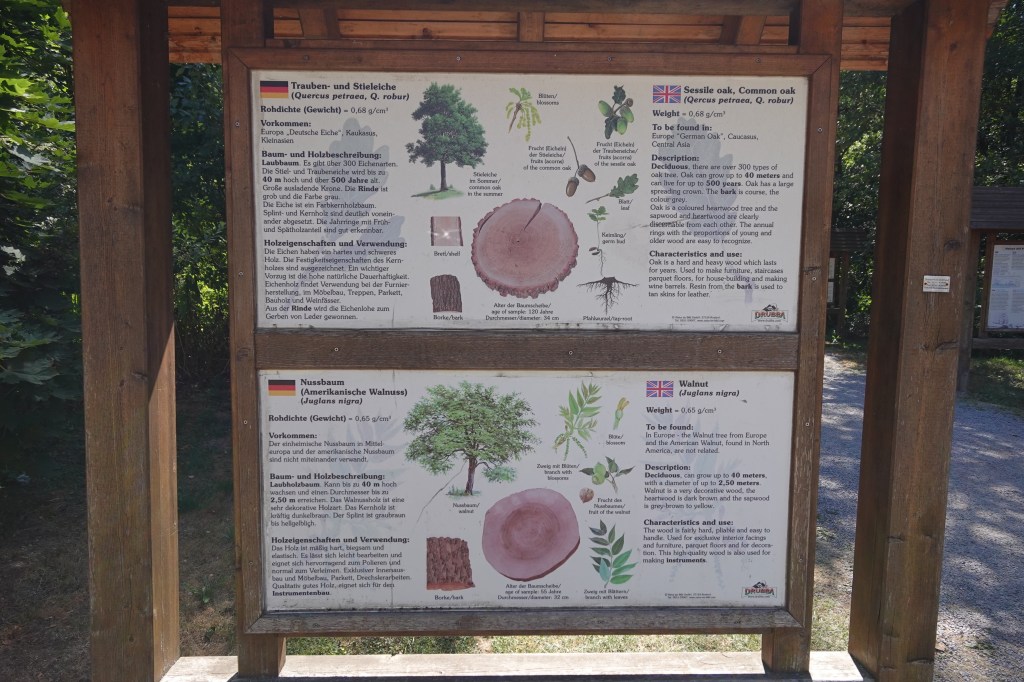
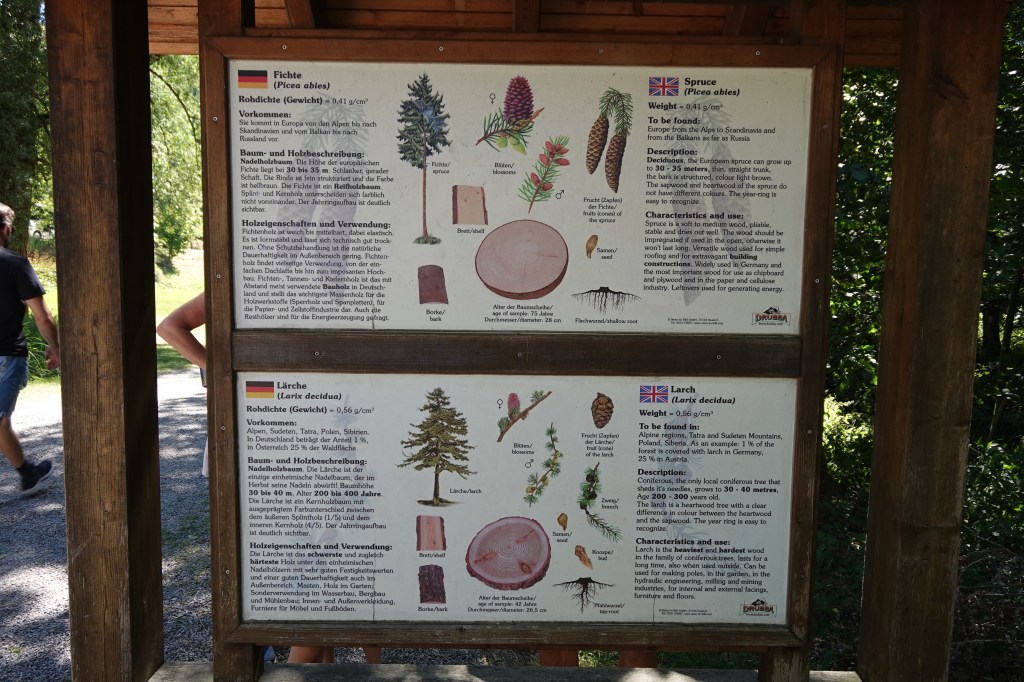
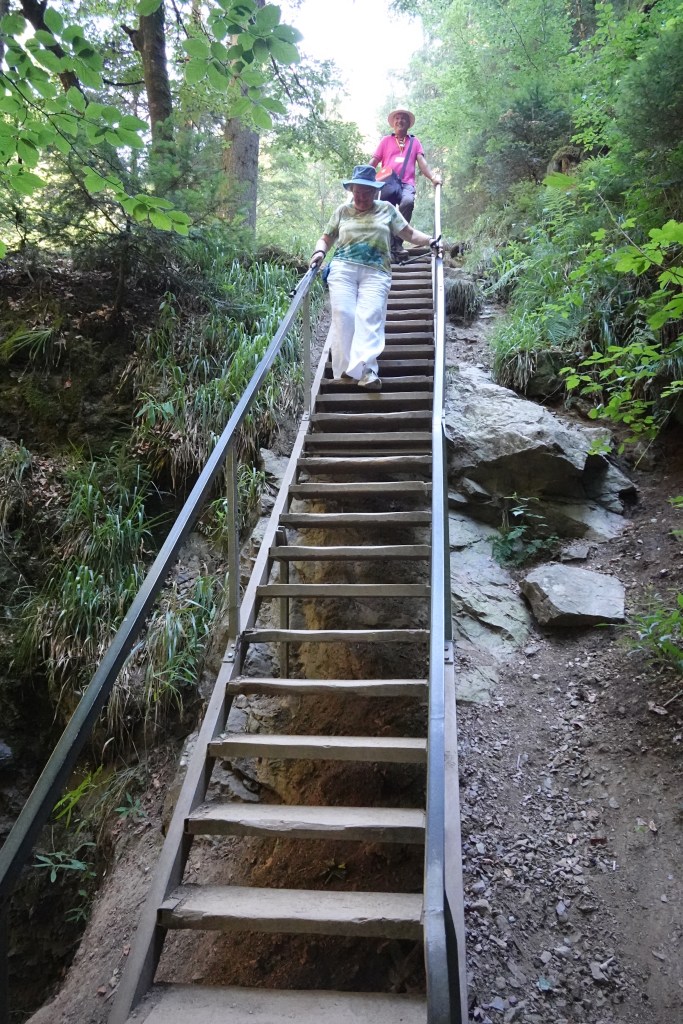
The hike is up Ravenna Gorge near Freiburg. Six kinds of trees live in this dense forest, and signs help visitors identify the varieties. We were thankful for the shade as the weather had been unusually warm.

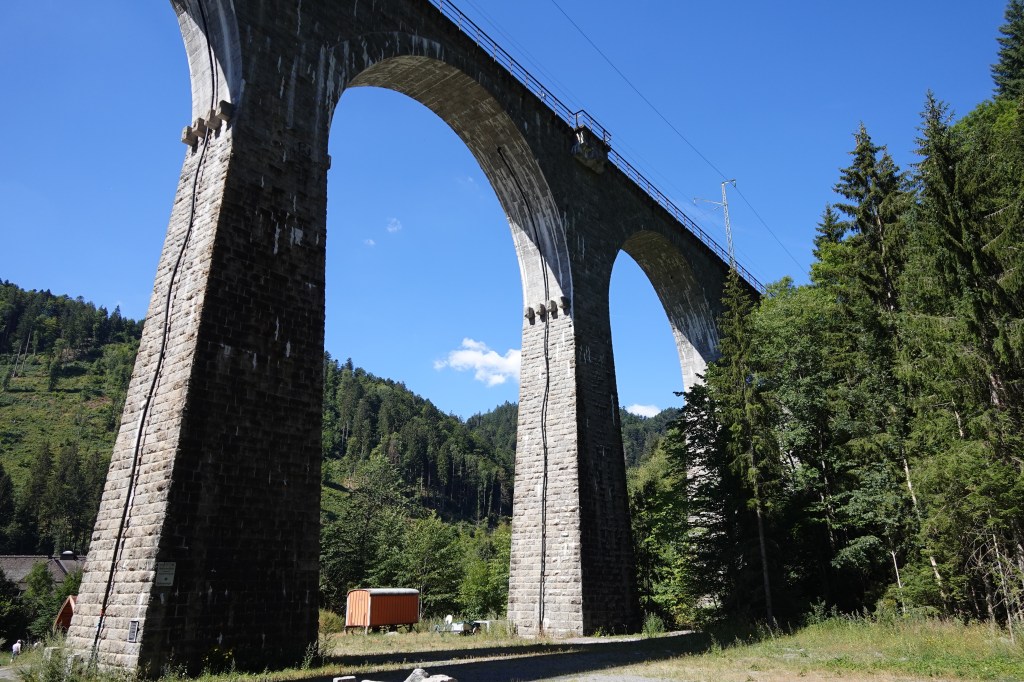
The first thing we saw was this high railroad viaduct rebuilt after WWII, quite extraordinary.

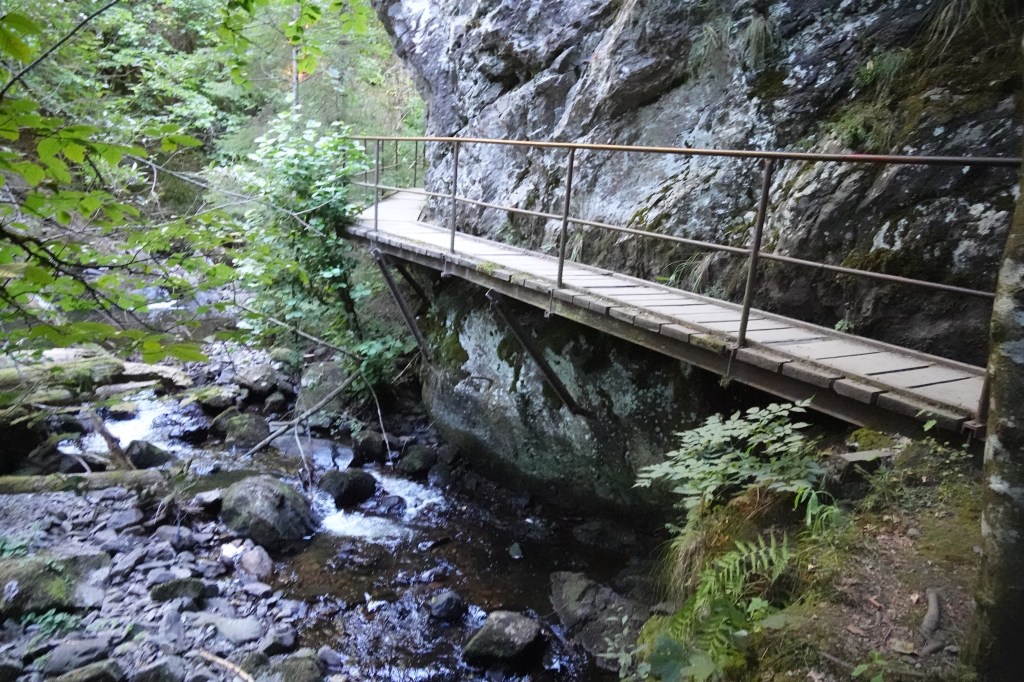
The walk was only 1.25 miles, but we gained over 400 feet, so a little bit steep. The trail in places was quite narrow, with handrails on the many bridges and stairways.

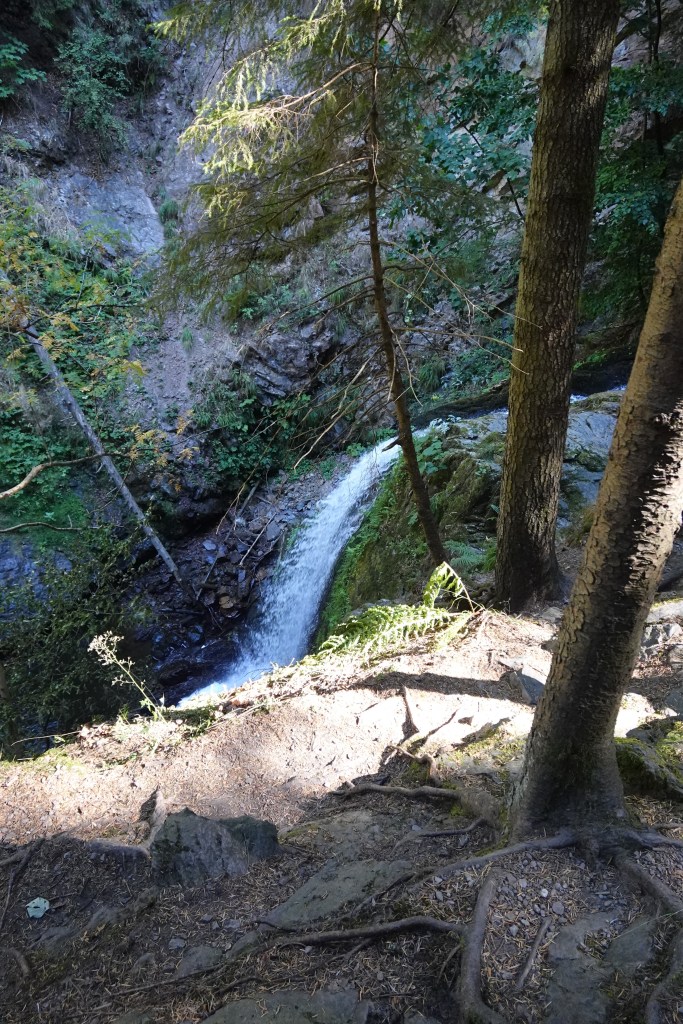
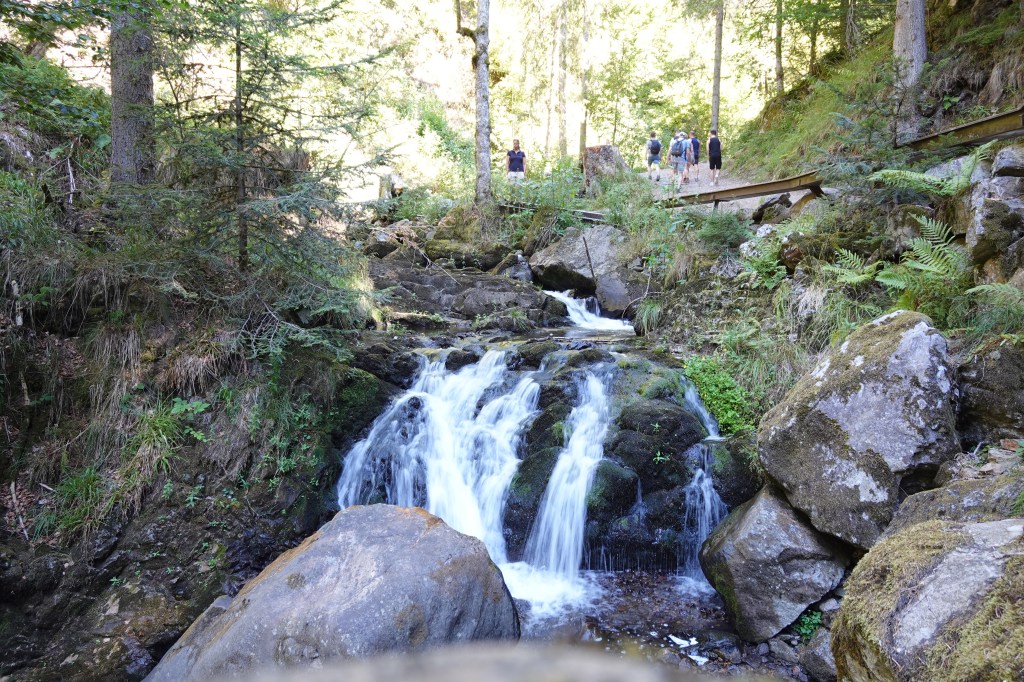
Lots of beautiful waterfalls to admire, but strangely no mosquitoes and very few other bugs.

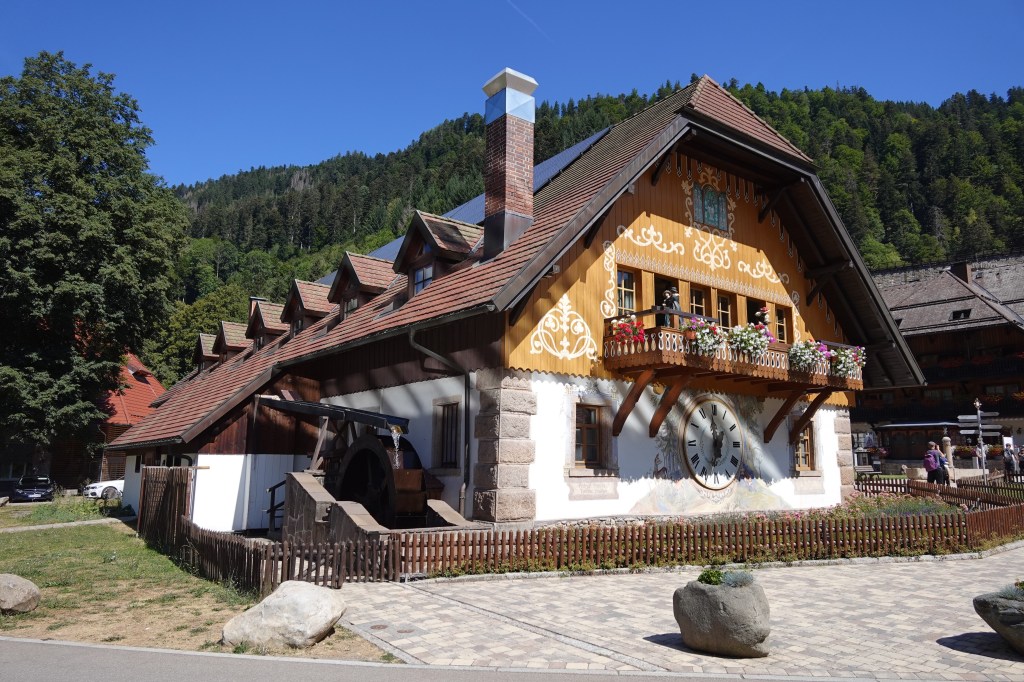
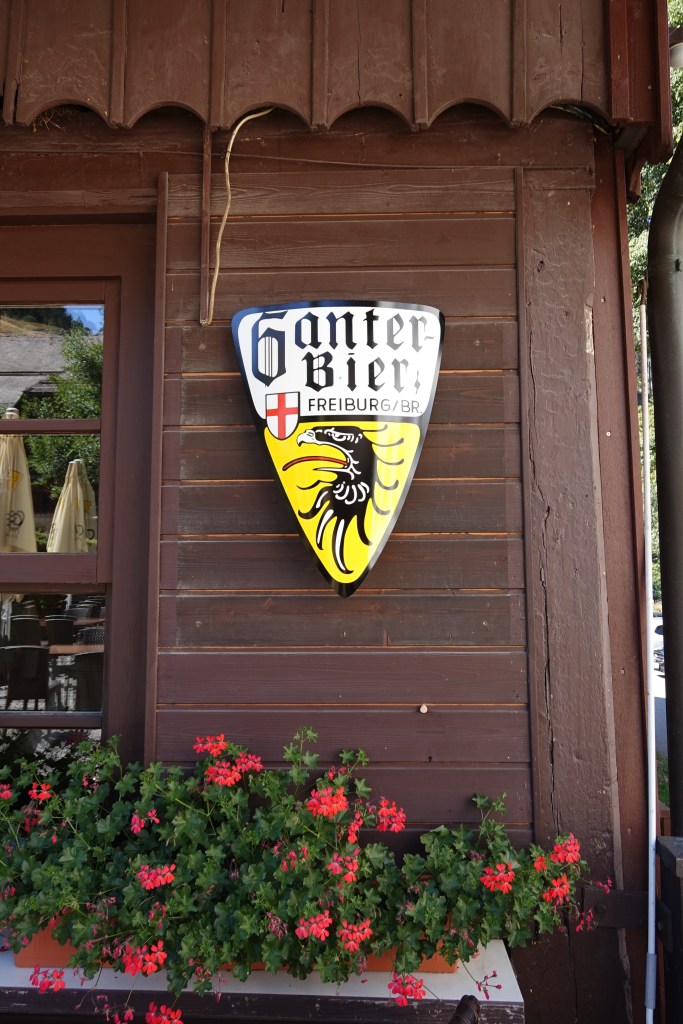
At that end of the hike was a cute little village selling glass ornaments, cuckoo clocks, beer and Black Forest Cake!