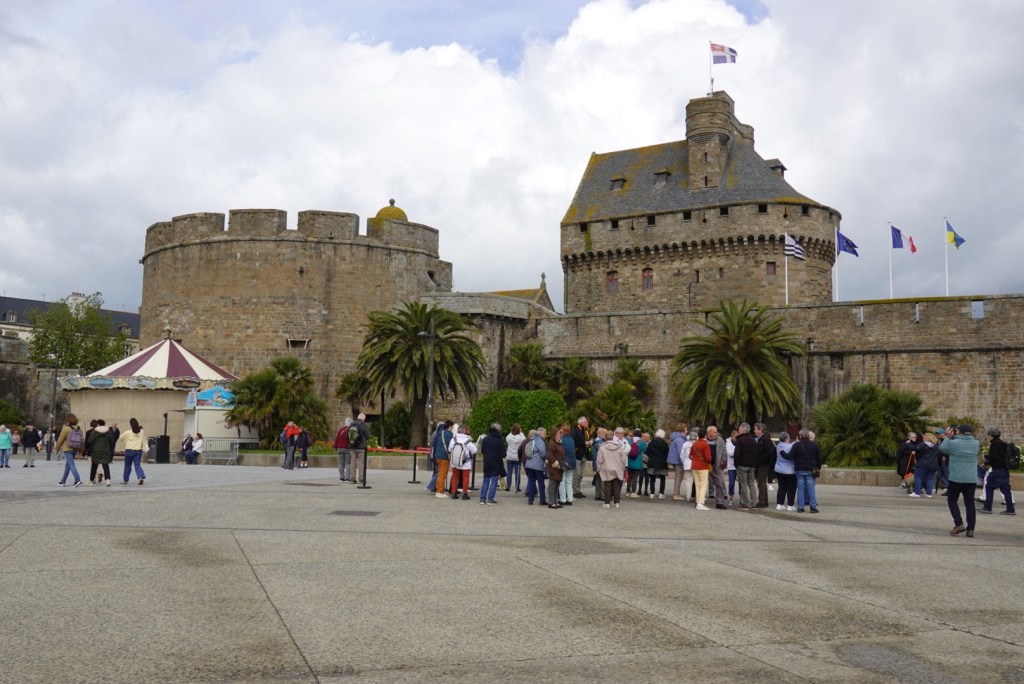
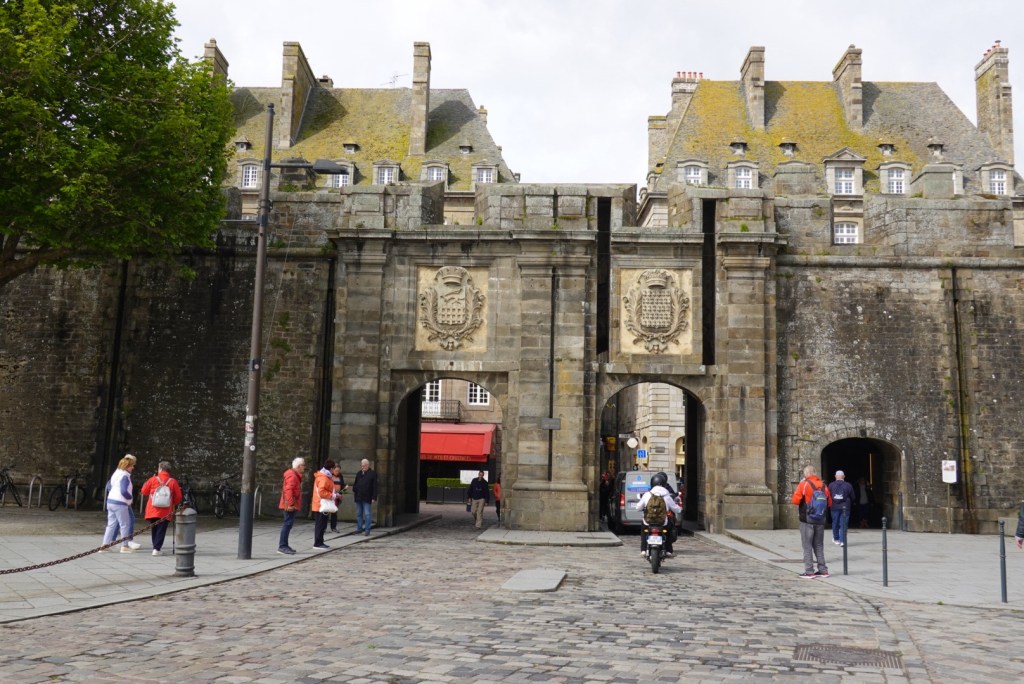
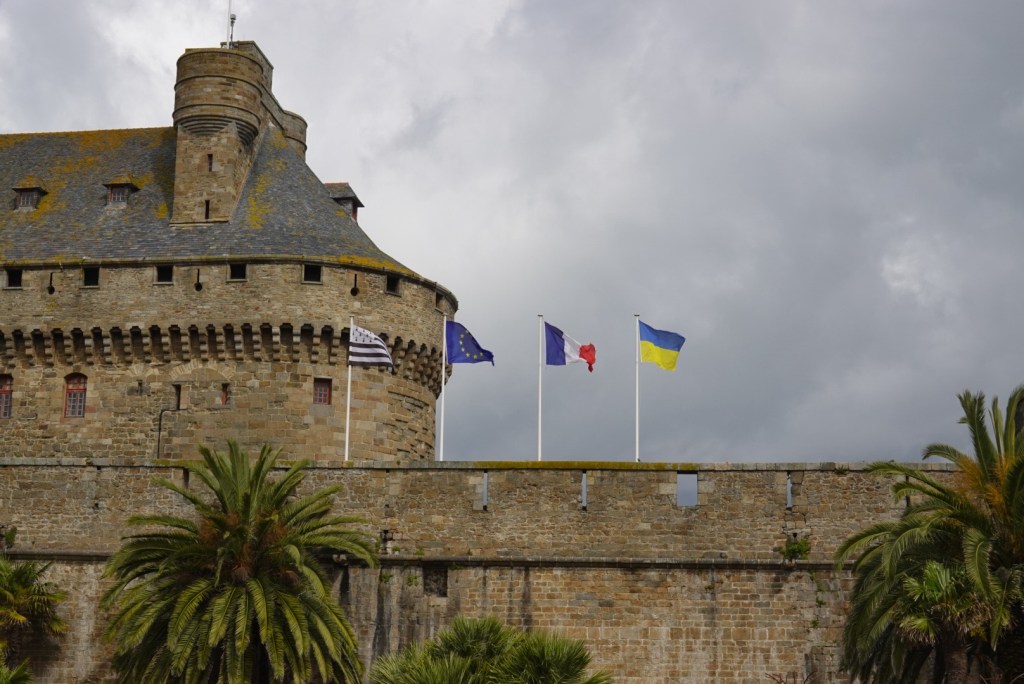
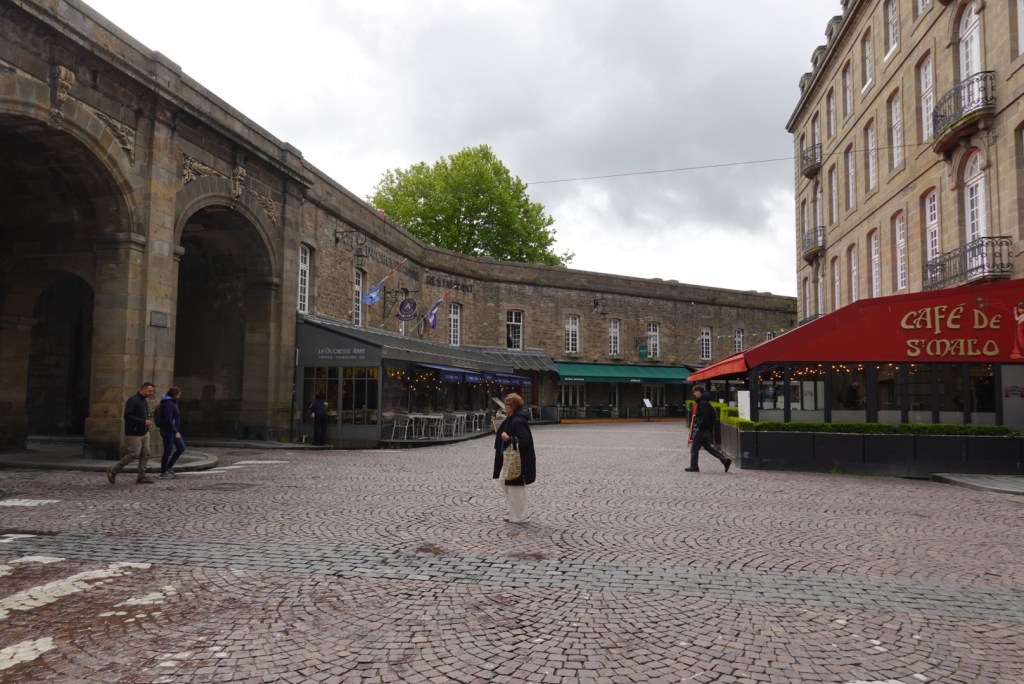
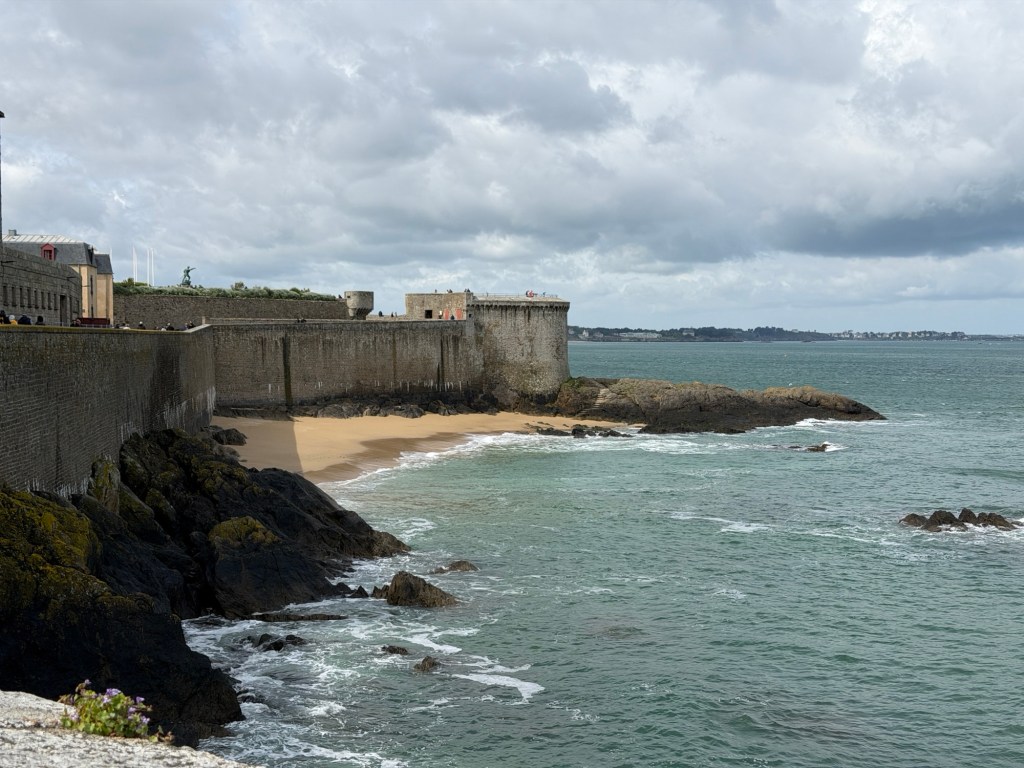
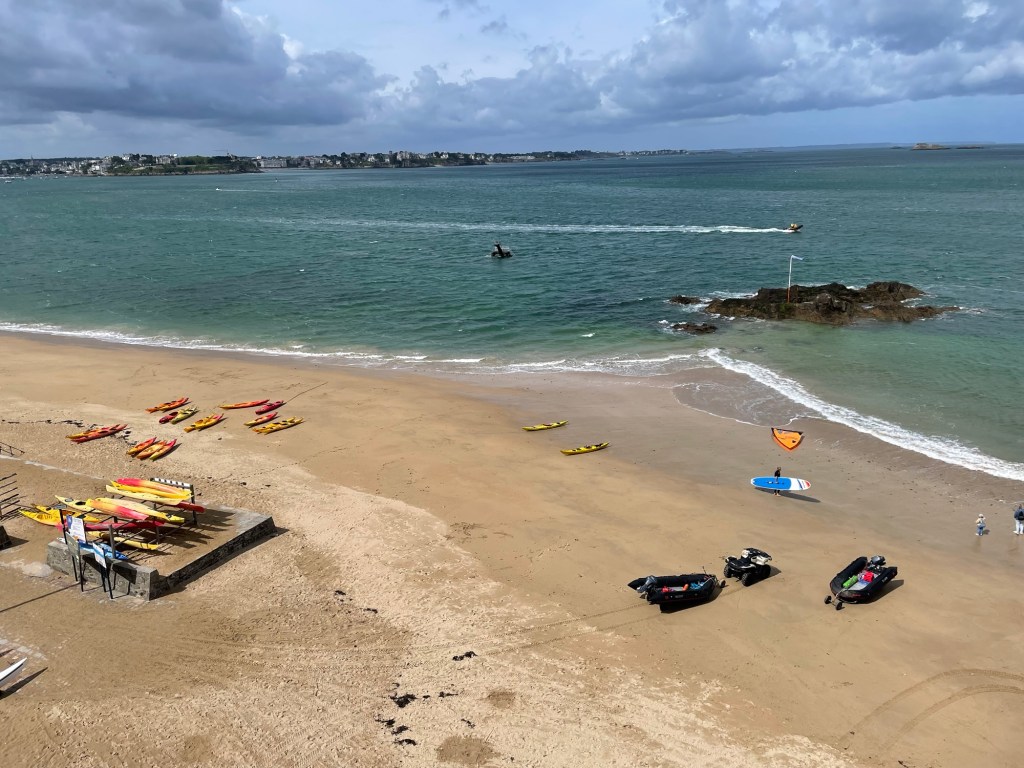
Who would have thought you could see a similar phenomenon two days in a row and still be fascinated? St. Malo is a port city in Brittany, surrounded by thick stone walls. Historically, it was run by privateers, pirates working for the government. It, too, has wide flat beaches and a high tide differential.
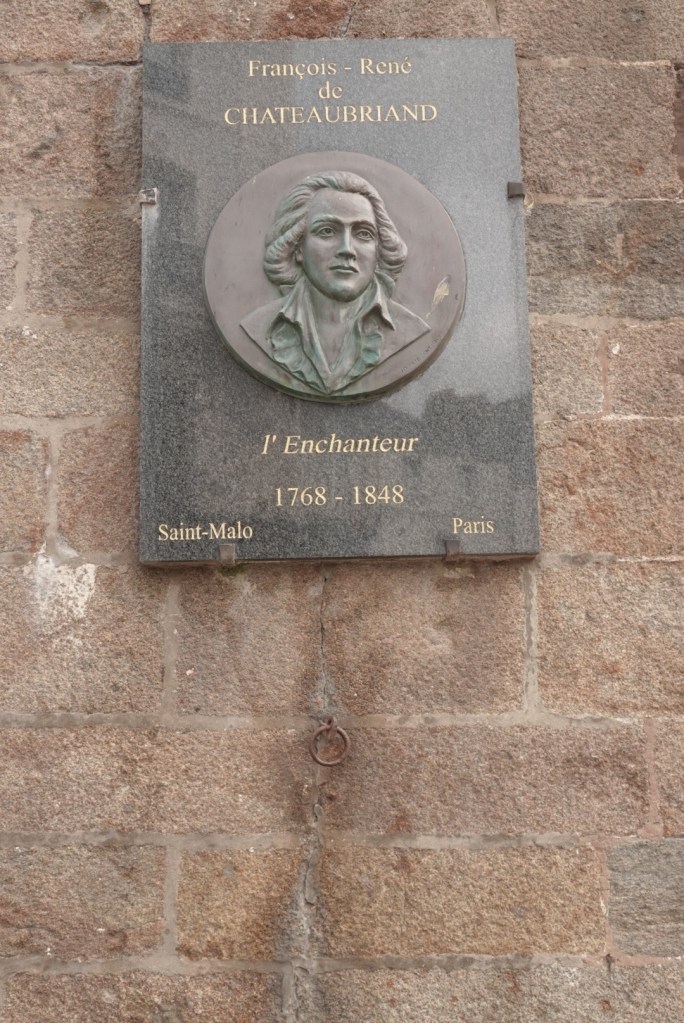
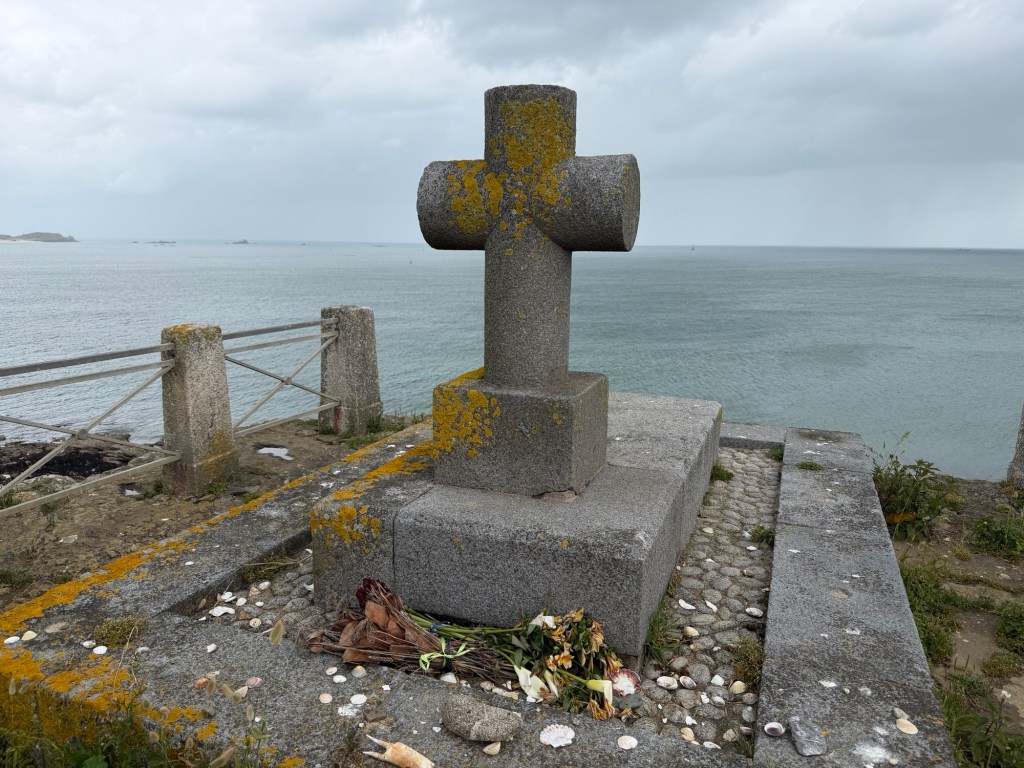
Lots of tourists visit St MaloViscount of St Malo, writer, translator and diplomat, his grave is on an island we walked to later.
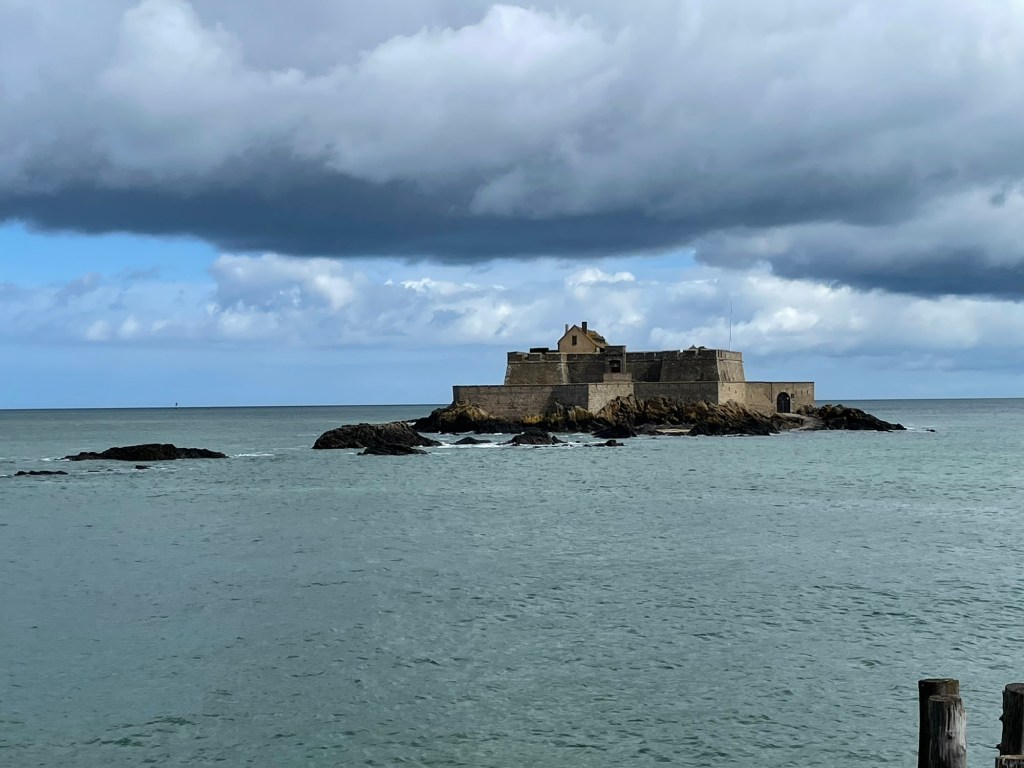
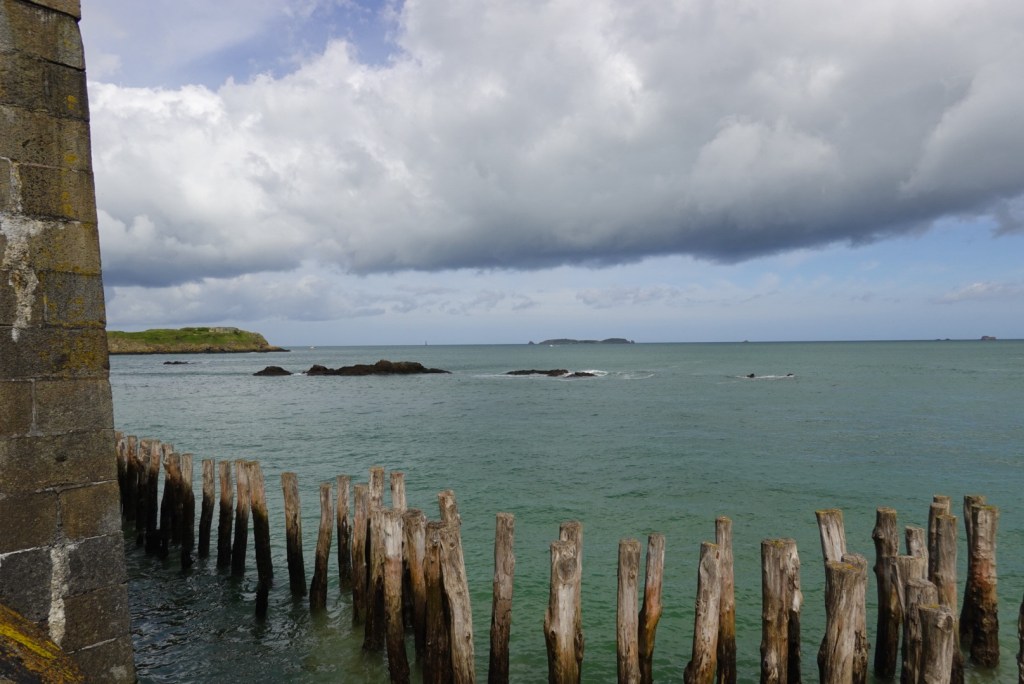
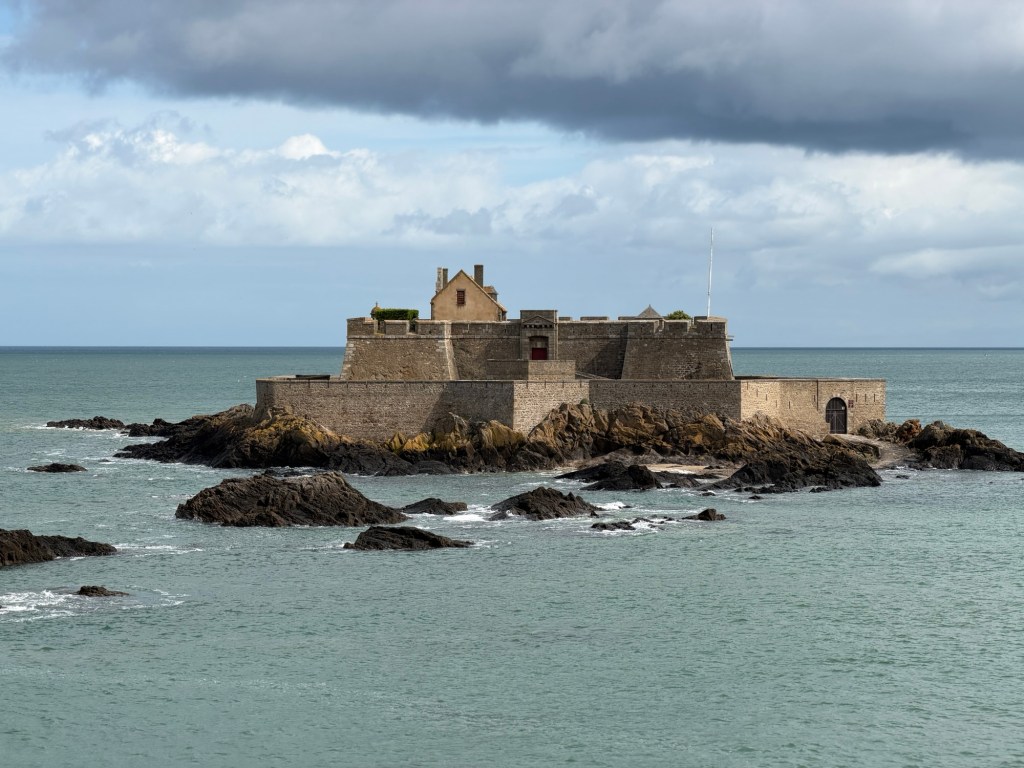
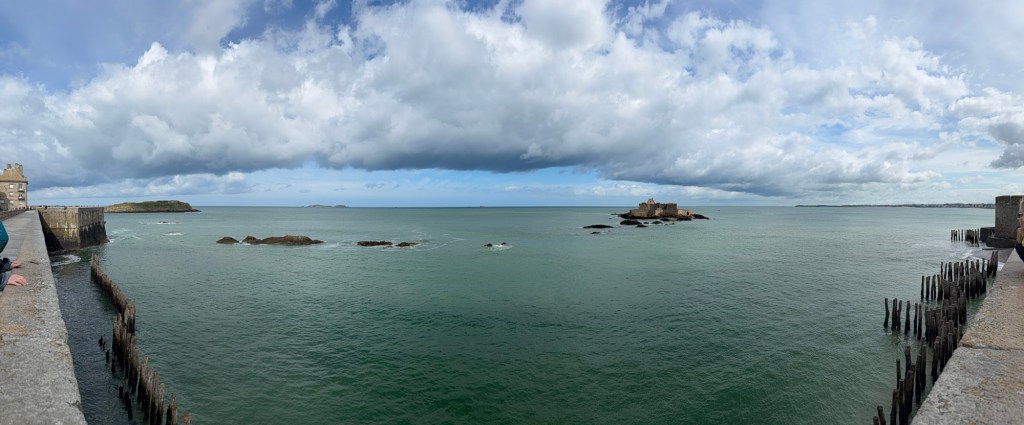
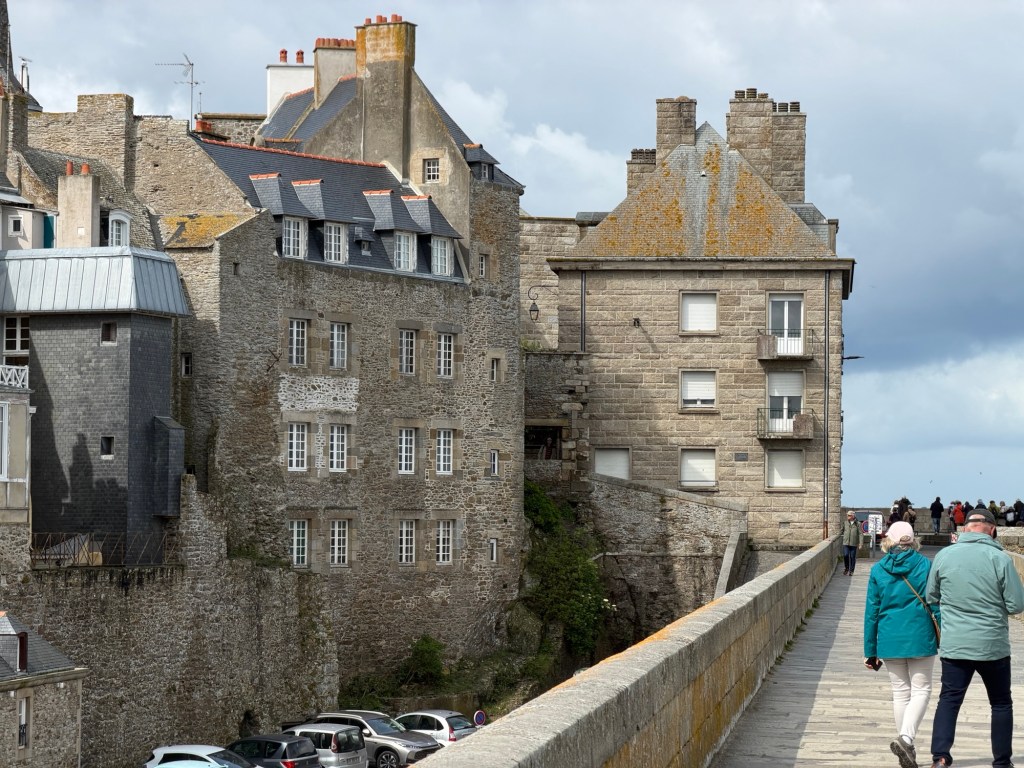
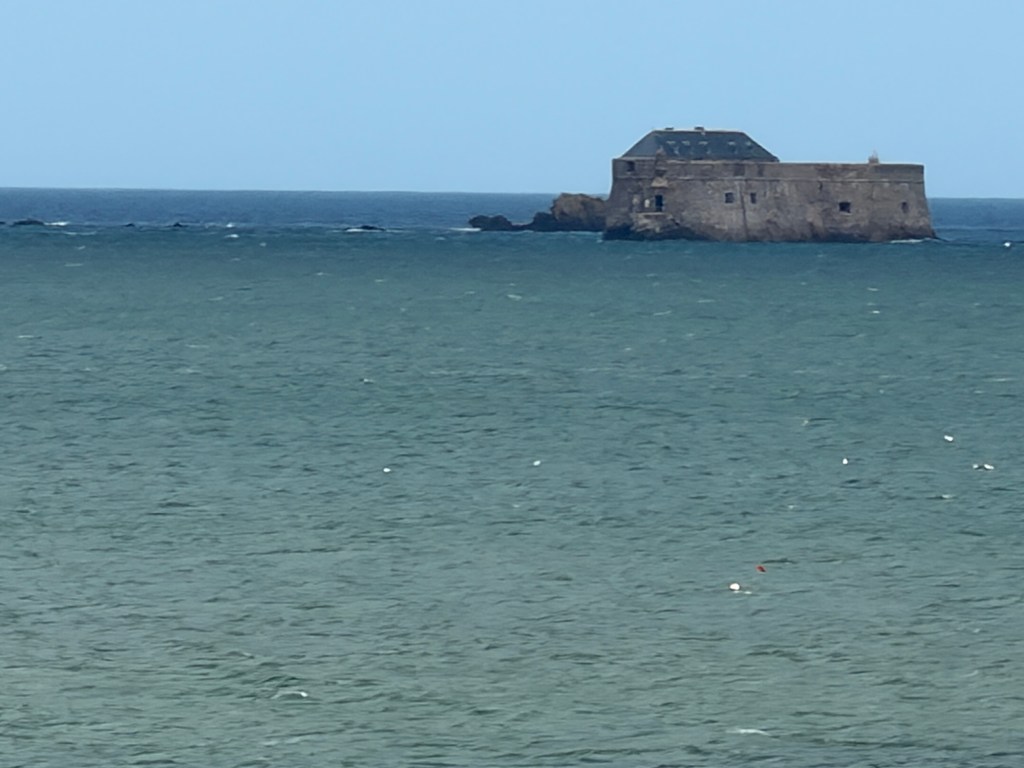
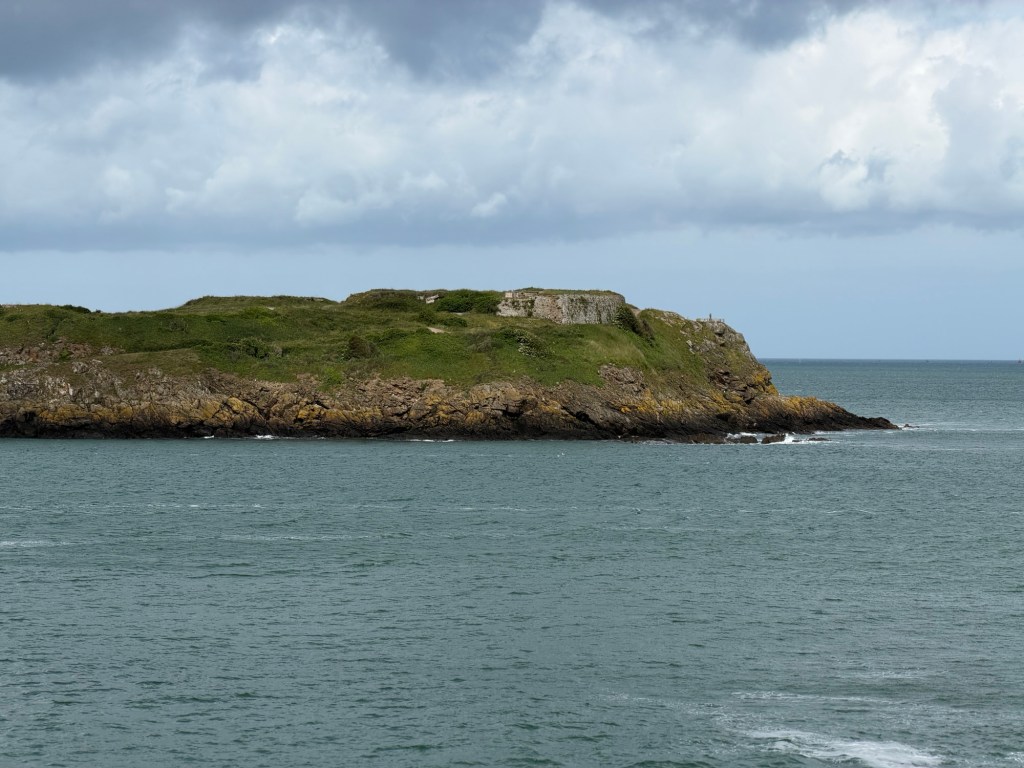
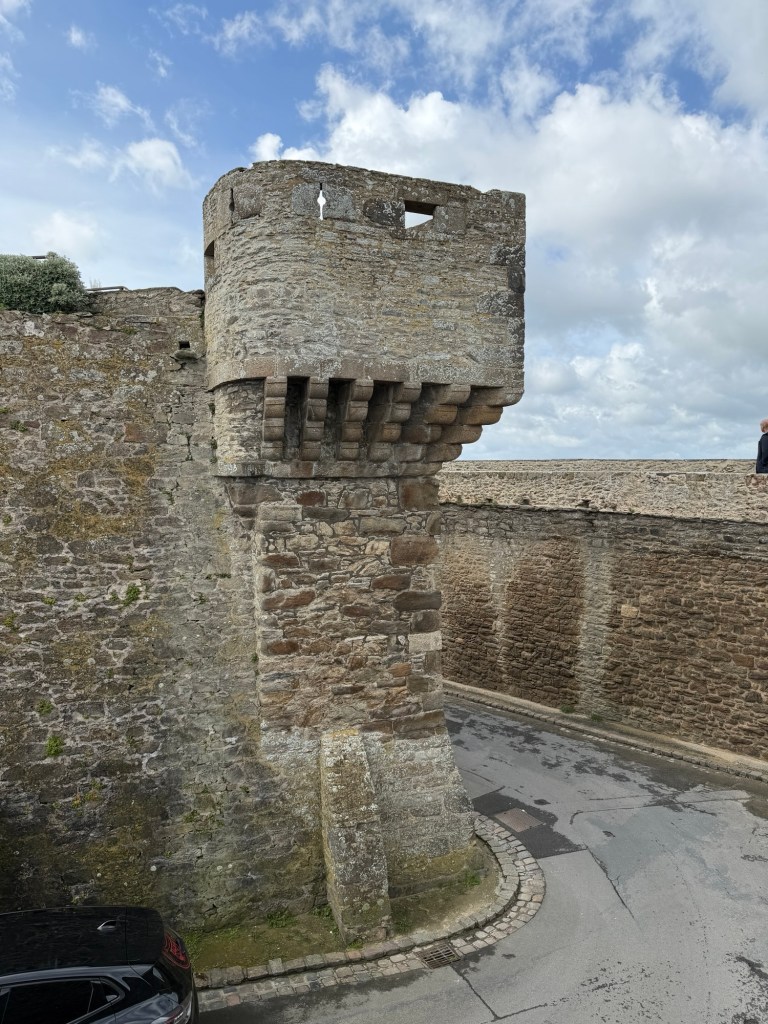
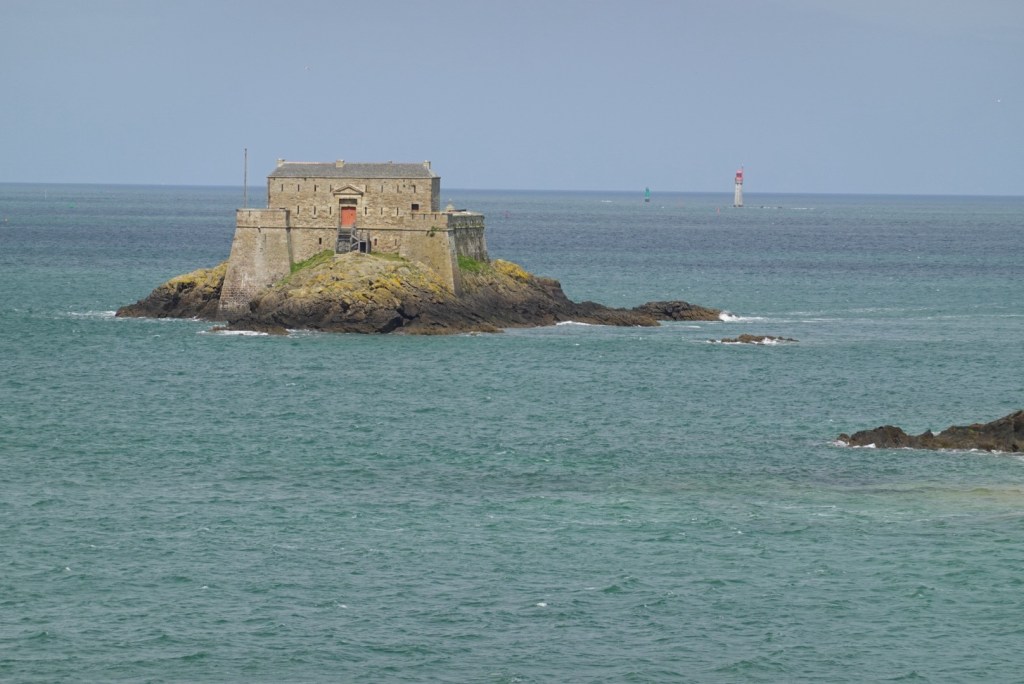
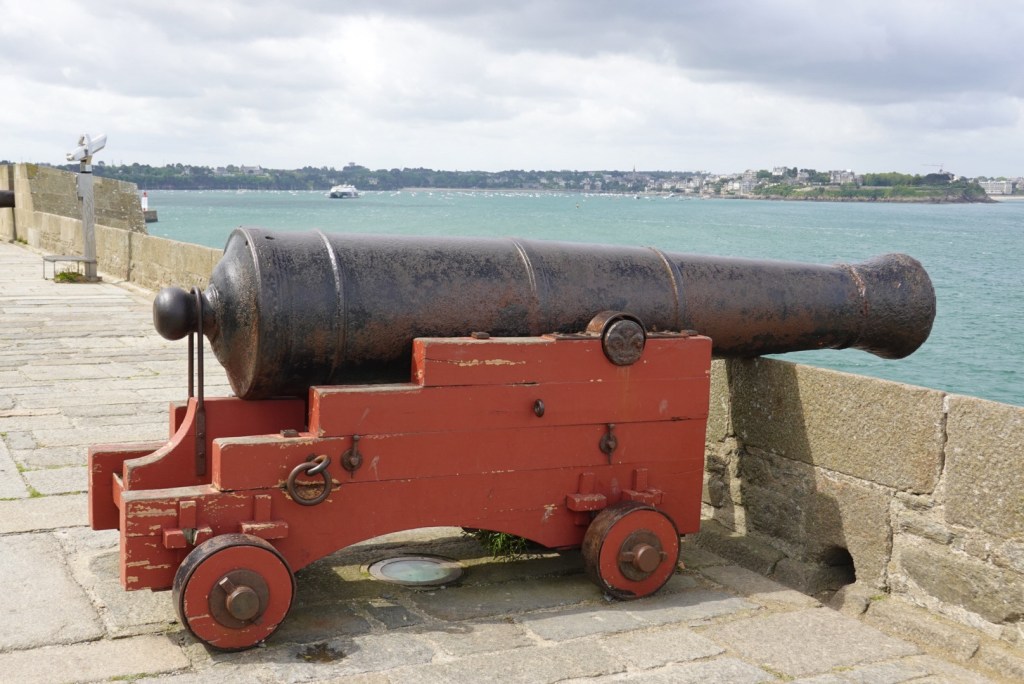
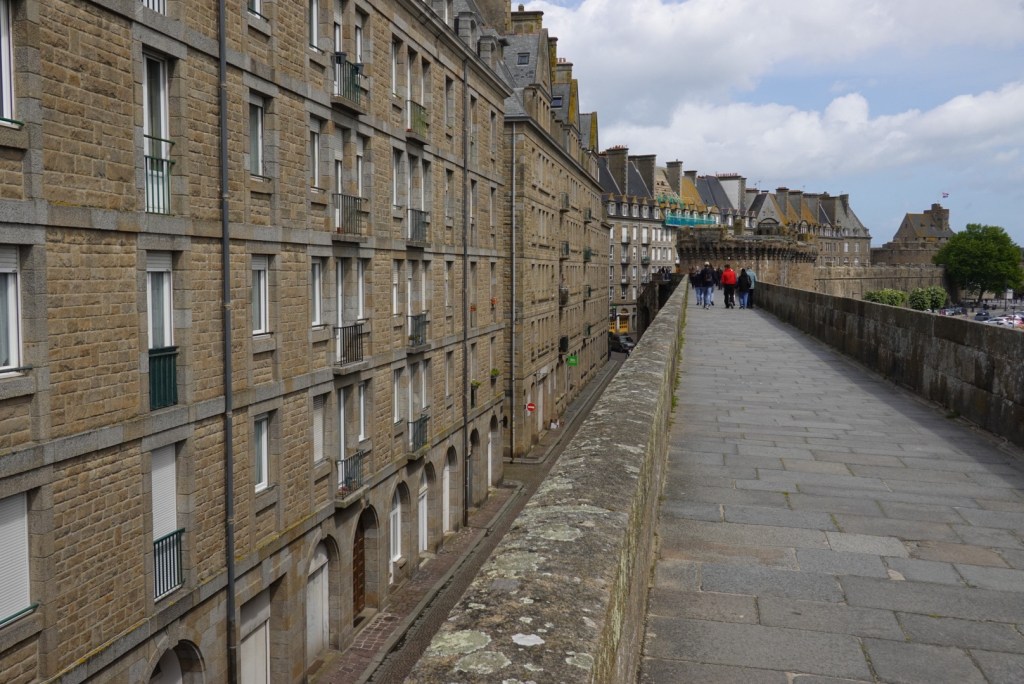
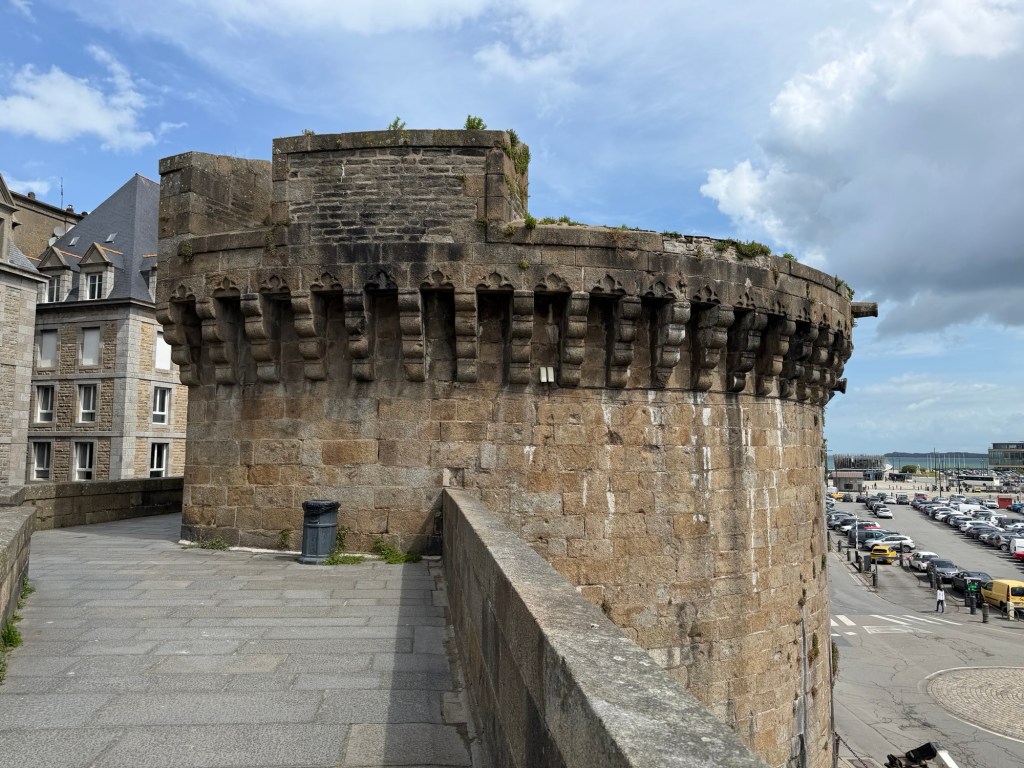
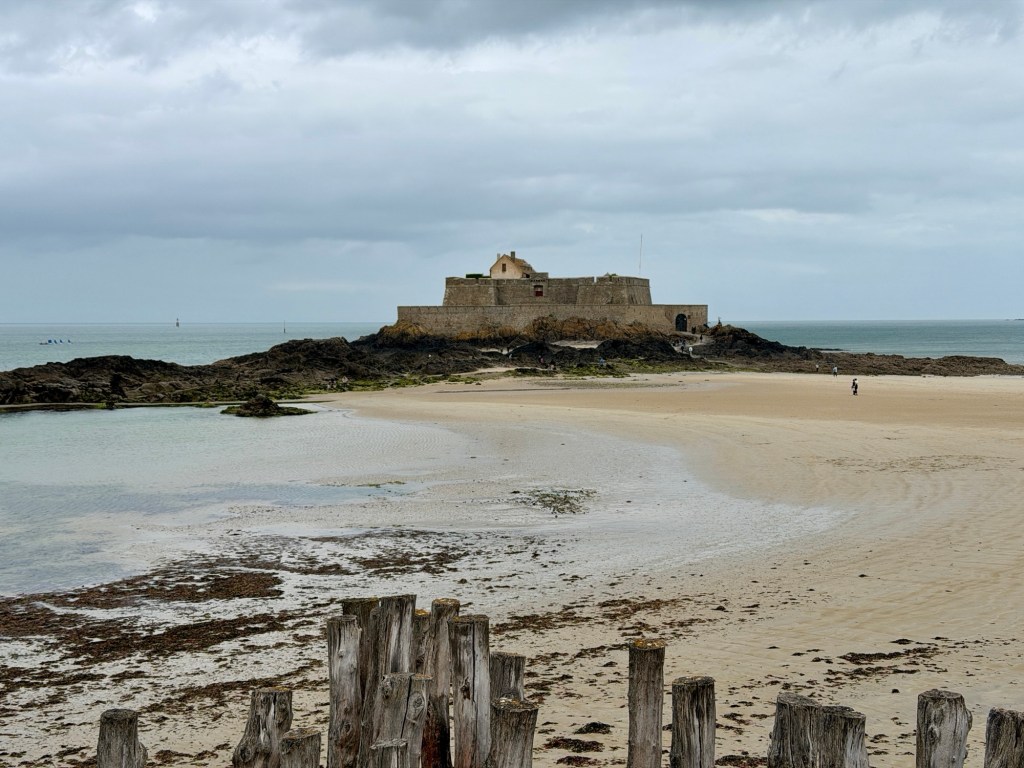
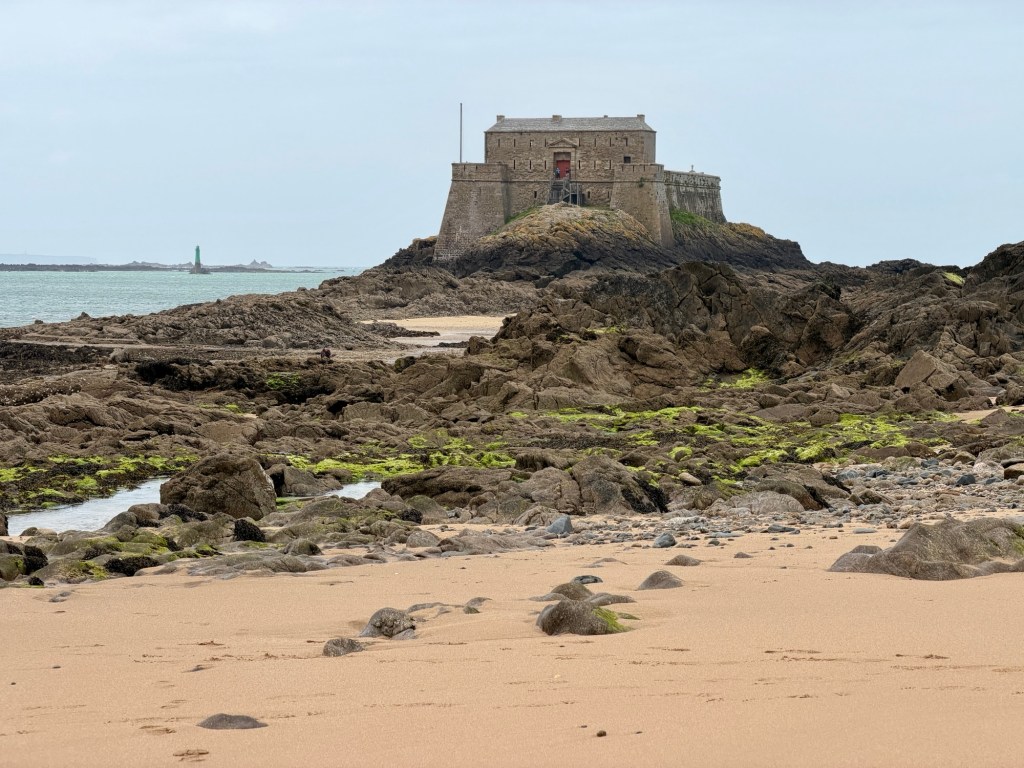
We wandered the ramparts around the fortress at high tide, viewing islands close to the shore.
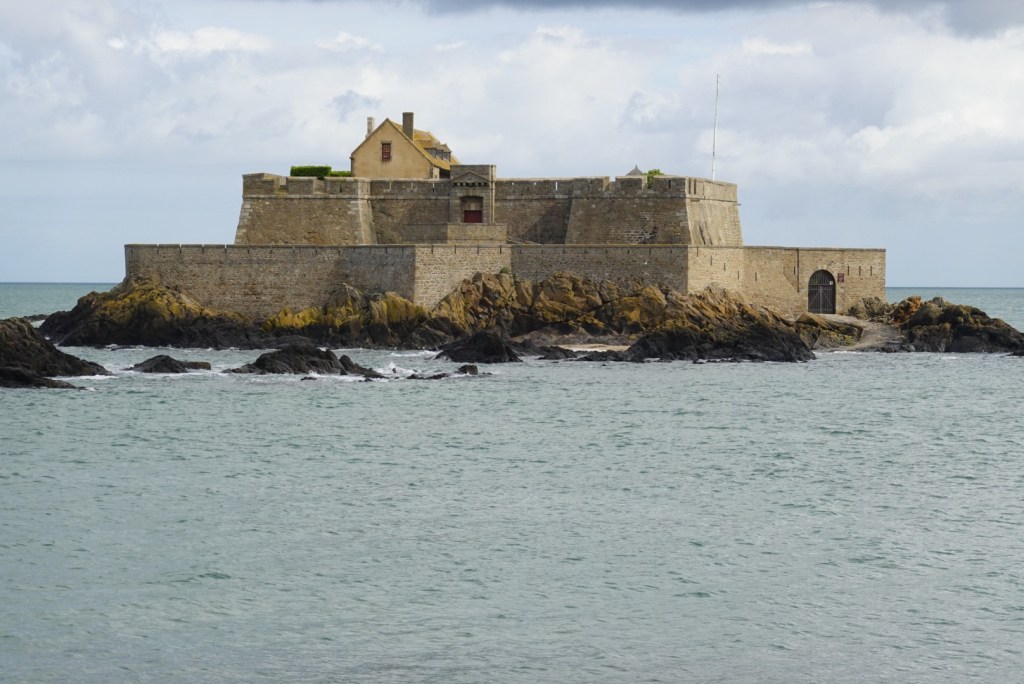
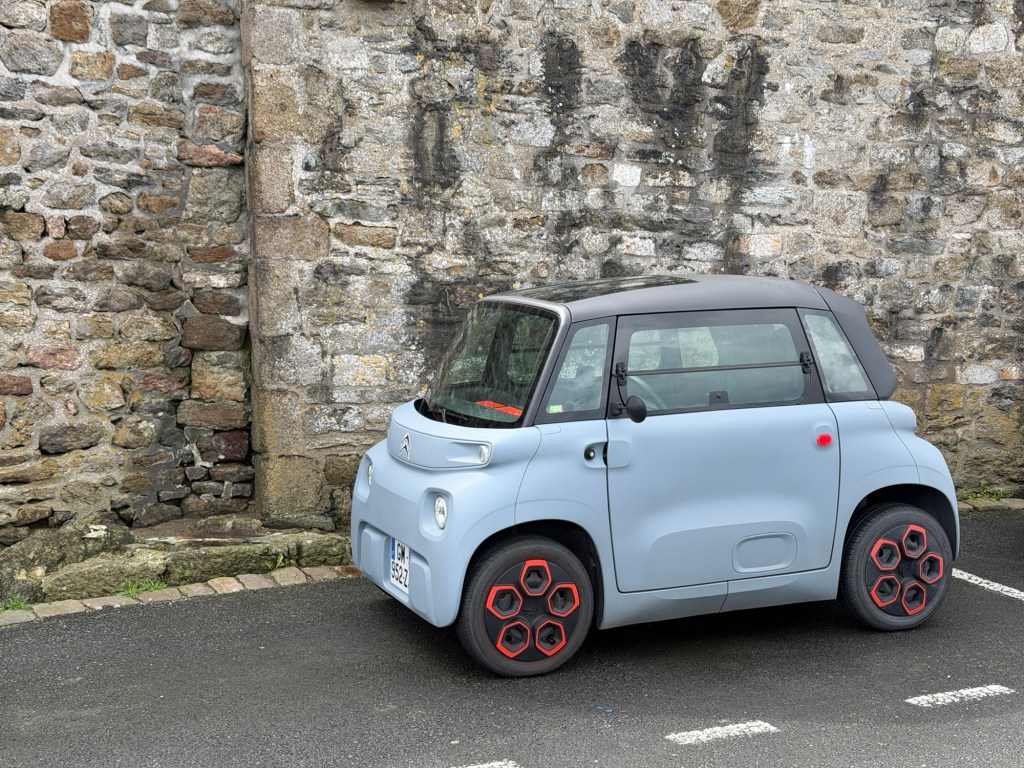
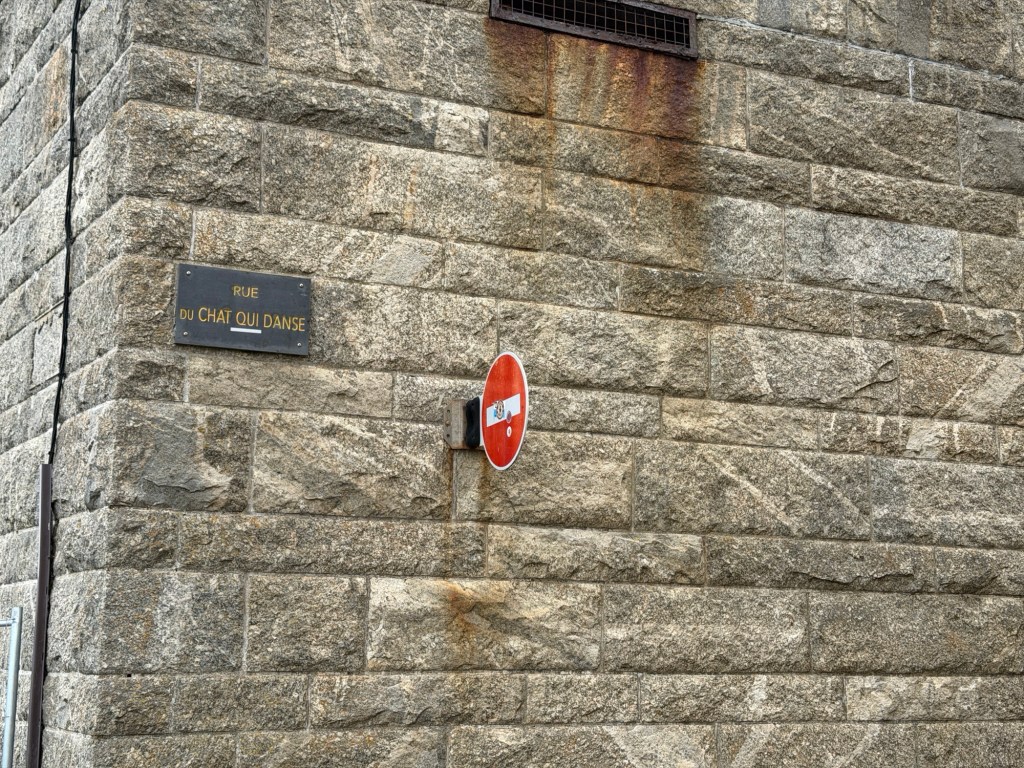
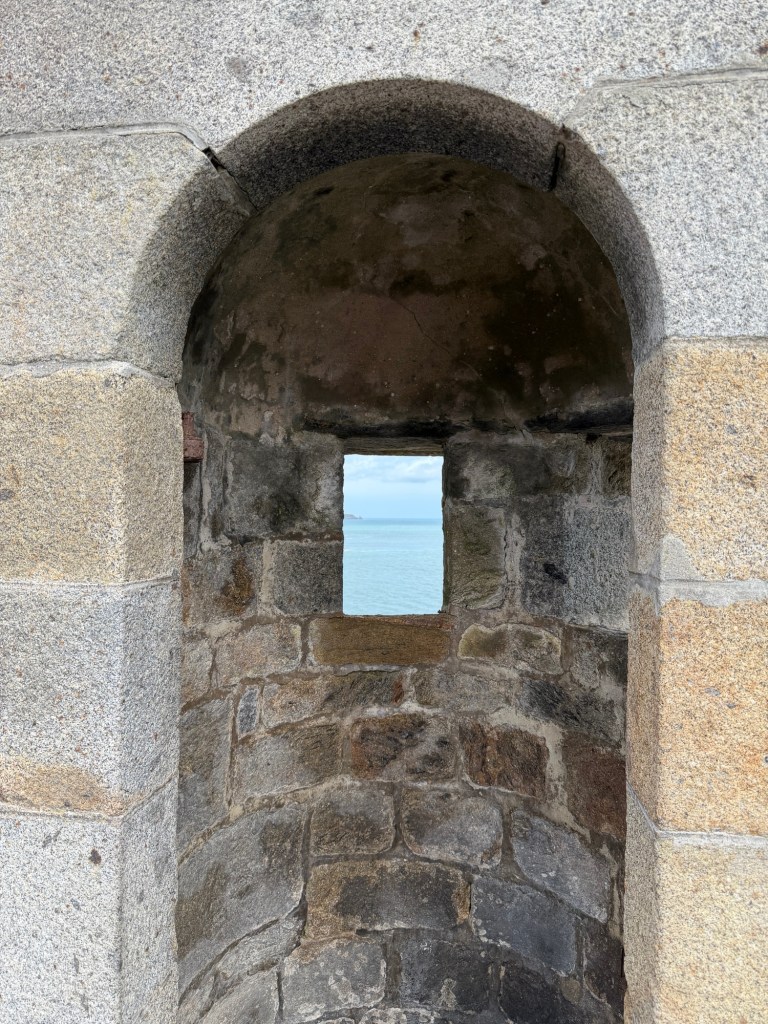
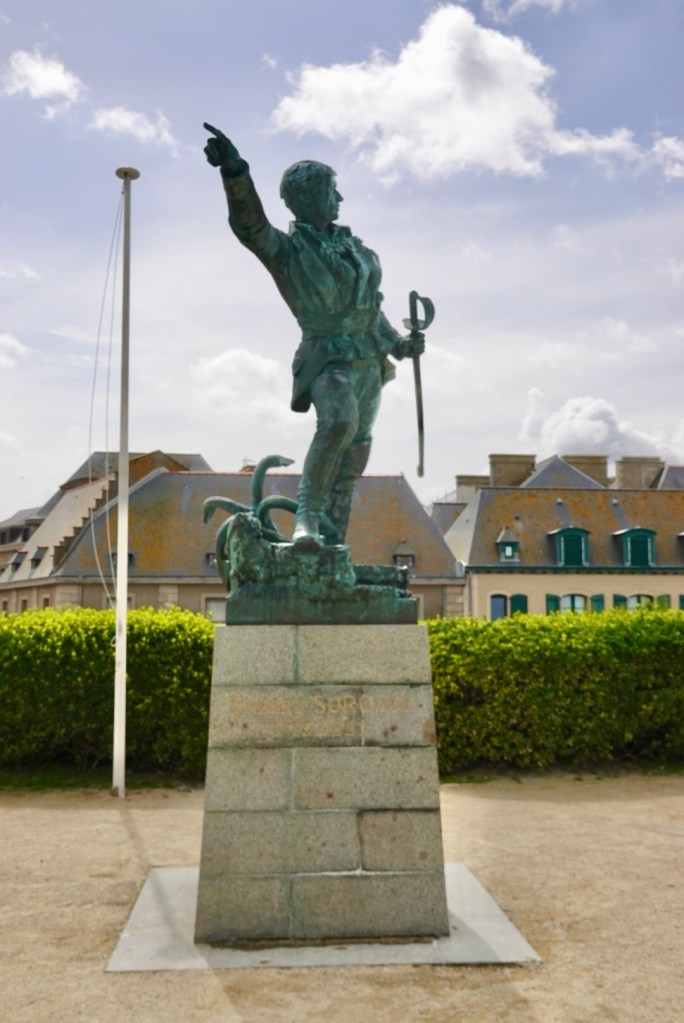
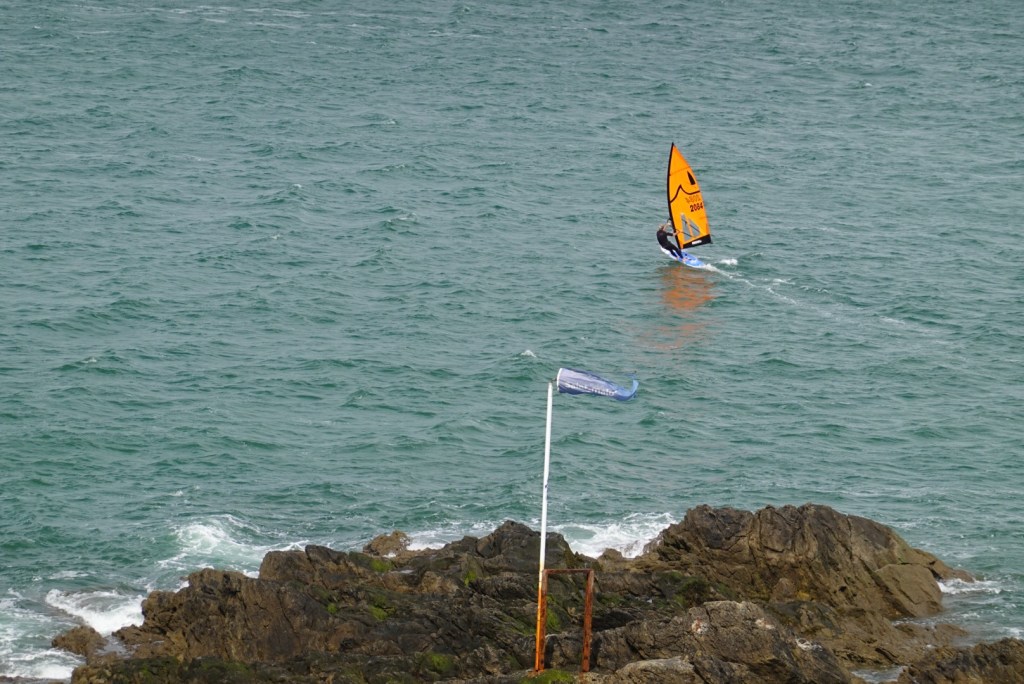
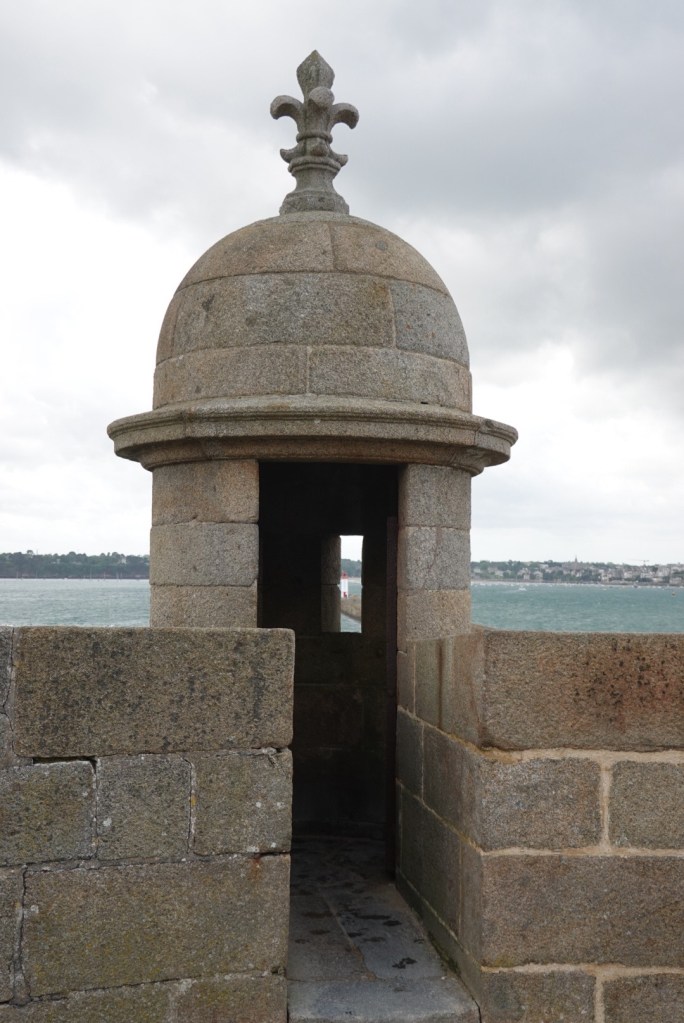
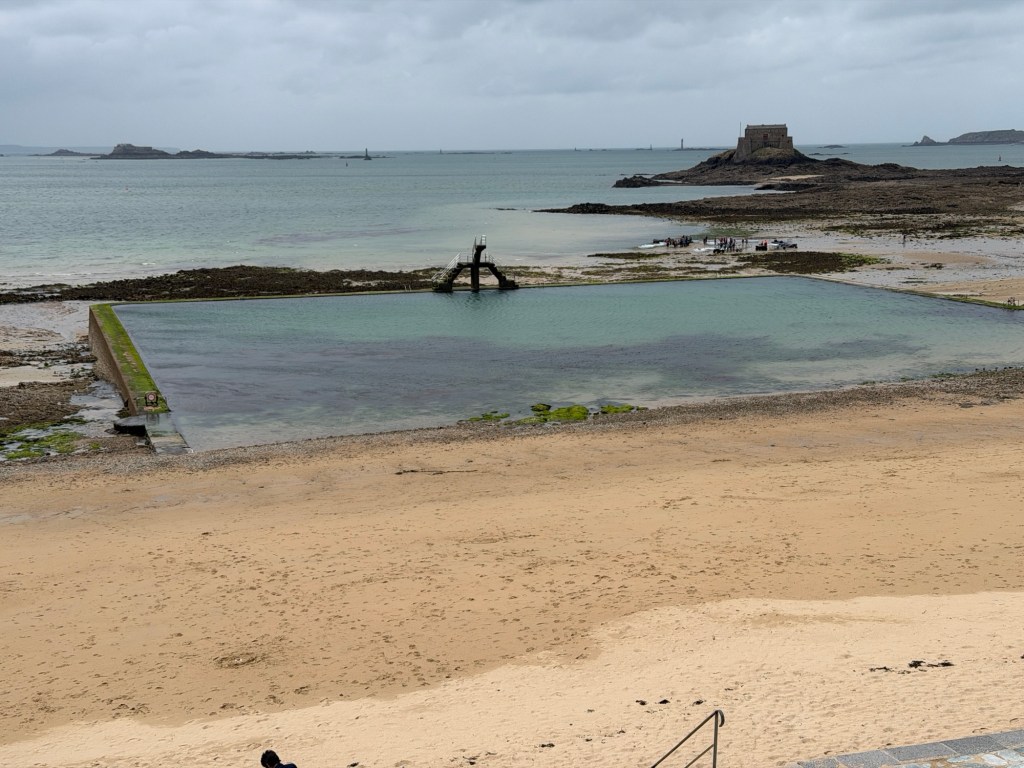
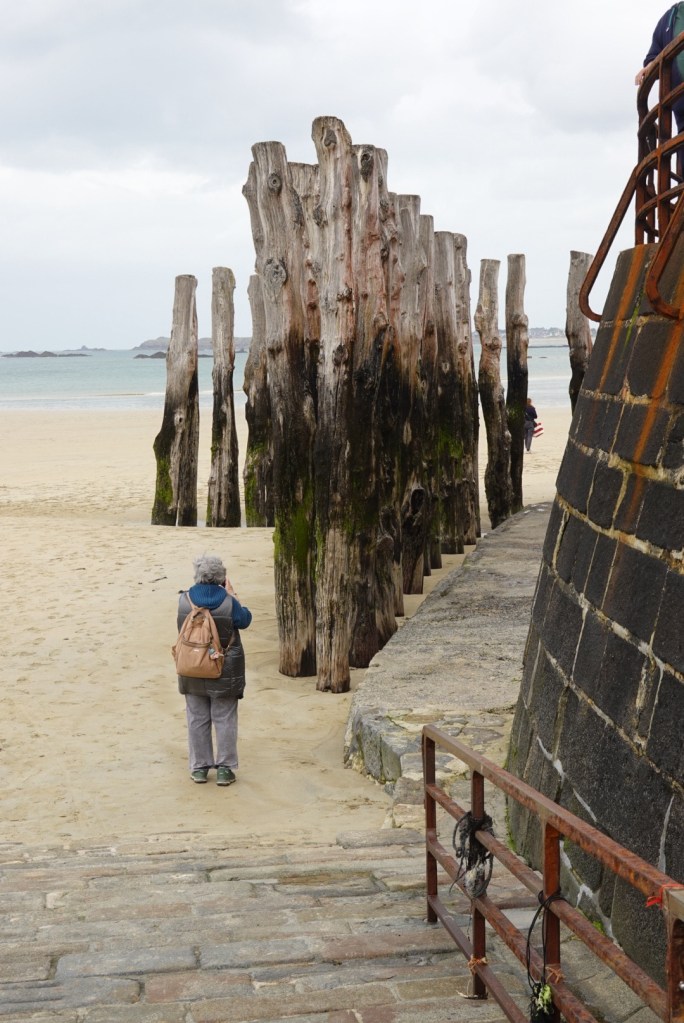
These are islands only at high tide.The islands look far away in this panorama. The wood pilings protect the walls from wave damage.This island has the grave of Chateaubriand, facing the sea.These tiny cars are used by people who have too many violations or are learning to drive; they have a maximum speed less than 70 mph.Marc was looking for humorous street signs for a virtual geocache. This one: street of the cat who dance.Portholes for weaponsSmall alcove that looks out on the seaHouse of QuebecRobert Surcouf, French privateer and slave trader, was born here in 1773. A diving board in the middle of the ocean?The tide is starting to go out. Judging by the sock, this wind-surfer is very strong.
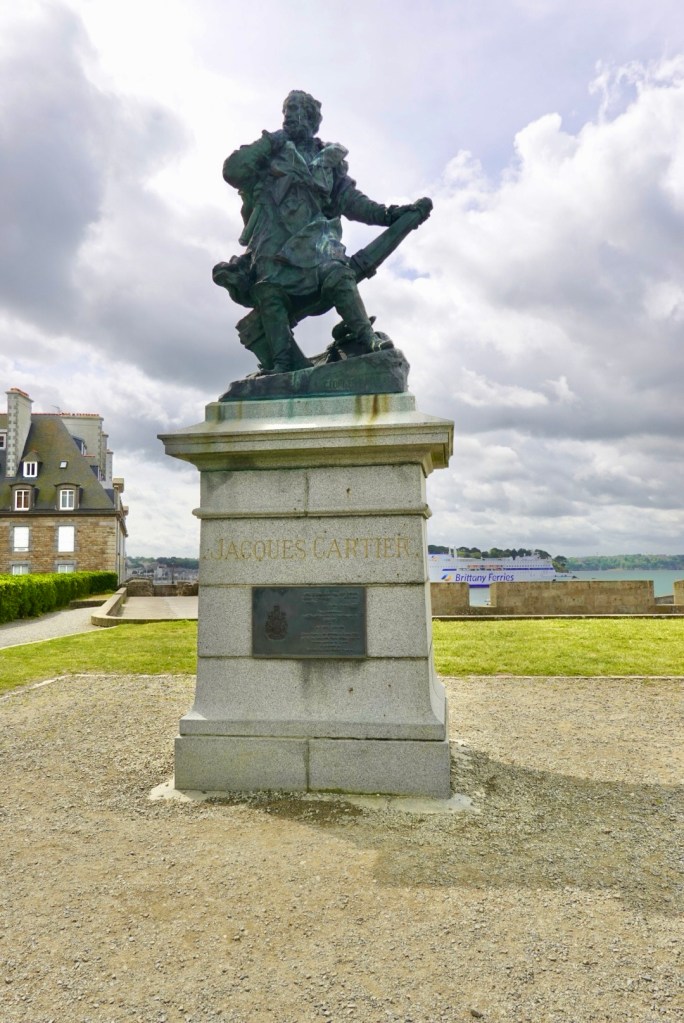
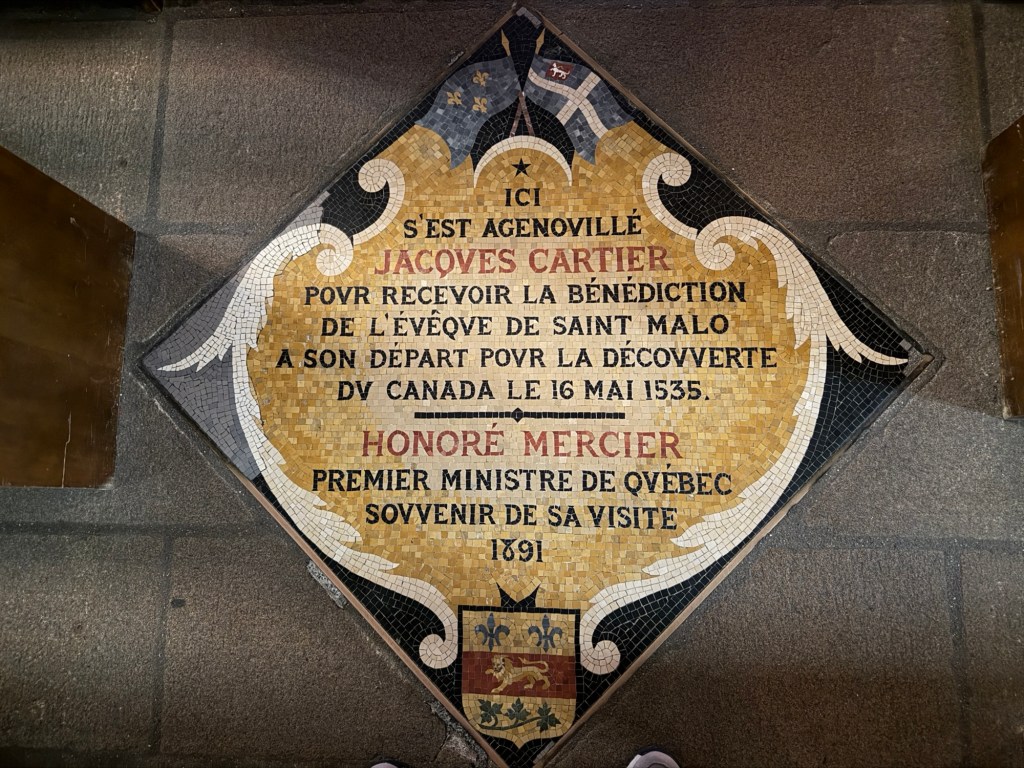
Jacques Cartier, whose statue is here, was an explorer known for being the first person to use the name Canada, our North American neighbor, “discovering” Quebec in the sixteenth century.
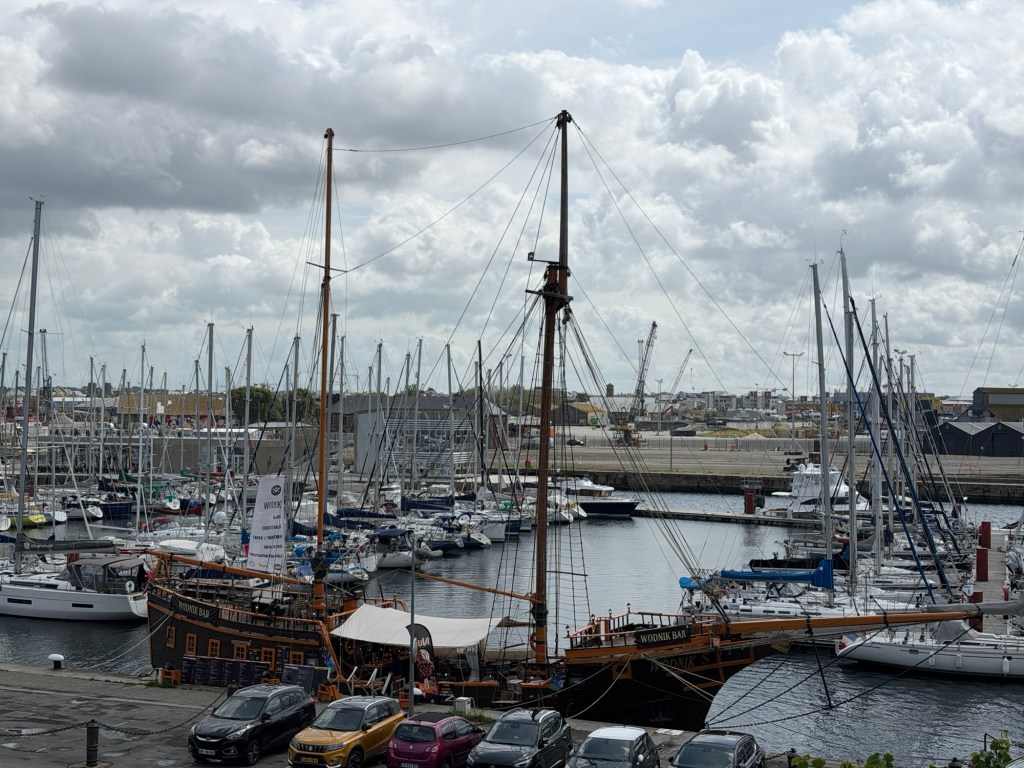
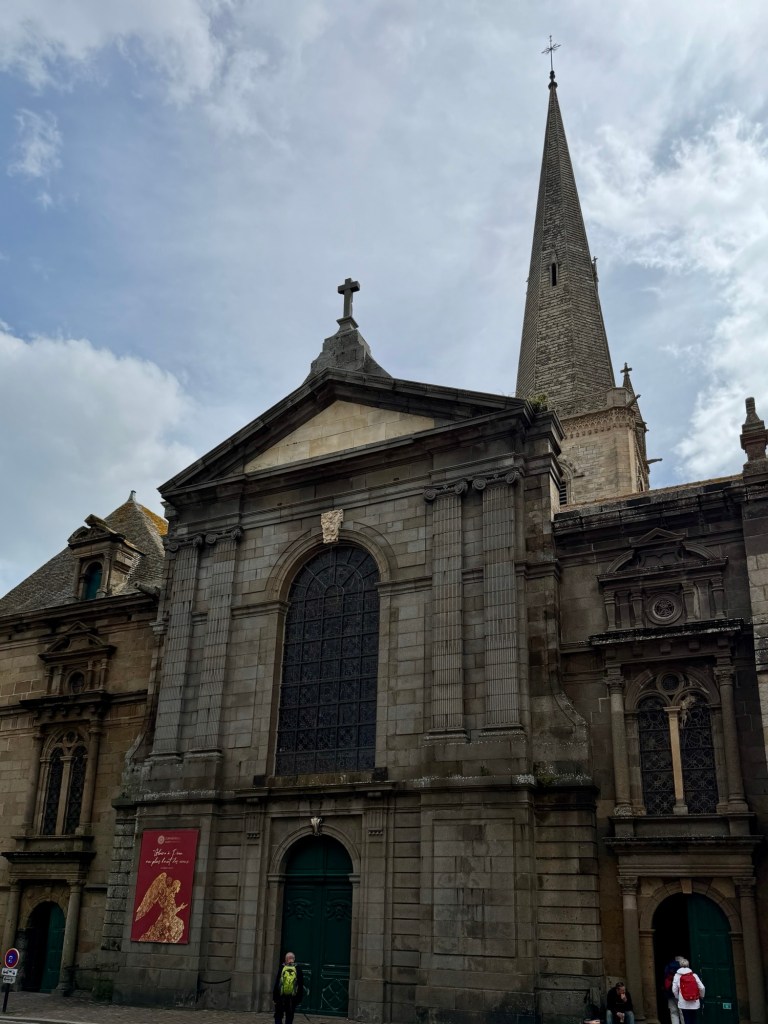
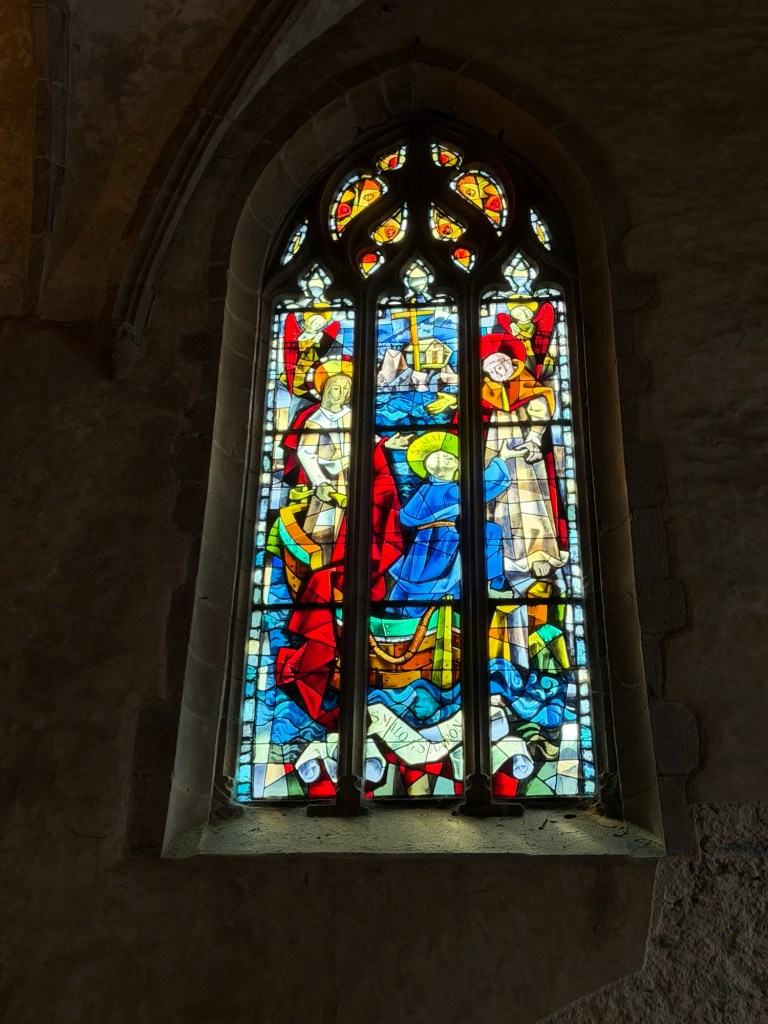
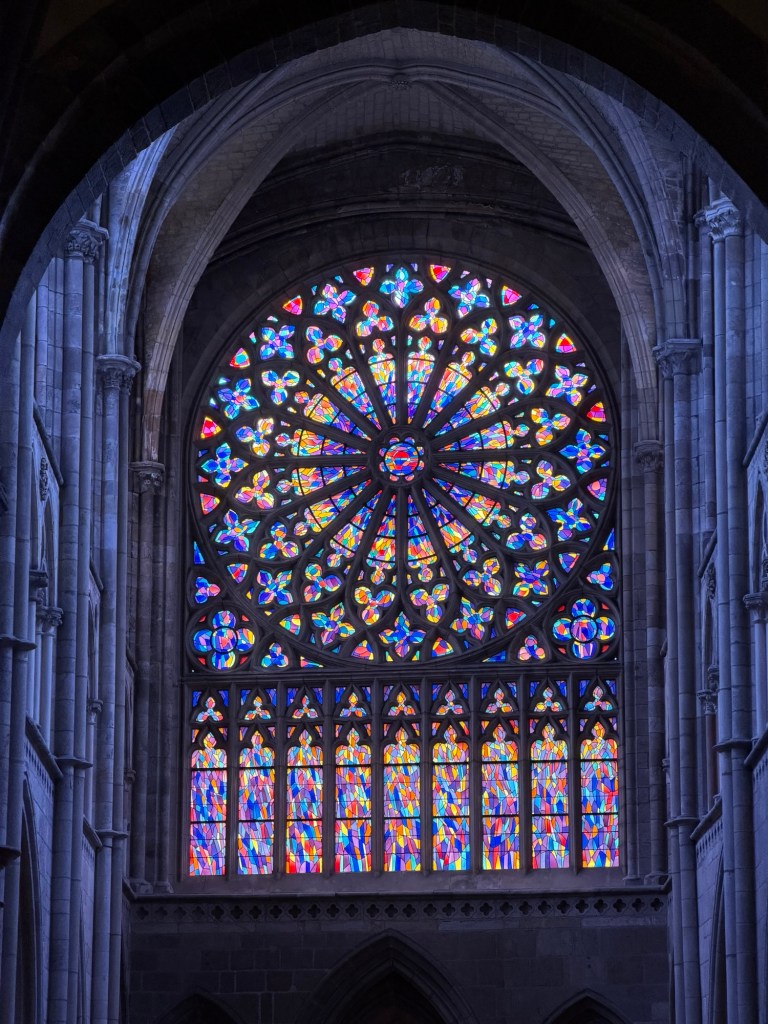
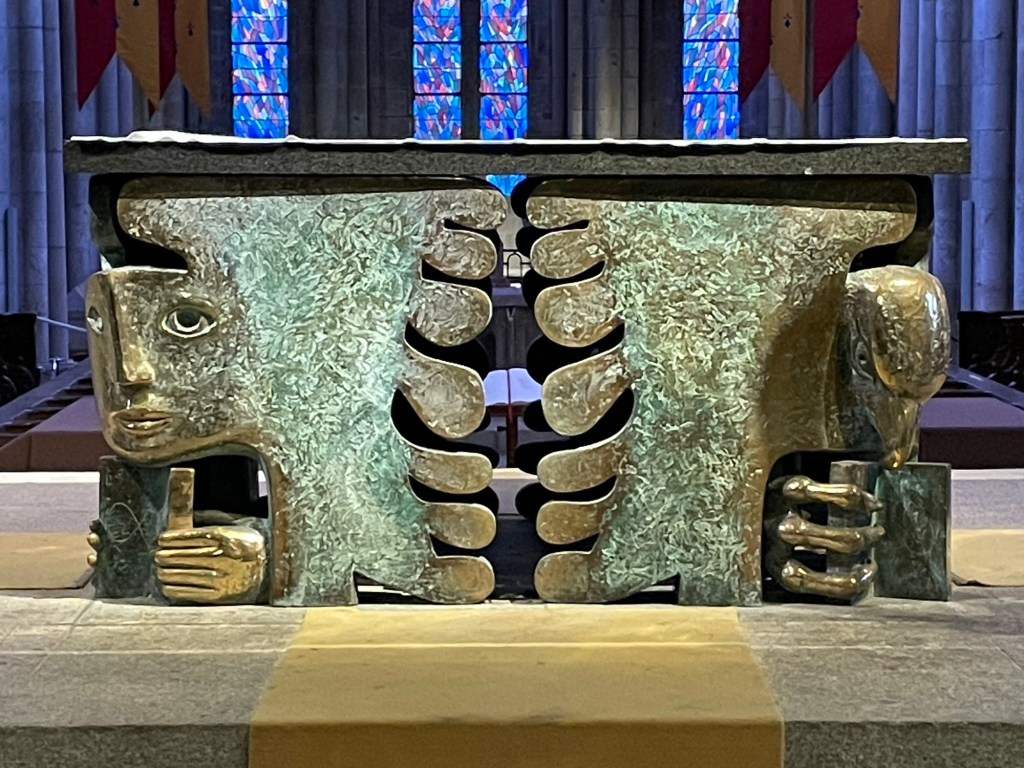
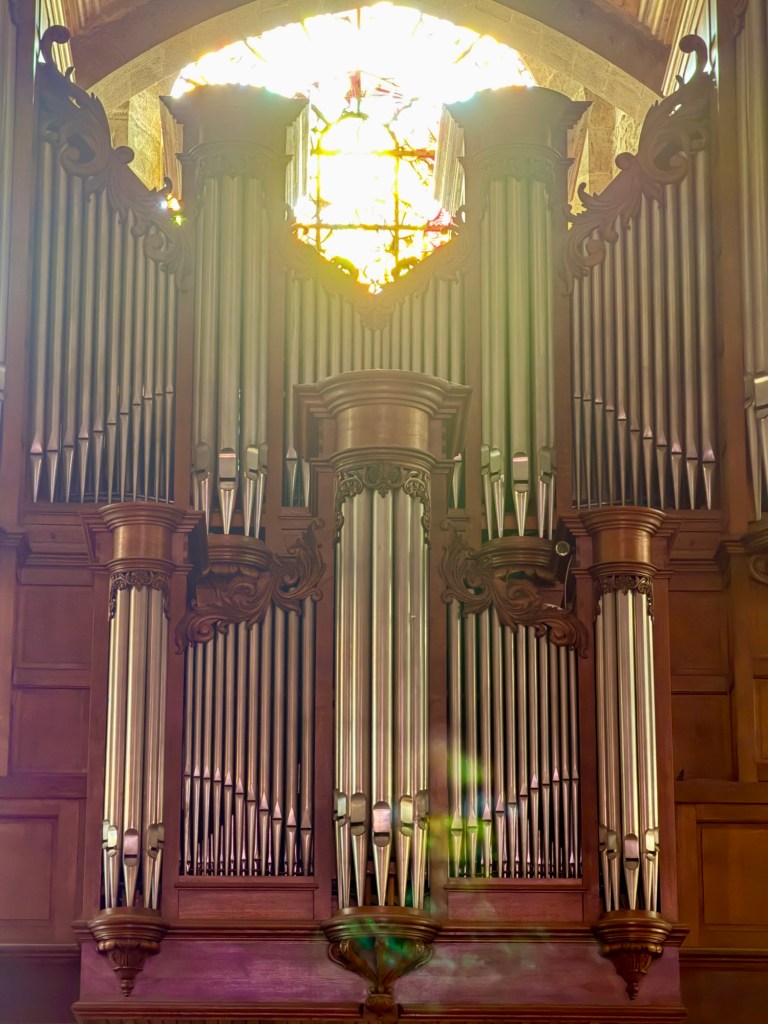
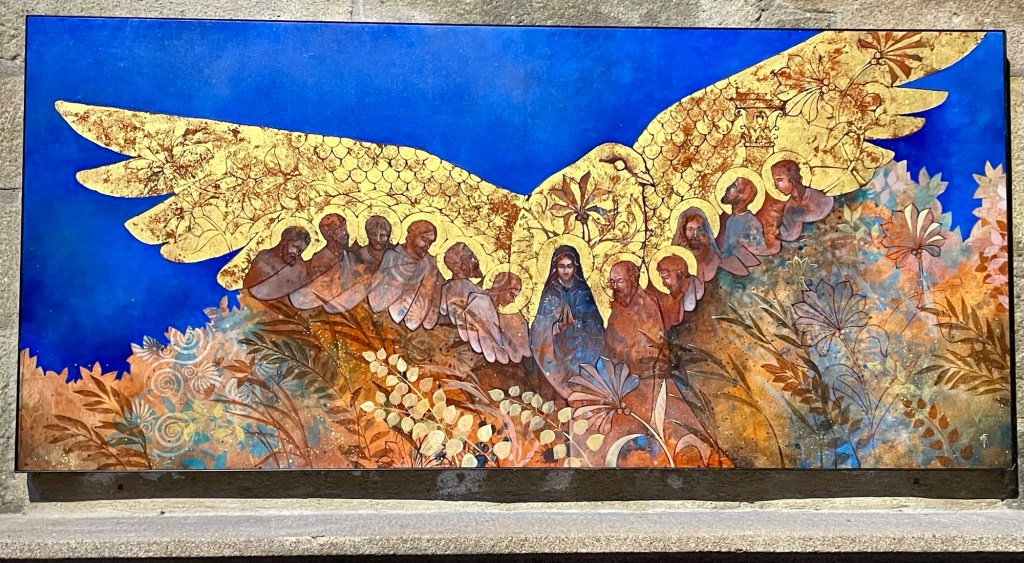
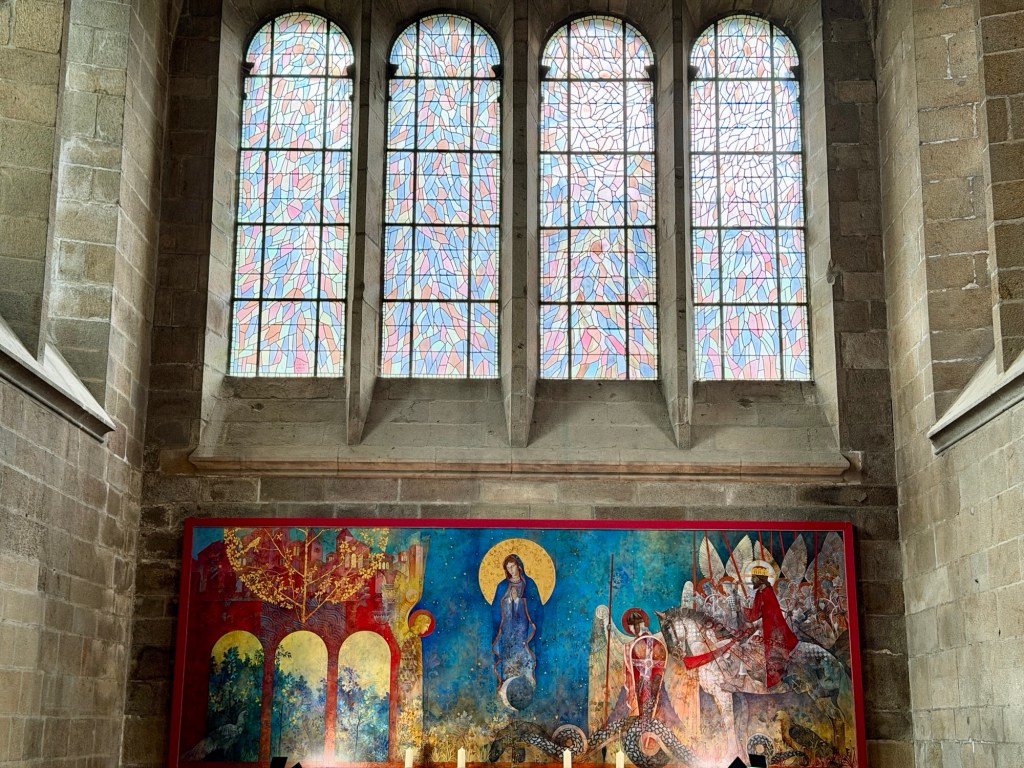
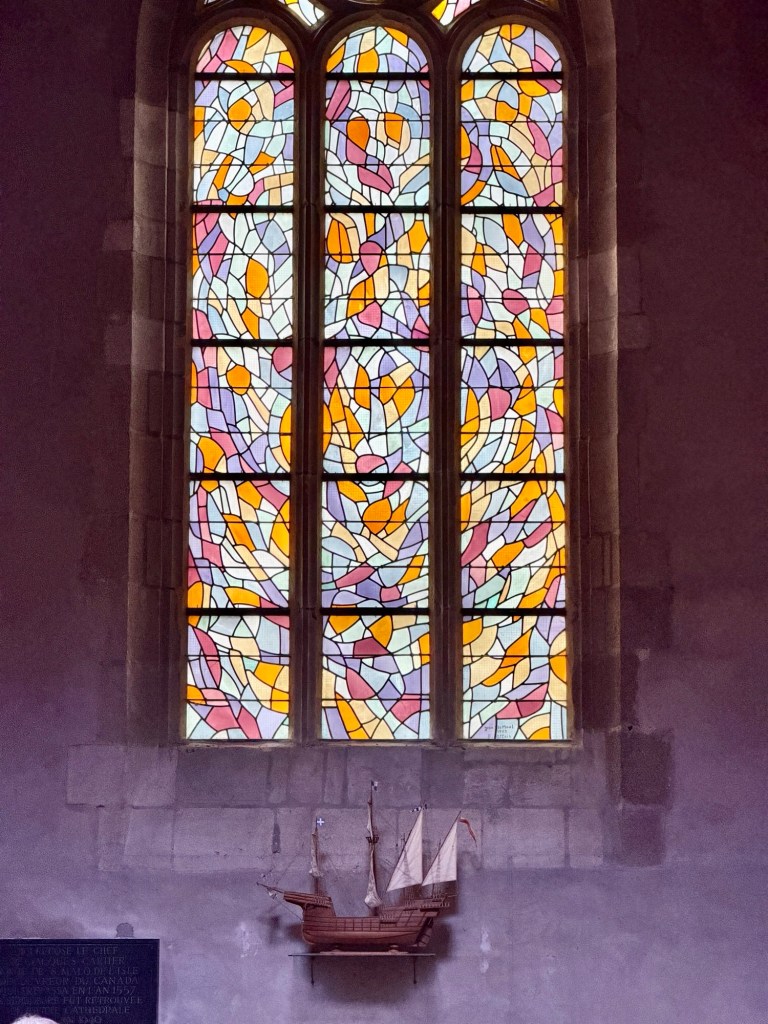
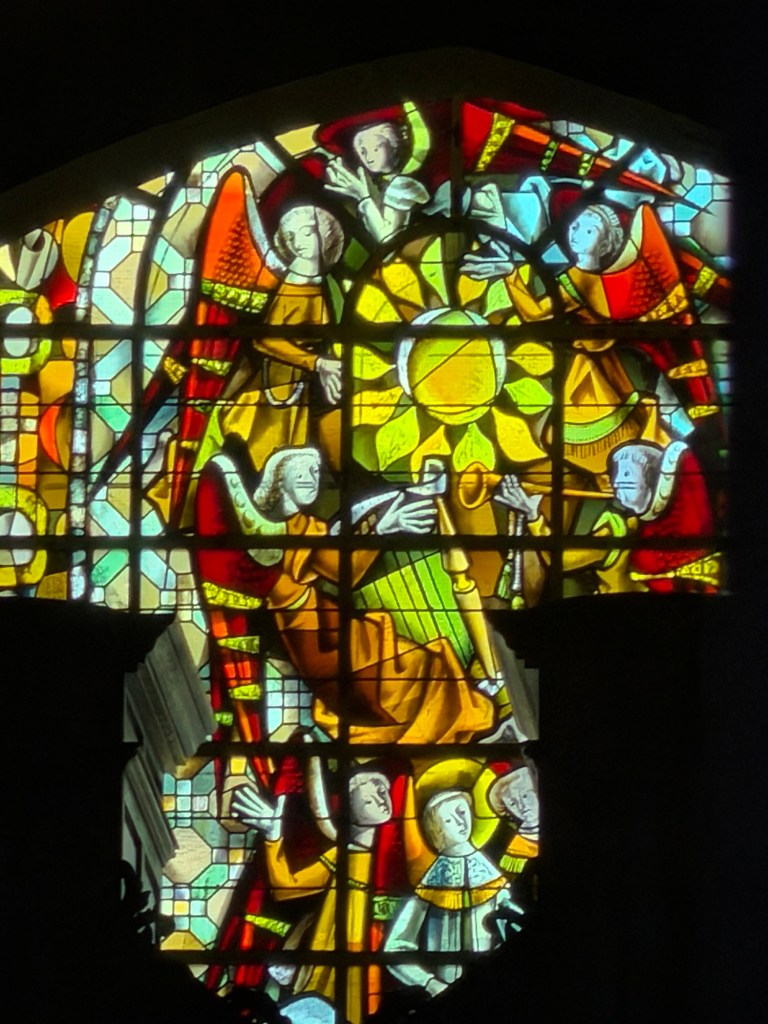
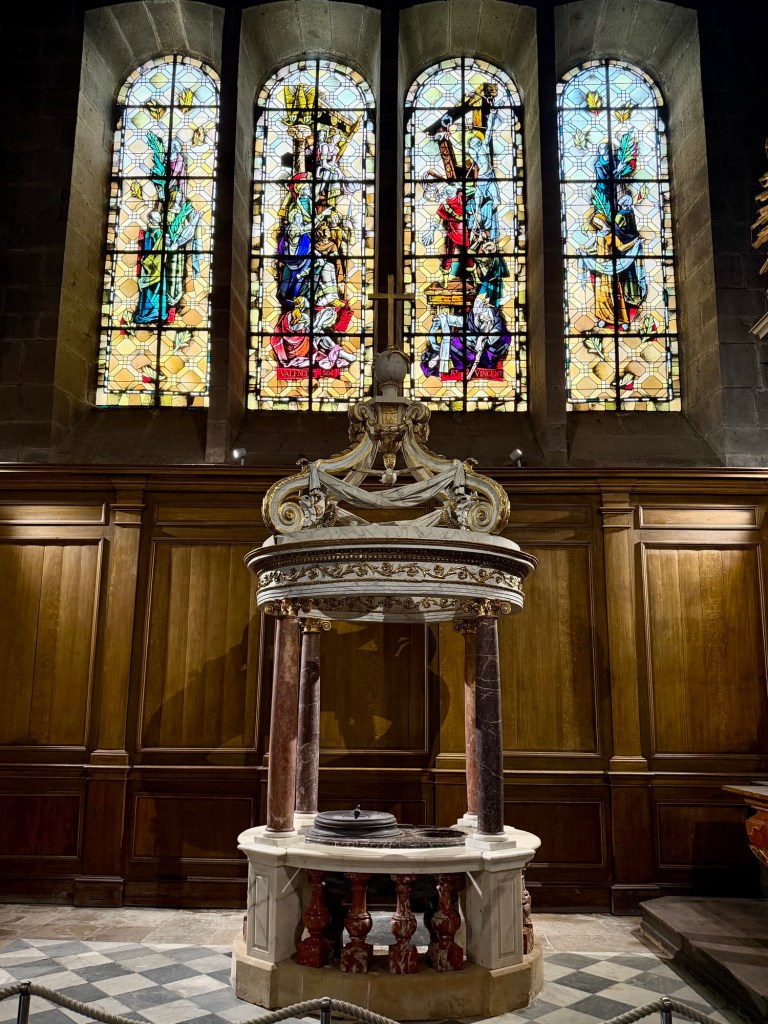
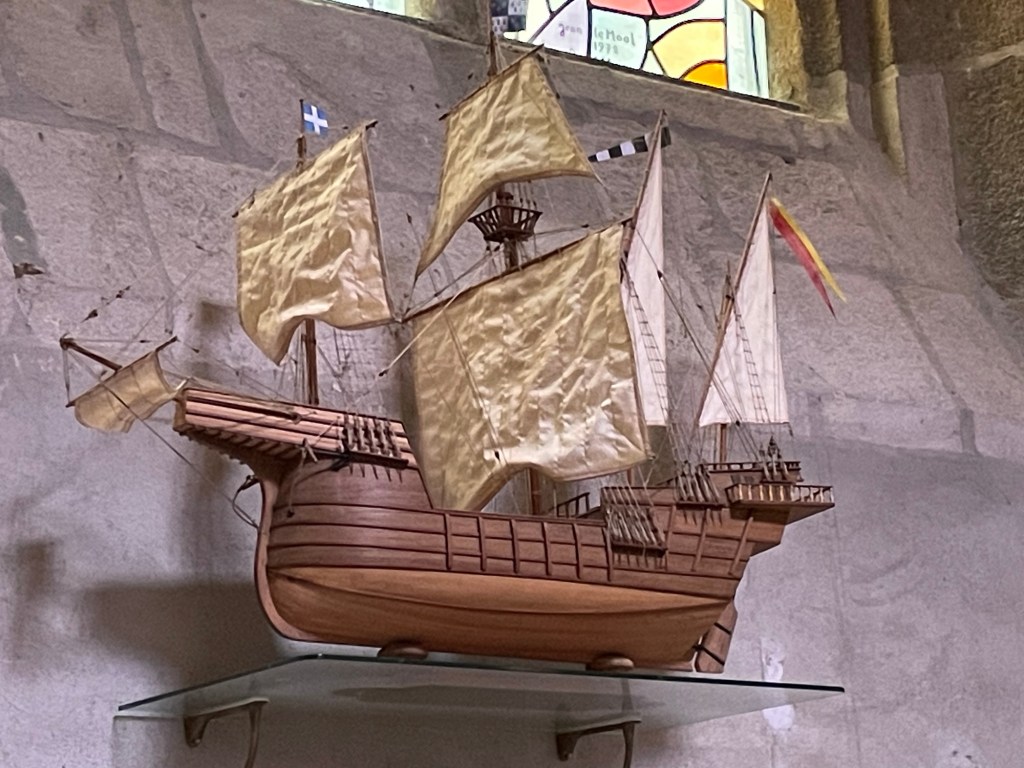
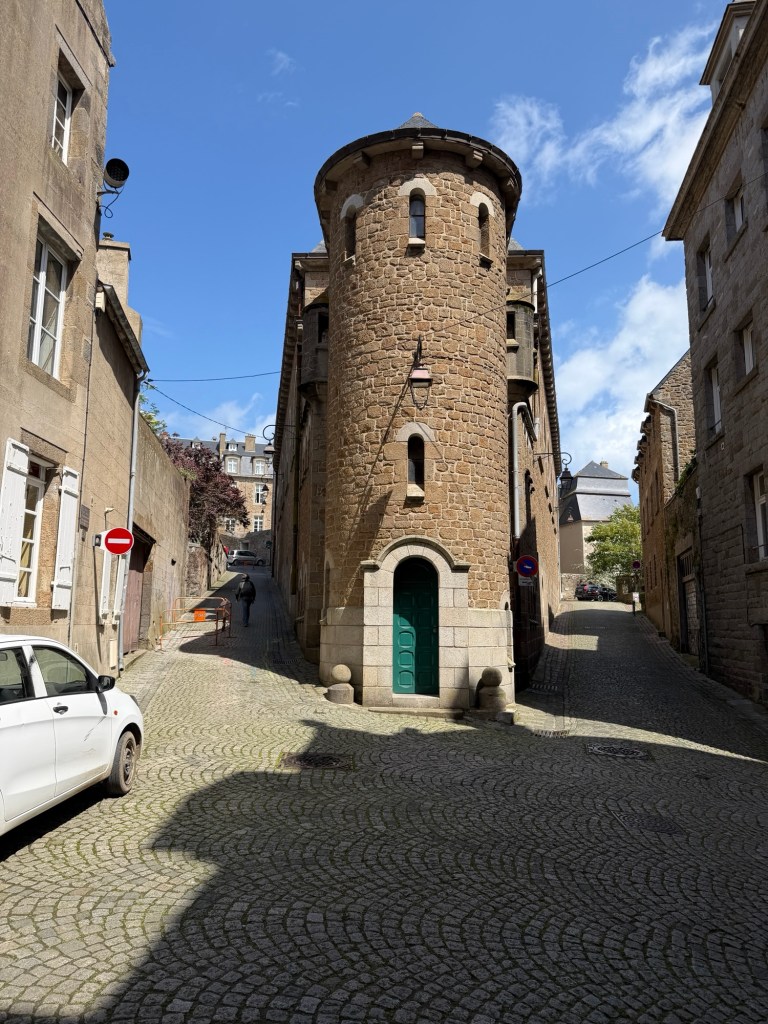
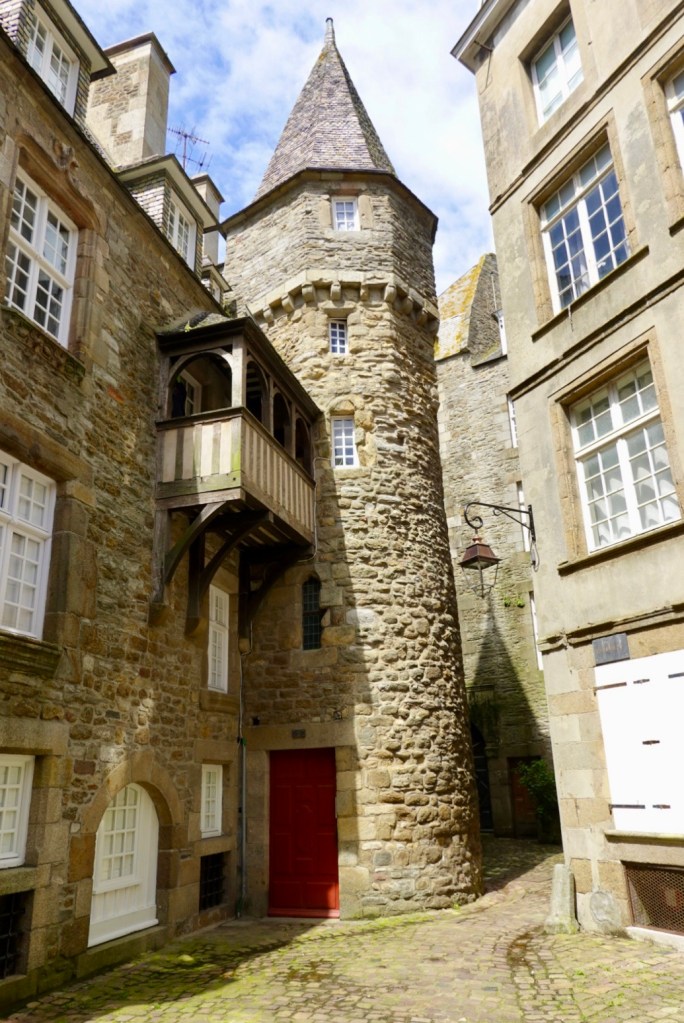
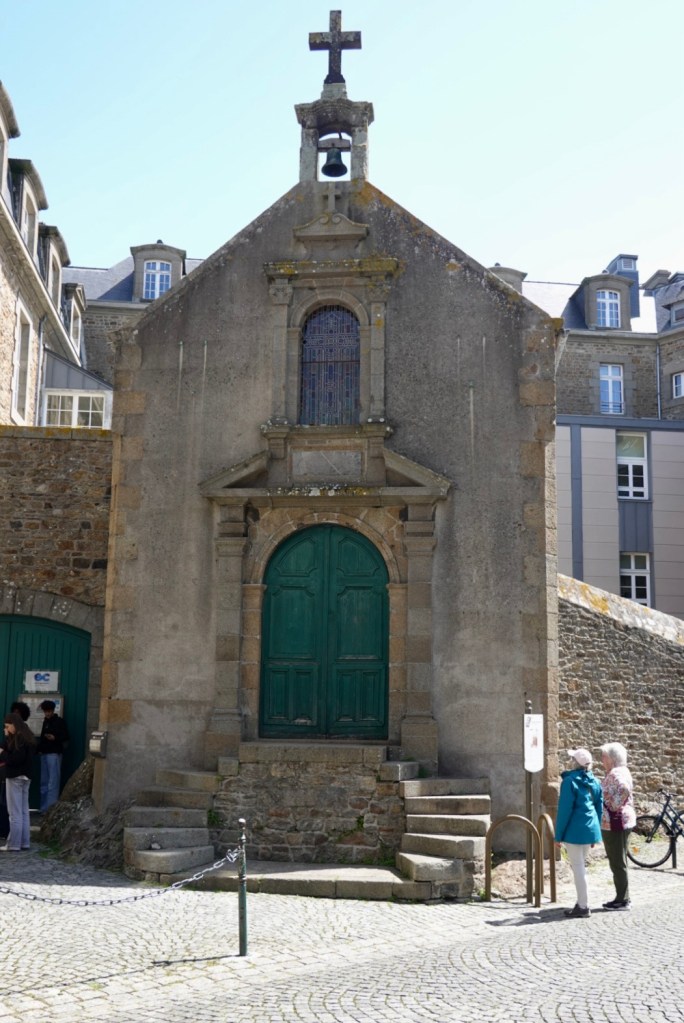
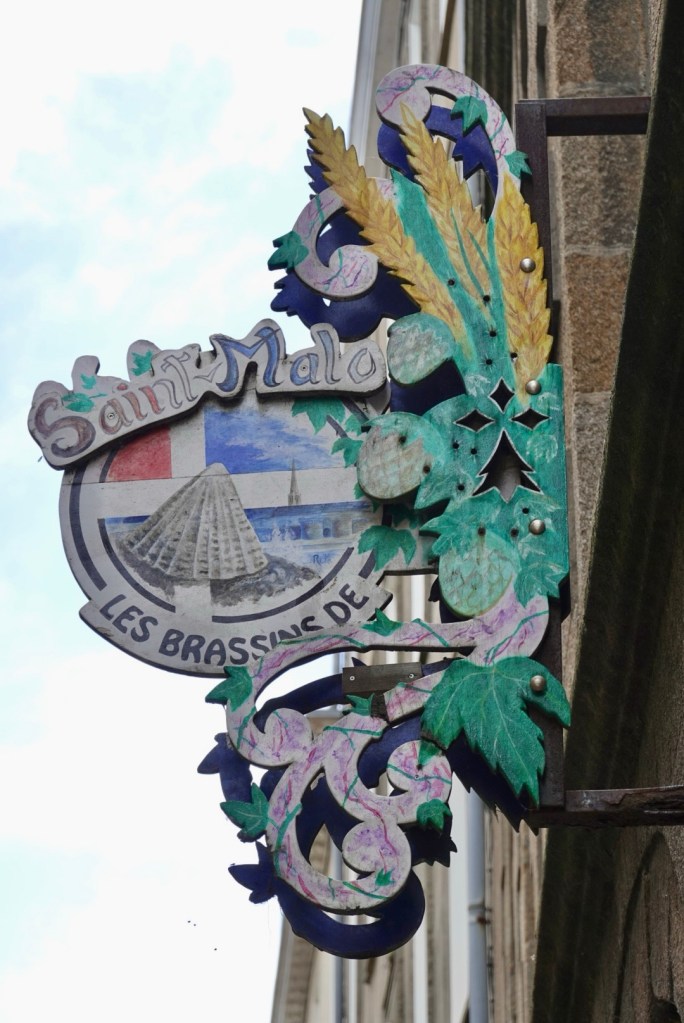
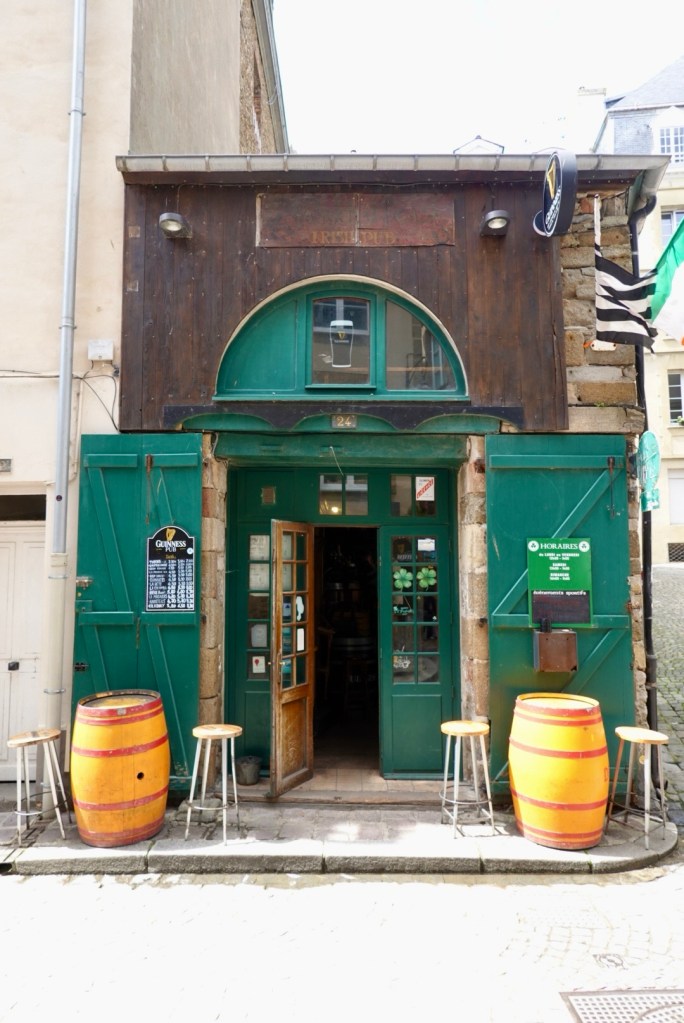
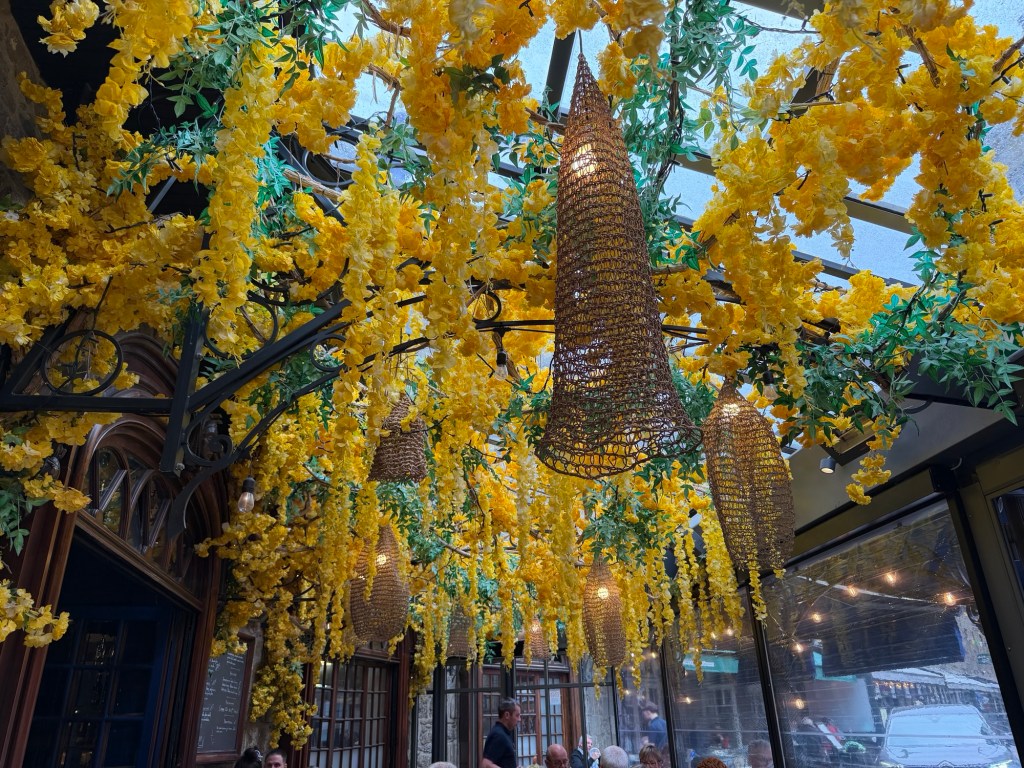
A gull looking to dump on Clare; ramparts and rowers; lots of boats in the harbor, including one serving as a bar.St. Vincent CathedralTh altar’s unusual artworkPipe organPainting, after Jesus died? Only 11 apostles and Mary. Fancy holy water!Another ship in a church. Fishermen must feel a need for prayers.Towers and lanterns; Joëlle and Clare looking at closed church at the highest point in the city.Bars, including an Irish pubPlastic flowers hung over our lunch table.
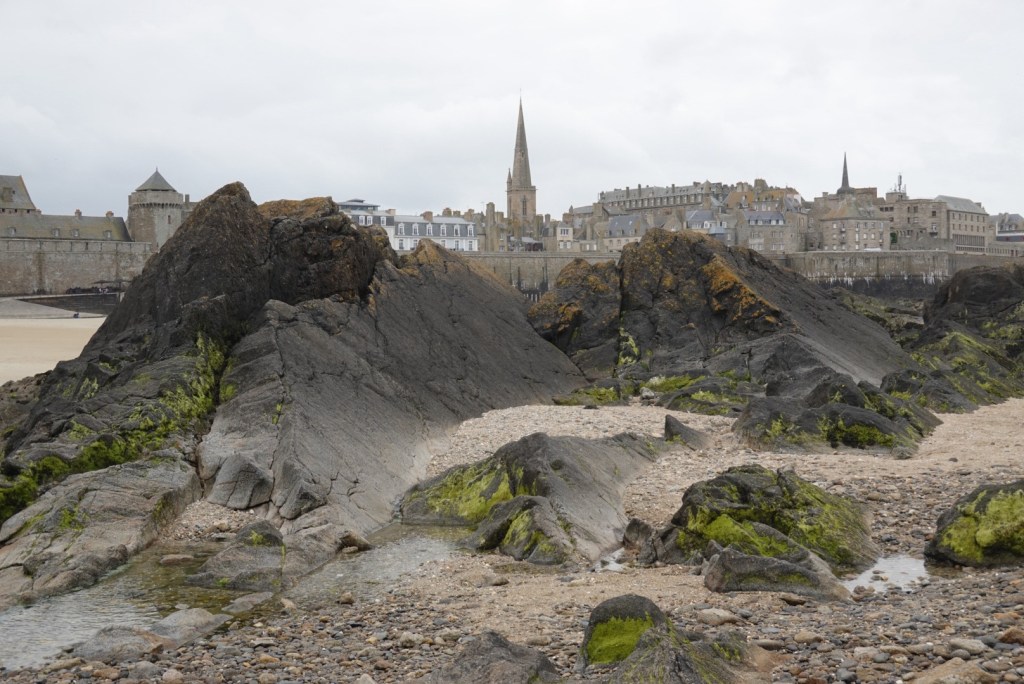
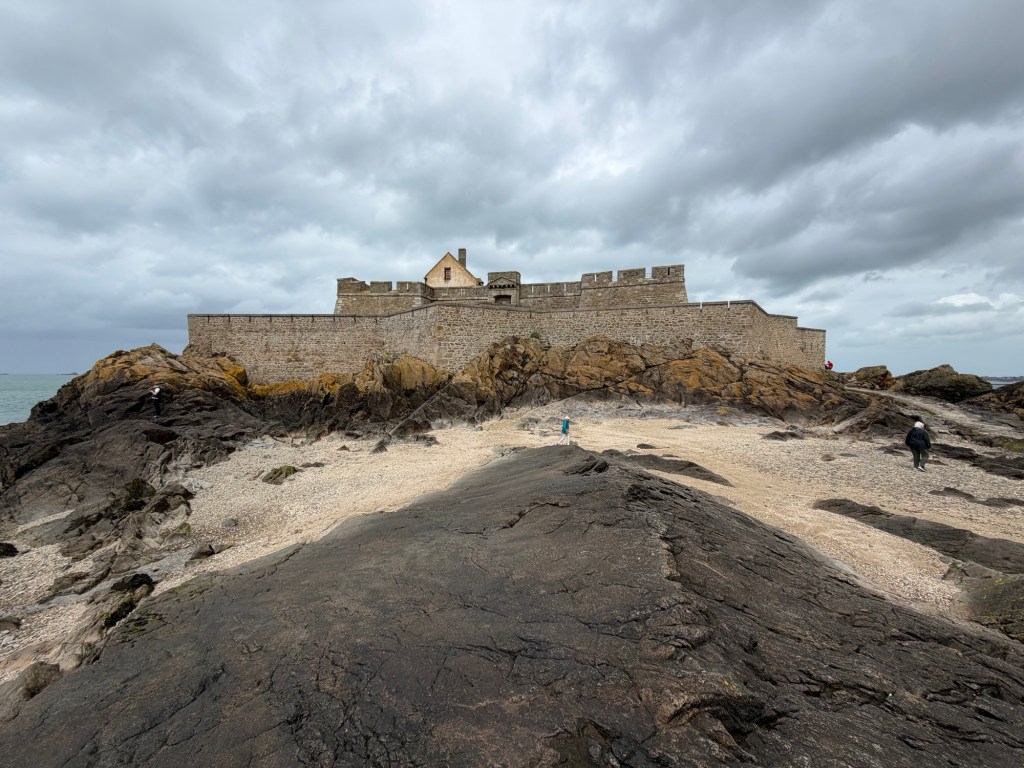
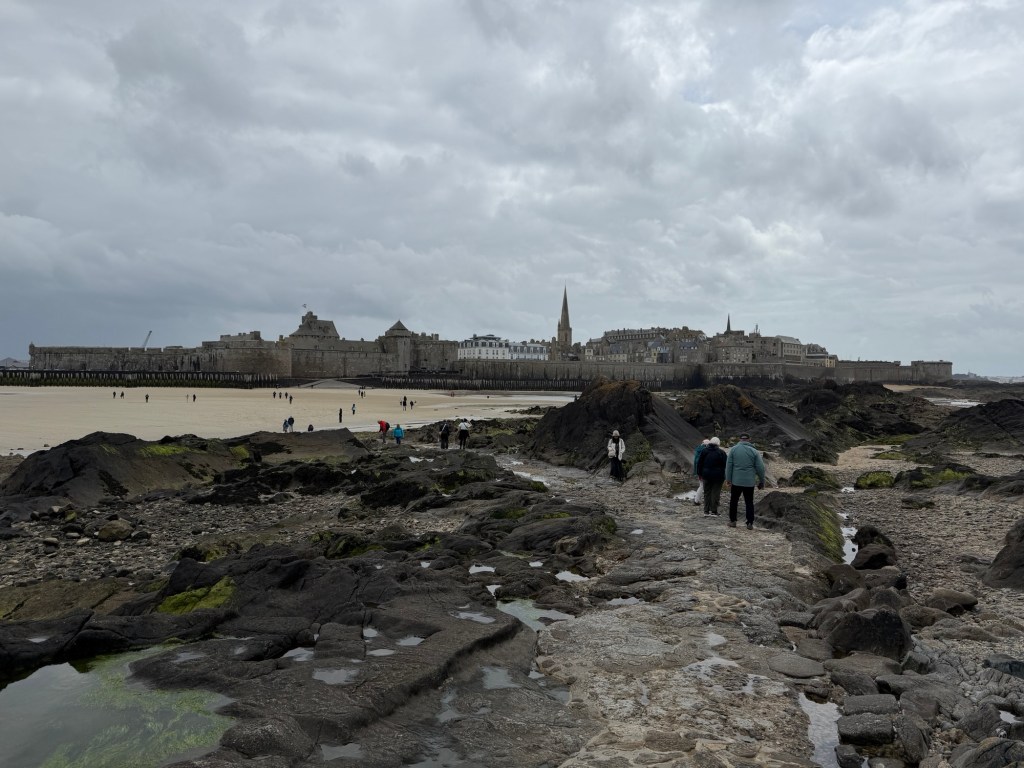
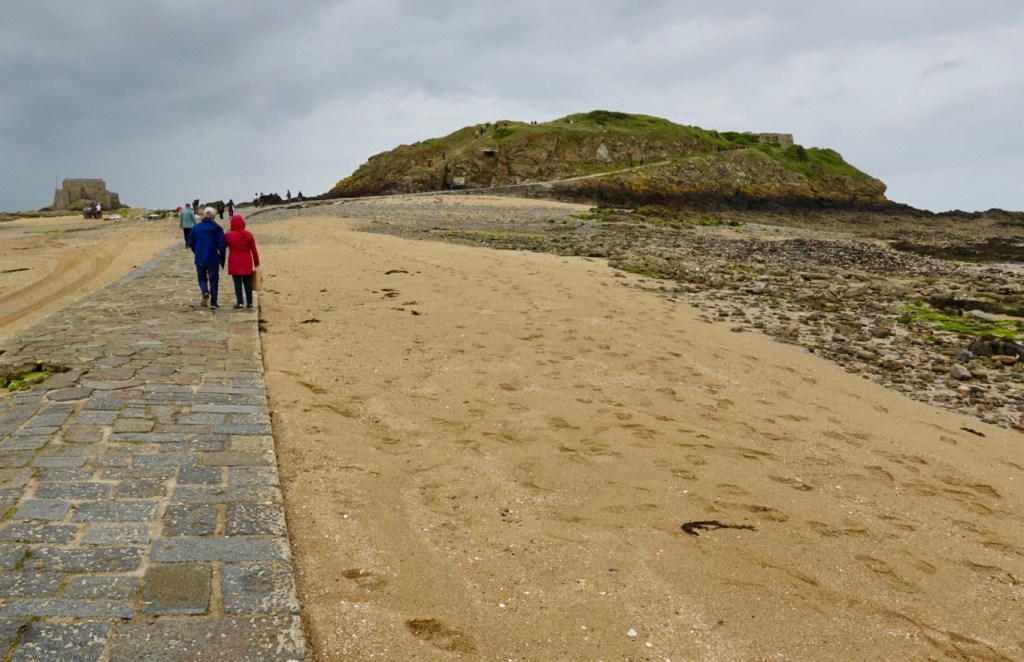
After lunch, we walked out to the rocks that were no longer islands!
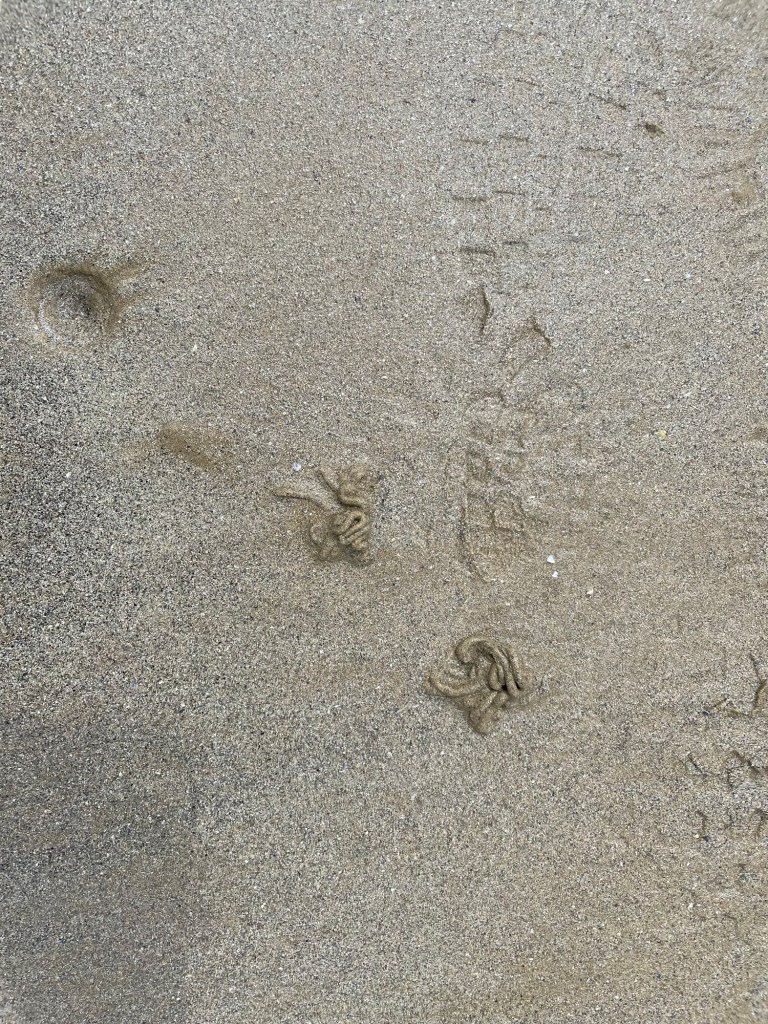
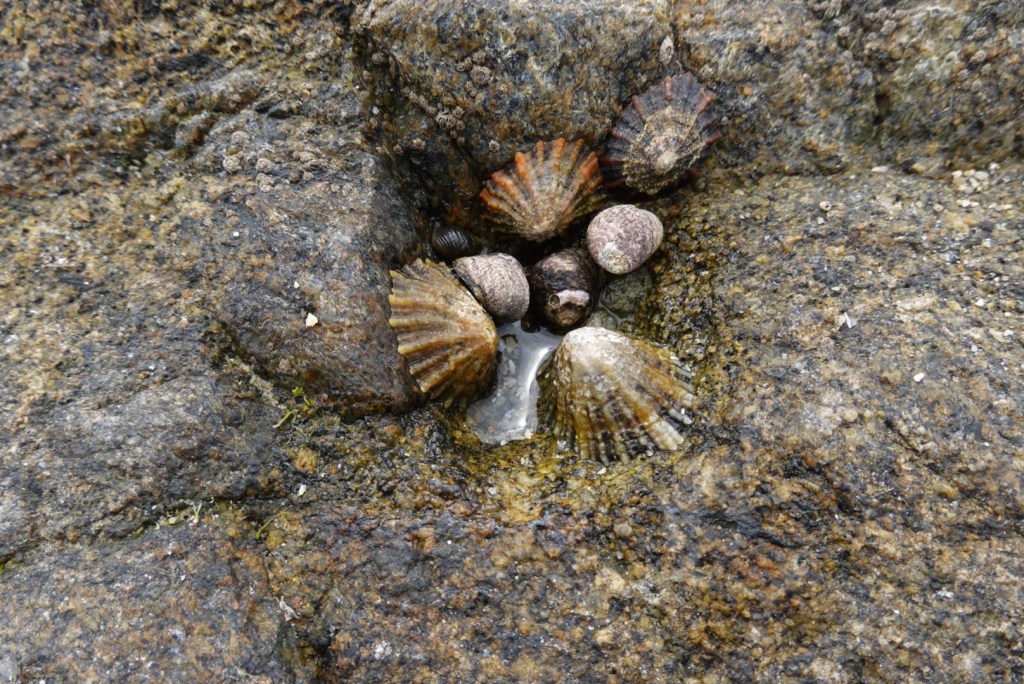
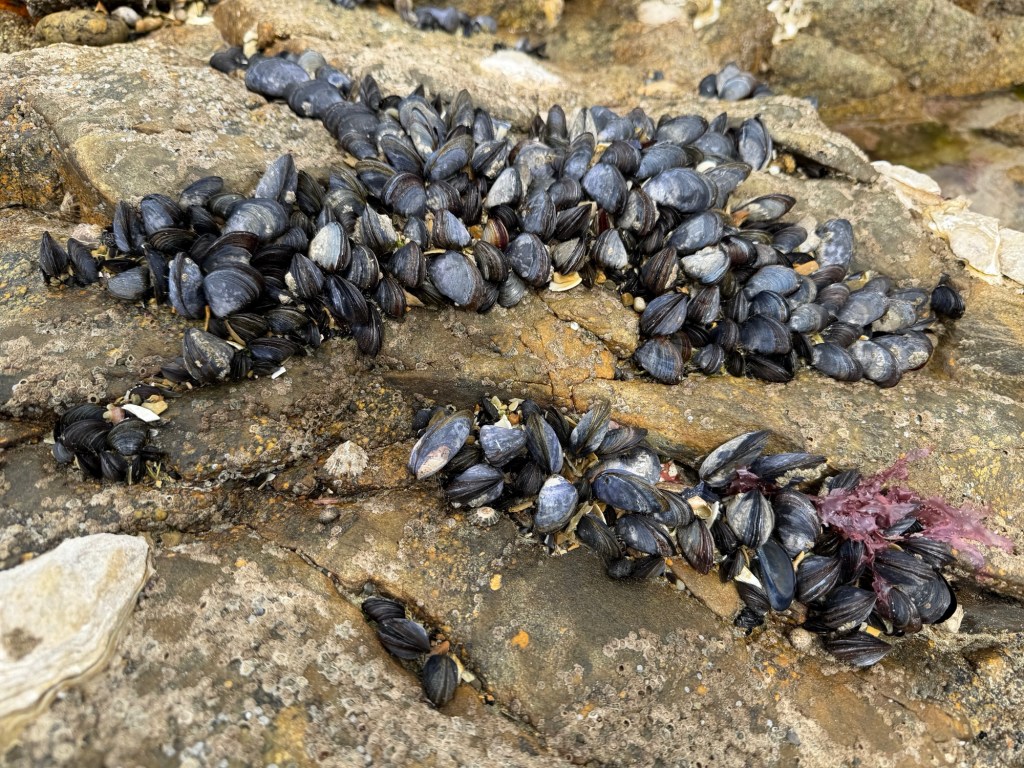
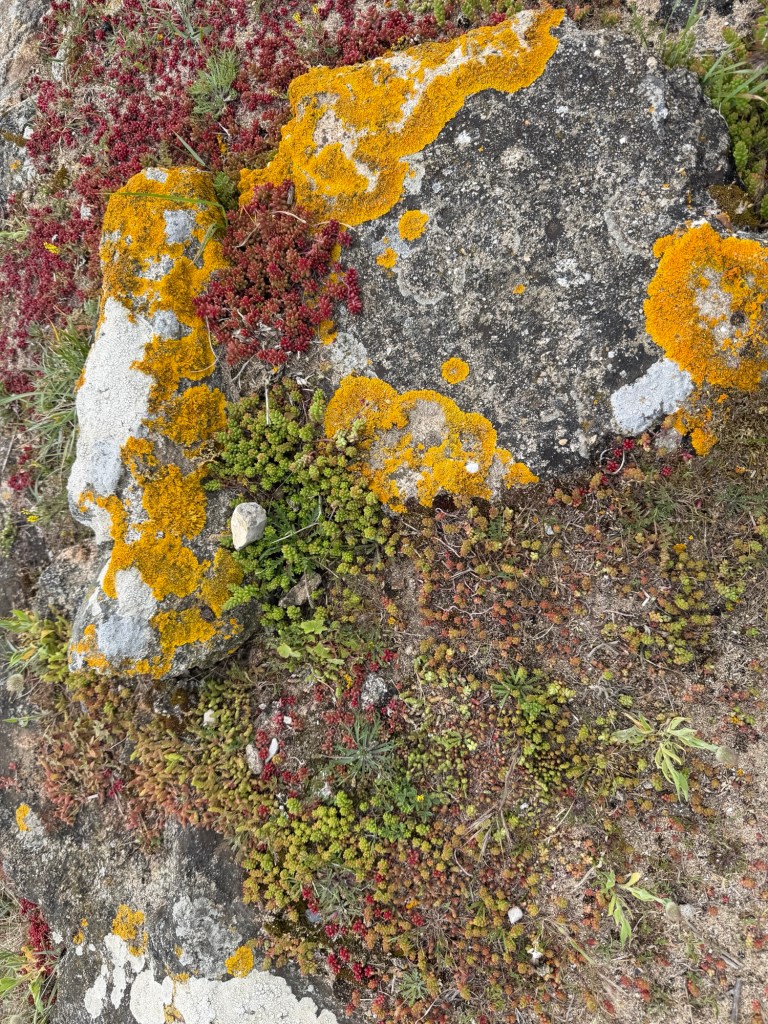
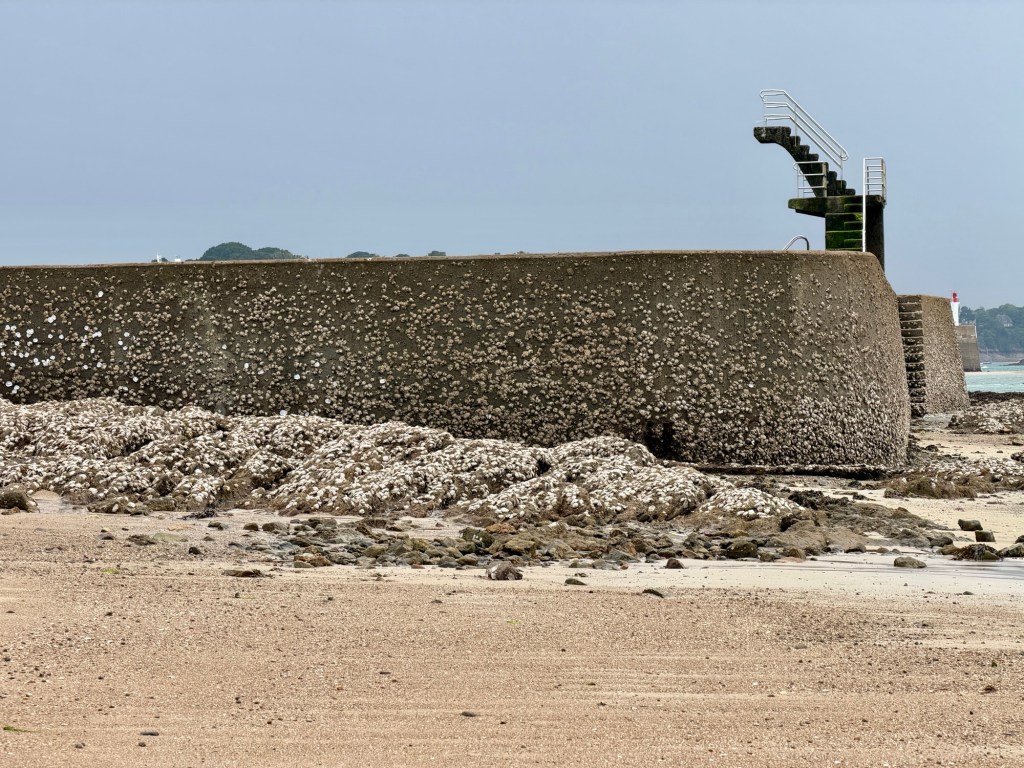
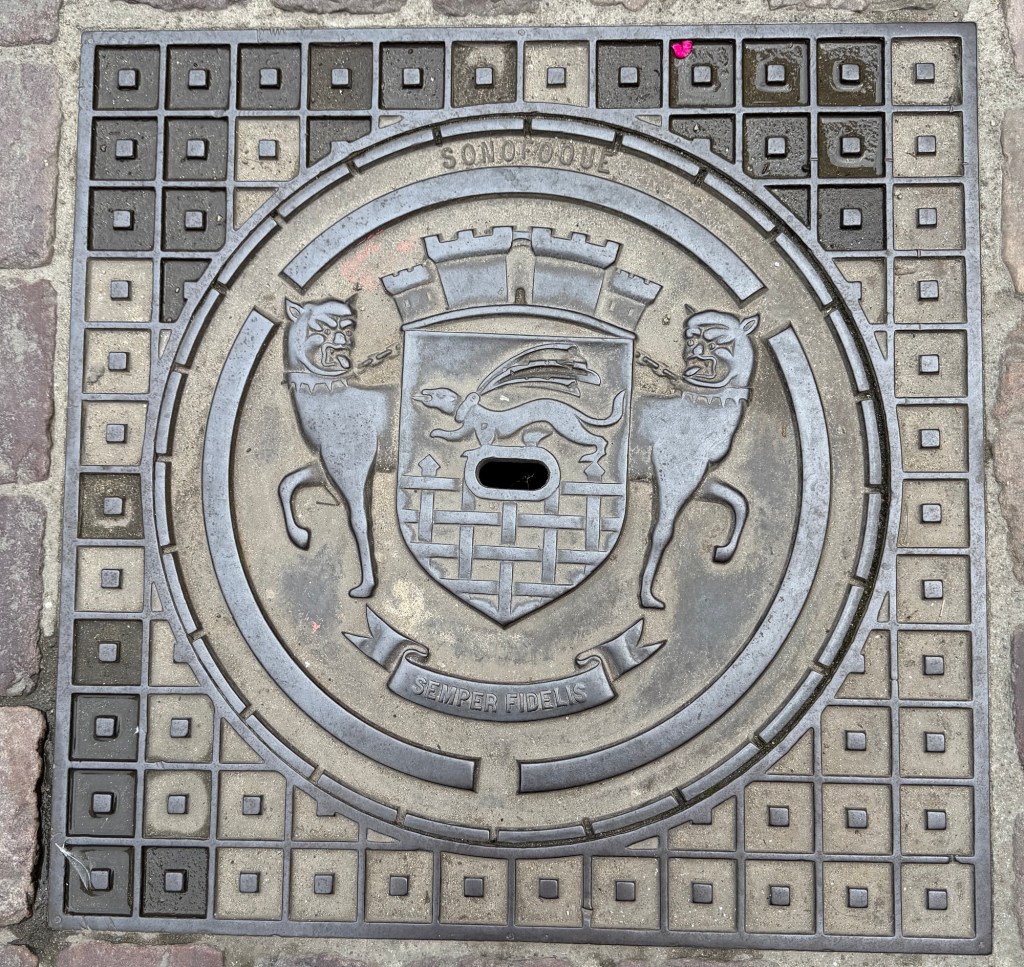
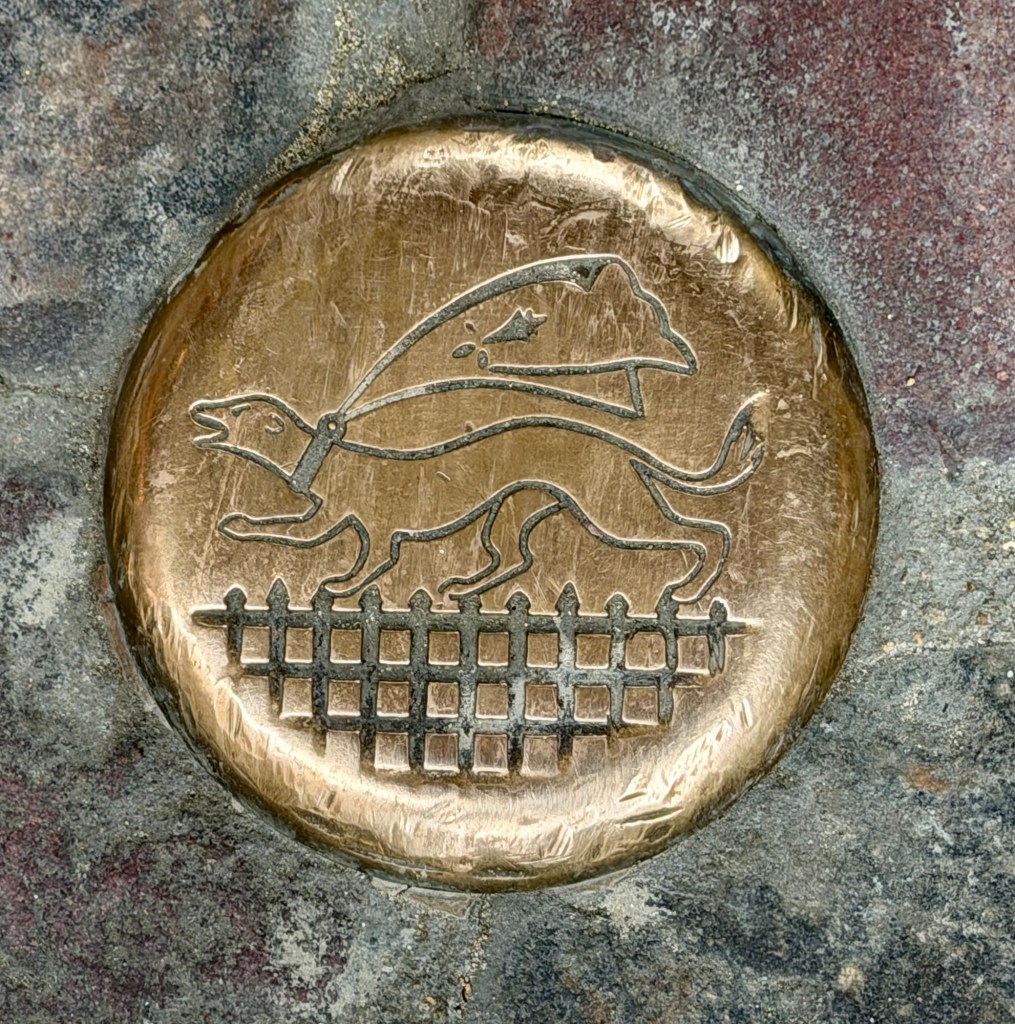
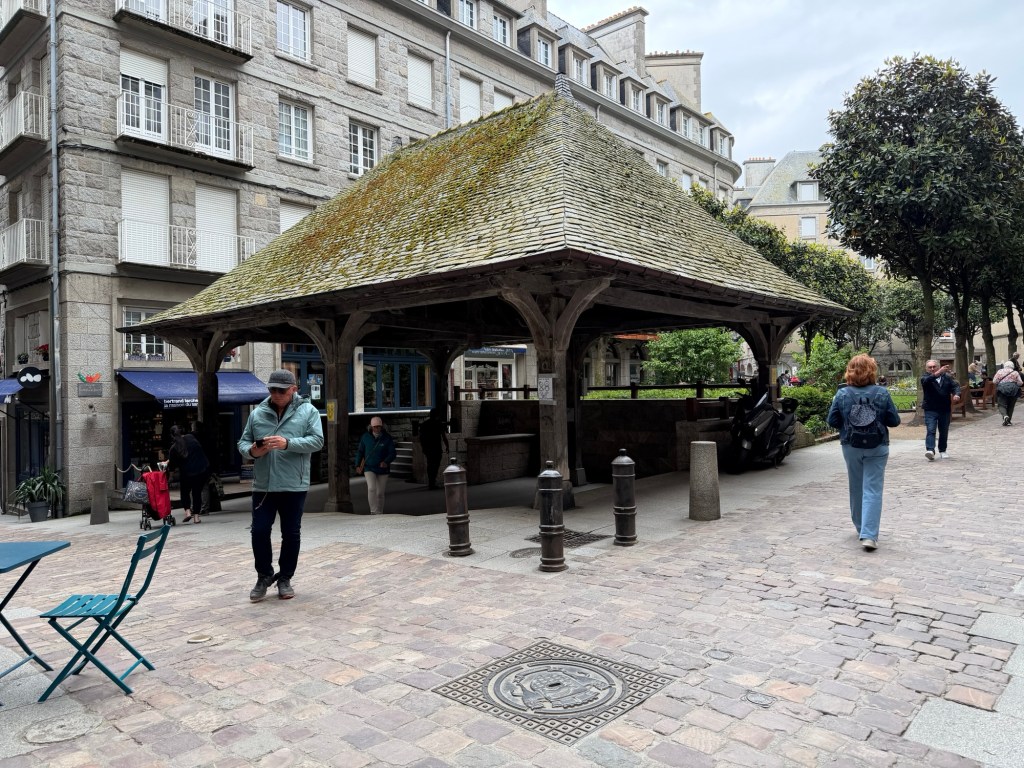
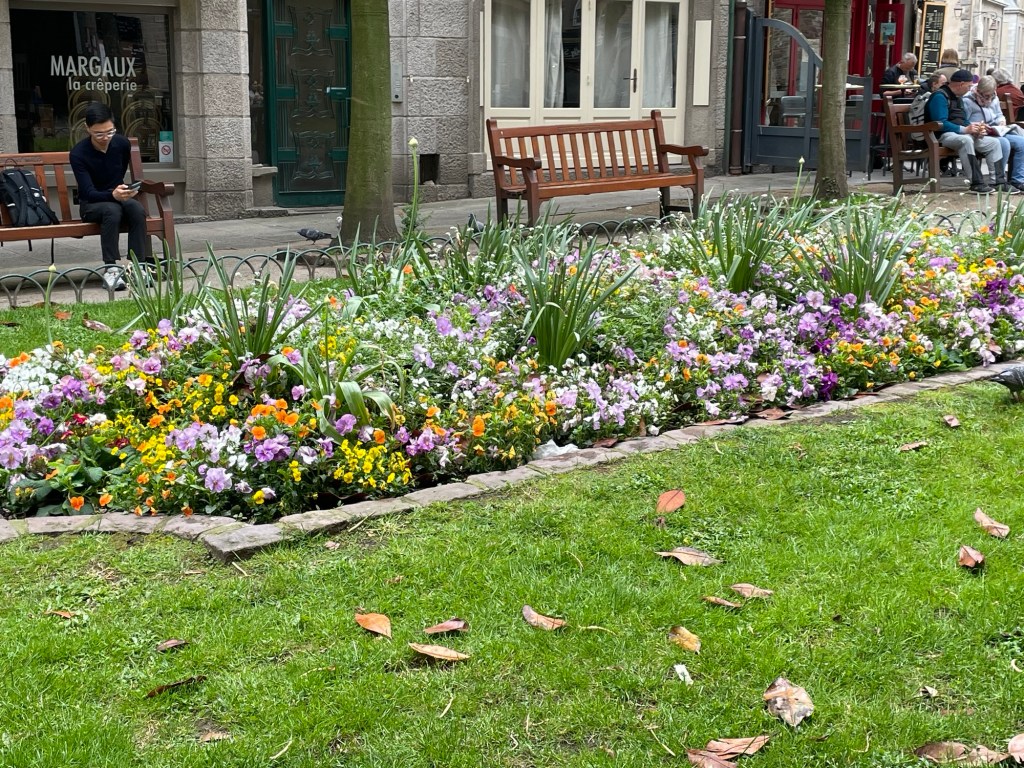
Bedrock, sand and a view of the walled cityDeposits made by sand worms.Cluster of shellsMusselsOn the walk to the cross marking Chateaubriand’s graveAh! An explanation of the diving board. This beach-side swimming pool is exposed at low tide, as well as the wood pilings.Manhole cover and tour marker, unusual wood building (Marc looking for a geocache), and pretty flower beds.
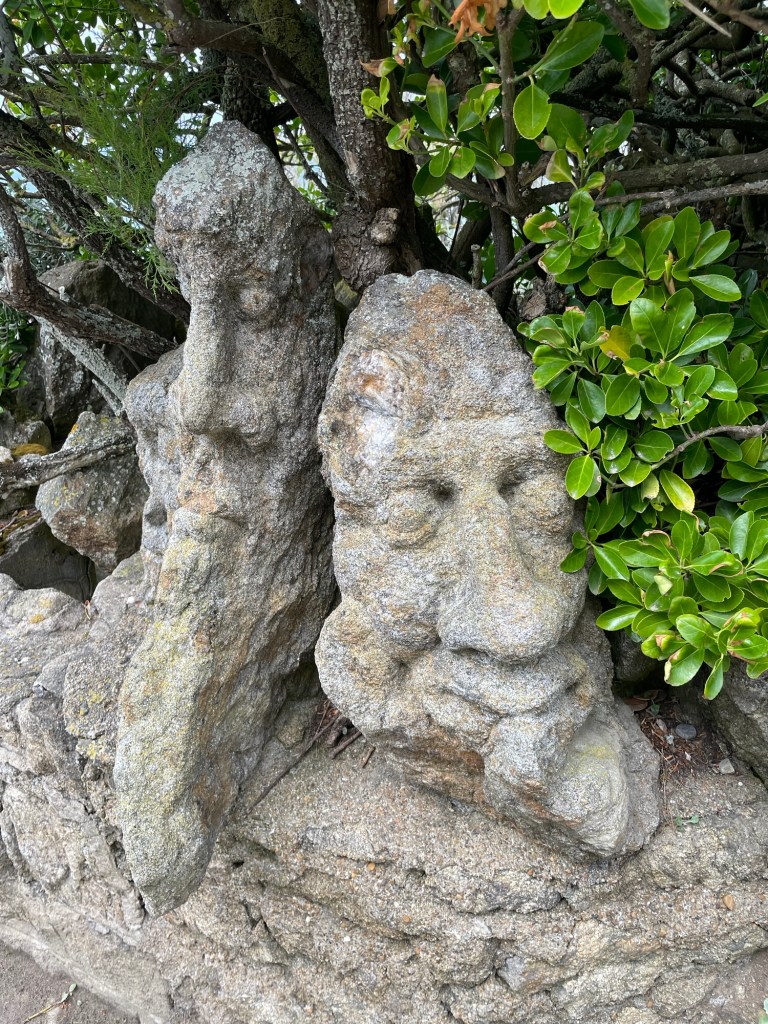
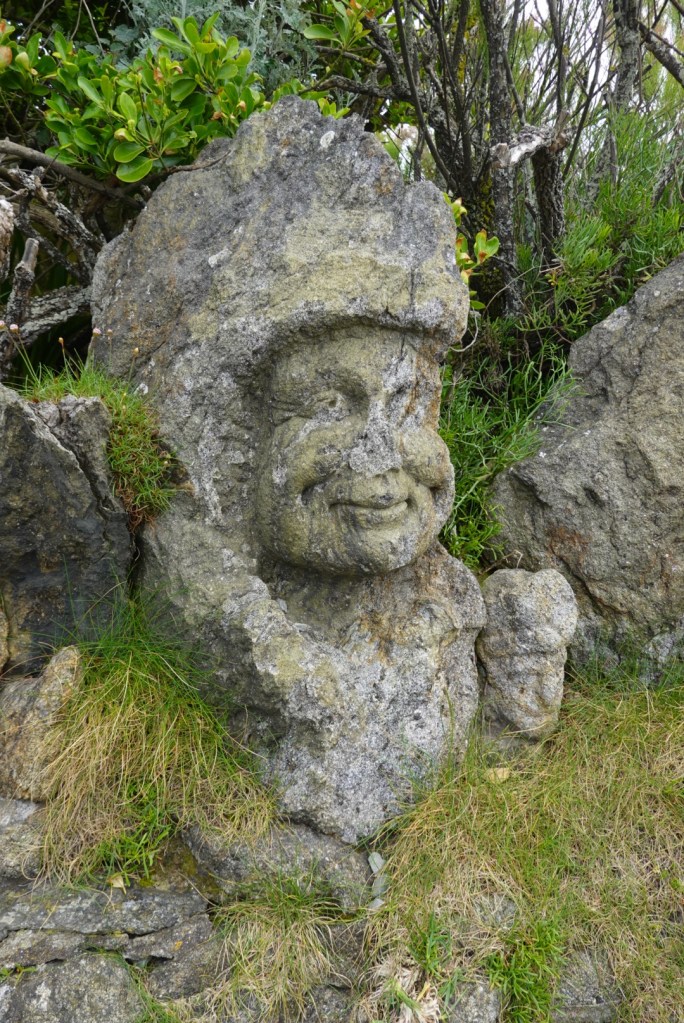
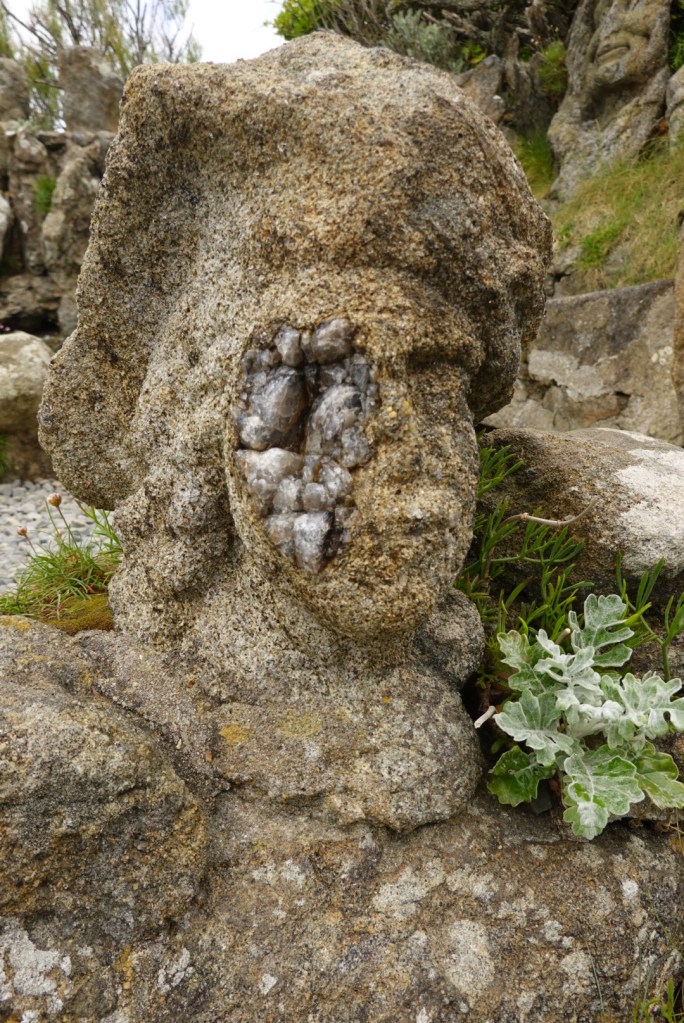
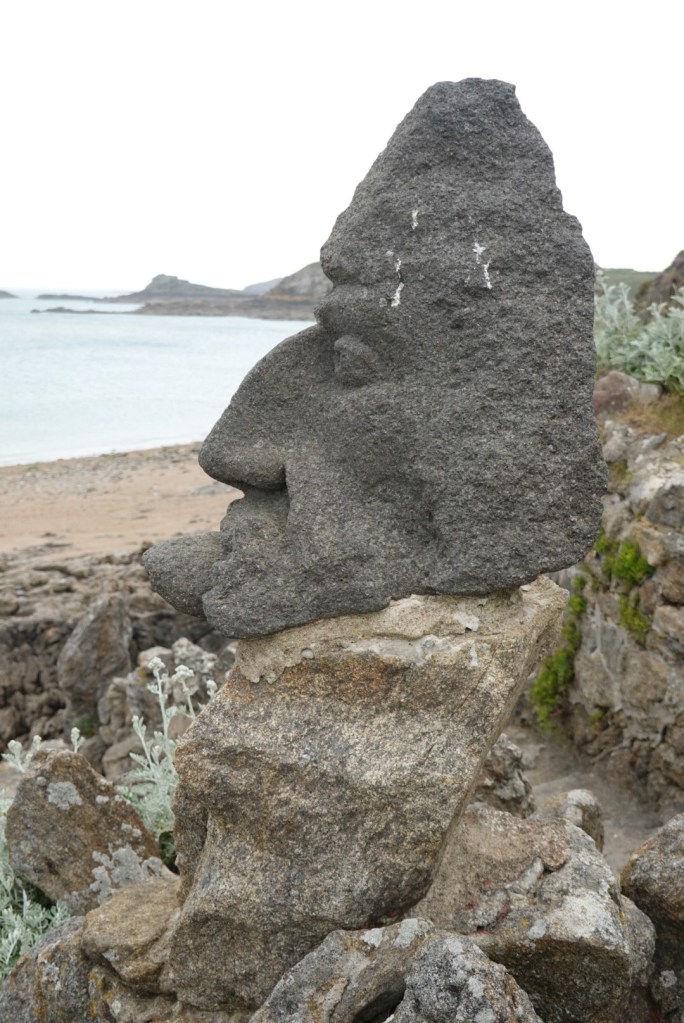
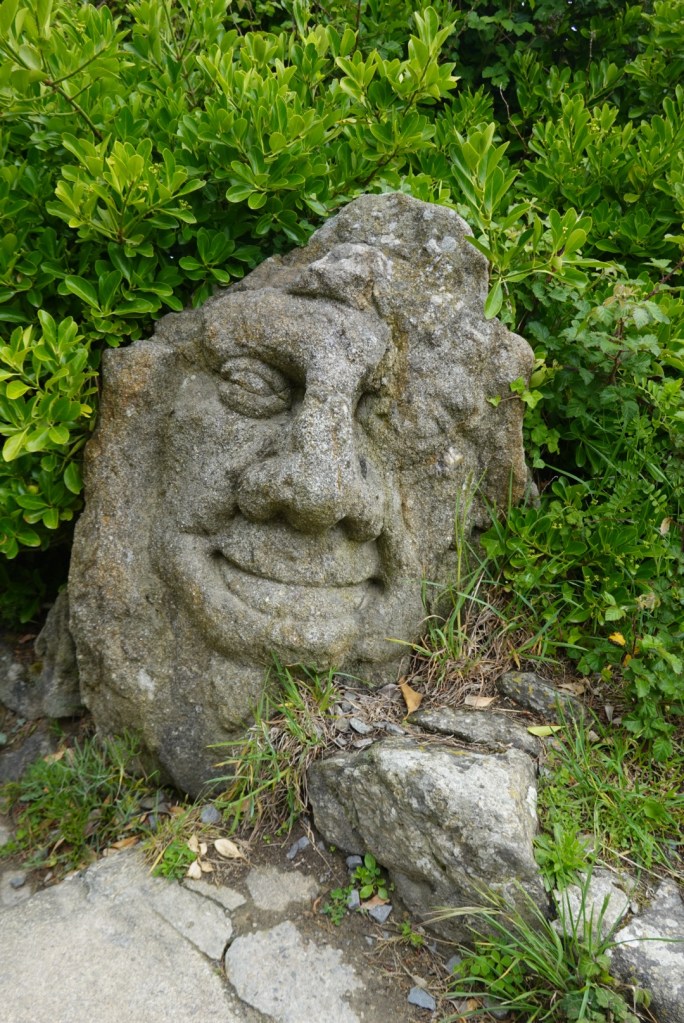
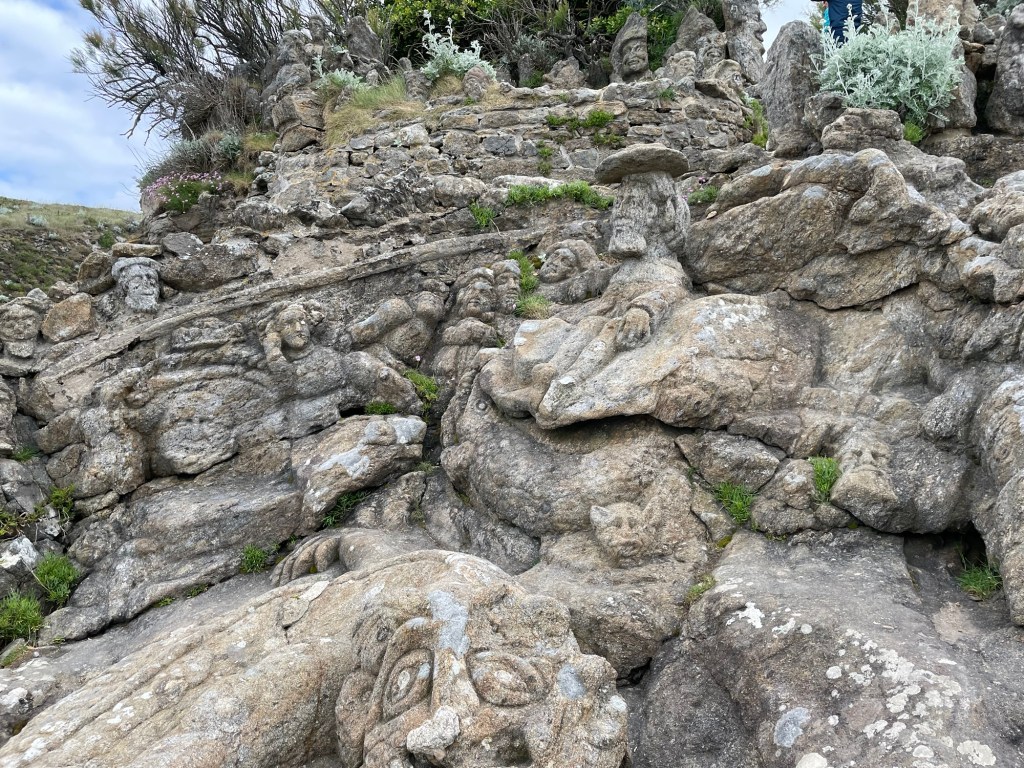
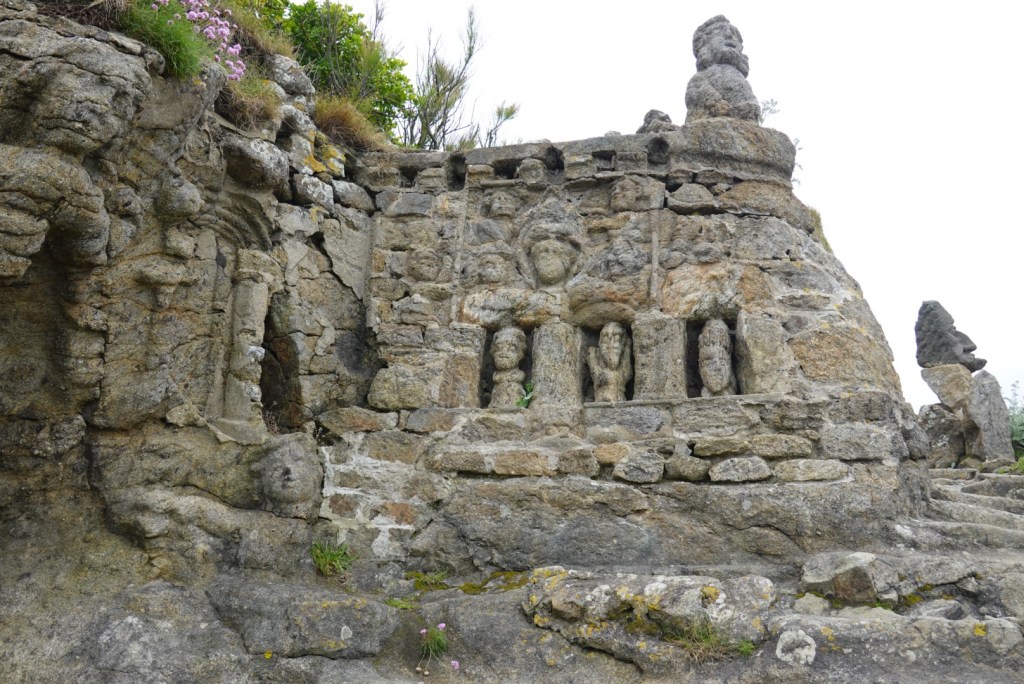
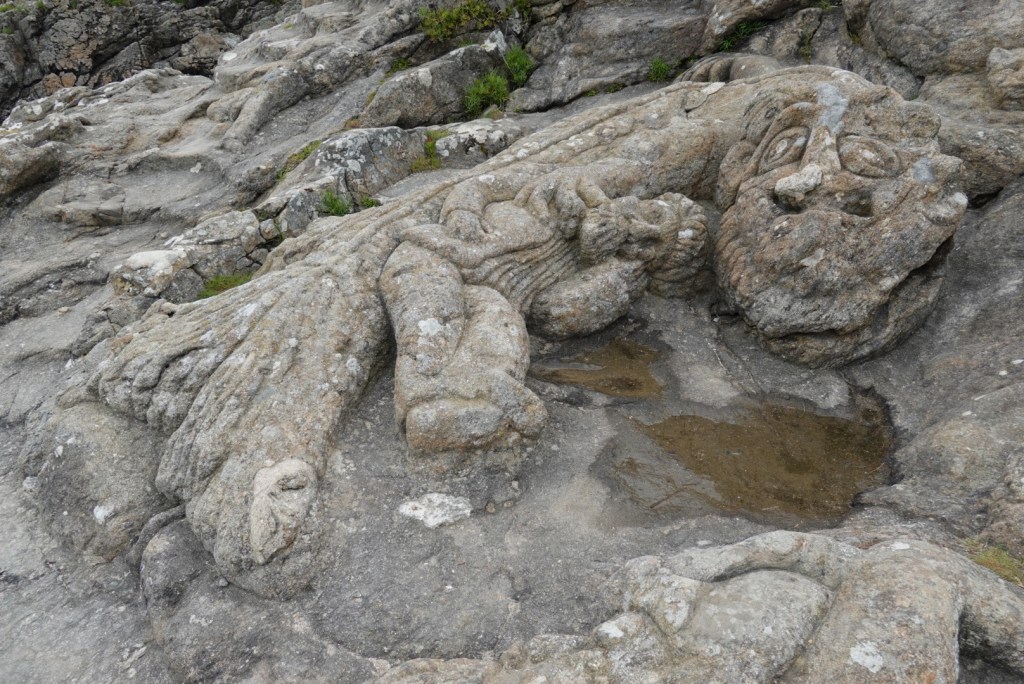
Later, a few kilometers away, we found an obscure outdoor museum, Rock Sculptures of Abbe Foure, filled with statues carved out of the bedrock near the shoreline. The artist, Foure, had a paralyzing stroke at age 30, then retreated to this area, the Cliffs of Rotheneuf, to make his statues.
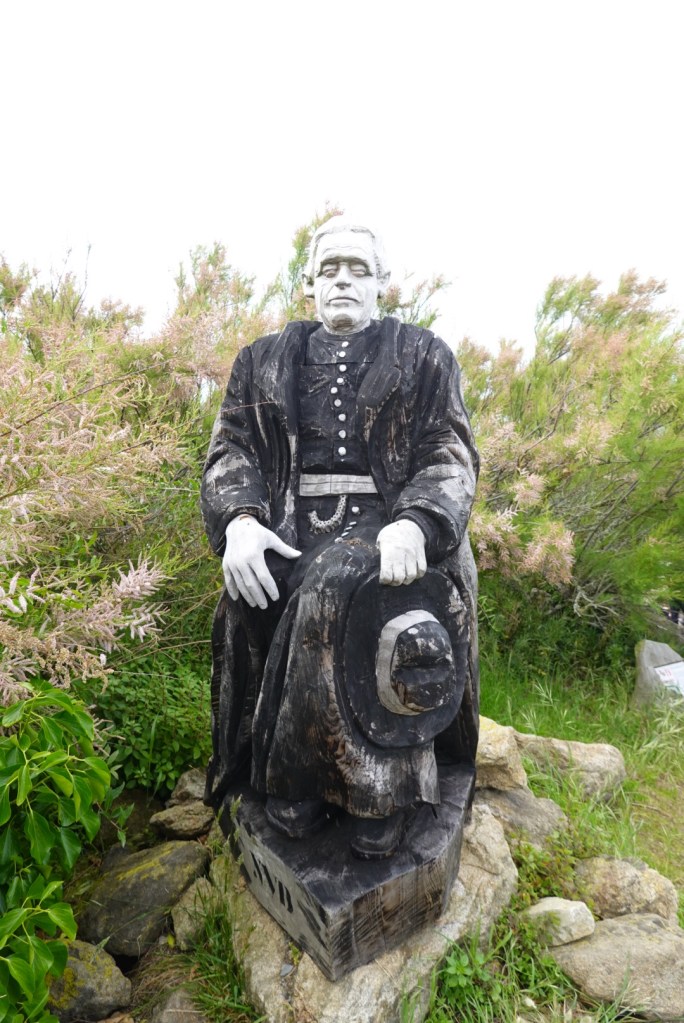
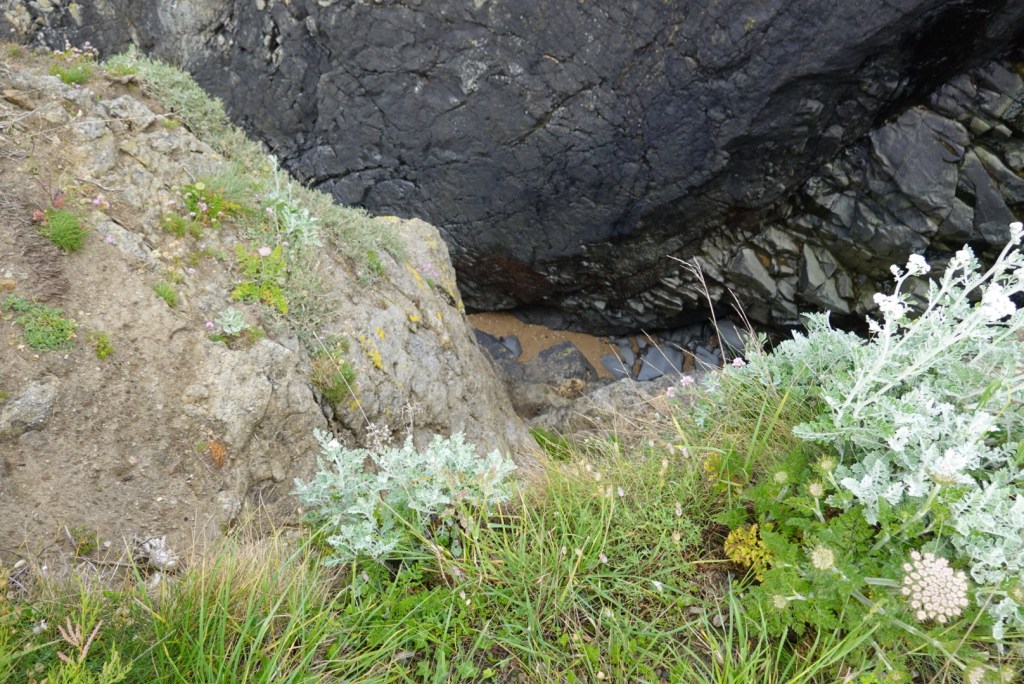
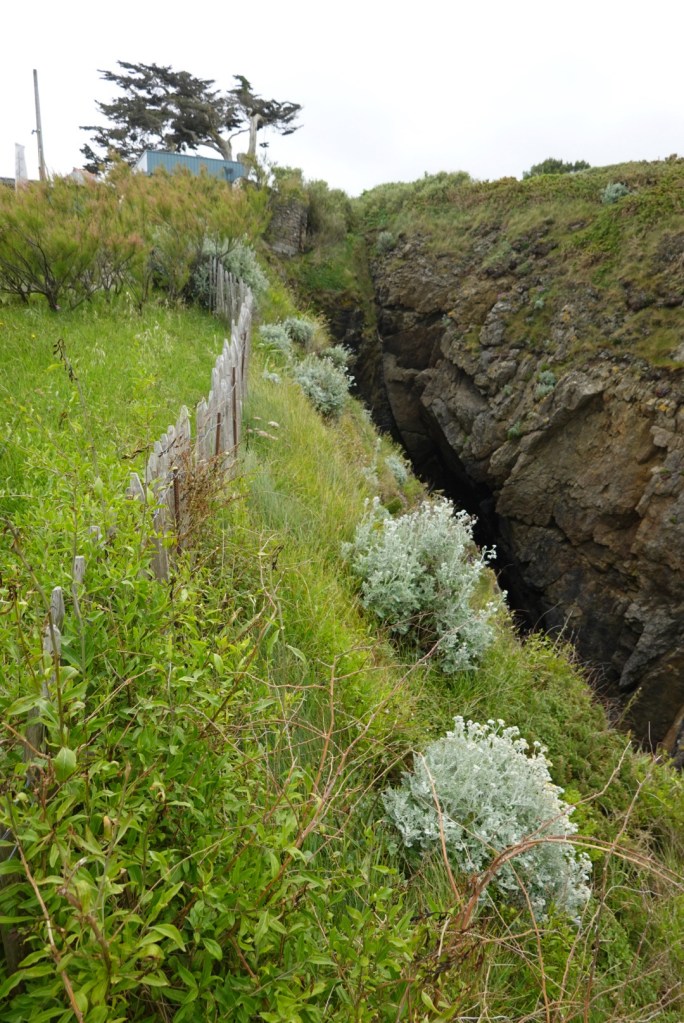
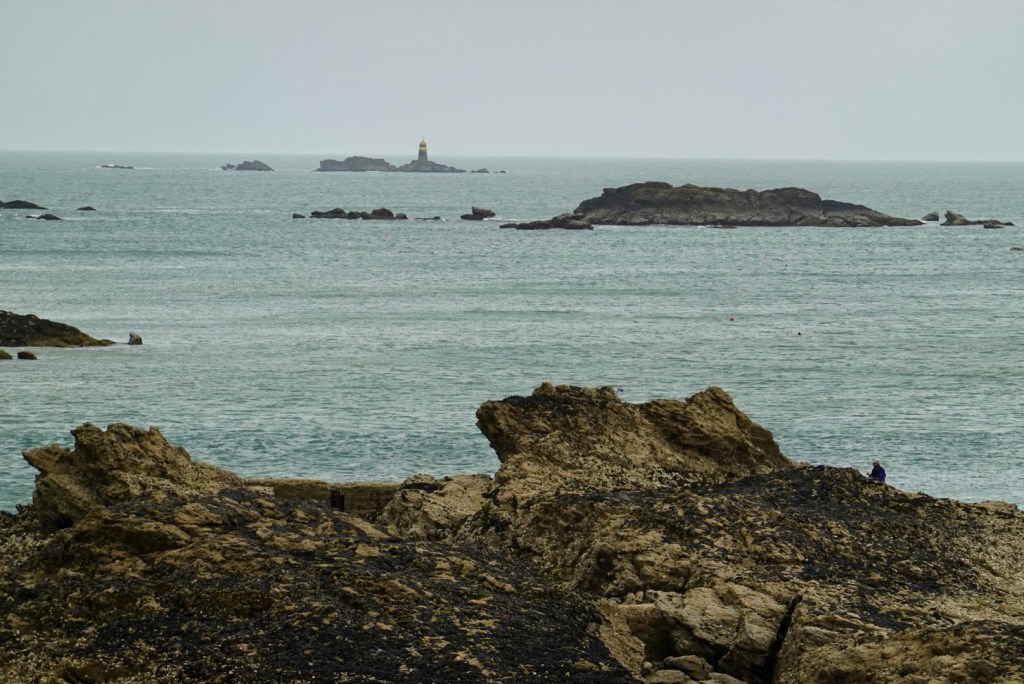
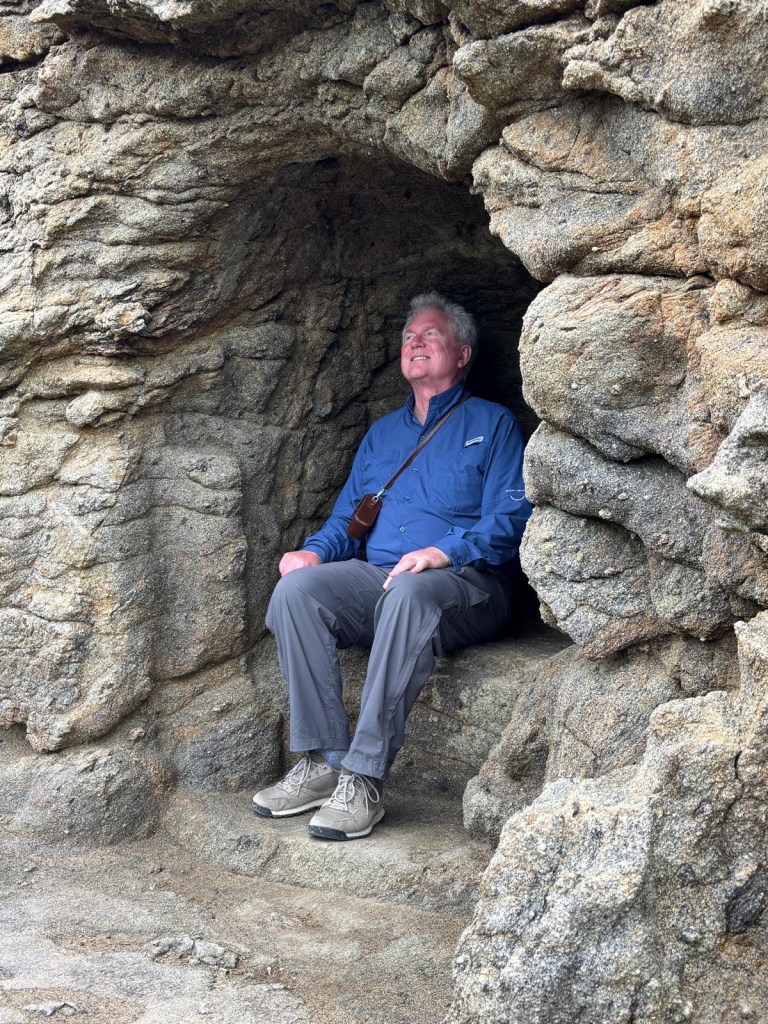
Wooden sculpture of the artistCanyon on one side Canyon on other side View from the Rock sculpture areaOver 300 carvings depict images from old tales of pirates, or the Rotheneuf family, the land owners. Many sculptures and Brian contemplating the sea from an alcove where a sculpture may have stood in the past.Foure began carving the statues in 1870, investing 25 years of his life as a hermit artist.
 Bunch of Geeks go Traveling